If you suffer from insomnia or even just have occassional bouts of being unable to sleep, you’ve likely tried every trick in the book.
From sleepy girl mocktails to magnesium supplements, sometimes the sleep just isn’t coming and you’re left wide awake in bed counting down how many hours of sleep you’d get if you fell asleep riiight… now.
Advertisement
It’s unbearable and knowing the health impacts of losing sleep such as mental health problems and even diabetes doesn’t do much to make you feel more rested.
However, according to one NHS surgeon, there is something we don’t do enough and it actually works as a ‘biological power off button’.
How to fall asleep faster, according to a health expert
Dr Karan Rajan, an NHS surgeon, social media creator and all-round health expert revealed that there is a sort of ‘Spotify shuffle’ we can do to help ourselves doze off faster.
In a recent Instagram reel he said: “If you’re struggling to fall asleep, this is the biological equivalent of holding down the power button.
Advertisement
“When you’re in bed, it’s easy to get into repetitive, disrupting thought patterns. This can trigger a stress response which keeps you awake, the more you’re awake, the more unwanted thought patterns you get, meaning less sleep.”
However, he revealed that a sleep hack named ‘cognitive shuffling’ can break this cycle by taking away your active cognitive effort (overthinking.)
Dr Rajan said: It’s the human brain version of pressing shuffle on your mind Spotify playlist.”
How to do cognitive shuffling
First, choose a word. The word that Dr Rajan chose was aptly “bedtime”.
From there, for each letter of that word, think of another word starting with that letter and visualise it.
So, for example, for the letter ‘B’, you could choose words like bear, brace, bones, bench.
Keep doing that until you’re out of words or bored and then move on to the next letter.
Dr Rajan urges that you visualise these words too as it simulates micro-dreams.
He said: “This trick helps to calm racing thoughts, so if your sleep software is malfunctioning, it’s worth giving it a go.”
It’s summer in the UK which can only mean one thing for music lovers: it’s festival season.
Festivals are famously great for getting together with friends for the weekend, enjoying live music and partying until the early hours. What they’re definitely not famous for is being an ideal spot for getting some restful sleep.
However, according to sleep expert Edward Gorst from Panda London, getting a good sleep at a festival is not only possible but essential.
Advertisement
10 steps to ensuring you sleep well at a festival
Choose the right camping spot for quiet
If possible, choose a camping spot in a quieter area away from stages, walkways and communal spots where noise levels tend to be higher.
Invest in quality camping gear
While festivals aren’t exactly wild camping, having the best camping gear will make a huge difference to your festival sleeping experience.
Gorst said: “A comfortable sleeping bag suited to the weather conditions, along with a good sleeping mat or air mattress, can greatly enhance your sleeping experience.
“These items offer better support and insulation from the cold ground, ensuring you remain warm and comfortable throughout the night.”
Advertisement
Invest in earplugs and an eye mask
Festivals are lively and often run late into the night, and even if you party into the night, chances are the bright lights and chatter will still keep you up when you’re ready to hit the hay.
Gorst said: “Earplugs can help muffle the sounds of music and chatter, while an eye mask will block out ambient light, creating a dark and quiet environment conducive to sleep.”
Establish a bedtime routine (yes, even at a festival!)
Even at a festival, having a routine can signal to your body that it’s time to wind down.
This could include reading a book, listening to calming music, or practising relaxation techniques such as deep breathing exercises. A consistent routine can make it easier to fall asleep in an unfamiliar and potentially noisy environment.
Be mindful of stimulants
While this may sound counterintuitive to going to a festival, limiting the alcohol you consume close to your bedtime can help you get a good night’s rest. Additionally, cut off caffeine before the evening so that your body can wind down effectively.
Stay hydrated as much as possible
Drink plenty of water throughout the day to stay hydrated, but try to reduce fluid intake in the hour or so before bed. This will help minimise nighttime trips to the loo, which can disrupt your sleep.
Advertisement
Wear comfortable clothing to sleep
Opt for comfortable, breathable clothing for sleeping. Layers are ideal, as they allow you to adjust your temperature throughout the night. Being too hot or too cold can interfere with your ability to fall and stay asleep.
Create a comfortable sleep environment
Personalise your tent to make it as comfortable as possible. Bring a small pillow from home, use a soft blanket, and consider using a camping pillow for added neck support. Familiar and comfortable items can help you feel more at ease.
A little bit of home right there in your tent!
Practise good sleep hygiene
Try to go to bed and wake up at consistent times, even at a festival. This helps regulate your body’s internal clock and can improve the quality of your sleep. Avoid screen time before bed as the blue light emitted from devices can interfere with your natural sleep cycle.
Take naps if needed
If you find it difficult to get a full night’s sleep, short naps during the day can help. Even a 20-30 minute nap can refresh you and make up for lost nighttime sleep. Find a quiet spot, use your earplugs and eye mask, and take a quick rest to recharge.
Still struggling? You could be unknowingly consuming something that’s to blame. According to sleep doctors, there are more foods and drinks that can mess with sleep than people realise. Rounded up here are seven foods and drinks that sleep doctors recommend steering clear of if you struggle with sleep. Plus, they offer guidance on which foods will work for you, not against you.
Advertisement
7 Foods And Drinks That Surprisingly Can Cause Sleep Problems
1. Spicy foods
Digging into some hot chicken wings or curry at dinner could cause sleep problems when you head to bed. Dr. Abhinav Singh, a board-certified sleep medicine and internal medicine doctor, is medical director of the Indiana Sleep Center and a medical reviewer for Sleep Foundation. He told HuffPost that eating food that’s spicer than you’re used to can increase acidity in the stomach, which can cause acid reflux that can make sleeping difficult. Singh explained that gastric acid is already naturally higher at night, and if it continues to rise, it can disrupt sleep.
Dr. Ruchir P. Patel, a sleep medicine doctor and medical director of The Insomnia and Sleep Institute of Arizona, agreed. “Eating spicy food close to going to bed can cause acid reflux, which can trigger the brain to wake up excessively.”
In addition to triggering acid reflux, Singh said, spicy food can make people feel hotter, which can also disrupt sleep.
2. Pizza (or anything with tomato sauce)
Patel said many people don’t realise that tomato sauce can be an acid reflux trigger, which can disrupt sleep similarly to the effect of spicy food. That means having pizza or spaghetti for dinner could keep you up.
Advertisement
In general, Patel said, it’s best to avoid eating food that’s high in sodium and saturated fat (like pizza, especially if it has pepperoni) three hours before bed because it takes longer to digest, which can then cause sleep problems.
3. Burgers
Like greasy pizza, burgers are another food that takes the body longer to digest. For this reason, Singh said, eating a big, juicy burger too close to bedtime could keep you up, especially if it has ketchup on it, which, again, can trigger sleep-disrupting acid reflux.
If you want a burger that will help with sleep rather than disrupt it, choose a plant-based burger made with lentils, which Singh said are easier to digest, or, if you are going to have beef, go for as lean a cut as possible.
Getty Images
4. Ice cream
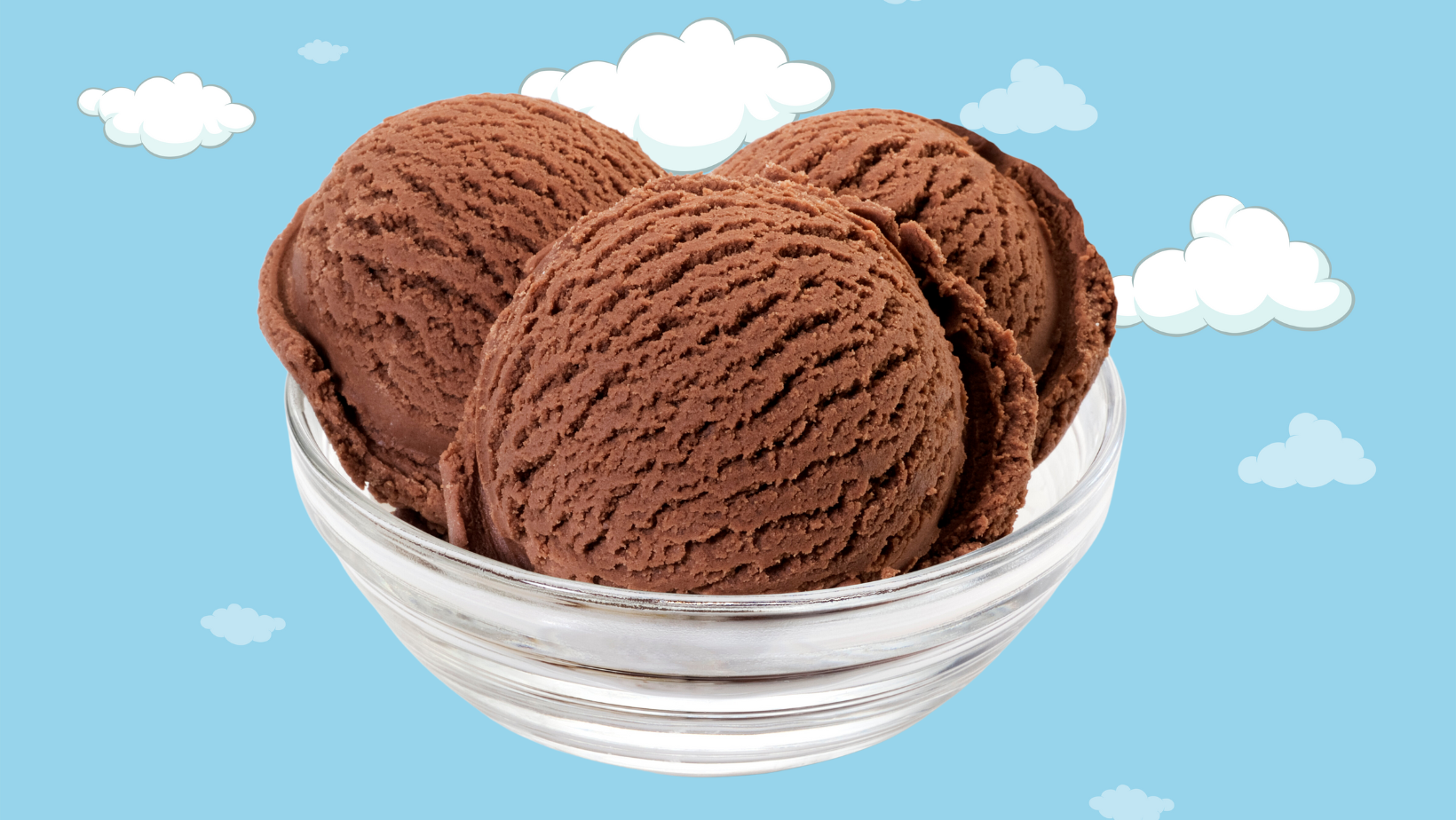
You might want to resist having a bowl of ice cream for dessert if you’re dealing with sleep issues. Dr. Raj Dasgupta, the chief medical adviser for Sleep Advisor, told HuffPost that foods high in sugar, such as ice cream, can keep you up. “The high sugar content can cause fluctuations in your blood sugar, cause stomach issues and keep you alert at bedtime, preventing you from relaxing and falling asleep,” he said.
Advertisement
Singh also said that chocolate ice cream in particular can keep you up. “Many people don’t know that chocolate has caffeine,” Singh said, adding that dark chocolate has more caffeine than milk chocolate. Singh explained that the high fat, high sugar and high caffeine in chocolate ice cream is a triple whammy in terms of disrupting sleep.
5. Milk
In movies, TV shows and children’s books, kids are often given a glass of milk before bedtime. But in real life, Patel said, this can make falling asleep harder.
“Milk can trigger acid reflux,” he said, adding that this can happen to both children and adults. Patel explained that the lactose in milk can be problematic. If you are prone to acid reflux but want to have milk in the evening, his advice is to choose a plant-based milk, which is lactose-free and shouldn’t cause symptoms.
6. Vitaminwater
Though most people know that caffeine can disrupt sleep, Patel revealed that not everyone realises they’re consuming something with caffeine in it. “Some fancy water brands, like vitaminwater, can have up to 50 milligrams of caffeine,” he said. Singh added that some electrolyte drinks or powders can also contain caffeine.
7. Peppermint
Sucking on a peppermint after dinner or sipping peppermint tea seems pretty innocuous. But Singh said that this can cause sleep problems for some people. Why? Like many other foods on this list, he said that peppermint can trigger acid reflux, a link most people aren’t aware of.
Advertisement
Grace Cary via Getty Images
A handful of nuts is a smart option for bedtime snacking.
What To Eat Instead
Now that we know greasy foods, spicy foods and ice cream are off the menu, what can you eat that will work in your favour? All three sleep doctors recommend eating a dinner that includes complex carbs, fibre and lean protein. Examples of complex carbs high in fibre are most vegetables, brown rice, lentils, beans, whole wheat bread and quinoa. Examples of lean protein are poultry and fish.
Dasgupta explained that these types of food support healthy digestion, which in turn is good for sleep. Scientific research backs this up, showing that a diet high in fibre, complex carbs, protein and unsaturated fats is connected with good sleep.
Singh says that meal timing matters, too. If you are going to eat close to bedtime or want a nighttime snack, he recommends keeping the portion small, under 300 calories. “A handful of nuts is a good nighttime snack because it has fibre and unsaturated fats,” he said.
What we eat and drink has a powerful effect on the body, including how well (or not) we sleep. If you have trouble falling or staying asleep, avoid the seven foods and drinks on this list to see if it makes a difference. Soon you might not need that melatonin after all.
Do you ever find yourself putting off going to bed? It’s so strange, we complain about how tired we are all day, how much we’d love just a couple more hours in bed but when the time actually comes, suddenly there’s another episode we need to watch, another chapter to read, just one more scroll of social media.
We’re our own worst enemies.
According to Max Kirsten, Resident Sleep Expert for Panda London, this is actually something called ‘bedtime procrastination’ or ‘bedtime delay’ and it is the act of unnecessarily delaying going to bed despite having the intention to sleep.
Advertisement
What is bedtime procrastination and how do we overcome it?
According to Kirsten, there are several factors that contribute to bedtime procrastination:
Psychological factors
Kirsten warns that stress, anxiety, and mood disorders can contribute to bedtime procrastination. Even just the thought of facing another day, unresolved issues at work or home, can make bedtime seem daunting, prompting sleep delaying as a temporary distraction.
Poor time management
If you’re prone to procrastination throughout the day, that is likely to seep into your evening, warns Kirsten. This can lead to people postponing bedtime in favour of completing tasks or indulging in leisure activities.
Spending too much time with screens and technology
The convenience of phones and tablets means that it’s easier than ever to engage in stimulating activities late into the night. The blue light emitted from these screens can interfere with our sleep-wake cycle, making it harder to fall asleep, even once the devices have been put away.
How bedtime procrastination impacts our sleep
Disrupts the circadian rhythm
Kirsten warns that consistently delaying bedtime can disrupt the body’s internal clock, making it harder to fall asleep and wake up at the same time each day. This inconsistency can then lead to sleep disturbances and contribute to insomnia and sleep deprivation.
Advertisement
Poor sleep quality
Even if you do fall asleep after procrastinating, the quality of your sleep may be compromised. According to Kirsten, sleep that is fragmented or interrupted by frequent awakenings is less restorative and can leave individuals feeling groggy and unrefreshed upon waking.
Impact moods and mental health
Sleeping poorly can impact your mental health and emotional well-being, leading to irritability, mood swings, difficulty concentrating and heightened stress levels. Kirsten urges that over time, chronic sleep deprivation may contribute to the development or exacerbation of anxiety and depression.
How to stop procrastinating before bed
Make sure you have a consistent routine
Kirsten recommends that you establish a regular bedtime and wake-up time and ensure that you stick to it even on weekends as consistency helps to regulate the body’s internal clock and promotes better sleep quality.
Create a relaxing bedtime routine
Developing a calming bedtime routine signals to your body that it’s time to wind down. Kirsten recommends reading, taking a warm bath or trying some relaxation techniques such as deep breathing or meditation.
Limit screen time before bed
Avoid using electric devices for at least an hour before bed, as the blue light emitted from them can interfere with melatonin production and disrupt sleep.
Advertisement
Address any underlying issues
If you feel that stress, anxiety, or mood disorders are the underlying cause of your procrastination, seek support from a mental health professional.
Help and support:
Mind, open Monday to Friday, 9am-6pm on 0300 123 3393.
Samaritans offers a listening service which is open 24 hours a day, on 116 123 (UK and ROI – this number is FREE to call and will not appear on your phone bill).
CALM (the Campaign Against Living Miserably) offer a helpline open 5pm-midnight, 365 days a year, on 0800 58 58 58, and a webchat service.
The Mix is a free support service for people under 25. Call 0808 808 4994 or email help@themix.org.uk
Rethink Mental Illness offers practical help through its advice line which can be reached on 0808 801 0525 (Monday to Friday 10am-4pm). More info can be found on rethink.org.
Though last year’s mass bed bug invasion may have led most of us to understand the second half of the phrase, I’m willing to bet you’re not 100% certain on why we say “Night night, sleep tight.”
I, for one, had a sort of half-formed idea that it had something to do with trussing yourself up in tourniquet-like hotel duvets; I wondered whether maybe it had something to do with keeping your eyes shut tight, too.
Advertisement
But recently, TikToker @notmrspock suggested we were all wrong. In a recent video, the creator responded to a commenter’s question as to where the phrase came from.
“In Medieval times, beds used to ― instead of having springs, they would have ropes underneath them to put a mattress or sack on,” the TikToker said.
“If the ropes were slack, the bed would really sag. So what would you do? You’d tighten up all the ropes so you have a nice, firm base to lay on,” the creator added; hence the expression, he suggested.
Rebecca Karstensen, Wylie House Museum Assistant and Docent for Indiana University, Bloomington, seemed to only partly agree with this assessment.
Advertisement
While it’s true that beds in the 16th century did use ropes, which did need to be tightened, the first recorded use of the phrase didn’t come until 1866 ― a while after the invention of the coil mattress, which took over rope beds rapidly.
“Goodbye little Diary. ‘Sleep tight and wake bright,’ for I will need you when I return,” the text reads, suggesting the term may have come about long after mos people used rope bedding.
So, the researcher looked into the origin of the word.
This would not only explain the phrase’s use to this day, but also seems to align more closely with what most people instinctively think of when we hear it.
“Since it sounds a bit catchier and poetic to say two one-syllable words as ‘sleep tight’ instead of the awkward 3-syllable ‘sleep tightly,’ that might explain why the suffix –ly was dropped from the word,” she added.
Advertisement
Writing for Cambridge’s Varsity publication, Georgie Thorpe points out that “The other issue is that it doesn’t quite make sense to tell someone to sleep tight when it’s their bed that needs to be tight, not them.”
So, though the rope beds are fascinating, “sleep tight” likely stuck around because it sounds pretty cosy ― and also rhymes with “night.”
I feel like “I’ll sleep on the plane there” falls into the same category as “I’ll let it soak” ― they’re both little but destructive lies we tell ourselves when we’re too stressed or tired to think through the reality of a situation.
And like facing a clogged-up sink hours after you said you’d clean that grimy pot, taking an exhausted exit from a plane only to face a groggy 12 hours of activities in a new country can be completely overwhelming.
Advertisement
Luckily, it turns out there’s a trick that only the pros know to help ensure a great nap while you’re travelling ― recently, a former British Airways flight attendant, shared with The Express where to avoid sitting to get your best shot at sleep.
What’s that then?
“If you book the middle aisle front row on a long-haul flight, yes you might get some extra leg room, but you’re more than likely to be sat next to a baby,” she said.
“This is because this seat has a fold-down table for cots/bassinets for babies to sleep instead of on someone’s lap for the whole flight.”
So, if the infant you’re sat beside is particularly vocal or fussy, it might be hard to drown out their cries well enough to nod off.
Advertisement
The former flight attendant also told The Express that while a window seat is often comfiest for mid-flight naps (you need something to rest your head on that isn’t an irritated stranger’s shoulder, after all), there’s one job we should all do there if we want to catch some pre-holiday Zzzs.
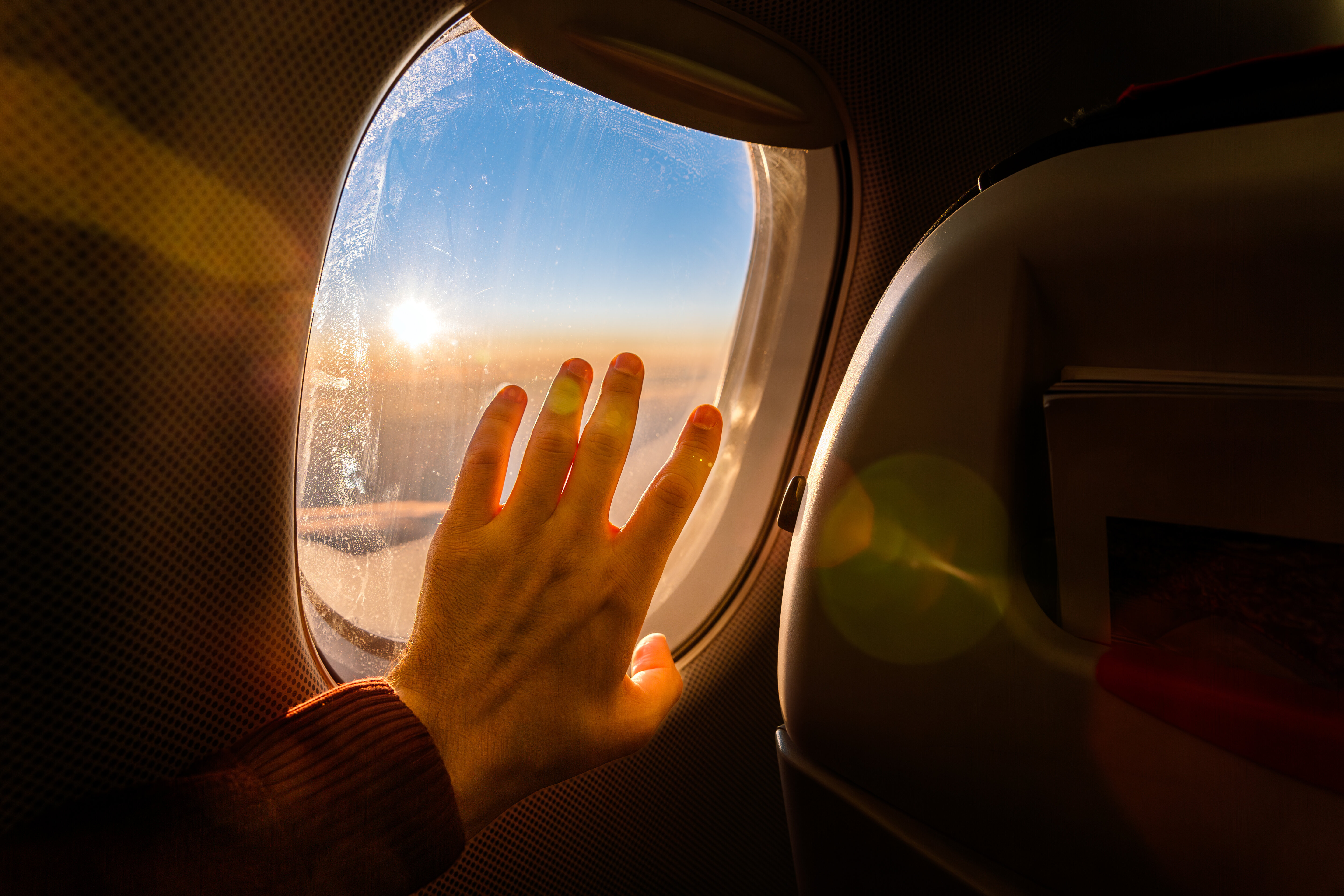
“If you’re at a window seat and planning to get some sleep (particularly when flying through the night into daylight) close your blind after take-off,” she told the publication.
That’s because those who don’t remember to shut their blinds will have flight attendants “climbing” all over them to close it for them. After all, they need to be down during takeoff and landing ― and, of course, it’s better for blocking daylight.
It’s also a good idea to stay in the back of the plane, she added.
Anything else?
Yep! We’ve written before about how everything from a good neck pillow to meditation can help you fall asleep on a plane.
And Phil Dengler, co-founder of The Vacationer, previously told HuffPost that how you dress is key.
“The most common mistake people make on long-haul flights is not dressing properly,” he said. “Since you will be sitting in the same seat for six or more hours, it is essential to be as comfortable as possible.”
Advertisement
The middle aisle of the front row isn’t the only seat you should avoid on a flight, either ― “Sitting near the restroom may sound convenient, but it’s never fun to be in that row when a line forms outside the restroom,” said Paul Jacobs, general manager and vice president at Kayak North America, told HuffPost.
So, dress comfy, cushion up, avoid the middle front aisle seat, pull those blinds down, and skip the pre-loo view if you can, the pros say. Noted.
Between stress, tricky working hours, late-night scrolling sessions, and straight-up insomnia, there are plenty of reasons why your nighttime rest might not feel as fulfilling as it should.
But Benenden Health recently shared that some foods could be to blame for your sleepless nights, too.
Advertisement
“If you’ve tried every sleep remedy under the sun and you’re tired of struggling to sleep through the night, it could be because you’re eating the wrong foods before bed,” nurse practitioner Cheryl Lythgoe shared.
After all, as the South Warwickshire NHS Trust points out, the later you eat, the harder your digestive system has to work while you’re sleeping. This process can disturb your Zzzs, making it hard to stay asleep.
Here, Lythgoe shares some of the worst foods for sleep – and why they’re so problematic.
1. Chocolate
I know, I know, it’s tempting to chow down on your fave choc at night. But the pros say that the combination of sugar and caffeine (yes, there’s caffeine in chocolate – especially dark chocolate) can keep you up later than you probably want to.
2. Cheese
No, not because it causes bad dreams – experts advise against eating the delicious dairy staple before you sleep because it contains a substance called tyramine, which helps us feel alert.
Advertisement
3. Spicy food
The problem here is a chemical called capsaicin, which is where chillies gets their punchy flavour. Spice can disturb your sleep by messing up your body’s temperature regulation, so stick to the mild stuff before bed.
4. Ice cream
Or cakes, or biscuits, or gummy sweets ― basically, the problem here is sugar.
Too much of the sweet stuff can cause nighttime restlessness, and might even cause you to wake up multiple times in the wee hours.
5. Crisps
I regret to inform you that your fave crisps more than likely have what experts would call “wayyyy too much salt.”
Salt can affect your sleep by dehydrating you. One study found that eating salty foods, such as crisps and salted nuts, before bed contributed to disrupted – or “superficial” – sleep.
Not only that, but too much salt before bed can leave you feeling groggy in the morning, too.
OK, so what should I eat?
If you get peckish at night, Lythgoe suggests trying more natural foods.
“You may love night-time snacks like chocolate, ice cream or crisps, but they could be just the thing stopping you from getting those all-important eight hours,” she said.
Advertisement
“Instead, if you’ve got a bit of a sweet tooth, natural foods like cherries or bananas are excellent for promoting good sleep and should satisfy that sweet craving.”
She adds that, in general, you should also avoid eating too late at night if you can, monitor your portion sizes, and steer clear of caffeine and refined sugar before bed.
Well, it looks like I need to make some life changes…
When it comes to babies and toddlers, it’s safe to say there’s no rulebook as far as sleep is concerned.
While there’s no shortage of books out there telling parents how much their children should be sleeping at various stages in their development, the reality is that no two babies are the same so they’ll have very different sleep needs.
Advertisement
And, when they reach toddlerhood, well… good luck to you as you spend hours each evening trying to get them down to sleep. (Sorry, I might be projecting.)
But does it actually mean something when an infant naps little and often?
Well, a new study suggests it might. Some children are more efficient at consolidating information during sleep, so they nap less frequently, the research found.
Conversely, University of East Anglia researchers found that it’s usually the case that frequent cat-nappers tend to have fewer words and poorer cognitive skills than their peers.
The takeaway? The research team said these children should be allowed to nap as frequently and for as long as they need.
Advertisement
For the study, researchers analysed 463 infants aged between eight months and three years during lockdown in 2020.
Parents were surveyed about their children’s sleep patterns, their ability to focus on a task, keep information in their memory, and the number of words that they understood and could say.
They also asked parents about their socio-economic status – including their postcode, income, and education – and about the amount of screen time and outdoors activities their child engaged in.
As the research took place during lockdown, it allowed researchers to study children’s intrinsic sleep needs because they weren’t at daycare, which is where they tend to sleep less.
They found the structure of daytime sleep is an indicator of cognitive development.
Lead researcher Dr Teodora Gliga said: “There is a lot of parental anxiety around sleep. Parents worry that their kids don’t nap as much as expected for their age – or nap too frequently and for too long.
Advertisement
“But our research shows that how frequently a child naps reflects their individual cognitive need. Some are more efficient at consolidating information during sleep, so they nap less frequently.
“Children with smaller vocabularies or a lower score in a measure of executive function, nap more frequently.
“Young children will naturally nap for as long as they need and they should be allowed to do just that.”
Parents of frequent cat-nappers needn’t worry though.
The findings suggest that “children have different sleep needs – some children may drop naps earlier because they don’t need them anymore,” said Dr Gliga, and that “others may still need to nap past three years of age” – and that’s OK.
There is no better feeling than putting freshly laundered sheets on your bed, slipping into your cosy pyjamas after a long soak in the bath, and settling down to sleep for the night after a busy week at work.
It’s all the better when those fresh sheets boast a luxe feel, and are easy on the purse strings.
Rise & Fall ticks those boxes, as the brand prides itself on luxury quality products, which have a more affordable price tag than rival brands.
Advertisement
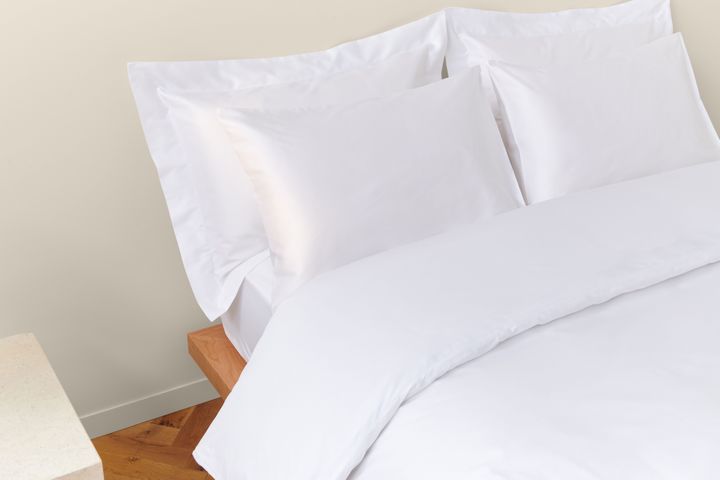
The Luxury Fitted Sheet in particular has proved to be a sell out success shoppers can’t get enough of.
Rise and Fall’s fitted sheet is currently available in two different materials; the Crisp & Cool, as well as the Soft & Smooth fitted sheet.
The Crisp & Cool variation has a 400 thread count, which is ideal for those looking for a lightweight, breathable fabric to prevent sleepers from overheating, especially in the warmer months.
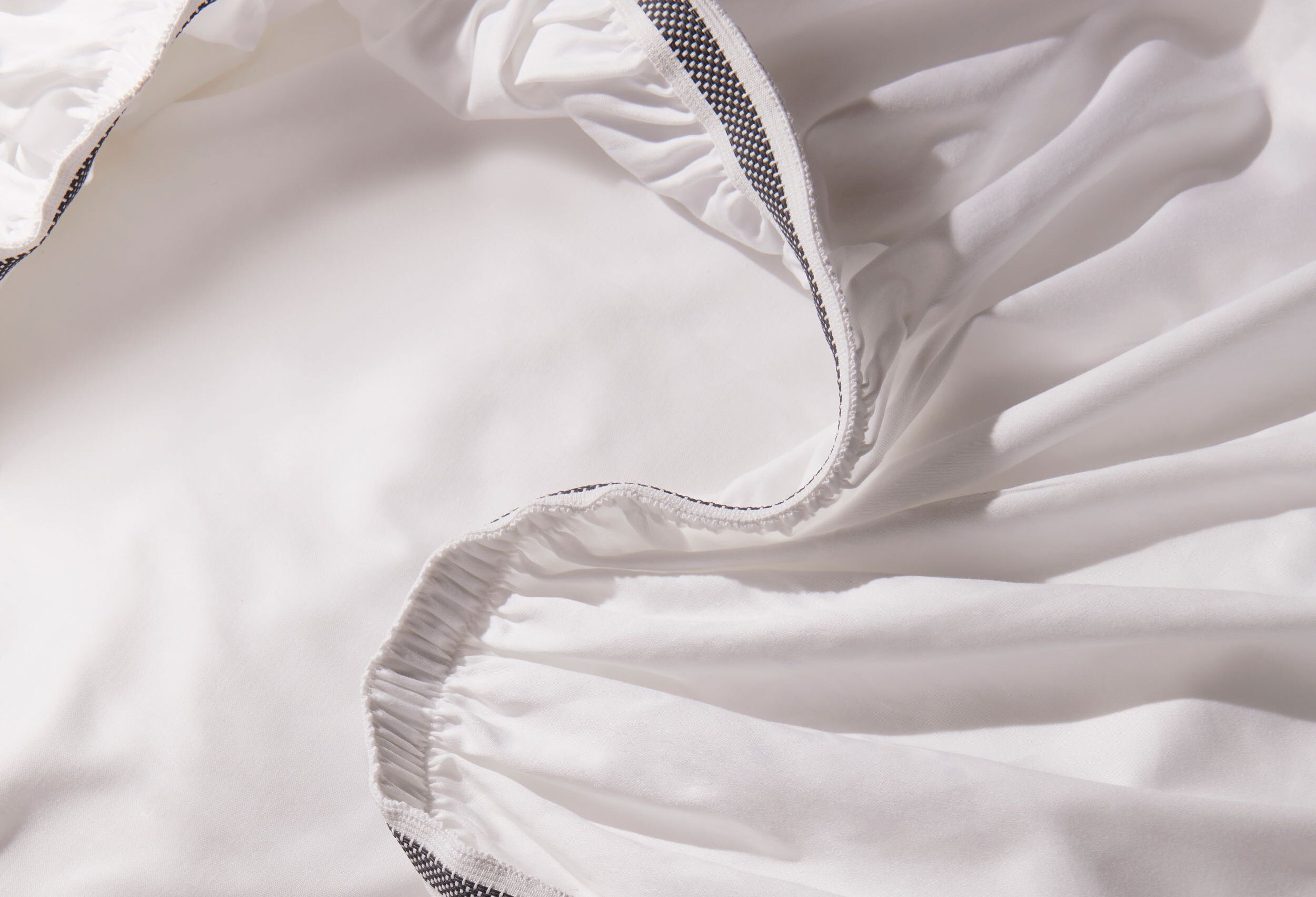
Rise & Fall’s Soft & Smooth Luxury Fitted Sheet is not only silky smooth against your skin, but it is deep enough to fit shallow, deep and extra deep mattresses, so there is no more tugging at one side only for the other to frustratingly ping off.
This ultra luxurious sheet has been woven from the world’s finest extra-long staple cotton fibres using the brand’s go-to four up, one down, sateen technique, which is the secret to creating bedding that is soft to the touch.
Rise & Fall’s innovative design also features a label so you know which is the short side of the bed, to save you time when it comes to changing your bedding – a chore nobody enjoys.
The Soft & Smooth fitted sheet comes in three colours, white, warm grey and ivory chalk, which are also available in seven sizes, from single, double, to king size, and emperor, plus many more.
The Soft & Smooth fitted sheet has been recognised as one of Rise & Fall’s bestsellers, as it sold out of the popular sizes in three days, and it has garnered glowing reviews from shoppers.
Customers are head over heels for the fitted sheet, as some have hailed it a “miracle” and “gamechanger”.
Advertisement
One customer gushed: “This sheet actually stays on! It’s a miracle.”
Another glowing review read: “Just perfect, the best fitted cotton sheets I’ve ever had. So soft, cool and luxurious. Great value for money.”
A separate shopper raved: “Beautiful high quality fitted sheet. Love the label to tell you what end to put the sheet, and most importantly the wide elastic that ensures it stays put without sagging.”
The good news doesn’t stop there as the retailer has teased the Fitted Sheet will be launching in new colours, although those details currently remain under wraps.
Interior fanatics, or the house proud shopper, will be pleased to learn there are plenty of other bedding options to shop from the Soft & Smooth range online, including a Luxury Flat Sheet, Luxury Pillow cases, as well as Oxford Luxury Pillow Cases and a Luxury Duvet Cover.
The retailer also has an array of duvets, pillows, throws and home scents to shop to transform your bedroom into a hotel-like suite.
The label doesn’t only stock bedding, but an array of womenswear and menswear fashion garments, and a variety of accessories, including hats and scarves, as well as a variety of bags, such as make-up pouches, washbags, handbags, tote bags, and cardholders.
Shoppers are eligible for free delivery on orders over £75, plus free 30-day returns, just in case there is any reason you are not satisfied with your purchase, which we highly doubt.
Former Atomic Kitten star Kerry Katona has revealed how often she washes her bed sheets and it’s safe to say that people have mixed opinions. The mother of five wrote in her weekly OK! column that changing the sheets too often is a “hassle.”
“I live in a big house with a lot of kids [five], so it’s a hassle. I probably change my sheets every fortnight,” Katona says.
Advertisement
This is perfectly normal for some, whilst other people think you should clean your bed sheets more often.
But what’s the expert opinion on the matter?
How often should we change our sheets?
“Ideally, you should be washing your bed sheets every single week. Every night, the average person sweats at least 200ml of liquid, which naturally seeps through to your duvet,” Martin Seeley, the CEO and sleep expert at MattressNextDay says.
Other studies show that the average bedding has around 20,000 dust mites which can trigger anyone who suffers from allergies, causing them to have a runny nose or congestion.
80% of dust mites are made up of your dead skin, which you naturally produce more of overnight, so ideally you should be washing your bedding at least once a week.
Advertisement
“However, if you tend to get night sweats or get hot flushes, you should wash your bed sheets even more often,” Seeley explains. “If your bedding feels damp or ‘clammy’ in the morning, you should strip them and wash them straight away.”
Seeley adds: “In addition, some medical conditions require that your bed is as clean as it can be with no bacteria or dust to trigger allergies.”
“Suppose you suffer from a skin condition such as eczema or psoriasis, or a respiratory condition like asthma. In that case, it may be aggravated by dust mites or bacteria built up in a dirty bed. Therefore, you should wash your sheets as often as possible.”
How should you be cleaning your bedding?
Seeley recommends washing your bedding at 60 degrees temperature for killing germs. But he adds that “you will however need to combine this wash with a good detergent to protect your bedding and keep it extra soft.”
“When possible, you should always air dry your sheets, too. Not only does using a tumble dryer make your bedding more wrinkly, but as one the most energy-intensive appliances in your home, the costliest dryer can cost Brits £175 per year.”
Advertisement
Try to hang your sheets outside, this can allow the creases to naturally fall out. “Plus the ultraviolet rays of the sunlight will remove any bacteria and bleach your sheets, which is extra beneficial for those with white sheets,” Seeley explains.
You should also let your mattress air out for at least 30 minutes in the morning before making your bed.
The expert adds: “This is because dust mites tend to thrive in warmer environments, therefore, letting your mattress air allows it to cool down, decreasing the number of dust mites it attracts.”