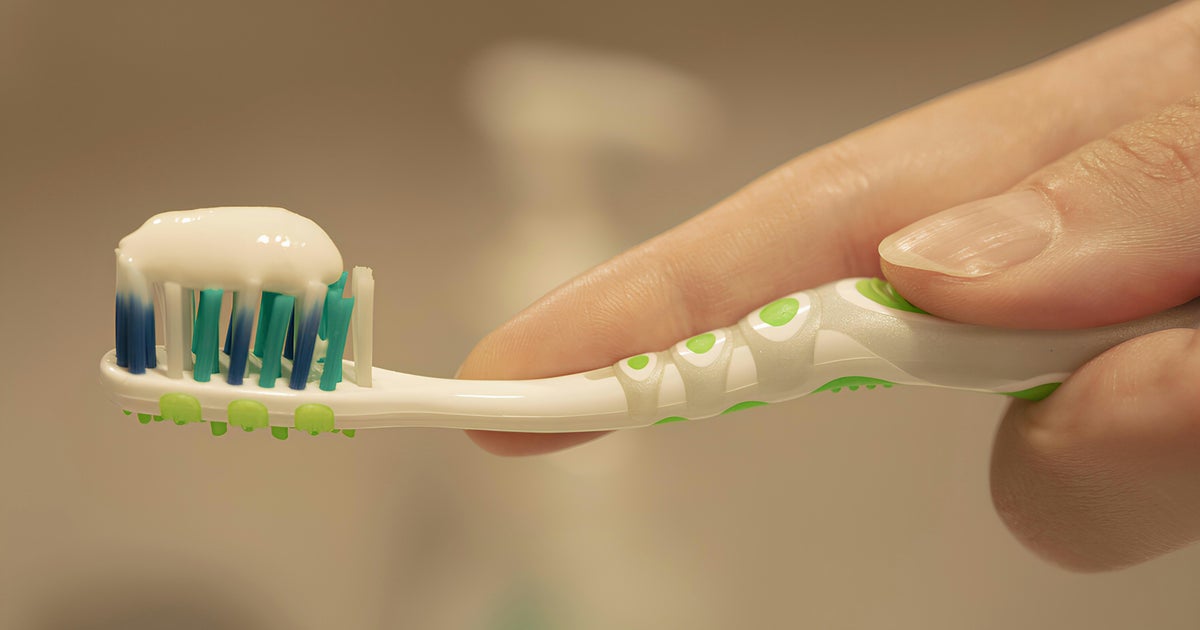
It turns out the kind of oil you use for nonstick pans matters no matter what you’re cooking in them, too.
Advertisement
According to cookware brand Circulon, “there are several reasons to avoid using cooking sprays on your nonstick cookware”.
Why are cooking sprays so bad for nonstick pans?
Speaking to the New York Times’ Wirecutter, Fran Groesbeck, a managing director of the Cookware and Bakeware Alliance trade association, said that – ironically – some non-stick sprays can ruin the coating on your pans.
They can leave a thin film behind after use, she said, and it’s especially hard to spot on nonstick pans.
Advertisement
“You can’t necessarily see that residue, because nonstick coatings are all black, but if you don’t properly clean it off after you’re done cooking, then your food will start to stick.”
This film is made up of ingredients not usually seen in non-spray oils, like soy lecithin. As they linger on an often-reheated pan, they polymerise, becoming next-to-impossible to remove.
But that’s not the only unwanted side effect. Because these sprays typically have a lower smoke point than many other oils, they begin to burn on your pan – corroding the nonstick surface further.
Advertisement
Speaking to EatingWell, cookware company Our Place’s associate director of product development, Stephanie Hong, said: “Many spray oils also contain chemical propellants, which are prone to breaking down under high heat. This instability can lead to scorching, residue buildup and long-term damage to the nonstick surface, ultimately causing the very sticking you were trying to avoid.”
What should I use instead?
If you want to use less oil, try wiping your nonstick pan with a paper towel dipped in your usual oil, Circulon shared.
Advertisement
Alternatively, you could place regular oils in a mister bottle, though Hong warns this could carry its own risks.
“The ultra-fine oil particles (even from pure oil options or refillable oil-misters) can burn and carbonise during cooking, leaving behind a stubborn residue that bonds to the pan’s surface and gradually impacts the pan’s nonstick performance,” she told EatingWell.
She added, “To preserve the quality and lifespan of your nonstick pans, skip aerosol sprays” altogether.
I’ve recently got back into making sourdough, but it’s brought about a problem I could never have expected: by day five, I sometimes have rock-hard leftovers.
I can’t bring myself to throw it away. But now I’m at week four, I’ve grown a little tired of bread-and-butter puddings.
So, when I found a recipe for torte peasana – an Italian dish that’s sometimes called “village cake,” “black cake,” or “milk cake” – I figured I’d give the baked custard a go.
Advertisement
Spoiler alert: it’s delicious.
Amy Glover / HuffPost UK
Some old sourdough
What is torte paesana?
It’s a cake from the Lombardy region of Italy. There’s no one set recipe, but usually, it uses up stale bread in a thin custard made with sugar, cocoa, eggs, and milk.
Grappa-soaked raisins sometimes make an appearance (I soaked mine in orange juice, which is probably sinful but tasted delicious). Nuts, like almonds or pine nuts, are common, and crushed Amaretti biscuits occasionally feature, too.
Advertisement
But I would be doing the dish a disservice if I pretended its scope was that limited. You can include a variety of fresh or dried fruit (I reckon pears, dried cranberries, or figs would be delicious) if you want.
You don’t have to soak dried fruit in anything, but if you choose to, a variety of wines and spirits will do, as will some fruit juices.
You can add orange zest to the mix if you like. I used old sourdough, but you don’t have to: stale baguettes or even old ciabatta would be great too.
Advertisement
Cocoa can be substituted for chocolate, and vice versa. Like bubble and squeak, torte paesana has all the hallmarks of a brilliant leftover recipe: it’s endlessly adaptable, next to impossible to mess up, and almost inevitably delicious.
Amy Glover / HuffPost UK
Torte Paesana
How did it taste?
It’s impressively rich and deliciously squidgy; a bit like bread and butter pudding or French toast, but more grown-up and with a greater mixture of crunchy and chewy textures.
Advertisement
It’s addictive.
How do you make torte peasana?
Ingredients:
The recipe I ended up making for my tiny torte peasana was:
125g old bread,
30g raisins (other dried fruit will do),
30g flaked almonds (whole almonds or other nuts will be great too),
10ml orange juice (grappa, wine, coffee, or other drinks will do),
25g cocoa,
250ml full-fat milk,
1 egg,
3 tablespoons granulated sugar.
But this was only because I had a tiny amount of bread (125g) left, and it left me with a smaller, thinner tart.
Advertisement
Double what I have here for a bigger, better cake.
That would look like:
250g bread,
60g raisins or other dried fruit,
60 nuts,
15ml orange juice, grappa, coffee, or other soaking liquid,
50g cocoa,
2 eggs,
6 tablespoons granulated sugar,
500ml full-fat milk.
Method:
1) Heat up the milk. I was dealing with very old, tough sourdough. If your bread is softer, you may be able to cover it in cold milk and sit it, weighed down, on the counter for an hour or so, but I couldn’t do that. I brought the milk to just below boiling.
2) While this is cooking, place a tablespoon of e.g. grappa over the dried fruit. This can be done in a bowl. And if you don’t have anything “special” to soak them in, boiling water plumps them nicely; hot coffee would be delicious.
Advertisement
3) Pour the hot, but not boiling, milk over finely-torn bread and place a weight (I used a bowl full of ceramic beads) on top to ensure it’s submerged. Let it sit for about half an hour. Now would be a good time to add fruit zest if you want to include some.
4) Preheat the oven to 170°C ten minutes before the bread’s finished soaking. Line a tart tin (I used a pie tin, which worked fine despite my meagre half-serving) or a pie tin, though ideally not one with a removable base, as this can leak. If you are using biscuits, whizz them into a powder now.
5) Mash the bread. I used the end of a wooden rolling pin, but a wooden spoon would probably have worked. For especially stubborn bread, use a stick blender. Make sure the milk is not still hot; tepid is fine, but hot milk will cook the egg early.
Advertisement
6) Add the cocoa, eggs, and sugar. If you’ve blended or smashed up some biscuits, add them now too. Stir or mash them together. Don’t worry too much about how the batter looks: so long as there are no massive lumps of bread and nothing’s curdled, it’ll work.
7) Add the nuts and soaked raisins and stir. Then, pour the mix into the lined container and bake. For my mini-tart, it took 20 minutes. For the bigger one, it should be about 35-40 minutes. Check to see if the tart is firm.
8) Let it cool. Torte paesana gets better with age (allegedly: I didn’t wait long enough to check), so leave it overnight in the fridge if you can bear it. Serve with cream or creme fraiche, or (as I used) mascarpone, if you like.
I’ve just about managed to get a new sourdough starter to bubbling good health, and have been amazed by how simple the process is.
All you need is water, flour, and time (as well as the ability to handle that day-three stench).
But just because it can be that easy, it doesn’t mean it always is. For instance, Paul Hollywood grates an organic Cox apple into his – and he’s not the only expert to recommend the method.
Advertisement
Here’s why that’s a great (or should I say… grate? Sorry!) idea.
Why should I grate an apple into my sourdough starter?
That benefit was seen with all kinds of plant matter.
But only starters made with apple flowers (blossoms from an apple tree) or apple pulp contained multiple species of a bacterium called Acetobacter, which might make softer, taller, more flavourful loaves.
Shocker: bread legend Paul Hollywood knows what he’s doing.
How can I make a sourdough starter with apple?
Paul Hollywood grates one apple, skin-on – ” I like to use a Cox, but any organic apple will do” – into 1kg flour and 360ml water.
Advertisement
He recommends using organic kinds as too many chemicals might mean ”the starter may not ferment”. If the study we mentioned earlier is anything to go by, apple flowers should work too.
Mix those together and cover them in an airtight container (without touching them) for three days before your first feed.
Then, keep discarding some of the starter daily and adding flour and water to feed until it doubles in size consistently. I usually wait ’til it’s performed well three days in a row before I put mine in the fridge; I then feed it twice a week, once the day before use and once the day of.
Advertisement
If you use it more often, Hollywood says, keep it on the counter and feed it every three days.
But according to a huge 2023 study, which looked at 270 trials from 1990-2023, “isometric” exercises might be the most effective at the job, with “wall sits” the best performer among these.
Researchers found that isometric exercise was more likely, on average, to lower blood pressure than aerobic exercise training, dynamic resistance training, combined training, and high-intensity interval training, though all forms were still immensely helpful.
What is isometric exercise?
It involves keeping your body still while you tense specific muscles for a set period of time. You don’t move your joints during the movement.
It is the opposite of “dynamic,” or “isotonic” exercise, which involves little load and consistent pressure on various muscles. For example, running and swimming.
Most forms of exercise involve a combination of isometric and isotonic exercise, though some are 100% one or the other.
What are some examples of isometric exercises?
These include:
Wall sits
Planks
Glute bridges
Side planks
V-holds
Calf raises
Hollow holds
Copenhagen planks.
In the 2023 study we mentioned earlier, published in the BMJ, wall sits (placing your back against a wall with your thighs parallel to the ground) were the most effective of the isometric exercises for lowering blood pressure.
Advertisement
Does that mean I should only do isometric exercises?
The best approach to exercise seems to be a mixture of weight training and aerobic training. This has been linked to increased longevity compared to sticking to one or the other.
Speaking to the British Heart Foundation, senior cardiac nurse, Joanne Whitmore, said: “Exercise is good for your heart health and health in general. It can reduce the risk of heart and circulatory diseases by up to a third.
Advertisement
“Aerobic exercise in particular can help the heart and circulatory system work better through lowering blood pressure. Current guidelines also encourage muscle-strengthening exercises, like yoga or Pilates.
“It’s encouraging to see other forms of exercise explored in this research as we know that those who take on exercise they enjoy, tend to carry on for longer, which is key in maintaining lower blood pressure.
“However, there are other lifestyle choices that can benefit your blood pressure. These include keeping to a healthy weight, eating a balanced diet, cutting down on salt, not drinking too much alcohol and taking any prescribed medication”.
Advertisement
Speak to your doctor if you have a heart condition and want to take up new exercise, she added.
About 20% of Brits say they feel somewhat sexually incompatible with their partners; a factor you might think determines their levels of happiness.
But speaking to HuffPost UK, sex therapist and intimacy coach Leigh Norén said that “oftentimes unhappily married couples and happily married couples bring up the same sorts of issues in sex therapy”.
Advertisement
What tends to be different, though, is how they present and the causes behind their concerns.
What do happy vs unhappy married couples bring up most in sex therapy?
Both groups often come in to discuss “mismatched libidos, erectile unpredictability and orgasm issues,” the sex therapist said, “but the sexual problems affect the couples in different ways”.
Among happy couples, there might still be a lot of physical, but non-sexual, affection, she added.
They’ll also have, “A lot of emotional connection. But it’s no longer translating into sex for various reasons.
“For instance, they might feel more like roommates than lovers because their identities have become enmeshed. They act like a collective and do everything with one another, as opposed to being two individuals who have chosen to live together and have both separate and joint lives.”
Advertisement
Meanwhile, for unhappy married couples, “mismatched libidos or a sexless marriage might have come about because of different views of sex, or because one partner is responsible for the mental load and has started to feel resentful. When sex has become a chore for one of the partners, it can quickly escalate into high conflict or avoidance.
“When that avoidance becomes the norm, it moves from avoiding sex to avoiding anything that could ‘send the wrong signal’, so physical intimacy lessens over time, leading eventually to the erosion of emotional intimacy, too”.
Advertisement
How you talk about sex matters, too
It’s not just the topics themselves that matter, Norén told us. How you talk about sex can reveal a lot, too.
“Oftentimes, unhappily married couples struggle communicating at all about sex, just as they might do about other things in their relationship. There’s often a sense of one of the partners being ‘in the right’, and the other being ‘in the wrong’ about how they function sexually,” she said.
“Perhaps the high desire partner says stuff like ‘it’s not normal to never want sex’, and the partner with low desire says ‘all you care about is sex’… Fundamentally, the unhappy couples aren’t on the same team, whereas the happily married ones tend to be more on the same team.”
Advertisement
Happily married couples tend to find communication a lot easier and less likely to follow rigid scripts about what a “good” sex life should look like, she continued.
Though it’s not always that black and white, she added: “whenever any couple comes to sex therapy, there is usually a part of the sexual problem that is negatively affecting the relationship”.
How can I improve my relationship and communication around sex?
It sounds a little obvious, Norén said, but talking openly about sex with your partner is “usually one of the first and best steps to take if you want a happier marriage and sex life.
Advertisement
“Just like the rest of us, our sexuality evolves over time, meaning what once turned your partner on might not anymore, and as we age, our genitals tend to get less sensitive.”
Letting things fester can cause resentment and blame.
Educating yourself about sex can help, too. “We know surprisingly less than we think we do about things like how libido really works, and common sexual difficulties in relationships and why they come about. The more we know, the less likely we are to spin into anxiety over it, and the more likely we are to solve it quicker.”
And lastly, the sex therapist said, don’t be afraid to try something new.
″Step out of your comfort zone from time to time. For instance, yes, you may love oral sex, but what happens if you try something else that feels slightly intimidating but also exciting?
“You’ll likely find it infuses a bit of humour into your sex life, a bit of vulnerability that can be really gratifying, and a bit of spice that can make you more aroused,” the expert advised.
We hope you love the products we recommend! All of them were independently selected by our editors. Just so you know, HuffPost UK may collect a share of sales or other compensation from the links on this page if you decide to shop from them. Oh, and FYI – prices are accurate and items in stock as of time of publication.
If you’re remotely interested in lip tints, listen up – because I’d bet my bottom dollar that I’ve found your new favourite.
K-beauty brand Laneige launched its Juice Pop Box Lip Tints in the UK in March, to a decent amount of fanfare online.
Advertisement
Well, I’m here to tell you that the hype is very much warranted.
I tried the shade Mocha Remix, a semi-sheer plummy brown. While at first it goes on quite thinly, looking a bit like a wine-stain (only more chic), if you layer it up, it soon builds to a much deeper colour.
This is ideal for me, since it means I can wear it differently depending on my mood.
Its staying power is seriously impressive – you can couple a few layers of it, eat a good meal, and forget about it for hours before you notice your lip colour hasn’t budged.
Unlike lots of other lip products I’ve tried in my time, you can apply it on the go without looking with total ease.
Advertisement
Aidan trying the Laniege tip tint
And what’s more, it feels super nourishing on the lips, thanks to the ‘Water-Oil Remix Technology’, polypeptide, and ceramides boosting the tint’s moisturising and firming formula.
My only minor critique is that, after spending most of the day wearing it, the colour tends to sink into the natural creases in my lips, and I like to add a quick layer of some clear lip balm to even things out again.
But all in all, between the lovely shade, the tint’s versatility, and how very easy it is to use, it’s an ideal option for everyday wear.
Advertisement
At £20, it’s not the most budget-friendly buy in the entire world, but it’s very far from the most expensive too.
Further to that, in my humble opinion, it’s worth every penny.
If there’s one statement parents have probably heard a lot these past two weeks, it’s “I’m bored” – usually with the added request of “will you play with me?” tagged onto the end.
But often we’re working, or trying to catch up on an admin list that’s as long as our arm (and the rest), or doing chores, so it’s not always possible to down tools and get stuck in.
Advertisement
While turning the TV on or handing over an iPad can feel like a simple fix (hey, we’ve all been there), experts are increasingly nudging parents to try and reduce kids’ screen time where possible.
So, if your children say they’re bored, how’s best to respond?
Get them thinking about what they want to learn
Yes, there’s the age-old classic of: “Great, grab the vacuum!”
But children’s author Ty Allan Jackson suggests you could say something along the lines of: “Wow. That’s awesome. What a great opportunity for you to be creative.”
And then he suggests you ask them a simple question: “What is something you wish you knew how to do?”
Advertisement
In a reel on Instagram, the TedX Presenter said: “That question will get them thinking and give you directions on how to entertain them, or better yet, on how they can entertain themselves.”
Of course, there’s every possibility they’ll respond with a shrug or an “I don’t know.”
But some parents have found it successful. One user, known as @mom.outofoffice, said she tried the ‘Wow method’ with her daughter and, admittedly, the first time she asked the question her daughter “just stared” at her.
“But then she said she wanted to learn how to use the coffee machine. We tried it together, and soon she was making it by herself,” said the parent. “Before I knew it… she had turned our kitchen into a full-on coffee shop. And wow… it became one of her favourite ways to play.”
Advertisement
Boredom is good for kids (yes, really)
Neuroscientist Alicia Walf, a researcher in the Department of Cognitive Science at Rensselaer Polytechnic Institute, told Forbes boredom is critical for brain health, noting it can improve social connections and foster creativity, too.
According to psychiatrist and author Dr Carl Marci, letting your kids figure out how to keep boredom at bay could be far more beneficial than stepping in for them.
When his children tell him he’s bored, he’ll urge them to go and figure out how to deal with it – but without technology or something connected to the internet.
Advertisement
“They get mad at me,” Dr Marci previously told HuffPost UK, “but after a few minutes, they start to creatively solve their problems or distract themselves with social interaction or play.”
A healthy conversation has a natural rhythm, a give-and-take in which both people feel heard, understood and valued. But with some people, that balance never quite happens.
That’s the case with what experts call “conversational narcissism.”
“Conversational narcissism is a communication style wherein an individual centres themselves in conversations, engages in oneupmanship, fails to ask follow-up questions and has a difficult time maintaining interest in what other people have to say,” Natalie Moore, a licensed marriage and family therapist, told HuffPost.
Advertisement
A conversational narcissist can leave you feeling drained and like you couldn’t get a word in edgewise. They tend to be inattentive and lack curiosity.
“Whatever you share is quickly met with a more extreme or more compelling version of their own experience,” said Tracy Ross, a licensed clinical social worker specializing in couples and family therapy. “Over time, the conversation stops feeling like an exchange and starts to feel one-sided. It results in leaving an interaction feeling unsatisfied and empty.”
Conversational narcissists don’t necessarily have narcissistic personality disorder, though some may fall somewhere on the narcissism spectrum.
Advertisement
“It’s also important to note that many of us have been guilty of conversational narcissism from time to time,” said Lauren Maher, a licensed marriage and family therapist specializing in anxiety, trauma and narcissistic abuse recovery. “If you notice that you’ve inadvertently done this, take a breath, make sure that you bring the conversation back to the original speaker and follow up by asking them questions about their experience.”
There are also best practices for those who find themselves interacting with a conversational narcissist. Below, experts break down ways you can navigate these situations while protecting your energy and reclaiming your voice.
Acknowledge your feelings ― but try not to take it personally.
“First, acknowledge any feelings that are arising for you ― such as frustration, indignation, anger, disappointment or loneliness,” Moore said. “Engaging in an interaction with someone who is a conversational narcissist can bring up lots of intense feelings, especially if you’re someone who spends effort maintaining balance in conversations who values reciprocity in relationships.”
Advertisement
“
If I’m grabbing lunch with a friend who tends to over-talk, I might say right at the start, ‘I’ve had such a heavy week and I really need to vent for a few minutes ― is it OK if I go first?’
– Dr. Sue Varma, clinical assistant professor of psychiatry at New York University Grossman School of Medicine
Try not to take someone’s conversational narcissism too personally.
“Know that what you’re experiencing has nothing to do with how interesting or valuable you are, but has more to do with the other person’s ability to take an interest in you,” Moore said.
Consider that a conversational narcissist might also be a kind and generous person in other ways.
“Is the person able to celebrate your wins and be happy for you and be there for you in your time of need? That to me is most important. If they are a true, solid, loyal friend, you can and should give them grace.”
Be direct about what you need.
“Keep in mind what your objective is in your communications with this individual,” Moore advised. “If your goal is to be seen, heard and understood, you will probably be frustrated and not get what you want. But if your goal is to communicate something specific, find a pause or an opportunity to interrupt and get straight to the point.”
Take a more efficient, practical approach. Adding a little structure to your conversation can ensure you achieve your goal. Being clear and direct about what you need is crucial.
Advertisement
“Set the intention,” Varma said. “If I’m grabbing lunch with a friend who tends to over-talk, I might say right at the start, ‘I’ve had such a heavy week and I really need to vent for a few minutes ― is it OK if I go first?’”
Set limits.
“Protect your peace and walk away if the conversation doesn’t become two-sided or beneficial in any way,” said communications consultant and author Amelia Reigstad.
Setting limits around how much you engage and share can help keep intense emotions at bay.
“If you find that a person is not willing to take accountability for their behaviour, or you feel drained, resentful or even a bit ‘used’ after conversations with this person, then this may be a sign that you need to set much stronger boundaries with this person,” Maher said. “This may include excusing yourself from the conversation or setting a time limit for yourself on how long you will participate in the conversation.”
Advertisement
Fiordaliso via Getty Images
Dealing with a conversational narcissist requires direct communication and boundaries.
If the conversational narcissist in question is also a fundamentally narcissistic person, you’re better off saving your energy than continuing to engage with them or falling under their control.
“Don’t ‘over-fuel,’” Varma said. “Sometimes, being a ‘great listener’ actually encourages the behaviour. If you’re giving 100% of your focus to someone who isn’t giving it back, it’s OK to lean back, give shorter responses, and politely wrap things up when you’ve hit your limit.”
Advertisement
Adjust your expectations.
“If the pattern continues, it’s also important to adjust your expectations and protect your own energy,” Ross said. “Not every relationship will offer the kind of mutuality you’re looking for, and recognising that can help you engage more intentionally, rather than leaving interactions feeling depleted.”
Come to terms with what the a conversational narcissist can actually provide.
“Manage your expectations,” said therapist and “Disarming The Narcissist” author Wendy Behary. “You’re not going to get a whole lot back in the way of a real, reciprocal conversation ― the real give and take of ‘I see you, I feel you. I sense you. You see me, you feel me. You sense me.’”
Practice empathic confrontation.
“I think if it’s someone who’s really intimate in your life, you may want to use the beautiful strategy of empathic confrontation,” Behary said. “Say, ’I know you’re very excited about what you want to share with me, but I have to tell you, I’m feeling a little bit forgotten in what I just shared with you. I feel like we moved very quickly from my experience into your experience, and I just want to be honest with you because you’re my dear friend, or because you’re my husband or whoever.”
Advertisement
With an acquaintance, you might choose to simply set limits or avoid them, but a more direct approach could be preferable for someone with whom you’re more intimately involved.
“Empathically confront them and hold them accountable for this very self-absorbed way of communicating,” Behary said.
Use gentle pivots to redirect the conversation.
“I’m a big fan of the ‘gentle pivot,’” Varma said. “You can say, ‘I love hearing about your trip, but before we move on, I really wanted to finish telling you about my new project.’ Believe it or not, the other person may genuinely be interested in hearing what you have to say and want to know what you’ve been up to.”
Advertisement
“
A person who is not narcissistic will usually reflect on their behavior, take accountability, and try to make more space for you in future conversations.
– Lauren Maher, licensed marriage and family therapist
You can “reclaim the ball,” so to speak, in a way that still protects your energy.
“Re-direct the conversation back to you ― ‘Thanks for that, great point, however, I’d love to share my perspective,’” Reigstad said.
Humour is another way to get a word in edgewise. Make a playful comment or joke to ease the tension of this dynamic.
Advertisement
“If you find yourself regularly interacting with a conversational narcissist, you can first try lightly interjecting with something along the lines of ‘Hang on… I’d love to finish that thought,’” Maher said.
“You can start by saying things like, ‘I’d like to talk about something else for a while,’ ‘Our conversations are starting to feel very unbalanced,’ or ‘I feel like when I’m speaking you’re not really listening. Can we talk about that?’”
Advertisement
With time and accountability, the habit of conversational narcissism can shift.
“A person who is not narcissistic will usually reflect on their behaviour, take accountability, and try to make more space for you in future conversations,” Maher said.
The key is to be honest about your feelings and the patterns you’re noticing, but in a relational way.
“Rather than criticising, speak from your own experience,” Ross said. “‘I notice that when I share something important, I feel more supported when you stay with what I’m saying, rather than shifting to your own experience.’ Being clear about what you need ― more listening, more presence ― can sometimes create an opening for change, especially if the person isn’t aware of how they come across.”
And there’s some evidence to suggest that rooibos tea, a South African variety made from the fermented leaves of the Aspalathus linearis shrub, can help with everything from reducing inflammation to controlling blood sugar and boosting our gut health.
Green rooibos is made from the same leaves, but they’re unfermented.
Here are some of the potential health benefits of the caffeine-free tea:
1) It’s brimming with antioxidants
Green rooibos tea is the only source of aspalathin (which helps to maintain cell health), and it’s high in other antioxidants, like quercetin (potentially anti-inflammatory, anti-histamine, and immune-boosting), too.
Advertisement
Antioxidants help to protect our DNA from harmful free radicals. They may also assist in protecting against chronic illness, heart disease, and cancer.
A 2023 review found that drinking rooibos tea seemed to be linked to higher antioxidant levels in our bodies.
It could also help the integrity of a single-cell gut layer, which helps us to absorb nutrients and keeps toxins and disease out.
3) It could help to manage inflammation
Inflammation isn’t always a bad thing. We need it to build muscle and recover from some illnesses.
But when inflammation becomes chronic and happens when the body doesn’t need it, it can lead to “inflammaging”. That can “contribute to conditions such as heart disease, type 2 diabetes, dementia, and frailty,” GP Dr Suzanne Wylie previously told HuffPost UK.
Remember the rooibos tea-specific aspalathin we mentioned earlier? A 2023 paper suggested that it could help to explain why rooibos tea seemed to help control blood sugar levels in both healthy and at-risk individuals.
Still, more research is needed to work out how, why, and to what extent that’s true.
Still, not everyone sticks to it. In one paper, 11% of people who said they wanted to run a marathon quit the sport entirely before they got close to the start line.
Advertisement
But you don’t need to break records to see the health benefits of running. Here, we thought we’d share some of the (many) advantages of the sport – just in case you needed a little extra motivation.
1) It may be beneficial for your joints
You might have grown up hearing that running wrecks your knees (I did). But a systematic review of 17 studies found that “In the short term, running is not associated with worsening [patient-reported outcomes] or radiological signs of knee [osteoarthritis] and may be protective against generalised knee pain.”
2) It can boost your mood
A review of over 100 studies concluded that running appeared to have “important positive implications for mental health, particularly depression and anxiety disorders”.
Advertisement
And another paper found that a single 10-minute run can help to boost participants’ mood and even executive function.
3) It could help you live longer
More proof that small efforts are far better than nothing in a 2015 paper, researchers noted that five to 10 minutes of running a day and/or running slower than 9.6km/hour was linked to a lower risk of all-cause and cardiovascular mortality.
Advertisement
4) It’s really, really good for your heart
Running is a cardio workout, so perhaps it’s no wonder it’s so good for our hearts. It’s linked to lower cholesterol, better blood pressure, and a decreased risk of adverse cardiovascular events, like heart attacks or strokes.
5) It can strengthen your bones
Scientists found that marathon runners’ bones may be denser than those of their non-running counterparts.
6) It’s a great way to get a good night’s sleep
Exercise, especially exercise with outdoor light exposure (e.g. running in your local park) is linked to better sleep quality and improved sleep habits.
Running trains the heart and lungs, meaning you’ll be able to exercise harder, for longer, once you get into the habit.
What about the downsides?
While running is good for us, there are some downsides.
A 2020 paper found that injury rates were about 20% among runners, especially those with weaker hips. The risk is higher for new runners.
Advertisement
Strength training, including that which targets the hamstrings, knee-stabilising methods, hips, and glutes, can reduce your likelihood of getting injured.
Like HIIT, overdoing running can lead to insomnia. About a third of all runners are believed to suffer some form of overtraining syndrome.
If you notice mood changes, fatigue, poor sleep, and getting sick more often, get more rest and let your running shoes breathe for a while.