Scientists may have found a way to prevent statin muscle pain

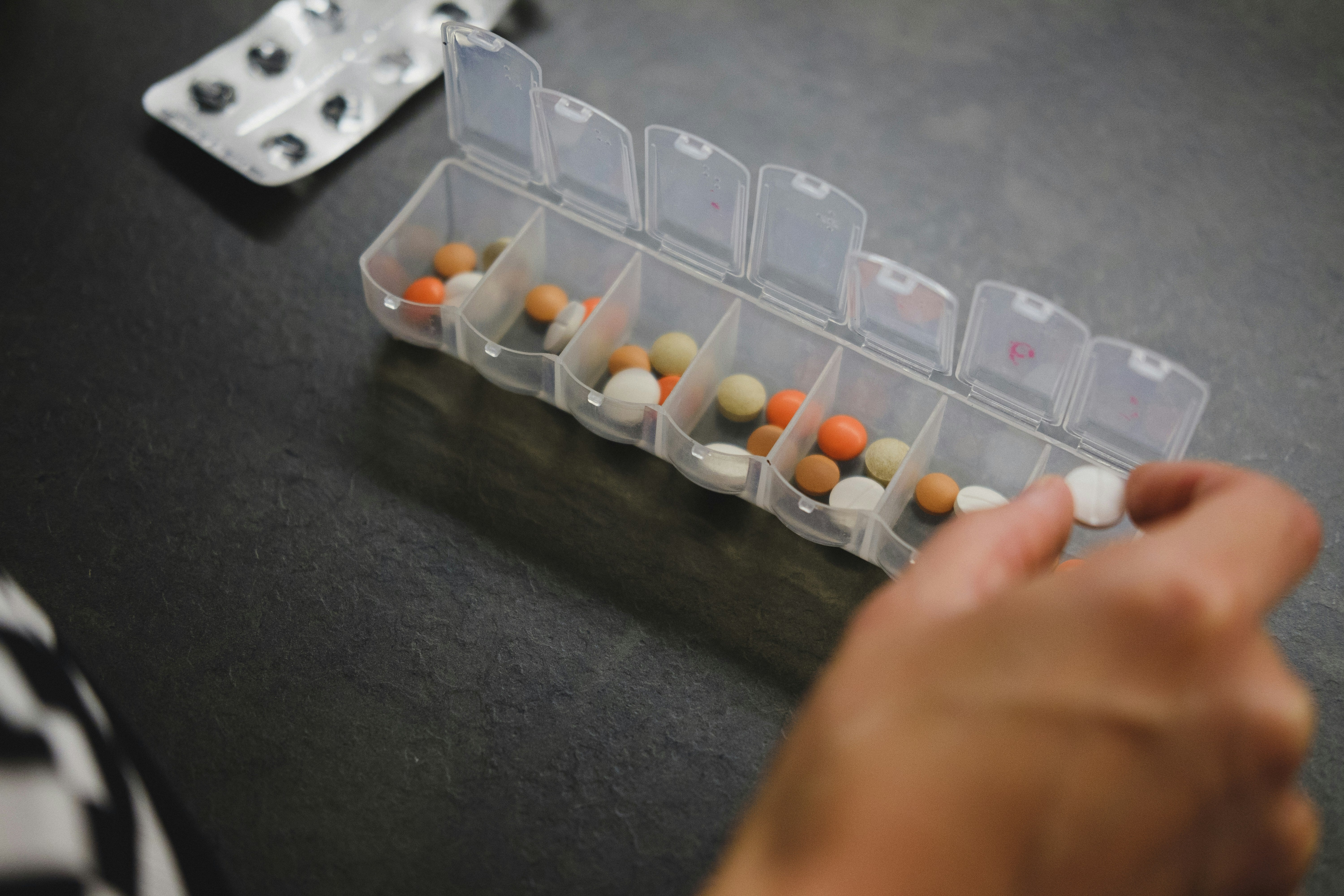
Millions of people take statins to lower cholesterol and reduce their chances of having a heart attack or stroke. For some patients, however, the medications can cause muscle pain, weakness, and difficulty exercising, making it harder to stay on treatment.

Researchers at McMaster University have now identified a biological pathway that could help explain why these muscle symptoms develop. The finding may eventually lead to treatments that make statins easier to tolerate without reducing their important cardiovascular benefits.

Published in Science Advances, the study points to a previously unrecognized interaction between the immune system and muscle cell metabolism. The mechanism appears to contribute to muscle damage caused by statins and challenges earlier ideas about the origins of these side effects.

Why Statin Side Effects Matter

“Statins are among the most effective medications we have for reducing cardiovascular disease risk and preventing early death,” said Jonathan Schertzer, professor in McMaster’s Department of Biochemistry and Biomedical Sciences and senior author of the study.

“Unfortunately, muscle side-effects lead some people to reduce their dose or stop taking the medication altogether. We wanted to understand why this happens and whether it might be possible to separate the side-effects from the benefits.”

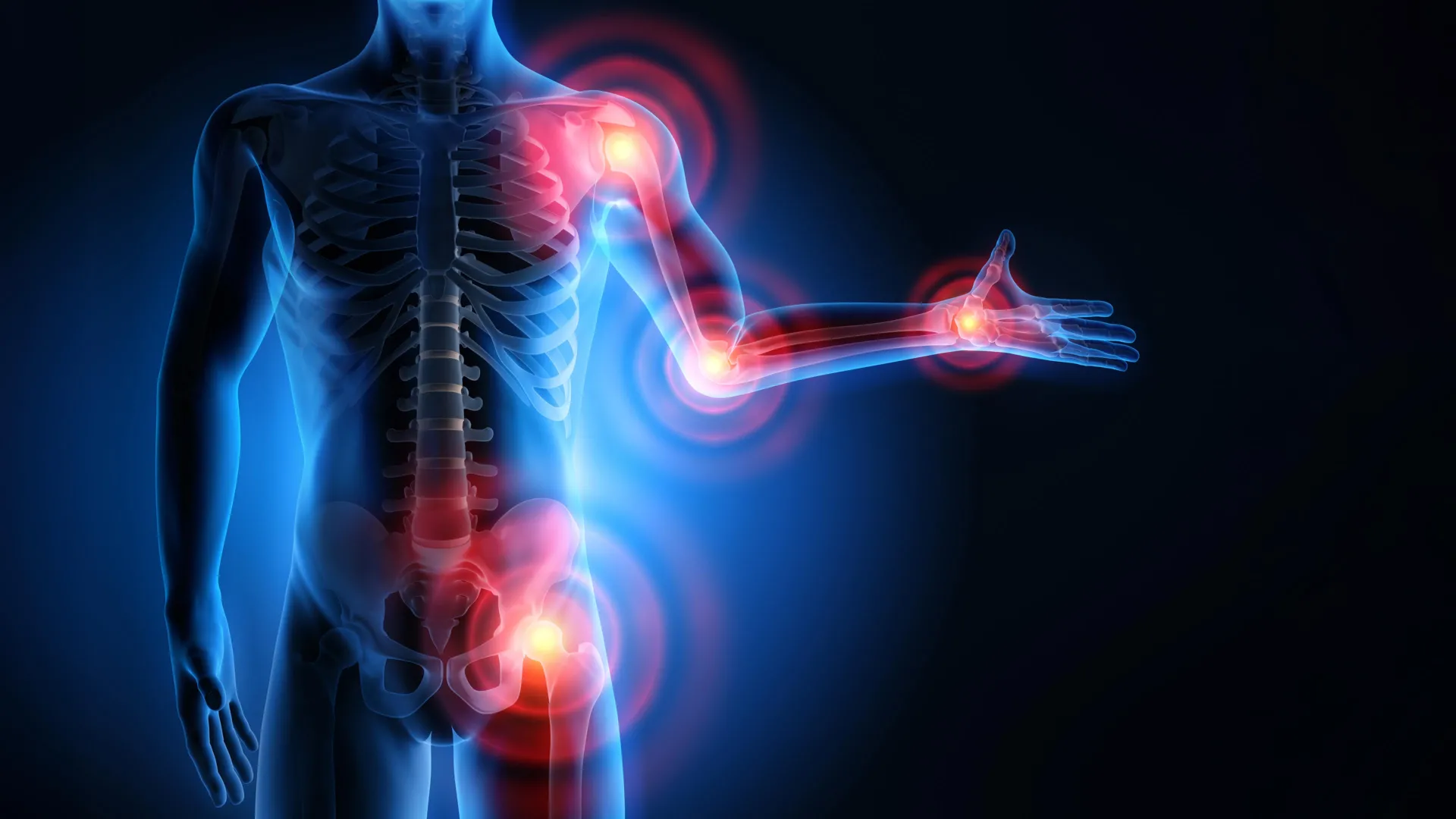
An estimated seven to 29 percent of statin users experience muscle-related symptoms. Although the connection between statins and muscle problems has been recognized for years, scientists have not fully understood the biological processes responsible.

Statins Can Disrupt Muscle Cell Energy

The research was led by first authors Nazli Robin and Nicole Barra of the Schertzer Lab at McMaster. Their team found that statins can interfere with the way muscle cells generate energy.

That disruption appears to activate an immune response inside the muscle cells, leading to tissue damage. In experiments involving muscle cells and mouse models, the researchers prevented much of the damage by blocking the immune response.

“One of the most exciting findings of the research is that the mechanism causing muscle side-effects appears to be separate from the mechanism that lowers cholesterol,” said Schertzer. “That suggests it may one day be possible to target the side-effects without interfering with the cardiovascular benefits that make statins so valuable.”

A Surprising Connection Between Immunity and Metabolism

The findings also uncovered an unexpected relationship between metabolism and the immune system. Changes in the way muscle cells processed energy caused the cells to activate their own immune response.

This discovery offers new insight into how inflammation may contribute to medication side effects. It also suggests that scientists could potentially protect muscle tissue by targeting the immune pathway while leaving the cholesterol-lowering effects of statins intact.

More research is needed before the findings can be developed into treatments for patients. Still, the newly identified pathway provides several possible targets for medications designed to prevent statin intolerance.

“These findings give us a clearer understanding of why some patients experience muscle symptoms and provide promising directions for making these important medications safer and more effective in the future,” added Schertzer.

An International Research Collaboration

The project involved researchers from the Centre International de Recherche en Infectiologie (CIRI) in Lyon, France; the Centre for Muscle Research at the University of Melbourne, Australia; the Murdoch Children’s Research Institute and The Royal Children’s Hospital in Australia; York University in Canada; and McMaster’s Department of Pathology and Molecular Medicine.

The research was funded by the Natural Sciences and Engineering Research Council of Canada (NSERC).


Share Button

Most People Have No Idea What ‘PDF’ Stands For, But You’re About To Find Out

You’ve probably sent and opened thousands of PDFs over the years. But if someone asked you right now what PDF actually stands for, would you know the answer?

You’re not alone if you don’t. The word has become so embedded in everyday language that most people use it the way they use terms like “Wi-Fi” and “pm” ― automatically and without any particular thought about what the letters mean.

But it’s never too late to learn the answer to that mystery, as well as the interesting history behind those three letters. (And no, it doesn’t stand for “Please Download Fast” or “Pretty Delightful File.”)

“PDF stands for ‘portable document format,’ though I’m not sure anyone knows or cares anymore,” said Lisa Gitelman, a media historian and professor at New York University. “’PDF’ stands as the name of a digital file format on its own.”

She has written extensively about the PDF as a cultural and technological artifact, including in her book Paper Knowledge: Toward a Media History of Documents.

“The keyword is ‘portable’ because the format was designed to keep a document looking exactly the same, no matter which computer, operating system or device it was opened on,” said Madeline Enos, a language trends expert at the language learning app Preply.

“Before PDFs became widespread, sharing documents could be frustrating because fonts, images and layouts often changed depending on the software being used. The PDF solved that problem by preserving the original formatting, which is why it’s still one of the most trusted file formats over 30 years later.”

The origins of the PDF go back to 1991, when Adobe Systems co-founder John Warnock proposed a project called “Camelot” with the goal of developing a simplified way to view and print any document across devices and platforms, regardless of the software or hardware used to create it.

“At the time, the web was far less standardised than it is today, so creating a document that looked identical everywhere was revolutionary,” Enos noted.

Warnock’s Camelot project culminated two years after his original proposal, with the release of PDF 1.0, bundled with the first version of Adobe Acrobat.

The origins of the PDF go back to the early 1990s.

merovingian via Getty Images

The origins of the PDF go back to the early 1990s.

“PDF first appeared in the marketplace in 1993,” said Duff Johnson, CEO of the PDF Association. “Adobe, which invented PDF, continued its development until 2007, at which point the specification for PDF was handed to ISO for international standardization as a vendor-neutral technology.”

As the online environment has evolved significantly since the ’90s, so too has the PDF, Gitelman noted. Still, the file format remains an important standard.

“I once wrote an essay laying out four reasons for its enormous success,” Gitelman said. “First, PDFs offer page images – like facsimiles, like xeroxes, like microfilm, unlike word processing files or most proprietary eBook formats. This means they feel stable. They retain layout as well as content. Second, as page images, they are handy in publication workflows. Every book, every analog publication, has been a PDF somewhere in its life history. Third, they are easily transmissible across digital networks, even in low-bandwidth environments.”

The fourth and final reason: PDFs are searchable, she added.

Today, people still use the term PDF in everyday conversation, particularly in the context of work.

“We’ve certainly noticed that ‘PDF’ is used synonymously with ‘document’ and ‘file,’ as in ‘I sent him a PDF’ and ‘The email includes three PDFs,’” Johnson noted. “But the industry accepts such usage as the price of ubiquity.”

Many people also say “PDF file,” which is not quite redundant, as in the case of “PIN number” or “ATM machine.” But the term PDF does stand alone.

“Most people don’t stop to mentally unpack what the letters stand for, so adding ‘file’ simply makes the meaning clearer,” Enos said.

Still, the meaning is quite clear to most people these days.

“Most acronyms stay within specialist industries, but PDF made the rare jump into everyday language. Today, people don’t just recognise the letters – they also use ‘PDF’ as a verb,” Enos said. “It’s increasingly common to hear someone say ‘Can you PDF it?’ or ‘Just PDF that document,’ showing how technical abbreviations can become everyday words over time.”

This is a process known as lexicalisation, as the abbreviation became so familiar that it was accepted as a normal standalone word in the English language.

“While countless digital buzzwords have come and gone over the past three decades, ‘PDF’ has remained relevant because it describes a format rather than a trend,” Enos said.

The meaning of PDF has hardly changed over time, and it has gone international as well.

“PDF is one of the few digital abbreviations that has become almost completely language-independent,” Enos said. “Whether you’re in the UK, Japan, Brazil or Germany, the acronym ‘PDF’ is almost always recognised and rarely translated.”

Thus, PDF has essentially become a universal language in some ways.

“It’s a good example of how technology creates a shared international vocabulary,” Enos said. “Even people who don’t speak the same language often understand terms like PDF, Wi-Fi, USB and GPS, making them some of the closest things we have to truly global words.”

Share Button

Travel Warning: Taking These Medications Abroad Could Land You In Hot Water

If you’re anything like me, you pack half your medicine cupboard before going away on holiday ‘just in case’.

But if you’re planning to venture abroad anytime soon, a pharmacist has warned that common prescription and over-the-counter medicines could result in confiscation, hefty fines, or even arrest in some countries.

So, make sure to do your homework before you travel.

Ian Budd, lead prescribing pharmacist at Chemist4U, said: “Most people don’t think twice about packing their regular medicines for a holiday, because they assume that if something is legal in the UK, it will be legal everywhere else.

“Unfortunately, that’s not always the case. Every year, travellers are caught out by medication restrictions they didn’t know existed.

“In some countries, medicines we consider completely routine in the UK can be treated as controlled substances, even when they have been legitimately prescribed by a doctor.”

Medicines to be wary of when packing your suitcase

1. Codeine, and any painkiller containing it (e.g. co-codamol).

This is considered a controlled substance in many countries. In the United Arab Emirates (UAE), it’s led to confiscation, detention and in some cases, prosecution, said Budd.

2. Diazepam and other benzodiazepines

The medication, used for anxiety and sleep, is restricted in several destinations.

Budd noted that in Singapore, bringing these in without a Controlled Drugs Permit from the Health Sciences Authority “is treated as a drug-import offence, and can carry fines or imprisonment, even with a valid UK prescription”.

3. Pregabalin and gabapentin

These are used for nerve pain and are controlled in the UAE. Without a prescription and a doctor’s letter, they can be confiscated and, in serious cases, lead to arrest.

4. ADHD medicines

Several countries, including Japan, ban amphetamine-based medicines outright, even with a valid foreign prescription.

5. Strong opioid painkillers (e.g. morphine, oxycodone)

Many countries treat these as controlled drugs – without the right documentation, they can be seized, and in some cases, lead to detention or prosecution.

6. Cold and flu remedies containing pseudoephedrine

Some of these are restricted or banned in a handful of countries, including Japan.

What to do before you go away

The pharmacist urged travellers to be aware of the extra steps needed so a routine prescription doesn’t turn into a stressful situation at the border.

“My advice is to check the rules for your destination as soon as you book your trip, rather than the night before you travel,” he said.

“That gives you enough time to speak to your GP or pharmacist, get any paperwork sorted, and travel with confidence.”

The UK government warns that people can be fined or even go to prison if they travel with medicine that is illegal in another country. It advises checking with the embassy of the country you’re going to before you travel – you might require a permit or supporting documentation to take your medication in with you.

For example, travellers must get approval in advance from the UAE Ministry of Health to bring medication – applications are generally processed within five working days.

Budd recommends asking your pharmacist for a short covering letter confirming your name, dosage and how much medicine you’re carrying. This, he said, “is often enough to avoid questions at customs, especially for controlled medicines such as codeine, tramadol or diazepam”.

The pharmacist also recommends keeping medicines in their original packaging when travelling, with the pharmacy label attached, as loose tablets in a pill organiser are hard to identify if you’re stopped at customs.

“Make sure to check any countries you’re passing through, not just your final stop,” added the expert. “These rules apply to layovers too, so check the requirements for any country you’ll pass through, even if you’re not leaving the airport.”

Share Button

Superheated magma may power towering lava fountains

Scientists have identified a heat-driven process inside magma that could help explain why volcanoes with similar characteristics sometimes erupt in very different ways.

An international research team led by The University of Manchester analyzed magma from the 2021 Tajogaite eruption on La Palma, Spain. The scientists found that “superheating,” which occurs when magma becomes hotter than the temperature at which crystals remain stable, can postpone crystal formation as the magma moves toward the surface.

Superheating Removes Crystal Seeds

The study, published in Nature Communications, found that intense heat can dissolve tiny existing crystals that normally act as “seeds” for the growth of new crystals.

Superheating also reorganizes the magma at a microscopic level, making its internal structure more uniform and less favorable for new crystals to develop. These changes can affect both the speed at which magma rises and the ease with which volcanic gases escape. Together, those factors can strongly influence whether an eruption produces dramatic lava fountains or a slower release of lava.

The results provide new insight into a long-running scientific question about how magma’s temperature history affects crystallization before and during an eruption.

Lead author, Dr. Barbara Bonechi, Research Associate at The University of Manchester, said: “The history of crystal and bubble growth can dramatically control how a magma erupts; in particular, as more crystals grow, they eventually have a dramatic effect on magma viscosity. Until now, we did not fully understand the dynamics of crystal growth for magmas that received an injection of superheat just before ascent. But using our exciting and newly developed X-ray transparent pressure vessel combined with synchrotron X-ray microtomography, we can actually observe these processes ‘in situ’.”

Recreating Volcanic Conditions in the Laboratory

To investigate the process, the researchers recreated conditions found inside a volcano using magma collected from the Tajogaite eruption. That magma may have been superheated before the eruption and while it was rising through the crust.

At Diamond Light Source, the team used synchrotron X-ray microtomography to watch crystals form inside the magma in real time. They also conducted complementary ex-situ experiments in Prague, which made it possible to observe the samples over longer periods.

Together, the experiments allowed the scientists to follow crystallization under carefully controlled conditions of intense heat and pressure.

Crystal Growth Delayed for More Than Eight Hours

The difference between the samples was striking. Magma that had not been superheated began forming crystals after about 20 minutes.

By comparison, strong superheating prevented crystal formation for more than eight hours.

The researchers used these experimentally measured nucleation delays in numerical models of magma ascent. These simulations were designed to show how magma moves and changes as it travels upward through Earth’s crust.

How Heat Can Change an Eruption

The models indicated that a long delay in crystallization can keep magma relatively fluid, allowing it to rise rapidly toward the surface. This fast-moving magma could help generate dramatic lava fountains.

When crystals begin forming earlier, however, the magma becomes thicker and more viscous. It then rises more slowly, giving volcanic gases additional time to escape and making a gentler, effusive eruption more likely.

The researchers say this newly recognized role of superheating could help volcanologists better interpret monitoring data and improve forecasts of eruption behavior.

Co-author Dr. Margherita Polacci, Senior Lecturer in Volcanology at The University of Manchester, said: “Current volcanic hazard models typically focus on magma chemistry, gas content and pressure changes. This work suggests that pre-eruptive thermal history and crystallization kinetics may also play an important role in controlling magma ascent and eruptive behavior, with implications for volcanic hazard assessment.”

Share Button

Why The PM Must Be Wary His ‘Burnham Bounce’ Does Not Turn Into A Boomerang

He’s only two weeks into the job and Andy Burnham has already been hit with his first deadline.

A British commander warned the prime minister on Thursday that he needs to make his defence spending commitments clear by the autumn – or risk losing his support.

General Sir Richard Barrons, who co-authored the 2025 Strategic Defence Review, warned “a much more challenging discussion about what do you really think you’re doing with this government” awaits Burnham if he has not outlined plans by September or October.

His words follow a week where ministers repeatedly refused to commit to the previous target of spending 3% of gross domestic product (GDP) on defence by 2030.

It’s an obstacle which proved fatal to Keir Starmer’s premiership.

John Healey resigned as defence secretary over a lack of spending for his department in June, something which helped to accelerate the former prime minister’s downfall.

By making Healey his chancellor, Burnham has sent clear signals that he will respect demands to hike up the department’s budget.

So why did the new defence secretary, Wes Streeting, only commit to the Nato pledge 3.5% of GDP on defence by 2035 – a date which is in the next parliament – this week?

He told broadcasters that while the government is not “ruling out” the 3% spending commitment by 2030 but added: “It’s really important we set out how it will be paid for.”

While a very reasonable observation – a marker of how the Burnham cabinet is already building a reputation for more transparent communication – worries about defence investment are hardly new.

Russia’s invasion of Ukraine started more than four years ago and the Israel-Hamas conflict in Gaza has been raging since 2023.

British Prime Minister Andy Burnham, foreground, and Defence Secretary Wes Streeting, right

via Associated Press

Chair of the defence committee, Labour MP Tan Dhesi, told HuffPost UK that the government “must set out a clear plan for meeting its defence spending targets, with specific milestones and deadlines.”

He said the committee has already called for defence spending to reach 3% of GDP in this parliament.

Dhesi warned: “With the prospect of a Russian attack on a Nato ally before 2030, we cannot afford to delay. Investment in the UK’s defence and security must be accelerated as a matter of urgency.”

There’s also the matter of the “black hole” in the £15 billion defence investment plan (DIP) which Starmer failed to fully cost before he left office.

The Treasury only found £10.3 billion in departmental savings, meaning Burnham will have to find £4.7 billion in his autumn budget.

Even if the DIP were fully-funded, it would only take the UK to 2.7% of GDP from 2027-28.

It’s not just Burnham’s defence policies under scrutiny over potential cost, either.

His policy blitz from the last two weeks has seen him live up to his promise of putting the cost of living at the heart of his government.

The PM has promised to cut VAT from energy bills, a move expected to cost £850m.

The government said this would be funded via the cancelled digital ID programme.

However, former cabinet minister Darren Jones said the tax cut was “unfunded” because there had never been an extra pot of money for digital ID.

Burnham also announced a £500m plan to cap bus fares at £2 from January until the end of 2027 outside of London.

Most of the funding will come from money reserved for climate and energy projects, despite worries about the international impact.

The PM revealed a 20% cut in business rates for pubs and clubs too, which will cost £100m a year.

That will be funded by removing business rates relief from businesses which do not “make a positive contribution” to local communities, though the exact details remain unclear.

Burnham’s daily policy announcements have effectively boosted his support among voters and stopped him from looking like Starmer 2.0.

““It is in that sense that his honeymoon may only last so long, before the reality of governing effectively causes him the same problems it has previous Prime Ministers.””

Labour has overtaken Reform in some polls for the first time in 16 months, with Survation putting Burnham’s party on 26% compared to Nigel Farage’s 24%.

Deltapoll and YouGov put the parties neck-and-neck, while More in Common found Burnham’s approval rating has soared to heights Starmer never reached.

But, as Savanta’s political research director Chris Hopkins warned, this could go into decline when the PM has “actual difficult decisions to make”.

He told HuffPost UK: “Burnham has started well, and his policy blitz, well-received by commentators, will begin to trickle down to the public.

“At this stage, though, the bounce is more likely to be less about Burnham the man and more about what he is trying to represent – a break from ‘politics as normal’.”

But he noted: “Where this has the potential to fall down is when he has actual difficult decisions to make.

“He’s already discussed using up his political capital to reform social care, something that has made PMs before him, namely Theresa May, come unstuck with the electorate.

“There is a danger that his popularity will fall, and fall quickly, as soon as he tries to address the challenges his predecessors failed to.

“It is in that sense that his honeymoon may only last so long, before the reality of governing effectively causes him the same problems it has previous prime ministers.”

More in Common’s Louis O’Geran offered a similar warning that his time in the sun might not last very long.

The external affairs manager told HuffPost UK: “There’s no doubt that changing leader mid-term has given Labour and the new PM breathing space.

“After a couple of weeks of popular announcements, Labour’s standing in our latest poll has risen to its highest since the early months of Keir Starmer’s government, and Burnham’s own approval rating now surpasses Starmer’s all-time high.

“However, it’s still very early days, and we’ve only seen a small number of polls so far. What these results tell us most of all is how volatile public opinion has become.”

Burnham will most likely be able to enjoy a few weeks of rising in the polls across the summer.

But, when MPs return from recess, parliamentary scrutiny resumes and pressure rises ahead of his first Labour conference as leader, real life will hit for voters as they realise the money has to come from somewhere.

Will Burnham be able to retain his newfound support once the cost of his promises start to come in?

Listen to Commons People, the podcast that makes politics easy. Every week, Kevin Schofield and Kate Nicholson unpack the week’s biggest stories to keep you informed. Join us for straightforward analysis of what’s going on at Westminster.
Share Button

We Should All Be Taking ‘Poop Walks’ – Especially As We Age

Here’s a fact that never fails to make me feel more connected to my fellow man: at any given time, about one in seven UK adults is struggling with constipation.

It’s believed to affect twice as many women as men (ladies have a longer colon and more variable hormones), and tends to get worse and is more likely to be chronic as we age.

Experts think that change might be partly down to factors like decreased mobility, drinking less water, slower gut transit time, weaker muscles, certain medications, and a higher likelihood of medical conditions that make getting backed up more probable.

Regardless of its cause, though, there’s lots of research to suggest a relatively simple solution: maybe we should all be trying a poop walk.

Er… what?

We’ve written before about “fart walks,” which involve going for a short stroll after a meal. These have been linked to better blood sugar management and even a lower cancer risk.

And research has shown that walking gets our bowels moving a minute or so after we start, helping to relieve constipation, too.

Speaking to HuffPost UK, Julie Thompson, an Information Manager at digestive system charity Guts UK, said: “One of the roles of the large bowel is to absorb water from the gut contents, so the longer poo stays in the large bowel, the drier it becomes.

“Walking stimulates bowel movements because it increases intestinal motility (increases gut muscle contractions) in people with constipation, decreasing the time it takes for the gut contents to move through.”

She added, “Walking regularly can also improve the variety of the gut microbes, compared with those who are less active, which produces health-related benefits for the large bowel and for wider health.”

How can I take a poop walk?

Thompson told us that it can be hard to work out exactly how far or long we should walk to, er, unclog the pipes.

“Research studies use a wide variety of activity in their publications, so it is difficult to be precise about the combined recommendations, plus there is likely to be some individual variation,” she said.

Still, a little may go a long way. A 2025 paper, which included 21 healthy adults, saw great results after a 20-minute treadmill walk, noting that bowel activity increased pretty much as soon as participants got moving.

And other research from this year, which focused on older adults with Parkinson’s disease, found that increasing participants’ steps by 3,000 daily from their usual baseline “significantly improved constipation” after three months.

Thompson told us that you don’t need to be constipated to take advantage of a poop walk – “the best option is to follow the NHS general guidance on activity, which recommends adults should try to be active every day and aim to do at least 150 minutes of physical activity over a week, through a variety of activities including walking.

“If someone is able to walk, but is not active, it is best to increase the distance gradually,” she added.

Even if you’re not constipated, walking can keep you regular

The NHS says on its site that “A daily walk or run can help you poo more regularly”.

Professor Yohei Otaka, author of a study that found a 20-minute walk improved healthy adults’ gut motility, said, “Walking can serve as an effective, immediate tool for stimulating bowel function.

“The findings also point to potential underlying mechanisms, such as changes in autonomic nervous system activity or reflexes triggered by the body’s natural oscillations during movement.”

Aside from its bowel-based benefits, a stroll can “improve cardiovascular health by strengthening the heart, thereby helping circulation, lower[ing] blood pressure, [and] helping in the prevention of heart disease and stroke,” Matthew Nolan, a chief instructor at Barry’s in New York City, previously told HuffPost.

Share Button

Is Reducing Protein Key To Better Ageing? A Longevity Expert Weighs In

Protein is a key nutrient made up of tiny building blocks called amino acids. It provides us with energy, helps the body grow and repair, and is typically found in meat, fish, dairy, eggs, nuts, beans and lentils.

For healthy adults, the recommended daily amount of protein is about 0.75g per kg of body weight, notes the British Heart Foundation, adding that’s about 45g a day for a 60kg woman, and 55g a day for a 75kg man.

The reality is we’re easily consuming that. Helena Gibson-Moore, nutrition scientist for the British Nutrition Foundation (BNF), said people in the UK are, on average, “eating more than enough protein”.

Society has become pretty obsessed with protein, evident in the protein-fortified foods popping up everywhere and popularity of protein-rich ‘carnivore’ and ‘boy kibble’ diets touted by influencers on social media.

While protein is good for you, experts have long cautioned that not all protein is created equal. And now, a new study suggests that less – not more – protein could be key to healthy ageing in people who aren’t as active.

“It’s absolutely crystal clear that there are benefits of protein to muscle growth and exercise response of active individuals,” said study author Dudley Lamming, from the University of Wisconsin-Madison.

“But because most people are relatively sedentary, many people are likely consuming more protein than they actually need, which probably has negative health consequences.”

Synergee via Getty Images

What did the study reveal?

The review of 350 existing papers on protein restriction and ageing, published in the journal Cell Press Blue, looked into how protein-restricted diets could improve health and promote longevity.

After analysing these studies, researchers suggested cutting protein intake may slow ageing by improving metabolism, changing how cells respond to nutrients, reducing cellular damage, and preserving healthy cell function.

One of the key players believed to be behind this is a hormone called fibroblast growth factor 21 (FGF21), which can increase the body’s energy expenditure, improve blood sugar control, and reduce inflammation.

Researchers said levels of this hormone rise when protein intake is low. They also pointed to studies in mice, which have shown that animals with higher FGF21 levels lived longer than normal mice.

They also noted that consuming too many of a certain type of amino acid could trigger biological processes that promote growth, increasing the risk of obesity, inflammation, and other age-related diseases.

“These studies show that the amount of protein sedentary people are eating today may have negative health consequences, at least at the population level,” Lamming said.

While some people, like pregnant women and some older adults, have higher protein needs, for most sedentary adults, protein-fortified food may not provide the health benefits people expect, researchers added.

Discussing how athletes manage to consume large amounts of protein without developing metabolic diseases, the experts hypothesised that regular exercise may be protective.

Lamming ended: “We probably need to personalise protein recommendations based not just on age, but also on how physically active people are.”

The protein discussion ‘should consider performance and longevity’

Responding to the findings, Dr Will Hsu, a longevity expert and chief medical officer of L Nutra Health, who wasn’t involved in the review, told HuffPost UK that much of the conversation around protein is focused on physical performance, maintaining muscle, and preventing frailty.

“These are important goals. Protein is essential for supporting recovery, preserving physical function, and maintaining lean mass, particularly in older adults,” he said. “But the protein discussion should consider two objectives at the same time: performance and longevity.”

He stressed that protein and its amino acids “are not simply building materials, they are also biological signals that activate pathways involved in growth, metabolism, and cellular ageing”.

When we’re young, physically active, recovering from illness, or trying to maintain muscle, these pathways are essential.

However, keeping growth pathways continuously activated through a high protein diet “may not be ideal for long term metabolic health, particularly in someone who is relatively sedentary”, he added.

Protein intake should be personalised and plant-forward

Protein’s effects vary depending on many elements – from the amount consumed, to the food source, to your physical activity levels and age.

“The average person should not read this research and immediately start cutting protein,” said Dr Hsu. “A better question is: How much protein do I need, from which foods, at this point in my life?”

He suggested a sedentary adult who already eats plenty of meat, protein bars, shakes, and protein-fortified foods “probably does not need to keep adding more”.

But replacing some animal protein with beans, lentils, nuts, seeds, and other plant foods “may create a more favourable amino acid balance, while also providing fibre and other protective nutrients”.

This advice would then change for an older adult at risk of muscle loss, an athlete, someone recovering from illness or surgery, or a person losing weight rapidly, he noted.

“For these individuals, adequate protein and resistance exercise are critical for protecting muscle, bone, strength, and independence. Pregnant women and people who are already underweight or frail should also not restrict protein without professional guidance,” he explained.

“This is why one protein recommendation cannot work for everyone. Two people of the same age may need very different amounts based on their muscle mass, activity level, health, and risk of frailty.”

He ended: “Ultimately, the goal is not maximum protein or minimum protein. It is enough high-quality protein to preserve strength and function, without assuming that more is automatically better.

“For many people, that means shifting toward a more plant-forward pattern and personalising protein intake based on age, activity, metabolic health, and muscle needs.”

Share Button

How to advocate for your health

Dr Xand van Tulleken and Professor Sunita Sar explore why we follow advice we suspect is bad for us.

Share Button

What your summer reading list says about you

Just picked your holiday book? Our choices can subconsciously reveal important parts of our personality, studies show.

Share Button

Burnham Says He Told Trump He Will Be ‘Pragmatic’ About North Sea Oil And Gas

Andy Burnham has confirmed he told Donald Trump he would be “pragmatic” about drilling in the North Sea for oil and gas.

Reporters were surprised after the US president insisted the new prime minister told him over the phone that the UK will “open up” the fossil fuel reserves under his premiership.

Trump said on Wednesday: “The new gentleman [Burnham], when I spoke to him, he said he’s going to open up the North Sea.”

In response, the PM told the media on Thursday: “I indicated in the phone call that we had a week last Monday that I would take a pragmatic approach when it comes to the North Sea and that is my intention as we go forward from here.

“There is a resource there. When people are struggling, you can’t ignore that, and hence me indicating that to the president.”

The topic is deeply controversial because of the ramifications extracting and then burning fossil fuels has on climate change.

Burnham’s predecessor Keir Starmer clashed with Trump over his reluctance to drill for more oil and gas in the North Sea, even amid growing energy security concerns.

Supporters of North Sea expansion suggest new drilling licences would help create jobs and support British industry.

Burnham’s foreign secretary Ed Miliband was against further drilling in the last government.

He was determined, as Starmer’s energy secretary, for the country to reach its Net Zero by 2050 goal.

However, he’s now been moved out of the energy brief so it is unclear what influence he will have that area of policy.

Labour’s 2024 manifesto also promised voters it would not issue any new licences for further extraction in the North Sea – and Burnham has vowed to stick to that set of pledges.

But, there could be wriggle room as the manifesto notes that existing licences will be allowed to remain.

That means the government could still look to enact or expand the extraction sites already active.

Listen to Commons People, the podcast that makes politics easy. Every week, Kevin Schofield and Kate Nicholson unpack the week’s biggest stories to keep you informed. Join us for straightforward analysis of what’s going on at Westminster.

Share Button