Have you thought much about the core relationships you’d like to cultivate with life, such as your relationships with work, people, physical reality, your body, government, creativity, entertainment, time, food, intimacy, home, etc?
You surely have many specific instances of these relationships showing up in your life, such as a particular job or family member. But have you ever stepped back from the specifics to make some high-level decisions about the purest forms of these relationships that you want to experience? There’s tremendous power in doing this since it helps you elevate your standards, define boundaries, sculpt your character, and make wiser decisions.
Remember this: You won’t necessarily get what you want; you’ll get what you tolerate.
If you want to experience your desires, stop tolerating less than your desires. Don’t be so easily seduced by partial matches.
Repeatedly engaging with whatever shows up in your life and making decisions based on the menu that life presents you, however randomly, can eventually lead to a semi-chaotic mess. You may end up with a job that’s so-so, work that lacks purpose, a place to live that’s just okay, a romantic relationship that sometimes works but is mostly stringing you along, a body you wish would be better, and so on. Ordering off the limited standard menu is a surefire pathway to the land of partial matches.
Consider the difference between these three options:
Go to a typical restaurant, and make the best choice you can by ordering off the menu.
Pre-decide what type of meal (from anywhere) would please you most, and then either make it yourself or go to the restaurant where you expect to find that meal.
Reflect and decide what kind of high-level relationships you want to have with food, dining, and your body; then determine which meals would most honor those relationships and where you can find those meals.
In the first case you’re more likely to receive a partial match or a mismatch. In the second case, you’re being more proactive about clarifying what a match looks like and where you can expect to find it. In the third case, you’re assuming even more responsibility by reflecting upon the big picture and how you can honor your most consciously chosen standards.
The third case let’s you channel more power and make lower level decisions that you might not otherwise consider. For instance, you might move to a different part of town to be closer to the healthiest food options. Or move to a city with the kind of culture you really want to experience. It’s difficult to justify these kinds of decisions, if you haven’t clarified and committed to your high-level standards.
Accepting the Obvious
One benefit of thinking at the higher level and making decisions there first is that it helps you accept the obvious. You’ll recognize when you’re going to the wrong restaurant for you because it won’t satisfy your high-level standards. It won’t honor the direct core relationship you want to experience.
Many people don’t want to face this simple truth, so they remain in denial, telling themselves they’ll just have to make the best of what shows up. I get emails from people living in the Bible Belt, for instance, lamenting that they can’t seem to find intelligent, open-minded relationship partners there. Ya think?
Another common instance is when someone would choose to do creative work yet finds themselves in an uncreative department, an uncreative school, an uncreative company, or an uncreative field. They may get sucked into thinking of their career options based on the limited field of “opportunities” around them, instead of acknowledging the obvious.
When you look deeply into your desires and decide what you want at the higher levels, it’s important to accept the obvious, which is that you won’t get far unless you commit to those standards, which means you’re going to have to start dismissing and rejecting partial matches.
Passing the Test
Most likely when you make some high-level decisions – real decisions, not wishy-washy pretend ones – about the direct core relationships you want with different area of life, you’ll find life testing your resolve. You may encounter even more partial matches or mismatches, as if life is tempting you to settle for less. It is tempting you. Life wants to find out how certain and committed you are. It doesn’t want to meet your standard if it doesn’t have to.
This is the time when it’s most important to maintain your standards and keep them high. Accept the test that life is offering you, and pass it by rejecting the partial matches. Keep reaffirming what you want. Don’t settle. Reminder yourself that the direct core relationship you want is possible, but not if you settle for less.
If you want to do work that feels meaningful and purposeful to you, decline the job that’s almost purposeful. Hold out for the one that really lights you up.
If you want a sexually engaging relationship, decline the partial match that feels sexually stunted.
Passing the test includes dealing with the inner objections that may arise along the way, like the voice that tells you you’re being unreasonable, the voice of impatience, and so on.
Reciprocity
Don’t expect a free ride because relationships run both ways. Clarify what you’re willing and able to give to each relationship as well as what you desire to receive. What’s the overall experiential package?
If you want to do creative work sustainably, what’s your commitment on the giving side? In addition to publishing your work, will you also mentor and support others? Will you share openly about your creative process to help other creative people?
If you want a generous lover, will you also be a generous lover? Is that part of your commitment too?
For many people it’s easier to raise their standards on one side (giving or receiving) and harder on the other. Some people find it relatively easy to clarify their personal desires, but they aren’t offering much to life in exchange, so the offer falls flat. Other people find it natural to give and serve others, but they find it difficult to decline situations where they aren’t receiving much.
Regardless of the challenges, life seems to appreciate (and often require) reciprocity, especially when it’s so deeply woven into the offer that we no longer see much separation between the two sides.
A Personal Example: Community vs. Commerce
One example of a direct core relationship decision was that I wanted to socialize directly with the people I serve through my work and business. This decision was largely born of pain from doing the opposite at first. During the first five years of running my computer games business in the 1990s, I mainly worked with publishers. They would fund my game projects, but all of the customers would be theirs. Note that this was before social media, so there weren’t already established ways to build direct relationships with customers. There was no Twitter, Facebook, YouTube, Instagram, etc. There was no Google yet either.
I soon discovered that I found more joy in these direct customer relationships than I did in going through publishers as gatekeepers. I kept leaning in this direction, releasing some small games directly online, even though it wasn’t working very well financially at first. Customers began emailing me feedback, so I could finally interact with them a little. I added a customer discussion forum to my website way before that was popular. I also hosted an indie developer forum for many years to connect with peers in the field. These weren’t financially lucrative decisions, but I felt more engaged with the business when I made more community-oriented choices. It just seemed like the right standard for my overall happiness, and over time I began clarifying the importance of this community relationship aspect and choosing to do it more consciously.
This direct community aspect remains a big part of my life and work to this day, both with customers and with peers, and I’ve explored it in many more ways, such as with our workshops, courses, and Conscious Growth Club.
Another aspect of my work is that I like to run my life and business based on casual social rules as opposed to commercial rules as much as possible. It’s important to make a sustainable income and to deliver on business commitments and responsibilities, but otherwise I prefer to operate with a more community- and service-oriented mindset and heartset. That’s one reason I like to open Conscious Growth Club for new members only once a year. This allows us to get the transactional part handled in a week, and then we can spend the rest of the year relating, connecting, and growing as human beings without having to deal with any commercial aspects. There aren’t any upsells or financially-oriented decisions to deal with inside the club, and that’s exactly how I like it. I prefer to focus on serving and connecting with people as friends and colleagues inside, and I like having a community that resonates with that approach.
Many businesses are very businessy. It’s obvious that they play mainly by commercial rules, not social ones. I think they have their place in the world, but I never resonated with working in that kind of operation, nor with building one. I love intimacy – and hugs – and too much commercialization gets in the way of that. I do what’s necessary on the financial side to keep my life and work abundantly sustainable, but I’m way more motivated by community and connection. Most days that I’m working, I don’t think about money at all. I spend way more time thinking about the people that I regularly connect with.
So this is an example of acknowledging that the businessy way of doing business isn’t a match for me. It’s not even a partial match. It’s just a mismatch. It doesn’t help me create the kind of life I want to experience.
In considering the direct core relationship I want to have with my work and business, I’ve been able to clarify that I want to prioritize the community and co-creative exploration aspects above the commercial aspects. This helps me make more aligned decisions that feel right to me. I like being a person who can freely explore, share, and connect with people in deep and meaningful ways. I like being a person who doesn’t put so much emphasis on transactions yet who can still manage that aspect of life and business without feeling overly resistant to it. I like earning enough money that I can ignore money most of the time, so I can focus more energy and attention on what matters.
Living by Your Own Rules
Pay attention to how you feel when following different rules and standards. Notice where inner objections arise. How do you feel when a business treats you only like the money you’re worth to them. How do you feel when people set commerce aside and connect like real human beings, even when there’s a transactional aspect involved?
How do you feel about the standards you’re currently honoring in life? Are any of these standards screaming for an upgrade?
It’s a Sunday morning, and I felt inspired to write and publish this right after I got up, before having any breakfast. Is today a workday? I don’t know. I just like honoring the energy of inspiration when it shows up; that’s part of the direct core relationship with life that I enjoy and appreciate.
In a few weeks, I’ll be traveling to Belfast, Edinburgh, and London. I’ve been to London twice before, but this will be my first time in Northern Ireland and Scotland. I love exploring new places; it lights me up inside, and it further honors the core relationship I want to have with life – a highly engaged one.
What are the rules and standards by which you want to live? I encourage you to reflect upon them and clarify what really matters to you. Realize that you needn’t follow anyone else’s rules or expectations. If you don’t like the rules that have been presented to you, rewrite them. You’re not limited to the current menu.
Immigration minister Robert Jenrick order the painting, and another one of Tom and Jerry, be painted over because they were too welcoming for children.
Advertisement
On Sophy Ridge on Sunday on Sky News this morning, Treasury minister Victoria Atkins was repeatedly asked whether she was “comfortable” with the controversial move, but refused to do so.
Pointing to a picture of the centre, Ridge said: “If you have a look at it here – Minnie and Mickey Mouse here, Tom and Jerry there, and that was painted over, the decision taken by Robert Jenrick, the immigration minister, because it was too welcoming.”
The murals at the Kent Intake Unit in Dover
HM Chief Inspector of Prisons
Atkins insisted that children who arrive in the UK on small boats are “looked after properly”, but said the government wanted to stop them making the perilous journey in the first place.
Advertisement
But Ridge replied: “Just looking at this picture, I don’t believe you’re comfortable with the decision to paint over – I don’t believe it.”
The minister said: “I’m not comfortable with the idea that people would bring children across.”
The presenter hit back: “I can absolutely understand that, but that’s not the decision of the children. The decision to paint over this mural, it’s a place where kids go – they must be terrified when they go and sit on those chairs, they don’t know what’s happening and where they’re going to go.
“There was an active decision to paint over Mickey and Minnie Mouse. Are you happy with that?”
As she tried to dodge the question again, Ridge said: “Are you comfortable with this? You wouldn’t have done it, would you?”
Atkins replied: “When children come to the UK in those very frightening circumstances, we want them to be looked after well and looked after properly by local authorities.”
In a final attempt to get the minister to answer the question, Ridge said: “I think you can believe all of that and still be kind of uncomfortable about the idea that you’re part of a government that would paint over this mural.”
Advertisement
The minister responded: “What I care about is how those children are looked after when they come here and I’m confident that they’re given the care and the welfare that we would expect and we would want.”
The mural was installed at the Kent Intake Unit, which mainly processes children who arrive in the UK on their own unaccompanied by an adult.
The murals feature in an HM Chief Inspector of Prisons report published in February following an inspection of the facility after its opening in November.
After the i newspaper revealed the order to paint over them, Labour’s shadow immigration minister Stephen Kinnock tweeted: “The idea that painting over murals for unaccompanied children in immigration centres will somehow stop the boats is utterly absurd. This is a sign of a chaotic government in crisis.”
Advertisement
The Lib Dems tweeted: “This is the worst kind of trivial nastiness – a Mickey Mouse minister taking an axe to Mickey Mouse.”
The music video for Lipstick Lover, one of the singles off Janelle Monáe’s newest album, The Age of Pleasure, feels vibrantly decadent. In it, the singer rises out of a pool, their areolas peering through a sheer white T-shirt that reads “Pleasure.” Booties are shaking, dildos are falling and Monáe is the curator of the queer desire that oozes on screen.
Just last week, at Essence Fest in New Orleans, Monáe brought a bit of that energy on stage by flashing a petal-covered nipple during two of their songs. ”[I’m] much happier when my t**ties are out,” they recently told Rolling Stone. Well, I’m happy for them.
Advertisement
To the more conservative viewer, this behaviour is borderline pornographic. But for everyone who gets it, it’s an organic next step in the evolution of Monáe’s burgeoning self-expression as an out, queer artist.
Long before Monáe came out as pansexual in 2018 and nonbinary in 2022, baby gays like myself were drawn to the subliminal messaging of queerness in their tuxedo looks, as well as the intentionally androgynous branding of their gender.
In 2017, I was a junior in high school, just beginning to explore music genres beyond the classical and Christian pop that underscored my childhood and early teens. When I discovered Monáe’s work, it felt like a universe of language had been unlocked. They quickly became my role model as I struggled to reconcile my queerness with my religious upbringing.
“Say will your God accept me in my black and white? / Will he approve the way I’m made? / Or should I reprogram, deprogram and get down?” Monáe sings on Q.U.E.E.N., a song on their 2013 album, The Electric Lady.
Advertisement
Somehow, Monáe seemed to understand how my queerness conflicted with my Christian self — I was programmed to become a god-fearing daughter who would settle down with a nice Chinese boy and rear children of my own. Like Monáe, I found my artistic expression first through singing and leading worship within the context of an insular ethnic and religious community.
Monáe grew up the child of Black American middle-class workers in Kansas City, and I was the eldest daughter of immigrants who worked as public school teachers in the Chinese American suburbs of Los Angeles. But our paths intersected, it became evident, as they expressed the tension of their identities. For years, Monáe also shielded their queerness in the armour of ambiguity. Part of that, they say, has been in direct opposition to the overt fetishisation of Black women’s bodies in the music industry.
As their career developed, Monáe bucked what was even subconsciously expected of them.They were a dark-skinned Black femme wearing androgynous clothing, for years they eluded the countless questions about their sexuality and gender. “I only date androids,” was their response to it all. You couldn’t put Monáe’s music, their body or gender squarely into any one box, which gave them a level of agency not often afforded to queer Black artists.
Like Monáe, I’ve found myself at times caught between two identities as an artist. My queerness and Asianness are inextricable from each other as I navigate the world as a nonbinary non-white person. When I perform poems for an Asian American space, I feel the need to emphasise my queerness in my poetry. In queer spaces, that are more often than not white, there’s an urgency to talk about my Asian American upbringing. Monáe has shown me that exploring these intersections can be both challenging and invigorating.
The evolution of Monáe’s gender and sexual expression ebbed on Dirty Computer, an album that saw them diving into the explorations of desire and attraction with both men and women. Monáe repatriates elements of Prince’s iconic guitar riff in Kiss for their song Make Me Feel as they fall between the arms of two people, feminine- and masculine-presenting lovers. Another song, Pynk, a fuchsia-infused music video, featured Monáe frolicking in the desert with fellow queer actor Tessa Thompson while wearing labia-shaped pants and panties that read “I grab back” — a direct clap back to Donald Trump’s infamous “locker room talk.”
Advertisement
At this point, Monáe had also secured their status as a respected actor on the Oscar-nominated Hidden Figures(2016)and Oscar winner Moonlight (2016). Around that time, they also founded Wondaland Records, which allowed them directorial and creative control of their image and artistry as a musician. All of this allowed them to reclaim the portrayal of their body — as well as the political messaging of their mere existence in the industry.
In 2022, when Monáe first introduced their gender-neutral pronouns publicly, their fame somewhat protected them from conservative backlash or the confusion of a largely cisgender straight American society. But, of course, some people loiter in the distance awaiting their downfall. And, evident in they’re commitment to the spectrum of queer expression and resistance to body policing, they cannot be concerned.
“No I’m not the same… I think I done changed… I used to walk into the room head down. / I don’t walk, now I float,” Monáe proclaims on their newest album’s opening track, “Float.”
Monae does float, with transcendent confidence, on The Age of Pleasure. The influences of reggae and dance hall, and the sounds of the Caribbean are heard on this 10-song summer album, a move that inherently queers traditions of music that have at times been rooted in homophobia, sexism and misogyny.
There’s something vulnerable and dangerous in placing themselves directly into the narrative of Black queer joy. If capitalism and racism amount to the sexual objectification of Black and melanated bodies, let me do it on my own terms, Monáe’s newest work screams.
Advertisement
“Whether I show skin or I don’t, I’m sexy. I just always felt like people would try their best to take my autonomy away from me,” Monáe shared recently in an interview with StyleLikeU. “It took me years to feel comfortable with my boobs,” they added in the interview. Seeing Monáe fully embracing their queerness in all its joy (and sexiness) in 2023 feels like the strongest rebuke against the fearmongering and shame that’s threatening to roll back LGBTQ+ rights across the US.
Monáe has taught me that sexuality is political and that being nonbinary can be a beautiful journey. There will continue to be hundreds of interpretations of Monáe’s work from ArchAndroid to a sexually liberated and self-described “free-ass motherfucker.” That’s part of being an artist: You release work that is absorbed into the culture and takes on a new meaning. For me, their work is about how every year can reveal new ways to love yourself.
Like Monae says on another new track Phenomenal: “I’m looking at a thousand versions of myself. And we’re all fine as fuck.”
Sentimentality has never had a place in pop culture, which has always evolved at warped speed. Audiences today have a lot of options on what to watch, listen to, and read, and how to do so — too many, as some have said. Then there’s Hollywood’s constant, foolhardy task of peddling remakes of older films to fit the current social mores, in a race to be on the right side of history.
The surplus of art is so excessive that storytellers like Taika Waititi have resigned themselves to the belief that new content coming out now will be antiquated in as soon as a decade or two.
Advertisement
“No one’s going to remember us,” he told The Hollywood Reporter. “What’s the name of the director of Casablanca? Arguably one of the greatest films of all time. No one knows his name. Let’s just live, make some movies. They’ll be obsolete and irrelevant in 15 or 20 years.”
That’s bleak as hell. Though, sadly, not far from the truth. (And, if you’re wondering, Michael Curtiz directed Casablanca.)
Still, this begs an important question. What is to become of the practice of re-releasing and restoring older offerings like Park Chan-wook’s 2003 thriller Oldboy, returning to cinemas this August, or 1997’s Titanic, which had its re-outing in January, so that they do stay relevant or can at least be studied and challenged?
How can re-releases thrive when some apparently feel these films no longer have significance?
Director Park Chan-wook’s 2003 thriller “Oldboy” returns to theaters next month.
Show East/Alamy
Advertisement
This also comes to mind as we step into the summer season. Disney is celebrating its 100th anniversary by re-releasing eight of its classic films for two-week limited runs at cinemas from July to October.
Cities like New York host screenings of older films as fun outdoor events, and venues such as the Metrograph continue to curate and screen a robust variety of re-released and mostly restored vintage cinema.
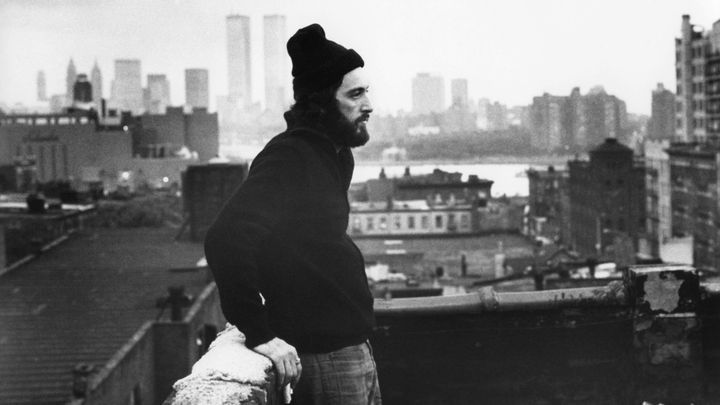
Those coming up at the New York City cinema include director Roger Vadim’s 1968 comedy Barbarella, Sidney Lumet’s 1973 drama Serpico and Ridley Scott’s 1982 action film Blade Runner.
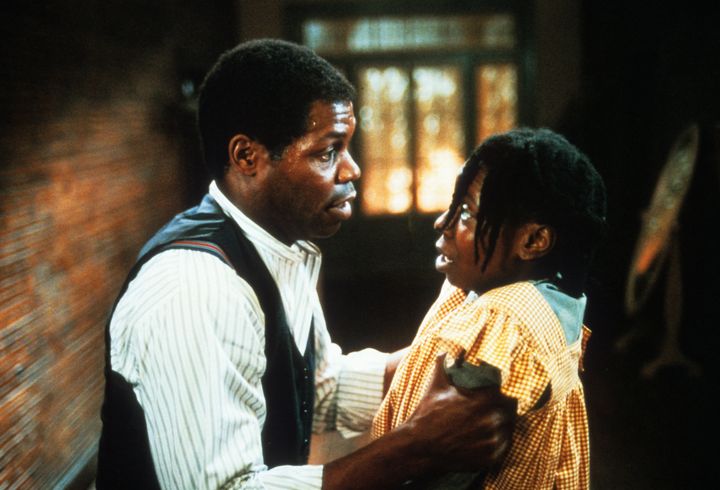
But with greater attention and promotions around remakes and reimaginings than ever, like this year’s The Little Mermaid, Teen Wolf: The Movie, White Men Can’t Jump and the upcoming The Color Purple, it’s a wonder how the older counterparts can sustain interest. That’s particularly concerning when re-releases get far less marketing and reach fewer audiences.
Alexander Olch, founder of the Metrograph, isn’t especially concerned about competing with popular remakes, or even the presumed fading importance of showing re-releases and newly restored older films. Arthouse cinemas like his, he said, thrive by attracting a variety of audiences interested in both older and contemporary classics as well as unique filmmaking.
Advertisement
“There will never be a shortage of excitement around authenticity,” Olch told me over the phone. “So, the original of any idea is always going to be fascinating and of interest to, in our opinions, quite a large audience.”
Despite the typically more modest promotions around re-releases, 1997’s “Titanic” boasted impressive box-office numbers when it returned to theaters in January.
Paramount Pictures/Alamy
He believes that watching an original film is the gateway to appreciating subsequent material.
“The interesting thing about watching the original is that it really is the cornerstone of any exploration of that idea — whether you’re looking at other work by that same filmmaker, by those same actors or artists, or potential remakes later on in time,” he said.
That’s fair. But re-releases still have to fit inside the Hollywood business model of making money. While they can’t be expected to compete with remakes at the box office (though recent re-releases of titles like Jaws and Titanic did quite well), it’s easy to presume that remakes’ overwhelming success could overshadow the efforts of a re-release.
Olch said there are more re-releases that defy that assumption than we may think, and that could be dependent on several factors, including the film itself. For instance, director Andrzej Żuławski’s 1981 horror “Possession” was a huge hit at Metrograph, both at the cinema and on its website. Much of that is due to the built-in fan base around the title itself.
Advertisement
“Part of the reason it had such excitement is that many people had seen the film and they just wanted to see it again, which is a particular kind of interest and that ended up being a huge hit,” Olch said. “That’s just a film that invites repeat viewings and has a particularly avid fan base.”
But where do re-releases fit in today’s fast-paced culture?
With greater attention and promotions around remakes like this year’s “The Little Mermaid,” it’s a wonder how their older counterparts can sustain interest.
Giles Keyte
It’s also worth pointing out that the cost to re-release a film is far less than bringing a new remake to cinemas, in part because studios don’t have to worry about hiring a cast and crew.
Script supervisor Jennifer Carriere brought this up when we jumped on a separate call about the role of re-releases in today’s remake market.
“Consider that there are not those same production dollars going into re-releasing a classic film,” she said. “So, there is a cost benefit to re-releasing something without having to set aside another tens of millions of dollars to create something new. It’s something that already exists.”
Advertisement
So, when you think about it that way, continuing to re-release films is in the studios’ favour, making them a relatively lower financial risk that has the potential for a worthy return. It’s reliable. But whether reliable is good enough for some green-hungry studios remains debatable.
There’s another aspect of this: If you have a winning programming strategy, like at the Metrograph, you figure out a way to make some of these new remakes work to the advantage of a classic film re-release. For example, Olch’s team is sometimes inspired to pursue screening certain films because their forthcoming remakes could amplify excitement around the original version.
Carriere agreed that re-releases can play an important role in today’s remake culture. “It could be something that is laying the groundwork for a remake in the future, and they want to strengthen the fan base and even test the waters in terms of interest,” she explained.
But that doesn’t mean saturating the market.
“I just think it’s part of the risk,” Carriere continued. “But you do have to diversify when it comes to your content. So, you can’t have all remakes.”
And with original intellectual properties, “there is a place for re-releasing historic filmmaking pieces and getting audiences excited,” she added.
Advertisement
Alexander Olch, founder of the Metrograph in New York that’s screening 1968’s “Barbarella” this month, feels the overwhelming interest in remakes “does not bear on what’s sitting in the archive.”
Hulton Archive via Getty Images
That balance and even the overwhelming number of remakes today, Olch said, “does not bear on what’s sitting in the archive.” But he also conceded it’s impossible not to consider the saturation of art and content that is current.
“Everything is so here and now that the opposite starts to become inevitably interesting,” Olch added, “which is something that is authentic that existed 10, 20, 30, 50 years ago that has a respect and a following of critics, or audiences, or filmmakers or artists.”
Something, he concluded, that even filmmakers today reference as art that has moved them.
But moviegoers’ interest in exploring older titles still seems rather niche. Audiences often lack a curiosity to explore deeper film history, even as specialty theatres curate older films around new pop culture dialogues.
These cinemas, including Metrograph and others across the nation and the world, also offer artist callbacks and film series to introduce — and reintroduce — viewers to older content. And if audiences are unable to attend in person, some offer online viewing platforms that movie lovers can explore.
Advertisement
There’s also a whole other platform where older films can be found and, arguably most easily, accessed: streaming platforms.
How streaming classic films keeps film history alive.
How do we engage in a discussion around the preservation of film history as well as a growing concern over what films “hold up” today? Above, an image from this year’s remake of 1992’s “White Men Can’t Jump.”
Parrish Lewis
In the same places where hits like “Succession, Yellowjackets and The Bear are streamed, films such as 1989’s The Little Mermaid and 1985’s The Color Purple and Teen Wolf, as well as older classics including 1953’s Roman Holiday and 1963’s The Birds, can also be viewed.
“Turner Classic Movies has been a fixture in my life for as long as I can remember,” actor Ryan Reynolds tweeted. “It’s a holy corner of film history — and a living, breathing library for an entire art form.”
Filmmakers Steven Spielberg, Martin Scorsese, and Paul Thomas Anderson will also help guide programming and curation.
As passionate and necessary as that conversation has been, classics, particularly on streamers, are still largely overshadowed amid the flurry of excitement many audiences have about the most current title streaming.
That’s even true when it’s something bad, like The Idol. Many people refuse to explore the larger library on these platforms.
Even Carriere admitted to that. “Genuinely, I’m thinking about it myself, and it doesn’t even occur to me to go dig up older things,” she said. “I tend to just look at whatever is trending based on my preferences, and the streaming service itself tells me what that is.”
Advertisement
With less emphasis on film literacy, it’s hard to tell whether some audiences today are even aware that certain films are remakes. Will the upcoming “The Color Purple” encourage viewers to revisit the 1985 original film (seen above) — or perhaps watch it for the first time?
Michael Ochs Archives via Getty Images
A lot of people share this habit. As Carriere mentioned, doing a little exploration on a streaming platform takes extra time out of your day and adds another task to it — a fun task, but a task nonetheless. That extra time should be worth it to explore your own interests beyond what is recommended.
Sadly, though, in today’s fast-paced culture, many social media chats underscore how everything new is cool. Even if it’s not actually cool, it’s still new.
Beyond many viewers’ general lack of curiosity, Carriere puts the onus on streamers. They don’t recommend older films to subscribers in the way they do the newer content.
Free platforms like Tubi, which is one of the best online platforms on which to watch classic movies apart from Criterion, a paid streamer exclusively dedicated to the archive, tend to do this a little better.
Advertisement
But paid platforms like Max, which also has a treasure trove of older work due to its TCM partnership, rarely promote classics, even if you frequently watch those titles. And the fear is that those films might become even more buried as the platform continues to roll out changes.
“Because it’s such a competitive landscape between the streaming platforms, they probably want to push and promote those things that are most likely to keep the subscribers subscribed,” Carriere said.
Promotions around the streaming of original movies like 1985’s “Teen Wolf” pale in comparison to those for its modern reimagining “Teen Wolf: The Movie” (above).
Curtis Bonds Baker/MTV ENTERTAINMENT
But if so many subscribers are only interested in what they’re told is interesting on the platform, the algorithm is counterintuitive.
That’s where the balance can come in, though. Not everything that appears on a streamer’s homepage has to be what is current, but rather it could also show films that are new to the platform — which should include the classics. This could help establish a routine of watching older films in tandem with their newer counterparts.
Advertisement
It could also build excitement around re-releases that shouldn’t have to shoulder that responsibility on their own. When the sentiment around original filmmaking is widely dismissive, it creates a challenge.
“So, while they do have these huge libraries of older content available, [unless] you explore the older content, I don’t see how they’re going to promote the older stuff, knowing that the vast majority of the audience is looking for the most recent releases above all,” Carriere said.
Streamers don’t seem confident they’re going to perform well and are not interested enough to test them out. But really, it’s difficult to gauge performance when streamers rarely share viewership numbers, good or bad.
There’s also the concern over whether an older work “holds up” to today’s cultural standards, which could dictate whether something is promoted or even available on a streaming service and certainly whether it’s brought to the big screen again.
Advertisement
But that sometimes calls for discernment rather than dismissal, for the sake of film literacy in a landscape where audiences sometimes don’t even realise when a movie is a remake.
“I do think that there is a preserving film history aspect to it,” Carriere said. “We are building on a history of filmmaking, even though we don’t want to lean into celebrating regressive storytelling. But there is a place for preserving the film history and introducing classics to new audiences.”
The way we reexamine classic films deserves a discussion.
Classics like 1985’s “Teen Wolf” are still largely overshadowed amid the flurry of excitement many audiences have around the most current title streaming.
Wolfkill/Alamy
And focus groups, as Carriere suggested, could also help with determining whether a film should re-enter the cultural sphere in 2023. There’s obviously no need for something like, say, 1915’s The Birth Of A Nation to repopulate today — though, that shouldn’t have emerged in 1915 either.
“Studios have to be careful about this and make sure that they’re vetting and testing and talking to [people] to decide whether or not it’s worthwhile to release something for fear of putting something out into the world that just doesn’t need to be seen or heard anymore,” she added.
Advertisement
True. Though it’s also worth distinguishing that not everything old is problematic, and not everything problematic is old. While today’s culture is quick to thoughtfully assess problematic contemporary works, it seems less interested in reexamining uncomfortable art from yesteryear with as much nuance. That doesn’t bode well for future re-releases.
But that concern could be challenged as the Writers Guild of America strike wages on, and audiences are faced with significantly fewer options in newer content — while the once-recent titles become a part of the archive just as quickly as they appeared. Will re-releases and archival titles on streamers get a viewership boost and/or stronger promotional strategies? That’s hard to predict.
Beyond that remains the issue of films being considered obsolete in a decade’s time. That sentiment means remakes are bound to happen, and whether they draw attention to the original film’s supplemental re-release or streaming availability doesn’t seem to be a priority for film studios that are shoveling out countless marketing dollars on the update.
Most of the streamers aren’t doing more to promote the archives either. So, the question of relevance persists, even when it’s something as recent as Oldboy or Titanic.
Al Pacino is masterful in 1973’s “Serpico,” screening at the Metrograph this month. “To think that a performance is outdated in only a few years’ time is kind of a depressing thought,” script supervisor Jennifer Carriere said.
Michael Ochs Archives via Getty Images
Advertisement
“To think that a performance is outdated in only a few years’ time is kind of a depressing thought,” Carriere said. “It would be nice if we could find ways to celebrate properties and performances and scripts and continue to keep them relevant.”
But she ultimately thinks that is a bit idealistic. “That’s just kind of going to be tougher to do, the shorter people’s attention spans become and the more competition for attention there is,” she continued. “That’s just part of the way in which our world is evolving. Yesterday’s news is yesterday very quickly.”
Shouldn’t we be more concerned about that? It’s not just that remakes of older films are dominating the conversation around the older film itself. It’s also that the rapidly evolving cultural landscape doesn’t allow much space for the archives to thrive on most mediums.
But Olch said audiences that are interested in experiencing these original films again, or even for the first time, usually seek out the opportunity to do so. And those who aren’t, well, don’t. Not everything is going to be for everyone and at all times. But we should still find a way to acknowledge and examine them while they are available, and often at our own fingertips.
“On a metaphysical level, I think all artists — we’re all building sandcastles and one day [they] are going to be washed away,” he said. “But the fun of it is to walk down the beach and admire everyone’s sandcastles while they’re standing.”
Advertisement
That sense of finiteness is where the work of re-releases becomes especially urgent, though.
“The nice thing about restorations is, in some ways,” Olch said, “it sort of holds the waves back a little longer before washing over the sandcastles.”
It’s been almost 20 years since since Friends aired its fina episode, which saw longtime fans saying goodbye to Joey, Ross, Rachel, Chandler, Phoebe, and Monica once and for all.
","type":"video","meta":{"author":"Still Five By Five","author_url":"https://www.youtube.com/channel/UCOtQxup5DaherIHL9IDfOMg","cache_age":86400,"description":"Dirt TV show (2007-2008) Lucy (played by Courteney Cox) and Tina (played by Jennifer Aniston) share an onscreen kiss. Edited for shorter video time. HD.\n\nTo see more videos like this, please leave a like. And don’t forget to subscribe. Thanks for watching!\n \n\nFollow me on Instagram: https://www.instagram.com/stillfivebyfive/\nFollow me on Twitter: https://twitter.com/StillFiveByFive","options":{"_cc_load_policy":{"label":"Closed captions","value":false},"_end":{"label":"End on","placeholder":"ex.: 11, 1m10s","value":""},"_start":{"label":"Start from","placeholder":"ex.: 11, 1m10s","value":""},"click_to_play":{"label":"Hold load & play until clicked","value":false}},"provider_name":"YouTube","thumbnail_height":720,"thumbnail_url":"https://i.ytimg.com/vi/KAMiIDSvQAk/maxresdefault.jpg","thumbnail_width":1280,"title":"Dirt Jennifer Aniston Courteney Cox kiss HD [Dirt Lucy and Tina]","type":"video","url":"https://www.youtube.com/watch?v=KAMiIDSvQAk","version":"1.0"},"flags":[],"enhancements":{},"fullBleed":false,"options":{"theme":"news","device":"desktop","editionInfo":{"id":"uk","name":"U.K.","link":"https://www.huffingtonpost.co.uk","locale":"en_GB"},"slideshowAd":{"scriptTags":[],"otherHtml":""},"slideshowEndCard":{"scriptTags":[],"otherHtml":""},"isMapi":false,"isAmp":false,"isVideoEntry":false,"isEntry":true,"isMt":false,"entryId":"64a80cb0e4b03d308d948528","entryPermalink":"https://www.huffingtonpost.co.uk/entry/friends-cast-on-screen-reunions-cameos-starred-together_uk_64a80cb0e4b03d308d948528","entryTagsList":"uktv,nostalgia,friends,jennifer-aniston,courteney-cox,matt-leblanc,david-schwimmer,matthew-perry,lisa-kudrow,@ai_seo_headline","sectionSlug":"entertainment","deptSlug":null,"sectionRedirectUrl":null,"subcategories":"","isWide":false,"headerOverride":null,"noVideoAds":false,"disableFloat":false,"isNative":false,"commercialVideo":{"provider":"custom","site_and_category":"uk.entertainment","package":null},"isHighline":false,"vidibleConfigValues":{"cid":"60afc140cf94592c45d7390c","disabledWithMapiEntries":false,"overrides":{"all":"60b8e525cdd90620331baaf4"},"whitelisted":["56c5f12ee4b03a39c93c9439","56c6056ee4b01f2b7e1b5f35","59bfee7f9e451049f87f550b","5acccbaac269d609ef44c529","570278d2e4b070ff77b98217","57027b4be4b070ff77b98d5c","56fe95c4e4b0041c4242016b","570279cfe4b06d08e3629954","5ba9e8821c2e65639162ccf1","5bcd9904821576674bc55ced","5d076ca127f25f504327c72e","5b35266b158f855373e28256","5ebac2e8abddfb04f877dff2","60b8e525cdd90620331baaf4","60b64354b171b7444beaff4d","60d0d8e09340d7032ad0fb1a","60d0d90f9340d7032ad0fbeb","60d0d9949340d7032ad0fed3","60d0d9f99340d7032ad10113","60d0daa69340d7032ad104cf","60d0de02b627221e9d819408"],"playlists":{"default":"57bc306888d2ff1a7f6b5579","news":"56c6dbcee4b04edee8beb49c","politics":"56c6dbcee4b04edee8beb49c","entertainment":"56c6e7f2e4b0983aa64c60fc","tech":"56c6f70ae4b043c5bdcaebf9","parents":"56cc65c2e4b0239099455b42","lifestyle":"56cc66a9e4b01f81ef94e98c"},"playerUpdates":{"56c6056ee4b01f2b7e1b5f35":"60b8e525cdd90620331baaf4","56c5f12ee4b03a39c93c9439":"60d0d8e09340d7032ad0fb1a","59bfee7f9e451049f87f550b":"60d0d90f9340d7032ad0fbeb","5acccbaac269d609ef44c529":"60d0d9949340d7032ad0fed3","5bcd9904821576674bc55ced":"60d0d9f99340d7032ad10113","5d076ca127f25f504327c72e":"60d0daa69340d7032ad104cf","5ebac2e8abddfb04f877dff2":"60d0de02b627221e9d819408"}},"connatixConfigValues":{"defaultPlayer":"8b034f64-513c-4987-b16f-42d6008f7feb","clickToPlayPlayer":"5a777b9b-81fe-41a6-8302-59e9953ee8a2","videoPagePlayer":"19654b65-409c-4b38-90db-80cbdea02cf4"},"customAmpComponents":[],"ampAssetsUrl":"https://amp.assets.huffpost.com","videoTraits":null,"positionInUnitCounts":{"buzz_head":{"count":0},"buzz_body":{"count":0},"buzz_bottom":{"count":0}},"positionInSubUnitCounts":{"article_body":{"count":11},"blog_summary":{"count":0},"before_you_go_slideshow":{"count":0}},"connatixCountsHelper":{"count":0},"buzzfeedTracking":{"context_page_id":"64a80cb0e4b03d308d948528","context_page_type":"buzz","destination":"huffpost","mode":"desktop","page_edition":"en-uk"},"tags":[{"name":"uktv","slug":"uktv","links":{"relativeLink":"news/uktv","permalink":"https://www.huffingtonpost.co.uk/news/uktv","mobileWebLink":"https://www.huffingtonpost.co.uk/news/uktv"},"relegenceId":4255579,"section":{"title":"Entertainment","slug":"entertainment"},"topic":{"title":"UK TV","slug":"uktv","overridesSectionLabel":false},"url":"https://www.huffingtonpost.co.uk/news/uktv/"},{"name":"nostalgia","slug":"nostalgia","links":{"relativeLink":"news/nostalgia","permalink":"https://www.huffingtonpost.co.uk/news/nostalgia","mobileWebLink":"https://www.huffingtonpost.co.uk/news/nostalgia"},"section":{"title":"Entertainment","slug":"entertainment"},"topic":{"title":"Nostalgia","slug":"nostalgia","overridesSectionLabel":false},"url":"https://www.huffingtonpost.co.uk/news/nostalgia/"},{"name":"friends","slug":"friends","links":{"relativeLink":"news/friends","permalink":"https://www.huffingtonpost.co.uk/news/friends","mobileWebLink":"https://www.huffingtonpost.co.uk/news/friends"},"relegenceId":3072999,"url":"https://www.huffingtonpost.co.uk/news/friends/"},{"name":"Jennifer Aniston","slug":"jennifer-aniston","links":{"relativeLink":"news/jennifer-aniston","permalink":"https://www.huffingtonpost.co.uk/news/jennifer-aniston","mobileWebLink":"https://www.huffingtonpost.co.uk/news/jennifer-aniston"},"relegenceId":2805351,"url":"https://www.huffingtonpost.co.uk/news/jennifer-aniston/"},{"name":"Courteney Cox","slug":"courteney-cox","links":{"relativeLink":"news/courteney-cox","permalink":"https://www.huffingtonpost.co.uk/news/courteney-cox","mobileWebLink":"https://www.huffingtonpost.co.uk/news/courteney-cox"},"relegenceId":2784758,"url":"https://www.huffingtonpost.co.uk/news/courteney-cox/"},{"name":"matt leblanc","slug":"matt-leblanc","links":{"relativeLink":"news/matt-leblanc","permalink":"https://www.huffingtonpost.co.uk/news/matt-leblanc","mobileWebLink":"https://www.huffingtonpost.co.uk/news/matt-leblanc"},"relegenceId":2822266,"url":"https://www.huffingtonpost.co.uk/news/matt-leblanc/"},{"name":"David Schwimmer","slug":"david-schwimmer","links":{"relativeLink":"news/david-schwimmer","permalink":"https://www.huffingtonpost.co.uk/news/david-schwimmer","mobileWebLink":"https://www.huffingtonpost.co.uk/news/david-schwimmer"},"relegenceId":2787127,"url":"https://www.huffingtonpost.co.uk/news/david-schwimmer/"},{"name":"Matthew Perry","slug":"matthew-perry","links":{"relativeLink":"news/matthew-perry","permalink":"https://www.huffingtonpost.co.uk/news/matthew-perry","mobileWebLink":"https://www.huffingtonpost.co.uk/news/matthew-perry"},"relegenceId":2822424,"url":"https://www.huffingtonpost.co.uk/news/matthew-perry/"},{"name":"Lisa Kudrow","slug":"lisa-kudrow","links":{"relativeLink":"news/lisa-kudrow","permalink":"https://www.huffingtonpost.co.uk/news/lisa-kudrow","mobileWebLink":"https://www.huffingtonpost.co.uk/news/lisa-kudrow"},"relegenceId":2816762,"url":"https://www.huffingtonpost.co.uk/news/lisa-kudrow/"}],"isLiveblogLive":null,"cetUnit":"buzz_body","bodyAds":["
","type":"video","meta":{"author":"SHOWTIME","author_url":"https://www.youtube.com/channel/UCtwMWJr2BFPkuJTnSvCESSQ","cache_age":86400,"description":"Fionna has a patient who is a compulsive liar. Starring Lisa Kudrow, Dan Bucatinsky, and Victor Garber. \n\nSubscribe to the Showtime channel for more clips: http://goo.gl/esCMib\n\nWatch more clips from Web Therapy on Showtime: http://s.sho.com/webtherapyytplaylist\n \nGet more Web Therapy:\nFollow: http://twitter.com/SHO_Network\nLike: http://www.facebook.com/showtime\nShop: http://s.sho.com/shopwebtherapy \nWebsite: http://www.sho.com/sho/web-therapy/home\n\nWatch on Showtime Anytime: http://s.sho.com/1rZdbiw\n\nDon’t have Showtime? Order Now: http://s.sho.com/P0DCVU\n\nFiona Wallice is a therapist with little patience for her patients. Tired of hearing about people’s problems for fifty long minutes, she devises a new treatment, the three-minute video chat. And still, the sessions end up being largely about her. If she’s your therapist, you’ve got problems. Emmy Award® winner Lisa Kudrow co-created, produces and stars in this outrageous therapeutic send-up. Originally produced as webisodes, WEB THERAPY features an A-list guest cast who, along with Kudrow, improvise their performances with hilarious results.","options":{"_cc_load_policy":{"label":"Closed captions","value":false},"_end":{"label":"End on","placeholder":"ex.: 11, 1m10s","value":""},"_start":{"label":"Start from","placeholder":"ex.: 11, 1m10s","value":""},"click_to_play":{"label":"Hold load & play until clicked","value":false}},"provider_name":"YouTube","thumbnail_height":480,"thumbnail_url":"https://i.ytimg.com/vi/DP4TYp2LZIo/sddefault.jpg","thumbnail_width":640,"title":"Web Therapy (ft. Matthew Perry) | ‘Invention of the Lighthouse’ Official Clip | Season 4 Episode 10","type":"video","url":"https://www.youtube.com/watch?v=DP4TYp2LZIo","version":"1.0"},"flags":[],"enhancements":{},"fullBleed":false,"options":{"theme":"news","device":"desktop","editionInfo":{"id":"uk","name":"U.K.","link":"https://www.huffingtonpost.co.uk","locale":"en_GB"},"slideshowAd":{"scriptTags":[],"otherHtml":""},"slideshowEndCard":{"scriptTags":[],"otherHtml":""},"isMapi":false,"isAmp":false,"isVideoEntry":false,"isEntry":true,"isMt":false,"entryId":"64a80cb0e4b03d308d948528","entryPermalink":"https://www.huffingtonpost.co.uk/entry/friends-cast-on-screen-reunions-cameos-starred-together_uk_64a80cb0e4b03d308d948528","entryTagsList":"uktv,nostalgia,friends,jennifer-aniston,courteney-cox,matt-leblanc,david-schwimmer,matthew-perry,lisa-kudrow,@ai_seo_headline","sectionSlug":"entertainment","deptSlug":null,"sectionRedirectUrl":null,"subcategories":"","isWide":false,"headerOverride":null,"noVideoAds":false,"disableFloat":false,"isNative":false,"commercialVideo":{"provider":"custom","site_and_category":"uk.entertainment","package":null},"isHighline":false,"vidibleConfigValues":{"cid":"60afc140cf94592c45d7390c","disabledWithMapiEntries":false,"overrides":{"all":"60b8e525cdd90620331baaf4"},"whitelisted":["56c5f12ee4b03a39c93c9439","56c6056ee4b01f2b7e1b5f35","59bfee7f9e451049f87f550b","5acccbaac269d609ef44c529","570278d2e4b070ff77b98217","57027b4be4b070ff77b98d5c","56fe95c4e4b0041c4242016b","570279cfe4b06d08e3629954","5ba9e8821c2e65639162ccf1","5bcd9904821576674bc55ced","5d076ca127f25f504327c72e","5b35266b158f855373e28256","5ebac2e8abddfb04f877dff2","60b8e525cdd90620331baaf4","60b64354b171b7444beaff4d","60d0d8e09340d7032ad0fb1a","60d0d90f9340d7032ad0fbeb","60d0d9949340d7032ad0fed3","60d0d9f99340d7032ad10113","60d0daa69340d7032ad104cf","60d0de02b627221e9d819408"],"playlists":{"default":"57bc306888d2ff1a7f6b5579","news":"56c6dbcee4b04edee8beb49c","politics":"56c6dbcee4b04edee8beb49c","entertainment":"56c6e7f2e4b0983aa64c60fc","tech":"56c6f70ae4b043c5bdcaebf9","parents":"56cc65c2e4b0239099455b42","lifestyle":"56cc66a9e4b01f81ef94e98c"},"playerUpdates":{"56c6056ee4b01f2b7e1b5f35":"60b8e525cdd90620331baaf4","56c5f12ee4b03a39c93c9439":"60d0d8e09340d7032ad0fb1a","59bfee7f9e451049f87f550b":"60d0d90f9340d7032ad0fbeb","5acccbaac269d609ef44c529":"60d0d9949340d7032ad0fed3","5bcd9904821576674bc55ced":"60d0d9f99340d7032ad10113","5d076ca127f25f504327c72e":"60d0daa69340d7032ad104cf","5ebac2e8abddfb04f877dff2":"60d0de02b627221e9d819408"}},"connatixConfigValues":{"defaultPlayer":"8b034f64-513c-4987-b16f-42d6008f7feb","clickToPlayPlayer":"5a777b9b-81fe-41a6-8302-59e9953ee8a2","videoPagePlayer":"19654b65-409c-4b38-90db-80cbdea02cf4"},"customAmpComponents":[],"ampAssetsUrl":"https://amp.assets.huffpost.com","videoTraits":null,"positionInUnitCounts":{"buzz_head":{"count":0},"buzz_body":{"count":0},"buzz_bottom":{"count":0}},"positionInSubUnitCounts":{"article_body":{"count":11},"blog_summary":{"count":0},"before_you_go_slideshow":{"count":0}},"connatixCountsHelper":{"count":0},"buzzfeedTracking":{"context_page_id":"64a80cb0e4b03d308d948528","context_page_type":"buzz","destination":"huffpost","mode":"desktop","page_edition":"en-uk"},"tags":[{"name":"uktv","slug":"uktv","links":{"relativeLink":"news/uktv","permalink":"https://www.huffingtonpost.co.uk/news/uktv","mobileWebLink":"https://www.huffingtonpost.co.uk/news/uktv"},"relegenceId":4255579,"section":{"title":"Entertainment","slug":"entertainment"},"topic":{"title":"UK TV","slug":"uktv","overridesSectionLabel":false},"url":"https://www.huffingtonpost.co.uk/news/uktv/"},{"name":"nostalgia","slug":"nostalgia","links":{"relativeLink":"news/nostalgia","permalink":"https://www.huffingtonpost.co.uk/news/nostalgia","mobileWebLink":"https://www.huffingtonpost.co.uk/news/nostalgia"},"section":{"title":"Entertainment","slug":"entertainment"},"topic":{"title":"Nostalgia","slug":"nostalgia","overridesSectionLabel":false},"url":"https://www.huffingtonpost.co.uk/news/nostalgia/"},{"name":"friends","slug":"friends","links":{"relativeLink":"news/friends","permalink":"https://www.huffingtonpost.co.uk/news/friends","mobileWebLink":"https://www.huffingtonpost.co.uk/news/friends"},"relegenceId":3072999,"url":"https://www.huffingtonpost.co.uk/news/friends/"},{"name":"Jennifer Aniston","slug":"jennifer-aniston","links":{"relativeLink":"news/jennifer-aniston","permalink":"https://www.huffingtonpost.co.uk/news/jennifer-aniston","mobileWebLink":"https://www.huffingtonpost.co.uk/news/jennifer-aniston"},"relegenceId":2805351,"url":"https://www.huffingtonpost.co.uk/news/jennifer-aniston/"},{"name":"Courteney Cox","slug":"courteney-cox","links":{"relativeLink":"news/courteney-cox","permalink":"https://www.huffingtonpost.co.uk/news/courteney-cox","mobileWebLink":"https://www.huffingtonpost.co.uk/news/courteney-cox"},"relegenceId":2784758,"url":"https://www.huffingtonpost.co.uk/news/courteney-cox/"},{"name":"matt leblanc","slug":"matt-leblanc","links":{"relativeLink":"news/matt-leblanc","permalink":"https://www.huffingtonpost.co.uk/news/matt-leblanc","mobileWebLink":"https://www.huffingtonpost.co.uk/news/matt-leblanc"},"relegenceId":2822266,"url":"https://www.huffingtonpost.co.uk/news/matt-leblanc/"},{"name":"David Schwimmer","slug":"david-schwimmer","links":{"relativeLink":"news/david-schwimmer","permalink":"https://www.huffingtonpost.co.uk/news/david-schwimmer","mobileWebLink":"https://www.huffingtonpost.co.uk/news/david-schwimmer"},"relegenceId":2787127,"url":"https://www.huffingtonpost.co.uk/news/david-schwimmer/"},{"name":"Matthew Perry","slug":"matthew-perry","links":{"relativeLink":"news/matthew-perry","permalink":"https://www.huffingtonpost.co.uk/news/matthew-perry","mobileWebLink":"https://www.huffingtonpost.co.uk/news/matthew-perry"},"relegenceId":2822424,"url":"https://www.huffingtonpost.co.uk/news/matthew-perry/"},{"name":"Lisa Kudrow","slug":"lisa-kudrow","links":{"relativeLink":"news/lisa-kudrow","permalink":"https://www.huffingtonpost.co.uk/news/lisa-kudrow","mobileWebLink":"https://www.huffingtonpost.co.uk/news/lisa-kudrow"},"relegenceId":2816762,"url":"https://www.huffingtonpost.co.uk/news/lisa-kudrow/"}],"isLiveblogLive":null,"cetUnit":"buzz_body","bodyAds":["
Lisa’s improvised series Web Therapy, which aired for four seasons between 2011 and 2015, saw the actor transform into online therapist Fiona Wallace.
During its run, she was joined by all of her former Friends co-stars in various guest roles, except for Jennifer, who was approached about an appearance shortly before the series was cancelled.
","type":"video","meta":{"author":"friendsbr","author_url":"https://www.youtube.com/channel/UCuDOOU0wJ1bnXD1d7F3Ud-w","cache_age":86400,"description":"I DO NOT OWN THIS, ABC DOES! Sneak peak of Cougar Town’s episode \"Rhino Skin\" featuring Lisa Kudrow as Dr. Amy Evans.","options":{"_cc_load_policy":{"label":"Closed captions","value":false},"_end":{"label":"End on","placeholder":"ex.: 11, 1m10s","value":""},"_start":{"label":"Start from","placeholder":"ex.: 11, 1m10s","value":""},"click_to_play":{"label":"Hold load & play until clicked","value":false}},"provider_name":"YouTube","thumbnail_height":360,"thumbnail_url":"https://i.ytimg.com/vi/jJvobDkwJtY/hqdefault.jpg","thumbnail_width":480,"title":"Sneak Peak: Cougar Town 1×11 – Rhino Skin","type":"video","url":"https://www.youtube.com/watch?v=jJvobDkwJtY","version":"1.0"},"flags":[],"enhancements":{},"fullBleed":false,"options":{"theme":"news","device":"desktop","editionInfo":{"id":"uk","name":"U.K.","link":"https://www.huffingtonpost.co.uk","locale":"en_GB"},"slideshowAd":{"scriptTags":[],"otherHtml":""},"slideshowEndCard":{"scriptTags":[],"otherHtml":""},"isMapi":false,"isAmp":false,"isVideoEntry":false,"isEntry":true,"isMt":false,"entryId":"64a80cb0e4b03d308d948528","entryPermalink":"https://www.huffingtonpost.co.uk/entry/friends-cast-on-screen-reunions-cameos-starred-together_uk_64a80cb0e4b03d308d948528","entryTagsList":"uktv,nostalgia,friends,jennifer-aniston,courteney-cox,matt-leblanc,david-schwimmer,matthew-perry,lisa-kudrow,@ai_seo_headline","sectionSlug":"entertainment","deptSlug":null,"sectionRedirectUrl":null,"subcategories":"","isWide":false,"headerOverride":null,"noVideoAds":false,"disableFloat":false,"isNative":false,"commercialVideo":{"provider":"custom","site_and_category":"uk.entertainment","package":null},"isHighline":false,"vidibleConfigValues":{"cid":"60afc140cf94592c45d7390c","disabledWithMapiEntries":false,"overrides":{"all":"60b8e525cdd90620331baaf4"},"whitelisted":["56c5f12ee4b03a39c93c9439","56c6056ee4b01f2b7e1b5f35","59bfee7f9e451049f87f550b","5acccbaac269d609ef44c529","570278d2e4b070ff77b98217","57027b4be4b070ff77b98d5c","56fe95c4e4b0041c4242016b","570279cfe4b06d08e3629954","5ba9e8821c2e65639162ccf1","5bcd9904821576674bc55ced","5d076ca127f25f504327c72e","5b35266b158f855373e28256","5ebac2e8abddfb04f877dff2","60b8e525cdd90620331baaf4","60b64354b171b7444beaff4d","60d0d8e09340d7032ad0fb1a","60d0d90f9340d7032ad0fbeb","60d0d9949340d7032ad0fed3","60d0d9f99340d7032ad10113","60d0daa69340d7032ad104cf","60d0de02b627221e9d819408"],"playlists":{"default":"57bc306888d2ff1a7f6b5579","news":"56c6dbcee4b04edee8beb49c","politics":"56c6dbcee4b04edee8beb49c","entertainment":"56c6e7f2e4b0983aa64c60fc","tech":"56c6f70ae4b043c5bdcaebf9","parents":"56cc65c2e4b0239099455b42","lifestyle":"56cc66a9e4b01f81ef94e98c"},"playerUpdates":{"56c6056ee4b01f2b7e1b5f35":"60b8e525cdd90620331baaf4","56c5f12ee4b03a39c93c9439":"60d0d8e09340d7032ad0fb1a","59bfee7f9e451049f87f550b":"60d0d90f9340d7032ad0fbeb","5acccbaac269d609ef44c529":"60d0d9949340d7032ad0fed3","5bcd9904821576674bc55ced":"60d0d9f99340d7032ad10113","5d076ca127f25f504327c72e":"60d0daa69340d7032ad104cf","5ebac2e8abddfb04f877dff2":"60d0de02b627221e9d819408"}},"connatixConfigValues":{"defaultPlayer":"8b034f64-513c-4987-b16f-42d6008f7feb","clickToPlayPlayer":"5a777b9b-81fe-41a6-8302-59e9953ee8a2","videoPagePlayer":"19654b65-409c-4b38-90db-80cbdea02cf4"},"customAmpComponents":[],"ampAssetsUrl":"https://amp.assets.huffpost.com","videoTraits":null,"positionInUnitCounts":{"buzz_head":{"count":0},"buzz_body":{"count":0},"buzz_bottom":{"count":0}},"positionInSubUnitCounts":{"article_body":{"count":11},"blog_summary":{"count":0},"before_you_go_slideshow":{"count":0}},"connatixCountsHelper":{"count":0},"buzzfeedTracking":{"context_page_id":"64a80cb0e4b03d308d948528","context_page_type":"buzz","destination":"huffpost","mode":"desktop","page_edition":"en-uk"},"tags":[{"name":"uktv","slug":"uktv","links":{"relativeLink":"news/uktv","permalink":"https://www.huffingtonpost.co.uk/news/uktv","mobileWebLink":"https://www.huffingtonpost.co.uk/news/uktv"},"relegenceId":4255579,"section":{"title":"Entertainment","slug":"entertainment"},"topic":{"title":"UK TV","slug":"uktv","overridesSectionLabel":false},"url":"https://www.huffingtonpost.co.uk/news/uktv/"},{"name":"nostalgia","slug":"nostalgia","links":{"relativeLink":"news/nostalgia","permalink":"https://www.huffingtonpost.co.uk/news/nostalgia","mobileWebLink":"https://www.huffingtonpost.co.uk/news/nostalgia"},"section":{"title":"Entertainment","slug":"entertainment"},"topic":{"title":"Nostalgia","slug":"nostalgia","overridesSectionLabel":false},"url":"https://www.huffingtonpost.co.uk/news/nostalgia/"},{"name":"friends","slug":"friends","links":{"relativeLink":"news/friends","permalink":"https://www.huffingtonpost.co.uk/news/friends","mobileWebLink":"https://www.huffingtonpost.co.uk/news/friends"},"relegenceId":3072999,"url":"https://www.huffingtonpost.co.uk/news/friends/"},{"name":"Jennifer Aniston","slug":"jennifer-aniston","links":{"relativeLink":"news/jennifer-aniston","permalink":"https://www.huffingtonpost.co.uk/news/jennifer-aniston","mobileWebLink":"https://www.huffingtonpost.co.uk/news/jennifer-aniston"},"relegenceId":2805351,"url":"https://www.huffingtonpost.co.uk/news/jennifer-aniston/"},{"name":"Courteney Cox","slug":"courteney-cox","links":{"relativeLink":"news/courteney-cox","permalink":"https://www.huffingtonpost.co.uk/news/courteney-cox","mobileWebLink":"https://www.huffingtonpost.co.uk/news/courteney-cox"},"relegenceId":2784758,"url":"https://www.huffingtonpost.co.uk/news/courteney-cox/"},{"name":"matt leblanc","slug":"matt-leblanc","links":{"relativeLink":"news/matt-leblanc","permalink":"https://www.huffingtonpost.co.uk/news/matt-leblanc","mobileWebLink":"https://www.huffingtonpost.co.uk/news/matt-leblanc"},"relegenceId":2822266,"url":"https://www.huffingtonpost.co.uk/news/matt-leblanc/"},{"name":"David Schwimmer","slug":"david-schwimmer","links":{"relativeLink":"news/david-schwimmer","permalink":"https://www.huffingtonpost.co.uk/news/david-schwimmer","mobileWebLink":"https://www.huffingtonpost.co.uk/news/david-schwimmer"},"relegenceId":2787127,"url":"https://www.huffingtonpost.co.uk/news/david-schwimmer/"},{"name":"Matthew Perry","slug":"matthew-perry","links":{"relativeLink":"news/matthew-perry","permalink":"https://www.huffingtonpost.co.uk/news/matthew-perry","mobileWebLink":"https://www.huffingtonpost.co.uk/news/matthew-perry"},"relegenceId":2822424,"url":"https://www.huffingtonpost.co.uk/news/matthew-perry/"},{"name":"Lisa Kudrow","slug":"lisa-kudrow","links":{"relativeLink":"news/lisa-kudrow","permalink":"https://www.huffingtonpost.co.uk/news/lisa-kudrow","mobileWebLink":"https://www.huffingtonpost.co.uk/news/lisa-kudrow"},"relegenceId":2816762,"url":"https://www.huffingtonpost.co.uk/news/lisa-kudrow/"}],"isLiveblogLive":null,"cetUnit":"buzz_body","bodyAds":["
Courteney played the lead role, Jules, in the sitcom Cougar Town, which aired from 2009 to 2059.
Guest stars on the show included three former Friends cast members, including Lisa, who played a mean dermatologist in the show’s first series.
Jennifer also made an appearance and played Jules’ therapist Glenn in season two, while Matthew popped up in season five as a millionaire, who proposed marriage to Courteney’s character.
","type":"video","meta":{"author":"televisionpromos","author_url":"https://www.youtube.com/channel/UC1qJtd6Q7jT8IG_oUUa2y_w","cache_age":86400,"description":"Go On 1×20 \"Matchup Problems\" guest starring Courteney Cox – RYAN’S \"WING MAN\" TURNS INTO COMPETITOR FOR THE AFFECTION OF A BEAUTIFUL WIDOW-COURTENEY COX GUEST STARS — Anne (Julie White) offers to set up Ryan (Matthey Perry) with a new acquaintance, Talia (Courteney Cox), a recent widow struggling to find her emotional direction. When the three go out together, Talia ends up heavily flirting with them both. Meanwhile Lauren (Laura Benanti) accidentally attracts a man away from Yolanda (Suzy Nakmura) who has gone on an Asian singles cruise to find a man for herself. Also starring Brett Gelman, Sarah Baker, Tonita Castro, Bill Cobbs and Hayes Macarthur.\n\nSubscribe to televisionpromos on YouTube for more Go On season 1 promos in HD!\n\nOfficial website: http://www.nbc.com/go-on/\nOfficial Facebook Page: https://www.facebook.com/NBCGoOn/\nOfficial Twitter Page: https://twitter.com/NBCGo_On/\n\nGo On 1×20 Promo/Preview \"Matchup Problems\"\nGo On Season 1 Episode 20 Promo\nGo On S01E20 Promo\nCourteney Cox Go On\n\n\nGo On Courteney Cox, Go On Courtney Cox, Courteney Cox Friends reunion, Courteney Cox guest stars on Go On, Courteney Cox and Matthew Perry","options":{"_cc_load_policy":{"label":"Closed captions","value":false},"_end":{"label":"End on","placeholder":"ex.: 11, 1m10s","value":""},"_start":{"label":"Start from","placeholder":"ex.: 11, 1m10s","value":""},"click_to_play":{"label":"Hold load & play until clicked","value":false}},"provider_name":"YouTube","thumbnail_height":720,"thumbnail_url":"https://i.ytimg.com/vi/ClGN9xo3kH4/maxresdefault.jpg","thumbnail_width":1280,"title":"Go On 1×20 Promo \"Matchup Problems\" (HD) ft. Courteney Cox – Friends Reunion","type":"video","url":"https://www.youtube.com/watch?v=ClGN9xo3kH4","version":"1.0"},"flags":[],"enhancements":{},"fullBleed":false,"options":{"theme":"news","device":"desktop","editionInfo":{"id":"uk","name":"U.K.","link":"https://www.huffingtonpost.co.uk","locale":"en_GB"},"slideshowAd":{"scriptTags":[],"otherHtml":""},"slideshowEndCard":{"scriptTags":[],"otherHtml":""},"isMapi":false,"isAmp":false,"isVideoEntry":false,"isEntry":true,"isMt":false,"entryId":"64a80cb0e4b03d308d948528","entryPermalink":"https://www.huffingtonpost.co.uk/entry/friends-cast-on-screen-reunions-cameos-starred-together_uk_64a80cb0e4b03d308d948528","entryTagsList":"uktv,nostalgia,friends,jennifer-aniston,courteney-cox,matt-leblanc,david-schwimmer,matthew-perry,lisa-kudrow,@ai_seo_headline","sectionSlug":"entertainment","deptSlug":null,"sectionRedirectUrl":null,"subcategories":"","isWide":false,"headerOverride":null,"noVideoAds":false,"disableFloat":false,"isNative":false,"commercialVideo":{"provider":"custom","site_and_category":"uk.entertainment","package":null},"isHighline":false,"vidibleConfigValues":{"cid":"60afc140cf94592c45d7390c","disabledWithMapiEntries":false,"overrides":{"all":"60b8e525cdd90620331baaf4"},"whitelisted":["56c5f12ee4b03a39c93c9439","56c6056ee4b01f2b7e1b5f35","59bfee7f9e451049f87f550b","5acccbaac269d609ef44c529","570278d2e4b070ff77b98217","57027b4be4b070ff77b98d5c","56fe95c4e4b0041c4242016b","570279cfe4b06d08e3629954","5ba9e8821c2e65639162ccf1","5bcd9904821576674bc55ced","5d076ca127f25f504327c72e","5b35266b158f855373e28256","5ebac2e8abddfb04f877dff2","60b8e525cdd90620331baaf4","60b64354b171b7444beaff4d","60d0d8e09340d7032ad0fb1a","60d0d90f9340d7032ad0fbeb","60d0d9949340d7032ad0fed3","60d0d9f99340d7032ad10113","60d0daa69340d7032ad104cf","60d0de02b627221e9d819408"],"playlists":{"default":"57bc306888d2ff1a7f6b5579","news":"56c6dbcee4b04edee8beb49c","politics":"56c6dbcee4b04edee8beb49c","entertainment":"56c6e7f2e4b0983aa64c60fc","tech":"56c6f70ae4b043c5bdcaebf9","parents":"56cc65c2e4b0239099455b42","lifestyle":"56cc66a9e4b01f81ef94e98c"},"playerUpdates":{"56c6056ee4b01f2b7e1b5f35":"60b8e525cdd90620331baaf4","56c5f12ee4b03a39c93c9439":"60d0d8e09340d7032ad0fb1a","59bfee7f9e451049f87f550b":"60d0d90f9340d7032ad0fbeb","5acccbaac269d609ef44c529":"60d0d9949340d7032ad0fed3","5bcd9904821576674bc55ced":"60d0d9f99340d7032ad10113","5d076ca127f25f504327c72e":"60d0daa69340d7032ad104cf","5ebac2e8abddfb04f877dff2":"60d0de02b627221e9d819408"}},"connatixConfigValues":{"defaultPlayer":"8b034f64-513c-4987-b16f-42d6008f7feb","clickToPlayPlayer":"5a777b9b-81fe-41a6-8302-59e9953ee8a2","videoPagePlayer":"19654b65-409c-4b38-90db-80cbdea02cf4"},"customAmpComponents":[],"ampAssetsUrl":"https://amp.assets.huffpost.com","videoTraits":null,"positionInUnitCounts":{"buzz_head":{"count":0},"buzz_body":{"count":0},"buzz_bottom":{"count":0}},"positionInSubUnitCounts":{"article_body":{"count":11},"blog_summary":{"count":0},"before_you_go_slideshow":{"count":0}},"connatixCountsHelper":{"count":0},"buzzfeedTracking":{"context_page_id":"64a80cb0e4b03d308d948528","context_page_type":"buzz","destination":"huffpost","mode":"desktop","page_edition":"en-uk"},"tags":[{"name":"uktv","slug":"uktv","links":{"relativeLink":"news/uktv","permalink":"https://www.huffingtonpost.co.uk/news/uktv","mobileWebLink":"https://www.huffingtonpost.co.uk/news/uktv"},"relegenceId":4255579,"section":{"title":"Entertainment","slug":"entertainment"},"topic":{"title":"UK TV","slug":"uktv","overridesSectionLabel":false},"url":"https://www.huffingtonpost.co.uk/news/uktv/"},{"name":"nostalgia","slug":"nostalgia","links":{"relativeLink":"news/nostalgia","permalink":"https://www.huffingtonpost.co.uk/news/nostalgia","mobileWebLink":"https://www.huffingtonpost.co.uk/news/nostalgia"},"section":{"title":"Entertainment","slug":"entertainment"},"topic":{"title":"Nostalgia","slug":"nostalgia","overridesSectionLabel":false},"url":"https://www.huffingtonpost.co.uk/news/nostalgia/"},{"name":"friends","slug":"friends","links":{"relativeLink":"news/friends","permalink":"https://www.huffingtonpost.co.uk/news/friends","mobileWebLink":"https://www.huffingtonpost.co.uk/news/friends"},"relegenceId":3072999,"url":"https://www.huffingtonpost.co.uk/news/friends/"},{"name":"Jennifer Aniston","slug":"jennifer-aniston","links":{"relativeLink":"news/jennifer-aniston","permalink":"https://www.huffingtonpost.co.uk/news/jennifer-aniston","mobileWebLink":"https://www.huffingtonpost.co.uk/news/jennifer-aniston"},"relegenceId":2805351,"url":"https://www.huffingtonpost.co.uk/news/jennifer-aniston/"},{"name":"Courteney Cox","slug":"courteney-cox","links":{"relativeLink":"news/courteney-cox","permalink":"https://www.huffingtonpost.co.uk/news/courteney-cox","mobileWebLink":"https://www.huffingtonpost.co.uk/news/courteney-cox"},"relegenceId":2784758,"url":"https://www.huffingtonpost.co.uk/news/courteney-cox/"},{"name":"matt leblanc","slug":"matt-leblanc","links":{"relativeLink":"news/matt-leblanc","permalink":"https://www.huffingtonpost.co.uk/news/matt-leblanc","mobileWebLink":"https://www.huffingtonpost.co.uk/news/matt-leblanc"},"relegenceId":2822266,"url":"https://www.huffingtonpost.co.uk/news/matt-leblanc/"},{"name":"David Schwimmer","slug":"david-schwimmer","links":{"relativeLink":"news/david-schwimmer","permalink":"https://www.huffingtonpost.co.uk/news/david-schwimmer","mobileWebLink":"https://www.huffingtonpost.co.uk/news/david-schwimmer"},"relegenceId":2787127,"url":"https://www.huffingtonpost.co.uk/news/david-schwimmer/"},{"name":"Matthew Perry","slug":"matthew-perry","links":{"relativeLink":"news/matthew-perry","permalink":"https://www.huffingtonpost.co.uk/news/matthew-perry","mobileWebLink":"https://www.huffingtonpost.co.uk/news/matthew-perry"},"relegenceId":2822424,"url":"https://www.huffingtonpost.co.uk/news/matthew-perry/"},{"name":"Lisa Kudrow","slug":"lisa-kudrow","links":{"relativeLink":"news/lisa-kudrow","permalink":"https://www.huffingtonpost.co.uk/news/lisa-kudrow","mobileWebLink":"https://www.huffingtonpost.co.uk/news/lisa-kudrow"},"relegenceId":2816762,"url":"https://www.huffingtonpost.co.uk/news/lisa-kudrow/"}],"isLiveblogLive":null,"cetUnit":"buzz_body","bodyAds":["
Matthew helmed the NBC show Go One, which only aired one season in 2012. The sitcom followed his character Ryan, a sports radio host trying to move on following the death of his wife.
Advertisement
In episode 20, Courteney appeared as a guest star, portraying a widow named Talia, whose attention Ryan vies for.
","type":"video","meta":{"author":"BBC","author_url":"https://www.youtube.com/channel/UCCj956IF62FbT7Gouszaj9w","cache_age":86400,"description":"Subscribe and 🔔 to the BBC 👉 https://bit.ly/BBCYouTubeSub\nWatch the BBC first on iPlayer 👉 https://bbc.in/iPlayer-Home http://www.bbc.co.uk/programmes/b05z13hg Matt LeBlanc bumps into old friend David Schwimmer at a party.\n\n#bbc\nAll our TV channels and S4C are available to watch live through BBC iPlayer, although some programmes may not be available to stream online due to rights. If you would like to read more on what types of programmes are available to watch live, check the ‘Are all programmes that are broadcast available on BBC iPlayer?’ FAQ 👉 https://bbc.in/2m8ks6v.","options":{"_cc_load_policy":{"label":"Closed captions","value":false},"_end":{"label":"End on","placeholder":"ex.: 11, 1m10s","value":""},"_start":{"label":"Start from","placeholder":"ex.: 11, 1m10s","value":""},"click_to_play":{"label":"Hold load & play until clicked","value":false}},"provider_name":"YouTube","thumbnail_height":720,"thumbnail_url":"https://i.ytimg.com/vi/__x6kCpNJ8I/maxresdefault.jpg","thumbnail_width":1280,"title":"Matt LeBlanc bumps into David Schwimmer – Episodes: Series 4 Episode 5 – BBC Two","type":"video","url":"https://www.youtube.com/watch?v=__x6kCpNJ8I","version":"1.0"},"flags":[],"enhancements":{},"fullBleed":false,"options":{"theme":"news","device":"desktop","editionInfo":{"id":"uk","name":"U.K.","link":"https://www.huffingtonpost.co.uk","locale":"en_GB"},"slideshowAd":{"scriptTags":[],"otherHtml":""},"slideshowEndCard":{"scriptTags":[],"otherHtml":""},"isMapi":false,"isAmp":false,"isVideoEntry":false,"isEntry":true,"isMt":false,"entryId":"64a80cb0e4b03d308d948528","entryPermalink":"https://www.huffingtonpost.co.uk/entry/friends-cast-on-screen-reunions-cameos-starred-together_uk_64a80cb0e4b03d308d948528","entryTagsList":"uktv,nostalgia,friends,jennifer-aniston,courteney-cox,matt-leblanc,david-schwimmer,matthew-perry,lisa-kudrow,@ai_seo_headline","sectionSlug":"entertainment","deptSlug":null,"sectionRedirectUrl":null,"subcategories":"","isWide":false,"headerOverride":null,"noVideoAds":false,"disableFloat":false,"isNative":false,"commercialVideo":{"provider":"custom","site_and_category":"uk.entertainment","package":null},"isHighline":false,"vidibleConfigValues":{"cid":"60afc140cf94592c45d7390c","disabledWithMapiEntries":false,"overrides":{"all":"60b8e525cdd90620331baaf4"},"whitelisted":["56c5f12ee4b03a39c93c9439","56c6056ee4b01f2b7e1b5f35","59bfee7f9e451049f87f550b","5acccbaac269d609ef44c529","570278d2e4b070ff77b98217","57027b4be4b070ff77b98d5c","56fe95c4e4b0041c4242016b","570279cfe4b06d08e3629954","5ba9e8821c2e65639162ccf1","5bcd9904821576674bc55ced","5d076ca127f25f504327c72e","5b35266b158f855373e28256","5ebac2e8abddfb04f877dff2","60b8e525cdd90620331baaf4","60b64354b171b7444beaff4d","60d0d8e09340d7032ad0fb1a","60d0d90f9340d7032ad0fbeb","60d0d9949340d7032ad0fed3","60d0d9f99340d7032ad10113","60d0daa69340d7032ad104cf","60d0de02b627221e9d819408"],"playlists":{"default":"57bc306888d2ff1a7f6b5579","news":"56c6dbcee4b04edee8beb49c","politics":"56c6dbcee4b04edee8beb49c","entertainment":"56c6e7f2e4b0983aa64c60fc","tech":"56c6f70ae4b043c5bdcaebf9","parents":"56cc65c2e4b0239099455b42","lifestyle":"56cc66a9e4b01f81ef94e98c"},"playerUpdates":{"56c6056ee4b01f2b7e1b5f35":"60b8e525cdd90620331baaf4","56c5f12ee4b03a39c93c9439":"60d0d8e09340d7032ad0fb1a","59bfee7f9e451049f87f550b":"60d0d90f9340d7032ad0fbeb","5acccbaac269d609ef44c529":"60d0d9949340d7032ad0fed3","5bcd9904821576674bc55ced":"60d0d9f99340d7032ad10113","5d076ca127f25f504327c72e":"60d0daa69340d7032ad104cf","5ebac2e8abddfb04f877dff2":"60d0de02b627221e9d819408"}},"connatixConfigValues":{"defaultPlayer":"8b034f64-513c-4987-b16f-42d6008f7feb","clickToPlayPlayer":"5a777b9b-81fe-41a6-8302-59e9953ee8a2","videoPagePlayer":"19654b65-409c-4b38-90db-80cbdea02cf4"},"customAmpComponents":[],"ampAssetsUrl":"https://amp.assets.huffpost.com","videoTraits":null,"positionInUnitCounts":{"buzz_head":{"count":0},"buzz_body":{"count":0},"buzz_bottom":{"count":0}},"positionInSubUnitCounts":{"article_body":{"count":11},"blog_summary":{"count":0},"before_you_go_slideshow":{"count":0}},"connatixCountsHelper":{"count":0},"buzzfeedTracking":{"context_page_id":"64a80cb0e4b03d308d948528","context_page_type":"buzz","destination":"huffpost","mode":"desktop","page_edition":"en-uk"},"tags":[{"name":"uktv","slug":"uktv","links":{"relativeLink":"news/uktv","permalink":"https://www.huffingtonpost.co.uk/news/uktv","mobileWebLink":"https://www.huffingtonpost.co.uk/news/uktv"},"relegenceId":4255579,"section":{"title":"Entertainment","slug":"entertainment"},"topic":{"title":"UK TV","slug":"uktv","overridesSectionLabel":false},"url":"https://www.huffingtonpost.co.uk/news/uktv/"},{"name":"nostalgia","slug":"nostalgia","links":{"relativeLink":"news/nostalgia","permalink":"https://www.huffingtonpost.co.uk/news/nostalgia","mobileWebLink":"https://www.huffingtonpost.co.uk/news/nostalgia"},"section":{"title":"Entertainment","slug":"entertainment"},"topic":{"title":"Nostalgia","slug":"nostalgia","overridesSectionLabel":false},"url":"https://www.huffingtonpost.co.uk/news/nostalgia/"},{"name":"friends","slug":"friends","links":{"relativeLink":"news/friends","permalink":"https://www.huffingtonpost.co.uk/news/friends","mobileWebLink":"https://www.huffingtonpost.co.uk/news/friends"},"relegenceId":3072999,"url":"https://www.huffingtonpost.co.uk/news/friends/"},{"name":"Jennifer Aniston","slug":"jennifer-aniston","links":{"relativeLink":"news/jennifer-aniston","permalink":"https://www.huffingtonpost.co.uk/news/jennifer-aniston","mobileWebLink":"https://www.huffingtonpost.co.uk/news/jennifer-aniston"},"relegenceId":2805351,"url":"https://www.huffingtonpost.co.uk/news/jennifer-aniston/"},{"name":"Courteney Cox","slug":"courteney-cox","links":{"relativeLink":"news/courteney-cox","permalink":"https://www.huffingtonpost.co.uk/news/courteney-cox","mobileWebLink":"https://www.huffingtonpost.co.uk/news/courteney-cox"},"relegenceId":2784758,"url":"https://www.huffingtonpost.co.uk/news/courteney-cox/"},{"name":"matt leblanc","slug":"matt-leblanc","links":{"relativeLink":"news/matt-leblanc","permalink":"https://www.huffingtonpost.co.uk/news/matt-leblanc","mobileWebLink":"https://www.huffingtonpost.co.uk/news/matt-leblanc"},"relegenceId":2822266,"url":"https://www.huffingtonpost.co.uk/news/matt-leblanc/"},{"name":"David Schwimmer","slug":"david-schwimmer","links":{"relativeLink":"news/david-schwimmer","permalink":"https://www.huffingtonpost.co.uk/news/david-schwimmer","mobileWebLink":"https://www.huffingtonpost.co.uk/news/david-schwimmer"},"relegenceId":2787127,"url":"https://www.huffingtonpost.co.uk/news/david-schwimmer/"},{"name":"Matthew Perry","slug":"matthew-perry","links":{"relativeLink":"news/matthew-perry","permalink":"https://www.huffingtonpost.co.uk/news/matthew-perry","mobileWebLink":"https://www.huffingtonpost.co.uk/news/matthew-perry"},"relegenceId":2822424,"url":"https://www.huffingtonpost.co.uk/news/matthew-perry/"},{"name":"Lisa Kudrow","slug":"lisa-kudrow","links":{"relativeLink":"news/lisa-kudrow","permalink":"https://www.huffingtonpost.co.uk/news/lisa-kudrow","mobileWebLink":"https://www.huffingtonpost.co.uk/news/lisa-kudrow"},"relegenceId":2816762,"url":"https://www.huffingtonpost.co.uk/news/lisa-kudrow/"}],"isLiveblogLive":null,"cetUnit":"buzz_body","bodyAds":["
Matt took centre stage in the sitcom Episodes, from Friends co-creator David Crane.
While there were many guest stars over the years, an extra special moment was when Matt bumped into his former co-star David at a party in the fourth series in 2015.
","type":"video","meta":{"author":"30 Rock Official","author_url":"https://www.youtube.com/channel/UCwLuX0LoZmlIFpfKvCHyELw","cache_age":86400,"description":"Claire is like a drug.\n\nFrom Season 3, Episode 3 ‘The One with the Cast of Night Court’, Liz and Jenna’s friend Claire (Jennifer Aniston) visits and falls for Jack; Tracy tries to cheer up Kenneth by turning one of his dreams into a reality.\n\nYour favorite shows, movies and more are here. Stream now on Peacock: www.peacocktv.com\n\nWatch 30 Rock on Google Play: http://bit.ly/2ffez47 & iTunes http://apple.co/2vxg183\n\nSubscribe: http://bit.ly/2wnzhDx\n\nThis is the official YouTube channel for 30 Rock. Watch all of the official clips from the series, the funniest moments and recurring jokes, and follow the adventures of the TGS crew of misfits.","options":{"_cc_load_policy":{"label":"Closed captions","value":false},"_end":{"label":"End on","placeholder":"ex.: 11, 1m10s","value":""},"_start":{"label":"Start from","placeholder":"ex.: 11, 1m10s","value":""},"click_to_play":{"label":"Hold load & play until clicked","value":false}},"provider_name":"YouTube","thumbnail_height":720,"thumbnail_url":"https://i.ytimg.com/vi/fUDOU31RIeA/maxresdefault.jpg","thumbnail_width":1280,"title":"The Addiction | 30 Rock","type":"video","url":"https://www.youtube.com/watch?v=fUDOU31RIeA","version":"1.0"},"flags":[],"enhancements":{},"fullBleed":false,"options":{"theme":"news","device":"desktop","editionInfo":{"id":"uk","name":"U.K.","link":"https://www.huffingtonpost.co.uk","locale":"en_GB"},"slideshowAd":{"scriptTags":[],"otherHtml":""},"slideshowEndCard":{"scriptTags":[],"otherHtml":""},"isMapi":false,"isAmp":false,"isVideoEntry":false,"isEntry":true,"isMt":false,"entryId":"64a80cb0e4b03d308d948528","entryPermalink":"https://www.huffingtonpost.co.uk/entry/friends-cast-on-screen-reunions-cameos-starred-together_uk_64a80cb0e4b03d308d948528","entryTagsList":"uktv,nostalgia,friends,jennifer-aniston,courteney-cox,matt-leblanc,david-schwimmer,matthew-perry,lisa-kudrow,@ai_seo_headline","sectionSlug":"entertainment","deptSlug":null,"sectionRedirectUrl":null,"subcategories":"","isWide":false,"headerOverride":null,"noVideoAds":false,"disableFloat":false,"isNative":false,"commercialVideo":{"provider":"custom","site_and_category":"uk.entertainment","package":null},"isHighline":false,"vidibleConfigValues":{"cid":"60afc140cf94592c45d7390c","disabledWithMapiEntries":false,"overrides":{"all":"60b8e525cdd90620331baaf4"},"whitelisted":["56c5f12ee4b03a39c93c9439","56c6056ee4b01f2b7e1b5f35","59bfee7f9e451049f87f550b","5acccbaac269d609ef44c529","570278d2e4b070ff77b98217","57027b4be4b070ff77b98d5c","56fe95c4e4b0041c4242016b","570279cfe4b06d08e3629954","5ba9e8821c2e65639162ccf1","5bcd9904821576674bc55ced","5d076ca127f25f504327c72e","5b35266b158f855373e28256","5ebac2e8abddfb04f877dff2","60b8e525cdd90620331baaf4","60b64354b171b7444beaff4d","60d0d8e09340d7032ad0fb1a","60d0d90f9340d7032ad0fbeb","60d0d9949340d7032ad0fed3","60d0d9f99340d7032ad10113","60d0daa69340d7032ad104cf","60d0de02b627221e9d819408"],"playlists":{"default":"57bc306888d2ff1a7f6b5579","news":"56c6dbcee4b04edee8beb49c","politics":"56c6dbcee4b04edee8beb49c","entertainment":"56c6e7f2e4b0983aa64c60fc","tech":"56c6f70ae4b043c5bdcaebf9","parents":"56cc65c2e4b0239099455b42","lifestyle":"56cc66a9e4b01f81ef94e98c"},"playerUpdates":{"56c6056ee4b01f2b7e1b5f35":"60b8e525cdd90620331baaf4","56c5f12ee4b03a39c93c9439":"60d0d8e09340d7032ad0fb1a","59bfee7f9e451049f87f550b":"60d0d90f9340d7032ad0fbeb","5acccbaac269d609ef44c529":"60d0d9949340d7032ad0fed3","5bcd9904821576674bc55ced":"60d0d9f99340d7032ad10113","5d076ca127f25f504327c72e":"60d0daa69340d7032ad104cf","5ebac2e8abddfb04f877dff2":"60d0de02b627221e9d819408"}},"connatixConfigValues":{"defaultPlayer":"8b034f64-513c-4987-b16f-42d6008f7feb","clickToPlayPlayer":"5a777b9b-81fe-41a6-8302-59e9953ee8a2","videoPagePlayer":"19654b65-409c-4b38-90db-80cbdea02cf4"},"customAmpComponents":[],"ampAssetsUrl":"https://amp.assets.huffpost.com","videoTraits":null,"positionInUnitCounts":{"buzz_head":{"count":0},"buzz_body":{"count":0},"buzz_bottom":{"count":0}},"positionInSubUnitCounts":{"article_body":{"count":11},"blog_summary":{"count":0},"before_you_go_slideshow":{"count":0}},"connatixCountsHelper":{"count":0},"buzzfeedTracking":{"context_page_id":"64a80cb0e4b03d308d948528","context_page_type":"buzz","destination":"huffpost","mode":"desktop","page_edition":"en-uk"},"tags":[{"name":"uktv","slug":"uktv","links":{"relativeLink":"news/uktv","permalink":"https://www.huffingtonpost.co.uk/news/uktv","mobileWebLink":"https://www.huffingtonpost.co.uk/news/uktv"},"relegenceId":4255579,"section":{"title":"Entertainment","slug":"entertainment"},"topic":{"title":"UK TV","slug":"uktv","overridesSectionLabel":false},"url":"https://www.huffingtonpost.co.uk/news/uktv/"},{"name":"nostalgia","slug":"nostalgia","links":{"relativeLink":"news/nostalgia","permalink":"https://www.huffingtonpost.co.uk/news/nostalgia","mobileWebLink":"https://www.huffingtonpost.co.uk/news/nostalgia"},"section":{"title":"Entertainment","slug":"entertainment"},"topic":{"title":"Nostalgia","slug":"nostalgia","overridesSectionLabel":false},"url":"https://www.huffingtonpost.co.uk/news/nostalgia/"},{"name":"friends","slug":"friends","links":{"relativeLink":"news/friends","permalink":"https://www.huffingtonpost.co.uk/news/friends","mobileWebLink":"https://www.huffingtonpost.co.uk/news/friends"},"relegenceId":3072999,"url":"https://www.huffingtonpost.co.uk/news/friends/"},{"name":"Jennifer Aniston","slug":"jennifer-aniston","links":{"relativeLink":"news/jennifer-aniston","permalink":"https://www.huffingtonpost.co.uk/news/jennifer-aniston","mobileWebLink":"https://www.huffingtonpost.co.uk/news/jennifer-aniston"},"relegenceId":2805351,"url":"https://www.huffingtonpost.co.uk/news/jennifer-aniston/"},{"name":"Courteney Cox","slug":"courteney-cox","links":{"relativeLink":"news/courteney-cox","permalink":"https://www.huffingtonpost.co.uk/news/courteney-cox","mobileWebLink":"https://www.huffingtonpost.co.uk/news/courteney-cox"},"relegenceId":2784758,"url":"https://www.huffingtonpost.co.uk/news/courteney-cox/"},{"name":"matt leblanc","slug":"matt-leblanc","links":{"relativeLink":"news/matt-leblanc","permalink":"https://www.huffingtonpost.co.uk/news/matt-leblanc","mobileWebLink":"https://www.huffingtonpost.co.uk/news/matt-leblanc"},"relegenceId":2822266,"url":"https://www.huffingtonpost.co.uk/news/matt-leblanc/"},{"name":"David Schwimmer","slug":"david-schwimmer","links":{"relativeLink":"news/david-schwimmer","permalink":"https://www.huffingtonpost.co.uk/news/david-schwimmer","mobileWebLink":"https://www.huffingtonpost.co.uk/news/david-schwimmer"},"relegenceId":2787127,"url":"https://www.huffingtonpost.co.uk/news/david-schwimmer/"},{"name":"Matthew Perry","slug":"matthew-perry","links":{"relativeLink":"news/matthew-perry","permalink":"https://www.huffingtonpost.co.uk/news/matthew-perry","mobileWebLink":"https://www.huffingtonpost.co.uk/news/matthew-perry"},"relegenceId":2822424,"url":"https://www.huffingtonpost.co.uk/news/matthew-perry/"},{"name":"Lisa Kudrow","slug":"lisa-kudrow","links":{"relativeLink":"news/lisa-kudrow","permalink":"https://www.huffingtonpost.co.uk/news/lisa-kudrow","mobileWebLink":"https://www.huffingtonpost.co.uk/news/lisa-kudrow"},"relegenceId":2816762,"url":"https://www.huffingtonpost.co.uk/news/lisa-kudrow/"}],"isLiveblogLive":null,"cetUnit":"buzz_body","bodyAds":["
While they didn’t appear in the same episode, both David and Jennifer appeared in the Tina Fey sitcom 30 Rock.
Advertisement
David was the first Friends cast member to crop up in the US comedy, starred as superhero Greenzo, who becomes drunk with power while promoting environmental consciousness products, in 2007.
Jennifer arrived a year later, portraying Claire, a friend of Tina’s character Liz, who quickly captures the attention of Alec Baldwin’s Jack.
","type":"video","meta":{"author":"Jimmy Kimmel Live","author_url":"https://www.youtube.com/channel/UCa6vGFO9ty8v5KZJXQxdhaw","cache_age":86400,"description":"Just like everyone else on the planet Jimmy was a big fan of the show Friends. In fact he loved it so much that he wrote some Friends fan fiction and he managed to get Jennifer Aniston, Courteney Cox and Lisa Kudrow to act it out with him.\n\nSUBSCRIBE to get the latest #KIMMEL: http://bit.ly/JKLSubscribe\n\nWatch the latest Mean Tweets: http://bit.ly/MeanTweets8\n\nConnect with Jimmy Kimmel Live Online:\n\nVisit the Jimmy Kimmel Live WEBSITE: http://bit.ly/JKLWebsite\nLike Jimmy Kimmel Live on FACEBOOK: http://bit.ly/JKLFacebook\nFollow Jimmy Kimmel Live on TWITTER: http://bit.ly/JKLTwitter\nFollow Jimmy Kimmel Live on INSTAGRAM: http://bit.ly/JKLInstagram\n\nAbout Jimmy Kimmel Live:\n\nJimmy Kimmel serves as host and executive producer of Emmy nominated \"Jimmy Kimmel Live,\" ABC’s late-night talk show.\n\n\"Jimmy Kimmel Live\" is well known for its huge viral video successes with 1.5 billion views on YouTube alone. Some of Kimmel’s most popular comedy bits include – Mean Tweets, Lie Witness News, Jimmy’s Twerk Fail Prank, Unnecessary Censorship, YouTube Challenge, The Baby Bachelor, Movie: The Movie, Handsome Men’s Club, Jimmy Kimmel Lie Detective and music videos like \"I (Wanna) Channing All Over Your Tatum\" and a Blurred Lines parody with Robin Thicke, Pharrell, Jimmy and his security guard Guillermo.\n\nNow in its eleventh season, Kimmel’s guests have included: Johnny Depp, Meryl Streep, Tom Cruise, Halle Berry, Harrison Ford, Jennifer Aniston, Will Ferrell, Katy Perry, Tom Hanks, Scarlett Johansson, Channing Tatum, George Clooney, Larry David, Charlize Theron, Mark Wahlberg, Kobe Bryant, Steve Carell, Hugh Jackman, Kristen Wiig, Jeff Bridges, Jennifer Garner, Ryan Gosling, Bryan Cranston, Jamie Foxx, Amy Poehler, Ben Affleck, Robert Downey Jr., Jake Gyllenhaal, Oprah, and unfortunately Matt Damon.\n\nJennifer Aniston, Courteney Cox, Lisa Kudrow and Jimmy Kimmel in \"Friends\"\nhttp://youtu.be/i4H2JHp5XOQ","options":{"_cc_load_policy":{"label":"Closed captions","value":false},"_end":{"label":"End on","placeholder":"ex.: 11, 1m10s","value":""},"_start":{"label":"Start from","placeholder":"ex.: 11, 1m10s","value":""},"click_to_play":{"label":"Hold load & play until clicked","value":false}},"provider_name":"YouTube","thumbnail_height":480,"thumbnail_url":"https://i.ytimg.com/vi/i4H2JHp5XOQ/sddefault.jpg","thumbnail_width":640,"title":"Jennifer Aniston, Courteney Cox, Lisa Kudrow and Jimmy Kimmel in \"Friends\"","type":"video","url":"https://www.youtube.com/watch?v=i4H2JHp5XOQ","version":"1.0"},"flags":[],"enhancements":{},"fullBleed":false,"options":{"theme":"news","device":"desktop","editionInfo":{"id":"uk","name":"U.K.","link":"https://www.huffingtonpost.co.uk","locale":"en_GB"},"slideshowAd":{"scriptTags":[],"otherHtml":""},"slideshowEndCard":{"scriptTags":[],"otherHtml":""},"isMapi":false,"isAmp":false,"isVideoEntry":false,"isEntry":true,"isMt":false,"entryId":"64a80cb0e4b03d308d948528","entryPermalink":"https://www.huffingtonpost.co.uk/entry/friends-cast-on-screen-reunions-cameos-starred-together_uk_64a80cb0e4b03d308d948528","entryTagsList":"uktv,nostalgia,friends,jennifer-aniston,courteney-cox,matt-leblanc,david-schwimmer,matthew-perry,lisa-kudrow,@ai_seo_headline","sectionSlug":"entertainment","deptSlug":null,"sectionRedirectUrl":null,"subcategories":"","isWide":false,"headerOverride":null,"noVideoAds":false,"disableFloat":false,"isNative":false,"commercialVideo":{"provider":"custom","site_and_category":"uk.entertainment","package":null},"isHighline":false,"vidibleConfigValues":{"cid":"60afc140cf94592c45d7390c","disabledWithMapiEntries":false,"overrides":{"all":"60b8e525cdd90620331baaf4"},"whitelisted":["56c5f12ee4b03a39c93c9439","56c6056ee4b01f2b7e1b5f35","59bfee7f9e451049f87f550b","5acccbaac269d609ef44c529","570278d2e4b070ff77b98217","57027b4be4b070ff77b98d5c","56fe95c4e4b0041c4242016b","570279cfe4b06d08e3629954","5ba9e8821c2e65639162ccf1","5bcd9904821576674bc55ced","5d076ca127f25f504327c72e","5b35266b158f855373e28256","5ebac2e8abddfb04f877dff2","60b8e525cdd90620331baaf4","60b64354b171b7444beaff4d","60d0d8e09340d7032ad0fb1a","60d0d90f9340d7032ad0fbeb","60d0d9949340d7032ad0fed3","60d0d9f99340d7032ad10113","60d0daa69340d7032ad104cf","60d0de02b627221e9d819408"],"playlists":{"default":"57bc306888d2ff1a7f6b5579","news":"56c6dbcee4b04edee8beb49c","politics":"56c6dbcee4b04edee8beb49c","entertainment":"56c6e7f2e4b0983aa64c60fc","tech":"56c6f70ae4b043c5bdcaebf9","parents":"56cc65c2e4b0239099455b42","lifestyle":"56cc66a9e4b01f81ef94e98c"},"playerUpdates":{"56c6056ee4b01f2b7e1b5f35":"60b8e525cdd90620331baaf4","56c5f12ee4b03a39c93c9439":"60d0d8e09340d7032ad0fb1a","59bfee7f9e451049f87f550b":"60d0d90f9340d7032ad0fbeb","5acccbaac269d609ef44c529":"60d0d9949340d7032ad0fed3","5bcd9904821576674bc55ced":"60d0d9f99340d7032ad10113","5d076ca127f25f504327c72e":"60d0daa69340d7032ad104cf","5ebac2e8abddfb04f877dff2":"60d0de02b627221e9d819408"}},"connatixConfigValues":{"defaultPlayer":"8b034f64-513c-4987-b16f-42d6008f7feb","clickToPlayPlayer":"5a777b9b-81fe-41a6-8302-59e9953ee8a2","videoPagePlayer":"19654b65-409c-4b38-90db-80cbdea02cf4"},"customAmpComponents":[],"ampAssetsUrl":"https://amp.assets.huffpost.com","videoTraits":null,"positionInUnitCounts":{"buzz_head":{"count":0},"buzz_body":{"count":0},"buzz_bottom":{"count":0}},"positionInSubUnitCounts":{"article_body":{"count":11},"blog_summary":{"count":0},"before_you_go_slideshow":{"count":0}},"connatixCountsHelper":{"count":0},"buzzfeedTracking":{"context_page_id":"64a80cb0e4b03d308d948528","context_page_type":"buzz","destination":"huffpost","mode":"desktop","page_edition":"en-uk"},"tags":[{"name":"uktv","slug":"uktv","links":{"relativeLink":"news/uktv","permalink":"https://www.huffingtonpost.co.uk/news/uktv","mobileWebLink":"https://www.huffingtonpost.co.uk/news/uktv"},"relegenceId":4255579,"section":{"title":"Entertainment","slug":"entertainment"},"topic":{"title":"UK TV","slug":"uktv","overridesSectionLabel":false},"url":"https://www.huffingtonpost.co.uk/news/uktv/"},{"name":"nostalgia","slug":"nostalgia","links":{"relativeLink":"news/nostalgia","permalink":"https://www.huffingtonpost.co.uk/news/nostalgia","mobileWebLink":"https://www.huffingtonpost.co.uk/news/nostalgia"},"section":{"title":"Entertainment","slug":"entertainment"},"topic":{"title":"Nostalgia","slug":"nostalgia","overridesSectionLabel":false},"url":"https://www.huffingtonpost.co.uk/news/nostalgia/"},{"name":"friends","slug":"friends","links":{"relativeLink":"news/friends","permalink":"https://www.huffingtonpost.co.uk/news/friends","mobileWebLink":"https://www.huffingtonpost.co.uk/news/friends"},"relegenceId":3072999,"url":"https://www.huffingtonpost.co.uk/news/friends/"},{"name":"Jennifer Aniston","slug":"jennifer-aniston","links":{"relativeLink":"news/jennifer-aniston","permalink":"https://www.huffingtonpost.co.uk/news/jennifer-aniston","mobileWebLink":"https://www.huffingtonpost.co.uk/news/jennifer-aniston"},"relegenceId":2805351,"url":"https://www.huffingtonpost.co.uk/news/jennifer-aniston/"},{"name":"Courteney Cox","slug":"courteney-cox","links":{"relativeLink":"news/courteney-cox","permalink":"https://www.huffingtonpost.co.uk/news/courteney-cox","mobileWebLink":"https://www.huffingtonpost.co.uk/news/courteney-cox"},"relegenceId":2784758,"url":"https://www.huffingtonpost.co.uk/news/courteney-cox/"},{"name":"matt leblanc","slug":"matt-leblanc","links":{"relativeLink":"news/matt-leblanc","permalink":"https://www.huffingtonpost.co.uk/news/matt-leblanc","mobileWebLink":"https://www.huffingtonpost.co.uk/news/matt-leblanc"},"relegenceId":2822266,"url":"https://www.huffingtonpost.co.uk/news/matt-leblanc/"},{"name":"David Schwimmer","slug":"david-schwimmer","links":{"relativeLink":"news/david-schwimmer","permalink":"https://www.huffingtonpost.co.uk/news/david-schwimmer","mobileWebLink":"https://www.huffingtonpost.co.uk/news/david-schwimmer"},"relegenceId":2787127,"url":"https://www.huffingtonpost.co.uk/news/david-schwimmer/"},{"name":"Matthew Perry","slug":"matthew-perry","links":{"relativeLink":"news/matthew-perry","permalink":"https://www.huffingtonpost.co.uk/news/matthew-perry","mobileWebLink":"https://www.huffingtonpost.co.uk/news/matthew-perry"},"relegenceId":2822424,"url":"https://www.huffingtonpost.co.uk/news/matthew-perry/"},{"name":"Lisa Kudrow","slug":"lisa-kudrow","links":{"relativeLink":"news/lisa-kudrow","permalink":"https://www.huffingtonpost.co.uk/news/lisa-kudrow","mobileWebLink":"https://www.huffingtonpost.co.uk/news/lisa-kudrow"},"relegenceId":2816762,"url":"https://www.huffingtonpost.co.uk/news/lisa-kudrow/"}],"isLiveblogLive":null,"cetUnit":"buzz_body","bodyAds":["
When Jennifer made an appearance on her pal Jimmy Kimmel’s late night US talkshow in 2015, she was surprised with a script and a replica set of Monica’s apartment, as she was roped into a Friends sketch – only to be joined by Lisa and Courteney.
","type":"video","meta":{"author":"Vishwadeep Shinde","author_url":"https://www.youtube.com/channel/UCXfkR0wOaxiTE5MKggnea-w","cache_age":86400,"description":"Cast of FRIENDS Tv Show Reunite in \"An All-Star Tribute to James Burrows\".","options":{"_cc_load_policy":{"label":"Closed captions","value":false},"_end":{"label":"End on","placeholder":"ex.: 11, 1m10s","value":""},"_start":{"label":"Start from","placeholder":"ex.: 11, 1m10s","value":""},"click_to_play":{"label":"Hold load & play until clicked","value":false}},"provider_name":"YouTube","thumbnail_height":480,"thumbnail_url":"https://i.ytimg.com/vi/JRpUr5ZiU1Y/sddefault.jpg","thumbnail_width":640,"title":"FRIENDS Reunion (2016) – An All Star Tribute to James Burrows","type":"video","url":"https://www.youtube.com/watch?v=JRpUr5ZiU1Y","version":"1.0"},"flags":[],"enhancements":{},"fullBleed":false,"options":{"theme":"news","device":"desktop","editionInfo":{"id":"uk","name":"U.K.","link":"https://www.huffingtonpost.co.uk","locale":"en_GB"},"slideshowAd":{"scriptTags":[],"otherHtml":""},"slideshowEndCard":{"scriptTags":[],"otherHtml":""},"isMapi":false,"isAmp":false,"isVideoEntry":false,"isEntry":true,"isMt":false,"entryId":"64a80cb0e4b03d308d948528","entryPermalink":"https://www.huffingtonpost.co.uk/entry/friends-cast-on-screen-reunions-cameos-starred-together_uk_64a80cb0e4b03d308d948528","entryTagsList":"uktv,nostalgia,friends,jennifer-aniston,courteney-cox,matt-leblanc,david-schwimmer,matthew-perry,lisa-kudrow,@ai_seo_headline","sectionSlug":"entertainment","deptSlug":null,"sectionRedirectUrl":null,"subcategories":"","isWide":false,"headerOverride":null,"noVideoAds":false,"disableFloat":false,"isNative":false,"commercialVideo":{"provider":"custom","site_and_category":"uk.entertainment","package":null},"isHighline":false,"vidibleConfigValues":{"cid":"60afc140cf94592c45d7390c","disabledWithMapiEntries":false,"overrides":{"all":"60b8e525cdd90620331baaf4"},"whitelisted":["56c5f12ee4b03a39c93c9439","56c6056ee4b01f2b7e1b5f35","59bfee7f9e451049f87f550b","5acccbaac269d609ef44c529","570278d2e4b070ff77b98217","57027b4be4b070ff77b98d5c","56fe95c4e4b0041c4242016b","570279cfe4b06d08e3629954","5ba9e8821c2e65639162ccf1","5bcd9904821576674bc55ced","5d076ca127f25f504327c72e","5b35266b158f855373e28256","5ebac2e8abddfb04f877dff2","60b8e525cdd90620331baaf4","60b64354b171b7444beaff4d","60d0d8e09340d7032ad0fb1a","60d0d90f9340d7032ad0fbeb","60d0d9949340d7032ad0fed3","60d0d9f99340d7032ad10113","60d0daa69340d7032ad104cf","60d0de02b627221e9d819408"],"playlists":{"default":"57bc306888d2ff1a7f6b5579","news":"56c6dbcee4b04edee8beb49c","politics":"56c6dbcee4b04edee8beb49c","entertainment":"56c6e7f2e4b0983aa64c60fc","tech":"56c6f70ae4b043c5bdcaebf9","parents":"56cc65c2e4b0239099455b42","lifestyle":"56cc66a9e4b01f81ef94e98c"},"playerUpdates":{"56c6056ee4b01f2b7e1b5f35":"60b8e525cdd90620331baaf4","56c5f12ee4b03a39c93c9439":"60d0d8e09340d7032ad0fb1a","59bfee7f9e451049f87f550b":"60d0d90f9340d7032ad0fbeb","5acccbaac269d609ef44c529":"60d0d9949340d7032ad0fed3","5bcd9904821576674bc55ced":"60d0d9f99340d7032ad10113","5d076ca127f25f504327c72e":"60d0daa69340d7032ad104cf","5ebac2e8abddfb04f877dff2":"60d0de02b627221e9d819408"}},"connatixConfigValues":{"defaultPlayer":"8b034f64-513c-4987-b16f-42d6008f7feb","clickToPlayPlayer":"5a777b9b-81fe-41a6-8302-59e9953ee8a2","videoPagePlayer":"19654b65-409c-4b38-90db-80cbdea02cf4"},"customAmpComponents":[],"ampAssetsUrl":"https://amp.assets.huffpost.com","videoTraits":null,"positionInUnitCounts":{"buzz_head":{"count":0},"buzz_body":{"count":0},"buzz_bottom":{"count":0}},"positionInSubUnitCounts":{"article_body":{"count":11},"blog_summary":{"count":0},"before_you_go_slideshow":{"count":0}},"connatixCountsHelper":{"count":0},"buzzfeedTracking":{"context_page_id":"64a80cb0e4b03d308d948528","context_page_type":"buzz","destination":"huffpost","mode":"desktop","page_edition":"en-uk"},"tags":[{"name":"uktv","slug":"uktv","links":{"relativeLink":"news/uktv","permalink":"https://www.huffingtonpost.co.uk/news/uktv","mobileWebLink":"https://www.huffingtonpost.co.uk/news/uktv"},"relegenceId":4255579,"section":{"title":"Entertainment","slug":"entertainment"},"topic":{"title":"UK TV","slug":"uktv","overridesSectionLabel":false},"url":"https://www.huffingtonpost.co.uk/news/uktv/"},{"name":"nostalgia","slug":"nostalgia","links":{"relativeLink":"news/nostalgia","permalink":"https://www.huffingtonpost.co.uk/news/nostalgia","mobileWebLink":"https://www.huffingtonpost.co.uk/news/nostalgia"},"section":{"title":"Entertainment","slug":"entertainment"},"topic":{"title":"Nostalgia","slug":"nostalgia","overridesSectionLabel":false},"url":"https://www.huffingtonpost.co.uk/news/nostalgia/"},{"name":"friends","slug":"friends","links":{"relativeLink":"news/friends","permalink":"https://www.huffingtonpost.co.uk/news/friends","mobileWebLink":"https://www.huffingtonpost.co.uk/news/friends"},"relegenceId":3072999,"url":"https://www.huffingtonpost.co.uk/news/friends/"},{"name":"Jennifer Aniston","slug":"jennifer-aniston","links":{"relativeLink":"news/jennifer-aniston","permalink":"https://www.huffingtonpost.co.uk/news/jennifer-aniston","mobileWebLink":"https://www.huffingtonpost.co.uk/news/jennifer-aniston"},"relegenceId":2805351,"url":"https://www.huffingtonpost.co.uk/news/jennifer-aniston/"},{"name":"Courteney Cox","slug":"courteney-cox","links":{"relativeLink":"news/courteney-cox","permalink":"https://www.huffingtonpost.co.uk/news/courteney-cox","mobileWebLink":"https://www.huffingtonpost.co.uk/news/courteney-cox"},"relegenceId":2784758,"url":"https://www.huffingtonpost.co.uk/news/courteney-cox/"},{"name":"matt leblanc","slug":"matt-leblanc","links":{"relativeLink":"news/matt-leblanc","permalink":"https://www.huffingtonpost.co.uk/news/matt-leblanc","mobileWebLink":"https://www.huffingtonpost.co.uk/news/matt-leblanc"},"relegenceId":2822266,"url":"https://www.huffingtonpost.co.uk/news/matt-leblanc/"},{"name":"David Schwimmer","slug":"david-schwimmer","links":{"relativeLink":"news/david-schwimmer","permalink":"https://www.huffingtonpost.co.uk/news/david-schwimmer","mobileWebLink":"https://www.huffingtonpost.co.uk/news/david-schwimmer"},"relegenceId":2787127,"url":"https://www.huffingtonpost.co.uk/news/david-schwimmer/"},{"name":"Matthew Perry","slug":"matthew-perry","links":{"relativeLink":"news/matthew-perry","permalink":"https://www.huffingtonpost.co.uk/news/matthew-perry","mobileWebLink":"https://www.huffingtonpost.co.uk/news/matthew-perry"},"relegenceId":2822424,"url":"https://www.huffingtonpost.co.uk/news/matthew-perry/"},{"name":"Lisa Kudrow","slug":"lisa-kudrow","links":{"relativeLink":"news/lisa-kudrow","permalink":"https://www.huffingtonpost.co.uk/news/lisa-kudrow","mobileWebLink":"https://www.huffingtonpost.co.uk/news/lisa-kudrow"},"relegenceId":2816762,"url":"https://www.huffingtonpost.co.uk/news/lisa-kudrow/"}],"isLiveblogLive":null,"cetUnit":"buzz_body","bodyAds":["
Back in 2016, much was made of whether all six members of the Friends cast would be able to come together for a special TV tribute to celebrate the work of one of the show’s directors James Burrows.
Ultimately, it wasn’t to be, as Matthew Perry was unable to make it as he was in rehearsals for a play in London’s West End at the time of filming, although his other castmates all appeared.
","type":"video","meta":{"author":"Washington Post","author_url":"https://www.youtube.com/channel/UCHd62-u_v4DvJ8TCFtpi4GA","cache_age":86400,"description":"The six main cast members of the hit ’90s sitcom \"Friends\" appeared in a reunion special on HBO Max that aired on May 27. Read more: https://wapo.st/34keZMW. Subscribe to The Washington Post on YouTube: https://wapo.st/2QOdcqK\n\nFollow us:\nTwitter: https://twitter.com/washingtonpost\nInstagram: https://www.instagram.com/washingtonpost/\nFacebook: https://www.facebook.com/washingtonpost/","options":{"_cc_load_policy":{"label":"Closed captions","value":false},"_end":{"label":"End on","placeholder":"ex.: 11, 1m10s","value":""},"_start":{"label":"Start from","placeholder":"ex.: 11, 1m10s","value":""},"click_to_play":{"label":"Hold load & play until clicked","value":false}},"provider_name":"YouTube","thumbnail_height":720,"thumbnail_url":"https://i.ytimg.com/vi/P5vgIVUwFvk/maxresdefault.jpg","thumbnail_width":1280,"title":"4 can’t-miss moments from the ‘Friends’ reunion","type":"video","url":"https://www.youtube.com/watch?v=P5vgIVUwFvk","version":"1.0"},"flags":[],"enhancements":{},"fullBleed":false,"options":{"theme":"news","device":"desktop","editionInfo":{"id":"uk","name":"U.K.","link":"https://www.huffingtonpost.co.uk","locale":"en_GB"},"slideshowAd":{"scriptTags":[],"otherHtml":""},"slideshowEndCard":{"scriptTags":[],"otherHtml":""},"isMapi":false,"isAmp":false,"isVideoEntry":false,"isEntry":true,"isMt":false,"entryId":"64a80cb0e4b03d308d948528","entryPermalink":"https://www.huffingtonpost.co.uk/entry/friends-cast-on-screen-reunions-cameos-starred-together_uk_64a80cb0e4b03d308d948528","entryTagsList":"uktv,nostalgia,friends,jennifer-aniston,courteney-cox,matt-leblanc,david-schwimmer,matthew-perry,lisa-kudrow,@ai_seo_headline","sectionSlug":"entertainment","deptSlug":null,"sectionRedirectUrl":null,"subcategories":"","isWide":false,"headerOverride":null,"noVideoAds":false,"disableFloat":false,"isNative":false,"commercialVideo":{"provider":"custom","site_and_category":"uk.entertainment","package":null},"isHighline":false,"vidibleConfigValues":{"cid":"60afc140cf94592c45d7390c","disabledWithMapiEntries":false,"overrides":{"all":"60b8e525cdd90620331baaf4"},"whitelisted":["56c5f12ee4b03a39c93c9439","56c6056ee4b01f2b7e1b5f35","59bfee7f9e451049f87f550b","5acccbaac269d609ef44c529","570278d2e4b070ff77b98217","57027b4be4b070ff77b98d5c","56fe95c4e4b0041c4242016b","570279cfe4b06d08e3629954","5ba9e8821c2e65639162ccf1","5bcd9904821576674bc55ced","5d076ca127f25f504327c72e","5b35266b158f855373e28256","5ebac2e8abddfb04f877dff2","60b8e525cdd90620331baaf4","60b64354b171b7444beaff4d","60d0d8e09340d7032ad0fb1a","60d0d90f9340d7032ad0fbeb","60d0d9949340d7032ad0fed3","60d0d9f99340d7032ad10113","60d0daa69340d7032ad104cf","60d0de02b627221e9d819408"],"playlists":{"default":"57bc306888d2ff1a7f6b5579","news":"56c6dbcee4b04edee8beb49c","politics":"56c6dbcee4b04edee8beb49c","entertainment":"56c6e7f2e4b0983aa64c60fc","tech":"56c6f70ae4b043c5bdcaebf9","parents":"56cc65c2e4b0239099455b42","lifestyle":"56cc66a9e4b01f81ef94e98c"},"playerUpdates":{"56c6056ee4b01f2b7e1b5f35":"60b8e525cdd90620331baaf4","56c5f12ee4b03a39c93c9439":"60d0d8e09340d7032ad0fb1a","59bfee7f9e451049f87f550b":"60d0d90f9340d7032ad0fbeb","5acccbaac269d609ef44c529":"60d0d9949340d7032ad0fed3","5bcd9904821576674bc55ced":"60d0d9f99340d7032ad10113","5d076ca127f25f504327c72e":"60d0daa69340d7032ad104cf","5ebac2e8abddfb04f877dff2":"60d0de02b627221e9d819408"}},"connatixConfigValues":{"defaultPlayer":"8b034f64-513c-4987-b16f-42d6008f7feb","clickToPlayPlayer":"5a777b9b-81fe-41a6-8302-59e9953ee8a2","videoPagePlayer":"19654b65-409c-4b38-90db-80cbdea02cf4"},"customAmpComponents":[],"ampAssetsUrl":"https://amp.assets.huffpost.com","videoTraits":null,"positionInUnitCounts":{"buzz_head":{"count":0},"buzz_body":{"count":0},"buzz_bottom":{"count":0}},"positionInSubUnitCounts":{"article_body":{"count":11},"blog_summary":{"count":0},"before_you_go_slideshow":{"count":0}},"connatixCountsHelper":{"count":0},"buzzfeedTracking":{"context_page_id":"64a80cb0e4b03d308d948528","context_page_type":"buzz","destination":"huffpost","mode":"desktop","page_edition":"en-uk"},"tags":[{"name":"uktv","slug":"uktv","links":{"relativeLink":"news/uktv","permalink":"https://www.huffingtonpost.co.uk/news/uktv","mobileWebLink":"https://www.huffingtonpost.co.uk/news/uktv"},"relegenceId":4255579,"section":{"title":"Entertainment","slug":"entertainment"},"topic":{"title":"UK TV","slug":"uktv","overridesSectionLabel":false},"url":"https://www.huffingtonpost.co.uk/news/uktv/"},{"name":"nostalgia","slug":"nostalgia","links":{"relativeLink":"news/nostalgia","permalink":"https://www.huffingtonpost.co.uk/news/nostalgia","mobileWebLink":"https://www.huffingtonpost.co.uk/news/nostalgia"},"section":{"title":"Entertainment","slug":"entertainment"},"topic":{"title":"Nostalgia","slug":"nostalgia","overridesSectionLabel":false},"url":"https://www.huffingtonpost.co.uk/news/nostalgia/"},{"name":"friends","slug":"friends","links":{"relativeLink":"news/friends","permalink":"https://www.huffingtonpost.co.uk/news/friends","mobileWebLink":"https://www.huffingtonpost.co.uk/news/friends"},"relegenceId":3072999,"url":"https://www.huffingtonpost.co.uk/news/friends/"},{"name":"Jennifer Aniston","slug":"jennifer-aniston","links":{"relativeLink":"news/jennifer-aniston","permalink":"https://www.huffingtonpost.co.uk/news/jennifer-aniston","mobileWebLink":"https://www.huffingtonpost.co.uk/news/jennifer-aniston"},"relegenceId":2805351,"url":"https://www.huffingtonpost.co.uk/news/jennifer-aniston/"},{"name":"Courteney Cox","slug":"courteney-cox","links":{"relativeLink":"news/courteney-cox","permalink":"https://www.huffingtonpost.co.uk/news/courteney-cox","mobileWebLink":"https://www.huffingtonpost.co.uk/news/courteney-cox"},"relegenceId":2784758,"url":"https://www.huffingtonpost.co.uk/news/courteney-cox/"},{"name":"matt leblanc","slug":"matt-leblanc","links":{"relativeLink":"news/matt-leblanc","permalink":"https://www.huffingtonpost.co.uk/news/matt-leblanc","mobileWebLink":"https://www.huffingtonpost.co.uk/news/matt-leblanc"},"relegenceId":2822266,"url":"https://www.huffingtonpost.co.uk/news/matt-leblanc/"},{"name":"David Schwimmer","slug":"david-schwimmer","links":{"relativeLink":"news/david-schwimmer","permalink":"https://www.huffingtonpost.co.uk/news/david-schwimmer","mobileWebLink":"https://www.huffingtonpost.co.uk/news/david-schwimmer"},"relegenceId":2787127,"url":"https://www.huffingtonpost.co.uk/news/david-schwimmer/"},{"name":"Matthew Perry","slug":"matthew-perry","links":{"relativeLink":"news/matthew-perry","permalink":"https://www.huffingtonpost.co.uk/news/matthew-perry","mobileWebLink":"https://www.huffingtonpost.co.uk/news/matthew-perry"},"relegenceId":2822424,"url":"https://www.huffingtonpost.co.uk/news/matthew-perry/"},{"name":"Lisa Kudrow","slug":"lisa-kudrow","links":{"relativeLink":"news/lisa-kudrow","permalink":"https://www.huffingtonpost.co.uk/news/lisa-kudrow","mobileWebLink":"https://www.huffingtonpost.co.uk/news/lisa-kudrow"},"relegenceId":2816762,"url":"https://www.huffingtonpost.co.uk/news/lisa-kudrow/"}],"isLiveblogLive":null,"cetUnit":"buzz_body","bodyAds":["
Of course, who could forget the moment the whole cast did eventually come together on screen for the first time since Friends’ end for the 2021 reunion?
Advertisement
The show had been announced in early 2020, but faced various Covid-related delays.
And while the actors didn’t reprise their most famous roles for the TV retrospective, the chemistry between them was still evidently there as they reminisced about their life-changing time on the show.
There was abundant evidence of the transformational effectiveness of psychedelics, which shows great promise in treating issues like depression, anxiety, PTSD, and addiction, especially at relatively high doses (like 30-40mg of psilocybin).
Psychedelics can also create powerful effects that people describe as spiritual. Given a high enough dosage, most people report a profound mystical experience that they claim to be one of the peak experiences of their lives.
The connection between psychedelics and creativity seems to be more anecdotal at this point, especially when microdosing. That could be at least partly due to the challenge of figuring out how to measure creativity improvements.
Investment
Lots of investment is currently flowing into the psychedelic space, including money, new businesses, and people (researches, doctors, therapists, coaches, etc.). There are even churches popping up that use psychedelic substances as their sacraments.
Feelings on this investment flow are mixed. On the one hand, greater mainstream interest helps to overcome the negative aspects of the 1960s counter-culture association with psychedelics, which led to the War on Drugs in the 1980s, thereby giving this wave of psychedelic resurgence more mainstream legitimacy with the backing of doctors, scientists, and investors. On the other hand, I saw much concern regarding the influence of corporate greed upon this space and the massive potential harm it could do, much as it did with cigarettes and the opioid crisis.
This creates an interesting dynamic where the field seems to be courting and welcoming mainstream legitimacy and advocacy while at the same time wanting to keep the influence of money and corporations at arm’s length, so as not to ruin the human and social benefits (community, healing, connection, transformation, positive social ripples, etc).
Placebo Effect
With respect to microdosing, recent studies have been finding that the placebo effect accounts for most of the total effect (perhaps 90-95% of it). The effects of microdosing can be almost entirely negated when someone thinks they’re taking a placebo while actually taking a real psychedelic substance such as LSD. And the positive effects can be largely replicated by giving a placebo to someone who thinks they’re getting the real thing.
At higher doses, however, the placebo effect seems to play a lesser role, although it’s still measurably present. When people are taking real psychedelic substances, they tend to know they didn’t get the placebo due to the strong effects. Of course that difference makes it difficult to conduct double-blind testing because most people can easily tell which group they’re in. That isn’t the case with microdosing, where people can easily guess wrong.
Environment
Psychedelics can be very sensitive to environment (aka setting). Taking the same substance at a therapist’s office may lead to a very different experience than doing it in the Amazon jungle, in your own home, at a rave, at Burning Man, etc.
Stigma
We’ve come a long way in turning societal impressions of psychedelics to be more truth aligned. More people now recognize the positive benefits of psychedelics and acknowledge their non-addictive nature and the relatively low risks (the risks often having more to do with set and setting than with the substance taken). People are becoming more aware that mushrooms, LSD, MDMA, and ketamine aren’t remotely the same as heroin or cocaine. With some psychedelic substances, it’s nearly impossible to overdose since they aren’t toxic in higher amounts, although you might end up having a very intense trip.
Influence
Lots of players seem to want to influence the way the rapidly growing psychedelics community evolves, including doctors, therapists, scientists, individual psychonauts, local psychedelic communities, indigenous people, investors, business, government officials, etc. Many different interests are vying to secure, maintain, or expand their seats at the table to ensure their interests are considered and represented. Yet no one is really in charge.
Different interest groups favor different frames to support their positions. Therapists may use the patient care frame. Individual psychonauts often play the personal freedom card. Researchers may emphasize the supremacy of science. Indigenous people seem to favor the multi-generational stewardship and experienced elder frames. Government officials claim to want what’s best for the people they serve. Some local psychedelic communities lean on anti-corporate and empower-the-local-community framing.
It’s impressive to see that despite competing for influence, many people in this space are willing to float among different frames to broaden their perspectives, including considering frames that don’t support their positions. I think many people recognize that psychedelic space is complex and not easily understood from the perspective of any singular frame. Frames are not truths; they’re only windows peering into a greater reality from different angles.
Exploring a Direct Relationship with Psychedelics
One personal takeaway was the value of cultivating a direct relationship with psychedelics, such as by using them solo or with a sitter, instead of going through gatekeepers like a therapist or shaman. Whenever you bring anyone else into the psychedelic journey with you, their energy gets woven into the experience.
Be careful about the people with whom you explore. You may have a better experience exploring with trusted friends in a comfortable and familiar location than in some jungle, retreat center, or office with people you don’t know.
If you do work with a gatekeeper, it’s wise to research their background and talk to previous clients. Going to a psychedelic retreat center with a rotating rent-a-shaman may not be your best bet. And if you do find retreat centers appealing, shop around and ask around for more options since their prices can be all over the place.
Self-Development Potential
In terms of personal growth value, there’s a tremendous about of experimentation that can be done with exploring different intentions in your psychedelic journeys. Psychonauts have invited new truths about themselves and reality, upgraded old thought patterns and behaviors, overcome addictions, created new emotional realities for themselves, and so much more.
Psychedelics can provide new vectors into self-discovery that you may not have accessed before. The potential of using psychedelics for self-development is vast.
Synthetic vs. Natural Psychedelics
Some people have a preferences for natural psychedelics such as magic mushrooms or ayahuasca instead of synthetic forms like LSD or MDMA. In terms of the results people are getting, both in scientific studies and anecdotally, there seems to be little practical difference between natural and synthetic psychedelics. Both are capable of creating very similar experiences. Even across different types of psychedelics, the effects tend to be more similar than dissimilar, with factors like set, setting, dosage, and intentionality often playing a bigger role than the specific substance taken.
Curing vs. Drugging
Many people are moving away from pharmaceuticals that only treat their symptoms, cause unwanted side effects, mask underlying problems without actually curing them, and often create drug dependencies. They’re turning to psychedelics to unearth, explore, and finally cure their underlying conditions. Some achieve this through microdosing, others through intense high-dose experiences.
Psychedelics and Meditation
There’s great overlap between the long-term benefits of psychedelics and meditation practice. Psychedelics typically yield much faster results though, often creating profound transformations with just one or two doses, achieving transformations that consistent meditation practice might attain within years or decades, if ever. Moreover, even experienced meditators can have powerful revelations when taking psychedelics, often in ways that supplement their meditation practice. Meditation and psychedelics are highly compatible, and the best results may come from combining them.
Social Benefits
Psychedelics can create many positive social ripples, such as helping people to feel more connected to each other, be more compassionate and cooperative, and set more socially responsible and beneficial goals and priorities. Widespread psychedelic use could potentially lead to a reduction in violent crime, among many other positive ripples.
Decriminalization
The psychedelic decriminalization and legalization movement is building momentum, so we may see similar shifts like we’ve seen with marijuana in recent years. In the USA, Colorado has been leading the way. Other states are advancing in this direction too.
Do the Work
Psychedelics can be powerful tools of transformation, but you must still do the inner work to unleash their full potential. If you use psychedelics primarily for entertainment, you may not experience much transformational value. Moreover, no one can do the work for you, even if you work with a therapist or shaman.
A key pattern I saw among people who had powerful breakthroughs with psychedelics was that they assumed personal responsibility for their transformations. Psychedelic exploration often came into their lives after they decided it was time to step up and finally fix their issues, whatever it takes. For some this meant overcoming major trauma. For others it was finally time to get off anti-depressants. Still others wanted to do something purposeful and meaningful instead of feeling stuck. There were many different scenarios that led people to conclude that they needed to definitively fix their issues and finally move on with the rest of their lives. For some it appeared as if psychedelics came onto their radar as the manifestation of the transformational power they were now summoning, as if reality said to them, “Ah… I see you’re finally committed to solving this issue for good. Here’s what you need to complete that journey.”
Expansion
The psychedelic space is clearly going through a major expansion phase. Expect to see significantly more growth in this space in the years ahead. New career opportunities are springing up rapidly, such as psychedelic therapists, coaches, and trainers. You may soon see people you know switching careers to get involved.
Don’t be too surprised when you see more influencers sharing openly about their psychedelic journeys. You’ve probably been seeing some shifts towards greater openness and exploration already if you’ve been paying attention.
I hope you enjoyed these takeaways. I encourage you to ponder how some of them may apply to other areas of your life in more personally applicable ways. For instance, are there any situations where you’re still going through a gatekeeper, such as by seeking permission, when a more direct approach would serve you better? Where in life do you need a powerful commitment to “do the work” in order to progress? How do your set (mindset), setting (environment), and intentionality affect your results and experiences? Where are you getting stuck into mono-framing instead of taking in the big picture across multiple frames?
Rodrigo, browsing with Vogue magazine writer Jia Tolentino for the August cover story, found a PORN IN THE U.S.A.! bootleg live recording from a 1984 Springsteen concert in Toronto.
“He’s my biggest celebrity crush of all time,” Rodrigo said, tucking the record under her arm. “I think I might have to get this for my new apartment. Yeah, you’re coming home with me.”
Springsteen adds to a list of music icons Rodrigo has shown love for.
The singer took the Madison Square Garden stage with Billy Joel last summer to perform Deja Vu, a song that mentions the Piano Man singer. The pair also performed Joel’s Uptown Girl and shared a hug.
Rodrigo told Vogue that she also considers Carole King “among her major influences.”
King, in an interview with the magazine, praised Rodrigo’s songwriting.
“You could tell she really believed in the lyrics. And that there was substance behind them, craft and substance,” King said. “I was struck by how grounded she is. She’s a professional in everything she does — she’s been a professional for a long time.”
She added: “She begins by speaking for herself, but she speaks, in the end, for so many young women. And I love her. I’ve only met her for one afternoon, but I love her.”
As a breastfeeding mother of three, Krystal Duhaney is no stranger to the sensation of being “touched out”. She describes it as “reaching the point where you just want a little breathing room from constant physical contact”.
“Don’t get me wrong, I love cuddling and snuggling with my little ones, but there are moments when I feel like I’ve had enough,” Duhaney, a registered nurse, lactation consultant and founder of MilkyMama, told HuffPost.
Advertisement
“Imagine having tiny hands tugging at your clothes, clinging to your legs, lifting up your shirt, and constantly wanting to be held. It can be overwhelming, especially when you add breastfeeding into the mix. Sometimes, all you want is a moment of personal space to recharge and gather your thoughts.”
This phenomenon is most often reported by mothers, but any parent or caregiver can experience it. Some have described it as a skin-crawling or claustrophobic feeling. For Duhaney, being touched out can make her feel “a bit irritable and impatient”.
“It’s like my body is craving a break from the never-ending physical demands,” she said. “It doesn’t mean I love my children any less. It’s just a natural reaction to the constant touch and sensory stimulation.”
Parents may feel touched out for any number of reasons. The near-constant physical contact when taking care of young children, especially, is a big contributor – think nursing, rocking, holding, cuddling, baby-wearing, co-sleeping, etc. Personal space and alone time are in short supply when you have a baby or a toddler.
Advertisement
“Breastfeeding demands, especially when coupled with frequent nursing sessions, can add to the feeling of being touched out,” Duhaney said.
“Sometimes, all you want is a moment of personal space to recharge and gather your thoughts.”
– Krystal Duhaney, mother and lactation consultant
Plus, there’s the “sensory overload from the combination of physical touch, noise and other stimuli,” which can be overstimulating to moms, she added. This may be especially pronounced for mothers with ADHD or other neurodivergent parents.
The heavy mental and emotional burdens of modern parenthood – like the pursuit of trying to “do it all” – likely play a role in feeling touched out, too, experts say.
“There isn’t much space left to think about yourself when you are worrying and thinking about your child, spouse, and all the other tasks you are responsible for,” marriage and family therapist Gayane Aramyan told HuffPost.
Advertisement
Naturally, all of this can take a toll on your relationship with your partner, too. Aramyan said her clients who are mothers often tell her they “literally don’t want to be touched anymore at the end of the day” and “just want their own space”.
“It’s really hard to make space for the family members who are not infants to have close intimate touching when you have an infant hanging off of you all day,” psychologist Louise Packard told Motherly.
If you’re feeling touched out, here’s how to cope
urbazon via Getty Images
“Whether it’s enjoying a cup of coffee alone, taking a quick walk, or simply locking yourself in the bathroom for a few minutes of peace, those moments of solitude can work wonders,” Duhaney said.
First, know that as unpleasant as this sensation can be, it is a very common experience and is in no way a reflection of your parenting abilities or the love you have for your family.
Mums often feel guilty for being touched out, but they shouldn’t: Bodily autonomy is a “normal human need,” psychologist Jessica Combs Rohr wrote in a blog post for Psychology Today.
Advertisement
“A fun thing about motherhood is you almost always feel like you are being a bad mother if you have a normal human reaction to difficult experiences,” she wrote in the story.
When you’ve reached your touch limit, communicate that to your family. Explain that you love them, but you need some time or space for yourself right now.
When you’re not so overwhelmed, have an honest conversation with your partner about what you’re feeling. That will help them understand what you’re dealing with and realise it isn’t personal.
“Set some boundaries and ask for support,” Duhaney said. “Your partner, family or friends can help share the load and give you some breathing room.”
Try to schedule some “me” time every day — even if a few minutes is all you can manage.
“It can be as small as 10 minutes before everybody else waking up,” Aramyan said. “Or taking 10 minutes during your child’s nap to not do anything but sit and read, or meditate. It’s important to fill our cup not just with girls’ nights or date nights or exercise, but to have something that happens daily for us to get something done for ourselves.”
Advertisement
Duhaney said it’s also important to give yourself permission to take breaks without feeling guilty about it.
“It’s OK to step away and recharge. Find moments throughout the day to steal some personal space,” she said. “Whether it’s enjoying a cup of coffee alone, taking a quick walk, or simply locking yourself in the bathroom for a few minutes of peace, those moments of solitude can work wonders.”
Connecting with other parents who understand firsthand what you’re going through can also help.
“Find online communities or local mom groups where you can share your experiences, vent, and get advice from moms who’ve been there,” Duhaney said. “Sometimes just knowing you’re not alone in feeling touched out can bring a sense of relief and validation.”
If your partner is the one feeling touched out, here’s how you can help
If you’re the partner of a touched-out mum, be supportive and understanding. Respect her boundaries, which may mean putting your desire for physical affection on the back burner temporarily.
“Show empathy and understanding by acknowledging her feelings and validating her experiences,” Duhaney said. “Let her know that you’re there for her and ready to help in any way you can.”
Advertisement
Make sure you’re pulling your weight when it comes to caregiving and other household responsibilities. See where you can do more to lighten her load.
“Offer to take over some tasks, such as feeding, diaper changes or bedtime routines, to give her a break,” Duhaney said. “By sharing the load, you’ll provide her with the opportunity to recharge and have some much-needed personal space.”
“Pay attention to signs of her feeling overwhelmed and step in to assist before she reaches her breaking point.”
– Duhaney
Be proactive about stepping up without always needing prompting or reminders from your partner.
“Anticipate her needs and offer help without waiting to be asked. Pay attention to signs of her feeling overwhelmed and step in to assist before she reaches her breaking point,” Duhaney said. “Proactively taking care of household chores or offering a listening ear can go a long way in easing her burden and making her feel supported.”
For the time being, sex may feel like yet another thing she has to do for someone else — but there are many other ways to foster intimacy. Maybe that’s getting a date night on the calendar once a month, setting aside 15 minutes at night to talk about stuff other than kids or household logistics, holding hands while watching TV or giving her a foot rub after a long day.
Advertisement
Encourage your partner to prioritize time for herself and help her make it happen.
“Support her in taking time for herself, whether it’s a relaxing bath, a solo outing, or pursuing a hobby she enjoys,” Duhaney said. “Offer to take care of the kids during those times, so she can fully focus on rejuvenating herself.”
Jennifer Lopez has finally addressed critics of one of her most recent business ventures, a canned cocktail called Delola.
The Jenny from the Block singer drew some backlash in April when she announced her venture into the alcohol industry, since she has spoken in the past about not drinking.
Advertisement
“I have been grinding nonstop for decades and more and more, I realise the importance of enjoying life,” Lopez said in the advertisement announcing Delola. “I just wanted to create something better. Better tasting, better ingredients, something I want to drink with my friends and family, and that is Delola.”
Citing a source close to Lopez, CBS News noted at the time that Lopez has “been pictured drinking at events over the course of her career, but has chosen to limit her drinking to improve both her health and appearance”.
But the singer herself never directly addressed anything on the record ― until now.
“You know what, I know that a lot of people have been talking about, like, ‘Oh, she doesn’t even drink,’” Lopez said in a video posted to Instagram on July 4. “‘What’s she doing, you know, with a cocktail line?’”
“And to tell you the truth, that was true for a long time. I didn’t drink,” she explained. “A few years back ― as you will see from several photos over the past 10, maybe 15 years ― I have been, you know, having the occasional cocktail. I do enjoy the occasional cocktail.”
Advertisement
“I do drink responsibly,” she added. “I don’t drink to get shitfaced. I drink to be social and have a nice time and just kind of relax and let loose a bit, but always responsibly.”
A 2018 InStyle article noted that Lopez “credits her looks to the wholesome habits she’s maintained throughout adulthood: no caffeine, no alcohol, lots of sleep”.
“I’ve taken care of myself, and now it shows,” Lopez told the publication at the time.
While promoting the launch of Delola this past April, Lopez told Food & Wine that she hadn’t “been a big drinker my whole life”.
“For a long time, I didn’t drink at all,” Lopez said. “But I’m very particular, and I wanted [Delola] to be something that’s easy to pour over ice and drink.”
Advertisement
Blake Lively recently received some similar backlash, after the Gossip Girl star, who has spoken about her decision not to drink, launched a cocktail line of her own.
“Drinking isn’t my thing. But for f* sake, flavour is,” Lively wrote last week in the caption of an Instagram post announcing the new line. “Homemade recipes. Real fruit. Real ingredients. Quality booze. No crap. Also a real time saver. Which is why I really did it.”