Oh Good: Cooking Sprays Are Probably Ruining Your Nonstick Pans

We’ve written before at HuffPost UK about how olive oil might not be the best choice for roasting spuds.

It turns out the kind of oil you use for nonstick pans matters no matter what you’re cooking in them, too.

According to cookware brand Circulon, “there are several reasons to avoid using cooking sprays on your nonstick cookware”.

Why are cooking sprays so bad for nonstick pans?

Speaking to the New York Times’ Wirecutter, Fran Groesbeck, a managing director of the Cookware and Bakeware Alliance trade association, said that – ironically – some non-stick sprays can ruin the coating on your pans.

They can leave a thin film behind after use, she said, and it’s especially hard to spot on nonstick pans.

“You can’t necessarily see that residue, because nonstick coatings are all black, but if you don’t properly clean it off after you’re done cooking, then your food will start to stick.”

This film is made up of ingredients not usually seen in non-spray oils, like soy lecithin. As they linger on an often-reheated pan, they polymerise, becoming next-to-impossible to remove.

But that’s not the only unwanted side effect. Because these sprays typically have a lower smoke point than many other oils, they begin to burn on your pan – corroding the nonstick surface further.

Speaking to EatingWell, cookware company Our Place’s associate director of product development, Stephanie Hong, said: “Many spray oils also contain chemical propellants, which are prone to breaking down under high heat. This instability can lead to scorching, residue buildup and long-term damage to the nonstick surface, ultimately causing the very sticking you were trying to avoid.”

What should I use instead?

If you want to use less oil, try wiping your nonstick pan with a paper towel dipped in your usual oil, Circulon shared.

Alternatively, you could place regular oils in a mister bottle, though Hong warns this could carry its own risks.

“The ultra-fine oil particles (even from pure oil options or refillable oil-misters) can burn and carbonise during cooking, leaving behind a stubborn residue that bonds to the pan’s surface and gradually impacts the pan’s nonstick performance,” she told EatingWell.

She added, “To preserve the quality and lifespan of your nonstick pans, skip aerosol sprays” altogether.

Share Button

Teens Are Falling Out Of Love With Reading. Teachers Share What They Think’s Behind It

We all know kids and teens are reading less – and an increasing number are enjoying it less, too.

The stats speak for themselves. When The National Literacy Trust polled almost 115,000 kids in early 2025, it found just one in three (32.7%) kids aged eight to 18 years old said they enjoyed reading in their free time.

This marked a 36% decrease in reading enjoyment levels since 2005.

Among teens, particularly boys, reading enjoyment drops even more. One in five (18.8% of) boys aged 14 to 16 report enjoying reading, compared to 37.7% of girls.

It’s not just a UK issue, either. In a US-based survey of Gen Z students by Walton Family Foundation and Gallup, 35% admitted they disliked reading, with 43% saying they rarely or never did it for fun.

What’s impacting their love of reading?

In a TikTok video, a teacher known as Ms C, admitted one of her students had revealed they’d never finished a book before.

Discussing why older kids are reading less, she said there are “many reasons” like “increased pressure inside and outside of school, a desire to spend more time socialising, and, of course, the phones”.

But an even more “obvious” reason, she said, is that “adults have lowered the bar for how much you should read as a teenager” to the point where “the bar cannot be found”.

She explained: “There are many educators who have the mindset that you shouldn’t teach whole books because kids just won’t read them.”

“In the past I’ve taught at schools where teaching novels is actually discouraged,” she claimed.

I asked teachers and school librarians in the UK for their two cents on why kids are falling way out of love with reading by the time they reach their teens.

Sol Elliott, librarian at Overton Grange School, suggested more time spent online, especially on social media, plays a key part: “The technology that brings a lot of young people towards reading also keeps far more people away from it.

“The dopamine hit of social media use is hard to compete with, especially when we are working with people whose brains are developing quickly.”

Sarah Parsons, director of education at the Ted Wragg Multi Academy Trust, said: “Sadly, we see in our schools that teens find it hard to maintain the reading habits that they may have developed during primary school.

“Increasing demands on their time both within and beyond the classroom, combined with the growing influence of technology, have all contributed to a decline in regular reading among our teenagers.”

Research suggests there was a 52% increase in children’s screen time between 2020 and 2022. Kids aged eight to 14 years old who use the internet spend an average of 2 hours 59 minutes a day online across smartphones, tablets and computers, typically on YouTube, Snapchat, Google (search), Facebook and WhatsApp.

Nat Parnell, CEO of the Westcountry Schools Trust, also suggested social media plays a major role in teens reading less: “The risk is that the short bursts of gratification teenagers get from social media and texting are far more immediately satisfying than reading, which requires much greater effort before enjoyment is reached. It is not really a fair competition.”

The benefits of reading for pleasure

Besides being a nice way to switch off and unwind, there are several benefits to kids reading for pleasure. It helps introduce children to a range of experiences and viewpoints, which can help build empathy. It can also boost confidence and spark creativity.

Reading enjoyment has also been reported as more important for children’s educational success than their family’s socio-economic status, and it’s linked to higher scores in reading assessments.

Schools are trying to address the reading crisis – but it’s not easy. Parnell said their schools ensure all students have structured reading opportunities. “We also banned mobile phones in school some time ago,” she noted.

Parsons said their are a few strategies they’re deploying to try and boost reading: providing dedicated time each week for independent reading, for example, as well as exposing kids to texts that stimulate meaningful discussion and debate.

For Elliott, it’s been a case of tailoring the school library collection to the pupils’ tastes “in the hope that they will pick up a healthy reading habit as they grow up”.

“A lot of these choices are informed by internet trends and TikTok friendly genres (Fantasy, Romance, Manga etc.),” said the librarian.

“I genuinely fear for the health of our society if a meaningful cohort of young people are not reading regularly and interacting with serious literature,” Elliott added.

“I am optimistic, though, that when a school is sensitive to its young readers and pays attention to their interests that we can help them turn into regular readers.

“All reading is good reading, and I can only hope that stocking my library with magazines, comics and manga, will lead a good amount of them to a Zadie Smith novel, or a play by Arthur Miller.”

Ways to get kids reading at home

If you’re hoping to spark a love of reading in your teen, here’s what might help:

  • Buy books related to a favourite film, TV series, or which matches their interests or hobbies.
  • Let them choose what they read.
  • Be a reading role model – make sure they see you reading for enjoyment, too.
  • Set screen-free time before bed and encourage activities such as reading, colouring or journalling to wind down.
  • Help them find their own spaces to talk about books, suggests Scottish Book Trust – try Goodreads or #BookTok on TikTok.
  • Encourage different reading formats – e-books, comics and e-magazines still count!
  • Take them to library,school and book shop-hosted events focused on reading.
  • Check out our picks of the books to gently steer teens towards reading once more.

Good luck!

Share Button

Beef Season 2: The Netflix Show Loses Its Bite In New Episodes

Netflix finally released the long-awaited second instalment of its hit rage drama Beef last week, with the series quickly rising to the top spot of the streamer’s most-watched TV shows, according to its public ranking system.

Season one of the Emmy-winning series starred Steven Yeun and Ali Wong as two strangers who turn a road-rage incident into a long, fury-filled feud. The 2023 series racked up awards for its writing and performances.

The second iteration features a new cast and a whole new beef, in which a struggling Gen Z couple goes head-to-head against a well-to-do millennial married couple in a blackmail saga.

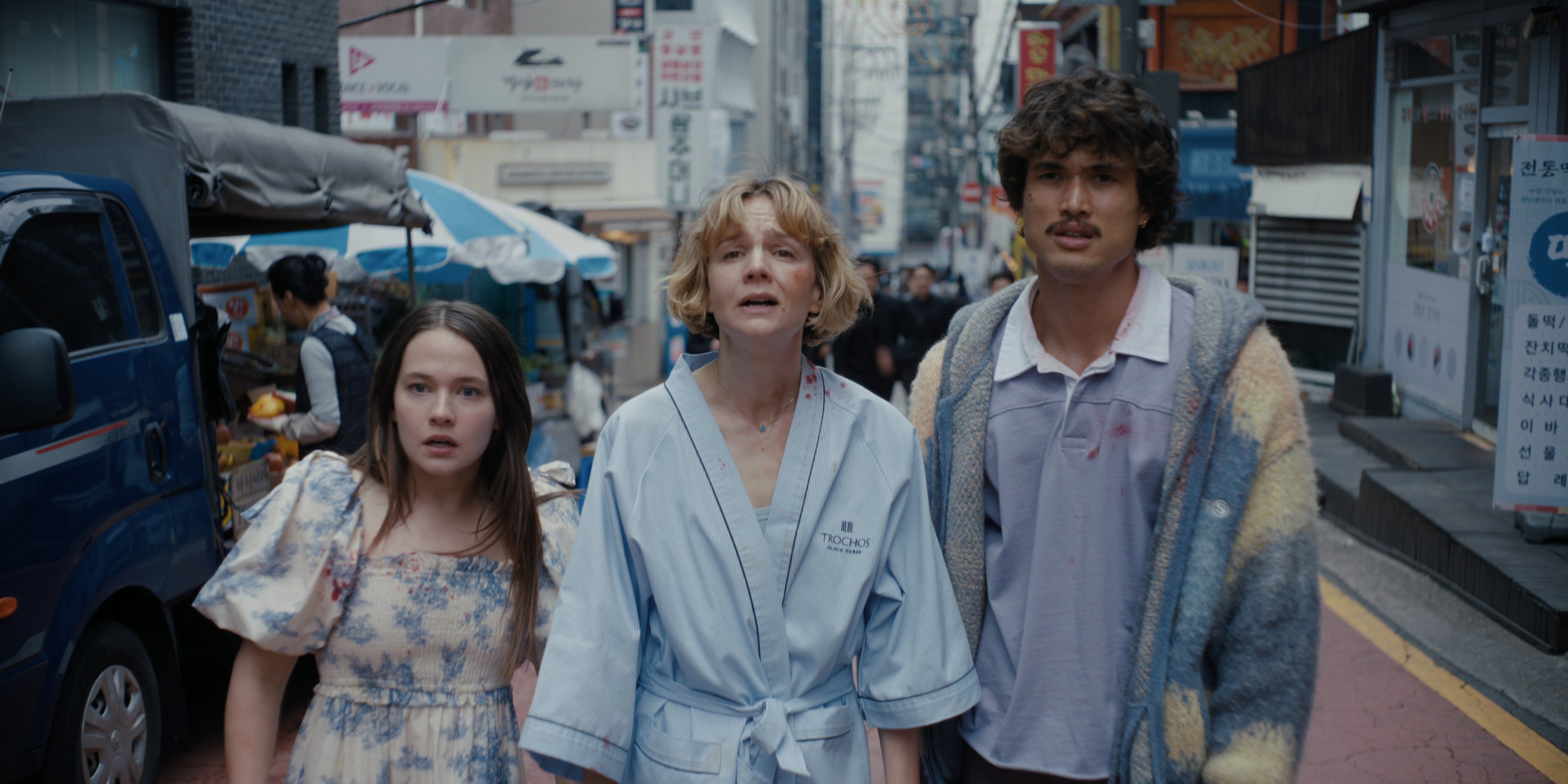
Oscar Isaac stars as Josh, the general manager of a country club, who’s at odds with his wife, Lindsay (played Carey Mulligan), in season two’s opening scene. Two of the country club’s employees — Cailee Spaeny’s Ashley and Charles Melton’s Austin — catch Josh and Lindsay’s big fight on camera, and so ensues the beef that drives the season.

On top of that, the billionaire owner of that same club, Chairwoman Park (the latest screen outing for Oscar winner Youn Yuh-jung), is trying to cover up a big mess dealing with her husband, Dr. Kim (played by Song Kang-ho), and gets everyone entangled in that mess.

We’ve watched all of season two – and these are our thoughts about the show…

Let’s talk about the cast and performances in Beef season 2

Cailee Spaeny as Ashley Miller, Carey Mulligan as Lindsay Crane-Martin and Charles Melton as Austin Davis in Beef

I thought the ensemble cast for season two was quite a mixed bag when Netflix first announced it, but given the millennial-versus-Gen Z plot, it makes sense now.

Oscar Isaac, Carey Mulligan, Charles Melton and Cailee Spaeny all give great performances. Cailee’s Ashley is an absolute menace by the end of the season, which I’m sure was the whole point of her character’s arc, but the actor played a clingy, controlling girlfriend well. I’m still thinking about those scenes on the planes where she loses it. Oscar was great, too, at flipping the switch between calm and unhinged with his character, especially in his scenes with Carey’s Lindsay.

The real standout for me was Youn Yuh-jung as Chairwoman Park. She was the perfect unexpected villain in this scenario. I have my qualms about season two’s story, but this cast wasn’t half-bad. — Njera

Out of the main cast, I was really only familiar with Charles Melton’s work, specifically his incredible turn opposite Julianne Moore in May December. So he was an exciting lead for me.

I’m still sitting with how I felt about Cailee Spaeny, Carey Mulligan and Oscar Isaac — mostly because their characters were so terrible that I can’t imagine saying anything “good” about them. But yes, I guess that is the whole point. We’re seeing the worst of people in this show — but I just can’t help but keep comparing their character arcs and personalities to the first season’s leads. They just didn’t grab me as much as I thought they should.

That said, I can’t praise Song Kang-ho and Youn Yuh-jung’s performances enough. Make them the leads in another, better Netflix series! — Erin

The best of Beef season 2…

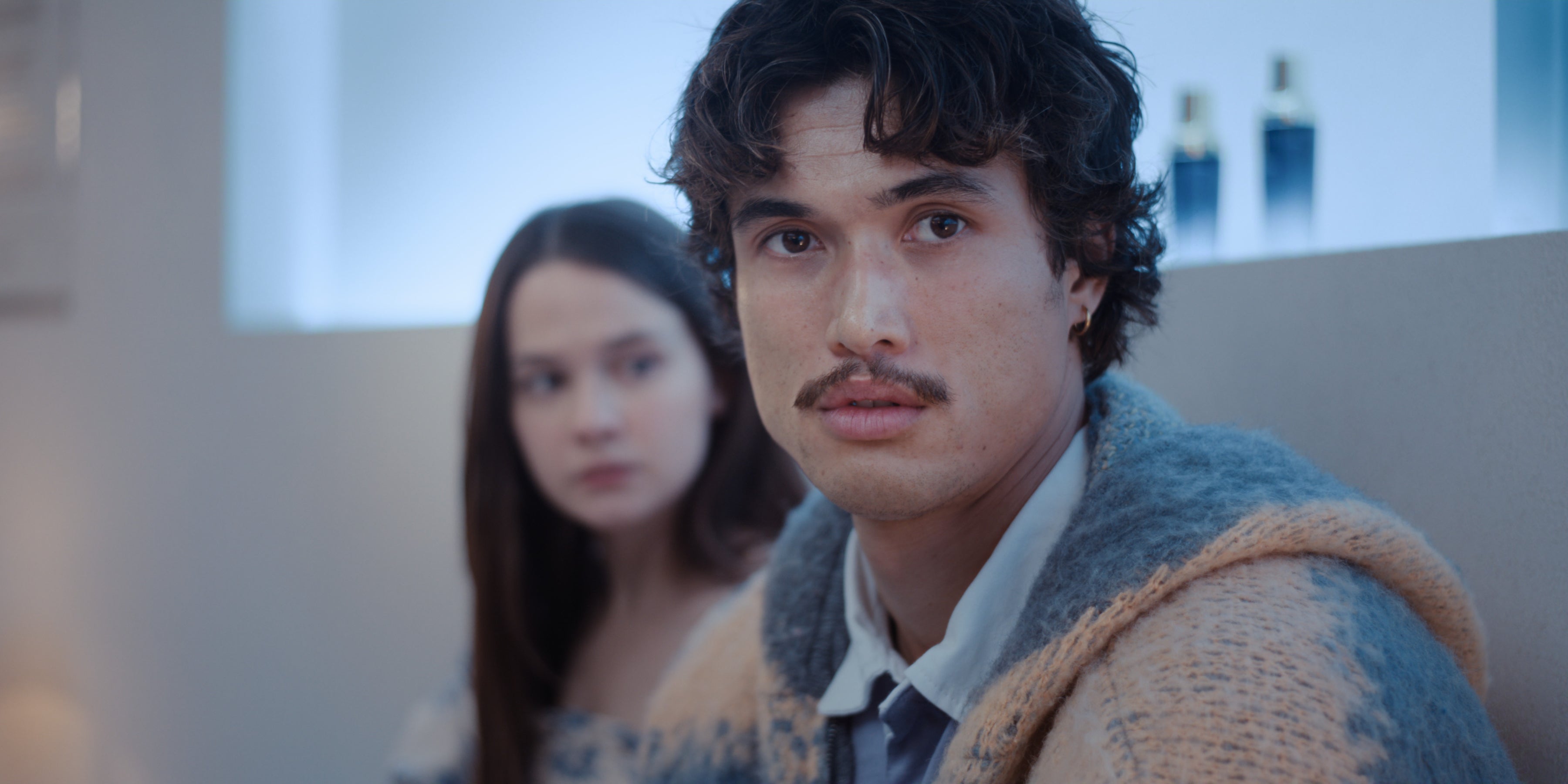
Cailee Spaeny as Ashley Miller and Charles Melton as Austin Davis in season two of Beef

Charles Melton. Listen, I hated that his character was ridiculous and annoying. But he is so hot that I overlooked it during every moment that he did something questionable. I also loved Youn Yuh-jung and Song Kang-ho’s performances as Chairwoman Park and Dr. Kim. If the series had been focused more on them, I probably would have enjoyed it more. — Erin

Charles Melton’s Austin was probably my least favourite at the start of the season, simply because I couldn’t take him being the idiot boyfriend to Cailee Spaeny’s Ashley. However, I feel like he did his job because he played the role convincingly, and he may not have been as dumb as he seemed by the end!

Honestly, everyone’s characters pissed me off the whole show for different reasons, but I still think the actors delivered great performances.

The comedic moments are what really kept me tapped into season two, like when Lindsay went after that coyote trying to save poor Burberry (Lindsay and Josh’s dog) in the woods. Or when Austin thought “misc” on an invoice was a typo for “mist”. Austin’s ditzy moments actually had me screaming. He was the highlight of the show for me. — Njera

…and the worst

My biggest complaint about this second season is how incredibly overstuffed the story feels, from the plot itself to the many characters the show forces us to follow.

We start off with the basic inciting event: Ashley and Austin witness a horrific fight between Josh and Lindsay and capture it on video. They then use that footage to blackmail their boss and his wife to get Ashley health insurance and a promotion with a pay bump – nothing yet for Austin, as he points out.

But then the story unravels into all kinds of mayhem that goes far beyond each couple’s relationship turmoil and their “beefs” with each other. What starts off as a character study of these four peculiar individuals becomes some kind of suspenseful corporate thriller when the show turns its focus toward a third couple: the country club’s billionaire owner, Chairwoman Park, and her much younger husband, plastic surgeon Dr. Kim. We get into the flaws of their relationship as well, but the main focus is on the death that Chairwoman Park is trying to cover up after her husband accidentally kills a patient during surgery at their clinic in Korea. She has to pay off all the clinic employees to keep them quiet and used the country club to clean said hush money.

Somehow, this turns into a money laundering scheme/conspiracy, and while entertaining, this is where the show started to lose me. It felt so far removed from what the original premise was that it no longer felt like a follow-up to Season 1. Granted, it is an anthology series, so I knew season two wasn’t going to replicate everything from the first season, but it felt like the show tried so hard to top its breakout success that it got away from itself.

Beef season one wasn’t perfect, but there’s a reason why it resonated with so many viewers. It tapped into themes and ideas that the average disgruntled person could relate to. Season two has its moments as well, though more often than not, it trades them for wildly ridiculous plots that don’t amount to any great revelations. The finale is proof of that. — Njera

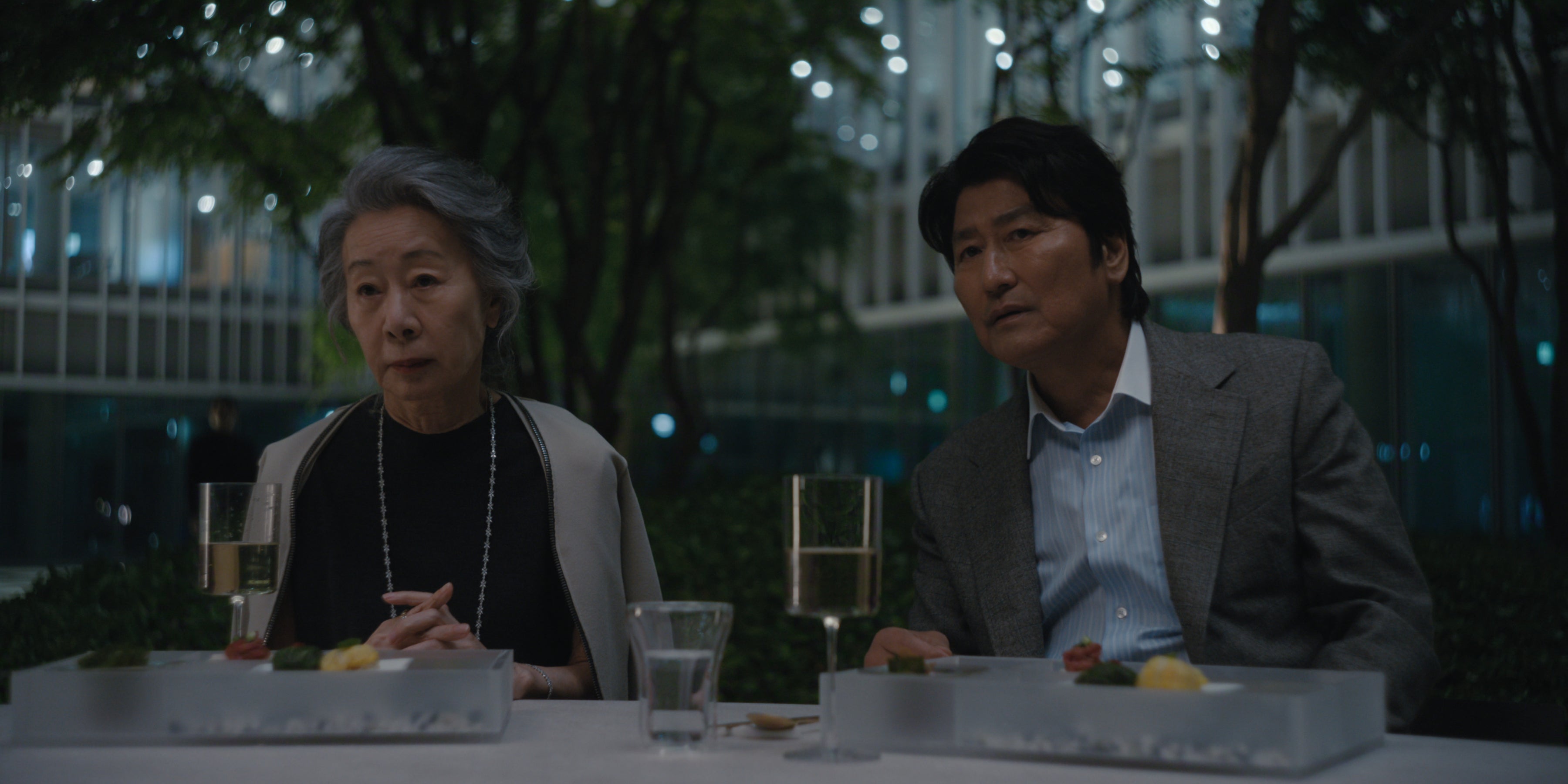
Youn Yuh-jung as Chairwoman Park and Song Kang-ho as Dr. Kim in the Season 2 finale of Beef.

How does Beef season 2 compare to season 1?

Season one of Beef was one of the top shows of 2023. It won eight Emmy Awards, including Outstanding Limited Series, and both its stars won the Outstanding Actor Awards in the limited series categories. Steven Yeun and Ali Wong were incredible leads who you were rooting for even while they were raging against each other. You could feeeeel their energy through the screen.

Unfortunately, that same energy just did not translate for me in season two. Maybe if I’d gone into the show knowing that it’d had a very different feel from season one, I could have adjusted my expectations. But from the first moments of season two, I knew that it was unlikely the show would reach the bar season one set. I imagine it’s pretty hard to replicate that success for any TV show, but season two of Beef felt totally undercooked. — Erin

The first season of Beef immediately grabbed me within the first five minutes of the show. The road-rage incident was the perfect setup — it had action, rage, suspense and you immediately wanted to know where the story was going next. Steven Yeun and Ali Wong were excellent in their roles and proved why that debut season was such a runaway hit.

Season two gets off to a much slower start, and even Josh and Lindsay’s fight didn’t feel as dramatic as it could’ve been. The stakes didn’t feel big enough, not even when they got caught red-handed by Austin and Ashley. The plot sounded boring on paper and played out exactly like I thought it would on screen (before things went haywire).

The season didn’t feel like a drag to me because the action of the Chairwoman Park storyline made up for the parts that were lacking, but if we’re comparing one and two, there’s no competition to me. — Njera

What other critics are saying about Beef season 2

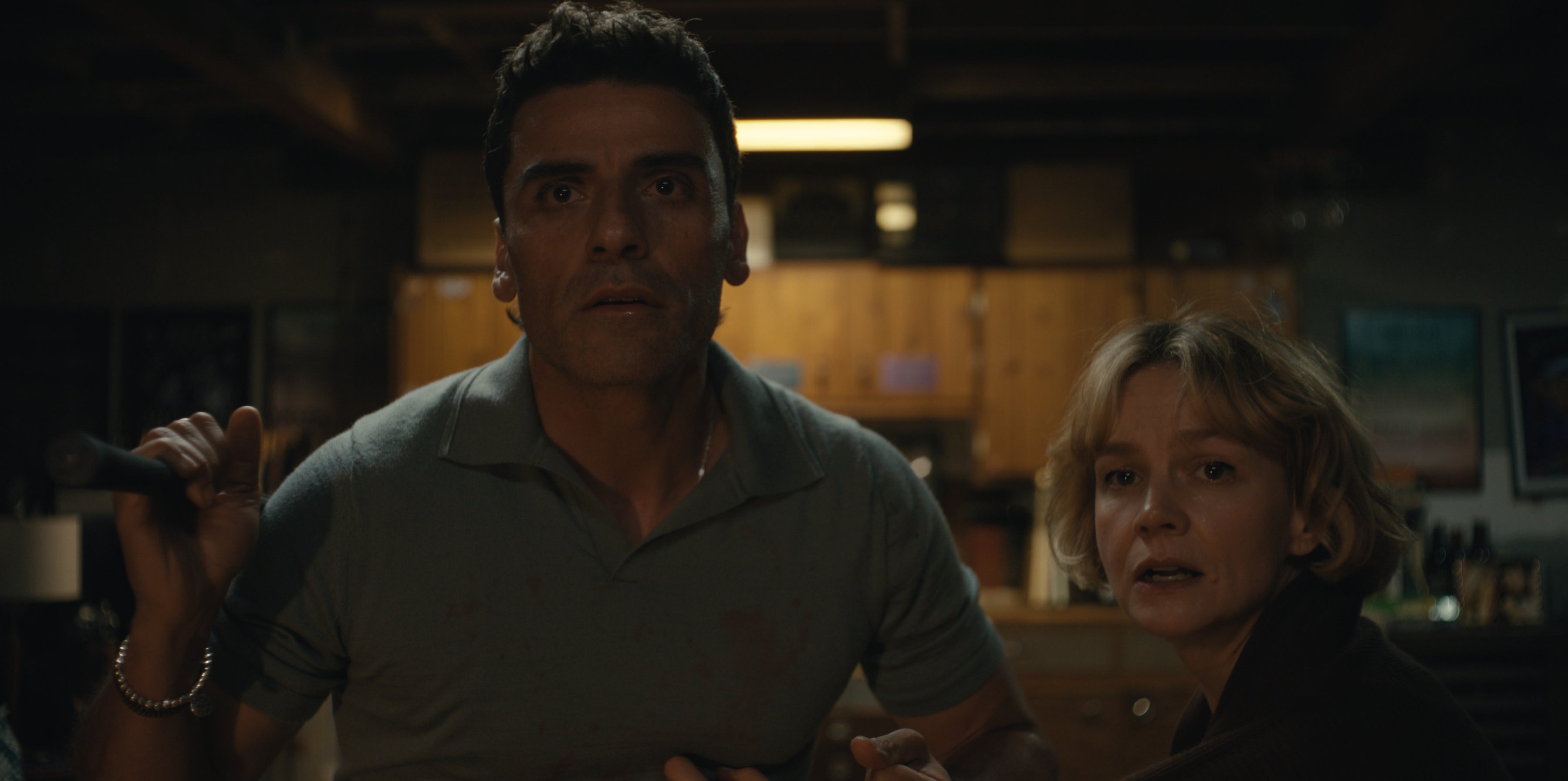
Oscar Isaac as Josh Martin and Carey Mulligan as Lindsay Crane-Martin in Season 2 of "Beef."
Oscar Isaac as Josh Martin and Carey Mulligan as Lindsay Crane-Martin in Season 2 of “Beef.”

Alison Herman at Variety called it “overcrowded and unfocused” in her review. “But over eight episodes, Beef loses focus and overcrowds this already expanded premise,” Herman writes. “By the closing credits, season two is no longer mainly about the acrimony between its antiheroes and what it brings out from within them.”

Aisha Harris at NPR said ultimately the show is “well done”. “Season two is compelling enough largely because its stars gamely tap into the spirit of the show’s M.O.; at any given moment, each character may reveal the worst of themselves, which looks different for everyone,” Harris writes.

While I agree that each character has some truly terrible personality traits, I’m not convinced it taps into the same modus operandi as the first season and definitely not nearly as well.

Christopher Campbell at Rotten Tomatoes rounded up the early reviews of the season, with most critics saying season two was worth the wait. I totally disagree with that! Maybe if the show didn’t seem so sprawling — six episodes instead of eight, 30 minutes each instead of 45- to 55-minute episodes — it would have felt like less of a time investment for something not nearly as focused as season one.

It’s very interesting to see how mixed the reviews are. But I’m more curious to see what folks have to say about it on social media as more people dig in over the weekend. — Erin

So, should you watch Beef season 2?

If you’re looking for the same fervour as Season 1, skip it. But if you’re a huge Charles Melton fan, enjoy. — Erin

If espionage thrillers are your jam, you might enjoy the latter half of the season. Might not be the Beef you’re expecting, but it’s quite a series of events. Also, if you tend to get FOMO, you might just want to get this binge-watch out of the way to avoid spoilers on socials. — Njera

Share Button

The viral manifesto of ‘anti-woke’ tech boss with NHS and defence contracts

The boss of the controversial tech company with UK government contracts published a 22-point plan on the future of the West.

Share Button

Assisted dying bill runs out of time but supporters vow to try again

The proposed legislation was supported by MPs but has not cleared its stages in the Lords.

Share Button

Scientists just found where airborne microplastics really come from

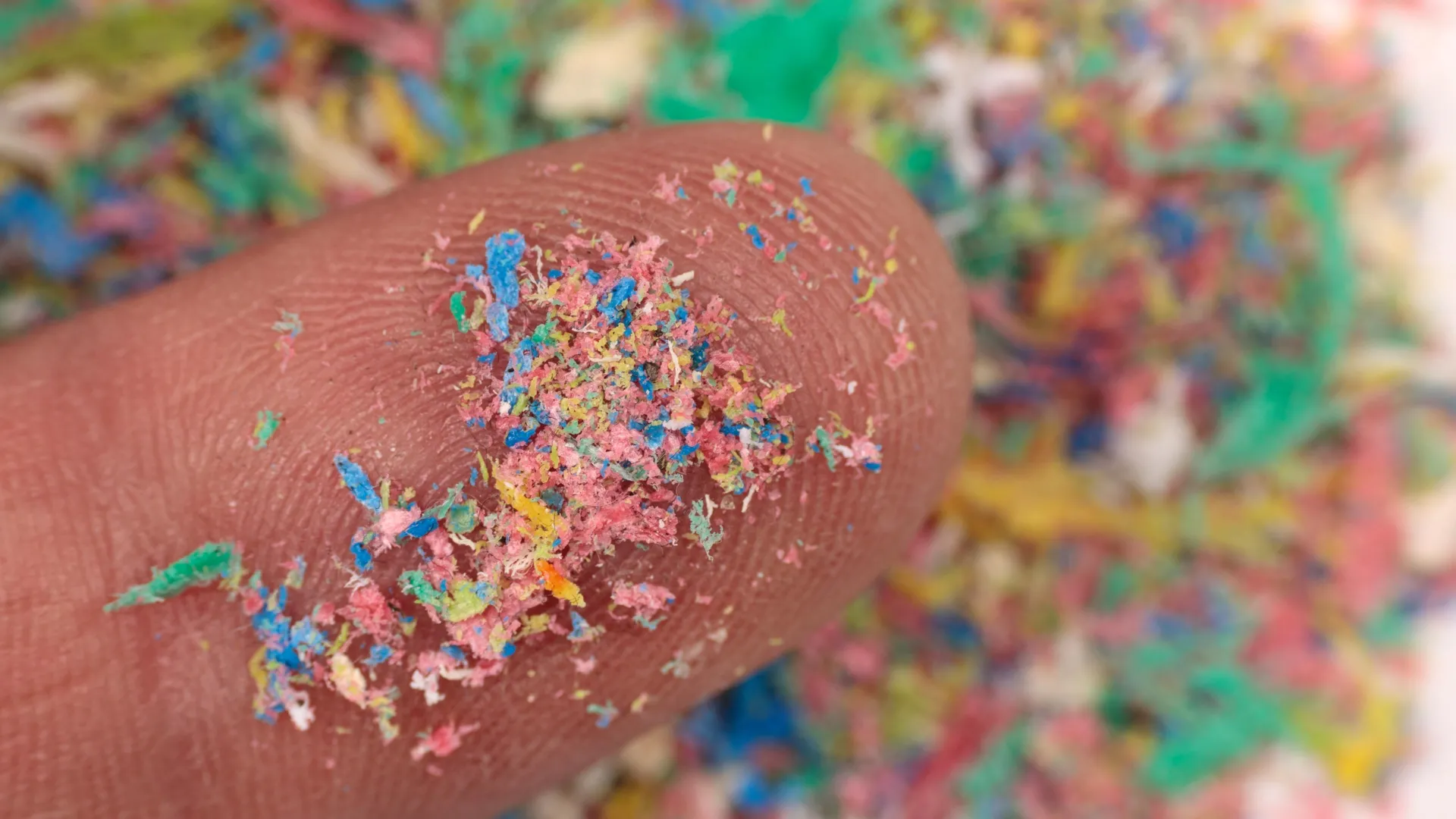
The atmosphere plays a major role in spreading microplastics across the planet, carrying these tiny particles to even the most remote regions. People and animals can inhale them, raising concerns about potential health effects. Once airborne, microplastics can also fall back to Earth, adding to pollution in oceans and soils around the world.

A new study from the Department of Meteorology and Geophysics at the University of Vienna provides a clearer picture of where these airborne microplastics come from. Using global measurements and computer models, the researchers estimate emissions from both land and ocean sources. Their key finding is striking: more than 20 times as many microplastic particles are released into the air from land than from the ocean. The study was recently published in Nature.

Sources of Airborne Microplastics

Scientists have long known that microplastics are present in the atmosphere worldwide. These particles eventually settle in distant and isolated locations. They originate from direct sources such as tyre abrasion and textile fibers, as well as from previously contaminated land and ocean surfaces that release particles back into the air.

Until now, the scale of these emissions and the contribution of each source were not well understood. Earlier research often pointed to the ocean as the main contributor, but the new findings challenge that assumption.

Comparing Models With Real-World Measurements

To better understand the problem, researchers Ioanna Evangelou, Silvia Bucci and Andreas Stohl compiled 2,782 individual measurements of atmospheric microplastics from studies conducted around the world. They then compared these real-world observations with results from a transport model that incorporated three different published emission estimates.

The comparison revealed a major issue. The model consistently predicted far more microplastic particles in the air and deposited on the Earth’s surface than were actually observed, sometimes by several orders of magnitude. This gap allowed the researchers to adjust the model and refine emission estimates separately for land and ocean sources, producing more accurate results.

Land Dominates Microplastic Emissions

After recalibrating the data, the team found that emissions from land had been significantly overestimated in earlier models, but even after correction, land remained the dominant source. Ocean emissions were also revised downward.

When asked where most airborne microplastics originate, lead author Andreas Stohl explained: “The now scaled emission estimates show that over 20 times more microplastic particles are emitted on land than from the ocean.” At the same time, first author Ioanna Evangelou noted an important detail: “However, the emitted mass is actually higher over the ocean than over land, which is due to the larger average size of oceanic particles.”

Ongoing Uncertainty and Need for More Data

This research marks an important step toward understanding how microplastics move through the atmosphere and spread globally. However, significant uncertainties remain.

“However, the data situation is still not satisfactory, and there are still major uncertainties. More measurements are needed so that we know how much microplastic comes from traffic and how much from other sources. The size distribution of the particles is also highly uncertain, and thus the total amount of plastic transported in the atmosphere,” summarizes Andreas Stohl, lead author of the study.

Key Findings at a Glance

  • Globally distributed measurements of microplastics in the atmosphere were compared with model simulations.
  • The comparison showed that the model overestimates the number of measured microplastic particles by several orders of magnitude.
  • This is a clear indication that the emission estimates used to date are far too high, especially for land-based emissions.
  • The number of microplastic particles emitted from land is more than 20 times higher than the number of particles emitted from the ocean.
  • More accurate measurements are needed for more precise emission estimates. In particular, the size distribution of plastic particles is a major source of uncertainty that has not been recorded accurately enough in the measurement data to date.
Share Button

Scientists just uncovered a 3 million-year climate mystery in Antarctic ice

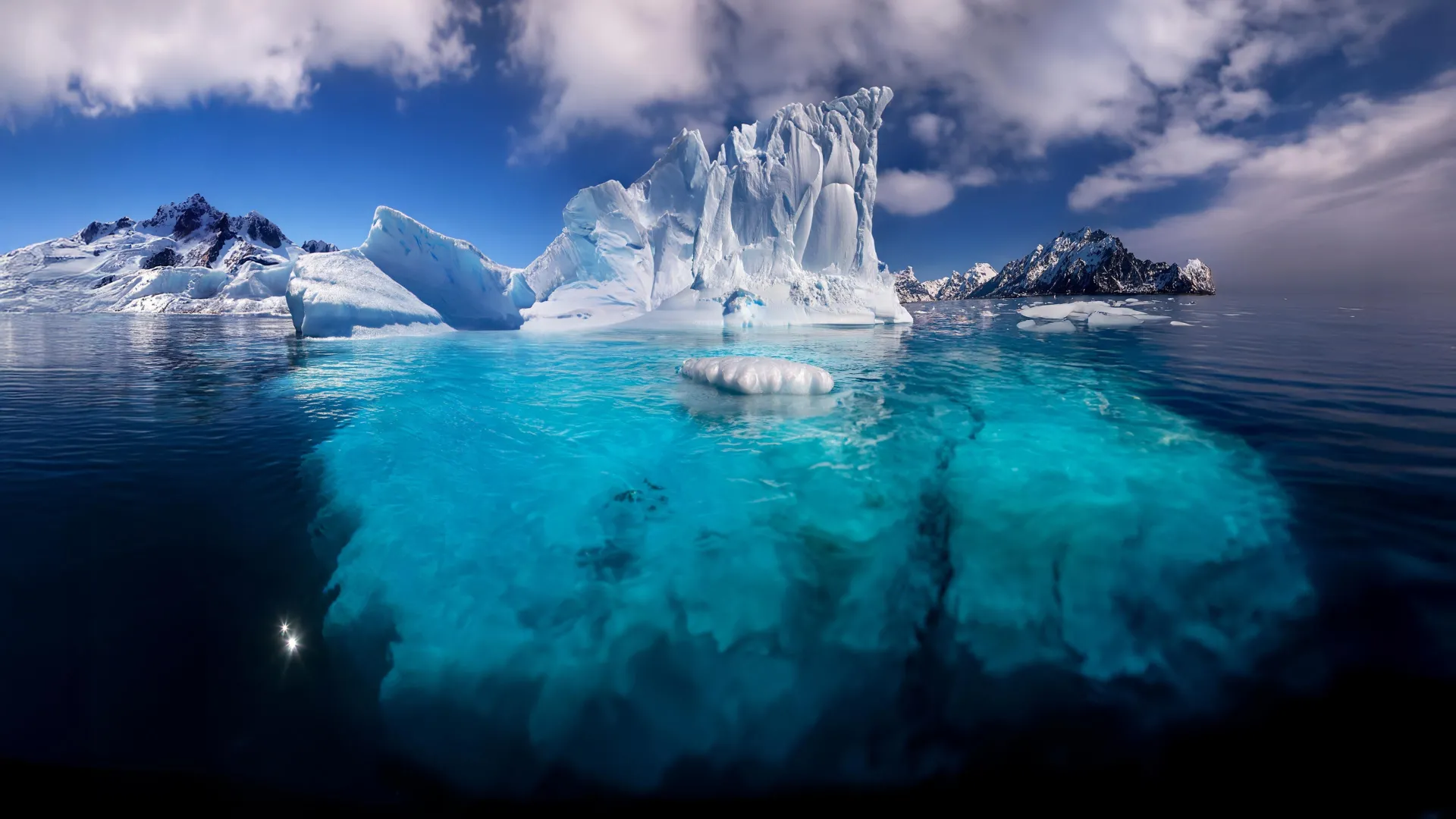
Scientists studying ancient Antarctic ice are uncovering new details about how Earth’s climate has changed over the past 3 million years. By analyzing both the ice and the tiny pockets of air trapped inside it, researchers are building a longer and more complete record of past climate conditions.

Two new studies published in the journal Nature reveal a surprising pattern. While the planet gradually cooled over this time, levels of heat-trapping greenhouse gases in the atmosphere declined only slightly.

A Long-Standing Climate Mystery

For more than a century, scientists have known that Earth was significantly warmer about 3 million years ago. Evidence includes fossils of temperate and subtropical forests found in places like Alaska and Greenland, as well as ancient shorelines along the U.S. East Coast from Georgia to Virginia, showing that sea levels were much higher.

However, the reason behind this warm period and the cooling that followed has remained unclear. One major challenge has been the difficulty of accurately reconstructing both global temperatures and greenhouse gas levels from so far back in time.

Searching for the Oldest Ice in Antarctica

The new research comes from the National Science Foundation Center for Oldest Ice Exploration, known as COLDEX, a collaborative effort led by Oregon State University. The team focuses on locating and analyzing some of the oldest ice on Earth.

The studies were led by Julia Marks-Peterson, a doctoral student at OSU, and Sarah Shackleton, who conducted the work as a postdoctoral researcher at Princeton University and is now a professor at Woods Hole Oceanographic Institution. They examined ancient ice recovered from Allan Hills, a unique region along the edge of the East Antarctic ice sheet.

Unlike typical ice core sites, Allan Hills contains ice that has been pushed up and distorted by movement within the ice sheet. This disrupts the original layering, so instead of a continuous timeline, researchers get “snapshots” of climate conditions from different points in the past.

“Those snapshots extend climate records from ice much further than previously possible,” said COLDEX Director Ed Brook, a paleoclimatologist in OSU’s College of Earth, Ocean, and Atmospheric Sciences. “These longer records are also now raising new questions about Earth’s climate evolution and how far back in time we might be able to go with ice core data.”

Ocean Cooling Revealed by Trapped Gases

One study used measurements of noble gases preserved in the trapped air bubbles to estimate changes in ocean temperature over time. These gases provide a global signal of ocean conditions.

The results show that average ocean temperatures have dropped by about 2 to 2.5 degrees Celsius over the past 3 million years. While earlier research has documented cooling at the ocean surface, this study found that the timing of cooling differed between surface waters and deeper layers.

“The noble gases in ice provide a unique way to look at ocean temperature change,” Shackleton said. “Other methods can give you information about ocean temperature at a single site, but this gives a more global view.”

Much of the overall cooling occurred early, beginning around 3 million years ago and continuing for about 1 million years. This period coincides with the formation of large ice sheets in the Northern Hemisphere. In contrast, surface ocean temperatures declined more gradually until about 1 million years ago. Researchers suggest this difference may be linked to changes in how heat moves between the ocean’s surface and its depths.

Greenhouse Gas Levels Show Only Modest Change

Using the same ice samples, Marks-Peterson and her team produced the first direct measurements of carbon dioxide and methane levels spanning the past 3 million years.

Their findings indicate that carbon dioxide levels generally stayed below 300 parts per million during this period. Around 2.7 million years ago, levels were about 250 parts per million and then decreased slightly by roughly 20 parts per million by 1 million years ago. Methane levels remained steady at about 500 parts per billion.

Some earlier estimates based on ancient sediments suggested higher carbon dioxide levels, but results have varied. This highlights the importance of extending ice core records further back in time to improve accuracy.

In contrast, greenhouse gas levels today are much higher. According to the National Oceanic and Atmospheric Administration, carbon dioxide averaged 425 parts per million in 2025, while methane reached 1,935 parts per billion.

More Than Greenhouse Gases Shaped Earth’s Climate

The findings suggest that greenhouse gases alone do not fully explain the long-term cooling trend. Other factors likely played significant roles, including changes in Earth’s reflectivity, shifts in vegetation and ice coverage, and variations in ocean circulation.

“Our hope is that this work will refine our view of past warmer climates and sharpen our understanding of how different elements of the Earth system interact,” said Marks-Peterson.

Even Older Ice May Hold More Answers

The research is already leading to new questions. Scientists involved in COLDEX are continuing to explore older ice samples to push the climate record even further back.

Researchers have recently identified ice that may be as old as 6 million years at the base of one core and are now analyzing these samples. New drilling efforts are also underway to locate additional ancient ice.

Scientists are working to improve methods for reconstructing carbon dioxide levels, studying other gases trapped in the ice, and better understanding how very old ice is preserved. These efforts could help identify new sites for future drilling and further expand the record of Earth’s climate history.

COLDEX is supported by the NSF Office of Polar Programs; the Science and Technology Center Program at the NSF Office of Integrative Activities; and Oregon State University. Fieldwork in Antarctica is supported by the U.S. Antarctic Program and funded by NSF. Ice drilling support is provided by the NSF U.S. Ice Drilling Program and ice sample curation by the NSF Ice Core Facility in Denver, Colorado.

Share Button

What NHS challenges does the election winner face?

There are currently 687,958 people waiting for any type of NHS treatment in Wales.

Share Button

Stunning 132 million-year-old dinosaur tracks are rewriting history

Southern Africa is famous for its rich record of prehistoric life, including dinosaurs. But around 182 million years ago, massive volcanic eruptions spread lava across much of the inland Karoo Basin, where many dinosaurs once lived. After this event, the fossil record in the region becomes surprisingly quiet during the Jurassic Period (which lasted from 201 million to 145 million years ago).

Recent discoveries are beginning to change that picture. They show that dinosaurs continued to live in southern Africa long after those dramatic lava flows.

New Dinosaur Tracks on South Africa’s Coast

In 2025, scientists reported dinosaur tracks about 140 million years old on a remote stretch of coastline in South Africa’s Western Cape. These were the first tracks from that time period in the region (the Cretaceous, 145 million to 66 million years ago).

Now, researchers have uncovered even more evidence.

As ichnologists (studying fossil tracks and traces), the team regularly works along the Western Cape coast near Knysna. Most of their research focuses on tracks preserved in coastal aeolianites (cemented sand dunes) that are between 50,000 and 400,000 years old.

During a visit in early 2025, they explored a small outcrop of rock formed in the early Cretaceous Period. It is the only nearby exposure of rock from that time, and much of it is submerged at high tide. The team hoped they might find a theropod (dinosaur) tooth like one discovered there by a 13-year-old boy in 2017.

Instead, they found something far more exciting. Linda Helm, a member of the group, spotted dinosaur tracks. A closer look revealed more than two dozen possible footprints.

A Tiny Site With Big Significance

The Brenton Formation exposure is very small, measuring no more than 40 meters long and five meters wide, with cliffs rising up to five meters above the shore. Finding dozens of tracks in such a limited area suggests that dinosaurs were fairly common in this region during the Cretaceous.

The researchers estimate the tracks are about 132 million years old. That makes them the youngest known dinosaur tracks in southern Africa (50 million years younger than the youngest tracks reported from the Karoo Basin). They also represent only the second known set of Cretaceous dinosaur tracks in South Africa, and the second from the Western Cape. Some tracks are preserved on flat rock surfaces, while others appear in cross section within the cliffs.

Southern Africa’s Dinosaur Fossil Record

Southern Africa holds an extensive record of vertebrate tracks and traces from the Mesozoic Era (the “Age of Dinosaurs,” from 252 million to 66 million years ago, a time span that includes the Jurassic), especially in the Karoo Basin, which is filled with thick layers of sedimentary rock.

Tracks from the Triassic and Jurassic periods are common in Lesotho and nearby regions of South Africa, including the Free State and Eastern Cape.

However, later volcanic activity created the Drakensberg Group, covering many of these fossil-bearing layers with lava. Some dinosaurs may have briefly survived the initial eruptions, but they were likely among the last animals to live in the Karoo Basin at that time.

As the supercontinent Gondwana began to break apart near the end of the Jurassic Period and into the early Cretaceous Period, smaller basins formed in what are now the Western Cape and Eastern Cape. These areas contain limited deposits from the Cretaceous.

Body fossils from these deposits, mainly in the Eastern Cape, include a range of dinosaurs. Among them are the first dinosaur identified in the southern hemisphere, now known to be a stegosaur, along with sauropods, a coelurosaurian, and young iguanodontids.

In contrast, fossil remains from the Western Cape are rare. They include a few isolated sauropod teeth, scattered bones likely from a sauropod, and two finds near Knysna: the theropod tooth discovered earlier and part of a tibia.

Now, attention is turning to footprints instead of bones.

Dinosaurs of Knysna

The newly discovered tracks lie in the modern intertidal zone, where they are covered by seawater at high tide twice a day.

The environment 132 million years ago would have looked very different from today’s coastline, estuary, and developed landscape. At that time, dinosaurs likely moved through tidal channels or along point bars (river beaches), surrounded by vegetation unlike anything in the area now.

The tracks appear to have been made by a mix of dinosaurs. These include theropods and possibly ornithopods (both these kinds of dinosaur were bipedal, walking on two legs), as well as possible sauropods (huge dinosaurs with very long necks and very long tails that were quadrupedal, walking on four legs). Theropods were meat eaters, while ornithopods and sauropods were plant eaters.

Identifying the exact type of dinosaur from footprints alone can be difficult. Theropod and ornithopod tracks can look similar, and sauropod tracks, although larger, do not always show clear toe impressions.

Because of these challenges, the researchers chose not to “over-interpret” the trackmakers. Their study focuses on documenting the presence and abundance of dinosaur tracks from this time period in the Brenton Formation.

More Discoveries May Be Ahead

The presence of early Cretaceous dinosaur tracks in both the Robberg Formation and the Brenton Formation suggests that more sites may still be waiting to be found. Other non-marine Cretaceous rock exposures exist in the Western Cape and Eastern Cape.

Future systematic searches of these areas could reveal additional dinosaur bones, more tracks, and possibly traces of other ancient animals.

Mark G. Dixon and Fred van Berkel of the African Centre for Coastal Palaeoscience, Nelson Mandela University, contributed to this research.The Conversation

Share Button

This 100 million-year-old snake had hind legs and a lost bone that changes evolution

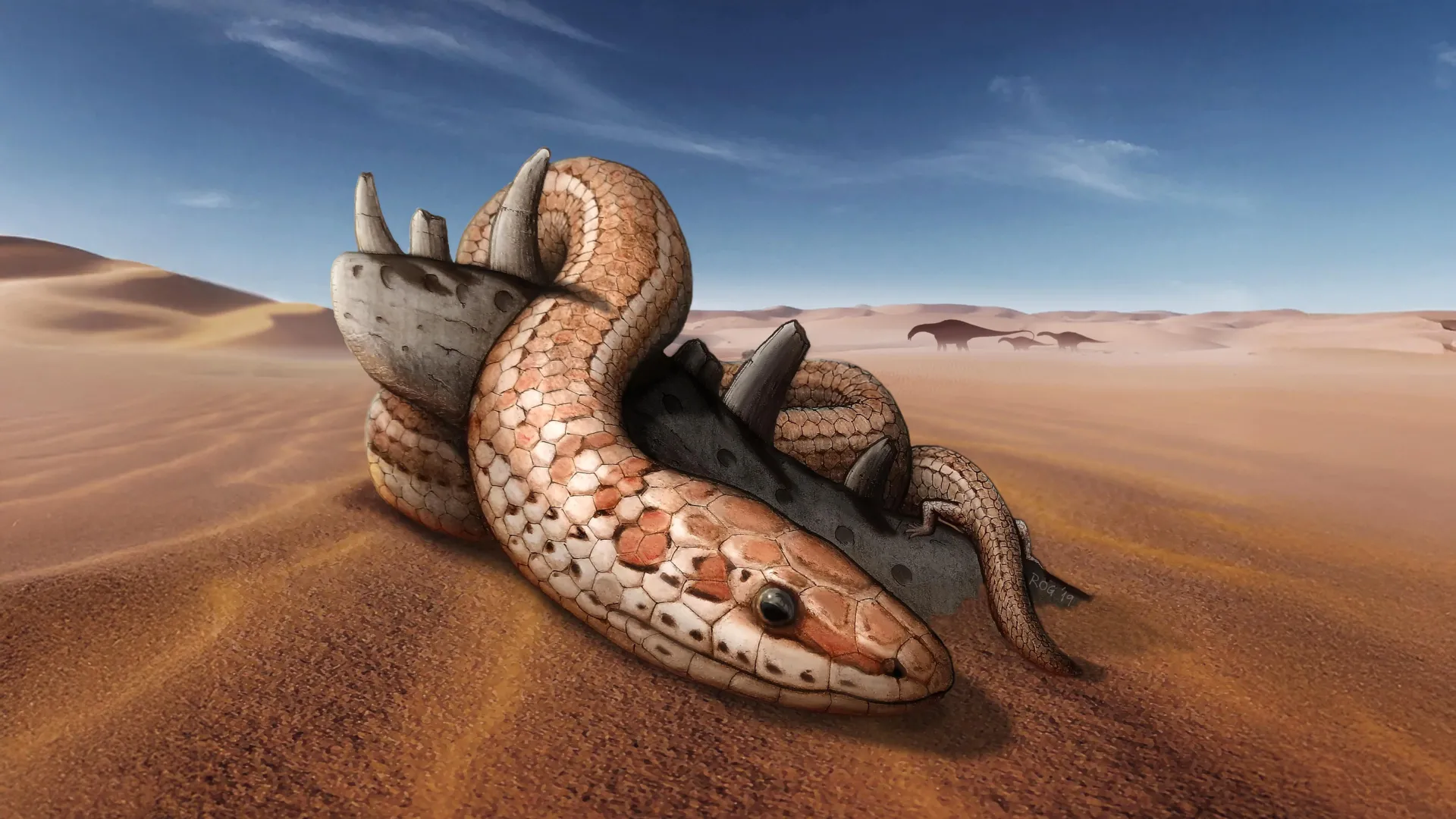
A remarkably preserved fossil from Argentina is helping scientists sharpen the picture of how snakes evolved. The specimen belongs to Najash rionegrina, an ancient rear-limbed snake that lived nearly 100 million years ago. Its skull shows that these early snakes still had a cheekbone, also called the jugal bone, a feature that has almost completely disappeared in living snakes. The 2019 study added an important piece to a fossil record that had long been too sparse to clearly explain the earliest stages of snake evolution.

The findings also challenged a popular older idea about snake origins. Instead of beginning as small burrowers, the evidence from Najash pointed to ancestors of modern snakes that were larger-bodied animals with wide mouths. The fossils also showed that early snakes held onto their hindlimbs for a long time before the rise of the mostly limbless snakes alive today.

“Our findings support the idea that the ancestors of modern snakes were big-bodied and big-mouthed — instead of small burrowing forms as previously thought,” explained Fernando Garberoglio, from the Fundación Azara at Universidad Maimónides, in Buenos Aires, Argentina and lead author on the study. “The study also reveals that early snakes retained their hindlimbs for an extended period of time before the origin of modern snakes which are for the most part, completely limbless.”

Hidden skull details inside a 100 million year old fossil

The fossil snakes described in the study came from Northern Patagonia and are closely tied to an ancient southern lineage that lived across the continents of Gondwana. Researchers say that group appears to be related to only a small number of unusual snakes still living today. To see inside the specimen without damaging it, the team used micro-computed tomography (micro-CT) scanning. That let them reconstruct the skull in exceptional detail, including the paths of nerves and blood vessels as well as bones buried inside the rock.

That level of detail helped resolve a long-running anatomical debate. Scientists had misunderstood the jugal bone in snakes and snake relatives for generations, and the Najash fossils gave them direct evidence to correct the record. The study’s authors argued that these new skulls and skeletons clarified the sequence of bone loss that eventually produced the highly specialized skulls of modern snakes.

“This research revolutionizes our understanding of the jugal bone in snake and non-snake lizards,” said Michael Caldwell, professor in the Department of Biological Sciences and Earth and Atmospheric Sciences, and a co-author on the study. “After 160 years of getting it wrong, this paper corrects this very important feature based not on guesswork, but on empirical evidence.”

“This research is critical to understanding the evolution of the skulls of modern and ancient snakes,” added Caldwell.

The paper, “New Skulls and Skeletons of the Cretaceous Legged Snake Najash, and the Evolution of the Modern Snake Body Plan,” was published in Science Advances in 2019.

Later studies added more twists to the snake origin story

Research published after the 2019 Najash paper has made the story even more interesting. In 2020, paleontologists described Boipeba tayasuensis, a Late Cretaceous blind snake from Brazil. That fossil pushed the record of blind snakes deeper into the age of dinosaurs and suggested that some early blind snakes were much larger than their living relatives, topping 1 meter in length. The finding supported the idea that parts of early snake evolution in Gondwana were more diverse, and often bigger-bodied, than once assumed.

Then, in 2023, another Science Advances study approached snake origins from an entirely different angle by reconstructing the brains of living squamates and fossil snakes. That work suggested the ancestor of crown snakes, meaning the group that gave rise to living snakes, may have been adapted for burrowing while also behaving opportunistically. Rather than neatly settling the debate, the result showed that snake origins were likely complex, with different branches of the snake family tree preserving different clues about how body shape, habitat, and feeding style evolved.

A 2025 Nature study added even more context by describing a Middle Jurassic squamate from Scotland with a striking mix of lizard-like and snake-like traits. The authors found that early squamate evolution involved a great deal of anatomical experimentation and convergent evolution, which helps explain why the earliest snake story has been so difficult to untangle from fossils alone.

Why Najash still matters

Even with those later discoveries, Najash remains one of the clearest windows into a crucial stage of snake evolution. It captures a moment when snakes still had hindlimbs, still retained a more lizard-like skull in some respects, and had not yet fully acquired the body plan seen in their modern descendants. That combination is exactly what makes the fossil so valuable. It does not just show an ancient snake. It shows an ancient snake in transition.

The University of Alberta described the work as part of the Faculty of Science’s broader mission as a major center for research and teaching, with a focus on advancing knowledge through classroom, laboratory, and field research.

Share Button