Solar panels aren’t just for rooftops anymore — some buildings even have these power-generating structures all over their facades. But as more buildings and public spaces incorporate photovoltaic technologies, their monotonous black color could leave onlookers underwhelmed. Now, researchers reporting in ACS Nano have created solar panels that take on colorful hues while producing energy nearly as efficiently as traditional ones.
Solar panels are typically a deep black color because their job is to absorb light, whereas a red car looks red because the finish reflects red light instead of absorbing it. Most attempts to give these devices color, then, will decrease their ability to absorb light and generate power. One alternative is to use structural sources of color that take advantage of microscopic shapes to only reflect a very narrow, selective portion of light, like the scales on butterfly wings. However, previous technologies attempting to incorporate structural color gave panels an undesirable iridescence or were expensive to implement at a large scale. So, Tao Ma, Ruzhu Wang, and colleagues wanted to develop a way of giving solar panels color using a structural material that would be easy and inexpensive to apply, and that would maintain their ability to produce energy efficiently.
The team sprayed a thin layer of a material called a photonic glass onto the surfaces of solar cells. The glass was made of a thin, disorderly layer of dielectric microscopic zinc sulfide spheres. Although most light could pass through the photonic glass, selective colors were reflected back based on the sizes of the spheres. Using this approach, the researchers created solar panels that took on blue, green and purple hues while only dropping the efficiency of power generation from 22.6% to 21.5%. They also found that solar panels manufactured with this photonic glass layer maintained their color and performance during standard durability tests, and that the fabrication could be scaled up. The researchers plan to explore ways to make the colors more saturated, as well as methods to achieve a wider range of colors.
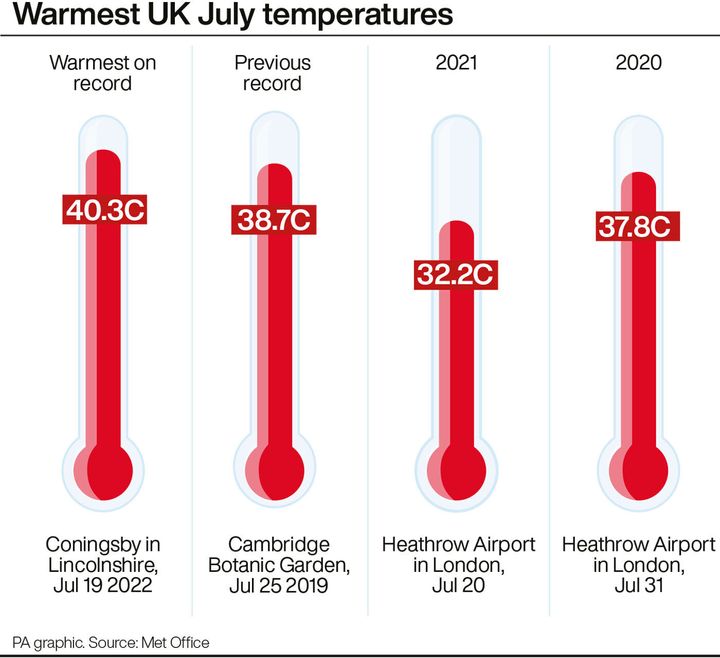
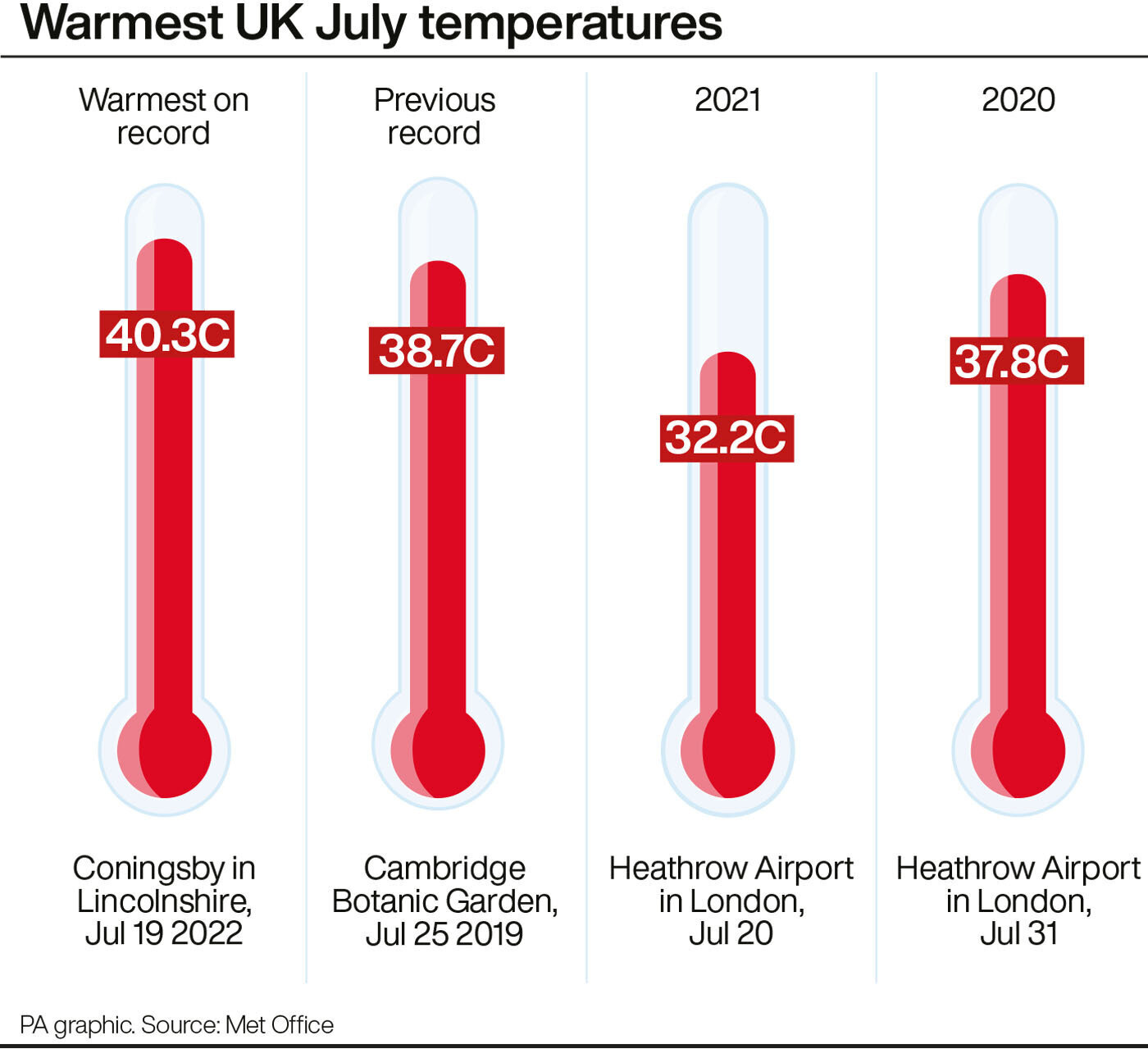
While this is obviously caused by the climate crisis, here’s everything you need to know to understand how it is really affecting our day to day lives.
PA Graphics via PA Graphics/Press Association Images
What caused the hot weather?
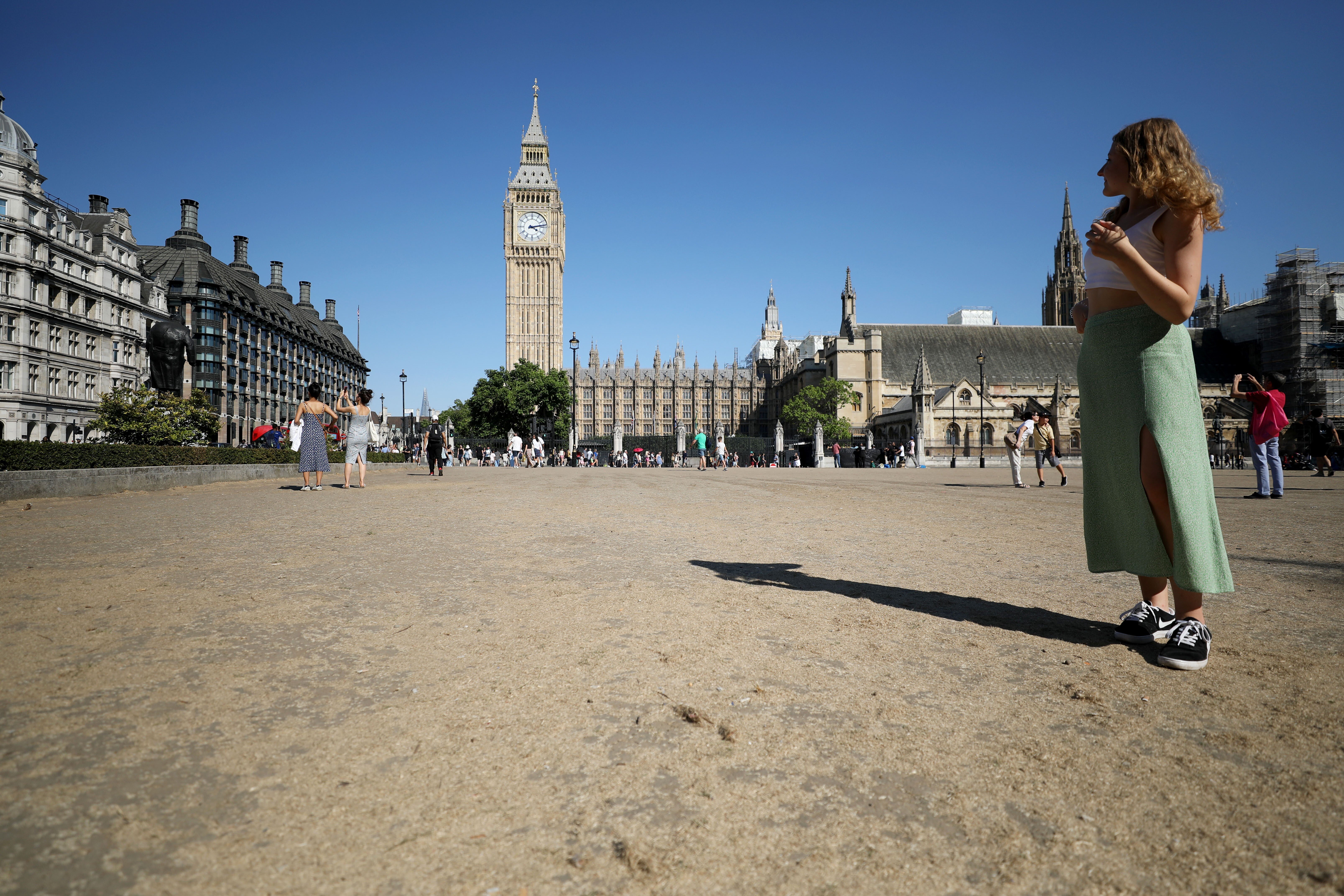
The extreme weather which spread across the UK in July was caused by a surge in continental air and August’s heatwave has been caused by a “stubborn area of high pressure sat over the UK”, a Met Office spokesperson told HuffPost UK.
Advertisement
A heat-health alert from the UK Health Security Agency is also still in place until 9am on Tuesday.
The heatwaves have made the UK so dry, that an official drought was declared in eight areas of England on Friday by the National Drought Group.
Welsh Water, Southern Water, and South East Water have brought in hosepipe bans too, while Yorkshire Water and Thames Water are planning to bring them in soon.
The Met Office also believes, despite the coming rain, this summer will be remembered as a particularly dry one.
The chair of the National Fire Chiefs Council, (NFCC) Mark Hardingham said: “I can’t remember a summer like this and I’ve been in the fire service 32 years. We are not going to see temperatures as hot as we saw three weeks ago but that doesn’t matter because the ground couldn’t get any drier than it already is.”
Will there be rain?
Not just rain, but storms too. Locations in Northern Ireland and Scotland are already seeing thundery skies, meaning the Met Office has issued some yellow thunderstorm warnings. Storms are expected to hit the south by Wednesday.
Advertisement
Three days of heavy rain are expected in total, potentially accompanied by hail, sweeping in an eastern direction across the country.
The Met Office expects to see at leat 50mm of rain in two or three-hour periods in a few regions, putting low-lying roads and areas next to sloping fields at risk.
But, the rain recorded from the rest of the summer in parts of southern and central England is less than a quarter of what is usually expected in a British summer.
By Thursday, high pressure will have pushed into the UK and so it will stay mostly dry.
Is this rain good or bad?
Well, there hasn’t been substantial rainfall since June in many southern regions.
But there are fears that the intense dry spell – lasting several weeks now – means the land is too dry to absorb the rainwater.
Advertisement
There could therefore be flash flooding, but the rain will do little to ease drought conditions. The thunder could could cause power cuts too.
However, rain does still reduce the threat of wildfires which have strained UK fire services over recent months.
The Met Office’s Dan Stroud said what we really need is “an extended period of light rain, an average or slightly above average autumn”, along with a winter where constant light rain recharges the ground.
Discussing the upcoming downpour, Stroud said: “It will help a little but to be honest really, it’s almost the wrong kind of rain. What we’re likely to see is some heavy, intense downpours.
“With the ground baked so dry, it’s very difficult for the ground to actually absorb the water very quickly… so what tends to happen in these circumstances is the water runs off, and we can potentially get some surface run-off issues, so some flash floods.”
Advertisement
Why is our weather changing so quickly?
Short answer: climate change.
In terms of why this week in particular seems so dramatic, meteorologist Stroud said the drastic changes stem from an alteration in air pressure.
Stroud said: “We’ve had a number of days now where we’ve had clear, strong skies and strong sunshine which has heated up the ground.
“We’ve had high pressure dominating, now we’re having low pressure dominate, so the air is becoming more unstable.
“As we’ve had some very high ground temperatures, it doesn’t actually take too much for the air to become even more unstable and for thundery showers to develop quickly.”
Heavy, thundery rain at first across Northern Ireland and Scotland this Monday morning ⛈️
Drier elsewhere, but thundery rain soon spreading from the west, feeling very warm and muggy for many 🌡️ pic.twitter.com/gVXOzUrduE
Probably not. The climate crisis is not going anywhere, and is actually getting worse, as our atmosphere continues to heat up.
Temperatures are expected to decrease to a more normal level in August, but that doesn’t mean we can’t expect similarly searing heat next summer.
As professor Hannah Cloke, a natural hazards researcher at the University of Reading told the i newspaper: “With average temperatures rising across the UK, we have to shift the definition of what ‘particularly hot’ is, otherwise that definitely becomes increasingly meaningless.”
She said the UK needs to change how we define a heatwave, as rising greenhouse gas emissions mean higher temperatures are more common now than they were over the last two decades.
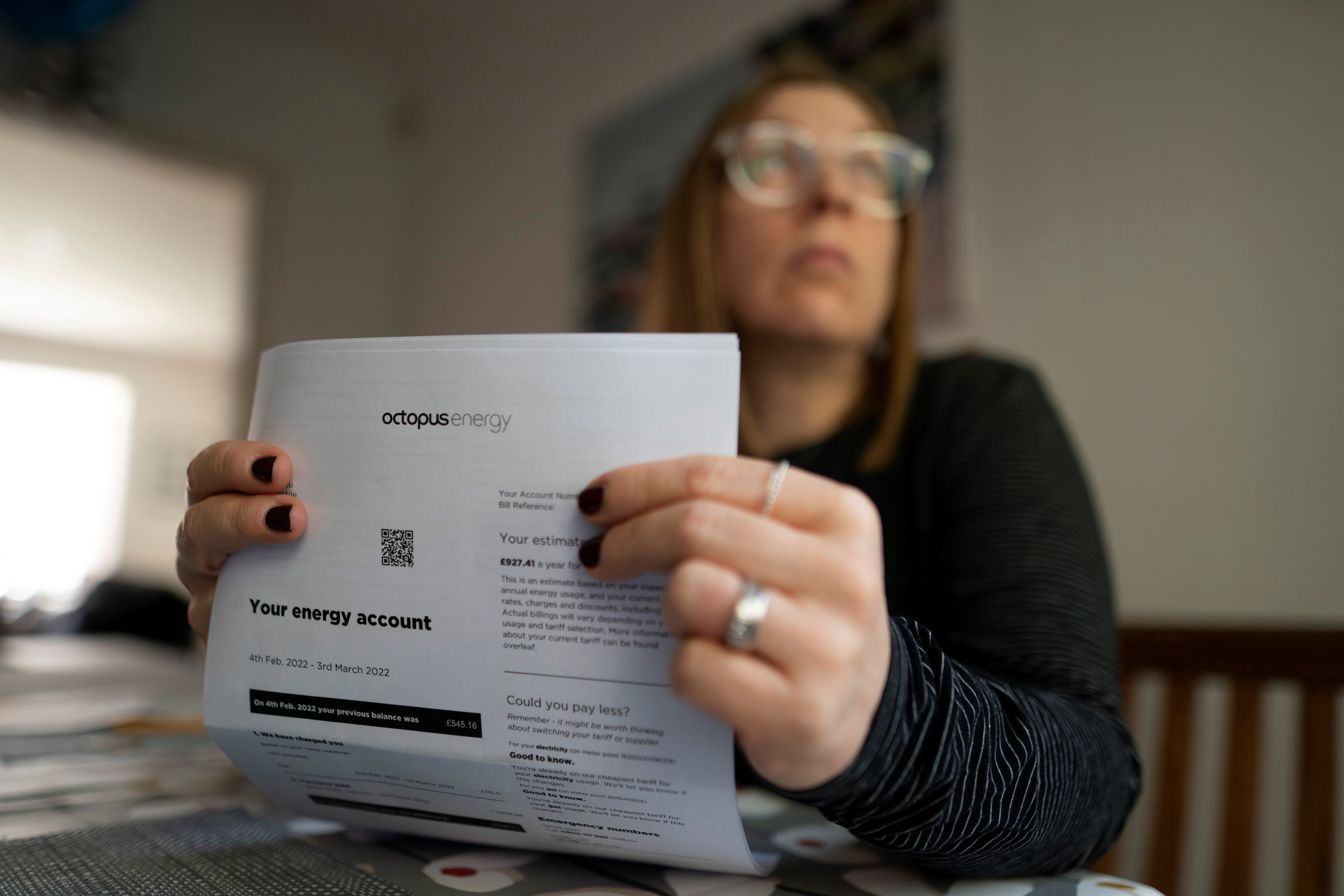
Last week saw the grimmest development yet for people struggling with the cost of living crisis, with experts predicting that already-unaffordable energy bills could reach an eye-watering £4,000 in January.
Energy bills, which have already risen as a consequence of Russia’s invasion of Ukraine, are set to soar further as the ongoing conflict puts a squeeze on supplies throughout Europe.
Advertisement
The energy price cap, which currently stands at £1,971, is set to increase to £3,582 in October.
The forecasts have prompted a sense of panic and a national conversation about what should be done to help people who may find themselves unable to pay their bills in the winter.
Here HuffPost UK takes you through what the main parties and figures are proposing and how their ideas have been received.
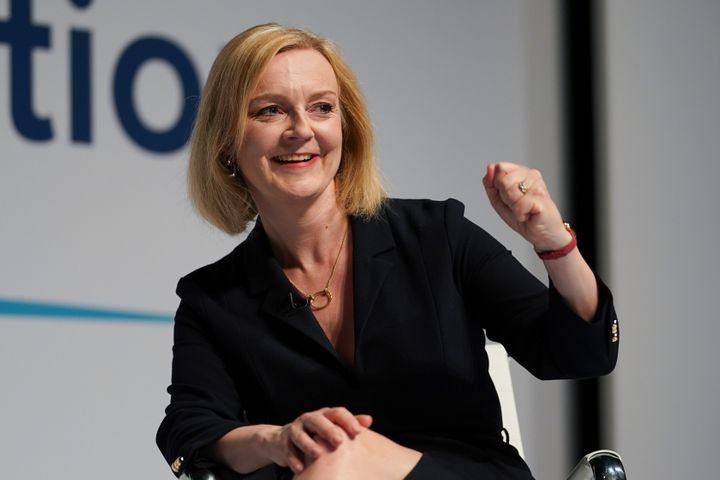
Liz Truss
Liz Truss has hardened her stance against a further windfall tax, dismissing the policy as “bashing business”.
Ian Forsyth via Getty Images
The frontrunner in the race to replace Boris Johnson has emphasised tax cuts as the main way she would help people struggling with bill hikes.
Advertisement
The foreign secretary has vowed to immediately reverse the 1.25 percentage point increase in national insurance as well as temporarily scrap green levies on energy bills.
In a recent interview with the Financial Times, Truss said she would hold an emergency budget to outline a new approach to the problem, which she said she wanted to be in the “Conservative way of lowering the tax burden, not giving out handouts”.
That prompted a U-turn of sorts by Truss who said that despite criticism, she was not ruling out further direct support for households completely.
She is said to be considering proposals from the Treasury that could see the price cap fall by scrapping a new allowance suppliers will be allowed to charge families in the winter, in a move that could reduce bills by a further £400.
Instead the shortfall would be made up by the government providing loans to suppliers. However, it is too late to have an effect in October, when the cap is expected to rise once again.
Last week, analysis by the Tony Blair Institute found that Truss’s national insurance reversal would save the poorest families just 76p a month on average while the most wealthy households would benefit from by £93 a month from the policy.
Truss’s leadership rival, Rishi Sunak, also attacked her plan to scrap green levies, saying it would only claw back £150 a year.
Truss has also hardened her stance against a further windfall tax on energy giants, dismissing the policy as “bashing business”.
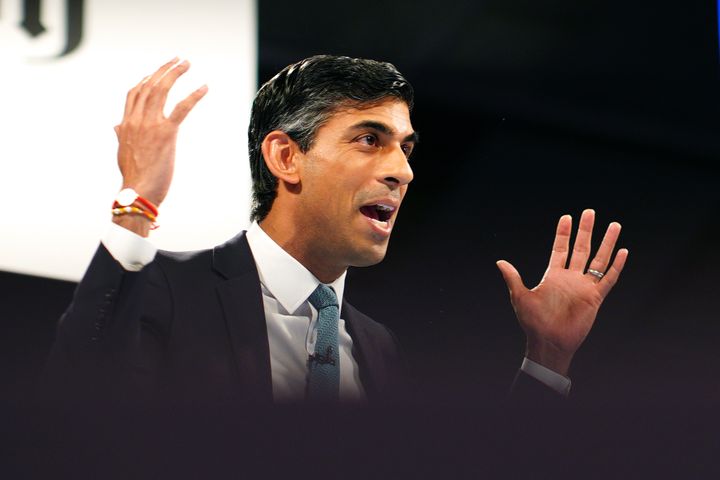
Rishi Sunak
Sunak has indicated he would expand existing support schemes when the price cap rises again in the winter.
Ben Birchall – PA Images via Getty Images
Advertisement
The former chancellor has committed to scrapping VAT on energy bills for a year and has also said he will expand the emergency support schemes already in place.
So far that scheme includes £650 off for the lowest income households, £300 off for eight million pensioner households, £150 off for those receiving non-means tested disability benefits and a £400 energy grant for every household.
In an article for the Times, Sunak said if he is elected PM he would extend the scheme that knocks £400 off bills for every household, rising to £1,200 for pensioners and those on benefits.
He also said he would “drive a programme to identify savings across Whitehall” in order to pay for expanding the help on offer, which The Times said would cost around £10 billion.
Sunak signalled the government could need to raise more revenue from the energy profits levy — the so-called windfall tax —and also refused to rule out “some limited and temporary one-off borrowing as a last resort to get us through this winter”.
Advertisement
According to the Institute of Fiscal Studies, removing VAT on bills would cost £4.3 billion to implement and would provide households with a relief of about £154 on their energy bills.
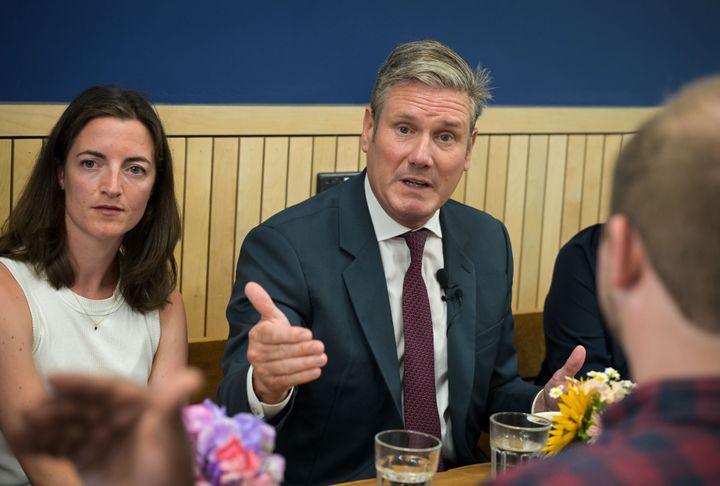
Labour
Finnbarr Webster via Getty Images
After initially facing criticism for being absent as the new energy projections were revealed, Keir Starmer has offered what he calls a “radical” response to the cost of living crisis.
The scheme would cost £29 billion and would be funded by increasing the windfall tax on energy firms’ massive profits by backdating it to January, in a move that would raise £8 billion.
Advertisement
The party argues that reducing energy bills would also have a knock-on effect on inflation which would lead to cut in government debt interest payments of £7bn.
The government’s current plan to offer £400 off energy bills for every household would be ditched as a result.
Responding to the proposals, the Paul Johnson, the director of the thinktank the Institute for Fiscal Studies, said inflation will continue to climb unless Labour continues to subsidise energy bills beyond the six-month period it has suggested.
He also told BBC Radio 4′s Today programme that Labour’s plan to cancel the rise in energy price cap would be “looking at the cost of furlough” if extended from six months to a year.
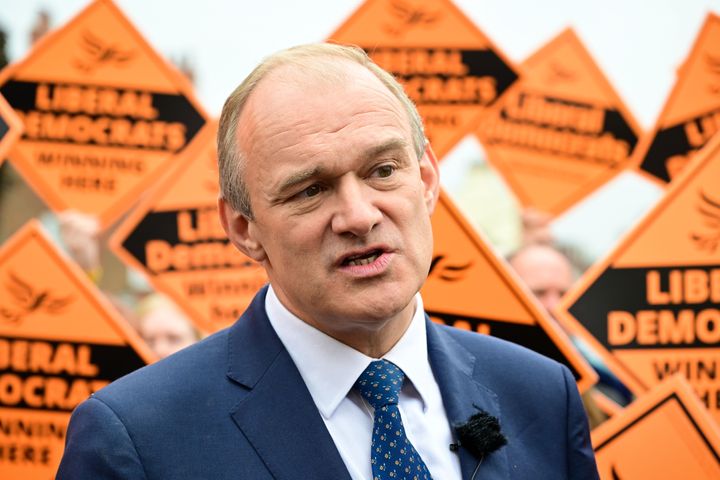
The Liberal Democrats
Ed Davey said Liz Truss and Rishi Sunak were Truss “more interested in speaking to their party than taking the action our country needs”.
Finnbarr Webster via Getty Images
Advertisement
Liberal Democrat leader Ed Davey called on the government to cancel the price cap rise in October to help people save hundreds of pounds off their energy bills.
Davey said energy suppliers could supply customers with their current rates if the government covers the shortfall to allow them to do so.
The Lib Dems said the policy would cost £36 billion and said the windfall tax on oil and gas company profits should be increased to help cover it.
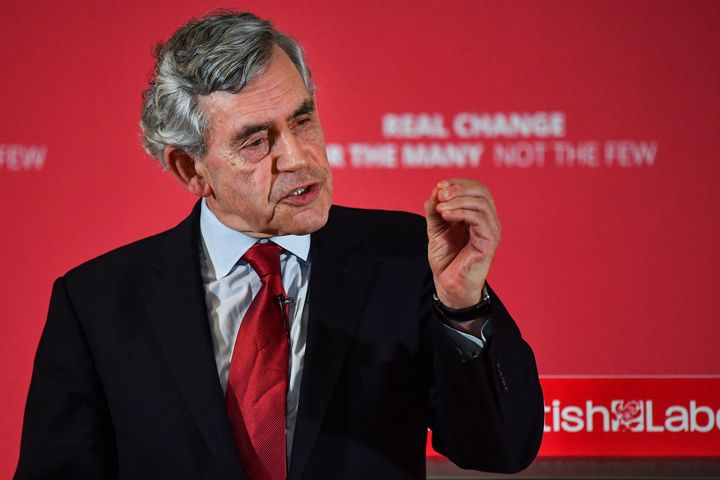
…And former PM Gordon Brown
Gordon Brown criticised the Tory leadership candidates, saying: “Time and tide wait for no one. Neither do crises. They don’t take holidays, and don’t politely hang fire – certainly not to suit the convenience of a departing PM and the whims of two potential successors.”
Jeff J Mitchell via Getty Images
Perhaps the most radical response to the energy crisis has come from former Labour leader Gordon Brown, who is no stranger to navigating the country through a crisis.
Under Brown’s plan, the energy price cap would be scrapped and new, lower prices would be negotiated with energy giants, who are all raking in bumper profits as gas prices surge.
If firms fail to bring prices down, the government should consider bringing them into public ownership“as a last resort … until the crisis is over”.
You’re reading First Thing, the HuffPost UK series helping to make your mornings happier and healthier.
If only there existed a wayback machine that could put you in bed at 10 pm last night, getting all the beauty rest you need. Instead, here you are the next morning, checking out a mirror that might as well be lit with a neon sign reading, “Look who’s tired.”
Advertisement
But all hope isn’t lost, especially if you follow these “fake it til you make it” tips from makeup experts who have been there, done that and still managed to look their best.
If you think your face can’t be fixed with mere cosmetics, experts say there’s hope for even the most tired face.
“Looking dull is a result of lack of sleep, lack of hydration or just life in general,” says Jamie Greenberg, makeup artist and founder of Jamie Makeup. “The right makeup, applied correctly, can help push your face toward what it looks like at its healthiest.”
Makeup artist Marco Campos agrees. “If used properly, makeup can really make you look like you’ve had a full week of the best sleep. With the right concealer, you basically can erase the tiredness around the eyes. A little brush up of the brows, a curl on the lash, and a hint of mascara will open and lift your eye right up.”
Advertisement
A full-face plan for looking well-rested
Remember that even though all you want to do is go lie down in the dark, brightness is your mantra for the day.
“The key is to accentuate features without looking heavy, keeping a fresh feeling to the skin and makeup,” says makeup artist Fiona Stiles. “Products with a soft sheen impart light to the face without it looking sparkly and too highlight-y, so the glow feels as though it’s emanating from you.”
Take a look at your palette and act accordingly.
“I stay away from using dark eyeliners and shadows on my eyes, and I lean into fresh colours and extra radiance to compensate for dull skin and puffy eyes,” Stiles says.
“Warmer colours like peaches and golds give the illusion of health,” says makeup artist Gregory Arlt. He also suggested thinking “upwards” with everything you do: “Applying mascara to just the upper lashes will bring a lift to the eyes, making them look more perky. Next, apply blush to the apples of the cheeks or just above. Adding it lower can drag down the face.”
If you’re running short on time, here’s a quick rundown of the most important areas:
Undereye: Makeup artist Jaleesa Jaikaran suggests starting with a peach-to-orange colour corrector to neutralise darkness.
Advertisement
“A little goes a long way, so use a little at a time, gently tapping the skin with a fluffy brush or fingertips,” Jaikaran says. “Let the colour corrector sit for a second and then go in with a full-coverage concealer to lift and brighten.”
“Don’t over-apply concealer,” says makeup artist Marco Campos. “Apply a small amount on the inner and outer corner of the eye and blend. Add a little more if needed, then gently set with a fine setting powder.”
Makeup artist Jamie Dorman remembered using eye makeup to look more awake in school.
“I used white liner on the inner rim of my eye and concealer that was lighter than my skin all around my eye, so I’d look more attentive,” Dorman says.
Lashes: “I always curl my lashes, because it’s the number one way to make you look more alert and peppy,” says makeup artist Sandy Ganzer. “It opens the eye, giving an instant refresh to your face.”
Colour matters here, too. “A dark mascara like Diorshow Black Out immediately makes dark circles less apparent and helps you look refreshed,” says makeup artist Melissa Murdick.
Advertisement
Cheeks:“Never underestimate the power of blush in the right colour,” Dorman saus. “It can seriously brighten a face and bring out your eyes.”
Lipstick: “Put a drop of bright lipstick on the bridge of the nose to give the face a brighter, more healthy look,” Arlt suggests.
DIY hacks
Even if you don’t have tons of fancy cosmetics, there are ways to energise your look on the cheap.
Ice, baby: “If you don’t have a cool jade roller or face mask to take down puffiness, just rub an ice cube under your eyes with clean hands,” Greenburg says.
Curl with cutlery: “In a pinch, you can heat the curve of a spoon with a blow dryer and very carefully press it gently to your lashes to get a curl,” Ganzer says.
Spoon me: “If you don’t have access to your favourite products, put metal spoons in the freezer for five to 10 minutes, then use them under your eyes to smooth out puffiness,” Jaikaran says.
Advertisement
Coffee (inside and out): “A DIY help for dark circles is to add a touch of water to crushed coffee beans, apply it as a paste, let it sit for seven minutes and then wash it off with cold water,” Jaikaran says.
Take it easy
Finally, remember that as tired as you are, less might be more when it comes to camouflaging fatigue. “The techniques don’t have to be drastic,” Campos says. “Small tweaks can really make you look more alert and ready to take on the day.”
And keep these words from Murdick in mind: “If you look tired, it’s OK. Don’t pick yourself apart or give it too much of your focus. We all have good days and off days, but you’re still beautiful, I promise.”
Below are some of the experts’ favourite makeup picks for your most tired days.
First Thing is a HuffPost UK Life series giving you tips and advice on how to enjoy your mornings. Whether you’re an early bird or night owl, starting your day off right will make for a happier and healthier day. We’ll be sharing exercise advice, nutrition guidance, as well as ideas on forming new habits. (And no, the answer to a productive morning isn’t just setting an alarm for 5am!)
Rita Ora served up some hilarity as part of The Big Breakfast during a memorable appearance on the revived Channel 4 series on Saturday.
The singer and her “dusty apple” joined in the fun via video link from the US as Mo Gilligan and AJ Odudu fronted a new run of the classic 90s morning show.
There was some confusion during her interview, however, when Rita was distracted by something in her fruit bowl.
Picking up a piece of fruit and holding it to the camera, Rita said: “Look at this dusty apple! Can you see it?
“I don’t even think it’s an apple. I think it’s like a shrivelled pear,” she speculated.
“Rita, I’m sorry to break it to you,” AJ interjected, “but that’s a peach, not an apple.”
Laughter erupted in the studio, as Rita could then be seen looking rather confused down the line.
“Is it?!” she said. “Do you know what, it’s 3am guys, give me a break!”
Needless to say the hilarious moment didn’t go unnoticed online…
The Big Breakfast airs Saturday at 10am on Channel 4.
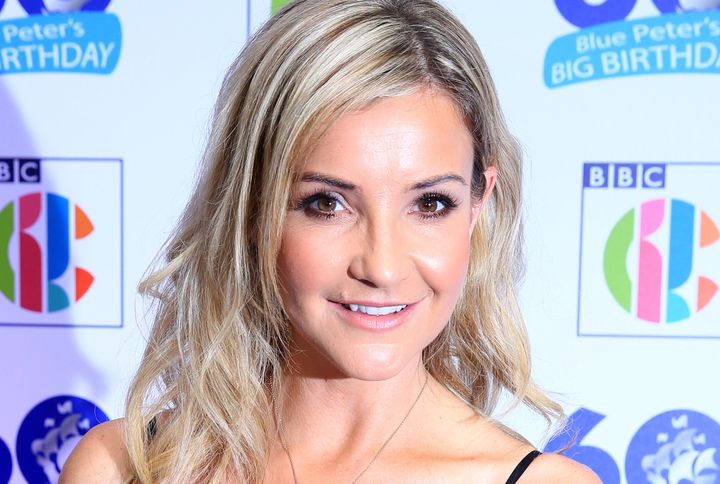
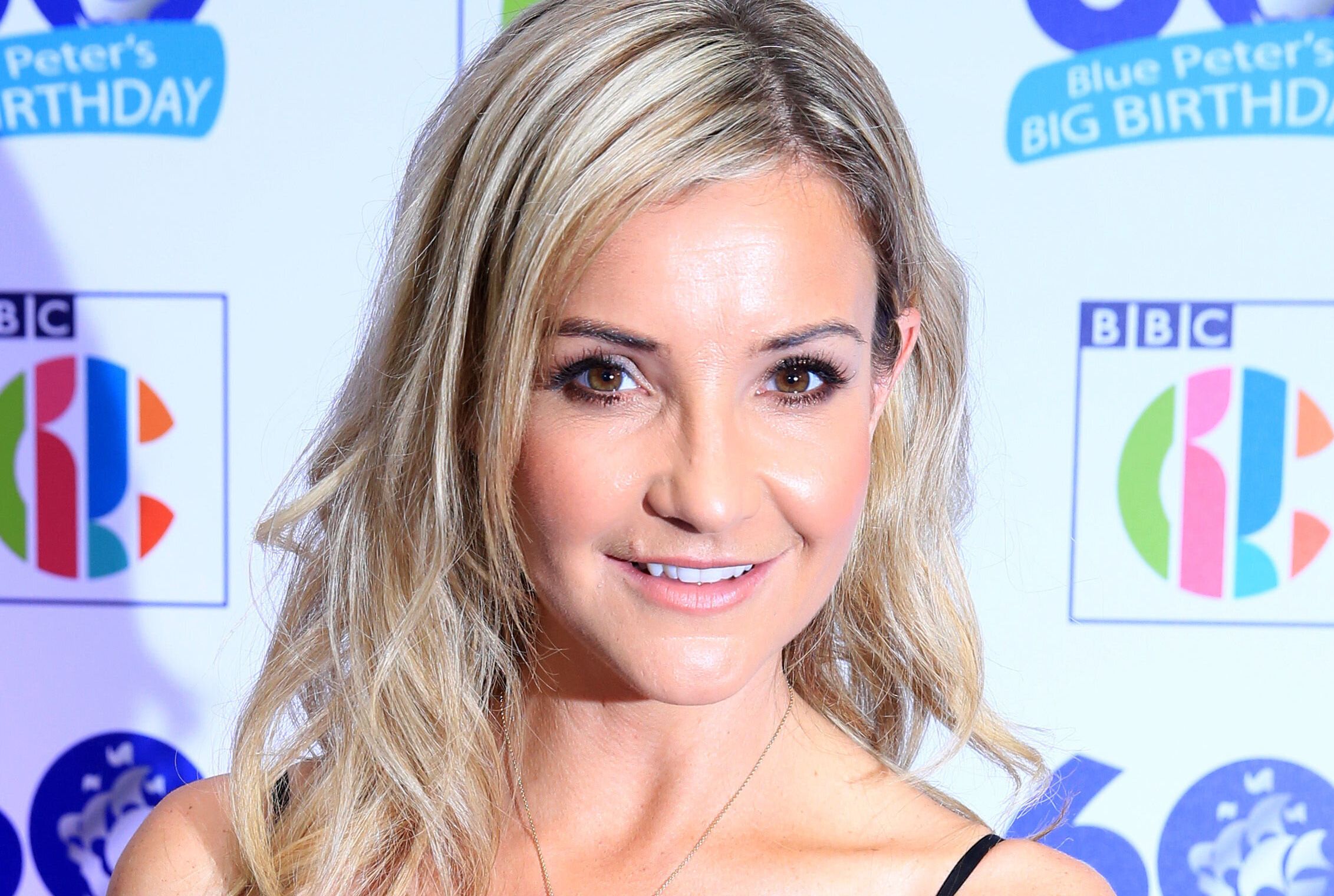
The former Blue Peter presenter is the final contestant to be confirmed for the new series of the BBC ballroom show, which returns next month.
The news was announced on Claudia Winkleman’s Radio 2 show on Saturday morning.
Helen said in a statement: “I’m really excited to get stuck into a fun adventure. My family and friends have always loved the show and can’t wait for me to get started.”
Advertisement
Helen began her broadcasting career hosting Blue Peter between 2008 and 2013, and is a regular face on Countryfile and BBC Sports coverage.
She was also recently confirmed as the new host of Radio 5 Live’s Sunday morning slot, after Laura Whitmore announced her departure.
Advertisement
Strictly Come Dancing returns to BBC One next month.
We’re at the half way point of the UK summer holidays, a time that is always testing to parents’ patience and bank balances. But when it comes to keeping children happy and occupied amid the escalating cost of living crisis, many families are feeling the pinch like never before this year.
Sally Worrall, 31, has seen a drastic change in her circumstances.
“I can’t get through the month now without borrowing money,” says the Hampshire-based mum of four.
As a single parent to Chester 11, Rory, eight and twins Jenson and Molly, six, the self-employed painter and decorator says that she has to borrow money from her mother each month just to get by.
Advertisement
“I don’t have an extravagant lifestyle, I don’t smoke, drink, or have Sky. I have the cheapest mobile package and the most basic broadband service. But I really struggle,” she tells HuffPost UK.
“Food is especially a big thing. It’s gone up by about £50 a week for me and the children. It’s really difficult. I try not to think about it because the reality is after a shop, I’ve only got about £20 a week to live on,” says Worrall.
Even before schools broke up for the summer this year, the national poverty charity, Turn2US, warned that the financial squeeze was having a stark impact on many families in the UK.
The charity surveyed 2,730 of its service users in June and found that soaring food costs were pushing many into debt as they struggled to put food on the table. Almost half of the charity’s users reported they were left with nothing to live on each week after weekly food costs.
Advertisement
The survey also found that that over half of respondents planned to use the first £326 instalment of the government’s cost-of-living rescue package to help pay a debt for utility bill arrears – and with food and fuel prices only set to rise this autumn and winter, there is concern for how many will be plunged into poverty.
FatCamera via Getty Images
Michael Clarke, head of information programmes at Turn2us, said: “Every day we see more people struggling to afford life’s absolute basics as the cost-of-living continues to push millions of people onto the edge of a financial crisis.”
He added: “We are hearing from parents who are skipping meals to try and keep their children fed, or who are making impossible choices between paying rocketing energy bills or rent. This isn’t right.
“Many people using our services come to us when they are at their most desperate and we fear the worst is yet to come over the coming months.”
Advertisement
These statistics don’t surprise mum of two Kelly Williams, who lives in east London with her husband Marcel and six-year old son Quincy.
“It’s the world in which we now live in,” she tells HuffPost UK. “Everything has gone up and it’s simply not sustainable. I don’t understand how there is such a high rate of inflation and the salaries have not risen to coincide with that.”
Williams, who works as an accountant, added: “It’s creating a huge gap in the cost of living and people have got to find ways to survive.”
“We fear the worst is yet to come over the coming months.”
– Michael Clarke, Turn2Us charity
Certainly, it’s affecting middle-income families, too. “Since the crisis my husband and I are much more conscious of what we do now in terms of managing our money and one of the biggest changes we found was that we don’t go out as often as we used to,” says Williams.
Advertisement
The family are trying to change spending habits with as little impact on their son as possible. “We are both aware of how important it is to our wellbeing that we go out as a family and spend quality time together,” she says.
Williams is focused on giving Quincy a good summer holiday while staying within budget – even if that means a major juggle with work.
“I’m taking advantage of my working from home days. By being at home, I will not have to pay out any extra money to summer camps,” says Williams, who is making the most of free activities and vouchers provided by her local council.
“Picnics and play dates!” she says, citing her summer mantra. “This will just allow me to let my money stretch further.”
SolStock via Getty Images
Advertisement
When it comes to the food shop, Williams freely admits she’s no longer loyal to a particular supermarket and that her main quest is to get value for money.
“I’m loyal to brands, but not to supermarkets,” she tells HuffPost UK, adding that one of her biggest hacks is getting her petrol at supermarkets.
“When filling up, I tend to use supermarket petrol stations that offer loyalty rewards. Here you can transfer the reward points into vouchers for food. I’ve made huge savings by doing this,” she says.
Worrall, meanwhile, has started doing all her shopping at budget stores.
“I started shopping at B&M because it is so much cheaper than the larger supermarkets,” she says. “I’ve also had to shop at the Local Pantry.”
The Local Pantry, which operates in 70 neighbourhoods around the UK, sells on reduced items that supermarkets would normally throw in the bin. Shoppers using a branch pay £5 a trip, and receive £20 worth of food and groceries.
Advertisement
“Being in a single income household makes a hell of a difference to what we do when it comes to the summer holidays.”
– Catherine
“They have a coloured sticker policy,” explains Williams. “You get five red item stickers, which are meat and cheese and frozen fish. Then you get ten blue items, which is your pasta and tins of beans, etc, and toiletries. Then you get three items that are fruit, vegetables and bread.
“It’s a really good thing, but for a first world country nobody should be in this situation.”
Single parent Catherine Gilmore, who is mum to Arthur, six, says she’s been obsessing about how to stay within budget and keep her son occupied for the length of the summer holidays – and the worry starts earlier each year.
“Being in a single income household makes a hell of a difference to what we do when it comes to the summer holidays,” says the publishing assistant from Leyton, east London.
“Because of the financial squeeze, what I have had to do to ensure that Arthur gets to enjoy the summer is to save all year round, because, come July, financially it hits you hard.”
Advertisement
Meanwhile, hybrid worker Catherine, who preferred not to give her surname, says that in order to save money she is splitting the summer between her home in London and Derbyshire, where her mother lives.
“I get six weeks of holiday and I need to find childcare for four weeks of that time. So to keep costs down. I spend three weeks in London and then it’s up to Derbyshire for two weeks.”
Even factoring in travel costs, this hack makes life a lot easier, she says. “It’s cheaper up there, I pay between £35-£55 per week [on summer clubs] in London and in Derbyshire it’s between £20-£25 per week.”
One of the biggest problems Catherine found when looking for clubs in London was how quickly spaces got filled. In applying for cheaper camps and council-run activities, she said her son was often overlooked in favour of families in receipt of Universal Credit.
“It’s definitely is not a bad thing that families on benefits get priority, but there should be more available for middle-income families who are struggling to keep their families occupied during the summer,” she tells HuffPost UK.
Advertisement
Sally Worrall says she has taken advantage of similar provision in Hampshire to keep costs down and her kids occupied and happy throughout the holidays.
Her children’s school offers means-tested pupils the chance to attend a free summer camp, which runs during school hours. Each pupil enrolled on the camp is also given a free lunch and snacks throughout the day.
“I’ll only be using it three times a week to help me with food more than anything,” she says. “It also means I can work and I won’t have to worry about paying for childcare costs.”
Worrall has also been in touch with Gingerbread, a nationwide charity that offers support and help to single parent families. She says their team has been extremely helpful to families like hers, who are also struggling in the crisis.
“They have been great at bringing people together,” she says. “It has been nice to connect with families who are in similar situations. They have really great groups that you can lock in with.”
Advertisement
And despite all the challenges facing her family of five, she’s intent on giving her children a great summer. “I’m lucky because I live near the sea and near woodland. The days that I am not working we will spend them either on the beach or in the woods exploring and enjoying natural resources,” she says.
“We’ve just moved into a house from a flat so we will be spending a lot of time outside and taking advantage of the outdoor space. The garden is definitely a huge plus!”
Gingerbread runs a dedicated support service for single parents families – visit its website or call 0808 802 0925.