But one little-known effect of the winter weather is that it can also trigger or worsen a range of dental problems, according to Dr Raj Juneja, principal dentist at Face Teeth Smile Dental Clinics.
Advertisement
So, in the spirit of staying informed – and preventing any issues from cropping up when the worst of the cold weather hits – here are just some of the ways cooler climes can impact your gnashers.
1. Tooth sensitivity
Dr Juneja said one of the most frequent issues dentists see during winter is tooth sensitivity.
When your tooth enamel (the outer layer of your teeth) becomes worn or thin, the underlying dentin and nerves are more exposed.
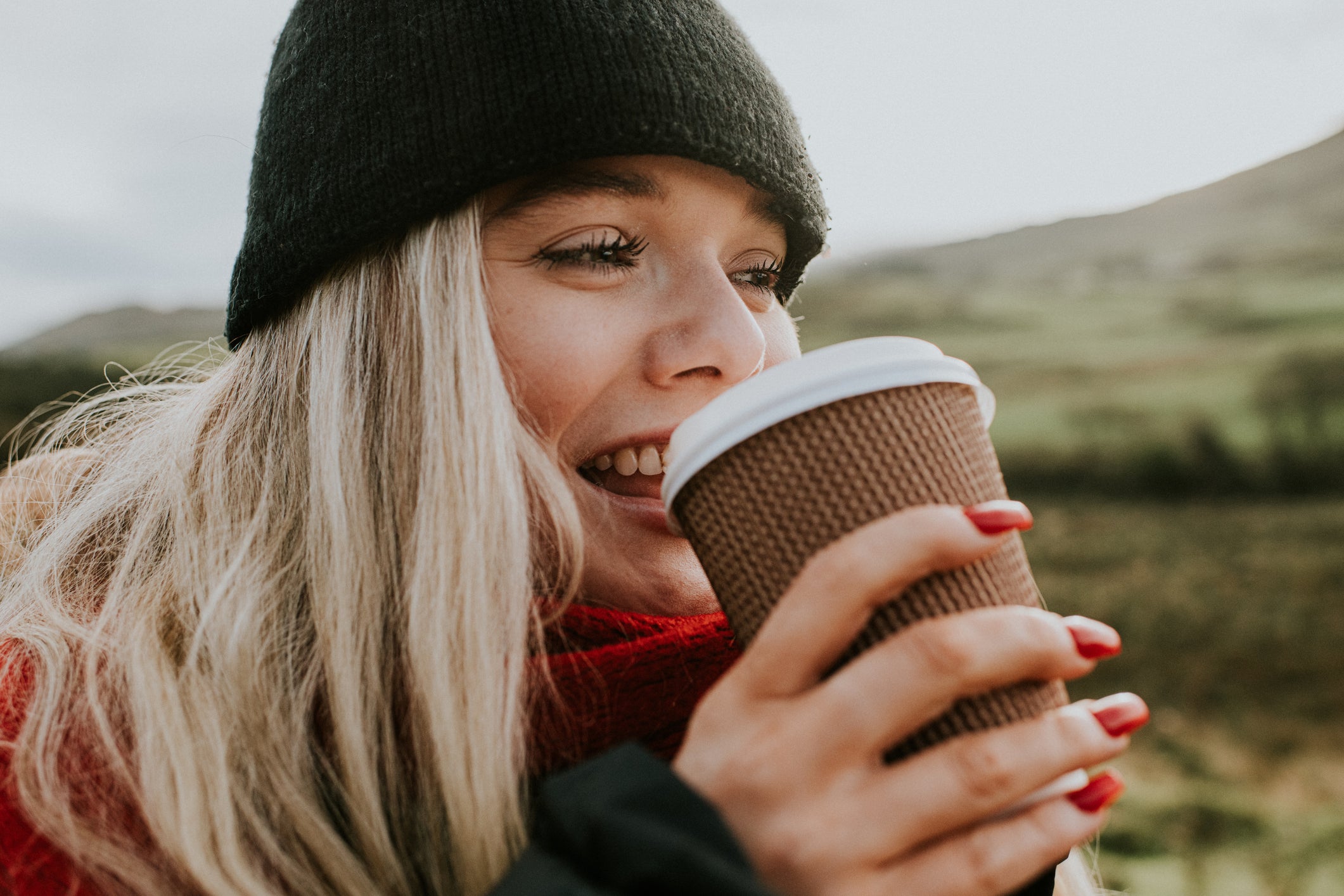
This means external stimuli – like hot or cold substances (yes, your morning coffee en route to work is very much included in that) – can reach the nerve and cause a sharp, shooting pain.
Advertisement
If you’ve noticed a bit of sensitivity, the dentist advises using a desensitising toothpaste and a soft-bristled brush, as well as avoiding acidic foods and whitening products that can thin the enamel further.
2. Cracked teeth and damaged fillings
Unfortunately, cold temperatures can also make teeth and dental restorations (like fillings and crowns) more brittle, said the dentist.
This is because when you go from warm to cold environments rapidly, your teeth can expand and contract slightly. Over time, this stress may lead to micro-fractures in enamel or even damage old fillings.
Advertisement
If you notice pain when biting or temperature sensitivity in a specific area, Dr Juneja recommends scheduling a dental check-up promptly, as early detection prevents small cracks from turning into a bigger issue.
3. Dry mouth and chapped lips
It’s not just your teeth which might be feeling the strain as the winter weather hits, as you ramp your heating up, you might notice you have a dry mouth. This can lead to bad breath, tooth decay and discomfort, said the dentist. You might notice your lips feel positively desert-like, too.
Dr Juneja’s advice? Stay hydrated, use a humidifier at home, and consider sugar-free lozenges or gum to stimulate saliva flow. He also advises applying a protective lip balm to prevent cracked lips and corners of the mouth.
Advertisement
4. Jaw tension and tooth grinding
Lastly, cold weather can cause people to clench their jaws or grind their teeth subconsciously, said the dentist, especially if you’re spending a fair bit of time shivering.
“This can worsen temporomandibular joint (TMJ) pain, lead to headaches, and wear down tooth enamel,” he said.
If you’ve noticed you’re a winter clencher, try relaxation exercises and keeping your face warm with a scarf. And don’t forget to ask your dentist about a night guard if you grind your teeth during sleep.
Advertisement
Keeping on top of dental check-ups can also help flag any signs of tooth damage or decay early on.
So perhaps it’s no wonder that Brenig Moore, health and safety and technical officer at Astutis, told HuffPost UK: “Lunch breaks matter all year round, but more so over the darker seasons of autumn and winter”.
Advertisement
In fact, Moore said, a 15-minute change to your lunch break could be considered a “basic safety requirement”.
You should go for a walk on your lunch break in winter
But it will likely be too dark to get enough of that sweet sunlight on the other side of your work day.
Advertisement
So, the Royal Osteoporosis Society’s advice – “to let the sun shine on your face or arms for about 10 minutes between 11am and 3pm” – might be best achieved for many on their lunch break.
“It is a basic safety requirement to get out and take a small walk for at least ten minutes to boost your alertness, mood and energy,” Moore revealed.
He added, “Short days mean your body’s natural wake/sleep cycle is disrupted. Even just fifteen minutes outdoors can help you avoid that mid-afternoon slump that leads to mistakes, stress and burnout.”
Advertisement
Even your joints struggle in the colder, more sedentary months, he continued.
“Cold weather tightens muscles and joints, and what’s going to make that even worse is sitting in the same office chair all day… Moving at midday resets posture and reduces aches that lead to long-term issues.”
It may be especially useful in times of high pressure, the health expert stated: “Winter workloads spike, but powering through kills efficiency… The people who pace themselves work smarter, not longer. A 30-minute break can save hours of tired mistakes.”
Advertisement
What are the other benefits of taking a walking break this winter?
“You may find your mood to be a lot lower in winter than it is in summer, and this isn’t uncommon,” Moore said.
“Constant screen time drains the brain. Stepping away at lunch resets concentration and judgement, which will lower the risk of accidents happening both at work and at home,” the expert ended.
Advertisement
“By going out and resetting your brain, you’re less likely to come back to the office or your laptop and make any mistakes. Some accidents may just be something as simple as not including an attachment in an email, but some accidents may be something that could cause injuries for you or others in the workplace.”
But I just can’t bring myself to work out often now that the clocks have gone back. The motivation simply won’t kick in.
Advertisement
If that sounds like you, though, some reassuring (or depressing, depending on your mindset) news: you’re not alone. There is real science behind your cold-weather sluggishness.
Some research conducted on military service members suggested that “The combination of cold temperatures with other environmental stressors, including altitude, wind, and wet environments, exacerbates the overall metabolic strain on military service members.”
In other words, it just takes more out of you to work out when it’s chilly out.
Another paper found that people who stood outside in the cold before attempting cycling saw a decrease in performance of 30%.
More great news: once you’ve completed a chilly session, your hormones may make you hungrier than you would have been if you’d exercised in warmer weather.
Advertisement
How can I motivate myself to work out in winter?
BBC Sports recommends reframing sport as “me time,” working out with others, wrapping up warm, changing your routine to an indoor one, and rewarding yourself when you do get active.
PureGym says that sticking to a routine and seeing exercise as a way to get sunlight – which can help you regulate your sleep, especially after the clock change – may help too.
Even committing to a quick burst of activity on your lunch break can be useful, experts told TODAY.
I’m a little embarrassed to admit it, but I’ve always blanked when someone asked me about my five-year plan or inquired whether I wanted to get married or have kids.
My future feels like it has nothing to do with me, and I struggle to envision it – in general, though, the idea of hitting milestones never felt like it “fit” me.
Advertisement
I also felt vaguely as though I was going to die at 20, then 30 (I wonder if the goalposts will move again). It’s a phenomenon friends have described, too.
So, I felt enormous relief in discovering the term “a sense of foreshortened future”, which may be more common than you realise.
What is a “sense of foreshortened future”?
BACP member Alec Williams, a trauma-focused therapist based in London, said: “A ‘sense of foreshortened future’ isn’t simply just thinking that one’s life will be short”, though that can be a part of it.
Advertisement
“It often goes much deeper and can undermine a person’s entire worldview.
“Often,” he explained, “it happens due to an individual experiencing an extreme traumatic event… that shakes the very foundation of how they experience the world.”
Those with a “foreshortened sense of future” might lose all sense of trust in their environment, no longer believing that it can be a safe place where they are valued and cared for.
“Previous commitments, projects, interests or things they were looking forward to can begin to feel meaningless and become difficult to make sense of. The future of one’s life can often feel collapsed and insignificant,” the therapist added.
Advertisement
“In everyday life, this might mean not making long‐term plans, feeling separate or disconnected from the world or people, or believing that investing in the future is pointless.
“Over time, this can affect all aspects of someone’s life and heap a heavy strain on interpersonal relationships. How do you plan a future with someone who no longer trusts or believes in it?”
Advertisement
Why does “a sense of foreshortened future” happen?
Per Williams, trauma can leave you mentally stuck in your time (or times) of distress.
It “can disrupt continuity in time so that a person feels cut off from a ’before’ and an ‘after’”, he said.
“A catastrophic traumatic event, such as torture, can lead to a change in the structure of time-based experience… they might not just have difficulty in imagining the future, but experiencing time in a way where the future fails to present itself as fully meaningful or available.”
This can sometimes make you feel “othered”.
Because people with a sense of foreshortened future may have a different understanding of both the past and the present (as well as what’s coming next), Williams says that “The future may still exist intellectually, but it lacks the availability and meaning that often allows for planning and hope.
Advertisement
“The world as they knew it has gone, and things that once held meaning are no longer relevant. The future is now either too unknown or too unsafe to engage with.”
It is not as simple as a fear of death, he added. “It’s a seismic shift in worldview that alters a person’s ability to move forward with their life and comprehend a future.
“This can lead to withdrawal. If the future life feels insignificant or meaningless, the effort required to stay connected and invest in relationships, work, and long‐term planning can feel futile.”
Advertisement
What can I do if I have a “sense of foreshortened future”?
Therapy can be a great step forward, says Williams. “We can help clients reconnect to what they care about, restore trust in the world, and rebuild time-based experience around past, present and future, helping them to put trauma back on the timeline.”
This way, he hopes, “once again, the future can belong to them, rather than being unreachable due to trauma”.
Per VeryWell Health, being mindful of your thoughts, seeking positive activities, connecting with others and reducing avoidance where possible, practising self-care, and choosing actions aligned with your values often may help too.
Advertisement
Help and support:
Mind, open Monday to Friday, 9am-6pm on 0300 123 3393.
Samaritans offers a listening service which is open 24 hours a day, on 116 123 (UK and ROI – this number is FREE to call and will not appear on your phone bill).
CALM (the Campaign Against Living Miserably) offer a helpline open 5pm-midnight, 365 days a year, on 0800 58 58 58, and a webchat service.
The Mix is a free support service for people under 25. Call 0808 808 4994 or email help@themix.org.uk
Rethink Mental Illness offers practical help through its advice line which can be reached on 0808 801 0525 (Monday to Friday 10am-4pm). More info can be found on rethink.org.
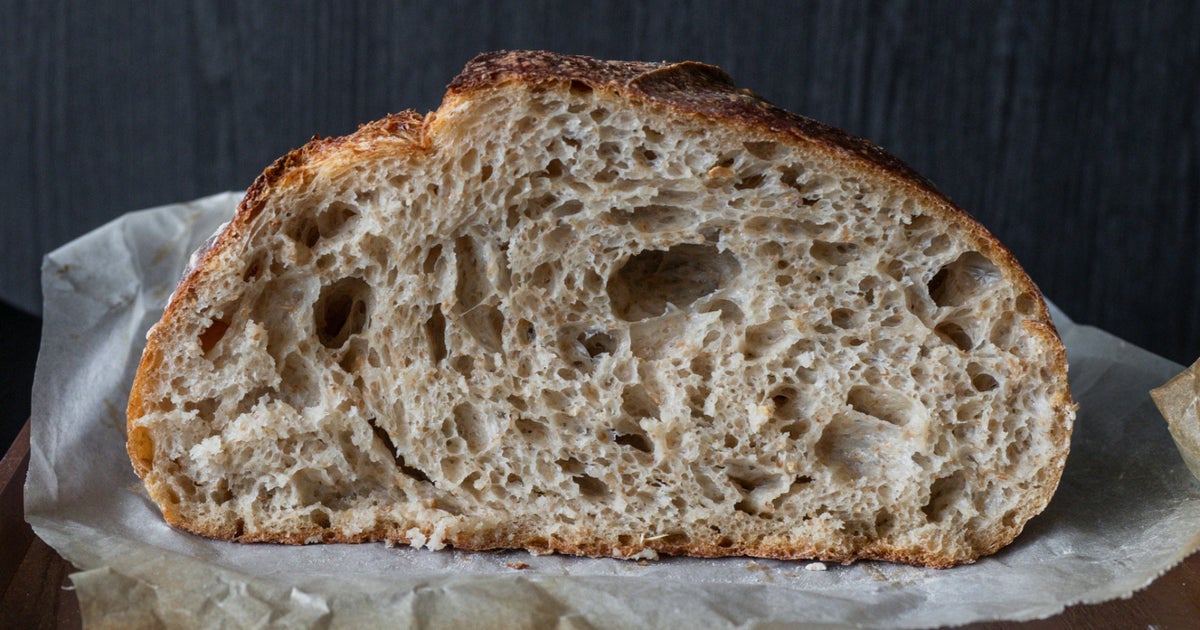
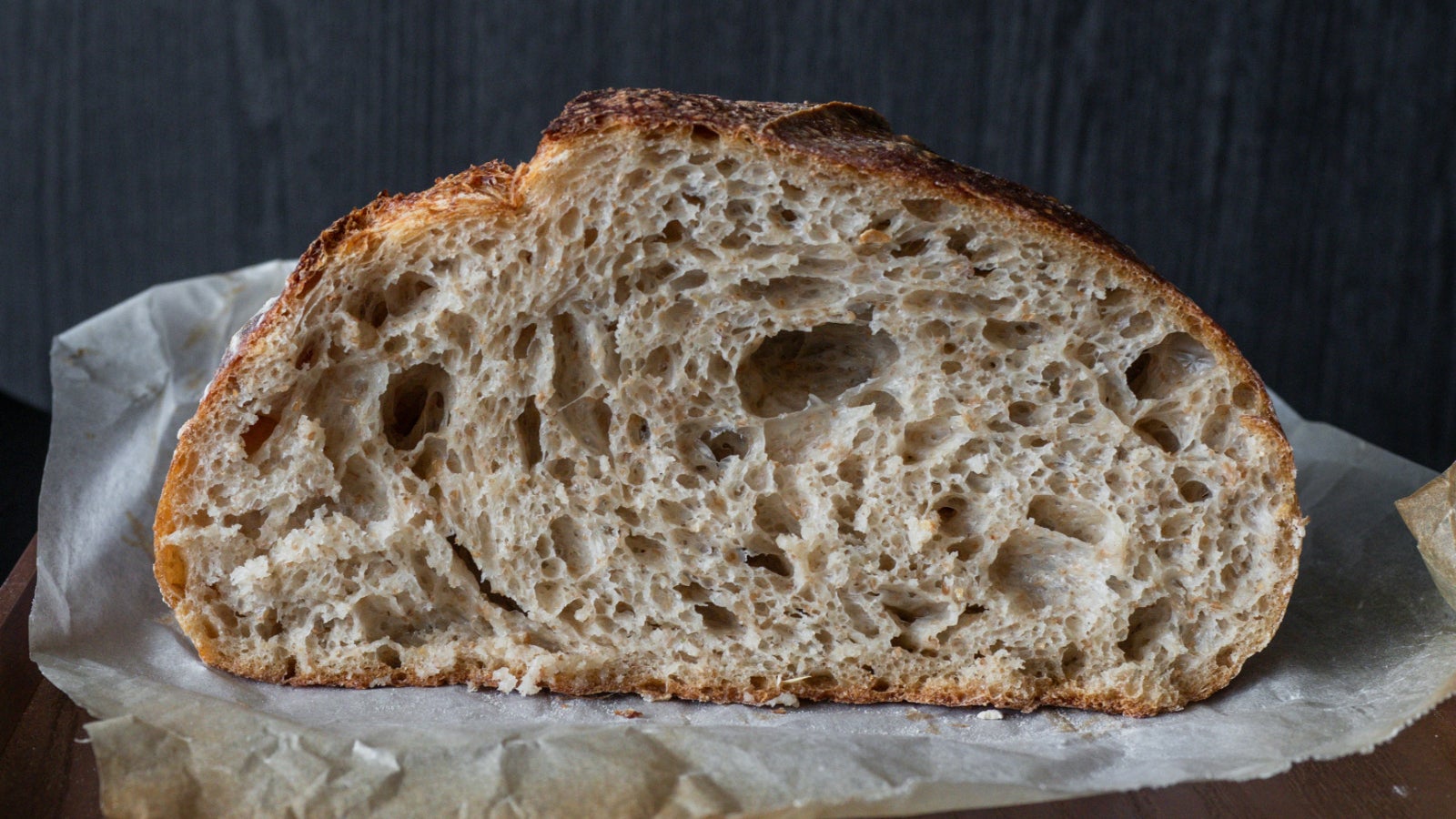
But dietitians like Lizzy Traxler, MS, RDN, also a diabetes educator at University Hospitals, say: “Over time, and in combination with other healthy lifestyle choices and a balanced diet, choosing sourdough over regular bread may provide numerous health benefits.”
These, she told University Hospitals, may include improved digestion. “The improved mineral absorption from the fermentation process supports cardiovascular function,” they add (this might be especially true of sourdough rye bread).
Advertisement
And the British Heart Foundation says sourdough bread may make your blood rise more slowly, too.
So why did Dr Karan Rajan, an NHS surgeon and author, advise we “check the ingredients list” on sourdough loaves before buying?
“Sourfauxs” use different fermentation methods
Quality wholegrain, sourdough, and high-fibre breads may contribute to the “replacement of hyper-palatable baked goods, which are high in sugar, fat, and salt,” which can be beneficial to our health, a 2023 paper reads.
But, they add, one of the reasons sourdough research is so tricky is because “there is no established and internationally recognised legal definition of sourdough bread”. In fact, they found, the artisanal products usually included in trials may differ from the sorts found on most shelves.
Advertisement
“Analysis of bread samples purchased in the market showed that most of these had pH levels of >5.0, substantially above desired levels of pH 4.5 to obtain desired changes in composition,” they wrote.
This paper did not say that this difference definitely meant one was better than the other, or that the higher pH versions were sourfauxs ― though traditional sourdoughs tend to have a lower pH, which is linked to their sour taste.
But if you would like to eat sourdough made from traditional starter, Dr Rajan advises you look at the labels of sourdough breads in search of “added yeast”.
Advertisement
“Authentic sourdough doesn’t mention any added yeast,” he explained, “because it uses a natural fermentation process.”
He added, “Imitation sourdough, or ‘sourfauxs,’ often contain commercial yeast like baker’s yeast and even chemical raising agents like baking powder in addition to, or instead of, live sourdough starter culture.”
To be clear, the doctor didn’t say there’s anything wrong with eating non-sourdough bread.
It’s just that he felt it was important consumers know what they’re really buying (especially considering sourdough bread could be easier for people who usually struggle to digest food to eat).
“Sourdough” is not a legally-protected term, Swie Joo, head baker at The Palmerston restaurant in Edinburgh, told The Independent (like Dr Rajan, by the way, the chef advised customers to check for the word “yeast” on packages if you want a traditional sourdough loaf).
Advertisement
That means you can add commercial, or non-fermented, yeast to “sourdough” breads.
This can make the rise of bread more predictable and easier to replicate. It can be cheaper and less time-consuming, too.
The combination could make mass production a lot easier.
The Real Bread Campaign write that their campaign “is to better protect us from the risk of being misled by cynical marketing and to allow us all to make better-informed choices about the food we eat”.
According to the World Health Organisation (WHO), social isolation and loneliness are increasingly being recognised as public health issues across all age groups.
One in six people worldwide, the WHO added, face the problem, which they say can have “a serious impact on physical and mental health, quality of life, and longevity”.
Advertisement
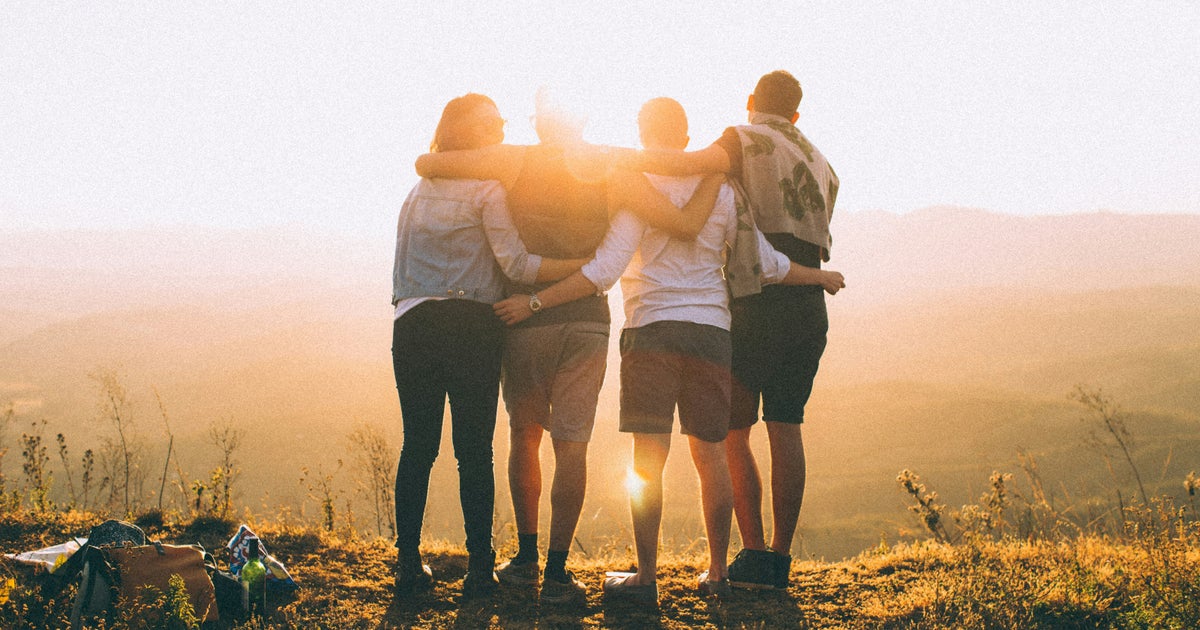
That is not to say, of course, that having a small friend group necessarily means you feel lonely. But new figures from Talker Research have found that the number of mates people have on average has shrunk once again.
And Gen Z reported a higher number of friendships fading in the past 10 years (10.4) than Boomers (7.7).
As Vice points out, this figure seems to be “shrinking every year”, with younger generations seemingly increasingly affected.
Distance, life transitions, and not having enough time were cited as the top three reasons for growing apart.
In a separate YouGov Friendship Study, 58% of UK respondents said they had less than 10 friends, of any closeness level, overall.
Advertisement
12% of Britons said they had just one close friend, while 41% put it at two to three; meaning a majority (53%) have three close friends or fewer.
7% of people polled by YouGov said they didn’t have a single person they don’t have anyone they’d call a close mate (women and men formed equal parts of that figure).
Advertisement
How can I find and keep friends in adulthood?
Speaking to HuffPost UK previously, Dr Uma Darji, a family doctor who told us she’s often felt too tired to hang out with her friends, said, “What matters most is staying emotionally connected, not necessarily seeing each other constantly”.
She added, “I suggest adjusting expectations. If you aren’t up for a long dinner, try to engage with a short voice note or quick meme exchange to keep the lines of communication and connection alive without draining you… Be honest with your friends, you don’t have to pretend that you can do it all.”
And after seeing the Talker research we mentioned earlier, Kyle Sligar, a psychologist at All In Bloom Therapy, said “taking initiative, being consistent, and stepping into vulnerability” can help you to form new connections, too.
Advertisement
“There are so many other adults out there feeling lonely,” he added. The psychologist recommends attending community meet-ups, trying new classes, volunteering, and even trying new online groups.
But “Banksying,” a dating trend which Dr Matthew Leahy, psychologist and the Director of Group Programming at Momentous Institute, describes as a kind of “emotional avoidance, spurred on by technology,” can be especially rough.
Speaking to HuffPost UK, Dr Leahy shared that the behaviour can leave people feeling lost and confused.
Advertisement
Here’s what the term means, how to spot it, and why the psychologist thinks it happens.
What is “Banksying”?
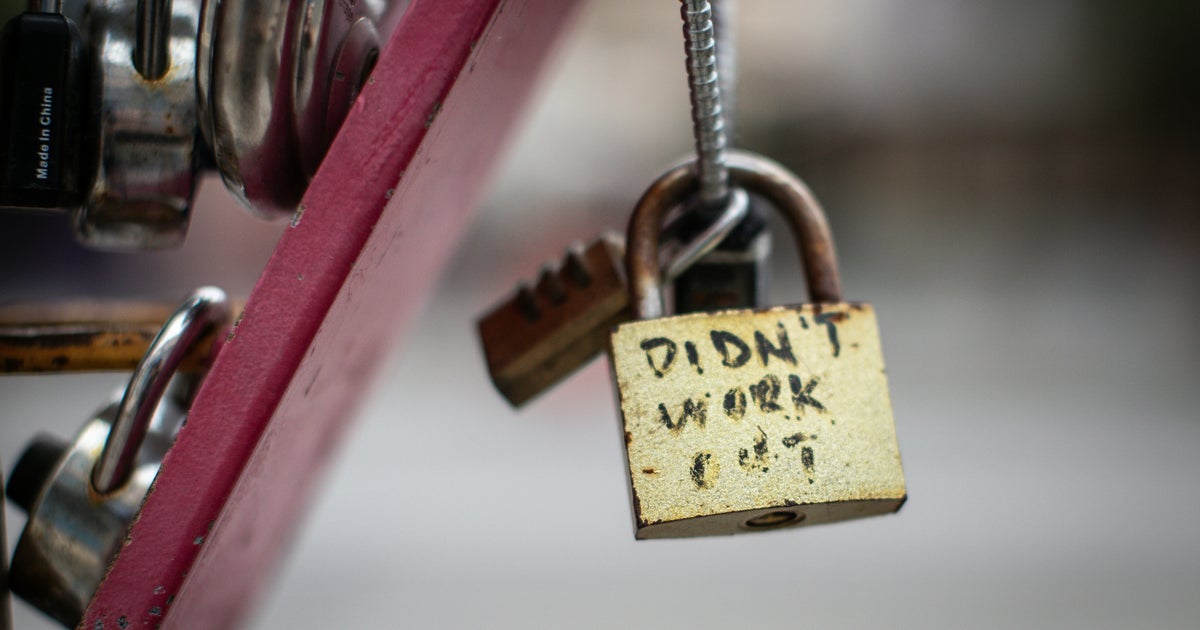
Named after the graffiti artist Banksy, whose artworks often pop up out of nowhere, “Banksying” refers to a breakup that leaves one party completely blindsided.
Though the person who breaks up with the other person may have been planning it for months, they can stay loving, attentive, and kind while planning their exit. For the other person, it seems the relationship was fine one day, but over the next.
Dr Leahy told us, “Dating apps have changed the game… our technological lives have created distance in actual human connection. We condition ourselves to view ourselves as more important than others and look at others as pieces in a game.
Advertisement
“We learn socialisation and dating etiquette in different ways now, and it’s become very easy to view others in a less empathetic and sincere way.”
This, he said, can lead us to avoid guilt and confrontation.
“Banksying,” the expert added, becomes a “mechanism to circumvent… having difficult conversations. ‘If I remove myself from someone, I don’t have to face their emotions,’ and ‘out of sight, out of mind’ kicks in.
“A big issue with this is that closure doesn’t occur. And that’s what has changed in the last 20 years. When I ghost, ‘Banksy,’ or vanish, the victim… is left to their own devices and thoughts to manage what happened and find meaning, which is often hard.”
Advertisement
How can I spot “Banksying”?
The point of “Banksying” is that the other person plans their exit without giving you any hints at all, if possible. That can make spotting it difficult.
Still, Dr Leahy said, “Human communication is just as much non-verbal as verbal, and your brain will notice subtle changes in your partner… Maybe they sigh a bit more often when you go in for a hug, or perhaps they’re sitting further away on the couch when you watch a show.”
Advertisement
A very rushed relationship can be a red flag, too, he added. “Often, a quick buildup means someone may try to exit quickly as well.”
Additionally, “Partners who quickly brush aside conflict or avoid discussions when issues arise may also be quick to leave or might already be wandering.”
Examine what happens when you two have disagreements. “Do they shut down until it goes away, or are they willing to face it and work with you?,” the psychologist asked.
Advertisement
“Those who avoid conflict might be showing signs that avoidance is how they handle their relationships, which could mean a fast exit and avoidance of those emotions as well.”
How can I handle a breakup that came out of nowhere?
It’s not an easy situation to be left in – your mind can run wild if you’ve been “Banksied” as you scramble to work out what went wrong and why.
As hard as it may be, though, Dr Leahy said, “Don’t allow your mind to create its own stories. It’s always good to reflect on our own experiences, but don’t let your brain assume that you did something wrong.
Advertisement
“Rely on trusted others, take a breath, and realise that people leave for many reasons.”
The most difficult step, he added, is accepting you may never know what went wrong. He says he spends many sessions working with people to embrace this.
“Brains want clarity with everyone and in every situation, and life doesn’t always work out that way. Learning to sit with uncertainty is a huge skill.”
Lastly, Dr Leahy said it’s important not to let “Banksying” affect your view of dating in the long-term.
Advertisement
“Don’t allow yourself to shut off from future relationships and vulnerability! Don’t let avoidance take hold of you! Get back out there,” he ended.
I’d argue that some of the so-called Gen Z working “trends”, like “taskmasking” – looking, but not being, busy – are not so much fads as time-honoured office traditions.
But what might genuinely be unique to the age group is “income stacking,” or the increasing need to secure multiple forms of payment in order to stay afloat.
Advertisement
According to research conducted by a bastion of the gig economy, Fiverr, 54% of Gen Z and Gen Alpha believe traditional employment will become obsolete.
As a result, 67% say they think they’d need to rely on multiple smaller streams of income, rather than one job, to pay the bills.
Why don’t younger people believe in traditional career paths?
And as many careers, even in industries deemed especially “safe” as little as five years ago, become unstable, only 14% say they’d be interested in working for an established company.
Advertisement
That makes traditional paths of employment – ie starting at the “bottom” of a single company, staying there for years, and landing a more senior position – sound less and less likely as the “job hopping” generation enters the workforce.
In fact, the Next Gen Of Work study, which was run with Censuswide and involved over 12,000 young people from all over the world, found that Gen Z and Gen Alpha face “single paycheck panic”.
Advertisement
What is “single paycheck panic”?
Michelle Baltrusitis, Associate Director of Community and Social Impact at Fiverr, said: “Gen Z isn’t rejecting work; they’re redefining it.
“Faced with economic uncertainty, Gen Z is experiencing what we’re calling ‘single-paycheck panic’ – they’re diversifying income streams because relying on one job feels too risky.
Advertisement
“Instead of waiting for stability, they’re betting on themselves by embracing freelancing and building financial resilience as the smarter path forward.”
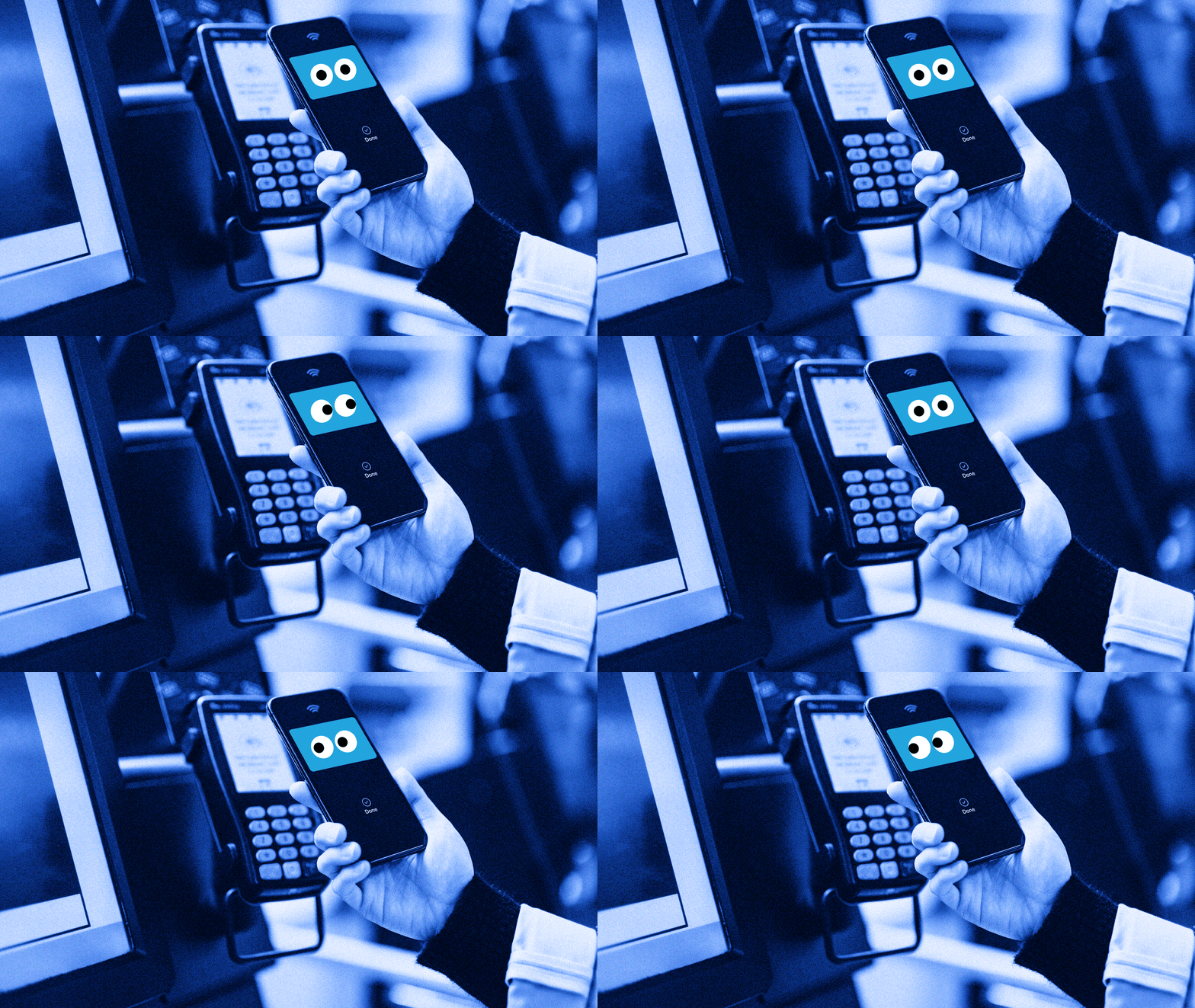
Tapping your phone to pay has become a common and easy way to purchase treats and gifts –– but it could also be a hidden way for fraudsters to scam you out of money.
That’s because some scammers might be “ghost tapping” and taking advantage of the tap-to-pay and mobile wallet technology when you buy goods on the street, according to a new alert by the Better Business Bureau, a nonprofit that tracks bad advertisements and customer complaints in North America.
In the scam reports, people say they unwittingly thought they were tapping to pay for legitimate purchases, only to later see they were being overcharged hundreds, and in some cases, thousands, of dollars.
Advertisement
In Illinois, a young man with a clipboard claimed that he was raising money for funeral expenses for a family member who had been shot and killed, according to one BBB report.
“I said I could donate $5…I handed my credit card to one of the men, who took my credit card and attempted tap-to-pay on his phone,” the victim recalled. “The interaction felt off to me, so I immediately checked my credit card accounts which both showed multiple charges for $2,496 each to a PayPal account.”
In the reports, scammers would avoid showing buyers what they were tapping for on the mobile pay terminals. That’s why asking to see the screen “to see exactly what’s happening is a great way to protect yourself,” said Melanie McGovern, the BBB’s director of public relations and social media.
Advertisement
‘Ghost Tapping’ Is Rare, But It’s A Good Reminder To Be On Guard
Illustration: HuffPost; Photo: Getty Images
You should always double-check the amount you are being charged for, in order to avoid getting “ghost tapped.”
Don’t be scared to use tap-to-pay at legitimate vendors. To put this alarming scam in perspective, McGovern said her organisation has only gotten less than 10 reports of “ghost tapping” so far. But she is concerned there could be more instances during the holiday season.
During holiday craft fairs, “people have the great convenience of tap-to-pay,” she said. “So…it’s always good to make sure that you’re protecting yourself and you know exactly how much you’ve spent.”
Advertisement
Although it is technically possible for a scammer to “ghost tap” and use your phone’s tap-to-pay feature without you tapping, it would be highly unusual for this to happen without your knowledge. That’s because the near field communication that powers tap-to-pay technology requires a distance of four centimetres or less.
“That’s essentially the length of a paper clip,” said Michael Jabbara, senior vice president and head of payment ecosystem risk and control at Visa. “If you have any awareness of your personal space, if somebody is getting to you within that distance, you are going to kind of be aware of that, and you’re likely going to move away.“
But the idea of “ghost tapping” is a good reminder to always be alert to what’s happening on your credit cards that you upload to your phone.
Advertisement
Scammers “rely on the victims to not check their bank accounts until the end of the month or two months later,” Jabbara said. “My recommendation is always to do your research ahead of time, versus when you’re dealing with a [credit card] dispute.”
There’s An Easy Way To Combat Online Fraud
If you do lose money to this kind of scam, you can dispute a charge or file a consumer complaint with your local attorney general’s office.
But one of the best ways to combat “ghost tapping” ― or any kind of online payment fraud ― is to prevent it. Be vigilant about what is being charged to your phone, and by whom. Here’s how:
Advertisement
Turn on credit card transaction alerts.
Many fraudulent charges will get flagged before being approved by your credit card’s risk signals. But even if somehow that transaction gets approved, “You have the ability to turn on your transaction alerts that can be a ‘first line of defence’ against fraud,” Jabbara said.
That way, you can immediately know if your card made a transaction for a merchant name you don’t recognise for an amount that you wouldn’t have approved.
Always ask for a receipt.
Receipts are helpful proof of purchase if you need to later dispute a charge with your bank or credit card company.
Advertisement
And it’s also a good way to suss out a scammer. McGovern said a vendor telling you “I can’t give you a receipt. [My pay terminal is] broken” is a red flag that someone is scamming you.
These are a few basic but helpful ways you can unmask the ghost, and prevent them from stealing any money you haven’t authorised to spend.
Here’s something you may not have thought about: For some foods (in this case we’re talking about bananas), the nutritional effects on your health can vary depending on the ripeness level when you eat it.
As a banana ripens, its nutritional content — the amount of sugar, starch and vitamins — changes. Meaning, if you need more sugar before a workout, or less sugar because of diabetes, you may want to eat your banana at a certain ripeness level.
Ahead, registered dieticians share the various ripeness levels, what a banana looks like at each stage, and the health conditions or goals that are best addressed at each level of ripeness.
Advertisement
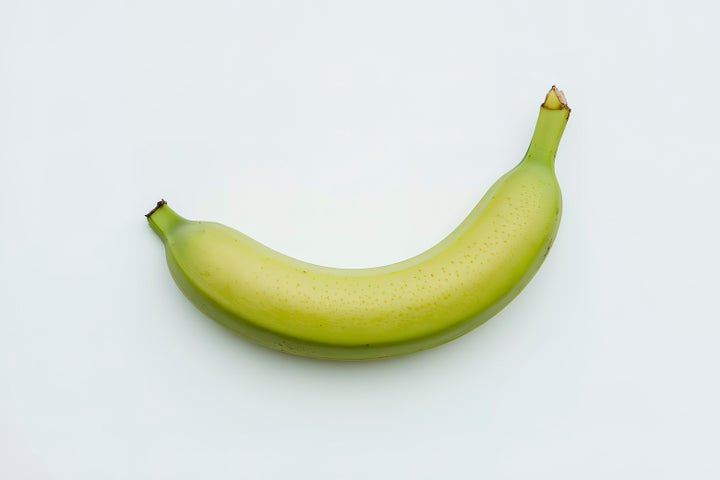
Underripe
Dorin Musat / 500px via Getty Images
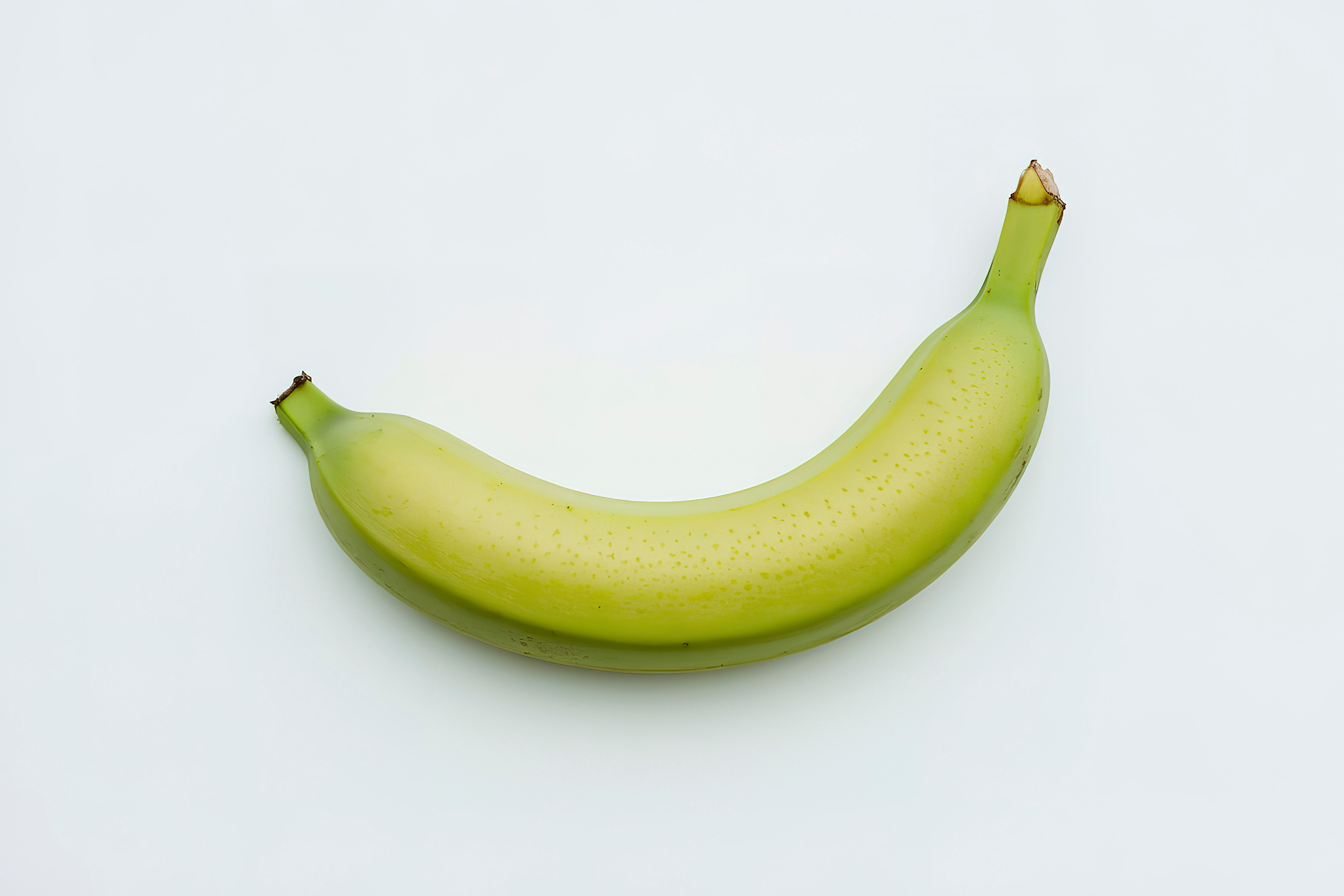
An underripe banana can help you feel full longer.
Bananas at this stage look green; they’re firm and difficult to peel.
“This stage has the highest resistant starch and low sugar content,” said Avery Zenker, a registered dietitian at MyCrohnsAndColitisTeam.
The benefits of resistant starch are many, including helping to feed healthy gut bacteria that reduce inflammation and keeping blood sugar levels stable, according to Zenker. It’s also digested more slowly, which can keep you full for longer.
Advertisement
“Resistant starch acts very similarly to fibre, which means it’s fermented in the gut (so it fuels your good gut bacteria) and it can be helpful for blood sugar control,” added registered dietitian Amanda Sauceda, a nutrition lecturer at California State University, Long Beach.
While good gut bacteria and blood sugar management are generally important for your health, they may apply to some individuals more than others.
“This level of ripeness is ideal for people who are trying to control blood glucose levels, such as those with insulin resistance as seen with pre-diabetes, Type 2 diabetes and other metabolic conditions,” Zenker said. “Unripe bananas can also be beneficial for anyone looking to improve gut health by improving microbiome balance.” The latter may be especially important for people who are trying to manage digestive issues like irritable bowel syndrome.
Advertisement
“If you want to up the health benefits of your green banana, consider pairing it with some peanut butter,” Sauceda added. “You get a little protein and healthy fats, which help for a better blood sugar response and are good for the gut.”
Some people may want to avoid an underripe banana, however. Zenker said athletes may fall into that category since slow digestion can cause stomach heaviness. People who are sensitive to resistant starch and experience gastrointestinal discomfort after may want a different ripeness level, too.
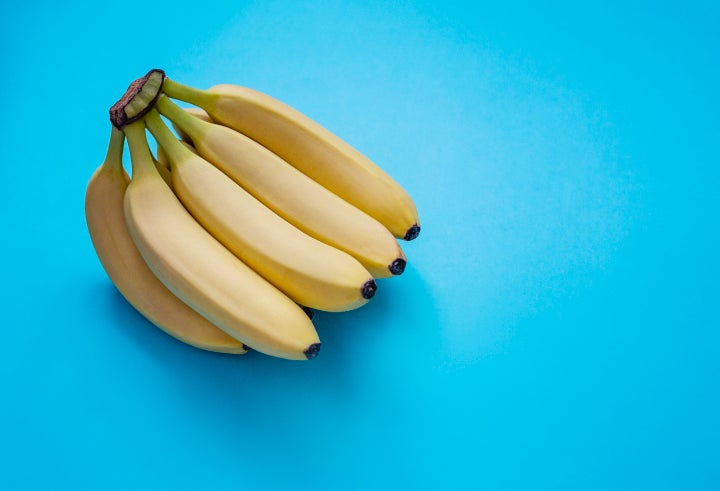
Barely Ripe
mrs via Getty Images
Barely ripe bananas still have a little green near the ends.
Advertisement
Bananas at this stage are mostly yellow with some green at the ends. While slightly softer, they’re still firm. This ripeness level suggests the banana is still high in fibre and low in sugar, but not to the same extent as underripe bananas.
“The resistant starches have started converting into simple sugars,” Zenker said. “Their mineral levels remain stable, particularly potassium and magnesium.”
She recommended a barely ripe banana to people who want the digestive benefits of an underripe banana without that chalky taste, as well as those who need steady energy throughout the day without major effects on their blood sugar. That means, similar to underripe bananas, barely ripe ones are great for people with insulin resistance, prediabetes, diabetes, metabolic syndrome or digestive conditions.
Advertisement
“They can also be ideal for peri- or post-menopausal women due to the resistant starch content that helps combat the effects of insulin resistance and supports gut health as hormonal changes occur,” Zenker added.
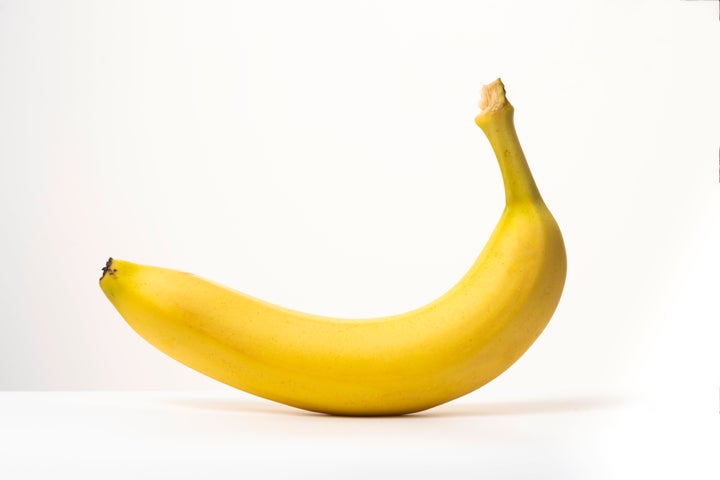
Ripe
Yaorusheng via Getty Images
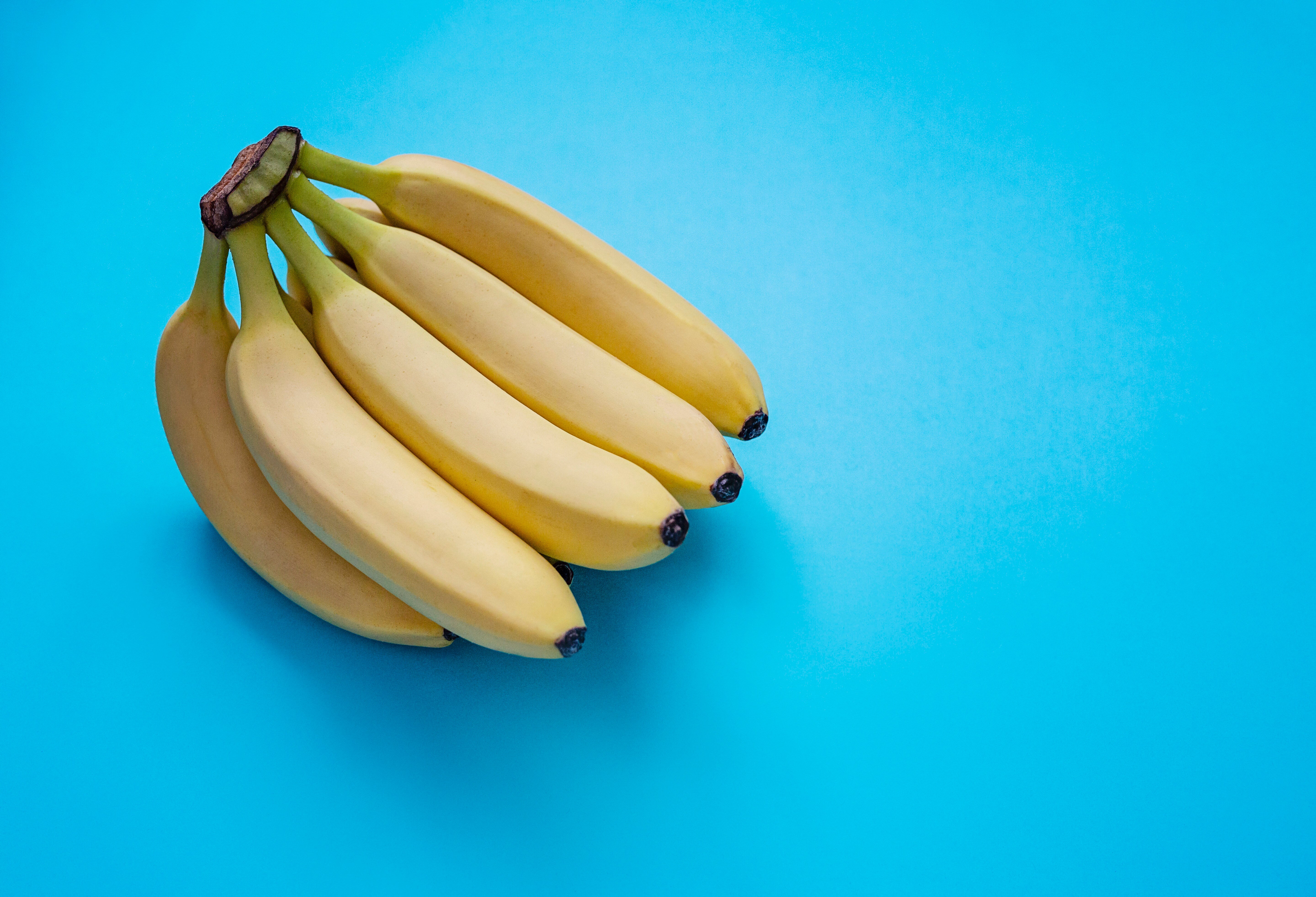
A fully ripe banana has no green showing on the ends.
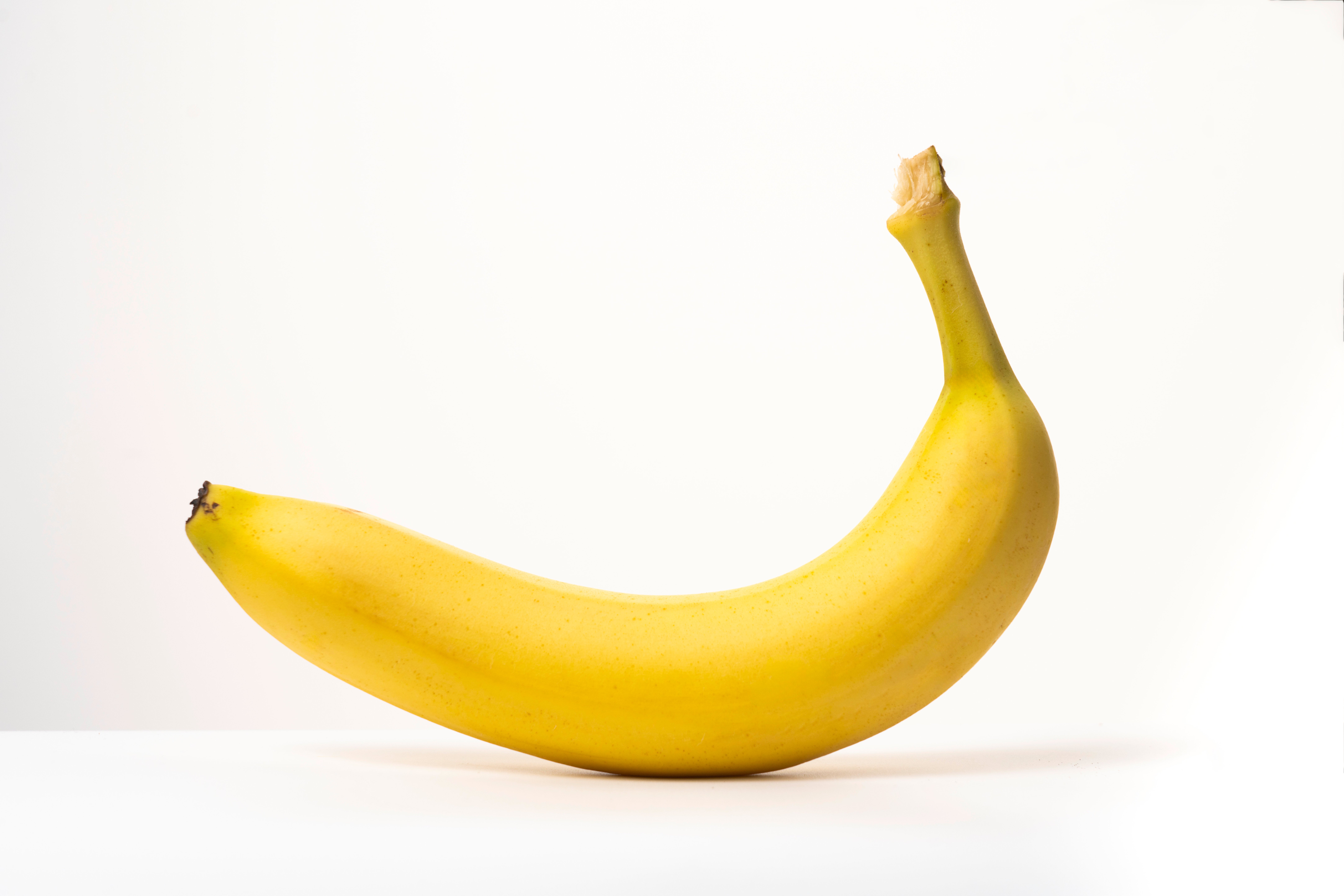
Bananas at this stage are fully yellow and soft, but not mushy. They’re easy to peel and have a sweet smell.
Advertisement
While ripe bananas are listed separately from barely ripe ones here, it’s important to note that not all experts find the differences noteworthy.
With that said, if we’re going to make distinctions, Zenker shared what they are: In ripe bananas, starches have mostly converted into natural sugars, fiber decreases, and sugar and antioxidant content increase. Vitamins and minerals hit their peak.
Advertisement
Sauceda added more noteworthy benefits. “One banana has 8% of your daily value for potassium, which is a mineral many people don’t get enough of,” she said. “This mineral is important for blood pressure and muscle contraction. It also meets 8% of your daily value for magnesium, which is important for bone health.”
Zenker encouraged a ripe banana for people who are about to work out, want quick and convenient whole-food energy, or are looking to increase potassium intake (perhaps to manage high blood pressure or other cardiovascular issues), as well as for kids who want an easy-to-eat, sugary food. Ripe bananas are also a good in-between for people who want fibre without the digestion-related concerns.
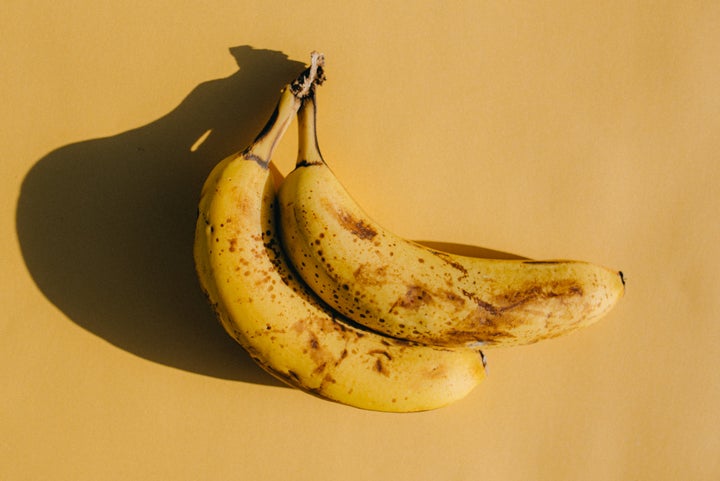
Very Ripe
Stefania Pelfini la Waziya via Getty Images
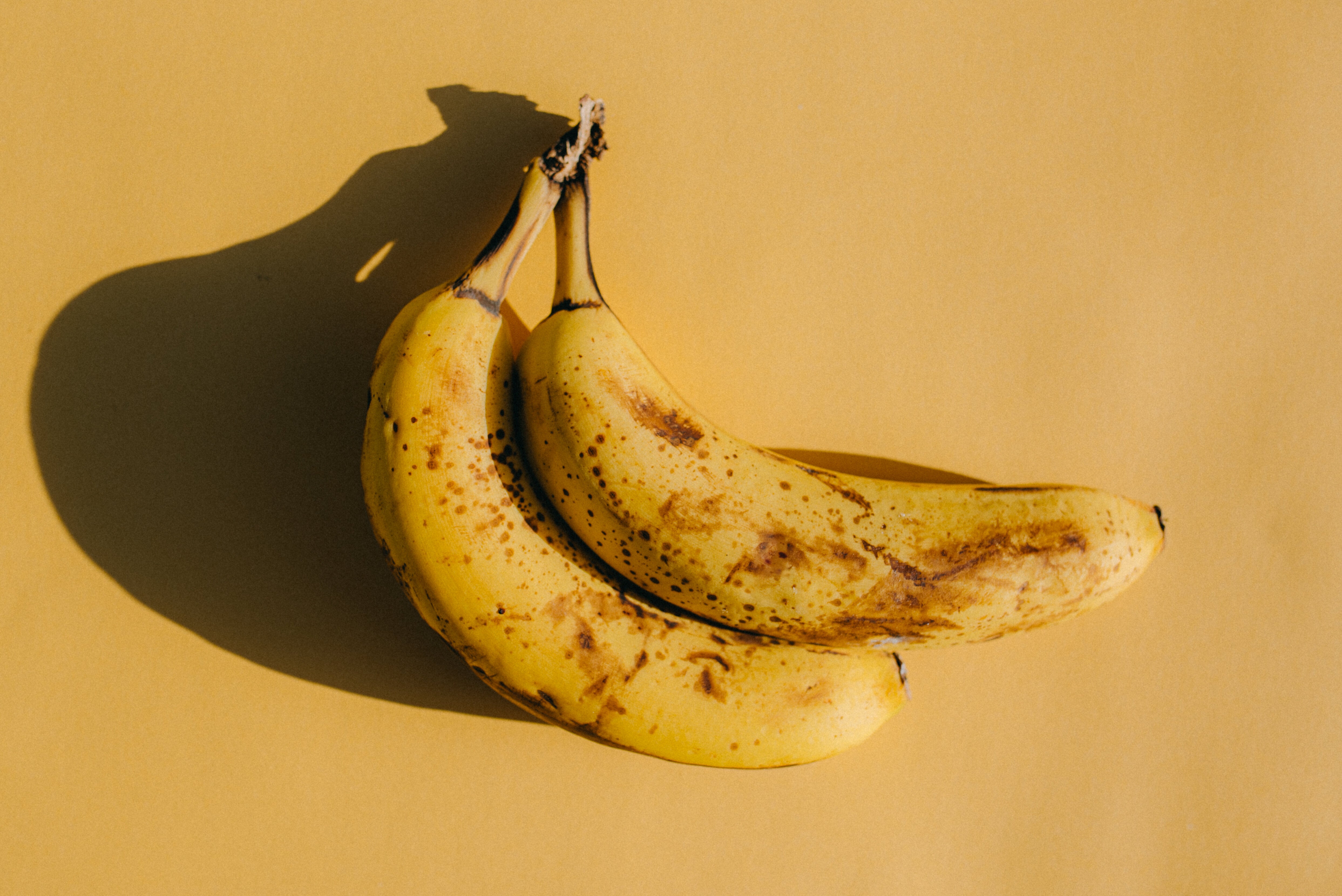
Two very ripe bananas, indicated by brown spots on the peel.
Advertisement
Bananas at this stage are soft, have brown spots and emit a strong aroma.
“Sugar content is near its peak, and fibre continues to decrease,” Zenker said.
That’s great for people who need quick energy, have sensitive digestive symptoms, have low appetite or want a sweet treat, Zenker said. Individuals who are trying to manage their blood sugar may want to avoid very ripe bananas, however, since they’re higher in sugar.
Overripe
Karl Tapales via Getty Images
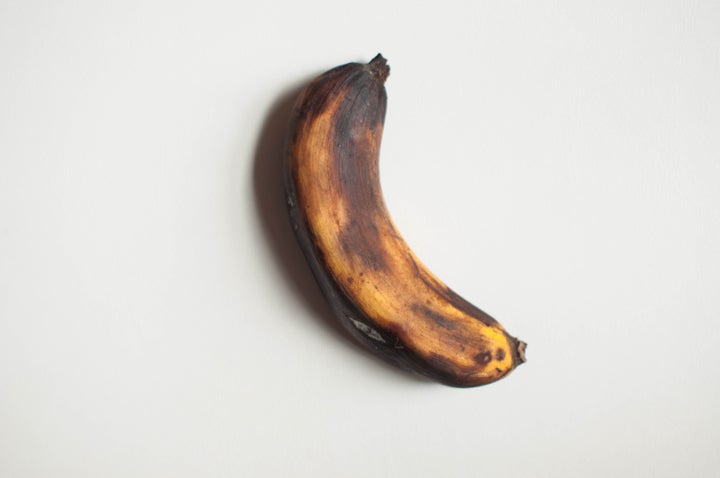
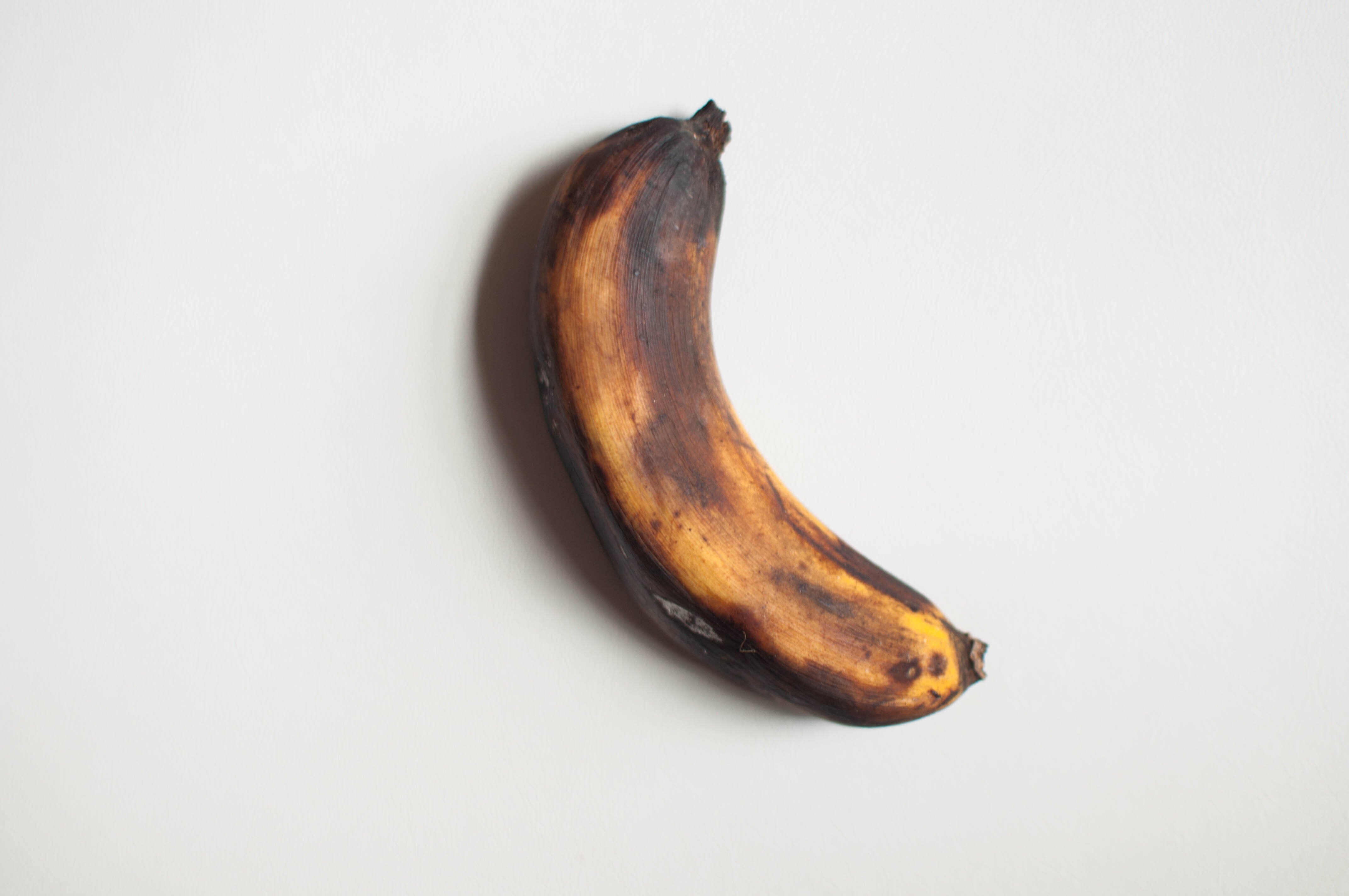
An overripe banana looks brown or black and is usually mushy.
Bananas at this stage look brown or black and are soft, even mushy.
They’re highest in sugar and antioxidants, lowest in fibre, losing their vitamin C content and maintaining their potassium content, according to Zenker.
So again, there are pros and cons, and certain populations and situations for which it’s best suited.
“This stage is best for baking and freezing (banana bread, cookies, smoothies) rather than as a raw snack,” Zenker said. “It’s gentle on digestion and good for anyone needing fast calories, such as athletes, [but] not as ideal for people with diabetes or those seeking fibre or nutrient density.”
Advertisement
Sauceda is a fan of the smoothie option. “You don’t need to add as much banana when you use an overripe one for your smoothie, which can mean less added sugars,” she said.
As evidenced here, the banana to pick at the grocery store isn’t necessarily just the one you like the taste or colour of. Yes, we know this concept is a bit bananas, literally — and it’s true.
At the same time, we can’t blame you for going by the taste metric. Plus, bananas are nutritious whenever you eat them. “Overall, bananas are a great fruit whether you eat them green or ripe,” Sauceda said.