The Cost Of Living Is Crisis Is Biting Single People Hard, Too

As the cost of living crisis hits the UK hard, there’s been a lot of focus on hard-up families struggling to pay bills, feed children and make ends meet.

But let’s not forget that the crisis is biting single people, too.

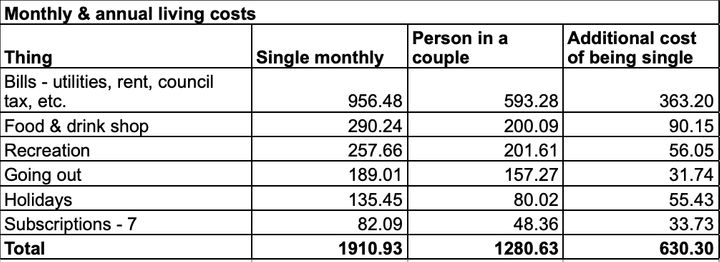
Single people on average are paying £7,564.50 a year more than their coupled-up counterparts on basic household outgoings, according to new analysis – a worrying situation considering living costs are only set to rise in 2022.

Ocean Finance has compared the typical monthly costs for single and coupled-up Brits including utility bills, rent and the monthly food shop, using data from the Office for National Statistics (ONS).

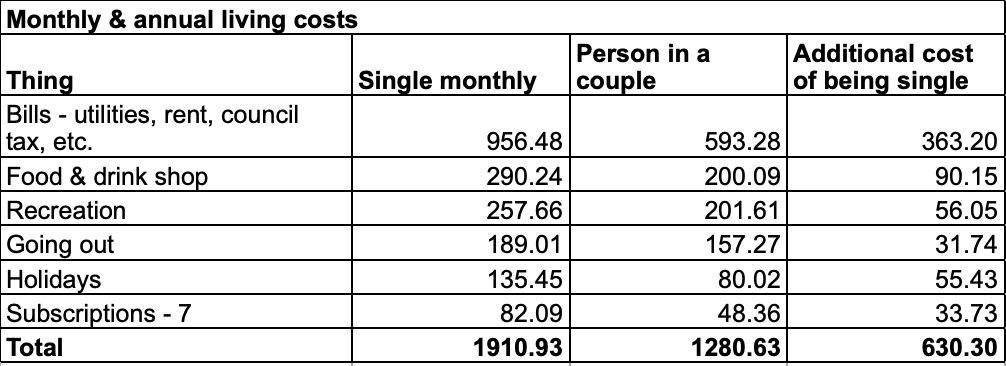
The analysis showed that household monthly bills are £363 more expensive for singles, with rent the biggest contributor.

A single person is paying, on average, £674 a month on rent in the UK and a couple only slightly more at £866 (or £433 per person). There is also a council tax gap – even factoring in the 25% single-person household discount, individuals with partners are paying considerably less than single friends.

This all adds up – with single Brits are paying an average of £630.30 more per month on outgoings than someone in a couple. The ONS estimates there are 7.9 million single-person households in the UK, meaning many are affected.

“The fact is, it is expensive to be single,” Nicola Slawson, founder of The Single Supplement newsletter, tells HuffPost UK.

“It is a totally overlooked problem that many people in relationships simply do not appreciate – and those in power certainly doesn’t seem to care.

Financial difference between singles and couples in the UK

Ocean Finance

Financial difference between singles and couples in the UK

Not being able to share your financial burden with somebody impacts all areas, says Slawson – from household bills, rent, council tax and insurance to the cost of furniture, white goods, and even the weekly food shop. “Most items come in sizes suitable for couples or families. For example, a ready meal designed for two works out cheaper than those made for one person,” she points out.

In turn, these expenses impact a single person’s ability to save for a mortgage and get on the property ladder, something she hears from her readers.

“There are increasing numbers of single people stuck in house shares even though they would love a place of their own but they simply can’t afford it.”

With the cost of living going up this year, the pressure on single people is only likely to worsen, Slawson worries. Take the issue of rising utility bills.

“If they live alone they have no-one to share the bills with and if they live in house shares, they don’t have total control over when things like the heating gets put on,” she says. “I know members of my community are feeling really anxious and are trying to work out where they can cut back but it’s hard.”

There is no shortage of advice being dished out on how to cut costs – partner with a friend, switch to a different tariff, even buy in bulk – but though usually well-intentioned, these tips don’t always help people, says Slawson.

“All the advice will say cancel Netlfix and go out less – but single people who live alone particularly need those things as they don’t have anyone to talk to at home.” But That respite comes at a price – Ocean Finance found single people pay £33 extra per month for multiple subscriptions to stream film and music.

Worse is the suggestion that single people should just go out and get a partner to ease the burden. “It’s not as easy as simply getting into a relationship,” says Slawson. “Many single people are actively looking for a relationship but struggling with dating apps and the sometimes toxic culture around dating.”

And she voices a final worry. “I think it’s also likely that it puts those in unhappy or abusive relationships off leaving because they are worried they simply won’t be able to afford to live alone.”

Share Button

Twitter Is Showing Molly Mae That We Don’t All Have The Same 24 Hours In A Day

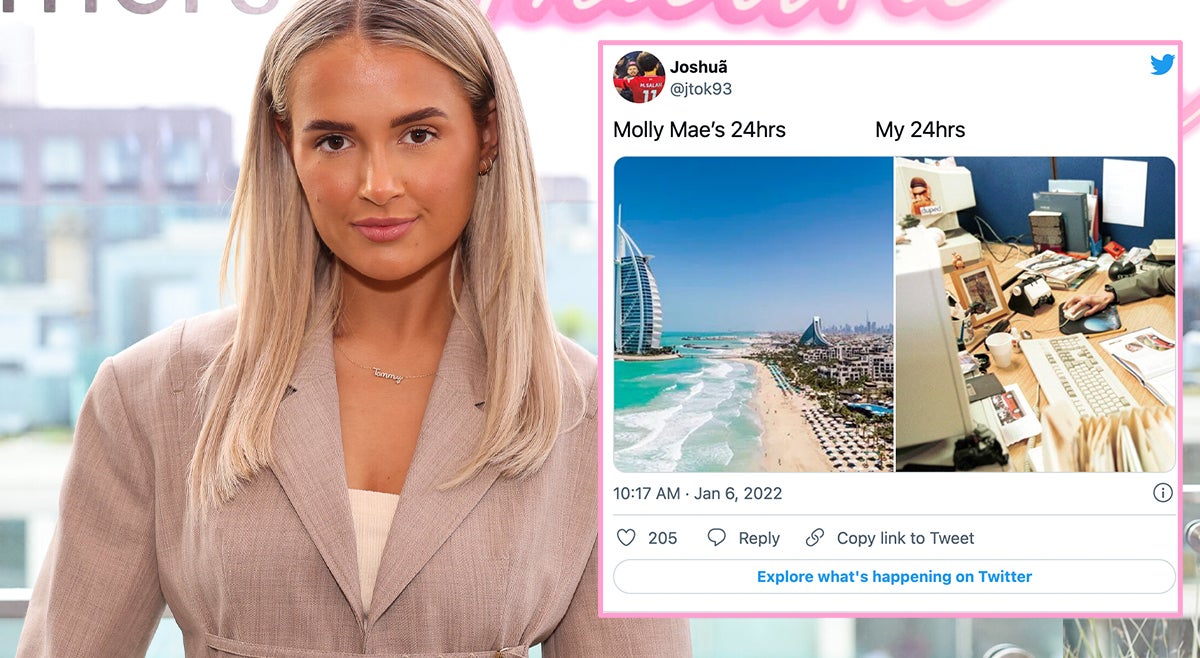
Love Island star Molly Mae, who was already an influencer before she entered the villa for the ITV dating show, has come under fire for her comments on a YouTube channel.

Speaking on Steven Barlett’s Diary of a CEO show, Mae explained how she became creative director of clothing brand PrettyLittleThing.

The 22-year-old, who is one of the UK’s most followed people on Instagram, was quizzed on several aspects of her life, including her relationship with Tommy Fury – the contestant she left the Love Island villa with, who she’s been seeing since. She also opened up about a recent burglary which saw the theft of prized items.

But the part which ruffled many feathers included a segment on hustle culture and entrepreneurship.

Citing the popular adage that ‘Beyonce has the same 24 hours as us’ as a motivator to just get things done, Mae told Barlett: “You have one life, it’s up to you what you do with it…I’ve worked my absolute arse off to get where I am today.”

Mae explained how she has had criticisms levelled at her in the past regarding this attitude, but doubled down saying: “Technically, that is correct, we do have the same 24 hours in a day.

“We do all come back from different backgrounds and financial situations, but if you want something enough, you can achieve it.”

The comments hit a nerve, though, as many pointed out that while we do in fact have the same amount of hours in a day, our opportunities, socio-economic background and general positions in life vary to Mae, a millionaire.

Many pointed out on Twitter the myths of meritocracy that Mae seemed to be championing – showing that the playing field isn’t level for all.

Others questioned her role as creative director of PLT – a brand regularly criticised for its fast fashion – asking whether they could simply achieve their dreams by working as hard as her.

And many, many more simply pointed out how ridiculous the whole “we all have the same hours in the day” idea is.

Sorry Molly Mae, this was not the inspirational talk we needed.

Share Button

This Is How Much Money You’re (Probably) Wasting On Bad Dates

“Dating is a numbers game” has to be one of the most annoying phrases you hear when you’re single. Because bad dates can feel like a huge waste of time – and also a massive waste of money.

Adults in the UK spend an average of £47.50 on each first date, according to new research from the dating app Badoo. And the majority of singletons experience six failed romantic connections per year, where they know it’s not worth going past the first meeting.

The result? Daters are spending a massive £285 a year on bad dates.

The financial burden is just another example of the relationship wealth gap, which sees single people forced to spend more each year than those coupled up.

People living on their own spend an average of 92% of their disposable income, compared with two-adult households who spend only 83% of theirs, according to 2019 research by the Office for National Statistics (ONS). Paying for housing alone, for example, is a huge burden.

Faced with these challenges, it’s no wonder frittering away cash on yet another damp squib is impacting daters’ mental health. Over three quarters (78%) of those surveyed said wasting money contributes towards them feeling stressed and burnt out when dating.

So, what’s behind us having so many bad dates? Bad luck should not be overlooked, but being more upfront about what you want from a date could help rule out some of the time wasters and save some cold, hard cash.

A quarter (25%) of those surveyed said they find it hard to be honest about their dating intentions, and 27% admitted they often say what they think others want to hear. Meanwhile, 31% said they find it difficult to express what they’re looking for, for fear of what the other person will think of them.

The good news is that expensive drinks seem to be going out of fashion for first dates. Separate research from Tinder shows daters opted for more outdoorsy, adventurous activities in 2021, with hiking one of the most popular go-to first meets.

If that sounds a bit much for December, you could always wrap up warm and head to one of the UK’s Christmas markets this month. Hey, it works for rom-coms, and they’re always realistic…right?

Share Button

Christmas Is In 50 Days (Yes, Really). Here’s How To Get Organised

Christmas is in 50 days, which means you’ve only got one more pay cheque before the big day itself. But don’t fret, if you get started early, you’ll be chilling when the festivities actually start.

So get your ducks in a row right now, instead of leaving it last minute and panicking, especially as prices start rising.

To help, we’ve created a handy guide for you to start thinking about the things you probably haven’t started thinking about yet.

Financial planner Makala Green and James Andrews, senior personal finance editor at money.co.uk, have given their top tips for a stress-free Christmas (yes, it’s possible). Here are the things you should start doing:

Make a Christmas budget

Green says list names of everyone who needs a present. If you’re struggling financially, try to make this as streamlined as possible by setting up a budget. Your loved ones would much rather you feel comfortable with your financial situation than spend money you don’t have. It’s okay to be honest about what you can afford.

Create a Christmas menu to help work out the food expenses and stick to it. If you haven’t booked an online shop (and you don’t want to shop in person) you’ll need to do that ASAP.

You can also note other festive miscellaneous costs such as decorations, wrapping paper, etc.

You might want to start thinking about your purchases now.

Bojan Vlahovic via Getty Images

You might want to start thinking about your purchases now.

Plan your Christmas purchases

You don’t want the costs of ‘next-day delivery’ adding up if you leave it too close to the big day (plus, things may be out of stock). So get ordering and get shopping now.

And if you find that your Christmas budget is tighter this year, you may need to prioritise purchases. Try to decide what is the most important thing to you at Christmas time – what are your essentials? Your Christmas can still be a wonderful time even if it’s stripped back a little. Perhaps cut down on the alcohol you’d usually buy? Or recycle last year’s Christmas decorations?

Plan your shopping days

There are seven weekends until Christmas day, so if you’re doing in-person shopping, try and do it as early as possible. If you’re more of an online shopper, then watch out for those flash sales.

Andrews, from money.co.uk, advises keeping those dates in mind.

He says: “It’s easiest to bag a bargain if you start your shopping early. Many shops announce their Black Friday and Cyber Monday deals in advance, so if you plan ahead you can make sure you take advantage of the biggest deals.

“If you’re running low on funds at the end of the month, so don’t have the cash to take advantage of Black Friday deals on the day, don’t worry. Several retailers run major discounts to shift their unsold stock right before Christmas, so if you hold out you could still be able to bag yourself a bargain.”

Plan your shopping days

Oscar Wong via Getty Images

Plan your shopping days

Check voucher codes and newsletter discounts

Take advantage of the resources already available to you, the internet has plenty of offers and gems (you can even use a free browser that finds the cheapest deals).

Andrews adds: “Before you even start on your Christmas purchases, it’s a good idea to scour the web to see if you can find any discount codes to bring the cost of your purchases down.

“Some major retailers will offer you a 5-15% discount on your first purchase if you sign up to their email newsletter, which you can always unsubscribe from at a later date.

“Alternatively, if you’re thinking of switching your mobile provider, bank account or credit card, some brands will give you gift cards, discount codes or cashback as an incentive to switch.

“Even if you’re not a new customer, you might still be eligible for some rewards schemes, so it’s always worth scouting around before you start spending.”

Cash in on freebies lying around

What did you do with those gift cards from your birthday or from last Christmas? If you haven’t used it up, now is your chance.

Find all the cards, coupons, and vouchers – don’t forget that some are on the app, and use them all up before they expire.

Don’t be tempted by ‘buy now, pay later schemes’

It’s easy to get sucked into the world of pay later schemes but it can certainly come at a cost. Andrews advises against using them.

He says: “Anyone shopping online will probably be aware of Buy Now Pay Later schemes. Shoppers can be drawn in by the promise of no interest, no fees and no late charges but what seems like a one stop fix could lead you into a lot of debt.

“But spreading purchases out over several weeks and potentially a string of BNPL providers can make keeping track of your cash harder.

“It’s essential you read the terms of conditions on any service you sign up to, especially when you’re taking out debt. If you have any uncertainty about whether you can pay off what you’re spending, you should steer clear of buy now pay later schemes.”

Get Christmas creative

Green adds that Christmas doesn’t have to be costly; get creative with presents and try hand-making to save money. Don’t forget there are seven weekends until the big day. Why not get started on a project which will be ready for Christmas? Making soap, pressing flowers and sticking them in a frame, creating a collage of your favourite memories all make for wonderful gifts which will last.

Just get started as soon as possible.

Share Button

This Is The Leg Up Young People Get If They Have Rich Parents

Young adults with the richest parents are typically around six times as wealthy themselves as those who come from the poorest families, according to analysis.

The Institute for Fiscal Studies (IFS) explored the impact that wealthier parents have on transferring economic advantages on to their children in the UK.

By the time they were in their 30s, people born in the 1970s and 1980s, with parents in the wealthiest fifth in their generation, had average net wealth of £107,000, the think-tank said.

This was around six times the £18,000 held by those with parents in the poorest fifth in terms of wealth. The figures exclude pensions wealth.

The IFS’s findings suggest that the link between young adults’ wealth and that of their parents is stronger than the influence that parents’ earnings has.

Even among those whose parents have the same levels of earnings and education, people with wealthier parents tend to earn more, the IFS said.

People with wealthier parents also tend to save more as a portion of their earnings. The children of wealthier parents may receive more transfers and capital income on top of their earnings, and so are able to save some of this additional income.

Those with wealthier parents are also more likely to hold higher-risk, higher-return investments such as stocks and shares.

With many parents passing wealth down the generations, the children of the wealthiest fifth of parents are nearly three times as likely as those with average parental wealth to be in the wealthiest fifth within their own generation.

The research was funded by the Economic and Social Research Council.

This wealth divide also impact’s young people’s on the ability to get on the property ladder. Around two-thirds (65%) of those whose parents are in the top third of wealth distribution are homeowners by the age of 30. This compares with 56% and 41% for those whose parents were in the middle and bottom thirds, respectively.

David Sturrock, a senior research economist and author of the report said: “Policies that seek to improve educational progression and labour market outcomes for those with low education and low income parents could, if designed and implemented well, be important for wealth mobility but would not on their own equalise wealth outcomes between those with wealthier and poorer parents.

“A significant amount of the inequalities in wealth by parental background appear to be due to other channels through which parents transmit advantages to their children.”

Share Button

These 7 Tropical Destinations Are Cheaper Than UK Staycations

You are reading Anywhere But Here, our summer-long series on travel at home and abroad, serving up the information and inspiration you need.

Staycations are all the rage right now for obvious reasons. But their prices? Not so great. In fact, new research by BBC Panorama and consumer group Which? found that trips around the UK can cost an average of £300 more per week in August compared to before the pandemic.

And if you were thinking of heading to Brighton – hold your horses, it looks to be the seaside resort with the highest prices, with average rental costs almost doubling.

For one night of self-catered accommodation for two people in Brighton, it would have been £109 in 2019, but is now £206 – a rise of 89% – according data by AirDNA, which monitors websites such as Airbnb and Vrbo.

Places in St Helier in Jersey increased by 76% from 2019, while Lyme Regis on the south coast jumped up 74%.

Which? also published the differences between trips in the UK and abroad, even with flights included. The group compared prices for late August getaways for two people in the UK and overses, looking at the cheapest, highly-rated hotel available in a central location, and transport costs.

Oh, you want to go to Cornwall? It's going to cost you.

Oh, you want to go to Cornwall? It’s going to cost you.

South of France versus Brighton

According to Which’s research, a coastal break in the UK, such as Brighton, will set you back £1,131, a hotel in Nice, in the south of France costs £1,085, and that’s with flights included.

Lake Garda, Italy versus Lake District

A week in Lake Windermere in England’s Lake District costs £2,424, compared to £802 for flights and accommodation for a week in Lake Garda in northern Italy.

Corfu versus Cornwall

Get ready to have your mind blown. For a luxury three-bedroom villa with an ocean view in Carbis Bay, you’re looking at £12,000 for weekend dates in mid September (it sleeps up to six people, so that’s £2,000 a person).

Meanwhile in Corfu, Greece, prices have only increased by 13%. Search the exact same dates for flights and a five-star hotel and you can find one for as little as £273 (and you’d save further if you were to share the hotel room).

Turkey versus Cheshire

For the first available weekend in September, you’re looking at £1,895 for a week’s holiday rentals in Delamere Forest, Cheshire (that’s for four bedrooms, two beds are currently sold out).

By comparison, the cost of private accommodation in Marmaris, Turkey, has increased by just 7% since 2019. A quick search on Kayak for the same September dates throws up flight and hotel deals for as little as £230 (so, for a family of four, you’d be looking at £920). Even with the PCR costs included, a trip to Marmaris would be cheaper.

Tenerife versus Dorset

A holiday home in Berehayes Farm in Dorset for two people can cost £655 (for four people, it’s £986). In comparison, you can stay in a five-star hotel near the beach in Tenerife for £210, including flights.

Costa del Sol, Spain versus Wales

The only holiday Which? found for this August that worked out cheaper in the UK than abroad was a beach break in Tenby, Wales, compared to Estepona, on the Costa del Sol in Spain – but only by £10.

The accommodation in Tenby was still more expensive than Estepona, costing £880 for seven nights in Tenby compared to £837 for seven nights in a similarly rated hotel in Estepona. Only transport costs made the Tenby break marginally cheaper, with the journey estimated at £43, while return flights to Estepona cost an estimated £96.

And just in case you were wondering what prices were like for trips further afield – you can fly to Dubai and stay in a bouji hotel (The Hilton Garden Inn) and it will only set you back £346 at the moment. Brilliant!

Travel is the story of our summer. The rules (and traffic lights) are always changing, but one thing’s clear, we dream of being Anywhere But Here. This seasonal series offers you clear-headed travel advice, ideas-packed staycation guides, clever swaps and hacks, and a healthy dose of wanderlust.

Share Button

These Companies Are Short-Changing Their Minimum Wage Staff

A total of £2.1m was found to be owed to more than 34,000 workers following investigations by HM Revenue and Customs dating back to 2011. Named employers have been made to pay back what they owed, and were fined an additional £3.2m.

Businesses named by the government include retail giant John Lewis, which said it was “surprised and disappointed” to be on the list released by the Business Department.

A John Lewis Partnership spokesman said: “This was a technical breach that happened four years ago, has been fixed and which we ourselves made public at the time.

“The issue arose because the Partnership smooths pay so that Partners with variable pay get the same amount each month, helping them to budget.

“Our average minimum hourly pay has never been below the national minimum wage and is currently 15% above it.”

Other organisations named and shamed included Sheffield United, Oldham Athletic, Crewe, Charlton Athletic and Portsmouth football clubs, as well as The Body Shop, Worcestershire Cricket Club and Enterprise Rent A Car.

Almost half of employers named wrongly deducted pay from workers’ wages, including for uniforms and expenses, while 30% failed to pay workers for all the time they had worked, such as when they worked overtime, and 19% paid the incorrect apprenticeship rate.

Business minister Paul Scully said: “Our minimum wage laws are there to ensure a fair day’s work gets a fair day’s pay. It is unacceptable for any company to come up short. All employers, including those on this list, need to pay workers properly.

“This government will continue to protect workers’ rights vigilantly, and employers that short-change workers won’t get off lightly.”

Low Pay Commission chairman Bryan Sanderson said: “These are very difficult times for all workers, particularly those on low pay who are often undertaking critical tasks in a variety of key sectors including care.

“The minimum wage provides a crucial level of support and compliance is essential for the benefit of both the recipients and our society as a whole.”

A total of 2,300 employers have been named since the current scheme was introduced in 2014.

Shadow employment rights and protections secretary Andy McDonald said: “The government isn’t doing nearly enough to crack down on companies who pay under the national minimum wage.

“Just six employers have been prosecuted for paying employees less than the minimum wage in the last six years despite more than 6,500 breaches having been found.

“Laws protecting workers aren’t worth the paper they are written on if they are not enforced, but weak employment rights and a lack of enforcement action leaves too many working people vulnerable to this exploitation.”

Share Button

Prime Day UK: The Best Amazon Deals On Offer In 2021

HuffPost may receive a share from purchases made via links on this page. Prices and availability subject to change.

The date is probably already marked in your calendars – but for a different reason. June 21 is not only midsummer and potentially the day we get full “unlockdown” in England, but it’s also Amazon Prime Day 2021.

Here’s your need-to-know guide about the day.

What is Amazon Prime Day 2021?

You probably already know this one, but it’s basically a day to save a lot of cash. Amazon has lots of deals across the whole site, from gadgets to homeware – and even booze.

If you were about to make a big purchase, you might want to hold out to see if you can save some money by buying it on Prime Day. Thank us later.

Okay, so when exactly is it this year?

It’s actually two days. Prime Day 2021 starts at 12:01am on Monday June 21 and ends at 11:59pm on Tuesday June 22. The deals will be on the official Amazon page.

Do I have to be an Amazon Prime member?

Well, yes, but there are ways around this, too. You can sign up and pay the yearly subscription fee of £79 (this also means you’ll get access to Amazon Prime TV and super quick delivery, btw). Or it’s £7.99 a month.

Or, you can sign up for a free 30-day trial and still access the sales. Just remember to cancel your membership before the 30 days are up and you won’t get charged a thing.

What else do I need to know?

In the lead-up to Prime Day, Amazon is running a campaign supporting small businesses. From Monday June 7 to Sunday June 20, Amazon will offer a £10 credit to use on Prime Day to members who spend £10 on items sold by UK small businesses, including products from Amazon Handmade and Amazon Launchpad.

To make it easier to support small businesses, Amazon has curated collections to connect shoppers with small businesses at amazon.co.uk/supportsmall. Or, Echo device owners in the UK can say “Alexa, shop small business” to discover products eligible for the spend £10, get £10 promotion.

Another bonus: Prime members will receive an additional £7 promotional credit, if they top up their Amazon account with £50 or more. (Guys, this is basically free money).

What Prime Day deals can we expect?

Well, Amazon says there are going to be more than two million deals. So there’s a lot to get excited about – but also a lot to sift through. Which is where we’re here to help. We’ll update you as soon as we know more, but at the moment, we’re told Prime Day 2021 will feature deals from top brands including LEGO, Bosch, Fitbit and Philips.

Previous years’ bestsellers in the UK included the Echo Dot, Fire TV Stick with Alexa Voice Remote, the Bosch Cordless Drill and Finish Dishwasher Tablets – apparently that’s the stuff people want!

What early Prime deals are on now?

Prime members can start shopping early exclusive offers and deals, including:

  • Amazon Devices: Save up to 50% off popular devices from June 7 – June 22, including Echo, Fire TV and Ring.

  • Amazon Music: Prime members who haven’t yet tried Amazon Music Unlimited can get four months free with unlimited access to more than 70 million songs ad-free and millions of podcast episodes.

  • Audible: Prime members get three months of Audible membership for just 99p this Prime Day. Membership includes an unbeatable selection of new releases, best sellers and Audible Original audiobooks and podcasts.

How do I get the best Prime deals?

Start making your wish-list now, so you can see whether they’re discounted during Amazon Prime Day. The main hub of deals will be on the Amazon Prime Day homepage. Remember: blue means deal – Prime Day deals are colour-coded, so look our for blue badges to save money. You can also get early deals with Alexa – no secret password necessary. Just ask!

There’s also Treasure Truck, where you can discover hand-selected product offers at amazing prices. You can opt-in at amazon.co.uk/treasuretruck or by opening the menu in the Amazon Shopping app and finding ‘Treasure Truck’ under ‘Programmes and Features’. You will receive text notifications whenever there’s something new to share.

Share Button

The Best (And Worst) Champagne For Christmas 2020

HuffPost is part of Verizon Media. We and our partners will store and/or access information on your device through the use of cookies and similar technologies, to display personalised ads and content, for ad and content measurement, audience insights and product development.

Your personal data that may be used

  • Information about your device and internet connection, including your IP address
  • Browsing and search activity while using Verizon Media websites and apps
  • Precise location

Find out more about how we use your information in our Privacy Policy and Cookie Policy.

To enable Verizon Media and our partners to process your personal data select ‘I agree‘, or select ‘Manage settings‘ for more information and to manage your choices. You can change your choices at any time by visiting Your Privacy Controls.

Share Button

Tips For Creating A Budget With Emilie Bellet From Vestpod

HuffPost is part of Verizon Media. Click ‘I agree‘ to allow Verizon Media and our partners to use cookies and similar technologies to access your device and use your data (including location) to understand your interests, and provide and measure personalised ads. We will also provide you with personalised ads on partner products. Learn more about how we use your data in our Privacy Centre. Once you confirm your privacy choices here, you can make changes at any time by visiting your Privacy dashboard.

Click ‘Learn more‘ to learn and customise how Verizon Media and our partners collect and use data.

Share Button