Scientists found a new Alzheimer’s trigger and a drug that stops it

A promising experimental compound developed by researchers at ETH Zurich could offer a new way to slow the progression of Alzheimer’s disease. In studies involving mice, the treatment reduced nerve cell loss, helped the animals live longer, and targeted a biological process that existing Alzheimer’s drugs do not address.

The compound, known by researchers as “Compound 10,” is the result of nearly two decades of work led by Ursula Quitterer, Professor of Molecular Pharmacology at ETH Zurich.

A Long Search for New Alzheimer’s Clues

The research began almost 20 years ago when Quitterer received brain tissue samples from a colleague at Ain Shams University Hospital in Cairo. The samples were collected during tumor surgeries and came from both people with dementia and individuals without the condition.

Those samples helped launch an investigation into a protein called GRK2, which has been the focus of Quitterer’s research for many years.

GRK2 plays an important role throughout the body. As a regulatory protein, it helps cells respond to signals and adapt to stress. It is active in several organs, including the heart and the brain, where it supports healthy nerve cell function.

Using both human brain tissue and mouse models of Alzheimer’s disease, the ETH Zurich team uncovered evidence that GRK2 may be a major contributor to dementia. Their findings were recently published in the journal Cell Reports Medicine.

When a Protective Protein Turns Harmful

GRK2 exists in two forms inside cells. One form functions normally, while the other becomes inactive through cellular processes.

The researchers found that the inactive version accumulates in large amounts in the brains of people with dementia. Similar patterns were also observed in mice that develop Alzheimer’s-like symptoms.

Further experiments revealed that inactive GRK2 molecules clump together inside nerve cells. These clusters attach to mitochondria, the structures often referred to as the “powerhouses” of cells, and interfere with their function.

“The GRK2 aggregates block the pores of the mitochondria, reducing the amount of energy they can supply and leading to a situation of stress inside the cells,” Quitterer explains.

The team also found that inactive GRK2 appears to increase the production of amyloid beta, a protein fragment widely associated with Alzheimer’s disease.

This creates a damaging cycle. Amyloid beta places additional stress on nerve cells, which leads to the formation of even more inactive GRK2. As more GRK2 accumulates and forms aggregates, the disease process continues to accelerate.

Compound 10 Breaks the Cycle

To interrupt this cycle, the researchers designed and tested several experimental compounds in cell cultures and mice.

Among them, Compound 10 delivered the strongest results. The compound prevented GRK2 molecules from forming harmful aggregates, allowing mitochondria to function more effectively. As a result, amyloid beta deposits were reduced, nerve cells remained healthier, and cell death was slowed.

The benefits extended beyond the brain.

In mice, Compound 10 also appeared to improve heart function and influence aging-related changes. The researchers observed that treated animals developed fewer gray hairs as they grew older.

Why the Research Took Nearly Two Decades

The team has completed the basic research phase and filed a patent application for Compound 10.

According to Quitterer, one reason the work took so long is the nature of Alzheimer’s research itself.

“It took so long simply because everything takes so long in Alzheimer’s research,” explains Quitterer.

Because Alzheimer’s is an age-related disease, the researchers worked with older mice. These animals were typically between one and a half and two years old. Each experiment required a similar amount of time before meaningful conclusions could be drawn and the next stage of research could begin.

“It’s all a great deal slower than in cancer research, for example.”

A New Target for Future Alzheimer’s Treatments

ETH Zurich and the researchers are now seeking a company interested in advancing Compound 10 toward drug development.

“Alzheimer’s is a very complex disease,” says Quitterer. Current medications do not cure the disease, but rather — at most — delay its progression by several months.

“That’s why it’s so important that we’ve now identified a new target protein in the form of GRK2, as well as an active ingredient that operates via GRK2 and therefore via a different mechanism than existing Alzheimer’s drugs.”

While much more research is needed before the compound could be tested in people, the discovery opens the door to a new treatment strategy. Researchers believe that combining Compound 10 with existing Alzheimer’s medications could eventually provide greater benefits and improve quality of life for patients.

Share Button

‘Lives still at risk’ from unregulated baby sleep industry after BBC investigation

‘Families deserve clarity about the qualifications and training of those caring for their children’

Share Button

These $12 Resistance Bands Are ‘Grumpy Old Man’-Approved For Easy Strength Training

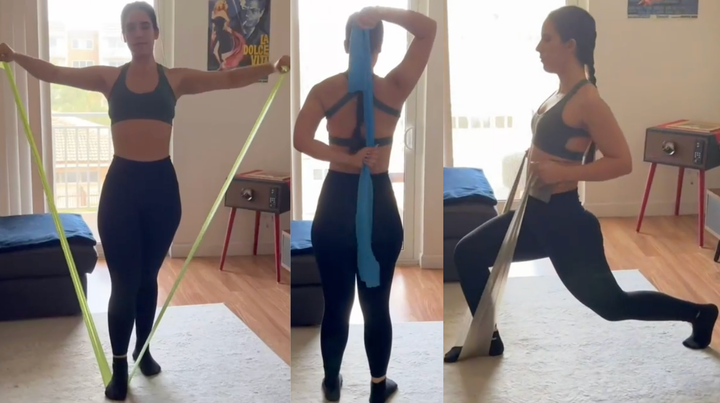
Physical therapists have long emphasized the importance of strength training, especially for older adults. According to experts, strength training isn’t just for working out; it can also help build independence by keeping older folks safe and stable in their daily activities. If you’re looking for an easy (and affordable) way to strength train at home, this set of five resistance bands may be it. While the pink and blue packs go for close to $17, the multicolor set is just $12, making it 33% off.

The set includes five color-coded bands with varying resistances and is loved by older users for its extra length and width.

Each color band offers a different level of resistance, from three to 20 pounds. The bands are made of thermoplastic elastomer (TPE), a stretchy, latex-free material that blends qualities of rubber and plastic. Each band measures 59 inches long and 6 inches wide, making them extra accessible to hold and use. Reviewers who have tried many bands compliment the durability and quality of this set, with many saying it’s the best set they’ve tried.

“What I really like is that these are both wide and long. What that means is that they are long enough to give you the stretch necessary for physical therapy and wide enough that you can hold them tightly,” one user wrote. “These are far superior to the ones that the PT facility I went to uses.”

“Wide, long and easy for an elderly woman with arthritic hands to use,” another user says. The bands are even “grumpy old man” approved for making strength-building easy and fun.

Because the bands are light and are easy to hold, they’re loved by older reviewers for making movement more accessible. A 69-year-old reviewer says the bands are “good even when I’m watching TV to work out with them,” joking that he’s a enjoying them as a “grumpy old man!”

“I bought these for my elderly mother to add a bit of resistance for her exercises,” one reviewer wrote. “…Being in her mid 70s she is work on stabilizing herself and adding some upper body strength, too. While anyone could get benefit from these, I believe this is the perfect end user for this type (beginner and elderly).”

Many reviewers who bought the bands for their older parents say they ended up buying a set for themselves. “I bought these for my mother. They are super easy for her to use. She is 88 years old and she loves them,” Jeff wrote. “They are super awesome and we really loved them.”

Shopper Newton calls the bands “incredibly helpful” for both building strength and “recovering safely” at home. “They’ve allowed me to start my muscle recovery process at home, progressing step by step at my own pace,” Newton says. “…I also like that they can be adjusted to fit different needs and levels.”

Reviewers love these resistance bands for helping build strength at home. Read more 5-star reviews and grab a set for yourself for $12.

I bought these for my elderly mother to add a bit of resistance for her exercises. They provide a wide range of ‘weight’ and start with as little as 5lbs. She’s able to comfortably use the red one (the second lightest), so this set will be all she needs. Being in her mid 70s she is work on stabilizing herself and adding some upper body strength, too. While anyone could get benefit from these, I believe this is the perfect end user for this type (beginner and elderly).” — Jaych79

Wide, long, and easy for an elderly woman with arthritic hands to use. Decent selection of resistance options, though probably not suitable for non-rehab type workouts” — Joshua Noble

“What I really like is that these are both wide and long. What that means is that they are long enough to give you the stretch necessary for physical therapy and wide enough that you can hold them tightly. These are far superior to the ones that the PT facility I went to uses.” — Catfish Jeff

“These resistance bands have been incredibly helpful for me. They’ve allowed me to start my muscle recovery process at home, progressing step by step at my own pace. They are very strong and durable, yet comfortable to use. I also like that they can be adjusted to fit different needs and levels. Overall, a great tool for anyone looking to build strength or recover safely at home.” — Newton

“Fast delivery, love the package that tells you the strength of each one, individually packaged. Just started with them, but you could tell the durability. My age it’s good even when I’m watching TV to work out with them. 69-year-old army veteran. Enjoying grumpy old man!” — Roy

“I bought these for my mother. They are super easy for her to use. She is 88 years old and she loves them. They are super awesome and we really loved them. Yes, I even use them some myself. Great product. I highly recommend it.” — Jeff

Looking for more tools to get moving from the comfort of your home? Check out these three recent reader favs (psst: some may be on sale).

Amazon

,

Amazon

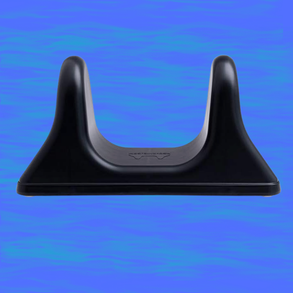
A muscle release tool for pain relief (38% off)

HuffPost contributor Megan Lasher swears by Pso-Rite’s muscle release tool for releasing back pain after long days on their feet. “You simply lie faced-down on the tool, situating it so the points of the U sit right above your hip joints, and wait as the muscle slowly begins to release,” they wrote. “In my experience, using the tool creates the type of cathartic pain you’d experience with a deep tissue massage. There’s a pinch as you settle into place, and a slow release the longer you lay on the prongs of the U. The full effect sets in after about a minute for me personally, and lasts for a few days (but I rarely go so long between sessions.)”

Amazon

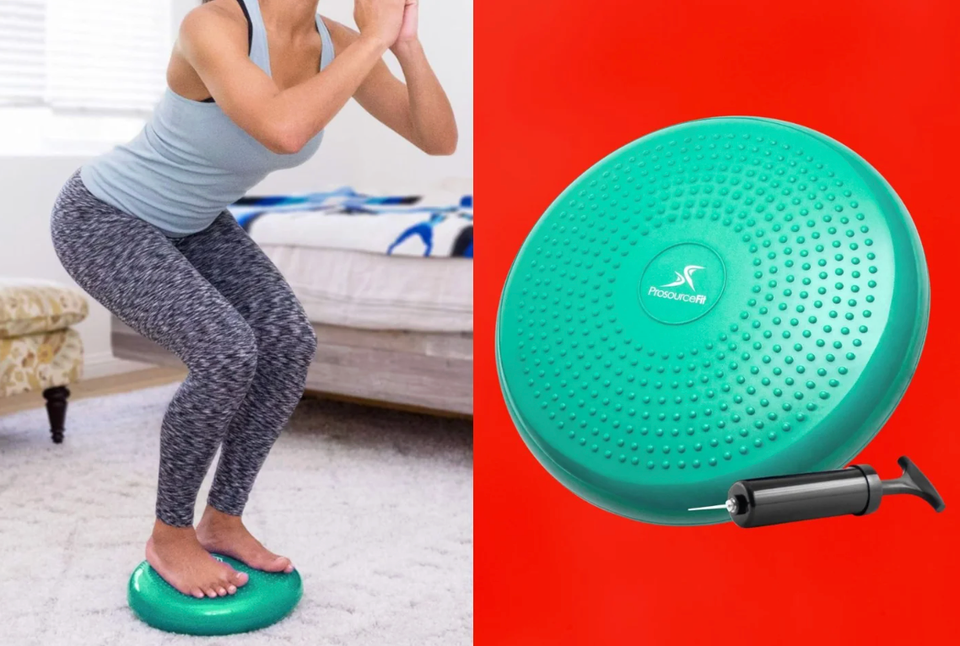
A ProsourceFit balancing disc

“These discs can be helpful when used in the right context,” Annalise Calo, physical therapist at WAVE Physical Therapy & Pilates in Ohio said of balancing tools like the ProsourceFit disc. It’s a 15-inch inflatable cushion that can be used to perform a number of balancing and core-strengthening exercises. ”[They] move as your weight shifts, helping to improve proprioception (awareness of your position in space) and reaction time,” Calo said.

Amazon

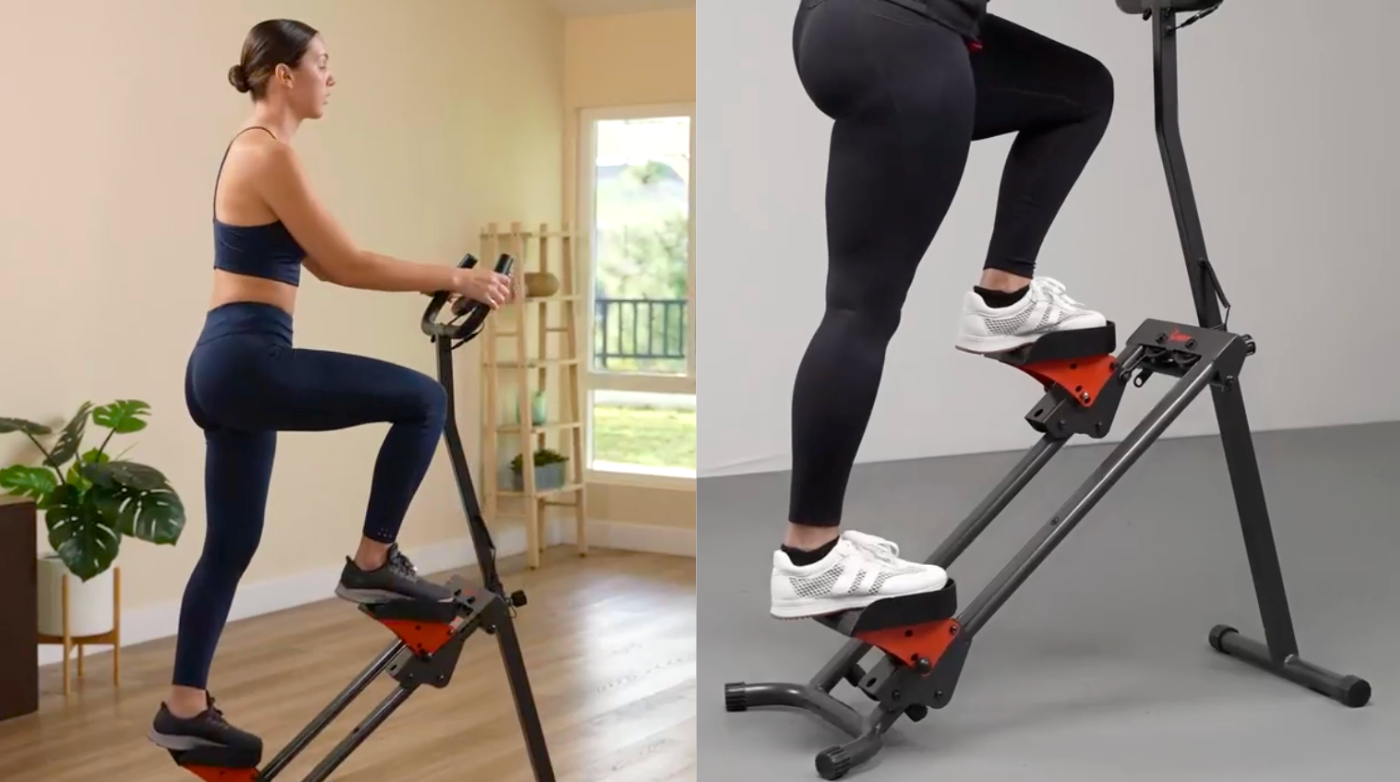
A foldable stair stepper

The Real Deal: We use deal trackers and commerce experience to sift through “fake” hike-and-drop deals and other deceptive sales tactics. Products will usually be rated at least 4 stars with a minimum 15% discount. (And when there’s an exception, we’ll tell you why.)

Share Button

How Eriksen’s heart device kicked into action

Denmark’s team doctor said an ICD implanted into the footballer’s chest responded as it should after he collapsed on Sunday.

Share Button

Are you too emotional?

Kimberley Wilson gives tips on how to manage your emotions.

Share Button

New drug to stop ‘Ozempic butt’ muscle loss side effect of obesity jabs

A third of the weight loss from obesity jabs can come from muscle, say experts.

Share Button

The “3-3-3” Sleep Rule a Doctor Recommends If You Toss and Turn at Night

Having the occasional bad night’s sleep isn’t anything to worry about in and of itself, the NHS says.

But if the issue lasts a long time or starts to affect your day-to-day life, it could be worth speaking to a doctor, as this might be down to conditions like insomnia.

Still, those terms can be a little tough to navigate. How long is “a long time”? It feels like everyone complains about feeling tired – how can we tell “normal” fatigue from sleep-disorder-level exhaustion?

Here, doctor and Fellow at the Royal College of Anaesthetists, Dr Sunny Nayee, shared the “3-3-3 rule” he uses to tell bad sleep from a more lasting issue.

What is the “3-3-3 rule”?

“If you experience disrupted sleep at least three nights a week for at least three months, medical practitioners no longer regard it as lifestyle related but in the realm of insomnia,” Dr Nayee said.

He encourages those concerned to ask themselves three questions:

  • Do you experience poor sleep for a minimum of three nights?
  • Have you experienced poor sleep hygiene for at least three months?
  • Does poor sleep impact at least three aspects of your day (fatigue, brain fog, changes in mood, lack of concentration).

After all, he stated, insomnia is usually measured by how you feel in the daytime, not what you struggle with at night.

“A common misconception is that people think insomnia is staring at the ceiling and not sleeping at all,” he wrote.

“However, it’s defined by the impact it has throughout the day. If you find that poor sleep hygiene is having an instrumental impact on your mood, concentration and ability to function, then it may be considered a clinical condition.”

What if I think I have insomnia?

Per the NHS, insomnia is not a life sentence: it is often linked to stress, booze, a poor sleeping setup, or rooms that are too hot or cold, and “usually gets better by changing your sleeping habits”.

The health service recommends going to bed at the same time every day, exercising regularly, ensuring your room is dark and quiet, using comfortable bedding, and unwinding for at least an hour before bed, ie by reading a book.

If changing your sleep habits doesn’t work, if your sleep issues have been going on for months, and/or if your insomnia is “affecting your daily life in a way that makes it hard for you to cope,” speak to your GP.

Share Button

7-7-7 Parenting Rule Could Reduce Attention-Seeking Behaviour, Says Psychologist

If you’re anything like me, you’re always on the lookout for new parenting tricks and tips to help make your life calmer – and your kids happier.

I recently stumbled across something called the 7-7-7 parenting rule, where parents aim to spend seven minutes in the morning, seven minutes after school or work, and seven minutes before bed connecting with their child.

Over the course of the day that’s 21 minutes of undivided attention – and experts say it can work wonders for their behaviour.

Dr Sasha Hall, a senior educational and child psychologist, tells HuffPost UK the idea draws on attachment theory. “When children experience regular, undivided attention, it can strengthen emotional security and support regulation,” she explains.

“Over time, this can reduce behaviours linked to seeking attention, as the need for connection is being met more consistently.”

The benefits of the 7-7-7 rule

If you’re juggling work, household responsibilities and family life, carving out this time and embedding it into your routine can give you something concrete to aim for, rather than a “vague sense” that you should be forming deep connections with your child all day, says Dr Hall.

“Instead of repeatedly saying ‘just one minute’, and feeling they have fallen short, it creates defined moments where attention is fully focused,” she adds.

The timing of these moments can also support key transitions across the day. “A focused period of connection before school can help a child feel more settled when separating,” says the psychologist.

“Time after school can support decompression. Connection before bed can help with emotional settling and winding down.”

For children who have siblings, and feel like they receive less individual attention, carving out this one-on-one time can also be beneficial and reduce fights.

“Having protected moments where a parent is fully present and focused on one child can strengthen the parent-child relationship and support that child to feel seen as an individual,” says Dr Hall.

“It shifts them away from being experienced as the sibling who joins in, towards being recognised in their own right.

“When a child knows there are moments where they will have a parent to themselves, it can lessen the drive to seek attention in other ways.”

The challenges of the 7-7-7 rule

Obviously, if you’ve got multiple kids, carving out 21 minutes per kid over the course of the day can quickly become unachievable.

“Parents may find themselves trying to repeat this several times in the morning and evening, which is often when time is most limited and stress levels are higher,” notes Dr Hall.

There is also a risk that it becomes too rigid. “If parents feel they must stick to it in a very fixed way, it can add pressure rather than relieve it, particularly for single parents or those working long hours,” she adds.

What if this doesn’t feel achievable?

The psychologist suggests a more realistic approach is to build connection into routines that already exist, rather than adding extra pressure.

“For example, the school run or pick up can be used as a point of focused attention, without trying to manage other tasks at the same time,” she says.

Short bursts of focused attention, or ‘micro-moments’, can also be very effective for parents, notes Dr Hall, adding: “These might include eye contact, physical closeness or following the child’s lead in play, even for a brief period.”

Instead of choosing three points in the day, parents could narrow it down to just one or two, such as the start and end of the day.

Child psychologist Dr Becky Kennedy, founder of Good Inside, calls it “special time” and previously said it’s the “best bang-for-your-buck” parenting strategy, helping kids who struggle to listen, are being angry or rude, or having constant tussles with siblings.

She suggested even just 10-15 minutes of special time can be beneficial. The key is to give them your undivided attention – no phones, no distractions, no siblings.

“For families with more than one child, it may be more achievable to rotate one-to-one time, so each child has predictable opportunities for individual attention across the week,” Dr Hall adds.

Ultimately, every parent is doing their best with the resources they have.

Dr Hall suggests our focus can be less on meeting a fixed time target and more on ensuring children regularly experience moments where they feel “noticed, valued and responded to”.

Share Button

Leading UK Supermarket Will Soon Stop Selling Brown Eggs

Retailer Sainsbury’s has pledged to stop selling brown eggs under their own brand as part of their sustainability program, moving to white-shelled versions instead.

The second-largest UK supermarket chain cited animal welfare and carbon emissions when announcing the decision.

But why don’t white and brown eggs have the same environmental impact, and why are eggshells different colours to begin with?

Why are brown eggs worse for the environment?

An assessment by SAC Consulting for Sainsbury’s found that brown eggs have a 12.7% higher carbon footprint than white eggs, as the hens that produce brown eggs are larger and eat more food.

Sainsbury’s said the change would therefore “indirectly reduce demand on land and water used to grow feed crops, as well as the amount of manure produced” by the chickens.

Chicken manure emits greenhouse gases, methane and nitrous oxide as well as ammonia, which can have “detrimental impacts on the environment and… animal and human health”, per Aberystwyth University’s Farming Connect.

“White‑feathered hens typically live longer, eat less feed and lay eggs for longer, cutting carbon emissions by over 12 per cent compared with hens that lay brown eggs,” the supermarket continued.

Sainsbury’s also says that the breeds which produce brown eggs are more likely to experience feather pecking (a stressful and sometimes dangerous process in which birds peck the feathers of other birds) than those which make white eggs.

The company hopes this will help them to meet their goals to meet net zero within their own operations by 2035, and across their suppliers by 2050.

“White eggs have the same delicious taste and nutritional benefits as their brown counterparts, but result in lower emissions and better welfare outcomes for the hens that lay them,” a Sainsbury’s spokesperson said.

Why are some eggs brown and others white?

Speaking to HuffPost previously, Jacquie Jacob from the University of Kentucky’s department of animal and food sciences said that all eggs start off white.

For a brown egg, “At the very end of the shell-making process, the pigment gets added, almost like you’re painting a house,” she explained.

But some hens are “just not genetically programmed to do that”.

It takes more energy to produce the pigmented layer of the brown-shelled egg, she added.

Are brown eggs healthier than white eggs?

In short, no. Healthline writes that all eggs are nutritionally pretty similar, no matter their size or colour.

In fact, the Retail Gazette said, white eggs were the norm in the UK until about the ’70s, “before brown eggs became dominant as shoppers increasingly associated them with being healthier or more natural”.

They add that the UK supermarket might have a bit of an issue: the British Egg Industry Council said white-egg-laying hens make up about 15% of our flocks, compared to the US, whereas white eggs account for 75% of all eggs consumed in the US.

Share Button

New Study Reveals The ‘Sweet Spot’ Amount Of Sleep For Healthy Aging

If you want to age well, the amount of sleep you get matters. A new study suggests there’s a “Goldilocks” time frame you want to aim for ― and it’s slightly less than eight hours.

Analyzing biological clocks throughout the human body, researchers found that too few hours of sleep (anything less than six hours) may speed biological aging in the brain, lung, heart and immune system. But too much sleep (more than eight hours) also accelerates aging in nearly every organ in the body, according to study, published in the journal Nature last month.

If you’re looking to age minimally, the “sweet spot” is between 6.4 and 7.8 hours of sleep per day.

Getting either too much or too little sleep was also associated with a range of physical health conditions, including obesity, type 2 diabetes, hypertension, coronary artery disease and gastritis. Insufficient and excessive sleep durations were also significantly associated with depression and anxiety disorders.

The study supports “the idea that sleep is important in maintaining organ health within a coordinated brain-body network, including metabolic balance and a healthy immune system,” Junhao Wen, the lead researcher and an assistant professor of radiology at Columbia University Vagelos College of Physicians and Surgeons, said in a press release.

Wen and his colleagues used advanced statistical models called “aging clocks” to figure out the amount of sleep that’s associated with accelerated aging.

While most aging clocks estimate biological aging across the entire body, organs age at different rates. Wen and his team developed organ-specific aging clocks that may provide patients with more personalized and precise insights into their health.

“In the liver, for example, we have an aging clock built with protein data, an aging clock of metabolic data, and an aging clock of imaging data,” Wen said.

The hypothesis is that different organs, even within the same person, age at different rates, Wen told The Washington Post.

This doesn’t mean that sleep duration alone is aging our organs faster or slower, but too much or little sleep may be markers of poorer overall health in the body.

Short and long sleep sessions were also significantly associated with depression and anxiety disorders.

KARRASTOCK via Getty Images

Short and long sleep sessions were also significantly associated with depression and anxiety disorders.

One limitation for the study? Wen said more research is needed involving people of Asian and African descent, since the data for sleepers was taken from U.K. Biobank data, which is heavily weighted toward people of white European ancestry.

Why is too much sleep a bad thing?

Research has long confirmed that chronically under-sleeping can lead to a reduced lifespan and a range of health issues: hypertension, cardiovascular disease, stroke. But those who love to sleep may wonder: Why might too much sleep be a problem?

“Chronically long sleep time is associated with many health issues because oversleeping is often a byproduct of an underlying disease such as a sleep disorder like sleep apnea, inflammatory conditions, cancer, neurodegenerative disorder, and poor mental health,” said Dr. Chelsie Rohrscheib, a neuroscientist and researcher at Wesper, a company that designs at-home tools for diagnosing sleep disorders like sleep apnea.

Some studies have shown that long-sleepers have markers of inflammation, which is associated with diseases like cardiovascular disease and cancer, said Rohrscheib, who is not affiliated with this current study.

“The other answer is that long sleeping increases a sedentary lifestyle and reduces the total amount of physical activity achieved each day,” Rohrscheib told HuffPost.

The study showed that women may need a little more sleep than men.

Goodboy Picture Company via Getty Images

The study showed that women may need a little more sleep than men.

Women need a little more sleep.

The study also found that women may need a little more sleep than men. The difference is relatively small, though, said Rohrscheib: typically about 10 to 20 additional minutes per night.

The exact reasons for this remains unclear, but sleep researchers believe it may be related to hormonal differences and fluctuations throughout life, particularly during the luteal phase of the menstrual cycle, pregnancy and menopause.

“Others have proposed that women may experience greater emotional and cognitive demands, which could increase the need for sleep to support essential brain functions such as memory consolidation, emotional regulation, and overnight recovery,” she said.

The “sweet spot” is less than eight hours, what we traditionally associate with quality sleep.

Dr. Chris Winter, a a neurologist and host of the podcast “Sleep Unplugged,” said the study’s most interesting finding was its suggested optimal sleep range of 6.4 to 7.8 hours per night ― slightly below the eight hours many of us have been taught is the sleep “magic number.”

“The range is essentially an average of seven hours of sleep, not eight,” Winter, who was not affiliated with the study, told HuffPost. “I would love to dislodge from the public’s collective mentality about sleep that ‘eight hours’ of sleep is ideal for everyone, or even attainable for everyone. It’s not.”

Winter’s takeaway is that we should aim for a consistent seven hours or so on average, though if eight works for you, more power to you. A person’s need for sleep varies greatly based on age, lifestyle and genetics.

“If you struggle to get eight consistently, this is not something to overcome to optimize your health,” he said. “It may simply be that your body favors a number below what you are shooting for, yet still well within the range of optimized.”

Share Button