JD Vance Hit With Epic Community Note Over Bizarre World War 2 Claim

JD Vance has been hit with an epic community note on X after claiming World War 2 ended with a negotiated peace agreement.

The US president made the bizarre claim as he defended his administration’s attempts to end the Iran war.

Vance said: “This is how wars ultimately get settled. If you go back to World War 2, if you go back to World War 1, if you go back to every major conflict in human history, they all end with some kind of negotiation.”

But a community note on X pointed out that World War 2 ended “with unconditional surrenders by Germany on May 8, 1945, and Japan on September 2, 1945, rather than negotiation.”

Social media users were just as unforgiving about the vice-president’s historical gaffe.

Subscribe to Commons People, the podcast that makes politics easy. Every week, Kevin Schofield and Kate Nicholson unpack the week’s biggest stories to keep you informed. Join us for straightforward analysis of what’s going on at Westminster.

Share Button

My Dating Life Was A Mess – Then My Therapist Had Me Do A Bizarre Exercise To Fix It

When I was 41, my therapist handed me photos of every boy in my fourth grade class and instructed me to condemn each one to the paper shredder. It was my first experience of truly being in the driver’s seat, and I felt giddy with control.

From an early age, I’ve carried an acute fear of rejection and abandonment. This has made dating challenging, to say the least. My typical dating pattern used to be the following: I’d meet someone I liked, become enamoured, only to find myself spiralling into persistent anxiety, worried about when and how the relationship would end.

That sense of unease began in middle school.

The night my friend revealed she had a boyfriend, we were bundled in sleeping bags on chalet bunks, up past curfew during our eighth grade ski trip. She was the first in our group to date.

As the girls clamoured for details (“What does he look like? What school does he go to?”), I should have known something was off when the only question I thought to ask was, “Aren’t you terrified that he’s going to break up with you?”

Although it would be years before I experienced romantic heartbreak firsthand, I now realise that even then, I was already bracing for the worst.

By the time I was older, like anyone who frequents pop psychology circles, I was aware of attachment styles and how early childhood experiences can shape adult relationships. Yet, I grew up in a safe, stable home with parents who didn’t always get along but loved and supported me unconditionally, so I never really understood where this anxiety came from.

This confusion persisted until 2021, when a session with my therapist changed everything.

At that time, I’d booked an appointment because I had just started seeing someone new. It was the first person I’d liked since the beginning of the Covid-19 pandemic, and I’d noticed my usual pattern taking hold again. I was overcome with anxiety over whether things would work out, and it was keeping me up at night and distracting me at work. This time, though, I felt exhausted. I was ready for a change.

“I don’t want to feel this way anymore,” I told my therapist.

Her first question was to think back to my childhood and pinpoint when this fear of rejection might have started. One incident immediately stood out.

In fourth grade, we had our first sex education class. Not long after, the boys in my class lined all the girls up against the exterior wall of our school and took turns rating each of our bodies – hot, not or disgusting. Some of the boys took it a step further and pointed out who was “flat as a board.” It was most of us; we were barely 10 years old.

It was such a humiliating and disorienting experience. I don’t remember how each of the boys rated me – not that it mattered – but I felt disgusting.

At that age, I was still very much a kid and hadn’t even started liking boys. My favourite book was Harriet the Spy, and I loved taking ballet classes, reading books and playing with Barbies with my three best friends. I also thought I was pretty cool, being the proud owner of sparkly jelly shoes and an impressive sticker collection.

Suddenly, it was like none of that mattered, and I was now hyperaware of my body and how it was perceived by boys.

Part of my childhood died that day. The message was clear: it doesn’t matter how you feel about yourself; what matters is being chosen and that boys choose you, not the other way around.

For years, I dismissed this firing squad of tween-age rejection as just another weird story from adolescence. But when my therapist prompted me to recall the memory, I finally understood how deeply it fuelled both my fear of rejection and the perfectionism I carried into my romantic relationships.

When I started dating in my late teens and early 20s, I was focused on making myself as likeable as possible, and I became really good at it. I shape-shifted myself into the ultimate “cool girl”. I never asked for too much from my partners out of fear they’d reject me. Instead, I swallowed my feelings and discomfort, shrugging off subpar treatment from the people I dated.

You don’t want to commit, but still want me to act like your girlfriend? That’s OK. I’m the cool girl! I’ll bring you homemade soup when you’re feeling sick, even though I’m not sure you even know my last name.

I felt like I was always proving myself, and being chosen was the reward. It’s only now that I can see I spent years so focused on being what my partners wanted that I rarely stopped to ask whether they were enough for me.

Even in the relationships where I felt safe to show up authentically, I struggled to express my needs. There was always a little voice warning that if I revealed too much of myself, I would be deemed “disgusting” all over again.

Sharing this with my therapist, she helped me realise that my fear of rejection was only part of it. What I struggled with was people-pleasing. In pursuit of being liked by other people, I abandoned myself.

It was time to stop the cycle. My therapist decided on an unconventional approach: reject the boys once and for all.

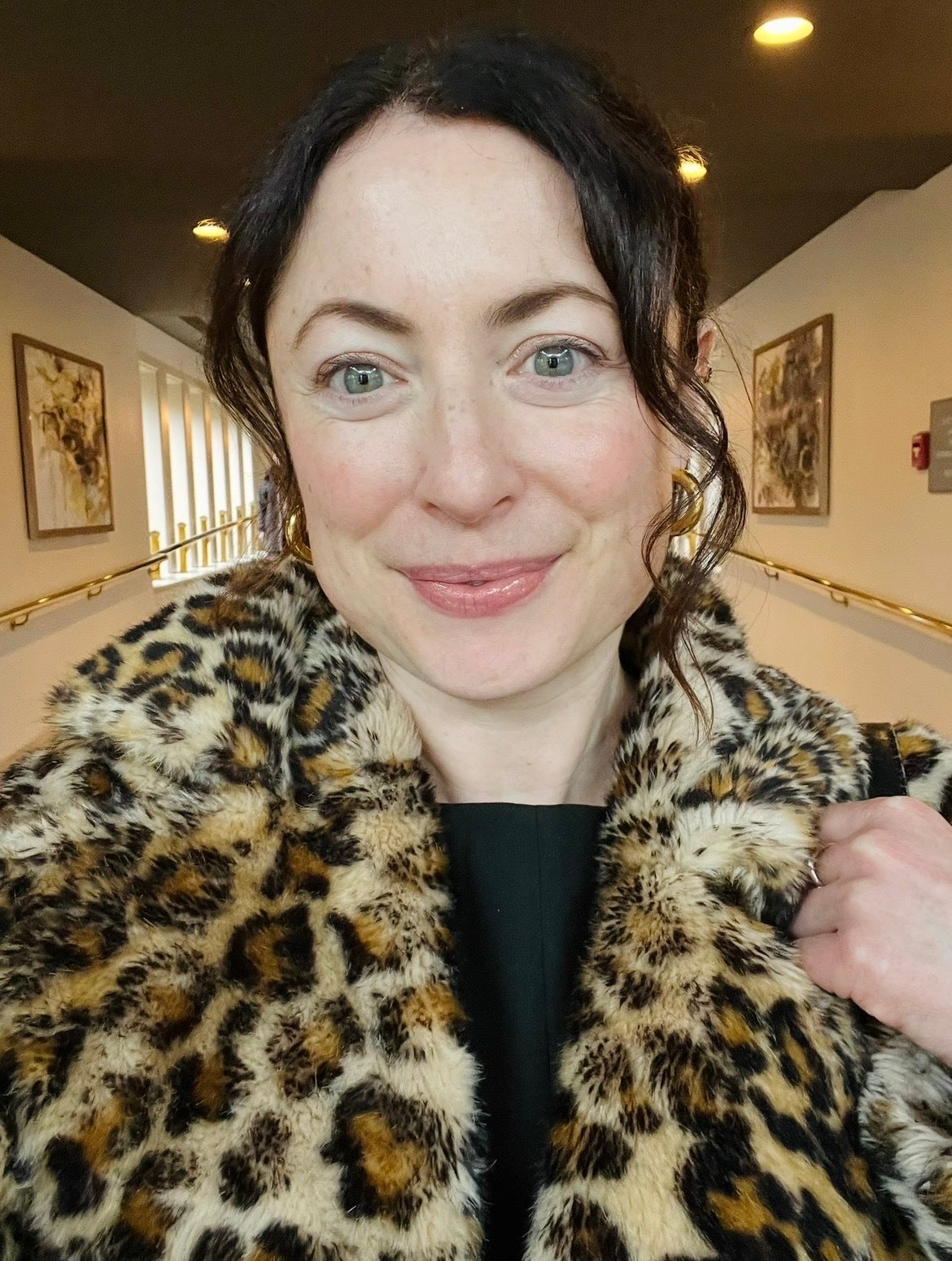
The author is now working to show up authentically in relationships of all kinds.

Photo Courtesy Of Simone Paget

The author is now working to show up authentically in relationships of all kinds.

As homework, she had me print photos of each of the boys who’d participated in the “lineup” in middle school – an easy task since I grew up in a close-knit community, and I’m still in touch with many of the people I went to school with on Facebook.

When I arrived at her office the following week, photos in hand, we spread them on the floor.

Seeing all of the boys’ photos – now middle-aged men with grey hair and receding hairlines – and rejecting them, out loud, was unexpectedly powerful.

I was finally able to see my tormentors for who they are: a bunch of guys I wouldn’t want to date anyway. In fact, most of them are married, and I’m queer and currently much more interested in dating women.

My therapist had me face each man and reject them one by one.

“Are you ready for the fun part?” my therapist asked.

She led me over to her desk, and together we eviscerated the photos in the paper shredder.

My therapist’s exercise might seem out of the box, maybe even a little mean to some, but it did exactly what she had hoped: it set me free.

It made me realise that I no longer have to play by a middle school rulebook that never served me. I don’t have to wait to be chosen; I can practice discernment and actively choose myself instead.

Unlearning a lifetime of people-pleasing is an ongoing, tricky process. At our core, I think most of us want to be liked and loved by others. It’s why rejection stings.

While I still fear rejection sometimes – I get anxious when I see those three blinking dots after I’ve sent a text to someone I like – I’ve stopped basing my self-worth on what other people think of me.

The author today.

Photo Courtesy Of Simone Paget

The author today.

Instead, I’ve made it a habit to boldly show up as myself in my friendships and the communities I frequent. I’m learning that by sharing and being honest about the parts of me that I used to worry were “disgusting” (for example, that I am not cool and detached, but rather sensitive and have very big feelings), the right people are actually drawn to me rather than repelled.

I’ve also gained clarity about what I actually need from a relationship, such as steadiness, consistency and emotional safety, which has made it easier for me to spot when a connection isn’t aligned. As a result, it takes me much longer to get into relationships than it did in the past – and I’m OK with that.

Rejecting people who aren’t a good fit still feels uncomfortable sometimes, but I see it as a form of self-care, like I’m sticking up for that little girl version of me who felt so disempowered.

Now, when I meet someone new, I don’t wonder if they’ll choose me. I ask a different question: Do I even like them? And I let the answer guide me.

Simone is a writer and host of the podcast “We’re Never Doing This Again.” She is a nationally syndicated relationship columnist for the Toronto Sun, and her words and photographs have appeared in Apartment Therapy, Business Insider, The New York Times, The Washington Post and more. You can follow her on X and Instagram at @simone_paget.

Do you have a compelling personal story you’d like to see published on HuffPost? Find out what we’re looking for here and send us a pitch at pitch@huffpost.com.

Share Button

Gardeners Warned To Watch Out For A Cream-Coloured ‘Dust’

Not only are we entering peak bee swarming season, but James Higgins, Head of eCommerce at Grass247, said we’re about to be beset by woodworms too.

“Most people associate woodworm with lofts, floorboards, and old indoor furniture, but many don’t realise that wooden features in the garden can also be vulnerable,” he shared.

With recent wet, warm weather “and woodworm season underway, it’s a good time to check timber features around the garden for the early warning signs of damage,” he added.

This can include a dust-like substance called “frass”.

What are woodworms?

They’re the larvae of different species of wood-eating beetles.

Their peak season is usually from March to October.

Woodworms cause the most damage in their larval stage, when they gnaw through the cellulose, hemicellulose and nitrogen present in the wood. That can cause structural damage.

Additionally, the adult beetles tunnel their way out of the wood, leading to further tiny holes.

They usually have a pale body with a black head, but you probably won’t see them if you’ve got them – they hide deep in the wood.

Where are woodworms found?

They typically like older, softer, wetter materials. They can be found in joists, floorboards, lofts, and vintage furniture.

But they can be found in your garden, too.

“Woodworm tends to favour timber with higher moisture levels because it’s easier for larvae to feed and develop within the wood. That means everything from garden furniture and decking to timber sleepers, raised beds, and wooden lawn edging can be worth checking at this time of year,” Higgins shared.

“Damp conditions won’t suddenly create an infestation overnight, but they can make existing problems easier to spot and allow damage to worsen if it’s left untreated.”

What are the signs of woodworm?

One sign you’ve got an infestation is a substance that looks like dust at first glance.

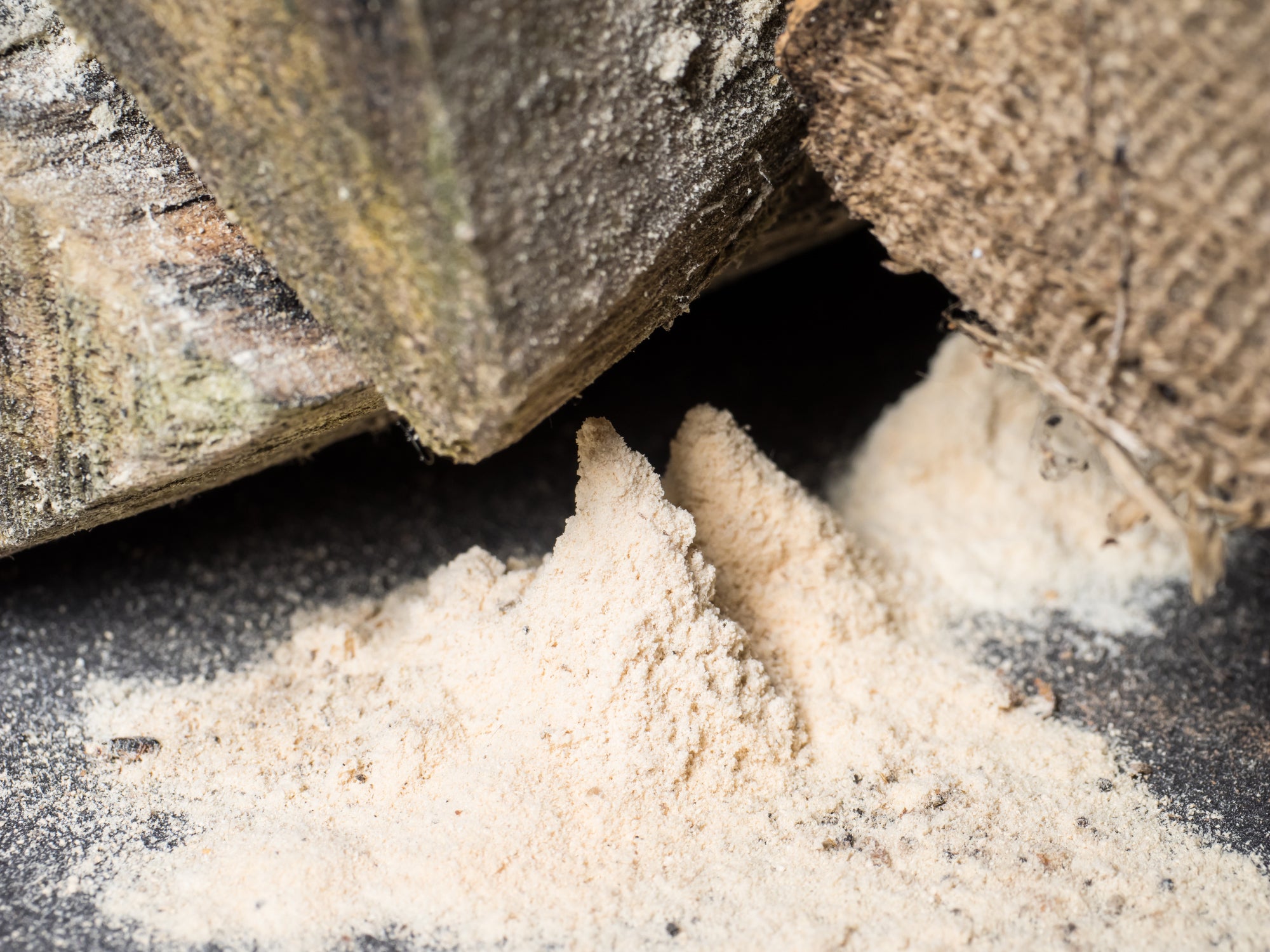
“Fresh woodworm activity often leaves behind a fine, cream-coloured dust known as ‘frass’. It can collect beneath things like furniture legs, decking boards, timber edging, sleeper borders, and around the base of raised beds,” Higgins revealed.

“It looks very similar to sawdust, but if it keeps reappearing after being brushed away, it could indicate active woodworm.”

Other signs of woodworm include:

  • Soft, crumbling, or weakened timber,
  • Dead beetles around windows, sheds, or conservatories,
  • Tiny round holes (1-2mm) appearing in timber.

“Pay particular attention to garden sleepers, timber edging, pergolas, decking, and other wooden landscaping features that are exposed to the elements year-round or sit close to the soil” when looking for softer or crumbling wood, the expert continued.

Remember: beetles usually come out en masse from June to July, meaning you’ll benefit most from a keen bug watch, especially around sheds, conservatories, garages, and windows during those months.

If you think you might have woodworm, drying, ventilating, and treating the wood can help. If you’re not sure, it’s best to reach out to a professional.

Share Button

8 Of The Most Passive-Aggressive Phrases You’re (Probably) Using With Your Partner

In an ideal world, we’d all be able to tell our partners exactly what we’re feeling, as soon as we’re feeling it.

But real life often falls short of that. Maybe it feels too vulnerable to express a need outright; maybe you’re worried about being dismissed, ignored or met with hostility if you do.

That’s where passive aggression can often come into play.

“Passive aggression is an indirect expression of emotions or unmet needs,” explained Tara Rullo, a trauma and couples therapist and owner of Middle Way Psychotherapy.

“Underneath passive-aggressive comments are vulnerable emotions like sadness, loneliness, overwhelm, fear, or longing.”

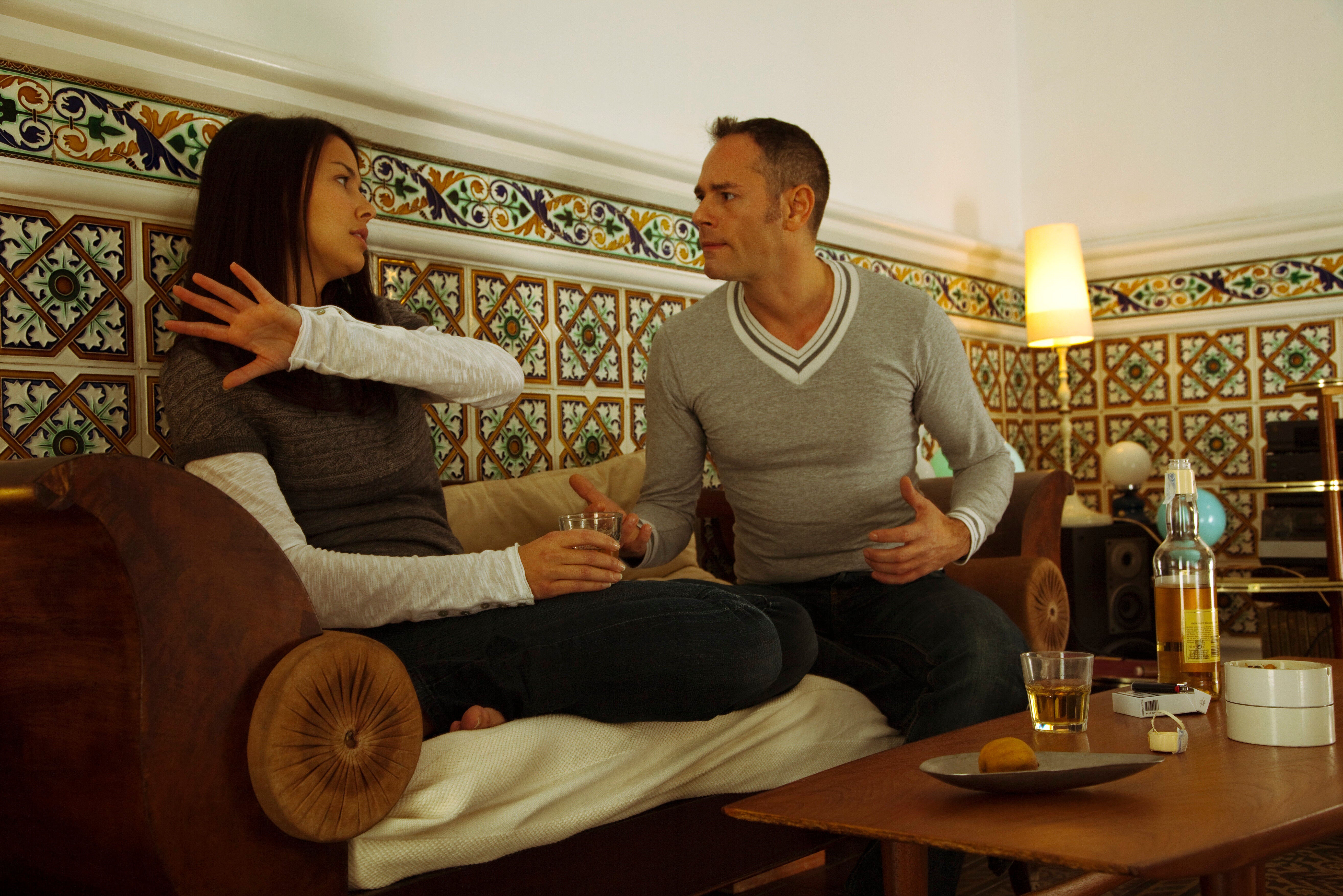
Underneath passive aggression between partners, there could be unmet needs just under the surface.

PhotoAlto/Frederic Cirou via Getty Images

Underneath passive aggression between partners, there could be unmet needs just under the surface.

As an example, Rullo described a couple where one partner has been retreating into their phone: “Instead of their partner saying, ‘I’m feeling ignored,’ or ‘I want to connect with you,’ the bid may come out sideways through comments like ‘Don’t let me interrupt your phone’ or ‘Must be something really important on there,’” she said.

“Underneath these comments is a natural longing for connection, but because the need is wrapped in irritation and sarcasm, the receiving partner hears criticism, contempt or undefined emotional distress instead,” Rullo continued.

Below, relationship experts describe some of the most common passive-aggressive phrases they hear used with significant others, then break down how to turn those moments into a genuine opportunity for connection instead.

‘It’s fine’ / ‘I’m fine’

This is one of those examples where the words mean one thing, but “your partner can clearly pick up on a tone,” Alexandra Solomon, a clinical psychologist and the author of Love Every Day, told HuffPost. “If the tone doesn’t match, the tone is all your partner’s gonna focus on.”

They’ll sense your distress, but have no way of knowing what’s wrong – only that you’re upset with them.

If you catch yourself saying this, Elizabeth Earnshaw, a licensed marriage and family therapist and author of Til Stress Do Us Part, recommended that you do your best to catch yourself in the moment and try to name the real feeling instead. A quick script might look like: “Actually, I’m not fine. I don’t know why I said that. I am feeling [angry/sad/etc].”

‘Must be nice’

Rullo flagged this kind of comment as one of the most concerning patterns she sees. “Must be nice” – as in, “must be nice to have zero responsibilities” or “must be nice to relax while I do everything” – can veer into contempt, which she said “is considered the single strongest predictor of relationship breakdown”.

What contempt signals, Earnshaw said, is that “you’re not only frustrated but have also lost a fundamental sense of respect for the other person.” The sarcasm in this kind of comment allows you to disguise it as humour, but the underlying message is loud and clear.

‘I guess I just can’t do anything right’

“Your partner gives you feedback or raises a concern, and you say, ‘Well, I guess I can’t do anything right then,’” Solomon said. “It’s passive-aggressive because you’re not addressing your partner’s concern and you’re generalising.”

It’s also a form of what Earnshaw called “chronic victim-playing”.

Instead of engaging with the specific issue – or taking a second to acknowledge that you’re feeling criticised and having a response to that – you turn the moment into a referendum on your worth.

It shuts down the conversation your partner was trying to have and takes it to a much more global and less productive place.

‘I shouldn’t have to ask’

Couples therapist Zach Brittle described “should” as a common tell that there’s some passive aggression at play: “I shouldn’t have to ask” and “you should know” are both common culprits.

Ideally, Brittle said, the speaker would communicate “from a place of desire (rather than demand).” This might look like reframing “you should” statements as “I would really like…”

Earnshaw also gave the example of a partner who’s feeling neglected and snaps at their significant other, saying, “If you cared, you’d know.” Instead, that partner might try saying, “I’m feeling lonely, and I’d love it if we could plan a date night soon.”

‘Wow, look who finally decided to help’

This is another comment that can be defended as a joke if it lands badly – but the person on the receiving end will find it almost impossible not to respond to the cutting tone underneath.

As with the “must be nice” genre of comments, this kind of comment can communicate “superiority, disgust, disrespect, ridicule or disdain,” Rullo said. “Instead of ‘I’m upset with you,’ the message becomes ‘I’m above you’ and ‘there is something fundamentally wrong with you.’”

That kind of atmosphere – where one or both partners “consistently feel looked down on, mocked or dismissed” – can be hard to repair.

Even arguments about household chores can spiral into something much more intense and hurtful with passive aggression leading the way.

DejanMilic via Getty Images

Even arguments about household chores can spiral into something much more intense and hurtful with passive aggression leading the way.

‘Someone else’s partner always does this / never does this’

This kind of comment can take a few forms: “My sister’s husband gives the kids a bath every night” or “Dave’s wife never asks him to help with the laundry.” Instead of directly communicating something you wish your partner would do, you use comparison to express your unhappiness.

The subtext, as Solomon explained, is always the same: “Why can’t you?” Your partner is put in the position of either asking you directly why you’re bringing that up, or – more likely – reacting defensively to the way you’ve just put them down.

‘I’m just the kind of person who likes to focus on what other people need’

Again, the subtext is the issue here. Solomon said that this is an example of “describing yourself in a particular way that’s positive, and the subtext is you’re describing your partner in a negative way.” In other words, “I’m the kind of person who likes to focus on what other people need – unlike you.”

The more honest version, she said, would sound something like, “I’m feeling troubled by the fact that I feel like there’s an imbalance here,” or, “Sometimes I don’t understand the choices that you make, because they’re so different than the choices that I make.”

‘Whatever you want’

This comment, when intended passive-aggressively, is often accompanied with a “heavy tone or eye roll,” per Earnshaw. Like “I’m fine,” it’s a form of stonewalling, what Earnshaw described as “withdrawing emotionally while making it obvious something is wrong.”

If you’re feeling the urge to say something like “whatever you want” about a suggestion you’re clearly not happy about, Earnshaw recommended two things: first, taking whatever time you need to cool down and communicate more clearly; and second, being honest that you aren’t satisfied with the current plan. You might try saying something like, “I’m not excited about that option. Let’s keep looking for a solution that works for both of us.”

Jacob Wackerhausen via Getty Images

The damage passive aggression can do is all too real

Because these kinds of comments don’t directly address an emotion or unmet need, they can provide a cover for the speaker: If the comment is received badly, they can pretend they were just joking or accuse the other person of reading too much into it. But this kind of retreat doesn’t negate the harm that these comments can cause.

“Passive-aggressive comments aren’t like yelling and screaming and name-calling,” Solomon said. “But they chip away at connection, they erode connection, and they erode intimacy. It is a big deal.”

There’s harm in both the passivity – the listener is left confused about what’s actually being communicated – and the aggression, which leaves the listener feeling defensive.

Earnshaw described passive aggression as “corrosive” over time: “the giver feels chronically unheard; the receiver feels constantly criticized but can’t respond cleanly.”

When that becomes a pattern, that’s where communication really starts to break down.

These kinds of comments can also be used as a defensive strategy in equally harmful ways – if one partner feels attacked, they might say something like “I guess I’m just a bad person” or “I guess I can’t do anything right” as a way to deflect criticism or otherwise derail the conversation. The effect is the same: The listener is left confused, defensive and ill-equipped to respond, since the real emotion driving the comment is never named.

At the core of the problem is how passive-aggressive comments can reframe the way couples tackle challenges.

“Whenever there’s conflict with our partner, there’s always an opportunity to put the problem in front, to move into a side-by-side stance and look together with our partner at the problem,” Solomon said. “Passive-aggressive comments reflect and reinforce this idea that it’s me versus you instead of you and me against the problem.”

There is a better way to communicate

All the experts polled here shared similar advice on how to communicate rather than resorting to passive aggression: Take the time to figure out what’s really going on with you, then do your best to communicate that directly, using “I feel” and “I need” statements as much as possible.

For both the person making passive-aggressive comments and the person on the receiving end, suggesting you pause the conversation until you can communicate more clearly and gently calling out the behaviour that you’re seeing can be good ways to set the conversation back on track.

For the person engaging in passive aggression, that might mean saying something like, “I notice that I tend to move into passive-aggressive behaviour when I feel overwhelmed. I’m really trying to change that behaviour.”

For the listener, that might mean saying something like, “When you say ‘whatever,’ I feel shut out. Can we talk about what’s actually going on?” In both scenarios, it acknowledges the aggression that was previously masked, and it tells your partner that you’re committed to communicating more directly.

If you’re recognising these passive-aggressive comments from your own relationship, don’t be too hard on yourself – and don’t take it as a sign that all is lost.

“[Passive aggression] is not like a personality trait,” Solomon clarified. “The vast majority of us grew up not seeing conflict handled well, and so we come into our intimate partnerships with legitimate skill deficits. The good news is that this is all something that can be learned.”

Share Button

Sloths Could Help Us Manage Disease And Travel Further In Space

Sloths, famously, are pretty slow. They move fewer than 38 metres a day, and sleep for up to 20 hours at a time – they’re so sluggish that fungi, moths, and algae grow on their fur, forming an entire ecosystem.

As it turns out, this lethargic lifestyle might be helpful to astronauts hoping to survive long space missions.

In fact, scientists from the Wellcome Sanger Institute in Cambridge have just published a study about how helpful the animals’ DNA might be to people heading to galaxies far, far away, as well as those with diseases like diabetes down here on Earth.

Why might sloths help people?

Study co-lead author, Dr Camila Mazzoni, said: “Sloths have the slowest metabolism [the sum of chemical processes happening in your body] of any mammal, yet they remain healthy.

“Understanding how they achieve this may reveal new insights into how cells manage energy efficiently.”

Sloths don’t need to eat much, they barely move, and they generally keep their temperature low.

Despite this, they remain healthy and manage to get all the important stuff, like finding a mate, getting food, and swimming for surprisingly long distances, done.

The study authors wanted to find out which part of the animals’ DNA enabled them to do as much as they can with very little energy input. They compared their genomes, which they described as genetic “instruction manuals”, to those of other mammals to work out why sloths were different.

After examining these genomes, that found out that sloths had several copies of ‘transposons’ or ‘jumping genes’, which, the Wellcome Sanger Institute explained, are “DNA sequences that can copy and paste themselves to change their position in the genome”.

Humans have some parts of these transposons, but they’re usually not whole, and are often inactive.

It turns out many of these relate to mitochondria, or the energy-generating parts of cells.

What’s that got to do with space, or disease?

Study co-author Dr Pedro Galante said, “Many human conditions – including diabetes, ageing-related disorders, neurodegeneration, and muscle wasting – involve problems with energy production and mitochondrial function.

“While further research is needed, sloth cell lines may offer a natural model for understanding how organisms cope with low-energy states, and what goes wrong in disease. In the long term, this could inform research into tissue preservation, critical care medicine, ageing, metabolic disease, and even long-duration space travel.”

That’s because saving energy in space, especially if you’re out there for a long time, is important. The further we travel, the more important this may be.

These genome discoveries could help us to manage diseases that involve metabolic changes, like diabetes, too.

Study author Dr Marcela Uliano-Silva added: “Evolution has already run billions of experiments. By studying unusual animals like sloths, we sometimes uncover biological solutions that humans never evolved…

“These sloth-specific genes are linked to mitochondria and metabolic pathways, suggesting they might be related to the evolution of their extremely slow metabolism.”

Share Button

Dementia Specialists Share 3 Foods They Always Tell Patients To Eat More Of

As terrifying as the thought of dementia is, there’s hope in all of the ways we can prevent it.

You can also keep your mind sharp by exercising, challenging your brain, sleeping, eating nutritious foods, getting social, limiting stress and not smoking.

Let’s focus on that nutrition piece: to create a simple, easy habit, what’s the main food dementia specialists want you to add to your plate?

There are a few options, actually. Ahead, various types of those experts – from internists to professors to psychologists to neuroscientists – share their answers and explanations.

Leafy green vegetables

Spinach, kale, arugula, romaine, collards: they’re different foods, but they all fall into the same category of leafy green vegetables that protect brain health. While that probably isn’t surprising, let’s hear the expert-backed insight into why they’re a smart option.

Aim for at least one serving of dark leafy greens daily. “Going beyond that doesn’t seem to add much,” Dr. Jordan Weiss noted.

T&I studio via Getty Images

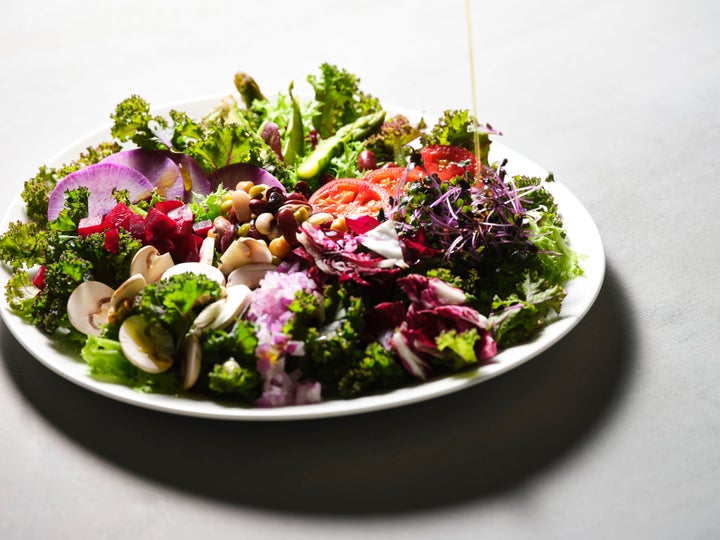
Aim for at least one serving of dark leafy greens daily. “Going beyond that doesn’t seem to add much,” Dr. Jordan Weiss noted.

“They are packed with nutrients the brain seems to benefit from, including folate, vitamin E, vitamin K, lutein and anti-inflammatory plant compounds,” said Dr. Dung Trinh, an internist of MemorialCare Medical Group and the chief medical officer of Healthy Brain Clinic in Irvine, California. “We also know that what is good for the heart and blood vessels is often good for the brain, and leafy greens support both.”

Jordan Weiss, an assistant professor at NYU Grossman School of Medicine and a scientific writer at Assisted Living Magazine, agreed. “My answer is boring, and I‘ll stand by it anyway: leafy greens,” he said. “Greens carry folate, vitamin K1, lutein and nitrate. Each is doing something useful in an aging brain.”

He pointed to data from the Rush Memory and Aging Project, in which researchers followed 960 older adults for five years.

“People eating roughly a serving a day of greens looked cognitively 11 years younger than people who rarely touched them,” he reported. “That effect size is wild for a single food, and it survived adjustment for overall diet, exercise and education.”

Your next potential question, especially if leafy greens aren’t your favourite: how many do you need to eat? Trinh and Weiss recommend aiming for at least one serving daily. What that can look like varies from a salad to a half-cup of cooked greens to a generous handful in a smoothie, omelet or soup.

“Going beyond that doesn’t seem to add much,” Weiss noted.

Plus, remember to focus on doing what you can. Something is better than nothing. “The key is consistency, not perfection,” Trinh said. “You do not need an expensive supplement or a complicated cleanse – you need habits you can sustain for years.”

Fatty fish

Yep, “fat” is not inherently unhealthy or a “bad” word, and this proves it.

“If I had to choose a single food to recommend for the prevention of dementia and cognitive protection, it would be fatty fish, specifically salmon, mackerel or sardines,” said Eleni Nicolaou, who has a Ph.D. in clinical psychology, specialised training in neurocognitive conditions, clinical practice supporting patients and families dealing with dementia and research on the effects of biological and lifestyle determinants.

“I don’t recommend it because it is a superfood in the marketing sense, but because the evidence behind it is more consistent and specific than anything in the nutrition and brain health literature.”

She explained that the brain is about 60% fat, mostly composed of an omega-3 called DHA. The brain uses DHA to build and repair neurons, which transmit information. With lower DHA levels, communication in the brain slows down, and the brain is more susceptible to the inflammation that causes conditions such as Alzheimer’s.

All of that is to say, some of the highest levels of DHA are in fatty fish.

Nicolaou pointed to studies affirming this. For starters, research published in Neurology found that the higher the levels of omega-3 in the blood, the better the brain structure and cognitive performance. Additionally, a study in the American Journal of Clinical Nutrition found that long-term omega-3 supplementation was linked to a 64% lower risk of Alzheimer’s in participants followed for six years.

She incorporates this into her practice, of course, too.

“In my clinical work with families dealing with dementia, getting consistent omega-3 intake into a patient’s weekly diet was one of the first dietary conversations I‘d have because the evidence for it is very solid,” Nicolaou said.

She recommended two to three servings a week, with one serving equaling around 100 to 150 grams.

Research shows that blueberries can protect brain cells from damage.

Anne DEL SOCORRO via Getty Images

Research shows that blueberries can protect brain cells from damage.

Blueberries

Fruit lovers, it’s your time to shine.

“I understand that blueberries are the single food most consistently linked with better brain aging because their high levels of anthocyanins and other antioxidants help reduce inflammation and oxidative stress, two major drivers of cognitive decline,” said Christopher U. Missling, a neuroscientist who specializes in Alzheimer’s disease and is experienced in mechanisms linking diet, metabolism and brain health.

Research shows that blueberries can protect brain cells from damage, he continued, as well as improve communication between neurons and slow age-related memory loss by counteracting free-radical injury and supporting healthier blood vessels that support the brain.

How much and how often should blueberries be on your plate? According to Missling, most studies suggest around a half-cup to one cup of blueberries a day, but some observational research has shown benefits with just one serving a week.

Dementia prevention isn’t just about food

While nutrition is undeniably helpful, it’s not everything. Health is all-encompassing, including social health, emotional health, environmental health and more. Experts will tell you this, too.

“Food matters, but it works best as a part of a broader brain-health strategy,” Trinh said. “I tell patients to think in terms of ‘protect the brain by protecting the body’ – control blood pressure, stay physically active, prioritise sleep, treat hearing loss, stay socially engaged and eat in a way that lowers inflammation and supports vascular health.”

Missling agreed that nutrition is more complex than adding just one food. While blueberries are his No. 1 suggestion, he encouraged people to incorporate other brain-healthy foods, too.

“No single food – blueberries included – can prevent dementia on its own, but regularly eating them as part of an overall pattern rich in colourful fruits, leafy greens, nuts, whole grains and omega-3-rich fish seems to offer the strongest cognitive protection,” he said.

“Consistency matters more than perfection, and pairing these foods with sleep, movement and social engagement creates a much more powerful long-term effect on brain resilience.”

Share Button

Eight Books To Read From 2026’s Best TV And Movie Adaptations

Whether it’s the new Pride and Prejudice and Sense and Sensibility adaptations (this time from Netflix and Focus Features, respectively) or yet another instalment in the Dune franchise, 2026′s film and TV schedule ought to make readers pretty happy.

There’s something for sci-fi, romance, and classic lit lovers alike – bonus points if you’re a fan of Twilight star Robert Pattinson, who’s set to appear in both Christopher Nolan flick The Odyssey and Dune: Part Three this year.

Zendaya will also feature in both movies alongside her The Drama co-star.

If you want to read ahead of this year’s releases or are keen to find out more about the origins of the movies and shows already out this year, we’ve got your back (or should that be your spine?).

Here are eight books to read from 2026′s most exciting book-to-screen options:

1) Project Hail Mary, by Andy Weir

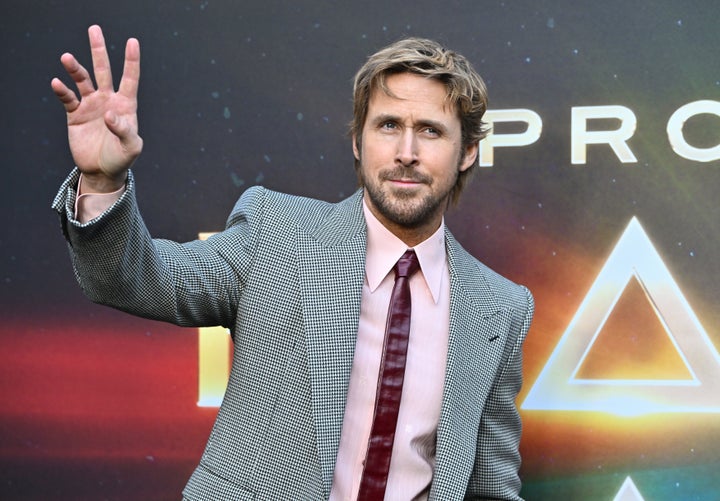
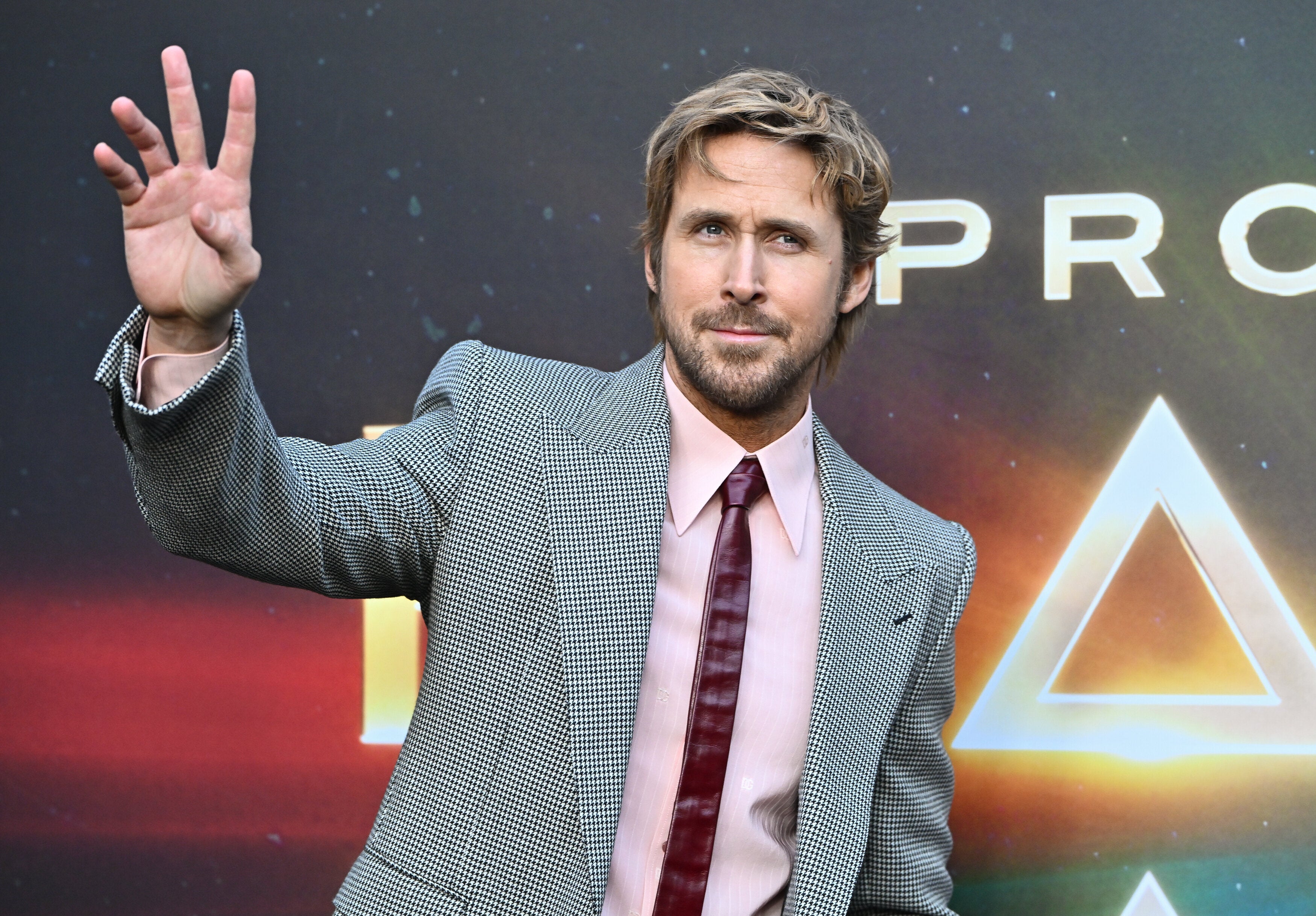
Ryan Gosling at the Project Hail Mary premiere

via Associated Press

The 2021 sci-fi novel focuses on teacher Ryland Grace, who wakes up on a spaceship one day with no memory of how he got there. Then, he learns he’s accidentally become humanity’s last hope (space enthusiasts will be pleased to learn that some of its scientific details are NASA-backed).

The movie stars Ryan Gosling, Oscar nominee Sandra Hüller, and, if you listen close enough, Meryl Streep. Even better news: it’s set to be released on streamer MGM+ on Thursday, June 18, in the UK, and can be rented through YouTube or Amazon Prime already.

Movie release date: It came out on March 9, 2026

2) Sunrise On The Reaping, by Suzanne Collins

The Hunger Games author’s prequel explores the experience Katniss and Peeta’s tutor, Haymitch, had as a young tribute in Panem’s earlier Games.

Portrayed by Owen Wilson in the original movies, Sunrise On The Reaping’s Haymitch will be played by Joseph Zada (previously part of Prime Video’s YA adaptation, We Were Liars) instead. The cast will also include Ralph Fiennes, Regretting You’s McKenna Grace, and Hocus Pocus 2′s Whitney Peak.

Movie release date: 20 November, 2026

3) Rivals, by Jilly Cooper

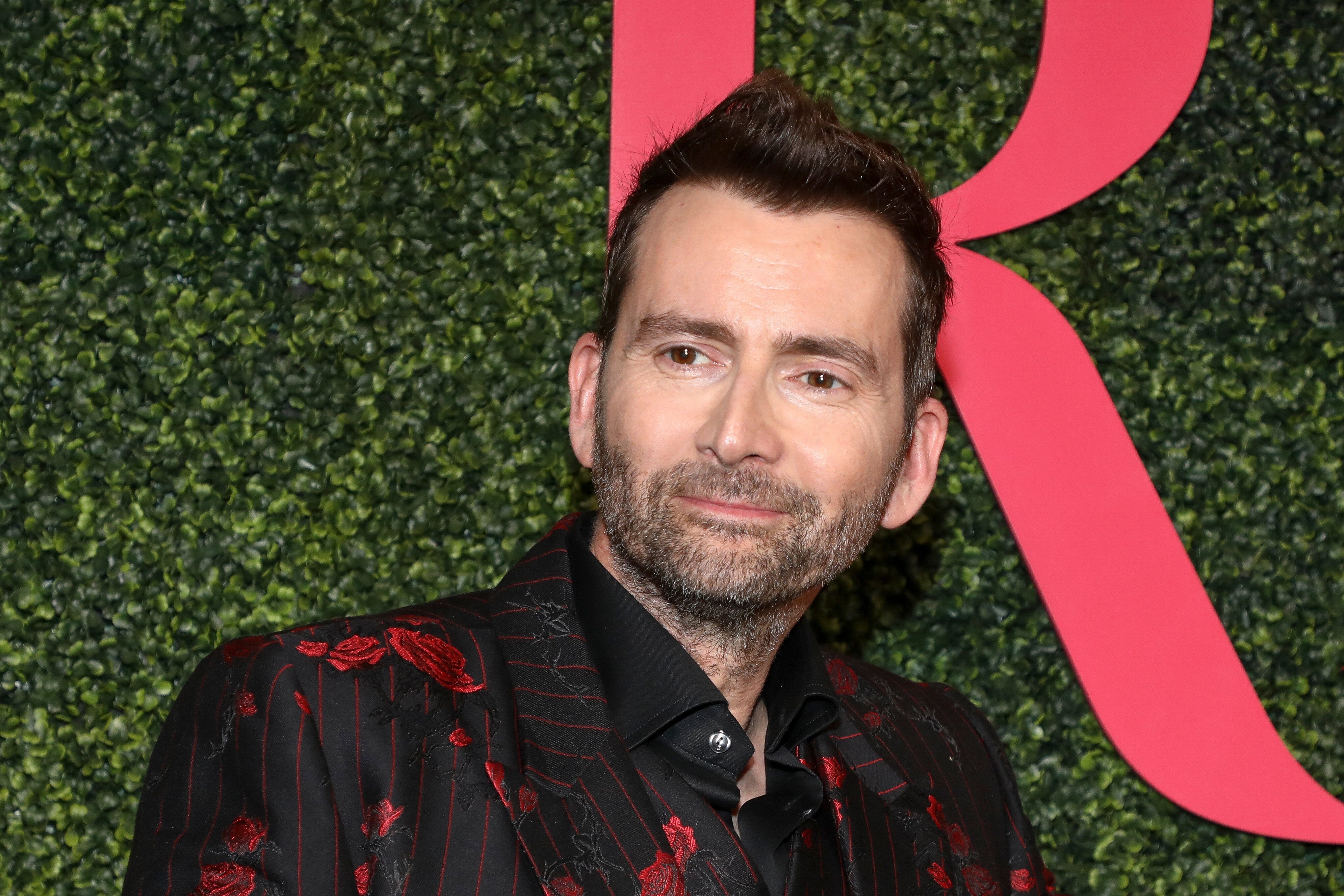
David Tennant at a Rivals season 2 screening

via Associated Press

The 1988 novel is the second of Dame Jilly Cooper’s 11 Rutshire Chronicles books (the last, Tackle!, was published much later than the others, in 2023).

Not only is the Rivals book filled with all the sex, scandal, and ’80s glamour you’d expect, rumour has it that the production company that made the Disney+ version has the rights to nine of the original 10 books – meaning readers who keep leafing through the series could be richly rewarded later on.

TV show release date: the first season is available to stream on Disney+, as are the first six episodes of season two. However, the series has taken a break and is expected to return to the streamer in November 2026.

4) Pride and Prejudice, by Jane Austen

It’s no secret I’m a bit of an Austen fan, but even those who don’t usually go in for Regency novels ought to give the classic book a go. The funny, quietly subversive story focuses on the almost-certainly-financially-screwed Bennet sisters, the ridiculous and cynical Georgian marriage market, and some very eligible real estate.

If nothing else, reading it will add an extra layer of enjoyment to on-screen hits like The Other Bennet Sister and Bridget Jones.

Plus, when the 2026 Netflix series (starring Emma Corrin and Olivia Colman) comes out, you can decide for yourself whether screenwriter Dolly Alderton kept faithful ot the text – or, like Emerald Fennell’s Wuthering Heights, carved her own controversial path.

TV show release date: autumn, 2026

5) The Odyssey, by Homer

The way this Ancient Greek poem is talked about, you’d swear it wasn’t basically a sex and violence-packed soap opera. But in many ways, soldier Odysseus’ long journey home is exactly that – he meets with fantastical creatures, evil witches, and sneaky sirens during what must surely go down in history as the world’s most eventful commute.

It seems Christopher Nolan’s The Odyssey, which stars Matt Damon in the lead role, Anne Hathaway as his wife Penelope and Tom Holland as his son Telemachus, alongside Zendaya, Lupita Nyong’o, Travis Scott, Charlize Theron and Robert Pattinson, will be similarly impressive.

Not only is the movie shot entirely with IMAX cameras – a first for director – but the star-studded cast has described it as “unlike anything that I’ve ever seen before” and “exactly what you want [from] a summer movie”.

Movie release date: July 17, 2026

6) The Testaments, by Margaret Atwood

A sequel to The Handmaid’s Tale, this story is set 15 years after the cliffhanger ending of the first book. Aunt Lydia shows her mettle as she fights against the oppressive regime set in the original novel.

The Disney+ series sees Ann Dowd, who also played Aunt Lydia in The Handmaid’s Tale series, reprise her role. She stars alongside One Battle After Another actor Chase Infiniti and Bafta winner Lucy Halliday in a show critics have dubbed “ravishing” and “a triumph”.

TV show release: The first season is already out on Disney+.

7) Dune and Dune Messiah, by Frank Herbert

me reading the first Dune trilogy, despite my aversion to sci-fi

Amy Glover / HuffPost UK

To be honest, the first novel will see you through most of the first two movies, and is more than enough to call yourself a sandworm bookworm. But Dune: Part Three leans heavily on Dune: Messiah, the second in Herbert’s canonical six-part series.

It’s less action-packed than the first entry, but it contains arguably weirder characters – like a gas-guzzling fish-human hybrid – that make you wonder where the movie, starring Timothée Chalamet, Zendaya, Robert Pattinson, and Florence Pugh, could possibly go.

Movie release date: December 18, 2026 (just about enough time to finish the first trilogy)

8) Sense and Sensibility, by Jane Austen

It might not be as essential an Austen read as Pride and Prejudice. But Elinor and Marianne Dashwood’s plight is no less engaging than the Bennet sisters’: after some significant downsizing, the family has to make their way in a very new society. Yearning and love troubles inevitably ensue.

This year’s movie marks the first screen adaptation of the book since the BBC’s excellent 2008 TV series. Only time will tell if stars Daisy Edgar-Jones and Hanna star Esmé Creed-Miles will prove just as dazzling on the big screen.

Movie release date: September 25, 2026.

Share Button

‘Your Party Isn’t Serious’: Reform’s Richard Clashes With GB News Reporter Over Defence

Reform’s deputy leader was left squirming by a GB News journalist over the party’s record on defence.

Richard Tice clashed with Christopher Hope, the broadcaster’s political editor, after John Healey’s resignation as defence secretary.

Hope said the fact that Reform does not even have a designated defence spokesman showed the party “isn’t serious” about the issue.

At one point in the live interview, Tice even claimed that Nigel Farage, the party’s leader, was also its defence spokesman.

Hope told him: “You don’t take it seriously … you don’t have a defence spokesman. That says everything about your seriousness as a party.

“If you think you are a serious party on defence, who is your spokesman?”

A clearly-flustered Tice insisted that “what matters” is Reform’s pledge to boost defence spending.

“We’ve shown how you do it, that’s what matters,” he said. “That’s why we’re leading in the polls.”

But Hope asked him again: “Can you name your defence spokesman? It’s not an MP, is it? It’s someone else. Who is your defence spokesman?”

Tice said: “Listen, Nigel and I cover foreign and defence, and we know how you get the money. You scrap net zero, you provide at least an extra £10-£20 billion as required in order to keep British citizens safe.”

Hope hit back: “But your party isn’t serious without having a defence spokesman. You can’t come on GB News – it insults our viewers for you to say it’s important.”

Watch the full clash below.

Subscribe to Commons People, the podcast that makes politics easy. Every week, Kevin Schofield and Kate Nicholson unpack the week’s biggest stories to keep you informed. Join us for straightforward analysis of what’s going on at Westminster.

Share Button

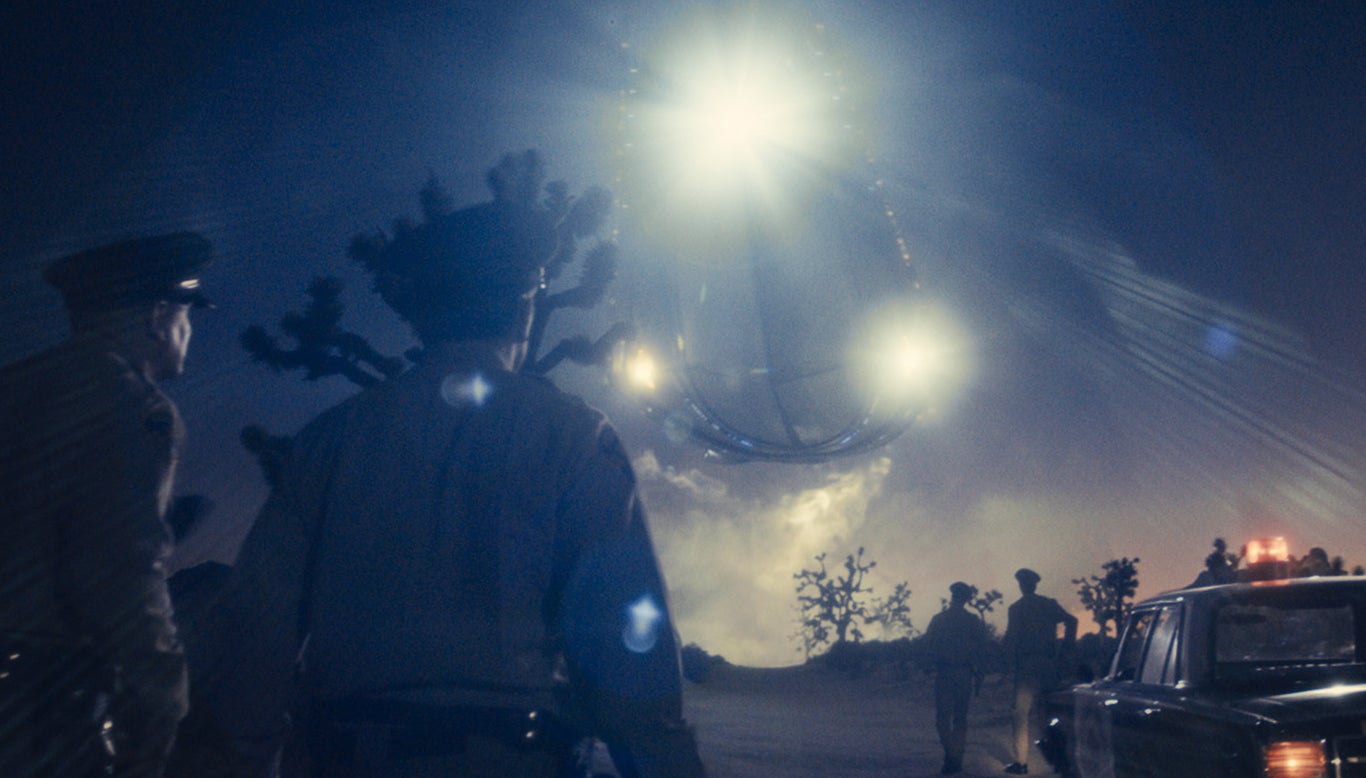
Critics Hail Steven Spielberg’s ‘Gripping’ Disclosure Day As His Best Film In Years

Critics have been weighing in on Disclosure Day, which sees Steven Spielberg returning to his beloved science fiction genre.

In his latest big-screen offering, the legendary filmmaker is once again exploring the idea of extraterrestrial beings coming to earth – only this time he’s taking a close look at the philosophical and religious implications of an alien invasion.

Disclosure Day boasts a star-studded cast that includes Emily Blunt, Josh O’Connor and Colin Firth, and tells the story of a small group of individuals who become involved in a government conspiracy to keep the existence of intelligent alien life a secret.

Early reviews hailed the film as a “gripping” and “thrilling’ masterpiece from the legendary director, earning an 82% score on Rotten Tomatoes.

However, not all reviewers were in love with the new sci-fi blockbuster, with some critics – including several from prominent British outlets – claiming it is “drab” and a “rehash” of Spielberg’s past works.

Here’s a selection of what critics are saying about Disclosure Day…

“Disclosure Day feels not like a repetition but like a thunderclap culmination, the kind of movie you make when, at age 79, you’re not only at the peak of your skills, but you realise time is running out. What, exactly, do you want to say, and how do you find the pictures, the words?

“The pictures and words are all right there in Disclosure Day, an eleventh-hour plea to reconnect with all that makes us human, even if we need to invoke the help of imaginary aliens to do it.”

Emily Blunt and Josh O'Connor as seen in one of Disclosure Day's most dramatic sequences
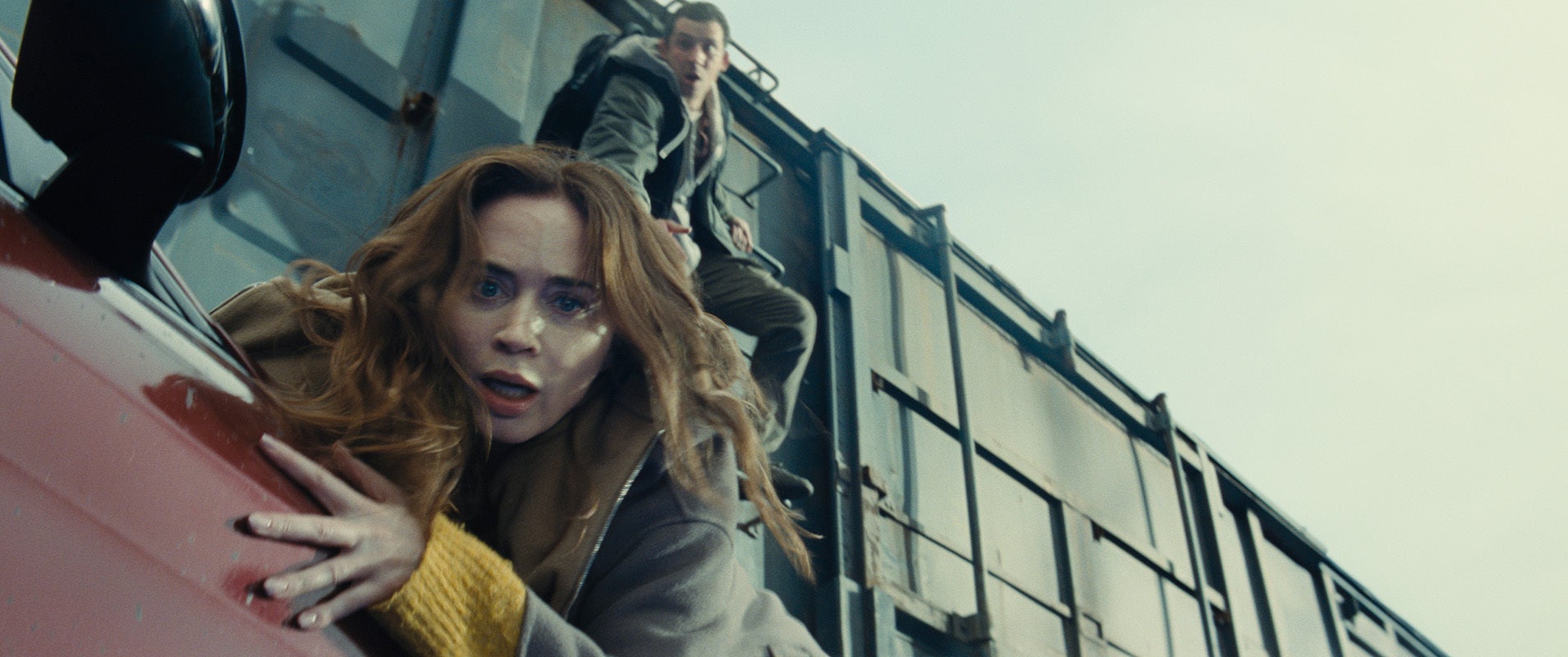
Emily Blunt and Josh O’Connor as seen in one of Disclosure Day’s most dramatic sequences

“Disclosure Day has many layers, but it is also a crackerjack rip-roaring ride for much of its running time, a movie that essentially centres on two main characters in search of answers to what is happening to them, keeping the audience in the dark as much as they are.”

“What Spielberg has conjured here is some of his vintage boldness in transforming the cinema screen into a magical theatre of childlike wonder.”

“While Spielberg has never lost his sense of fun, Disclosure Day is uniquely fortified by the sense that he’s still searching for new ways to enrapture a jaded audience with his spectacle, and the movie’s ethos becomes that much harder to deny every time its director manages to suspend our disbelief all over again.

“There might not be anything here quite as inventive as the spider robot sequence from Minority Report, but a certain setpiece – the one that starts with a car getting shoved into an oncoming freight train – is as gripping as Hollywood action gets.”

“Disclosure Day is never anything other than entertaining and grade-A fun; rare enough in the movies or anywhere else, rocketing along with barnstorming set-pieces, exhilarating chases, funny lines and a career-topper of a performance from Blunt who may yet be morphing into a female version of Tom Hanks.”

Colin Firth joins fellow Brits Emily Blunt and Josh O'Connor in Disclosure Day
Colin Firth joins fellow Brits Emily Blunt and Josh O’Connor in Disclosure Day

“The movie duly pulls out all the stops, and then a couple more. As if to say, ‘still got it!’, there are big-ticket action sequences and the screwball comic interludes Spielberg always had a knack for. The ride is rarely dull.”

“There are allegories that can be read about fear of the unknown breeding cruelty and exploitation, but Disclosure Day is first and foremost a propulsive yarn with thematic roots in hope, truth, empathy and perhaps even spirituality.”

IGN (7/10)

“The film is, in a lot of ways, vintage Spielberg: He hasn’t lost a step with a camera that sprints from start to finish, there are some fantastic technical sequences, and the performances from the two leads in particular are great.

“And while Disclosure Day stumbles a bit for me at the finish line in a way that makes some of the film’s other nits a little more worth picking, it’s still an original, big-budget science fiction conversation-starter from one of cinema’s all-time greats.”

“While Disclosure Day doesn’t live up to the high standards he’s [Spielberg] set, it’s still a thrill ride, thumbing its nose at authority and begging its audience for more empathy, not less.

“Even if not all the pieces snap flawlessly into place, Disclosure Day is a reminder of how much magic is still left up Spielberg’s sleeve.”

Two-time Oscar nominee Colman Domingo in Disclosure Day

“[Disclosure Day’s] script exaggerates the best and the worst of how humans might respond to such a revelation, and Spielberg struggles to split the difference between paranoid-thriller cynicism and his usual mode of emotional uplift.

“That waffling ultimately strands Disclosure Day on a heartfelt yet fuzzy middle ground, with a generalised plea for cross-species understanding that, even bolstered by the reliable stirrings of a John Williams score, left me dispiritingly dry-eyed.”

“Spielberg, as part of the film’s publicity, has suggested that he believes in alien visitations, and that he’s an advocate for disclosure. But where Close Encounters tapped into the mystery of all this with an innocence that was both starry-eyed and spectacular, Disclosure Day feels like a thriller docudrama that’s too cut-and-dried about what it believes.

“The actors are quite good (especially Blunt, who makes you feel she’s seeing the uncanny), but for all the film’s slow build it doesn’t take us anywhere overly surprising. It just confirms the ‘truth’ that’s been out there for so long it’s starting to feel like a fairy tale for the dispossessed.”

“Essentially, it’s a drab X-Files episode, or a more conventional One Battle After Another, in which some people we don’t care about are hunted by some other people we don’t care about.”

“Sadly, there’s nothing original here, or at least nothing to match, say, Jordan Peele’s vastly superior UFO drama Nope. Instead it’s just Spielberg badly rehashed, poorly reheated, lukewarm and with extra treacle.”

“It is shot and staged with Spielberg’s signature elegance: a central foot-to-car-to-train chase moves with such breathless lucidity it is as if the director is beaming excitement directly into your brain. But the plotting surrounding the action is often woolly and lopsided, while the tone is an awkward mix of solemnity and silliness.”

Disclosure Day is out in cinemas now.

Share Button

Madonna Lands Her Own Graham Norton Show Special Ahead Of Confessions II Album

Graham Norton is devoting a whole episode of his talk show just to Madonna as she gears up for the release of her new album.

On Wednesday, several outlets spotted a special episode of The Graham Norton Show titled simply Madonna & Graham in the BBC’s scheduling listings.

The special is due to air on Friday 26 June at 10.40pm, just one week before the Queen of Pop unveils her long-awaited 15th album, Confessions II.

HuffPost UK has contacted the BBC for comment.

Graham has interviewed Madonna on his talk show on several occasions in the past, including on the promo trails for her film W.E. and her most recent album, Madame X.

Asked about his past interviews with Madonna in 2024, the Bafta winner recalled: “She’s done [my show]. And then, I think, she fell out with me, and then the next one she did was Jonathan [Ross, in 2015]. And then she came back to me [in 2019].”

“I like Madonna, but she doesn’t make it easy,” he then admitted. “I always thought that I might become her friend.

“[When I see] her Instagram posts, I like to look behind her at the house, and say, ‘I wonder which house she’s in? Is she in London?’. Sometimes I cycle past it and think, ‘I wonder if she’s in there now?’. But rest assured, I’m not her friend, so don’t be too jealous.”

Back in 2015, Graham was a surprise guest when Madonna brought her Rebel Heart tour to London’s O2 Arena.

<div class="js-react-hydrator" data-component-name="YouTube" data-component-id="9799" data-component-props="{"itemType":"video","isLiveblogEmbed":false,"index":14,"contentIndexByType":2,"contentListType":"embed","code":"

","type":"video","meta":{"author":"RyKas 13","author_url":"https://www.youtube.com/channel/UC2BK1r3UWSYuUCkQ58qEggA","cache_age":86400,"description":"’Unapologetic Bitch’ by Madonna as part of the Rebel Heart Tour at The O2 London…with Graham Norton!","options":{"_cc_load_policy":{"label":"Closed captions","value":false},"_end":{"label":"End on","placeholder":"ex.: 11, 1m10s","value":""},"_start":{"label":"Start from","placeholder":"ex.: 11, 1m10s","value":""}},"provider_name":"YouTube","thumbnail_height":720,"thumbnail_url":"https://i.ytimg.com/vi/uUCvv3n5B70/maxresdefault.jpg","thumbnail_width":1280,"title":"’Unapologetic Bitch’ Madonna Rebel Heart Tour at The O2 with Graham Norton!","type":"video","url":"https://www.youtube.com/watch?v=uUCvv3n5B70","version":"1.0"},"flags":[],"enhancements":{},"fullBleed":false,"options":{"theme":"news","device":"desktop","editionInfo":{"id":"uk","name":"U.K.","link":"https://www.huffingtonpost.co.uk","locale":"en_GB"},"originalEdition":"uk","isMapi":false,"isAmp":false,"isMobile":false,"isAdsFree":false,"isVideoEntry":false,"isEntry":true,"isMt":false,"entryId":"6a2a9931e4b0a99062fbcef6","entryPermalink":"https://www.huffingtonpost.co.uk/entry/madonna-graham-norton-show-interview_uk_6a2a9931e4b0a99062fbcef6","entryTagsList":"ukmusic,madonna,graham-norton","sectionSlug":"entertainment","deptSlug":null,"sectionRedirectUrl":null,"subcategories":"","isWide":false,"isShopping":false,"headerOverride":null,"noVideoAds":false,"disableFloat":false,"isNative":false,"commercialVideo":{"provider":"custom","site_and_category":"uk.entertainment","package":null},"isHighline":false,"vidibleConfigValues":{"cid":"60afc140cf94592c45d7390c","disabledWithMapiEntries":false,"overrides":{"all":"60b8e525cdd90620331baaf4"},"whitelisted":["56c5f12ee4b03a39c93c9439","56c6056ee4b01f2b7e1b5f35","59bfee7f9e451049f87f550b","5acccbaac269d609ef44c529","570278d2e4b070ff77b98217","57027b4be4b070ff77b98d5c","56fe95c4e4b0041c4242016b","570279cfe4b06d08e3629954","5ba9e8821c2e65639162ccf1","5bcd9904821576674bc55ced","5d076ca127f25f504327c72e","5b35266b158f855373e28256","5ebac2e8abddfb04f877dff2","60b8e525cdd90620331baaf4","60b64354b171b7444beaff4d","60d0d8e09340d7032ad0fb1a","60d0d90f9340d7032ad0fbeb","60d0d9949340d7032ad0fed3","60d0d9f99340d7032ad10113","60d0daa69340d7032ad104cf","60d0de02b627221e9d819408"],"playlists":{"default":"57bc306888d2ff1a7f6b5579","news":"56c6dbcee4b04edee8beb49c","politics":"56c6dbcee4b04edee8beb49c","entertainment":"56c6e7f2e4b0983aa64c60fc","tech":"56c6f70ae4b043c5bdcaebf9","parents":"56cc65c2e4b0239099455b42","lifestyle":"56cc66a9e4b01f81ef94e98c"},"playerUpdates":{"56c6056ee4b01f2b7e1b5f35":"60b8e525cdd90620331baaf4","56c5f12ee4b03a39c93c9439":"60d0d8e09340d7032ad0fb1a","59bfee7f9e451049f87f550b":"60d0d90f9340d7032ad0fbeb","5acccbaac269d609ef44c529":"60d0d9949340d7032ad0fed3","5bcd9904821576674bc55ced":"60d0d9f99340d7032ad10113","5d076ca127f25f504327c72e":"60d0daa69340d7032ad104cf","5ebac2e8abddfb04f877dff2":"60d0de02b627221e9d819408"}},"connatixConfigValues":{"defaultPlayer":"16b0ecc6-802c-4120-845f-e90629812c4d","clickToPlayPlayer":"823ac03a-0f7e-4bcb-8521-a5b091ae948d","videoPagePlayer":"05041ada-93f7-4e86-9208-e03a5b19311b","defaultPlaylist":"2e062669-71b4-41df-b17a-df6b1616bc8f"},"topConnatixThumnbailSrc":"data:image/png;base64,iVBORw0KGgoAAAANSUhEUgAAAAEAAAABCAQAAAC1HAwCAAAAC0lEQVR42mNkYAAAAAYAAjCB0C8AAAAASUVORK5CYII=","customAmpComponents":[],"ampAssetsUrl":"https://amp.assets.huffpost.com","videoTraits":null,"positionInUnitCounts":{"buzz_head":{"count":0},"buzz_body":{"count":0},"buzz_bottom":{"count":0}},"positionInSubUnitCounts":{"article_body":{"count":10},"blog_summary":{"count":0},"before_you_go_content":{"count":0}},"connatixCountsHelper":{"count":0},"buzzfeedTracking":{"context_page_id":"6a2a9931e4b0a99062fbcef6","context_page_type":"buzz","destination":"huffpost","mode":"desktop","page_edition":"en-uk"},"tags":[{"name":"ukmusic","slug":"ukmusic","links":{"relativeLink":"news/ukmusic","permalink":"https://www.huffingtonpost.co.uk/news/ukmusic","mobileWebLink":"https://www.huffingtonpost.co.uk/news/ukmusic"},"url":"https://www.huffingtonpost.co.uk/news/ukmusic/"},{"name":"Madonna","slug":"madonna","links":{"relativeLink":"news/madonna","permalink":"https://www.huffingtonpost.co.uk/news/madonna","mobileWebLink":"https://www.huffingtonpost.co.uk/news/madonna"},"relegenceId":2818637,"url":"https://www.huffingtonpost.co.uk/news/madonna/"},{"name":"graham norton","slug":"graham-norton","links":{"relativeLink":"news/graham-norton","permalink":"https://www.huffingtonpost.co.uk/news/graham-norton","mobileWebLink":"https://www.huffingtonpost.co.uk/news/graham-norton"},"relegenceId":2797794,"url":"https://www.huffingtonpost.co.uk/news/graham-norton/"}],"isLiveblogLive":null,"isLiveblog":false,"signInUrl":"https://login.huffpost.com/login?dest=https%3A%2F%2Fwww.huffpost.com%2Fentry%2Fmadonna-graham-norton-show-interview_uk_6a2a9931e4b0a99062fbcef6%3Fhp_auth_done%3D1","cetUnit":"buzz_body","enableIncontentPlayer":true,"bodyAds":["

\r\n\r\n HPGam.cmd.push(function(){\r\n\t\treturn HPGam.render(\"inline-1\", \"entry_paragraph_1\", false, false);\r\n });\r\n\r\n","

\r\n\r\n HPGam.cmd.push(function(){\r\n\t\treturn HPGam.render(\"inline\", \"entry_paragraph_2\", false, false);\r\n });\r\n\r\n","

\r\n\r\n HPGam.cmd.push(function(){\r\n\t\treturn HPGam.render(\"inline-2\", \"entry_paragraph_3\", false, false);\r\n });\r\n\r\n","

\r\n\r\n HPGam.cmd.push(function(){\r\n\t\treturn HPGam.render(\"inline-infinite\", \"repeating_dynamic_display\", false, false);\r\n });\r\n\r\n"],"adCount":0,"midArticleAdPartner":null},"isCollectionEmbed":false}”>


Madonna’s Confessions II will be released on Friday 3 July.

The release was preceded by album cuts I Feel So Free and Love Sensation, as well as lead single Bring Your Love, featuring fellow chart-topper Sabrina Carpenter.

Earlier this week, she also unveiled a new short film to promote the album, featuring a host of impressive celebrity cameos.

Share Button