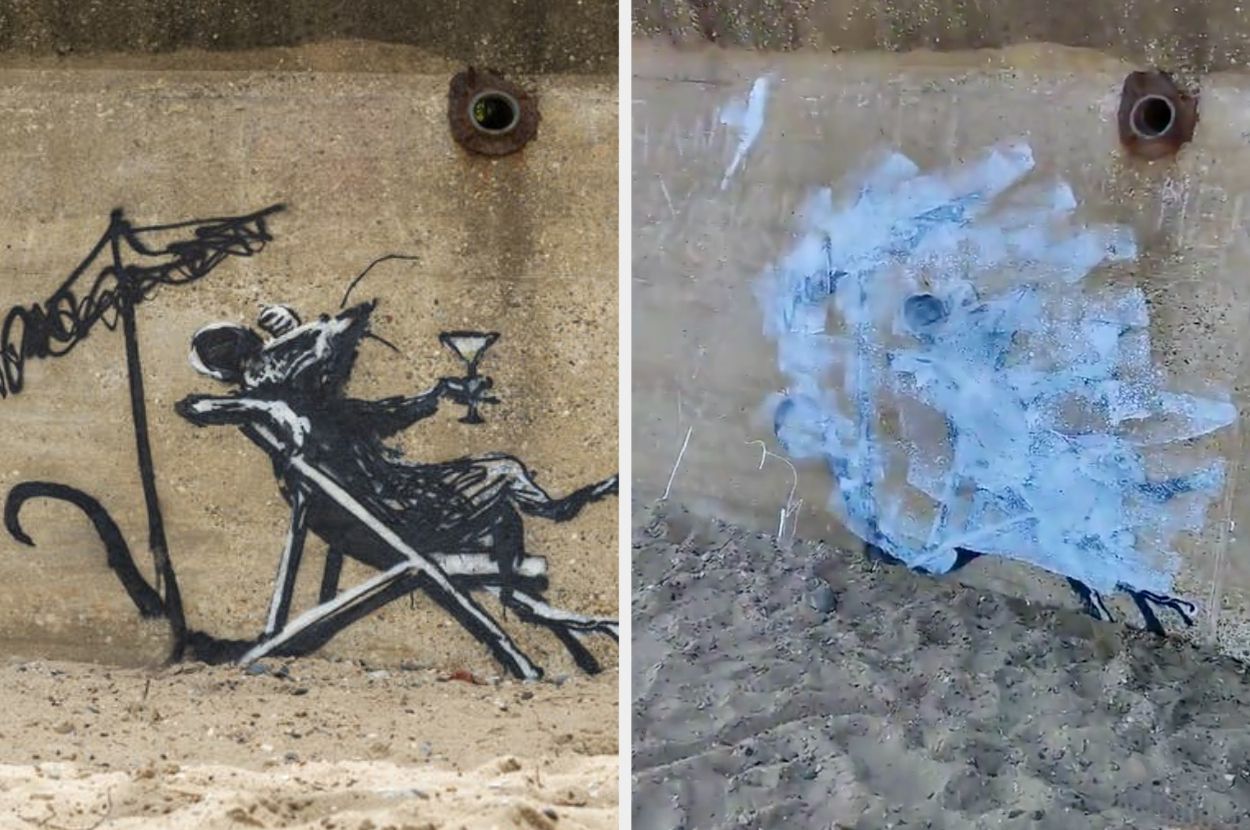
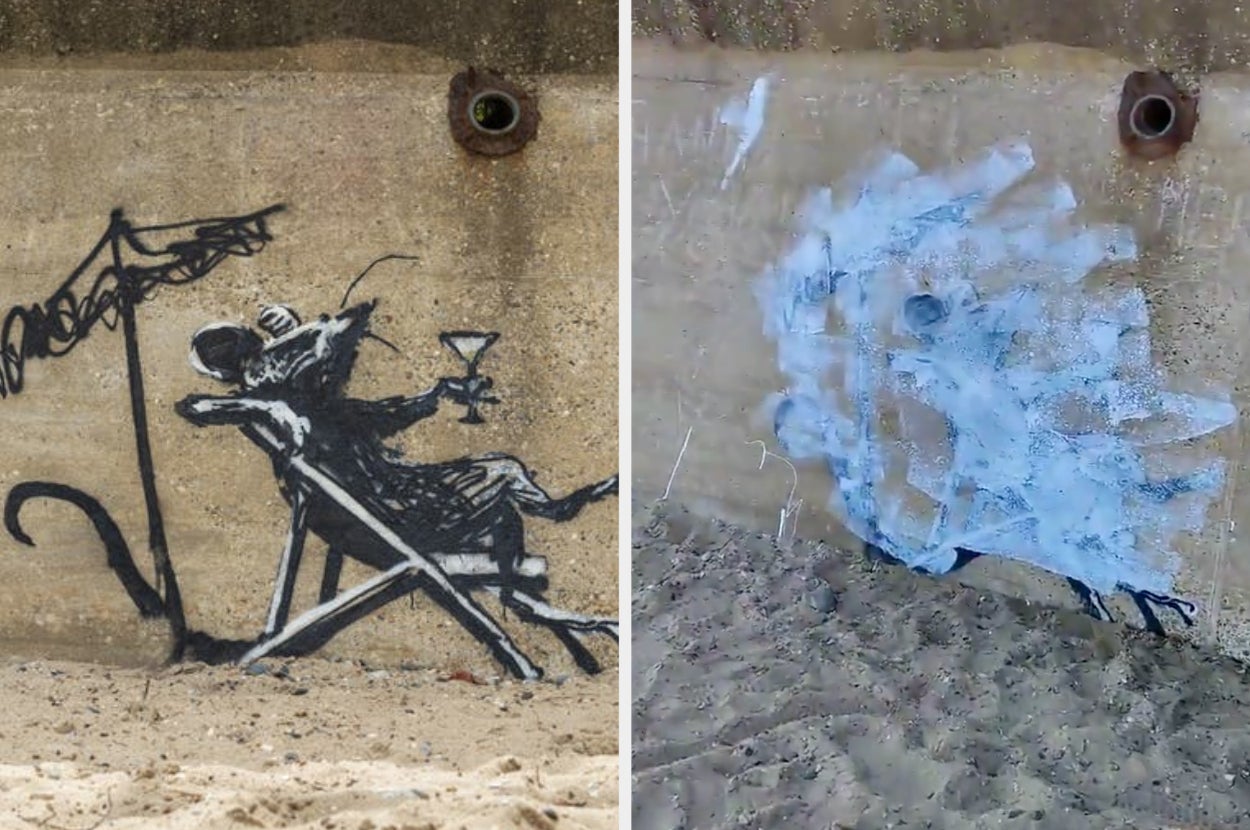
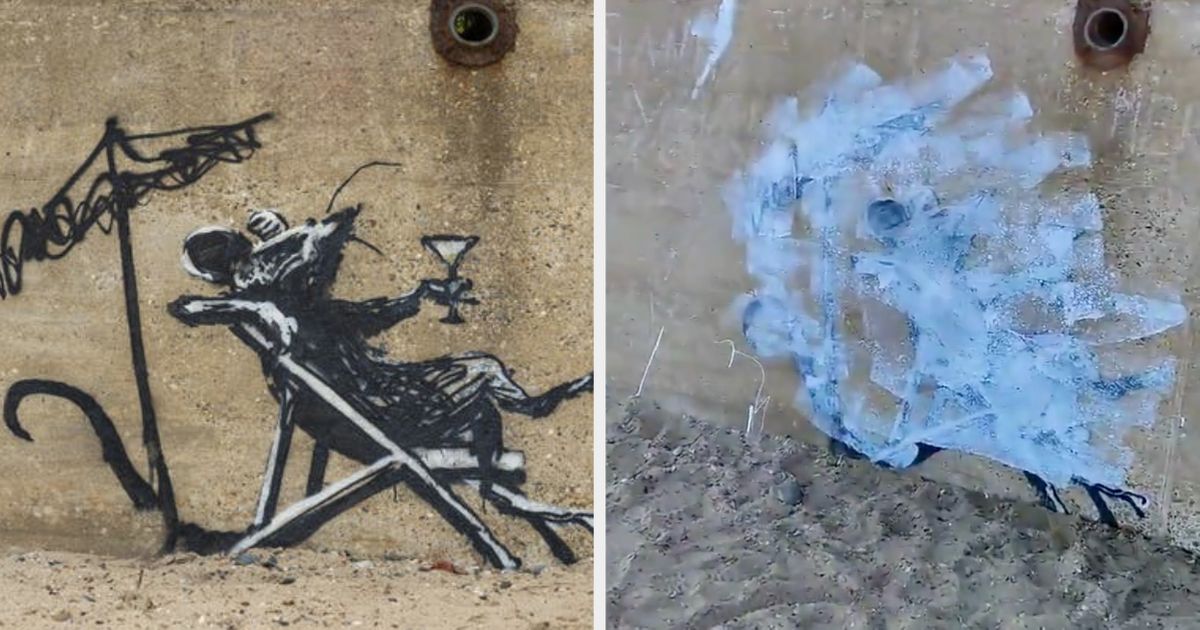
A local council has said it is “appalled” that a new Banksy artwork that had brought excitement to a seaside town has been defaced.
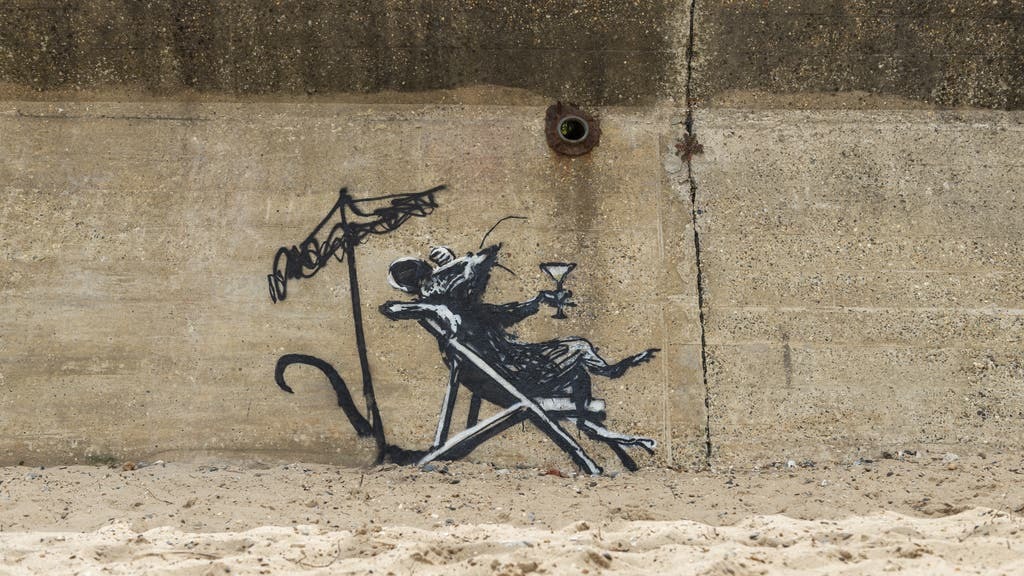
The elusive artist famed for his street art recently paid a visit to Lowestoft, leaving behind a painting of a rat sitting on a deckchair.
But residents in the Suffolk town awoke on Sunday to the news that the new attraction had been daubed with white paint.
In a statement, East Suffolk Council said: “We are naturally appalled that someone has chosen to behave in such a selfish and mindless way given how excited we all are by the appearance of these works here on the east coast.
“We are, however, hopeful that this particular work can be restored, and are engaging with specialists.”
The council said that prior to the rat art being confirmed as a genuine Banksy it had placed an order for protective materials to safeguard the piece.
It added: “In the interim, we have also employed security patrols to visit each site and on this occasion, our patrols actually interrupted the individual defacing this work and prevented any further damage occurring.
“We are very grateful for the huge goodwill of local people who are proud of these artworks, but we would kindly ask people not to try and repair the works themselves and to please leave this to professional restorers.”
What makes a classic dad joke? Some might say one that’s fundamentally unfunny. But we have more appetite than you’d expect for the cringe.
Ahead of National Tell-A-Joke day on August 16, Moonpig has surveyed the nation on our true feelings about dad jokes – as well finding the ones that actually land. It turns out that dad jokes make a lot of us warm and fuzzy with nostalgia and some even manage to make us laugh, rather than groan.
Advertisement
Almost half (49%) of those surveyed said they find dad jokes funny – not so bad, then – although the older you are, the less likely you are to find your own dad funny. Surprisingly, 64% of Gen Z say their dad makes them laugh, compared to 36% of those over 55.
Jasmin Merdan via Getty Images
As to which city takes the dad joke crown, the fathers of Liverpool are funniest (or at least have the most appreciative audiences), followed by Cardiff and Birmingham in the top three. And when it comes to low tolerance, neither Norwich or Brighton has much time for dad jokes, calling them “annoying” or even “disgusting”.
Advertisement
Of course, we all know the obviousness of the punchline is what makes a dad gag iconic, nor does a good(/bad) pun go amiss, which may explain why so many old classics make the following list of the nation’s favourites.
1) What do you call a boomerang that doesn’t come back?
Advertisement
2) Why do Dads take an extra pair of socks when they go golfing?
In case they get a hole in one.
3) What’s the best time to go to the dentist?
Advertisement
Tooth-Hurty.
4) A ham sandwich walks into a bar and orders a beer.
The bartender says, “sorry we don’t serve food here.”
5) What did the ocean say to the beach?
“Nothing, it just waved.”
6) “Dad, did you get a haircut?”
“No, I got them all cut.”
7) My wife asked me to stop singing ‘Wonderwall’ to her.
Celebrities have been sharing some dirty secrets – about their own hygiene habits.
It all started when Ashton Kutcher and Mila Kunis confessed that they don’t bathe daily. The pair told the Armchair Expert podcast that other than washing important parts of their bodies, they don’t shower every day, and this approach is something they’ve extended to their children.
Advertisement
Kunis told host Dax Shepard: “I don’t wash my body with soap every day. I wash pits and t*** and holes and soles… When I had children, I also didn’t wash them every day. I wasn’t the parent that bathed my newborns – ever.”
Kutcher agreed by saying: “If you can see the dirt on them, clean them. Otherwise, there’s no point.”
Advertisement
Other celebs soon joined the debate, with Jake Gyllenhaal admitting: “More and more I find bathing to be less necessary.” But we all breathed a sigh of relief, when Dwayne “The Rock” Johnson reassured us showering is still cool, telling fans: “I’m the opposite of a ‘not washing themselves’ celeb.”
Their antics have sparked an online debate about hygiene and whether we should be taking a shower every single day. Considering the past year has focused on staying clean and trying not to get Covid-19, we asked a leading expert how much washing is enough.
Advertisement
stevecoleimages via Getty Images
Professor Sally Bloomfield from the London School of Hygiene and Tropical Medicine actually agrees with Kunis and Kutcher. “I think it’s important that we don’t wash every single day,” she tells HuffPost UK.
“The skin is our barrier and it’s evolved and developed to have properties that sustain that barrier function, against the ingress of disease and toxins and so forth so it wasn’t developed to be washed every day.”
Washing our skin every day can wash off natural oils and upset the natural balance and the essential properties of the skin, Bloomfield adds. She knows bathing is a source of personal comfort, but doesn’t see washing every day as necessary.
Similar to Kutcher and Kunis, Bloomfield thinks we should be washing specific parts of our body every day. “Most of our body odours come either from the armpits or the anal area and they can be quite well controlled by washing those sensitive areas daily without having to bathe the whole body,” she says. “If it’s very hot and you’re sweating, then you will want to rinse off the salts and make yourself feel comfortable again. Obviously, personal hygiene is important for controlling odour.”
Advertisement
How about it when it comes to preventing diseases such as Covid-19? Since Covid is an airborne transmitted disease, Bloomfield says you don’t need to wash your entire body, only your hands. “It’s controlled by good hand hygiene and hand contact hygiene. You’re only getting it on your hands, you’re not getting on your whole body. There’s no point in washing your whole body because the risks of transmission via your body are very, very small, all you need to do to prevent transmission of infection, is by keeping it off your hands and prevent your self-touching.”
The only way we get some infections is by touching our mouth, nose, and face. Other infections are caught by a breakdown in the body such as cuts or grazes. So overall, Bloomfield doesn’t see any health benefits to having a daily shower.
Those are the facts, but we won’t be ditching bath time just yet. Sorry, Dr Bloomfield.
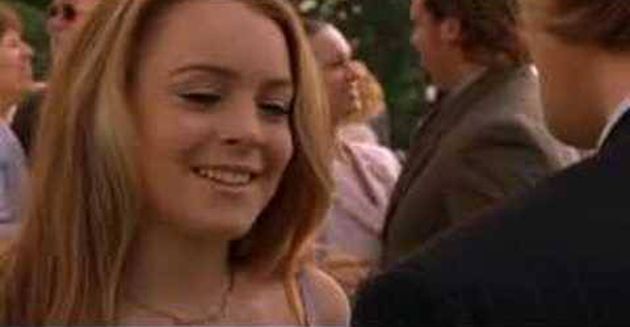
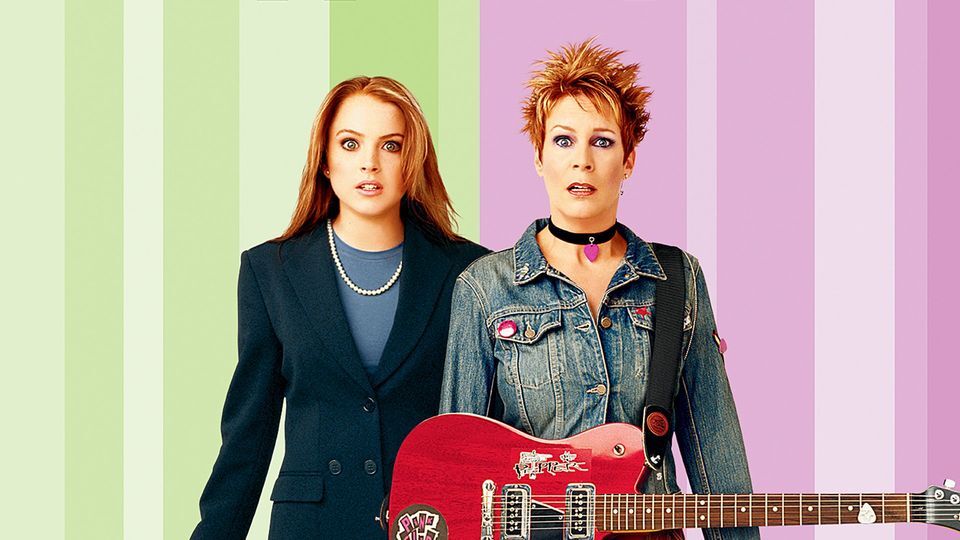
This month marks 18 years since one of the most entertaining films to leave Walt Disney Pictures graced our cinema screens – Freaky Friday.
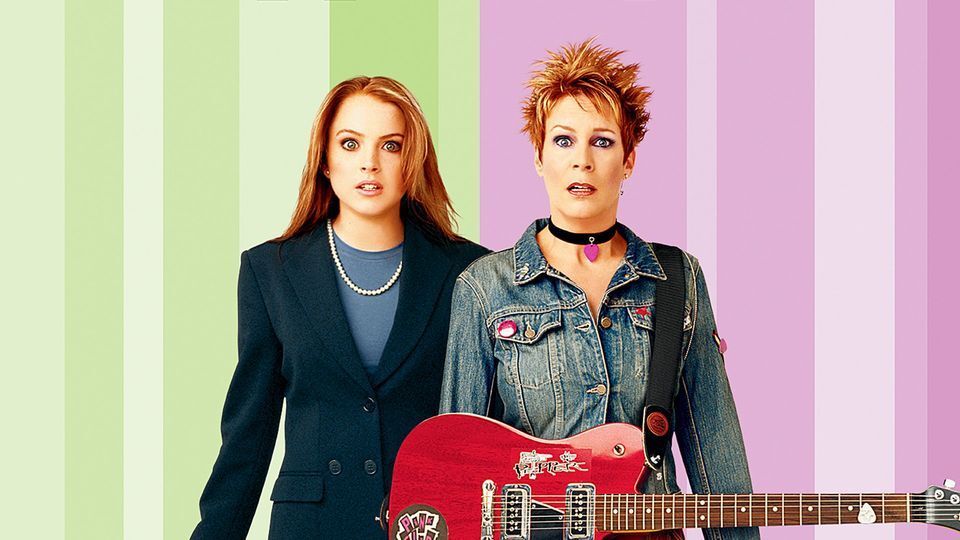
It showcases a mother-daughter duo – played by Lindsay Lohan and Jamie Lee Curtis – who switch bodies once a spell takes effect, with unexpected consequences.
A remake of Disney’s previous 1976 and 1995 adaptations, the 2003 family comedy was a major success, with many young people and their parents finding it hilariously relatable to their lives in one way or another.
To mark Freaky Friday’s milestone anniversary, we’ve uncovered 13 facts you probably didn’t know about it.
DisneyLindsay Lohan and Jamie Lee Curtis in Freaky Friday
1. Lindsay’s character was originally supposed to be a goth
When the Parent Trap star read the original script, she thought Anna’s character was a bit too scruffy. “There was nothing there, no one can relate to the character when she’s really goth,” she told Vanity Fair in 2006.
To recreate her own envision, LiLo turned up to the audition dressed extremely preppy, which worked to her benefit as the character was rewritten.
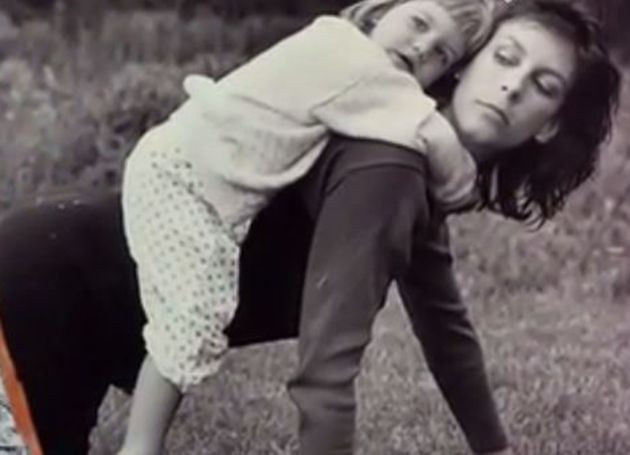
2. The shots in the opening credits are actual photos of Jamie Lee Curtis and her daughter Annie Guest
DisneyJamie Lee Curtis and her daughter Annie Guest
We all love a fake snapshot or two at the beginning of a film, but who knew the photos at the start of Freaky Friday actually captured true moments from Jamie Lee’s real life.
One sees her daughter as a toddler laying on her mother’s back, with her arms tightly placed around her neck.
3. Lindsay had to give Jamie Lee precise lessons on how to say ‘shut up’
During a promotional interview on YouTube, the True Lies actor admitted to needing help from her then-teenage co-star with the specific way she said ‘shut up!’
“There’s a way she says shut up that I couldn’t get. She had to give me a ‘shut up’ tutorial because it’s a very specific way,” she said.
Jamie Lee, who was raising 16-year-old daughter Annie Guest at the time, claimed that starring in this film with a young person helped her see things from her child’s point of view.
“I think I probably have a judgmental bitch badge that I put on because I can be harsh, and I think that walking a mile in some very uncomfortable teenage shoes gave me the opportunity to see what it’s like on the other side,” she said.
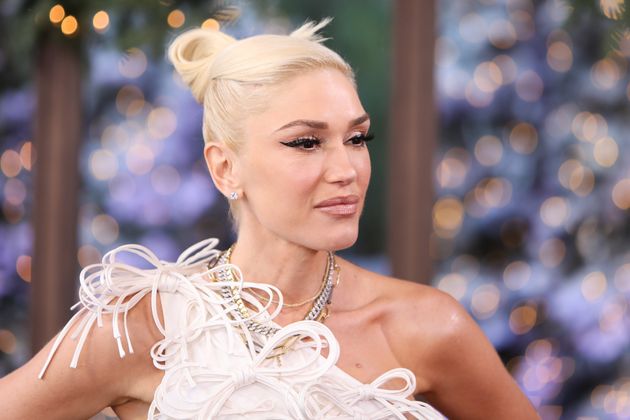
4. Gwen Stefani was offered a role as a member of the band
Paul Archuleta via Getty Images
According to IMDB, the US singer was offered a role as a member of Anna’s band, but sadly we didn’t get to see that happen – although we think she would have been a perfect addition to that cast.
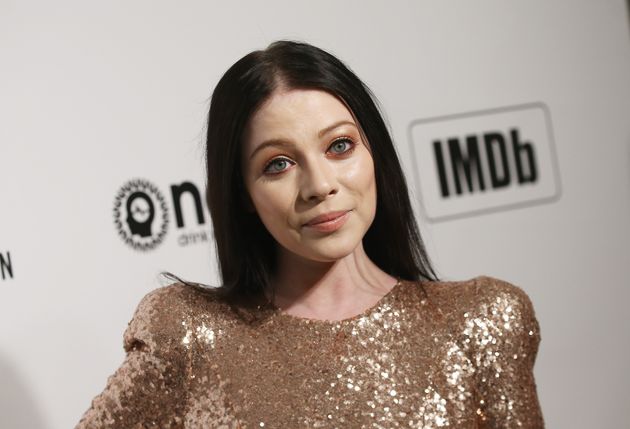
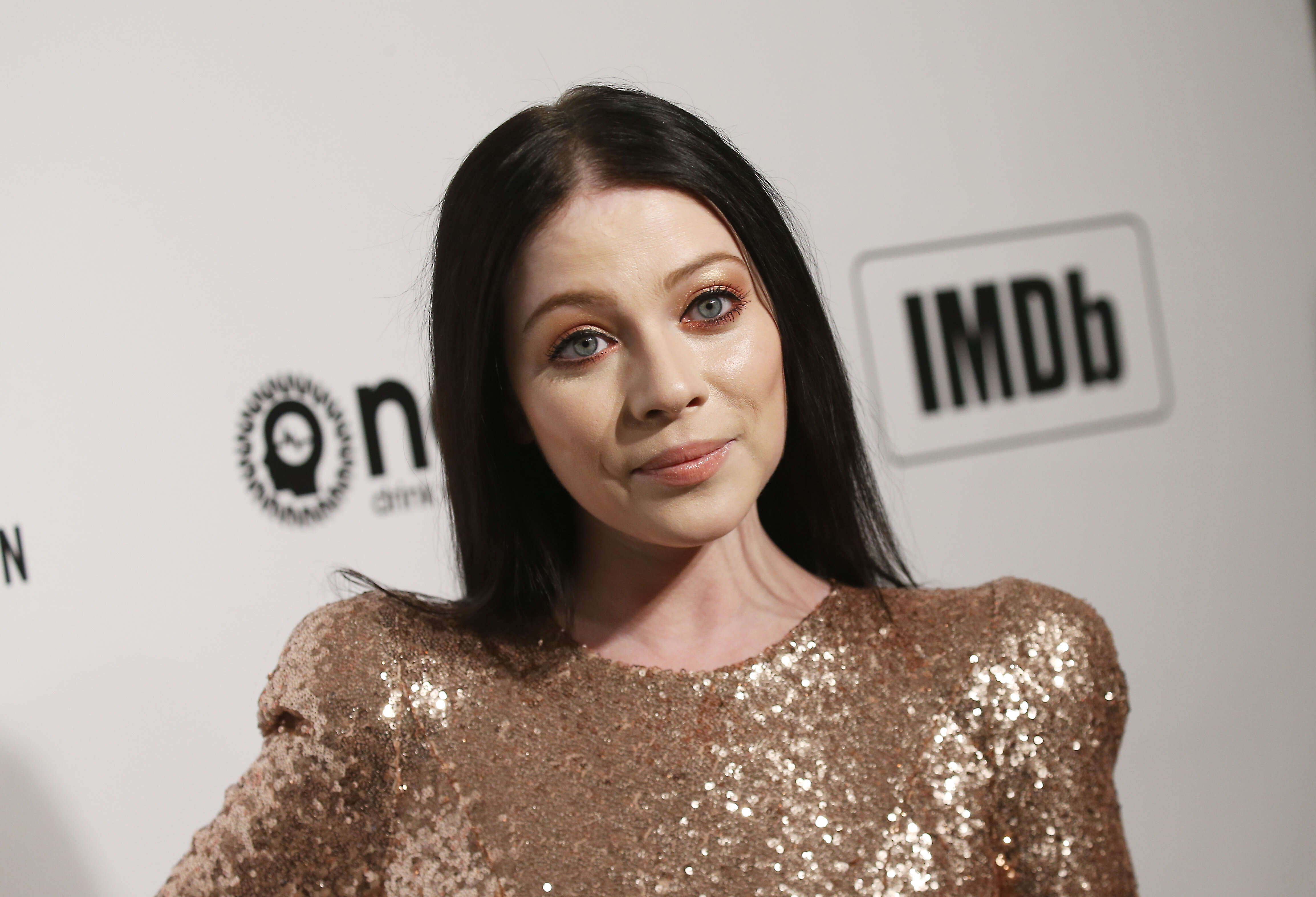
5. Michelle Trachtenberg was supposed to be Anna
MICHAEL TRAN via Getty Images
The Ice Princess star was first to be cast as the mouthy teenager, but had to back out of the project due to her her contract with Buffy the Vampire Slayer, where she played Dawn Summers.
This was actually the second film Michelle turned down in which LiLo later landed the lead gig – the first being The Parent Trap in 1998, in which Lindsay made her name.
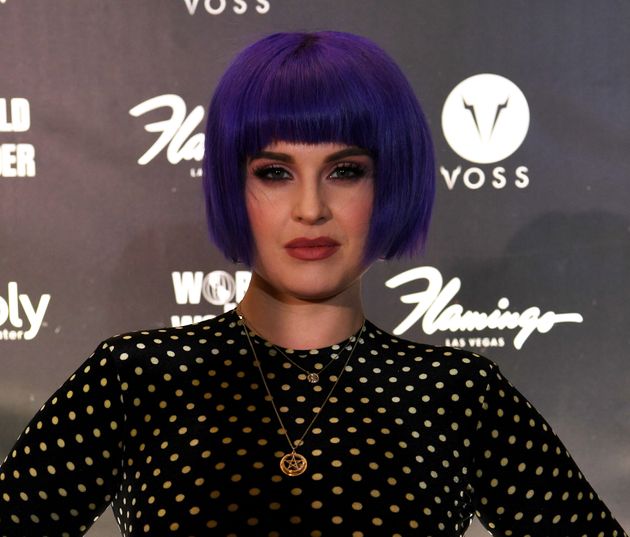
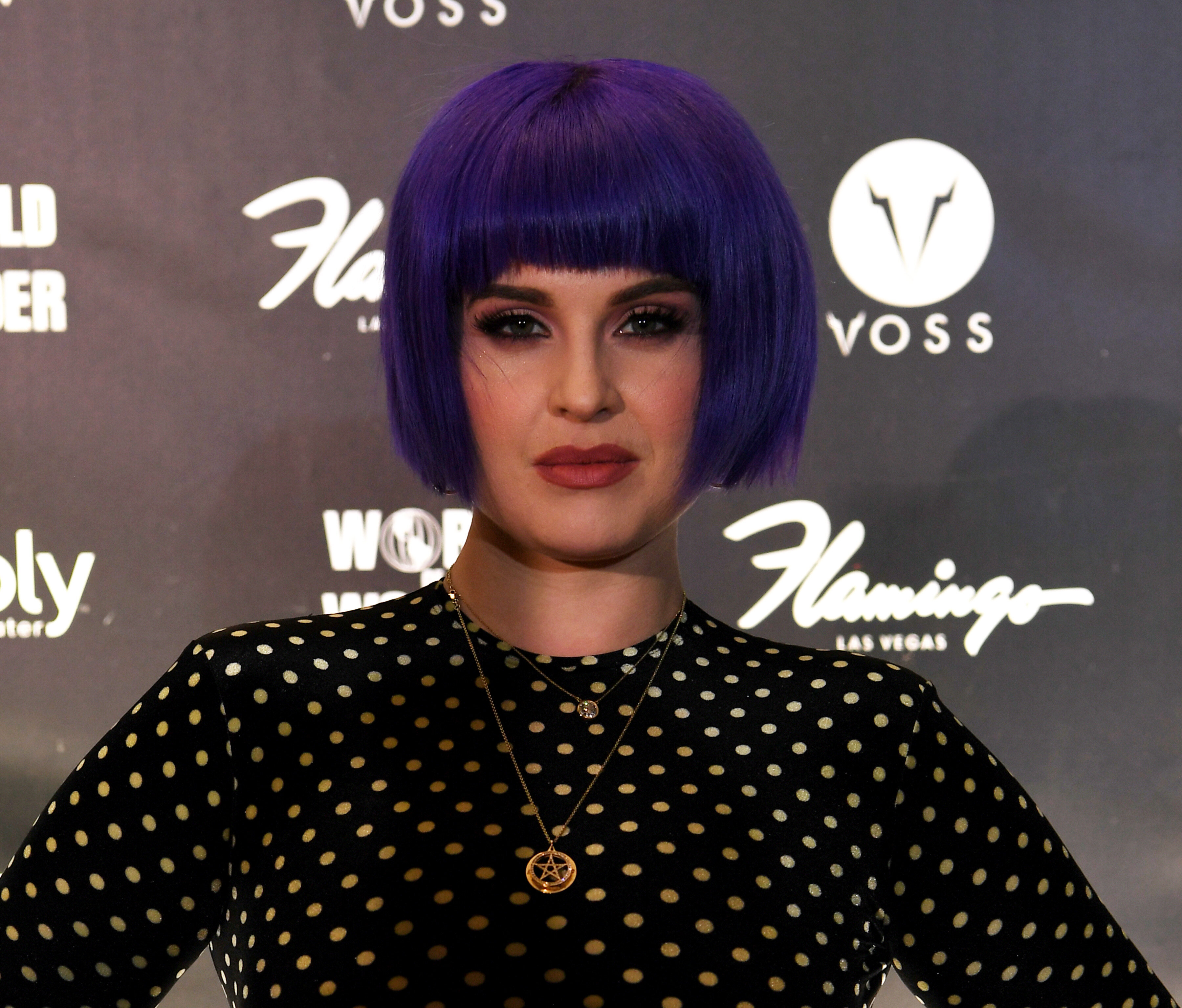
6. Kelly Osbourne also auditioned for the role
Denise Truscello via Getty Images
The star, known for her family reality show The Osbournes, was also offered the part of Anna after auditioning, but had to pull out after her mother Sharon was diagnosed with cancer.
Kelly later described how people told her it was the biggest mistake of her career, due to the success of the film.
7. Lindsay’s mum made an appearance in the movie
Disney
LiLo’s mum Dina can be seen in the final scene where Anna is dancing with Jake. Dina is in the background dancing with an older man, but there is an awkward moment where she is seen looking directly at the camera.
8. The famous Anna and Tess collision scene is similar to a scene in Bewitched
Anna and Tess’ idea to collide at full force in an attempt to reverse the spell is similar to a scene in 1966′s Bewitched: Divided He Falls, where Darrin is split into two people and Endora suggests he do the same to break the spell.
However, in this scene, the trick had the desired effect.
9. Lindsay had her first on-screen kiss in Freaky Friday
Disney
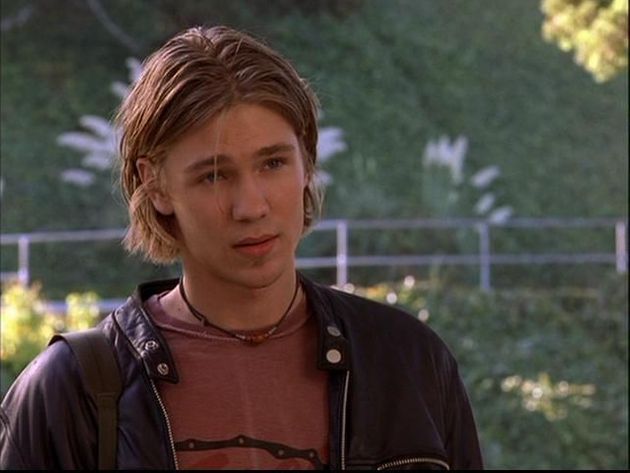
In a behind the scene YouTube clip, Lindsay admitted that the kiss she shared with co-star Chad Michael Murray was the first she had done on screen.
10. Lindsay went on to win three awards for the movie
Freaky Friday quickly became a Disney fan favourite in the early 2000s and Linday took home three awards for her performance of both Anna and Tess Coleman.
At the 2004 Teen Choice Awards, she won Choice Breakout Movie Star and Choice Hissy Fit. She then added to that at the MTV Movie Awards, receiving the Best Breakthrough Award in 2004.
11. The film paid homage to Jamie Lee Curtis’ mother
A character named Mr Bates appears in the film as a tribute to the actor’s mother, Janet Leigh who is best known for her performance in the 1960 film Psycho.
Mr Bates is a reference to Norman Bates’ character in the classic movie.
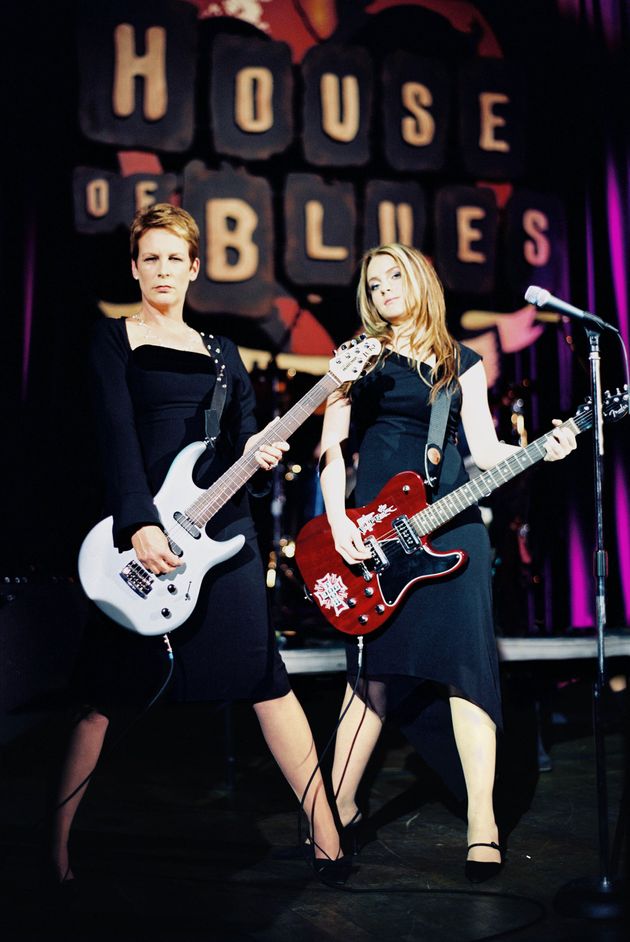
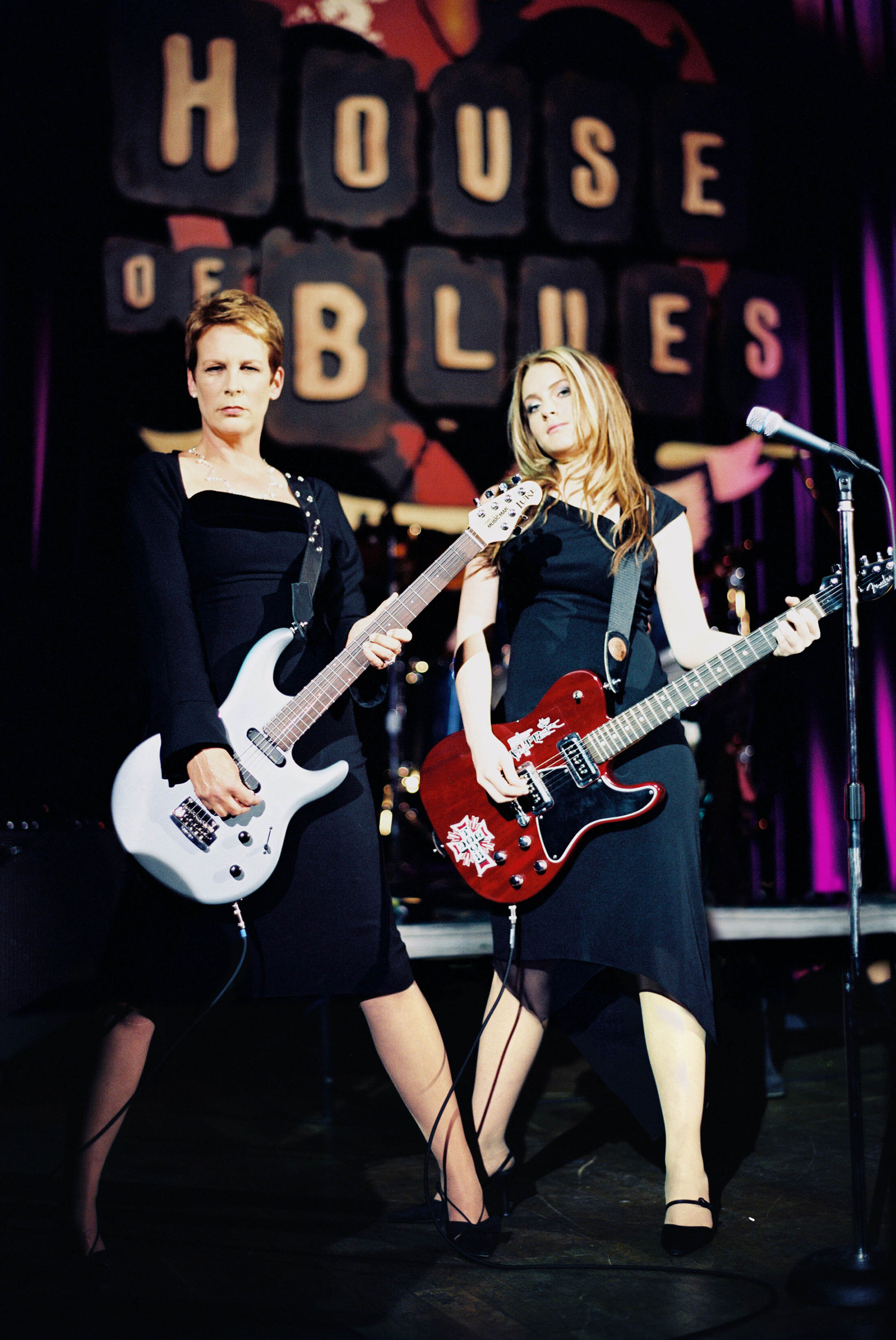
12. A member of the band Orgy instructed Jamie on how to play the guitar for the last scene
Moviestore/Shutterstock
Orgy, an American rock band formed in 1994, offered up one of their members to teach Jamie Lee how to play the guitar, and although the actor practiced making the concert scene look as authentic as possible, a studio musician dubbed over the guitar solo in the finished film.
13. Freaky Friday is based on Mary Rodgers 1972 novel of the same name
Rodgers’ story was adapted many times, including the original Disney version in 1976.
In 2020, it was the source for the movie Freaky, which focuses on a teenage girl who unintentionally swaps bodies with a middle-aged male serial killer.
You are reading Anywhere But Here, our summer-long series on travel at home and abroad, serving up the information and inspiration you need.
When we see a beautiful field of flowers, it makes us want to do one of two things: pick them or post a pic of them.
Advertisement
Well, we’re in luck, as it’s the Flower Farmers’ Big Weekend from August 13-15 – an invitation for flower lovers to meet growers from across the UK, explore their fields, pick an arm (or posy) full, where allowed – and generally learn what goes on behind the scenes to produce these incredible blooms.
In fact, the PYO (pick-your-own) flower scene is only growing in popularity in this country, so much so that the team at holidaycottages.co.uk have rounded up some of the prettiest flower fields to visit over the summer months.
Advertisement
Try not snapping this lot to the gram – we know you won’t be able to resist.
1. Dahlia Beach, Millets Farm, Oxfordshire
Advertisement
Millets Farm claims to be the UK’s largest pick-your-own spot for dahlias – very much the flower of the moment. As well as PYO, the farm runs workshops, such as a guide to growing borders, which takes place on the pink double decker Dahlia Beach bus.
2. Strawberry Fields, Lifton, Devon
Lifton Farm marks the changing of the seasons with an evolving range of pick-your-own experiences from strawberries to maize to sunflowers to pumpkins. August is very much sunflower time – and the farm shop is also worth a visit.
Strawberry Fields, Lifton, Devon, PL16 0DE
Advertisement
3. Flower Fields at Wyke Manor Estate, Worcestershire
As well as more sunflowers, the main attraction at Wyke Manor Estate is the Confetti Field, which is harvested to create petal confetti every summer. Check out the virtual field online first to plot your day.
Wick, Pershore, Worcestershire WR10 3NZ
4. Vine House Farm, Lincolnshire
Vine House Farm’s main business is bird food, but their sunflower fields are also spectacular and best seen in August. Don’t miss the shop and cafe too.
Main Road, Deeping St Nicholas, Spalding PE11 3DG
5. Blooming Green, Kent
Blooming Green’s pick-your-own haven is open every Saturday between June and October, and is particularly popular with those doing a DIY wedding. Flowers don’t get much fresher and the tea and cake is also rated very highly.
Loddington Farm, Linton, Maidstone ME17 4AG
6. Cairnie Fruit Farm, Fife
Advertisement
Cairnie Fruit Farm spans 120 acres of Scottish countryside and is open between June and September to visitors. It’s hard to pick what to pick: succulent berries and cherries or sunflowers and other blooms from the beautiful fields of Fife.
Cairnie, Cupar KY15 4QD
Travel is the story of our summer. The rules (and traffic lights) are always changing, but one thing’s clear, we dream of being Anywhere But Here. This seasonal series offers you clear-headed travel advice, ideas-packed staycation guides, clever swaps and hacks, and a healthy dose of wanderlust.
Employees who decide to continue working from home could see a deduction in their wages, even though the level of work they produce remains the same.
That’s according to rumours swirling, after a number of US corporations have introduced post-pandemic pay policies – and a cabinet minster suggested the same should happen in the UK.
Advertisement
Facebook and Twitter have already told US employees their salaries will be adjusted if they choose to work remotely and live in a lower cost area. Now, it’s been reported that Google has launched an internal pay calculator, allowing workers to see pay adjustments based on location.
Google’s internal calculator, seen by Reuters, is supposedly designed to enable employees to see the effects of a house move, but concerns have been raised that it’ll be used to alter the pay of existing, long-distance commuters.
Advertisement
The UK government has now dropped the pandemic demand that individuals must work from home where possible. Instead, it now recommends staff to safely return to the workplace.
So, could UK remote workers have pay docked, too?
Advertisement
staticnak1983 via Getty Images
Earlier this week, an unnamed cabinet minster suggested that civil servants who refuse to return to the office, after working from home throughout the pandemic, should have their pay penalised.
“If people aren’t going into work, they don’t deserve the terms and conditions they get if they are going into work,” the senior minister told the Daily Mail.
Dave Penman, general secretary of the FDA civil service union, described the comments as “insulting”.
“What should matter to ministers is whether public services are being delivered effectively, not where individual civil servants are sitting on a particular day,” he told PA.
Advertisement
What does this mean for UK employee rights?
Doreen Reeves, a senior employment lawyer at Slater and Gordon, warns employers they could face legal challenges when making drastic changes to staff salaries – which is ultimately good news for employees.
“An employer should be careful making detrimental changes to an employee’s salary which would amount to a change to terms and conditions of employment,” she tells HuffPost UK. “If the change is by mutual consent, it is not likely to cause legal or practical problems as an employee may be willing to consent to a change in salary in exchange for home-working.
“However, if the employer unilaterally imposes a change to the agreed rate of salary or other financial benefits, it will amount to a breach of contract.”
If your employer docks your wages without your agreement, you may have a claim for “unlawful deductions from wages”. If you resign over this, you could also bring a claim for constructive dismissal. “However this claim is only available for employees with two years’ service,” Reeves says.
“Salaries are not means tested but are based on skill, experience and qualifications,” she adds. “If an employee is required to take a pay cut as a condition of home-working or flexible working arrangements, an employer should consider the discrimination risks as employees working from home should not be treated less favourably than a comparable employee.”
A Google spokesperson claimed the company would not deduct money from an employee’s salary based on them deciding to work remotely full time – if this is in the city where the office is located. Workers based in the New York City office will be paid exactly the same as those working remotely from another location in New York. However, Google did not address the concerns for commuters in areas like Stamford, Connecticut, outside of New York City.
From Legos to seashells to dead leaves on the ground, there’s no limit to the kinds of things kids will collect.
Consequently, there’s no shortage of parents venting about their children’s collecting habits on Twitter. If your child won’t stop picking up rocks and bringing them home, you’re not alone.
We’ve rounded up 22 funny tweets about the things kids collect. Enjoy!
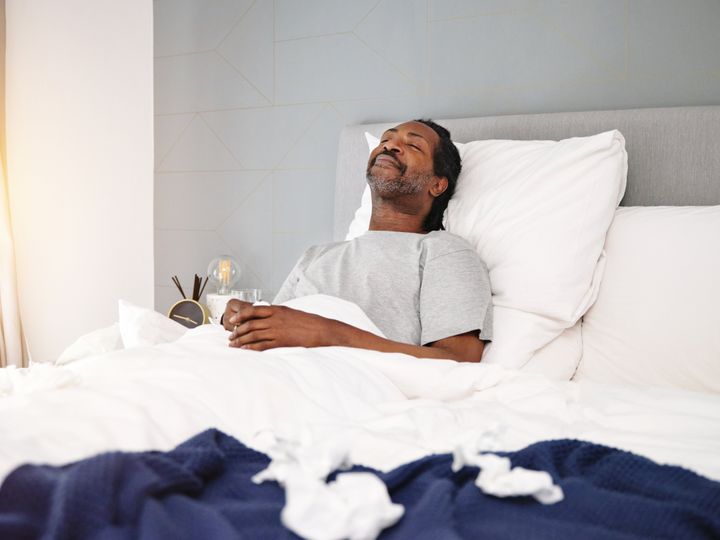
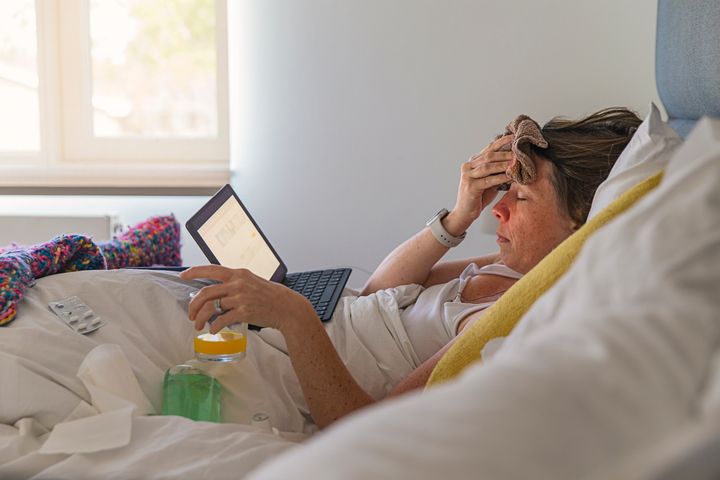
It doesn’t have to be cold outside for you to catch a cold.
Although it’s more common to get sick in the winter, viruses can circulate year-round. Close proximity to others, lax hygiene, stress, lack of sleep and more can contribute to your likelihood of contracting an illness – even in hotter weather.
Advertisement
Colds are usually rare in the summer, and are often caused by viruses that are different from those we see in the winter. Now that people are meeting up and seeing each other more, these viruses are starting to circulate again. That means we’re seeing many more “cold viruses” this summer than usual, according to Ellen F Foxman, assistant professor in Yale School of Medicine’s Department of Laboratory Medicine.
And as anyone who has had a summer cold knows, the symptoms can feel even worse during this time of year. (Shoutout to everyone who has caught a cold lately while living their post-Covid vaccine life).
Advertisement
Looking for ways to keep your sickness at bay? Here is some expert advice on how to take care of yourself and make that nasty summer cold suck a little less.
Wash your hands frequently
Advertisement
“When you have a cold and are in close proximity to others, it is very easy to spread. Therefore, you should be extra cautious around other people and practice good hygiene,” Robert L Gordon, an emergency medicine specialist based in Middletown, Rhode Island, told HuffPost.
This means washing your hands for at least 20 seconds with soap and water. If you do not have access to a sink and soap, you can use hand sanitiser instead, Gordon said.
Get more rest than you normally do
Make sure you are resting as much as possible. Take frequent naps and make sure you sleep for seven to nine hours each night.
Advertisement
“Sleep is essential for the immune system to function properly in order to help us fight off the viral bugs causing the cold. The body needs time to rest and recover,” Kristamarie Collman, a family medicine doctor at Prōse Medical, told HuffPost.
Cold symptoms such as coughing or a stuffy nose can make it difficult to sleep and get rest. Be careful about the medications you take in the evening or at bedtime. Some decongestants and cold medications have ingredients that may keep you awake, Collman said.
She recommended trying soothing remedies such as steam-filled showers or warm beverages like caffeine-free teas with honey before bedtime, which may make it easier for you to catch some Zs.
Dean Mitchell via Getty Images
Rest and hydration are both crucial in helping to relieve any cold.
Stay hydrated
Your body gets dehydrated more quickly in the summer. Combine that with your illness, and you could be missing out on a ton of fluids your body desperately needs right now.
“Some symptoms of a cold, such as a fever, can increase your risk of dehydration and fluid loss,” Collman said. “Hydration can help replace fluids you may have lost and assist with clearing congestion and mucus.”
Drink plenty of water or other hydrating liquids such as decaffeinated tea and sports drinks. Avoid beverages that are sugary or caffeinated, including coffee and alcohol, she added.
Take over-the-counter medicine
Some over-the-counter medications may help you find temporary relief for symptoms such as a headache, sore throat, nasal congestion and cough.
Common over-the-counter medicines for a cold include acetaminophen or ibuprofen. Gordon said it’s important to speak to your physician or pharmacist about which over-the-counter medication you should use to feel better.
Advertisement
Consider using a humidifier
More humidity in the summer might sound like the last thing you want, but it can help alleviate your symptoms ― particularly if you’re experiencing a runny nose or dry cough. A humidifier adds moisture to the air, which can help decrease irritation in the nose and throat, Collman said.
This is especially important when you’re indoors in the cool AC, beating the summer heat.
“While there is no specific scientific evidence that air conditioners can directly cause colds, too much AC may dry out the inside lining of your nose,” Collman said. “If the mucus membranes are dry, this can worsen cold symptoms such as a stuffy nose and sore throat.”
Avoid too much time in the sun
While you may want to catch some rays outdoors – who hasn’t thought they could “bake” their cold away? – be careful. Being in summer heat for too long can aggravate your symptoms, so stick to 30 minutes or less.
“The summer temperatures outside can increase the risk for dehydration and often make symptoms feel worse. Therefore, it’s important to avoid extended periods of time in the sun,” Collman said.
Use a saltwater gargle
If you have a sore throat, gargling salt water may reduce irritation and discomfort.
“Saltwater gargles are effective for killing bacteria in the throat while loosening mucus and easing pain,” Bindiya Gandhi, an integrative family medicine physician at Revive Atlanta MD, told HuffPost. She recommended adding a teaspoon of salt to a cup of warm water and gargling the mixture.
Advertisement
Justin Paget via Getty Images
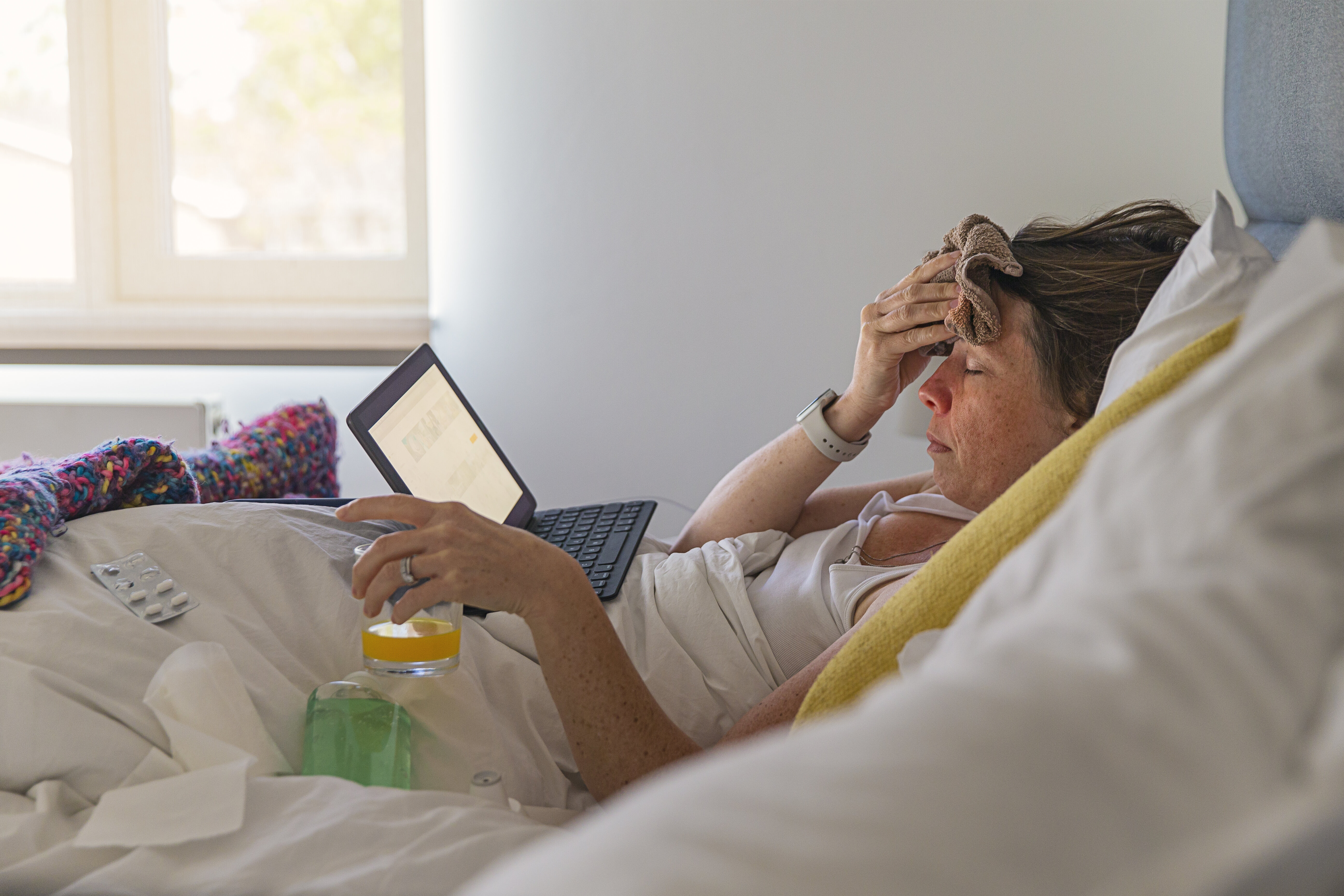
A cool compress can help reduce a fever.
Use a cold compress for a fever
Feeling warm? In addition to staying hydrated and resting, place a cold compress on your forehead to cool down and reduce your temperature, Gandhi said. To make your compress, dip a washcloth in cool water. You can also stick a cooling gel eye mask into the freezer before putting it on.
Most fevers go away on their own within one to three days. If your fever persists for more than three days, contact your physician, Gandhi said.
Refrain from excessive activity
Hold off on resuming your intense workout routine or lifting heavy objects for a few days. Even walks outdoors in the heat may get too strenuous.
“When you have a cold, your body is working harder, and therefore, you may feel fatigued,” Collman said. “Engaging in excessive activity could make you feel extremely drained, so it’s best to rest or, if necessary, engage in light activity.”
If your cold gets worse, see your doctor
Cold symptoms can last anywhere from a couple of days to two weeks. Summer colds can have similar symptoms to the flu, so it can be difficult to tell the difference between the two illnesses based on symptoms alone. Generally, the flu is worse than a cold, and symptoms are more intense, according to theCenters for Disease Control and Prevention.
If you start experiencing flu-like symptoms such as a fever, chills or difficulty breathing, then see a doctor as soon as you can. For the flu, there are effective medications that can make the disease milder if the diagnosis is made early, Foxman said.
“There is also a lot of overlap between cold symptoms and a mild Covid infection,” she said.
Advertisement
If you are unsure of whether you have Covid-19 or a cold, you can get tested at a health center near you.
“Make sure to take extra precautions about not exposing other people to an infection, even if the symptoms seem to be mild,” Foxman added.
Stay home from work and social gatherings for a little extra time even after your symptoms are gone, and continue to wear a mask and wash your hands.
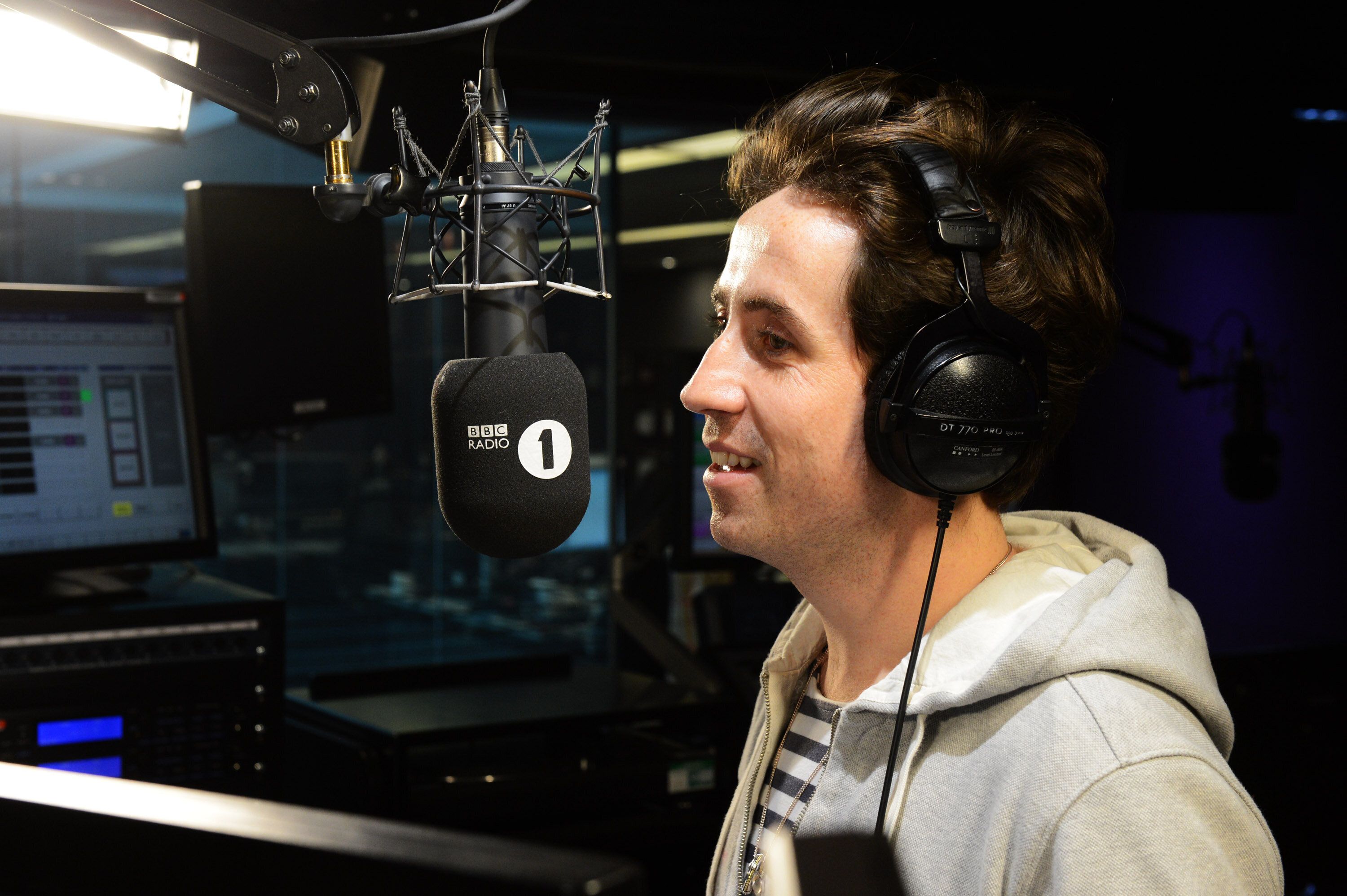
Dave J Hogan via Getty ImagesNick Grimshaw hosting the Radio 1 Breakfast Show in 2013
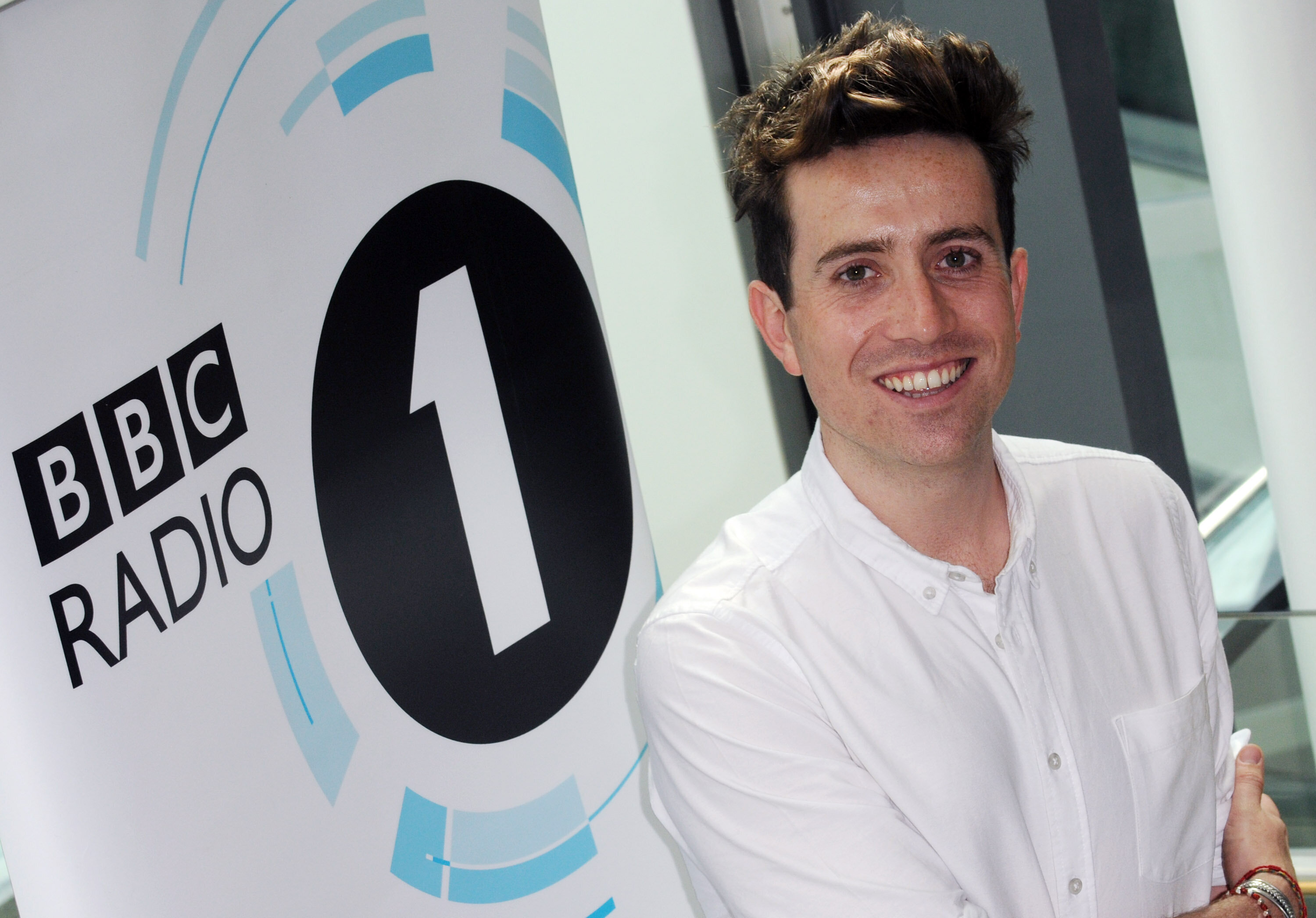
“It’s quite weird when you’re looking through loads of stuff, I’ve never really stopped before and looked back to take stock of what I’ve done on Radio 1,” says a nostalgic Nick Grimshaw as we reflect on his incredible 14 years with the station.
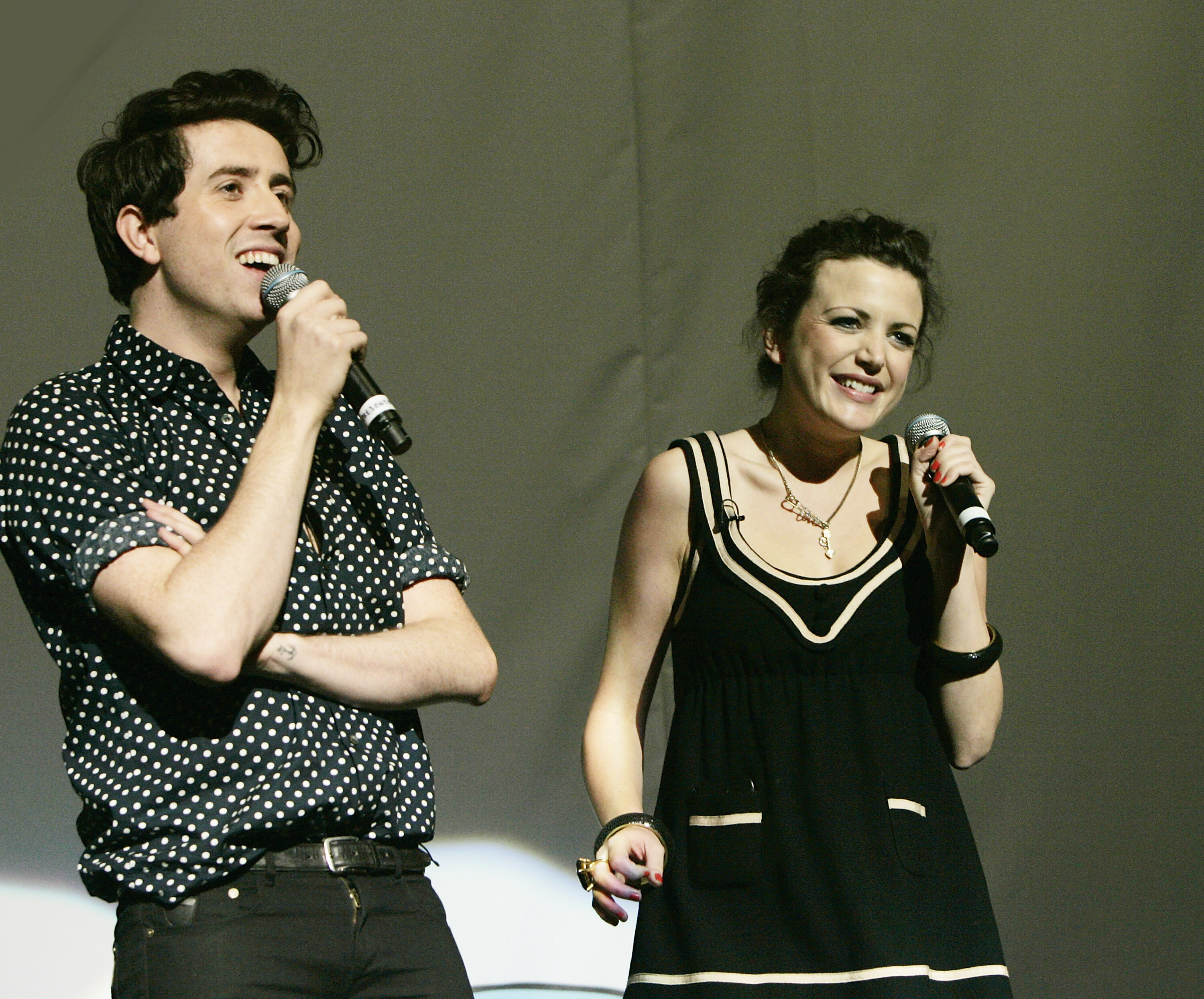
Having joined the BBC in 2007 as Annie Mac’s sidekick on her Sunday night teen show Switch, Grimmy – as he’s affectionately known – has risen through the ranks to become one of Radio 1’s biggest stars.
He’s fronted the Weekend Breakfast Show (“I was 24 and I was going out a lot. Trying to get me to stay in on a Friday and Saturday night in 2008 was…. [laughs]”) and followed in the footsteps of the legendary John Peel as the host of Radio 1′s late-night new music show. Then in 2012, Grimmy landed the biggest break of his career when he was handed the keys to the Radio 1 Breakfast Show after its longest-serving presenter Chris Moyles stepped down.
“People really, really loved Chris, so it was very daunting to take over from him because he is a huge personality and so loved by people,” he says of his Breakfast predecessor.
“He had that thing that was attractive to me about Radio 1 in that it felt lawless and anything could happen on that show, so it definitely felt daunting to take over, but it also felt right. I felt confident that I could make a fun, inclusive, lawless show. I really like Radio 1 when it’s a bit live and loose and guests come in who are hungover.”
An “open-door” policy – as Grimmy describes it, adopted from his late-night show – meant that a day would rarely go by without one of his celebrity pals popping up to regale listeners with tales of their antics – Rita Ora was practically a regular (“I just love her… She’s one of those people who you meet at Radio 1 and you’re just like ‘you had to be a pop star, because I don’t think you’d survive if you weren’t a pop star’”), while Harry Styles once drunkenly co-hosted the show after he and Nick pulled an all-nighter at the Brits.
“I always just liked hearing the real lives of the DJs on Radio 1 when I was listening,” he says, explaining how his pals became so synonymous with his show. “I always liked how Sara Cox would talk about her night out or Chris Evans would talk about going down the pub – I liked that openness as a listener.”
After moving to the drivetime slot in 2018, the Oldham-born presenter is now hanging up his headphones for the last time on Thursday, as he says goodbye to the station he dreamed of being a presenter on “since he was a kid”.
Here, Grimmy reflects on the gossip, gaffes and guests from 14 years behind the mic…
The morning I got the Breakfast Show, I thought I was about to be fired
“I remember going in to meet my boss that morning and thought maybe he was going to change the nighttime show or fire me, I just didn’t think it was good news.
“When I got there, he said he wanted me to take over the Breakfast Show and it was a really surreal moment. It was a dream of mine as a kid, and for it to actually happen still feels surreal because it’s all I ever wanted to do.”
I always thought if you were up past 12 on Brits night, you might as well just stay out
“Everyone who works at Radio 1 is so passionate about it, the music and the Brit Awards, so to be able to go to that is so exciting. The adrenaline is through the roof and everyone is geeing each other up. We’d really go out, out.
“The first one was 2013 and we went out as a Breakfast Show team. You’ve got to get up at 5 but I always think it’s worse to go to bed. So we made the executive decision to just stay up. At about 2am, my producers decided to head into the office and have some sleep. I was like, ‘Really?! OK!’.
“I turned up after having a house party back at mine – there was me, Jaime Winston, Harry Styles and a cardboard cutout of Robbie Williams on air at 6.30am with a giant bottle of vodka that said ‘Grimmy’ in diamanté and no producers. We went on air and did the Breakfast Show and by the time the producers woke up, we’d been on air an hour.
“One poor guy, it was one of his first days as an assistant and he had to try and produce the Breakfast Show with all these drunk people chatting shit. The most stressful day ever for him.”
Eamonn McCormack via Getty ImagesGrimmy took over the Breakfast Show in 2012
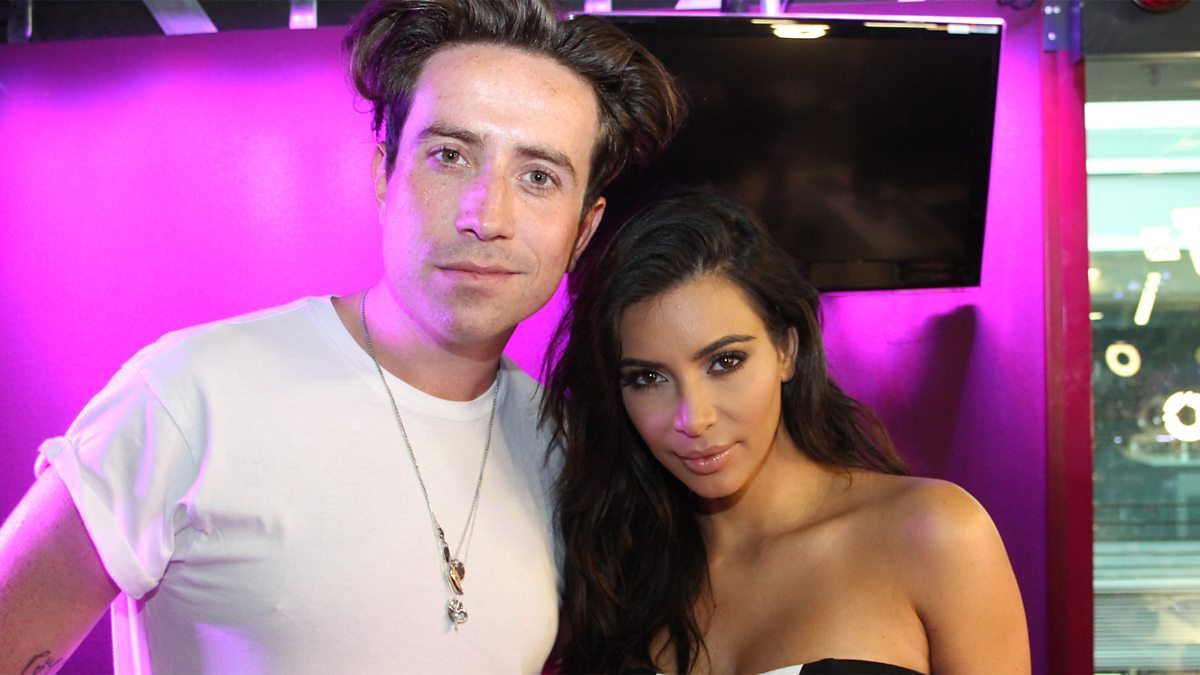
The guest who exceeded my expectations? Kim Kardashian.
“I didn’t really used to get the fascination. Yeah she’s pretty, but I never really got why she was the most famous person in the world. And then when I met her, she was so charming, so nice to everybody – and not fake nice – I just really liked her and really got her. Everyone in the studio loved her.
“I saw her in Ibiza a year later, and I never go over to a guest and am like, ‘Hi, I’ve interviewed you,’ but I saw her and she was like, ‘Hey, how are you? How’s the radio? I had so much fun that day!’
“She’d just got married and was gossing about the wedding. She was just dead normal and warm and a great story teller – really open and chatty.”
BBCNick Grimshaw with Kim Kardashian
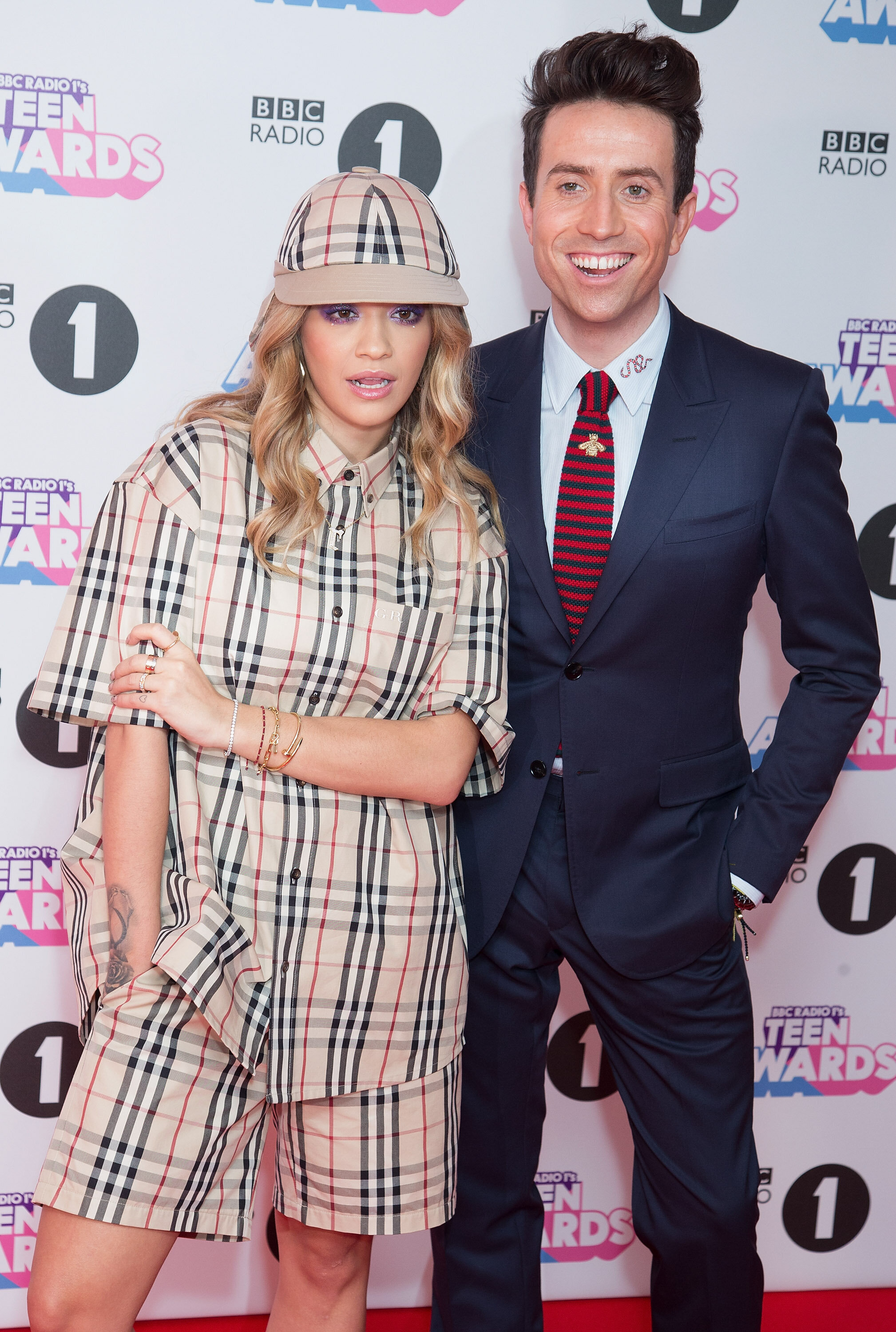
Rita Ora is the dream guest because she just chats and chats
“I only met her through radio. We just sort of really clicked when we started doing a lot of radio and telly together around the same time as me starting Breakfast.
“She’s so funny, scatty and charming and very sweet, and she’s like what she is on the radio off air.
“We used to do the Radio 1 Teen Awards together for a few years and we always used to want to go out on the Sunday night afterwards. But the problem was we’d have probably woken up at 6am that day to get there, so we’d always go out then we’d have a sleepover at mine because I lived right by Radio 1. Then we’d go in on a Monday morning.
“I sit back now and I can’t imagine what that sounded like, me and her chatting absolute shit in the morning.”
Jo Hale via Getty ImagesNick with Rita Ora at the 2017 Teen Awards
My biggest gaffe saw me land a world exclusive and then press play on the wrong song
“I don’t remember doing this but someone tweeted me the other day, but I introduced the new James Bond song by Sam Smith and gave it a really big, amazing intro – it was a first play – but then I played the wrong song: Peanut Butter Jelly by Galantis. Everyone was like, ‘What the fuck is this?’ Not great.”
One thing listeners might not know about Radio 1 is that it has the strictest canteen
“You think it would be really fun and LOL, but actually the strictest canteen I’ve ever been in. I always get food during Newsbeat, and they’re always like, ‘Sorry, we’re not serving chips for another minute,’ and I’m like, ‘Could I have them now because the news is going to end?’ And then they are like, ‘Sorry, we don’t serve chips til 6’. It’s 5.58!
“It was a nightmare for Annie Mac every night, but it will be Clara’s problem now!”
Co-hosting with Annie is my favourite Radio 1 memory
“First our Sunday nights together and then getting to chat every single night on Drive.
“Annie told me a little while ago that she was thinking about [leaving]. She’s such a good planner and she knows where she’s going and what she wants. She told me in her garden and then I told her [I was leaving] a few weeks before I made my announcement.
“Annie is so safe and one of my best friends in the world and when I called her and told her, she is very measured and was like, ‘OK babe, let’s figure out how you want to do it and what you want to say’ – she’s exactly who you want to speak to for advice.”
Jo Hale via Getty ImagesNick and Annie back in 2008
Unlike her, I haven’t planned my last link yet
“I’m not very good at planning things like that. I work best under last minute pressure, it’s the only way I can do things. So I’ll think about it the night before.
“It is a big deal, but I’m not dying. I want to say something poignant, but it is a funny one because people send you really nice messages and comments and it is a bit like you have died, you know what I mean?”
I definitely want to have a little break from radio
“I really love it but I didn’t want to leave and start another radio job straight away. I wanted some separation from it and some time to take stock of it. I’ve done a daily show for 12 years, and every day I wake up thinking, ‘What the fuck are we going to talk about today for four hours?’ So I just don’t want to do that for a little bit. I don’t want to stop doing the radio, I’d love to do it again in six months or a year.
“I want to try and commit to some things I’ve not had the time to commit to before and start building my interiors business and do some TV I’ve not been able to do.”
Ollie Millington via Getty ImagesOn stage at a Radio 1’s Big Weekend
There’s some great new Radio 1 talent I’m going to be following
I really love a new DJ called Sarah Story who is going to be on Friday nights. I heard her doing some cover and she was really lovely and funny and warm and northern, and has amazing taste in music. Then I met her at Annie’s leaving party and really clicked with her.
“I also really love Sian Eleri, who does The Chillest Show. It’s so good and she’s amazing. Both Sian and Sarah are really special.”
I’m not going to have to leave the What’sApp group. Am I?!
“Annie I speak to constantly and more off the radio than on the radio. Then we have a What’sApp group of me, Greg [James], Clara [Amfo], Scott [Mills] and Chris [Stark]. Everyone really does get on. I’m not going to have to leave the What’sApp group. Am I?!
“No, I don’t think so…”
Nick Grimshaw’s last Radio 1 show airs on Thursday from 2pm.
This interview has been edited for clarity and length.
If you’ve been taking the coronavirus pandemic seriously – you’ve worn your mask, social distanced and been fully vaccinated – you might be feeling anxious and angry that Covid-19 has not been beaten yet.
It’s understandable: you did your part, and yet here we are. What else can you do at this point to help end the pandemic? How do you still try to be responsible without sacrificing your mental health?
Advertisement
If you’re feeling anxious right now, experts offer some advice on how you can still move the needle in the fight against Covid-19, while protecting your sanity.
Approach the conversation with empathy and compassion
Advertisement
The thought of trying to convince an unvaccinated family member, friend or neighbour to get the jabs might feel like a futile (not to mention infuriating) task at this point.
People who have delayed getting a vaccine might seem as though they’ve made up their mind. But a lot of people who’ve held off are finally realising just how serious this all is; it’s possible that you can help reiterate that message.
Advertisement
“Encouraging and facilitating every single person to get vaccinated is one of the most valuable anti-Covid actions one can possible take,” said Sten Vermund, an infectious disease epidemiologist with Yale School of Public Health.
Many unvaccinated people actually aren’t stubborn anti-vaxxers, but rather victims of harmful misinformation campaigns or people genuinely worried about the safety of the jabs. Instead of blaming, lecturing and shaming unvaccinated people, have a conversation in an open, nonjudgmental and safe way.
“Help answer questions, and help direct people to trusted guides and the facts,” said Lucy McBride, a practicing internal medicine physician in Washington DC.
As we come out of this highly charged, emotional time, it’s easy to feel anxious and angry when you learn someone has chosen not to get vaccinated.
Advertisement
But McBride said you’ll be able to make the greatest impact if you engage people with empathy and compassion. “If you can try to understand and listen more and shout less, you might actually change a heart or a mind,” she said.
Matej Kastelic / EyeEm via Getty Images
Adjusting your behaviour based on transmission in your community is vital – even if you’ve already received your shots.
Behave based on local transmission
You should also keep an eye on what’s going on with Covid in your community. When case rates are low and vaccination rates are high, know that you – and even those around you who aren’t vaccinated – are extremely well-protected.
On the flip side, if you’re in an area where Covid cases and hospitilisations are higher, you may want to consider wearing a mask in indoor, unventilated situations where vaccinated and unvaccinated people are mixing. The risk of getting infected and passing the virus onto others, while still rare if you’re vaccinated, increases in these high-risk environments.
“Masks are a well-documented way of reducing the risk of droplet and aerosol transmission,” Vermund said.
Set firm boundaries and consider vaxxed-only events
If you want to play hardball, you can consider socialising exclusively with people who are vaccinated. Make vaccinations a requirement for your get-togethers. Not only are you unlikely to get seriously affected by Covid, but your social circles are also less likely to contract the virus and transmit it to others in their communities.
“The likelihood of any kind of serious event emerging from such an activity is vanishingly small,” said Vermund, who noted that this approach might be somewhat controversial and unpleasant — but potentially impactful.
If you do host an event where vaccinated and unvaccinated people are mixing in an area with high transmission, it would be prudent to ask people to mask up.
Maskot via Getty Images
Maskless interactions are safest with vaccinated people, and there’s nothing wrong with limiting your interactions to only those who have gotten the shots.
Share stories about your own experience
Advertisement
Telling your story can be a powerful way to encourage people in your community to get vaccinated. Open up about how the pandemic has impacted your family or uprooted your life, and explain how the vaccine is our ticket back to all the things we love – work, play and school. This can be on social media, in conversations with loved ones or through local campaigns or advocacy groups.
“Be local educators,” Vermund said. “Tell your story, share your experience.”
Be flexible
The unfortunate truth about the pandemic is that things change, and we have to adjust to that change at a moment’s notice. What we know now about Covid-19 is different from what we knew back in April 2020, and will be different from what we understand six months from now.
The virus evolves, as do the treatment options, restrictions and recommendations. Perhaps the most impactful thing vaccinated people can do is follow the science – stay up to date with the latest learnings and behave accordingly.
Covid-19 is more than a news story – it has changed every aspect of life in the UK. We are following how Britain is experiencing this crisis, the different stages of collective emotion, reaction and resilience. You can tell us how you are feeling and find further advice and resources here.