Katie Price’s ‘Track A Troll’ Petition Is Getting Some Kick-Back. Here’s Why

LGBTQ+ people and human rights advocates are concerned a petition launched by Katie Price to end online anonymity may put vulnerable people’s lives at risk.

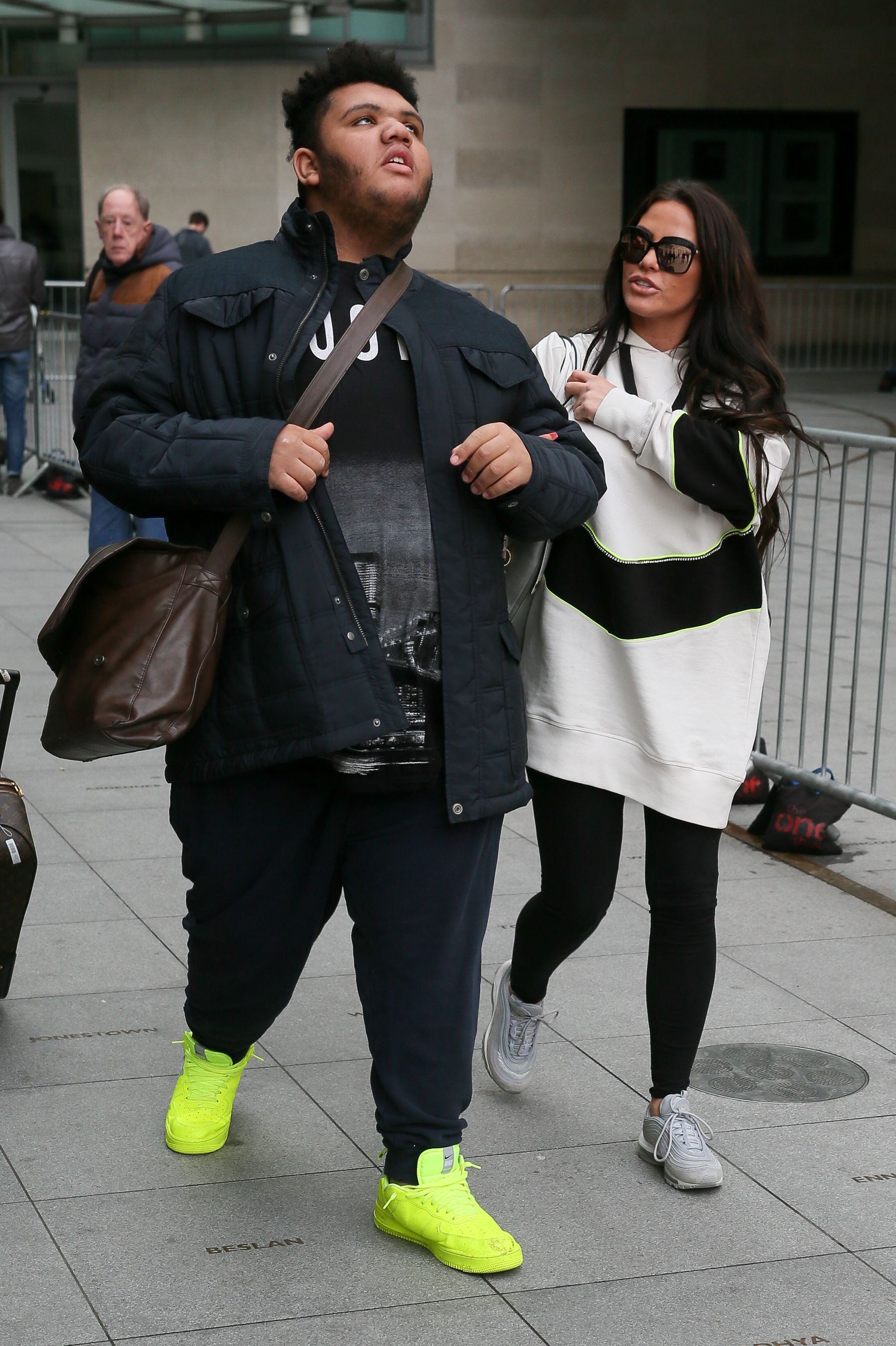
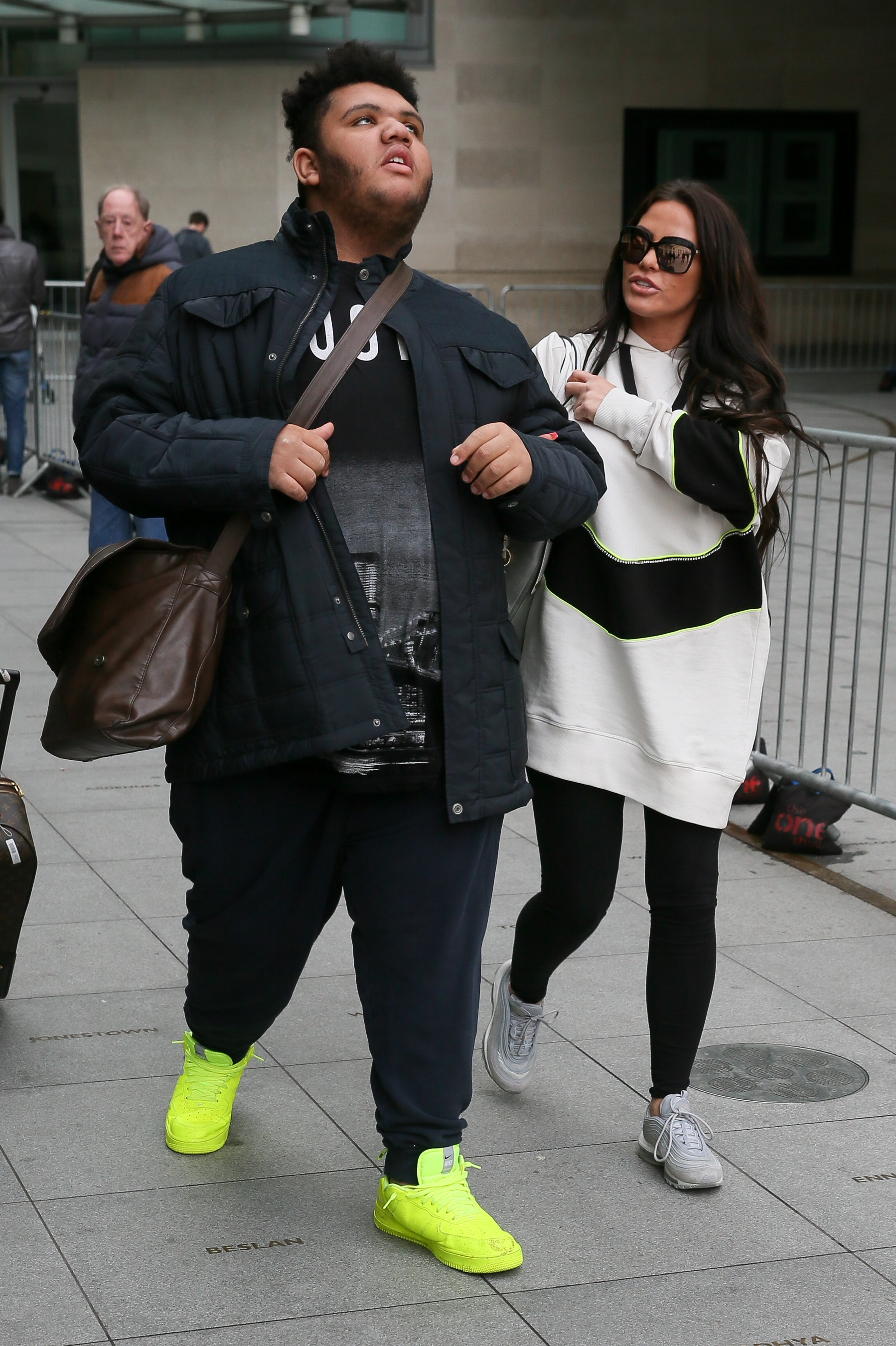
Price launched the petition alongside Conservative MP Andrew Griffith to call for action to be taken against online trolls, who have abused Price’s 18-year-old son Harvey.

In a statement posted on Instagram, Price wrote: “No troll should retain the right to hide behind their abusive malicious posts. I will not stop until every stone is unturned and all those are exposed and held accountable for their actions. This affects everyone in society including our children, Mother, Brother, Sister, family and friends alike, together we are all united in this petition. #TrackATroll.”

As it stands, there are more than 140,000 signatories. Price’s petition asks for it to be made “a legal requirement, when opening a new social media account, to provide a verified form of ID. Where the account belongs to a person under the age of 18, verify the account with the ID of a parent/guardian, to prevent anonymised harmful activity, providing traceability if an offence occurs.”

However, it has prompted communities to speak out about why online anonymity is essential for some people, such as marginalised queer groups, who use platforms like Twitter and Instagram to find solidarity and community.

Since Price launched the campaign on March 10, the hashtag #SaveAnonymity has been widely shared on social media. Many individuals using the hashtag to express their concerns are doing so from anonymous accounts.

One post, which has more than 10,000 retweets, reads: “I’m practically begging you to RT – those under 18 in the UK will have to get their parents to verify their accounts with full ID. This will put so many teens in danger (LGBTQ+ youth, abuse victims, etc.)”

Another reads: “Please tweet the hashtag #SaveAnonymity! A petition is going to UK Parliament that would require everybody on the internet to provide full ID before making an account, and minors would have to use parents’ ID.”

It continued: “If this law gets passed, LGBT kids would be outed, people in dangerous situations lose opportunity to reach out for help anonymously, etc, so please, don’t just tweet the hashtag and nothing else (this would be counted as spam), include other words too.”

One person wrote that they were “ terrified” at the prospect of the proposal getting passed, while another tweeted: “My parents would kick me out for my preferred pronouns. Social media is my escape from homophobic family and school. Please don’t let them take it away from me and many others.”

The Open Rights Group, which promotes human rights online and has 44k followers, is also standing against Price’s campaign. Speaking to HuffPost UK, a spokesperson said: “Attacking anonymity is a short cut to making some LGBTQ people’s lives very difficult, among others.”

In a statement on Twitter, the ORG commented: “We stand with #SaveAnonymity – it is great to see young people stand up for the rights of #LGBTQ people to be anonymous online. This is how rights are defended and won – people standing up for their rights.”

In January, the Open Rights Group responded to the Lords Communications Committee enquiry into freedom of information online, claiming digital regulation is limiting freedom of expression.

Referencing the ongoing debate about online anonymity, the group said: “Psuedonymity is vital for marginalised individuals such as members of the LGBTQ community seeking to explore their identity safely without identifying themselves to everyone they know.”

Other voices expressing concern about Price’s campaign include Rob McDowall, rapporteur for Equality and Human Rights Scotland and chair of Welfare Scotland, who tweeted that he “absolutely could not” support the campaign, which would “put so many in danger especially LGBT+ people who aren’t out.”

McDowall also endorsed another tweet suggesting it should be platforms such as Twitter and Facebook that should be held accountable for any abuse posted.

Cyberbullying has risen under lockdown, according to the Office of National Statistics, whose recent data showed one in five schoolchildren had been at the receiving end of online bullying over the past year.

Price’s campaign to #TrackATroll has garnered backing from charities including Mencap, and charity founder Anna Kennedy OBE, who appointed Harvey one of her charity’s ambassadors.

Clarifying details of the petition on Monday, Katie Price told Victoria Derbyshire: “When we say ID, I could be called Princess Price on something when my name is Katie Price – it’s just a way of contact so you can be contacted. As long as you can be tracked. And if people don’t want to do that then they could be guilty of something.”

In response to the criticism of the campaign, a representative for Katie Price told HuffPost UK: “No one is being outed, or required to provide personal information – a trackable IP address is not asking for private data – only an address to the IP registrar; a registrar of IP address that is held on a data base by a governing body.

“This is yet all to be negotiated. In the instance [that] a complaint is raised, the IP can be tracked to an address and subsequently the source. Katie would not expose anyone other than trolls and those guilty of malicious online content who’s purpose is to directly harm and cause mental upset.”

Responding to Price’s rep, the Open Rights Group spokesperson added: “If [Katie Price’s] plan really is limited to keeping IP records, as her representatives say, then this already exists. The problems here are about enforcement of platform’s rules, of police being unwilling to act.

“We remain worried that calls to remove ‘anonymity’ would be used to justify removing or limiting anonymity and making social media much less safe for LGBT people – and others who wish to remain anonymous or unknown to their work colleagues, social circles of families for instance, from fear of abuse.”
Share Button

Sarah Everard’s Mourners Will Not Be Cowed By A Crackdown On Protests

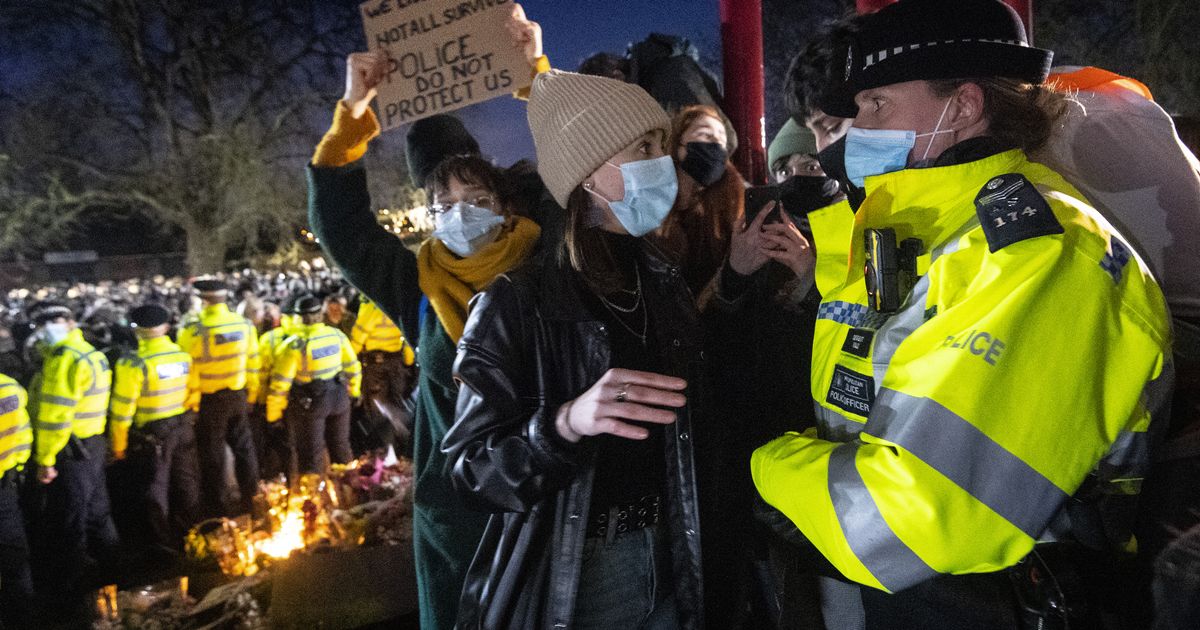
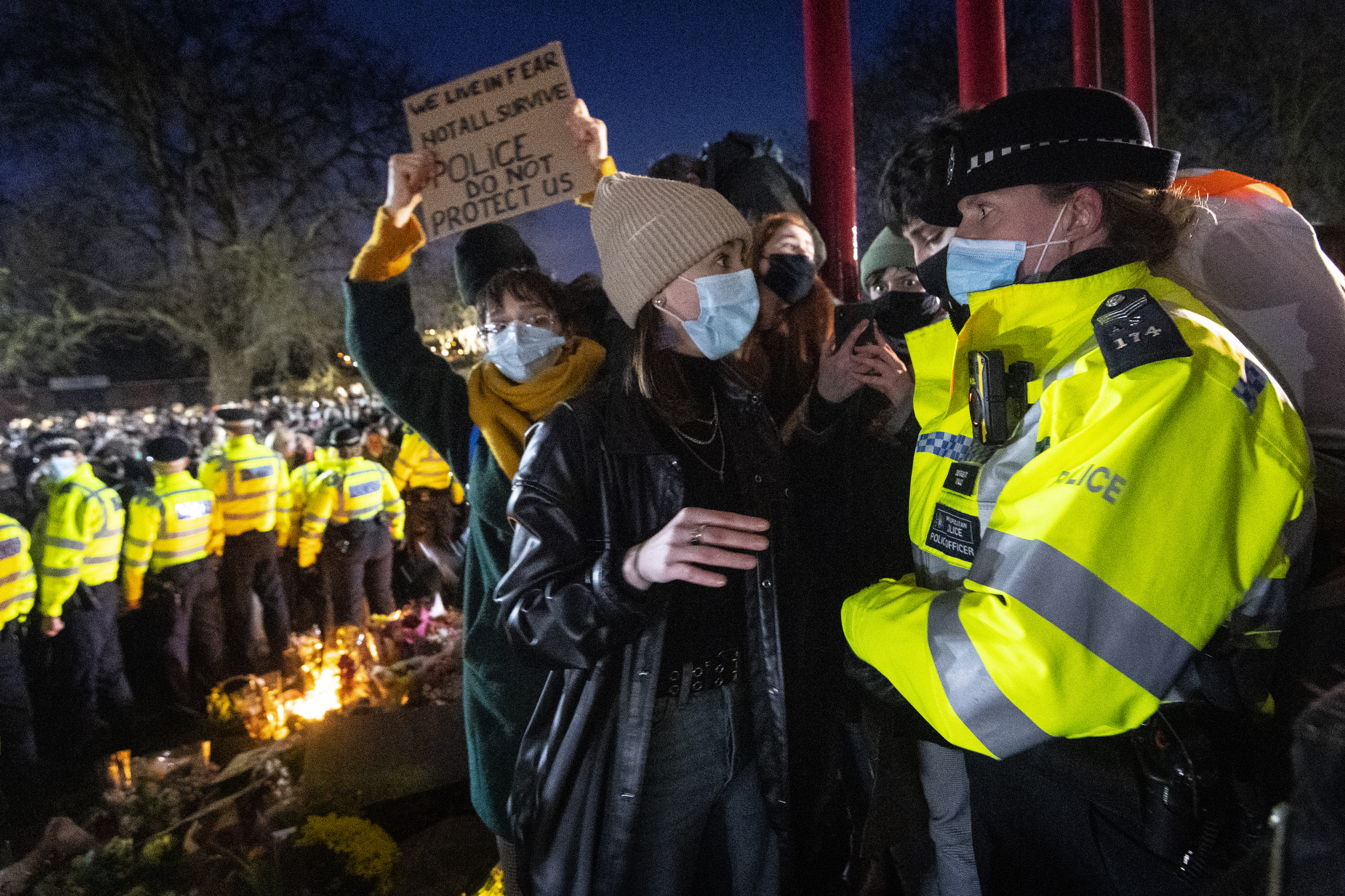
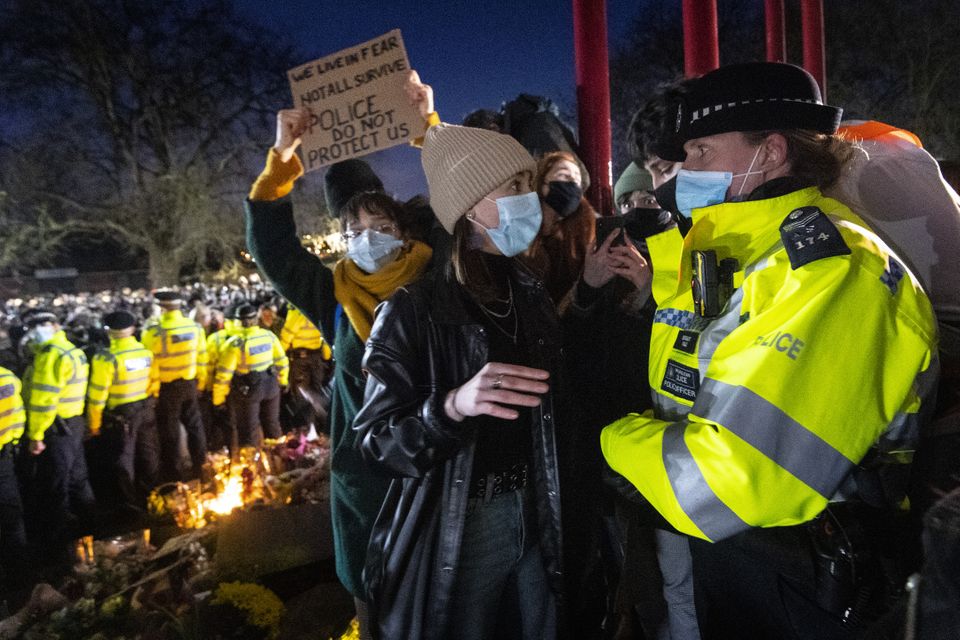
The scenes from Clapham Common on Saturday evening were horrific by anyone’s standards. The sight of Met Police officers trampling flowers lain in remembrance, dragging away and pinning to the floor women attending a vigil would be stomach churning under normal circumstances. But these are not normal circumstances.  

That a vigil held in the wake of the horrific murder of Sarah Everard should descend into such horror, allegedly at the hands of an officer of the same police force, shames us all. But whilst the fallout from this shameful episode and the calls for Cressida Dick’s resignation will ring out clearly in the next few days and weeks, we must organise against the next assault on our liberties.

There is no doubt that Cressida Dick should resign. No justification exists for the scenes on Clapham Common but this will not solve the underlying issue. 

This week the police, crime, sentencing and courts bill come before the House of Commons. This hurried piece of legislation is wide ranging and contains many parts to it which appear fairly benign. Sadly, there are some dangerous aspects to the bill too. At the heart of it lies the dangerous and dark curbs on protest. It is a cruel quirk that commissioner Dick has penned an accompanying statement to the legislation.  

It is why the illusionists in government have been so keen to provoke a culture war. To try to divide those usually opposed to them into opposing camps

One might question why a government riding so high in the polls would seek to further neuter dissenting voices. But after presiding over a response to the Covid pandemic, which has seen us suffer the world’s worst death tolls and amongst the most disastrous financial slumps, they are aware their hold on power is built on sand.

It is why the illusionists in government have been so keen to provoke a culture war. To try to divide those usually opposed to them into opposing camps. Those protesting the brutality that people of colour suffer, or against the destruction of our planet, are branded extremists. 

It is in this framing that the bill, in front of the Commons this week, is presented. In doing so the government are seeking consent from those who may have been conditioned to believe that the aforementioned groups should have draconian measures implemented upon them, whilst hoping they do not realise that the same legislation would have much farther-reaching consequences. What they appear not to have bargained for is something so shocking as Saturday’s events coming before the legislation could pass.

Saturday’s shameful scenes put protesters and the government on a collision course. This time, as ever, it is the protesters who are on the side of the angels

The history of protest is littered with events that have changed history, where people who have demanded change we now see as common, sense they have been demonised for daring to ask. The suffragettes, civil rights movement and trade unionists through the ages have all been forced through fighting for what is right, onto the wrong side of the law. Should the government do so again, protests will not stop – criminalising protest never ends well. 

As a young miner on strike during the 1984-85 dispute I saw first-hand how politically enabled state apparatus could be turned on hardworking communities for opposing the government’s regressive agenda. As a representative of those communities who suffered so much as a result, I will never bow to the authoritarianism embodied by this government. I am very pleased that the Labour frontbench see the dark turn at the heart of this legislation and will be whipping to oppose.

Like those giants who have protested before them, the women mourning Sarah Everard and demanding change will not be cowed into submission by a legal framework intent on silencing them. Saturday’s shameful scenes put protesters and the government on a collision course. This time, as ever, it is the protesters who are on the side of the angels.

Ian Lavery is the Labour MP for Wansbeck and former party chair.

Share Button

‘No Doubt’ There Will Be Further Wave Of Covid-19, Warns Statistics Chief

The UK’s national statistician said he has “no doubt” that there will be a further wave of Covid-19 infections in the autumn.

Professor Sir Ian Diamond, head of the Office for National Statistics (ONS), also said there is a lot of regional variation in terms of how many people have antibodies.

His comments come after England’s chief medical officer Professor Chris Whitty said there were still risks to reopening society and the UK will experience another surge of cases at some point, potentially in late summer or through the autumn and winter.

Sir Ian said people need to understand how the data is moving forward and look at the impact of the “wonderful” vaccine rollout.

“But having said that, we need also to recognise that this is a virus that isn’t going to go away,” he told The Andrew Marr Show on BBC One.

“And I have no doubt that in the autumn there will be a further wave of infections.”

Asked if it is too early to know how much of the fall in infections across the UK is down to the vaccine rollout, he said there are a number of moving parts such as vaccines and restrictions.

Sir Ian told the programme: “I mean I would say though that this has been an incredibly impressive vaccine rollout, and we’ve been looking at antibodies in the population, and we’ve been scaling up our survey in order to be able to take many more blood tests so that we can look at the impact.

“And what we’re seeing is quite remarkable increases in the level of antibodies in the over-80s, and increasingly in the over-70s. So I’m very, very confident that the vaccine rollout is really starting to provide some real protection.

“At the other side we see very relatively high levels amongst young people which just shows how much of young people have been affected by the virus.

“I’d finally just say on this that there is a lot of regional variation, so we find 30% of London have antibodies whereas only 16% in the South West, so we need to recognise that as well.”

During the week, Prof Whitty said he would “strongly advise” against any move to shorten the timetable for easing lockdown restrictions.

Speaking to the Commons Science and Technology Committee, Prof Whitty said the measures pencilled in for May 17, when indoor mixing of up to six people could be allowed, involved “significant risks”.

Modelling considered by the Scientific Advisory Group for Emergencies (Sage) has suggested that even under the most optimistic set of assumptions, at least a further 30,000 Covid-19 deaths could occur.

Prof Whitty said: “What we are going to see is, as things are opening up, what all the modelling suggests is that at some point we will get a surge in virus.

“We hope it doesn’t happen soon, it might for example happen later in the summer if we open up gradually or because of the seasonal effect it might happen over the next autumn and winter.

“All the modelling suggests there is going to be a further surge and that will find the people who either have not been vaccinated or where the vaccine has not worked.

“Some of them will end up in hospital and sadly some of them will go on to die.”

Elsewhere, charities have written an open letter to encourage people with underlying health conditions to come forward for a coronavirus vaccine.

Cancer Research UK, Mencap and the Terrence Higgins Trust are among 18 signatories to the letter aimed at people in vaccine cohort six.

The group includes carers as well as people with a range of underlying health conditions that put them at greater risk from coronavirus.

They include chronic respiratory, heart, kidney and liver disease and neurological conditions, immunosuppression, asplenia, diabetes, morbid obesity and severe mental illness.

People with sickle cell disease, lupus and those on a GP learning disability register, as well as people who have vascular disease or have had a stroke are also included in group six.

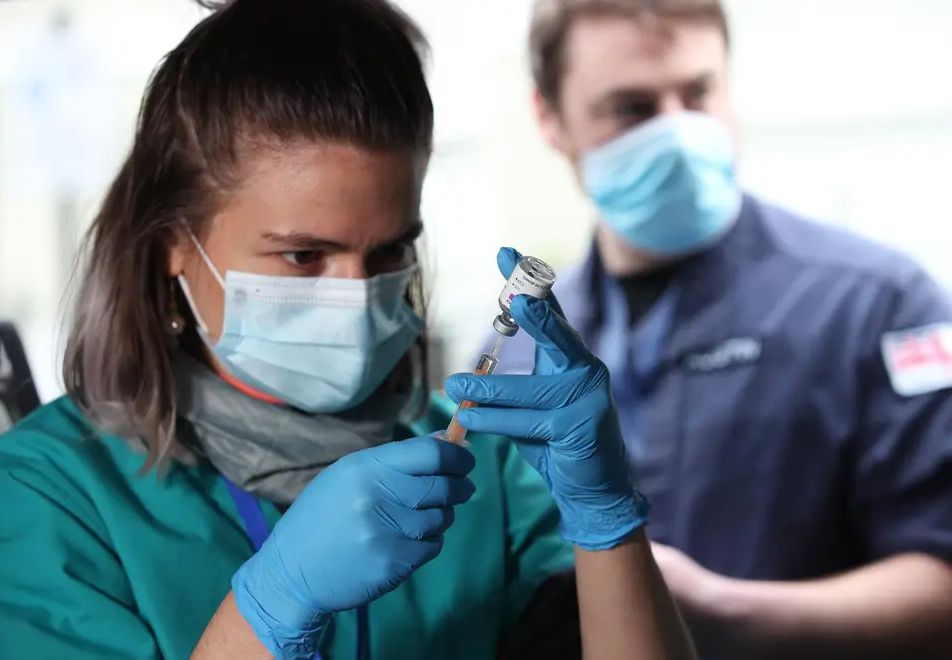
More than 23.6 million people have received their first dose of a coronavirus vaccine in the UK, according to the latest government figures.

There were a further 5,534 lab-confirmed cases of Covid-19 in the last 24 hour period, while 121 deaths were recorded in the UK of people who tested positive for coronavirus in the last 28 days.

Meanwhile, the NHS is to text millions of vulnerable people with underlying health conditions asking them to take the vaccine.

People with conditions such as diabetes and certain forms of cancer will receive a link to reserve an appointment for a jab at a vaccination centre or pharmacy across England.

Share Button

Sweary Nick Grimshaw Gets Caught By Microphone In Live TV Gaffe

Nick Grimshaw was caught out by a microphone he didn’t realise was still live during an appearance on Soccer AM on Saturday. 

The Radio 1 DJ was overheard swearing as as he noticed something on his coat while in the background of a shot on the Sky Sports show. 

As one of the presenters delivered a piece to camera, Grimmy was heard saying: “I’ve got shit all on my coat!”

The gaff went largely unnoticed apart from a few eagle-eared viewers who tweeted about it. 

After one tweeted Grimmy to ask if he’d got the shit out of his coat, he replied: “Haha didn’t realise the old microphone would pick that up.”

Grimmy fans will get to see more of him on their screens in the coming weeks, as he is one of the stars who will appear in the new series of The Great Celebrity Bake Off for Stand Up To Cancer. 

He recently revealed he’s also started writing a book during the pandemic, which will chart some of his most hilarious celebrity stories. 

Soccer AM airs Saturdays at 10.30am on Sky 1 and Sky Sports Football. 

Share Button

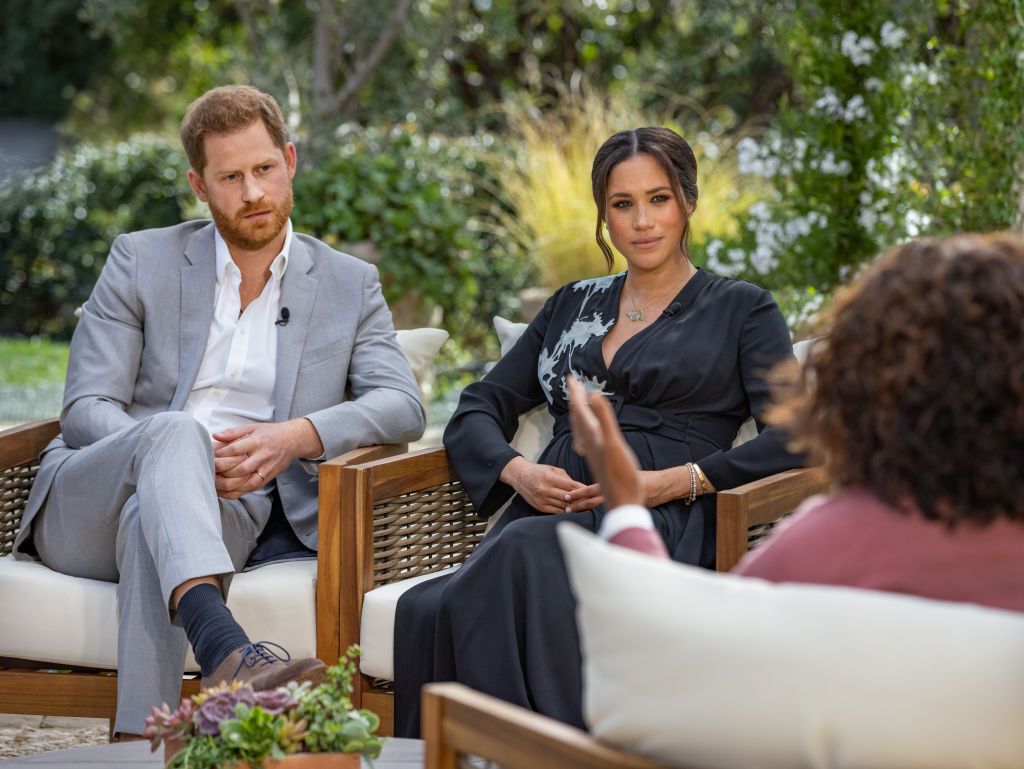
Meghan And Harry Back Racial Justice Movement And Mental Health Charity

The Duke and Duchess of Sussex’s Archewell Foundation has named new causes it would be supporting, including an online racial justice movement and mental health charity Mind.

It made the announcement on Friday, less than a week after their televised two-hour tell-all primetime show with Oprah Winfrey was broadcast.

During the programme, Meghan told the chat show host she had been suicidal while in the royal family and claimed she received no help after telling staff about her suffering.

She and Harry also made explosive allegations of racist comments about their one-year-old son, Archie.

Getty

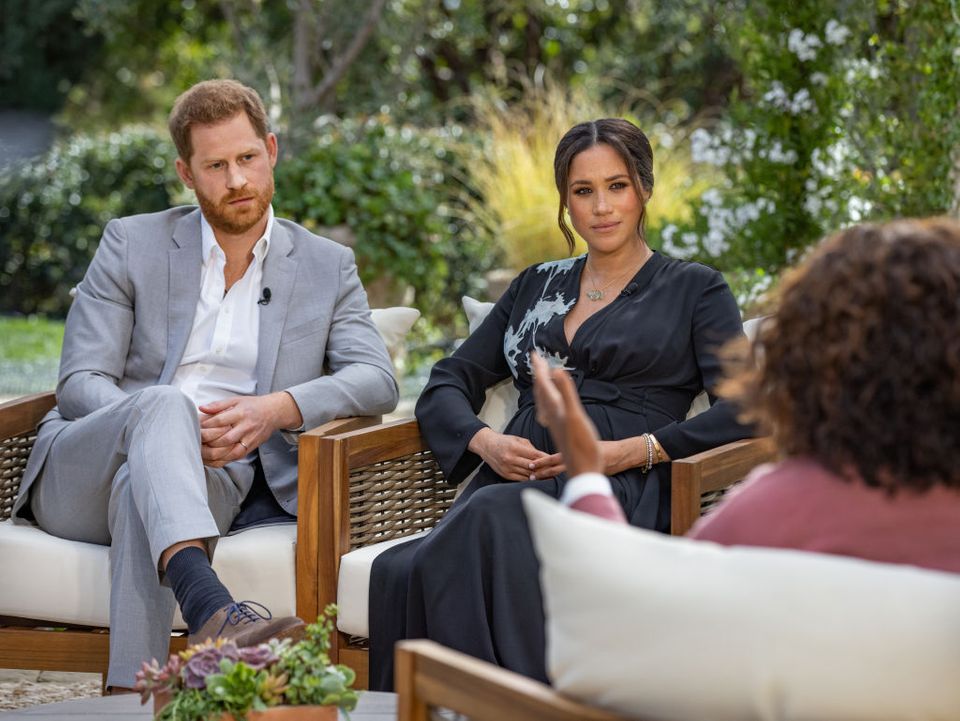
The British royal family has been left reeling by allegations of racism by the Duke and Duchess of Sussex, Meghan and Harry, pictured here during their tell-all interview with Oprah Winfrey

In an update from the foundation, it said it would be providing support to Colour of Change, Mind, The PressPad Charitable Foundation and URL Media.

UK-based charity Mind was among those who supported Meghan’s openness about her mental health struggles during the interview.

They tweeted: “We applaud Meghan Markle for speaking out about her experiences of suicidal thoughts. We know that opening up in this way can be really difficult, but when high-profile people talk about these experiences, it helps to break down the stigma around mental health issues.”

Colour of Change describes itself as the US’s “largest online racial justice organisation” and works across criminal justice, voting freedom and economic justice, adding: “We cannot end racism in one area without tackling it in all areas.”

The PressPad Charitable Foundation works to improve diversity within the media by “lowering the financial barrier for young people who want to become journalists”.

Social enterprise PressPad wrote on Twitter: “We are delighted to announce that we have just registered a sister charity, The PressPad Charitable Foundation, and are thrilled that the Duke and Duchess of Sussex and their Archewell Foundation will be among our first donors.

“We’re excited by such positive action after difficult yet important moments of reckoning for the UK media.

“We’re proud to say our values of action, compassion & community align with the #archewellfoundation. Thanks to everyone who spoke their truth.”

URL Media describes itself as a “multi-platform network of high-performing Black and Brown media organisations” and was launched in January.

On their website, they said: “As the US enters a new chapter, we offer an alternative to business as usual.”

Share Button

From Plastic Use To Carbon Offsetting, The Truth About Four Common Climate Myths

LIFE

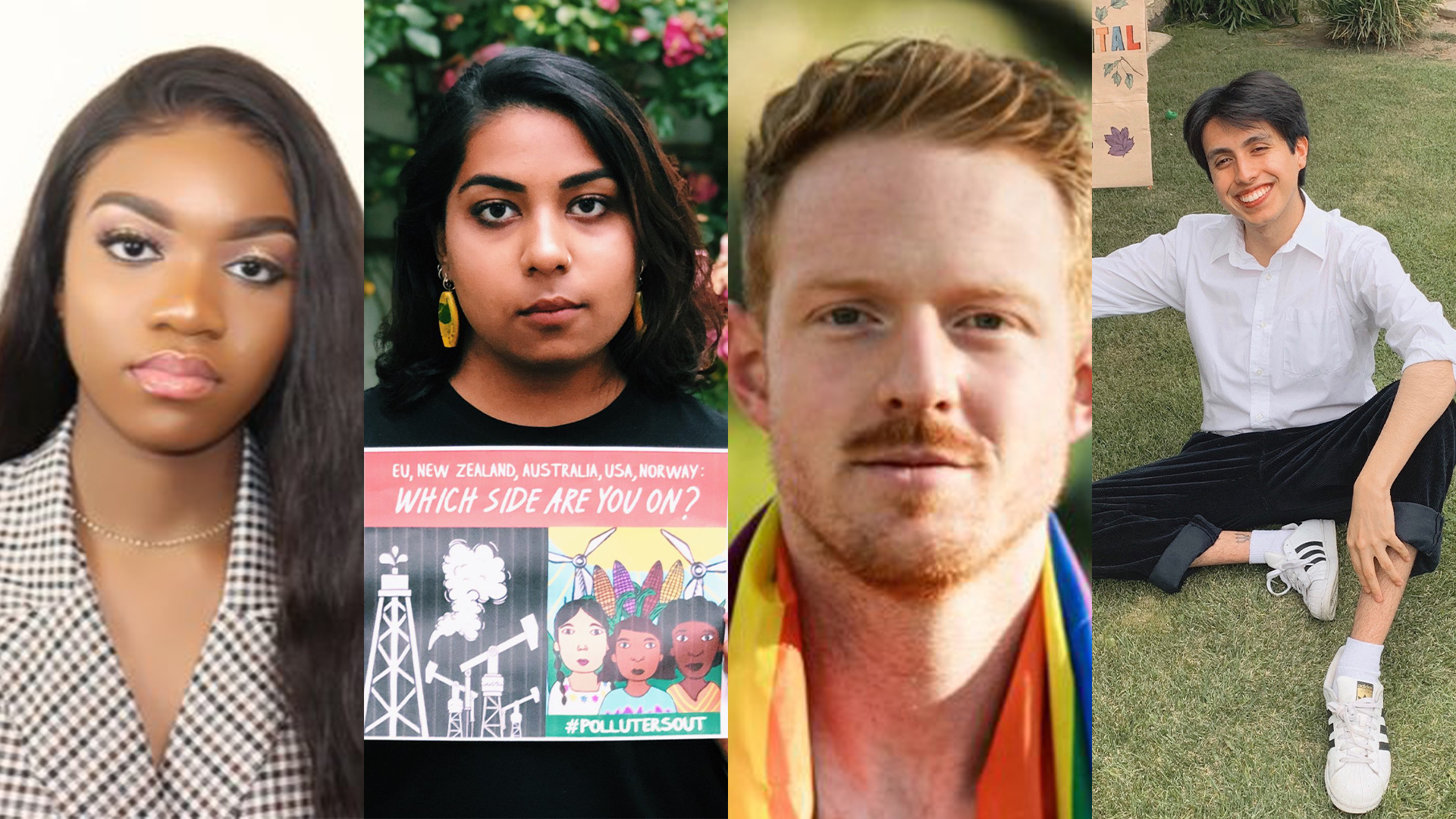
Climate activists Pattie Gonia, Aneesa Khan, Anita Okunde and Isaias Hernandez debunk some of the common climate myths currently in debate. The campaigners set the record straight If you’ve ever heard: ‘plastic use is harmless’, ‘the environment can’t be racist’, ‘carbon offsetting will save us’ or ‘it’s your fault’.

Share Button

Human Remains Found In Kent Woodland Confirmed As Sarah Everard

Human remains found in an area of Kent woodland have been identified as belonging to Sarah Everard, Scotland Yard has said.

The 33-year-old vanished while walking home from a friend’s flat in south London on Wednesday March 3.

The marketing executive is thought to have walked through Clapham Common towards her house in Brixton – a journey which should have taken around 50 minutes.

She was last captured on a doorbell camera walking along the A205 Poynders Road towards Tulse Hill at around 9.30pm on March 3.

A serving police officer in the Parliamentary and Diplomatic Protection Command had earlier been arrested on suspicion of Everard’s kidnap and murder.

Met Commissioner Cressida Dick sought to reassure the public in the wake of Wednesday’s developments, saying “it is thankfully incredibly rare for a woman to be abducted from our streets”.

She added: “But I completely understand that despite this, women in London and the wider public – particularly those in the area where Sarah went missing – will be worried and may well be feeling scared.”

The Met said the arrested officer’s main job was uniformed patrol of diplomatic premises, but would not specify where he had worked. He was not on duty at the time of Everard’s disappearance.

The diplomatic protection squad is responsible for guarding the Parliamentary estate including Downing Street and the Palace of Westminster, as well as embassies in London.

The officer, in his 40s, was also arrested over a separate allegation of indecent exposure, the Met said.

A woman in her 30s has been arrested on suspicion of assisting an offender.

Share Button

The UK’s Coronavirus R Rate Has Fallen This Week

The UK’s Covid R rate has fallen to between 0.6 and 0.8, scientists advising the government have said.

Last week the estimated R rate was 0.7 to 0.9, which had been a slight rise on the previous week’s estimate of 0.6 and 0.9.

R measures the number of people, on average, that each sick person will infect.

If R is greater than 1 the epidemic is generally seen to be growing; if R is less than 1 the epidemic is shrinking.

The estimate was published on Friday and provided by the Scientific Advisory Group for Emergencies (Sage) and the Department for Health and Social Care (DHSC).

The DHSC also provides a breakdown of the estimated R rate in regions of England.

Here’s what the R rate is in each region

In England, the R rate is 0.6 to 0.8.

Regionally it is as follows:

East of England – 0.6 to 0.8 (no change from last week)

London – 0.6 to 0.8 (no change)

Midlands – 0.6 to 0.8 (from 0.7 to 0.9)

North-east and Yorkshire – 0.7 to 0.9 (from 0.7 to 1.0 )

North-west – 0.7 to 0.9 (no change)

South-east – 0.6 to 0.8 (no change)

South-west – 0.5 to 0.8 (from 0.6 to 0.8 )

It comes as the number of people infected with coronavirus continues to fall across England, but appears to be levelling off in Northern Ireland and Scotland.

New estimates from the Office for National Statistics (ONS) show that around one in 270 people in private households in England had Covid-19 between February 28 and March 6 – the equivalent of 200,600 people.

This is down from around one in 220, or 248,100 people, for the period February 21 to 27.

It is the lowest figure since the week to September 24 when the estimate stood at one in 470, or 116,600 people.

However, the number of people infected in England is still high when compared to last summer. In the week to August 25 around one in 2,000 people had coronavirus.

Meanwhile, the latest data for Wales shows around one in 365 people are estimated to have had Covid-19 between February 28 and March 6 – down from one in 285 the week before.

In Northern Ireland, around one in 310 people were infected, up from one in 325.

The estimate for Scotland was around one in 320 people, up from one in 335 the previous week.

Share Button

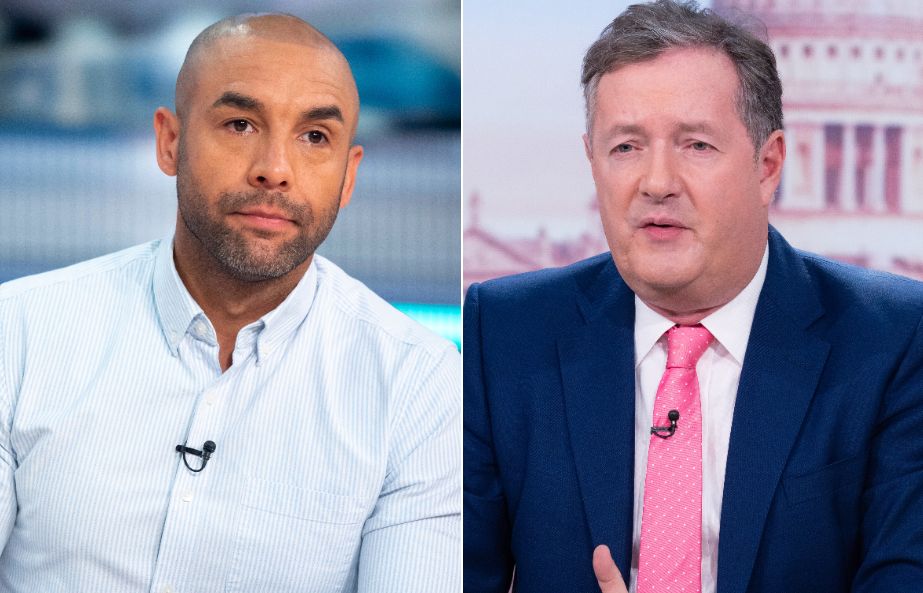
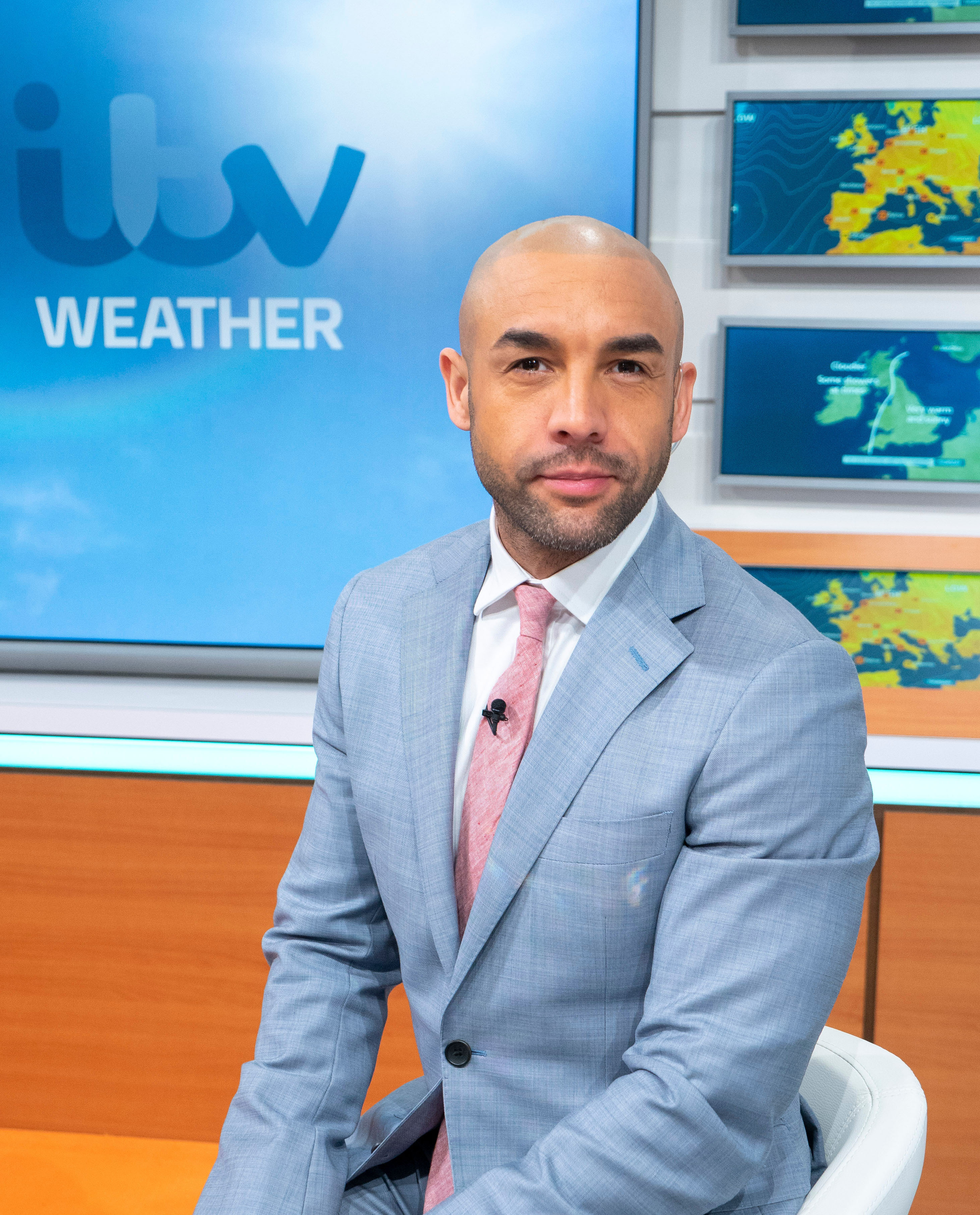
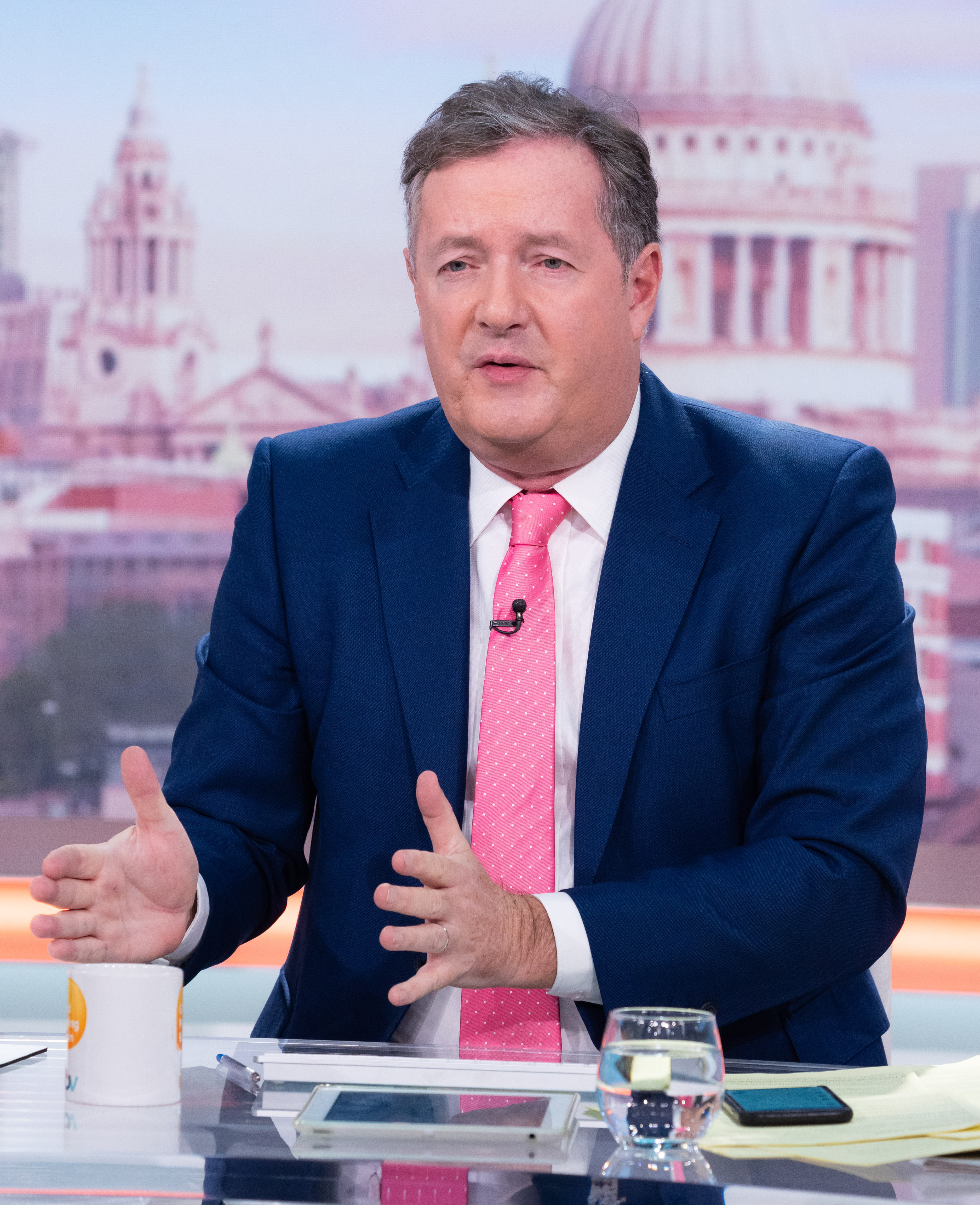
Alex Beresford Addresses Piers Morgan’s Good Morning Britain Exit

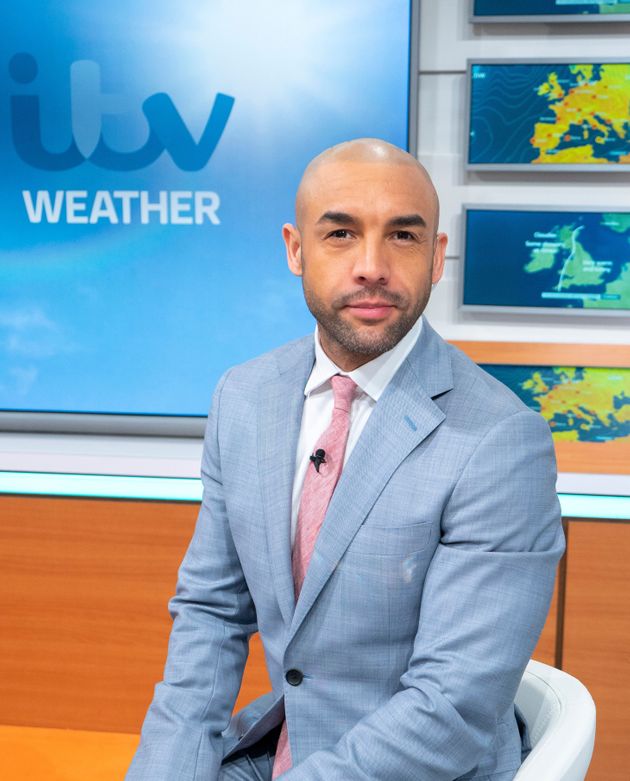
Good Morning Britain presenter Alex Beresford has spoken out following former co-host Piers Morgan’s departure from the show.

On Tuesday morning, the two GMB stars were involved in a heated exchange live on air about Meghan Markle, in which Alex called out Piers’ comments about the Duchess of Sussex made the previous day.

This ended in Piers storming out of the studio, which Alex branded “pathetic” and “diabololical behaviour”.

Following the news that Piers has now left the show permanently, Alex has shared his thoughts on Twitter. 

ITV/Shutterstock

Alex Beresford

“There is so much that could be said,” he wrote, insisting that “Piers’ departure sincerely wasn’t the conclusion I was hoping for”.

Alex explained: “Over the lat few years, Piers and I have had a lively, cheeky on-air relationship.

“We both wanted to be on the show on Tuesday morning, and from our very public conversations on Twitter, we both knew how strongly our opinions differed on the treatment of Harry and Meghan pre and post the interview that has split the world.

“I hoped we could reach a place of understanding. It’s sad that we weren’t able to get there, but challenging this opinion was not an outrage. On this occasion, we have to agree to disagree.”

He added: “I didn’t want him to quit, but I did want him to listen. Personally, Piers has always supported my growth. He’s given me advice on several occasions and for that I am grateful. I wish him well!”

Alex previously tweeted, after his on-air exchange with Piers: “I wish I had the privilege to sit on the fence. In order for me to do that I would have to strip myself of my identity and that’s not something I can do.

“It’s not any of our places to pick apart claims of racism in order to make us to feel more comfortable.”

ITV faced calls to reprimand Piers Morgan after Monday’s show, when he cast doubt on Meghan Markle’s recent claims about her mental health and her experiences of racism after joining the Royal Family.

“I’m sorry, I don’t believe a word she says,” Piers said. “I wouldn’t believe her if she read me a weather report, and the fact that she’s fired up this onslaught against our royal family, I think is contemptible.”

It was later revealed Piers had sparked more than 40,000 complaints to Ofcom, after which it was announced he was leaving GMB effective immediately.

Ken McKay/ITV/Shutterstock

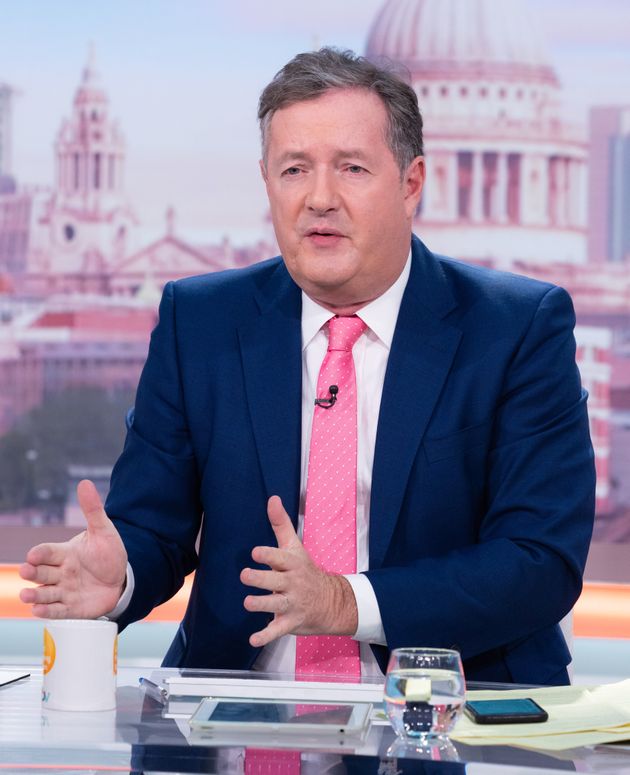
Piers Morgan

Since the news of his departure was confirmed, the divisive presenter doubled down on his views on Twitter, later telling reporters: “I believe in freedom of speech, I believe in the right to be allowed to have an opinion. If people want to believe Meghan Markle, that’s entirely their right.

“I don’t believe almost anything that comes out of her mouth and I think the damage she’s done to the British monarchy and to the Queen at a time when Prince Philip is lying in hospital is enormous and frankly contemptible.

“If I have to fall on my sword for expressing an honestly-held opinion about Meghan Markle and that diatribe of bilge that she came out with in that interview, so be it.”

Share Button

The 10 Most Popular Songs To Give Birth To

The most popular songs to give birth to have been revealed – and Salt-N-Pepa’s Push It is shockingly absent.

Instead, mums-to-be seem to favour a chilled vibe, with Jack Johnson’s Better Together taking the top spot. The 2005 hit featured in more than half of the birth-related playlists analysed, with 460,197,498 plays on Spotify.

I Won’t Give Up by Jason Maraz came in second, featuring on 26 of the playlists with 530,386,616 plays overall. Meanwhile Make You Feel My Love by Adele took the third spot with 613,094,614 plays and appearing on 25 playlists.

Although he failed to make the top three, Ed Sheeran was the most popular birthing partner artist overall, with two of his songs making an appearance in the top 10.

The researchers, working with Supplement Place, collated a list of 16,000 songs using playlists created by users that included the words “childbirth”, “birthing”, “birth”, “labour”, “birthing at home” and “hypnobirthing”.

As well as looking at which songs and artists appeared most often, they looked at the average beats per minute (BPM) across all of the songs.

The average BPM was 118, which is around the same speed as Alicia Keys, If I Ain’t Got You, Mae Robinson’s What a Wonderful World and Patricia by Florence and The Machine.

The research follows previous analysis, which identified Jeremih’s All The Time as the most popular track to have sex to, with Often by The Weeknd and Genuine’s Pony also making the top 10.

Those lyrics have a lot to answer for.

Share Button