An actor on Tiktok has called for the creation of child-free suburbs after a trip to her local swimming pool ended in chaos. Because, well, kids.
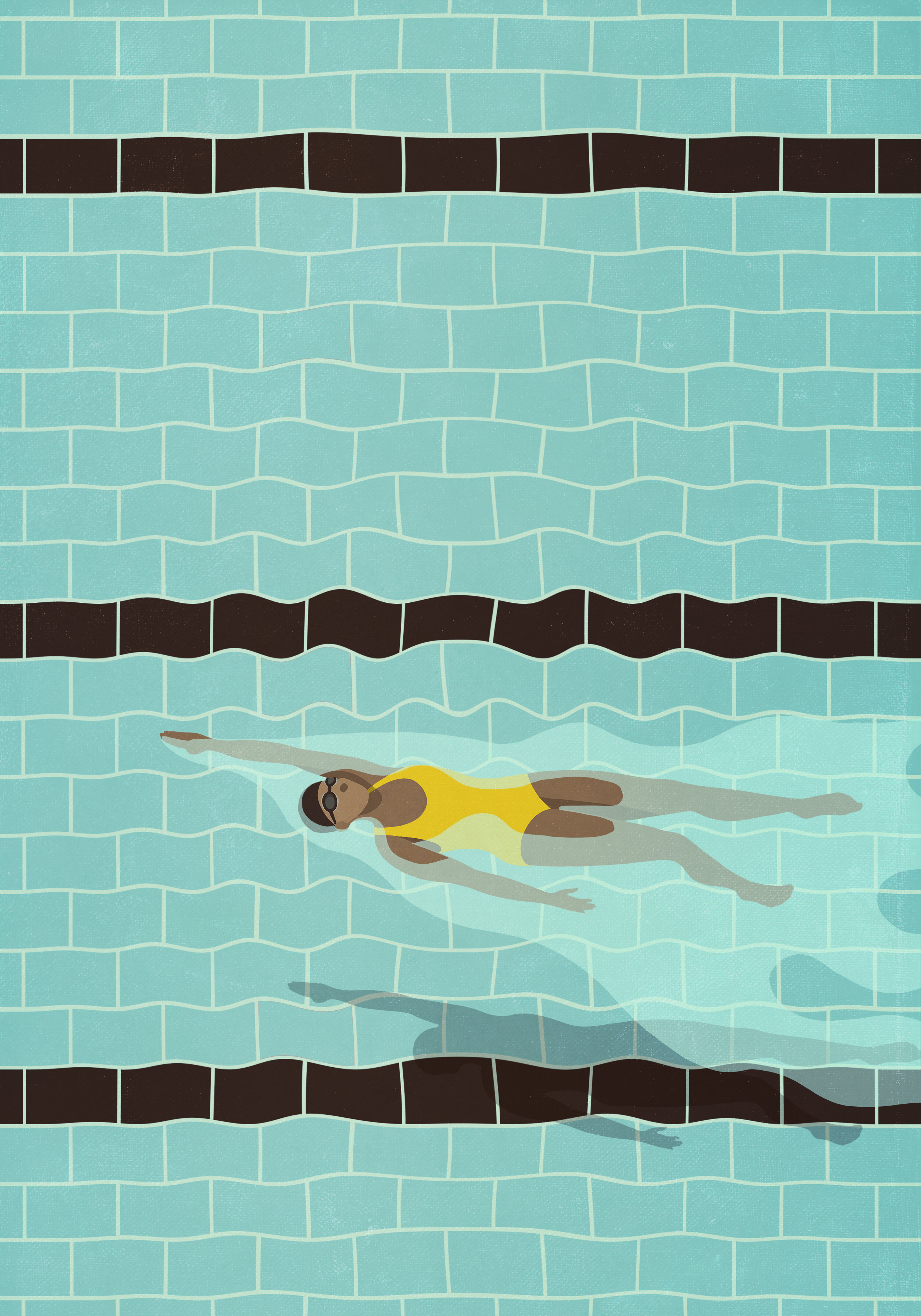
Kitch, who is known as Tiktok user @soybabie__ and based in Melbourne, said she’d visited her pool to do laps, but her peaceful swim in the lap lane was disrupted by screaming kids who kept jumping in.
Advertisement
“I would like to know when somebody is planning on opening an adults only suburb where everything in it is only for adults, because I’m so sick of going places and kids are just everywhere screaming and I just have to put up with it,” she said in a Tiktok video, which has had a quarter of a million views.
“I just went for a swim. They have their own pool and they’re in the lap lane pool, not swimming laps just jumping in and screaming – and that’s just allowed because they’re allowed everywhere.”
“I just feel like for people like me that are evil and hate kids, we should have our own suburb where we can just be quiet and undisturbed,” she joked.
Most parents will tell you they love their child more than life itself. I’m the same. But I have to tell you, when I saw this, I thought: “Fair.”
Advertisement
Adults only holidays exist, so it doesn’t seem unreasonable to have more areas where children don’t venture.
Of course, there are some who would strongly disagree. One user commented on the video: “You used to be a kid mate.. ya know. So get over getting older.” The comment had 215 likes at the time of writing.
Another added: “Go live in Antartica.” Eek.
But plenty of parents, like myself, agreed that child-free people should have their own spaces to exist. In fact, we’d probably go to them too if we had a rare day to ourselves.
That’s not to say I don’t love my child fiercely. I do. But sometimes it’s nice to have some alone time where you can just… adult. The feelings aren’t mutually exclusive.
“As a parent of two small children, I completely understand what you’re saying and respect that childfree people need space too,” said one mum.
Advertisement
Another added: “As a mum, I agree. I hate going to dinner without my kids to listen to other people’s kids carry on. There should be more adult only places.”
“I would totally support a place without kids. Maybe I could go there too without my kids,” said another parent.
Some pointed out that adult only places like this do exist: retirement villages. But the original poster suggested they shouldn’t just be for older adults.
The video also prompted an interesting point that most adult only places are centred around alcohol – ie. bars and nightclubs. People suggested child-free parks, restaurants and even supermarkets should be a thing.
Advertisement
After the video was picked up by the media, @soybabie__ shared another video acknowledging that people were “pressed” that other people don’t want to be around children 24/7.
“I’m not saying kids shouldn’t be allowed at the pool, it’d just be nice if there were more places that were JUST for adults to enjoy and that includes parents wanting a break from their kids too,” she said.
Just when you thought you couldn’t love Jennifer Coolidge any more than you already did.
The White Lotus star has joined TikTok and gifted us all with a truly iconic debut clip featuring a (ahem) “poem” and one seriously A-list cameo.
“Hi, this is my first TikTok,” the Legally Blonde star begins.
“And I was trying to think of something cool to do, and I think I’m just gonna do a poem that I like.”
And no, Jen didn’t choose Shakespeare…
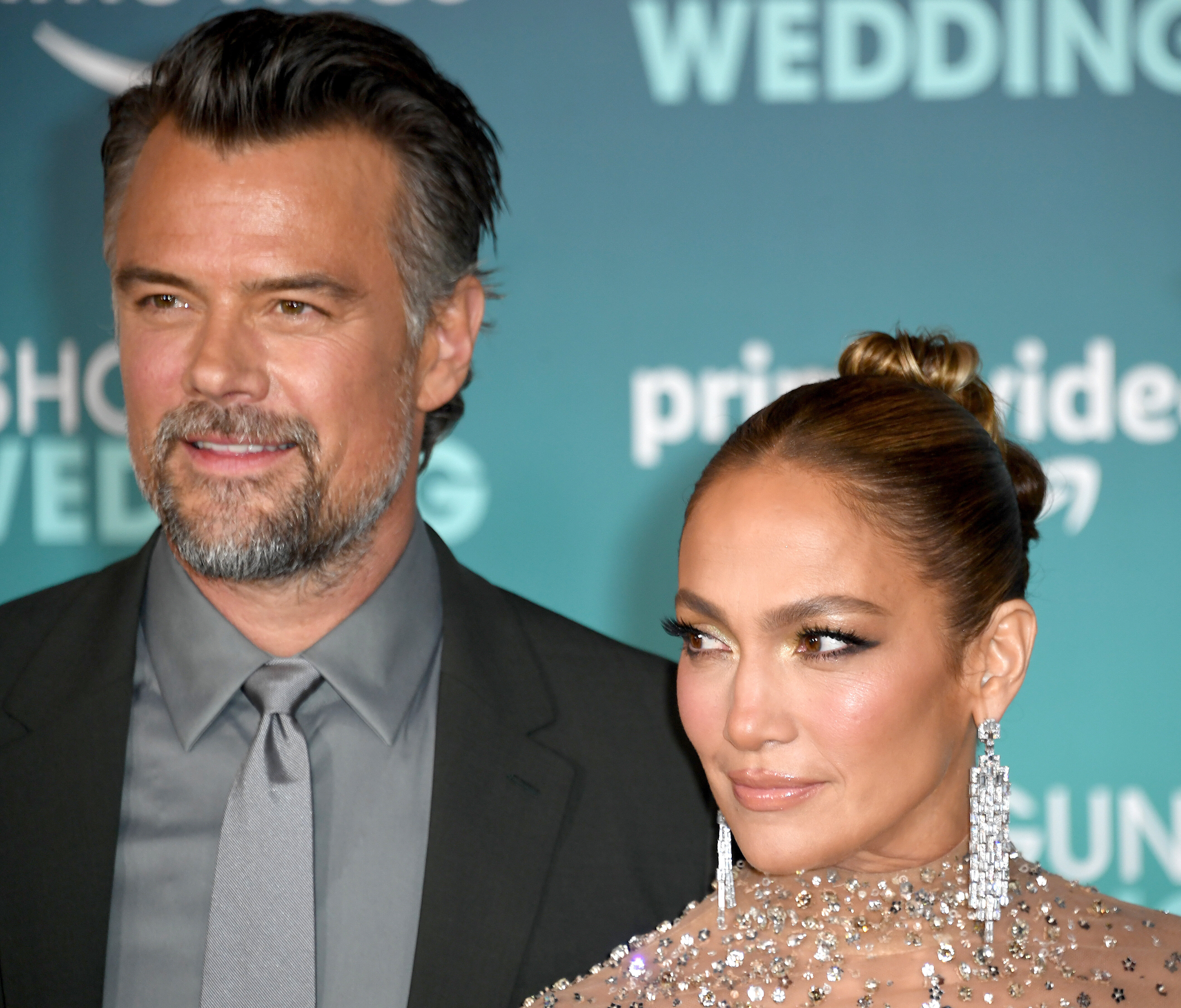
Jennifer and J-Lo’s appearance in the TikTok clip comes as the two stars promote their new rom-com, Shotgun Wedding.
Speaking to ET about working with the recent Emmy and Golden Globe-winning star on the film, J-Lo said “iIt was one of those things where everything came together.”
Their co-star Josh Duhamel was also full of praise for the American Pie star, admitting he was a “huge fan”.
“She is a wonderful person to have around the set. She’s very chill,” he said.
“What I’ll never forget about working with Jennifer was that we didn’t know if she was like, doing it on purpose or if it was like part of her thing ― it’s almost like an Andy Kaufman thing,” he said of Jennifer’’s oddball character choices.
“It makes everybody feel like we need another take, and she’s like, ‘No, I’m good.’ And then you see it, and it’s brilliant… She’s one of those enigmas.”
TikTok is a constant source of inspiration among beauty lovers, quickly becoming the go-to platform for tutorials and #makeupinspo as well as a great place to discover new talent in the beauty sphere.
HuffPost spoke to five makeup artists to find out their favourite trends of 2022. Here’s what they couldn’t get enough of and what they loved trying on themselves.
Advertisement
Euphoria makeup
Think glitters, bold colours and bling. The HBO series had us glued to our screens ― partly because of Zendaya’s phenomenal acting and partly because of the innovative makeup. Our experts praised the looks.
Millie Kendall, founder and CEO of the British Beauty Council: “Euphoria has been a bit of a moment on TikTok. Lots of glitter and shiny shadows. Appliqués and jewels, generally adornments. The combination of dewy, glowy skin with shimmery eyes has been great. It reminds me of a ‘nightclub at 4am’ kind of look.”
Rose Gallagher, makeup artist and beauty content creator: “I loved the whole Euphoria style makeup of super fresh skin with playful pops of colour on the eyes. 2022 has been a year that really made me rethink how I use coverage and made me want to use as little as possible so that the focal point of my makeup was those pops of color, not the complexion. I loved the start of 2022 when we would have a weekly new Euphoria episode and people would replicate the [looks]. Cassie’s unhinged moments with little pops of gems and glitter were a real highlight!”
Check out some of the best TikTok tutorials about Euphoria makeup:
Advertisement
Mood makeup
Lately, we have seen people re-creating real feelings through their makeup, from being cold to sad and everything in between. Want to look like you’ve been crying? There is now a makeup trend (and tutorial) for that.
Ehlie Luna, pro makeup artist and beauty content creator: “Going a step beyond the ‘clean girl’ makeup aesthetic, we have seen more people leaning into how they feel or how they want to feel. The makeup look that took over the past two years will serve as a sort of home base, with playful touches ranging from cold girl, indie sleaze, to dark feminine and more layered on top.”
Katie Jane Hughes, celebrity makeup artist: “There’s something really beautiful about these looks. The look people are trying to create is happening naturally and there’s oddly something really cute and pretty about that. It’s also quite strange, but I tried the ‘cold girl makeup’ and liked it!”
Advertisement
Glossy 90s Lips
There was some controversy with Hailey Bieber’s “brownie glazed lip” this year, but the brown lip liner and gloss combo still has been a much-loved look, since it suits everyone and gives J.Lo 90s vibes.
Donni Davy, head Euphoria makeup artist and co-founder of Half Magic: “I love the shift from pinky nude lips to brownie nude lips. Browns and rosy browns just look so stunning on everyone, and there are so many directions to go here. Soft and diffused, punctuated with darker brown liner, and worn with a sparkly gloss on top, to name a few. Half Magic’s Rosy Brown Mouth Cloud Lip Cream in Magic Brownie is my favourite! It’s velvety soft, hydrating and buildable.”
Kendall: “I noticed a throwback to the J.Lo lip – the darker liner and the defined, glossy pout. I wouldn’t have normally taken to it – I was there the first time around! But I think that the colors of lip liners are so sophisticated now, with Vieve, Charlotte Tilbury and Lisa Eldridge really owning the space and delivering superb colour options that have made this quite a wearable look.”
Advertisement
Blush, blush, blush
Makeup artists and beauty influencers have fallen hard for cream and stick blushes, which give a natural sheen to the skin and blend seamlessly. TikTok is full of blush looks featuring purple blush, blush draping, lipstick worn as blush and more techniques that have gone viral.
Luna: “After a period of blush ‘fear,’ we’ve gone all in. Every season there are more ways to wear it like high placements, the W trend, and editorial draped styles. With more shades and formulas than ever before, there’s something here for everyone.”
Davy: “I think purple blush really made a splash in 2022 and is still making its mark. I love to convince people whenever I can to try this one out! I’m loving the shift from pink blush shades to the surprisingly flattering violet. Violet has the cool tones of purple in it, but it’s also super warm for a purple and actually has quite a bit of pink in it so it doesn’t look completely jarring on the cheek, especially if you’re blending in just a sheer layer. My favourite way to wear it is with a periwinkle or lilac shimmer on top as a highlighter. It’s a delicate, yet simultaneously edgy, way to wear blush and I’m obsessed with it.”
Advertisement
Rainbow eyes
A fun and colorful look reminds us that love is love and that makeup exists for people to have fun with. Why not play with colors and try something new?
Kendall: “This year has been really focused on eyes, I particularly loved the focus on neon eyeliners. I have been wearing quite a lot of neon blue with blue mascara the last few months.”
Advertisement
Gallagher: “I loved the Pride makeup and colourful rainbow-inspired looks (creator Call Me Chim is incredible for those). Not only were the colourful looks just beautiful, but I loved the comradery and celebration of the LGBTQ+ that came along with them.”
Siren eyes meet razor-sharp wings
The eyeliner trend has really evolved this year, partly thanks to Davy’s work on Euphoria. Now, there are more tools than ever before to help you achieve the perfect flick, from silicone guides to liners designed for those with fine motor issues.
Gallagher: “The siren eyes trend [which is connected to Middle-Eastern makeup looks] felt really classic and sexy. I definitely think this would look great on everyone. What I loved about it is that it is a little undone, all about framing the eyes and creating a feline shape but without the constraints of perfection. It would still look great five hours into wearing.”
Advertisement
Old Hollywood glam
The focus here is on beautiful smoky eyes, bold eyelashes and the glam reminiscent of the 30s to the 50s in Hollywood and beyond.
Gallagher: “Around the time of the Marilyn Monroe film launching onto Netflix, there were some beautiful videos using Marilyn’s techniques (Sophie Mand did some great ones). I thought it was lovely that we were seeing these tips for really timeless, old-Hollywood glamour on a platform saturated with newness. It felt very achievable to recreate something we were so familiar with and also seemed like a trend you could jump on just using whatever you already have in your makeup bag.”
Advertisement
Metallic eyes
This trend is perfectly suited for the festive season and beyond. Metallic eyes are much-loved by makeup artists and are suitable even for makeup newbies.
Hughes: “I think metallic eyes suit everyone. I feel people are scared of shimmer and glitter – perhaps they think it will make their skin look a certain type of way. I think it looks gorgeous on everybody, it just depends on how you apply it. If you are worried it would look too much, just start with a little bit, press it onto the centre of the lid and work it around. Start with a little bit and add more when you’re comfortable.”
Advertisement
Natural-looking skin
The natural-looking “no-makeup makeup” trend continued this year, and the “clean girl makeup” trend is also here to stay, according to the experts.
Luna: “Makeup artists, myself included, have been going deeper with makeup techniques on TikTok and Instagram. We have seen the use of multiple powders in makeup routines – from pigmented loose to translucent pressed powders, baked and finishing powders.”
Hughes: “The makeup trend that stood out to me the most was glossy skin, letting the skin speak for itself! Something I’ve been a fan of my entire career. Think dewy, skin, like no-makeup makeup.”
Advertisement
Bleached brows
A polarising trend this year, the bleached brows have taken our TikTok screens by storm with tutorials gone wrong and some gone right. If you decide to try out this trend – which was seen on the likes of Julia Fox, Bella Hadid and Kendall Jenner ― it might be best to leave it to the professionals.
Kendall: “The 90s eyebrows are back – a bit thinner and bleached. I think the thinner brow is nice, I have never been that big on the overly brushed up bushy brow or the overly neat flat brow.”
In the past few years we’ve seen mental healthand therapy content explode online. As the stigma towards therapy decreases, people are using social media to share the beauty that can come out of sitting down with a professional and talking.
Among those sharing videos, are therapists and counsellors who want to reach a wider audience.
As someone who has been in therapy, being able to watch content linked to anxiety has helped and encouraged me to continue to do the internal work. And let’s face it, accessing therapy can be both arduous and expensive – especially if you’re early in your career or you’re facing long NHS waiting lists – so these videos are a way for people to start work on themselves today, without paying a hefty fee.
Advertisement
However, there’s been recent debate around how therapists are using social media. There’s a big difference between a therapist who shares five tips for coping with anxiety – and a therapist who retells their client’s life story for likes. (And no, I won’t be sharing examples of the latter).
slightly concerned about the amount of doctors, nurses, & therapists trying to go viral on tiktok & insta…can at least *one* segment of society be, like, healthy and grounded enough to maybe not need validation from strangers via 15-second clips with spongebob music
I had some students confide in me that their THERAPISTS were making fun of them on Tiktok. They were so completely traumatized, and I’m not sure they will even regain the ability to trust people in authority again. I would never make fun of a student.
Increasingly, it feels like it’s becoming normalised for therapists to speak about their clients in their social media, which has made people wonder how ethical this is.
“Therapists are not supposed to be using their clients to become influencers,” one therapist (@QueeringPsych) said on Twitter.
“Sharing helpful info (without generalising or diagnosing strangers) is great. Making your clients wonder if you’re gonna talk about them affects the relationship,” he added.
Therapists aren’t the only ones using social media to speak about their profession. American nurses recently came under fire after sharing their patient ‘icks’ on TikTok.
Advertisement
No job is perfect and being a nurse is a demanding job. But where is the line between raising awareness of the challenges of your profession and speaking about real-life patients? Does it matter if they’re unnamed? Or does it still cross a line?
Vuma Phiri, who is a 25-year-old paralegal from Western Australia, thinks the content therapists make is starting to go overboard.
“There are certain client-facing careers that need to avoid speaking about the people who come to see them because they visit you at their most vulnerable. It’s unethical to use their vulnerability to go viral,” Phiri says.
However, she shares that she’s benefitted from therapy content but mainly the therapists who give general advice without mentioning their clients’ experiences.
Advertisement
“You can definitely reach your audience well by giving out advice based on your knowledge rather than specifically speaking on those who come see you,” she says.
Phiri also says she’d be angry if her therapist used her story for a viral video. “The security I feel signing a confidentiality agreement would be breached by you speaking about me online on an app as far reaching as TikTok, even if I was anonymised.”
Crystal*, who has been going to therapy for some years, understands how these videos can help others, but “when its explicitly prefaced and explained as the story of a particular person, I think it’s invasive and an informal violation of trust,” she says.
She explains that she would feel violated if her therapist shared her story online. “How can I be baring my soul and telling a professional things that even my close family and friends don’t know and they’re using it as gist online for engagement?” asks the 24-year-old painter from London. “Even though only I would know it was about me, I would feel quite exposed.”
Westend61 via Getty Images
Advertisement
She adds that she’s never found hearing people’s personal stories in this context helpful. “It feels like entertainment and the focus is always on how juicy the story is rather than the healing/resolution/lesson to be learned,” Crystal adds.
Caroline Jesper, who’s head of professional standards at the British Association for Counselling and Psychotherapy’s (BACP), believes social media channels can be a great way to connect and communicate with people, and for therapists, it can be a good way to network with other professionals.
“However, it’s important therapists keep in mind their ethical values and principles while doing so,” she tells HuffPost UK.
“They shouldn’t breach confidentiality or publish anything on social media which could identify a client. They should also be aware that even when anonymising aspects of their client work, a client may see this and recognise themselves in being said. This would be a breach of trust in the therapeutic relationship.”
Are therapists allowed to speak about clients online?
Counselling Directory member Jennifer Warwick shares that there’s been some healthy debate amongst therapists about how, or if, they should use social media.
Advertisement
“Some stay well away, while others see it as a way of connecting and engaging with people,” Warwick says. “It’s a way of showing ourselves as being human and relatable.”
Therapists in the UK are bound by ethical guidelines set out by the governing boards, such as the BACP, so in theory this should prevent people crossing a line.
“Client confidentiality and privacy are key, so we need to make sure that no information that might identify the client is used,” Warwick explains.
“The BACP even have specific guidance for its members, which includes how social media relates to its ethical framework, maintaining clients’ privacy and confidentiality, as well as appropriate boundaries.”
But if you’re viewing this kind of content on TikTok – or you’re in therapy yourself – how can you judge when a therapist has shared too much?
Advertisement
“It’s vital for therapists to tread very carefully around this and not to share anyidentifiable information about clients, past or current.” Warwick adds.
“Imagine seeing a post from your therapist and thinking ‘they’re talking about me!’ even without them giving a name or location.”
She emphasis on the the importance of a health relationship between therapists and clients. “It makes no sense to have a client or potential client feel that we might not be safe to work with when they see us posting about a current client.
“It can however be helpful to talk about general themes or issues on social media that we work with, as this helps clients find the right therapist for them.”
Should therapists ask their clients if they can speak about them online?
“It’s definitely good to set boundaries with clients around social media use, for example, not responding to DMs or accepting friend requests,” Warwick says.
Advertisement
“Ideally, this would be stated as part of the therapist’s social media and also as part of the agreements made when starting with a client.”
“It might be good to discuss with a client how we use social media, to be there to answer any questions they might have and put their minds at ease so they know we are bound by ethical guidelines in our work, which protects our clients’ privacy and confidentiality.”
If you have concerns about your therapist, the BACP advises trying to speak to your therapist first to try to resolve the issue directly with them. But if you think confidentiality has been breached, you can make a formal complaint.
Help and support:
Mind, open Monday to Friday, 9am-6pm on 0300 123 3393.
Samaritans offers a listening service which is open 24 hours a day, on 116 123 (UK and ROI – this number is FREE to call and will not appear on your phone bill).
CALM (the Campaign Against Living Miserably) offer a helpline open 5pm-midnight, 365 days a year, on 0800 58 58 58, and a webchat service.
The Mix is a free support service for people under 25. Call 0808 808 4994 or email help@themix.org.uk
Rethink Mental Illness offers practical help through its advice line which can be reached on 0808 801 0525 (Monday to Friday 10am-4pm). More info can be found on rethink.org.
By now, you’ve probably heard about TikTok’s latest food trend ― the butter board.
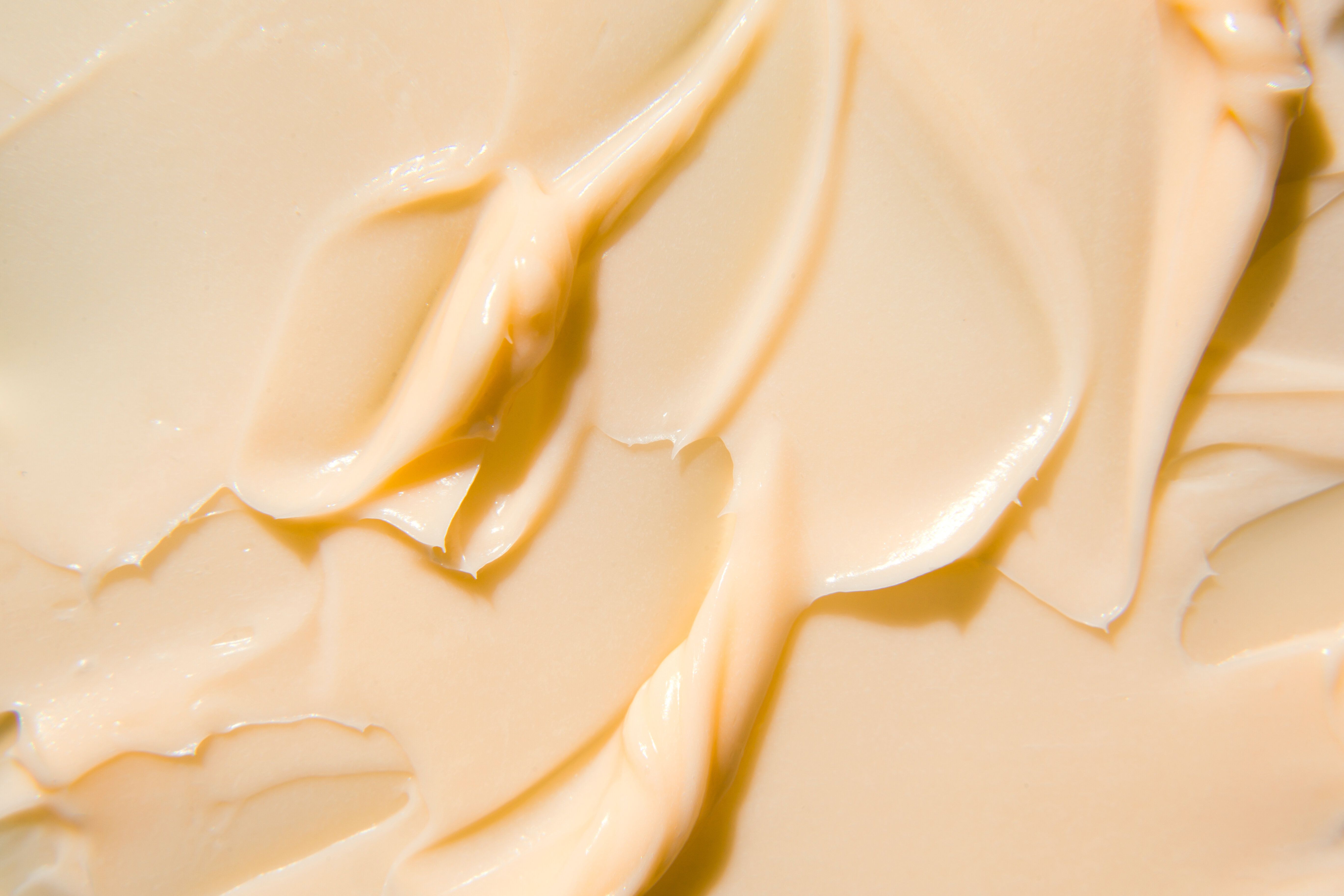
The concept is fairly simple. It’s a board artfully coated with soft butter. Often the dairy product is smeared and swirled around in patterns and topped with elements like honey, lemon zest, flaky salt, edible flowers, herbs and more.
Think charcuterie board, but instead of meats and cheeses, it’s elevated butter. Friends might gather around the communal dish, scrape the butter off the board and onto pieces of bread with a knife, or dip their bread directly into it.
Advertisement
The butter board was popularised by TikTok user and food blogger Justine Doiron aka @justine_snacks. On Sept. 15, she posted a 28-second video of herself making a butter board inspired by a recipe from Joshua McFadden’s 2017 cookbook, “Six Seasons: A New Way With Vegetables.” To date, the clip has racked up more than 8.5 million views on TikTok and another 11.2 million on Instagram.
Like the many viral food trends that came before it, the butter board is somewhat divisive. While some are utterly disgusted by the concept, others see it as a delightful indulgence.
the butter, peanut butter, etc boards have got to stop. all i can think about is dust and hair.
Even if you’re on board with the butter board, not all food safety experts are. HuffPost spoke to Darin Detwiler, an associate professor at Northeastern’s College of Professional Studies and the author of “Food Safety: Past, Present and Predictions.”
Below, he shares some food safety concerns surrounding the butter board and advice for minimising the risks involved.
Is the butter board safe?
It’s perhaps unsurprising that Detwiler might have a few concerns about a dish that involves groups of people huddled over a small board as they eat and touch a dairy product.
Advertisement
He warned would-be butter board eaters to be mindful of “cross-contamination with many hands contaminating the butter board” and “dairy products left out of refrigeration too long ― keep cold foods cold.”
Pay attention to people’s food allergies, as butter boards involve dairy and other potential allergens like tree nuts and certain fruits or vegetables. The popularity of wooden boards as the base for many butter boards on social media also gave Detwiler pause.
“Consider the inability to sanitise a wooden board, with its micro-cracks and knife gauges that harbour pathogens such as E. coli and salmonella,” he explained. “Food-borne pathogens can make everybody sick, but the most vulnerable populations ― the very young, elderly, immune-compromised, and pregnant ― are the ones most likely to end up with reported, confirmed cases, hospitalised, and even dying as a result of such an illness.”
Detwiler noted that E. coli, salmonella and listeria are typical pathogens in food and, in rare cases, can lead to severe and potentially life-threatening complications like haemolytic uremic syndrome (HUS). Always seek medical attention if you suspect you have contracted one of these infections.
“Could people become sick from a butter board, it is 100% possible, as people have become sick from contaminated surfaces and person-to-person contact,” he added.
Advertisement
How can you minimise safety risks?
The risk of getting sick from a butter board still seems relatively low, according to other experts.
“This is not something that would make my top 20 list or top 50 of risky things,” food safety specialist Benjamin Chapman told The New York Times.
Although Detwiler is a little more concerned but believes a safe butter board experience is possible.
“Keep everything clean, cold, and conservative ― not too much at one time,” Detwiler said. “Also, keep in mind if people have any food allergens and keep those foods away from other foods.”
If you want to use a cutting board, choose it wisely. The United States Department of Agriculture advises using one cutting board for raw meat, poultry and seafood and a separate board for fresh produce and bread, so you might want to similarly avoid cross-contamination by using a separate platter for your butter board fantasies.
Advertisement
if you want to serve butter to people at a party, just put it in a proper butter dish. the idea of smearing butter over cutting board that’s been used for who knows what is gross
“Use a plastic board or a serving platter as opposed to a wooden board,” Detwiler recommended. “With any board, sanitise using a teaspoon of bleach to a gallon of water.”
Be mindful of timing as well. American butter tends to require refrigeration, and the USDA cautions against leaving out foods that require refrigeration for more than two hours ― and no more than one hour if the room temperature is 90 degrees Fahrenheit. Salted butter is also more protected from bacteria than unsalted butter, so more suitable for room temperature conditions. It’s also worth noting that people in many other countries (including some in the UK) keep their butter on the counter.
Still, if you’re working with a refrigerated product and want to play it safe, limit how long people can enjoy your butter creation.
“Do not leave butter boards out for more than two hours,” Detwiler advised. He also offered a more sanitary alternative to the big sweeping masterpieces on TikTok.
Advertisement
“Many dirty hands can spread not only food-borne pathogens but other pathogens and viruses as well,” Detwiler noted. “Use several smaller boards, as opposed to one large board, to minimise the number of hands in the food.”
So is the butter board trend here to stay? It’s hard to say, but with the murmurings of an impending butter shortage, perhaps we won’t even have the option.
The UK is baking, and with temperatures set to top 40°C in some parts of the country, an emergency weather warning has been introduced by the government.
Let’s be honest – Brits really aren’t used to temperatures this high at home and work, so everyone is looking for hacks to make our days a bit more bearable.
But what of your windows? Should you be opening them or keeping them shut? And how about your curtains and blinds – should they be closed, too?
We asked the experts to find out.
Windows: open or shut in a heatwave?
When it’s hot, it’s our natural reaction to open the windows to get some fresh air, but is this making us hotter?
If the air is cooler outside, you should open your windows to let the air in. But when temperatures start to rise outside, keep your windows shut to avoid letting hot air in your home and making yourself warmer. If you’re not sure how to check if it’s hotter inside or outside, use a thermometer in both places.
Advertisement
Chris Nye, from Your Overseas Home, says: “It might seem counterintuitive, but if the air outside is hotter than the air in your home, keeping your windows closed could help your home stay a little cooler.”
However, at night, you might want to open them a bit. “After the sun goes down, the outside air will start to cool down,” says Dr Lindsay Browning, sleep expert at, And So To Bed. “At this point, it is a great idea to open the windows to let in a breeze of cool external air into the bedroom, helping cool the room and to provide needed air circulation.”
This works particularly well if you have windows on both sides of your room or home. Just remember to close them first thing the morning again.
Tascha Rassadornyindee / EyeEm via Getty Images
Curtains and blinds: closed or not?
If the sun shines directly into your home, you should close your curtains to try and keep rooms as cool as possible on the hottest days of the year.
“If your house does experience more sunlight throughout the day, it’s recommended you keep your curtains, shutters and blinds shut to stop the sunlight from beaming into your home,” Lucy Askew, a spokesperson for Hillarys blinds previously told HuffPost UK.
“This will keep things marginally cooler and slightly more bearable during heatwaves.”
Nye adds: “You may even want to opt for blackout curtains to keep windows covered and block the sunlight out completely.”
Should you put foil on your windows?
Putting foil on your windows is the latest heatwave hack doing the rounds on TikTok.
Sunlight usually shines through a window which increases the heat of the sun and makes your house warm. But this hack can help you limit the amount of sunlight that get into your home.
Simply roll out some kitchen foil and apply it on your windows to block out direct sunlight.
This hack is popular in America where some states experience high temperatures all year round. In the video below, @americanredcross suggest cutting cardboard and adding it to the window after you applied to the foil.
And if your home has heated up a bit too much? It may actually be cooler to get outdoors for a bit – though do avoid the hottest part of the day. And if you are heading out, stick to shady spots such as under trees or a sun parasol.
Sleep, O sweet sleep, where art thou? Some nights it’s impossible to doze off, all the world’s thoughts heavy on your eyelids.
So whenever I see a trick or vital TikTok that promises a hack to make you fall asleep instantly, I’m hooked.
Advertisement
This week, I came across a content creator who goes by @YoungerYouDoc, teaching people “how to become the youngest version of themselves”.
In one video, he demonstrates how rubbing your wrists for two to three minutes can help you nod off. This is because a spot on your wrist provides one of several pressure points for sleep, according to reflexologists.
“There are four acupressure points starting at the pinky side of the wrist crease and moving up the inner forearm,” Dr Shari Auth, chief healing officer and co-founder of WTHN, told Bustle.
“They are good for insomnia and are excellent to rub at bedtime. These points are commonly used by acupuncturists to treat sleep, palpitations, and mental health issues such as depression and anxiety.”
Advertisement
So, for the last two nights I’ve tried the trick to see how it affects me. And unfortunately, it didn’t help at all.
Perhaps I had the wrong point (I watched a video about pressure points and it seems I did rub the suggested area). But what stopped me from falling into a slumber was being conscious that I was rubbing my wrist.
Before I fall asleep I like to be as still as possible, so I think for me it felt unnatural to keep rubbing for a few minutes.
I also switched hands in case one wrist was more effective than the other. But after doing it for a while, my wrist started getting warm and I decided to give up.
Advertisement
I also didn’t sleep very well and it took me longer to fall asleep than it would usually (though that might be unrelated).
In another viral video, he explained how his two-minute method was adopted by military personnel who often sleep in rough conditions.
It consists of incrementally relaxing your body, then imagining a warm light travelling through your body, while focussing on your breathing. Then you clear your mind of all stresses.
To do this, Agustin advises imagining one of two scenarios; the first is lying in a canoe in a calm clear lake, with a blue sky above you. The other is lying in a velvet black hammock under a pitch black sky.
Any time your thoughts try to distract you, repeat the words ‘don’t think’ 10 times.
Sounds simple enough, right? Well, Agustin explains, you’d need to do this every day for six weeks to see it work effectively enough to fall asleep within two minutes.
It might sound tedious, but it might be worth it in the long run.
“Taking pictures, make sure you can’t see no lace, that wig secure like the money in a safe.” So goes the Chloe x Halle song, Do It.And those lyrics signify just how normalised wig-wearing is for Black women. Growing up it was normal to see your mum, aunts and even grandmas wearing one.
But the state of wigs have evolved a lot since they started wearing them.
Advertisement
I was 17 when I first ventured into the world of wigs and these were the days of closures. A closure is your bog-standard wig that usually features clips or an elastic band to ensure it stays in place all day. In fact, they’re perfect for everyday use, because they’re so easy to put on and take off.
Now we also have the frontal wig, which has really taken off in the past couple of years. When Chloe and Halle sing, “Make sure you can’t see no lace”, they are referring to the lace on a frontal wig. A frontal differs from a closure wig as it’s typically glued down to your hairline so it looks more like your own hair.
Advertisement
As Martha O explains on the Natural Girl Wigs blog: “One way to identify frontals is that they are used to recreate the hairline from ear to ear, while closures are used to recreate the natural parting of the hairline.”
Frontal wigs have grown in popularity, especially online.But head to TikTok and you’ll see more and more Black women who are tiring of their wigs, too.
Advertisement
This sentiment isn’t part of the natural hair movement per se – many Black women still enjoy wearing fake hair – but we want to explore different options. Options such as tape-ins, pony-tails and natural hair extensions. The kind of options that have been available to white women for much longer.
This is something that Tendai Moyo and Ugo Agbai, co-founders of Ruka Hair, have also observed. Ruka is a Black-owned hair business that aims to provide Black women with hair extensions in different textures and formats. As well as selling online, it now has a physical shop in Westfield Stratford City and also works with a network of “co-creators” (in its lingo) who test out products.
“What we’ve noticed is Black women having less attachment to a particular style. We’ve seen more people experimenting with their own hair in various formats like ponytails and clip-ins,” Moyo tells HuffPost UK.
She continues: “One of the things a co-creator said in our community interview last year is that, historically, white women can go to a salon and say, ‘I want longer hair that looks exactly like mine.’ But, historically speaking, Black women haven’t been able to do that.”
Advertisement
That more Black women are downing their wigs is due to two Cs, she says: compromise (or not wanting to) and choice (the availability of alternatives). “Three years ago, white women were using things like micro-links. This option wasn’t a thought for Black women then, because it didn’t exist in our texture.”
Agbai also sees the trend for wig-wearing waning. “I think with wigs, especially with frontals, it was something that you only saw in the theatre, or only saw celebrity stylists doing. Then it became extremely accessible and prominent. Now I feel like people are experimenting with other styles,” she tells me.
Wider choice is certainly a factor, but let’s not understate that the maintenance of frontals can be tedious. Wearing a frontal regularly requires a lot of time and effort. You have to glue the wig (which can take ages), then straighten it, apply a lace tint to make the wig look natural. Sure, you get used to it, but it’s not fun.
As the Ruka website highlights, Black women spend six times as much as their white counterparts on haircare products and service. But this could be beginning to change.
“I’ve seen Black women accept the fact that their hair doesn’t have to take a ridiculously long time,” Moyo says. “Especially since frontals are usually done by professionals, if you do it by yourself you’re not always doing it correctly, which causes more damage and time needed. I’ve seen more Black women finding styles that are less time consuming.”
Agbai agrees and suggests that it’s liberating many of us from some long-held habits, in some cases inherited. “All of the language we’ve been socialised to use around our hair has influenced this,” she says. “We think our hair should take a long time, that it can laborious to do our hair. I’m excited to see that shift and see Black women really look for quicker solutions.”
“I felt like I was forcing it… when I put a frontal on myself, I didn’t look like those other girls.”
– Akua Ntiamoah, 26, Essex
The phrase “where’s the lace?” is used all too often in reference to frontal wigs. There’s an obsession with making frontals look exactly like the hair on your head when a lot of the time, they just don’t. This pressure for wig perfection has made some Black women consider other options.
This is the case for Akua Ntiamoah, 26, a civil servant from Essex, who says she didn’t enjoy wearing wigs as her hair never looked like what she saw online.
“I felt like i was forcing it. Maybe it’s because I saw girls on Instagram wearing them, but when I put a frontal on myself I didn’t look like those other girls,” she says. “Black girls always say, ‘the lace is invisible’, but I can see it in real life.”
She stopped wearings wigs two years ago. “I was tired of my wigs not looking natural, so I cut my hair. I wore wigs from time to time, but I still didn’t look right so now I just wear my hair out in a pony.” She says she also enjoys braids.
Advertisement
Moyo and Agbai have received positive feedback about Roka’s ponytails that putting them on doesn’t require much work for the wearer. As they tell me: “We’d get women saying: ‘We don’t have to put much gel in our, we can just attach the ponytail and go.’ That is the best thing!”
While wigs are often seen as a great protective style, wearing them too often can also damage your hair. For Joy Olugboyega, 25, a photographer and director from London, wearing wigs ruined her hairline – so she doesn’t.
“I stopped wearing wigs in 2019. Haven’t worn a wig since,” she says. “My relationship with wigs was pretty much on and off. I hated what it was doing to my hairline but at the same time appreciated the convenience.”
And now she’s made the break, Olugboyega is reclaiming more than her hair. “I realised I looked way better with my natural hair and Afrocentric hairstyles like fulani braids, faux locs, feed-ins. Not only do I look better, but I feel better too, like a queen,” she says.
“I just feel more like I’m more myself when it comes to how I present. It’s the truest representation of me and where I come from.
After Selena posted a look at her skin care routine on TikTok earlier this week, some fans accused her of subtly mocking a video that Hailey had posted just hours earlier.
Selena – whose 2019 song Lose You To Love Me was widely thought to be about Justin Bieber – took to her comments section to clear the air about the misunderstanding.
Advertisement
“This is why I believe in taking care of your mental health. Guys no idea what I did but I really am sorry. Zero bad intention. Deleting soon,” Selena commented on her video, as seen in a screenshot from a fan.
Still, some fans continued to speculate about possible tension between Selena and Hailey, given the timing of Selena’s video.
Advertisement
“LOL I know who she’s referring to,” one commenter wrote on Selena’s TikTok video. “Wait … is she tryna make fun of you know who,” another commenter wrote.
The Wizards of Waverly Place leading lady later turned off comments on the video.
Selena said goodbye to her on-and-off relationship with Justin months before he wedded Hailey. The couple have been married since 2018.
Over the years, fans have theorised that Selena and Hailey Bieber hold resentment toward each other, but the two women have always denied the rumours.
Advertisement
Last month, Hailey addressed the issue in a TikTok, pleading with trolls to finally let the drama end.
“Leave me alone at this point,” she said. “I’m minding my business. I don’t do anything, I don’t say anything. Leave me alone, please. Enough time has gone by where it’s valid to leave me alone. I beg of you, truly. That’s my only request.”
Fast fashion brand Shein has found itself accused of duplicating designs from the popular high street clothes shop Zara.
Users on TikTok particularly have pointed out the similarities between dozens of designs from both brands, with #ZaravsShein reaching 34.6 million views and #ZaraDupe hitting 40 million.
Advertisement
This isn’t the first time Shein has been called out for copying designs. Brands such as Levi Strauss, AirWair International (producer of Dr Marten boots) and Ralph Lauren have already taken legal action against the brand over alleged copyright infringement.
In the past, Zara has separately been accused by independent designers of copying designs, leading to some items being taken off shelves.
Advertisement
In response to the latest comparisons, a Shein spokesperson told the Guardian: “Shein suppliers are required to comply with the company’s code of conduct and certify their products do not infringe on third-party IP.”
HuffPost UK has also contacted the brand for comment.
Advertisement
The items in question have received mixed reviews on TikTok. While some shoppers are raving about their bargain buys, others are warning that fast fashion will “destroy the planet”. As one TikTokker points out, Zara is still considered a fast fashion brand, despite its higher price point to Shein.
Zara is part of the Inditex Group, whose brands include Pull&Bear, Massimo Dutti, Bershka, Stradivarius and Oysho. As the sustainable fashion index Good On You highlights, Zara’s business model is based on an incredibly high turnover of the latest fashion items.
So what does it say about fast fashion if brands are pinching designs from each other?
Michaela Leitz, a 28-year old fashion stylist and influencer from Germany, thinks copycat fashion fundamentally diminishes a brand’s identity and creativity.
Advertisement
“Shein is known for creating 700 to 1000 new designs a day. It’s not a creative process – you can’t even do that if you have a huge team of designers,” she tells HuffPost UK.
“And because they’re producing at that rate the clothes are usually bad quality. So after two or three washes your clothes are already falling part, which is destroying our planet because the clothes aren’t decaying.”
Shein is known for its cheap price point, which is why the brand has such a huge appeal to young people. So much so, the company’s revenue has quadrupled since 2019, according to the Business of Fashion website, with sales rising from $15.7bn (£12.1bn) to a huge $100bn.
But even though Zara has pricier items, its retail model tells a different story.
“Zara produces 52 sub-seasons a year whereas high quality designer brands have two main seasons a year, so it’s still a fast fashion brand,” Leitz says. That’s despite the fact, she adds, that “you’re able to go into a Zara store and see the designs [and] it feels more luxurious than Shein.”
When fast fashion brands start stocking similar designs, Leitz says it feeds into “micro trends” – which are bad news for the planet and your fashion sense.
Micro trends are when a fashion item or aesthetic become really popular quickly, but goes out of style equally quickly,. While macro trends can last from five to 10 years, micro trends can last as little as three – or an even shorter timeframe.
“Micro trends don’t allow you to have your own signature style,” says Leitz. “As a consumer you just keep buying all these clothes that you won’t wear again. Which is of course really bad for the environment.”
For Leitz, the Zara vs Shein hashtag highlights how fashion is losing its meaning. “Fashion is self-expression for clothing, it’s storytelling and showing who you are. These brands aren’t original in my opinion,” she says.
Leitz believes fast fashion dupes take away from creativity and individualism. “We’re seeing brands creating 700 designs today. There’s no innovation, so where does fashion go from here if brands are just copying each other?”
Advertisement
However, boycotting fast fashion brands is harder said than done. If you’re someone on a low income it can be challenging to shop sustainably, and for some people, there are added barriers.
“I specialise in plus-size fashion so I know how hard it is find clothes and understand that not everyone can afford the expensive price points,” Leitz says.
“When I was in my early 20s I also didn’t have the funds to shop at expensive brands but I recommend trying to shop vintage. Or save up some money and buy fewer items that you can rewear. That way you can create your own signature style that you can have for years.”