I’m A Travel Pro, These Are The Best Holiday Destinations To Take Kids And Teens (By Age)

Travelling with kids isn’t for the faint-hearted – but it can be a joyful (if not slightly exhausting, let’s be honest) adventure if you choose a destination that suits your child’s age.

Whether you’ve got a small explorer, a school-age child or you’re holidaying with teens, Maria Belfort at Rickshaw Travel has shared her thoughts on the best destinations for different age groups.

And you might be surprised by some of her top picks.

Let’s dive in, shall we?

For kids aged 1-5

Top picks: Greece, Portugal, Italy, Thailand, Malaysia.

“This age is all about balance,” said Belfort, “you’ll want easy logistics, short travel distances, and plenty of time to simply splash in a pool or dig sandcastles on the beach. But that doesn’t mean skipping out on culture.”

She said Greece is a great option for families with little ones as it offers “a dreamy blend of clear, shallow waters and picturesque villages”.

“On the Cyclades islands, such as Naxos and Paros, you can dip into local life with boat trips, donkey rides and taverna feasts,” she added.

Portugal is another family-friendly option as it delivers sun-soaked beaches and compact cities like Lisbon and Porto, “with tram rides, castles, and gelato galore”.

And yet another perfect European hotspot for young families to visit is Italy. Think “gelato-fuelled walks through historic piazzas, scenic countryside farm stays, and child-friendly meals at every turn”.

While Thailand and Malaysia might sound adventurous, Belfort insisted they’re “surprisingly doable with young children” as you can combine beach time with gentle jungle adventures, floating markets and elephant spotting. Just make sure you pack plenty of snacks for the plane journey!

For kids aged 5-10

Top picks: Thailand, Costa Rica, Sri Lanka, Indonesia, Borneo, Canada

As primary school-aged children become more curious and capable, Belfort suggests opting for longer-haul trips packed with adventure.

Belfort said: “These destinations offer the right mix of wildlife, nature and new experiences – all with a strong dose of family fun.”

She recommended the “wildlife wonderland” of Borneo – specifically river safaris in Sarawak and meeting orangutans in their natural habitat. Kayaking, firefly spotting, and rainforest treks make this an “unbeatable playground”, she added.

Similarly, Costa Rica is like stepping into a David Attenborough documentary and is guaranteed to be a hit with kids. “Watch sloths hanging from the treetops, explore volcanoes, and zip-line over rainforest canopies,” said Belfort.

Canada is also a great shout for slightly older adventurers. “Explore the Rockies, paddle crystal lakes, and spot bears from a safe distance,” said Belfort. “The west coast route is particularly good for kids who love the great outdoors.”

For something a little more laid back, Bali offers family-friendly beaches, rice paddies to cycle through, and traditional crafts to try, all with an easygoing rhythm. While Sri Lanka and Thailand can offer tuk tuk rides, temples, and gentle wildlife adventures that are both educational and exciting.

For kids aged 10-15

Top picks: Vietnam, Thailand, Costa Rica, Sri Lanka, Indonesia, Borneo, Canada, Peru, India

According to Belfort, these destinations offer “the right balance of education and adventure – from ancient ruins and jungle hikes to hands-on experiences with local communities”.

In Vietnam, she advises cruising through Halong Bay, exploring Hanoi’s buzzing streets, and learning about local life in the Mekong Delta.

India can offer vibrant cities, majestic forts, and tiger safaris, while Peru provides an exhilarating journey through the Sacred Valley to Machu Picchu. “For kids fascinated by ancient cultures and big landscapes, it’s a once-in-a-lifetime trip,” she added.

“Borneo, Sri Lanka and Costa Rica continue to be brilliant at this age, with more physical activities (kayaking, snorkelling, short treks) and fascinating ecosystems to discover,” she said.

Meanwhile, Canada and Indonesia provide more stunning natural backdrops for multi-day adventures.

For teens aged 15+

Top picks: Vietnam, Peru, India, Borneo, Indonesia

Teens are ready for a proper adventure – and the expert said travel can be a brilliant tool for confidence building and perspective.

She suggested Vietnam caters well to teens with its bustling cities, rural homestays, and beautiful beaches, “offering a coming-of-age style journey that they’ll remember for years”.

Peru’s Inca Trail or alternatives like the Lares Trek can provide a real sense of accomplishment, while the country’s indigenous cultures can “open teens’ eyes to a different way of life”.

She continued: “India offers a full-on sensory experience – from street food tours to spice markets and heritage sites. It’s an ideal place for older teens to begin thinking about global citizenship and responsibility.”

And in Borneo, older kids can delve deeper into conservation work, jungle trekking, and learning about the fragile ecosystems of the rainforest.

Last of all, Indonesia’s Sumatran rainforests or Bali’s quieter corners offer the “right mix of escapism and depth, with opportunities to explore independently and mindfully”.

Happy holidays!

Share Button

Travellers To Spain And Portugal Urged Not To Make Costly Mistake

Large parts of Spain and Portugal are currently facing power outages, resulting in traffic jams, airport lags, and public transport issues.

Reuters reported that Spain’s electricity transmission operator Red Eléctrica expect the issue to persist for hours.

Portugal’s electricity transmission operator Rede Eletrica Nacional said the problem was due to extreme temperature variations, which resulted in a “rare” atmospheric phenomenon, the BBC said.

Work is under way to gradually recover electricity – with reports suggesting power has already returned in some parts of Spain.

Rory Boland, editor of customer advocacy publication Which? Travel, said: “The power outages in Spain and Portugal will have a significant knock-on effect for those travelling to and from both countries.”

For those currently in the affected countries, Boland advised to “follow the advice from local emergency services and government”.

But if you have booked holidays in any affected areas in the next few days or weeks, the consumer advocate said it’s important not to cancel your trip.

Why shouldn’t I cancel my holidays in the next few weeks or days?

“If your flight or holiday is several days or weeks away, the best advice is to not cancel as you will lose money and won’t be able to claim via travel insurance,” Boland shared.

If you are expected to travel to Portugal or Spain over the next couple of days, meanwhile, the expert advised to “check the advice from your airport or tour operator or airline apps and airport social media feeds for the most up to date advice”.

He said it’s the responsibility of the airline to look after passengers on any cancelled flight, no matter why the flight is cancelled.

“That means putting you on an alternate flight to get you to your destination, if needed, or you can accept a refund,” he added.

“You are almost certainly better off insisting on rerouting if you still intend to travel, as flights will be expensive.”

Keep your receipts

Boland advised travellers who are currently inconvenienced by the power cuts, or who will be affected by changes over the next couple of days, to document everything.

“If you are stuck because your flight has been cancelled or delayed and need to buy a meal, or need a hotel overnight, make sure you keep the receipts as you will be able to claim this back from the airline,” he said.

Follow your airline’s guidance and stick to the government’s rules in the meantime.

Share Button

I’m Making It My Mission To Help Black Travellers See the World

I still remember the first time I held my passport in my hands. It wasn’t just a small blue book with my name inside – it was a key, a promise, a declaration of possibility. I was in my 20s and wasn’t immediately sure what travel would do for me, but I had what I needed to find out. As a Black Muslim woman, travel has been a way of expanding my world, learning my history beyond what textbooks tell us, and reclaiming my freedom in ways my ancestors fought for.

And yet, too many Black people in the United States don’t have access to this freedom. According to a survey from 2023, only 34% of Black Americans hold a valid passport.

I can promise that this statistic is not about not wanting to travel internationally; it is more of a reflection of systemic barriers that have long restricted our mobility. From the $165 passport application fee to the deep-rooted fears of traveling abroad, many Black Americans feel locked out of the world.

Furthermore, the lack of representation in travel media or stories of anti-Black racism abroad can create well-warranted anxiety. If we don’t see ourselves safely represented in the narrative of international travel, why bother?

And then there’s the unspoken reality: For generations, Black Americans were actively discouraged – or outright prevented — from moving freely, both within and beyond U.S. borders.

At 38 years old, I’ve lived in five countries and traveled to countless others, digging my heels into the literal paths traversed by Audre Lorde, Maya Angelou, James Baldwin, and so many other Black creatives who not only dared to dream but lived those dreams out loud and in the world. In every place I’ve called home, I’ve felt the weight of their footsteps and the power of their choices. Their journeys weren’t just about escape, they were about expansion—about finding spaces where they could breathe, create and exist beyond the confines of racism and oppression.

These choices were deeply political. They reflected a refusal to accept the criminalisation of Black folks, the silencing of Black voices, and the daily toll of surviving in a country built on anti-Blackness. Much like today, Black people then were searching for places where their full humanity could be recognised.

And so, the desire to explore the world isn’t just rooted in wanderlust. It’s an act of resistance, a declaration that we deserve rest, joy and safety. Leaving the United States, for many, has always been about more than just seeing new sights – it’s about finding freedom in places that won’t criminalise our very existence.

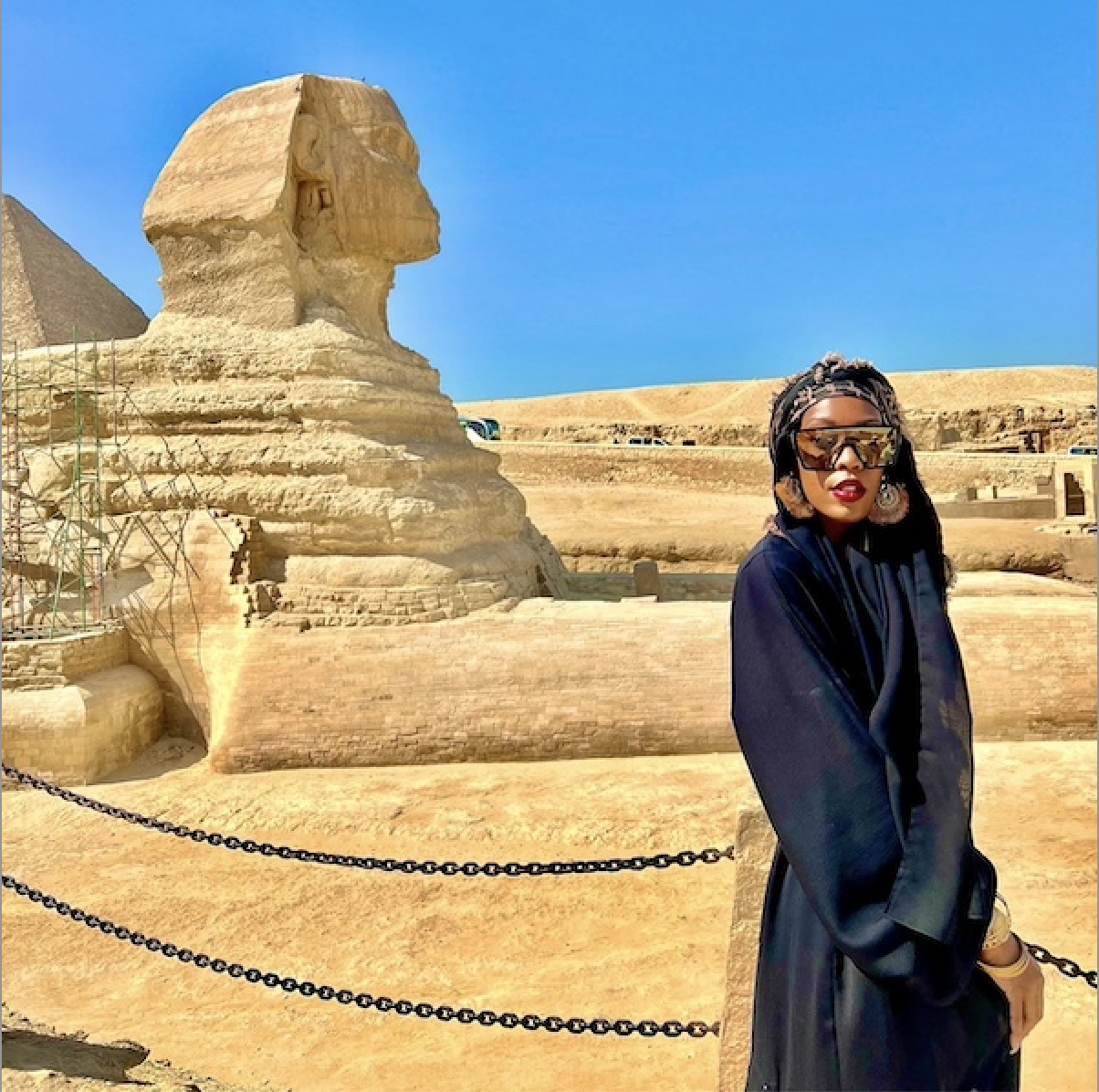
"I just wanted to do something to impact people the way travel has impacted me," writes author Imani Bashir, pictured here during a trip to Egypt.

Photo Courtesy of Imani Bashir

“I just wanted to do something to impact people the way travel has impacted me,” writes author Imani Bashir, pictured here during a trip to Egypt.

But I also know that for too many Black people who want to visit other countries, the barriers to entry are too high. That’s why I started my Paid Passport Initiative: to remove one of the biggest obstacles standing between Black people and the freedom to move.

The concept is simple but powerful. I would cover the cost of a passport book and the processing fee for Black adults who are ready to take that first step toward global mobility. Using my creator funds from TikTok, along with community support through a campaign I created on GiveSendGo, I’ve been able to fund 18 passports since Jan. 1, 2025 – each one representing a life opened to new possibilities. When I first launched the initiative, I expected interest, but I wasn’t prepared for the overwhelming response, especially since it’s just me. I just wanted to do something to impact people the way travel has impacted me.

Within the first 24 hours, I received 1,500 submissions, and to date, over 9,428 people have applied. They shared stories of wanting to reconnect with their ancestry, pursue job opportunities abroad, or simply experience a world they’ve only seen in books and on screens. It was a reminder that the desire to move and go has always been strong – and my goal is to eliminate the first financial hurdle.

Beyond travel, a passport is one of the strongest proofs of citizenship – a document that can mean the difference between security and uncertainty, especially at a time when citizenship, rights and even personhood are under attack. With voter suppression laws, mass incarceration and policies that disproportionately strip Black people of their rights, having a passport isn’t just about seeing the world – it’s also a safety precaution.

A valid passport ensures that if ever the need arises, we have the ability to leave, to seek refuge, to claim space elsewhere. It’s a safeguard against a system that has historically tried to limit our mobility and erase our belonging. In a world where political tides shift rapidly, possessing a passport isn’t just about freedom. It’s about protection.

Having a passport is a small act of resistance against a system that has long tried to keep us in place. And it’s a reminder that mutual aid, collective care and community support can create real change.

I know firsthand how transformative travel can be. It has shaped my identity, deepened my understanding of myself, and connected me to a global diaspora that exists far beyond the margins of the United States. I want others to experience that – to know that they are not confined and that their existence is not defined by limitations but by possibility.

My goal is to fund 100 passports by the end of 2025, but this is bigger than me. It’s about shifting the way Black people see themselves in the world. It’s about planting the idea that movement is our birthright. Because when we have access, when we have options, we are free. And Black freedom – no matter where it exists – is always worth investing in.

I don’t plan on stopping at 100 passports. Because when we move, we learn. And when we expand, we become unstoppable.

Share Button

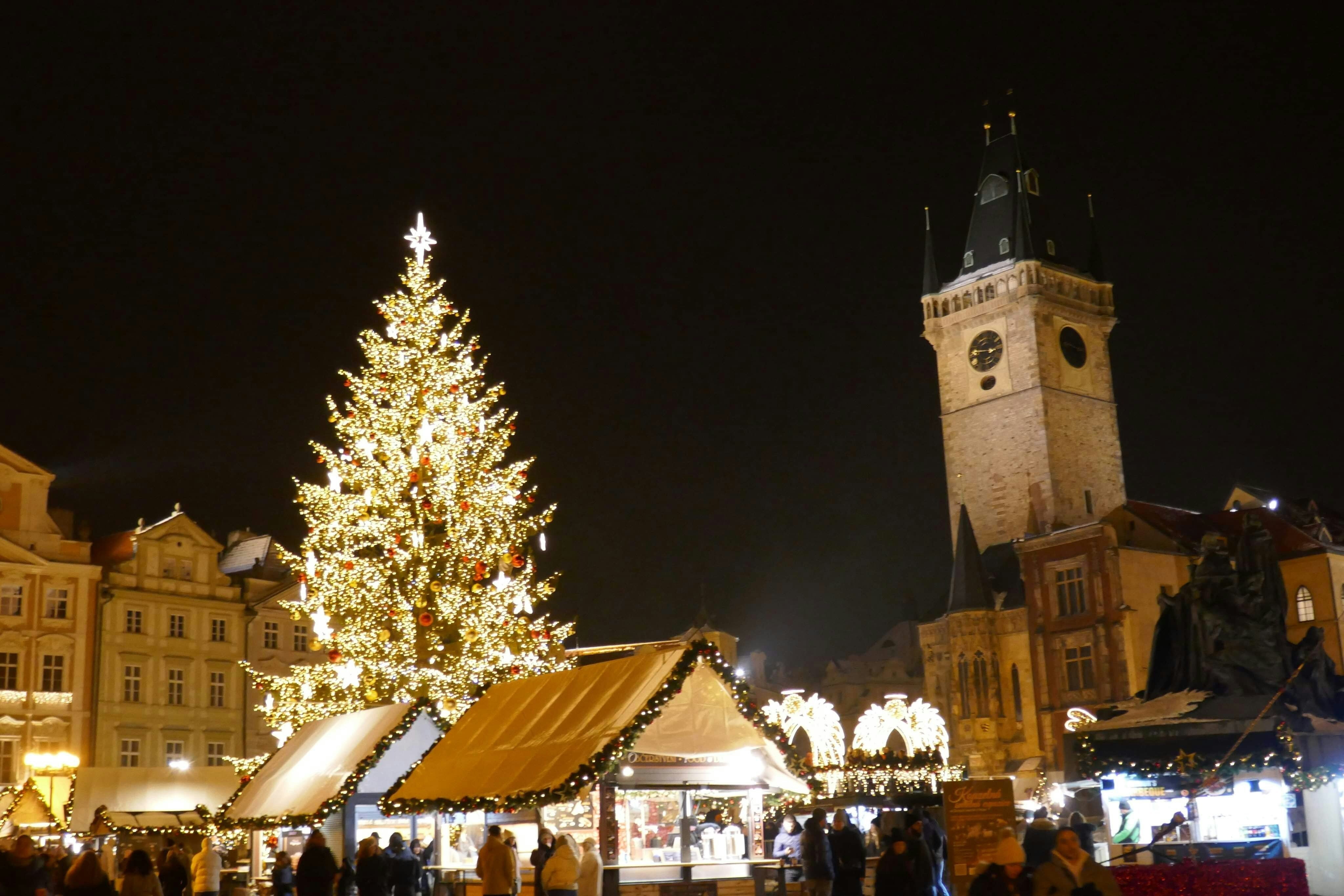
I Went To Prague And Discovered Tartar Sauce On Chips – Here’s What Other Countries Swear By

I just got home from Prague and there were two huge revelations for me: homemade raspberry lemonade should be on every drinks menu, just as it is in the Czech capital, and tartar sauce goes SO well with chips.

I know, it doesn’t sound like it would fit and to be honest, when my partner and I were offered some for our sides, I politely declined. My partner didn’t, though, and I bravely pinched some for a sample.

I am so glad that I did.

The hot, salty chips we were served combined with the tangy tartar sauce made for a taste sensation. It is a match made in heaven and I can only apologise to the great city of Prague for my oversight.

It did get me wondering though. am I missing out? And what do people around the world prefer to have with their chips?

What people have with fries around the world

Australia

In Australia, chips are often served with chicken salt. On their website, The Chicken Salt Co says this is a mainstay in Australian takeaways and has been for 50 years: “Originally developed in the 1970s by two Europeans living in Adelaide, chicken salt was used as a seasoning for rotisserie chickens to add flavour and colour.

“Chicken shop owners would also add chicken salt to chips (known as hot chips) and it’s popularity spread to all corners of Australia.”

It’s surprisingly not made with chicken and is instead a blend of paprika, sugar, garlic and onion. It is DELICIOUS and I am fully obsessed.

Belgium

According to Belgian Smaak, which is a website and podcast about Belgian beer, Belgian culture, and Belgian beer culture, Belgians eat more fries per capita than any other nation and it’s the world’s biggest exporter of frozen fries.

While Belgians also enjoy tartar sauce with their chips, Belgian Smaak explains they often have Andalouse sauce, which is “essentially mayonnaise made with tomato paste and mixed with crushed, roasted red bell peppers.”

Canada

Canada is home to poutine which is a delicious dish made of fresh-cut french fries topped with cheese curds and gravy.

It. Is. Incredible.

Iceland

According to Icelandic food store Topiceland: “This spice is absolutely essential on French fries. It’s also great in various potato dishes, gratins, sauces, and stews.”

The popular seasoning includes MSG, onion, paprika, spice mix, herb protein and glucose syrup. Sounds amazing.

Netherlands

This one is a constant in our house.

Home cook Kinfolk Recipes explains: “In Holland we like to add fritessaus to our french fries. Fritessaus is a sort of mayonnaise. It is similar to mayonnaise, but with at most 25% fat, it is leaner and usually sweeter than mayonnaise.”

Ingredients include lemon, mustard, and chives.

Romania

In Romania, chips are most often enjoyed with mujdei: a creamy, very garlicky sauce.

According to Romanian food and folklore blog From Dill to Dracula, this sauce contains a whole head of garlic, sour cream, salt, pepper, and vegetable oil. Sounds delicious and utterly pungent.

Scotland

Here in my home of Scotland, we have something called chippy sauce. Only sold on the east coast and very controversial to some people, this sauce is a mix of brown sauce and vinegar. The ratio of each part changes depending on where you are, but in Edinburgh, this tangy treat is available in every chippy and always piques the curiosity of tourists at the Fringe.

The rest of the UK

The UK takes condiments very seriously and in fact, preferences change from one region to another. A 2023 survey found that in northern England, ketchup is the preferred condiment with chips.

In Northern Ireland, people most often opt for gravy and in Wales, a good dousing of curry sauce does the trick.

Vietnam

Food Republic reveals that in Vietnam, “it’s common to enjoy french fries, called khoai tây chiên, with an almost dessert-like dip made of a small scoop of butter with a side of sugar.

“People eat the sweet and buttery combo by dipping crisp fries into the softened butter and then granulated white sugar.”

Honestly? Sold.

Share Button

The 7 Medications A Doctor Says You Should Always Avoid While Flying

According to Skift Research’s Global Travel Outlook report, travel companies are anticipating a 24% rise in the number of trips people are planning for the year ahead compared to 2024.

For many of us, this will mean jetting off on flights abroad and, according to pain management doctor Dr. Sean Ormond from Atlas Pain Specialists who is working in collaboration with Total Travel Protection, we could ruin our holidays before they’ve started by taking certain medications on our flights.

Dr. Ormond shares: “As a pain management doctor, I always emphasise the importance of being mindful of medications, especially while flying.

“Air travel can impact how drugs work in your body, and some meds can cause serious issues at high altitudes.”

7 medications you should never take on a flight

Opioid painkillers

Opioids, such as codeine, can make you drowsy, Dr Ormond urges, “but in the air, their effects can be so much stronger.”

He warns that they can slow down your breathing (already not ideal in a low-oxygen environment) as well as making you feel dizzy, nauseated or even confused.

He advises: “If you need pain relief, consider non-opioid options like ibuprofen or acetaminophen instead.”

Sleeping pills

Trying to knock yourself out for a long-haul flight? Be careful, says Dr Ormond.

Sleeping pills can leave you overly groggy, disoriented, or even sleepwalking in the aisle (yes, it happens!). And if there’s an emergency, you don’t want to be too out of it to react.”

Instead, he recommends that a good eye mask, neck pillow, and noise-canceling headphones are much safer bets.

Anti-anxiety meds

If you’re a nervous flyer, these may seem like the ideal solution but Dr Ormond warns that they can hit harder at altitude, saying: “You might feel extra sluggish, have trouble breathing, or even pass out mid-flight.

“If flying makes you anxious, try deep breathing, distraction techniques, or even natural remedies like melatonin.”

Diuretics

These meds help with swelling and blood pressure, but they also make you pee- a lot.

“Planes are already dehydrating, so diuretics can leave you dizzy, weak, and lightheaded. If you have to take them, drink extra water (and maybe choose an aisle seat!).”

Drowsy Antihistamines

Old-school allergy meds can knock you out, but not in a good way. They can make you groggy, slow your reaction time, and increase the risk of blood clots since you’re sitting still for so long.

Dr Ormond advises: “If allergies or motion sickness are a problem, go for non-drowsy options like Claritin or Allegra.”

Strong Muscle Relaxers

Muscle relaxers can make you feel wobbly and weak, which isn’t great when you’re in a cramped airplane seat. They can also make it harder to wake up and move around, increasing the risk of blood clots.

Instead, he says, if you have muscle pain, try gentle stretching and those air-activated heat patches instead.

Blood Thinners – Use with care

If you’re on blood thinners, be extra mindful on long flights.

“Sitting for hours raises the risk of blood clots, and if you bump yourself, even a minor injury could cause excessive bleeding. Get up and move every hour, wear compression socks, and talk to your doctor about precautions.”

Share Button

9 ‘Tourist Traps’ That Are 100% Worth The Trip

As a native New Yorker, I can smell a tourist trap from miles away. (Times Square, anyone?)

That said, the term has garnered somewhat of a negative connotation ― but in all honesty, many of these locations are actually worth a visit at least once. Think about it like this: They’re considered attractions for a reason. They offer views or experiences that can only be found in that specific location.

We’ve rounded up a few options below. Sure, there are crowds. Sure, they might be corny. But they’re also 100% worth considering for your next vacation.

1. Mount Rushmore

Tetra Images via Getty Images

Ever since I saw Mount Rushmore in a picture book when I was a child, I knew it was somewhere I wanted to visit.

Located in South Dakota, Mount Rushmore is home to the popular 60-foot memorial featuring the faces of four former presidents: George Washington, Thomas Jefferson, Theodore Roosevelt and Abraham Lincoln.

Over 2 million people visit Mount Rushmore each year, so you’re bound to run into crowds, but even if it’s just to snap a quick picture, it’s well worth it to see this historical monument. While you’re there, check out the Avenue of Flags or take a hike on the mile-long Blackberry Trail. If you’re visiting during the summer, end your day by watching the light ceremony that takes place every night starting the Friday of Memorial Day weekend.

2. The Eiffel Tower

While you can see the Eiffel Tower from different vantage points around Paris, your trip isn’t truly complete without making a proper visit.

On my most recent trip to Paris, the Eiffel Tower was packed even at 8 a.m. You’ll potentially be waiting in two- to three-hour lines to get tickets and enter the building, but the wait is worth it. I highly recommend getting a GoCity pass where you can book different attraction tickets and guided tours — it’s the easiest way to see the city if you don’t know your way around.

The view of the city is absolutely breathtaking and you’ll see areas you may not even get to explore during your visit. Keep in mind that the summit can be closed during your trip (as it was for mine), but the second level is still magnificent. The summit tends to shut down during inclement weather or if they are doing maintenance.

After your ascent and descent of the tower, head over to Place du Trocadéro to take some photos, grab some food from a local vendor, and spend some time sprawled out on the lawn in front. And don’t forget to make a quick trip back at night. The tower lights up every hour between dusk and 1 a.m. in the summer.

If you’re looking for an extremely luxurious experience, book a hotel that has a room with a view. (For example, Hotel Montalembert’s Suite Montalembert has an exquisite view of the Eiffel Tower from the room’s tiny balcony that’ll make you feel like you’re in a movie.)

3. El Yunque Rainforest

There’s no better place to experience the luscious greenery and waters of Puerto Rico than at El Yunque rainforest. Although it can be crowded during peak season ― which is typically about mid-December through April it’s still well worth the visit.

El Yunque features hiking trails and lagoons, allowing you to experience different types of wildlife. If you’re up for a little more adventure, you can also plan an activity like zip-lining or riding an ATV.

4. Times Square

Alexander Spatari via Getty Images

Although I often roast it as a native New Yorker ― as noted above ― I’ll always have a soft spot for Times Square.

Yes, it’s packed with tourists galore. However, with its larger-than-life billboards and lights, it’s also oddly a magical sight to behold. There are better places to go shopping and eating in Manhattan than Times Square (for that, try going to SoHo) ― but you won’t find better theater productions anywhere in the world.

If you venture a little bit outside the area, you’ll stumble on Korean restaurants like Jongro BBQ and Woorijip, where you can enjoy delicious Korean BBQ or get some takeout to bring back to your hotel.

Would I recommend going to Times Square to watch the ball drop on New Year’s Eve? Absolutely not. But any other time is great, and you can see why people love the concrete jungle.

5. Disney World

There’s no doubt that Walt Disney World in Florida is crowded and expensive ― but there’s also no denying the magic that comes with a trip to “the most magical place on Earth.”

The four theme parks, two water parks and Disney Springs area give you a seemingly unlimited number of options to explore. The Magic Kingdom will bring you and your family a sense of nostalgia, thanks to attractions like Cinderella’s Castle and Space Mountain. Epcot offers plenty of fun options for adults (drink around the world!), and Animal Kingdom transports you to another land filled with wildlife. If you find yourself in Disney Springs, be sure to check out Gideon’s Bakehouse, which is a sweet shop known by both tourists and locals for its insanely delicious cookies.

Plus, who doesn’t want to meet Mickey Mouse?

6. The Blue Lagoon

If you’re planning a trip to Iceland, you won’t want to leave without making a pit stop at the Blue Lagoon. It was named one of the 25 wonders of the world by National Geographic for a reason.

There’s no denying it can be crowded and expensive (the entry price starts around $75). That said, you’ll likely feel tenfold more relaxed after you spend some time in the milky-blue waters, which have been said to nourish and rejuvenate the skin. (Don’t get out without giving yourself a face mask.)

If you’re looking for something less crowded, you’ll want to go to Sky Lagoon. Located at Iceland’s edge, this geothermal experience is similar to the Blue Lagoon but with a fraction of the crowds. While you’re there, be sure to head over to Smakk Bar for some light bites and refreshing beverages.

7. Niagara Falls

Shobeir Ansari via Getty Images

When thinking about tourist traps that are actually worth it, Niagara Falls in Canada is among the top places that come to mind.

The attraction receives over 14 million visitors annually, which is proof of just how spectacular it is. There’s no doubt you will get a little damp; it’s the price you’ll pay to witness something that people travel far and wide to see.

After soaking up the sight, head over to one of the restaurants in the area. For example, you can try Table House Rock Restaurant, which overlooks Niagara Falls and has locally sourced dishes that change seasonally. Be sure to make a reservation at night so you can witness the illumination away from the crowds.

If you can’t get a reservation for after dark, you may want to consider taking a boat tour that’ll get you as close as possible to the action with a guide who knows the history and facts.

8. Sensoji Temple

If you find yourself in Tokyo, you’ll definitely want to stop by Sensoji Temple. As with many other popular attractions, you likely will have to maneuver through crowds of people, but it’s highly worth it to get up close to Tokyo’s oldest Buddhist temple.

The temple has a history dating back 1,400 years and is dedicated to the Buddhist goddess of Mercy. The vibrant red structure has two stories and sculpted figurines on the exterior that give it a unique look.

After your visit, you can spend the day shopping in the area or eating at local establishments to really get a feel for the culture. Try foods like melon bread or tempura, or go shopping at Nakamise-dori Street, which is home to souvenirs and treats.

9. Bourbon Street

No trip to New Orleans is complete without a visit to Bourbon Street. Although you’ll be surrounded by other visitors, the atmosphere makes it all worth it. The live music, colorful beads hanging from balconies and neon lights make this a popular stop for tourists.

After seeing the sights, you’ll want some delicious food. Head over to Caesars New Orleans for a bite at Nina’s Creole Cottage or try some Southern comfort food at Dooky Chase. (Fun fact: Chef Leah Chase was Disney’s inspiration for Princess Tiana in “Princess and the Frog.”)

Share Button

People Are Realising The Real Reason You Can’t Recline Your Seat During Takeoff, And I Had No Idea

You know those ominous black clumps you see in the branches of trees sometimes?

Well, it took a Reddit post for me to realise that those aren’t actually bird’s nests.

Nope ― they’re either mistletoe (which is technically a parasitic plant), or a “witch’s broom” growth irregularity spurred on by animal or bacterial invasions.

And now, a post shared to r/explainlikeimfive has inspired me to ask experts why we actually have to recline our chairs on takeoff and landing.

In a recent post shared by u/bishopZ, the site user asked: “Why do airline passengers have to put their seats into a full upright position for takeoff? Why does it matter?”

Takeoff and landing are the riskiest parts of the flight

A now-deleted Reddit account wrote under the original comment: “You’re most likely to have some sort of accident during takeoff and landing. This is also why your tray tables have to be up and you can’t have laptops during these times: ease of evacuation.”

Indeed aerospace safety expert and associate professor of aeronautical science Anthony Brickhouse told Business Insider that 49% of deaths happen during landing, while 14% occur at takeoff.

Speaking to HuffPost UK, a spokesperson for the Royal Aeronautical Society’s Flight Operations Specialist Group explained: “There are two primary safety-related reasons why aircraft seats must be in the upright position for take-off and landing.

“The first is that the seat gives the occupant maximum impact protection when upright, and its structure locks into position accordingly. Being upright also reduces the possibility of the occupant ‘submarining’ under their lap belt in the event of a violent deceleration.”

“Submarining” happens when a person’s seatbelt is a little loose, allowing their body to slip underneath it at high speed. They slide under the belt, increasing the risk of injury.

“The second reason is that reclined seats reduce the space available in the row behind for occupants to escape quickly if an emergency evacuation is required,” the Royal Aeronautical Society’s Flight Operations Specialist Group added.

In fact, people who listen to “boring” plane protocol are more likely to survive disaster

The Guardian shared experts’ research into survivors of plane accidents. They found that people who had survived (rare) catastrophes had some things in common ― including being more likely to have read the plane’s safety briefing.

Knowing where the exits are, keeping your shoes on, and practising both the brace position and undoing your seatbelt can all help too.

And remember, Amanda Ripley, author of The Unthinkable: Who Survives When Disaster Strikes, says: “between 1983 and 2000, 56% of passengers involved in serious plane accidents survived.”

Share Button

I’m A Travel Expert – Hearing This Code On A Plane Can Mean A Tragedy Has Occurred

Did you know that airline staff aren’t just being friendly when they greet you onto the plane?

Yup ― according to flight attendant Kat Kamalani, “when you’re walking on the aeroplane and you see our happy smiley face[s], we’re actually looking you up and down, and we are trying to find our ABPs”.

ABPs stands for “able-bodied passengers” – or people who can help in an emergency.

And now, travel experts from Wander have told us: “While most flights go smoothly, flight crews use a secret language to discreetly communicate situations ranging from lighthearted quirks to serious, even life-or-death emergencies – often without passengers ever noticing.”

Code 300 or ‘Angel’ spells tragedy, according to experts

“If you hear ‘Code 300’ or ‘Angel’ on a flight, it could mean someone has died onboard,” the experts at Wander said.

“These discreet codes allow the crew to handle the situation without alarming other passengers or drawing attention to the tragic event,” they claimed.

The International Air Transport Association (IATA) has a set of rules airlines are encouraged to follow when a passenger dies.

Staff are advised to move the deceased to a seat, ideally one with few passengers near it. Some companies place them in a zipped body bag.

They have to notify the destination airport ASAP so the appropriate services are present when they land.

“Take extra care when moving the person and be aware of the difficulty of the situation for companions and onlookers,” the IATA continues.

Other passengers are let off the plane first, while the dead passenger and any family accompanying them stay on board “until the proper local authority has arrived to take care of the body”.

Are there any other codes?

According to Wander, yes.

They say that a “code yellow” refers to “a minor medical situation” such as a passenger feeling lightheaded or nauseous.

“While not an emergency, this term lets crew members discreetly monitor the situation and prepare any necessary assistance,” they explained.

And airline staff referring to a person as a “mermaid” is a
“playful yet passive-aggressive nickname for a passenger who deliberately sprawls out across empty seats to deter others from sitting in their row,” they added.

The more you know…

Share Button

‘You’ll Never Forget Just One Shoe!’: Flight Attendant’s Trick To Stop Losing Things On Holiday

Visiting Paris gave me a greater appreciation for reliable public transport, a really well-made coffee and stunning European architecture.

In return, I gave Paris a brand-new pair of ankle boots, a book, and an unread copy of Cosmopolitan magazine. What can I say? I never really was that great at gift-giving.

Seriously though, I can’t tell you how many times I’ve left behind something important when travelling and it is really starting to frustrate me. RIP to those boots, several scarves in New York and the strappy top I swanned around Berlin in.

I do take some comfort in knowing that I’m not alone. According to the holiday experts at eShores, 80% of people lose, forget or have something stolen when they go on holiday.

Thankfully, a flight attendant shared her secret to never losing important items abroad

In a TikTok video, a British Airways flight attendant revealed that she has a slightly strange technique for ensuring that she never loses anything particularly important – like documents, purses, passports, etc., – abroad again and honestly… she’s on to something.

The flight attendant, Zoe, says in the video: “When I have my passports or anything valuable, when I put them in the safe, what I always do is, I always put one of my crew shoes in the safe because I would never forget anything I’ve put in there.”

Many people in the comments agreed with her, with one adding: “I always put my belt and tie in the safe! Will never forget anything I hope!”

Zoe also helpfully assured that even as a cabin crew member, she has also lost things abroad and that’s actually what resulted in a colleague telling her this handy tip.

She added: “You’ll never forget just one shoe!”

Here’s hoping.

Share Button

I Visited Dublin’s Guinness Storehouse And Learned The Iconic Stout Isn’t Actually Black

Guinness is having a renaissance right now in the UK. We’ve drunk our supply dry in recent months, you can’t have a pint in peace without being challenged to ‘split the G’ (getting half-way down the logo in one gulp) and there is now such a thing as ‘Guinn-fluencers’. Kim Kardashian, Paul Mescal and even the Royals have been spotted drinking a pint of the good stuff in 2024.

Talking of the drink’s surge in popularity in 2024, Diageo (who own Guinness) said: “This year, Guinness has continued to build on its legacy as a brand that celebrates quality, creativity, and connection. Its popularity has grown as part of a broader strategy that leverages its rich heritage while embracing fresh opportunities.”

Well, it’s certainly working.

Naturally, when Diageo asked if I wanted to come and visit Dublin to see where the pint of the moment is made at The Guinness Storehouse, it was the easiest yes I’ve had in a while – because where better to go than when Scotland has run out of Guinness than the home of it.

The Guinness Storehouse is a seriously jam-packed affair – it contains seven floors of sights, sounds and sensations in a building that has been brewing beer for over 250 years. Fortunately, it’s not going to stop anytime soon as Arthur Guinness signed a 9,000 year lease on the building all the way back in 1759, which you can see for yourself at the very start of the 90 minute self-guided tour.

A guided tasting of Guinness

Dayna McAlpine

A guided tasting of Guinness

The experience has welcomed a whopping 25 million visitors through its doors since 2000 (with 1.65 million visitors in 2024) and takes you on an immersive experience from grain to glass (with pints of the good stuff along the way).

We first learnt everything there is to know about how Guinness is brewed and were knocked for six at the fact that it… isn’t black.

Yup, its colour primarily comes from the roasted barley. When barley grains are roasted, they develop a deep, dark hue, which then gets transferred to the beer during brewing. And though we often perceive Guinness as being black, under light, you can see that it has a ruby-red tint.

The next stage is a gallery of iconic Guinness advertisements that have become pillars of Irish culture throughout the globe, followed by a guided tasting (can confirm, I like Guinness).

If you’re feeling peckish (or suddenly feel the need to reline your stomach), there are also several eateries dotted across the seven floors – unsurprisingly, Guinness is a key factor in the ingredients list. Since its opening, the Storehouse has seen 39,000 Oysters shucked, 58,000 slices of Guinness brown bread served and 32,000 Guinness & beef stews sold in 2024.

I skipped learning how to pour a pint of Guinness (in a bid to avoid painful flashbacks to my student bartending days) – but know a perfect pour is not easily achieved. The pouring process SHOULD take approximately 119.5 seconds, something the bartenders of the rooftop bar of the Storehouse have down to a fine art (no shock given that they served over 1.5 million pints of Guinness and Guinness 0.0 in 2024).

The best bit? Your pint with the best views of Dublin comes with your entrance ticket.

For those who want to learn even more on their visit, book onto the new ’Home Of Guinness Tour’ – a fully guided journey through the seven floors of the Guinness Storehouse, learning to pour your own pint in our Guinness Academy along the way, and finishing your tour with a pint of Guinness or Guinness 0.0 at the Gravity bar.

It’s no wonder that The Guinness Storehouse is Dublin’s most popular tourist attraction.

This year, the Guinness Storehouse is set to write a bold new chapter in its extraordinary journey, through Alive in 25, an exciting year-long campaign that sets to celebrate even more cultural events and community initiatives in honour of the Storehouse’s 25th anniversary. Be the first to know about upcoming events and experiences at the Guinness Storehouse in 2025. Follow @homeofguinness #Alivein25 and visit www.guinness-storehouse.com.

Share Button