After all, the endless gadgets and machinery pros use can hog space and drain your bank account ― the same can be said for gym equipment.
Advertisement
Most of us can’t pack a treadmill, an elliptical, a stair master, a full rack of weights, and a Smith machine into our homes, after all.
So, we thought we’d ask Sam Quinn, a personal training lead at Nuffield Health Devonshire, which one piece of gym kit he can’t go without.
If Sam had to pick, he’d go with an Olympic barbell
The fitness expert told HuffPost UK: “The Olympic barbell is the single most valuable piece of equipment for achieving athletic performance, fitness goals, and changing body composition.”
Advertisement
It’s suitable for beginners and pros alike, the personal trainer added, explaining that its versatility makes it a must-have.
“The 20KG 7ft long Olympic barbell is used for resistance and strength training, building muscle, powerlifting and Olympic weightlifting,” Sam advised.
“This enables the individual to have the ability to train whichever muscle group of the body they are looking to develop or improve all physical characteristics from strength, power or speed using only one piece of equipment.”
Advertisement
We’ve written before at HuffPost UK about how important resistance and strength training is, especially as we age.
Of course, everyone’s at different points in their strength training, and progressive overload is key for muscle growth.
So it’s a good thing “the bar is loaded with plates varying in weight for resistance training,” allowing each user to change the intensity according to their ability.
Advertisement
Though some machines dedicate themselves to one part of our anatomy, though, Sam told us that the barbell can be “used to develop all the various movement patterns of the body.”
What exercises can I do with an Olympic barbell?
“The Olympic bar is a versatile, robust and easy-to-use piece of equipment,” Sam told HuffPost UK.
“The exercises that can be performed with the Olympic barbell include clean and jerk, snatch, bench press, squat, deadlift, bent over row, overhead press, hip thrust, landmine presses, bicep curls and skull-crushers.”
We hope you love the products we recommend! All of them were independently selected by our editors. Just so you know, HuffPost UK may collect a share of sales or other compensation from the links on this page if you decide to shop from them. Oh, and FYI — prices are accurate and items in stock as of time of publication.
I hate cleaning. I know, that’s not revolutionary or new in any way. But if I’m being honest with myself, it’s simply not going to get done amidst the million other things I have going on at all times. I’m a busy gal!
Advertisement
Recently, I did something life-changing: I accepted that about myself, and got a robot vacuum.
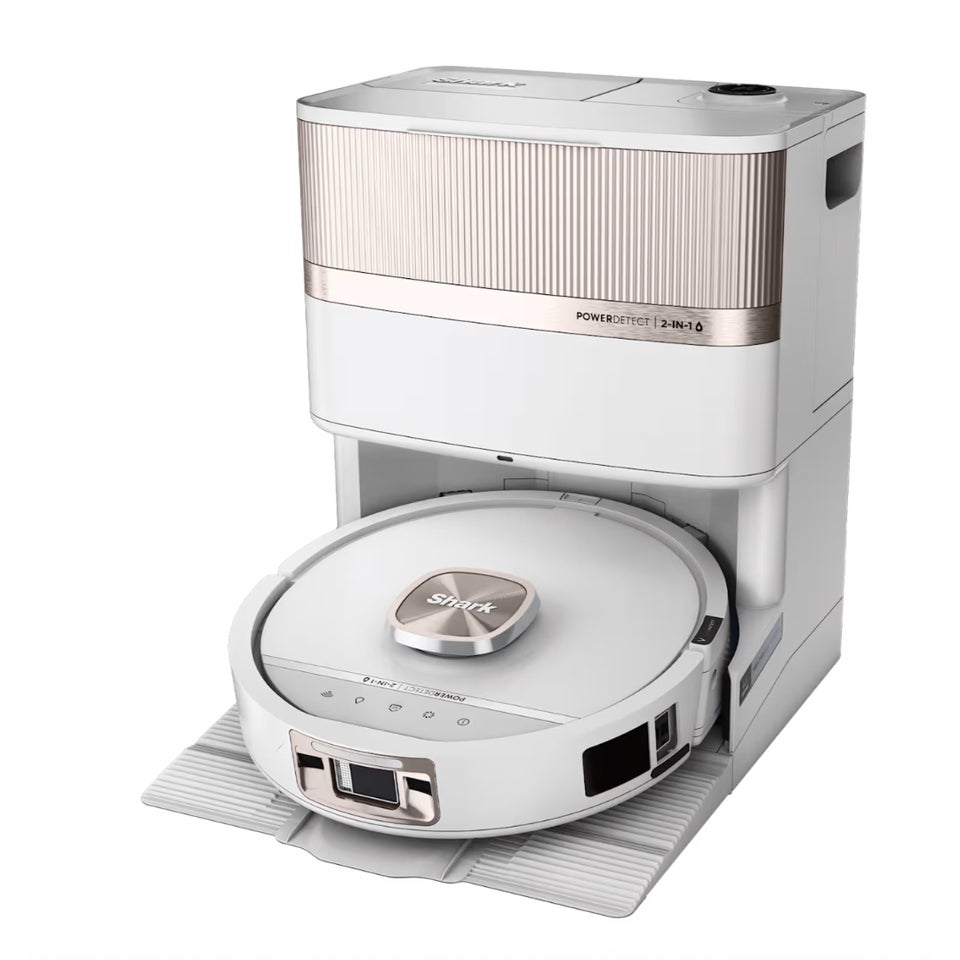
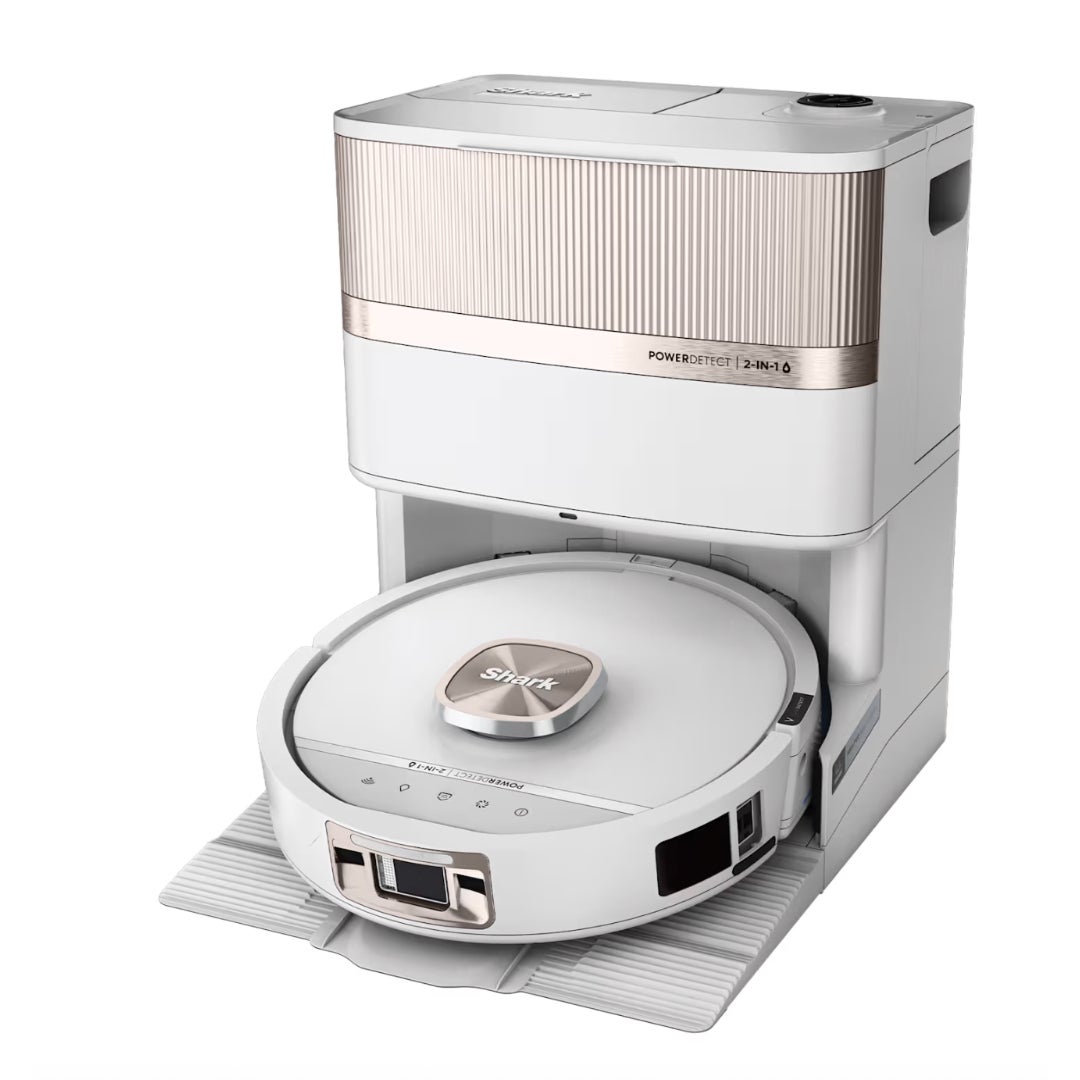
Specifically, the Shark PowerDetect UV Reveal, which hoovers and mops your entire house without you even having to think. I got it for full price but good news for you: you can get more than 50% off the original price of £1,099 on Amazon right now!
A robot vacuum is something I’ve been contemplating for a long time – I knew I wanted one that could do multiple things (I mean, preferably clean my shower and toilet, too) but I was yet to find the right one.
When Shark released its latest vacuum, I was convinced to finally make the jump.
Using UV detection, it’s able to find the most stubborn stains in your house that not even you can see. It also empties its own rubbish into its base, including dust and dirty mop water, so you don’t have to do anything – finally, exactly what I need.
Advertisement
An honest review of the SharkPowerDetect UV Reveal
First impressions
After managing to somehow lug the vacuum up my stairs by myself (that’s on going to the gym) it was time to face what I think is the worst part of getting any new product: the set up.
Luckily, assembling the parts was fairly easy – I filled the water tank with the included floor cleaner and plugged the base into a wall socket. Then came connecting the Shark Clean app to the vacuum, which was painless thanks to the inclusion of a QR code.
Somewhat surprisingly, the most difficult part was connecting the vacuum to WiFi. I’m Gen Z, so this shouldn’t happen, but it took me about three attempts to successfully make the robot stay connected.
Advertisement
Getting started
Once the robot was talking to me, I knew everything was working as it should. The app instructed me to get the robot to map my house, which it did quickly, marking out where there were chairs, tables, rugs, and sofas.
It also gave me the option to demarcate where each room starts and ends – great, as I have an open floor kitchen and living room – and section off ‘no-go’ zones the robot had missed on its initial scan.
Then came for the first clean. I asked it to vacuum just my living room, which it did with complete ease.
Advertisement
I hate to admit this, but I finally understood why some people get emotionally attached to their robot: watching it twirl around chair legs, figure out where my rugs start and end, and empty itself at its base was like watching a confused (but unusually elegant) dog sniff around my house.
My affection only grew when I realised, around 40 minutes later, that my house was completely spotless. Before investing in a robot vacuum, my biggest concern was whether it would be able to get deep into the corners of my room.
But thanks to the included side brushes, it managed to get into hard-to-reach spots, and spent more time around bases of chairs than I usually would when hoovering myself.
Advertisement
The mop function was also completely unobtrusive, as it dries after itself, so you never have to worry about slipping on its wet trail.
It also takes itself back to the base for an empty whenever its dust tank gets full, and (reassuringly) to clean its mop pad several times during the course of a full-room mop.
Added features
After using the vacuum for the first time, I used the Shark app to set a cleaning schedule.
What’s great is you can ask the robot to only vacuum or mop at a time – because who’s mopping every day unless you have a particularly dirty dog or mucky children – or to spot clean an area you’ve had an unfortunate spillage in.
Advertisement
You can even do this when you’re not home, so you know you’ll always come home to a clean house.
Much to my joy, that means I rarely ever have to think about cleaning, other than when I happen to be in my living room when it’s time for its clean, and every 60 days when you need to empty its base and refill its water.
Final verdict
Rating: 4.5/5
It’s easy to use once you’ve set it up
Gets into the corners and around chairs
Doesn’t leave a wet trail behind it
Can detect where the carpet is and spot clean
Empties its own dust and cleans its own water pad
A little noisy
It can’t clean your skirting or areas that are covered (duh)
Connectivity to the app can be a little tricky
Overall, I’ve been extremely happy with my new robot friend. Yes, I’ve developed an unhealthy dependence on it (don’t worry, I’m still cleaning the rest of my house) and find it way too charming.
Now, though, I no longer have to worry about doing basic but boring cleaning tasks. Naturally, its format means it doesn’t clean skirting boards or countertops, so Shark, please develop that next.
But it does a great job of checking off all-over vacuuming and mopping. The only drawback is that connectivity to the app can occasionally fall off.
Advertisement
I also think the Shark Clean app could use some work, it’s a pretty basic interface, which does get the job done, but in future I’d like to see more features.
For £489 on Amazon right now, though, I have no complaints. So run, don’t walk, because you only have 36 hours left to snatch up this, frankly, insane deal.
Unfortunately, this is how my week goes: I buy my groceries on Sunday, enjoy them until Wednesday, and then realise that I’ve bought way too many fresh fruits and veggies that have now turned brown in the bowl.
The worst culprit is bananas. And while I love using the older ones for banana bread, sometimes I wish I could keep them firm and yellow for longer than two poxy days.
Advertisement
But it turns out I could have been enjoying their creamy, unblemished centres for longer – if only I’d wrapped the stalks in tinfoil.
Why does wrapping banana stalks in tinfoil keep them fresher?
It’s down to a gas called ethylene. This is responsible for the enzymatic browning (basically, “going off”) of bananas.
It’s the same substance that causes fruit to ripen, which is why placing unripe fruit in the same bag as a banana can encourage them to mature.
If you’re out of tinfoil, according to fruit company Dole, simply chucking your bananas in the fridge can stall the ripening process.
Advertisement
They say that the anti-browning effects are so strong, you should only place your bananas in the fridge when they’re at a perfect ripeness.
Martha Stewart’s site suggests that “bananas can be stored on a kitchen counter until they are ripe, and then they can be stored in the refrigerator for at least two days more or until the skin becomes black”.
This is because while refrigerating bananas will keep their flesh from ripening, it may also blacken their skin prematurely.
“TIL about the ‘William Shatner’ seat, a term for the seat on an aeroplane providing the clearest view of the wings, allowing flight attendants and other crew easier inspection. It is denoted with a black triangle,” they wrote.
Advertisement
Is that true? What is a “Shatner seat”?
On TikTok, a flight attendant for Cebu Pacific, Henny Joyce Lim, agreed.
“Passengers sitting next to the triangles get the best view of the wings,” she added.
“If the flight crew need to check the wings, these triangles let them know the best vantage points for the slats and flaps outside.”
In other words, if something seems to be wrong with the wings of the plane, either mid-flight or on the runway, this is the vantage point from which staff assess the situation. It can also help to check for ice on the wings.
The pro suggested picking seats beneath these tiny triangular stickers if you get the option to select your row on board, because the scenery it offers is stunning.
Advertisement
She also advised that “those triangle-marked seats are either at number 10 or at 18, but it still depends on the type of aircraft one is travelling in.”
Hot weather is expected to “rise quickly” and stay high throughout the week.
That can ruin your sleep. One paper found that heatwaves are especially ruinous, causing us to lose crucial minutes of shut-eye.
Advertisement
But if you’ve been sleeping in the nip for a cooler night, Natalie Pennicotte-Collier, a resident sleep expert at MattressNextDay, says you might want to reconsider.
You might think that water wicks away faster when we’re naked. But the sleep expert said that’s not always true,
Advertisement
The move “feels logical, but without breathable natural fibre bedding to wick sweat away, moisture simply sits on the skin and creates a clammy humid ‘microclimate’ that is more likely to wake you up in the middle of the night.” Pennicotte-Collier explained.
The same logic applies to your bedsheets – we “should replace [our duvet] with a lightweight breathable layer instead of sleeping completely uncovered,” she said.
Research has her (pyjamaed) back. One paper from the University of Birmingham found that linen bedding was linked to fewer wake-ups among younger participants in hot weather.
Advertisement
How can I get to sleep in a heatwave?
Sleeping on a lower level in your home might help, the Red Cross said, as heat rises.
And paradoxical as it might sound, taking a warm shower might help, too.
Speaking to HuffPost UK previously, Dr Seeta Shah from PANDA London said: “Many take a cold shower before bed in hot weather, but a shockingly cold shower can actually raise core body temperature as your body works to counteract the sudden cold.
“A lukewarm to slightly cool shower is better. It gently reduces body temperature and triggers the parasympathetic nervous system, helping your body wind down and enter a sleep-conducive state.”
The return of warm weather means the return of open-toed shoes, drawing attention to just how your feet look after a long fall and winter.
Beyond pumice stones and at-home foot peel masks, some people choose to focus on the aesthetics of another part of their feet: their toes. Specifically, their toe hair.
Advertisement
The amount of hair on your toes depends on a variety of factors. In rare cases, your toe hair can even offer a peek into your health.
Below, doctors share what you should know about the hair on your toes and how to safely remove it if you choose.
Having hair on your toes is perfectly normal, and just how much you have often depends on genetic factors.
Hair on toes is normal – it’s neither “good” or “bad,” said Dr. Natasha Bhuyan, the vice president of in-office care and national medical director at Amazon One Medical.
“It really just indicates your genetics, your hormones, factors that you often can’t influence,” she said. The amount of hair you have on your toes may also vary depending on your ethnic background.
What “normal” toe hair looks like for one person can look completely different for someone else.
“Everyone’s normal is different, but hair on toes is normal,” said Dr. Michael Richardson, a family medicine doctor in Boston. “Just because you have hair on your toes doesn’t mean that’s abnormal.”
Advertisement
Westend61 via Getty Images
It’s normal to have toe hair, and exactly how much you have most often depends on genetic factors.
Blood flow issues can cause a loss of toe hair
“Toe hair is not going to be the first sign if something is going wrong,” Richardson said, “but if you’re noticing that it’s less than normal for you, that could be signs of something damaging that area.”
Loss of toe hair could be from contact damage, which can happen if there’s lot of friction against shoes. “I’ll see that in runners, for example,” said Richardson.
Advertisement
“There are instances where the hair on your toes could change because of other factors, like if you’re taking a medication that influences hair growth … steroids can sometimes cause hair growth,” Bhuyan said.
Changes in blood flow can also affect the amount of hair on your toes, which is a concern.
“If there’s decrease in the vasculature, so any damage to the blood vessels – we’ll see this with peripheral artery disease – where the blood is just not circulating as well, the tissue isn’t as healthy and can’t grow hair,” Richardson said.
In the place of hair, the toes will have a smooth, shiny look, Richardson said.
You may also notice issues related to poor circulation, like cold feet or pain when walking, Bhuyan added. This tends to be more common in older adults and smokers.
Advertisement
“But more often than not, toe hair is going to be normal. If you don’t know where to go, it’s always a good idea to talk to your doctor,” Richardson added.
If you do want to remove the hair, keep a few things in mind
If you want to remove the hair on your toes, it’s perfectly safe to do so, as long as you follow the right methodology.
“I would say the safest method to remove hair when it’s sparse … just tweezing it is the best,” said Bhuyan, before adding that the tweezers should be cleaned before doing so.
Advertisement
“Some people will do things like shaving. I think if you do the typical shave with warm water, use a gel, that’s fine, just to minimise ingrown hairs,” Bhuyan noted.
You can also try hair removal creams, but if you do that, do a small patch test first, “because some people can have reactions to hair creams on their skin,” she said. If you want a long-term solution, you could also do laser hair removal or electrolysis.
In the end, it’s OK to remove the hair on your toes; it doesn’t serve a health purpose, Bhuyan said.
Chronic illness is a concern for many, especially those who struggle with arthritis, fibromyalgia, lupus or gout.
Help can be found from the medical specialty of rheumatology, which works to reduce inflammation, chronic pain and joint or organ damage.
Advertisement
Many rheumatologists take a holistic approach that includes medical and lifestyle solutions, so they have clear ideas about the role diet can play in their patients’ health.
While eating anti-inflammatory foods can help with some symptoms, experts we spoke with noted that there’s no single “magic” food to cure these diseases.
“One thing I really want people to hear is that in 99.9% of cases, nothing you ate or didn’t eat caused your autoimmune disease,” said Dr. Amanda Moyer, who practices adult and paediatric rheumatology at OU Health at the University of Oklahoma. “Likewise, there is no one special food that will cure it.”
Advertisement
“Diet is powerful, but it is not a magic on-off switch for autoimmunity,” Moyer said. “That doesn’t mean food doesn’t matter, because it impacts how you feel day-to-day, how your medications work, your weight, your heart health and long‑term risks of complications. But I don’t want patients carrying unnecessary guilt or being blamed for a disease process they did not create with their lunch.”
Here are some of the top foods these experts frequently recommend to patients.
HakanEliacik / 500px via Getty Images
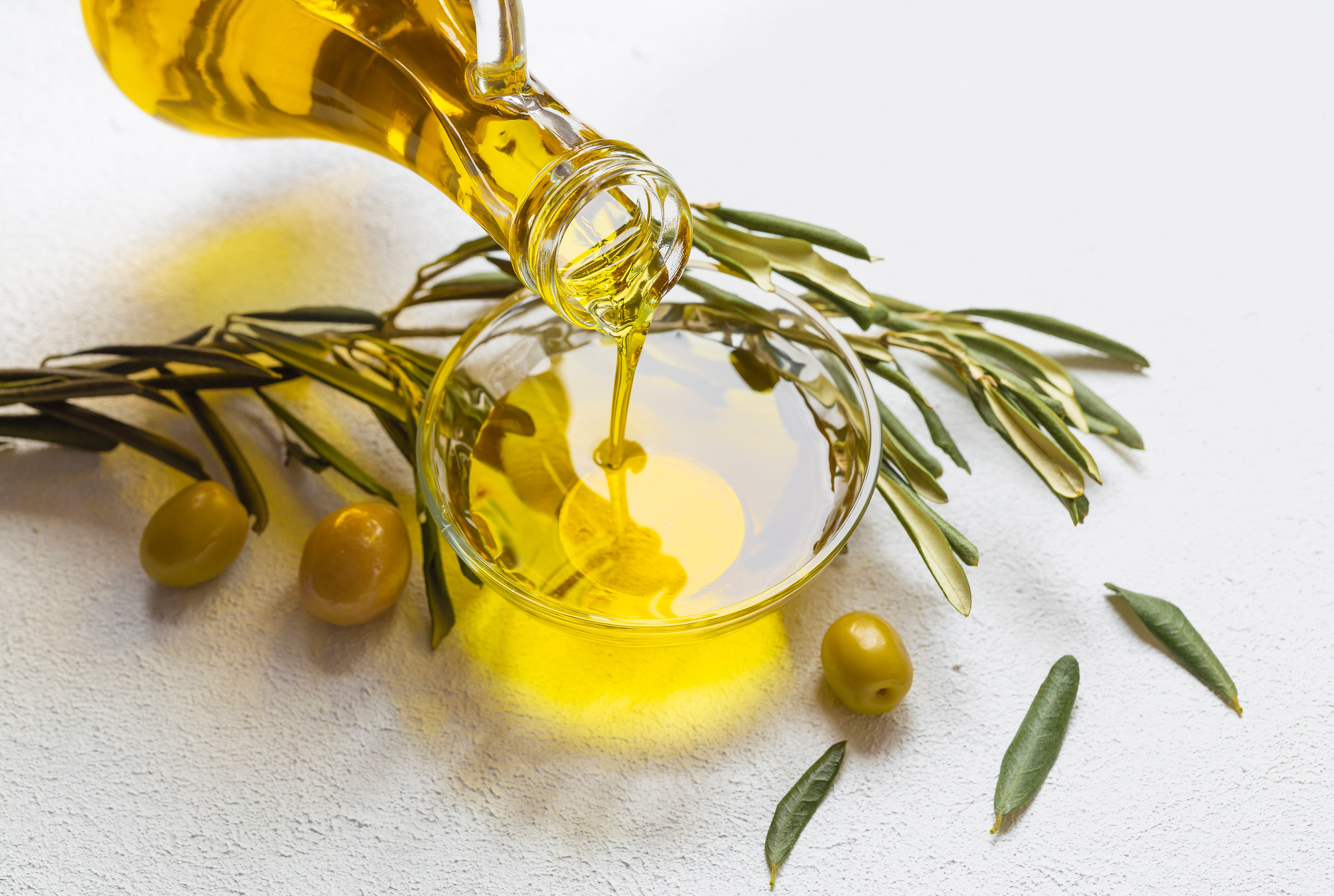
Olive oil contains oleocanthal, a natural compound that can lower inflammatory markers.
Olive oil has anti-inflammatory effects similar to ibuprofen
Dr. Kam Shojania is head of the rheumatology division at Vancouver General Hospital in Canada. He tells his patients to think of extra-virgin olive oil as a practical anti‑inflammatory staple to drizzle on food.
Advertisement
“People are shocked to learn olive oil contains oleocanthal, a natural compound that data has suggested can lower inflammatory markers and protect blood vessels,” he said.
“Oleocanthal has anti-inflammatory effects similar to ibuprofen. There’s also emerging research on its immune effects, including in inflammatory arthritis and lupus.”
Fatty fish has proven results for autoimmune disease
“The omega-3 fatty acids EPA and DHA have the strongest evidence of any single food intervention in rheumatology,” said Dr. Devon Charlton, a fellow in the American College of Rheumatology and director of rheumatology at the University of Pittsburgh Medical Center Regional Orthopedics.
Advertisement
“I recommend eating fatty fish like salmon, mackerel, sardines and anchovies two times per week.”
He cited a randomised, placebo-controlled trial of nearly 26,000 participants that concluded those who consumed 1 gram per day of EPA and DHA showed a 15% to 18% reduction in confirmed and probable autoimmune disease.
“It was an effect that grew stronger with longer duration of supplementation and persisted for two years after participants stopped taking it,” he said.
Fibremaxxing can help fight inflammation
Dr. Micah Yu is quadruple board-certified in rheumatology, internal medicine, integrative medicine and lifestyle medicine. He encourages his patients to increase their fibre intake whenever possible.
Advertisement
“Fibre helps lower inflammation, and can help reduce joint inflammation,” he said. “In addition, those who eat more fibre have been shown to have a lower weight, which can help with disease symptoms.”
Yu encourages his patients to seek out fibre from natural sources like beans, fruits, vegetables and other whole foods, not supplements.
Fermented foods support gut-based immune strength
If you check in Dr. Yoon Qiu’s refrigerator, you’d probably find a bag of cabbage and a few jars of fermented foods. The rheumatologist and assistant professor of medicine at Emory Healthcare is a big fan of cabbage, since this member of the brassica family contains sulforaphane, which is anti-inflammatory. Even better, Qiu said, “It lasts a long time in the fridge”.
Advertisement
Even longer lasting, and possibly even more beneficial, can be fermented foods like kimchi or sauerkraut, which are both made with cabbage. “I recommend eating fermented foods to support the gut biome,” Qiu said.
Kinga Krzeminska via Getty Images
Cabbage contains sulforaphane, which is anti-inflammatory.
Since as much as 80% of your immune system lives in and around your gut, the gut microbiome is key for regulating immune responses.
Advertisement
Research has shown that a diet high in fermented foods increased microbiome diversity and decreased markers of inflammation, including several directly involved in autoimmune flares. Fermented diets outperformed high-fibre diets for inflammation reduction.
Nuts can calm inflammation
“If I had to pick one thing to put on every rheumatology patient’s grocery list, it would be a big bag of lightly seasoned nuts, like almonds,” Moyer said.
“They’re easy to snack on, provide protein, fibre and healthy fats, and they fit beautifully into the kind of eating pattern that helps calm inflammation,” she said.
Advertisement
“On a practical level, I like sustainable, not punitive, changes. I snack on nuts myself, especially almonds, and I’ll often grab a new flavour when I go to the store, as long as they aren’t sodium bombs.”
What you eat is just one part of your health story
Charlton often reminds his patients that food is an adjunctive, not primary, therapy. “If you’re on methotrexate, warfarin or other medications, discuss any significant dietary additions with your rheumatologist,” he said.
“Patients who stop disease-modifying antirheumatic drugs (DMARDs) or biologic medications in favor of dietary interventions risk irreversible joint damage, organ involvement or even death.”
Advertisement
“No one should be trading methotrexate (a drug that treats severe psoriasis and rheumatoid arthritis) for olive oil shots,” Shojania agreed.
“The sweet spot is evidence‑based medication plus a Mediterranean‑leaning eating pattern, ideally designed with a registered dietitian so it fits your culture, budget and real life.”
Finally, Moyer said it’s important to keep the big picture in mind: “My parting advice is to relax, focus on whole foods, mostly plants, with lean proteins and healthy fats, and to be cautious about expensive supplements. And when you do have that scoop of ice cream or piece of birthday cake, enjoy it. Then go back to your overall pattern, which is what really counts.”
You probably say “goodbye” multiple times a day without thinking twice. It’s the way you bid farewell to a friend, partner, relative, coworker, etc. And the word is so ordinary that most people never consider where it actually came from.
As it turns out, its origins are religious.
″‘Goodbye’ began as ‘God be with ye,’ with the first sighting as early as 1565,” Madeline Enos, a language trends expert and communications manager at the language learning platform Preply, told HuffPost.
Advertisement
“Over time, the phrase shrank, the spelling changed, and the religious meaning faded. Today it’s one of the most common ways to end a conversation in English.”
That kind of shortening remains very common in English, noted Michael Adams, an English professor at Indiana University.
“To be honest, English speakers just like fewer syllables, so it’s very likely some sort of abbreviation will occur to some people – in this case, a way of saying it recognisably but more easily than ‘God be with you’ or ‘God be with ye,’” he explained.
Advertisement
Add in the “Great Vowel Shift” that occurred around the 15th and 16th centuries and you can see how the pronunciation of the English language changed over time as well.
“The English word is a contraction of ‘God be with ye,’ compressed over centuries of everyday use into something said entirely on autopilot,” said Noel Wolf, a linguist and cultural expert at the language learning platform Babbel. “The phrase passed through stages ― ‘God be with ye,’ then ‘godbwye,’ then ‘goodbye,’ each shortening a small act of erosion by daily use.”
One of the earliest written records of the word comes from 1573 in a letter by English writer and scholar Gabriel Harvey, who wrote: “To requite your gallonde [gallon] of godbwyes, I regive you a pottle [half-gallon] of howdyes.”
Advertisement
“It does remind us that these can be complicated issues, the way that sounds change and words are formed over centuries,” Adams said. “If you’re not paying attention, you can miss what makes a current word what it is. It’s never a static thing. And what’s interesting is now people think “goodbye” means “good wishes,” but really the ‘good’ comes from ‘God.’ The word ‘God’ was extended phonetically into ‘good.’”
He added that the phrase “God be with you” still exists – it has just become something separate from “goodbye” in people’s minds today.
“It is a neat illustration of how the language people use without thinking a dozen times a day can uncover history,” Wolf said. “Every time someone says goodbye, whether it be hanging up the phone, leaving the office, dropping kids at school gates, they are unwittingly invoking a 500-year-old blessing.”
Advertisement
Enos also pointed to goodbye as an example of the durability of history through language, even when people aren’t aware of the backstory.
“English speakers have been saying some version of ‘goodbye’ for more than 400 years,” she said. “Since then the word has survived religious upheaval, industrialisation, and the digital age. ‘Goodbye’ has withstood the test of time.”
Cavan Images via Getty Images
Happy woman with disposable coffee cup waving while leaving cafe
Advertisement
It’s not just in English where the word for farewell carries religious meaning.
″‘Goodbye’ in Romance languages is similar – ‘adieu’ comes from the French ‘à Dieu,’ meaning ‘to God,’” Enos explained. ”‘Vaya con Dios’ directly translates to ‘go with God’ in Spanish – it was just never contracted or secularised. It is fascinating to see languages arrive at the same idea, placing someone in the care of a higher power to remain safe when parting, very poetic.”
The Spanish adiós is the same as adieu, literally meaning “to God.” The goodbye salutations in other languages offer similar sentiments.
“Arabic ma’a salama means ‘go with peace,‘” Wolf said. “Hebrew ‘shalom’ – used for both greeting and farewell – carries the broader meaning of wholeness and harmony. The Japanese ‘oshare ni’, loosely ‘go well’, and the Swahili ‘kwaheri’, derived from the Arabic for ‘may you be well,’ echo the same impulse from entirely different linguistic traditions. The instinct to protect someone at the moment of parting appears to be close to universal.”
Advertisement
She emphasised this cross-cultural instinct to treat the moment of parting as something that requires a little more than simple small talk.
“Whether through religious commendation, a wish for safety or an expression of peace, languages have tended to load their farewells with their deepest values,” Wolf said. “The cosmologies that produced these words have largely faded. The words themselves have not.”
“Goodbye” is also not the only word in the English language with religious origins that many people aren’t aware of.
Advertisement
“Many everyday words began with religious meanings before gradually becoming secular,” Enos said. ”‘Holiday’ comes from ‘holy day.’ And ‘gossip’ originally referred to a godparent or close family friend, then extended to close family friend and eventually to someone who does idle talk, then the idle talk itself.”
Wolf gave the example of saying “bless you” after a sneeze, which many attribute to Pope Gregory I. During a plague, the religious leader supposedly encouraged Christians to respond to sneezes with genuine prayer – a tradition that deepened in subsequent health crises.
“Another interesting example is the word silly,” Wolf said. “In Old English, the term ‘silly’ originally meant ‘blessed,’ before drifting through ‘innocent’ and ‘deserving of pity’ on its journey to its current meaning. ‘Disaster’ carries the literal meaning of a bad alignment of the stars. The Italian equivalent, ‘disastro’, shares the same root, ‘dis’ meaning bad, ‘astro’ meaning star, as does the French ‘désastre’ – suggesting a shared ancient anxiety about the heavens governing human fate written across multiple languages simultaneously.”
Advertisement
Adams offered another fun example: the exclamation “Jiminy Cricket”.
“It’s a light euphemism that derives from words for Jesus Christ,” he explained. “It becomes a name for a cartoon cricket later, but at first, it was an exclamation that allowed people to not take the name of God in vain.”
Indeed, many connect “Jiminy Cricket” to the Italian “Gesù Cristo” and the Latin “Jesu Domine,” There was also the old-fashioned euphemism “criminy” and “gemini,” which are believed to have religious backstories.
So phrases like “Jiminy Cricket” evolved as a sort of linguistic loophole – much the same way ‘sugar’ became a stand-in for a different four-letter word, or ‘fudge’ for another…
Advertisement
“English is dense with this kind of residue,” Wolf said. “Centuries of religion, superstition and cultural encounter compressed into words that now simply mean whatever we need them to mean.”
I’m a sucker for chocolate, cake and biscuits. Lord help me if there’s a brownie in my eye-line.
Despite knowing full well such sugary treats aren’t great for my health (a diet high in sugar has been linked to everything from dementia and tooth decay to cancer), my brain still caves whenever one finds its way in front of me. Or even if they’re sat in a cupboard nearby…
If, like me, you give in to cravings at the drop of a hat, a dietitian has shared a relatively simple mindset trick that might just help you finally combat them.
Advertisement
Why do we get cravings?
Food cravings happen for several reasons, one of which is our brain chemistry, according to The Temple Clinic.
When we eat something tasty, our brains release the feel-good hormone dopamine. Your brain then wants to repeat this feeling, making it all too easy to reach for the sugar in future.
Your body might also crave sugary foods or carbs when your blood sugar levels drop – although often, reaching for a biscuit can simply result in a blood sugar crash not long after.
Advertisement
Hormones can also play a part in our cravings, added the clinic. Cortisol, our stress hormone, can encourage us to reach for dopamine-boosting foods.
Speaking to Today.com, registered dietitian Joy Bauer noted we’ve got “two systems running” at the same time – one signals our biological need for food, while the other is fuelled by our “hedonic system” (which centres around pleasure and reward).
“In a world where tempting food is everywhere (ahem!) on every corner, in every feed – that reward system can get loud. Loud enough to drown out the signals telling you you’ve already had enough,” she explained.
Advertisement
If your brain easily takes you to temptation central, Bauer wants you to try one simple reset.
The mindset trick that can help beat cravings
The expert recommends for snackers to “pause before you pounce”, giving yourself five or 10 minutes before you grab something to eat “because cravings tend to rise like a wave and then soften on their own”.
During those empty minutes, she advises naming the feeling behind the craving – are you tired, stressed or maybe even bored? – as determining “the real driver takes a surprising amount of the power out of it”.
“Some people notice waves of desire; the way urges can build and then diminish has been compared to a wave in the ocean and this is where the name urge surfing comes from,” they explain.
Five other ways to fight cravings
If that doesn’t work for you, here are some other techniques to try:
Have a drink of water – Healthline noted that sometimes thirst can be confused with hunger or cravings.
While you’re ‘urge surfing’, find alternative activities to pass the time until the craving or urge has passed – this could be going for a walk, messaging a friend, completing a task at work, doing something you enjoy (ie. knitting or colouring).
Increase your fibre intake. There’s been a bit of an obsession with fibremaxxing in recent times – and it seems the trend could help curb sugar cravings. Miranda Pascucci, Head of Clinical Education and dental therapist at TePe, previously shared that “when meals are more filling and fibre-rich, people are often less likely to graze on sugary snacks throughout the day”.
Chew gum – there’s some research to suggest chewing gum can help combat cravings for high energy snacks.
Get plenty of sleep – sleep deprivation can disrupt your hormones which can, in turn, result in cravings.
Soon after a 35°C May record-breaker, the Met Office said more heatwaves are likely in the UK this summer.
And it turns out they may be just days away from being proven right in London.
As of the time of writing (17 June), temperatures between 28°C and 30°C are expected in the capital this weekend.
Advertisement
Here’s what you need to know about: when that could happen, what it would take to count as an official heatwave, and why hot spells can be so insufferable in the city.
When could there be a heatwave in London this June?
The Met Office predicts our current miserable weather will take a sunnier turn on Friday, 19 June.
At that point, temperatures will rise to 29°C.
From then on, per the Met Office, Londoners can expect:
Friday 19 June: 29°C
Saturday 20 June: 28°C
Sunday 21 June: 30°C.
Even if the highest of those temperatures come to pass, however, an official heatwave may still not have taken place.
Because some parts of the UK are usually hotter than others, that upper limit changes depending on location.
As you head further North or West, that threshold is set a little lower than the warmer South-East – around 25°C and 26°C.
But in London, the threshold is 28°C.
That means that it’d need to reach at least 28°C on Tuesday after the predicted Sunday and Monday temperatures to officially count (or Saturday would have to be a degree hotter than currently anticipated).
Advertisement
Why does London feel so hot on sunny days?
As we mentioned before, London is already in the warmer South-East. Then, there’s the infrastructure to consider.
“Our towns and cities have a large urban heat island effect due to the amount of concrete, asphalt and such that absorbs heat and releases it slowly, making cities and towns feel hotter,” he shared.