You could fill a book with all the things I don’t know about racehorses (and they probably have; I imagine it’s called something like ’Basic Racehorse Facts For Newly-Landed Aliens, The Simplified Edition’).
Yup – Barbara Wrathall, a horse expert at Discount Equestrian, said, “every thoroughbred racehorse, including those in the Royal Stud breeding programme, is officially considered to be born on 1 January”.
Here’s why.
Why do thoroughbred racehorses all share a birthday?
Obviously, not all of the horses actually enter the world on the first day of whatever year they were born.
But the New Year date was chosen, Wrathall said, “because the racing world needs a single, standardised date for age categories”.
Advertisement
The age of a horse is really important in racing, she continued, because “a few months can mean a noticeable difference in strength, development and training readiness”.
The Jockey Club stated that, because flat racehorses can begin their careers at just two years old, this can mean a big discrepancy between a horse born in the early months of the year versus those born later.
But most horses don’t enter the most prestigious flat races until at least three years old, while jump horses don’t even begin participating until they’re four or older.
Advertisement
And, prior to the Jockey Club decree in 1834, which set Jan 1 as the horses’ new “birthday”, owners were racing horses with vast age gaps against each other – partly because birth records were so poorly kept.
Wrathall said: “The universal birthday ensures fairness and consistency across the sport, especially important for elite breeders like the Royal Stud.”
And, the expert continued, “at the Royal Studs, where bloodlines are planned years in advance, having a single ‘birthday’ for every foal makes breeding, training schedules, and race eligibility far easier to manage”. Huh!
Advertisement
Thoroughbred horses have different “birthdays” across the world
Prior to the Jockey Club ruling, thoroughbred horses in the UK shared a “birthday” of 1 May, reported Horse Racing Nation.
“That date is set so that mares will begin foaling from early August and in some cases, may still be going in December,” veterinary surgeon Glenn Robertson-Smith told Victoria Racing Club.
Advertisement
“But despite the disparity or distance of, say, August 3 and December 2, the December foal, while some five months behind the August foal, both will be categorised by the same age.”
Either you know it because you’re in the process of job hunting, or you’re scared to leave your old-and-unsatisfying job after hearing the horror stories from those applying for hundreds of roles, only to hear back from none.
And now it seems “lily padding” is the latest career trend to come out of this difficult working situation.
Advertisement
What is ‘lily padding’?
“Lily padding” is when you strategically climb the career ladder, focusing on building experience over seeking a higher salary. It’s about supercharging your employability, according to targetjobs.
People who “lily pad” look for temporary roles and use each one to springboard into the next, going for a similar field and role to boost their experience. Almost like becoming an expert at that specific job.
As Forbes puts it: “Rather than climbing rung by rung, they [“lily padders”] move laterally, diagonally, and sometimes across industries altogether, collecting skills and experiences with every leap.”
The hope is that after a few career jumps, people could move into a longer term role and have a better chance of going for that higher salary and more senior job title, with a wealth of experience in their back pocket.
“Lily padding” might also suit those who are happy with their salary range and title, and aren’t looking to take on extra responsibility, but want to boost their CV.
Advertisement
The trend is particularly popular among Gen Z candidates, and it’s even helping them to avoidimposter syndrome, said targetjobs. Unlike job hopping, “lily padding” is more targeted and focused on skill-boosting over pay.
It might look like sidestepping from the outside, but this is often more of a planned career game, and while people who sidestep might stay in a job for a number of years, “lily padders” jump more frequently and prioritise temp roles.
Advertisement
While job hopping is usually spurred on by being unhappy in a workplace, “lily padding” is spurred on by wanting to see growth in confidence and skillset, said the job experts.
But it’s important to not play it safe like this for too long – once you’ve mastered the skills you need, move upwards, otherwise staying at the same level might become a bit too comfortable and not that challenging.
Yesterday (Dec 4), Health Secretary Wes Streeting announced that he would be launching an independent review into rising demand for mental health, ADHD, and autism services in England.
On the surface, this might seem like a good thing – mental health and neurodivergence healthcare is stretched thin in the UK, people are crying out for help, so what we need to do is find a way to improve those services so that people can get the support they need, right?
Advertisement
Unfortunately, no.
In fact, the headline aim of this review is to see whether there is evidence of over-diagnosis, with the BBC reporting that the government “believes there are people being referred onto waiting lists who do not need treatment.”
Streeting himself said these conditions were being over-diagnosed earlier this year, though he has since claimed in a piece for The Guardian that those remarks were “divisive” and had “failed to capture the complexity of this problem”.
He wrote: “The truth is there has been a massive growth in mental health and behavioural issues and there isn’t a consensus within the mental health clinical community on what is driving it. We must look at this through a strictly clinical lens to get an evidence-based understanding… That’s the only way we can ensure everyone gets timely access to accurate diagnosis and effective support.”
Advertisement
But, despite Streeting’s attempts to roll back his earlier comments about over-diagnosis, an emphasis on questioning what is “driving” an increase in mental health and neurodivergent diagnoses rather than how to support that increase is both erroneous and borderline offensive.
There is already widespread and growing stigma about conditions like ADHD, with regular discourse online and among politicians about whether those diagnosed are “truly” struggling, and language about finding “evidence” for what is behind this surge in demand only adds to that rhetoric.
I was diagnosed with ADHD nearly two years ago, after waiting 1.5 years for a diagnosis. To many, that might not sound like too long – in some places, there can be up to a 10-year wait for diagnosis – but I was battling with my symptoms long before I was first referred to a Right to Choose provider for assessment. I spent years struggling with basic household tasks, relationships, and school and work, finding myself unable to focus for long periods, and berating myself for not being “normal” like everyone else around me.
Advertisement
This was particularly bad during university when I had a lack of structure and was forced to discipline myself – something that people with ADHD notoriously find difficult – leading to me being diagnosed with severe anxiety and depression. It turns out that the deterioration in my mental health was a result of not knowing about my ADHD and therefore not dealing with it in the right way.
I also battled with internalised stigma about having ADHD, overrun by narratives that people are lying about having the condition, conning themselves into believing they have ADHD, or that it’s not so serious that it even requires diagnosis and intervention.
Many people with ADHD grapple with similar difficulties, meaning they are reluctant to seek a diagnosis or are not believed when they do. Receiving a formal diagnosis was important to me both to feel validated in how I approached work, relationships, and life itself in the past as well as to ensure that I was legally entitled to receive specialist support for the condition. Without a diagnosis, that can be much harder.
Advertisement
At one previous job, for example, I was unable to obtain reasonable adjustments – and received zero empathy from my line manager – until I received a formal diagnosis, meaning I was protected under the 2010 Equality Act.
The current system we operate under does leave many people being “written off”, like Streeting said, but not in the way he might think. It is not due to over-diagnosis but rather chronic underfunding and complex healthcare systems that are not fit-for-purpose, that leaves people in the dust.
Streeting’s review is also looking to “raise the healthiest generation, increase healthy life expectancy, and reduce suicide”, but further stigmatisation of these conditions is in direct conflict with that goal.
Advertisement
People with ADHD are in fact more at risk of suicide and have a lower life expectancy than those who are neurotypical, with 1 in 4 women, and 1 in 10 men, with ADHD will at some time try to take their own lives, while people with ADHD are likely to die between seven and nine years younger than their peers. This is why it is so important for people to be able to access mental health and neurodivergent diagnoses and support.
For Streeting to suggest that the rise in demand requires any intervention apart from additional funding as well as empathy for those struggling, is ridiculous.
I am not the only one who thinks so. Henry Shelford, CEO of campaigning organisation ADHD UK, told HuffPost UK: “ADHD is not overdiagnosed. A recent Lancet study published research that analysed 9 million GP records and showed just 0.32% of patients have a diagnosis of ADHD. That’s nudging just 10% of the 3-4% of the population who have ADHD.
If Streeting wants fewer people to be struggling with ADHD, autism, and associated mental health conditions, then the answer is to invest in those services and support the people who need it rather than blaming them for getting diagnosed in the first place. Focusing on “overdiagnosis”, and refusing to acknowledge just how broken our system is, will push more and more people to breaking point – and the whole country will be worse-for-wear as a result.
Every time I see Ariana Grande on the red carpet or in interviews lately, I feel a mix of fear and anger. Not at her, her beautiful spirit, breathtaking voice or right to move through the world in the body she chooses. But at what she’s come to symbolise.
Extreme thinness is back, and it’s being packaged as aspiration. Grande and Cynthia Erivo are everywhere promoting Wicked in interviews, photo shoots, red carpet events. Their bodies and the ultra-thin bodies of other celebrities – small, smaller, smallest – are glamourised and showcased with the media positioning Grande as one the main figures to be celebrated.
Advertisement
Even though there has been some criticism, it’s been drowned out by the mega promotion machine that celebrates these figures, and plasters them everywhere with great fanfare.
And this is happening at the same moment weight-loss drugs like Ozempic and Wegovy have become omnipresent.
These drugs are now so widespread – and will be even more so with the soon to be released pill forms – and easily obtained that people are using them whether or not they medically qualify. Not for diabetes, not even for health problems ostensibly related to “obesity”.
Advertisement
But to chase the kind of extreme thinness that’s on every magazine cover, every blockbuster press tour and in every curated celebrity post.
This comes after millions of women, myself included, have spent years trying to unlearn the toxic messages we were fed in our youth. That beauty equals thinness. That discipline means restriction. That our bodies must be controlled and minimised to be acceptable.
We fought for size diversity, for the radical idea that you can be beautiful, strong and worthy without disappearing. And just as that movement was starting to shift the cultural tide, here comes this trend of pharmaceutical shrinking that pretends thinness is wellness.
Advertisement
This isn’t about calling out celebrities, and it isn’t about body shaming. It’s about the unspoken message all of this is sending: when it comes to health, thinner is always better. This isn’t just frustrating. It’s dangerous.
A danger I know intimately.
When I was a teenager, my mother used to say, “If you only lost weight, you could be beautiful.” She equated being thin with the worth of a woman, and believed it would grant her access to power, success and opportunities.
I was a 14-year-old desperate to fit in with the cool kids. So when a popular girl in my high school freshmen class turned to me and asked how much I weighed, I answered without much hesitation.
Advertisement
“About 130 pounds.”
She looked at me in horror, “Oh, my God. I would kill myself if I ever weighed that much.”
I stood there, the fluorescent hallway lights buzzing above me, trying not to let the heat rising in my face show. She had confirmed what my mother had drilled into me, that the most important thing to be was thin.
My mother had done everything in her power to get me to lose weight: She’d pushed, pleaded, threatened, bargained. And she wasn’t the only one spreading the message of thin worship. This was the 1980s, the era of low-fat everything, Slim Fast and Jane Fonda workout tapes. No one was talking about mental health or eating disorders, no one I knew anyway.
Instead of motivating me, this made me feel like there was something wrong with me. That I was unworthy and unlovable the way I was. So when I was 15, I went into the bathroom one afternoon, locked the door and pushed my fingers down my throat.
Advertisement
As soon as I emptied my stomach, I felt an avalanche of self-loathing and disgust, but also a kind of relief. I sat on the cold tile floor, throat burning, face tear-streaked, clutching the white porcelain bowl. That started a secret life I carried for the next 30 years.
Decades of compulsive binging and purging, of painful highs and crashing lows. Of hiding behind locked doors and running showers to muffle the sound of vomiting. Of looking into a steamed-up bathroom mirror at a version of myself I hated.
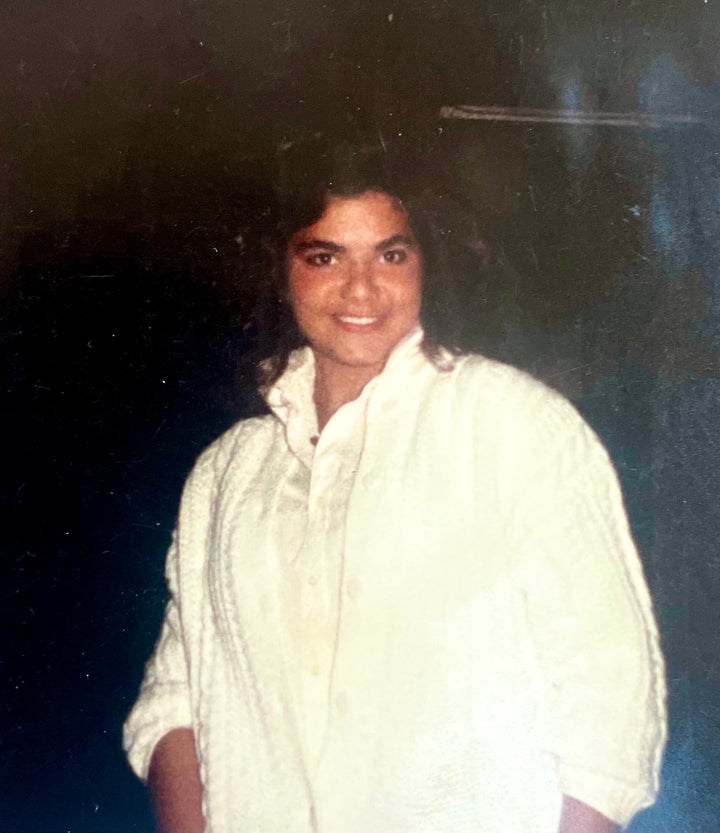
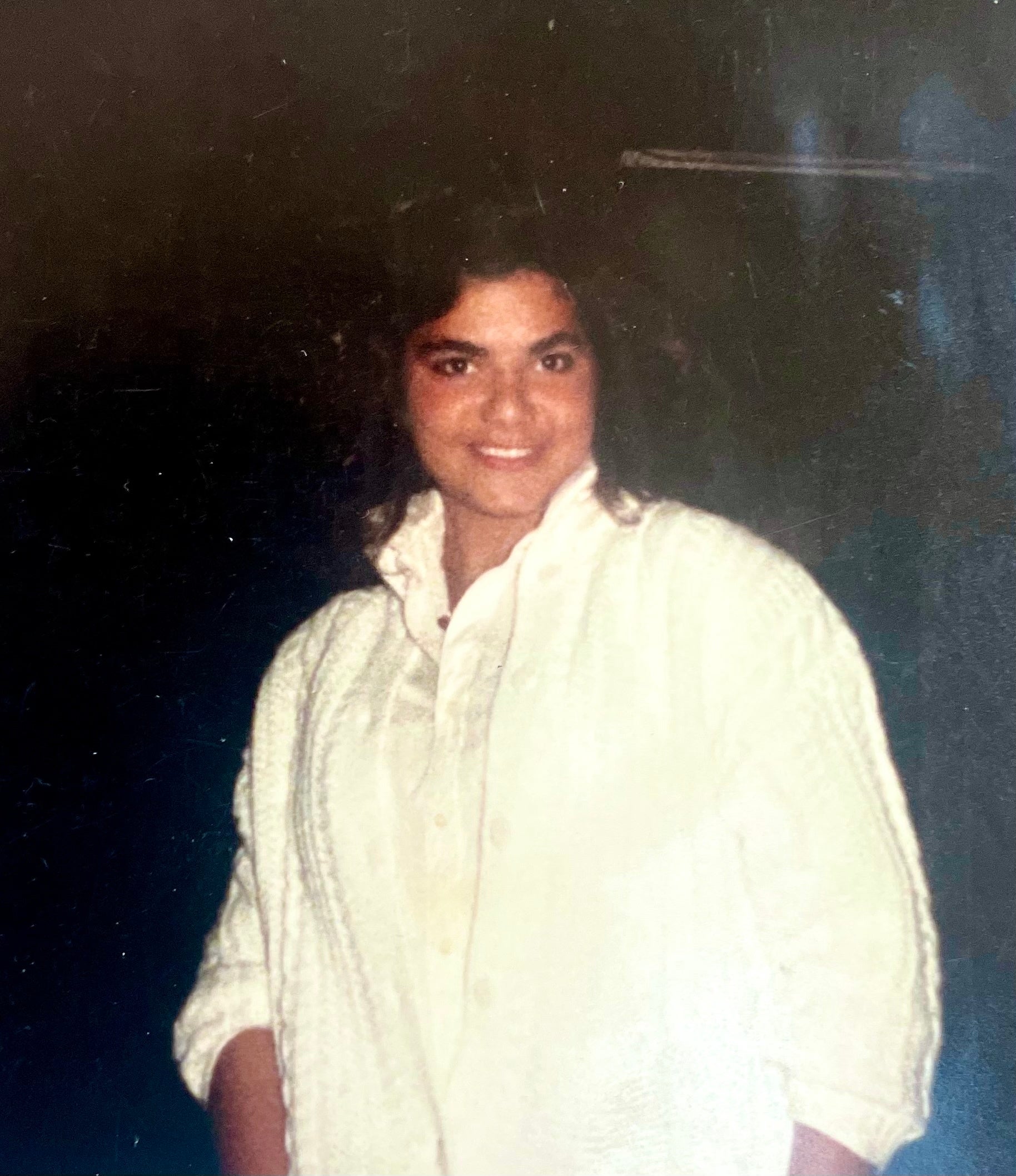
Photo Courtesy Of Rebecca Morrison
The author in high school, around age 15.
Advertisement
The new thinness cult isn’t just happening on red carpets. It’s happening on TikTok. In classrooms. In text threads between friends. It’s shaping how young people define health, beauty, morality. As a result, eating disorders are on the rise, especially among young girls. Treatment centres are seeing a dramatic spike in patients.
I don’t know these celebrities’ stories, their health journeys, or their reasons. But it’s not about personal beauty choices. It’s about systems. About money. About power. About a $450 billion global beauty industry and $163 billion weight loss marketthat thrives when we hate ourselves enough to keep spending.
My anger is at the cultural shift that’s pushing people, especially kids, toward disordered eating, mental health crises and lifelong shame.
Advertisement
By the time I was in my 40s, I’d found a way to make peace with my body. I finally believed, like so many others that had seen the body acceptance movement gain ground, that it was OK to be who I was. That worth didn’t have to be determined by how little I weighed.
Now, millions of women like me are seeing this latest cultural shift and thinking: We already fought this battle.We already lived through the eating disorders, the shame, the isolation, the obsessive calorie counting. We were finally starting to believe that health came in many forms, that beauty wasn’t synonymous with being smaller.
We deserve a culture that refuses to treat weight loss as a moral victory. So does the next generation – so young people don’t grow up thinking they need to hurt themselves to be beautiful or valued, like I and countless others did.
Even though I have insomnia, I didn’t recognise that I had a problem for years.
That’s because I thought the condition only meant struggling to fall asleep. But I have sleep maintenance insomnia, which means I wake up in the middle of the night and then struggle to return to the land of nod.
I heard the phrase for the first time last year. But I only read the words “hormonal insomnia” this week.
Advertisement
Speaking to HuffPost UK, Dr Giuseppe Aragona, GP and medical adviser for Prescription Doctor, explained that those with the condition “often have trouble falling asleep initially, wake during the night and struggle to return to sleep, or wake too early in the morning”.
But what does the term mean, why does it happen, and what can you do if you have it?
What is “hormonal insomnia”?
The term “refers to difficulty sleeping that arises as a result of changes or imbalances in the body’s hormone levels,” Dr Aragona explained.
“Several hormones play a key role in regulating sleep, including melatonin, which signals to the brain that it is time to sleep, and cortisol, which promotes alertness and can interfere with sleep if elevated at night.”
Advertisement
Reproductive hormones, like oestrogen and progesterone, can also lead to the condition because they, too, affect our sleep patterns.
So perhaps it’s not surprising that the GP said: “Hormonal insomnia is most commonly observed during life stages when hormone levels are changing significantly, such as during the menstrual cycle, pregnancy, perimenopause, or menopause, and may also occur in thyroid disorders or other endocrine conditions.
“These hormonal shifts can disrupt the body’s temperature regulation, circadian rhythm, and mood, all of which contribute to sleep disturbance.”
Advertisement
What are the symptoms of hormonal insomnia?
They’re quite like those of “regular” insomnia, Dr Aragona said.
“People experiencing hormonal insomnia often have trouble falling asleep initially, wake during the night and struggle to return to sleep, or wake too early in the morning.
“Sleep may feel fragmented and of poor quality, leading to daytime fatigue, irritability, poor concentration, and low mood.”
Advertisement
If your hormonal insomnia is linked to hormonal changes like menopause, you might notice other symptoms keeping you awake, like hot flushes and night sweats.
If a GP were to check for hormonal, rather than general, insomnia, the doctor tolf HuffPost UK, they “would typically explore a person’s life stage, hormonal history, and the timing and pattern of symptoms.
“It is also important to consider associated symptoms such as mood changes, night sweats, or bladder issues, and to rule out other causes of insomnia such as stress, poor sleep hygiene, sleep apnoea, or pain.”
Advertisement
Blood tests can help to rule out thyroid issues or hormonal imbalances, too.
What should I do if I have hormonal insomnia?
Dr Aragona recommends a blend of different strategies.
“Maintaining a consistent sleep routine, avoiding stimulants and screens in the evening, and keeping the bedroom cool, dark, and quiet can help,” he advised, while “Relaxation techniques such as mindfulness or breathing exercises can reduce stress and cortisol levels, making it easier to fall asleep.
“Addressing underlying hormonal symptoms, for example, through lifestyle strategies or, where appropriate, medical treatments for menopause-related symptoms, may also improve sleep.”
If your insomnia lasts for a long time ― some doctors put it at more than three nights a week, for three months or longer ― see a GP, said the expert.
Advertisement
Lastly, “General health measures, including regular exercise, a balanced diet, and avoiding excessive alcohol or nicotine, also support better sleep,” said Dr Aragona.
“Hormonal insomnia is usually multifactorial, so addressing lifestyle, behavioural, and medical factors together tends to be the most effective approach.”
But what does Advent mean, and why do we celebrate it?
Advent means “coming”
Per Britannica, Advent comes from the Latin word “Adventus,” meaning “coming”.
In the Christian faith, it refers to the coming of Christ, celebrated at Christmas.
It can also, the BBC shared, be a “time of preparation when Christians think about the second coming of Christ and what they need to do to be ready for his return.”
Advertisement
The dates have not always been the same. For instance, under Bishop Perpetuus of Tours (461–490), Advent used to involve a fasting period which began on November 11.
Advent is linked to the Advent wreath, made from a circle of evergreen leaves used to represent eternal life. There are also four candles, one for each of the Sundays ’til Christmas. Some add a fifth candle that symbolises Jesus Christ.
This final candle, if present, is not usually lit until Christmas begins. The other candles are traditionally lit on each Sunday before Christmas.
Traditional Advent calendars often had Bible verses or pictures, though NPR pointed out Advent calendars weren’t the only way Germans built anticipation at the time – less long-lasting versions included keeping a chalk tally on walls and doors, and placing extra straws in the crib of a Nativity scene.
Advertisement
So, though it took a few decades, perhaps it’s not surprising that German publisher Gerhard Lang is credited with the first printed Advent calendar, as well as the first Advent calendar with doors.
And though the first chocolate version is believed to have been made in the ’50s, it took Cadbury’s about 20 years to make the first mass-produced version in 1971.
Only in the ’90s did demand become high enough for them to keep the calendars in continuous production.
Advertisement
Because Advent does not always begin on December 1, though, they don’t follow the exact dates every year – it is just easier to go 1-25, or 1-24.
Though closeness is an important part of a great relationship, the cofounder and COO of Fresh Starts Registry, Genevieve Dreizen, says that privacy is key, too.
“As a person who spends a great deal of time helping people navigate life transitions and emotional crossroads, I always remind people that privacy is not a threat to intimacy,” the etiquette expert said.
Advertisement
In fact, she calls it a “necessary ingredient” for a healthy partnership.
Perhaps that’s why Redditor u/taliv_03 said she feels so “disgusted” after learning that her partner had been rifling through her diary.
Writing to the forum r/TwoHotTakes, the original poster (OP) said that she first suspected him of reading her journal about a month ago, when his jokes about her changed.
Here, we asked Dreizen to weigh in on the tricky situation.
Advertisement
OP’s partner began joking about details only shared in her journal
The poster, a 27-year-old woman, said that her partner (a 29-year-old man) had been together for a little over a year when she noticed the change.
Throughout that period, she had a paper diary that her boyfriend knew about. It is a “non-negotiable” for her, she says; her partner had previously “teased me [about it] once in a sweet way, calling it my ‘brain compost bin.’”
About a month ago, though, she started noticing something strange about her partner’s jokes.
“We were with friends, and he made a joke about how I [research] symptoms for my cat more than for myself… It stung because that exact line was in my journal the night before, word for word,” OP wrote.
Advertisement
“A week later, he told this story to my sister about how I still feel guilty for breaking a snow globe when I was five. I have never told that story out loud, only wrote it down after a therapy session.”
Two nights ago, she said she walked in to see her diary open on a coffee table in front of her. He claimed he had moved it to save it from the cat, she said.
After he mentioned yet another private musing, though, she raised her suspicions with him, “and he got defensive, said I should not write things down if I don’t want them to be ‘found art’, and that I was overreacting because ‘partners should not have secrets.’”
Advertisement
Since then, OP writes, she has felt “disgusted and stupid, like my safe place just got ripped open for someone else’s stand-up routine.
“At the same time, I keep wondering if I am making this bigger than it is. Is reading a partner’s journal and then using their thoughts as jokes a hard deal breaker, or something you can actually rebuild trust from?” she ended.
Advertisement
“This is a boundary violation”
Speaking to HuffPost UK, Dreizen explained: “When a partner reads your diary, they aren’t just crossing a line of etiquette; they are trespassing on the internal space where you tell the truth to yourself. That space is sacred.
“A diary is not a shared document, not a negotiation, not a relationship ledger.”
And when someone snoops in your diary, “You’re dealing with a breach of trust that destabilises the foundation of emotional safety in the relationship.”
It turns a private space into an arena where you suddenly have to worry about leaving yourself open to teasing and jokes, the expert added.
Advertisement
“That kind of emotional exposure can make you question your reality, tiptoe around your own inner world, or feel ashamed of feelings you were never meant to defend.
“The injury is not just about the reading – it’s about the casualness with which your boundaries were dismissed, the entitlement to your inner life, and the refusal to take accountability afterwards.”
For her part, Dreizen said, “The first step is acknowledging that this isn’t a difference in opinion about privacy. This is a boundary violation. The partner’s belief that ‘partners shouldn’t have secrets’ is a misconception wrapped in control.
Advertisement
She said that in this case, repair is only possible once OP’s partner has proven that he understands that he’s wrong and why and has taken concrete steps to change.
Dreizen asked the poster, should she wish to give her partner another try, to say something like, “I’m open to moving forward, but only if you take responsibility without minimising and commit to respecting my boundaries. What steps are you willing to take to make that happen?”
And seeing as the entire menopausal process can last for decades, it seems unfair to expect people to navigate it without much guidance on their changing bodies and needs.
Which is why we spoke to licensed sexologist, relationship therapist and author at Passionerad, Sofie Roos, about how to establish a healthy sex life during and after menopause.
Here, she shared her seven rules:
1) Accept changes to your lust levels
“During and after the menopause, your lust tends to change. Some people get less interested in sex, while others [develop] a [stronger] desire,” Roos said.
Advertisement
“It’s also common to experience a different or deeper and more emotionally based lust than before.”
As much as possible, the sexologist advised, try not to “panic” about these changes.
“See it as a chance to discover something new, rather than trying to go back to how things used to be… if you can accept that things won’t be the same, you also open up the door for better pleasure than pre-menopause.”
2) Lube is your BFF
Vaginal dryness can increase during menopause thanks to changes in your oestrogen levels. This “tends to make sex uncomfortable, which puts many in a negative loop where they get less interested in sex due to it not feeling as good anymore,” Roos stated.
“Therefore, take the help of lube, ideally a silicone-based option of good quality, and make sure to use a lot – this will be a saviour!”
Advertisement
3) Take more time to warm up
Some research suggests that menopause may mean some people take longer to “get going” in the bedroom, as hormonal changes lead to different levels of sensitivity.
“This means that you should invest more time in foreplay, and switch up how you do it,” advised Roos.
“Try a sensual massage, kiss and cuddle longer, focus more on slow touches that build up in intensity, and don’t be afraid to take the help of sex toys such as vibrators, which can help blood to flow [more easily] to the vagina.”
Advertisement
4) Rediscover masturbation
Partnered sex is only one side of the equation here. Roos said menopause is a great opportunity to work out how to offer your own body what it needs, too.
“Discover new ways of turning yourself on, for example, by reading sex novels or watching new types of porn… invest in sex toys, especially vibrators, use lots of lube, and build up the pleasure [over] a longer time,” she stated.
“Also, be open to adapting and changing the way you masturbate based on how things feel and what works, and don’t give up if it takes some time to find solo sex that feels as amazing as before… You will get there eventually.”
Advertisement
5) Communicate with your partner
If you have a partner, they may benefit from learning about any changing needs, too, Roos said.
“Try to have a good, honest and respectful communication around intimacy. Boundaries and needs get even more important when the body changes, so make sure to open up [about] what feels good, what doesn’t work as it used to, and what you’re curious about trying.
“Invite and help your partner to help you have good sex, and don’t keep it to yourself, as that often leads to stress and anxiety, which is a real killer for [your] sex drive. It’s the two of you in this!”
6) Try pelvic floor exercises
“I really recommend strengthening the pelvic floor as that helps manage many menopause symptoms, especially symptoms related to sex… it leads to higher sensitivity, more pleasurable intimacy, and a better ability to orgasm,” said Roos.
Advertisement
A 2022 paper found that Kegels and lube both improved sexual function in menopausal women, with Kegels potentially being the more effective of the two.
7) Stay playful
It sounds obvious, but Roos said that remembering sex is meant to be fun is key to a better connection with your body – whether you’re pre-, post-, or mid-menopause.
“Switch the mindset of sex being something you need to perform, to it instead being a moment of emotional and physical intimacy, playfulness and… pleasure.
Advertisement
“The less pressure, the easier it is to find your own lust and sexiness during and after menopause,” she ended.
There are some wine “rules” that I, a non-expert, always believed all experts stood by – things like never putting ice in white wine and using the exact right glass for each drink.
Luckily, Lauren Denyer, a WSET School London wine educator, previously disabused me of those notions. Speaking to HuffPost UK, she said: “There is a certain amount of pretension that can come with wine, which can be very off-putting and often incorrect”.
Advertisement
But does that extend to what I thought was wine’s cardinal rule? In other words, are corked bottles always better than screw-top kinds?
Here’s what Lee Issacs, a WSET Educator Development Manager who previously taught us how to read a wine bottle, had to say on the topic.
Are corked wines always better?
“Seeking closure on a challenging life experience can often end with one needing a glass or two of wine,” the expert told us.
Advertisement
But, he explained, “Closure in wine… refers to how the bottle has been sealed”.
Wines can be closed by a variety of corks, including natural, synthetic, grainy, and even Champagne-specific types. They can also be closed with screw caps and, more rarely, crown caps.
“Thankfully,” Issacs said, “the days of people being judgmental and wary of screwcaps are almost completely behind us. The type of closure does not reflect the overall quality of the wine.”
In fact, the wine educator thinks even canned versions can hold their own these days.
“The days of canned wine just being a vehicle for any old naff alcohol” are gone, he wrote.
“As consumers globally look to moderate their alcohol intake, wine in cans are a great option.”
Advertisement
Why do different wines have different closures?
I was surprised to hear from Isaacs previously that “Most wines are made to be consumed without the need for ageing, and a good rule to follow is if the wine is particularly cheap and more than a year old, it may be a bit past it”.
That’s partly why screw caps are quite common.
“Screwcap wines tend to be designed for younger, fresher drinking, with cork stoppers still the choice for wines aiming to change and develop over time in bottle,” the pro advised.
“If nothing else, a screwcap bottle is easy to reseal and stick in the fridge to keep [for] the next day… and there’s no need for a corkscrew.”
Some experts think that, be it through the placebo effect of plain ol’ distraction, eating sour sweets may help those with anxiety through stressful smells.
And research suggests that the smell of mint can help those feeling tense, too.
A more seasonal smell, pine, has been linked to increased activity in the areas of the brain responsible for “judgment, feeling, motor activity of the frontal lobe, as well as the memory area of [the] temporal lobe,” too.
Advertisement
Speaking to the BBC, Baroness Kathy Willis, an Oxford University biodiversity professor, said that the smell of a pine forest can make you feel calmer in as little as 90 seconds; an effect which can last as long as 10 minutes.
But a paper from 2001 found that while the scent of pine might soothe us, it only does so in certain contexts.
Why might pine boost our mood?
A 2022 paper reads: “Unlike other senses, smells are unique in the mechanism with which they affect cognitive processes, and subsequently our emotions, memories, and perceptions of the world around us”.
Advertisement
That same paper said that woodland smells “affected multiple domains of wellbeing with physical wellbeing discussed most frequently, particularly in relation to relaxation, comfort, and rejuvenation” among participants.
But the 2001 paper we mentioned earlier suggests the smell of pine trees might have a different effect on us than, say, a pine-scented cleaner.
“Let’s say you have an essential oil, or a real tree or a chemical fabricated for a cleaning product. If a person is blindfolded and smells each of these samples, the perceptual experience would be the same,” neuroscientist at Brown University, Dr Rachel Herz, said she learned from the 2001 research she co-authored.
Advertisement
Speaking to Popular Science, she added, “Where context really comes into play is in the interpretation.
“If I’m standing in the bathroom opening a bottle of pine cleaner to clean the toilet, that pine smell is going to have a completely different connotation for me”.
She continued, “You could consciously experience that nostalgia, but what’s going to happen first is you’re going to have that mood boost, and that happy feeling… Then you might reflect on a memory of a time you went camping as a child, for example, but that is not necessary.”
Advertisement
In other words, the smell of pine, which Dr Herz describes as being very “psychological,” is likelier to boost your mood if you associate it with happy memories first.
As a result, pine trees, which could remind you of Christmas, may make you happier than a whiff of pine-scented floor cleaner.
Advertisement
Why do cleaning products smell of pine to begin with?
A 2022 BMJ article argued that though “the scent of pine in the home may now be predominantly artificial and the forest itself is absent, a strong connection remains with historical concepts that associate pine odour with health and cleanliness”.
That’s because, they suggested, “The influence of Germany as a pioneer of sanatorium treatment for tuberculosis led to mountainous and forested locations becoming seen as the ideal place for sanatoria”.
Those seeking treatment for conditions like tuberculosis in the UK, they posit, were then exposed to the “borrowed” concept of “therapeutic pine-infused air”.
Advertisement
And over time, doctors may have started to believe in an inherent cleanliness linked to the plant, a link that cleaning companies might have taken advantage of. Take health company Sanitas, they say, an 1879 advert from which reads: “The Health Giver; Or, the Pine Forest at Home”.
The authors added, “The continued use of pine in cleaners suggests that it has remained an indicator of cleanliness and still considered to smell ‘good’, even if it is gradually being usurped by other smells or even products that promise not to smell at all”.