Explore the data on how the coronavirus pandemic unfolded in the UK.


Explore the data on how the coronavirus pandemic unfolded in the UK.
We answer the questions you’re asking about Alzheimer’s disease, which causes dementia.
Anna and Barbara Rozycki were in 1970 the first conjoined twins in the UK to be separated.
The television presenter says she has dementia after battling brain fog and anxiety for months.
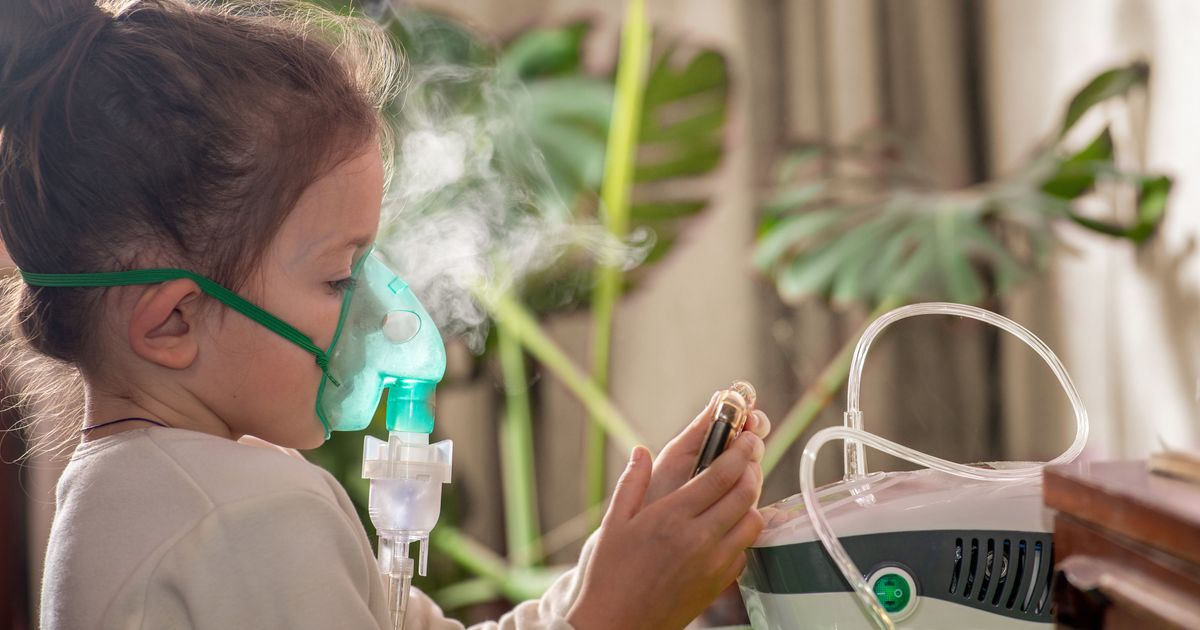
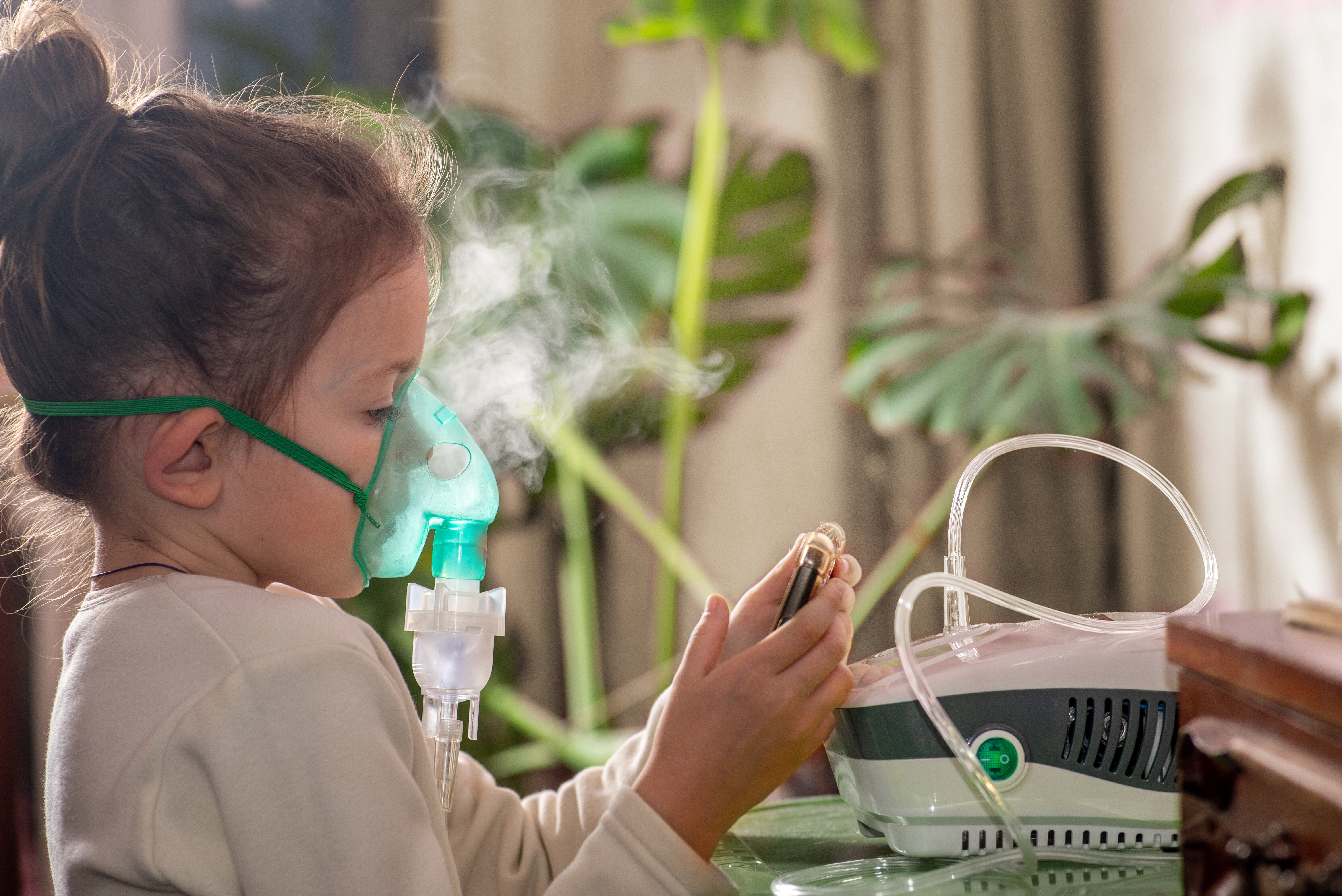
Tens of thousands of children are set to receive hospital-level care at home as part of an expansion of virtual wards on the NHS.
The announcement is set to come from NHS chief executive Amanda Pritchard on the 75 anniversary of the health service.
Advertisement
The ‘hospital at home’ service will cover children in every region of England from this month, after successfully treating more than 6,400 children in a pilot scheme over the last year.
Pritchard said the NHS virtual wards programme has “provided peace of mind” to parents who have used them during trials, including in Blackpool, Dudley and Dorset.
Virtual wards allow patients to get hospital-level care at home safely and in familiar surroundings, helping speed up their recovery while freeing up hospital beds.
Children on a virtual ward would be cared for by a multi-skilled team who can provide a range of tests and treatments, including blood tests, prescribing medication or administering fluids through an intravenous drip.
Advertisement
They would be reviewed daily by the clinical team and the ‘ward round’ may involve a home visit or take place through video calls.
Many virtual wards use technology like apps, wearables and other medical devices enabling clinical staff to easily check in and monitor patients’ recovery.
Children will be treated for a range of conditions like respiratory illness, such as asthma, and heart conditions, but from the comfort of their homes.
In Blackpool, almost 200 children have been treated on a paediatric virtual ward.
Hope Ezard, who is 21 months old, is one of them. She was born prematurely at just 29-weeks and has a rare neurodevelopmental disorder, GNB5, as well as chronic lung disease and feeding issues.
Hope has been in and out of hospital for most of her life to be treated for recurring respiratory infections, and to receive high-pressure oxygen and antibiotics.
Advertisement
The introduction of the virtual ward meant Hope could be moved home sooner.
Hope’s mum, Sarah, 39, said being able to receive care at home “is so beneficial to Hope, and our other children”.
“We know that in general, Hope doesn’t sleep very well when she’s in hospital and is more vulnerable to hospital infections, so there is peace of mind when she’s being cared for at home, on the virtual ward,” she said.
“She’s less likely to pick up anything that might make her more poorly, and she’s relaxed and comfortable in her own bed.
“And the fact that the brilliant community nurses are just a phone call away reduces any anxieties that we might have had.”
In Dudley, mum Anum Shazady praised the virtual ward for keeping her son out of hospital, with twice daily calls from NHS staff.
Advertisement
Anum said: “Now my son is on the virtual ward I can record his observations as many times as I want throughout the day, recording them onto the virtual ward pad and a member of staff calls me twice daily which reassures me that he is safe in our home environment.
“The new virtual ward is great for me and my family as it stops my son staying in hospital longer than he needs.”
The ultimate aim is to free up hospital beds – especially ahead of winter.
NHS chief executive Amanda Pritchard said: “Virtual wards are already providing excellent care to families when their children are sick, and this expansion will enable thousands more to receive high quality care from home.
“Being treated at home can have a hugely positive impact on patients – it means they receive hospital-level care, but it also means they are not separated from their families – providing peace of mind for loved ones.
“As we look to the next 75 years of the NHS, we will continue to embrace the latest technologies and innovations to meet the changing needs of patients while ensuring that care is as convenient as possible.”
Advertisement
The Prince and Princess of Wales hear from the first person born after the NHS was founded, in 1948.

The actor posted a throwback photo on Monday of herself and Madonna in a scene from A League Of Their Own, the 1992 comedy that sparked their three-decade friendship.
In the comments, fans asked to know how the Material Girl singer was faring. The pop icon’s manager, Guy Oseary, announced last week that she had been found unresponsive on June 24, leading to a several-day stay in an intensive care unit.
The 64-year-old had developed a “serious bacterial infection” but was expected to make a full recovery, Oseary said.
Responding to a concerned commenter, O’Donnell wrote, “She’s good,” alongside a heart emoji.
“She is recovering at home. She is very strong in general,” she wrote in another comment.
Actor Debi Mazar, another friend, also shared a brief update about the singer last week.
“To all of her fans- Madonna is on the mend & home resting!” Mazar wrote on Instagram.
Madonna’s Celebration tour of North America and Europe ― which was scheduled to begin in mid-July ― has been postponed.


Let’s be honest: the breakfast buffet is one of the best parts of going on holiday.
Those continental set-ups with the croissants, cheeses and delicious orange juice help set you up for the day in just the right way.
But if you’re watching your health then it might be good to know there are definitely more nutritious options to pick when you’re having breakfast.
Advertisement
Healthy-living advocate Michael Mosley can help you there, as he’s shared his list of foods to steer clear of when it comes to holiday breakfasts, as part of his Fast 800 programme.
Why? Well, recent research shows that processed foods such as muffins, cakes and pastries aren’t amazing for our long-term health.
And deep-fried foods like hash browns can contain a lot of saturated fat from the oil they’re cooked in, plus added salt.
If you want to maintain energy levels and stay healthy while away, Mosley recommends these breakfast items instead:
Advertisement
With that all said, if you’re anything like me, holidays are the time to let loose and really enjoy yourself. So, I will be stacking my plate high with pasteis de nata when I visit Portugal later this year, thank you very much.
And maybe I’ll add some berries on the side… You know, for balance.

The extensive study assessed the movements of 7,137 individual birds from 77 species of petrel, a group of wide-ranging migratory seabirds including the Northern Fulmar and European Storm-petrel, and the Critically Endangered Newell’s Shearwater.
This is the first time that tracking data for so many seabird species has been combined and overlaid onto global maps of plastic distribution in the oceans.
The results show that plastic pollution threatens marine life on a scale that transcends national boundaries: a quarter of all plastic exposure risk occurs in the high seas. This is largely linked to gyres — large systems of rotating ocean currents — where vast accumulations of plastics form, fed by waste entering the sea from boats, and from many different countries.
Seabirds often mistake small plastic fragments for food, or ingest plastic that has already been eaten by their prey. This can lead to injury, poisoning and starvation, and petrels are particularly vulnerable because they can’t easily regurgitate the plastic. In the breeding season they often inadvertently feed plastic to their chicks.
Plastics can also contain toxic chemicals that can be harmful to seabirds.
Petrels are an understudied but vulnerable group of marine species, which play a key role in oceanic food webs. The breadth of their distribution across the whole ocean makes them important ‘sentinel species’ when assessing the risks of plastic pollution in the marine environment.
“Ocean currents cause big swirling collections of plastic rubbish to accumulate far from land, way out of sight and beyond the jurisdiction of any one country. We found that many species of petrel spend considerable amounts of time feeding around these mid-ocean gyres, which puts them at high risk of ingesting plastic debris,” said Lizzie Pearmain, a PhD student at the University of Cambridge’s Department of Zoology and the British Antarctic Survey, and joint corresponding author of the study.
She added: “When petrels eat plastic, it can get stuck in their stomachs and be fed to their chicks. This leaves less space for food, and can cause internal injuries or release toxins.”
Petrels and other species are already threatened with extinction due to climate change, bycatch, competition with fisheries, and invasive species such as mice and rats on their breeding colonies. The researchers say exposure to plastics may reduce the birds’ resilience to these other threats.
The north-east Pacific, South Atlantic, and the south-west Indian oceans have mid-ocean gyres full of plastic waste, where many species of threatened seabird forage.
“Even species with low exposure risk have been found to eat plastic. This shows that plastic levels in the ocean are a problem for seabirds worldwide, even outside of these high exposure areas,” said Dr Bethany Clark, Seabird Science Officer at BirdLife International and joint corresponding author of the study.
She added: “Many petrel species risk exposure to plastic in the waters of several countries and the high seas during their migrations. Due to ocean currents, this plastic debris often ends up far away from its original source. This highlights the need for international cooperation to tackle plastic pollution in the world’s oceans.”
The study also found that the Mediterranean Sea and the Black Sea together account for over half of petrels’ global plastic exposure risk. However, only four species of petrel forage in these enclosed, busy areas.
The study was led by a partnership between the University of Cambridge, BirdLife International and the British Antarctic Survey, in collaboration with Fauna & Flora International, the 5 Gyres Institute, and over 200 seabird researchers in 27 countries.
It is published today in the journal Nature Communications.
To get their results, the researchers overlaid global location data, taken from tracking devices attached to the birds, onto pre-existing maps of marine plastic distribution. This allowed them to identify the areas on the birds’ migration and foraging journeys where they are most likely to encounter plastics.
Species were given an ‘exposure risk score’ to indicate their risk of encountering plastic during their time at sea. A number of already threatened species scored highly, including the Critically Endangered Balearic Shearwater, which breeds in the Mediterranean, and Newell’s Shearwater, endemic to Hawaii.
Another Endangered species, the Hawaiian Petrel also scored high for plastic exposure risk, as did three species classified by the IUCN as Vulnerable: the Yelkouan Shearwater, which breeds in the Mediterranean; Cook’s Petrel,which breeds in New Zealand, and the Spectacled Petrel, which only breeds on an extinct volcano called Inaccessible Island, part of the Tristan da Cunha archipelago, a UK Overseas Territory.
“While the population-level effects of plastic exposure are not yet known for most species, many petrels and other marine species are already in a precarious situation. Continued exposure to potentially dangerous plastics adds to the pressures,” said Professor Andrea Manica at the University of Cambridge’s Department of Zoology, a co-author of the study.
He added: “This study is a big leap forward in understanding the situation, and our results will feed into conservation work to try and address the threats to birds at sea.”
This research was funded by the Cambridge Conservation Initiative’s Collaborative Fund for Conservation, sponsored by the Prince Albert II of Monaco Foundation, and the Natural Environment Research Council.

A study involving more than 745,000 adolescents from 41 countries across Europe and North America identified an increase in the amount of teenagers who underestimate their body weight.
Tracking data from 2002 to 2018, the peer-reviewed findings, published today in Child and Adolescent Obesity, demonstrate a noticeable decrease in those who overestimate their weight too.
The team of international experts, who carried out the research, warn these shifting trends in body weight perception could reduce the effectiveness of public health interventions aimed at weight reduction in young people.
“During this impressionable age, body weight perception may influence a young person’s lifestyle choices, such as the amount and types of food they eat and their exercise habits,” says lead author Doctor Anouk Geraets, from the Department of Social Sciences, at the University of Luxembourg.
“So it’s concerning that we’re seeing a trend where fewer adolescents perceive themselves as being overweight — as this could undermine ongoing efforts to tackle increasing levels of obesity in this age group. Young people who underestimate their weight and therefore do not consider themselves to be overweight may not feel they need to lose excess weight and, as a result, they may make unhealthy lifestyle choices.”
A person’s perception of their body weight may not accurately reflect their actual weight. A discrepancy in body weight perception (BWP) may either be an underestimation (where actual weight is higher than perceived weight) or an overestimation (where actual weight is lower than perceived weight).
In the present study, the researchers examined survey data from 746,121 11-, 13- and 15-year-olds from 41 countries collected at four-yearly intervals between 2002 and 2018 in the International Health Behavior in School-Aged Children (HBSC), a WHO collaborative study.
The team modeled trends in BWP among adolescents across different countries over time, making adjustments for age, gender, and family socioeconomic status. They found:
The authors speculated that the observed differences between girls and boys in BWP may support the idea there are sex differences in body ideals — and that these body ideals have changed over time. Notably, the increased underestimation and decreased overestimation of weight status over time for girls may be explained by the emergence of an athletic and strong body, as a new contemporary body ideal for both sexes.
“This study has clinical and public health implications. The increase in correct weight perception and the decrease in overestimation may have a positive effect on unnecessary and unhealthy weight loss behaviors among adolescents, while the increase in underestimation might indicate the need for interventions to strengthen correct weight perception,” says lead author Doctor Anouk Geraets.
“More research is now needed to understand the factors underlying these time trends and to develop effective public health interventions.”
While the large number of participating countries is a strength of the present study — but as these only included countries in Europe, the USA and Canada, the results can’t be generalized to other regions. In addition, although steps were taken to adjust the models for certain potential confounding factors, several other factors — such as body image, dieting, changing eating patterns, or migration — may also have played a role in the observed trends over time.
