Covid-19 was the ninth biggest cause of death in England in July.


Covid-19 was the ninth biggest cause of death in England in July.
The government say it is preparing for Covid boosters to protect the most vulnerable this year.
The government says it has met its target to offer all 16 and 17-year-olds in England a vaccine.
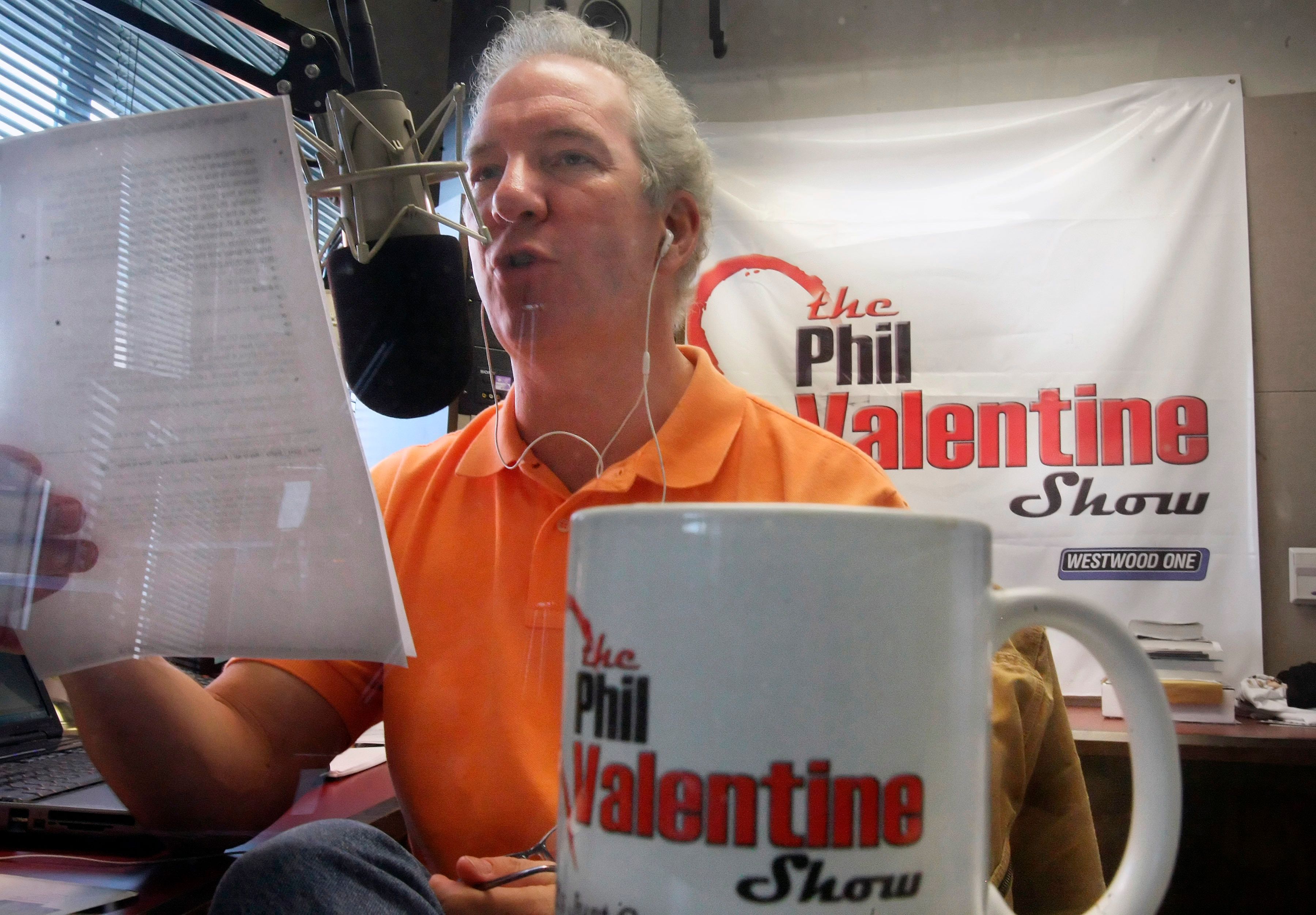
A US conservative radio host and vaccine skeptic, who said he wouldn’t get vaccinated because he had a “low risk” of getting Covid-19 and dying from it, has died after being hospitalised with the virus, his employer said.
Phil Valentine’s death at age 61 was announced Saturday by Nashville radio station SuperTalk 99.7 WTN. The Tennessee-based talk radio host was first hospitalised in late July with the virus.
A statement from his family at the time of his hospitalisation said his illness led him to have second thoughts and regrets about the vaccines’ significance and encouraged people to “go get vaccinated.”
John Partipilo via AP
“Phil would like for his listeners to know that while he has never been an ‘anti-vaxer’ he regrets not being more vehemently ‘Pro-Vaccine’, and looks forward to being able to more vigorously advocate that position as soon as he is back on the air, which we all hope will be soon,” his family said in a statement posted to Facebook by the radio station.
Valentine had expressed his skepticism of the coronavirus vaccines and masks on his radio program and social media, with one of his last tweets on July 15 questioning the safety of the Johnson & Johnson vaccine.
Back in December, he tweeted that people should do a “risk assessment” on whether they should get vaccinated.
“I have a very low risk of A) Getting COVID and B) dying of it if I do. Why would I risk getting a heart attack or paralysis by getting the vaccine?” he posted.
He also recorded a Beatles parody song, “Vaxman,” that mocked the vaccine.

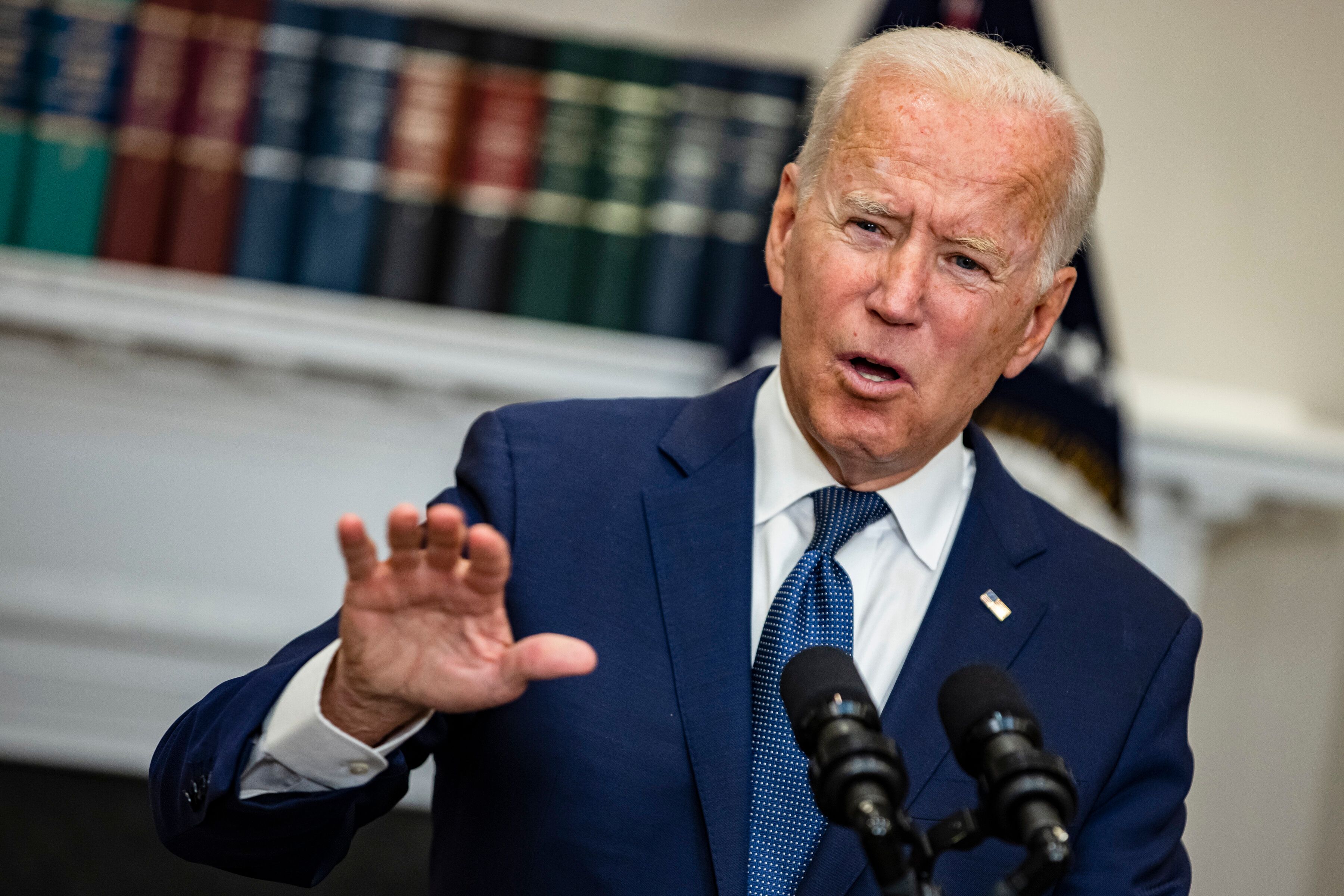
US President Joe Biden touted on Sunday the surging number of Afghanistan evacuations carried out so far by the United States, but acknowledged that such a massive operation does not come “without pain and loss.”
The White House said that the US has evacuated 30,300 people out of Afghanistan since August 14, including more than 13,000 people over the weekend. That brings the total evacuated by the US to about 35,500 since July, though the president stressed in a televised address that “we have a long way to go, and a lot could still go wrong.”
“Let me be clear, the evacuation of thousands of people from Kabul is going to be hard and painful no matter when it started, when we began,” Biden said. “It would have been true if we had started a month ago, or a month from now. There is no way to evacuate this many people without pain and loss, [like] those heartbreaking images you see on television. It’s just a fact.”
Biden: “Let me be clear — the evacuation of thousands of people from Kabul is going to be hard & painful no matter when it started, when we began. It would have been true if we had started a month ago, or a month from now. There is no way to evacuate this many people w/o pain.” pic.twitter.com/3t8wTZvwRv
— Aaron Rupar (@atrupar) August 22, 2021
The British military said earlier Sunday that at least seven Afghans died in a panicked crush of thousands of people trying to flee the country at Kabul’s international airport, in an attempted exodus resulting from the Taliban taking over just a week ago. Others may have been trampled, suffocated or experienced heart attacks as Taliban fighters fired shots into the air to try and drive back crowds from the airport ― the last spot still held by the US military.
Some of the seven who were killed had plunged to their deaths after clinging on to a US plane as it took off on August 16, while thousands of others poured on to the tarmac in a desperate attempt to escape life under Taliban rule. Photos and video showed Afghans passing babies and small children above their heads so Western soldiers could raise them over walls and ensure their safety.
“My heart aches for those people you see,” Biden said on Sunday. “We are proving, though, that we can move thousands of people a day out of Kabul. We’re bringing out citizens, NATO allies, Afghanis who in fact have helped us in the war effort ― but we have a long way to go, and a lot could still go wrong. But to move out 30,000 people in just over a week, that’s a great testament to the men and women on the ground in Kabul.”
Earlier on Sunday, national security adviser Jake Sullivan told CNN that 23 US military flights had evacuated about 3,900 people from Afghanistan, with an additional 3,900 airlifted by 35 non-US military flights, in the past 24 hours. Defence Secretary Lloyd Austin activated the Civil Reserve Air Fleet program, requesting 18 aircraft from US carriers to assist in transporting Afghan refugees after they’ve been evacuated to other countries.
To help continue the evacuations safely, the US has extended the “safe zone” perimeter around the Kabul airport to expand access to people trying to flee the country. This change includes changing the gate operations, which Biden explained is why the military has been able to increase the number of evacuees.
The president said that the Taliban “have been cooperative with regard to changing the perimeter” during discussions, but when asked by a reporter if he trusts Taliban promises, Biden said: “I don’t trust anybody, including you.”
Biden did say that the Taliban have not taken action against US forces so far during the evacuation, and “by and large” have followed through on allowing Americans to pass through. But the president also emphasised that US troops and Afghans still face danger at the airport, such as terrorists like ISIS and its Afghan affiliate ISIS-K who may “seek to exploit the situation ― including trying to strike from a distance.”
The president said he still hopes to meet the August 31 evacuation deadline out of Kabul, but is currently having discussions for the potential of extending the timeline to make sure the US can evacuate as many people as possible.
The chaotic rollout of Biden’s evacuation plan has unleashed bipartisan anger, though many officials and experts stress that this is not on one administration, but on decades of government and military officials. Still, with the evacuation occurring under the current White House that has a lackluster record on refugee issues, advocates are blasting Biden for not moving fast enough and claiming the president is more focused on avoiding political attacks than on helping vulnerable people abroad.
“I had a basic decision to make. I either withdraw America from a 20-year war ― that depending whose analysis you accept cost us $150 million a day for 20 years or $300 million a day for 20 years ― where we lost 2,248 Americans dead and 20,722 wounded,” Biden said, pulling out a card he says he always carries that tells him the war’s casualty count.
“I either increase the number of forces we keep there, and keep that going, or I end the war. And I decided to end the war.”

The UK-wide scheme for adults who test positive for coronavirus will launch next week.
It was parents’ weekend at my daughter’s college, and we were treating her to dinner at an off-campus bistro. The waitress arrived, and she gave her order: “I’ll have the baked salmon with a side of sauteed spinach, please.”
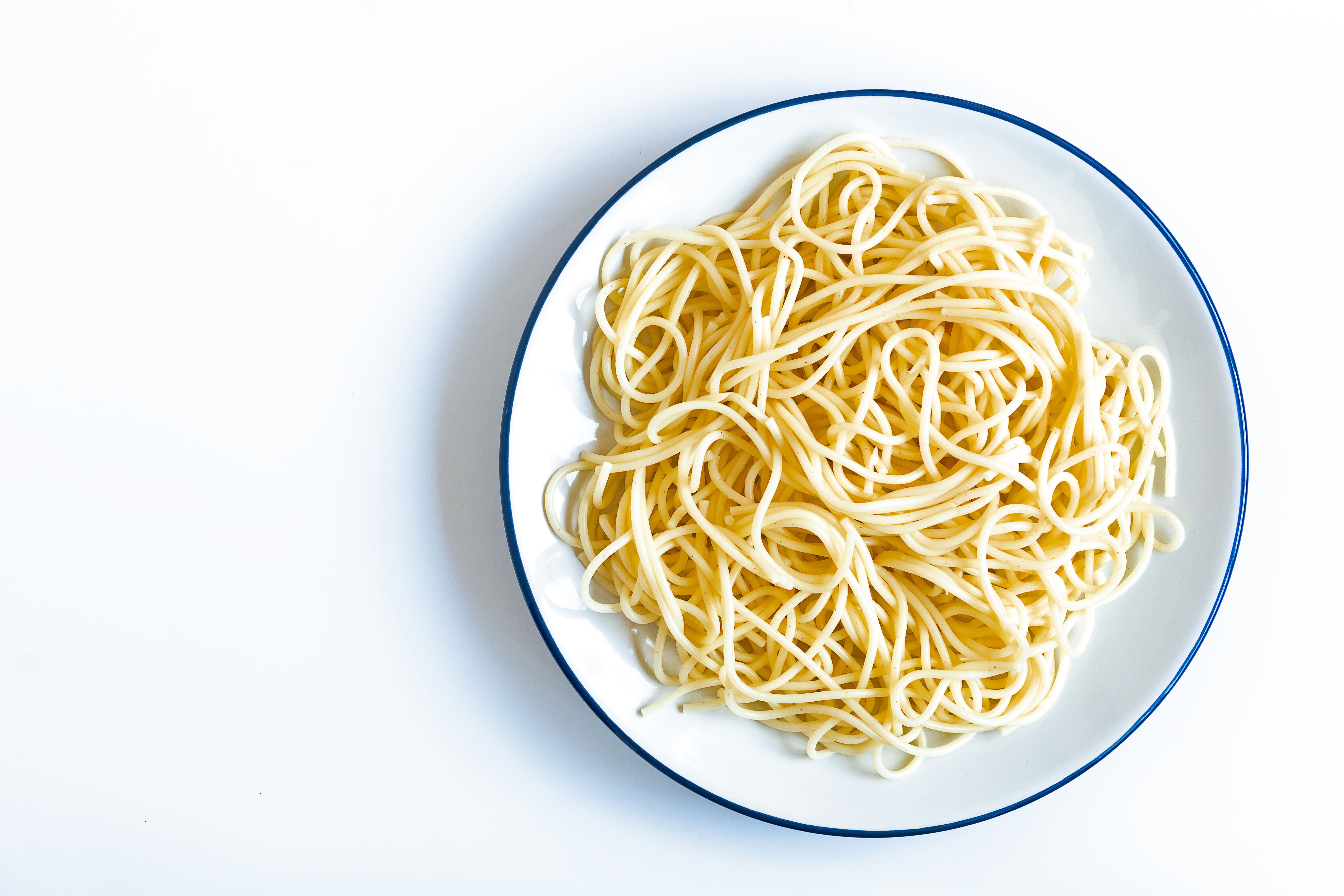
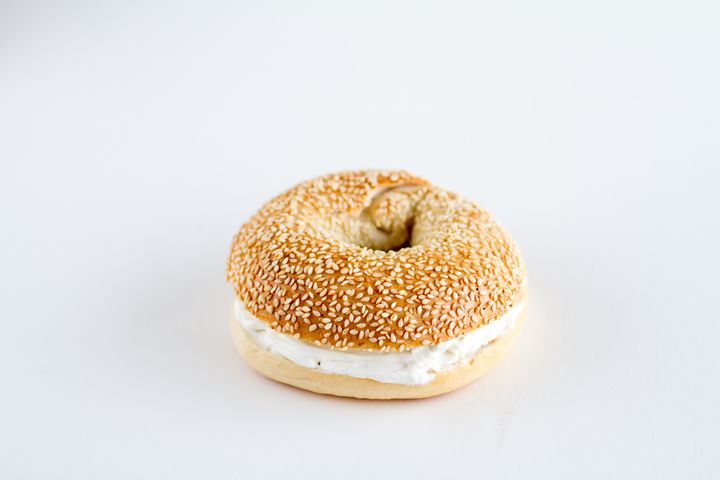
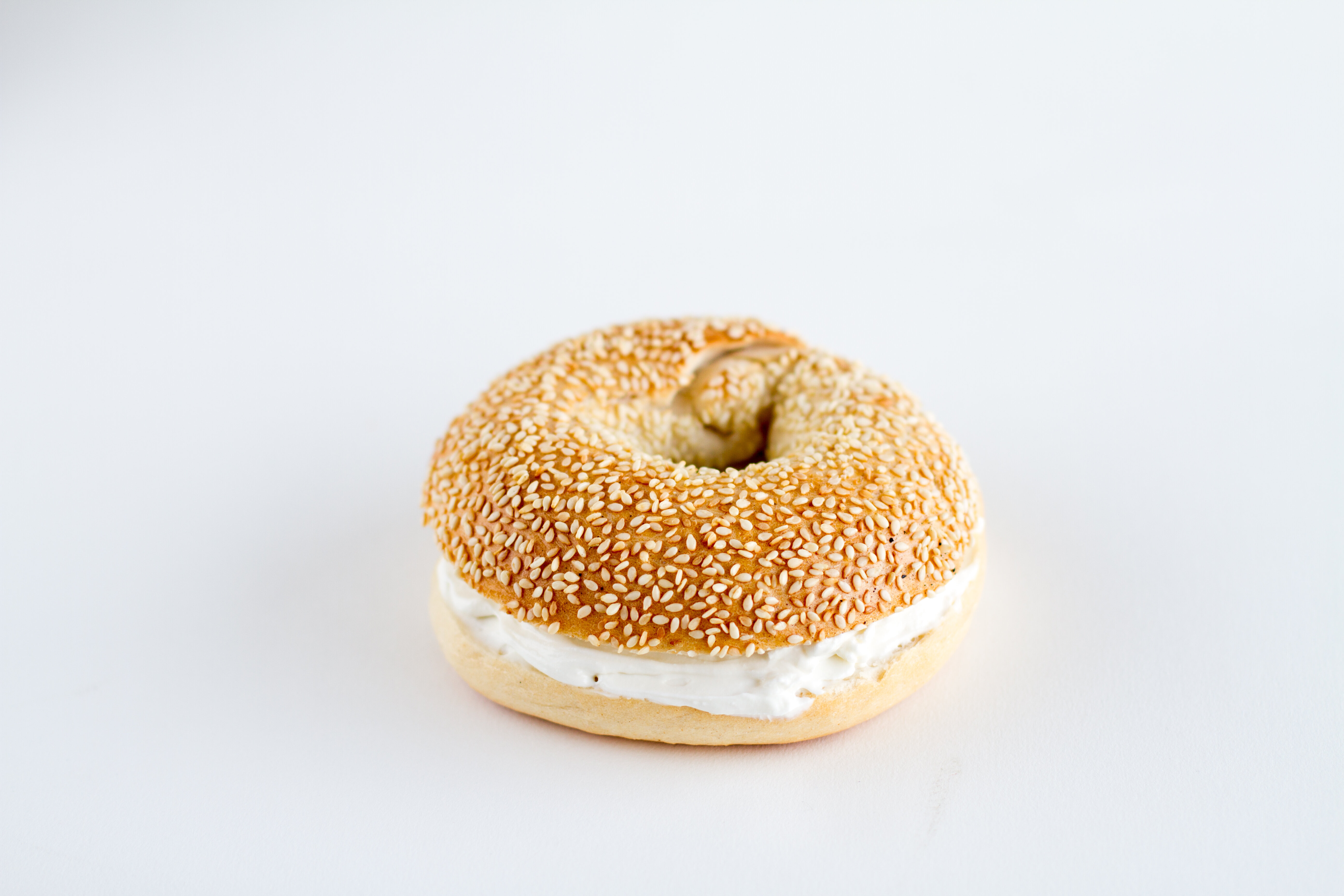
I dropped my menu, my jaw and the mistaken notion that I knew what this kid had been up to since we’d dropped her off a couple of months ago. I had spent most of the past 18 years trying to nudge her – sometimes gently, sometimes with growing desperation º into eating something, anything, other than noodles with butter and salt, half a bagel with plain cream cheese or – her true love –Rold Gold Tiny Twist pretzels.
Advertisement
The idea of fish had always made her shudder. The mere mention of “green things” like spinach could lead to tears. So what was up with her dinner order tonight? She shrugged. “They serve salmon in the dining hall sometimes, and my friends all eat it. Everybody at school likes spinach, too.”
I feigned disinterest and changed the subject, but inside I was doing the parental equivalent of a victory dance. I had relinquished my title as mother of the world’s most adamant whiteatarian, all for the low, low cost of tuition at a liberal arts college that was 1,000 miles away from home.
Advertisement
Before I do any more gloating about the sight of my beloved progeny actually putting spinach in her mouth, let’s take a step back to those early years, when I was driven to frustration by a girl who refused anything that wasn’t white. What made her act that way, anyhow?
Advertisement
Well, mums and dads, you already know that children are annoying for lots of reasons, including a tendency toward tantrums, a love of pre-dawn wake-up times and, of course, picky eating. Would it help if I told you that their eating preferences are pretty much hard-wired into their sweet-smelling little noggins?
The National Institutes of Health says infants have an “innate preference for sweet and salty tastes and tend to reject sour and bitter tastes.”
And, guess what, it gets worse. “After the age of one, vegetables begin to taste very bitter to children,” Alisha Grogan, a paediatric occupational therapist who specialises in picky eating and sensory processing, tells HuffPost.
“When humans had to forage in the wild, children’s sensitive taste buds prevented them from eating anything poisonous.”
Advertisement
Some kids remain loyal passengers of the S.S. Sweet And Salty even as they get older, often to the exclusion of any food that might actually provide, you know, some nourishment. A range of different studies have reported that, by the time they reach age 3, between 6% and 50% of kids are described as picky eaters by their parents.
And if you think they’re doing this just to piss you off, you’re right, at least when it comes to the younger set. “Toddlerhood is when many kids start to exert their autonomy and push boundaries with parents,” paediatrician Dina Kulik tells HuffPost. Not only do they get to remind you who’s boss, they also literally make themselves happy with each bland, beige bite. “Simple sugars are easy to eat, they taste good and they provide a quick dopamine hit, much like other stimulating drugs,” she says.
Is a diet of pasta and bread sustainable for health? Kulik said there are concerns. “The risk of iron deficiency, especially, is high on a very starchy diet,” she says. Even though many manufactured grain-based products are supplemented, she said, kids following the whiteatarian plan are often low in iron, vitamin D, calcium and B12.
In the short term, anyway, the nutritional prognosis is not totally dire. One study said that, while picky eaters did tend to have lower levels of zinc and iron, their overall macronutrient intakes were not severely reduced. And many of us know at least one adult who still lives on a mostly white diet and seems to survive, if not thrive.
“Many kids can survive on white carbs alone, as long as they’re eating enough of them,” Grogan says. “Carbs often are fortified with all sorts of vitamins and nutrition. However, depending on how limited a child’s diet is, they could have some nutritional deficiencies.”
In the comedy special John Mulaney & the Sack Lunch Bunch, a boy named Orson Hong sings an ode in which he declares that “a plain plate of noodles with a little bit of butter is the only thing I’ll eat.” His heartfelt song is more a lament than an homage, and it’s clear that his character is anxious and fearful about ingesting anything but this classic whiteatarian meal.
Fear is a big part of what’s going on, said Amanda Smith, a programme director at Walden Behavioral Care, and it’s important for both kids and parents to acknowledge that. “Some kids might be afraid of different textures, or they might fear that a food will make them choke or vomit,” she tells HuffPost. “It can be overwhelming, scary and hard, so it’s important for parents to try to understand that.”
“Short-order cooking and pressuring a child to eat during meals can lengthen the time a child is selective about what colour foods they’ll eat.”
– Alisha Grogan, paediatric occupational therapist
Keep in mind that once they’ve passed toddlerhood, this eating pattern is about them, not you. “If an older child is still eating only white foods, they aren’t trying to punish their parents or stress them out,” Grogan says. “Eating is hard for them. One way to help is to neutralise the topic, and to avoid labelling foods as good and bad or healthy and not healthy.”
Advertisement
“I suggest not fighting or negotiating,” Kulik says. She suggested an attitude of: “Here’s the plate of food. If you want it, great.” Then, she advises, “If not, don’t start a battle. There is evidence kids need to try a food more than a dozen times to realise they like it. When you simply give in and offer the carbs, they don’t learn to try anything new, and the fear and pickiness persist.”
“Short-order cooking and pressuring a child to eat during meals can lengthen the time a child is selective about what colour foods they’ll eat,” Grogan adds.
In extreme cases, a child might have what’s known as Avoidant/Restrictive Food Intake Disorder or ARFID. The disorder, Kulik explains, is characterised by “very selective eating habits or disturbed feeding patterns.”
She cites estimates that anywhere between 5% and 14% of children in inpatient eating disorder programs, and up to 22% of children in outpatient programs, have the disorder. “It’s important to note that this is a true mental disorder, and the vast majority of kids who are whiteatarians don’t have it,” she says.
“If you have concerns, start with a visit to your child’s medical provider,” Smith suggests. “They’ll be able to assess any medical factors that could be playing a role, and they can check your child’s growth progress, weight and vital signs, and then run some lab work.”
You’ll also want to pay attention to patterns that develop at mealtimes. “If kids are having emotional tantrums or breakdowns over new foods being near them or on their plate, or if they’re gagging or throwing up when new or other-colored foods are near them, then it could be something more serious,” Grogan says.
“If your child is limiting intake to fewer than 20 foods, or you’re noticing physical symptoms relating to their diet, consulting with a health practitioner is advised,” says Sarah Appleford, a registered clinical nutritionist with an interest in children’s health, including fussy eating and gut issues.
“It’s more than just a phase if they’re refusing food at most meals, exhibiting anxiety or stress, have undeveloped eating skills or sensitivities based on texture, colour, appearance, noise or smell at the table and away from the table. Physical symptoms can include slow growth, fatigue, pallor of the skin or complaints of tummy pain or gastrointestinal upset such as constipation.”
Advertisement
Along with every other awful thing, this issue is on the rise, according to the experts. “We’re seeing a growing number of kids with anxiety disorders, and extreme fussy eating behaviour is often a component,” Appleford says. But there is some good news, she adds: “Most children will naturally grow out of fussy eating as they gain more skills and confidence around food.”
“Parents can find it to be very stressful to have a child who only eats white foods, because it’s difficult to go to parties or even pack a lunch,” Grogan says. “But kids — even the pickiest — can learn to eat a variety of different coloured foods.”
In the meantime, listen to the experts and try to cut yourself (and your child) a little bit of slack. You might also want to start saving for that liberal arts college experience that will liberate their taste buds and turn them into rainbowtarians, just a few long years from now.

It’s official, the summer of love is nearly over as the sun sets on Love Island 2021.
After a somewhat slow start, this series finally lived up to its high expectations and provided us with some much-needed TV gold over the last few weeks.
From the iconic Casa Amor recoupling, to couples being on-and-off (and on again – we’re looking at you, Chloe and Toby), series seven has brought drama, an abundance of love and one very questionable talent show.
Ahead of Monday night’s grand finale – where one couple will walk away with the £50,000 prize fund – here’s a roundup of our favourite viral moments that we’re still *puts on Lucinda’s voice* reallllllyyyy obsessed with…
One of the most fiery fire pit moments this year was undoubtedly Hugo’s speech after Toby coupled up with Abi instead of Chloe. It marked the turning point of the series, as we saw our first real glimpse of drama.
Throwing a number of shady comments at his fellow islander Toby, Hugo said of Chloe: “She doesn’t deserve to be treated how she has been this past 24 hours.”
His speech was obviously met with some iconic facial reactions from the Islanders, which were immediately turned into memes.
Picture this – it’s Christmas Day and your cousins are performing their talent show to your family… oh wait, you don’t have to imagine after this particular Love Island moment.
From a rendition of Grease’s You’re The One That I Want, to two semi-pro footballers showing their (lack of) tricks, the Love Island 2021 Talent Show scene was jam-packed with debatable ‘skills’.
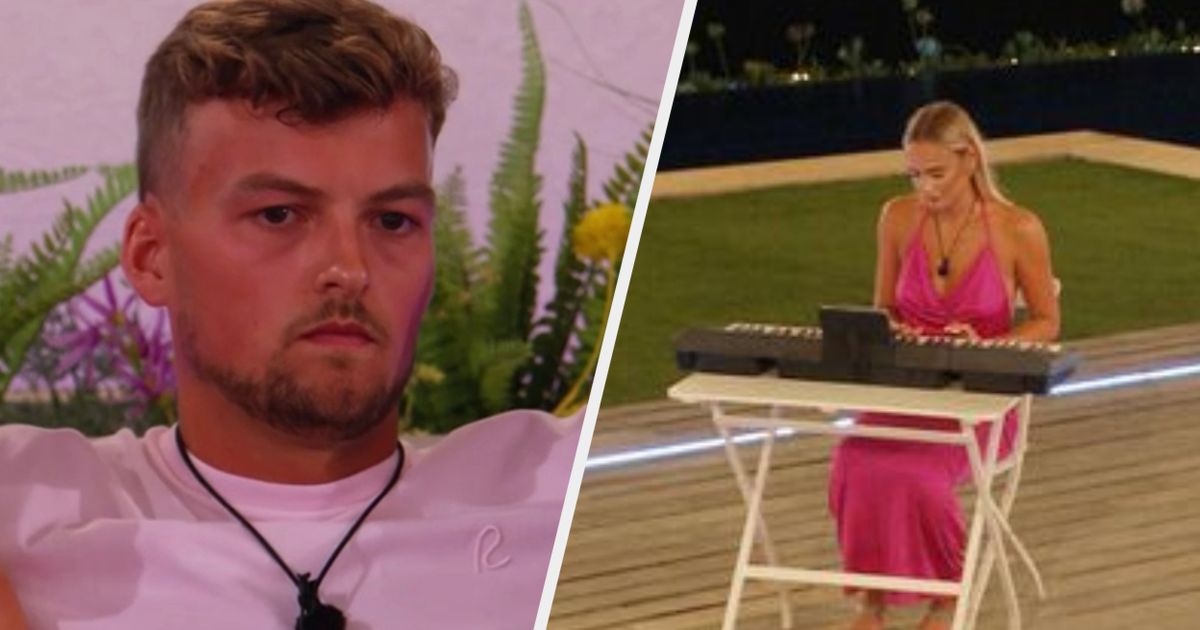
However, the real stand-out acts for us were Millie and her keyboard take on Ed Sheeran’s Perfect, and Mary’s tap dancing, both of which left the fellow Islanders – and indeed viewers – speechless.
Despite some of Faye’s more fiery moments causing controversy, her unbothered energy when new bombshell AJ entered the villa was a real mood.
All the other girls were peeking over the terrace to get a first look, but Faye remained the queen of reactions as she filed her nails and emphasised how unbothered she was: “I’m not bothered at all, AT ALL.”
We totally believed her…
A rare moment of silence fell in the Line of Booty challenge as Rachel was whisked off her feet, but sadly not by Brad.
Coming down the slide at speed, we saw Rachel going head first into the fence and later recalling the event as “tragic”.
Luckily, she was OK, but we can still feel the pain.
The internet was left confused when Toby’s immediate reaction to his team losing Sports Day was to start lifting weights.
However, we weren’t the only ones left baffled as many of his fellow islanders were also unsure as to what was going on.
Now we’ve heard of a lot of reasons for getting ‘the ick’ but being put off by thinking your partner’s favourite cheese was Brie? Well that is unheard of.
Cheese-lover Priya struggled to picture a future with Brett as she thought his choice of favourite cheese was quite boring. Maybe it’s a Gouda idea to start choosing our partner’s based on their favourite cheese from now on?
FYI, Brett later confirmed that he never said that and in fact he isn’t really a fan of cheese at all.
Many of us would probably love to hear some words of encouragement or affection after our first kiss with a new partner. However, Hugo took a slightly different approach after locking lips with Amy in Casa Amor… and we wouldn’t recommend it.
The PE teacher thought the statement “Job done” was the perfect way to win someone over. Spoiler: it didn’t turn out that way.
The nation’s jaws collectively dropped when Lillie entered the main villa to deliver some home truths about what Liam had been up to in Casa Amor.
Never before has an Islander made such an impact in such a short space of time. A Love Island legend.
Some would say that Jake had an obsession with having a girlfriend after the amount of times he’s mentioned the G-word.
After a rocky few weeks of their relationship, it seemed as though Jake’s preferred method of reassurance was repeatedly stating Liberty was his “GIRLfriend”.
Sadly, it wasn’t to be for the couple, who ended up leaving the villa after splitting days before the final.
You know what they say, food is the way to the heart. However, we’re not sure that Aaron’s choice of a Halloween DIY-looking carrots in hummus is quite what is meant by that.
The carrots in question were unpeeled and wedged vertically into a bowl of the dip, leaving them looking like inedible witches fingers.
We haven’t seen a Love Island dish look so unappealing since Tommy served up that ketchup and mayo sandwich for Maura.
Rachel made us question our French GCSE after she described Coq au Vin as ‘duck with wine’ to Brad.
The mistake didn’t seem to go unnoticed with viewers, as social media flooded with the correct description for the dish, which is actually chicken braised in wine.
We have to give Rachel a A+ for confidence though.
This year’s contestants were prepped for the summer of a lifetime, but for OG Islander Shannon this was not the case – in fact she was packing her case after just one day in the villa.
After the mandatory two-week quarantine before entering the villa, we can only imagine how it felt being dumped after day one.
After Hugo was stuck on ‘Friend Island’ for the majority of his time in the villa, viewers were glad to finally see the arrival of Georgia, who had her sights firmly set on Hugo and Hugo only.
Despite being the third girl to make Hugo’s rejection list, Georgia’s short stint in the villa consisted of elocution lessons with Lucinda, bringing the sequins and the inspirational message “Never meet your heroes” – and to be honest, we’re not mad about it.
You can always count on Millie to keep it 100% real, and let’s be honest her comedic inputs have been up there with the best of them during her time in the villa – case in point, this moment from Unseen Bits.
Is it a bug? No, Millie simply humbled her Chloe by calling her a mug for taking Toby back after their on-and-off romance. We have to say the timing was 10/10.
The Undercover Lover challenge wasn’t only very messy but it also left the girls in need of a trip to the hairdressers, as the vibrant slime and accidentally dyed their hair all the colours of the rainbow.
Chloe has brought many iconic one-liners to the table this series, often from her Beach Hut entries.
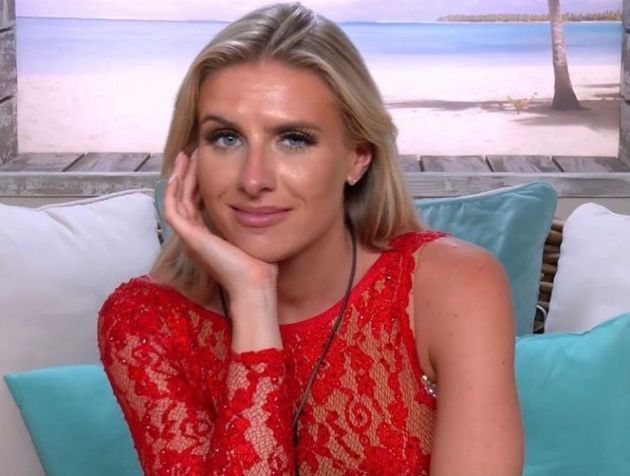
ITV
She has offered hilarious commentary on the day-to-day twists and turns in the villa, and who could forget her “very muggy” speech that came after Toby’s head started to turn?
While she proved to be a slightly Marmite character at the beginning of the series, many of us can now agree that Chloe has carried the humour of the show and we love to see it.
Love Island continues on Sunday and Monday at 9pm on ITV2.




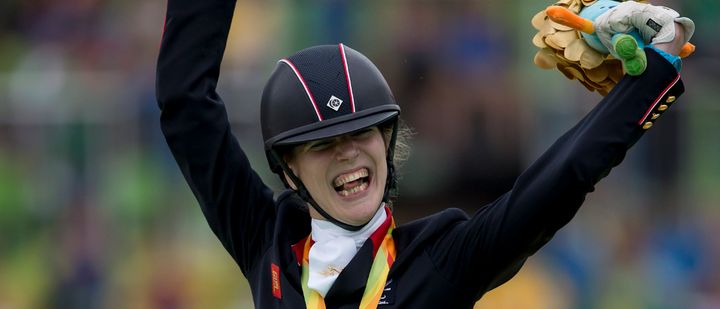
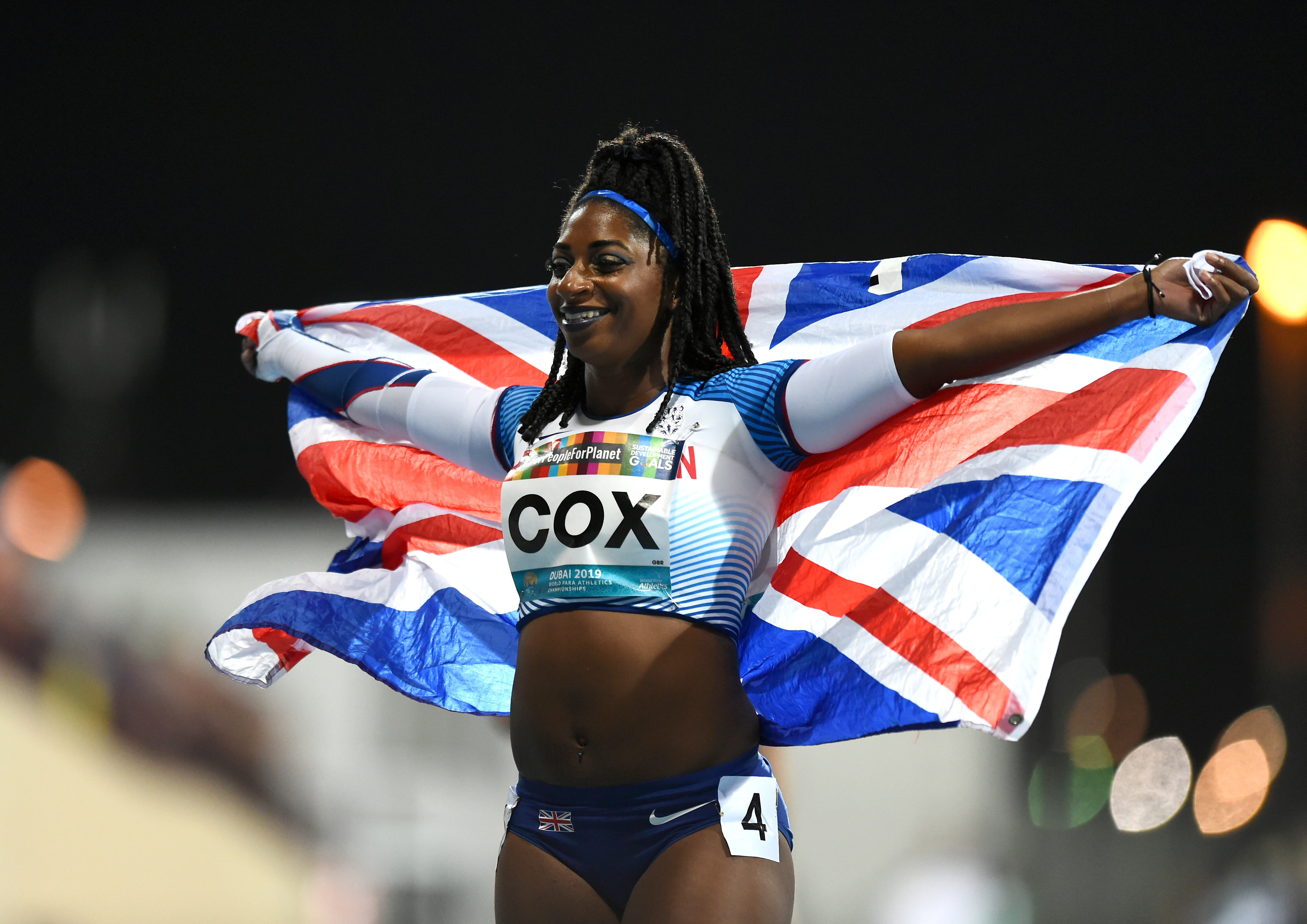
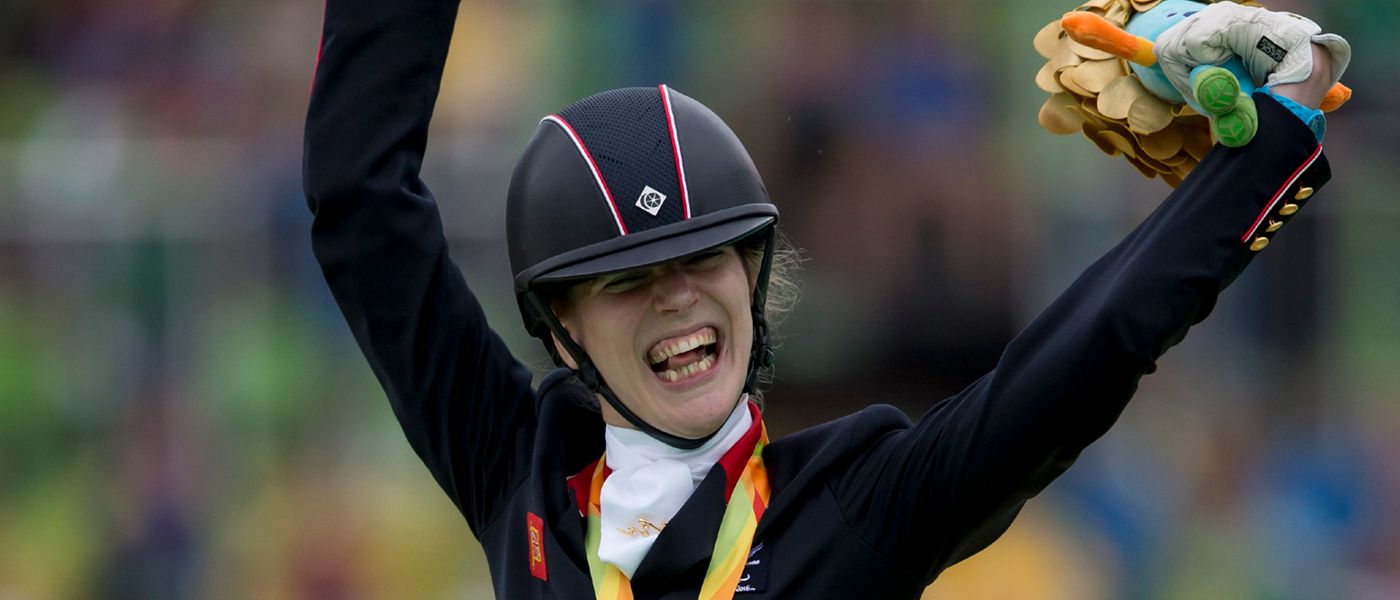
“I love the Paralympics but this time round they need to be more than just a feel-good story.” Sophie Christiansen CBE is a British dressage rider who has competed in four successive Paralympic Games. Already an eight-times gold champion, she hopes to up that medal tally at this year’s games in Japan.
Post-Olympics, the Paralympics light up Tokyo again this week, starting with Tuesday’s opening ceremony. But something about this year’s games feels different. After all, the games, which celebrate the sporting achievements of disabled people, and have been held every four years since Rome in 1960, are taking place a year later than planned due to (and during) a global pandemic. One in which disabled and vulnerable people are among those most affected.
Advertisement
Christiansen is leading a campaign with Scope and the British Paralympic Association with a rallying call to turn cheers into change. “I want to use them as a platform to show the reality of living as a disabled person in the UK,” she says.
This is because, like so many others in the disabled community, she’s concerned interest in the Paralympics does not translate into support for disabled people.
Advertisement
Channel 4 certainly anticipates an audience for the games, having launched its most ambitious Paralympics schedule yet with a high-budget promo. At first glance, the ad seems like any other piece of media selling disabled people’s lives as a sob story or the ultimate bravery, until you focus on the narrative.
Instead of framing Paralympians as “super humans”, a message that saw the broadcaster heavily criticised in 2016, this new campaign shows the everyday struggles of disabled people and, in turn, para-athletes – from making hospital appointments to taking medication, and the general inaccessibility of life, whether at sporting facilities or, for one woman, her local greasy spoon.
Advertisement
“So you might as well quit, if you haven’t got it,” rings out the Bugsy Malone backing track, echoed in a pointed clip of Boris Johnson saying the same – before the “super” in the phrase “super humans” is smashed right through.
Evidently, the broadcaster want us to know it has listened – and that there’ll be no more switching off the comments on YouTube as in 2016. This year, Channel 4 and More 4 will carry live subtitles. The opening ceremony will have live signing and enhanced open AD/commentary simulcast on 4Seven, while the majority of content on the Paralympics microsite will also have subtitles.
Unfortunately, the messaging that accompanies the campaign lets it down: “To be a Paralympian, there’s got to be something wrong with you.” To non-disabled people, that may read as tongue-in-cheek, but for many people with disabilities, it brings back memories of being taunted with “what’s wrong with you?!”
Causing an even bigger uproar online is the accompanying billboard and bus shelter campaign, which uses the slogan: “It’s rude not to stare”.
Advertisement
It’s clear Channel 4 are trying to be subversive here, but when you’ve grown up being told you don’t fit in, that there is something wrong with you, and that if you don’t control your disability, people will stare, these words can still hurt.
There’s also the fact that most people seeing the advert won’t have experienced bias or hate because of their disability, so to them it won’t read as “watch the Paralympics.” It reads as “make disabled people your inspo porn.” Again.
The ads have certainly divided disabled people, and that’s to be expected. Contrary to some reports, we don’t all think the same about things.
Comedian and presenter Rosie Jones is part of The Last Leg team, presenting live from Tokyo. “I really think since the Paralympics have been on Channel 4, it’s a completely different thing,” she says, while acknowledging her possible bias. “Maybe I’m being naive but I don’t think there’s been an ‘inspiration porn’ aspect. It’s all about balance and it’s like, ‘yeah, great, we know how we got disabled, now can we watch then just smash the rowing or the cycling.’”
Inspiration porn, a term widely used by the disability community, was first coined by activist Stella Young to describe a situation where a disabled person is seen as inspirational purely because of their disability – for example, an Instagram post showing a disabled athlete running a race on prosthetic legs with the text: “If they can do it, what’s your excuse.”
These sort of clichés ignore the hard work disabled people put in to get to the top of their game, despite the ableism thrown at them – whether the game in question is sport, as for Paralympians, or in Jones’s case, stand-up comedy.
For her part, Jones attributes a reduction in inspirational imagery to a rise in disabled talent – for the first time, more than 70% of Channel 4′s presenters for the Paralympics have disabilities themselves. “The storytelling comes with a sense of authenticity you wouldn’t get if the entire team were abled bodied.”
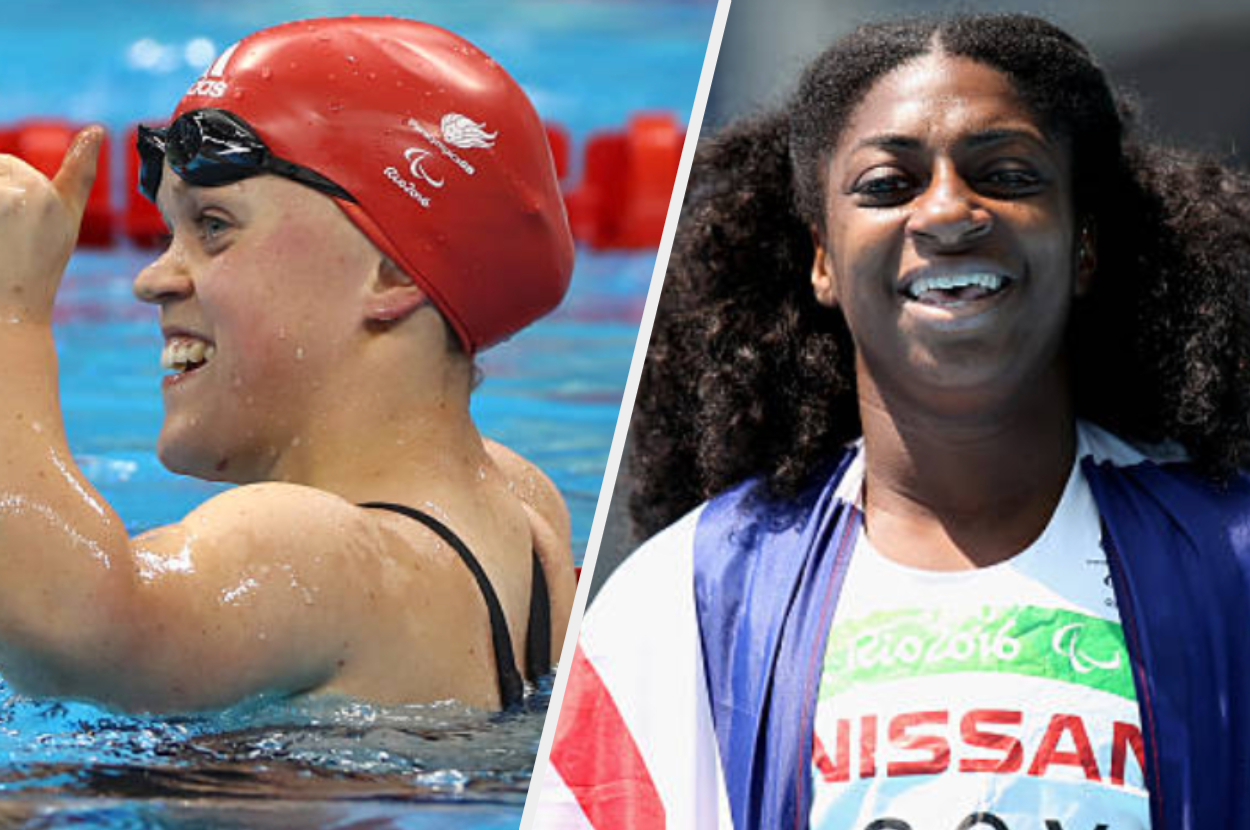
Although what Jones says has some truth in it, much Paralympics coverage still leans on sob stories and in-depth personal details from disabled people’s lives in order to get an emotive response from non-disabled viewers. But former Paralympian wheelchair racer Baroness Tanni Grey-Thompson, who will be commentating the games for Channel 4, believes there’s a clear solution.
“They need to show sport, and they need to commentate on it as just sport.”
– Dame Tanni Grey-Thompson
“If we’re in the studio having a discussion about the politics of disability, then that’s the time to educate and talk about someone’s disability, not when they’re getting ready to compete,” she says. “They need to show sport, and they need to commentate on it as just sport.”
In something of a Catch-22, the very fact that disabled people are ignored or overlooked so much of the time is what leads people to pay closer attention when they are doing something out of the ordinary, like competing in the Paralympics, and to hold them to impossible standards.
Advertisement
Something that could be solved, perhaps, if the world was built more for disabled people
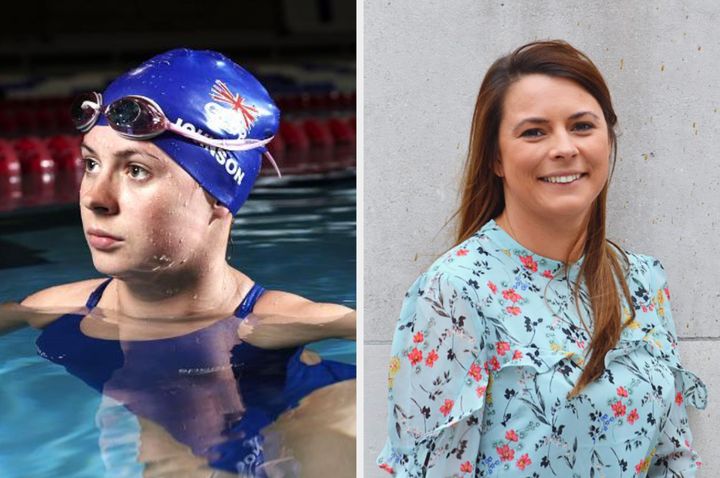
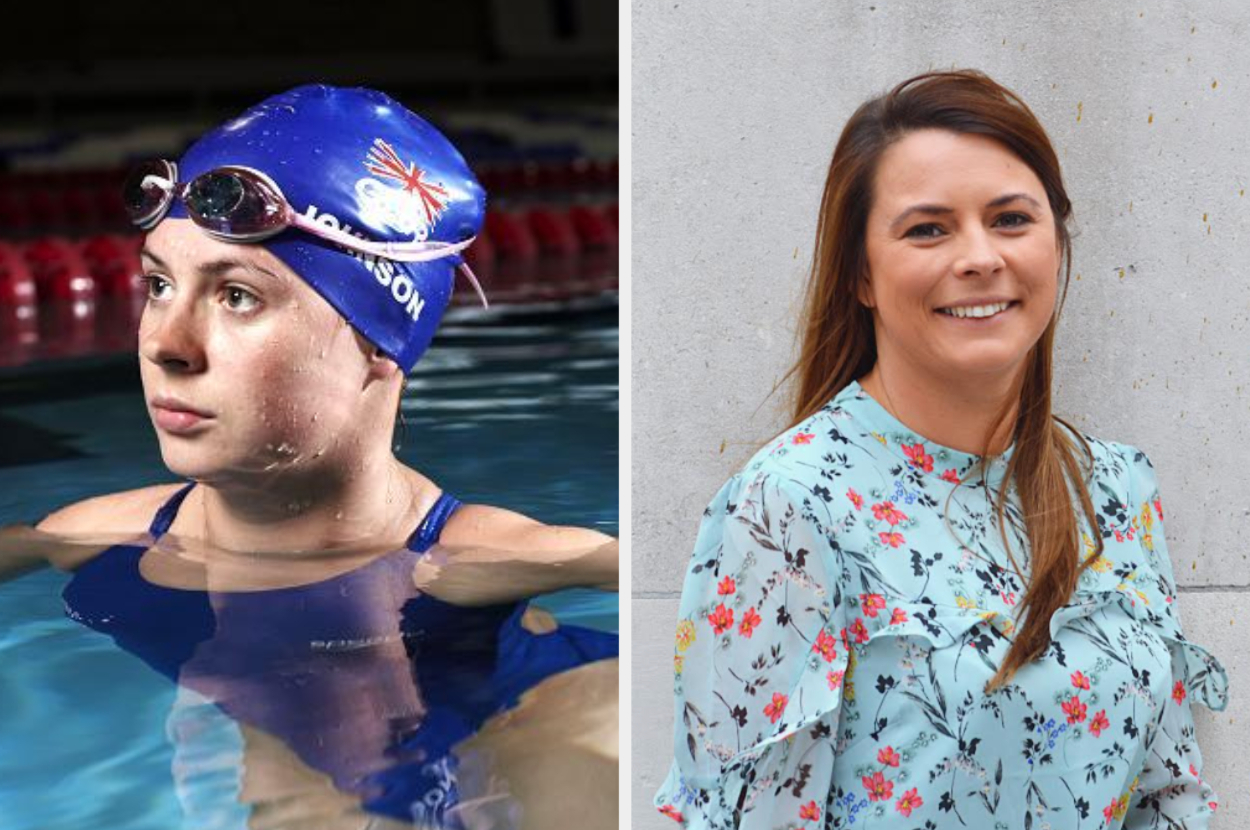
“If we invested more attention in creating a world in which everyone was enabled and empowered to get on with their lives, being disabled wouldn’t be seen as something to be ‘pitied’ or dramatised,” says Liz Johnson, former Paralympian swimmer, commentator and co-founder of The Ability People and Podium, a platform for people who are unable to work conventionally, due to disability or impairment, to share and promote their skills and expertise.
“It’s assumed that Paralympians represent all disabled people. But just as not every person wants to be an athlete, nor does everyone with a disability want to be a Paralympian,” says Johnson. “The better representation we give to disabled people from all walks of life, doing all kinds of jobs, the more we’ll level the playing field and stop ‘othering’ people who happen to have a disability.”
Now more than ever, the Paralympics wants to champion sporting excellence while using its legacy to draw attention to the lives of disabled people – but how big a burden is this on an event that happens only once every four years?
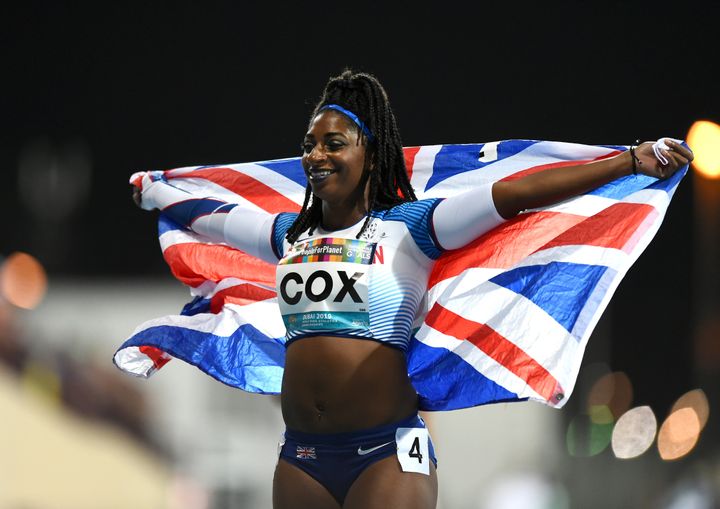
“We can’t expect the Paralympics to do everything. If we wait for the Paralympic movement to raise the bar, it’s never going to raise,” says Grey-Thompson. “We need government and other people to raise the bar. If you just let the Paralympic movement do it, it means government don’t have to take any responsibility.”
London 2012 was widely seen as a high water mark for disabled visibility, with the Paralympic events as packed as their Olympic equivalents. But by no means was it ‘job done’ for equality.
“Yes, 2012 changed the world for disabled people, but, it didn’t stop, “do not attempt resuscitation” orders being put on 1000s of disabled people last year. It hasn’t changed hate crime doubling against disabled children since 2012. It didn’t change my ability to get on the Northern line,” Grey-Thompson adds.
Mike Sharrock, chief executive of ParalympicsGB, sees the urgency of this moment. “Following the disproportionate impact of Covid-19 on so many disabled people, we now believe more than ever that the success of ParalympicsGB must be a catalyst for meaningful, long-term action,” he says.
“Athletes are powerful advocates to turn the nation’s cheers into change and those medals into a UK-wide movement. The Paralympics might only be four weeks every four years but the message from disabled campaigners and Paralympians alike is clear – we won’t be forgotten when the Paralympics end.”
Ultimately, the International Paralympic Committee, the British Paralympic Association and Channel 4 aren’t the ones in power. We can hold them to account for the ways they portray disabled people, but we can’t expect them to enact meaningful change in our lives. For that, we need to lobby government and, disabled or able-bodied, we can all play our part.
Advertisement
“My concern is the after-care and how quickly people go back to their normal lives and they forget about disabled people,” says Rosie Jones, summing it up. “We’re at a point now as a country where we’re just as excited for the Paralympics as the Olympics, but we shouldn’t be grateful that for four weeks, we’re equal to abled-bodied people. That should be happening all the time.”


Tiny iron nanoparticles unlike any found naturally on Earth are nearly everywhere on the Moon — and scientists are trying to understand why. A new study led by Northern Arizona University doctoral candidate Christian J. Tai Udovicic, in collaboration with associate professor Christopher Edwards, both of NAU’s Department of Astronomy and Planetary Science, uncovered important clues to help understand the surprisingly active lunar surface. In an article recently published in Geophysical Research Letters, the scientists found that solar radiation could be a more important source of lunar iron nanoparticles than previously thought.
Asteroid impacts and solar radiation affect the Moon in unique ways because it lacks the protective magnetic field and atmosphere that protect us here on Earth. Both asteroids and solar radiation break down lunar rocks and soil, forming iron nanoparticles (some smaller, some larger) that are detectable from instruments on satellites orbiting the Moon. The study used data from National Aeronautics and Space Administration (NASA) and Japan Aerospace Exploration Agency (JAXA) spacecraft to understand how quickly iron nanoparticles form on the Moon over time.
“We have thought for a long time that the solar wind has a small effect on lunar surface evolution, when in fact it may be the most important process producing iron nanoparticles,” Tai Udovicic said. “Since iron absorbs a lot of light, very small amounts of these particles can be detected from very far away — making them a great indicator of change on the Moon.”
Surprisingly, the smaller iron nanoparticles seemed to form at a similar rate as radiation damage in samples returned from the Apollo missions to the Moon, a hint that the Sun has a strong influence in their formation.
“When I saw the Apollo sample data and our satellite data side by side for the first time, I was shocked,” Tai Udovicic said. “This study shows that the solar radiation could have a much larger influence in active change on the Moon than previously thought, not only darkening its surface, but it might also create small quantities of water usable in future missions.”
As NASA prepares to land the first woman and the next man on the surface of the Moon by 2024 as part of the Artemis mission, understanding the solar radiation environment and possible resources on the Moon are critical. In future work recently awarded a NASA Future Investigators in Space Science and Technology (FINESST) grant, Tai Udovicic plans to broaden his targeted study to the entire Moon, but is also eager to take a closer look at mysterious lunar swirls, one of which was recently selected as a landing site for the upcoming Lunar Vertex rover. He also studies lunar temperatures and water ice stability to inform future missions.
“This work helps us understand, from a bird’s eye view, how the lunar surface changes over time,” said Tai Udovicic. “While there is still a lot to learn, we want to make sure that when we have boots back on the Moon, that those missions are backed by the best science available. It’s the most exciting time to be a lunar scientist since the tail end of the Apollo era in the 70s.”
Story Source:
Materials provided by Northern Arizona University. Note: Content may be edited for style and length.
