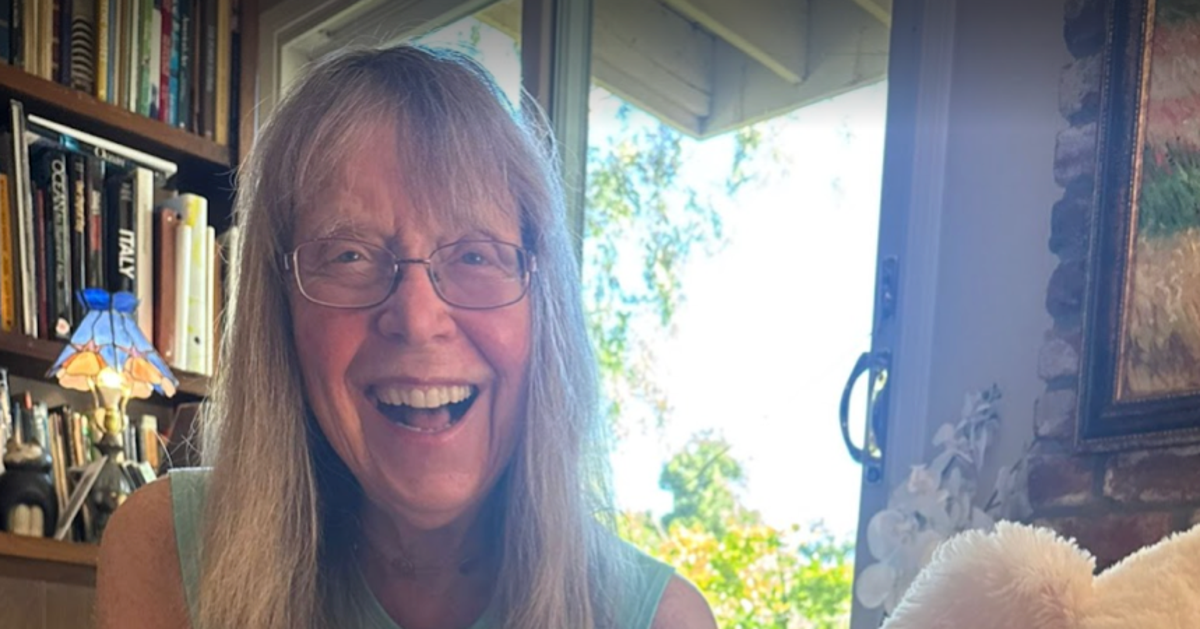
I got my wisdom teeth pulled without anesthesia or laughing gas.
When the dental surgeon sent me home with a packet of prescription-strength Advil, I didn’t take it. Instead, I drove to the community centre and taught my weekly guitar class, my cheeks swelling into grapefruits as my students practiced their D-G-A chord progressions.
Ego-wise, calling out wasn’t an option (I was only loveable because I was reliable, I told myself) and this didn’t warrant a sick day, anyway. I barely felt a thing.
Advertisement
I also don’t remember feeling discomfort when my knee popped out in gym class, or when I fainted during a sweltering marching band parade, or when my appendix almost exploded.
My high pain tolerance didn’t just apply to physical wounds, either; it also dulled the emotional ones. Fear, guilt, awkwardness, jealousy, grief, heartache – I could numb it all.
I learned this skill when I was 7 years old.
My older brother had undiagnosed bipolar disorder. Emotions swelled inside of him, too big to contain, so he’d punch holes in the walls, or burst into our rooms at 3am, or threaten to end his life. Reactions only fuelled the fire – my mother’s anxiety and my father’s guilt like kindling below the log.
Advertisement
Coaxing my brother up from a low or down from a high required a calm, collected presence – someone who could stifle their reactions and use logic to mediate the situation. Someone whose own emotions didn’t get in the way. I was the ideal candidate.
By middle school, my parents had started relying on me to deescalate his episodes. When I succeeded, I was called all of the things I wanted to be: a good girl. The easy one. Such a blessing. Twice, the dispatchers on the other end of the 911 call complimented my maturity and bravery. So did the cops who took my brother to yet another inpatient facility.
Eventually, I wore my robotic mask into the world to see how other people responded. Teachers loved that I got straight As and never spoke out of turn. Friends stopped calling me bossy. Adults deemed me “one of the most well-mannered children they’d ever met”.
Advertisement
It seemed that everyone else liked me better when I had no needs of my own, so somewhere along the line, my emotional suppression went from a temporary tactic to a permanent state of being. By the time my best friend died by suicide when we were 19, I felt almost nothing.
Courtesy of Maria Cassano
The author and her best friend Will on a trip to Disney World in 2008, four years before his death.
This skill had its perks, but it also had its detriments: all logic and no emotion makes Maria an abysmal girlfriend. The only thing I could feel was the hit of dopamine that accompanied a new love interest, so I sabotaged relationship after relationship in pursuit of it.
Advertisement
Yes, I was incapable of feeling pain – but I was also incapable of empathy, vulnerability, and connection.
At 28, I ended a three-year relationship with a good guy so I could pursue an impulsive fling with a not-so-good one. Something had to give. I was tired of being a romantically inept robot. Desperate to figure out what was wrong with me, I booked an appointment with a psychologist who specialised in childhood trauma.
Right off the bat, she diagnosed me with a dissociative disorder.
If I were capable of feeling anything, I would’ve felt relief. My high pain tolerance suddenly made so much sense.
Advertisement
According to WebMD, “dissociation is a break in how your mind handles information,” and that includes sensory inputs from your body.
One study in The Journal of Pain found that those with PTSD-induced dissociation exhibited hyposensitivity to pain. Basically, the higher the dissociation, the higher the tolerance. An overload of trauma can cause the nervous system to shut down entirely.
In one of our intake sessions, I asked my therapist why I felt so addicted to my numbness. Her response was fascinating.
Advertisement
“Your body has its own pain-relief system, and it actually produces opioids,” she said. “When you’re dissociated, the endogenous opioid system is in overdrive. You’re pumping out endorphins all the time to protect yourself from emotional or physical pain. Like any drug, it’s addictive.”
In other words, I didn’t need anaesthesia because I was constantly making my own.
I wanted to be human again. I wanted to feel love, joy and gratitude – but, like a bottle of Vicodin, dissociation was my coping mechanism.
Courtesy of Maria Cassano
The author playing guitar in her bedroom at the height of her dissociative disorder.
Advertisement
So much of my identity was tied up in my numbness. I believed I would no longer be fiercely reliable. I’d have to call out sick from work. I’d have to stop answering my phone at all hours of the night for the people who loved me because I lacked boundaries. I’d be susceptible to illness, anxiety, stress, and worst of all, heartbreak. I would no longer be the girl who could handle anything.
I didn’t know who I was without my dissociation, but I wanted to find out.
Four weeks after my diagnosis, I started Eye Movement Desensitization and Reprocessing, or EMDR. It’s a psychotherapy technique that uses bilateral eye movements to stimulate memory processing, which helps the brain recover from trauma. Essentially, you focus on your worst memories and move your eyes back and forth.
My hopes were not particularly high. How could something as small as eye movements fix something as big as depersonalisation-derealisation disorder?
Advertisement
But EMDR worked, and it worked fast.
In my first EMDR session, my therapist told me to focus on my earliest negative memory while I watched a blue square bounce back and forth on my computer screen. I did it once: Nothing. Twice: Nada. Three times: Nope. And then the dam broke open. Sensations poured into my cells. I could feel everything, all at once.
One emotion loomed especially large, casting a shadow over the rest: I was terrified of being unlovable. That’s why I left everyone else before they could leave me — before they could sense the messiness underneath the cold, polished armour.
This odd therapy technique completely overrode my body’s hyperactive pain-relief system. Over the next 48 hours, I experienced all of the hurt, grief, abandonment and heartache I had blocked out for the past two decades. It was excruciating, and I wanted nothing more than to turn back into a robot.
Advertisement
Courtesy of Maria Cassano
The author and her boyfriend Seb picking apples on a gorgeous fall day.
But with the help of EMDR and this knowledgeable, compassionate therapist, I kept going. We spent the next four years sifting through these memories and emotions, finally processing them so I could let them go.
When pain arose, I felt it. I let the messiness settle in my body, making peace with its presence. Despite the raw discomfort of vulnerability, the hurt of rejection, the guilt of past mistakes, and the occasional panic attack, I resisted the foggy, familiar lure of numbness.
Advertisement
I’m still tempted by it – I’m sure all addicts are – but I’ve never gone back.
Now, I’m in a healthy relationship with a kind, supportive man. He slept over one night two years ago and never left, but I don’t feel the urge to jump ship. I no longer want to chase the dopamine hit of someone new. I want this man to know and accept every part of me, the way I’ve come to know and accept every part of myself.
While I’m not cured (healing is a nonlinear, never-ending road), I’ve learned that pain is a fundamental part of life. Without it, you’re not truly living. It’s the catalyst for transformation. It’s the compass that leads you toward growth. It’s the contrast that illuminates all the beautiful parts of being a fractured, feeling human being.
Maria Cassano is a writer and editor whose work has appeared in Bustle, CNN, Food & Wine, Allure, NBC, The Daily Beast, Elite Daily, and YourTango, among dozens of other publications. Represented by Emma Fulenwider at WordServe Literary, Maria’s memoir about healing from dissociation, “Numb, Party of One,” is currently out on submission to publishing houses. Learn more about it at mariacassano.com/numb.
In late June, a few days before Disability Pride Month began, I took my 7-year-old child on an outing to an Ikea store.
As I filled out a waiver so he could enter the store’s small play area, I noticed I was the only parent present.
Advertisement
It turned out that parents typically drop off their children while they shop, but that wasn’t an option for me.
My son has a rare, severe form of epilepsy called Dravet syndrome, among other medical conditions, and he can’t be without a grown-up carrying his seizure rescue medication, as I was.
The scary reality is that around one in five children with Dravet syndrome die in childhood because the seizures can be so severe. There is currently no cure.
Advertisement
I explained this to a staff member and told her that I’d need to be in the room with my child. She informed me that no parents were allowed into the play area.
“But isn’t there a policy for kids with disabilities?” I asked.
She told me a service dog could accompany a child, but a parent could not.
I stopped signing the form. I said to the staff member, “That’s discrimination against kids with disabilities.” She didn’t respond.
I hadn’t known about the store’s play area before this visit, and I had been happy to see that it wasn’t a playground – just a space with toys like a train set and dart board. Since my son had a seizure at an indoor playground a year ago, I’d stopped taking him to them. But now, even this play space was not an option for him.
Advertisement
My child and I were both upset. He loves going to Ikea to walk through the showroom and eat in the cafeteria – a place open enough that it was the only indoor restaurant he ate in during our four years of masking during the Covid-19 pandemic. We have several Ikea furniture items, including bunk beds, a coat/shoe cubby and a toy chest. He helped us build them all.
Since his severe seizures began about two years ago, he’s had to change his life in significant ways. Heat, sports, just running around to play, illness and excitement have all become triggers for him. Summer is especially hard – on hot days, he can’t be outside. In fact, we had driven the hour to Ikea in traffic just so he could walk and have a change of scenery in a large, air-conditioned space because the temperature outside was dangerous for him.
I told him, “This isn’t OK.”
He said, “We should talk to someone.”
I was proud of him.
After talking to a few staff members, we spoke with a manager, who said he wasn’t familiar with the policy, and he’d get back to me the next day. He didn’t.
Advertisement
Later, I looked online, and there was a section on the Ikea website directing caretakers of children with disabilities to start a conversation with the Ikea store manager about how the child can best have their needs accommodated in the play area. I was hopeful that when we went in the future, we could show the policy to the staff.
However, that doesn’t undo the pain my child felt after hearing that he wasn’t welcome in that play space because of his disabilities. During the hour-long car ride home afterward, we talked a lot about discrimination. I reinforced that what happened wasn’t OK, and that the more than 3 million kids with disabilities in our country deserve to be included.
I told him about my older sister, his late aunt, who had microcephaly and faced various barriers to equal access too, like having to sit on the sidelines of playgrounds in her wheelchair. It upset me.
Advertisement
When I was 10, in 1993, I read about new accessible playgrounds in an issue of Scholastic News, and I hoped we could build one for her. Sadly, she died a few weeks later, but in her memory, my family and I worked with the Cincinnati Parks Department to build an accessible playground. My son thought that was cool.
I also explained that many groups of people face discrimination for reasons such as gender, race, sexual orientation, immigration status and more, and we need to be allies and stand up against all forms of discrimination.
I also told him that one way to help is to make disabilities more visible and raise awareness, as we have done in his school class for the past three years.
Advertisement
This June, for Dravet Syndrome Awareness Month, he and I held a neighbourhood lemonade and cupcake fundraiser and donated money to the Dravet Syndrome Foundation, which helps fund the kind of critical epilepsy research that the Trump administration has recently cut.
After our experience at Ikea, as one of his bedtime books, we re-read the picture book All the Way to the Top, about a child who protested and helped advocate for the Americans with Disabilities Act, which passed 35 years ago.
Afterward, I told him about children with disabilities who went to Congress this summer, asking their leaders not to make it harder for them to go to the doctor and get the medicine and treatment they need.
Advertisement
Unfortunately, President Donald Trump’s domestic policy billhas since passed, and many people, including children with disabilities, will be harmed as a result.
Two days after the bill passed, my child woke up and said, “I want to make a sign about disabilities.”
He asked for my help with spelling before writing the words, “People with disabilities are important” in pencil and then tracing over them with marker. He stood by our Disability Pride yard sign, and then, since the temperature was cooler out, he walked down our street and held it up for cars passing by.
Advertisement
He said that when he grows up, he wants to be an “activist” and “protester.”
I told him that he already is.
[Editor’s Note: HuffPost reached out for a response, and Ikea US issued the following statement: “At IKEA, we strive to offer a safe and inclusive environment for children to play while in our stores. Our Småland policies are in place to keep children safe when they are in our space. Regarding this family’s recent experience in our College Park, MD store, we are incredibly sensitive to feelings of exclusion, and so we have shared information with the family about our accommodations process, so that they may have a more positive experience at IKEA. We are constantly working to improve how we create an inclusive space while maintaining policies that keep all children safe.”]
Walking 10,000 steps per day has become a popular goal in the modern age, but it turns out this benchmark might not be the fitness gold standard after all.
According to a study published in The Lancet last week, getting 7,000 daily steps is enough to see meaningful health benefits. Researchers conducted a meta-analysis and systemic review of data from previous studies and found diminishing returns above that number.
Advertisement
Compared to walking 2,000 steps per day, reaching 7,000 steps was associated with a 47% lower risk of death, 25% lower risk of cardiovascular disease, 38% lower risk of dementia, 28% lower risk of falls, 22% lower risk of depressive symptoms, 14% lower risk of type 2 diabetes and 6% lower risk of cancer. The improvements in health outcomes beyond 7,000 steps were more modest by comparison.
“The 10,000-step target, which originated in marketing campaigns, has often been seen as too high for many,” Dr. Asim Cheema, a specialist in internal medicine and cardiology at the telehealth platform Your Doctors Online, told HuffPost.
“Even a moderate amount of daily physical activity, such as walking 7,000 steps, can have significant health benefits,” he added. “This study indicates that a lower target can still yield substantial benefits for cardiovascular health, mental well-being and overall longevity. It suggests that you don’t need to aim for the highest threshold to make meaningful changes to your health.”
Advertisement
Indeed, many have traced the 10,000 steps a day rule back to a 1960s Japanese marketing campaign. This kind of research offers a helpful perspective shift away from the widespread cultural fixation on getting 10K steps every single day.
“These findings are refreshing, because they challenge the ‘all-or-nothing’ mindset that often surrounds fitness,” said Anjan Pathak, co-founder of wellness platform Vantage Fit. “For years, 10,000 steps per day was treated as a universal rule, even though its roots were more commercial than scientific. This study offers a more compassionate approach.”
The Real Takeaways For Step Counts
The conclusions of the study don’t necessarily mean you should treat 7,000 steps as some new gold standard, however. These findings don’t make 10,000 steps a bad goal, either.
Advertisement
“For those who already walk 4,000 steps, increasing to 5,000 or more will show benefit,” said Hannah Arem, scientific director of implementation science for the health care system MedStar Health. “For those who can, reaching this goal of 7,000 is likely to increase benefits. Beyond 7,000 steps, this study suggests that the health benefits for the outcomes examined are only incremental. That said, there may be health benefits other than those assessed in this study that come from increasing step counts.”
Dr. Matthew Badgett, an internal medicine physician at Cleveland Clinic, emphasised that it’s hardly news that there are diminishing returns above a certain amount of activity. And even if certain risk reductions start to plateau above 7,000 steps, you’re still experiencing benefits when you go beyond that number.
“The study still finds that 10,000 is better than 7,000 ― it’s just not as beneficial as going from 2,000 to 7,000 steps,” he said. “I think the real takeaway is that any amount of activity is going to be beneficial, and you continue to benefit from doing more on top of that, even if the added activity doesn’t lead to as much benefit. Whether your goal is to hit 7,000 or 10,000 doesn’t really matter, but I don’t want people to see this news and decide to cut their usual 10,000 to 7,000.”
Advertisement
Of course, there are extreme examples of individuals who do so much physical activity that it ultimately causes harm to their bodies. But that concern does not apply to the vast majority of people.
“If the average person can go from 2,000 to 7,000 steps per day, they will benefit. And if they can go from 7,000 to 10,000, they will also benefit,” Badgett added.
“I think the real takeaway is that any amount of activity is going to be beneficial, and you continue to benefit from doing more on top of that, even if the added activity doesn’t lead to as much benefit.”
– Dr. Matthew Badgett, internal medicine physician at Cleveland Clinic
Advertisement
Badgett also stressed that analysis of step counts doesn’t offer the full picture of health and fitness.
“Step counters aren’t measuring exercise per se,” he said. “What if you’re a cyclist or you swim a lot or lift weights? These are forms of exercise that [don’t] show up on a step counter, but they’re still hugely beneficial for health. Even running, which is better exercise than walking, gets you fewer steps per mile, because each step moves you further.”
Badgett pointed to two important aspects of fitness: regular exercise and just generally not being sedentary.
Advertisement
“I think 7,000 steps a day is generally a marker of non-sedentary nature,” he said. “Someone who’s getting 2,000 steps per day is probably sitting down at their desk to work from home in the morning, and then they barely leave the desk all day, other than to go one room over for the bathroom or kitchen. And then after work, they just sit and watch TV. Someone who gets closer to 7,000 steps probably does chores around the house, might do some yard work after work, or even drives to work, which brings, inevitably, a little bit of walking.”
Indeed, getting small bursts of steps throughout the day is much healthier than sitting the whole time. If you know you aren’t being so sedentary and are also getting regular exercise, you don’t need to fixate on exact step counts.
“I talk to my patients more about moving around throughout the day and also setting aside time to do a specific exercise, whether it’s weightlifting, running or swimming,” Badgett noted. “I might explore how many steps they’re getting as a baseline to establish a goal, but for someone who is older and has physical limitations, I prefer time goals ― like 20 minutes, rather than a specific number of miles or steps. It’s all really patient-dependent.”
Advertisement
How To Get Your Steps In
As the Lancet study shows, even small increases in your steps can bring substantial benefits, particularly in reducing the risk of mortality and a number of health conditions.
“Move more throughout the day,” Arem advised. “That doesn’t mean you have to go to the gym if that doesn’t fit in your lifestyle. Get off the bus or subway a stop earlier. Take the stairs instead of the elevator for a floor or two. Park farther away from the door in the parking lot.”
These little changes are attainable and thus a good way to kick off your fitness journey.
“Fitness in any form is a long game, and the first priority doesn’t have to be a step count ― it should be creating the habit,” said Dave Paul, host of the “Walking Is Fitness” podcast. “Start small and pick a time of day that you can do it consistently. I mean no more than five or ten minutes. You can always add more later, but if you try and do too much to start, it can feel overwhelming, which can lead to giving up.”
Advertisement
Personal context matters, so you have to determine what is right for you ― whether it’s short strolls or upping your walking game with rucking.
“Walk while taking calls, park a bit farther, or take short strolls during breaks. Health isn’t about chasing perfection. It’s about showing up for yourself every day, in small, meaningful ways.”
– Anjan Pathak, co-founder of wellness platform Vantage Fit
“Begin by setting a realistic goal that you can comfortably achieve and gradually increase your steps over time,” Cheema suggested. “For example, aim to walk 2,000 steps a day and increase by 500 steps each week. It can also be helpful to break up your walking into smaller sessions throughout the day, such as walking after meals. Consistency is key to building a sustainable habit.”
Advertisement
He also emphasised the importance of overall lifestyle factors like nutrition, sleep and stress management. And if you have physical limitations like joint problems, turn your walks into swims or stints on the elliptical.
“I also recommend the ‘Japanese walking’ method for patients who can tolerate more intensity in their walking routines, as this has shown health benefits with a lesser overall number of steps,” said family and emergency physician Dr. Ali Shehata.
During the hot summer months, you might also move your treks to an indoor venue like the mall or treadmill section at the gym ― or even invest in your own walking pad.
Advertisement
“Make movement part of your routine rather than an added burden,” Pathak advised. “Walk while taking calls, park a bit farther, or take short strolls during breaks. Health isn’t about chasing perfection. It’s about showing up for yourself every day, in small, meaningful ways. If 7,000 steps a day is what gets someone moving without fear or shame, then that’s a wonderful place to start.”
If there’s one thing August is usually good for, it’s having plenty of downtime to get stuck into something new on Netflix.
As summer gets into full swing, there are plenty of new TV shows and original films arriving on the streamer this month to keep us all entertained.
Advertisement
Whether you’re looking for binge-worthy guilty pleasures, revealing new documentaries or a twisty crime thriller (or two!), there’s a raft of new releases coming this month that will be sure to tick all those boxes – plus the long-awaited return of one of the platform’s biggest hit shows.
","type":"video","meta":{"author":"Netflix","author_url":"https://www.youtube.com/channel/UCWOA1ZGywLbqmigxE4Qlvuw","cache_age":86400,"description":"When Anna (Sofia Carson), an ambitious young American woman, sets out for Oxford University to fulfill a childhood dream, she has her life completely on track until she meets a charming and clever local (played by Corey Mylchreest) who profoundly alters both of their lives.\n\nWatch on Netflix: https://www.netflix.com/title/81287950\n\nAbout Netflix:\nNetflix is one of the world’s leading entertainment services, with over 300 million paid memberships in over 190 countries enjoying TV series, films and games across a wide variety of genres and languages. Members can play, pause and resume watching as much as they want, anytime, anywhere, and can change their plans at any time.\n\nMy Oxford Year | Official Trailer | Netflix\nhttps://www.youtube.com/@Netflix","options":{"_cc_load_policy":{"label":"Closed captions","value":false},"_end":{"label":"End on","placeholder":"ex.: 11, 1m10s","value":""},"_start":{"label":"Start from","placeholder":"ex.: 11, 1m10s","value":""}},"provider_name":"YouTube","thumbnail_height":720,"thumbnail_url":"https://i.ytimg.com/vi/EKQPCiUSRAo/maxresdefault.jpg","thumbnail_width":1280,"title":"My Oxford Year | Official Trailer | Netflix","type":"video","url":"https://www.youtube.com/watch?v=EKQPCiUSRAo","version":"1.0"},"flags":[],"enhancements":{},"fullBleed":false,"options":{"theme":"news","device":"desktop","editionInfo":{"id":"uk","name":"U.K.","link":"https://www.huffingtonpost.co.uk","locale":"en_GB"},"originalEdition":"uk","isMapi":false,"isAmp":false,"isAdsFree":false,"isVideoEntry":false,"isEntry":true,"isMt":false,"entryId":"688c99d7e4b0c723bc65279d","entryPermalink":"https://www.huffingtonpost.co.uk/entry/new-on-netflix-august-2025-best-new-shows-films_uk_688c99d7e4b0c723bc65279d","entryTagsList":"we-love-tv,netflix,love-is-blind,wednesday,the-thursday-murder-club","sectionSlug":"entertainment","deptSlug":null,"sectionRedirectUrl":null,"subcategories":"","isWide":false,"isShopping":false,"headerOverride":null,"noVideoAds":false,"disableFloat":false,"isNative":false,"commercialVideo":{"provider":"custom","site_and_category":"uk.entertainment","package":null},"isHighline":false,"vidibleConfigValues":{"cid":"60afc140cf94592c45d7390c","disabledWithMapiEntries":false,"overrides":{"all":"60b8e525cdd90620331baaf4"},"whitelisted":["56c5f12ee4b03a39c93c9439","56c6056ee4b01f2b7e1b5f35","59bfee7f9e451049f87f550b","5acccbaac269d609ef44c529","570278d2e4b070ff77b98217","57027b4be4b070ff77b98d5c","56fe95c4e4b0041c4242016b","570279cfe4b06d08e3629954","5ba9e8821c2e65639162ccf1","5bcd9904821576674bc55ced","5d076ca127f25f504327c72e","5b35266b158f855373e28256","5ebac2e8abddfb04f877dff2","60b8e525cdd90620331baaf4","60b64354b171b7444beaff4d","60d0d8e09340d7032ad0fb1a","60d0d90f9340d7032ad0fbeb","60d0d9949340d7032ad0fed3","60d0d9f99340d7032ad10113","60d0daa69340d7032ad104cf","60d0de02b627221e9d819408"],"playlists":{"default":"57bc306888d2ff1a7f6b5579","news":"56c6dbcee4b04edee8beb49c","politics":"56c6dbcee4b04edee8beb49c","entertainment":"56c6e7f2e4b0983aa64c60fc","tech":"56c6f70ae4b043c5bdcaebf9","parents":"56cc65c2e4b0239099455b42","lifestyle":"56cc66a9e4b01f81ef94e98c"},"playerUpdates":{"56c6056ee4b01f2b7e1b5f35":"60b8e525cdd90620331baaf4","56c5f12ee4b03a39c93c9439":"60d0d8e09340d7032ad0fb1a","59bfee7f9e451049f87f550b":"60d0d90f9340d7032ad0fbeb","5acccbaac269d609ef44c529":"60d0d9949340d7032ad0fed3","5bcd9904821576674bc55ced":"60d0d9f99340d7032ad10113","5d076ca127f25f504327c72e":"60d0daa69340d7032ad104cf","5ebac2e8abddfb04f877dff2":"60d0de02b627221e9d819408"}},"connatixConfigValues":{"defaultPlayer":"16b0ecc6-802c-4120-845f-e90629812c4d","clickToPlayPlayer":"823ac03a-0f7e-4bcb-8521-a5b091ae948d","videoPagePlayer":"05041ada-93f7-4e86-9208-e03a5b19311b","defaultPlaylist":"2e062669-71b4-41df-b17a-df6b1616bc8f"},"topConnatixThumnbailSrc":"data:image/png;base64,iVBORw0KGgoAAAANSUhEUgAAAAEAAAABCAQAAAC1HAwCAAAAC0lEQVR42mNkYAAAAAYAAjCB0C8AAAAASUVORK5CYII=","customAmpComponents":[],"ampAssetsUrl":"https://amp.assets.huffpost.com","videoTraits":null,"positionInUnitCounts":{"buzz_head":{"count":0},"buzz_body":{"count":0},"buzz_bottom":{"count":0}},"positionInSubUnitCounts":{"article_body":{"count":28},"blog_summary":{"count":0},"before_you_go_content":{"count":0}},"connatixCountsHelper":{"count":0},"buzzfeedTracking":{"context_page_id":"688c99d7e4b0c723bc65279d","context_page_type":"buzz","destination":"huffpost","mode":"desktop","page_edition":"en-uk"},"tags":[{"name":"we love tv","slug":"we-love-tv","links":{"relativeLink":"news/we-love-tv","permalink":"https://www.huffingtonpost.co.uk/news/we-love-tv","mobileWebLink":"https://www.huffingtonpost.co.uk/news/we-love-tv"},"section":{"title":"Life","slug":"lifestyle"},"topic":{"title":"We Love TV","slug":"we-love-tv","overridesSectionLabel":false},"url":"https://www.huffingtonpost.co.uk/news/we-love-tv/"},{"name":"Netflix","slug":"netflix","links":{"relativeLink":"news/netflix","permalink":"https://www.huffingtonpost.co.uk/news/netflix","mobileWebLink":"https://www.huffingtonpost.co.uk/news/netflix"},"relegenceId":3173032,"url":"https://www.huffingtonpost.co.uk/news/netflix/"},{"name":"Love Is Blind","slug":"love-is-blind","links":{"relativeLink":"news/love-is-blind","permalink":"https://www.huffingtonpost.co.uk/news/love-is-blind","mobileWebLink":"https://www.huffingtonpost.co.uk/news/love-is-blind"},"url":"https://www.huffingtonpost.co.uk/news/love-is-blind/"},{"name":"Wednesday","slug":"wednesday","links":{"relativeLink":"news/wednesday","permalink":"https://www.huffingtonpost.co.uk/news/wednesday","mobileWebLink":"https://www.huffingtonpost.co.uk/news/wednesday"},"url":"https://www.huffingtonpost.co.uk/news/wednesday/"},{"name":"the thursday murder club","slug":"the-thursday-murder-club","links":{"relativeLink":"news/the-thursday-murder-club","permalink":"https://www.huffingtonpost.co.uk/news/the-thursday-murder-club","mobileWebLink":"https://www.huffingtonpost.co.uk/news/the-thursday-murder-club"},"url":"https://www.huffingtonpost.co.uk/news/the-thursday-murder-club/"}],"isLiveblogLive":null,"isLiveblog":false,"cetUnit":"buzz_body","enableIncontentPlayer":false,"bodyAds":["
Tell me more: If you loved the transatlantic culture clash of Too Much starring Megan Stalter and Will Sharpe (or the love-it-or-hate-it success of Emily In Paris), My Oxford Year might just be one to add to your watchlist.
Advertisement
Descendants fave Sofia Carson and Queen Charlotte star Corey Mylchreest lead this new romance about an ambitious American woman who moves to the UK to attend the University Of Oxford to fulfil a childhood dream, before she naturally encounters a charming local.
It’s also directed by The Inbetweeners creator Iain Morris, so we’re a little intrigued to see how the romance comes to life in this one…
Netflix says: “An ambitious American fulfilling her dream of studying at Oxford falls for a charming Brit hiding a secret that may upend her perfectly planned life.”
","type":"video","meta":{"author":"Netflix","author_url":"https://www.youtube.com/channel/UCWOA1ZGywLbqmigxE4Qlvuw","cache_age":86400,"description":"Singles from the Netflix Reality Universe and beyond scheme and strategize their way to a lasting love connection in this spicy dating competition.\n\nWatch on Netflix: https://www.netflix.com/title/81686010\n\nAbout Netflix:\nNetflix is one of the world’s leading entertainment services, with over 300 million paid memberships in over 190 countries enjoying TV series, films and games across a wide variety of genres and languages. Members can play, pause and resume watching as much as they want, anytime, anywhere, and can change their plans at any time.\n\nPerfect Match: Season 3 | Rachel & Clayton From The Bachelor Shocking Reunion | Netflix\nhttps://www.youtube.com/@Netflix","options":{"_cc_load_policy":{"label":"Closed captions","value":false},"_end":{"label":"End on","placeholder":"ex.: 11, 1m10s","value":""},"_start":{"label":"Start from","placeholder":"ex.: 11, 1m10s","value":""}},"provider_name":"YouTube","thumbnail_height":720,"thumbnail_url":"https://i.ytimg.com/vi/OOMyYxhKJDk/maxresdefault.jpg","thumbnail_width":1280,"title":"Perfect Match: Season 3 | Rachel & Clayton From The Bachelor Shocking Reunion | Netflix","type":"video","url":"https://www.youtube.com/watch?v=OOMyYxhKJDk","version":"1.0"},"flags":[],"enhancements":{},"fullBleed":false,"options":{"theme":"news","device":"desktop","editionInfo":{"id":"uk","name":"U.K.","link":"https://www.huffingtonpost.co.uk","locale":"en_GB"},"originalEdition":"uk","isMapi":false,"isAmp":false,"isAdsFree":false,"isVideoEntry":false,"isEntry":true,"isMt":false,"entryId":"688c99d7e4b0c723bc65279d","entryPermalink":"https://www.huffingtonpost.co.uk/entry/new-on-netflix-august-2025-best-new-shows-films_uk_688c99d7e4b0c723bc65279d","entryTagsList":"we-love-tv,netflix,love-is-blind,wednesday,the-thursday-murder-club","sectionSlug":"entertainment","deptSlug":null,"sectionRedirectUrl":null,"subcategories":"","isWide":false,"isShopping":false,"headerOverride":null,"noVideoAds":false,"disableFloat":false,"isNative":false,"commercialVideo":{"provider":"custom","site_and_category":"uk.entertainment","package":null},"isHighline":false,"vidibleConfigValues":{"cid":"60afc140cf94592c45d7390c","disabledWithMapiEntries":false,"overrides":{"all":"60b8e525cdd90620331baaf4"},"whitelisted":["56c5f12ee4b03a39c93c9439","56c6056ee4b01f2b7e1b5f35","59bfee7f9e451049f87f550b","5acccbaac269d609ef44c529","570278d2e4b070ff77b98217","57027b4be4b070ff77b98d5c","56fe95c4e4b0041c4242016b","570279cfe4b06d08e3629954","5ba9e8821c2e65639162ccf1","5bcd9904821576674bc55ced","5d076ca127f25f504327c72e","5b35266b158f855373e28256","5ebac2e8abddfb04f877dff2","60b8e525cdd90620331baaf4","60b64354b171b7444beaff4d","60d0d8e09340d7032ad0fb1a","60d0d90f9340d7032ad0fbeb","60d0d9949340d7032ad0fed3","60d0d9f99340d7032ad10113","60d0daa69340d7032ad104cf","60d0de02b627221e9d819408"],"playlists":{"default":"57bc306888d2ff1a7f6b5579","news":"56c6dbcee4b04edee8beb49c","politics":"56c6dbcee4b04edee8beb49c","entertainment":"56c6e7f2e4b0983aa64c60fc","tech":"56c6f70ae4b043c5bdcaebf9","parents":"56cc65c2e4b0239099455b42","lifestyle":"56cc66a9e4b01f81ef94e98c"},"playerUpdates":{"56c6056ee4b01f2b7e1b5f35":"60b8e525cdd90620331baaf4","56c5f12ee4b03a39c93c9439":"60d0d8e09340d7032ad0fb1a","59bfee7f9e451049f87f550b":"60d0d90f9340d7032ad0fbeb","5acccbaac269d609ef44c529":"60d0d9949340d7032ad0fed3","5bcd9904821576674bc55ced":"60d0d9f99340d7032ad10113","5d076ca127f25f504327c72e":"60d0daa69340d7032ad104cf","5ebac2e8abddfb04f877dff2":"60d0de02b627221e9d819408"}},"connatixConfigValues":{"defaultPlayer":"16b0ecc6-802c-4120-845f-e90629812c4d","clickToPlayPlayer":"823ac03a-0f7e-4bcb-8521-a5b091ae948d","videoPagePlayer":"05041ada-93f7-4e86-9208-e03a5b19311b","defaultPlaylist":"2e062669-71b4-41df-b17a-df6b1616bc8f"},"topConnatixThumnbailSrc":"data:image/png;base64,iVBORw0KGgoAAAANSUhEUgAAAAEAAAABCAQAAAC1HAwCAAAAC0lEQVR42mNkYAAAAAYAAjCB0C8AAAAASUVORK5CYII=","customAmpComponents":[],"ampAssetsUrl":"https://amp.assets.huffpost.com","videoTraits":null,"positionInUnitCounts":{"buzz_head":{"count":0},"buzz_body":{"count":0},"buzz_bottom":{"count":0}},"positionInSubUnitCounts":{"article_body":{"count":28},"blog_summary":{"count":0},"before_you_go_content":{"count":0}},"connatixCountsHelper":{"count":0},"buzzfeedTracking":{"context_page_id":"688c99d7e4b0c723bc65279d","context_page_type":"buzz","destination":"huffpost","mode":"desktop","page_edition":"en-uk"},"tags":[{"name":"we love tv","slug":"we-love-tv","links":{"relativeLink":"news/we-love-tv","permalink":"https://www.huffingtonpost.co.uk/news/we-love-tv","mobileWebLink":"https://www.huffingtonpost.co.uk/news/we-love-tv"},"section":{"title":"Life","slug":"lifestyle"},"topic":{"title":"We Love TV","slug":"we-love-tv","overridesSectionLabel":false},"url":"https://www.huffingtonpost.co.uk/news/we-love-tv/"},{"name":"Netflix","slug":"netflix","links":{"relativeLink":"news/netflix","permalink":"https://www.huffingtonpost.co.uk/news/netflix","mobileWebLink":"https://www.huffingtonpost.co.uk/news/netflix"},"relegenceId":3173032,"url":"https://www.huffingtonpost.co.uk/news/netflix/"},{"name":"Love Is Blind","slug":"love-is-blind","links":{"relativeLink":"news/love-is-blind","permalink":"https://www.huffingtonpost.co.uk/news/love-is-blind","mobileWebLink":"https://www.huffingtonpost.co.uk/news/love-is-blind"},"url":"https://www.huffingtonpost.co.uk/news/love-is-blind/"},{"name":"Wednesday","slug":"wednesday","links":{"relativeLink":"news/wednesday","permalink":"https://www.huffingtonpost.co.uk/news/wednesday","mobileWebLink":"https://www.huffingtonpost.co.uk/news/wednesday"},"url":"https://www.huffingtonpost.co.uk/news/wednesday/"},{"name":"the thursday murder club","slug":"the-thursday-murder-club","links":{"relativeLink":"news/the-thursday-murder-club","permalink":"https://www.huffingtonpost.co.uk/news/the-thursday-murder-club","mobileWebLink":"https://www.huffingtonpost.co.uk/news/the-thursday-murder-club"},"url":"https://www.huffingtonpost.co.uk/news/the-thursday-murder-club/"}],"isLiveblogLive":null,"isLiveblog":false,"cetUnit":"buzz_body","enableIncontentPlayer":false,"bodyAds":["
Tell me more: With the current season of Love Island set to end in just a matter of days, the third run of Netflix’s scandalous dating drama should fill the gap for anyone who needs their fix of reality TV guilty pleasure.
Perfect Match brings together a host of stars to join the “Netflix Reality Universe” from shows like The Bachelor, Love Island, Love Is Blind and more.
Advertisement
Newly-formed couples are tested on their compatibility with a series of challenges designed precisely to stir up drama, and the new season promises plenty of it.
Netflix says: “Romance, strategy and sabotage are key in this scandalous dating series in which singles from popular reality shows compete to find their perfect partner.”
","type":"video","meta":{"author":"Netflix","author_url":"https://www.youtube.com/channel/UCWOA1ZGywLbqmigxE4Qlvuw","cache_age":86400,"description":"Here we woe again. Watch the official trailer for Wednesday Season 2. Part 1 is coming on August 6th. Part 2 is coming on September 3rd. Only on Netflix.\n\nWatch on Netflix: https://www.netflix.com/title/81435630\n\nAbout Netflix:\nNetflix is one of the world’s leading entertainment services, with over 300 million paid memberships in over 190 countries enjoying TV series, films and games across a wide variety of genres and languages. Members can play, pause and resume watching as much as they want, anytime, anywhere, and can change their plans at any time.\n\nWednesday: Season 2 | Official Trailer | Netflix\nhttps://www.youtube.com/@Netflix\n\nNevermore is back in session as Wednesday tangles with a new principal, a devious campus stalker and a waning grip on her psychic powers.","options":{"_cc_load_policy":{"label":"Closed captions","value":false},"_end":{"label":"End on","placeholder":"ex.: 11, 1m10s","value":""},"_start":{"label":"Start from","placeholder":"ex.: 11, 1m10s","value":""}},"provider_name":"YouTube","thumbnail_height":720,"thumbnail_url":"https://i.ytimg.com/vi/03u4xyj0TH4/maxresdefault.jpg","thumbnail_width":1280,"title":"Wednesday: Season 2 | Official Trailer | Netflix","type":"video","url":"https://www.youtube.com/watch?v=03u4xyj0TH4","version":"1.0"},"flags":[],"enhancements":{},"fullBleed":false,"options":{"theme":"news","device":"desktop","editionInfo":{"id":"uk","name":"U.K.","link":"https://www.huffingtonpost.co.uk","locale":"en_GB"},"originalEdition":"uk","isMapi":false,"isAmp":false,"isAdsFree":false,"isVideoEntry":false,"isEntry":true,"isMt":false,"entryId":"688c99d7e4b0c723bc65279d","entryPermalink":"https://www.huffingtonpost.co.uk/entry/new-on-netflix-august-2025-best-new-shows-films_uk_688c99d7e4b0c723bc65279d","entryTagsList":"we-love-tv,netflix,love-is-blind,wednesday,the-thursday-murder-club","sectionSlug":"entertainment","deptSlug":null,"sectionRedirectUrl":null,"subcategories":"","isWide":false,"isShopping":false,"headerOverride":null,"noVideoAds":false,"disableFloat":false,"isNative":false,"commercialVideo":{"provider":"custom","site_and_category":"uk.entertainment","package":null},"isHighline":false,"vidibleConfigValues":{"cid":"60afc140cf94592c45d7390c","disabledWithMapiEntries":false,"overrides":{"all":"60b8e525cdd90620331baaf4"},"whitelisted":["56c5f12ee4b03a39c93c9439","56c6056ee4b01f2b7e1b5f35","59bfee7f9e451049f87f550b","5acccbaac269d609ef44c529","570278d2e4b070ff77b98217","57027b4be4b070ff77b98d5c","56fe95c4e4b0041c4242016b","570279cfe4b06d08e3629954","5ba9e8821c2e65639162ccf1","5bcd9904821576674bc55ced","5d076ca127f25f504327c72e","5b35266b158f855373e28256","5ebac2e8abddfb04f877dff2","60b8e525cdd90620331baaf4","60b64354b171b7444beaff4d","60d0d8e09340d7032ad0fb1a","60d0d90f9340d7032ad0fbeb","60d0d9949340d7032ad0fed3","60d0d9f99340d7032ad10113","60d0daa69340d7032ad104cf","60d0de02b627221e9d819408"],"playlists":{"default":"57bc306888d2ff1a7f6b5579","news":"56c6dbcee4b04edee8beb49c","politics":"56c6dbcee4b04edee8beb49c","entertainment":"56c6e7f2e4b0983aa64c60fc","tech":"56c6f70ae4b043c5bdcaebf9","parents":"56cc65c2e4b0239099455b42","lifestyle":"56cc66a9e4b01f81ef94e98c"},"playerUpdates":{"56c6056ee4b01f2b7e1b5f35":"60b8e525cdd90620331baaf4","56c5f12ee4b03a39c93c9439":"60d0d8e09340d7032ad0fb1a","59bfee7f9e451049f87f550b":"60d0d90f9340d7032ad0fbeb","5acccbaac269d609ef44c529":"60d0d9949340d7032ad0fed3","5bcd9904821576674bc55ced":"60d0d9f99340d7032ad10113","5d076ca127f25f504327c72e":"60d0daa69340d7032ad104cf","5ebac2e8abddfb04f877dff2":"60d0de02b627221e9d819408"}},"connatixConfigValues":{"defaultPlayer":"16b0ecc6-802c-4120-845f-e90629812c4d","clickToPlayPlayer":"823ac03a-0f7e-4bcb-8521-a5b091ae948d","videoPagePlayer":"05041ada-93f7-4e86-9208-e03a5b19311b","defaultPlaylist":"2e062669-71b4-41df-b17a-df6b1616bc8f"},"topConnatixThumnbailSrc":"data:image/png;base64,iVBORw0KGgoAAAANSUhEUgAAAAEAAAABCAQAAAC1HAwCAAAAC0lEQVR42mNkYAAAAAYAAjCB0C8AAAAASUVORK5CYII=","customAmpComponents":[],"ampAssetsUrl":"https://amp.assets.huffpost.com","videoTraits":null,"positionInUnitCounts":{"buzz_head":{"count":0},"buzz_body":{"count":0},"buzz_bottom":{"count":0}},"positionInSubUnitCounts":{"article_body":{"count":28},"blog_summary":{"count":0},"before_you_go_content":{"count":0}},"connatixCountsHelper":{"count":0},"buzzfeedTracking":{"context_page_id":"688c99d7e4b0c723bc65279d","context_page_type":"buzz","destination":"huffpost","mode":"desktop","page_edition":"en-uk"},"tags":[{"name":"we love tv","slug":"we-love-tv","links":{"relativeLink":"news/we-love-tv","permalink":"https://www.huffingtonpost.co.uk/news/we-love-tv","mobileWebLink":"https://www.huffingtonpost.co.uk/news/we-love-tv"},"section":{"title":"Life","slug":"lifestyle"},"topic":{"title":"We Love TV","slug":"we-love-tv","overridesSectionLabel":false},"url":"https://www.huffingtonpost.co.uk/news/we-love-tv/"},{"name":"Netflix","slug":"netflix","links":{"relativeLink":"news/netflix","permalink":"https://www.huffingtonpost.co.uk/news/netflix","mobileWebLink":"https://www.huffingtonpost.co.uk/news/netflix"},"relegenceId":3173032,"url":"https://www.huffingtonpost.co.uk/news/netflix/"},{"name":"Love Is Blind","slug":"love-is-blind","links":{"relativeLink":"news/love-is-blind","permalink":"https://www.huffingtonpost.co.uk/news/love-is-blind","mobileWebLink":"https://www.huffingtonpost.co.uk/news/love-is-blind"},"url":"https://www.huffingtonpost.co.uk/news/love-is-blind/"},{"name":"Wednesday","slug":"wednesday","links":{"relativeLink":"news/wednesday","permalink":"https://www.huffingtonpost.co.uk/news/wednesday","mobileWebLink":"https://www.huffingtonpost.co.uk/news/wednesday"},"url":"https://www.huffingtonpost.co.uk/news/wednesday/"},{"name":"the thursday murder club","slug":"the-thursday-murder-club","links":{"relativeLink":"news/the-thursday-murder-club","permalink":"https://www.huffingtonpost.co.uk/news/the-thursday-murder-club","mobileWebLink":"https://www.huffingtonpost.co.uk/news/the-thursday-murder-club"},"url":"https://www.huffingtonpost.co.uk/news/the-thursday-murder-club/"}],"isLiveblogLive":null,"isLiveblog":false,"cetUnit":"buzz_body","enableIncontentPlayer":false,"bodyAds":["
Tell me more: Get ready for your long-awaited return to Nevermore as Jenna Ortega reprises her star-making role in Wednesday. The show’s creator Miles Millar previously teased that “nothing happens that she’s expecting” this season when our titular heroine returns to school.
Bringing a few new family members and Nevermore professors into the mix, there’s a host of stars joining season two to complete the A-list ensemble including Joanna Lumley, Billie Piper, Thandiwe Newton and Steve Buscemi.
Netflix says: “This season, Wednesday’s journey is darker and more complex as she navigates family, friends, new mysteries, and old adversaries, propelling her headlong into another year at Nevermore.”
","type":"video","meta":{"author":"Netflix Philippines","author_url":"https://www.youtube.com/channel/UCEnaoRpbxiSbAhBkuvODGpw","cache_age":86400,"description":"Get off the bench and claim your prize!\nThe Netflix Series \"Final Draft\" — a physical survival reality show.\n\nThis new physically demanding reality show features 25 former athletes, who were cut from their teams or retired voluntarily, competing to eliminate each other and win a 30 million yen prize they can use to fund a second career. The near-impossible challenges will force the contestants to scheme, show resilience and wage psychological warfare as they fight for a chance to reclaim glory. The survival game show \"Final Draft\" is sure to captivate viewers this summer.\n\nContestants (In Japanese syllabary order):\nAtsushi Arai (former member of the Japan national water polo team)\nYoshio Itoi (former professional baseball player)\nYoshito Okubo (former member of the Japan national soccer team)\nRyudai Onikura (former amateur boxer)\nAkira Kaji (former member of the Japan national soccer team)\nYosuke Kashiwagi (former member of the Japan national soccer team)\nYu Kato (former professional women’s baseball player)\nYujo Kitagata (former professional baseball player)\nTakashi Kurihara (former member of the Japan national American football team)\nKouzi (martial arts fighter)\nKazuhiro Goya (former member of the Japan national rugby sevens team)\nGoson Sakai (former professional soccer player)\nMasayuki Shimokawa (former member of the Japan national kabaddi team)\nYuya Shozui (former professional baseball player)\nTomoe Tamura (former member of the Japan national ultimate frisbee team)\nKenta Tsukamoto (former bodybuilder)\nEri Tosaka (former member of the Japan national wrestling team)\nKoji Tokuda (former American football player, comedian)\nHozumi Hasegawa (former boxing world champion)\nSari Baba (former professional tennis player)\nNaoto Hayasaka (former member of the Japan national gymnastics team)\nMasato (former street workout athlete)\nKaho Mita (former trampoline athlete/bodybuilding and fitness competitor)\nRyosuke Miyaguni (former professional baseball player)\nKatsuma Yonemura (former judo athlete)\n\nAll eight episodes of the Netflix Series \"Final Draft\" start streaming simultaneously worldwide on Tuesday, August 12, only on Netflix.\n\nWatch on Netflix: https://www.netflix.com/title/81710054\n\nSubscribe: https://bit.ly/2S2Av3k\n\nAbout Netflix:\nNetflix is one of the world’s leading entertainment services, with over 300 million paid memberships in over 190 countries enjoying TV series, films and games across a wide variety of genres and languages. Members can play, pause and resume watching as much as they want, anytime, anywhere, and can change their plans at any time.\n\nConnect with Netflix Philippines:\nLike Netflix on FACEBOOK: http://facebook.com/netflixph\nFollow Netflix on TWITTER: http://twitter.com/netflix_ph\nFollow Netflix on INSTAGRAM: http://instagram.com/netflixph\nFollow Netflix on TIKTOK: http://tiktok.com/@netflixph\n\nFinal Draft | Official Trailer | Netflix\nhttps://www.youtube.com/@netflixph\n\nTwenty-five athletes, most retired, compete to win 30M yen to launch their second career. Can they overcome tough physical and psychological challenges?","options":{"_cc_load_policy":{"label":"Closed captions","value":false},"_end":{"label":"End on","placeholder":"ex.: 11, 1m10s","value":""},"_start":{"label":"Start from","placeholder":"ex.: 11, 1m10s","value":""}},"provider_name":"YouTube","thumbnail_height":720,"thumbnail_url":"https://i.ytimg.com/vi/3A1EQWiA_gw/maxresdefault.jpg","thumbnail_width":1280,"title":"Final Draft | Official Trailer | Netflix","type":"video","url":"https://www.youtube.com/watch?v=3A1EQWiA_gw","version":"1.0"},"flags":[],"enhancements":{},"fullBleed":false,"options":{"theme":"news","device":"desktop","editionInfo":{"id":"uk","name":"U.K.","link":"https://www.huffingtonpost.co.uk","locale":"en_GB"},"originalEdition":"uk","isMapi":false,"isAmp":false,"isAdsFree":false,"isVideoEntry":false,"isEntry":true,"isMt":false,"entryId":"688c99d7e4b0c723bc65279d","entryPermalink":"https://www.huffingtonpost.co.uk/entry/new-on-netflix-august-2025-best-new-shows-films_uk_688c99d7e4b0c723bc65279d","entryTagsList":"we-love-tv,netflix,love-is-blind,wednesday,the-thursday-murder-club","sectionSlug":"entertainment","deptSlug":null,"sectionRedirectUrl":null,"subcategories":"","isWide":false,"isShopping":false,"headerOverride":null,"noVideoAds":false,"disableFloat":false,"isNative":false,"commercialVideo":{"provider":"custom","site_and_category":"uk.entertainment","package":null},"isHighline":false,"vidibleConfigValues":{"cid":"60afc140cf94592c45d7390c","disabledWithMapiEntries":false,"overrides":{"all":"60b8e525cdd90620331baaf4"},"whitelisted":["56c5f12ee4b03a39c93c9439","56c6056ee4b01f2b7e1b5f35","59bfee7f9e451049f87f550b","5acccbaac269d609ef44c529","570278d2e4b070ff77b98217","57027b4be4b070ff77b98d5c","56fe95c4e4b0041c4242016b","570279cfe4b06d08e3629954","5ba9e8821c2e65639162ccf1","5bcd9904821576674bc55ced","5d076ca127f25f504327c72e","5b35266b158f855373e28256","5ebac2e8abddfb04f877dff2","60b8e525cdd90620331baaf4","60b64354b171b7444beaff4d","60d0d8e09340d7032ad0fb1a","60d0d90f9340d7032ad0fbeb","60d0d9949340d7032ad0fed3","60d0d9f99340d7032ad10113","60d0daa69340d7032ad104cf","60d0de02b627221e9d819408"],"playlists":{"default":"57bc306888d2ff1a7f6b5579","news":"56c6dbcee4b04edee8beb49c","politics":"56c6dbcee4b04edee8beb49c","entertainment":"56c6e7f2e4b0983aa64c60fc","tech":"56c6f70ae4b043c5bdcaebf9","parents":"56cc65c2e4b0239099455b42","lifestyle":"56cc66a9e4b01f81ef94e98c"},"playerUpdates":{"56c6056ee4b01f2b7e1b5f35":"60b8e525cdd90620331baaf4","56c5f12ee4b03a39c93c9439":"60d0d8e09340d7032ad0fb1a","59bfee7f9e451049f87f550b":"60d0d90f9340d7032ad0fbeb","5acccbaac269d609ef44c529":"60d0d9949340d7032ad0fed3","5bcd9904821576674bc55ced":"60d0d9f99340d7032ad10113","5d076ca127f25f504327c72e":"60d0daa69340d7032ad104cf","5ebac2e8abddfb04f877dff2":"60d0de02b627221e9d819408"}},"connatixConfigValues":{"defaultPlayer":"16b0ecc6-802c-4120-845f-e90629812c4d","clickToPlayPlayer":"823ac03a-0f7e-4bcb-8521-a5b091ae948d","videoPagePlayer":"05041ada-93f7-4e86-9208-e03a5b19311b","defaultPlaylist":"2e062669-71b4-41df-b17a-df6b1616bc8f"},"topConnatixThumnbailSrc":"data:image/png;base64,iVBORw0KGgoAAAANSUhEUgAAAAEAAAABCAQAAAC1HAwCAAAAC0lEQVR42mNkYAAAAAYAAjCB0C8AAAAASUVORK5CYII=","customAmpComponents":[],"ampAssetsUrl":"https://amp.assets.huffpost.com","videoTraits":null,"positionInUnitCounts":{"buzz_head":{"count":0},"buzz_body":{"count":0},"buzz_bottom":{"count":0}},"positionInSubUnitCounts":{"article_body":{"count":28},"blog_summary":{"count":0},"before_you_go_content":{"count":0}},"connatixCountsHelper":{"count":0},"buzzfeedTracking":{"context_page_id":"688c99d7e4b0c723bc65279d","context_page_type":"buzz","destination":"huffpost","mode":"desktop","page_edition":"en-uk"},"tags":[{"name":"we love tv","slug":"we-love-tv","links":{"relativeLink":"news/we-love-tv","permalink":"https://www.huffingtonpost.co.uk/news/we-love-tv","mobileWebLink":"https://www.huffingtonpost.co.uk/news/we-love-tv"},"section":{"title":"Life","slug":"lifestyle"},"topic":{"title":"We Love TV","slug":"we-love-tv","overridesSectionLabel":false},"url":"https://www.huffingtonpost.co.uk/news/we-love-tv/"},{"name":"Netflix","slug":"netflix","links":{"relativeLink":"news/netflix","permalink":"https://www.huffingtonpost.co.uk/news/netflix","mobileWebLink":"https://www.huffingtonpost.co.uk/news/netflix"},"relegenceId":3173032,"url":"https://www.huffingtonpost.co.uk/news/netflix/"},{"name":"Love Is Blind","slug":"love-is-blind","links":{"relativeLink":"news/love-is-blind","permalink":"https://www.huffingtonpost.co.uk/news/love-is-blind","mobileWebLink":"https://www.huffingtonpost.co.uk/news/love-is-blind"},"url":"https://www.huffingtonpost.co.uk/news/love-is-blind/"},{"name":"Wednesday","slug":"wednesday","links":{"relativeLink":"news/wednesday","permalink":"https://www.huffingtonpost.co.uk/news/wednesday","mobileWebLink":"https://www.huffingtonpost.co.uk/news/wednesday"},"url":"https://www.huffingtonpost.co.uk/news/wednesday/"},{"name":"the thursday murder club","slug":"the-thursday-murder-club","links":{"relativeLink":"news/the-thursday-murder-club","permalink":"https://www.huffingtonpost.co.uk/news/the-thursday-murder-club","mobileWebLink":"https://www.huffingtonpost.co.uk/news/the-thursday-murder-club"},"url":"https://www.huffingtonpost.co.uk/news/the-thursday-murder-club/"}],"isLiveblogLive":null,"isLiveblog":false,"cetUnit":"buzz_body","enableIncontentPlayer":false,"bodyAds":["
Tell me more: This Japanese-produced survival reality series pits a cohort of former athletes against one another to compete in ultimate tests of fitness and endurance, all to be in with a chance of winning 30 million yen, which converts to about £150,000.
Final Draft’s competitors are from a variety of backgrounds, including a basketball star, an American football player, a former water polo athlete and even an Olympic gold medalist.
Advertisement
It sounds like it might be a surprisingly emotional watch, as many of the competing athletes were apparently forced to walk away from their dreams early, compared to those who retired on their own terms.
Netflix says: “Twenty-five athletes, most retired, compete to win 30M yen to launch their second career. Can they overcome tough physical and psychological challenges?”
","type":"video","meta":{"author":"Netflix","author_url":"https://www.youtube.com/channel/UCWOA1ZGywLbqmigxE4Qlvuw","cache_age":86400,"description":"Unleash the magic…unleash the mess. The Love is Blind: UK pods reopen on August 13, only on Netflix.\nCan you really fall for someone, without ever setting eyes on them? Emma and Matt Willis host a social experiment where British singles look for love and get engaged, all before meeting in person. But who will say \"I do\"?\n\nWatch on Netflix: https://www.netflix.com/title/81702890\n\nAbout Netflix:\nNetflix is one of the world’s leading entertainment services, with over 300 million paid memberships in over 190 countries enjoying TV series, films and games across a wide variety of genres and languages. Members can play, pause and resume watching as much as they want, anytime, anywhere, and can change their plans at any time.\n\nLove is Blind: UK: Season 2 | Official Teaser | Netflix\nhttps://www.youtube.com/@Netflix\n\nA new batch of singles in the UK search for love sight unseen. Who will make it from the pods, to living together, to all the way up the aisle?","options":{"_cc_load_policy":{"label":"Closed captions","value":false},"_end":{"label":"End on","placeholder":"ex.: 11, 1m10s","value":""},"_start":{"label":"Start from","placeholder":"ex.: 11, 1m10s","value":""}},"provider_name":"YouTube","thumbnail_height":720,"thumbnail_url":"https://i.ytimg.com/vi/UIHBRA4qoMA/maxresdefault.jpg","thumbnail_width":1280,"title":"Love is Blind: UK: Season 2 | Official Teaser | Netflix","type":"video","url":"https://www.youtube.com/watch?v=UIHBRA4qoMA","version":"1.0"},"flags":[],"enhancements":{},"fullBleed":false,"options":{"theme":"news","device":"desktop","editionInfo":{"id":"uk","name":"U.K.","link":"https://www.huffingtonpost.co.uk","locale":"en_GB"},"originalEdition":"uk","isMapi":false,"isAmp":false,"isAdsFree":false,"isVideoEntry":false,"isEntry":true,"isMt":false,"entryId":"688c99d7e4b0c723bc65279d","entryPermalink":"https://www.huffingtonpost.co.uk/entry/new-on-netflix-august-2025-best-new-shows-films_uk_688c99d7e4b0c723bc65279d","entryTagsList":"we-love-tv,netflix,love-is-blind,wednesday,the-thursday-murder-club","sectionSlug":"entertainment","deptSlug":null,"sectionRedirectUrl":null,"subcategories":"","isWide":false,"isShopping":false,"headerOverride":null,"noVideoAds":false,"disableFloat":false,"isNative":false,"commercialVideo":{"provider":"custom","site_and_category":"uk.entertainment","package":null},"isHighline":false,"vidibleConfigValues":{"cid":"60afc140cf94592c45d7390c","disabledWithMapiEntries":false,"overrides":{"all":"60b8e525cdd90620331baaf4"},"whitelisted":["56c5f12ee4b03a39c93c9439","56c6056ee4b01f2b7e1b5f35","59bfee7f9e451049f87f550b","5acccbaac269d609ef44c529","570278d2e4b070ff77b98217","57027b4be4b070ff77b98d5c","56fe95c4e4b0041c4242016b","570279cfe4b06d08e3629954","5ba9e8821c2e65639162ccf1","5bcd9904821576674bc55ced","5d076ca127f25f504327c72e","5b35266b158f855373e28256","5ebac2e8abddfb04f877dff2","60b8e525cdd90620331baaf4","60b64354b171b7444beaff4d","60d0d8e09340d7032ad0fb1a","60d0d90f9340d7032ad0fbeb","60d0d9949340d7032ad0fed3","60d0d9f99340d7032ad10113","60d0daa69340d7032ad104cf","60d0de02b627221e9d819408"],"playlists":{"default":"57bc306888d2ff1a7f6b5579","news":"56c6dbcee4b04edee8beb49c","politics":"56c6dbcee4b04edee8beb49c","entertainment":"56c6e7f2e4b0983aa64c60fc","tech":"56c6f70ae4b043c5bdcaebf9","parents":"56cc65c2e4b0239099455b42","lifestyle":"56cc66a9e4b01f81ef94e98c"},"playerUpdates":{"56c6056ee4b01f2b7e1b5f35":"60b8e525cdd90620331baaf4","56c5f12ee4b03a39c93c9439":"60d0d8e09340d7032ad0fb1a","59bfee7f9e451049f87f550b":"60d0d90f9340d7032ad0fbeb","5acccbaac269d609ef44c529":"60d0d9949340d7032ad0fed3","5bcd9904821576674bc55ced":"60d0d9f99340d7032ad10113","5d076ca127f25f504327c72e":"60d0daa69340d7032ad104cf","5ebac2e8abddfb04f877dff2":"60d0de02b627221e9d819408"}},"connatixConfigValues":{"defaultPlayer":"16b0ecc6-802c-4120-845f-e90629812c4d","clickToPlayPlayer":"823ac03a-0f7e-4bcb-8521-a5b091ae948d","videoPagePlayer":"05041ada-93f7-4e86-9208-e03a5b19311b","defaultPlaylist":"2e062669-71b4-41df-b17a-df6b1616bc8f"},"topConnatixThumnbailSrc":"data:image/png;base64,iVBORw0KGgoAAAANSUhEUgAAAAEAAAABCAQAAAC1HAwCAAAAC0lEQVR42mNkYAAAAAYAAjCB0C8AAAAASUVORK5CYII=","customAmpComponents":[],"ampAssetsUrl":"https://amp.assets.huffpost.com","videoTraits":null,"positionInUnitCounts":{"buzz_head":{"count":0},"buzz_body":{"count":0},"buzz_bottom":{"count":0}},"positionInSubUnitCounts":{"article_body":{"count":28},"blog_summary":{"count":0},"before_you_go_content":{"count":0}},"connatixCountsHelper":{"count":0},"buzzfeedTracking":{"context_page_id":"688c99d7e4b0c723bc65279d","context_page_type":"buzz","destination":"huffpost","mode":"desktop","page_edition":"en-uk"},"tags":[{"name":"we love tv","slug":"we-love-tv","links":{"relativeLink":"news/we-love-tv","permalink":"https://www.huffingtonpost.co.uk/news/we-love-tv","mobileWebLink":"https://www.huffingtonpost.co.uk/news/we-love-tv"},"section":{"title":"Life","slug":"lifestyle"},"topic":{"title":"We Love TV","slug":"we-love-tv","overridesSectionLabel":false},"url":"https://www.huffingtonpost.co.uk/news/we-love-tv/"},{"name":"Netflix","slug":"netflix","links":{"relativeLink":"news/netflix","permalink":"https://www.huffingtonpost.co.uk/news/netflix","mobileWebLink":"https://www.huffingtonpost.co.uk/news/netflix"},"relegenceId":3173032,"url":"https://www.huffingtonpost.co.uk/news/netflix/"},{"name":"Love Is Blind","slug":"love-is-blind","links":{"relativeLink":"news/love-is-blind","permalink":"https://www.huffingtonpost.co.uk/news/love-is-blind","mobileWebLink":"https://www.huffingtonpost.co.uk/news/love-is-blind"},"url":"https://www.huffingtonpost.co.uk/news/love-is-blind/"},{"name":"Wednesday","slug":"wednesday","links":{"relativeLink":"news/wednesday","permalink":"https://www.huffingtonpost.co.uk/news/wednesday","mobileWebLink":"https://www.huffingtonpost.co.uk/news/wednesday"},"url":"https://www.huffingtonpost.co.uk/news/wednesday/"},{"name":"the thursday murder club","slug":"the-thursday-murder-club","links":{"relativeLink":"news/the-thursday-murder-club","permalink":"https://www.huffingtonpost.co.uk/news/the-thursday-murder-club","mobileWebLink":"https://www.huffingtonpost.co.uk/news/the-thursday-murder-club"},"url":"https://www.huffingtonpost.co.uk/news/the-thursday-murder-club/"}],"isLiveblogLive":null,"isLiveblog":false,"cetUnit":"buzz_body","enableIncontentPlayer":false,"bodyAds":["
Tell me more: The first ever UK edition of the hit reality series Love Is Blind definitely managed to live up to expectations when it premiered last year.
Borrowing the tried and tested format of the US show (which has since spawned a number of other international versions) and hosted by Matt and Emma Willis, a group of men and women date in blind “pods” in an attempt to form emotional bonds.
Once they’ve found their person, someone pops the question before they finally see each other for the first time and discover if their love will take them all the way to the altar.
Advertisement
Netflix says: “The pods are open for this season’s singles. While some take time to choose a partner or make a connection, one’s quickly ready to go down on one knee.”
Fit For TV: The Reality Of The Biggest Loser (15 August)
","type":"video","meta":{"author":"Netflix","author_url":"https://www.youtube.com/channel/UCWOA1ZGywLbqmigxE4Qlvuw","cache_age":86400,"description":"Fit for TV: The Reality of The Biggest Loser is a three-part documentary series that takes an inside look at the making of the hit reality TV competition, exploring the good, the bad, and the complicated. Featuring interviews with former contestants, trainers, producers, and health professionals, the documentary examines the show’s approach to transformation, the support systems in place, and the unique challenges of filming reality television. The series explores how the experience shaped the lives of those involved with the show long after the cameras stopped rolling and invites viewers to reflect on the balance between entertainment and well-being, and what it truly means to pursue lasting change.\r\n\r\nWatch on Netflix: https://www.netflix.com/title/81670925\r\n\r\nAbout Netflix:\r\nNetflix is one of the world’s leading entertainment services, with over 300 million paid memberships in over 190 countries enjoying TV series, films and games across a wide variety of genres and languages. Members can play, pause and resume watching as much as they want, anytime, anywhere, and can change their plans at any time.\r\n\r\nFit for TV: The Reality of the Biggest Loser | Official Trailer | Netflix\r\nhttps://www.youtube.com/@Netflix\r\n\r\nFormer contestants and producers reveal the intense, damaging reality behind the success of \"The Biggest Loser\" in this provocative documentary series.","options":{"_cc_load_policy":{"label":"Closed captions","value":false},"_end":{"label":"End on","placeholder":"ex.: 11, 1m10s","value":""},"_start":{"label":"Start from","placeholder":"ex.: 11, 1m10s","value":""}},"provider_name":"YouTube","thumbnail_height":720,"thumbnail_url":"https://i.ytimg.com/vi/AQGCPZ2VC0c/maxresdefault.jpg","thumbnail_width":1280,"title":"Fit for TV: The Reality of the Biggest Loser | Official Trailer | Netflix","type":"video","url":"https://www.youtube.com/watch?v=AQGCPZ2VC0c","version":"1.0"},"flags":[],"enhancements":{},"fullBleed":false,"options":{"theme":"news","device":"desktop","editionInfo":{"id":"uk","name":"U.K.","link":"https://www.huffingtonpost.co.uk","locale":"en_GB"},"originalEdition":"uk","isMapi":false,"isAmp":false,"isAdsFree":false,"isVideoEntry":false,"isEntry":true,"isMt":false,"entryId":"688c99d7e4b0c723bc65279d","entryPermalink":"https://www.huffingtonpost.co.uk/entry/new-on-netflix-august-2025-best-new-shows-films_uk_688c99d7e4b0c723bc65279d","entryTagsList":"we-love-tv,netflix,love-is-blind,wednesday,the-thursday-murder-club","sectionSlug":"entertainment","deptSlug":null,"sectionRedirectUrl":null,"subcategories":"","isWide":false,"isShopping":false,"headerOverride":null,"noVideoAds":false,"disableFloat":false,"isNative":false,"commercialVideo":{"provider":"custom","site_and_category":"uk.entertainment","package":null},"isHighline":false,"vidibleConfigValues":{"cid":"60afc140cf94592c45d7390c","disabledWithMapiEntries":false,"overrides":{"all":"60b8e525cdd90620331baaf4"},"whitelisted":["56c5f12ee4b03a39c93c9439","56c6056ee4b01f2b7e1b5f35","59bfee7f9e451049f87f550b","5acccbaac269d609ef44c529","570278d2e4b070ff77b98217","57027b4be4b070ff77b98d5c","56fe95c4e4b0041c4242016b","570279cfe4b06d08e3629954","5ba9e8821c2e65639162ccf1","5bcd9904821576674bc55ced","5d076ca127f25f504327c72e","5b35266b158f855373e28256","5ebac2e8abddfb04f877dff2","60b8e525cdd90620331baaf4","60b64354b171b7444beaff4d","60d0d8e09340d7032ad0fb1a","60d0d90f9340d7032ad0fbeb","60d0d9949340d7032ad0fed3","60d0d9f99340d7032ad10113","60d0daa69340d7032ad104cf","60d0de02b627221e9d819408"],"playlists":{"default":"57bc306888d2ff1a7f6b5579","news":"56c6dbcee4b04edee8beb49c","politics":"56c6dbcee4b04edee8beb49c","entertainment":"56c6e7f2e4b0983aa64c60fc","tech":"56c6f70ae4b043c5bdcaebf9","parents":"56cc65c2e4b0239099455b42","lifestyle":"56cc66a9e4b01f81ef94e98c"},"playerUpdates":{"56c6056ee4b01f2b7e1b5f35":"60b8e525cdd90620331baaf4","56c5f12ee4b03a39c93c9439":"60d0d8e09340d7032ad0fb1a","59bfee7f9e451049f87f550b":"60d0d90f9340d7032ad0fbeb","5acccbaac269d609ef44c529":"60d0d9949340d7032ad0fed3","5bcd9904821576674bc55ced":"60d0d9f99340d7032ad10113","5d076ca127f25f504327c72e":"60d0daa69340d7032ad104cf","5ebac2e8abddfb04f877dff2":"60d0de02b627221e9d819408"}},"connatixConfigValues":{"defaultPlayer":"16b0ecc6-802c-4120-845f-e90629812c4d","clickToPlayPlayer":"823ac03a-0f7e-4bcb-8521-a5b091ae948d","videoPagePlayer":"05041ada-93f7-4e86-9208-e03a5b19311b","defaultPlaylist":"2e062669-71b4-41df-b17a-df6b1616bc8f"},"topConnatixThumnbailSrc":"data:image/png;base64,iVBORw0KGgoAAAANSUhEUgAAAAEAAAABCAQAAAC1HAwCAAAAC0lEQVR42mNkYAAAAAYAAjCB0C8AAAAASUVORK5CYII=","customAmpComponents":[],"ampAssetsUrl":"https://amp.assets.huffpost.com","videoTraits":null,"positionInUnitCounts":{"buzz_head":{"count":0},"buzz_body":{"count":0},"buzz_bottom":{"count":0}},"positionInSubUnitCounts":{"article_body":{"count":28},"blog_summary":{"count":0},"before_you_go_content":{"count":0}},"connatixCountsHelper":{"count":0},"buzzfeedTracking":{"context_page_id":"688c99d7e4b0c723bc65279d","context_page_type":"buzz","destination":"huffpost","mode":"desktop","page_edition":"en-uk"},"tags":[{"name":"we love tv","slug":"we-love-tv","links":{"relativeLink":"news/we-love-tv","permalink":"https://www.huffingtonpost.co.uk/news/we-love-tv","mobileWebLink":"https://www.huffingtonpost.co.uk/news/we-love-tv"},"section":{"title":"Life","slug":"lifestyle"},"topic":{"title":"We Love TV","slug":"we-love-tv","overridesSectionLabel":false},"url":"https://www.huffingtonpost.co.uk/news/we-love-tv/"},{"name":"Netflix","slug":"netflix","links":{"relativeLink":"news/netflix","permalink":"https://www.huffingtonpost.co.uk/news/netflix","mobileWebLink":"https://www.huffingtonpost.co.uk/news/netflix"},"relegenceId":3173032,"url":"https://www.huffingtonpost.co.uk/news/netflix/"},{"name":"Love Is Blind","slug":"love-is-blind","links":{"relativeLink":"news/love-is-blind","permalink":"https://www.huffingtonpost.co.uk/news/love-is-blind","mobileWebLink":"https://www.huffingtonpost.co.uk/news/love-is-blind"},"url":"https://www.huffingtonpost.co.uk/news/love-is-blind/"},{"name":"Wednesday","slug":"wednesday","links":{"relativeLink":"news/wednesday","permalink":"https://www.huffingtonpost.co.uk/news/wednesday","mobileWebLink":"https://www.huffingtonpost.co.uk/news/wednesday"},"url":"https://www.huffingtonpost.co.uk/news/wednesday/"},{"name":"the thursday murder club","slug":"the-thursday-murder-club","links":{"relativeLink":"news/the-thursday-murder-club","permalink":"https://www.huffingtonpost.co.uk/news/the-thursday-murder-club","mobileWebLink":"https://www.huffingtonpost.co.uk/news/the-thursday-murder-club"},"url":"https://www.huffingtonpost.co.uk/news/the-thursday-murder-club/"}],"isLiveblogLive":null,"isLiveblog":false,"cetUnit":"buzz_body","enableIncontentPlayer":false,"bodyAds":["
Tell me more: You’re probably familiar with the hugely popular American reality TV series The Biggest Loser.
Advertisement
Contestants were challenged with losing weight through diet and exercise for a cash prize of $250,000 (approximately £189,000) for the person who lost the most.
However, this new three-part documentary goes behind the scenes of the long-running show to hear from former contestants, trainers and producers to share what really went on, exploring how people were affected by the competition.
Netflix says: “Former contestants and producers reveal the intense, damaging reality behind the success of The Biggest Loser in this provocative documentary series.”
","type":"video","meta":{"author":"Netflix","author_url":"https://www.youtube.com/channel/UCWOA1ZGywLbqmigxE4Qlvuw","cache_age":86400,"description":"Vanessa Kirby plays Lynette, a flawed, yet determined, anti-heroine who embarks on a dangerous, one-night odyssey through Portland’s criminal underbelly in a desperate attempt to gather enough cash to keep her family from eviction. Based on the best-selling novel by Willy Vlautin, Night Always Comes is directed by Benjamin Caron and debuts only on Netflix, August 15.\r\n\r\nWatch on Netflix: https://www.netflix.com/title/81770158\r\n\r\nAbout Netflix:\r\nNetflix is one of the world’s leading entertainment services, with over 300 million paid memberships in over 190 countries enjoying TV series, films and games across a wide variety of genres and languages. Members can play, pause and resume watching as much as they want, anytime, anywhere, and can change their plans at any time.\r\n\r\nNight Always Comes | Official Trailer | Netflix\r\nhttps://www.youtube.com/@Netflix\r\n\r\nFacing eviction in a city her family can no longer afford, a woman plunges into a desperate and increasingly dangerous all-night search to raise $25,000.","options":{"_cc_load_policy":{"label":"Closed captions","value":false},"_end":{"label":"End on","placeholder":"ex.: 11, 1m10s","value":""},"_start":{"label":"Start from","placeholder":"ex.: 11, 1m10s","value":""}},"provider_name":"YouTube","thumbnail_height":720,"thumbnail_url":"https://i.ytimg.com/vi/Gd44vTsTUhs/maxresdefault.jpg","thumbnail_width":1280,"title":"Night Always Comes | Official Trailer | Netflix","type":"video","url":"https://www.youtube.com/watch?v=Gd44vTsTUhs","version":"1.0"},"flags":[],"enhancements":{},"fullBleed":false,"options":{"theme":"news","device":"desktop","editionInfo":{"id":"uk","name":"U.K.","link":"https://www.huffingtonpost.co.uk","locale":"en_GB"},"originalEdition":"uk","isMapi":false,"isAmp":false,"isAdsFree":false,"isVideoEntry":false,"isEntry":true,"isMt":false,"entryId":"688c99d7e4b0c723bc65279d","entryPermalink":"https://www.huffingtonpost.co.uk/entry/new-on-netflix-august-2025-best-new-shows-films_uk_688c99d7e4b0c723bc65279d","entryTagsList":"we-love-tv,netflix,love-is-blind,wednesday,the-thursday-murder-club","sectionSlug":"entertainment","deptSlug":null,"sectionRedirectUrl":null,"subcategories":"","isWide":false,"isShopping":false,"headerOverride":null,"noVideoAds":false,"disableFloat":false,"isNative":false,"commercialVideo":{"provider":"custom","site_and_category":"uk.entertainment","package":null},"isHighline":false,"vidibleConfigValues":{"cid":"60afc140cf94592c45d7390c","disabledWithMapiEntries":false,"overrides":{"all":"60b8e525cdd90620331baaf4"},"whitelisted":["56c5f12ee4b03a39c93c9439","56c6056ee4b01f2b7e1b5f35","59bfee7f9e451049f87f550b","5acccbaac269d609ef44c529","570278d2e4b070ff77b98217","57027b4be4b070ff77b98d5c","56fe95c4e4b0041c4242016b","570279cfe4b06d08e3629954","5ba9e8821c2e65639162ccf1","5bcd9904821576674bc55ced","5d076ca127f25f504327c72e","5b35266b158f855373e28256","5ebac2e8abddfb04f877dff2","60b8e525cdd90620331baaf4","60b64354b171b7444beaff4d","60d0d8e09340d7032ad0fb1a","60d0d90f9340d7032ad0fbeb","60d0d9949340d7032ad0fed3","60d0d9f99340d7032ad10113","60d0daa69340d7032ad104cf","60d0de02b627221e9d819408"],"playlists":{"default":"57bc306888d2ff1a7f6b5579","news":"56c6dbcee4b04edee8beb49c","politics":"56c6dbcee4b04edee8beb49c","entertainment":"56c6e7f2e4b0983aa64c60fc","tech":"56c6f70ae4b043c5bdcaebf9","parents":"56cc65c2e4b0239099455b42","lifestyle":"56cc66a9e4b01f81ef94e98c"},"playerUpdates":{"56c6056ee4b01f2b7e1b5f35":"60b8e525cdd90620331baaf4","56c5f12ee4b03a39c93c9439":"60d0d8e09340d7032ad0fb1a","59bfee7f9e451049f87f550b":"60d0d90f9340d7032ad0fbeb","5acccbaac269d609ef44c529":"60d0d9949340d7032ad0fed3","5bcd9904821576674bc55ced":"60d0d9f99340d7032ad10113","5d076ca127f25f504327c72e":"60d0daa69340d7032ad104cf","5ebac2e8abddfb04f877dff2":"60d0de02b627221e9d819408"}},"connatixConfigValues":{"defaultPlayer":"16b0ecc6-802c-4120-845f-e90629812c4d","clickToPlayPlayer":"823ac03a-0f7e-4bcb-8521-a5b091ae948d","videoPagePlayer":"05041ada-93f7-4e86-9208-e03a5b19311b","defaultPlaylist":"2e062669-71b4-41df-b17a-df6b1616bc8f"},"topConnatixThumnbailSrc":"data:image/png;base64,iVBORw0KGgoAAAANSUhEUgAAAAEAAAABCAQAAAC1HAwCAAAAC0lEQVR42mNkYAAAAAYAAjCB0C8AAAAASUVORK5CYII=","customAmpComponents":[],"ampAssetsUrl":"https://amp.assets.huffpost.com","videoTraits":null,"positionInUnitCounts":{"buzz_head":{"count":0},"buzz_body":{"count":0},"buzz_bottom":{"count":0}},"positionInSubUnitCounts":{"article_body":{"count":28},"blog_summary":{"count":0},"before_you_go_content":{"count":0}},"connatixCountsHelper":{"count":0},"buzzfeedTracking":{"context_page_id":"688c99d7e4b0c723bc65279d","context_page_type":"buzz","destination":"huffpost","mode":"desktop","page_edition":"en-uk"},"tags":[{"name":"we love tv","slug":"we-love-tv","links":{"relativeLink":"news/we-love-tv","permalink":"https://www.huffingtonpost.co.uk/news/we-love-tv","mobileWebLink":"https://www.huffingtonpost.co.uk/news/we-love-tv"},"section":{"title":"Life","slug":"lifestyle"},"topic":{"title":"We Love TV","slug":"we-love-tv","overridesSectionLabel":false},"url":"https://www.huffingtonpost.co.uk/news/we-love-tv/"},{"name":"Netflix","slug":"netflix","links":{"relativeLink":"news/netflix","permalink":"https://www.huffingtonpost.co.uk/news/netflix","mobileWebLink":"https://www.huffingtonpost.co.uk/news/netflix"},"relegenceId":3173032,"url":"https://www.huffingtonpost.co.uk/news/netflix/"},{"name":"Love Is Blind","slug":"love-is-blind","links":{"relativeLink":"news/love-is-blind","permalink":"https://www.huffingtonpost.co.uk/news/love-is-blind","mobileWebLink":"https://www.huffingtonpost.co.uk/news/love-is-blind"},"url":"https://www.huffingtonpost.co.uk/news/love-is-blind/"},{"name":"Wednesday","slug":"wednesday","links":{"relativeLink":"news/wednesday","permalink":"https://www.huffingtonpost.co.uk/news/wednesday","mobileWebLink":"https://www.huffingtonpost.co.uk/news/wednesday"},"url":"https://www.huffingtonpost.co.uk/news/wednesday/"},{"name":"the thursday murder club","slug":"the-thursday-murder-club","links":{"relativeLink":"news/the-thursday-murder-club","permalink":"https://www.huffingtonpost.co.uk/news/the-thursday-murder-club","mobileWebLink":"https://www.huffingtonpost.co.uk/news/the-thursday-murder-club"},"url":"https://www.huffingtonpost.co.uk/news/the-thursday-murder-club/"}],"isLiveblogLive":null,"isLiveblog":false,"cetUnit":"buzz_body","enableIncontentPlayer":false,"bodyAds":["
Tell me more: Vanessa Kirby, Jennifer Jason Leigh and Julia Fox are among the leading stars in a new crime-thriller adaptation from Willy Vlautin novel of the same name.
Fantastic Four and The Crown star Vanessa plays a woman who has just 12 hours to desperately try and raise the money to avoid eviction and secure a future for her and her brother.
Advertisement
The trailer alone is pretty stress-inducing, and looks like a perfect Friday night popcorn watch.
Netflix says: “Facing eviction in a city her family can no longer afford, a woman plunges into a desperate and increasingly dangerous all-night search to raise $25,000.”
","type":"video","meta":{"author":"Netflix","author_url":"https://www.youtube.com/channel/UCWOA1ZGywLbqmigxE4Qlvuw","cache_age":86400,"description":"In this action-packed political thriller, the British Prime Minister (Suranne Jones) goes head to head with the French President (Julie Delpy) and is forced to make an unimaginable decision. Fighting political pressures, with a husband held hostage and a country to defend, she’s left with nearly no choice – but she will not give in. \n\nWatch Hostage, only on Netflix: https://www.netflix.com/Hostage\n\nAbout Netflix:\nNetflix is one of the world’s leading entertainment services, with over 300 million paid memberships in over 190 countries enjoying TV series, films and games across a wide variety of genres and languages. Members can play, pause and resume watching as much as they want, anytime, anywhere, and can change their plans at any time.\n\nHostage | Official Trailer | Netflix\nhttps://www.youtube.com/@Netflix\n\nWhen the British prime minister’s husband is kidnapped and the French president starts receiving threats, both leaders must face an impossible choice.","options":{"_cc_load_policy":{"label":"Closed captions","value":false},"_end":{"label":"End on","placeholder":"ex.: 11, 1m10s","value":""},"_start":{"label":"Start from","placeholder":"ex.: 11, 1m10s","value":""}},"provider_name":"YouTube","thumbnail_height":720,"thumbnail_url":"https://i.ytimg.com/vi/q20_wbeiVG8/maxresdefault.jpg","thumbnail_width":1280,"title":"Hostage | Official Trailer | Netflix","type":"video","url":"https://www.youtube.com/watch?v=q20_wbeiVG8","version":"1.0"},"flags":[],"enhancements":{},"fullBleed":false,"options":{"theme":"news","device":"desktop","editionInfo":{"id":"uk","name":"U.K.","link":"https://www.huffingtonpost.co.uk","locale":"en_GB"},"originalEdition":"uk","isMapi":false,"isAmp":false,"isAdsFree":false,"isVideoEntry":false,"isEntry":true,"isMt":false,"entryId":"688c99d7e4b0c723bc65279d","entryPermalink":"https://www.huffingtonpost.co.uk/entry/new-on-netflix-august-2025-best-new-shows-films_uk_688c99d7e4b0c723bc65279d","entryTagsList":"we-love-tv,netflix,love-is-blind,wednesday,the-thursday-murder-club","sectionSlug":"entertainment","deptSlug":null,"sectionRedirectUrl":null,"subcategories":"","isWide":false,"isShopping":false,"headerOverride":null,"noVideoAds":false,"disableFloat":false,"isNative":false,"commercialVideo":{"provider":"custom","site_and_category":"uk.entertainment","package":null},"isHighline":false,"vidibleConfigValues":{"cid":"60afc140cf94592c45d7390c","disabledWithMapiEntries":false,"overrides":{"all":"60b8e525cdd90620331baaf4"},"whitelisted":["56c5f12ee4b03a39c93c9439","56c6056ee4b01f2b7e1b5f35","59bfee7f9e451049f87f550b","5acccbaac269d609ef44c529","570278d2e4b070ff77b98217","57027b4be4b070ff77b98d5c","56fe95c4e4b0041c4242016b","570279cfe4b06d08e3629954","5ba9e8821c2e65639162ccf1","5bcd9904821576674bc55ced","5d076ca127f25f504327c72e","5b35266b158f855373e28256","5ebac2e8abddfb04f877dff2","60b8e525cdd90620331baaf4","60b64354b171b7444beaff4d","60d0d8e09340d7032ad0fb1a","60d0d90f9340d7032ad0fbeb","60d0d9949340d7032ad0fed3","60d0d9f99340d7032ad10113","60d0daa69340d7032ad104cf","60d0de02b627221e9d819408"],"playlists":{"default":"57bc306888d2ff1a7f6b5579","news":"56c6dbcee4b04edee8beb49c","politics":"56c6dbcee4b04edee8beb49c","entertainment":"56c6e7f2e4b0983aa64c60fc","tech":"56c6f70ae4b043c5bdcaebf9","parents":"56cc65c2e4b0239099455b42","lifestyle":"56cc66a9e4b01f81ef94e98c"},"playerUpdates":{"56c6056ee4b01f2b7e1b5f35":"60b8e525cdd90620331baaf4","56c5f12ee4b03a39c93c9439":"60d0d8e09340d7032ad0fb1a","59bfee7f9e451049f87f550b":"60d0d90f9340d7032ad0fbeb","5acccbaac269d609ef44c529":"60d0d9949340d7032ad0fed3","5bcd9904821576674bc55ced":"60d0d9f99340d7032ad10113","5d076ca127f25f504327c72e":"60d0daa69340d7032ad104cf","5ebac2e8abddfb04f877dff2":"60d0de02b627221e9d819408"}},"connatixConfigValues":{"defaultPlayer":"16b0ecc6-802c-4120-845f-e90629812c4d","clickToPlayPlayer":"823ac03a-0f7e-4bcb-8521-a5b091ae948d","videoPagePlayer":"05041ada-93f7-4e86-9208-e03a5b19311b","defaultPlaylist":"2e062669-71b4-41df-b17a-df6b1616bc8f"},"topConnatixThumnbailSrc":"data:image/png;base64,iVBORw0KGgoAAAANSUhEUgAAAAEAAAABCAQAAAC1HAwCAAAAC0lEQVR42mNkYAAAAAYAAjCB0C8AAAAASUVORK5CYII=","customAmpComponents":[],"ampAssetsUrl":"https://amp.assets.huffpost.com","videoTraits":null,"positionInUnitCounts":{"buzz_head":{"count":0},"buzz_body":{"count":0},"buzz_bottom":{"count":0}},"positionInSubUnitCounts":{"article_body":{"count":28},"blog_summary":{"count":0},"before_you_go_content":{"count":0}},"connatixCountsHelper":{"count":0},"buzzfeedTracking":{"context_page_id":"688c99d7e4b0c723bc65279d","context_page_type":"buzz","destination":"huffpost","mode":"desktop","page_edition":"en-uk"},"tags":[{"name":"we love tv","slug":"we-love-tv","links":{"relativeLink":"news/we-love-tv","permalink":"https://www.huffingtonpost.co.uk/news/we-love-tv","mobileWebLink":"https://www.huffingtonpost.co.uk/news/we-love-tv"},"section":{"title":"Life","slug":"lifestyle"},"topic":{"title":"We Love TV","slug":"we-love-tv","overridesSectionLabel":false},"url":"https://www.huffingtonpost.co.uk/news/we-love-tv/"},{"name":"Netflix","slug":"netflix","links":{"relativeLink":"news/netflix","permalink":"https://www.huffingtonpost.co.uk/news/netflix","mobileWebLink":"https://www.huffingtonpost.co.uk/news/netflix"},"relegenceId":3173032,"url":"https://www.huffingtonpost.co.uk/news/netflix/"},{"name":"Love Is Blind","slug":"love-is-blind","links":{"relativeLink":"news/love-is-blind","permalink":"https://www.huffingtonpost.co.uk/news/love-is-blind","mobileWebLink":"https://www.huffingtonpost.co.uk/news/love-is-blind"},"url":"https://www.huffingtonpost.co.uk/news/love-is-blind/"},{"name":"Wednesday","slug":"wednesday","links":{"relativeLink":"news/wednesday","permalink":"https://www.huffingtonpost.co.uk/news/wednesday","mobileWebLink":"https://www.huffingtonpost.co.uk/news/wednesday"},"url":"https://www.huffingtonpost.co.uk/news/wednesday/"},{"name":"the thursday murder club","slug":"the-thursday-murder-club","links":{"relativeLink":"news/the-thursday-murder-club","permalink":"https://www.huffingtonpost.co.uk/news/the-thursday-murder-club","mobileWebLink":"https://www.huffingtonpost.co.uk/news/the-thursday-murder-club"},"url":"https://www.huffingtonpost.co.uk/news/the-thursday-murder-club/"}],"isLiveblogLive":null,"isLiveblog":false,"cetUnit":"buzz_body","enableIncontentPlayer":false,"bodyAds":["
Tell me more: Doctor Foster’s Suranne Jones and Before Sunset star Julie Delpy star in this political limited series in which the French president’s visit to the UK is detailed by a kidnap scheme.
Advertisement
When the two leaders are forced to make a difficult choice, their political futures – and lives – hang in the balance.
It’s penned by Bridge Of Spies writer Matt Charman, so we can expect that same tension and high stakes.
Netflix says: “When the British prime minister’s husband is kidnapped and the French president starts receiving threats, both leaders must face an impossible choice.”
","type":"video","meta":{"author":"Netflix","author_url":"https://www.youtube.com/channel/UCWOA1ZGywLbqmigxE4Qlvuw","cache_age":86400,"description":"From the creator of BoJack Horseman, Long Story Short is an animated comedy about one family, over time. Jumping through the years, we follow the Schwooper siblings from childhood to adulthood and back again, chronicling their triumphs, disappointments, joys, and compromises. LONG STORY SHORT, premiering August 22, only on Netflix.\n\nWatch on Netflix: https://www.netflix.com/title/81686880\n\nAbout Netflix:\nNetflix is one of the world’s leading entertainment services, with over 300 million paid memberships in over 190 countries enjoying TV series, films and games across a wide variety of genres and languages. Members can play, pause and resume watching as much as they want, anytime, anywhere, and can change their plans at any time.\n\nLong Story Short | Official Trailer | Netflix\nhttps://www.youtube.com/@Netflix","options":{"_cc_load_policy":{"label":"Closed captions","value":false},"_end":{"label":"End on","placeholder":"ex.: 11, 1m10s","value":""},"_start":{"label":"Start from","placeholder":"ex.: 11, 1m10s","value":""}},"provider_name":"YouTube","thumbnail_height":720,"thumbnail_url":"https://i.ytimg.com/vi/wWziW_vQ_L4/maxresdefault.jpg","thumbnail_width":1280,"title":"Long Story Short | Official Trailer | Netflix","type":"video","url":"https://www.youtube.com/watch?v=wWziW_vQ_L4","version":"1.0"},"flags":[],"enhancements":{},"fullBleed":false,"options":{"theme":"news","device":"desktop","editionInfo":{"id":"uk","name":"U.K.","link":"https://www.huffingtonpost.co.uk","locale":"en_GB"},"originalEdition":"uk","isMapi":false,"isAmp":false,"isAdsFree":false,"isVideoEntry":false,"isEntry":true,"isMt":false,"entryId":"688c99d7e4b0c723bc65279d","entryPermalink":"https://www.huffingtonpost.co.uk/entry/new-on-netflix-august-2025-best-new-shows-films_uk_688c99d7e4b0c723bc65279d","entryTagsList":"we-love-tv,netflix,love-is-blind,wednesday,the-thursday-murder-club","sectionSlug":"entertainment","deptSlug":null,"sectionRedirectUrl":null,"subcategories":"","isWide":false,"isShopping":false,"headerOverride":null,"noVideoAds":false,"disableFloat":false,"isNative":false,"commercialVideo":{"provider":"custom","site_and_category":"uk.entertainment","package":null},"isHighline":false,"vidibleConfigValues":{"cid":"60afc140cf94592c45d7390c","disabledWithMapiEntries":false,"overrides":{"all":"60b8e525cdd90620331baaf4"},"whitelisted":["56c5f12ee4b03a39c93c9439","56c6056ee4b01f2b7e1b5f35","59bfee7f9e451049f87f550b","5acccbaac269d609ef44c529","570278d2e4b070ff77b98217","57027b4be4b070ff77b98d5c","56fe95c4e4b0041c4242016b","570279cfe4b06d08e3629954","5ba9e8821c2e65639162ccf1","5bcd9904821576674bc55ced","5d076ca127f25f504327c72e","5b35266b158f855373e28256","5ebac2e8abddfb04f877dff2","60b8e525cdd90620331baaf4","60b64354b171b7444beaff4d","60d0d8e09340d7032ad0fb1a","60d0d90f9340d7032ad0fbeb","60d0d9949340d7032ad0fed3","60d0d9f99340d7032ad10113","60d0daa69340d7032ad104cf","60d0de02b627221e9d819408"],"playlists":{"default":"57bc306888d2ff1a7f6b5579","news":"56c6dbcee4b04edee8beb49c","politics":"56c6dbcee4b04edee8beb49c","entertainment":"56c6e7f2e4b0983aa64c60fc","tech":"56c6f70ae4b043c5bdcaebf9","parents":"56cc65c2e4b0239099455b42","lifestyle":"56cc66a9e4b01f81ef94e98c"},"playerUpdates":{"56c6056ee4b01f2b7e1b5f35":"60b8e525cdd90620331baaf4","56c5f12ee4b03a39c93c9439":"60d0d8e09340d7032ad0fb1a","59bfee7f9e451049f87f550b":"60d0d90f9340d7032ad0fbeb","5acccbaac269d609ef44c529":"60d0d9949340d7032ad0fed3","5bcd9904821576674bc55ced":"60d0d9f99340d7032ad10113","5d076ca127f25f504327c72e":"60d0daa69340d7032ad104cf","5ebac2e8abddfb04f877dff2":"60d0de02b627221e9d819408"}},"connatixConfigValues":{"defaultPlayer":"16b0ecc6-802c-4120-845f-e90629812c4d","clickToPlayPlayer":"823ac03a-0f7e-4bcb-8521-a5b091ae948d","videoPagePlayer":"05041ada-93f7-4e86-9208-e03a5b19311b","defaultPlaylist":"2e062669-71b4-41df-b17a-df6b1616bc8f"},"topConnatixThumnbailSrc":"data:image/png;base64,iVBORw0KGgoAAAANSUhEUgAAAAEAAAABCAQAAAC1HAwCAAAAC0lEQVR42mNkYAAAAAYAAjCB0C8AAAAASUVORK5CYII=","customAmpComponents":[],"ampAssetsUrl":"https://amp.assets.huffpost.com","videoTraits":null,"positionInUnitCounts":{"buzz_head":{"count":0},"buzz_body":{"count":0},"buzz_bottom":{"count":0}},"positionInSubUnitCounts":{"article_body":{"count":28},"blog_summary":{"count":0},"before_you_go_content":{"count":0}},"connatixCountsHelper":{"count":0},"buzzfeedTracking":{"context_page_id":"688c99d7e4b0c723bc65279d","context_page_type":"buzz","destination":"huffpost","mode":"desktop","page_edition":"en-uk"},"tags":[{"name":"we love tv","slug":"we-love-tv","links":{"relativeLink":"news/we-love-tv","permalink":"https://www.huffingtonpost.co.uk/news/we-love-tv","mobileWebLink":"https://www.huffingtonpost.co.uk/news/we-love-tv"},"section":{"title":"Life","slug":"lifestyle"},"topic":{"title":"We Love TV","slug":"we-love-tv","overridesSectionLabel":false},"url":"https://www.huffingtonpost.co.uk/news/we-love-tv/"},{"name":"Netflix","slug":"netflix","links":{"relativeLink":"news/netflix","permalink":"https://www.huffingtonpost.co.uk/news/netflix","mobileWebLink":"https://www.huffingtonpost.co.uk/news/netflix"},"relegenceId":3173032,"url":"https://www.huffingtonpost.co.uk/news/netflix/"},{"name":"Love Is Blind","slug":"love-is-blind","links":{"relativeLink":"news/love-is-blind","permalink":"https://www.huffingtonpost.co.uk/news/love-is-blind","mobileWebLink":"https://www.huffingtonpost.co.uk/news/love-is-blind"},"url":"https://www.huffingtonpost.co.uk/news/love-is-blind/"},{"name":"Wednesday","slug":"wednesday","links":{"relativeLink":"news/wednesday","permalink":"https://www.huffingtonpost.co.uk/news/wednesday","mobileWebLink":"https://www.huffingtonpost.co.uk/news/wednesday"},"url":"https://www.huffingtonpost.co.uk/news/wednesday/"},{"name":"the thursday murder club","slug":"the-thursday-murder-club","links":{"relativeLink":"news/the-thursday-murder-club","permalink":"https://www.huffingtonpost.co.uk/news/the-thursday-murder-club","mobileWebLink":"https://www.huffingtonpost.co.uk/news/the-thursday-murder-club"},"url":"https://www.huffingtonpost.co.uk/news/the-thursday-murder-club/"}],"isLiveblogLive":null,"isLiveblog":false,"cetUnit":"buzz_body","enableIncontentPlayer":false,"bodyAds":["
Tell me more: If you’ve still never found an animated series that comes close to the genius of BoJack Horseman, maybe creator Raphael Bob-Waksberg’s new series will do that.
His return to Netflix with Long Story Short follows one family over the years through a series of time jumps, charting their various highs and lows.
Advertisement
The cast includes Lisa Edelstein, Paul Reiser, Ben Feldman and recurring guest Dave Franco.
Netflix says: “From the creator of ‘BoJack Horseman’ comes this animated comedy about a family over time, following siblings from childhood to adulthood and back again.”
The Truth About Jussie Smollett (22 August)
Jussie Smollett at the BET Awards in 2022
via Associated Press
Tell me more: Back in 2019, the actor Jussie Smollett, best known for playing Jamal Lyon on Empire, reported himself as the victim of a violent hate crime.
Advertisement
While the alleged incident was initially met with an outpouring of support, as the story unravelled, he was accused of staging a hoax and later convicted (though this was eventually overturned when a court agreed he should not have been convicted after already reaching a plea deal years earlier).
This new documentary features interviews with key players – including Jussie Smollett himself – who claim to have “new evidence” that might just challenge what people thought they knew about the case.
Netflix says: “Hate crime or hoax? Jussie Smollett tells his story in this revealing documentary from the producers of The Tinder Swindler and Don’t F**k With Cats.”
","type":"video","meta":{"author":"Netflix","author_url":"https://www.youtube.com/channel/UCWOA1ZGywLbqmigxE4Qlvuw","cache_age":86400,"description":"Hoping for a fresh start in Silver Falls, Jackie discovers second chances aren’t guaranteed when unresolved feelings and small-town tensions resurface.\r\n\r\nWatch on Netflix: https://www.netflix.com/title/81717889\r\n\r\nAbout Netflix:\r\nNetflix is one of the world’s leading entertainment services, with over 300 million paid memberships in over 190 countries enjoying TV series, films and games across a wide variety of genres and languages. Members can play, pause and resume watching as much as they want, anytime, anywhere, and can change their plans at any time.\r\n\r\nMy Life With the Walter Boys: Season 2 | Official Teaser | Netflix\r\nhttps://www.youtube.com/@Netflix","options":{"_cc_load_policy":{"label":"Closed captions","value":false},"_end":{"label":"End on","placeholder":"ex.: 11, 1m10s","value":""},"_start":{"label":"Start from","placeholder":"ex.: 11, 1m10s","value":""}},"provider_name":"YouTube","thumbnail_height":720,"thumbnail_url":"https://i.ytimg.com/vi/rT_vcRzG3aw/maxresdefault.jpg","thumbnail_width":1280,"title":"My Life With the Walter Boys: Season 2 | Official Teaser | Netflix","type":"video","url":"https://www.youtube.com/watch?v=rT_vcRzG3aw","version":"1.0"},"flags":[],"enhancements":{},"fullBleed":false,"options":{"theme":"news","device":"desktop","editionInfo":{"id":"uk","name":"U.K.","link":"https://www.huffingtonpost.co.uk","locale":"en_GB"},"originalEdition":"uk","isMapi":false,"isAmp":false,"isAdsFree":false,"isVideoEntry":false,"isEntry":true,"isMt":false,"entryId":"688c99d7e4b0c723bc65279d","entryPermalink":"https://www.huffingtonpost.co.uk/entry/new-on-netflix-august-2025-best-new-shows-films_uk_688c99d7e4b0c723bc65279d","entryTagsList":"we-love-tv,netflix,love-is-blind,wednesday,the-thursday-murder-club","sectionSlug":"entertainment","deptSlug":null,"sectionRedirectUrl":null,"subcategories":"","isWide":false,"isShopping":false,"headerOverride":null,"noVideoAds":false,"disableFloat":false,"isNative":false,"commercialVideo":{"provider":"custom","site_and_category":"uk.entertainment","package":null},"isHighline":false,"vidibleConfigValues":{"cid":"60afc140cf94592c45d7390c","disabledWithMapiEntries":false,"overrides":{"all":"60b8e525cdd90620331baaf4"},"whitelisted":["56c5f12ee4b03a39c93c9439","56c6056ee4b01f2b7e1b5f35","59bfee7f9e451049f87f550b","5acccbaac269d609ef44c529","570278d2e4b070ff77b98217","57027b4be4b070ff77b98d5c","56fe95c4e4b0041c4242016b","570279cfe4b06d08e3629954","5ba9e8821c2e65639162ccf1","5bcd9904821576674bc55ced","5d076ca127f25f504327c72e","5b35266b158f855373e28256","5ebac2e8abddfb04f877dff2","60b8e525cdd90620331baaf4","60b64354b171b7444beaff4d","60d0d8e09340d7032ad0fb1a","60d0d90f9340d7032ad0fbeb","60d0d9949340d7032ad0fed3","60d0d9f99340d7032ad10113","60d0daa69340d7032ad104cf","60d0de02b627221e9d819408"],"playlists":{"default":"57bc306888d2ff1a7f6b5579","news":"56c6dbcee4b04edee8beb49c","politics":"56c6dbcee4b04edee8beb49c","entertainment":"56c6e7f2e4b0983aa64c60fc","tech":"56c6f70ae4b043c5bdcaebf9","parents":"56cc65c2e4b0239099455b42","lifestyle":"56cc66a9e4b01f81ef94e98c"},"playerUpdates":{"56c6056ee4b01f2b7e1b5f35":"60b8e525cdd90620331baaf4","56c5f12ee4b03a39c93c9439":"60d0d8e09340d7032ad0fb1a","59bfee7f9e451049f87f550b":"60d0d90f9340d7032ad0fbeb","5acccbaac269d609ef44c529":"60d0d9949340d7032ad0fed3","5bcd9904821576674bc55ced":"60d0d9f99340d7032ad10113","5d076ca127f25f504327c72e":"60d0daa69340d7032ad104cf","5ebac2e8abddfb04f877dff2":"60d0de02b627221e9d819408"}},"connatixConfigValues":{"defaultPlayer":"16b0ecc6-802c-4120-845f-e90629812c4d","clickToPlayPlayer":"823ac03a-0f7e-4bcb-8521-a5b091ae948d","videoPagePlayer":"05041ada-93f7-4e86-9208-e03a5b19311b","defaultPlaylist":"2e062669-71b4-41df-b17a-df6b1616bc8f"},"topConnatixThumnbailSrc":"data:image/png;base64,iVBORw0KGgoAAAANSUhEUgAAAAEAAAABCAQAAAC1HAwCAAAAC0lEQVR42mNkYAAAAAYAAjCB0C8AAAAASUVORK5CYII=","customAmpComponents":[],"ampAssetsUrl":"https://amp.assets.huffpost.com","videoTraits":null,"positionInUnitCounts":{"buzz_head":{"count":0},"buzz_body":{"count":0},"buzz_bottom":{"count":0}},"positionInSubUnitCounts":{"article_body":{"count":28},"blog_summary":{"count":0},"before_you_go_content":{"count":0}},"connatixCountsHelper":{"count":0},"buzzfeedTracking":{"context_page_id":"688c99d7e4b0c723bc65279d","context_page_type":"buzz","destination":"huffpost","mode":"desktop","page_edition":"en-uk"},"tags":[{"name":"we love tv","slug":"we-love-tv","links":{"relativeLink":"news/we-love-tv","permalink":"https://www.huffingtonpost.co.uk/news/we-love-tv","mobileWebLink":"https://www.huffingtonpost.co.uk/news/we-love-tv"},"section":{"title":"Life","slug":"lifestyle"},"topic":{"title":"We Love TV","slug":"we-love-tv","overridesSectionLabel":false},"url":"https://www.huffingtonpost.co.uk/news/we-love-tv/"},{"name":"Netflix","slug":"netflix","links":{"relativeLink":"news/netflix","permalink":"https://www.huffingtonpost.co.uk/news/netflix","mobileWebLink":"https://www.huffingtonpost.co.uk/news/netflix"},"relegenceId":3173032,"url":"https://www.huffingtonpost.co.uk/news/netflix/"},{"name":"Love Is Blind","slug":"love-is-blind","links":{"relativeLink":"news/love-is-blind","permalink":"https://www.huffingtonpost.co.uk/news/love-is-blind","mobileWebLink":"https://www.huffingtonpost.co.uk/news/love-is-blind"},"url":"https://www.huffingtonpost.co.uk/news/love-is-blind/"},{"name":"Wednesday","slug":"wednesday","links":{"relativeLink":"news/wednesday","permalink":"https://www.huffingtonpost.co.uk/news/wednesday","mobileWebLink":"https://www.huffingtonpost.co.uk/news/wednesday"},"url":"https://www.huffingtonpost.co.uk/news/wednesday/"},{"name":"the thursday murder club","slug":"the-thursday-murder-club","links":{"relativeLink":"news/the-thursday-murder-club","permalink":"https://www.huffingtonpost.co.uk/news/the-thursday-murder-club","mobileWebLink":"https://www.huffingtonpost.co.uk/news/the-thursday-murder-club"},"url":"https://www.huffingtonpost.co.uk/news/the-thursday-murder-club/"}],"isLiveblogLive":null,"isLiveblog":false,"cetUnit":"buzz_body","enableIncontentPlayer":false,"bodyAds":["
Tell me more: One for fans of The Summer I Turned Pretty, this romance series inspired by the Wattpad novel by Ali Novak of the same name definitely became a guilty pleasure when season one came out in 2023.
My Life With The Walter Boys follows a teenager who moves in with her guardian’s family in the aftermath of a tragedy, and now season two brings us back to Silver Falls as Jackie is forced to figure out her dynamic in the family.
Advertisement
Netflix says: “When Katherine convinces her to return to Colorado, Jackie is determined to make amends with Alex and set boundaries with Cole while finding her place within the Walter family. But fitting back in isn’t that easy.”
","type":"video","meta":{"author":"Netflix","author_url":"https://www.youtube.com/channel/UCWOA1ZGywLbqmigxE4Qlvuw","cache_age":86400,"description":"Four irrepressible retirees spend their time solving cold case murders for fun, but their causal sleuthing takes a thrilling turn when they find themselves with a real whodunit on their hands. Based on Richard Osman’s bestselling novel.\n\nWatch The Thursday Murder Club, only on Netflix: https://www.netflix.com/title/81751137\n\nAbout Netflix:\nNetflix is one of the world’s leading entertainment services, with over 300 million paid memberships in over 190 countries enjoying TV series, films and games across a wide variety of genres and languages. Members can play, pause and resume watching as much as they want, anytime, anywhere, and can change their plans at any time.\n\nThe Thursday Murder Club | Official Teaser | Netflix\nhttps://www.youtube.com/@Netflix","options":{"_cc_load_policy":{"label":"Closed captions","value":false},"_end":{"label":"End on","placeholder":"ex.: 11, 1m10s","value":""},"_start":{"label":"Start from","placeholder":"ex.: 11, 1m10s","value":""}},"provider_name":"YouTube","thumbnail_height":720,"thumbnail_url":"https://i.ytimg.com/vi/Ue_QJDkoTyw/maxresdefault.jpg","thumbnail_width":1280,"title":"The Thursday Murder Club | Official Teaser | Netflix","type":"video","url":"https://www.youtube.com/watch?v=Ue_QJDkoTyw","version":"1.0"},"flags":[],"enhancements":{},"fullBleed":false,"options":{"theme":"news","device":"desktop","editionInfo":{"id":"uk","name":"U.K.","link":"https://www.huffingtonpost.co.uk","locale":"en_GB"},"originalEdition":"uk","isMapi":false,"isAmp":false,"isAdsFree":false,"isVideoEntry":false,"isEntry":true,"isMt":false,"entryId":"688c99d7e4b0c723bc65279d","entryPermalink":"https://www.huffingtonpost.co.uk/entry/new-on-netflix-august-2025-best-new-shows-films_uk_688c99d7e4b0c723bc65279d","entryTagsList":"we-love-tv,netflix,love-is-blind,wednesday,the-thursday-murder-club","sectionSlug":"entertainment","deptSlug":null,"sectionRedirectUrl":null,"subcategories":"","isWide":false,"isShopping":false,"headerOverride":null,"noVideoAds":false,"disableFloat":false,"isNative":false,"commercialVideo":{"provider":"custom","site_and_category":"uk.entertainment","package":null},"isHighline":false,"vidibleConfigValues":{"cid":"60afc140cf94592c45d7390c","disabledWithMapiEntries":false,"overrides":{"all":"60b8e525cdd90620331baaf4"},"whitelisted":["56c5f12ee4b03a39c93c9439","56c6056ee4b01f2b7e1b5f35","59bfee7f9e451049f87f550b","5acccbaac269d609ef44c529","570278d2e4b070ff77b98217","57027b4be4b070ff77b98d5c","56fe95c4e4b0041c4242016b","570279cfe4b06d08e3629954","5ba9e8821c2e65639162ccf1","5bcd9904821576674bc55ced","5d076ca127f25f504327c72e","5b35266b158f855373e28256","5ebac2e8abddfb04f877dff2","60b8e525cdd90620331baaf4","60b64354b171b7444beaff4d","60d0d8e09340d7032ad0fb1a","60d0d90f9340d7032ad0fbeb","60d0d9949340d7032ad0fed3","60d0d9f99340d7032ad10113","60d0daa69340d7032ad104cf","60d0de02b627221e9d819408"],"playlists":{"default":"57bc306888d2ff1a7f6b5579","news":"56c6dbcee4b04edee8beb49c","politics":"56c6dbcee4b04edee8beb49c","entertainment":"56c6e7f2e4b0983aa64c60fc","tech":"56c6f70ae4b043c5bdcaebf9","parents":"56cc65c2e4b0239099455b42","lifestyle":"56cc66a9e4b01f81ef94e98c"},"playerUpdates":{"56c6056ee4b01f2b7e1b5f35":"60b8e525cdd90620331baaf4","56c5f12ee4b03a39c93c9439":"60d0d8e09340d7032ad0fb1a","59bfee7f9e451049f87f550b":"60d0d90f9340d7032ad0fbeb","5acccbaac269d609ef44c529":"60d0d9949340d7032ad0fed3","5bcd9904821576674bc55ced":"60d0d9f99340d7032ad10113","5d076ca127f25f504327c72e":"60d0daa69340d7032ad104cf","5ebac2e8abddfb04f877dff2":"60d0de02b627221e9d819408"}},"connatixConfigValues":{"defaultPlayer":"16b0ecc6-802c-4120-845f-e90629812c4d","clickToPlayPlayer":"823ac03a-0f7e-4bcb-8521-a5b091ae948d","videoPagePlayer":"05041ada-93f7-4e86-9208-e03a5b19311b","defaultPlaylist":"2e062669-71b4-41df-b17a-df6b1616bc8f"},"topConnatixThumnbailSrc":"data:image/png;base64,iVBORw0KGgoAAAANSUhEUgAAAAEAAAABCAQAAAC1HAwCAAAAC0lEQVR42mNkYAAAAAYAAjCB0C8AAAAASUVORK5CYII=","customAmpComponents":[],"ampAssetsUrl":"https://amp.assets.huffpost.com","videoTraits":null,"positionInUnitCounts":{"buzz_head":{"count":0},"buzz_body":{"count":0},"buzz_bottom":{"count":0}},"positionInSubUnitCounts":{"article_body":{"count":28},"blog_summary":{"count":0},"before_you_go_content":{"count":0}},"connatixCountsHelper":{"count":0},"buzzfeedTracking":{"context_page_id":"688c99d7e4b0c723bc65279d","context_page_type":"buzz","destination":"huffpost","mode":"desktop","page_edition":"en-uk"},"tags":[{"name":"we love tv","slug":"we-love-tv","links":{"relativeLink":"news/we-love-tv","permalink":"https://www.huffingtonpost.co.uk/news/we-love-tv","mobileWebLink":"https://www.huffingtonpost.co.uk/news/we-love-tv"},"section":{"title":"Life","slug":"lifestyle"},"topic":{"title":"We Love TV","slug":"we-love-tv","overridesSectionLabel":false},"url":"https://www.huffingtonpost.co.uk/news/we-love-tv/"},{"name":"Netflix","slug":"netflix","links":{"relativeLink":"news/netflix","permalink":"https://www.huffingtonpost.co.uk/news/netflix","mobileWebLink":"https://www.huffingtonpost.co.uk/news/netflix"},"relegenceId":3173032,"url":"https://www.huffingtonpost.co.uk/news/netflix/"},{"name":"Love Is Blind","slug":"love-is-blind","links":{"relativeLink":"news/love-is-blind","permalink":"https://www.huffingtonpost.co.uk/news/love-is-blind","mobileWebLink":"https://www.huffingtonpost.co.uk/news/love-is-blind"},"url":"https://www.huffingtonpost.co.uk/news/love-is-blind/"},{"name":"Wednesday","slug":"wednesday","links":{"relativeLink":"news/wednesday","permalink":"https://www.huffingtonpost.co.uk/news/wednesday","mobileWebLink":"https://www.huffingtonpost.co.uk/news/wednesday"},"url":"https://www.huffingtonpost.co.uk/news/wednesday/"},{"name":"the thursday murder club","slug":"the-thursday-murder-club","links":{"relativeLink":"news/the-thursday-murder-club","permalink":"https://www.huffingtonpost.co.uk/news/the-thursday-murder-club","mobileWebLink":"https://www.huffingtonpost.co.uk/news/the-thursday-murder-club"},"url":"https://www.huffingtonpost.co.uk/news/the-thursday-murder-club/"}],"isLiveblogLive":null,"isLiveblog":false,"cetUnit":"buzz_body","enableIncontentPlayer":false,"bodyAds":["
The much-anticipated movie adapted follows a group of pals in a retirement home who solve murders just for fun, until they find themselves caught up in a real case.
Netflix says: “A group of senior sleuths passionate about solving cold cases get plunged into a real-life murder mystery in this comic crime caper based on the novel.”
A simple stroll can “improve cardiovascular health by strengthening the heart, thereby helping circulation, lower[ing] blood pressure, [and] helping in the prevention of heart disease and stroke,” Matthew Nolan, a chief instructor at Barry’s in New York City, previously told HuffPost.
But in a recent Instagram Reel, Dr Tim Tiutan – a physician and assistant professor – signed off on the idea of adding some, er, gas to your evening wander too.
Advertisement
Stitching a video in which author and creator of the hashtag #fartwalks Mairyln Smith said she and her husband go for “fart walks” after dinner to help them “age beautifully,” the doctor helped us to “look into the science of fart walks.”
Yup, ‘fart walking’ really is good for us
Walking can help to improve “intestinal motility” Dr Tiutan said, meaning it can banish both gas and constipation.
But Smith explained that “the main reason we do fart walks is because by walking… we are helping reduce our chances of developing type 2 diabetes… as you age, especially after 40, you have a bigger chance of developing type 2 diabetes.”
A 2016 study involving people with type 2 diabetes found that 10 minutes of “light” walking following each meal did a better job of managing participants’ blood sugar than walking for 30 minutes at any one time.
That’s partly why a likely gassy (thanks to the “intestinal motility”) post-dinner walk may be better for you than you might think.
Advertisement
Exercise of any kind prevents “large spikes in blood sugar,” the doctor agreed (it can lower your blood glucose for up to 24 hours after completion).
The practice may lower your cancer risk, too
Walking “also lowers our cancer risk,” Dr Tiutan continued.
Professor Amy Berrington, Leader of the Institute for Cancer Research [ICR]’s Clinical Cancer Epidemiology Group, said: “There is strong evidence that getting enough physical activity is linked to a lower risk of many types of cancer in both men and women.”
Advertisement
Cancer.gov says we should aim roughly for 150-300 minutes per week of moderately paced walking.
So perhaps I shouldn’t have been as surprised as I initally was to hear Dr Tiutan say, “I totally support fart walks.”
Grandparents can have such a positive effect on family life – but sometimes, they might overstep, and things can swiftly turn sour.
Research from Michigan Medicine found almost half of parents have butted heads with grandparents over parenting choices, often involving discipline, snacks and screen time.
Advertisement
Yet when families get along, the benefits can be far-ranging – not only do studies show that grandparents who are actively involved in their grandchildren’s lives tend to live longer, but kids with close relationships to their grandparents often experience fewer behavioural problems.
Parenting expert Esther Wojcicki, who is a grandmother to 10 children, is a firm believer that successful grandparenting starts with “respecting your adult children’s parenting choices”.
The author of How to Raise Successful People and founder of the Parenting TRICK app, has walked us through four common mistakes grandparents make – as well as advice for building healthier, happier family dynamics.
Advertisement
Here’s what she had to say…
1. Overstepping parental boundaries
“Many grandparents instinctively feel they know what’s best, having already raised their own children,” said Wojcicki. “It’s natural to want to guide your adult kids in their parenting journey, but taking charge or telling them what they should or should not do can cause tension.” Remember, your child is an adult.
Solution
“Open, honest communication is vital. Parents and grandparents should discuss expectations and boundaries before issues arise. It can help to have the grandparents acknowledge – verbally or even in writing – that the parents are in charge,” she said.
“Agree not to undermine their authority or contradict their parenting decisions, especially in front of the children. If a misstep happens, address it promptly and honestly. Failing to do so can erode trust – one of the most crucial elements in any relationship.”
Advertisement
2. The problem with sweets and toys
The parenting pro said while it’s very tempting to show love with presents, showering grandchildren with sweets and toys – especially when parents disapprove – can create bigger problems. “While the intention is affection, it can feel like undermining the parents’ wishes and household routines,” she explained.
Solution
Her advice is simple: before bringing treats or gifts, check with the parents. “Ask if certain toys or foods are off-limits, and respect their decisions. A thoughtful note, an outing, or a shared activity can be more meaningful than material gifts, and they reinforce healthy boundaries and habits,” she added.
“While it seems innocent – letting them stay up late or sneak an extra cookie – it teaches children that it’s okay to keep secrets from their parents, which is a dangerous precedent,” said the author.
Solution
She warns never to encourage secret-keeping, even over minor issues. “This can send mixed messages about honesty and can even risk children’s safety in more serious situations. Instead, focus on creating memorable moments you’d all be happy to share openly,” she added.
4. Criticism and undermining
And lastly, while it can be tough watching your child parent differently than you did – and even harder not to comment on things like snacks, screen time, or even clothing choices, Wojcicki said criticising your adult child’s parenting – or poking fun at your grandchild – can “hurt feelings and sow discord”.
Advertisement
Solution
Her advice is to aim for encouragement over criticism. “If you disagree with a parenting choice, share your thoughts privately and respectfully,” she said.
“Remember: unless a child’s safety or health is at risk, it’s the parent’s prerogative to make their own mistakes and learn, just as you did.”
Scientists have discovered a new way that matter can exist – one that is different from the usual states of solid, liquid, gas or plasma – at the interface of two exotic, materials made into a sandwich.
The new quantum state, called quantum liquid crystal, appears to follow its own rules and offers characteristics that could pave the way for advanced technological applications, the scientists said.
Reporting in the journal Science Advances, a Rutgers-led team of researchers described an experiment that focused on the interaction between a conducting material called the Weyl semimetal and an insulating magnetic material known as spin ice when both are subjected to an extremely high magnetic field. Both materials individually are known for their unique and complex properties.
“Although each material has been extensively studied, their interaction at this boundary has remained entirely unexplored,” said Tsung-Chi Wu, who earned his doctoral degree in June from the Rutgers graduate program in physics and astronomy and is the first author of the study. “We observed new quantum phases that emerge only when these two materials interact. This creates a new quantum topological state of matter at high magnetic fields, which was previously unknown.”
The team discovered that at the interface of these two materials, the electronic properties of the Weyl semimetal are influenced by the magnetic properties of the spin ice. This interaction leads to a very rare phenomenon called “electronic anisotropy” where the material conducts electricity differently in different directions. Within a circle of 360 degrees, the conductivity is lowest at six specific directions, they found. Surprisingly, when the magnetic field is increased, the electrons suddenly start flowing in two opposite directions.
This discovery is consistent with a characteristic seen in the quantum phenomenon known as rotational symmetry breaking and indicates the occurrence of a new quantum phase at high magnetic fields.
The findings are significant because they reveal new ways in which the properties of materials can be controlled and manipulated, Wu said. By understanding how electrons move in these special materials, scientists could potentially design new generations of ultra-sensitive quantum sensors of magnetic fields that work best in extreme conditions – such as in space or inside powerful machines.
Weyl semimetals are materials that allow electricity to flow in unusual ways with very high speed and zero energy loss because of special relativistic quasi-particles called Weyl fermions. Spin ice, on the other hand, are magnetic materials where the magnetic moments (tiny magnetic fields within the material) are arranged in a way that resembles the positions of hydrogen atoms in ice. When these two materials are combined, they create a heterostructure, composed of atomic layers of dissimilar materials.
Scientists have found that new states of matter appear under extreme conditions, including very low temperatures, high pressures or high magnetic fields, and behave in strange and fascinating ways. Experiments such as the Rutgers-led one may lead to new, fundamental understanding of matter beyond the naturally occurring four states of matter, according to Wu.
“This is just the beginning,” Wu said. “There are multiple possibilities for exploring new quantum materials and their interactions when combined into a heterostructure. We hope our work will also inspire the physics community to explore these exciting new frontiers.”
The research was conducted using a combination of experimental techniques, led by the principal investigator for the project, Jak Chakhalian, the Claud Lovelace Endowed Professor of Experimental Physics in the Department of Physics and Astronomy and a co-author of the study. The work was theoretically supported by Jedediah Pixley, an associate professor in the Department of Physics and Astronomy, also a co-author of the study.
“The experiment-theory collaboration is what really makes the work possible,” Wu said. “It took us more than two years to understand the experimental results. The credit goes to the state-of-the-art theoretical modeling and calculations done by the Pixley group, particularly Jed Pixley and Yueqing Chang, a postdoctoral researcher. We are continuing our collaboration to push the frontier of the field as a Rutgers team.”
Most of the experiments were conducted at the National High Magnetic Field Laboratory (MagLab) in Tallahassee, Fla., which provided the unique conditions to study these materials at ultra-low temperatures and high magnetic fields.
“We had to initiate the collaboration and travel to the MagLab multiple times to perform these experiments, each time refining ideas and methods,” Wu said. “The ultra-low temperatures and high magnetic fields were crucial for observing these new phenomena.”
The research builds on previous Rutgers-led research published earlier this year by Chakhalian, Mikhail Kareev, Wu and other physicists. The report described how four years of continuous experimentation led to a novel method to design and build a unique, tiny, atoms-thick structure composed of a Weyl semimetal and spin ice. The quantum heterostructure was so difficult to create, the scientists developed a machine to make it: the Q-DiP, short for quantum phenomena discovery platform.
“In that paper, we described how we made the heterostructure,” said Chakhalian. “The new Science Advances paper is about what it can do.”
In addition to Chakhalian, Wu, Chang and Pixley, Rutgers researchers on the study included Ang-Kun Wu, Michael Terilli, Fangdi Wen and Mikhail Kareev.
Neutrinos are extremely elusive elementary particles. Day and night, 60 billion of them stream from the Sun through every square centimeter of the Earth every second, which is transparent to them. After the first theoretical prediction of their existence, decades passed before they were actually detected. These experiments are usually extremely large to account for the very weak interaction of neutrinos with matter. Scientists at the Max Planck Institute for Nuclear Physics (MPIK) in Heidelberg have now succeeded in detecting antineutrinos from the reactor of a nuclear power plant using the CONUS+ experiment, with a detector mass of just 3 kg.
Originally based at the Brokdorf nuclear power plant, the CONUS experiment was relocated to the Leibstadt nuclear power plant (KKL) in Switzerland in the summer of 2023. Improvements to the 1 kg germanium semiconductor detectors, as well as the excellent measurement conditions at KKL, made it possible for the first time to measure what is known as Coherent Elastic Neutrino-Nucleus Scattering (CEvNS). In this process, neutrinos do not scatter off the individual components of the atomic nuclei in the detector, but rather coherently with the entire nucleus. This significantly increases the probability of a very small but observable nuclear recoil. This recoil caused by neutrino scattering is comparable to a ping-pong ball bouncing off a car, with the detection being the changing motion of the car. In the case of CONUS+, the scattering partners are the atomic nuclei of the germanium. Observing this effect requires low-energy neutrinos, such as those produced in large numbers in nuclear reactors.
The effect was predicted as early as 1974, but was first confirmed in 2017 by the COHERENT experiment at a particle accelerator. The CONUS+ experiment has now successfully observed the effect at full coherence and lower energies in a reactor for the first time, as described in a recent Nature research article. The compact CONUS+ setup is located 20.7 m from the reactor core (see image above). At this position, more than 10 trillion neutrinos flow through every square centimeter of surface every second. After approximately 119 days of measurement between autumn 2023 and summer 2024, the researchers were able to extract an excess of 395±106 neutrino signals from the CONUS+ data, after subtracting all background and interfering signals. This value is in very good agreement with theoretical calculations, within the measurement uncertainty. “We have thus successfully confirmed the sensitivity of the CONUS+ experiment and its ability to detect antineutrino scattering from atomic nuclei,” explains Dr. Christian Buck, one of the authors of the study. He also emphasizes the potential development of small, mobile neutrino detectors to monitor reactor heat output or isotope concentration as possible future applications of the CEvNS technique presented here.
The CEvNS measurement provides unique insights into fundamental physical processes within the Standard Model of particle physics, the current theory describing the structure of our universe. Compared to other experiments, the measurements with CONUS+ allow for a reduced dependence on nuclear physics aspects, thereby improving the sensitivity to new physics beyond the Standard Model. For this reason, CONUS+ was already equipped with improved and larger detectors in autumn 2024. With the resulting measurement accuracy, even better results are expected. “The techniques and methods used in CONUS+ have excellent potential for fundamental new discoveries,” emphasizes Prof. Lindner, initiator of the project and also an author of the study. “The groundbreaking CONUS+ results could therefore mark the starting point for a new field in neutrino research.”
Black holes embody the ultimate abyss. They are the most powerful sources of gravity in the universe, capable of dramatically distorting space and time around them. When disturbed, they begin to “ring” in a distinctive pattern known as quasinormal modes: ripples in space-time that produce detectable gravitational waves.
In events like black hole mergers, these waves can be strong enough to detect from Earth, offering a unique opportunity to measure a black hole’s mass and shape. However, precise calculation of these vibrations through theoretical methods has proven a major challenge, particularly for vibrations that are rapidly weakening.
This inspired a team of researchers at Kyoto University to try a new method of calculating the vibrations of black holes. The scientists applied a mathematical technique called the exact Wentzel-Kramers-Brillouin, orexact WKB analysisto carefully trace the behavior of waves from a black hole out into distant space. While this method has long been studied in mathematics, its application to physics — especially to black holes — is still a newly developing area.
“The foundations of the exact WKB methodwere largely developed by Japanese mathematicians. As a researcher from Japan, I have always found this field intellectually and culturally familiar,” says corresponding author Taiga Miyachi.
This method allowed the research team to follow wave patterns in great detail, even in regions that are difficult to analyze with other existing methods. Their approach involved examining space near the black hole by extending it into the complex number domain, revealing a rich structure of the black hole’s geometry.
This included a mathematical phenomenon called Stokes curves, which designate where the nature of a wave suddenly changes. While previous studies have often overlooked the infinitely spiraling Stokes curves and paths that branch off from black holes, the research team incorporated these complex features into their analysis.
The findings revealed that the team had succeeded in developing a method that systematically and precisely captures the frequency structure of rapidly weakening vibrations. This demonstrates the power of the exact WKB method as a practical tool for bridging theoretical predictions with observational data.
“We were surprised at how complex and beautiful the underlying structure of these vibrations turned out to be. We found spiraling patterns in our mathematical analysis that had been missed before, and these turned out to be key in understanding the full picture of quasinormal modes,” says Miyachi.
This study makes it possible to analyze the “ringing sounds” of black holes across a wide range of theoretical models. Ultimately, this may help improve the precision of future gravitational wave observations and lead to a deeper, more reliable understanding of the true nature of our Universe and its geometry.
Looking ahead, the research team plans to extend their approach to rotating black holes and to explore the application of exact WKB analysis in studies related to quantum gravity effects.