Taking good care of your teeth may be good for your brain

Taking good care of your teeth may be linked to better brain health, according to a study published in the July 5, 2023, online issue of Neurology®, the medical journal of the American Academy of Neurology. The study found that gum disease and tooth loss were linked to brain shrinkage in the hippocampus, which plays a role in memory and Alzheimer’s disease. The study does not prove that gum disease or tooth loss causes Alzheimer’s disease; it only shows an association.

“Tooth loss and gum disease, which is inflammation of the tissue around the teeth that can cause shrinkage of the gums and loosening of the teeth, are very common, so evaluating a potential link with dementia is incredibly important,” said study author Satoshi Yamaguchi, PhD, DDS, of Tohoku University in Sendai, Japan. “Our study found that these conditions may play a role in the health of the brain area that controls thinking and memory, giving people another reason to take better care of their teeth.”

The study involved 172 people with an average age of 67 who did not have memory problems at the beginning of the study.

Participants had dental exams and took memory tests at the beginning of the study. They also had brain scans to measure volume of the hippocampus at the beginning of the study and again four years later.

For each participant, researchers counted the number of teeth and checked for gum disease by looking at periodontal probing depth, a measurement of the gum tissue. Healthy readings are from one to three millimeters.

Mild gum disease involves probing depths of three or four millimeters in several areas, while severe gum disease involves probing depths of five or six millimeters in several areas as well as more bone loss and can cause teeth to become loose and eventually fall out.

Researchers found that the number of teeth and amount of gum disease was linked to changes in the left hippocampus of the brain.

For people with mild gum disease having fewer teeth was associated with a faster rate of brain shrinkage in the left hippocampus.

However, for people with severe gum disease having more teeth was associated with a faster rate of brain shrinkage in the same area of the brain.

After adjusting for age, researchers found that for people with mild gum disease, the increase in the rate of brain shrinkage due to one less tooth was equivalent to nearly one year of brain aging. Conversely, for people with severe gum disease the increase in brain shrinkage due to one more tooth was equivalent to 1.3 years of brain aging.

“These results highlight the importance of preserving the health of the teeth and not just retaining the teeth,” Yamaguchi said. “The findings suggest that retaining teeth with severe gum disease is associated with brain atrophy. Controlling the progression of gum disease through regular dental visits is crucial, and teeth with severe gum disease may need to be extracted and replaced with appropriate prosthetic devices.”

Yamaguchi said future studies are needed with larger groups of people. Another limitation of the study is that it was conducted in one region of Japan, so the results may not be generalizable to other locations.

The study was supported by the Japanese Ministry of Education, Culture, Sports, Science and Technology; Keio University; Japan Arteriosclerosis Prevention Fund; Japanese Ministry of Health, Labor, and Welfare; Teikyo University; Pfizer Japan; Bayer Yakuhin; Chugai Pharmaceutical; Daiichi Sankyo; Astellas Pharma; Takeda Pharmaceutical; Health Care Science Institute; Health Science Center; and Takeda Science Foundation.

Share Button

Local officials only heard about new Covid rules on TV, inquiry told

Local directors of public health had to watch TV for Covid news, the public inquiry has been told.

Share Button

Covid inquiry: The UK pandemic in numbers

Explore the data on how the coronavirus pandemic unfolded in the UK.

Share Button

Fiona Phillips: How common is early Alzheimer’s?

We answer the questions you’re asking about Alzheimer’s disease, which causes dementia.

Share Button

UK’s first separated conjoined twins forever grateful to NHS

Anna and Barbara Rozycki were in 1970 the first conjoined twins in the UK to be separated.

Share Button

Fiona Phillips: Presenter reveals she has Alzheimer’s at 62

The television presenter says she has dementia after battling brain fog and anxiety for months.

Share Button

NHS Launches ‘Virtual Wards’ To Help Kids Access Hospital Care At Home

Tens of thousands of children are set to receive hospital-level care at home as part of an expansion of virtual wards on the NHS.

The announcement is set to come from NHS chief executive Amanda Pritchard on the 75 anniversary of the health service.

The ‘hospital at home’ service will cover children in every region of England from this month, after successfully treating more than 6,400 children in a pilot scheme over the last year.

Pritchard said the NHS virtual wards programme has “provided peace of mind” to parents who have used them during trials, including in Blackpool, Dudley and Dorset.

What is a virtual ward and how does it work?

Virtual wards allow patients to get hospital-level care at home safely and in familiar surroundings, helping speed up their recovery while freeing up hospital beds.

Children on a virtual ward would be cared for by a multi-skilled team who can provide a range of tests and treatments, including blood tests, prescribing medication or administering fluids through an intravenous drip.

They would be reviewed daily by the clinical team and the ‘ward round’ may involve a home visit or take place through video calls.

Many virtual wards use technology like apps, wearables and other medical devices enabling clinical staff to easily check in and monitor patients’ recovery.

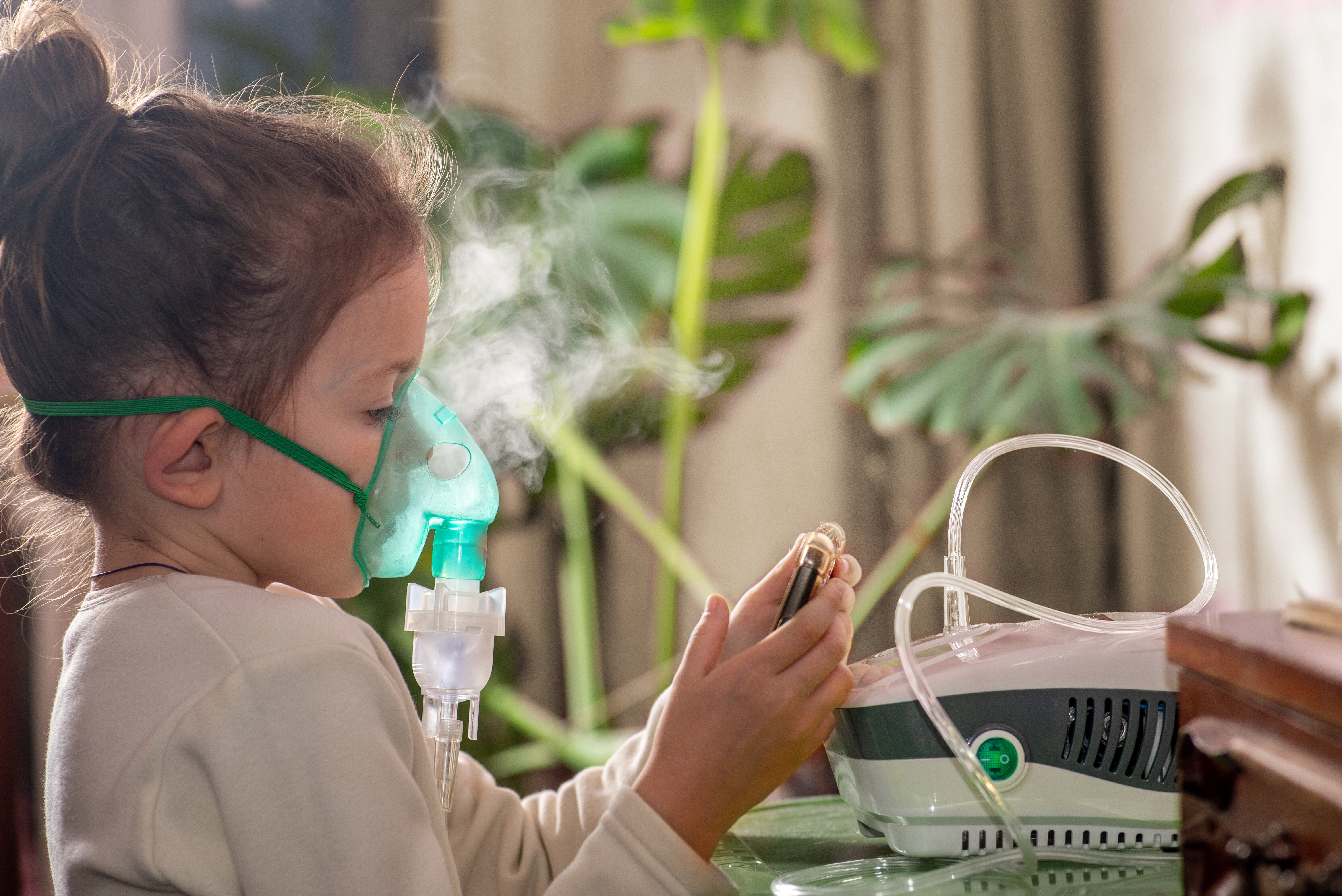
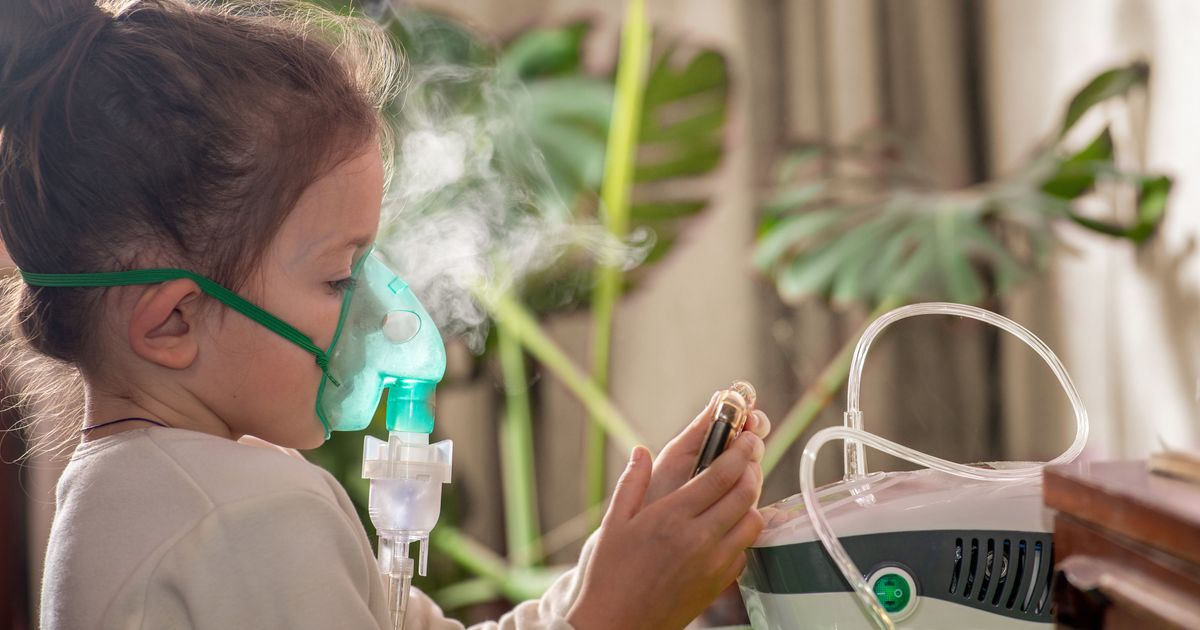
Children will be treated for a range of conditions like respiratory illness, such as asthma, and heart conditions, but from the comfort of their homes.

How is it helping children?

In Blackpool, almost 200 children have been treated on a paediatric virtual ward.

Hope Ezard, who is 21 months old, is one of them. She was born prematurely at just 29-weeks and has a rare neurodevelopmental disorder, GNB5, as well as chronic lung disease and feeding issues.

Hope has been in and out of hospital for most of her life to be treated for recurring respiratory infections, and to receive high-pressure oxygen and antibiotics.

The introduction of the virtual ward meant Hope could be moved home sooner.

Hope’s mum, Sarah, 39, said being able to receive care at home “is so beneficial to Hope, and our other children”.

“We know that in general, Hope doesn’t sleep very well when she’s in hospital and is more vulnerable to hospital infections, so there is peace of mind when she’s being cared for at home, on the virtual ward,” she said.

“She’s less likely to pick up anything that might make her more poorly, and she’s relaxed and comfortable in her own bed.

“And the fact that the brilliant community nurses are just a phone call away reduces any anxieties that we might have had.”

In Dudley, mum Anum Shazady praised the virtual ward for keeping her son out of hospital, with twice daily calls from NHS staff.

Anum said: “Now my son is on the virtual ward I can record his observations as many times as I want throughout the day, recording them onto the virtual ward pad and a member of staff calls me twice daily which reassures me that he is safe in our home environment.

“The new virtual ward is great for me and my family as it stops my son staying in hospital longer than he needs.”

Why are they expanding the scheme?

The ultimate aim is to free up hospital beds – especially ahead of winter.

NHS chief executive Amanda Pritchard said: “Virtual wards are already providing excellent care to families when their children are sick, and this expansion will enable thousands more to receive high quality care from home.

“Being treated at home can have a hugely positive impact on patients – it means they receive hospital-level care, but it also means they are not separated from their families – providing peace of mind for loved ones.

“As we look to the next 75 years of the NHS, we will continue to embrace the latest technologies and innovations to meet the changing needs of patients while ensuring that care is as convenient as possible.”

Share Button

Prince William and Kate meet first ever NHS baby

The Prince and Princess of Wales hear from the first person born after the NHS was founded, in 1948.

Share Button

Rosie O’Donnell Shares Updates On Madonna Following Singer’s Hospitalisation

The actor posted a throwback photo on Monday of herself and Madonna in a scene from A League Of Their Own, the 1992 comedy that sparked their three-decade friendship.

In the comments, fans asked to know how the Material Girl singer was faring. The pop icon’s manager, Guy Oseary, announced last week that she had been found unresponsive on June 24, leading to a several-day stay in an intensive care unit.

The 64-year-old had developed a “serious bacterial infection” but was expected to make a full recovery, Oseary said.

Responding to a concerned commenter, O’Donnell wrote, “She’s good,” alongside a heart emoji.

“She is recovering at home. She is very strong in general,” she wrote in another comment.

Actor Debi Mazar, another friend, also shared a brief update about the singer last week.

“To all of her fans- Madonna is on the mend & home resting!” Mazar wrote on Instagram.

Madonna’s Celebration tour of North America and Europe ― which was scheduled to begin in mid-July ― has been postponed.

Share Button

Michael Mosley Warns Of 5 Breakfast Foods To Avoid On Holiday

Let’s be honest: the breakfast buffet is one of the best parts of going on holiday.

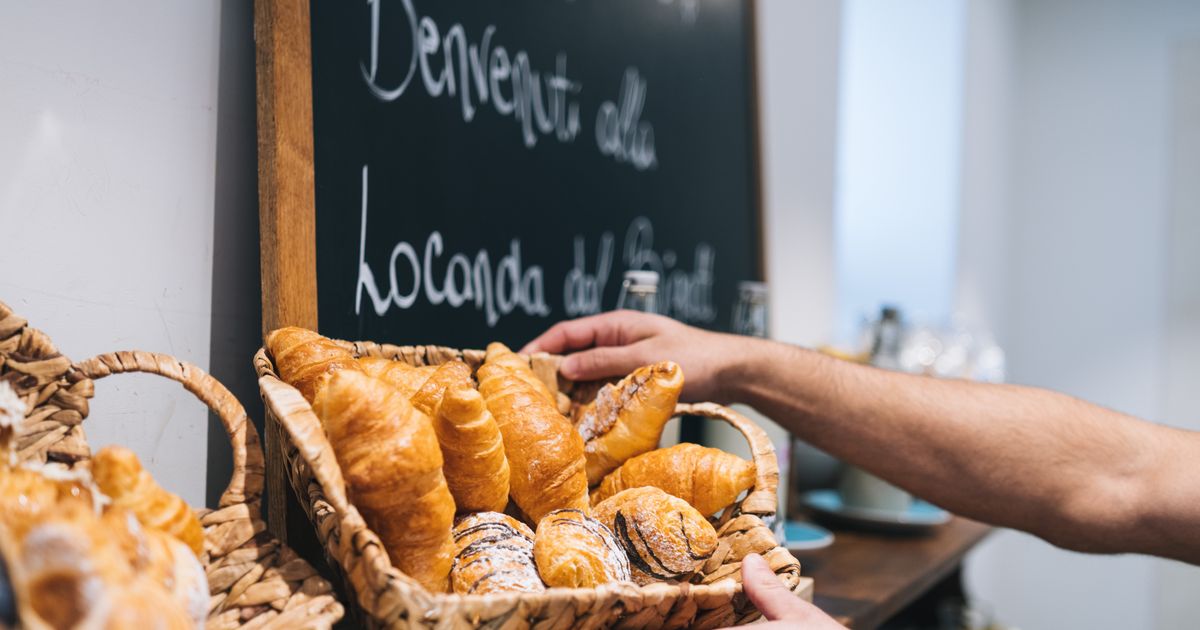
Those continental set-ups with the croissants, cheeses and delicious orange juice help set you up for the day in just the right way.

But if you’re watching your health then it might be good to know there are definitely more nutritious options to pick when you’re having breakfast.

Healthy-living advocate Michael Mosley can help you there, as he’s shared his list of foods to steer clear of when it comes to holiday breakfasts, as part of his Fast 800 programme.

His no-go list includes…

  1. Fruit juices and dried fruit
  2. Pastries
  3. Cereals
  4. Muffins and cake
  5. Hash browns

Why? Well, recent research shows that processed foods such as muffins, cakes and pastries aren’t amazing for our long-term health.

And deep-fried foods like hash browns can contain a lot of saturated fat from the oil they’re cooked in, plus added salt.

So, what should you eat instead?

If you want to maintain energy levels and stay healthy while away, Mosley recommends these breakfast items instead:

  1. Omelettes – some hotels have omelette stations where you can choose your own fillings, so don’t be shy with the vegetables. Eggs are particularly good for breakfast, at around 6g of protein per portion and packed with nutrients and minerals.
  2. Greek yogurt – rich in protein, calcium and iodine, Greek yogurt with a side of fresh berries is a fab way to get your day started.
  3. Veggies – you’ll often find veggies like spinach, tomatoes and mushrooms at the breakfast bar, which, luckily enough, pair really well with eggs (see above).
  4. Cheese, nuts and avocadoes are great healthy fats to add to your plate as they’ll keep you fuller for longer.

With that all said, if you’re anything like me, holidays are the time to let loose and really enjoy yourself. So, I will be stacking my plate high with pasteis de nata when I visit Portugal later this year, thank you very much.

And maybe I’ll add some berries on the side… You know, for balance.

Go To Homepage
Share Button