Wall Planks May Be The Best Exercise For Blood Pressure

Regular exercise can help to manage blood pressure, because it makes our hearts stronger.

But according to a huge 2023 study, which looked at 270 trials from 1990-2023, “isometric” exercises might be the most effective at the job, with “wall sits” the best performer among these.

Researchers found that isometric exercise was more likely, on average, to lower blood pressure than aerobic exercise training, dynamic resistance training, combined training, and high-intensity interval training, though all forms were still immensely helpful.

What is isometric exercise?

It involves keeping your body still while you tense specific muscles for a set period of time. You don’t move your joints during the movement.

“Isometric exercise” is sometimes called “static” exercise.

It is the opposite of “dynamic,” or “isotonic” exercise, which involves little load and consistent pressure on various muscles. For example, running and swimming.

Most forms of exercise involve a combination of isometric and isotonic exercise, though some are 100% one or the other.

What are some examples of isometric exercises?

These include:

  • Wall sits
  • Planks
  • Glute bridges
  • Side planks
  • V-holds
  • Calf raises
  • Hollow holds
  • Copenhagen planks.

In the 2023 study we mentioned earlier, published in the BMJ, wall sits (placing your back against a wall with your thighs parallel to the ground) were the most effective of the isometric exercises for lowering blood pressure.

Does that mean I should only do isometric exercises?

The best approach to exercise seems to be a mixture of weight training and aerobic training. This has been linked to increased longevity compared to sticking to one or the other.

Speaking to the British Heart Foundation, senior cardiac nurse, Joanne Whitmore, said: “Exercise is good for your heart health and health in general. It can reduce the risk of heart and circulatory diseases by up to a third.

“Aerobic exercise in particular can help the heart and circulatory system work better through lowering blood pressure. Current guidelines also encourage muscle-strengthening exercises, like yoga or Pilates.

“It’s encouraging to see other forms of exercise explored in this research as we know that those who take on exercise they enjoy, tend to carry on for longer, which is key in maintaining lower blood pressure.

“However, there are other lifestyle choices that can benefit your blood pressure. These include keeping to a healthy weight, eating a balanced diet, cutting down on salt, not drinking too much alcohol and taking any prescribed medication”.

Speak to your doctor if you have a heart condition and want to take up new exercise, she added.

Share Button

I Lost My Daughter To Cancer. 4 Well-Meaning Words Left Me Feeling More Alone In My Grief

When we hear about the death of a child or young adult, we are unsettled, unmoored. Such deaths are out of the natural order. And if it could happen to your child, it could happen to mine. Life is never safe once you have children.

When my daughter died of cancer at age 40, some people remained silent, distancing themselves, as if the death of a child might be bad luck, contagious. Other well-intentioned people hesitated, retreated, reaching for a safe landing.

“There are no words.”

“Your loss is unimaginable.”

“I can’t imagine what you are going through.”

Why is it so easy to find words for joyous occasions – births, graduations, weddings – yet we lose language when seeking words to console and comfort the bereaved? Death humbles us, revealing the empty spaces in language.

I understand. I do. My daughter’s death left me without words. It is incomprehensible to lose a child. Grief isn’t one emotion; it is a tsunami of sadness, anger, shock, pain, helplessness and deep yearning. Perhaps reaching for the shorthand, “There are no words,” is an easier way to say: There will never be words large enough to express this sadness.

After Alex died, I fell into many empty spaces in language, especially the space where I had no name for myself, a parent who has lost her child. Names exist for a child who has lost a parent (orphan), or for a woman who loses her partner (widow), but what do we call an orphaned parent?

Recently, though, I stumbled upon vilomah – a Sanskrit word that means “against the natural order.” The word vilomah embraces the primal injustice of outliving one’s child, inverting the generational order, an upside-down world. Parents expect to predecease their children, not bury them. To be a vilomah is to become an unwanted messenger from a distant point of human existence.

Bereaved parents – vilomahs – aren’t surprised when we learn the word bereavement has its roots in Old English, meaning to deprive, rob, take away. The future tense has been rearranged: Our children have been deprived of their hopes and dreams – their future – and we, their parents, are robbed of our future with them.

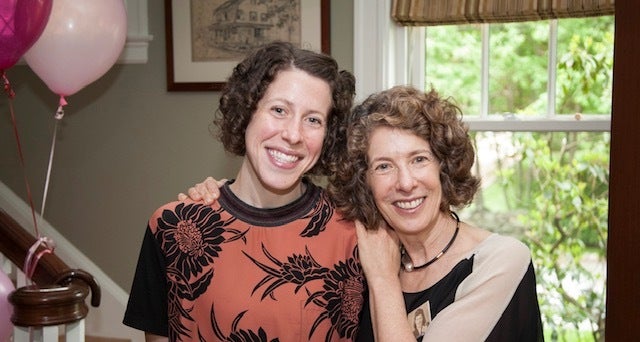
The author (right) with her daughter Alex at a family party.

Photo Courtesy Of Nancy Sommers

The author (right) with her daughter Alex at a family party.

But placeholders such as “there are no words” close off conversations when they most need to begin, forcing a parent who has lost so much to find words to comfort the speaker. Bereaved parents need their friends and families to be safekeepers, using specific words to describe our beautiful children, reminding us that our children live on in their memories.

I needed words of comfort to bring her back – stories about her light and love, her acts of kindness and courage. I needed to hear people say her name – Alex – and surround me with words of love.

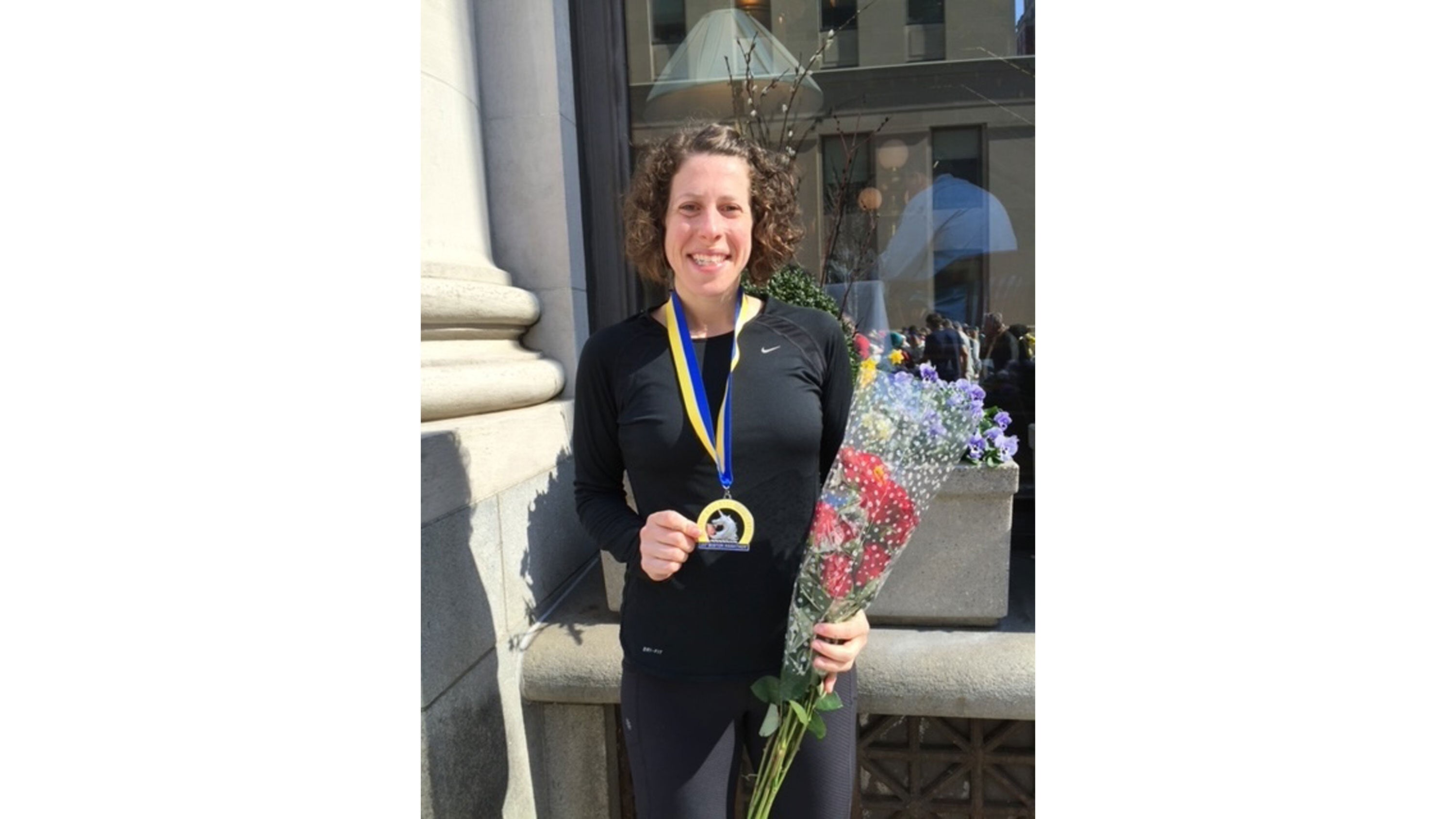
Here’s what I want to say to everyone: be brave. There are no perfect words to comfort the bereaved, no comfortable words for something so uncomfortable. You can’t fix my loss, but you can hold in your hearts everything about Alex that made her specific and human – her love for birthdays and balloons, pandas and popsicles, dresses with pockets, Japanese art and fashion design, running marathons and then ultramarathons, making everything look so easy.

You can reminisce joyfully about photos of Alex at the finish line of her 100-mile runs, beaming with a thumbs-up, or about the ways in which she celebrated life’s small pleasures and brought family along for the celebration. Her beautiful curls and welcoming smile that felt like a hug, or the big-hearted gifts she gave – she was a spectacular gift-giver.

Or her love for s’mores and ice cream cake, sushi and dumplings, for growing dahlias and daisies, for the multitudes she contained. These loving, specific words capture the light Alex carried, the vividness with which she lived her life.

When someone says, “There are no words,” I hear “That’s all there is to say,” and when they say, “Your loss is unimaginable,” I hear “I will not try to imagine your loss.” These expressions allow speakers to retreat, staying emotionally adjacent to the bereaved parent’s loss, leaving us isolated, sealed off, deprived of moments of true connection.

When friends and family tell an Alex story or ask for one, they open the uncomfortable spaces in language and let my daughter live on in words.

Bereaved parents live with the geography of our grief, becoming familiar with its peaks and valleys, its edges. Our grief doesn’t disappear; its tail is long. No worries if you didn’t bring the casserole or cannoli; there is plenty of time to offer comfort to a bereaved parent and honour a child’s memory.

I am grateful to the many friends who continue to lift up Alex’s name and carry grief with me – like the neighbour who cooked Alex’s favourite dumplings each month for an entire year, leaving them on our front porch with a simple one-word note reading “love”. For the friends who plant dahlias to honour Alex, or wear dresses with pockets remembering her, and the friends who are listening presences, lingering in the backyard to talk about Alex.

And I am always grateful to the wonderful friends and family who put April 2, Alex’s birthday, and July 15, the day she died, on their calendars, knowing these are both rough days for me and important days to honour Alex’s memory.

A Jewish proverb reminds us of why we need to try to fill the empty spaces in language: “One dies twice – the first time when a body stops breathing; the second time when a name is no longer spoken.”

To a bereaved parent, silence feels like forgetting. Whenever someone speaks the name of my beloved child and asks about her, her life story is kept alive.

If you know a bereaved parent, reach out with loving words and gestures, show up and help carry their grief – and do it again. And again. Become safekeepers of memory – tell a story; ask for a story. Help a bereaved parent find the spaces where their beloved child continues to live.

There are always words.

Do you have a compelling personal story you’d like to see published on HuffPost? Find out what we’re looking for here and send us a pitch at pitch@huffpost.com.

Help and support:

  • Mind, open Monday to Friday, 9am-6pm on 0300 123 3393.
  • Samaritans offers a listening service which is open 24 hours a day, on 116 123 (UK and ROI – this number is FREE to call and will not appear on your phone bill).
  • CALM (the Campaign Against Living Miserably) offer a helpline open 5pm-midnight, 365 days a year, on 0800 58 58 58, and a webchat service.
  • The Mix is a free support service for people under 25. Call 0808 808 4994 or email help@themix.org.uk
  • Rethink Mental Illness offers practical help through its advice line which can be reached on 0808 801 0525 (Monday to Friday 10am-4pm). More info can be found on rethink.org.
Share Button

The White Lotus Season 4: Cast, Location And Everything Else We Know So Far

Since the third iteration of The White Lotus wrapped up more than a year ago, speculation has been rife about what what new collection of eccentrics and property porn showrunner Mike White’s brain will concoct for us in the follow-up.

One of the many thrills of Emmy-winning show is its ever-rotating cast and location – with season four arguably set to pack in more stars and luxury settings than ever before.

Fortunately for White Lotus fans, we’re now one step closer to checking back into TV’s most chaotic resort, with filming now underway on season four.

As fans wait patiently for the next instalments, here’s everything we know abut the new season, from cast members to shooting locations…

When will The White Lotus season 4 be released?

For the time being, exact details about when we should expect to see The White Lotus back on our screens are being kept under wraps.

However, with production beginning in mid-April, it’s a fair bet that we can expect the next season of the sun-drenched hit show to debut in 2027.

Where will the next season of The White Lotus be set?

Season four will take us back to Europe after previous seasons in Thailand, Italy and Hawaii, with The White Lotus opening its doors in France this time around.

And with shooting taking place across the French riviera and Paris, it sounds like we’re in for a characteristically luxurious experience.

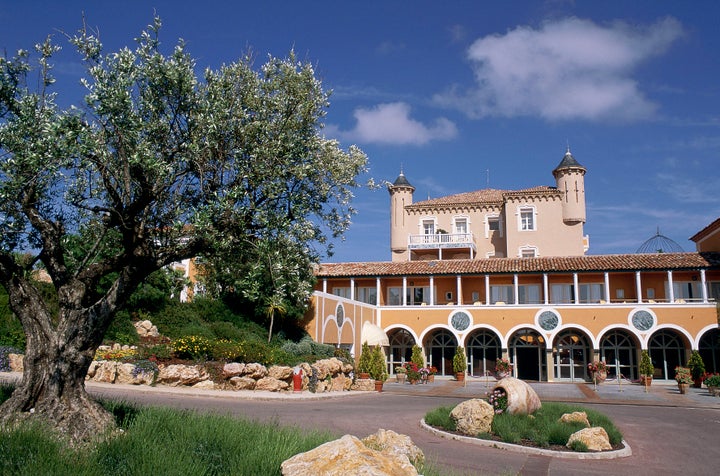
For the first time, the story will be set across two different White Lotus resorts, with the Airelles Château de la Messardière serving as the White Lotus du Cap, and the Hôtel Martinez being transformed into the White Lotus Cannes.

Shooting is also due to take place in the French capital, but HBO has specified that these scenes will still be set in the south of France, even if that’s not where they’re filmed.

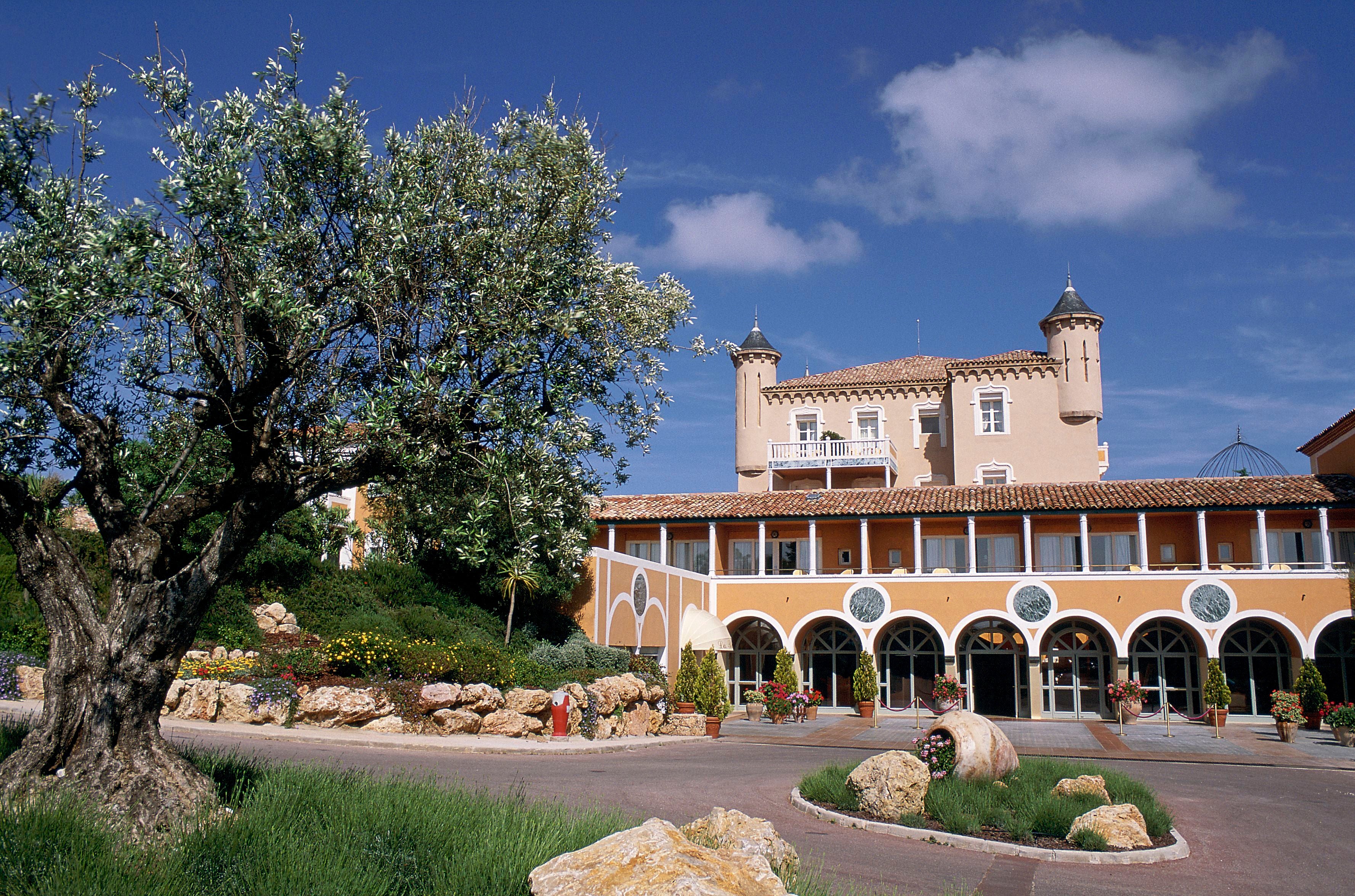
The Château de La Messardière hotel is a rumoured filming location in the next season of The White Lotus

JARRY via Gamma-Rapho via Getty Images

What will season 4 of The White Lotus be about?

So far, creators are staying tight-lipped on exactly what the next storylines will entail.

In the early stages of planning the new season, Variety cited a combination of sources and alluded to filming dates that indicate we could see the Cannes Film Festival work its way into the plot.

HBO later confirmed this to be the case in an official press release, which teased: “The fourth season will follow a new group of White Lotus hotel guests and employees over the span of a week, taking place during the Cannes Film Festival.”

The Cannes Film Festival is rumoured to be a plot point in the next season of The White Lotus

via Associated Press

Season three saw the conclusion of the plot that straddled all series of the show, surrounding Jennifer Coolidge’s Tanya and her eventual demise, so we can presume that that’s now totally done and dusted, and we’re in for a completely fresh storyline.

Having said that, the show has a penchant for bringing back old characters, and with Natasha Rothwell’s Belinda setting off to start a new life at the end of season three, there’s always the possibility that we could see a return from other familiar faces in the next run.

Which actors are in the White Lotus season 4 cast?

The good news is, we have a hefty list of cast members confirmed to be on the call sheet in the White Lotus’ next outing.

Charlie Hall, Helena Bonham Carter and Steve Coogan are all set to appear in the new season of The White Lotus

Evan Agostini/Jordan Strauss/Vianney Le Caer/Invision/AP

Among them are well-known faces like Helena Bonham Carter, Steve Coogan, Vincent Cassel, Ari Graynor, Sandra Bernhard, Chris Messina, AJ Michalka (aka one half of musical duo Aly & AJ) and Alexander Ludwig.

The likes of Caleb Jonte Edwards, Corentin Fila, Nadia Tereszkiewicz, Dylan Ennis and Marissa Long will also be checking in.

Meanwhile, Julia Louis-Dreyfus and Brad Hall’s son Charlie Hall, previously seen in The Sex Life Of College Girls, will take the “nepo baby” baton from last season’s Patrick Schwarzenegger and Sam Nivola when he joins the cast.

It was later announced that Kumail Nanjiani would be joining the line-up, along with New Girl actor Max Greenfield, Marvel star Chloe Bennet and Jarrad Paul.

Kumail Nanjiani, Sandra Bernhard and Max Greenfield are more recent additions to the White Lotus cast

Richard Shotwell/Evan Agostini/Invision/AP

Following this, Deadline revealed that established US names Rosie Perez, Heather Graham and Ben Schnetzer had also joined the cast, alongside European performers Tobias Santelmann, Frida Gustavsson and Laura Smet.

And, of course, there’s also the possibility that we’ll see some unexpected guest stars later down the line, as was the case during last season’s surprise appearance from Sam Rockwell.

What have the creators of The White Lotus said about season 4?

While White Lotus creator Mike White is keeping his cards pretty close to his chest for the time being, he dropped a few season four tidbits in a recent interview with W Magazine.

He spoke about shooting his latest stint on the reality show Survivor six months before kicking off his White Lotus prep, explaining: “I came up with the concept of the show and the characters while I was there. But I don’t know if the experience itself really influenced it.”

Mike explained that the experience of returning from Survivor, and seeing the social media of people who he’d bonded with on the show, shaped his thinking for the series.

The White Lotus returns for its fourth season next year

Fabio Lovino/HBO

“I don’t know if that’s exactly the theme of the next season of White Lotus, but it’s definitely something I’ve thought about a lot – prioritising likes or the attention of strangers over creating real relationships,” he noted.

Pressed on what the new season will be about, the creator said “it’s a bit about fame, about who has the world’s attention, who is the plus-one, and how that can organise a relationship”.

“Some people are satisfied with the love of just an intimate partner, and some people need the love of strangers and a bigger kind of attention,” he elaborated.

The White Lotus creator Mike White

via Associated Press

And after the high melodrama of guns, blood and parables we saw in season three, last year Mike said he was keen to return to themes more aligned with season one in an interview for the official White Lotus podcast.

“Maybe something a little bit back to the first season where it’s satirising stuff that I know about,” he pondered.

“Art and criticism and movies and fame and celebrity and a film festival type of thing, or like an art world sort of situation. It just feels like that would be some kind of new theme to get into that’s maybe a little less heady than what we just did, but still have some juice to it.”

The first three seasons of The White Lotus are available to stream on Sky and Now in the UK.

Share Button

Pregnancy vaccine reduces baby hospital admissions for RSV by 80%

A study confirms the vaccine gives excellent protection for babies against life-threatening chest infections.

Share Button

‘I’m the lucky one’ – more than one in three young men now live with their parents

Last year, the highest proportion of men aged 20-34 were still living at home since at least 2007 as the rising cost of living takes hold.

Share Button

Three young people contract meningitis in Weymouth

Young people are to be offered the MenB vaccine after three cases of meningitis were confirmed.

Share Button

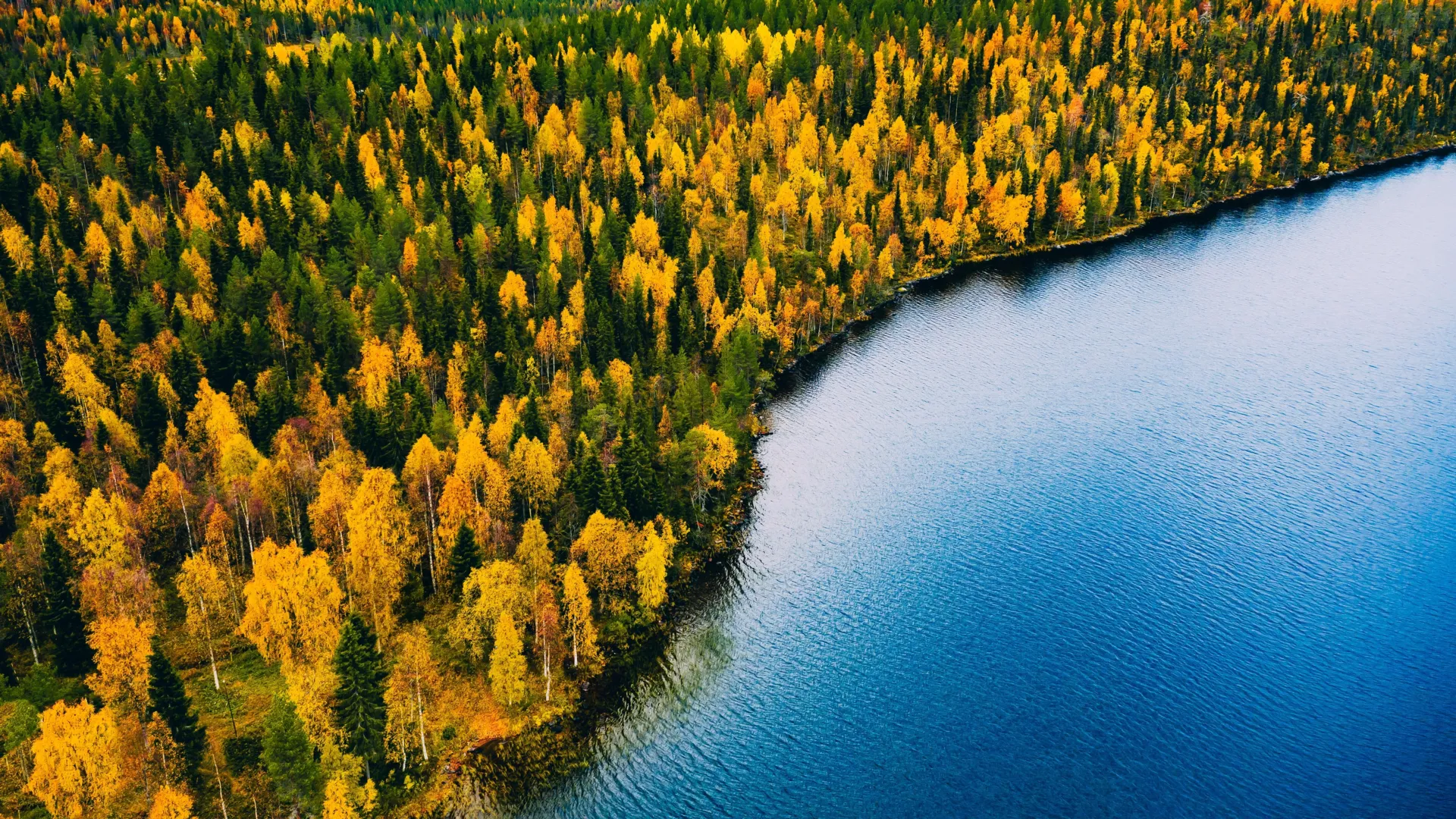
A “lost world” beneath the North Sea was once full of forests

New research led by the University of Warwick shows that forests were already growing across Doggerland, a now-submerged landmass beneath the North Sea, far earlier than scientists once believed. The findings indicate this lost landscape may have served as a welcoming refuge for plants, animals, and possibly humans long before forests became common across Britain and northern Europe.

The study, published in Proceedings of the National Academy of Sciences (PNAS), used sedimentary ancient DNA to uncover evidence of temperate trees such as oak, elm, and hazel more than 16,000 years ago. Researchers also detected DNA from a tree genus thought to have disappeared from the region around 400,000 years ago. In addition, the results suggest that parts of Doggerland persisted through major flooding events, including the Storegga tsunami about 8,150 years ago, with some areas remaining above water until roughly 7,000 years ago.

Professor Robin Allaby at University of Warwick and lead author of this study says: “By analyzing sedaDNA from Southern Doggerland at a scale not seen before, we have reconstructed the environment of this lost land from the end of the last Ice Age until the North Sea arrived. We unexpectedly found trees thousands of years earlier than anyone expected — and evidence that the North Sea fully formed later than previously thought.

“From a human perspective, this is the best evidence that Doggerland’s wooded environment could have supported early Mesolithic communities prior to flooding and may help explain why relatively little early Mesolithic evidence survives on mainland Britain today.”

Reconstructing the Lost Landscape of Doggerland

Doggerland once formed a land bridge connecting Britain to mainland Europe before rising sea levels submerged it, creating the modern North Sea. While scientists have long known the region was eventually forested, the timing of when trees first took hold and how suitable the environment was for early humans has remained uncertain.

To investigate, researchers analyzed sedimentary ancient DNA from 252 samples taken from 41 marine cores along the prehistoric Southern River (chosen for its well-preserved sediments and potential to reveal past habitats). This approach allowed them to trace the ecological history of Doggerland from about 16,000 years ago until it disappeared beneath the sea.

Their findings show that temperate woodland species, including oak, elm, and hazel, were present much earlier than suggested by pollen records from Britain. Lime (Tilia), a tree that prefers warmer conditions, also appeared around 2,000 years earlier than previously recorded in mainland Britain, indicating that parts of Doggerland may have acted as a northern refuge during the last Ice Age.

In another unexpected result, the team identified DNA from Pterocarya, a relative of walnut believed to have vanished from north-western Europe about 400,000 years ago. This suggests the species survived in the region far longer than previously thought.

New Insights Into Ice Age Europe and Early Humans

The findings add to growing evidence that small, protected areas known as “microrefugia” allowed temperate plant species to survive harsh Ice Age conditions in northern Europe. These refuges may help explain Reid’s Paradox — how forests were able to spread so quickly across the region after the last Ice Age ended.

The presence of woodland ecosystems in southern Doggerland 16,000 years ago also suggests the area could have supported abundant wildlife and provided valuable resources for humans, including animals such as boars. This would place a rich environment in the region thousands of years before the appearance of early groups like the Maglemosian culture around 10,300 years ago.

Co-author, Professor Vincent Gaffney at University of Bradford says, “For many years, Doggerland was often described as a land bridge – only significant as a route for prehistoric settlement of the British Isles. Today, we understand that Doggerland was not only a heartland of early human settlement, but also that the presence of the land mass may have provided a refuge for plants and animals and acted as a fulcrum for how prehistoric communities settled and resettled northern Europe over millennia.”

Share Button

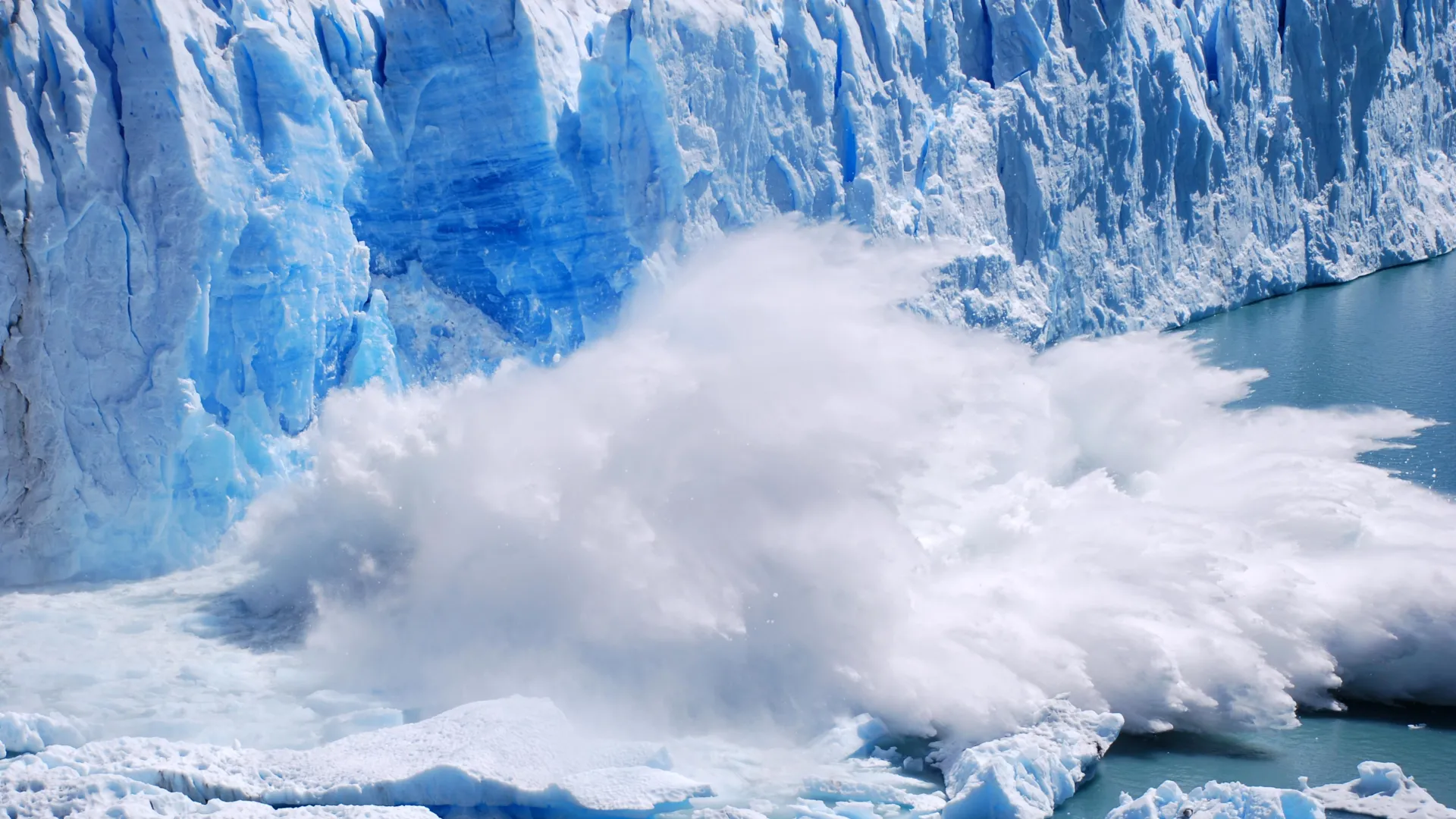
Scientists warn of 3,100 “surging glaciers” that can trigger floods and avalanches

Most glaciers around the world are shrinking as temperatures rise. But a smaller group behaves in a very different way, and their actions can be far more dangerous.

An international team of scientists led by the University of Portsmouth has completed a large global study of these so-called surging glaciers. The research looks at the risks they pose and how climate change is reshaping when and where these sudden events occur.

What Causes Glacier Surges

A glacier surge happens when ice that normally moves slowly suddenly speeds up. During these periods, large amounts of ice are pushed quickly toward the glacier’s front, often causing it to advance. These surges can last for several years, and many glaciers go through repeated cycles, with long quiet periods in between.

The study, published in Nature Reviews Earth and Environment, brought together data on more than 3,100 glaciers that have experienced surges. Instead of being evenly spread around the globe, they are concentrated in specific regions, including the Arctic, High Mountain Asia, and the Andes.

Researchers analyzed how these glaciers work, what conditions lead to surges, and where they are most likely to occur. The study also maps their global distribution and explains why they cluster in certain climates.

“Surge-type glaciers are very unusual and can be troublesome,” said lead author Dr. Harold Lovell, Senior Lecturer and glaciologist from the University of Portsmouth’s School of the Environment and Life Sciences. “As a friend and fellow glaciologist once put it, they save up ice like a savings account and then spend it all very quickly like a Black Friday event. But while they only represent 1 per cent of all glaciers worldwide, they affect just under one-fifth of global glacier area, and their behavior can result in serious and sometimes catastrophic natural disasters that affect thousands of people.”

Why Surging Glaciers Are Vulnerable

The findings show that these glaciers are not protected from climate change. In fact, surging activity can make them more sensitive. During surges, they can lose large amounts of ice, contributing significantly to ice loss in some regions.

Six Major Hazards Linked to Glacier Surges

The study highlights six main dangers that surging glaciers can create for nearby communities, especially in mountainous areas:

  • Glacier advance — ice can move over buildings, roads, and farmland
  • River blockages — glaciers can dam rivers, forming unstable lakes that may burst and cause severe flooding
  • Meltwater outbursts from beneath the glacier — sudden releases of water can also trigger destructive floods
  • Sudden detachments of glaciers — these events can produce large avalanches of ice and rock
  • Widespread crevassing — fast-moving ice creates deep cracks, making travel extremely dangerous where glaciers are used as routes between settlements or for tourism and climbing
  • Iceberg hazards — when glaciers surge into the ocean, they can release many icebergs quickly, posing risks to ships and marine tourism

Using this information, scientists identified 81 glaciers that present the greatest threat when they surge. Many of these are located in the Karakoram Mountains in High Mountain Asia, where populated valleys and key infrastructure sit directly below them. These glaciers tend to be large, close to people, and prone to repeated surging.

Climate Change Is Increasing Uncertainty

One of the most concerning conclusions is that warming temperatures are changing how glacier surges behave, making them harder to predict at a time when accurate forecasts are critical.

“By drawing on previous studies, we have been able to piece together the growing body of evidence that shows how climate change is affecting glacier surges, including where and how often they happen,” Dr. Lovell said. “This includes instances of extreme weather such as heavy rainfall events or very warm summers triggering earlier than expected surges, suggesting an increasing unpredictability in their behavior.”

The overall picture is complex and varies by region. In some places, surges are happening more often than in the past. In others, they are becoming less frequent. Some glaciers have thinned so much that they may no longer be able to build up enough ice to surge again.

Shifting Patterns Around the World

Surging glaciers are currently concentrated in the Arctic and sub-Arctic (48 percent) and High Mountain Asia (50 percent), where climate conditions support this behavior. However, continued warming could change where surges occur.

In regions like Iceland, where glaciers are shrinking quickly, surges may largely disappear. In contrast, parts of High Mountain Asia and the Canadian and Russian Arctic could see more frequent surges due to warmer conditions and increased meltwater. There is even the possibility that surging glaciers could emerge in new areas, such as the Antarctic Peninsula.

Co-author Professor Gwenn Flowers, from Simon Fraser University in Canada, said: “The challenge we face is that just as we’re starting to develop a more comprehensive understanding of the mechanisms behind glacier surges, climate change is rewriting the rules. Extreme weather events that might have been rare even 50 years ago could become triggers for unexpected surges. Given that surges cause hazards in some settings, this makes protecting vulnerable communities much more difficult.”

The Need for Better Monitoring and Forecasting

Dr. Lovell added: “This research is extremely important because understanding which regions have concentrations of surging glaciers helps us plan monitoring efforts and understand future behavior. Knowing which specific glaciers pose the greatest risks can help protect communities, especially those most at risk. But the increasing unpredictability means we need much better surveillance and forecasting capabilities.”

The researchers stress that ongoing satellite monitoring, more field observations during surges, improved modeling, and better projections are essential. These efforts will help scientists understand how surging glaciers will respond to continued climate warming and how to reduce the risks they pose to communities around the world.

Key Points

  • Scientists have identified more than 3,100 surging glaciers worldwide, with most grouped in key regions such as the Arctic, High Mountain Asia, and the Andes
  • Researchers pinpointed 81 glaciers as especially dangerous, many in the Karakoram Mountains where surges could directly impact nearby communities and critical infrastructure
  • Climate change is making these surges harder to predict, with extreme weather events like heavy rain and unusually warm periods now capable of triggering earlier and more unexpected activity

Share Button

Mental health support to be offered to people with diabetes in UK first

People with diabetes are twice as likely to have depression, a charity backing tailored support says.

Share Button

Can sparkling water boost metabolism and help with weight loss?

Sparkling water may play a small role in weight management by slightly increasing blood glucose uptake and metabolism, which is the process the body uses to convert energy. However, the effect appears to be minimal. A brief analysis published in BMJ Nutrition Prevention & Health concludes that carbonated water alone is not enough to drive meaningful weight loss.

The author stresses that there is no simple solution for losing weight and keeping it off. Regular exercise and a balanced, healthy diet remain essential. In addition, the long term effects of consuming large amounts of carbonated water are still unclear.

Sparkling water is often seen as a helpful tool because it can create a feeling of fullness, which may reduce hunger. It has also been suggested that it could speed up digestion and help lower blood glucose levels, leading some to view it as a potential aid for weight loss.

Unclear Mechanisms Behind Blood Sugar Effects

Despite these claims, the exact way carbonated water might lower blood glucose is not well understood. It is also unclear how any such effect would translate into meaningful weight management benefits.

To explore this further, the author compared drinking fizzy water to hemodialysis, a medical process in which blood is filtered (dialyzed) to remove waste and excess fluid when the kidneys can no longer perform this function. This comparison draws on findings from earlier research.

What Hemodialysis Reveals About Glucose Use

During hemodialysis, the blood becomes more alkaline, mainly due to the production of carbon dioxide (CO2). In a similar way, the CO2 in carbonated water is absorbed through the stomach lining and quickly converted into bicarbonate (HCO3) within red blood cells. This shift toward alkalinity may activate certain enzymes that increase how quickly glucose is absorbed and used by the body.

Observations from clinical settings show that blood glucose levels drop as blood moves through the dialyzer, even when the starting glucose level in the dialysate solution is higher.

Why the Real World Impact Is Small

Although these findings suggest that fizzy water could slightly improve how the body uses glucose, the overall impact is very limited. Context is important, the author notes.

In a standard 4 hour hemodialysis session, about 48000 ml of blood passes through the dialyzer. This process results in roughly 9.5 g of glucose being used.

“Given this minimal glucose reduction, the impact of CO2 in carbonated water is not a standalone solution for weight loss. A balanced diet and regular physical activity remain crucial components of sustainable weight management,” he insists.

Possible Digestive Side Effects

The author also points out that carbonated water can affect the digestive system, especially in people with sensitive stomachs or existing gastrointestinal issues.

“Also, drinking carbonated water can have some effects on the digestive system, particularly for individuals with sensitive stomachs or pre-existing gastrointestinal conditions. The primary concerns include bloating, gas and, in some cases, exacerbation of certain symptoms associated with digestive disorders, such as irritable bowel syndrome or gastro-oesophageal reflux disease,” he explains.

“Moderation is key to avoiding discomfort while still enjoying the possible metabolic benefits of carbonated water,” he says.

Experts Urge Caution

Professor Sumantra Ray, Executive Director of the NNEdPro Global Institute for Food, Nutrition and Health, which co-owns the journal, emphasized that the findings are still preliminary.

“While there is a hypothetical link between carbonated water and glucose metabolism this has yet to be tested in well designed human intervention studies.

“And although this study adds to the evidence base, it doesn’t provide sufficient evidence on which to make recommendations for the preventive or therapeutic use of carbonated water. Additionally, any potential benefits must be weighed up against the potential harms of carbonated drinks which may contain sodium, glucose, or other additives.”

Share Button