A new force of nature is reshaping the planet, study finds

Human societies have not just adapted to the natural world. They have steadily learned how to transform it. Drawing on research from archaeology, ecology, anthropology, and evolutionary theory, Erle Ellis, professor of geography and environmental systems at the University of Maryland Baltimore County, explains how cultural practices have evolved to give humans extraordinary influence over the ecosystems that sustain them.

From early uses of fire to cook food and shape landscapes to modern systems like industrial agriculture, global trade, and rapidly growing cities, societies have developed powerful tools and institutions. These social and cultural advances have allowed humans to reshape the planet on a massive scale while improving their ability to survive and thrive.

Understanding the Anthropocene and Human Impact

Ellis is a leading researcher studying the Anthropocene, the current geological age defined by the large-scale impact of human activity on Earth. He leads the Anthroecology Lab, which examines how human societies interact with ecosystems at every level, from local environments to the entire planet. His work focuses on how these relationships can be guided toward more sustainable outcomes.

In recent years, the concept of the Anthropocene has gained even broader attention across science and policy discussions. Ongoing research continues to reinforce the idea that human activity is now one of the dominant forces shaping Earth’s systems, from climate patterns to biodiversity.

Progress for People, Costs for the Planet

Human innovation has brought major gains in health, longevity, and quality of life. At the same time, these advances have come with serious environmental costs. Climate change, species extinctions, and widespread pollution are all linked to the ways human societies have expanded and intensified their use of natural resources.

These challenges highlight the need for action. A better future depends on addressing environmental damage while maintaining the benefits that human progress has made possible.

Beyond Crisis Thinking Toward Collective Action

Ellis argues that focusing only on environmental crisis can miss a key point. The same collective abilities that allowed societies to transform the planet can also be used to improve it. History shows that when people cooperate, they can solve complex problems and reshape their surroundings in positive ways.

Rather than relying solely on narratives of limits or collapse, long-term solutions may depend on tapping into shared goals and collective ambition. Recent research continues to support this perspective, emphasizing that social cooperation and cultural change are essential for addressing global environmental challenges.

The Power of Social and Cultural Systems

Ellis also highlights the limits of relying only on natural sciences to predict and manage the rapid changes seen in the Anthropocene. While scientific data is critical, it is social and cultural systems that have consistently enabled societies to adapt and succeed.

Institutions, shared values, and collective decision-making play a central role in shaping outcomes. These same systems will be crucial in building more sustainable relationships with the natural world.

If a better future is to be achieved, these capabilities must extend beyond human societies to include the broader web of life.

Reconnecting People and Nature

“Re-emphasizing the kinship relationships among all living beings — our common evolutionary ancestry — is a start, combined with new ways to connect people and nature, from remote sensing to webcams, to nature apps, to community conservation reserves, corridor networks, and ecotourism,” shares Ellis. “Aspirations for a better future must also make peace with the past through restoration of Indigenous and traditional sovereignty over lands and waters.”

This perspective aligns with growing global efforts to restore ecosystems, support Indigenous stewardship, and use technology to strengthen connections between people and nature.

A Future Shaped by Human Potential

Ellis stresses that the ability to create a more sustainable and equitable future is not new. The tools, knowledge, and social systems needed to drive change have existed for decades. What is often missing is widespread recognition and motivation to act.

The challenge now is to turn awareness into action. By recognizing the scale of human influence and embracing shared aspirations for a better world, societies can begin to use their collective power to shape a more positive future for both people and the planet.

Share Button

Scientists develop dirt-powered fuel cell that could replace batteries

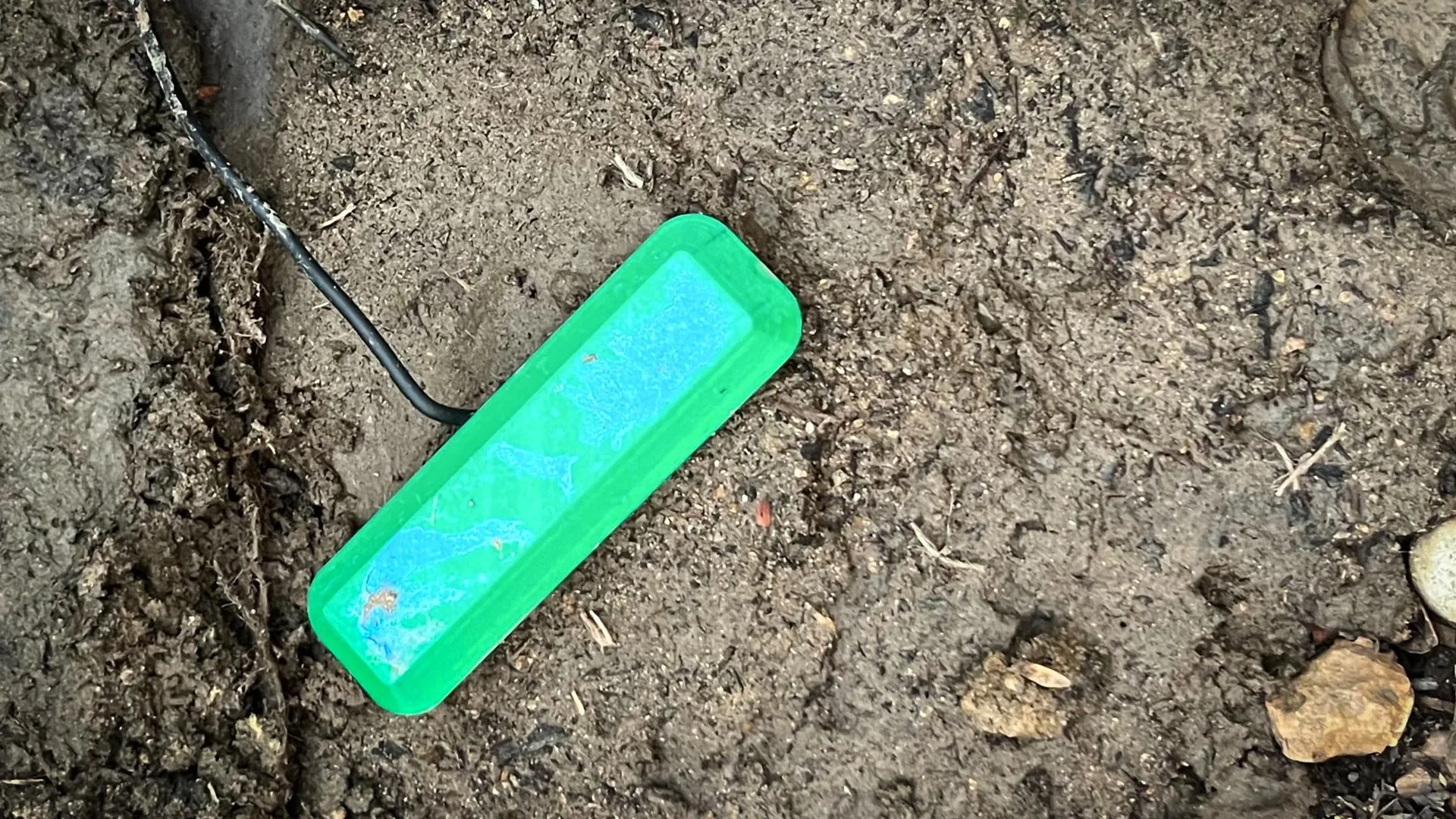
Researchers led by Northwestern University have developed a fuel cell that generates electricity using microbes naturally found in soil. The device, roughly the size of a paperback book, produces small amounts of power by capturing energy released as these microorganisms break down organic material in dirt.

This soil-powered system is designed to run underground sensors used in precision agriculture and environmental monitoring. It offers a potential alternative to traditional batteries, which contain toxic and flammable materials, rely on complex global supply chains, and contribute to growing electronic waste.

Powering Sensors Without Batteries

To demonstrate its capabilities, the team used the fuel cell to operate sensors that measure soil moisture and detect touch. This touch-sensing ability could help monitor wildlife movement, such as animals passing through a field. The system also includes a small antenna that sends data wirelessly by reflecting existing radio frequency signals, which keeps energy use extremely low.

The device proved reliable across a wide range of conditions. It functioned in both dry soil and flooded environments, and it produced more sustained power than similar systems, lasting about 120% longer.

The study was published in the Proceedings of the Association for Computing Machinery on Interactive, Mobile, Wearable and Ubiquitous Technologies. The researchers also released their designs, tutorials and simulation tools publicly so others can build on the work.

Why Soil Microbes Matter for the Internet of Things

“The number of devices in the Internet of Things (IoT) is constantly growing,” said Northwestern alumnus Bill Yen, who led the work. “If we imagine a future with trillions of these devices, we cannot build every one of them out of lithium, heavy metals and toxins that are dangerous to the environment. We need to find alternatives that can provide low amounts of energy to power a decentralized network of devices. In a search for solutions, we looked to soil microbial fuel cells, which use special microbes to break down soil and use that low amount of energy to power sensors. As long as there is organic carbon in the soil for the microbes to break down, the fuel cell can potentially last forever.”

Microbial fuel cells, often called MFCs, work somewhat like a battery. They include an anode, cathode and electrolyte, but instead of chemical reactions, they rely on bacteria that naturally release electrons. When these electrons move through the system, they create an electric current.

“These microbes are ubiquitous; they already live in soil everywhere,” said Northwestern’s George Wells, a senior author on the study. “We can use very simple engineered systems to capture their electricity. We’re not going to power entire cities with this energy. But we can capture minute amounts of energy to fuel practical, low-power applications.”

Challenges With Solar and Battery-Powered Sensors

Precision agriculture depends on large networks of sensors that continuously track soil conditions such as moisture, nutrients and contaminants. These data help farmers make more informed decisions and improve crop yields.

But powering those sensors is a major challenge. Batteries eventually run out and must be replaced, which is impractical across large farms. Solar panels can also be unreliable because they become dirty, require sunlight and take up space.

“If you want to put a sensor out in the wild, in a farm or in a wetland, you are constrained to putting a battery in it or harvesting solar energy,” Yen said. “Solar panels don’t work well in dirty environments because they get covered with dirt, do not work when the sun isn’t out and take up a lot of space. Batteries also are challenging because they run out of power. Farmers are not going to go around a 100-acre farm to regularly swap out batteries or dust off solar panels.”

The researchers instead focused on harvesting energy directly from the soil itself, turning the environment into the power source.

Why Earlier Microbial Fuel Cells Fell Short

Soil-based microbial fuel cells have existed since 1911, but they have struggled to deliver consistent performance. These systems need both moisture and oxygen to function properly, which can be difficult to maintain underground, especially in dry conditions.

“Although MFCs have existed as a concept for more than a century, their unreliable performance and low output power have stymied efforts to make practical use of them, especially in low-moisture conditions,” Yen said.

A New Design Improves Performance

To address these issues, the team spent two years developing and testing different designs. They compared four versions and collected nine months of performance data before selecting a final prototype, which they tested outdoors.

The breakthrough came from a change in geometry. Instead of placing the anode and cathode parallel to each other, the new design positions them perpendicular.

The anode, made of carbon felt (an inexpensive, abundant conductor to capture the microbes’ electrons), lies horizontally beneath the soil. The cathode, made of a conductive metal, extends vertically to the surface.

This structure helps solve several problems at once. The top of the device remains exposed to air, ensuring a steady oxygen supply. At the same time, the lower portion stays buried in moist soil, maintaining hydration even during dry conditions. A protective cap prevents debris from entering, while a small air chamber allows airflow.

The design also improves resilience during flooding. A waterproof coating allows the cathode to keep functioning, and the vertical layout helps it dry gradually after water recedes.

Strong Results in Real-World Conditions

The final prototype performed well across a wide range of soil conditions, from moderately dry soil (41% water by volume) to fully submerged environments. On average, it generated 68 times more power than required to run its sensors.

These results suggest the system is robust enough for real-world deployment in agricultural fields or natural environments.

Ongoing Research and Future Potential

Since the study was first published, interest in microbial fuel cells has continued to grow. Researchers are working to improve efficiency, stability and materials, including exploring biodegradable designs that could further reduce environmental impact.

The Northwestern team notes that all parts of their system can be sourced from common hardware materials. They are now aiming to create fully biodegradable versions that avoid complex supply chains and conflict minerals.

“With the COVID-19 pandemic, we all became familiar with how a crisis can disrupt the global supply chain for electronics,” said study co-author Josiah Hester, a former Northwestern faculty member who is now at the Georgia Institute of Technology. “We want to build devices that use local supply chains and low-cost materials so that computing is accessible for all communities.”

While the technology is not intended to power large systems, it could play an important role in supporting low-energy devices across agriculture, environmental monitoring and the expanding Internet of Things.

Key Points

  • Scientists have created a new fuel cell that uses naturally occurring soil microbes to generate electricity
  • The system can power underground sensors that track soil moisture and even detect movement or touch
  • It continues working in a wide range of conditions, from dry soil to fully flooded environments
  • This technology could offer a cleaner alternative to batteries for sensors used in precision agriculture

The study, “Soil-powered computing: The engineer’s guide to practical soil microbial fuel cell design,” was supported by the National Science Foundation (award number CNS-2038853), the Agricultural and Food Research Initiative (award number 2023-67021-40628) from the USDA National Institute of Food and Agriculture, the Alfred P. Sloan Foundation, VMware Research and 3M.

Share Button

Can An ‘Analogue’ Sleep Routine Help My Insomnia?

This year, I’ll be trying sleeping tricks to see whether they actually improve my insomnia. Check back in on this series, Rest Assured, to see how I get on.

For the past few weeks, I’ve been on a science-baked crusade against bad sleep.

So, when I heard about “analogue sleep,” I thought I’d give it a go to see whether it stopped my 3am wake-ups.

What is “analogue sleep”?

Nick Hawkins, Managing Director at Grove Bedding, explained that it’s a low-tech, screen-free approach to bedtime.

“We may live in a digital world, but sleep remains physical, rhythmic, and deeply human. By making our nights tech-free, we give ourselves the chance to rest properly – and to wake feeling genuinely restored,” he said.

Basically, it’s about avoiding screens and building a tech-free sleep routine. Speaking to HuffPost UK previously, Dr Chelsea Perry, owner of Sleep Solutions and a Diplomate of the American Board of Dental Sleep Medicine, said she ditches her phone two hours before bed.

In the same article, sleep expert Dr Nerina Ramlakhan from Oak Tree Mobility said: “Set healthy boundaries on tech: no electronics in the bedroom”.

Reading and other calming hobbies (perhaps something like stress-reducing knitting or NHS-approved meditation) might be a good replacement for my previous nighttime scrolling, Hawkins said.

While I have already got into the habit of enjoying a novel before bed, I confess I usually watch some videos or check my alarm afterwards.

So, I gave it a go.

How did it go?

I’m going to be completely honest here: I struggled a lot.

I’ve been reading more than ever, but I couldn’t help but feel a familiar urge when I flopped my book down on my bedside table – I usually check my messages, ensure my alarm’s been set, and yes, enjoy a bit of social media before bed.

Perhaps this in itself is a cause of concern, but I found that while I had my average five 3am wakeups a week, my failure rate of returning to sleep was higher than usual (I only fell back asleep before 7am once, resulting in too many midday naps, which is a vicious cycle).

I think I was worrying about little things, like whether I’d missed an important message or (a repeated concern) not saved my alarm correctly.

Dr Michael Gradisar, head of sleep science at Sleep Cycle, previously shared: “While sleep experts often recommend keeping phones out of the bedroom or avoiding them before bed, many people simply won’t follow this advice. This can lead to stress… which negatively impacts sleep”.

In this case, being too fastidious about avoiding screen time did not work for me, despite strong evidence that it should.

Still, sticking to a routine is undeniably great for your sleep health, and reading before bed, which really has helped my sleep, has cut my screen time down significantly.

As Dr Grasidar said, “individuals can still use interactive technologies like video games or their phone, but then transition to more passive activities such as watching TV, listening to music, or tuning into a podcast as they wind down.”

Share Button

Grating An Apple Into Your Sourdough Starter Can Make Your Loaves Taller And More Delicious

I’ve just about managed to get a new sourdough starter to bubbling good health, and have been amazed by how simple the process is.

All you need is water, flour, and time (as well as the ability to handle that day-three stench).

But just because it can be that easy, it doesn’t mean it always is. For instance, Paul Hollywood grates an organic Cox apple into his – and he’s not the only expert to recommend the method.

Here’s why that’s a great (or should I say… grate? Sorry!) idea.

Why should I grate an apple into my sourdough starter?

Of course, the step is completely optional. But given that sourdough starters are used for their wild yeasts and “good” bacteria, the addition makes sense.

A 2016 paper found that the addition of flowers, fruit, and berries to “mother” sourdough levains can stabilise the bacteria in the mixture quickly.

That’s important because in lots of ways, the formation of a strong starter is a kind of battle between “good” and “bad” bacteria.

That benefit was seen with all kinds of plant matter.

But only starters made with apple flowers (blossoms from an apple tree) or apple pulp contained multiple species of a bacterium called Acetobacter, which might make softer, taller, more flavourful loaves.

Shocker: bread legend Paul Hollywood knows what he’s doing.

How can I make a sourdough starter with apple?

Paul Hollywood grates one apple, skin-on – ” I like to use a Cox, but any organic apple will do” – into 1kg flour and 360ml water.

He recommends using organic kinds as too many chemicals might mean ”the starter may not ferment”. If the study we mentioned earlier is anything to go by, apple flowers should work too.

Mix those together and cover them in an airtight container (without touching them) for three days before your first feed.

Then, keep discarding some of the starter daily and adding flour and water to feed until it doubles in size consistently. I usually wait ’til it’s performed well three days in a row before I put mine in the fridge; I then feed it twice a week, once the day before use and once the day of.

If you use it more often, Hollywood says, keep it on the counter and feed it every three days.

Share Button

The Celebrity Traitors: 11 Stars Who Turned Down The Chance To Be On The Line-Up

As far as celebrity reality shows go, the line-up for the first season of The Traitors’ star-studded counterpart is going to be a hard one to beat.

The cast of Celebrity Traitors’ inaugural outing featured a host of impressive names – including many who’d never done reality TV before – that encompassed award-winning broadcasters and actors, athletes at the top of their game, chart-topping musicians and all-round national treasures.

But as revered as many of the celebrities on the line-up were, other famous faces turned down the BBC’s offer to appear on the show outright for a variety of reasons.

With filming getting underway on season two in the not-too-distant future, here are 11 recognisable names who are reported to have said no to appearing on The Celebrity Traitors…

Ricky Gervais

When The Celebrity Traitors was initially revealed to be in the works last year, Ricky Gervais was one of the first names reported to be on bosses’ wishlist.

However, he quickly made it clear that he had no intention of taking part because he’s “too busy” and, in his words, “there’s no way they could afford me”.

Jonathan Ross later claimed that Ricky phoned him about the offer, but the Office creator was unconvinced because he felt that “bigger names” would be easier targets – which the talk show host conceded after the series aired that he was completely “right” about.

Richard Osman

Meanwhile, former Pointless presenter Richard Osman has openly said he turned down the show because there was no way for producers to guarantee his one criteria for taking part.

“I said I would only do it if I could be a Traitor,” he told Good Morning Britain in October.

He continued: “I couldn’t bear – if I [were] a Faithful – that thing where you go back to your room at night and you’re just lying there, [knowing there were] three people up in that tower, having a load of fun in cloaks and filming something.”

Karren Brady

Karren Brady
Karren Brady

Apprentice staple Karren Brady made her feelings clear about Celebrity Traitors during an interview with Metro.

“I was asked and the answer was no,” she said. “One, I’ve never seen it. Two, I don’t have the time.”

She continued: “I have a full-time job and The Apprentice is filmed just in my sweet spot in the summer when the football season is over, so I can just about fit in. But that’s it.”

Martin Lewis

Ken McKay/ITV/Shutterstock

When the line-up for Celebrity Traitors season one was first reported in the press, money-saving expert Martin Lewis admitted he had major “FOMO” after having to reject an offer to participate.

“I was asked if I wanted to do it, but said no as I couldn’t commit the time,” he told his Instagram followers. “I hadn’t watched it then (but watched the last series after that and loved it) so now feel a little gutted – though I still don’t have the time. Sigh!”

Danny Dyer

Like Martin, Danny Dyer claimed during an episode of his podcast Live And Let Dyer that Traitors producers had been “sniffing round me” while putting together the cast of season one, but turned down them down as he’d not watched the original show at the time.

However, as the Traitors has been putting together its line-up for season two, it seems that Danny has had something of a change of heart.

“If they ask me I’ll do it, but no one’s asked me,” the Rivals actor claimed earlier this year. “I would fucking declare it. I’m not on it, you’ll see when it comes on.”

Miriam Margolyes

David Hartley/Shutterstock

“I was offered this job just recently – and I can’t think of anything I’d rather less do,” she insisted during a Q&A at the Cheltenham Festival. “I’m not into that. I’ve never watched it, I don’t intend to watch it.”

The Bafta winner added: “If they want to do it for money, well, that’s fair enough [but] you won’t get me on it.”

Daisy May Cooper

via Associated Press

When the Celebrity Traitors line-up was first starting to take shape, comedian Daisy May Cooper was heavily rumoured to be competing alongside her brother (and This Country co-star) Charlie, with producers reported to be hoping to capitalise on the drama past seasons of the regular show where contestants have known one another outside the show.

The Sun later claimed that the duo had pulled out of the show just weeks before filming was set to begin, due to scheduling issues.

Like Danny, it seems that Daisy could potentially be putting in an appearance on season two, despite having swerved the show’s first outing.

Andy Murray

Similarly, The Sun claimed in 2024 that tennis pro Andy Murray and his mum Judy had also been in consideration for the reality show.

However, they apparently turned it down, at which point the tabloid claimed bosses turned to Daisy May and Charlie as a duo with a family connection (in the end, none of the Celebrity Traitors wound up in the castle with people they were related to, although there were definitely connections outside the show that became part of the gameplay).

Lorraine Kelly

via Associated Press

In February 2025, The Sun claimed that daytime legend Lorraine Kelly had been contacted by the BBC with an offer to appear on The Celebrity Traitors.

However, the tabloid said that while Lorraine was “flattered” to have been invited, she had to turn it down for scheduling reasons.

Lorraine later told comedian Joe Wilkinson that had she known he’d be on the line-up, she’d have been more inclined to sign up.

Anna Maxwell Martin

via Associated Press

During an interview on Jonathan Ross’ talk show in April 2026, Anna Maxwell Martin was asked directly if she’d ever been approached about taking part in Celebrity Traitors.

The Line Of Duty star then admitted she had been, but made a realisation about the show that put her off the idea.

“I can see from the civilian one how late it gets on that show,” she explained. “That’s a Scottish summer – and they’re not leaving that castle until it gets dark. That’s 11pm, 12am… if you’re a Traitor, it’s 1am, 2am. I want to be in bed by 8pm.”

Peter Capaldi

via Associated Press

While most of the stars on this list relate to Celebrity Traitors’ first run, Doctor Who star Peter Capaldi is one of the new prolific names to have turned down season two.

Peter admitted that because the show “propels” its contestants “into the public eye” and to a “level of fame” and “exposure” that he’s personally not comfortable with, he had to say no to the offer.

Share Button

Scientists say this type of olive oil could boost brain power

Extra virgin olive oil has long been a cornerstone of the Mediterranean diet, known for supporting heart and metabolic health. Now, new research suggests it may also help protect the brain. Scientists have found that its benefits could extend beyond the body to the mind, working through the gut microbiome to support cognitive function.

A study led by researchers from the Human Nutrition Unit at the Universitat Rovira i Virgili (URV), the Pere Virgili Health Research Institute (IISPV) and CIBERobn points to a meaningful link between extra virgin olive oil, gut bacteria, and brain health.

Study explores olive oil, gut microbiome, and brain health

“This is the first prospective study in humans to specifically analyze the role of olive oil in the interaction between gut microbiota and cognitive function,” explains Jiaqi Ni, first author of the article and researcher at the URV’s Department of Biochemistry and Biotechnology.

The research followed 656 adults between the ages of 55 and 75 who were overweight or obese and had metabolic syndrome — a set of risk factors that increase the likelihood of developing cardiovascular disease. Over a two-year period, as part of the PREDIMED-Plus project, scientists tracked participants’ diets, including their intake of virgin and refined olive oil, along with detailed analyses of their gut microbiota. They also monitored changes in cognitive performance over time.

Virgin olive oil linked to better cognition and gut diversity

The findings showed clear differences depending on the type of olive oil consumed. Participants who regularly used virgin olive oil experienced improvements in cognitive function and had a more diverse gut microbiota, which is widely considered a sign of better intestinal and metabolic health. In contrast, those who consumed refined olive oil tended to show a decline in microbiota diversity over time.

Researchers also identified a specific group of gut bacteria, known as Adlercreutzia, that may be tied to these benefits. Its presence could serve as an indicator of the positive relationship between virgin olive oil consumption and preserved cognitive function. These results suggest that part of the oil’s brain-supporting effect may come from how it reshapes the gut microbiome.

Why extra virgin olive oil stands out

The difference between extra virgin and refined olive oil largely comes down to how they are produced. Extra virgin olive oil is obtained using mechanical methods, which help preserve its natural compounds. Refined olive oil, on the other hand, undergoes industrial processing to remove impurities.

While this refining process improves shelf life and taste consistency, it also reduces beneficial components such as antioxidants, polyphenols, vitamins and other bioactive substances. According to Jiaqi Ni, “not all olive oils have benefits for cognitive function,” highlighting the importance of choosing extra virgin varieties.

Quality of dietary fats matters for brain health

These findings add to growing evidence that diet plays a key role in both cardiovascular and cognitive health through its influence on the gut microbiota. Jordi Salas-Salvadó, principal investigator of the study, emphasizes the importance of choosing high-quality fats: “This research reinforces the idea that the quality of the fat we consume is as important as the quantity; extra virgin olive oil not only protects the heart, but can also help preserve the brain during aging.”

He also notes that identifying a specific microbial profile linked to these benefits “paves the way for new nutrition-based prevention strategies to preserve cognitive functions.”

A simple dietary change for an aging population

Co-directors Nancy Babio and Stephanie Nishi highlight the broader implications of the findings as populations continue to age. “At a time when cases of cognitive decline and dementia are on the rise, our findings drive home the importance of improving diet quality, and in particular prioritizing extra virgin olive oil over other refined versions as an effective, simple and accessible strategy for protecting brain health.”

The study was led by the Human Nutrition Unit at the URV’s Department of Biochemistry and Biotechnology, with contributions from the Pere Virgili Health Research Institute (IISPV-CERCA) and the CIBER area on the Physiopathology of Obesity and Nutrition (CIBEROBN) of the Carlos III Health Institute. Researchers from the PREDIMED-Plus consortium also participated, along with collaborators from international institutions including Wageningen (Netherlands) and Harvard (United States).

Share Button

An Invitation

I recorded this new video today from the heart – one take, no cuts. If your life looks okay on the outside but feels off, hollow, uncertain, or disharmonious on the inside, this might speak to you.

If it resonates, you can learn more about Open here:

StevePavlina.com/Open

❤️

Share Button

Should you really trust health advice from an AI chatbot?

Abi has had very mixed results when asking a chatbot for guidance about her health issues.

Share Button

What caffeine does to ants could change pest control

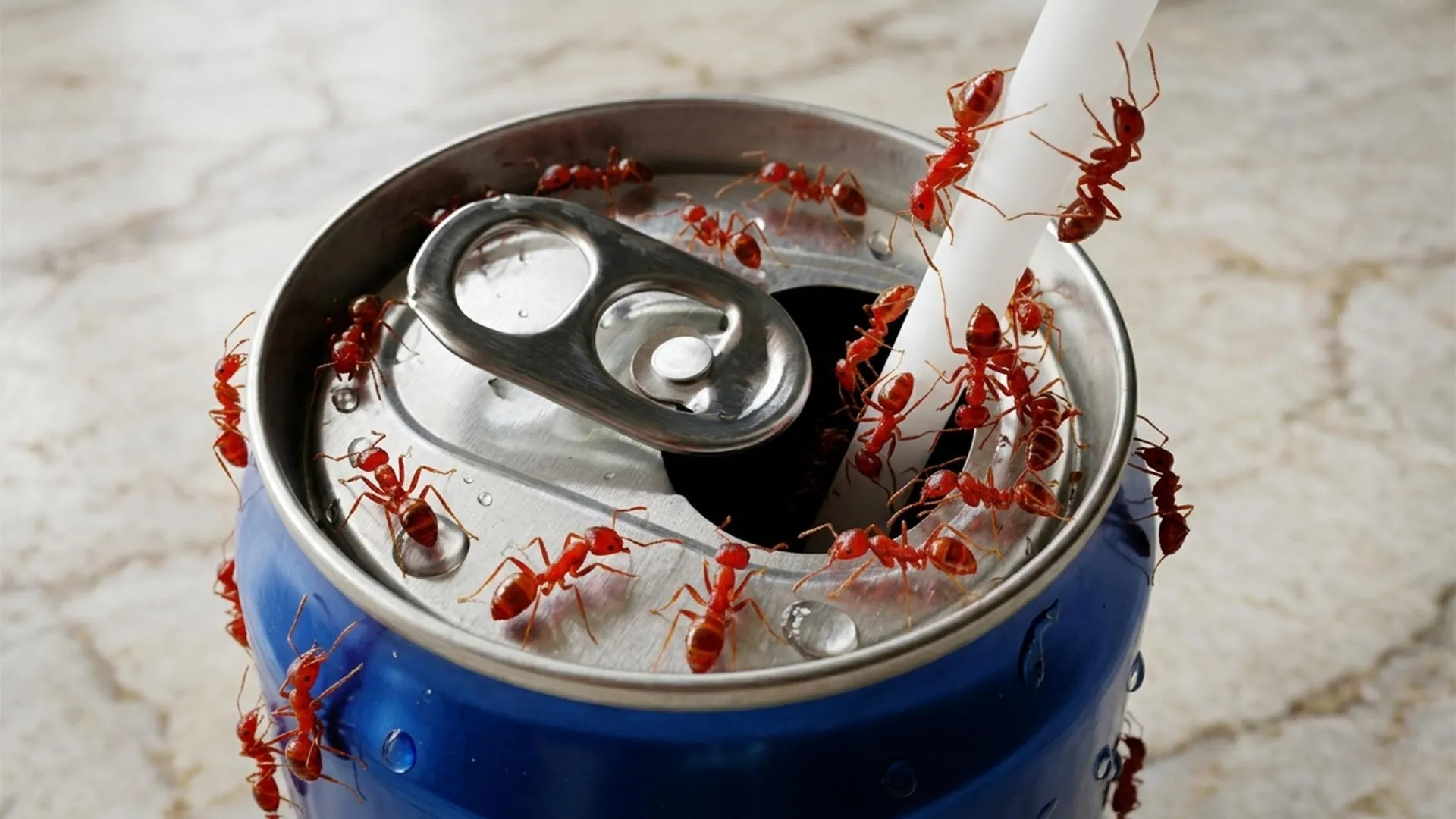
Ants that consume a sugary treat mixed with caffeine become noticeably better at finding their way back to it. A new study published in iScience shows that these ants take more direct routes to the reward, even though they do not move any faster. This suggests caffeine improves their ability to learn and remember locations. The research focused on Argentine ants (Linepithema humile), a widespread invasive species, and the findings point to a possible new way to improve pest control by making bait more appealing and effective.

“The idea with this project was to find some cognitive way of getting the ants to consume more of the poisonous baits we put in the field,” says the first author and doctoral researcher Henrique Galante, a computational biologist at the University of Regensburg. “We found that intermediate doses of caffeine actually boost learning — when you give them a bit of caffeine, it pushes them into having straighter paths and being able to reach the reward faster.”

Argentine ants are among the most damaging and expensive invasive species worldwide. Efforts to control them typically rely on poisoned bait, but these strategies often fall short. Colonies may ignore the bait or abandon it before it spreads widely. The research team explored whether caffeine, which is already known to enhance learning in bees, could help ants better remember bait locations and lead more nestmates to them.

“We’re trying to make them better at finding these baits, because the faster they go and come back to them, the more pheromone trails they lay, the more ants will come, and, therefore, the faster they will spread the poison in the colony before they realize it’s poison,” says Galante.

Testing Caffeine’s Effects in the Lab

To investigate this idea, the scientists designed a controlled experiment using different caffeine levels. Ants crossed a small Lego drawbridge onto a test surface, which consisted of an A4 sheet placed over acrylic. There, they encountered a drop of sugar solution containing 0, 25 ppm, 250 ppm, or 2,000 ppm of caffeine.

“The lowest dose we used is what you find in natural plants, the intermediate dose is similar to what you would find in some energy drinks, and the highest amount is set to be the LD50 of bees — where half the bees fed this dose die — so it’s likely to be quite toxic for them,” says Galante.

The team tracked each ant’s movement with an automated system, measuring both travel time and how direct their paths were. In total, 142 ants took part, and each one completed four trials. Between trials, the ants could unload their collected food, and the testing surface was replaced to prevent them from following their own pheromone trails.

Straighter Paths, Faster Learning

Ants that received only sugar showed little improvement over time, indicating they were not learning the reward’s location effectively. In contrast, ants given low or moderate amounts of caffeine quickly became more efficient.

For ants exposed to 25 ppm of caffeine, foraging time decreased by 28 percent with each visit. At 250 ppm, the improvement reached 38 percent. For example, an ant that initially took 300 seconds to reach the reward could cut that time to 113 seconds at the lower dose and just 54 seconds at the intermediate dose by the final trial. The highest caffeine level did not produce the same benefit.

Focus Over Speed

The improvement was not due to increased speed. Instead, caffeinated ants followed more direct routes, suggesting stronger focus and better spatial memory. Their pace remained unchanged across all doses, but their paths became less winding at the lower and intermediate levels of caffeine.

“What we see is that they’re not moving faster, they’re just being more focused on where they’re going,” says Galante. “This suggests that they know where they want to go, therefore, they have learned the locations of the reward.”

Caffeine did not affect how efficiently ants returned to their nest (how efficiently they traveled back to the nest), although all ants improved slightly over time regardless of caffeine.

A Potential New Tool for Pest Control

The findings suggest that caffeine could play a role in improving pest control strategies for Argentine ants. By helping ants learn bait locations more quickly and recruit more nestmates, caffeine could increase how effectively poison spreads through a colony before the ants detect it.

The researchers caution that more work is needed before applying this approach in real-world settings. Ongoing studies are testing caffeine-enhanced bait in outdoor environments in Spain and examining how caffeine interacts with the poison itself.

This research was supported by the European Research Council, the Deutsche Forschungsgemeinschaft, and the University of Regensburg.

Share Button

Artificial neurons successfully communicate with living brain cells

Engineers at Northwestern University have created printed artificial neurons that go beyond imitation and can directly interact with real brain cells. These flexible, low-cost devices produce electrical signals that closely resemble those generated by living neurons, allowing them to activate biological brain tissue.

In experiments using slices of mouse brain, the artificial neurons successfully triggered responses in real neurons. This result shows a new level of compatibility between electronic devices and living neural systems.

Toward Brain Interfaces and Energy-Efficient AI

This advance moves researchers closer to electronics that can directly interface with the nervous system. Potential uses include brain-machine interfaces and neuroprosthetics, such as implants that could help restore hearing, vision, or movement.

The technology also points toward a new generation of computing systems inspired by the brain. By replicating how neurons communicate, future hardware could perform complex tasks using far less energy. The brain remains the most energy-efficient computing system known, and scientists hope to apply its principles to modern technology.

The study will be published on April 15 in the journal Nature Nanotechnology.

“The world we live in today is dominated by artificial intelligence (AI),” said Northwestern’s Mark C. Hersam, who led the study. “The way you make AI smarter is by training it on more and more data. This data-intensive training leads to a massive power-consumption problem. Therefore, we have to come up with more efficient hardware to handle big data and AI. Because the brain is five orders of magnitude more energy efficient than a digital computer, it makes sense to look to the brain for inspiration for next-generation computing.”

Hersam is an expert in brain-inspired computing and holds multiple roles at Northwestern University, including the Walter P. Murphy Professor of Materials Science and Engineering at the McCormick School of Engineering. He also is a professor of medicine at Northwestern University Feinberg School of Medicine and a professor of chemistry at the Weinberg College of Arts and Sciences. In addition, he serves as chair of the department of materials science and engineering, director of the Materials Research Science and Engineering Center, and a member of the International Institute for Nanotechnology. He co-led the study with Vinod K. Sangwan, a research associate professor at McCormick.

Why the Brain Outperforms Traditional Silicon

Modern computers handle increasing workloads by packing billions of identical transistors onto rigid, two-dimensional silicon chips. Each component behaves the same way, and once manufactured, the system remains fixed.

The brain works very differently. It consists of many types of neurons, each with specialized roles, arranged in soft, three-dimensional networks. These networks are constantly changing, forming and adjusting connections as learning occurs.

“Silicon achieves complexity by having billions of identical devices,” Hersam said. “Everything is the same, rigid and fixed once it’s fabricated. The brain is the opposite. It’s heterogeneous, dynamic and three-dimensional. To move in that direction, we need new materials and new ways to build electronics.”

Although artificial neurons have been developed before, most produce overly simple signals. To achieve more complex behavior, engineers typically need large networks of devices, which increases energy use.

Printable Materials Enable Brain-Like Behavior

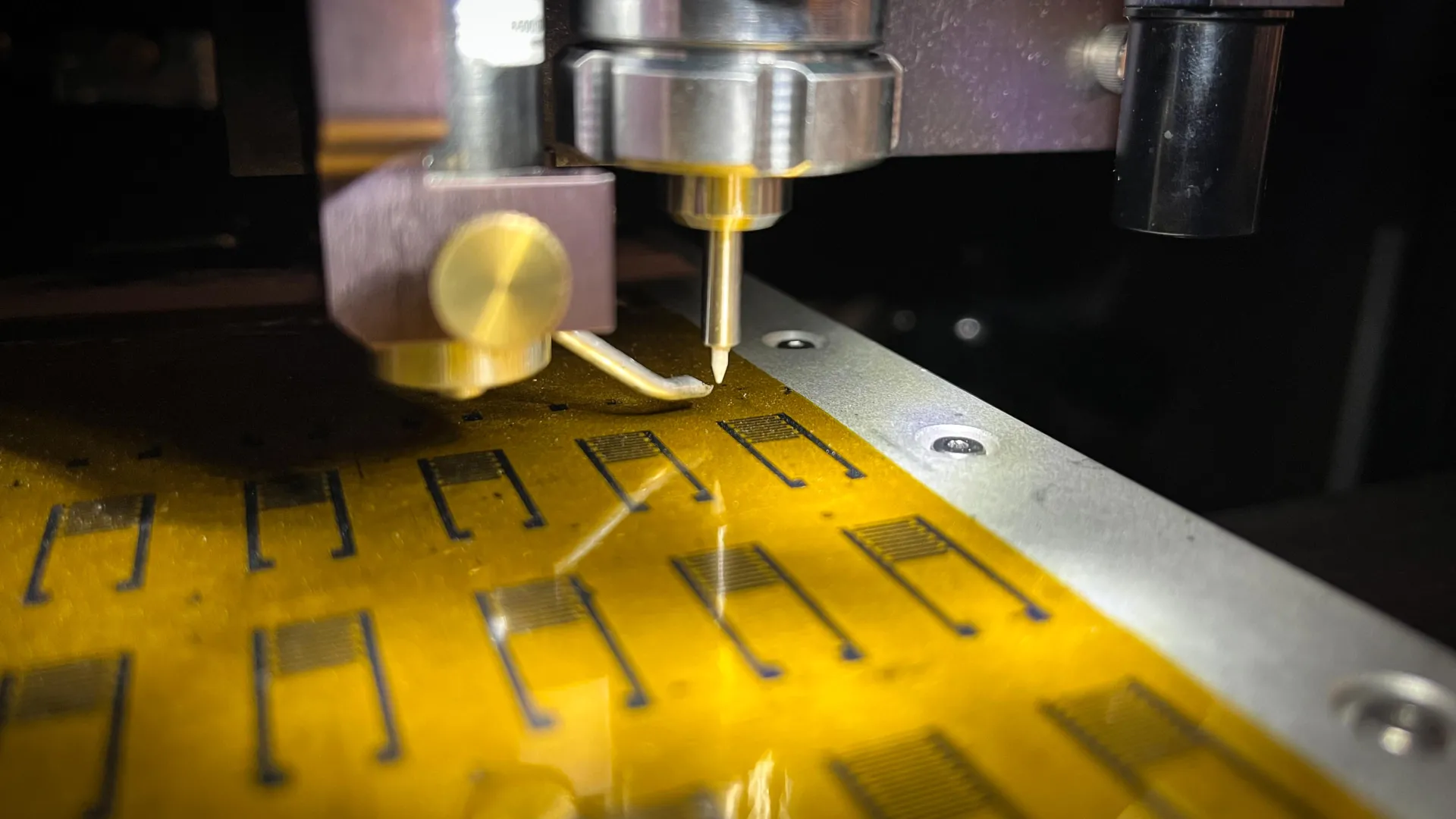
To better replicate real neural activity, Hersam’s team built artificial neurons using soft, printable materials that more closely match the brain’s structure. Their approach relies on electronic inks made from nanoscale flakes of molybdenum disulfide (MoS2), which acts as a semiconductor, and graphene, which serves as an electrical conductor. These materials were deposited onto flexible polymer surfaces using aerosol jet printing.

Previously, researchers treated the polymer in these inks as a flaw because it interfered with electrical performance. As a result, they removed it after printing. In this work, the team used that same feature to enhance the device.

“Instead of fully removing the polymer, we partially decompose it,” he said. “Then, when we pass current through the device, we drive further decomposition of the polymer. This decomposition occurs in a spatially inhomogeneous manner, leading to formation of a conductive filament, such that all the current is constricted into a narrow region in space.”

That narrow conductive path produces a sudden electrical response similar to a neuron firing. The resulting device can generate a wide variety of signals, including single spikes, continuous firing, and bursting patterns, closely resembling real neural communication.

Because each artificial neuron can produce more complex signals, fewer components are needed to perform advanced tasks. This could significantly improve computing efficiency.

Testing Artificial Neurons on Real Brain Tissue

To evaluate whether the artificial neurons could truly interact with living systems, the researchers partnered with Indira M. Raman, the Bill and Gayle Cook Professor of Neurobiology at Weinberg. Her team applied the artificial signals to slices of mouse cerebellum.

The results showed that the electrical spikes matched key biological properties, including their timing and duration. These signals reliably activated real neurons and triggered neural circuits in a way similar to natural brain activity.

“Other labs have tried to make artificial neurons with organic materials, and they spiked too slowly,” Hersam said. “Or they used metal oxides, which are too fast. We are within a temporal range that was not previously demonstrated for artificial neurons. You can see the living neurons respond to our artificial neuron. So, we’ve demonstrated signals that are not only the right timescale but also the right spike shape to interact directly with living neurons.”

Low-Cost, Sustainable Manufacturing and AI Implications

Beyond performance, the new approach offers environmental and practical advantages. The manufacturing process is simple and inexpensive, and the additive printing method places material only where it is needed, reducing waste.

Improving energy efficiency is especially important as artificial intelligence systems grow more demanding. Large data centers already consume vast amounts of power and require significant water for cooling.

“To meet the energy demands of AI, tech companies are building gigawatt data centers powered by dedicated nuclear power plants,” Hersam said. “It is evident that this massive power consumption will limit further scaling of computing since it’s hard to imagine a next-generation data center requiring 100 nuclear power plants. The other issue is that when you’re dissipating gigawatts of power, there’s a lot of heat. Because data centers are cooled with water, AI is putting severe stress on the water supply. However you look at it, we need to come up with more energy-efficient hardware for AI.”

The study, “Multi-order complexity spiking neurons enabled by printed MoS2 memristive nanosheet networks,” was supported by the National Science Foundation.

Share Button