From Avoidance To Big Emotions: 5 Signs A Child’s Struggling With ADHD At School

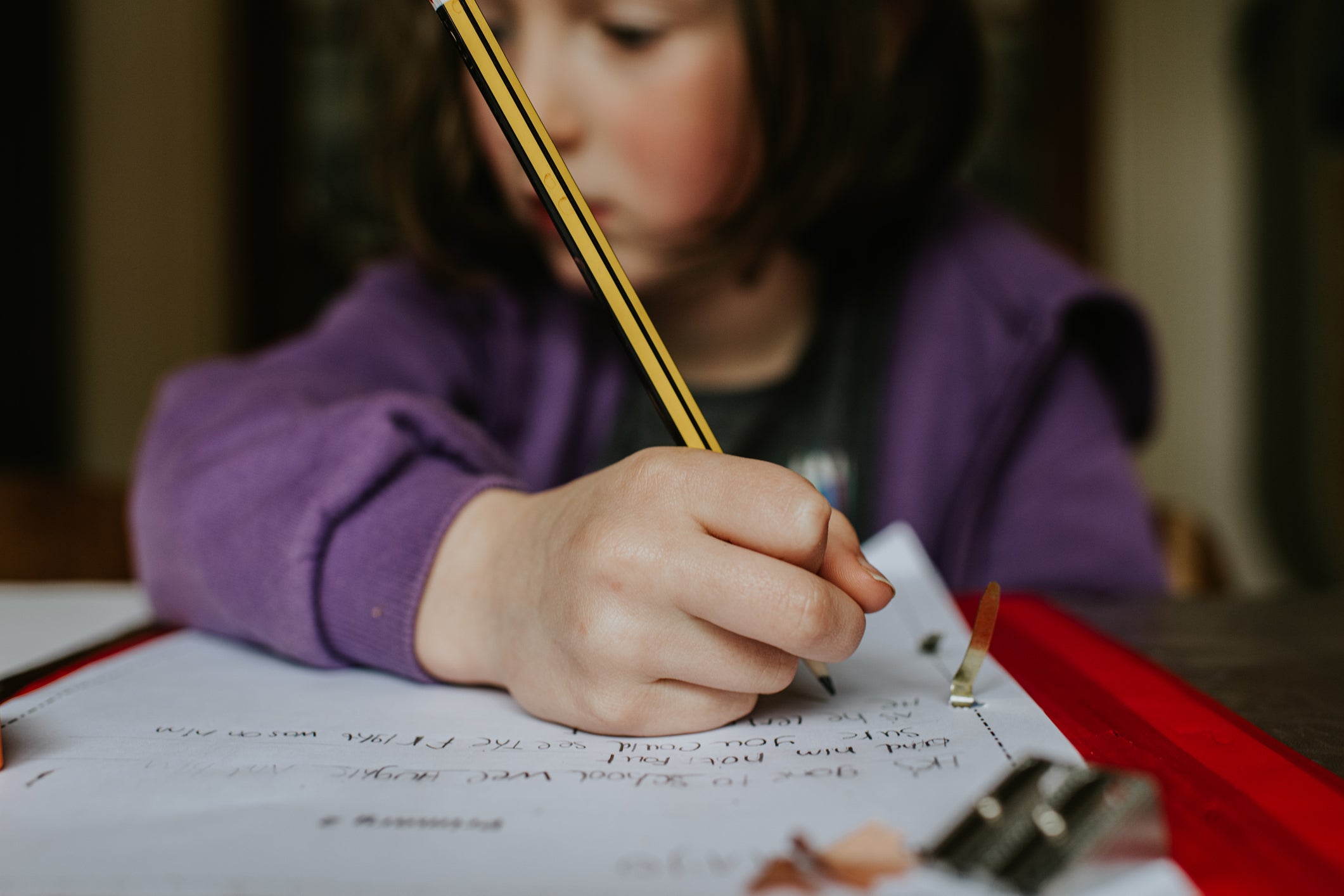
A child psychiatrist has opened up about a pattern she sees routinely where a neurodivergent child will struggle at school, and the adults around them mistake their symptoms for poor behaviour or a bad attitude.

Dr Anya Ciobanca, consultant child and adolescent psychiatrist at The ADHD Centre, says children who appear disengaged, inconsistent or emotionally volatile at school may be experiencing something far more complex than just a bad attitude.

“Behaviour is never the whole story,” she says. “When we approach a child with curiosity rather than judgement, everything changes.”

Conditions such as attention deficit hyperactivity disorder (ADHD) can go undiagnosed for years because there are often misunderstandings over symptoms. For example, people might think kids who have it are just hyperactive, but there are also more subtle signs that can show up, like day-dreaming or emotional dysregulation.

Girls in particular are likely to remain undiagnosed until later life. Reviews suggest ADHD is identified more often in boys in childhood at a ratio of 3:1 (males to females), while the ratio appears to even out in adulthood at 1:1.

Experts previously told HuffPost UK this happens largely because there’s a gender divide in how ADHD symptoms are expressed (girls tend to demonstrate more inattentive symptoms), and social expectations on girls can lead to them keeping quiet, carrying on, and developing sophisticated masking strategies (sometimes at detriment to their mental health).

“There is a version of ADHD that looks, from the outside, like daydreaming or simply not caring,” says Dr Ciobanca. “But internally, that child may be working extraordinarily hard just to keep up. The effort of masking is immense, and it has a cost.”

In classrooms, children are often doing the best they can with a nervous system that’s working against them, but there are certain signs they might be fighting a hidden battle and need more support.

5 signs a child may be struggling with ADHD at school

  1. Avoidance of school or specific lessons – this might look like persistent reluctance or distress around certain subjects or transitions.
  2. Difficulty starting or completing work – this is often mistaken for laziness, says Dr Ciobanca, but rooted in overwhelm or difficulties with executive function.
  3. Emotional outbursts or withdrawal – this can look like frustration, tears or shutting down, particularly after school (also known as after-school restraint collapse).
  4. Chronic tiredness or physical complaints of headaches, which can be linked to anxiety or sensory overload.
  5. Low self-esteem, negative self-talk, and appearing to cope at school (masking) while falling apart at home.

One child Dr Chiobanca worked with had been labelled by her school as inconsistent and difficult to motivate. But in reality, she was overwhelmed and had developed a profound sense of shame around her difficulties.

Girls with undiagnosed ADHD are “more likely to blame themselves, turning their anger and pain inward”, according to the Child Mind Institute, which noted they’re also more likely to experience depression, anxiety and eating disorders than those without ADHD.

“Once we understood the underlying picture – the interaction between her ADHD, her anxiety and her environment – we could make meaningful changes,” says the psychiatrist. “She no longer had to spend every day just fighting to survive it. That freed up an enormous amount of energy for actually learning.”

With one in 20 children thought to have ADHD, Dr Ciobanca wants to see earlier intervention, more flexible teaching, and emotional wellbeing placed at the centre of education rather than its margins.

“Too much support comes too late. We cannot expect children to learn well when they do not feel safe,” she adds.

Advice for parents

If you think your child might be neurodivergent (research suggests around 15-20% of people are), it’s worth exploring this subtly with your child. Dr Chiobanca advises parents to ask their children: “What’s the hardest part of your day?” as this can reveal more than questions about effort or behaviour.

It’s also worth speaking to your child’s school – specifically their class teacher or SENCO (a special educational needs coordinator) – if you notice a pattern of distress or avoidance. Months of avoidance or emotional dysregulation are a signal worth acting on, she notes.

The psychiatrist also urges parents to separate the behaviour from the child, as “struggling children often already feel like failures; they need to know you’re on their side”.

While NHS waiting times for diagnosis can stretch for months, it might also be worth considering a professional assessment. “ADHD and anxiety remain significantly underdiagnosed, particularly in girls,” says Dr Ciobanca.

Yet when children feel safe and understood, “they are far more able to learn and grow,” she adds. “That is the kind of education system worth working towards.”
Share Button

Experts Say ‘Accommodating’ Anxiety Is Quietly Causing Kids More Anxiety

No parent wants to sit back and watch their child experience anxiety over any situation, whether it’s going to a new dance school, a football game, trying new food or meeting new kids at school.

And while most parents have the best intentions, many actually come to their child’s rescue during moments of distress – which can be hugely detrimental to their child now and as they grow up, therapists told HuffPost.

The best way to help your child grow through anxiety and learn to manage it isn’t exactly a natural instinct. Here’s what to know:

The number one way parents fuel anxiety, according to therapists

“I think, in particular with anxiety … the biggest mistake that we make as parents is that when we see anxiety in our kids, we jump straight into that ‘I want to protect this child from this experience.’ So, we go straight to protection mode,” said Cheryl Donaldson, a licensed marriage and family therapist.

Parents don’t want their kids to feel anxiety, of course, but swooping in to take them out of an anxious situation or fix it for them isn’t a way to empower kids, Donaldson noted. It’s actually doing the opposite.

Research suggests that accommodating anxiety makes it worse, said Hannah Scheuer, a licensed clinical social worker with Self Space in Washington state.

“I’m both a child and family therapist and a mom, and I’m just gonna say that watching our child struggle and suffer is one of the hardest things,” Scheuer said. “And if we accommodate and give in, we will make it worse. Accommodation is essentially allowing avoidance, and avoidance feels really, really good in the moment, even to adults.”

For instance, if your teenager is anxious about driving on the highway, avoiding it when teaching them to drive only makes the experience scarier and more stressful when they eventually have to do it.

“It just makes it worse and worse, it leads to long-term negative outcomes,” Scheuer said. “That accommodation, that saying, ‘Oh no, you don’t have to do this thing that you’re upset about or scared of,’ it does temporarily alleviate that child’s distress. Then, what it reinforces is this perception that the thing that they don’t want to do actually warrants their anxiety, and so that gives them more reason to feel the anxiety.”

“Anxiety is our body’s mechanism to tell us that we either need to act in some way … or, in the case of kids, anxiety is telling them, ‘This is a new skill I need. This is a new experience. I need more skills. I need to know how to manage this,’” Donaldson said.

It’s important to validate your child’s emotions while supporting them through anxiety

Supporting children through anxious moments takes a three-fold approach, said Laura Buscemi, a licensed professional counsellor at Thriveworks in Cherry Hill, New Jersey.

“We have to validate, we have to regulate and we have to mitigate,” she said.

Validation looks like normalising the anxiety and sharing that it’s something we all experience, Buscemi said. Regulation means helping your child learn to manage their anxiety through a variety of solutions, like breathing exercises and movement. Mitigation helps a child understand that temporary discomfort, such as facing the situation that makes them anxious, leads to long-term relief.

“Facing fears ultimately decreases them – and we prove to ourselves that things aren’t as scary as we’ve built up in our mind, or that maybe we’re just braver than it was scary,” Buscemi said.

“The research evidence does also show that what we need to do as parents is to provide support and confidence,” Scheuer noted. “What that looks like is supporting and validating the feelings while also showing confidence in their child’s ability to actually do the thing to cope with the anxiety.”

For example, if your child gets really anxious about going to football practice and has meltdowns in the car on the way to practice, a parent could say, “Wow, I hear you. I know you’re feeling really scared and upset right now, but I also know that you can do really hard things and you’re going to be OK,” Scheuer suggested.

“It’s that mix of validation of the feeling, without accommodating the anxiety and providing confidence that they can do it,” Scheuer explained. This one sentence isn’t going to erase your child’s anxiety and stop the meltdown, but as this encouragement comes up week after week, soccer will feel less and less hard for your child.

“And continuing to inspire that confidence … is going to really make a big impact, and that’s how we build resilient kids,” Scheuer said.

Never making kids face the thing that makes them anxious will only impede their confidence.

Justin Paget via Getty Images

Never making kids face the thing that makes them anxious will only impede their confidence.

Some kids (and parents) require professional support for anxiety management

Many parents will be able to manage their kids’ anxiety through different calming and exposure techniques, but some kids (and parents) may require additional support from a mental health professional – and that’s perfectly OK.

There are certain signs that a child’s anxiety requires support from a therapist or other professional.

“If the anxiety is getting in the way of them being able to be in a relationship with other kids, go to a friend’s house … being able to go to practices and do different things, you want to reach out for help,” Donaldson said.

If you notice your child frequently worrying or frequently in distress, those are also red flags.

“Also, with younger kids, they don’t really have the language to talk about anxiety, so sometimes we see it as like more physical symptoms,” Scheuer noted. This includes stomachaches, having trouble sleeping, and general restlessness.

“That is something that I would say, if that’s pretty common, maybe they need some extra support,” Scheuer said.

If therapy or counselling isn’t accessible, your child’s school should have a social worker or school counsellor who can provide support, Scheuer said. Talking to your paediatrician could also be a good idea.

Managing anxiety in kids often involves the parents, especially if the kids are younger.

“So, it’s not just saying, ‘Oh, fix the kid’s symptoms.’ It’s also … what strategies can we give to the parents to help really make sure that everybody has the tools to help this kid navigate these symptoms?” Scheuer said.

It’s also on the parents to consider how they react to anxious moments in their lives. Think about it: if mum or dad doesn’t know how to manage their own anxiety, they likely won’t be able to help their child, either.

Ask yourself what you feel when your child gets anxious. Does it make you anxious, too? If so, what do you do to calm down?

“Leading with your own leadership” is an important way to go about this, according to Donaldson. If you know deep breathing helps you feel less anxious, gently guide your child toward that. Or, if you know that getting out for a walk reduces your anxiety, gently encourage your child to try it.

“You want them to know that you’re partnering, that you have answers that are going to be really helpful for them,” Donaldson said.

If other techniques and interventions don’t work, “sometimes the kids need to go on medication,” Donaldson noted.

Watching your child experience anxiety isn’t a pleasant experience for anyone, but it helps build life skills and confidence that are tough to grow later in life. The ability to live with discomfort and manage anxiety is important throughout the lifespan, as someone takes a big test, gets their first job, experiences their first break-up, faces job rejection and more.

“I really like to emphasise with my clients that we’re trying to push through temporary discomfort to achieve long-term relief,” Buscemi said.

Help and support:

  • Mind, open Monday to Friday, 9am-6pm on 0300 123 3393.
  • Samaritans offers a listening service which is open 24 hours a day, on 116 123 (UK and ROI – this number is FREE to call and will not appear on your phone bill).
  • CALM (the Campaign Against Living Miserably) offer a helpline open 5pm-midnight, 365 days a year, on 0800 58 58 58, and a webchat service.
  • The Mix is a free support service for people under 25. Call 0808 808 4994 or email help@themix.org.uk
  • Rethink Mental Illness offers practical help through its advice line which can be reached on 0808 801 0525 (Monday to Friday 10am-4pm). More info can be found on rethink.org.
Share Button

2.9 Million People In The UK With Poor Mental Health Feel Always Or Often Alone

According to the World Health Organisation, about 16% of people worldwide are facing social isolation and loneliness. In 2024, 22% of UK adults said they felt lonely at least some of the time.

But that loneliness is not shared equally. Younger generations seem to be lonelier than older ones, while almost half of people in poverty say they feel lonely compared to 15% of high earners.

And new data from the Belonging Forum’s 2026 Belonging Barometer has found that “people reporting poor mental health are five times more likely to feel lonely” than those with good mental health.

What did the research find?

The survey, conducted with Opinium, involved 10,000 UK adults.

It’s part of the Belonging Barometer, which the Belonging Forum says is designed to look at “how connected people feel to others, their communities, and their sense of purpose”.

  • Roughly one in five people with poor mental (21%) or physical health (20%) say they have no close friends,
  • Only 27% of those with poor mental health say the things they do in life are worthwhile, compared to 85% in good mental health,
  • Only 33% of people with poor mental health said they feel a strong sense of belonging to their neighbourhood, compared to 65% in good mental health,
  • Nearly two-thirds (64%) of people with poor mental health reported high anxiety yesterday, vs 29% of those in good mental health,
  • Though 76% of those with good mental health say they are satisfied with their friendships, this falls to 52% among those reporting poor mental health,
  • Two in five people with poor mental health report feeling lonely often or always, compared to 3% of people in good mental health.

That means about 2.9 million people in the UK with poor mental health say they feel lonely often or always – “roughly the population of Greater Manchester”.

“Health and belonging are closely connected”

Kim Samuel, founder and chief architect of the Belonging Forum, said: “Health and belonging are closely connected. When people struggle with their physical or mental health, they are much more likely to experience loneliness, weaker friendships, and higher levels of anxiety.”

She added, “These findings show that belonging is not only about community or identity. It is also about wellbeing. When people are unwell or facing barriers in their daily lives, it becomes harder to build and maintain the relationships that help us be connected and supported.

“A society where people cannot participate fully in social life is a society where belonging becomes harder to sustain.”

Share Button

The Science Behind ‘Headline Anxiety’: Why Our Brains Detach And How To Cope

It goes without saying that we are living through incredibly hard times. We are facing innumerable environmental crises, there is an alarming rise in far-right ideologies and we’re still feeling the social hits of the Covid-19 pandemic.

So, how do we cope? Why can we get up, make a cup of coffee, go to work and tune into our everyday life while knowing that we are surrounded by The Horrors? Are we monsters?

Well, no. But we are feeling emotionally detached and this is something our brains do to protect us. Unfortunately, it can also make us numb to what’s happening around us and less likely to take action.

How emotional detachment keeps us moving

VeryWellMind explains: “Emotional detachment refers to being disconnected or disengaged from other people’s feelings. It can involve an inability or unwillingness to get involved in other people’s emotional lives.

“While this detachment may protect people from stress, hurt, and anxiety, it can also interfere with a person’s psychological, social, and emotional well-being.”

It is completely understandable that we don’t know how to cope and so instead mentally detach without even knowing that we’re doing it. In fact, sometimes it’s necessary. Think of dealing with death admin following the loss of a loved one. Sometimes you just have to keep going.

This can lead us to something called ‘compassionate fatigue’

Psychology Today explains that while this phrase is most often applied to emergency and healthcare workers, “A secondary definition of compassion fatigue refers to the experience of any empathetic individual who is acutely conscious of societal needs but feels helpless to solve them.”

Sounds very familiar.

The psychology experts explain that it can be treated, though: “You can counteract such fatigue through regular exercise and healthy eating, a commitment to adequate rest and regular time off, and time in therapy. It also helps to set emotional boundaries without barricading yourself from the world.”

Reducing screen time is also incredibly beneficial.

Share Button

Punch The Monkey’s Plush: Why Animals, Including Humans, Love ‘Cuddle Therapy’

Primate expertise provided by Dr Luke Duncan, a postdoctoral research fellow, primatologist, and part of the University of Warwick’s ApeTank. Therapy comment by relationship therapist and author at Passionerad, Sofie Roos.

If you’re 1) on social media and 2) have something resembling a heart, chances are it’s been broken by the Japanese macaque, Punch, from Ichikawa City Zoo in Japan.

The adorable monkey, whose mother abandoned him, has gone viral for clutching an IKEA orangutan plush to help manage his feelings of abandonment (the burnt orange stuffed toy has since sold out in multiple stores).

But why do animals, including humans, so often turn to stuffed toys in our times of need, or as a more everyday source of comfort?

One study suggests that dogs can become almost “addicted” to their toys, which another paper says may boost their welfare. Over a third of adults sleep with a plush every night.

Here, we spoke to primate expert Dr Luke Duncan and therapist Sofie Roos about the “cuddle therapy” a variety of species can get from stuffed toys.

Emotional support plushes are pretty common among adults, and could be helpful for distressed animals

Punch’s toy orangutan was given to him to help him handle the loss of his parent. According to Dr Duncan, that move makes sense.

“Young primates are biologically programmed to cling to their mother ― it’s a normal and essential part of emotional and psychological development,” he told us.

“Harry Harlow’s foundational research in the 1950s and 1960s showed that infant rhesus monkeys overwhelmingly preferred a soft cloth surrogate over a wire one that provided milk, demonstrating that tactile comfort is a powerful driver of attachment behaviour in infants.”

So, while the goal should always be to provide a “safe, living social partner of the same species,” in a pinch, “A soft surrogate, in the form of a plush toy, can… provide meaningful comfort for an orphaned infant primate.

“While a plush toy cannot replace a real mother, it may help alleviate distress in the short term.”

And Roos said that while humans – and almost certainly other animals – know our toys aren’t really alive, they can “work as a ‘transition object’, which… stands as a symbol for safety when an important person is no longer with us”.

Among adults, she added, stuffed toy use offers a kind of “cuddle therapy”, which provides a combination of physical touch and pressure that a lot of animals find soothing.

“Physical touch, [even] from an object, can make our body calm and feel safe.”

Then, there’s the fact that, generally, toys don’t leave us.

“For people who lose someone important, and have wounds connected to abandonment and an insecure attachment, the cuddly toy can give a feeling of not being completely alone, which for some becomes a saviour,” the therapist said.

“We’re born with a… need to… belong, and this need stays with us until the day we die. A stuffed animal doesn’t get any less good at giving us this just because we grow older.”

Perhaps that’s why 44% of adults hold on to their childhood toys.

The therapist doesn’t think it’s that different to using meditation apps

Lots of animals, including humans, “are born social, and seek closeness, warmth and touch. A cuddle toy can work as a complement to give that safety, care and attachment we so strongly seek, especially if we feel lonely,” said Roos.

This is not unlike what may be happening with Punch: Dr Duncan shared, “Physical contact with a soft object can help regulate [primate] stress responses and provide a sense of security during a vulnerable period”.

Roos continued, “Many also connect the cuddle toy with childhood, a time most look back at as easier and more protected, where the stuffed animal can stand as a symbol for that time when we felt cared for, comforted and soothed in another way.”

In fact, the therapist doesn’t think relying on a stuffed toy for “cuddle therapy” is all that different to other forms of self-soothing.

“When looking at what the cuddle toy does for you, it’s not far away from what using mindfulness apps, yoga, stress balls or weighted blankets do – the stuffed animal is just less socially accepted, even though in my [opinion], it works better than many other more accepted methods of dealing with stress, loneliness, overthinking and anxiety.”

Share Button

Our Obsession With Longevity Could Actually Be Making Us Unwell

Right now, longevity is all the rage and as we are gradually getting older as a population, we’re hoping to extend our lifetimes even further. It makes perfect sense, right?

Plus, most longevity advice can often be summarised into: eat healthy foods, exercise often and keep a healthy sleep schedule to reduce stress. All of this is great advice and we should be trying to implement it into our lives as much as possible!

However, there is a stage where a preoccupation with longevity is just a little too far and could be impacting your mental health and even the quality of your life as you lock into the quest for a longer life.

It’s called ‘longevity fixation syndrome’

While this isn’t an official diagnosis, experts at Paracelsus Recovery, a mental health clinic based in Zurich have found that an obsessive and unhealthy fixation on longevity is increasingly presenting as anxiety and stress, and even eating disorders with their patients.

Speaking to The Mirror, Jan Gerber, the founder and CEO of Paracelsus Recovery said: “We are seeing a growing number of people whose lives are being dominated by the fear of ageing and decline, so much so that we have identified it as a new condition, Longevity Fixation Syndrome,

“What starts as self‑care becomes obsessive self‑surveillance. The stress generated by this mindset can be so intense that it actively shortens lifespan rather than extending it.”

Gerber adds that “there is no longevity without good mental health.”

Additionally, Jason Wood, a former sufferer of this syndrome said to The Guardian that he believes that longevity obsession is closely aligned to orthorexia: a condition characterised by excessive interest in, concern about, or obsession with healthy food.

Wood says: “I believe many of the underlying factors and desired outcomes which fuel orthorexia are the same for longevity fixation syndrome. But with the latter, there are more variables you feel like you need to control, so even more anxiety.”

If any of this feels familiar to you, speak to your GP or leading eating disorder charity BEAT for support.

Share Button

What We Can Learn From Olympians About Performance Anxiety

I don’t know about you but suddenly all of my friends are experts on skiing, figure skating and snowboarding – and it’s all thanks to the 2026 Winter Olympics completely captivating them all.

I mean, who can blame them?

The drama, the skill, the absolutely terrifying risks they take as athletes — these sports are not for the faint-hearted and for us, the audience, they make for an incredible viewing experience, even for those who don’t usually care about sports.

All of this got me thinking, though, how do they cope with performance anxiety?! I struggle to keep it together for a Zoom presentation to 12 people. Can you imagine knowing the world has its eyes on you and the country you represent is depending on you to win?

Couldn’t be me.

What Olympians can teach us about performance anxiety

Writing about the mental health impacts of being an Olympian back in 2021, Dr David M. Lyreskog, of the Department of Psychiatry at the University of Oxford, said: “In elite sports teams, the prevalence of depression and anxiety is sometimes as high as 45%, and in adolescent elite sports the prevalence of eating disorders is approximately 14%. The pursuit of performance – of excellence – does not appear to be a healthy one.”

Among the wider population, mixed anxiety and depression is Britain’s most common mental disorder, with 7.8% of people meeting the criteria for diagnosis, according to the Mental Health Foundation.

So, how do almost half of Olympians cope with anxiety when they’re supposed to be at the top of their game? And what can we learn from them?

Writing for the official Olympics website, four-time swimming Olympian-turned-sports psychologist Markus Rogan shared how he had been an anxious athlete and had learned four key lessons to get him through bouts of anxiety.

These include:

1. ‘Growing through anxiety’ and connecting with loved ones you trust

“It’s easy to surround yourself with people when you’re amazing, but maybe you can explore relationships with those who are there with you when you’re down,” he said.

2. Facing tough questions

When your brain is racing with ‘what if’ questions, ask yourself why you’re worried about this. Is the worry founded or are you just having anxious thoughts?

3. Asking people for their opinions

Sometimes, our anxiety simply comes from the unknown. Ask your loved ones to help. Ask them what you’re afraid to hear and trust them to protect you as they do so.

4. Not ignoring your thoughts

Sometimes bad thoughts are just bad thoughts, but once you label them, you can work on them. “Don’t forget that even the most profound thought is still just a thought,” he assured.

Speaking to Psychology Today, Dr Cindra Kamphoff, who has worked with professional and Olympic athletes for two decades, shared how she supports them following Olympic performances.

She said: “After the Olympics, we debrief. We evaluate what worked, what didn’t, and how to grow from the experience. Then we reset goals and begin preparing for the next competition.

“Confidence and mental performance are ongoing processes, not event-specific interventions.”

We’ve got this.

Share Button

Best Exercises For Depression Symptoms According To A New Review

According to the leading mental health charity Mind, 1 in 5 people report experiencing a common mental health problem (like anxiety and depression) in any given week in England.

Additionally, the overall number of people reporting mental health problems has been rising in recent years. The number of people with common mental health problems went up by 45% between 1993 and 2023/24, in both men and women and suicide risk is at its highest for people in their 50′s.

Now, a new review by psycholologists from James Cook University has revealed that some exercises can be beneficial in tackling common mental health issues and the symptoms that come with them.

Exercises that help with anxiety and depression

Writing for The Conversation, the researchers said: “Exercise is effective at reducing both depression and anxiety. But there is some nuance. We found exercising had a high impact on depression symptoms, and a medium impact on anxiety, compared to staying inactive.

“The benefits were comparable to, and in some cases better than, more widely prescribed mental health treatments, including therapy and antidepressants. Importantly, we discovered who exercise helped most. Two groups showed the most improvement: adults aged 18 to 30 and women who had recently given birth.”

The researchers urge that all forms of exercise reduce symptoms but the most beneficial exercises for both anxiety and depression were aerobic exercises such as running, cycling or swimming.

“For depression, there were greater improvements when people exercised with others and were guided by a professional, such as a group fitness class.”

If exercise isn’t usually your kind of thing, the researchers assure that exercising once or twice a week had a similar effect on depression as exercising more frequently. And there didn’t seem to be a significant difference between exercising vigorously or at a low intensity – all were beneficial.

They add: “For people who are hesitant about medication, or facing long waits for therapy, supervised group exercise may be an effective alternative. It’s evidence-based, and you can start any time.”

You’ve got this.

Help and support:

  • Mind, open Monday to Friday, 9am-6pm on 0300 123 3393.
  • Samaritans offers a listening service which is open 24 hours a day, on 116 123 (UK and ROI – this number is FREE to call and will not appear on your phone bill).
  • CALM (the Campaign Against Living Miserably) offer a helpline open 5pm-midnight, 365 days a year, on 0800 58 58 58, and a webchat service.
  • The Mix is a free support service for people under 25. Call 0808 808 4994 or email help@themix.org.uk
  • Rethink Mental Illness offers practical help through its advice line which can be reached on 0808 801 0525 (Monday to Friday 10am-4pm). More info can be found on rethink.org.
Share Button

Doctor Shares How The Endless UK Rain Is Impacting Mental Health

Not to be the most typical Brit possible but, can you believe the weather we’ve been having? Even by British weather standards, it is absolutely bloody miserable out there and I don’t think I can possibly stomach another day of rain.

Cold weather is my favourite, but rain? All the time? Come on, man. I miss having nice hair outdoors.

I know I’m not alone in this despair. In fact, depression-related searches in the UK have risen by 24% in the past month, with rainfall hitting the nation every day this year.

The Met Office says the bad weather is being caused by a “blocking pattern”, which is when high pressure sits over Scandinavia and stops normal weather systems from moving through the UK, leaving us stuck with ongoing unsettled conditions.

Give me strength.

Now, Dr Babak Ashrafi, from Superdrug Online Doctor, says this same blocking pattern may be having a psychological effect too, calling it the “Blocking Pattern Burnout”, highlighting why rain can have more detrimental impacts on our physical and mental health than any winter weather.

Dr Ashrafi says: “Cold weather doesn’t always mean a lower mood. Bright, crisp winter days are some of the loveliest, still providing lots of natural light which helps regulate our serotonin; the neurotransmitter closely linked to our mood.

“And even when temperatures are low, this natural light exposure supports the body’s circadian rhythm, helping to balance melatonin production and maintain energy levels.

“Rain is different mainly because it significantly reduces light intensity, sometimes by up to 80–90%! That drop in light exposure suppresses serotonin and will disrupt your body clock, leading to increased fatigue and lower mood.”

Over days and weeks, this results in what he has dubbed “Blocked Pattern Burnout”. The brain receives fewer environmental cues for alertness, reward and social engagement. People may begin to feel mentally flat, unmotivated and more socially withdrawn.

Sounds about right.

How to cope when it won’t stop raining

Thankfully, while we can’t control the weather, Dr Ashrafi assures that there are still some coping mechanisms we can make the most of.

Create a “Light Trigger Window” early in the day

Aim to get outside within the first hour of waking, even if it’s overcast. Cloudy daylight can still be up to 10 times brighter than indoor lighting. Morning light helps regulate serotonin, suppresses melatonin and stabilises your circadian rhythm, which supports mood and energy levels,

Replace lost movement with “Micro-Activation”

Persistent rain reduces quick activity like walking to lunch or running an errand. Instead of waiting for motivation or a reason, schedule small bursts of movement throughout the day, a 5-minute walk with your rain jacket on, standing during calls, or a short stretch break.

Increase brightness and contrast indoors

Overcast skies reduce overall light intensity and visual stimulation. Counter this by maximising indoor lighting, opening blinds fully, and working near windows where possible. Brighter environments help support alertness and regulate the body’s internal clock.

Protect small, consistent social contact

Rain often equals cancelled plans. Even brief interactions, a short coffee or a quick call are super important. Regular social contact remains one of the strongest protective factors for mental wellbeing.

Support mood biologically

Reduced sunlight can impact vitamin D levels, which are linked to mood regulation. Ensuring adequate vitamin D intake during darker months, alongside a balanced diet and regular sleep routine, can help buffer against weather-related dips in mood.

Remember, this is just a season and we’ll be complaining about the heat before you know it.

Share Button

This Trend Is Exploding Among Millennials And Gen Z – And Honestly, It’s Worth Celebrating

As more research emerges about the harmful health effects of alcohol, fewer people – namely, younger people – are consuming it.

According to a 2025 Gallup poll, 54% of American adults say they drink, the lowest percentage since Gallup started polling.

With fewer folks relying on alcohol as a social lubricant, a healthier way to interact with others has gained traction. Enter “daylife”, a term coined by the fitness social app Sweatpals.

“Daylife” refers to daytime social outings involving alcohol-free fitness as a way to meet new people with similar interests.

“It’s just the concept of using wellness, using movement as a way to meet, as a way to get entertainment and to socialise, versus relying on alcohol,” Sweatpals co-founder Salar Shahini told HuffPost.

People are certainly still using alcohol-fuelled gatherings to meet new people, whether at a happy hour or a full-on party. But it’s less popular among young millennials and members of Gen Z as they drink less than older generations.

Shahini thinks this shift is partly due to the Covid-19 pandemic. “During Covid, all we could do for a few years was get together outside and just move and work out.”

For younger generations, that type of activity became the norm, Shahini said. During the pandemic, at-home fitness equipment and at-home fitness apps also surged in popularity.

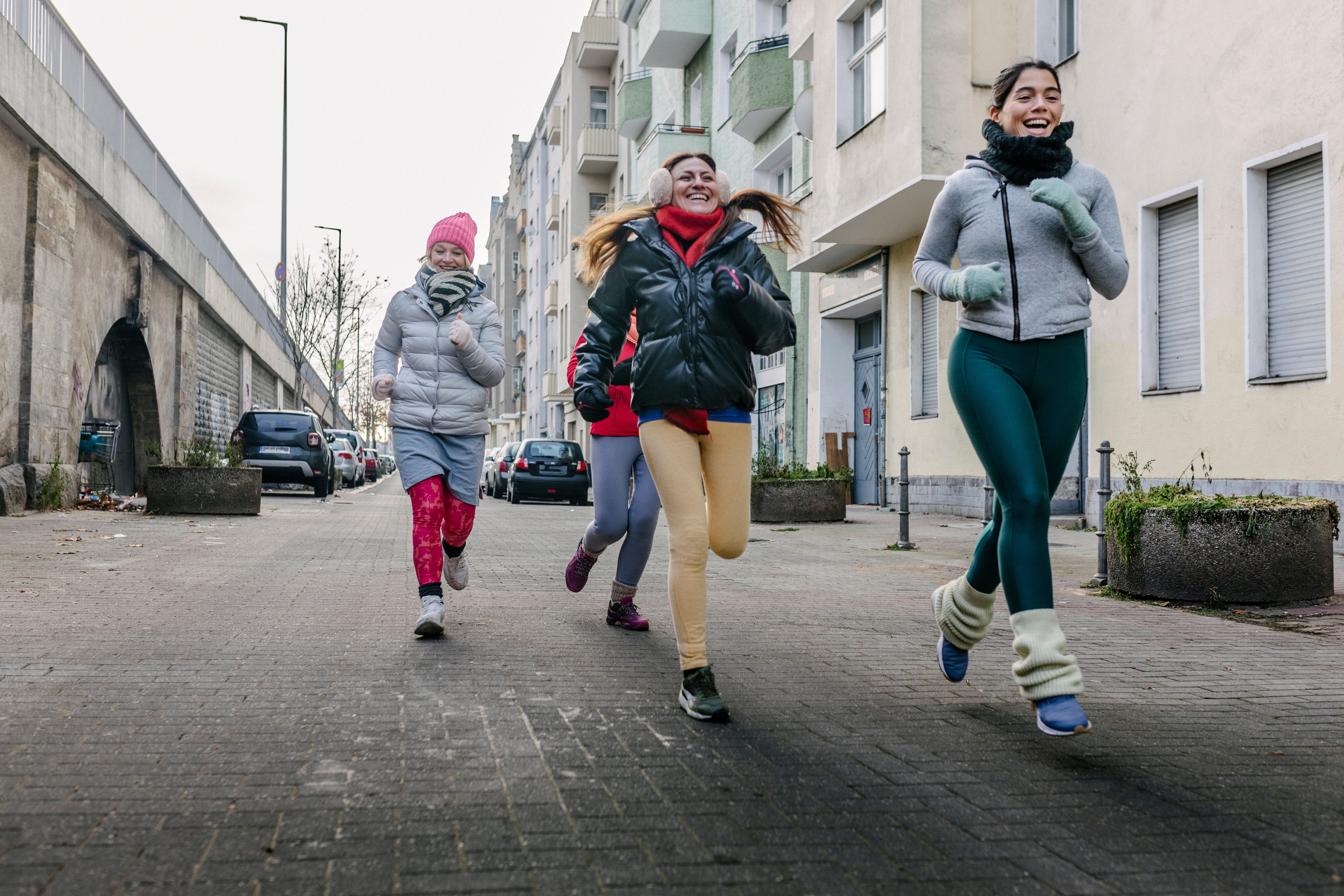
But now, community-based fitness such as Hyrox competitions (which are commonly team-based) and run clubs are only becoming more popular – proof that people are looking for community.

“And we’re going to see more of that,” Shahini predicted.

More and more young people are turning to social gatherings that don't center alcohol.

Willie B. Thomas via Getty Images

More and more young people are turning to social gatherings that don’t center alcohol.

“Daylife” allows people to make new friends without centering alcohol

People who are drawn to daylife-aligned activities want to meet people and want to go out, but don’t want social gatherings to be centered on drinking, according to Shahini.

Research shows that alcohol consumption is linked to a higher risk of cancer, including colorectal cancer and breast cancer and an increased risk of dementia.

Beyond the health impacts, Kathryn Cross, a licensed professional counsellor with Thriveworks in Atlanta, said people are avoiding alcohol for its mental health impact, too.

“We are seeing that people are starting to prioritise other activities and other forms of socialisation just because we are in a season where everybody, for different reasons, is feeling heavy and alcohol tends to highlight heaviness in many different ways,” Cross said, “whether that’s aggression, irritability, sadness, it kind of traps people in their mind a little bit, and people are trying to find a better outlet for being so internalised in their thoughts.”

Shahini added that people are aware of the side effects of drinking alcohol – hangovers, bad sleep, getting drunk, bad decisions – which is also leading this shift.

Movement-based social gatherings lead to feelings of joy and accomplishment

“When you work out and feel that high that comes from working out … you keep feeling better. I think that’s much more interesting,” Shahini said.

People want to take care of themselves, he noted, which is a major feature of the run clubs, Pilates classes and other fitness activities that are booming in popularity right now. And while exercise helps you build muscle, bone strength and cardiovascular fitness, it also has measurable mental health benefits.

“Exercise stimulates the release of endorphins, the feel-good hormones in your body, which would help reduce the symptoms of anxiety and depression,” Cross said.

Joining a fitness class or run club to meet people already gives you a baseline level of connection

If you go to a certain gym or certain fitness club, you already have something in common with the other people there, Shahini said. You have similar fitness interests and you probably live in the same area.

This makes it easier to build a friendship with someone. Think about it: You can bring up your latest workout or your new fitness goal with another person who understands the kinds of workouts you do.

Social connections help us feel less isolated, Cross added, which is necessary in a country that has an epidemic of isolation and loneliness.

If you want to try out daylife, start with gyms in your area – sign up for classes on the same day and time each week so you eventually get to know the people who go to the gym then. You can also look at local groups on Facebook to learn more about local Pilates groups, running clubs and more, Cross noted.

When you do eventually make it out to one of these fitness groups, don’t be nervous about meeting or talking to new people. As mentioned above, you already have something in common.

Plus, “everyone is looking for an opportunity to feel seen by others, and everyone could use connections,” said Cross.

Help and support:

Share Button