Our phones can be draining and distracting devices –– but there are small, surprising ways their built-in settings can actually be pleasantly fun.
One of my favorite iPhone features is a simple sentimental feature you might not know about: iPhone’s Photo Shuffle feature, which has been available for phone lock screens since the iOS 16 software update.
Advertisement
Once you use it, your phone’s background wallpaper is not just a static portal –– it can be a nostalgic living photo album of your favourite memories. Your phone background can toggle among your beloved pets or family members as often as you wish.
This is one small tweak you can do to make your phone a little more fun to look at each day.
How To Use iPhone Photo Shuffle Feature
To use Photo Shuffle, go to your iPhone Settings, then select Wallpaper and choose to “Add New Wallpaper.” From there, you will tap the Photo Shuffle feature and pick among the preselected options of featured people, like your kids, pets, nature, cities or whole albums that your phone has highlighted from your camera roll. You also have the option to select photos manually.
This way, you can customise the feature to be as strict as you want about what people or photos you do and don’t want popping up on your home screen if an ex or memory would be an unwanted surprise. If you end up seeing a photo that is no longer sweetly sentimental, you can also go back to this Photo Shuffle feature to unselect the album or photo.
Advertisement
Before the Photo Shuffle goes live, you will also choose Shuffle Frequency options of “on tap,” “on lock,” “hourly” or “daily.” So if you are a grandparent and want to give each of your grandchildren their day to shine on your lock screen, you can choose “daily,” or if you want to remember past sunnier vacations during stormier seasons, you could go with “on tap” and be surprised each time you use your phone. If you choose an album you update frequently, your wallpaper can become a live slideshow of your recent past. You might even be pleasantly surprised about what family vacation or new hobby will come across your screen.
Android users have a similar photo-shuffling feature known as “Screen Saver” in Settings. To turn it on, go to “Display & Touch” and then select “Screen Saver,” where you can choose photos or photo albums that your phone can cycle through when your phone is charging.
Of course, some people want to purposefully make their phone less pleasant to use in order to reduce screen time. There are merits in making your phone display only black and white if you want to use your phone as little as possible, for example.
Advertisement
But for those of us who must use our devices regularly, it can be fun to inject some whimsical surprise into our days. So if you find yourself bracing to see bad news on your latest notification alert, try switching up your lock screen background with something that you would look forward to seeing in stressful times.
Most people sign their names on forms, emails and notes without giving it a second thought, but every time I write my name or introduce myself, there’s a twinge of hesitation.
Last week, I stood in a small art gallery in the East Village and stared at a list of names spelled out in black vinyl letters and affixed to a wall near the entrance. As people moved through the space looking at the actual artwork, I stood with my eyes locked on my own name, slowly analysing each letter. I was simultaneously proud and disgusted because I couldn’t shake the fact that my accomplishments are linked to the name of a man who assaulted my grandmother, refused to acknowledge my father’s birth and doesn’t even know I exist.
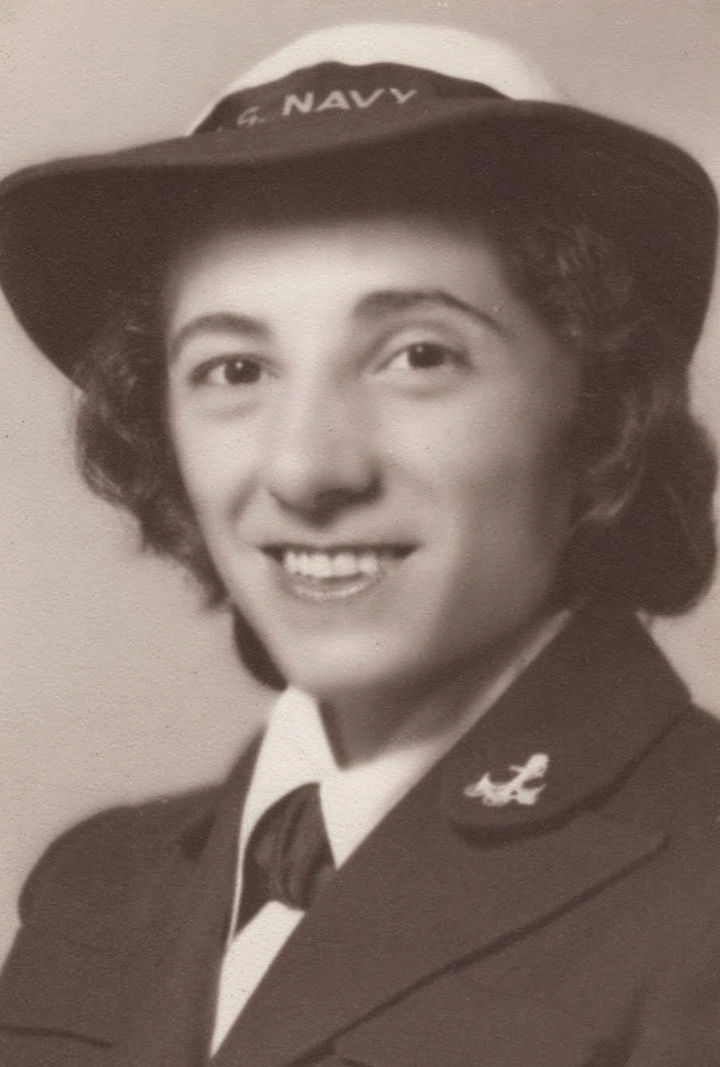
In the latter years of World War II, as part of the WAVES (Women Accepted for Volunteer Emergency Service) program, my grandmother Josephine Jovino, born and raised in Sunset Park, Brooklyn, was shipped out to the Naval Air Station in Jacksonville, Florida, where she worked as an aviation mechanic. While living there, she met Cecil. They went on a single date, he sexually assaulted her, and they never spoke again after that night. My grandmother had not only experienced a great trauma, but she soon discovered she was pregnant with her abuser’s child. She sent a letter to Cecil telling him about the pregnancy, but he never responded.
Advertisement
My father, William Jovino, was born later that year, and together, Josephine and baby Billy, as he was affectionately called, returned to Brooklyn to live with Josephine’s parents. It was 1947, and being a single mother was not necessarily unusual because of the vast number of fathers who died in the war, but openly having a child outside of wedlock was not socially acceptable. Due to fears about how my father would be received in the neighbourhood, my great-grandparents firmly encouraged my grandmother to change not only my father’s name, but also hers, to Short, Cecil’s surname, thereby giving the impression that she was previously married and that Billy was born legitimately.
Seventy-nine years later, Short has been passed to my older brother, my mother, my brother’s wife, my 4-year-old nephew and me.
Courtesy of Ciaran Short
A portrait of the author’s grandmother Josephine during her time serving in the Navy (1944).
Advertisement
I never gave much thought to my last name when I was growing up. I was more preoccupied with having to constantly correct the pronunciation of my first name, Ciarán (“KEER-awn”), which was a battle I slowly abandoned in elementary school, when I dropped the accent and went by the still-difficult-to-pronounce but more familiar “KEER-an,” like Kieran Culkin. As I grew accustomed to answering to everything from “Karen” to “Syrian” in the cacophony of mispronunciations of my name, I gained a greater sensitivity to the meaning and power of names. When I discovered the origins of my family’s last name, I was dumbfounded.
My grandmother was a social worker for the majority of her life, a devout Catholic and fluent in French. These are facts I learned from reading her biography on a paper handout at her funeral when I was 7 years old. I also learned she was born with a different last name than mine: Jovino. I innocently inquired about this and was met with an intensely disproportionate amount of animosity from my father, which made me even more curious.
I knew my dad grew up without ever meeting his father, and from the ferocity with which he spoke of my absent grandfather whenever I asked, I learned early on not to bother him with questions about this mysterious figure in our lineage. Instead, I directed all sensitive inquiries to my mom. When I asked her why Grandma’s whole family had the last name Jovino and we didn’t, she didn’t dismiss me, but coolly said, “You’ll understand when you’re older.” I asked my brother, who was five years older than me, and he said Short must have been our grandpa’s last name. “But we don’t have a grandpa,” I asserted.
Advertisement
Six years later, when I was taking a computer research class in middle school, I was tasked with making a family tree. I grew up using the internet, so even at 13, I was able to find birth records, marriage certificates and other details to fill out a thorough tree on the maternal side of my family by starting a seven-day trial on Ancestry.com. I came across very little information about my dad’s side — until I remembered the name Jovino. However, I realized I didn’t even know my paternal grandfather’s first name.
I went home and presented what I had discovered at school that day. I didn’t have to do much after that to get my mom to tell me the truth. I had no delusions about my paternal grandfather being a war hero or secret rock star, but I wasn’t expecting him to be a monster.
My maternal grandmother was the gentlest person I ever met. She spoke at a volume barely above a whisper, smiled and said hello to everyone we passed on the street, and spent hours of her days volunteering at her church. I was heartbroken knowing that she was not only assaulted by this man, but also had to take his name and be constantly reminded of him. I was also filled with rage on her behalf. From that point on, I constantly pleaded with my parents to change our last name to my grandmother’s original surname. I printed forms, found articles with detailed instructions, and one year, I even created matching shirts for everyone with “Jovino” printed on the backs.
Advertisement
My enthusiasm was met with somber indifference. My parents also hated what the name represented, but they didn’t see the point of changing their name after so many years. The harder I pushed, the sadder my dad seemed to get, so I gave up that fight when I was 17 and began to concentrate on a new goal: finding Cecil and forcing him or his family to acknowledge my family’s existence.
The only things I had to aid me in my search were his name and his military record. It turns out more than one Cecil Short was enlisted during World War II, which made things more complicated than I expected. I tried messaging a couple of relatives of the various Cecil Shorts I found online, but none of them responded. Rather than continuing to grope in the dark and jump down every online rabbit hole I found, I tucked my feelings away. After some time had passed, my animosity receded into a silent discomfort that I was able to tolerate.
Courtesy of Ciaran Short
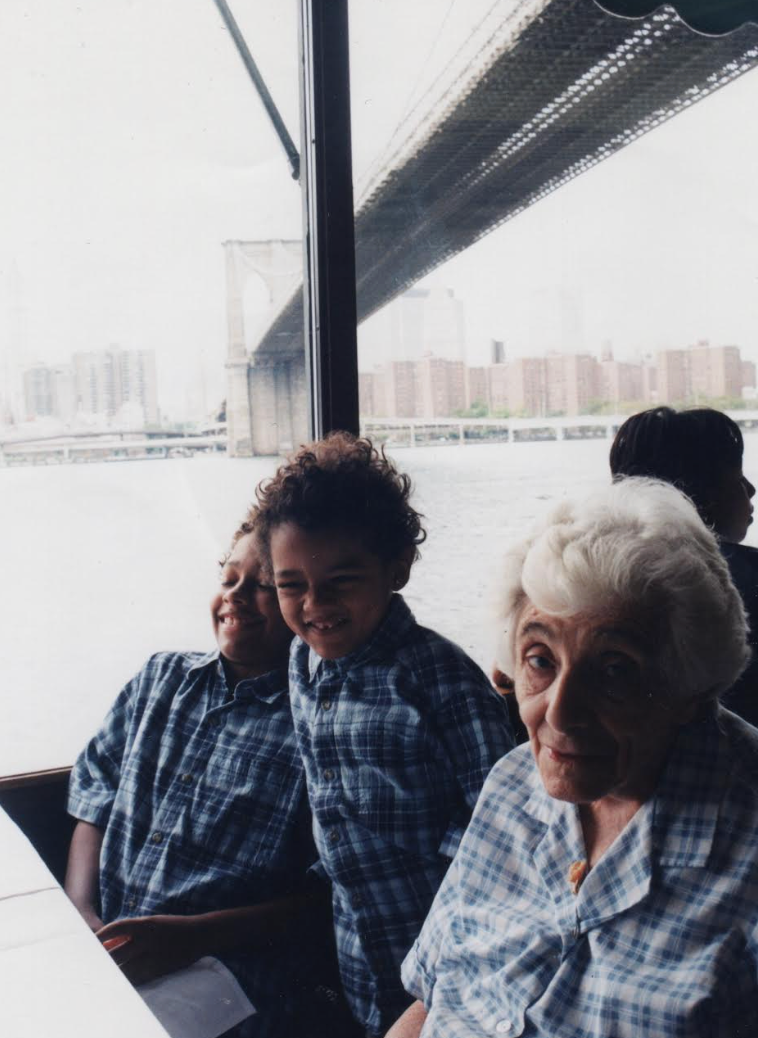
The author (middle), his older brother and his grandmother in 2004.
Advertisement
Things came to a head again in 2021 when my nephew was born. It felt completely unnecessary to have this brand-new, innocent baby be anchored down by a legacy of trauma and shame due to his last name. I was 23 at the time and equipped with a liberal arts post-grad moral superiority complex that gave me the skills and passion to make a far more convincing argument than I had in the past, but, once again, it fell on uninterested ears. I had become politically active during my college years, which coincided with Donald Trump’s first term, the start of the MeToo movement and George Floyd’s murder. I spent hours and hours organizing protests and going to marches, sit-ins, and demonstrations on behalf of strangers, yet in my own family, it felt as though the ghost of a genuine villain was perpetually haunting us, and there was nothing I could do about it.
The current Short family is composed of my father, who was raised in a very stereotypical working-class Italian-American household in Brooklyn during the 1950s, my mother who was born and raised in the Bronx by her parents (two Jamaican immigrants), myself and my brother (two Upper West Siders who are mixed race but identify and visually present as Black), my brother’s wife (a Chinese immigrant), and now my nephew, who is Chinese, Black, Italian, and whatever Cecil is. My family’s complex cultural heritage has been completely flattened into the generic surname of a white man, who, based on my calculations, was born in the South in the early 1920s.
Advertisement
I know nothing about Cecil’s lineage or what his feelings were about identity politics, but his surname enduring through various generations of racial amalgamation is hardly unique. Through forced assimilation, slavery, prejudice faced by immigrants, and various other forms of colonisation that have shaped our country, cultural erasure via altering or completely changing names is nothing new in America.
I’m now 27 years old, engaged to be married, and facing the question of whether I want my fiancée to share my last name. When considering the broader context of my family’s name, I’ve come to realise that my biggest issue with our surname is what it conceals and, in turn, who it celebrates. Beneath every last name are hundreds of ancestors whose impact on a lineage gets a little bit dimmer and more obscured with every passing generation. One can only have so many hyphens in a name.
While I still feel a deep-seated unease about having Cecil Short’s last name, I cannot escape the fact that I’m his descendant, and I’ve realised that to change my name would be to abridge my family’s story. What feels far more resonant for me is to embrace and acknowledge the peaks and valleys in my lineage. Rather than running away from a shameful family secret, I believe facing it head-on and chronicling it will allow me to finally move forward and give a new context to my name. I now believe that my surname doesn’t represent shame but instead honors what my grandmother endured. By embracing her perseverance and maintaining a record of where my family has been and how we got to where we are now, I hope our story won’t be forgotten, even when the names of my descendants inevitably change.
Advertisement
Ciaran Short is a multidisciplinary artist and writer born and raised in New York City. His work explores New York culture and often tackles issues of race and masculinity. He is a cofounder of All Street Gallery, an art collective and gallery with two locations in Manhattan’s Lower East Side, which exhibits work by emerging and underrepresented artists. He holds a master’s degree in media studies from The New School.
And this week, she spoke to us about straight women.
Here, she shared the topics she hears about most frequently:
1) Having a lower sex drive than their partner
“The single most common problem straight women bring up with me is that their sex drive has decreased or is overall low, while their partner is way more interested in being intimate, leading to worries and tension in the relationship,” Roos told us.
She added that women may be more likely to compare their lust levels to their partner’s, and feel their lower desire poses an “issue”.
Advertisement
2) Pain during penetrative sex
Experiencing pain during sex thanks to conditions like vulvodynia, vaginal dryness, or pelvic floor issues is “extremely common” among this group, said Roos.
“What most don’t know is that there’s both a physical and mental part… pain leads to fear, and fear leads to deeper problems,” leaving some in a vicious cycle.
3) Not orgasming during partnered sex
Straight women have long suffered from “the orgasm gap”. The sexologist said this doesn’t seem to be going away.
Advertisement
“Many straight women are having a very hard time orgasming during intimacy with their partner, and they don’t know how to solve it,” she said.
4) Body image issues
“I’ve met countless straight women that are extremely aware of how their own bodies look, smell and feel… they think so much about age, weight and how they are seen that it becomes difficult to just let go and be in the moment,” Roos added.
5) Losing desire thanks to the mental load
In straight relationships, the mental load – or having to think about, keep track of, and remember the endless tasks that keep a household going – still predominantly falls on women’s shoulders.
Advertisement
And the sexologist said that can have a knock-on effect in the bedroom. Doing “all the planning… as well as all the emotional work in the relationship” can “lead to higher stress levels, which makes the body de-prioritise desire”.
6) Not putting their own pleasure first
“I often meet women who describe themselves as having a hard time with setting their sexual needs and boundaries first, as they’ve been taught to be accommodating rather than prioritise what they want and don’t want,” she stated.
So, uh, any advice?
Yes. The sexologist said that accepting shifts in your levels of lust and trying alternative forms of intimacy, like “oral sex, massage, kisses, caresses and more mentally-focused pleasure, such as roleplaying or dirty talk,” may help.
Advertisement
Explore your own desires, perhaps through masturbation, and communicate them with your partner. “As a majority of women can only reach all the way via clitoral stimulation, I also advise focusing more on that, either with your hands, mouth or a sex toy,” the sexologist said.
Remember also that “pain during sex isn’t normal”, so it’s important to seek professional help if you experience it.
And keep in mind that “your sex life isn’t isolated from the rest of the way you live, so try to look at your diet, sleep schedule, exercise habits, how you drink, how you deal with stress and how your relationships are,” she concluded.
But some Irish staples are so, so much better from delis and takeaways, IMO. Chicken fillet rolls, for instance, aren’t meant to be gourmet: I want chalky cheese, heat lamp-warm chicken, and slightly limp baguettes.
Advertisement
The food I miss most while living in the UK, however, is spice bags. The Irish-Chinese takeaway staple can be hard to find here.
So, I asked Chef Kenneth Tyrrell, an executive chef at Burger & Lobster, how to make them at home.
What are spice bags?
They combine chips, peppers, onion, crispy chicken, and (obviously) spices in a grease-spotted paper bag of perfection.
I associate them most with Dublin – they weren’t much of a big deal in my rural hometown, but when I moved to the capital for uni, it felt like spice bags were everywhere.
When attempting my own version, I found the spice blend hardest to recreate.
Experts think they’ve cracked the code with an MSG, onion powder, pepper, garlic powder, five-spice, sugar, and crumbled chicken stock cube combo.
But it changes from place to place. Experiment a little to find your favourite tingly, salty mix.
Advertisement
How can I perfect spice bags at home?
Some things must remain constant: mix chips, spices, something fried and crispy (like chicken), and veggies like onion and peppers together.
But, Chef Tyrell said, you can have some fun with these.
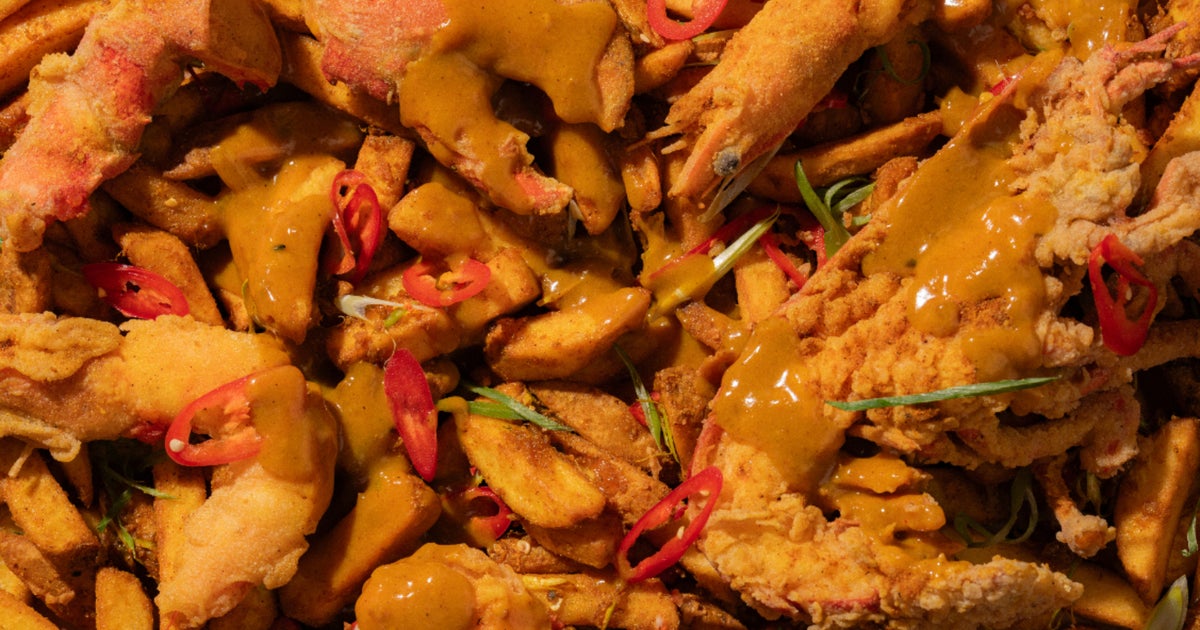
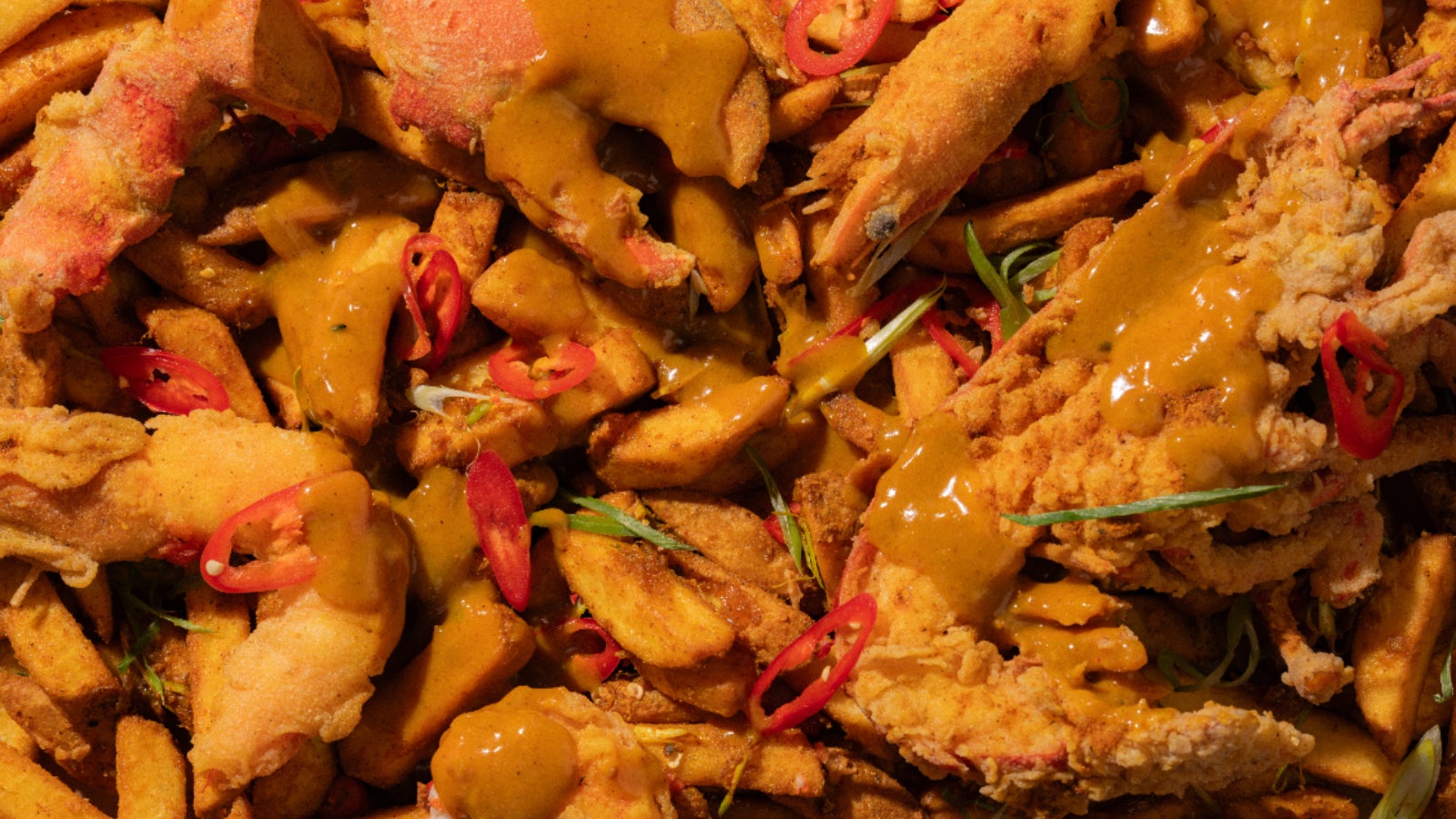
“Customisation is the fun part of spice bags. The classic spice bag is with crispy battered chicken, but get creative with yours – at Burger & Lobster, we’ve added a twist to ours with fried lobster and king prawns,” he said.
Other rules, though, are stricter.
“Make sure the protein, chunky chips, onions and peppers are piping hot before you add your spice to get maximum flavour. I also like to throw in a bit of mango chutney for an added sweetness,” the chef said.
Advertisement
“Chips MUST be super crispy before mixing with everything else. I would cook them for slightly longer than you usually would, as they then retain some crispiness after sitting in a bag with all the other ingredients,” he continued.
And “Don’t eat your spice bag straight away… it always tastes better after you’ve let it sit in the bag for a couple of minutes”.
One last suggestion? The dish is “Best served after a few pints and never wear a white shirt.”
“Symptoms I would never ignore include persistent changes in bowel habit lasting more than three weeks, blood in the stool, unexplained weight loss, ongoing abdominal pain, or persistent fatigue,” she said.
And despite recent data showing an increasing number of under-65s with bowel cancer, she added, “Younger people often dismiss these symptoms because they don’t perceive themselves to be at risk.”
Advertisement
Lastly, the doctor explained, “Rectal bleeding should never automatically be attributed to haemorrhoids without proper assessment. It is always safer to investigate early”.
2) Dr Grant
Dr Grant also said age shouldn’t be a factor; some symptoms should always be taken seriously.
“Regardless of age, there are plenty of indicators people should be aware of, which can lead to early intervention and a greater chance of recovery,” he said.
Advertisement
“Symptoms such as changes in bowel habits, unexplained weight loss, persistent fatigue and abdominal pain should never be ignored.”
Having one or even a couple of these symptoms doesn’t mean you definitely have bowel cancer.
But, “While these symptoms are often caused by less serious conditions, it’s important to seek medical advice if they persist, as they can also be common signs of bowel cancer.” the doctor ended.
There have always been generational conflicts, but the chasm between baby boomers (born between 1946 and 1964) and other generations after them seems particularly hard to bridge.
As challenging as it may feel sometimes, there’s a simple solution for those wanting to experience more closeness with their boomer relatives and to understand them better: ask more questions.
Advertisement
Simple curiosity, by way of a thoughtful question, can make people feel heard and respected – and can also help change your perspective on why someone you love thinks the way they do, why they are the way they are. That dialogue may prove to be one of the most rewarding ones you undertake.
Maskot via Getty Images
Asking more questions is a great way to start the conversations you’re longing to have with your loved one.
“In my work with families, I’ve noticed that older relatives are rarely waiting to be corrected,” Anna Marchenko, a licensed mental health counsellor and principal practitioner at Miami Hypnosis and Therapy, tells HuffPost.
Advertisement
“What they tend to want is to be understood in the context of the world they grew up in. These questions often slow conversations down in a way that makes real understanding possible.”
HuffPost asked family therapists to suggest some starter questions boomer relatives wish they’d get asked more – and they may appreciate having these conversations more than you could ever know.
‘What do you wish people asked you about more?’
If you’re new to opening this kind of dialogue with an older relative, the best start is often… to ask what they want to be asked. Yes, it’s a little like cheating, but this question in itself can lead the way to so much understanding on both sides.
Advertisement
This question “gets at what a parent may want to share more in their relationship with you,” Sarah Epstein, a marriage and family therapist who specialises in family dysfunction, told HuffPost. “Maybe they wish you asked about their health, their hobbies, their careers or their travels.”
For Epstein, this question can open the door to a new dynamic between your parent or older relative and you. “Asking shows an interest in not only having parents support you, but you to invest in them,” she said. “You can then lean into that more by asking about their current excitement and stressors.”
Remember: the point of asking questions in the first place is to allow your relative to feel heard, so open-ended and even apparently vague conversation starters work like a charm.
Advertisement
‘What was your family like when you were growing up?’
Imagine you were meeting a new friend for coffee. You are likely to ask questions about their upbringing. While you may already know the basics about your relative, like where they grew up and how many siblings they have, asking them about their family of origin is an amazing way to get to know them better – and even forge a new kind of relationship with them.
As well as the more general, “What was your family like?” Epstein also recommends asking more specific questions, such as, “What were your parents like?” or “Who in your extended family were you closest with and who were you not close with?”
“As their child, you only see their adult relationships, not the ones they experienced as children themselves,” Epstein said. “Asking these kinds of questions humanises parents to their children and other younger relatives, and gives parents a chance to tell their children more about themselves. It opens up possible vulnerable topics, like what felt good and what felt difficult in their upbringing and how they managed that.”
Advertisement
‘What did the world expect from you when you were young?’
This is an amazing question to get people to reflect on what the world’s expectations of them might have cost them – as well as any gifts they might have brought.
When asked this question, “people usually talk about pressure rather than nostalgia,” Marchenko said. “They describe growing up fast, being needed early, and making tradeoffs that were not optional. It helps younger relatives see that many values were shaped by necessity rather than preference.”
This line of questioning may also naturally lead into other similar revelations from your older relative, such as how systems of power worked in the environment they grew up in and what beliefs their upbringing created that they may have challenged later in life, says Marchenko.
Advertisement
FG Trade via Getty Images
You never got to know your parents or grandparents in certain ways — because you simply weren’t there for it. But it’s a perspective you won’t want to miss out on.
‘When you look at the world now, how does it feel to you?’
One of the greatest obstacles to creating mutually respectful relationships with our older relatives today is the stark difference in values and politics younger generations often have. But phrasing a question like this opens the door to curiosity rather than immediately creating defensiveness.
“This avoids debates about progress and invites reflection instead,” Marchenko said. “People speak about gains and losses at the same time, which allows disagreement without turning anyone into the problem.”
Advertisement
‘Is there anything you still feel responsible for passing on?’
“This reframes older generations as caretakers rather than obstacles,” Marchenko said. “The answers are usually less about advice and more about values, restraint, and hard-earned perspective.”
This is a great question because they may have previously avoided sharing their thoughts on this subject for fear of how they might be received. For you, hearing about how your relative views their potential legacy may also be eye-opening and perspective-shifting.
‘What feels good in our relationship right now? What doesn’t?’
In the same way that you may find some aspects of your relationship with your older relative difficult, they might too. If you can ask this question and receive the answer without getting defensive, the two of you might be able to work together to deepen the relationship and smooth over areas of discontent.
Advertisement
“When you ask straight out how the relationship feels, you can start to have open, honest discussions about how the relationship is going,” Epstein said. “It may turn out you each have things you love doing together, or discussing, that you can double down on. You may also identify things your relative has been feeling about the relationship that you can then work on together. The easiest route to clarity is gently, respectfully asking about the other person’s experience.”
And due to an event called a total lunar eclipse, this year, it’s set to look deep red from some parts of the Earth.
What is a total lunar eclipse?
This can only happen during a full moon. It occurs when the Earth gets into a position right in between the moon and the sun, making the surface of the moon look dimmer.
Advertisement
When the moon moves into the inner part of the Earth’s shadow (its umbra) in a total lunar eclipse, the Earth’s atmosphere filters the light from the sun to the moon.
Why will March’s “blood moon” be red?
During a total lunar eclipse, the light on the moon has to pass through our atmosphere.
Because shorter waves of light, like blue and purple tones, scatter faster than their longer-length cousins, red and orange, the moon can look reddish or orange during the event.
“It’s as if all the world’s sunrises and sunsets are projected onto the Moon,” NASA said.
This is sometimes called a blood moon, thanks to the colour.
It’s set to happen on 3 March, 2026. And while the time the moon actually spends in the Earth’s umbra is just under an hour, Space.com said that “the show goes on for much longer than that”.
The eclipse will “peak” at 11:33am GMT. At this point, the moon will move closest to the centre of the Earth’s shadow, as part of the “eclipse maximum”.
Where can I see the March blood moon?
Sadly, it won’t be visible from the UK or Ireland – nor will it be seen from Africa or Europe.
But views from North America, the Pacific area, Australia, and parts of East Asia are expected to be particularly stunning.
Advertisement
Why is the March moon called the “worm moon”?
Per Royal Museums Greenwich, the name comes from Native Americans, who coined the term because of “the worm trails that would appear in the newly thawed ground” in March.
Other names include the death moon, crust moon, sap moon, and chaste moon.
And, of course, this month, it counts as a “blood moon” too.
Though the 10,000 steps a day “rule” is actually a marketing gimmick, there is some merit to getting a few thousand paces under your belt (or should that be soles?) daily.
Some research suggests that 7,000 steps a day can help to lower heart disease, cancer, type 2 diabetes, depression, and falls risk, and can even reduce your likelihood of all-cause mortality by 47%.
Advertisement
But since I gave up my sleep tracker, I’ve grown a little weary of step-counting devices too. So, I tried a 3-3-30 walk on my lunch break instead (experts say a midday stroll can help to boost our mood and health in winter and early spring).
That’s because some research says the half-hour activity could improve your blood pressure, aerobic capacity, and strength even more than “regular” walking,
It involves walking briskly for three minutes, then more slowly for another three minutes, on repeat for half an hour.
A study into the technique concluded that “High-intensity interval walking may protect against age-associated increases in blood pressure and decreases in thigh muscle strength and peak aerobic capacity”.
These results were stronger for the interval walking group than the steady-pace walkers.
Speaking to HuffPost UK previously, doctor and consultant practitioner, Dr Hussain Ahmad, said: “If you’re aiming to maintain general health, brisk walking for at least 150 minutes a week (about 30 minutes a day, five days a week) can help reduce the risk of heart disease, improve mood, and support weight management”.
Advertisement
Brisker walking is associated with a 20% lower risk of early death compared to 4% for slower walkers.
Just to add the vitamin D-boosting cherry on top, doing the surprisingly efficient workout when the sun is at its highest – from 11am to 3pm – can boost your mood, sleep, and energy in the cooler months.
Amy Glover / HuffPost UK
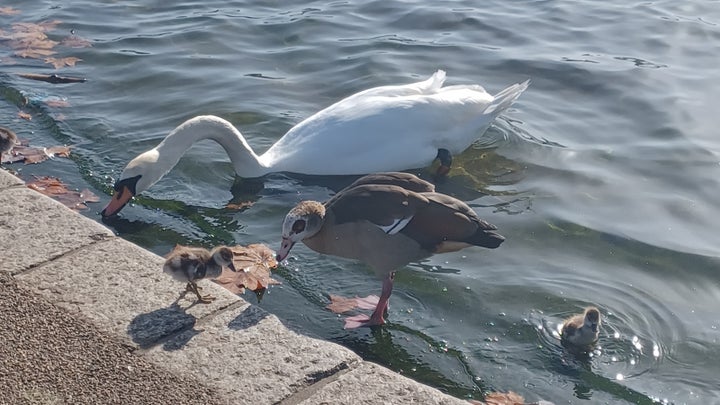
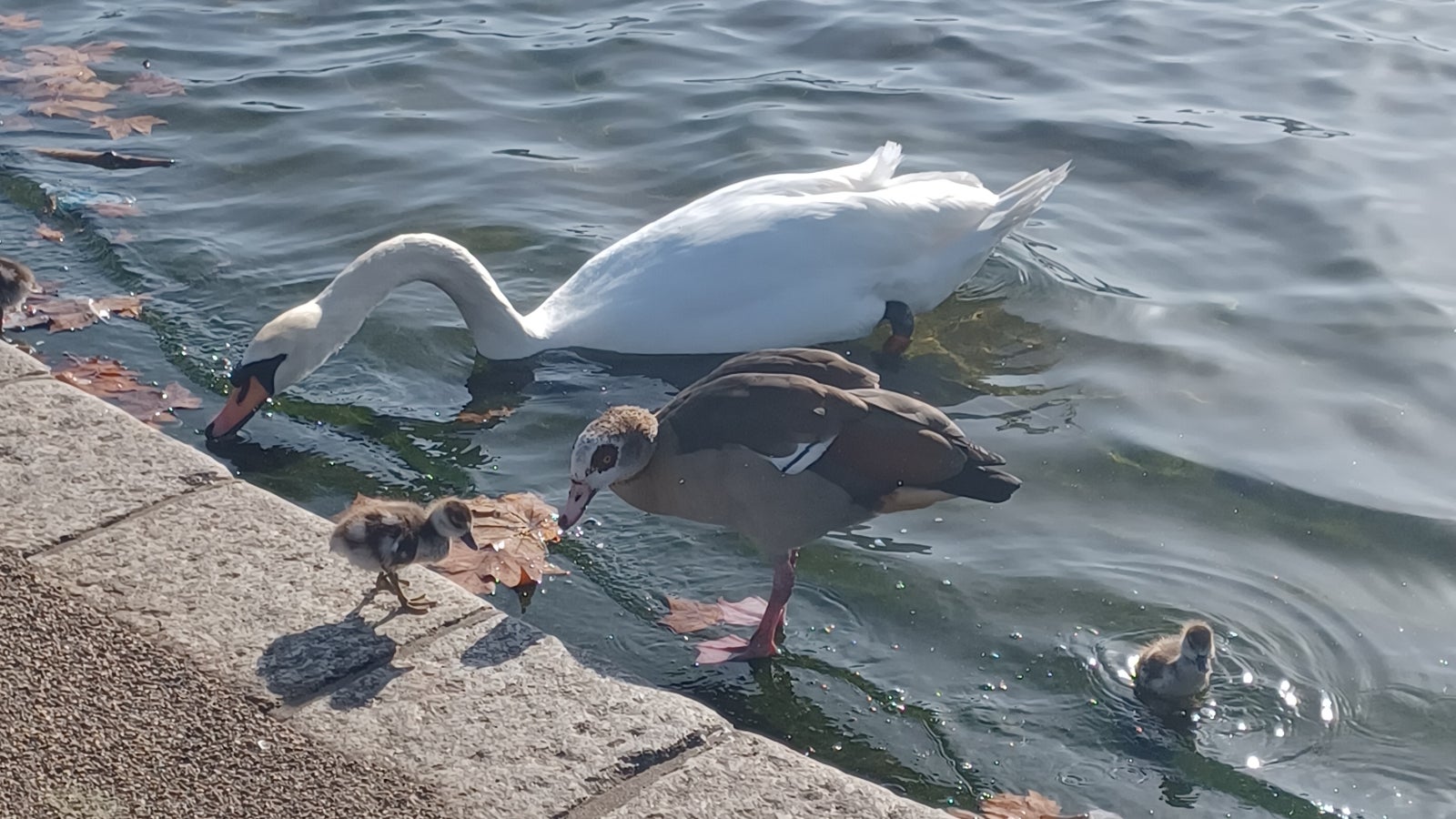
Some goslings and a swan that made my lunchtime walk even more worthwhile
Advertisement
So, how did it go?
I don’t know if it was because I tried 3-3-30 walking on the same day this year’s endless barrage of storms gave way to sunshine, but I couldn’t believe how much it boosted my mood.
It’s also way more practical than my noble, but unrealistic, step count goals, which sometimes required either an earlier wakeup than I can usually manage or a dark, depressing post-work stroll.
A plus: because I wasn’t checking my step count during the walk, I was able to concentrate more on the nature around me (including some impossibly cute fluffy gislings, pictured above).
Advertisement
That meant the walk was more sustainable, more enjoyable, and (probably) more efficient. No wonder I’ve been trying to get friends and family on board.
It goes without saying that we are living through incredibly hard times. We are facing innumerable environmental crises, there is an alarming rise in far-right ideologies and we’re still feeling the social hits of the Covid-19 pandemic.
So, how do we cope? Why can we get up, make a cup of coffee, go to work and tune into our everyday life while knowing that we are surrounded by The Horrors? Are we monsters?
Advertisement
Well, no. But we are feeling emotionally detached and this is something our brains do to protect us. Unfortunately, it can also make us numb to what’s happening around us and less likely to take action.
How emotional detachment keeps us moving
VeryWellMind explains: “Emotional detachment refers to being disconnected or disengaged from other people’s feelings. It can involve an inability or unwillingness to get involved in other people’s emotional lives.
“While this detachment may protect people from stress, hurt, and anxiety, it can also interfere with a person’s psychological, social, and emotional well-being.”
Advertisement
It is completely understandable that we don’t know how to cope and so instead mentally detach without even knowing that we’re doing it. In fact, sometimes it’s necessary. Think of dealing with death admin following the loss of a loved one. Sometimes you just have to keep going.
This can lead us to something called ‘compassionate fatigue’
Psychology Today explains that while this phrase is most often applied to emergency and healthcare workers, “A secondary definition of compassion fatigue refers to the experience of any empathetic individual who is acutely conscious of societal needs but feels helpless to solve them.”
Sounds very familiar.
The psychology experts explain that it can be treated, though: “You can counteract such fatigue through regular exercise and healthy eating, a commitment to adequate rest and regular time off, and time in therapy. It also helps to set emotional boundaries without barricading yourself from the world.”
Advertisement
Reducing screen time is also incredibly beneficial.
Primate expertise provided by Dr Luke Duncan, a postdoctoral research fellow, primatologist, and part of the University of Warwick’s ApeTank. Therapy comment by relationship therapist and author at Passionerad, Sofie Roos.
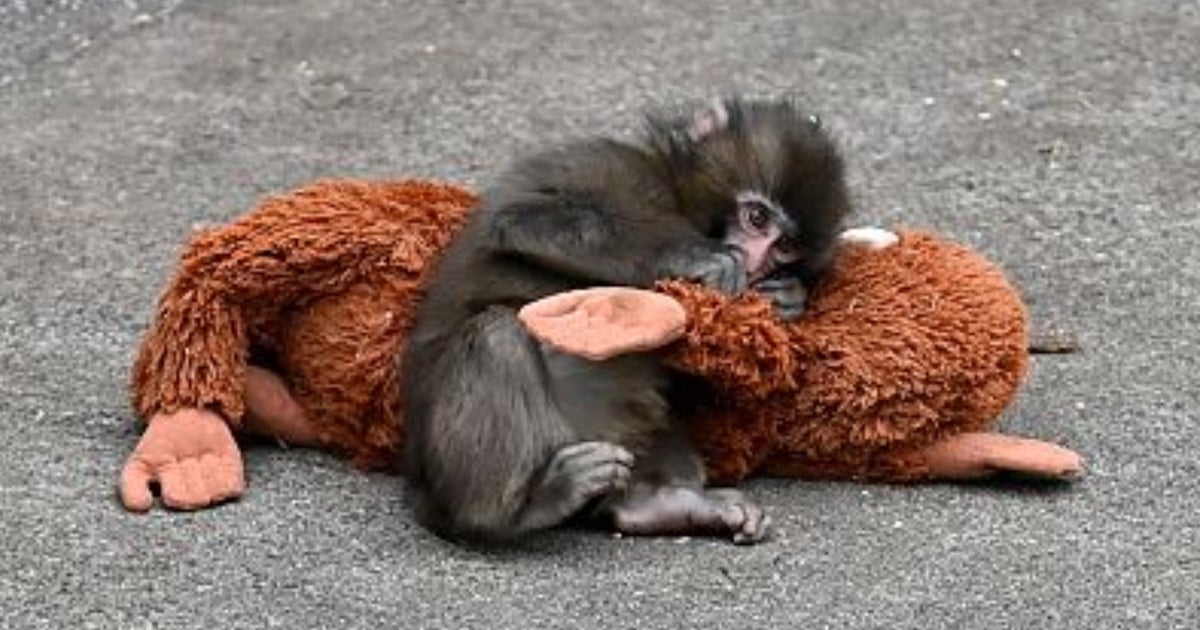
If you’re 1) on social media and 2) have something resembling a heart, chances are it’s been broken by the Japanese macaque, Punch, from Ichikawa City Zoo in Japan.
Advertisement
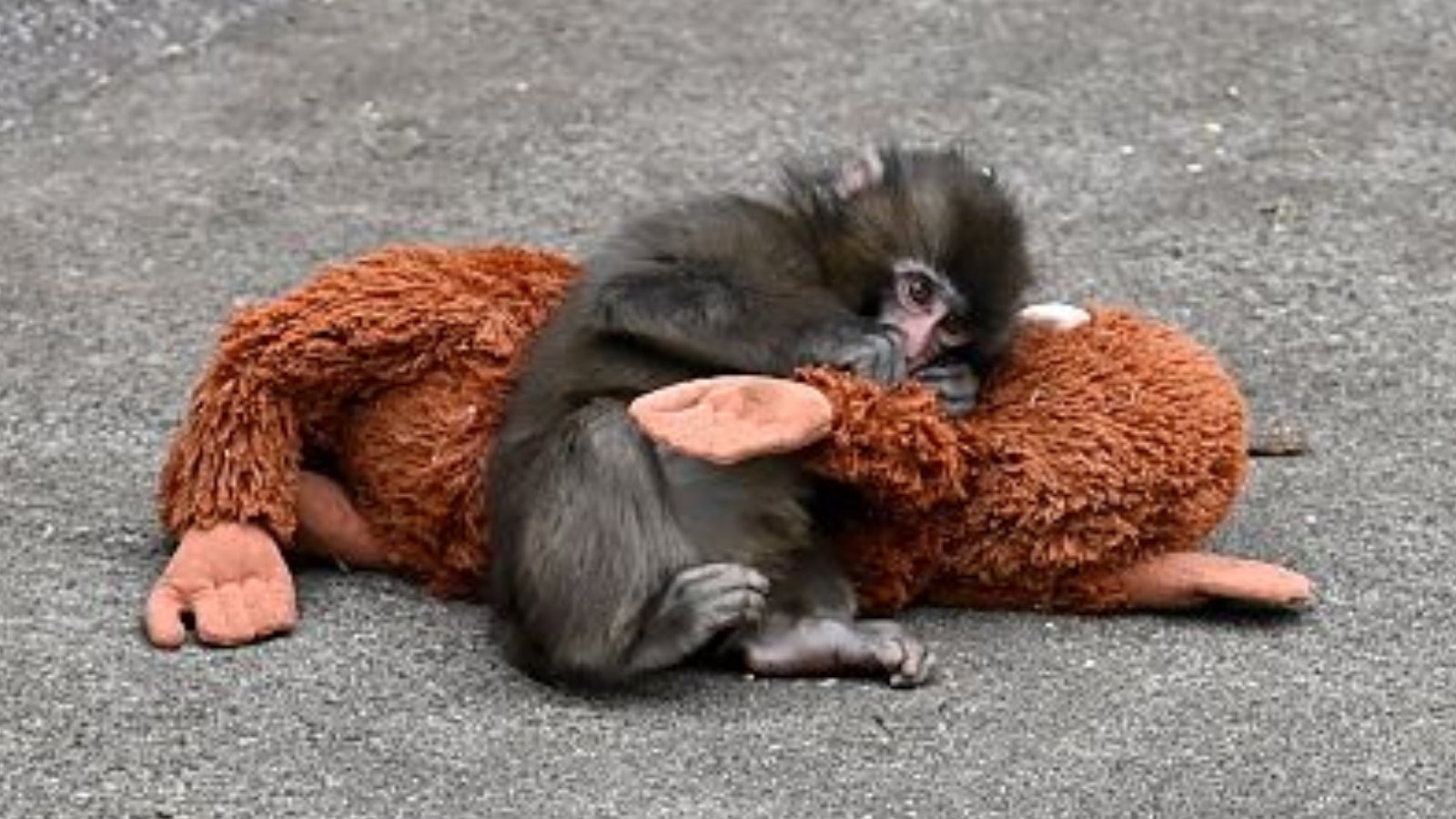
The adorable monkey, whose mother abandoned him, has gone viral for clutching an IKEA orangutan plush to help manage his feelings of abandonment (the burnt orange stuffed toy has since sold out in multiple stores).
But why do animals, including humans, so often turn to stuffed toys in our times of need, or as a more everyday source of comfort?
Here, we spoke to primate expert Dr Luke Duncan and therapist Sofie Roos about the “cuddle therapy” a variety of species can get from stuffed toys.
Emotional support plushes are pretty common among adults, and could be helpful for distressed animals
Punch’s toy orangutan was given to him to help him handle the loss of his parent. According to Dr Duncan, that move makes sense.
“Young primates are biologically programmed to cling to their mother ― it’s a normal and essential part of emotional and psychological development,” he told us.
“Harry Harlow’s foundational research in the 1950s and 1960s showed that infant rhesus monkeys overwhelmingly preferred a soft cloth surrogate over a wire one that provided milk, demonstrating that tactile comfort is a powerful driver of attachment behaviour in infants.”
Advertisement
So, while the goal should always be to provide a “safe, living social partner of the same species,” in a pinch, “A soft surrogate, in the form of a plush toy, can… provide meaningful comfort for an orphaned infant primate.
“While a plush toy cannot replace a real mother, it may help alleviate distress in the short term.”
And Roos said that while humans – and almost certainly other animals – know our toys aren’t really alive, they can “work as a ‘transition object’, which… stands as a symbol for safety when an important person is no longer with us”.
Among adults, she added, stuffed toy use offers a kind of “cuddle therapy”, which provides a combination of physical touch and pressure that a lot of animals find soothing.
Advertisement
“Physical touch, [even] from an object, can make our body calm and feel safe.”
Then, there’s the fact that, generally, toys don’t leave us.
“For people who lose someone important, and have wounds connected to abandonment and an insecure attachment, the cuddly toy can give a feeling of not being completely alone, which for some becomes a saviour,” the therapist said.
“We’re born with a… need to… belong, and this need stays with us until the day we die. A stuffed animal doesn’t get any less good at giving us this just because we grow older.”
Perhaps that’s why 44% of adults hold on to their childhood toys.
Advertisement
The therapist doesn’t think it’s that different to using meditation apps
Lots of animals, including humans, “are born social, and seek closeness, warmth and touch. A cuddle toy can work as a complement to give that safety, care and attachment we so strongly seek, especially if we feel lonely,” said Roos.
This is not unlike what may be happening with Punch: Dr Duncan shared, “Physical contact with a soft object can help regulate [primate] stress responses and provide a sense of security during a vulnerable period”.
Roos continued, “Many also connect the cuddle toy with childhood, a time most look back at as easier and more protected, where the stuffed animal can stand as a symbol for that time when we felt cared for, comforted and soothed in another way.”
Advertisement
In fact, the therapist doesn’t think relying on a stuffed toy for “cuddle therapy” is all that different to other forms of self-soothing.
“When looking at what the cuddle toy does for you, it’s not far away from what using mindfulness apps, yoga, stress balls or weighted blankets do – the stuffed animal is just less socially accepted, even though in my [opinion], it works better than many other more accepted methods of dealing with stress, loneliness, overthinking and anxiety.”