Trevor Phillips Suggests Labour’s Manifesto Included ‘Terms And Conditions’

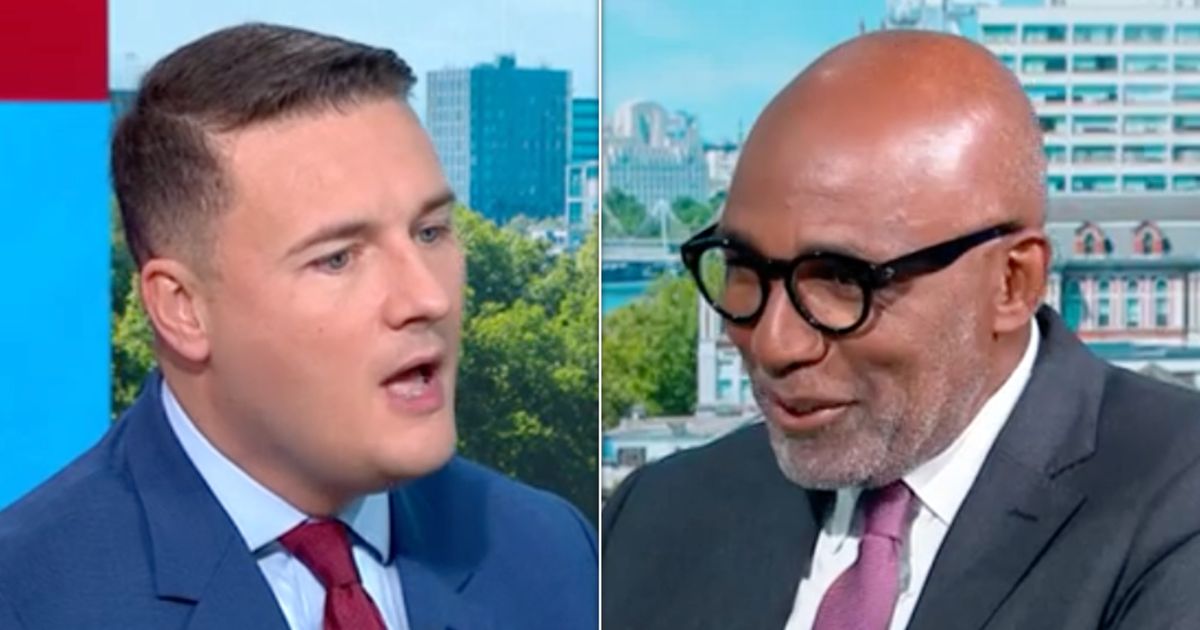
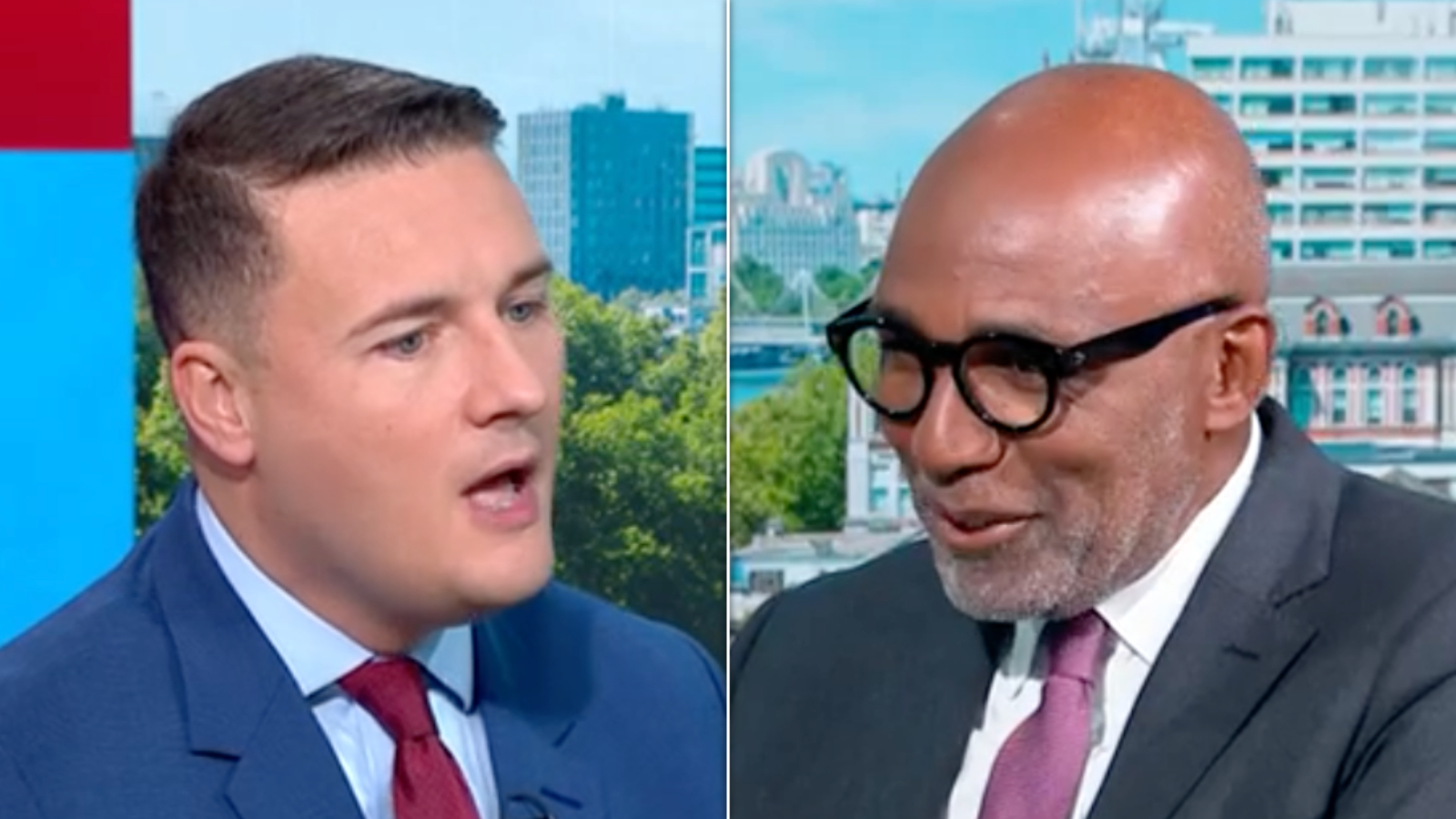
Sky News’ Trevor Phillips called out the government on Sunday morning by saying Labour’s manifesto had “terms and conditions” attached.

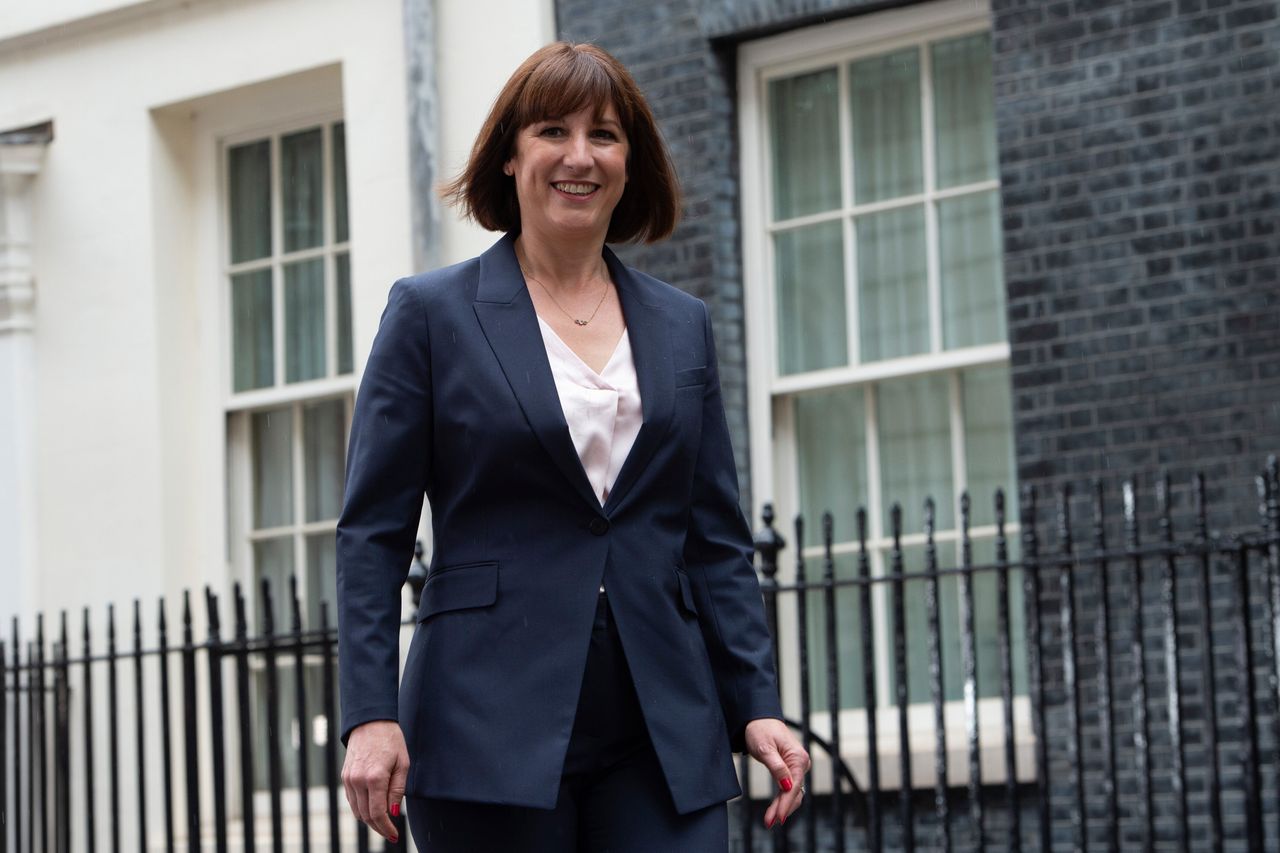
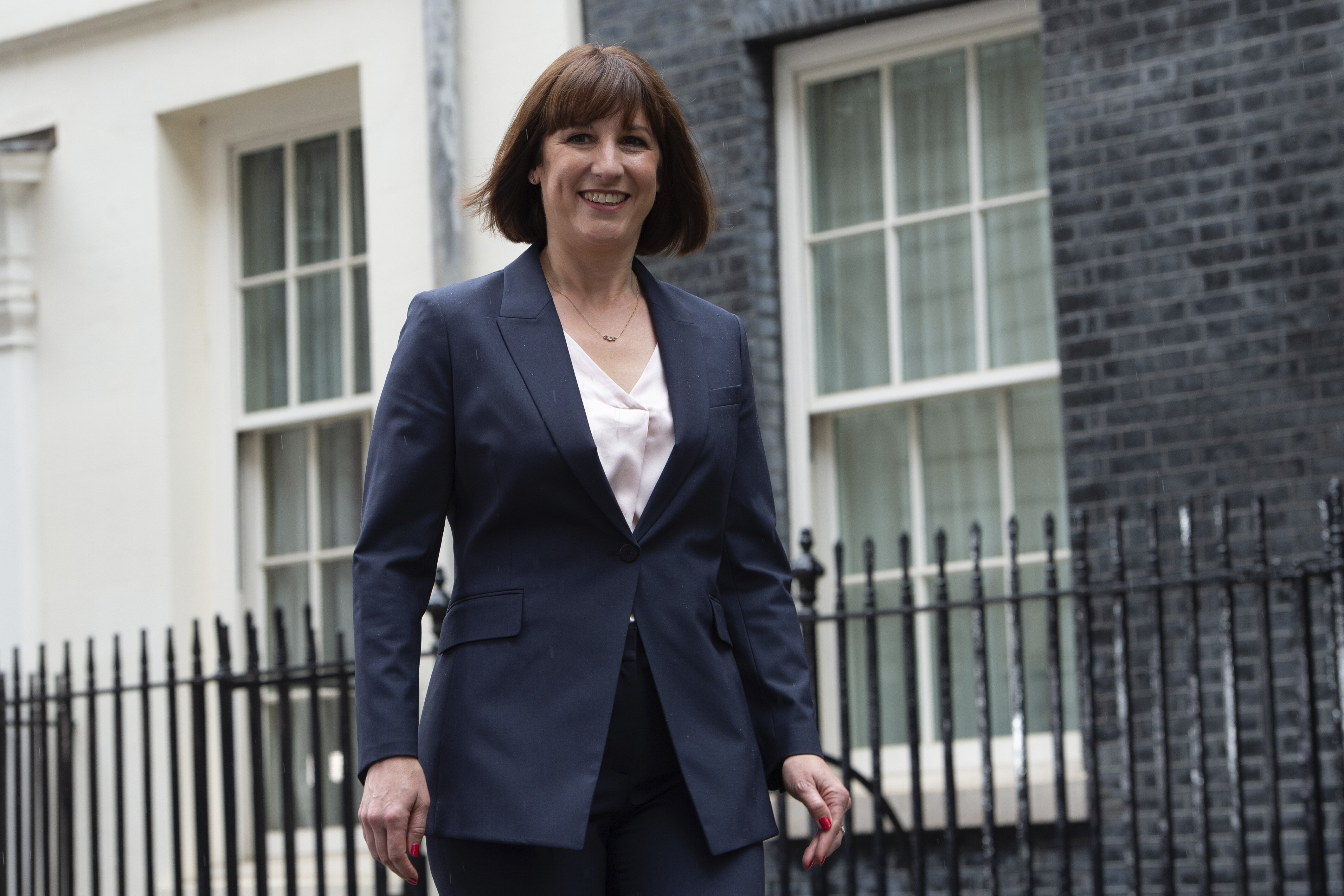
With less than two weeks to go until chancellor Rachel Reeves unveils her first Budget, the public are nervously waiting to see how she tries to raise £40bn in spending cuts and tax rises while also trying to avoid austerity measures.

Labour also promised before the election not to increase taxes for “working people”, particularly when it comes to VAT, income tax and National Insurance contributions.

In a clash with health secretary Wes Streeting, presenter Phillips asked how the “working people” label applies to the self-employed.

“Of course self-employed people are working people,” the cabinet minister replied, adding that when he thinks about the term, he means those who are on “low to middle incomes”.

Phillips asked: “Why is it then that in the legislation you’re going to introduce tomorrow on workers’ rights, you don’t redefine to include the self-employed?”

Streeting said that they have a “different working arrangement”.

The presenter asked: “So just in the same way you told us there would be no rise in National Insurance, but suddenly there’s rises in National Insurance for employers, it’s just possible there might be rises in taxes for the self-employed, because they’re not workers?”

The minister replied: “We will keep our manifesto promises, despite the pressures, we will not increase income tax, National Insurance or VAT on working people – that was the commitment we made before the general election.”

Phillips cut in: “Every expert says you’re breaking the pledge.”

Paul Johnson of the think tank Institute for Fiscal Studies (IFS) already said last week that putting up NI in any way would be a manifesto breach.

The health secretary claimed Labour had been criticised for not being radical enough in their manifesto in the run up to the general election, and that’s because they knew it had to be feasible to deliver on it.

As they spoke over each other, the presenter hit out: “You know what I want to do now? I want to say, I take that answer but terms and conditions apply.”

“What do you mean? Absolutely not,” Streeting said, saying Labour are going to deliver on every pledge they made in their manifesto.

Share Button

Liam Payne’s Girlfriend, Kate Cassidy, Breaks Silence On His Death

Liam Payne’s girlfriend, Kate Cassidy, is paying solemn tribute to the former One Direction singer two days after his death at age 31.

On Friday, the social media influencer shared an emotional note to her Instagram stories, in which she thanked supporters for “all of the kind words and love that has been sent my way” while requesting privacy as she processed her grief.

“Nothing about the past few days have felt real,” she wrote. “I ask and pray that you’ll give me the grace and space to navigate this in private.”

She ended her note by addressing Payne, her boyfriend of two years, directly.

“Liam, my angel. You are everything,” she wrote. “I want you to know I loved you unconditionally and completely. I will continue to love you for the rest of my life. I love you Liam.”

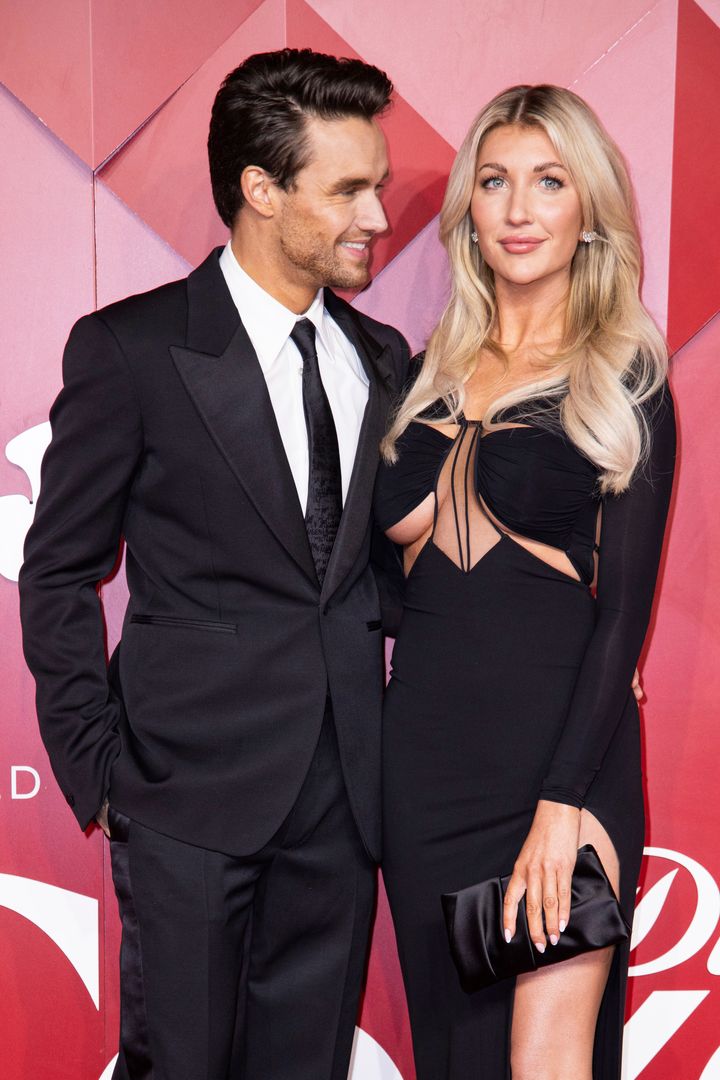
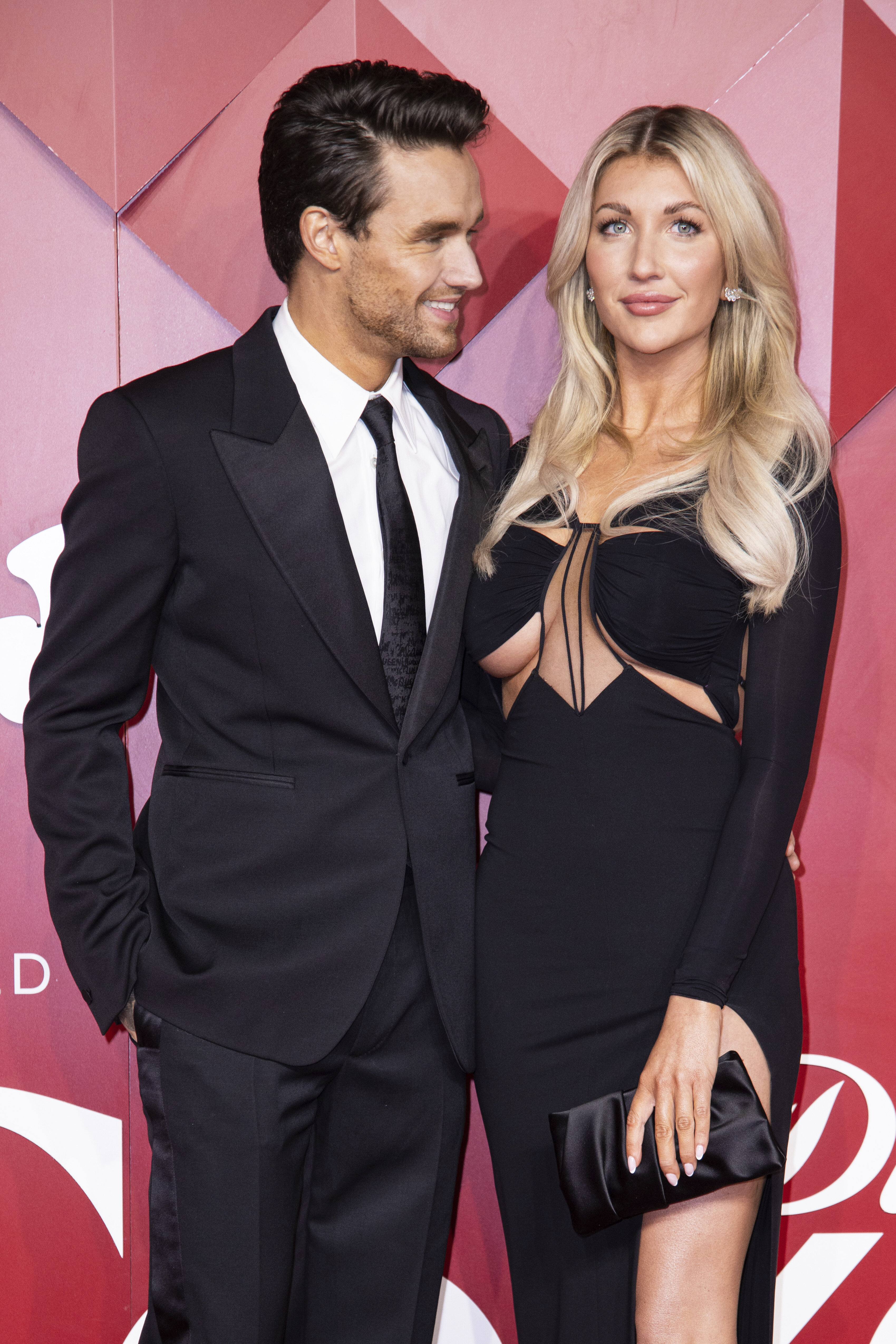
"I will continue to love you for the rest of my life," Kate Cassidy, right, wrote in a tribute to late pop star Liam Payne.
“I will continue to love you for the rest of my life,” Kate Cassidy, right, wrote in a tribute to late pop star Liam Payne.

Vianney Le Caer via Associated Press

Payne was found dead Wednesday after falling from the third-floor balcony of a hotel in the Palermo neighbourhood of Buenos Aires, Argentina.

Cassidy, a New Jersey native, had recently traveled with Payne to Argentina. On Oct. 2, the couple were spotted at Buenos Aires’ Movistar Arena, where Payne’s former One Direction bandmate Niall Horan was performing.

Just days before Payne’s death, Cassidy confirmed on social media that she’d returned to the U.S., while he stayed behind in Argentina.

“We were supposed to be there for five days — turned into two weeks,” she said in a TikTok video. “And I was just like, ‘I need to go home.’”

Payne and Cassidy were first romantically linked in October 2022. They made their red-carpet debut as a couple at the British Fashion Awards later that year.

Share Button

Obama On Trump’s Recent Odd Behaviour: ‘Can You Imagine If I Did That?’

Barack Obama spent a while Friday night poking fun of Donald Trump’s odd behaviour as of late, warning that America would be getting “an older, loonier” version of him “with no guardrails” if he wins back the presidency next month.

“You would be worried if your grandpa was acting like this,” Obama joked to the crowd in Tucson as he stumped for Vice President Kamala Harris and Rep. Ruben Gallego, who’s vying for an open Senate seat there.

The former president laid in on Trump’s widely mocked town hall earlier this week, in which the GOP presidential nominee spent nearly 40 minutes swaying on stage to music instead of answering questions.

“Can you imagine if I did that?” Obama said. “Our playlist would probably be better.”

Then, addressing Trump’s recent head-scratching claim that he’s “the father of IVF,” Obama quipped: “I do not know what that means. You do not either.”

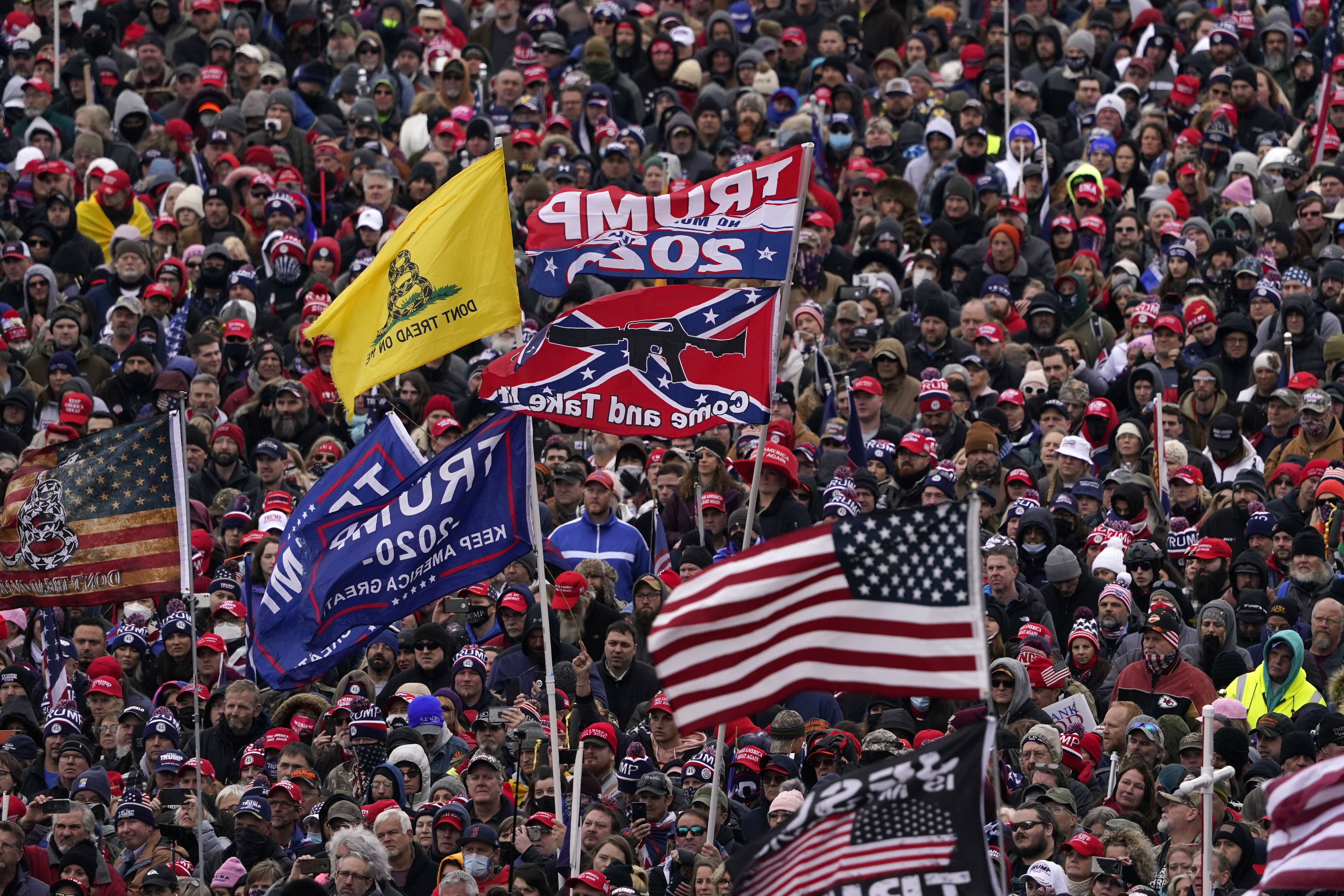
And Obama said his successor, who recently claimed the Jan. 6, 2021 insurrection in Washington, D.C. was a “day of love,” made the deadly riot “sound like it was Woodstock.”

Then his tone darkened. “Tucson, we do not need to see what an older, loonier Donald Trump looks like with no guardrails,” the former president warned.

Obama also regaled the crowd with commentary about Trump’s various business ventures, from his $400 gold high-tops to his six-figure watches.

“When he’s not complaining, he’s trying to sell you stuff,” Obama joked. “He’s got his gold sneakers, he’s got the $100,000 watch — says it’s a Swiss watch, but nobody can actually figure out where in Switzerland was this thing made.”

But Obama’s “favourite” Trump product, he said, is a $60 Trump-branded Bible.

“He’s got the Trump Bible ― wants you to buy the word of God, Donald Trump edition,” he continued. “His name’s gonna be on there, embossed, right next Luke and Mark and Matthew,” he said, referencing three of the gospels from the New Testament.

Share Button

More Jan. 6 Evidence That Trump Tried To Keep Hidden Is Out

A four-part appendix detailing more about former President Donald Trump’s alleged criminal attempt to overturn the results of the 2020 election hit the public record on Friday.

U.S. District Judge Tanya Chutkan approved the public release on the federal criminal docket in Washington, D.C., late Thursday, following weeks of Trump requesting to keep the appendix out of the public eye.

Trump told the judge on Oct. 10 he needed more time to weigh his “litigation options” if she decided to admit the source materials publicly, arguing they could be damaging to jurors and the integrity of the case. Chutkan agreed to give him one week to respond and make his arguments at blocking the release. He filed a last-ditch motion early Thursday asking for more time, but was denied.

The appendix is split into four parts with sensitive information redacted. The four volumes total more than 1,800 pages.

Volume I is mostly transcripts of interviews with witnesses who testified before the House committee investigating the Jan. 6, 2021, attack on the U.S. Capitol.

There is a new detail in this first volume that stands out, however: testimony before the Jan. 6 committee from a White House valet to Trump.

The valet told the committee that on Jan. 6, when Trump was preparing to watch playback of his speech as violence erupted, Trump asked him if his “speech was cut off.” The valet told the committee that he tried to explain to Trump that it had been.

The record shows the valet appears to be reviewing photos with investigative counsel for the Jan. 6 committee when he is testifying about Trump’s reaction.

“And that’s pretty much the face I got the whole time, and it was kind of like he told me, Really? And I was like, yes sir,” the valet said.

This transcript with the valet has been released before — by House Republicans. But Smith’s version unmasks what they redacted.

The version published in March by Georgia Congressman Rep. Barry Loudermilk, the chair of the House Administration Subcommittee on Oversight, redacted the section where the valet tells investigators that after Trump said “let’s go see” when he was told that his speech was cut off, the valet took off Trump’s outer coat, got a television ready for him and handed him a remote.

“And he starts watching it. And I stepped out to get him a Diet Coke, come back in, and that’s pretty much it for me as he’s watching it and like, seeing it for himself,” the valet testified, according to Smith’s version.

The Republican version of the transcript also redacted when congressional investigators next asked the valet: “So, you set up the TV. Did you set it up for him to watch his speech or live coverage of what was happening at the Capitol?”

“Typically, that’s — a lot of times he’s in that back dining room a lot,” the valet said.

The contents of the transcript with the valet cut off here in Smith’s appendix once investigators asked the valet if he knew, in fact, whether Trump was watching the events at the Capitol.

Volume I also contains a previously public transcript in which Jan. 6 committee investigators ask a witness about whether Trump’s Jan. 6 speech draft was something his staffers categorised as “political” or “official.”

This is a key distinction for the special counsel’s team because it argues that Trump’s activities when he was in a campaign capacity are not official and therefore are prosecutable.

Notably, the witness first told committee investigators they didn’t recollect whether anybody told them that day if Trump’s speech at the Ellipse was a political one.

But “afterward,” the witness said, they knew that transcriptions of Trump’s speech went out via text and it was “styled ‘internal transcript.’”

“And my recollection is internal transcripts were political speeches,” the witness said.

Another transcript in the first volume features testimony from Greg Jacob, former Vice President Mike Pence’s legal counsel. The transcript in the Smith appendix redacts Jacob’s name, but a side-by-side comparison by HuffPost of the Jan. 6 committee transcript and the one Chutkan published Friday, confirms it is him.

Here the material Smith attaches to his immunity arguments zeroes in on testimony in which Jacob told the Jan. 6 committee about attempts by Trump darling and “coup memo” author John Eastman to convince Pence and Pence’s staff that a vice president had the constitutional authority to count slates and object to them.

This meant, according to Eastman, that anything in the existing legislation that governed the count, like the Electoral Count Act, was unconstitutional.

“But if we were to do what [Eastman] suggested, it would mean that none of those debates happened in Congress. None of those Senators would get to make their objections. We would be asserting we have the unilateral authority to do all of that,” Jacob testified.

Jacob expressed that Eastman appeared to understand the scheme wouldn’t work for Pence and it would be rejected if advanced.

“John, isn’t this just a terrible idea?” Jacob asked Eastman.

Eastman “didn’t quite get to saying yes,” Jacob said, but when he told Eastman that, if they took the fight all the way to the Supreme Court, they would lose 9-0, Eastman balked saying it would be 7-2 and he might have Justice Clarence Thomas on his side.

The men went over a few of Thomas’ opinions and Eastman backed off a bit, admitting he would lose 9-0.

Eastman told Jacob “they” would be “really disappointed.”

“They’re going to be really disappointed that I wasn’t able to persuade you,” Eastman allegedly told Jacob.

Eastman didn’t clarify who “they” referred to before he left the meeting with Jacob.

Volume II is heavily redacted and primarily features tweets from Trump in which he said there had been pervasive voter fraud in battleground states and called on state and election officials to address it. In tweets from November 2020, including on and around Election Day, Trump calls on the Supreme Court to decide the outcome or alleges that fraud in those battleground states is an “unsolvable problem.”

The records show how officials including Philadelphia City Commissioner Al Schmidt were forced to directly rebut Trump’s bunk claims online but often with demonstrably less effect on social media, given Trump’s reach on Twitter.

The tweets and retweets relate, in part, to Smith’s allegation that Trump was exacting a pressure campaign on election officials predicated on information he knew to be false and despite being told numerous times after Election Day that the election had been the most secure in history. Chris Krebs, former director of the Cybersecurity and Infrastructure Security Agency, made that announcement on Nov. 13. Former Attorney General William Barr would declare publicly on Dec. 1 that there was no evidence of voter fraud. None of that deterred Trump from pursuing his conspiracy theories, according to prosecutors.

This volume also shows tweets in which Trump calls on people to come to Washington on Jan. 6, 2021, and not just the first time, Dec. 19, 2020, when he blasted out the invite to his “wild” rally.

Smith’s appendix shows Chutkan that Trump sent out the call multiple times in December, including on Dec. 30, when he wrote, “JANUARY SIXTH, SEE YOU IN DC!”

The appendix also shows that Dec. 30 post was retweeted by Trump’s official “Team Trump” campaign account. So were several others.

Volume III has sections from Pence’s book, “So Help Me God.” Prosecutors highlighted certain passages in which Pence’s describes trying to console a despondent Trump over his defeat and Pence’s own awareness at the time that if there had been any voter fraud, it wasn’t enough to cost Republicans the 2020 election.

Other sections feature Pence’s recollection of Trump’s repeated calls to him on the eve of the U.S. Capitol attack.

“You gotta be tough tomorrow,” Pence recalled Trump telling him.

There are transcripts from court hearings in the third appendix, including a portion of one that took place in Arizona’s Maricopa County, where Trump and his cohorts peddled a fake elector scheme. Other transcripts come straight from political speeches Trump gave, including one on Jan. 4, 2021, when he endorsed Republican Senators Kelly Loeffler and David Perdue before a Georgia runoff election. Trump spent much of that rally talking about his own reelection campaign and claiming the presidential vote had been rigged.

“And I hope Mike Pence comes through for us, I have to tell you,” Trump said in a stump speech in Georgia, adding that he liked Pence but that if he didn’t “come through for us,” he wouldn’t “like him quite as much.”

Trump would echo those remarks 48 hours later at his speech on the Ellipse.

Volume III also includes copies of electoral vote certificates that so-called Trump electors tried to pass off in Pennsylvania, Nevada, Michigan, Arizona and Georgia.

Other records released Friday show a budget and trip plan for Jan. 4 to Jan. 6, in which close to $3 million was allotted for events with right-wing groups including Turning Point Action, Tea Party Express and Save the U.S. Senate.

Volume IV contains information that is mostly already in the public record and was obtained through the House Jan. 6 committee. Much of this 384-page document is redacted and it doesn’t offer much new to pore over. There are letters and emails already on the record about the strategy to advance fake electors as well as Pence’s letter issued on Jan. 6, 2021, stating that he did not have unilateral authority to determine which electoral slates should be counted.

It also includes a transcript of a town hall from May 2023 in which Trump defended his remarks made at the rally on the Ellipse on Jan. 6, 2021, and denied telling people to march to the Capitol that day.

The next big deadline Trump must meet in the election subversion case arrives Nov. 7, when he must reply to the 165-page immunity brief special counsel Jack Smith filed on Oct. 2. When he does, it is expected that Trump’s lawyers will emphasise that Trump genuinely believed there was widespread voter fraud and that he acted with the interest of the nation first to reverse his defeat.

Trump’s lawyers are also expected to push back on key distinctions Smith made around Trump as candidate for a new term in office versus Trump as commander-in-chief.

Smith’s immunity brief offered insight into Trump’s alleged conduct and frame of mind before and on Jan. 6, 2021, and included information on alleged efforts to advance fake electors in swing states that he lost to Joe Biden and pressure former Vice President Mike Pence to overturn the results.

It pored over tweets, emails and testimony from dozens of Trump White House officials, insiders or allies to establish the contours of the sweeping conspiracy that culminated into a violent, armed and deadly attack on the U.S. Capitol. Importantly, the brief also addressed which of Trump’s acts were and were not “official,” according to Smith, under the Supreme Court’s recent presidential immunity decision.

The Supreme Court’s ruling granted presidents absolute immunity for their core acts and “presumptive” immunity for all other official acts. But actions outside of core acts are not given this protection.

It will be up to Chutkan to decide whether Smith’s interpretations and attempts to rebut the “presumptive” immunity standards can survive the standards the nation’s highest court has now set.

Trump has pleaded not guilty to all charges he faces in the Jan. 6 case.

Share Button

Exclusive: Labour Ministers’ Popularity In ‘Freefall’ As Make-Or-Break Budget Looms

It was, according to one Labour MP, a “barnstormer” of a speech.

Pat McFadden, the Chancellor of the Duchy of Lancaster and the most powerful man in the country you’ve probably never heard of, was addressing the Parliamentary Labour Party in Committee Room 14 last Monday.

Not noted for his rousing oratory, the slightly-built, taciturn Glaswegian had decided that it was necessary to reassure those colleagues beginning to worry that being in government is not all that it was cracked up to be.

“Stability is underpriced in politics,” McFadden told them. “Having a stable government with a big majority has sent a powerful signal around the world.

“Don’t believe for a moment any notion of equivalence between recent headlines and the billions lost in Covid fraud, VIP lanes, lockdown parties in No.10 and the degradation of standards under the Tories.”

He then went on to list the things the Labour government has done in its first three months in office, before telling them that the upcoming Budget will have investment at its heart.

“That’s how we modernise the country, make people better off and generate wealth for public services,” McFadden said.

“Compare that to the Tory leadership election, where they are doubling down on arguments that had seen them lose, preaching to the choir not the public, with nothing to say about the economy, living standards, public services or the future.”

One newly-elected MP in attendance told HuffPost UK that McFadden had clearly wanted to “put some steel in our spines”.

However, he said there was no disguising the hidden message in the Cabinet Office minister’s address to his troops.

“He was telling us that things are going to get worse before they get better,” the MP said. “It felt a bit like we were being pushed off the top of a ski slope, which is fine until you take off and realise there’s nothing between you and the ground.”

Rachel Reeves will stand up at the Despatch Box on October 30 and explain how she plans to raise £40 billion by putting up taxes and slashing the welfare bill.

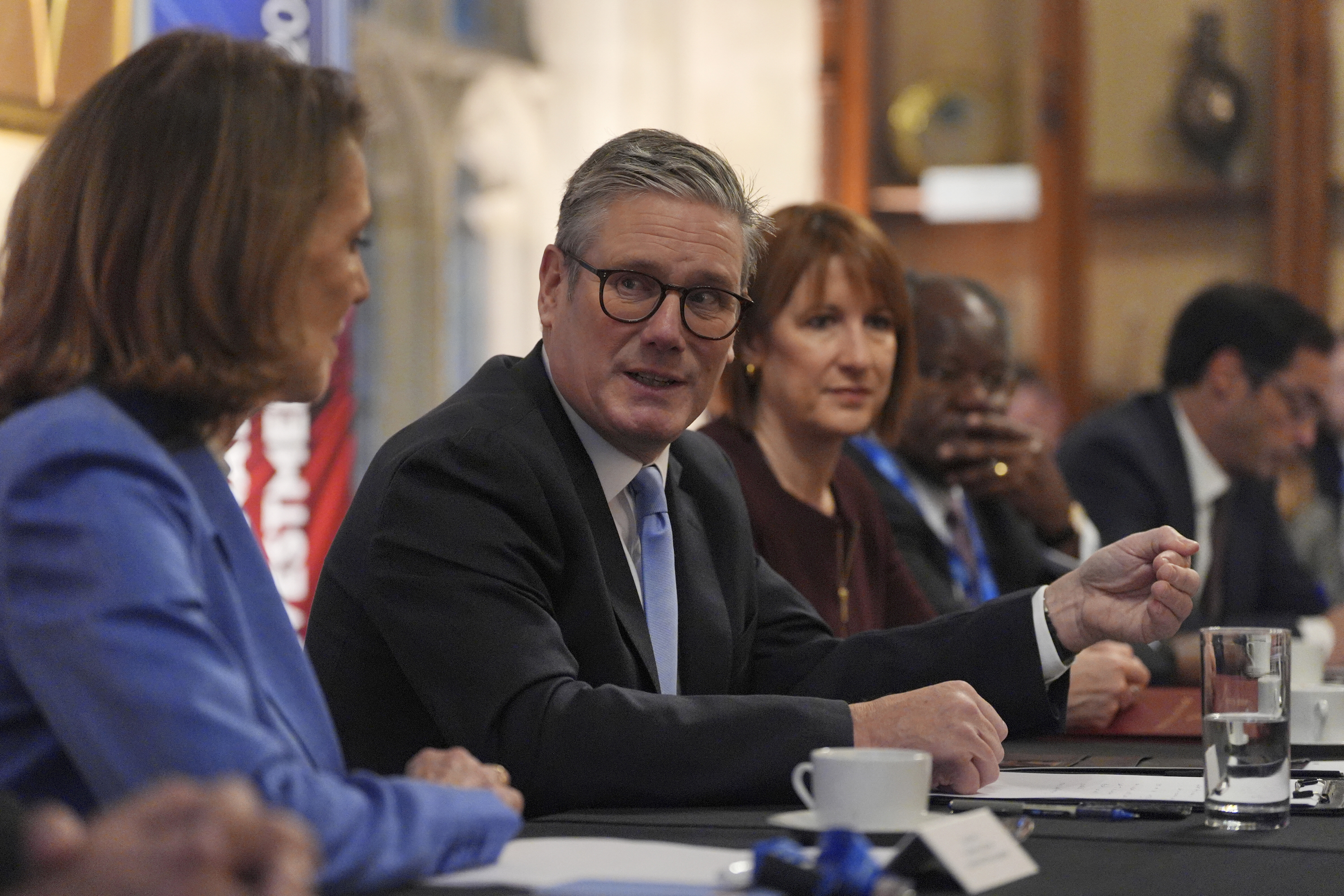
That would be a tough enough sell at the best of times, but polling by Savanta, seen by HuffPost UK, shows that the popularity of Keir Starmer and his top team is now in “freefall”.

The prime minister himself has seen his personal approval ratings plummet from plus 10 immediately after Labour’s landslide election victory to minus 17 today.

The last time he was that unpopular was back in 2021, in the wake of the disastrous Hartlepool by-election, which Labour lost to the Tories.

Reeves, meanwhile, is now the most unpopular member of the cabinet, with an approval rating of minus 19 (compared to plus 4 on July 5).

The poll also makes grim reading for deputy PM Angela Rayner (approval rating minus 15), David Lammy (minus 13), Yvette Cooper (minus 11) and Wes Streeting (minus 10).

Chris Hopkins, Savanta’s political research director, said: “The prime minister and his senior cabinet minister’s favourability ratings are in freefall, according to our research.

“Starmer’s popularity among the public hasn’t been this low in a Savanta poll since May 2021 – the nadir of his leadership, which he has since shared that he considered resigning at the time.

“This should be particularly concerning to Starmer and his colleagues, ahead of what already feels like a premiership-defining Budget from Rachel Reeves.

“She will do so with the lowest favourability ratings since Savanta began tracking this with the public. This is a real drop for the chancellor, who used to be one of the most popular members of the cabinet.”

All eyes will be on Rachel Reeves on October 30.

via Associated Press

The findings will do little to improve the mood among an already-fractious cabinet.

Rayner, transport secretary Louise Haigh and justice secretary Shabana Mahmood have all written to the PM complaining about the huge cuts to their departmental budgets being sought by the chancellor.

That in turn has sparked its own backlash, with one cabinet minister telling HuffPost UK that his colleagues were “defending the severe Tory legacy”.

Another senior government figure said: “There’s no problem with people lobbying for money. It’s their job to do that.

“But if they are too public about it, it will backfire on them because if they don’t get more money they will look weak.”

A separate poll by the More in Common think-tank did provide a glimmer of hope for the prime minister and his chancellor, however.

It showed that around one-third of voters are not opposed to Reeves’ apparent plan to increase the employers’ rate of National Insurance.

Tory claims that this would break a Labour manifesto commitment also appear to have fallen on deaf ears, with only 34% of the public agreeing.

Luke Tryl, More in Common’s UK director, told HuffPost UK: “With only a third of voters saying they’d oppose a rise in employers’ National Insurance, for now at least it seems like raising the tax would be some low-hanging fruit for Labour as they seek to put together a Budget that balances the books without a return to austerity.”

But unless Reeves produces the mother of all rabbits out of her hat, there is unlikely to be much for the public to cheer on October 30.

The decision to remove the winter fuel allowance from millions of pensioners, taken shortly after the election, remains a running sore among voters.

One MP said: “It’s not costing us support, but it is costing us the loyalty of voters, and that’s even more dangerous.”

Pat McFadden may have to produce a few more barnstormers in the coming years to soothe Labour’s increasingly worried MPs.

Share Button

‘No More Excuses’: Keir Starmer Condemns Israel Over ‘Dire Humanitarian Situation’ In Gaza

Keir Starmer has warned Israel that the world is running out of patience with it over the “dire humanitarian situation” in Gaza.

The prime minister said there cannot be “any more excuses” as he called on Tel Aviv to allow vital aid to get into the war-torn territory.

He also said the killing on Thursday of Hamas leader Yahya Sinwar by Israel “provides an opportunity for a step towards that ceasefire that we have long called for”.

Starmer was speaking in Berlin following talks with American president Joe Biden, German chancellor Olaf Scholz and French president Emmanuel Macron.

The PM said “no-one should mourn” the death of Sinwar, who he said had “the blood” of both Israelis and Palestinians on his hands.

“Allies will keep working together to de-escalate across the region, because we know there is no military-only solution,” he said.

“The answer is diplomacy and now we must make the most of this moment.

“What is needed now is a ceasefire, immediate and unconditional release of all hostages, immediate access to humanitarian aid and a return to the path towards the two-state solution. as the only way to deliver long-term peace and security.”

Starmer said the UK continues to “strongly support” Israel’s right to self-defence, but urged Tel Aviv to do more to help Gazans suffering due to the war.

He said: “The dire humanitarian situation cannot continue and I say once again to Israel, the world will not tolerate any more excuses on humanitarian assistance.

“Civilians in northern Gaza need food now. The UK strongly supports [the United Nations Relief and Works Agency] in the vital work it does in Gaza, across the [occupied Palestinian territories] and the region.

“UNRWA must be allowed to continue its life-saving support. The suffering must end, including in Lebanon, where we also need a ceasefire to implement a political plan.”

Share Button

Take Forever To Fall Asleep? This Method Can Help You Nod Off In 2 Minutes

It’s happened again; this morning, I missed my pre-work gym session because I hadn’t gotten enough sleep.

Despite my strict 9:30 pm bedtime, I regularly fail to get my full eight hours in ― like many of us, I find going to bed and falling asleep two completely different challenges, with the latter behind much harder.

If you also struggle to snooze, though, there may be hope: the University of Minnesota says the “Military Sleep Method” can help you nod off far faster.

One fan of the method said it cut their falling asleep time down to two measly minutes.

What is the military sleep method?

Per the University of Minnesota (UMN), the technique involves a mix of visualisation and muscle relaxation.

“You lie on your back, being still, and intentionally relax each muscle group, one at a time, while focusing on slow, calming breaths,” they say.

That includes your eyelids, tongue, jaw, and more ― make sure your sleep “scan” is thorough.

You should move from the top of your head to the bottom of your toes, imagining yourself sinking into the bed the entire time.

After that, the Sleep Foundation says you should clear your mind for ten seconds, imagining something soothing like rolling hills or lying in a treehouse in a forest.

If you can’t clear your mind, don’t fight your thoughts, they add; just let them float into and out of your head.

UMN says that what you do before sleep matters too ― overstimulating yourself or getting too distracted won’t help, they suggest.

Why is it called the military method?

The Sleep Foundation explains that the method got its name because it was used by some soldiers.

Military service isn’t exactly conducive to a good night’s sleep, they say, so the “military sleep method was used by World War II soldiers to fall asleep within two minutes.”

It was later “popularized in the [1981] book Relax and Win: Championship Performance,” they add (for some reason, a copy of that book is going for over £200 on Amazon).

Share Button

‘We’re Completely Devastated’: One Direction Release Joint Statement Following Death Of Liam Payne

The former members of One Direction – Harry Styles, Louis Tomlinson, Niall Horan, and Zayn Mailk – have issued a joint statement following the death of their bandmate Liam Payne.

The 31-year-old passed away on Wednesday October 16 following a fall from a hotel balcony in Buenos Aires. Tributes have poured in from fellow X Factor contestants, celebrities and fans across the globe following the news.

Now, One Direction themselves have addressed the tragic loss.

In a joint statement, they said: “We’re completely devastated by the news of Liam’s passing. In time, and when everyone is able to, there will be more to say.

“But for now, we will take some time to grieve and process the loss of our brother, who we loved dearly.

“The memories we shared with him will be treasured forever. For now, our thoughts are with his family, his friends, and the fans who loved him alongside us.

“We will miss him terribly. We love you Liam. – Louis, Zayn, Niall and Harry.”

The band met in 2010 after auditioning separately for The X Factor, before being brought together as a band by Simon Cowell. The band went on an indefinite break in 2015, with Liam pursuing a solo career.

Louis Tomlinson has since penned his own personal tribute to his bandmate on Instagram, writing: “His experience from a young age, his perfect pitch, his stage presence, his gift for writing. The list goes on. Thank you for shaping us Liam.

“I want you to know that if Bear ever needs me I will be the Uncle he needs in his life and tell him stories of how amazing his dad was.

“I wish I got a chance to say goodbye and tell you one more time how much I loved you.”

Share Button

I’m A Doctor ― You Should Never Eat From Cans With These 5 Signs

Most of us grew up hearing that dented or chipped cans are no good to eat from, as there’s a higher likelihood that the food’s sterile environment has been ruined.

But being possibly too honest here, my family for one would simply eat them anyway.

According to Dr Karan Rajan, who’s known for dispelling medical myths on TikTok, however, there’s a better way to check when you really have to bin the tin.

“If you have dented cans, here’s what to look for to know if it’s safe,” he began.

What should I keep an eye out for?

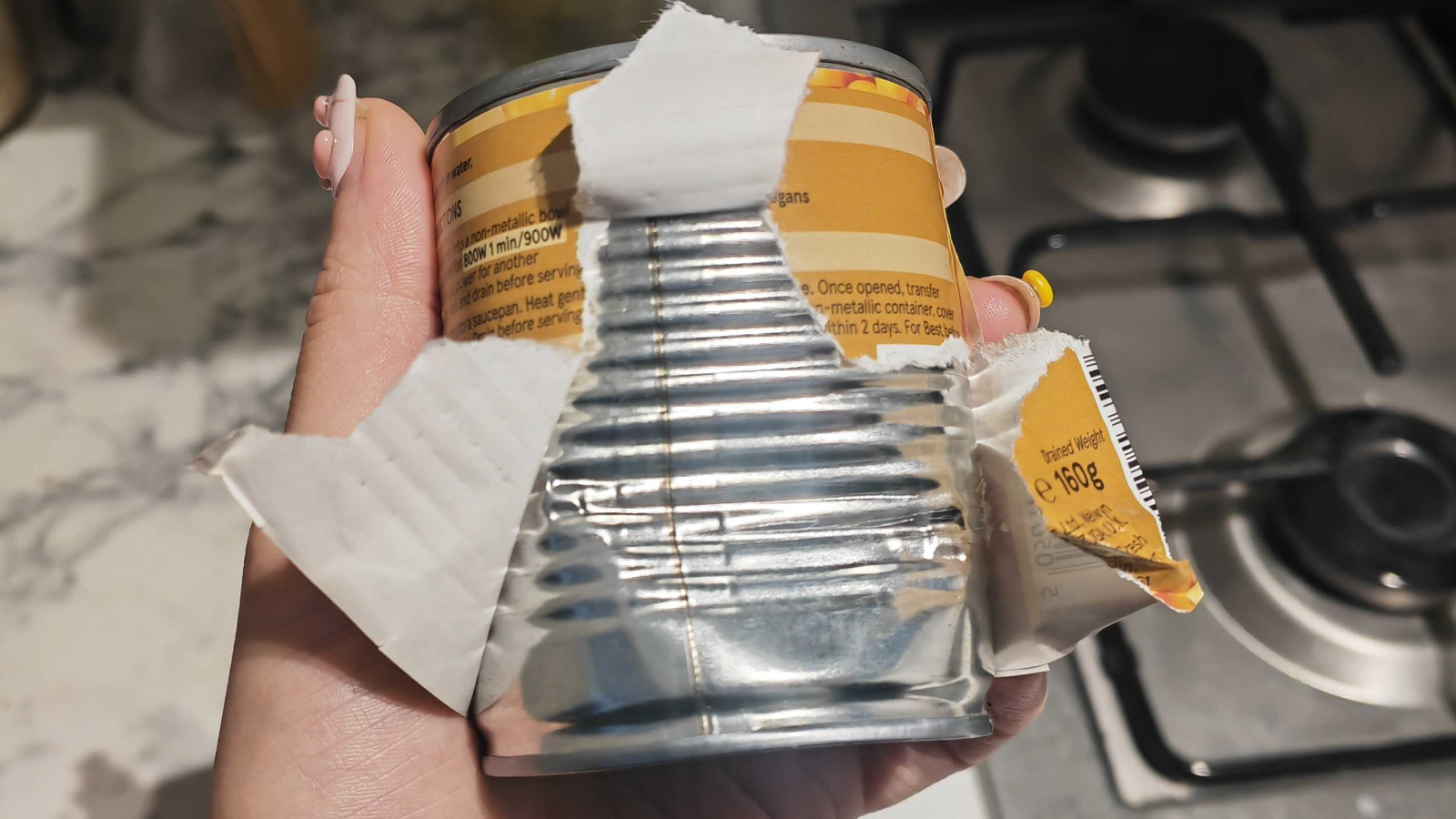
You should “look for dents on the side seam” of the tin, the doctor explained.

These are the lines on the can that show where the material has been fused together.

They’re usually hidden by the products’ label “so make sure you peel if off to inspect it carefully,” Dr Rajan advised.

If the dent covers that area of the can, the doctor says we should “throw the can away because it’s likely compromised.”

There’s a higher chance of oxygen, bacteria, and other food-spoiling nasties making their way into the can if its weakest point has been damaged.

A side dent which doesn’t involve the side seam and doesn’t cause a sharp pointy edge is “okay to use,” the doctor shared.

If there’s a sharp edge at the end of your dent, there’s a higher risk a small hole has been created at its point ― meaning the bad stuff has a way in.

Dents which include the top seam of the can (the rim you place your can opener under), dents which make your can look like it’s been crushed, and cans that look like they’re about to explode all mean your tin needs to be thrown away.

What if I’m not sure?

“Not every single dented or damaged can needs to be thrown away,” Dr Rajan says.

“But if you find yourself with a dented can and you’re unsure, if in doubt, throw it out.”

The USDA writes: “If a can containing food has a small dent, but is otherwise in good shape, the food should be safe to eat. Discard deeply dented cans.”

“A deep dent is one that you can lay your finger into. Deep dents often have sharp points,” they add.

“A sharp dent on either the top or side seam can damage the seam and allow bacteria to enter the can. Discard any can with a deep dent on any seam.”

Share Button

Healthy Blood Pressure Changes With Age — Here’s What’s Normal For Each Age Group

We all hear a lot about blood pressure, but depending on how often you take a trip to your doctor’s, you might not know what yours is.

The term refers to “the strength with which your blood pushes on the sides of your arteries as it’s pumped around your body,” the NHS says (how bad is it that I didn’t know that?).

Low blood pressure isn’t usually a concern, though it can make some of us feel dizzy and sometimes causes fainting.

But high blood pressure “can increase your risk of developing serious problems, such as heart attacks and strokes, if it’s not treated.”

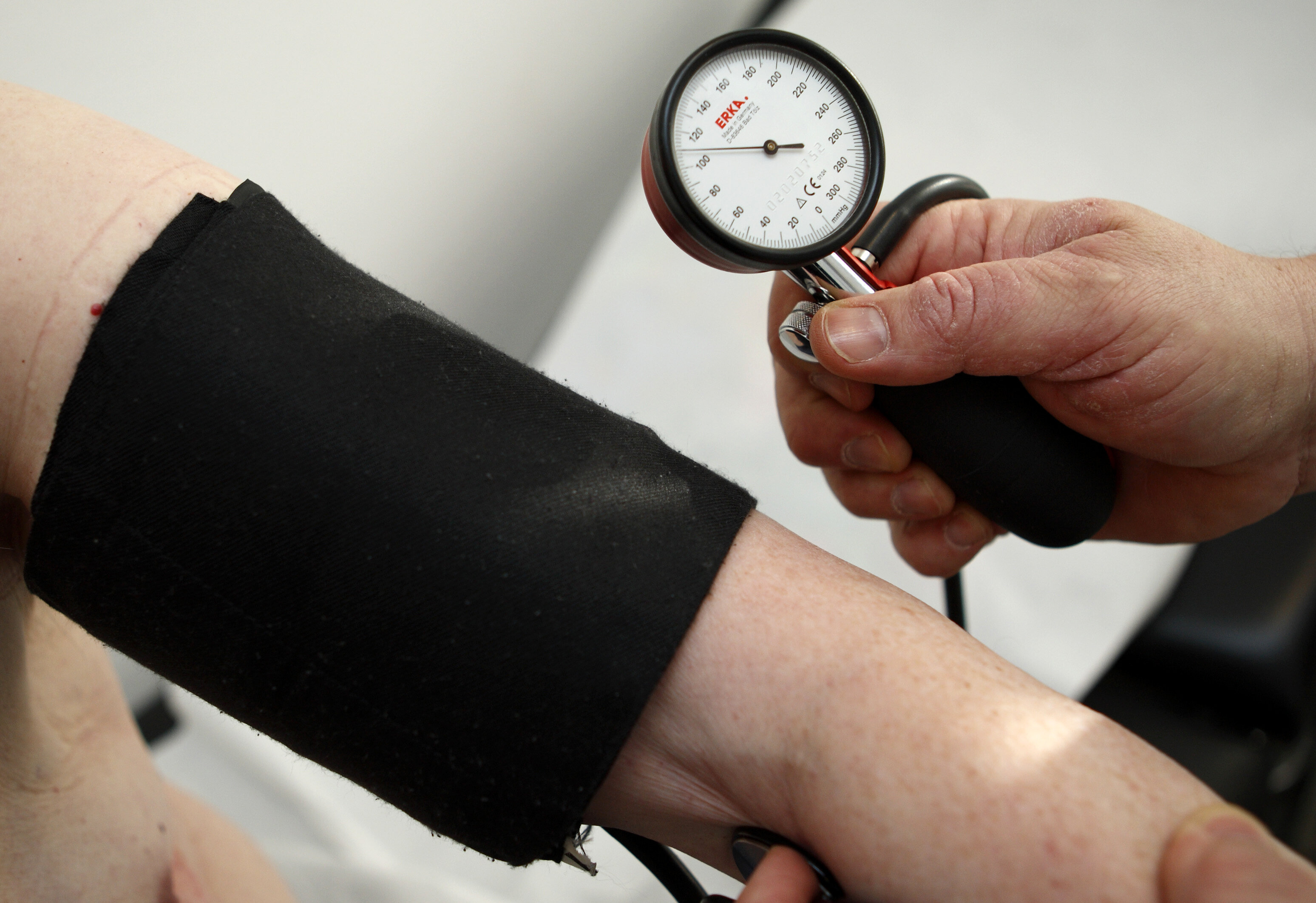
You can get your blood pressure checked using a blood pressure machine (if you’re over 40, you can get this done for free in participating pharmacies).

Once you get those numbers you might be wondering what’s normal for your age ― and according to the Heart Research Institute, “normal blood pressure varies from person to person” and by age and gender.

These are:

1) Newborns up to 1 month

  • Systolic (top number): 60–90 mm Hg
  • Diastolic (bottom number): 20–60 mm Hg

2) Infants

  • Systolic (top number): 87–105 mm Hg
  • Diastolic (bottom number): 53–66 mm Hg

3) Toddlers

  • Systolic (top number): 95–105 mm Hg
  • Diastolic (bottom number): 53–66 mm Hg

4) Preschoolers

  • Systolic (top number): 95–110 mm Hg
  • Diastolic (bottom number): 56–70 mm Hg

5) School-aged children

  • Systolic (top number): 97–112 mm Hg
  • Diastolic (bottom number): 57–71 mm Hg

6) Adolescents

  • Systolic (top number): 112–128 mm Hg
  • Diastolic (bottom number): 66–80 mm Hg

7) 18–39 years

  • Women: 110/68 mm Hg
  • Men: 119/70 mm Hg

8) 40–59 years

  • Women: 122/74 mm Hg
  • Men: 124/77 mm Hg

9) 60+ years

  • Women: 139/68 mm Hg
  • Men: 133/69 mm Hg

Why does age and gender affect normal blood pressure levels?

According to the National Institute of Aging, “normal” blood pressure levels differ among different age groups because “Your body’s network of blood vessels, known as the vascular system, changes with age.”

“Arteries get stiffer, causing blood pressure to go up,” they add. That’s true even for very health and heart-conscious people.

And “Although the mechanisms responsible for the gender differences in blood pressure control are not clear, there is significant evidence that androgens, such as testosterone, play an important role in gender-associated differences in blood pressure regulation,” a research paper published by the American Heart Association (AHA) says.

The AHA wrote on a separate page that pre-menopausal women tend to have lower blood pressure than men, but added that “after menopause, however, blood pressure increases in women to levels even higher than in men.”

Share Button