From Aunties To IG Hairdressers, Black Women’s Hair Ideals Are Changing

You’re reading Gen:Blxck, a series exploring Black culture, history, family and identity through the generations.

My earliest memories of having my hair done are all at home. My mother would braid mine and my sister’s hair before it got too thick for her to manage. Then I met my first hairdresser, a family friend of a friend, called Akosi. I’d travel to her house with my mum and spend the next few hours sitting in between her legs, getting curly box braids (my absolute go-to back then).

But in recent years, there’s been a surge of young Black women getting into the hair industry and using Instagram as a way to find clients. They’re labelled IG hairdressers by the community, and fewer women my age are now going to traditional Black hair salons where ‘Aunties’ typically styled your hair.

Aunties once ruled the Black hair landscape here – we grew up with them and we didn’t have anyone else to compare them to. But now there is a growing ‘Aunties versus IG hairdressers’ debate in the community. And of course there are pros and cons to each.

If you’re looking for a cheap price point, you’d probably want to get your hair done by an auntie. The trouble is, you’re more likely to be waiting a few hours to get your hair finished in the salon as they switch – and chat – between clients.

IG hairdressers, on the other hand, are easier to find and book online and more likely to be able to do a hairstyle they haven’t done before, but they also tend to charge more and often get called out for unprofessional behaviour like cancelling last minute.

Whoever we trust with our hair, the styles Black women are favouring are changing – and fast. For centuries our hair has been policed by whiteness, but now, Black women are finding a new sense of pride. We’re finding our unique styles, whether that’s braving the big chop or saying ‘no’ to wigs altogether.

It’s been a long journey to get here and even the biggest fans of IG hairdressers will acknowledge we’ve got decades of salon owners to thank for it.

“In the 1960s, Black hair was often either stylishly styled in a natural African look or chemically treated to give it a washed-out colour,” co-founder and CEO of Curl Centric, Akirashanti Byrd tells HuffPost UK,

Byrd is 45 and she’s been styling Black hair for 15 years. Her customers are mainly Black women who want to keep their hair in its natural state.

“Often, these women are not familiar with the various styling techniques and products available to them, so I spend a lot of time educating them on the available options,” Byrd says. She has seen many trends in her time as a hairdresser. “By the 1980s, Black women were experimenting with naturally kinky curls and Afros, greatly expanding their style options,” she says.

“In the 1990s, we saw celebrities like Viola Davis rocking bold Black hairstyles that stood out from all other styles. This decade also saw the introduction of blonde hair dye, which helped make light-skinned people’s dark locks more visible. Since then, many variations of Black hairstyles have continued to be popular today, including relaxed curls, cornrows, dreadlocks and afro.”

The ways you can treat and style Black hair have also expanded in this time – especially with the help of the natural hair movement.

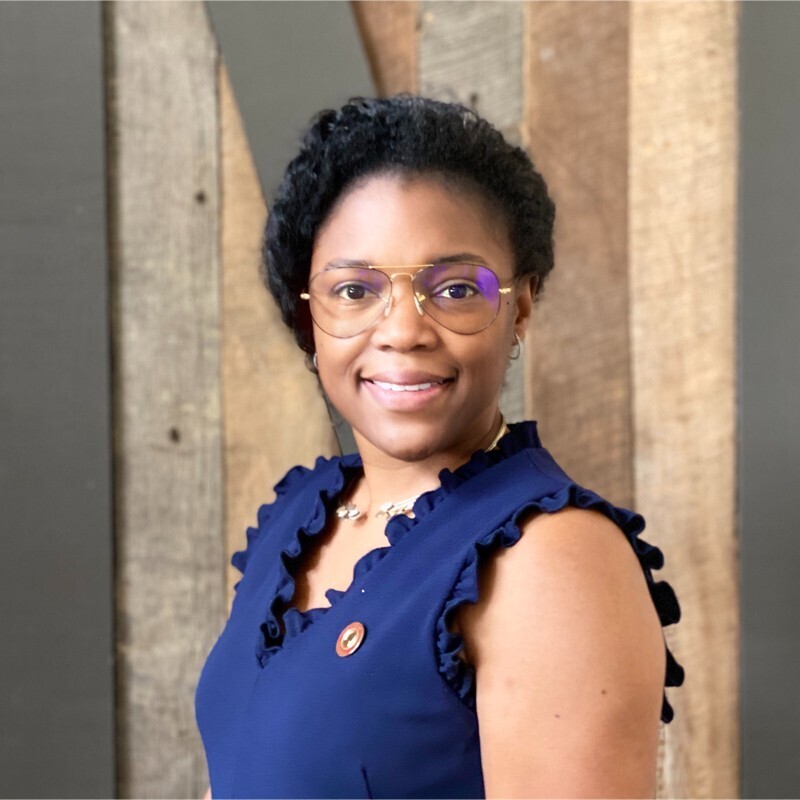
Akirashanti Byrd: 'I spend a lot of time educating [women] on the available options.'

Akirashanti Byrd

Akirashanti Byrd: ‘I spend a lot of time educating [women] on the available options.’

The natural hair movement really kicked off in the 60s alongside the civil rights movement, and was spearheaded by political activist Angela Davis. Afros were worn to protest against white supremacy and champion Black liberation.

However, the early to mid 2000s saw a resurgence of this movement. More and more women in our community started to question why we relied so much on straight hair to make us feel worthy. So we put relaxers and the hot combs on pause and brought back the blue magic, afro combs and blow dryers.

Social media has played a big part in this. I learnt how to style my natural hair by watching YouTube. I watched to see how I could maintain a wash and go, slick down my 4C hair, and even attempted to learn how to cane roll (I’m still learning).

“The rise in popularity of natural hairstyles has led to an increase in demand for products and services that cater to this market and has resulted in more Black-owned businesses entering the industry,” Byrd says.

“The natural hair movement has positively influenced the Black hair industry. It has helped increase awareness of the need for products specifically designed for Black hair and has created a demand for these products. This has resulted in more companies developing Black hair care lines, helping to grow the industry.”

Brands like Ruka Hair, Cantu, Shea Moisture, KeraCare are Black girls’ go to for hair products. And women are investing their money into these brands. Black Women in the UK account for 10% of haircare spending, although they make up only 2% of the UK adult population, a survey by TreasureTress found.

“Today, I feel like hair trends seem to change with the season: seasonal colours, lengths and protective styles etc,” says hairstyilst Ayanda Soares. Soares has been a hairdresser for 14 years and describes her customers as those who want to embrace their natural hair and often opt for protective styling.

She began learning when she was a teenager. “I had always done my own hair, as my mum was terrible at doing mine and my sister’s hair – she had dreadlocks for most of our childhood,” she shared. “In secondary school, I would braid friends’ hair and I learned to do braided weaves around the same time.”

Soares tells HuffPost that in her time as a hairdresser, she’s seen a surge in demand for experimental methods such as tape-ins and keratin fusion. These options weren’t accessible in the UK in the same way they were in the US due to a lack of hair suppliers offering extensions for women with Black hair.

“These have been around for many years, but have not been seen at this level in the afro/Black hair space,” she adds.
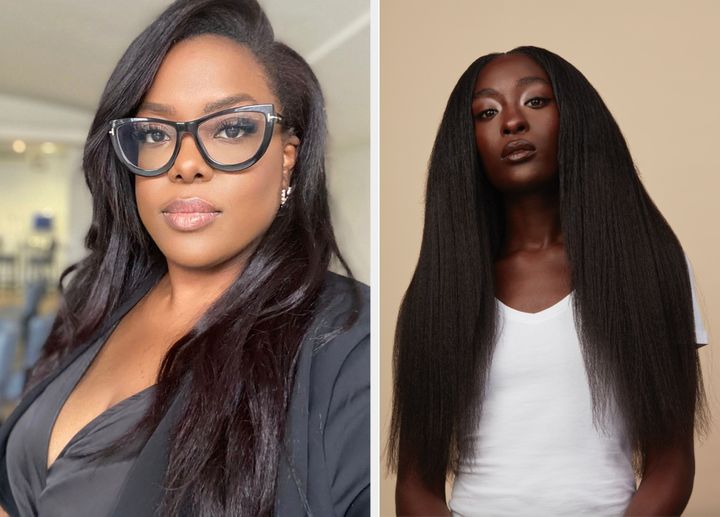
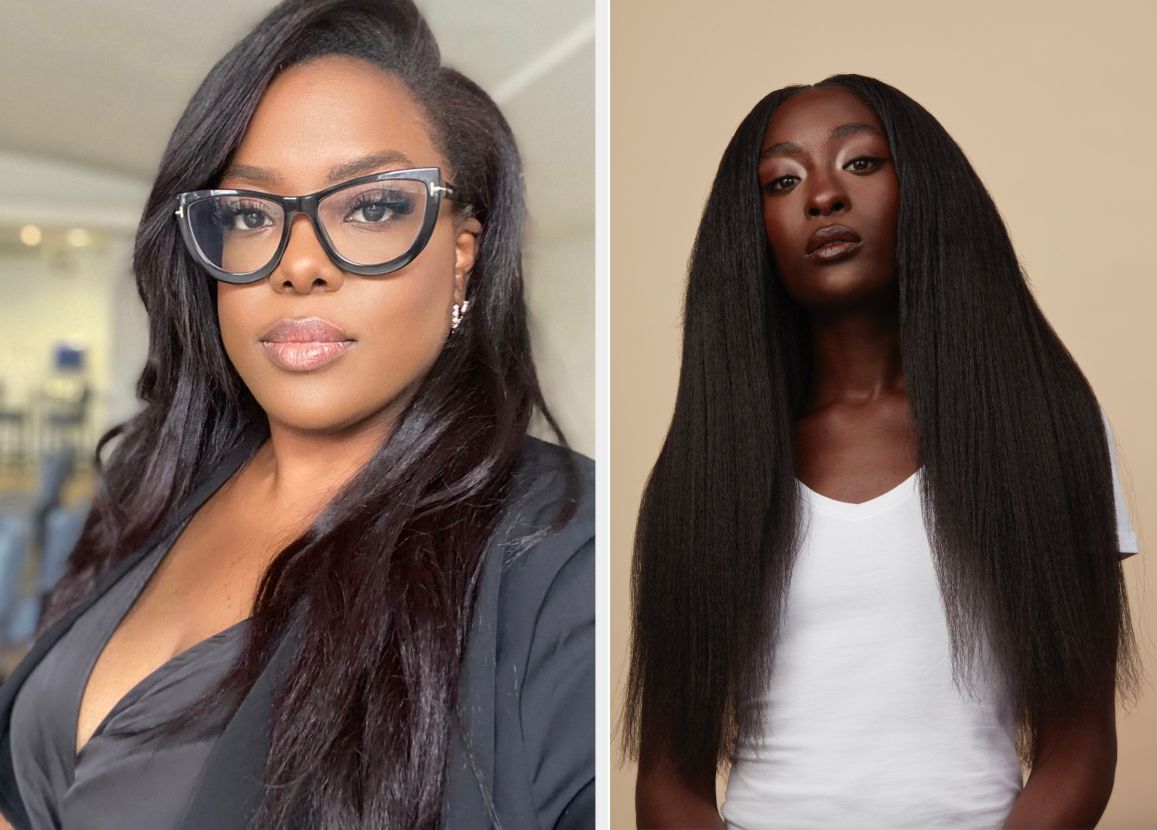
Ayanda Soares (left) and a model with tape-ins styled by her (right).

Ayanda Soares

Ayanda Soares (left) and a model with tape-ins styled by her (right).

Soares agrees that social media has played its part in changing the landscape of Black hair styling. “It has also has allowed us to showcase our work globally,” she says.

She is big on educating women about how to care for their hair, running training programmes that highlight how to clean and prolong your hair extensions, for example.

“Content creators also help sell the message for us business owners, in terms of education, so we tend to work with influencers often,” she adds.

The pandemic also affected the way Black women do their hair – 64.7% said the way the did their hair changed as a result of lockdowns, according to the TreasureTress research.

More of us made the decision to transition “back to natural”, where women grow out their chemically treated hair. Additionally, they actively sought out resources to educate themselves on how to take care of their hair because they were no longer able to visit professionals due to lockdowns.

And with a younger demographic booking clients, the hair styles Black women are choosing is shifting.

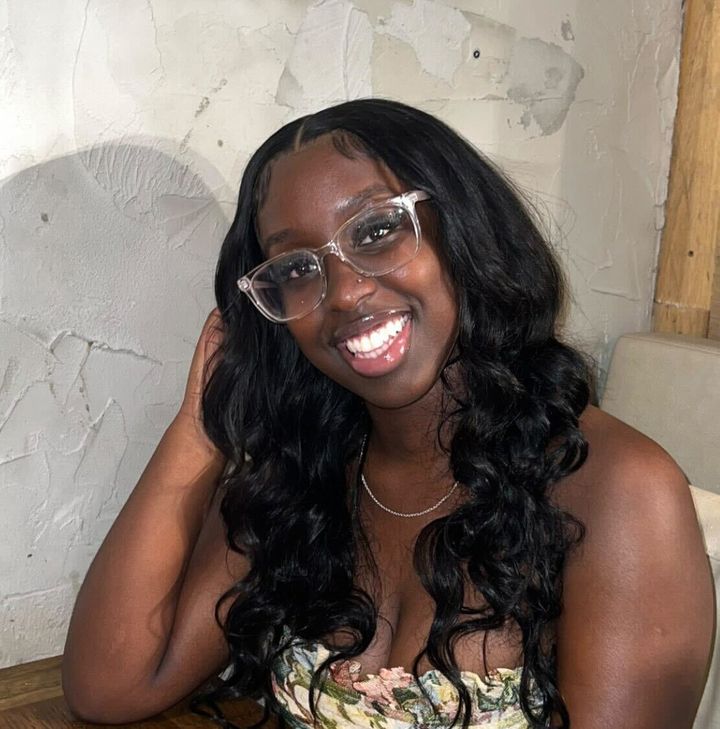
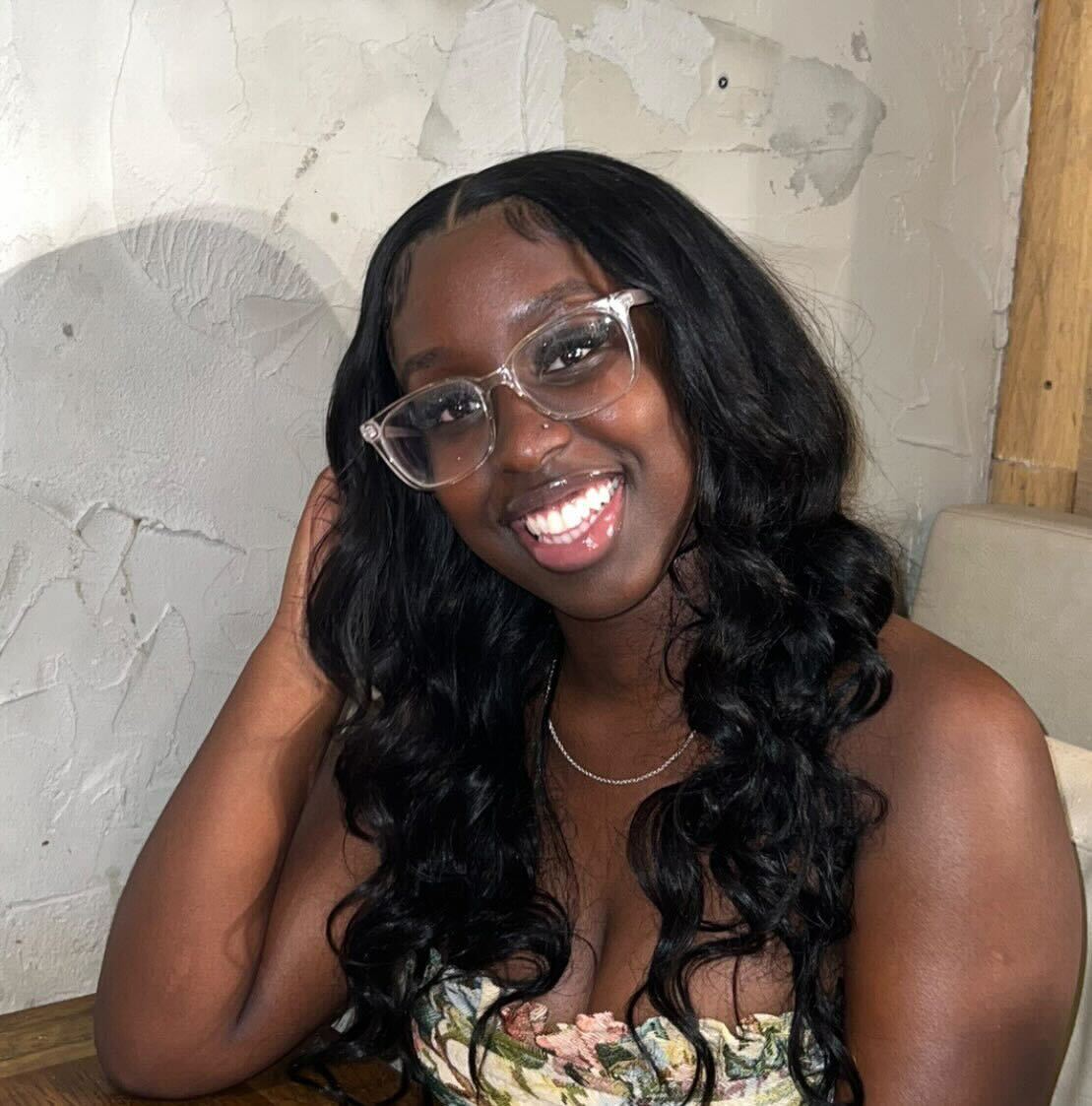
Marlene Gatrude Twinomugisha: 'I just kind of fell into it'

Marlene Gatrude Twinomugisha

Marlene Gatrude Twinomugisha: ‘I just kind of fell into it’

The most popular hairstyles today tend to be the more natural ones, like knotless braids, free-style feed in cane rolls or locs, Marlene Gatrude Twinomugisha, a 20-year-old hairdresser from London tells me.

She started doing hair by “accident”. Similar to Soares, she didn’t like the way her mum did her hair, so took it upon herself to learn how to style it. “I then moved on to to doing hair for my cousins, then my friends and more people were asking me to do their hair at school, so I just kind of fell into it,” she says.

“My experiences getting my hair done by aunties when I was younger was me showing them a hairstyle, them saying they can do it but whenever the style was done, it didn’t look the same at all,” says Twinomugisha, who posts her styles on Instagram under the name Crowned By Her UK.

She believes younger girls have moved to sourcing stylists from Instagram because IG hairdressers are able to jump on hair trends quicker. “Aunties can’t really keep up,” she adds.

However, IG hairdressers also have their issues. Writing for Refinery29 earlier this summer, Yolanthe Fawehinmi detailed how the convoluted booking process and poor customer service is causing young women to return to their roots.

“As more and more horror stories pile in about the last-minute cancellations, excessive fees, where you’ll need to pay a deposit via a booking system to secure an appointment and can be charged for being late, wanting extra length or colour, and of recent, even parting your hair — sometimes bad customer service, young people on social media are boycotting Instagram hairstylists, particularly those on TikTok, who are going back to Britain’s African braiders,” she reported.

Sade Idem, a 25-year-old hairstylist from Kent, says younger black stylists have more of a business mindset.

“With many of us growing up in the UK, we’ve seen how much Caucasian stylists would charge for less challenging hair services, and we realise £60 for seven hours of braiding with no breaks is criminal!” she says.

Idem has a lot of respect for older stylists as they’ve paved the way for the younger ones. “However, many older stylists are focused on the final look, rather than the health of the client’s hair long term,” she comments. “Their customer service can also be affected as they’re trying to fit in as many clients as possible to make up for the low prices they charge.”
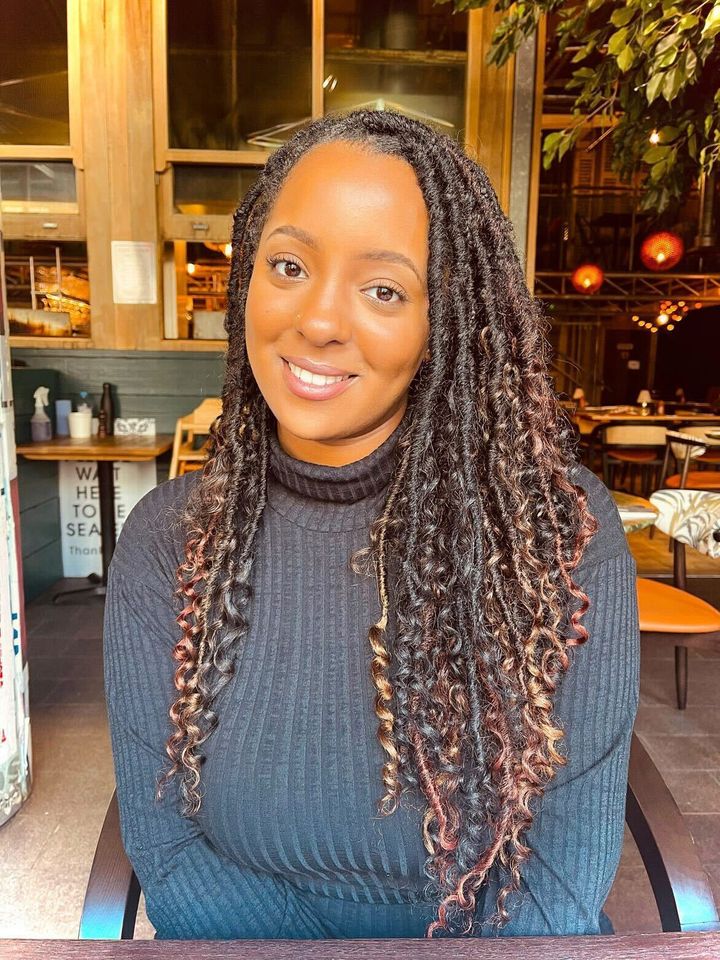
Sade Idem: 'We realise £60 for seven hours of braiding with no breaks is criminal.'
Sade Idem: ‘We realise £60 for seven hours of braiding with no breaks is criminal.’

So what does the future of Black hair and hairdressing look like from here? To me, it looks like versatility, growth and experimentation. As we move towards more protective and natural styles, I see us breaking away from the idea that we have to play it safe with our hair. Let’s enjoy it, and have fun.

I hope to see more young Black girls growing in the profession, but I do believe there’s a place for aunties in the Black hairdressing arena. They worked hard to build Black spaces for women to do hair in this country and paved the way for younger Black women to learn and grow as hairdressers.

As Byrd puts it: “There’s no doubt that Black hairdressing is a growing industry with immense potential. The future looks bright for those willing to put in the hard work and dedication required to succeed.”

What does it mean to be Black and British? Well, it depends which generation you ask. This Black History Month, HuffPost UK has teamed up with BuzzFeed’s Seasoned and Tasty UK to find out. Read more from Gen:Blxck here.

Share Button

How Likely Is A General Election Now?

As the largest party in the Commons, this leader will also become the prime minister – despite not being elected by the general public, but by Tory MPs and the approximately 160,000 Tory members.

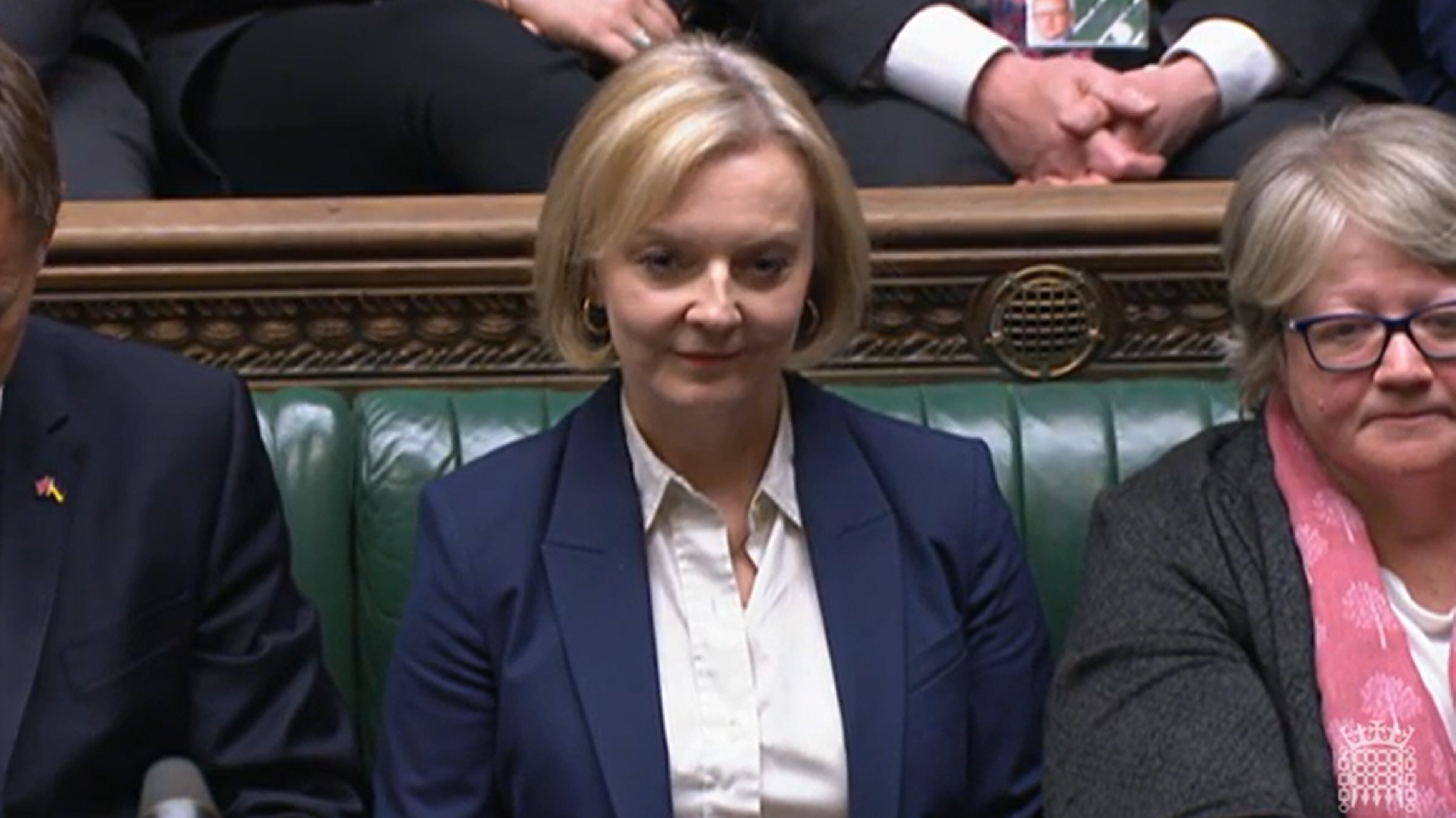
Liz Truss will remain in place until her successor is announced, hopefully by Friday, October 28.

But, as the Tories go through yet another change of hands, many are calling for the vote to go back to the public via a general election, while online petitions for the cause are growing.

But just how likely is it that the electorate can go back to the polling stations early?

When would the next election be, without intervention?

Unless an announcement is made, the next general election is not set to happen for a while. That’s because Boris Johnson called the last snap general election in December 2019 and each term is five years’ long.

This is counted from the day the new parliament first met, so parliament would next be automatically dissolved on Tuesday, December 17, 2024.

Twenty-five days of polling would follow, meaning the last possible date for people to hit the ballot boxes would be Tuesday, January 24, 2025.

Elections are typically held on a Thursday so the public can find out who won on the Friday and a cabinet can be appointed over the weekend, but this is not a fixed rule.

Why do people want another general election?

Having another leader of the Conservative party – and potentially a third person standing leading the Tories in one term – is not a constitutional issue, and has happened before.

A prime minister was replaced twice without a general election being called in the 20th Century. Winston Churchill became prime minister after two other PMs resigned – there was no general election for him until 1945, due to the Second World War.

A similar situation occurred between 1900 and 1906.

Gordon Brown also did not call an early election when he took over from Labour PM Tony Blair in 2007, waiting until 2010 to call the public to vote. Theresa May entered Downing Street in 2016, but didn’t call an election until the following year and Johnson waited around six months before he dissolved parliament.

This is because each one of them wanted to shore up their mandate from the public, but were keen to establish themselves in office first.

But now, the leading party have been in power for 12 years and, with another leader entering No.10, many of the public feel disenfranchised.

How do you call a general election?

A prime minister usually has to call an early election.

While the power was handed to the House of Commons between 2011 and 2019, the Tories gave it back to the PM with a new law called the Dissolution and Calling of Parliament Act 2022.

The prime minister would have to make a “request” to the King to dissolve parliament (and as a constitutional monarch, the King could not reject it) and a polling day would be organised for 25 working days later.

All MPs lose their status once parliament is closed and have to campaign for re-election.

Labour cannot force a general election.

As the main party of the opposition, it can call a no-confidence vote against the government. But, some members of the Conservatives – as the majority party – would then have to vote against their own government, so it’s pretty unlikely to actually happen. The Tories currently have a majority of 71 seats, and probably wouldn’t want to lose it.

The King could technically invite somebody else to form a government, someone who would win a vote of confidence in the Commons. However, that hasn’t happened since King George V asked Ramsay MacDonald to create a government in January 1924, after Stanley Baldwin lost a vote in January 1924.

Who wants an early election?

Many on the opposition benches want to call a general election early, especially as an Opinium poll found voters have swung in the Labour Party’s favour, with a 39-point lead – adding up to a whopping 411 seats.

The Conservatives have dropped to a historic low in the opinion polls with Truss’s favourability dropping to -70 among the public according to YouGov.

The same data company also found that 63% of respondents want an early general election.

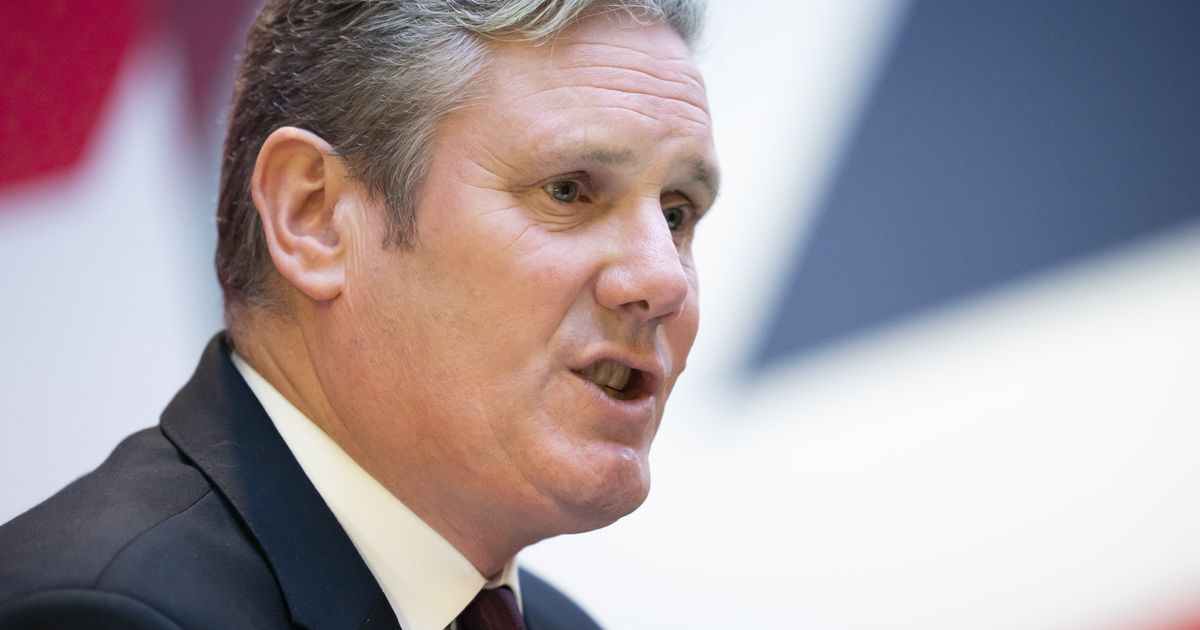
Labour leader Sir Keir Starmer said shortly after the resignation of Truss that his party have a manifesto ready “whenever an election is called”.

He said: “This is not just a soap opera at the top of the Tory party – it’s doing huge damage to the reputation of our country.

“We need a general election so the public can have their say on this utter chaos.

“There’s a manifesto that is going to be ready whenever an election is called,”

Lib Dem leader Sir Ed Davey spoke to BBC Breakfast on Friday and said the Conservatives have shown “they’re unfit to govern”, and that “we need to get rid of them”.

“I think the Conservative MPs now need to do their patriotic duty and work with the opposition parties to get that general election so that British people can have their say,” he continued.

SNP leader and Scotland’s First Minister Nicola Sturgeon has also said it was a “democratic imperative” for the next PM to call a general election.

Welsh party, Plaid Cymru, and the Green Party have called for an immediate general election too.

According to YouGov, just 19% of voters would back the Conservatives if a general election was held right now.

Share Button

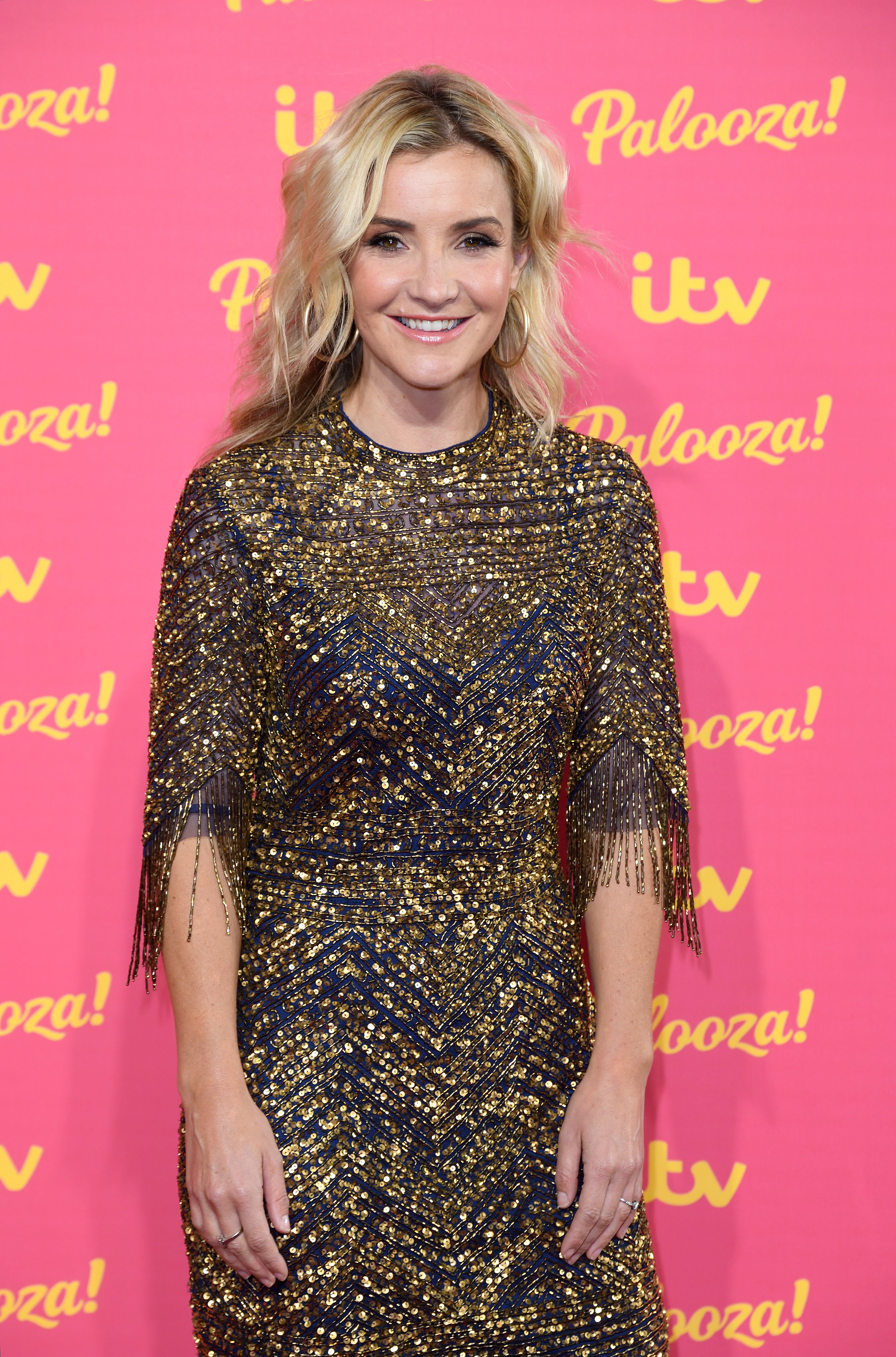
Strictly Come Dancing’s Helen Skelton Opens Up About Signing Up For Show After Marriage Split

Helen Skelton has admitted she was in two minds about signing up for this year’s Strictly Come Dancing after splitting from her husband of nine years.

Back in April, the former Blue Peter presenter announced that she and rugby star Richie Myler – with whom she shares three children – had parted ways, telling her Instagram followers at the time: “Very sad to say that Richie and I are no longer a couple. He has left the family home. We will be doing our best to co-parent our small children.”

Just four months later, Helen was announced as one of 15 celebrities taking part in this year’s series of Strictly, which she revealed during a new interview with The Telegraph was not an easy decision.

“I was talking to my best friend about it and I was like, ‘I’m not sure, there’s the kids and the press and it will be full-on’,” she recalled.

“And she just went, ‘What a t*t! You’re going to get paid to dance around with a fit guy, people are going to put make-up on you, and you’ve got to work. It’s not real life, is it? Why wouldn’t you do it?’.”

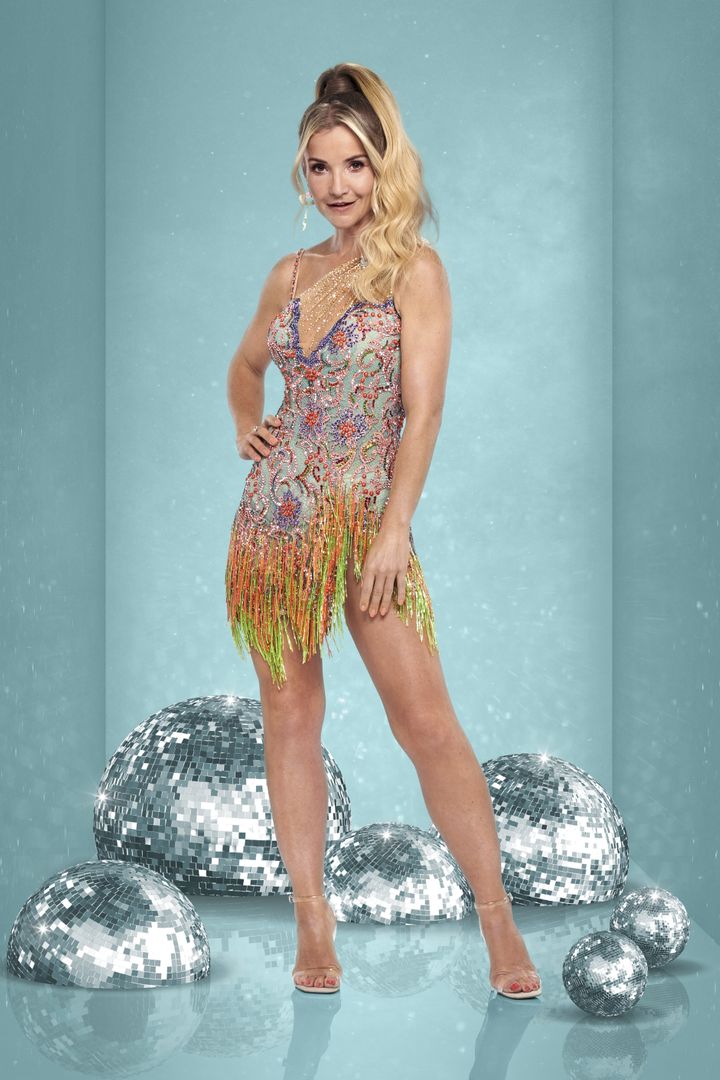
Helen in her official Strictly press photo

Ray Burmiston via PA Media

Helen ultimately decided it would be “disrespectful” to turn the BBC show down, and said yes in the hope it would allow her family to see her “have a great time”.

The Countryfile host said: “When you’ve got kids, if they’re happy, you’re happy. My kid scored a hat-trick this week, and I was like, ‘Oh my God!’. And then I thought, ‘Oh, I do that to my mum and dad’.

“You don’t get it until you’ve got your own kids, do you? It gives you a different perspective.”

Prior to this year’s Strictly launch, Helen told HuffPost UK of her decision to sign up: “I just wanted to do something fun! It was a good chance for my family to see me smiling. And it’s a fun adventure.

“Anybody who’s had anything to do with Strictly will say, the make-up people are the best, the costume people are the best, the set designers are the best, the dancers are the best. So why wouldn’t you want to do something where everyone is literally at the top of their game and loving what they do?”

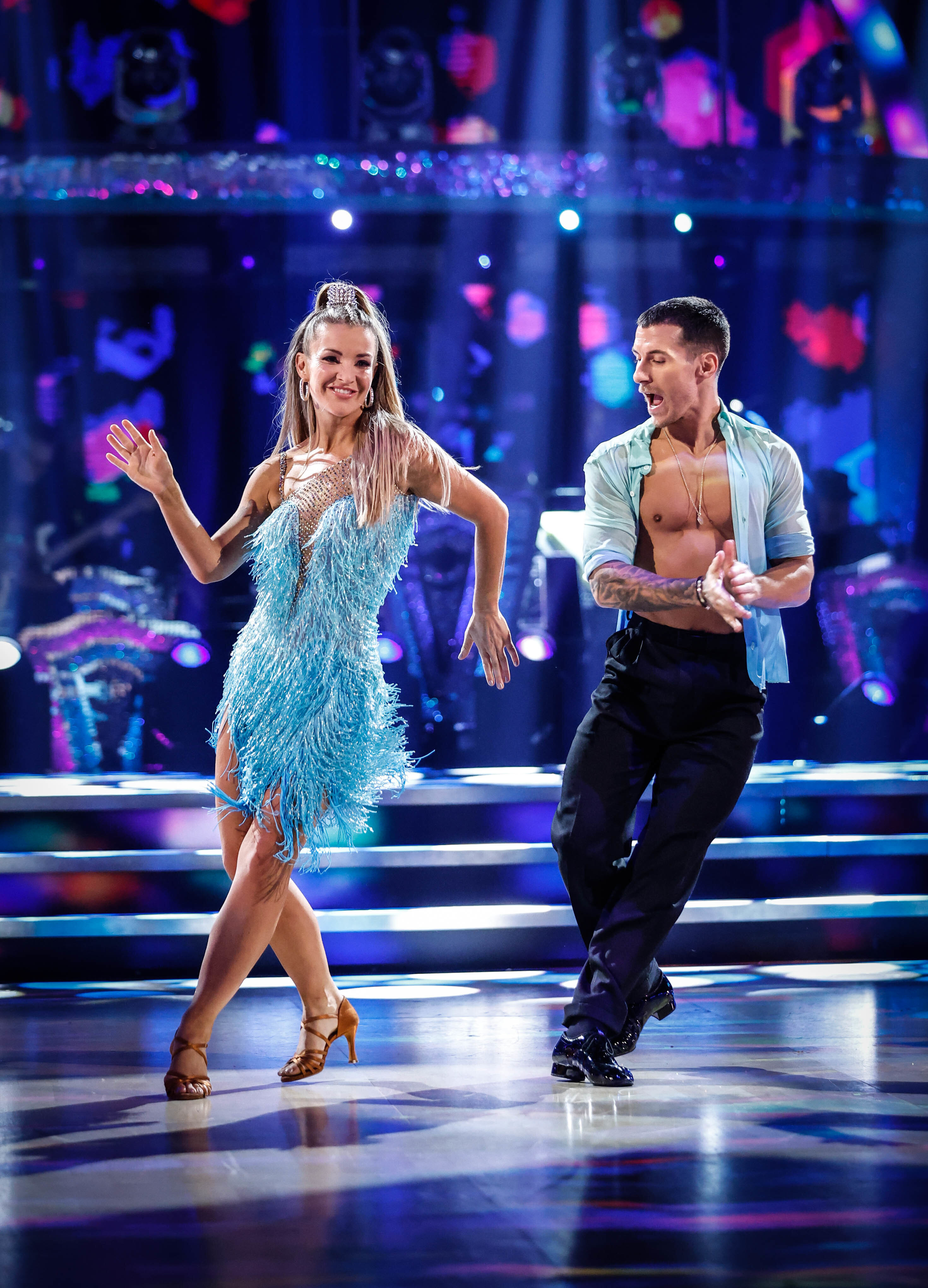
Helen has been partnered with professional dancer Gorka Marquez on the current series of Strictly, and while the pair have consistently received pretty good scores, she was told by the judges last week to work on her confidence and self-belief.

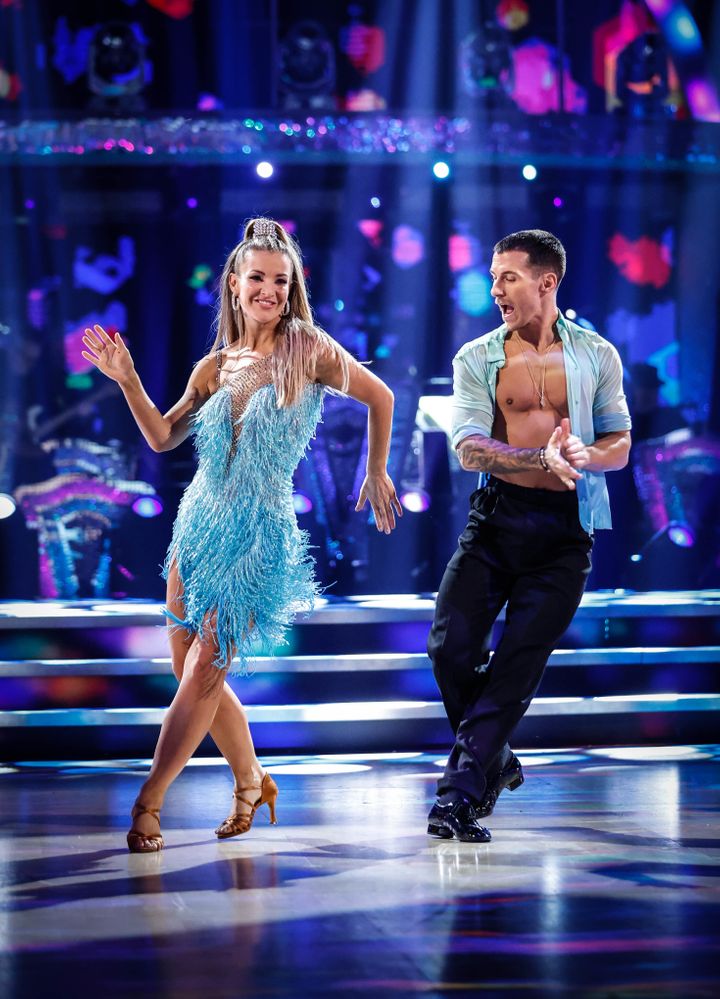
Helen Skelton and Gorka Marquez on the Strictly dance floor

Guy Levy/BBC via PA Media

After they received their critiques on Saturday night, Gorka took a moment to give his celebrity dance partner a pep talk on air, telling her: “I know you’ve been made to feel like you’re not beautiful or good enough or anything, but if you don’t believe in yourself, I believe in you. Everybody here believes in you, your family believes in you.

“It doesn’t matter how many times I say it or the judges say it, you are the one who needs to make the change and believe in you, because you are a very inspirational woman and amazing mum and a brilliant dancer.”

This week, Helen will be paying homage to her old stomping ground with a routine inspired by Blue Peter as part of Strictly’s one-off BBC 100 special to commemorate the broadcaster’s centenary.

Strictly Come Dancing continues on Saturday night at 6.40pm on BBC One.

Share Button

Could Boris Johnson Be About To Become Prime Minister For A Second Time?

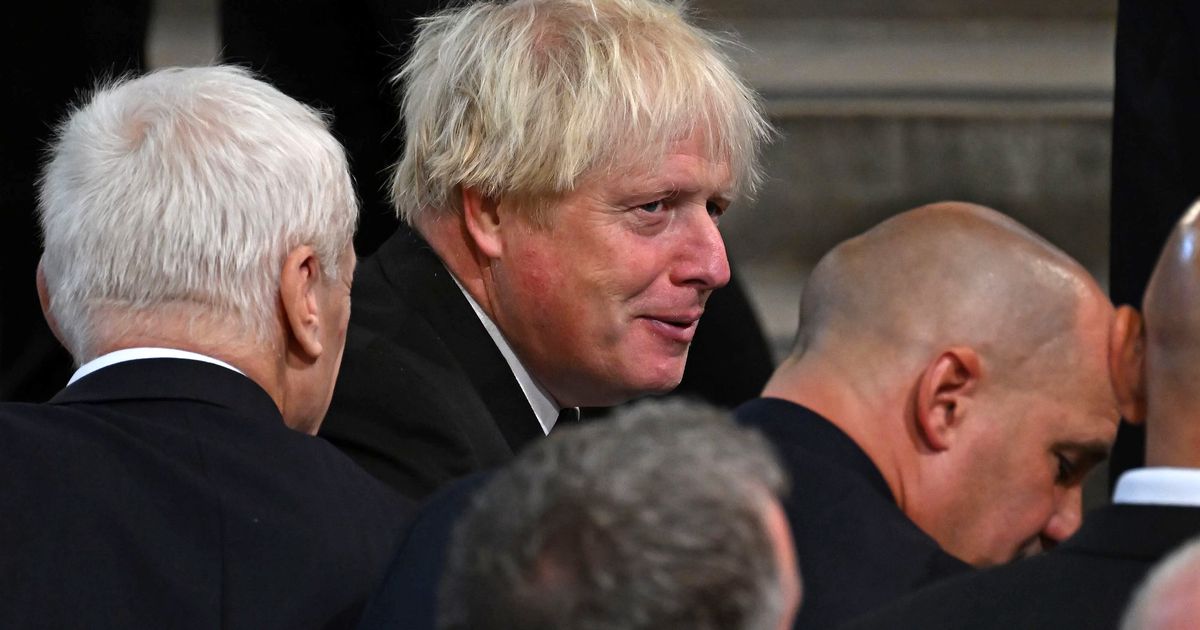
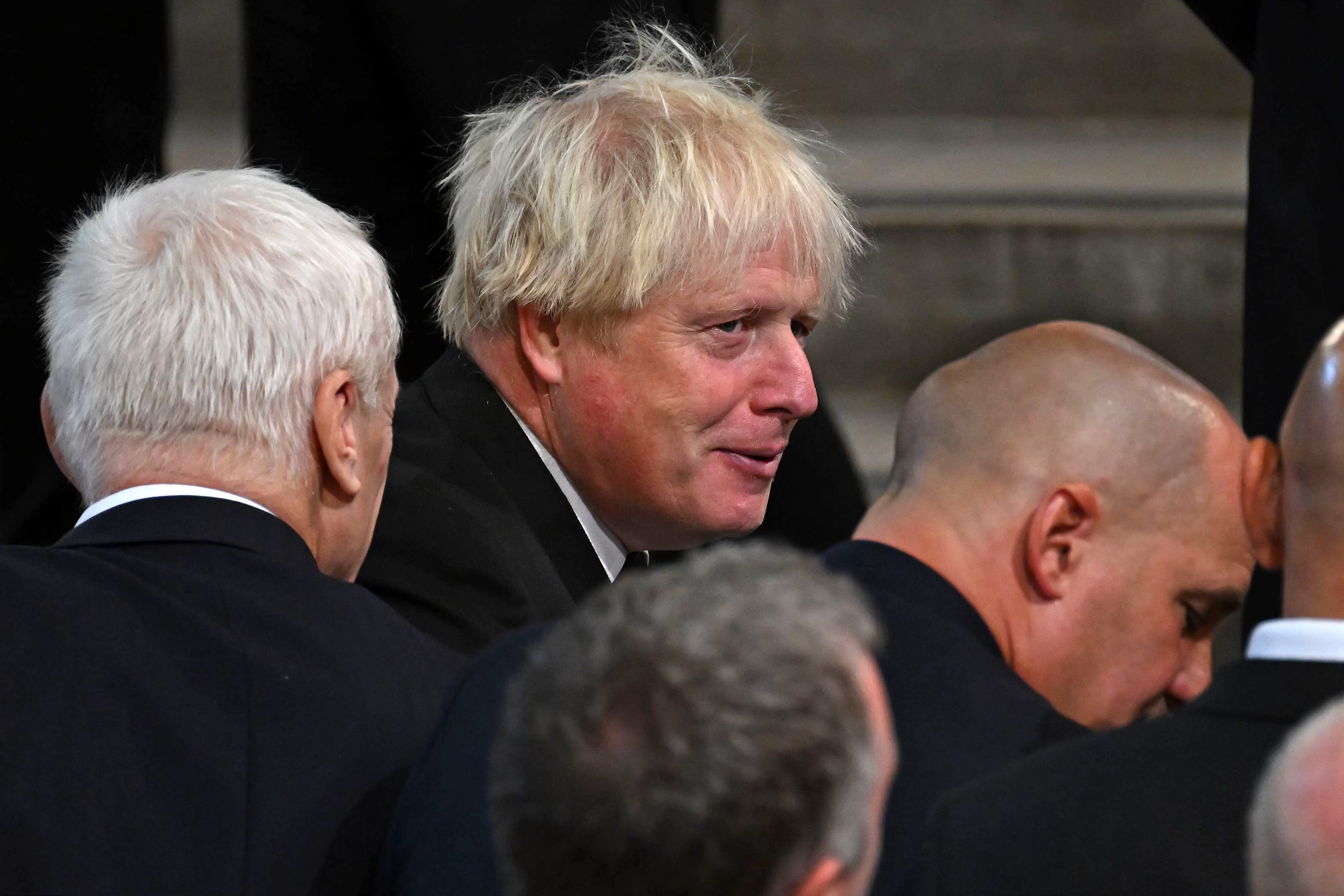
Boris Johnson is planning to throw his hat into the ring to succeed Liz Truss as prime minister – just six weeks after he quit 10 Downing Street.

The former PM – who was forced to quit after a wave of resignations sparked by the Chris Pincher scandal – is taking soundings from his supporters before making a final decision.

When he resigned, he described being PM as “the best job in the world”.

He is currently in the Caribbean on holiday, but is preparing to cut it short to fly back to London before making a final decision.

But critics pointed out that he still faces a privileges committee investigation into whether he misled parliament over the partygate scandal, which could potentially see him thrown out of parliament.

Truss resigned earlier today and announced that her successor would be chosen within a week.

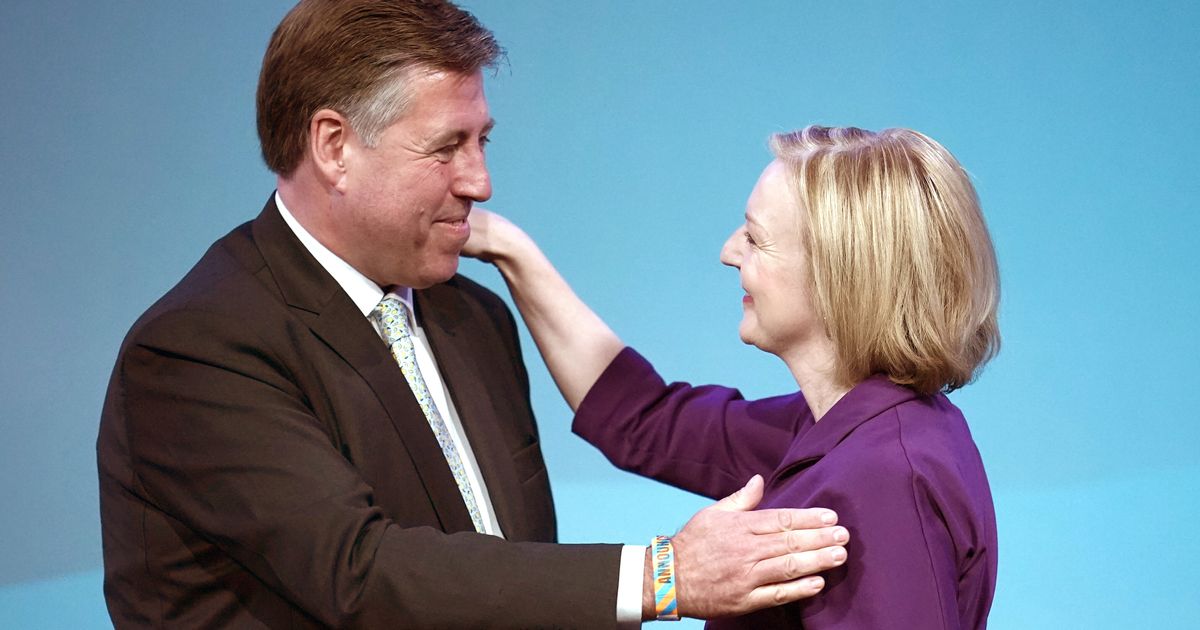
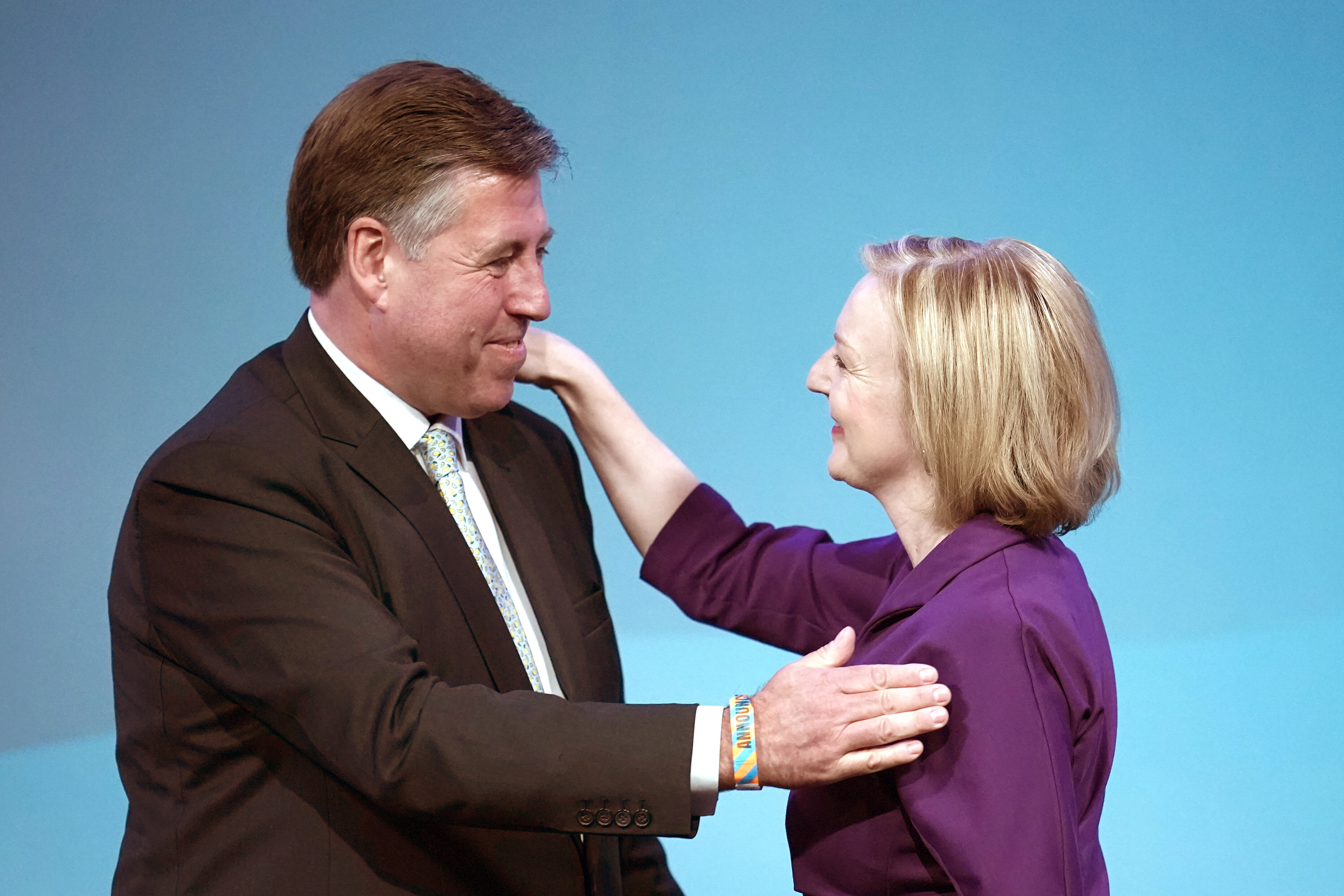
Sir Graham Brady, chairman of the 1922 Committee of Tory backbenchers, has hinted that an online ballot will take place, meaning party members will be given a say on the new PM.

That increases Johnson’s chances, given he is still popular with Conservative activists who remain angry at the way he was ousted by MPs in July.

Bookmakers have already slashed their odds on him being re-elected prime minister, making him second favourite behind Rishi Sunak, the man whose resignation as chancellor helped to bring him down.

Commons leader Penny Mordaunt – who lost out to Truss in the last leadership contest – has already confirmed that she will stand again, while other possible contenders include Kemi Badenoch, Ben Wallace and Suella Braverman.

Several Tory MPs have already given their support to Johnson coming back, including loyalists Nadine Dorries, Michael Fabricant and Andrea Jenkyns.

But health minister Robert Jenrick, who served in Johnson’s cabinet between 2019 and 2021, told the News Agents podcast: “The Boris that I supported when he stood in 2019 was one of the greatest campaigners in modern political history, somebody who was able to galvanise people to win that incredible general election, defeat Jeremy Corbyn, get Brexit done.

“So, there was definitely a case for Boris, and I think I was right to support him in 2019. You could argue that the Conservative Party is in such a difficult place, that his formidable campaigning skills are required once again.

“On the other hand, his premiership came to an end for a reason, which is that there were serious questions about competence, credibility, and ethics and does the Conservative Party want to go back to that?.”

And Tory MP John Baron said: “I believe – rightly or wrongly – he misled parliament on a number of occasions. We have to look forward not back.”

A Labour source told HuffPost UK: “The Tories all droning on about how they need a sensible, serious person to manage the party and deliver stability, then that honking pudding turns up with his travelling circus. Delicious.”

Lib Dem deputy leader Daisy Cooper called on the Tories to block Johnson’s possible return.

She said: “The fact that Conservative MPs are even considering putting Boris Johnson back in Number 10 shows how out of touch they really are. They think there’s one rule for them and another for everyone else.

“Boris Johnson was forced to resign in disgrace after countless lies, scandals and failures. He shattered public trust in the government and plunged the UK into a political crisis. He must never be allowed near Downing Street again.”

Share Button

How Will The Tory Leadership Race To Replace Liz Truss Work?

Westminster collapsed into chaos on Thursday as Liz Truss announced she was resigning as Tory leader.

Truss lasted just 44 days in office, making her the shortest serving prime minister in history.

The government’s death spiral means there must be another leadership contest to select the next Tory party leader and prime minister.

Just minutes after her resignation, chairman of the backbench 1922 Committee Sir Graham Brady announced the party would hold a contest to replace her within a week.

It follows complaints that the two-month contest to replace Boris Johnson over the summer paralysed government for too long.

Truss’s replacement will become their third leader in just two months. Brady held two brief press conferences on Thursday to explain how they would elect the next PM.

How It Will Work

Brady said the process should be concluded by Friday, October 28.

The hope is that a new prime minister would be in place in time for an important financial statement on October 31.

That crucial statement – on the following Monday – is intended to reassure the City that the government has a plan to repair the nation’s finances.

Truss will remain acting leader of the party until a successor is appointed.

Candidates to replace her will need at least 100 nominations from Conservative MPs – a considerably higher threshold than the start of the last election.

Nominations open Thursday night and will close at 2pm on Monday, October 24. There will be an indicative vote of MPs once there are two candidates.

The first ballot of MPs will then be held between 3.30pm and 5.30pm on Monday 24.

If there are three candidates, the candidate with the fewest number of votes will be eliminated.

The result will be announced at 6pm. If a second indicative vote is needed, this will be held between 6.30pm and 8.30pm on Monday. The result will be announced at 9pm.

Once the parliamentary process is completed, Conservative Campaign Headquarters will begin balloting the party membership – as long as two candidates remain.

The ballot of members will be conducted via secure online voting that will close at 11am on Friday 28 – the result will be announced later that day.

Only qualifying members, who have been a member for at least three months, can vote.

Brady told reporters that hustings for MPs would be held behind closed doors on Monday.

He said: “We’ve fixed a high threshold, but one that can be achievable by any serious candidate.

“We have no knowledge of who those candidates will be at the moment.”

Behind the scenes, Tory MPs have already started the horse trading ahead of the election.

For a run-through of who might throw their hat in the ring, follow our list of runners and riders.

Share Button

How To Get Your Kids To Eat Vegetables – And Actually *Gasp* Enjoy Them

Is there such thing as a child who likes vegetables? Yes, there is. But they’ll often need a helping hand in getting there.

This is why a leading baby food brand is urging the government to consider adding sensory food play to the curriculum for young kids attending nursery.

Ella’s Kitchen has launched a nationwide campaign calling on the UK government to take urgent action to improve early childhood nutrition by encouraging more sensory food play – where kids can explore fruit and vegetables in a fun, engaging way that stimulates the senses – in early years settings.

The brand said poor nutrition is having a “devastating impact” on the health of the nation’s children, but this simple, low-cost intervention could play a role in alleviating this.

More than a quarter of kids (29%) aged five to 10 years old eat fewer than one portion of fruit or veg a day.

Yet evidence shows that sensory food play helps to build confidence and curiosity around fruit and veg, which can create a willingness among kids to try, and ultimately like, them.

While talk of implementing this kind of scheme in nurseries rumbles on, parents can start fuelling a better reception to vegetables at home, too.

It’s difficult to get children to eat tveg – every parent knows this. But why is it such a chore? “Babies are born with immature bitter and sour taste buds,” says Sarah Almond Bushell, a registered dietitian and weaning expert at The Children’s Nutritionist.

In contrast, their sweet taste buds are “very mature”, she says, meaning kids will always gravitate towards sweet foods. “It’s an evolutionary thing as it helps newborn babies seek out the breast because breastmilk is very sweet.”

Bitter and sour flavours therefore have to be learned, so exposure is a must – and this is where parents have to put the work in. But you’ll reap the rewards once you do.

1. Serve vegetables at every meal and make sure they see you eating them

It can be all too easy to get into a bit of a mealtime rut at home. We buy the same-old vegetables every week to accompany those same-old meals, because we know our kids will eat them and they won’t end up in the bin.

This might be the easy option, but – argues the dietitian – it is not conducive to getting your child to like a wider range of veggies.

“Children can’t learn to like to eat vegetables without being regularly exposed to seeing them on the dining room table,” she says. “But what’s even more important is that they need to see you eating them too.”

Research suggests it can take up to 10 tries for a baby to readily accept some foods, like vegetables – so keep trying. And an exposure doesn’t necessarily mean them devouring a whole carrot stick, either. The act of touching, smelling and even seeing the food can be enough to ‘expose’ them to a food, according to nutritionist Charlotte Stirling-Reed.

2. Presentation is everything

A bit of wilted cabbage on the side of your toddler’s plate isn’t exactly inspiring, so it’s time to embrace your inner artist and get creative.

“All food must look attractive if you want your little one to be intrigued by them,” says Almond Bushell. “Vegetables come in a rainbow of colours and so are easy to make look appealing.

“Pre-school aged children are influenced by how food is presented so get creative by cutting veggies into funny shapes or arrange them in smiley faces.

“Older children will visually appreciate foods that are presented on sharing platters, coloured or patterned plates, or even simply serving veggies in cupcake cases can instantly lift their appeal.”

3. Make them tasty

If your veg selection looks stellar but tastes like wet socks, then you’ve got a problem on your hands. So yes, the next tip is that veggies quite simply need to taste nice.

“Steamed veggies may be better in the healthiness stakes, but they don’t hold much flavour for developing taste buds,” says Almond Bushell.

“I’d encourage you to sauté your green beans in garlic butter, toss asparagus in soy sauce [you can buy low salt versions], roast your parsnips in honey [if your child is over one].”

She adds: “You can make a fab marinade for most veggies with ketchup, maple syrup and soy sauce, even adding a little salt to broccoli or Brussels sprouts can make a world of difference – and yes, it’s ok.”

While it might sound a little controversial, her thinking is that while these foods will be slightly higher in salt and fat, it will encourage your child to like them at least – “after all, it doesn’t count as nutrition unless it’s eaten,” she adds.

“Once the veggies become an accepted part of their daily diet then you can work on reducing the salt, sugar and butter to improve the healthiness.”

4. Let kids serve themselves

It can be overwhelming for your child if you’ve decided to wave a stick of cucumber in their face or thrust it into their mouth. Why not, instead, focus on letting your kids serve themselves?

Family-style serving involves placing all components of the meal individually in serving dishes in the centre of the table, says Almond Bushell. Then, children as young as toddlers can help themselves or indicate to you what they want, how much they want and when to stop.

“This puts them in control of the food on their plate and ultimately what goes into their body,” she says. “If your little one doesn’t want to have a certain veggie on their plate, that’s OK.”

If you do find they’re averse to certain veggies, set up a ‘learning plate’ next to their dinner plate, she suggests. There are 32 different sensory steps that children go through when they’re learning how to eat and they do this for every single food – so a learning plate can help them navigate this process.

“The learning plate is simply for looking at, sniffing, prodding, poking, licking, chewing or spitting out on,” she explains.

“It’s there just for learning all about the sensory characteristics of the new food.

“Having a learning plate helps move them up the 32-step ladder as the new food is closer to them, they have to look at it, they can smell it, and touching it even with a fork or spoon is a huge step forward.”

Share Button

Yvette Cooper Has The Perfect Response To Suella Braverman’s ‘Tofu-Eating Wokerati’ Rant

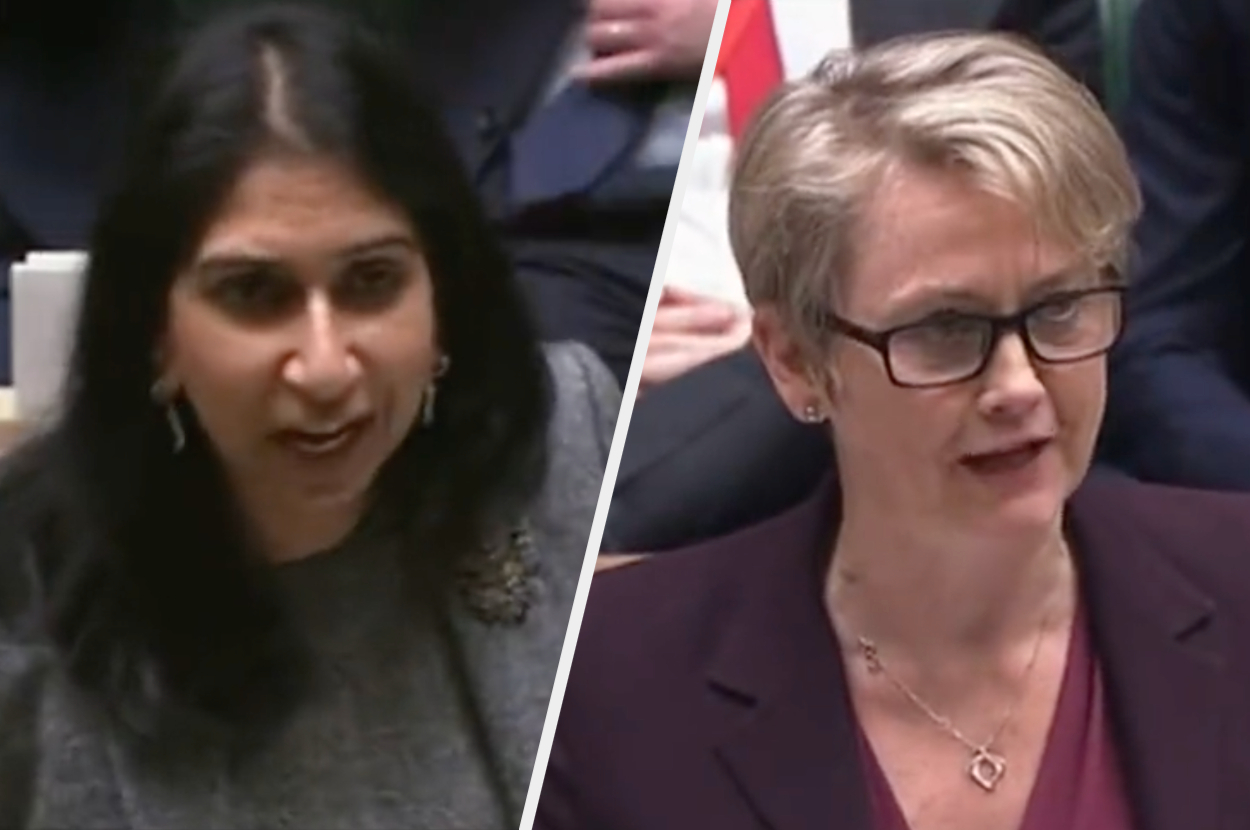
Suella Braverman has faced ridicule from her opposite number after the home secretary sounded off about a “tofu-eating wokerati” and a “coalition of chaos”.

The cabinet minister renewed her attacks on opponents of the Tory party – a habit that has made her a darling of the right – during a Commons debate on the Public Order Bill.

It includes a new offence of obstructing major transport networks, interfering with key national infrastructure – such as railways, roads and printing presses – and new powers for police to stop and search people to seize items intended for so-called locking-on.

Lock-on tactics have been repeatedly employed by groups such as Insulate Britain and Just Stop Oil, and include protesters gluing or otherwise attaching themselves to roads or other areas to cause disruption.

Braverman went on the offensive in light of the Just Stop Oil protest that has seen the Dartford Crossing – the only way to cross the Thames east of London by road – blocked for the second day in a row.

She accused opposition parties of being a “coalition of chaos”, adding: “It’s the Guardian-reading, tofu-eating wokerati, dare I say, the anti-growth coalition that we have to thank for the disruption that we are seeing on our roads today.”

But Labour’s shadow home secretary Yvette Cooper branded Braverman’s words “astonishing”, adding: “The home secretary actually talked about a coalition of chaos, we can see it in front of us as we speak.”

She continued that she understood government “concerns”.

Cooper said: “When they face issues when they’ve got a selfish minority wreaking havoc, you’ve got someone resisting all attempts to remove them, causing serious disruption, disorder, chaos, with serious consequences for the public, for business, for politics and for financial markets.

“But they’ve glued themselves under the desk. With honourable members opposite, we wish them luck with their attempts to extricate another failing Tory prime minister from Number 10.

“But I suggest it isn’t a reason to change the law for everyone else.”

Cooper was of course referring to Liz Truss and the turmoil caused by her mini-budget, which crashed the financial markets and saw the pound fall to an all-time low.

The backlash led to two major u-turns by chancellor Kwasi Kwarteng, before he was eventually sacked and replaced by Jeremy Hunt, who has since torched the low-tax, free-markeeter economic plan Truss staked her leadership bid on.

Truss now faces continued humiliation as a growing number of her MPs want the PM to quit, with one even comparing her premiership to a dumpster fire. She has vowed to fight on.

Share Button

Women’s Rights Campaigners Celebrate As MPs Back Abortion Clinic Buffer Zones

Campaigners have hailed a move that could see anti-harassment buffer zones created around abortion clinics in England and Wales.

MPs voted in favour of an amendment to the government’s Public Order Bill that would make it a criminal offence for anti-abortion campaigners to interfere, intimidate or harass women who are seeking a termination or providing the medical service.

The proposals, which were pushed by a cross-party group of MPs, passed by 297 votes to 110 — a majority of 187.

In a lengthy parliamentary debate, a number of MPs spoke in support of the 150-metre buffer zones while other raised concerns that they would hinder the right to free speech.

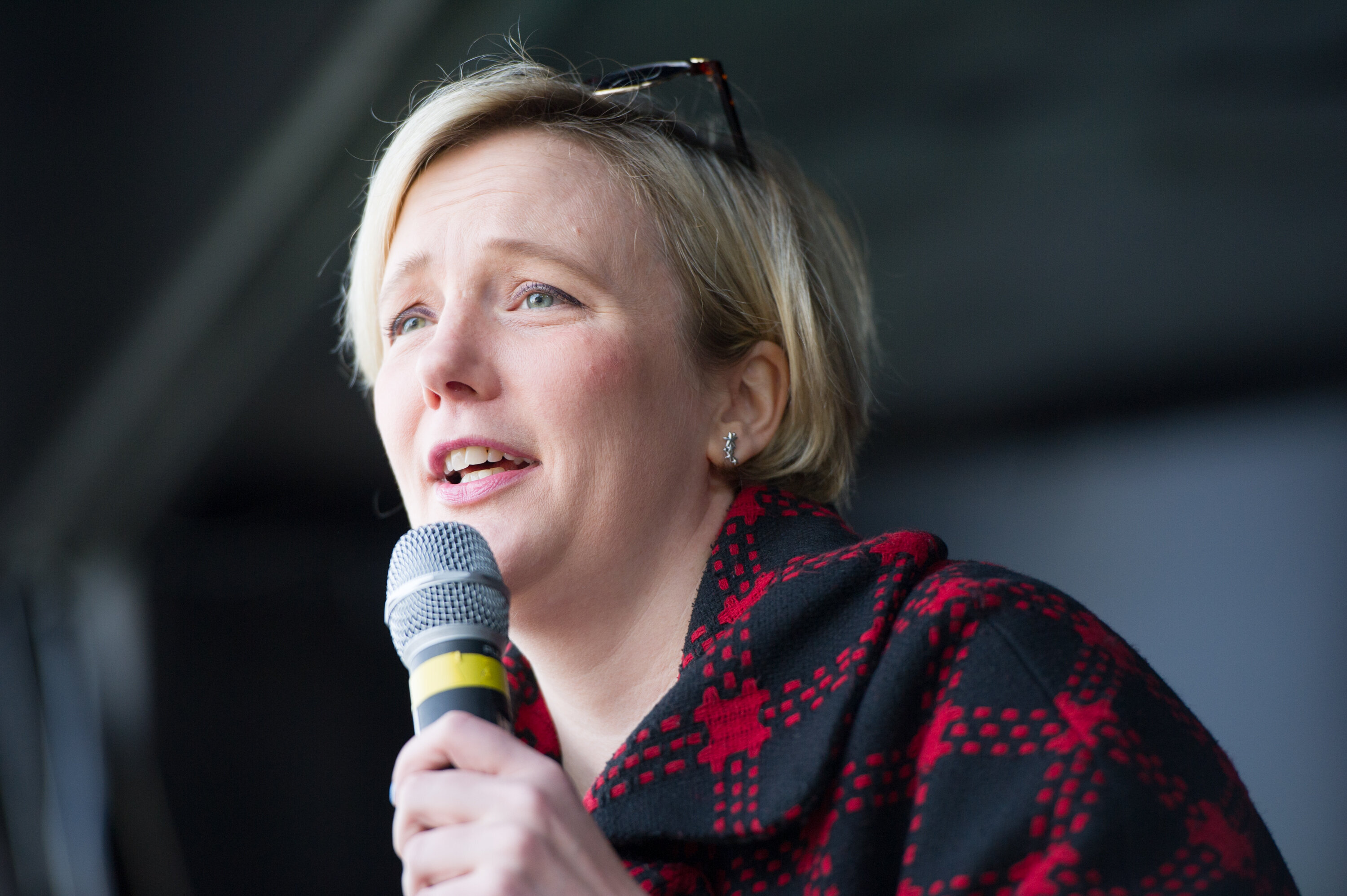
Labour MP Stella Creasy, who proposed the amendment, said women “in their “droves are asking for this protection” and that there needed to be an end to the “postcode lottery of protection”.

Addressing MPs who opposed the amendment on free speech grounds, Creasy said: “New clause 11 does not stop free speech on abortion, it does not stop people protesting.

“As somebody who has been regularly subjected to protests, it’d do nothing to stop the protests that I have experienced from many of the people who are involved in this.

“It simply says that you shouldn’t have a right to do that in the face of somebody — and very often these people are right up in front of people — at a point when they have made a decision.”

Caroline Nokes, the Conservative chair of the women and equalities committee, also backed the proposals, arguing that “progress has been too slow” in protecting women from street harassment.

She was supported by former justice minister Victoria Atkins, who said she agreed with the amendment.

“These are fundamental healthcare services that we provide rightly, lawfully, in the 21st century. So we must surely enable women to get the services as they need them, when they need them, so that they get the right help and advice that they need.”

The debate comes after warnings from campaigners that women are being targeted by anti-abortion protestors and bombarded with distressing leaflets and materials.

The Royal College of Obstetricians and Gynaecologists, which welcomed the amendment’s passing, said there had been reports of leaflets being handed to women telling them that “rape is easier to get over than abortion”.

It also raised concerns that leaflets advertising so-called abortion reversal pills had been given to women despite the fact that there is “no reputable evidence” that the progesterone in the pills can “reverse” an abortion.

But Conservative MP Fiona Bruce said she believed exclusion zones had “grave implications” for “freedom of thought, conscience, speech, belief and assembly”.

She acknowledged harassment and intimidation around abortion clinics had to be “addressed”, but said there were already existing laws and “there have been relatively few if any reports of this”.

The DUP’s Carla Lockhart agreed, arguing that the amendment was “simply unnecessary” and that demonstrators offered women “alternatives” to abortion.

The Public Order Bill still has to undergo scrutiny in the House of Lords before it becomes law.

Speaking after the amendment passed, Creasy said: “Today’s vote is a victory for campaigners like Sister Supporter, women and MPs across parliament, especially Rupa Huq MP, who have fought for years for these vital protections.

“With evidence hundreds of thousands of women every year are hassled it’s right we have a national solution for a national problem.

“It’s for them we have acted so that they can access an abortion without having to run the gauntlet of protestors to seek healthcare.

“Ministers need to act swiftly to ensure that this change is implemented and guidance published to ensure that every woman is able to enjoy the protections which have been won today.”

Last week it was reported that a buffer zone was being placed around a clinic in Dorset to deter anti-abortion campaigners harassing service users and staff.

Breaching the buffer zone could result in a fixed penalty notice of £100 or a conviction at a magistrates court, the Guardian reported.

Share Button

Defiant Liz Truss Says She’ll Lead Tories Into Next Election

Liz Truss has vowed the to lead the Tories into the next general election as she apologised for her “mistakes”.

The prime minister is battling to save her premiership after torching her economic agenda by the dismantling of her former chancellor’s landmark mini-budget.

In an interview with the BBC after new chancellor Jeremy Hunt scaled back the energy support package and ditched “almost all” the tax cuts announced by his predecessor, Truss said she wanted to “accept responsibility and say sorry for the mistakes that have been made”.

“I wanted to act… to help people with their energy bills to deal with the issue of high taxes, but we went too far and too fast. I’ve acknowledged that,” she said.

She said she is “sticking around” because she was “elected to deliver for this country”, adding: “I will lead the Conservatives into the next general election.”

The pressure on the prime minister gained traction on Monday evening with Tories now openly calling for her to go after just six weeks in power.

Asked whether she would lead the Conservatives into the next general election, Truss replied: “I will lead the Conservatives into the next general election.”

When pressed, she added: “Well look, yeah, (laughs) I’m not focused on internal debates within the Conservative Party.

“The important thing is that I’ve been elected to this position to deliver for the country. We are facing very tough times.

“We simply cannot afford to spend our time talking about the Conservative Party, rather than what we need to deliver. That is my message to my colleagues.”

In the interview, she also said: “I do want to accept responsibility and say sorry for the mistakes that have been made. I wanted to act, to help people with their energy bills, to deal with the issue of high taxes, but we went too far and too fast.

“I have acknowledged that. I have put in place a new chancellor with a new strategy to restore economic stability. Now what I am focused on is delivering for the public.”

She added: “I am somebody who is honest, I’ve said that mistakes were made. I’ve also acted to address that, to make sure the country is in a strong position. And that’s what I will continue to do as prime minister.”

Truss is fighting to save her premiership after Hunt warned that “eye-wateringly difficult” decisions were needed as he tore up her economic strategy.

Hunt scaled back the energy support package and ditched “almost all” the tax cuts announced by his predecessor Kwasi Kwarteng less than a month ago, as he tried to restore economic stability after weeks of turmoil on the financial markets.

Truss became prime minister after winning the Tory leadership contest on the back of promises to dramatically cut tax, and the wholesale abandonment of the policies has left her fighting for her job after just six weeks.

She sat next to her new chancellor in the Commons, staring straight ahead as he ditched huge chunks of her plan.

After around 30 minutes, she walked out without having said a word.

Share Button

Labour Holds Huge 36-Point Poll Lead Amid Tory Turmoil

The Labour Party has opened up a 36-point poll lead over the Conservatives, according to new research, against the backdrop of the crumbling Tory administration.

A survey by Redfield and Wilton Strategies suggests it is the biggest advantage for any party since October 1997.

The poll has Labour on 56% (up three points since October 13), while the Tories were down four points on 20%, the Liberal Democrats were on 11%, the Green Party on 5%, SNP 4% and Reform 2%.

Including the 19% who did not know which way they would vote, the Labour lead was 31 points, with Keir Starmer’s party on 47% and the Tories on 16%.

The pollster surveyed 2,000 eligible voters in Great Britain on Sunday.

Elsewhere, an Opinium poll published on Sunday projected a landslide general election win for the Labour Party, if voters headed to the ballot box now.

Their victory would be so large it would echo the party’s historic 1997 win.

With more than 10,000 respondents answering the survey between 26 and 30 September – weeks before Truss was forced to sack her chancellor over the chaos – Opinium found the Tories would lose 219 seats in total, leaving it with just 137 seats.

Many high-profile Conservatives would lose their seats, too, including the new chancellor Hunt, levelling up secretary Simon Clarke, business secretary Jacob Rees-Mogg and health secretary Therese Coffey, among other ministers.

Former prime minister Boris Johnson would also lose his seat, and the Tories would lose their majorities in all 45 out of 45 of its seats in the “red wall” in the north of England.

Meanwhile a separate Deltapoll survey showed Labour was 32-points ahead.

Last month, a YouGov poll showed Labour had surged to an astonishing 33-point lead over the Tories – the first polling analysis to give the party a lead comparable to the late 1990s and Tony Blair sweeping to power.

It comes as Liz Truss is battling to save her premiership after chancellor Jeremy Hunt warned that “eye-wateringly difficult” decisions were needed as he tore up her economic strategy.

Hunt scaled back the energy support package and ditched “almost all” the tax cuts announced by his predecessor Kwasi Kwarteng less than a month ago, as he tried to restore economic stability after weeks of turmoil on the financial markets.

Truss became prime minister after winning the Tory leadership contest on the back of promises to dramatically cut tax, and the wholesale abandonment of the policies has left her fighting for her job after just six weeks.

She sat next to her new chancellor in the Commons, staring straight ahead as he ditched huge chunks of her plan.

After around 30 minutes, she walked out without having said a word.

Share Button