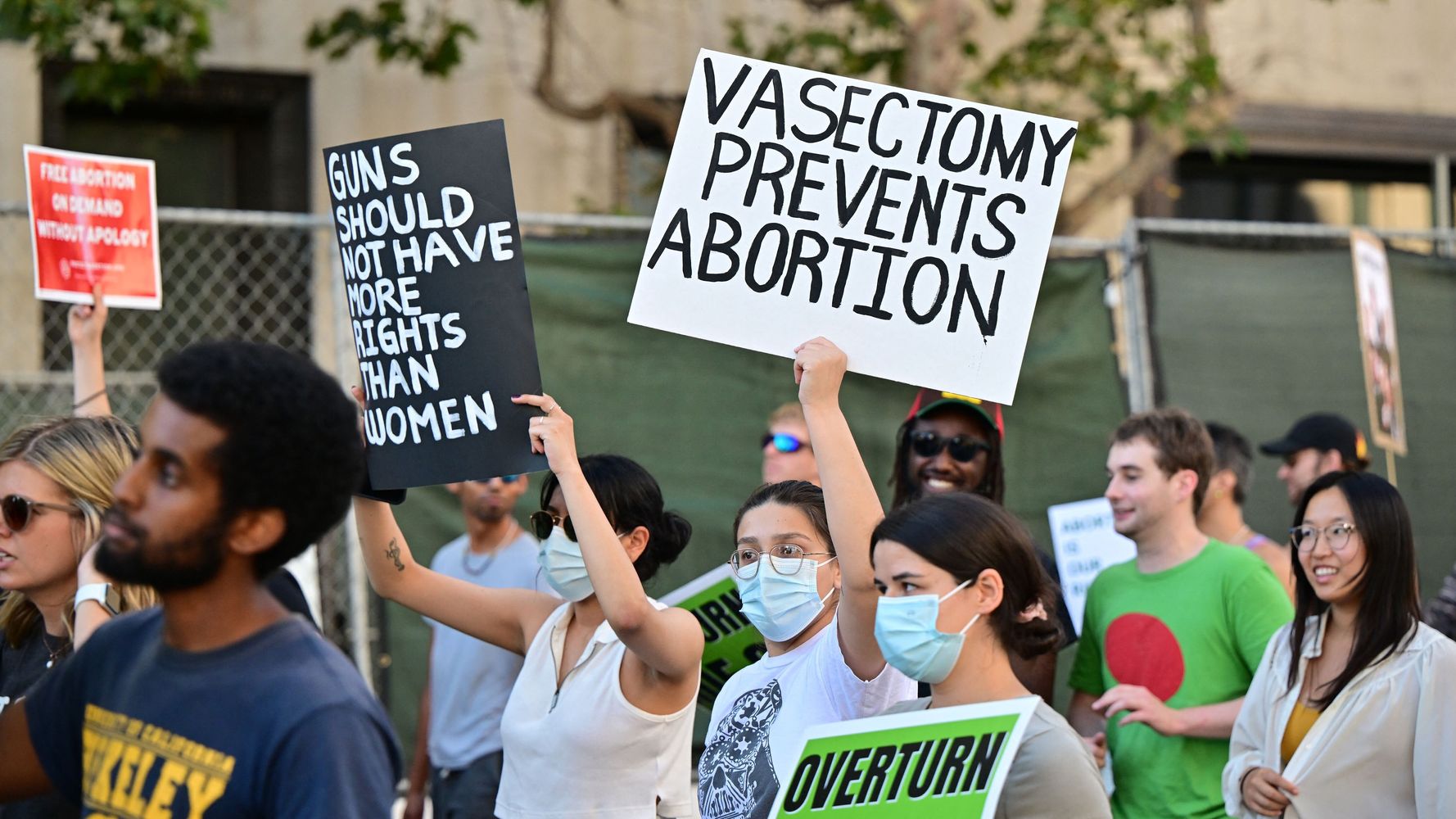
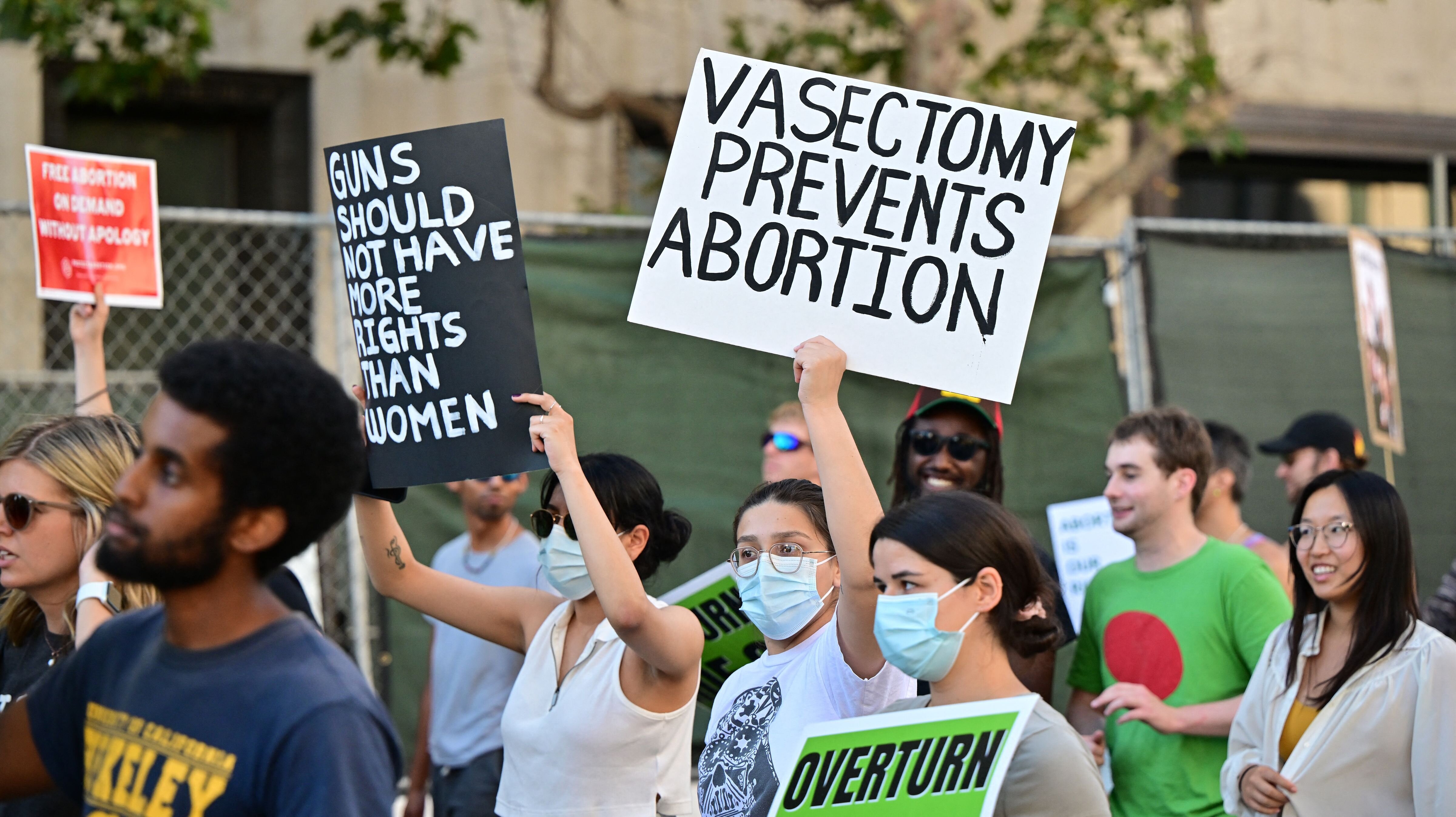
Since news of the overturning of Roe V Wade broke on Friday, ending the constitutional right to abortion in the US after almost half a century, abortion rights activists have galvanised, and social media efforts have amplified.
You may have seen posts alluding to the fact that a woman can only foster one full pregnancy a year, while a man can impregnate multiple people in a day, should he have the opportunity. And the solution often suggested: vasectomy, the surgical procedure that cuts or seals the tubes that carry a man’s sperm.
Advertisement
Amid so much anger around the policing of women’s bodies, the impulse to suggest that men’s bodies should also be policed is understandable.
In a world of reduced abortion access, where women are left either to manage birth control or carry their babies to full term, people are once again suggesting we shift the onus to men in the form of mandatory vasectomies.
You wanna know what prevents abortions? Vasectomies.
— 🖕🏻Aunt Crabby Calls Bullshit 🖕🏻 (@DearAuntCrabby) June 25, 2022
In fact, this view has been circulating on social media for a while now. And while many people are probably not being literal in their calls for vasectomies, it speaks to the widespread rage over moves to control bodily autonomy.
However, many people are pointing out the flaws in the argument.
Vasectomies aren’t an ‘alternative’ to abortion
This suggestion has basic logistical failings, as PHD researcher Georgia Grainger, from the Centre for the Social History of Health and Healthcare in Glasgow, has pointed out in a Twitter thread.
As a historian of vasectomies, Grainger, aka @sniphist on Twitter, stresses that the procedure is not an alternative to abortion.
This is because women will still need terminations, she says, both of wanted and unwanted pregnancies, regardless of vasectomies and other forms of birth control.
Nor are vasectomies a failsafe form of birth control – and when in rare cases they do fail, it’s not usually obvious until the pregnancy is identified, she says.
Advertisement
If the pregnancy is a wanted pregnancy but is either ectopic or otherwise not viable or dangerous, then a vasectomy explicitly cannot prevent that – they were wanting to be pregnant, it’s a biological mishap and needs to be treated with abortion.
If it’s caused by failed birth control, then… Vasectomies can fail too! It’s unlikely but absolutely possible. Sometimes the vas deferens heals itself years later. And there’s no way to know, unlike a split condom or missed Pill, so no Plan B.
In her thread, Grainger also highlights that even if someone had insisted they’d had the surgery, could you trust that they really had?
Especially, in the case of abusive relationships or sexual assault, why would someone who doesn’t respect consent take up an invasive surgery for the benefit of someone else?
Forced sterilisations are deeply problematic
Grainger stresses this important historical point. Forced sterilisations have been trialled as several points during history and they enforce eugenics, she says. The policy has predominantly been targeted at minority groups to stop them from procreating.
Advertisement
In US history, indigenous Americans, Black and Latinx people, incarcerated peoples, and poor communities endured forced sterilisations.
These groups were targeted throughout the 20th century, with nearly 70,000 people forcibly sterilised (and not just men, an overwhelming amount were working-class women of colour).
If you think a “mandatory vasectomy til men prove they can be a father” is even a fun thought experiment, I recommend you go and read up on eugenics. Plus, that inevitably becomes “mandatory IUDs for women” too, which again, has happened in recent US history.
Germany also has a history of coercive sterilisation, having sterilised disabled people, institutionalised people, and even alcoholics. In Nazi Germany, the Hereditary Health Court also known as the Genetic Health Court, was a court that decided whether people should be forcibly sterilised.
Grainger is not the only one to point out these troubling historical precedents.
i am BEGGING other white people to stop talking about mandatory vasectomies as if Black and Indigenous peoples haven’t been subjected to centuries of involuntary sterilization. there are other ways to discuss contraception and pregnancy prevention that don’t invoke eugenics.
forced sterilization of cis-men would ultimately impact Black and brown men the most as all of these restrictions always target the most vulnerable of our population
hi this is called eugenics! what is so hard for people to understand about this? BODILY AUTONOMY FOR EVERYONE, NOT PUNISHMENT. pic.twitter.com/kLZomQGkQB
— Elly Belle 🔮 (famously not a woman) (@literElly) June 26, 2022
Bodily autonomy for all, not some
People have also pointed out that if we want better rights and autonomy for women and people who can get pregnant, this has to mean protecting these rights for everybody
Do we really want men to face the same bodily scrutiny applied to women – and for men who chose not to go through the procedure to be vilified?
Advertisement
Nor does the vasectomy vs abortion binary do much for trans and nonbinary people who also need access to abortions, and are often excluded from discussions of these human rights.
The pro-choice movement is all about bodily autonomy and protecting everyone’s right to make decisions about their own bodies
As the debate continues, Grainger’s insights have gone viral on Twitter, amassing more than 75,000 likes.
But, as she pointed out in her own thread, she is still pro-vasectomy, as long as they’re for the right reasons and for people who genuinely want them.
Ultimately, we shouldn’t pit vasectomies against abortions, she says. Abortions will always be needed, whether because the pregnancy is failing, the pregnant person is at risk, because there wasn’t consent to the sex in the first place, or simply because the pregnant person doesn’t want children.
Advertisement
So next time you see calls for mandatory vasectomies or are temped to make one yourself, remember that it’s not as straightforward as it seems.
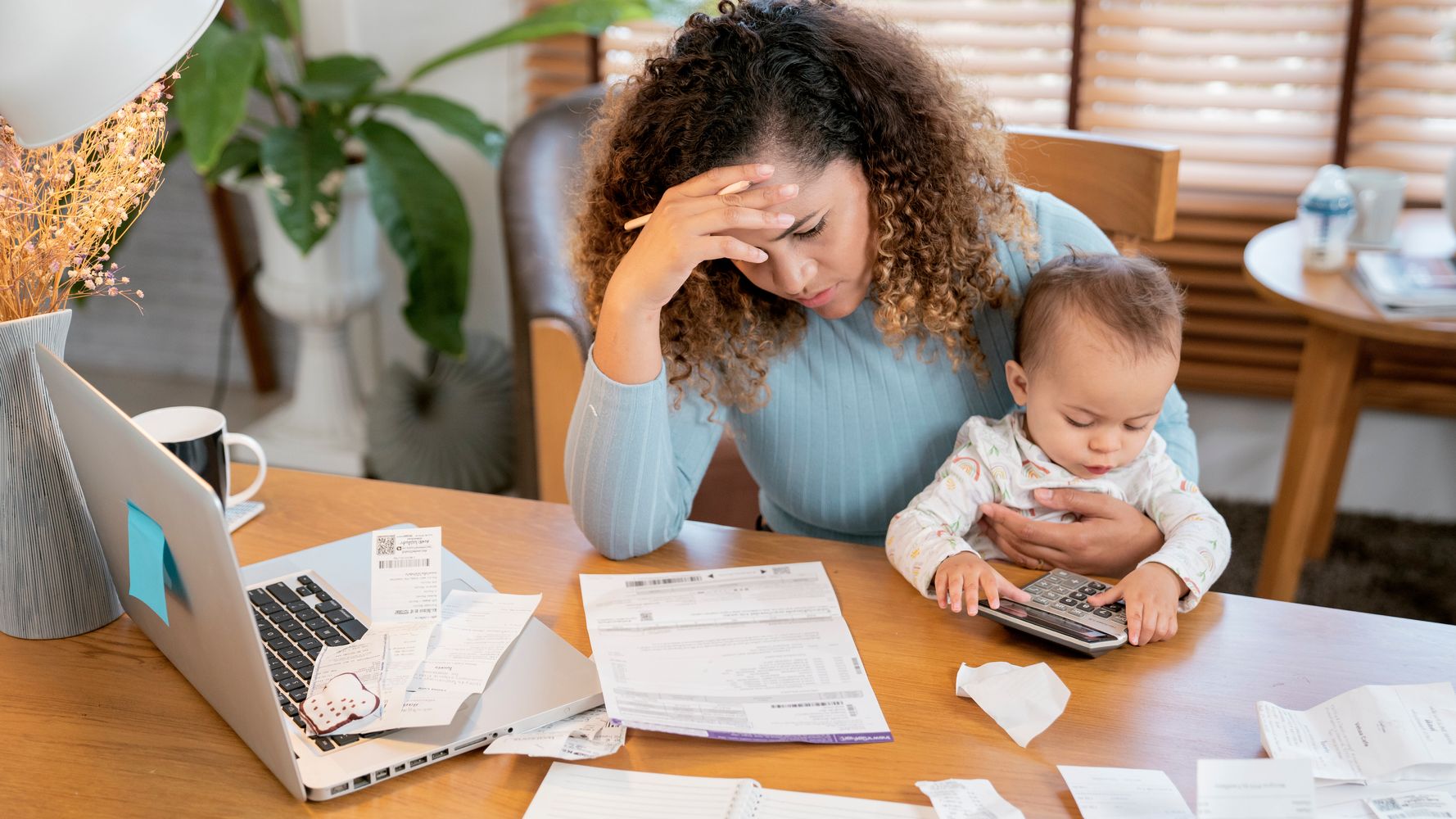
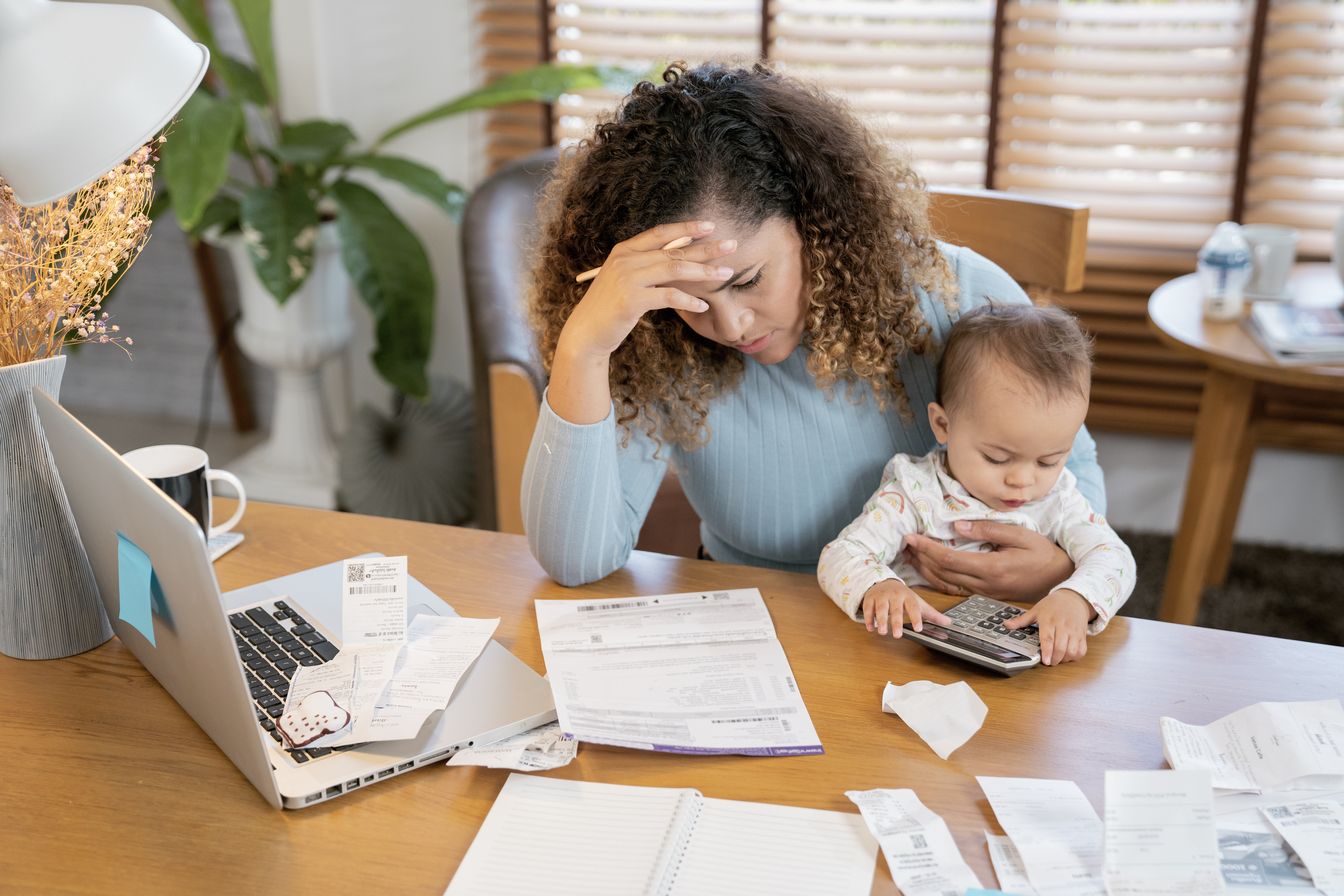
Babies can come at the most surprising moments in life. And for many people, they arrive at a point where your personal finances aren’t at their strongest.
In fact, some women entering maternity leave are doing so without any savings at all.
Advertisement
Reduced pay during this time coupled with the costs of a newborn means many mums have to borrow money to get by. And some are being left in debt.
A study of parents by finance company Credit Karma found that a quarter of parents get into maternity leave without any money saved, while 26% of women get into debt while on their maternity leave.
Advertisement
The amount in borrowing has increased by £560 since 2018, the company says, taking the average borrowed per parent up to £2,800.
Those with student loans face the harshest outcomes as the interest rate on those loans remains seriously high while they are on leave and unable to pay it off.
Advertisement
Credit Karma said women with interest loans accrue an average of £1,770 loan interest in just six months of leave.
Given the cost of living crisis, which is seeing bills go up as never before, this paints a dire picture for new parents.
Akansha Nath, head of partnerships at Credit Karma UK said: “Women are often disadvantaged financially throughout their life, and the responsibility to give birth plays a huge role in this gender disparity.
“At a time when the cost of living is affecting most people, and every penny counts, it’s more important than ever that women take advantage of any support available to them.”
Advertisement
These debts, even if eventually paid off, can then follow women into life, affecting their credit score and therefore their ability to buy homes and other goods.
Credit Karma said maternity-affected credit scores can set women back an average £17,000 in interest over the course of their lifetimes.
If you are struggling with maternity debt, there are resources that can help.
Step Change has a benefit checker, as well as list of grants available to expectant parents. The website also offers free money management tools designed to help people with their finances, without judgement.

You’re reading Move, the nudge we need to get active, however makes us happiest and healthiest.
What time do you work out? Depending on your gender, the optimal timing could be different.
Advertisement
For women, the best time for exercise may be evenings whereas for men it is mornings, according to a new US study.
Previous research into this area of fitness research has predominantly focused on men. But the new study shows that women burn more fat during morning exercise whereas their counterparts do the same in the evenings.
Advertisement
The factors that differentiate the sexes are likely to be hormonal differences. biological clocks and sleep-wake cycles, the authors said.
The study from Skidmore College, New York State looked at 56 people (30 men and 26 women, all healthy between 25-55) over the course of 12 weeks.
Advertisement
They were monitored during fitness programmes which included sprinting, stretching, resistance and endurance training.
One group worked out for an hour, before 8:30 while the other between 6pm and 8pm. Both ate a specially designed meal plan.
Researchers looked at everyone’s blood pressure and body fat during the 12 weeks, also taking into consider their strength, flexibility, and aerobic power.
The good news is that all who took part in the study saw better overall health, regardless of when they exercised. So whether you’re a morning person or an evening person, keeping moving is the way.
Advertisement
“The best time for exercise is the best time you can do it and fit it into your schedule,” said Dr Paul Arcerio, the study’s lead author and professor of health and human physiological sciences at Skidmore College.
The differences may result from women being more likely to store abdominal fat than men, which coupled with the body’s internal rhythm. Researchers want to study the two more to find what exactly causes the optimal times to vary.
But there’s a bit more to it, said the authors, who stressed the ideal times can also vary for men and women, depending on the kind of training they do.
Based on the study’s results, if women want to reduce their blood pressure and lose fat around the middle of their body, they should stick to mornings.
But if they are trying to do strength training, particularly targeting their upper body, as well as improving mood and food intake, evening exercise may be best.
In comparison, men were found to be less sensitive to timing and were able to improve fitness regardless of timing. But, Dr Arcerio added: “Evening exercise was found to be ideal for men interested in improving heart and metabolic health, as well as emotional wellbeing.”
Move celebrates exercise in all its forms, with accessible features encouraging you to add movement into your day – because it’s not just good for the body, but the mind, too. We get it: workouts can be a bit of a slog, but there are ways you can move more without dreading it. Whether you love hikes, bike rides, YouTube workouts or hula hoop routines, exercise should be something to enjoy.
The cost of living is making it harder for women and girls to buy period products.
A new poll of 1,000 girls aged 14-21 reveals that more than one in four (28%) are struggling to afford period products, and nearly one in five (19%) report being unable to afford period products at all since the start of 2022.
Advertisement
One in 10 of the young women who took part in the survey had to go to a food bank to obtain free period products. And half of the girls who struggled to afford period products since the start of 2022 had to cut back on food and groceries to be able to buy them. This number dramatically increased by almost double compared to last year.
Almost a quarter (23%) of girls had to cut back spending money on school supplies to afford to buy period products and 19% cut back on buying non-prescription health products.
Advertisement
Shockingly, the vast majority (80%) of girls who struggled or were unable to afford period products have used toilet paper as a substitute for period products, up an eighth on last year. Around 12% have used socks, 10% have used newspaper/paper and 7% have used other fabric.
As the cost-of-living continues to rise rapidly – with the price of food, energy and multiple household items skyrocketing – the survey also found that overall, over a quarter (26%) of UK girls are concerned about being able to afford period products over the coming months.
Advertisement
Rose Caldwell, CEO of Plan International UK, described the findings as “devastating”.
“As we look to an uncertain future, many more families will face tough financial choices, and more young women than ever are likely to face issues affording the products they need,” she said. “Period products are a necessity, not a luxury, and they need to be treated as such.”
How can you help combat period poverty?
Let’s be real: we need intervention from those in power to reduce the price of period products and tackle the cost of living crisis, so that women are girls can afford to buy them in the first place. You can write to big brands and your MP to get your voice on this heard.
Advertisement
But if you’re able to donate items to support those in need, the sustainable period brand Dame recommends donating “reusables or plastic-free products where possible, and remember pads are more popular than tampons”.
“Products need to make more financial sense, and the rise of reusable products like menstrual cups in particular is helping to address this as the cup can be used for an entire period each cycle and lasts for years,” a spokesperson explained.
“Single use products will almost always end up more expensive over time, so the move to reusables can really help here as long as we can get the products into people’s hands for little or no cost.”
Some charities prefer to receive donated products including pads, tampons and menstrual cups, whereas other organisations prefer monetary donations, so they can buy items most suitable for their clients and distribute accordingly. If you’re not sure, always ask.
Where can you provide or find help?
There are organisations around the country helping girls and women to access period products. We’ve listed just a few of them below:
Your local food bank or community hub
The majority of food banks/hubs now stock period products, so your local centre is a good first port of call if you’d like to donate items or you need to access help. The Trussell Trust website has a directory of nationwide food banks, but you’ll find others by googling support in your area or looking at local Facebook groups. While some food banks require a referral (from a GP or social worker), others do not. Never be afraid to walk in and ask for help. To donate to a food bank, check if there are preferred ‘donation days’ listed online, or place items for donation in community ‘collection points’ (often in supermarkets).
Freedom4girls s a Leeds-based charity that fights against period poverty. They work with people who menstruate to challenge stigmas and gender inequalities linked with menstruation. You can donate products directly to the charity via its multiple ‘donation stations’ situated in Leeds and other areas of West Yorkshire. The charity also accepts postal donations and financial donations. Products are distributed to women and girls in need, primarily among those based in Leeds and Sheffield. You can find details on how to donate here and request free products via this online form.
Bloody Good Period has over 100 partners across England and Wales, including charities and food banks. They give period products to refugees, asylum-seekers and those who can’t afford or access them. Since March 2020, they’ve been able to distribute over 100,000 packs of period products.
The charity does not accept physical donations of period products, but it does reply on financial donations. It operates by bulk ordering products and distributing them across the country. You can read more about donating funds here, or even organise a Bloody Good Fundraiser.
Hey Girls is a “buy-one, donate-one” social enterprise, meaning every time you buy a period product via the site, you’re helping another woman to access a product she needs. There are cups, pads, tampons, period pants and more available via the shop.
Girlguiding aims to end period poverty and the stigma associated with periods. They are a leading charity for girls and young women. They’ve teamed up with WaterAid to develop activities to get girls and young women talking openly about period.
Schools
Schools across the country can sign up to access free period products for pupils who need them. Speak to your/your child’s school if this is something that would help,
I’ve always found it endearing the way men pay homage to the mothers and matriarchs in their lives. We love songs like Tupac’s Dear Mama” and Bill Withers’ “Grandma’s Hands.” We witness the robust relationship between Kanye West and his late mother, Donda, who was undoubtedly his biggest fan, in the documentary Jeen-Yuhs: A Kanye Trilogy. We heard the gut-wrenching cries of George Floyd calling out for his mother moments before his death in 2020.
Black motherhood has often been centered in the analysis of the Black family — and for Black men, the maternal connection is vital, political and liberating. These affirmations are dedicated to women whose labor and love are far-reaching and priceless. The vocal appreciation is always welcomed, especially when the work of mothers has often been overlooked.
Advertisement
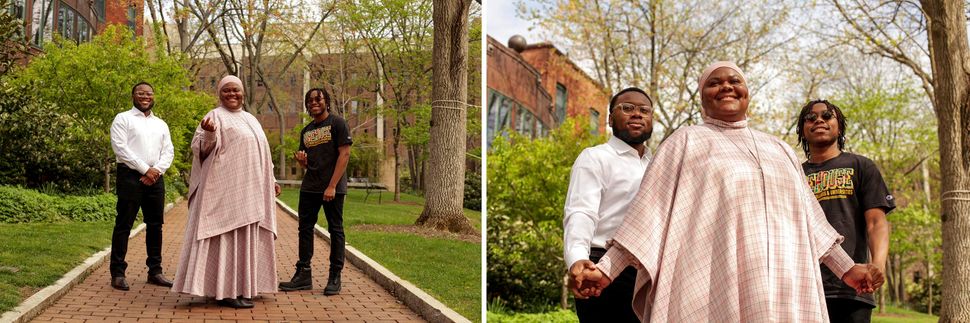
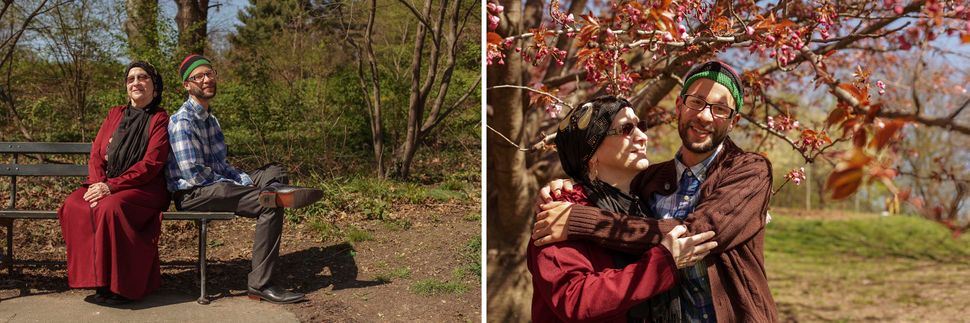
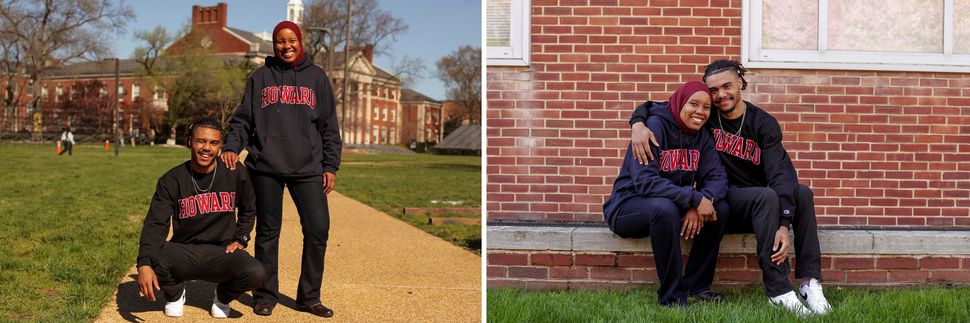
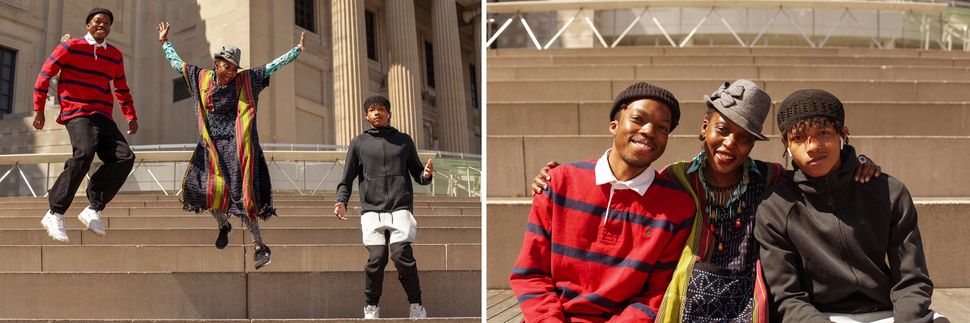
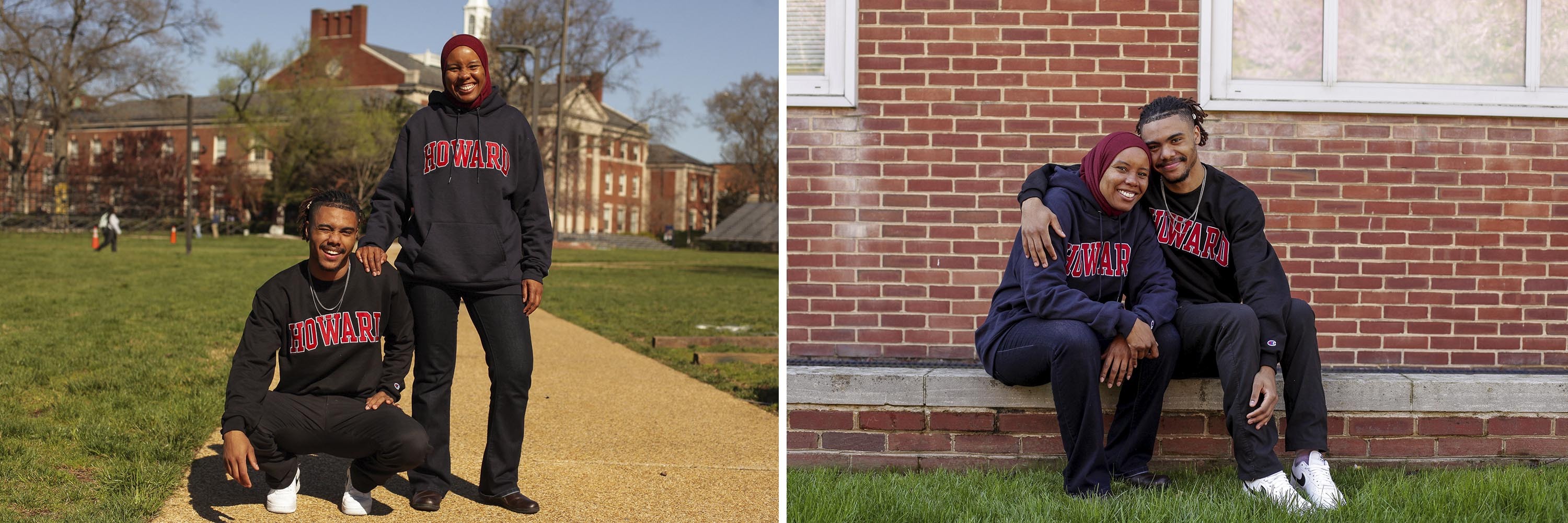
“My mother is a force of nature. If she wants to get something done, it’s getting done. I think that’s been pretty evident in the course of her journey,” said Sulaiman Rashid, a 20-year-old college student in Washington, DC, whose mother raised four kids. “My siblings and I have different career paths, but we are all grounded in the desire to create change, and that stems from my mom’s passion to help and to serve others and to aid in the betterment of the world.”
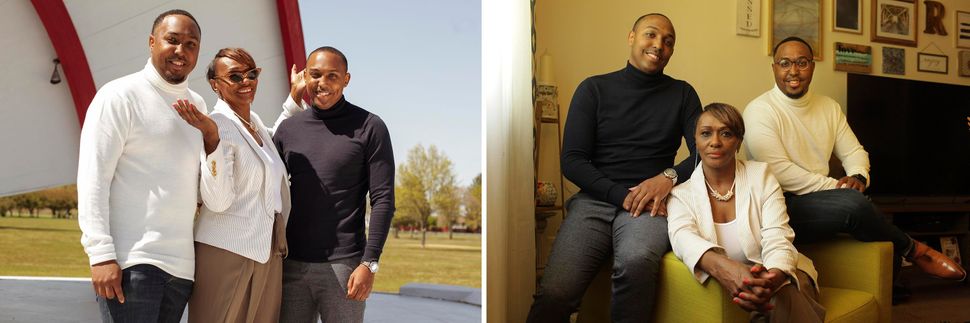
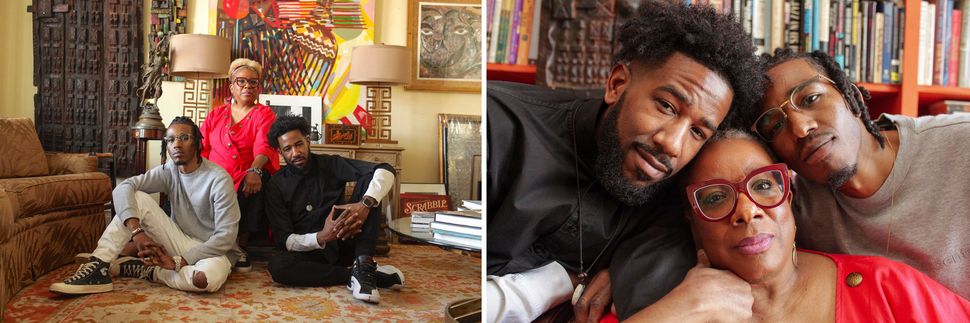
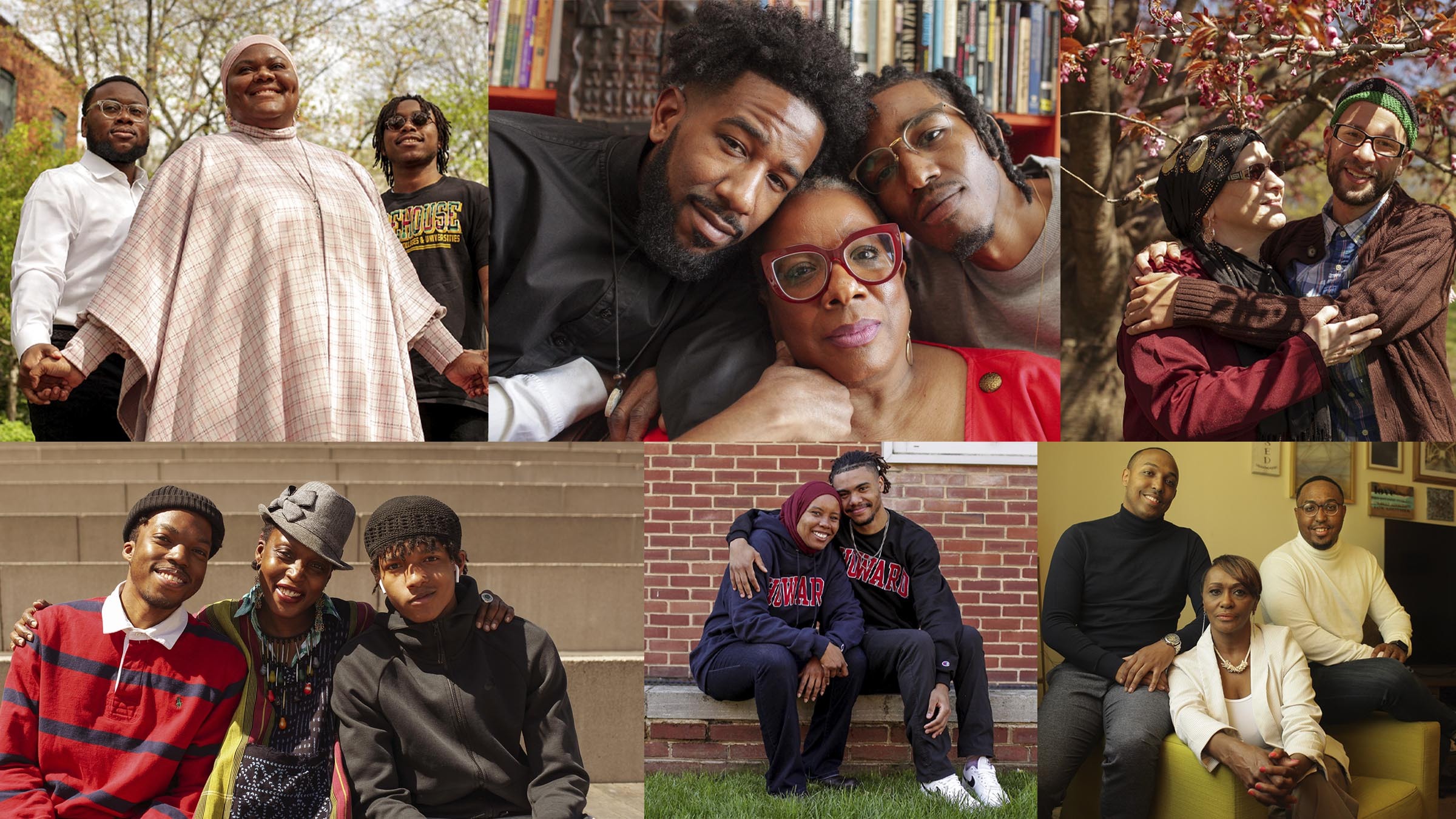
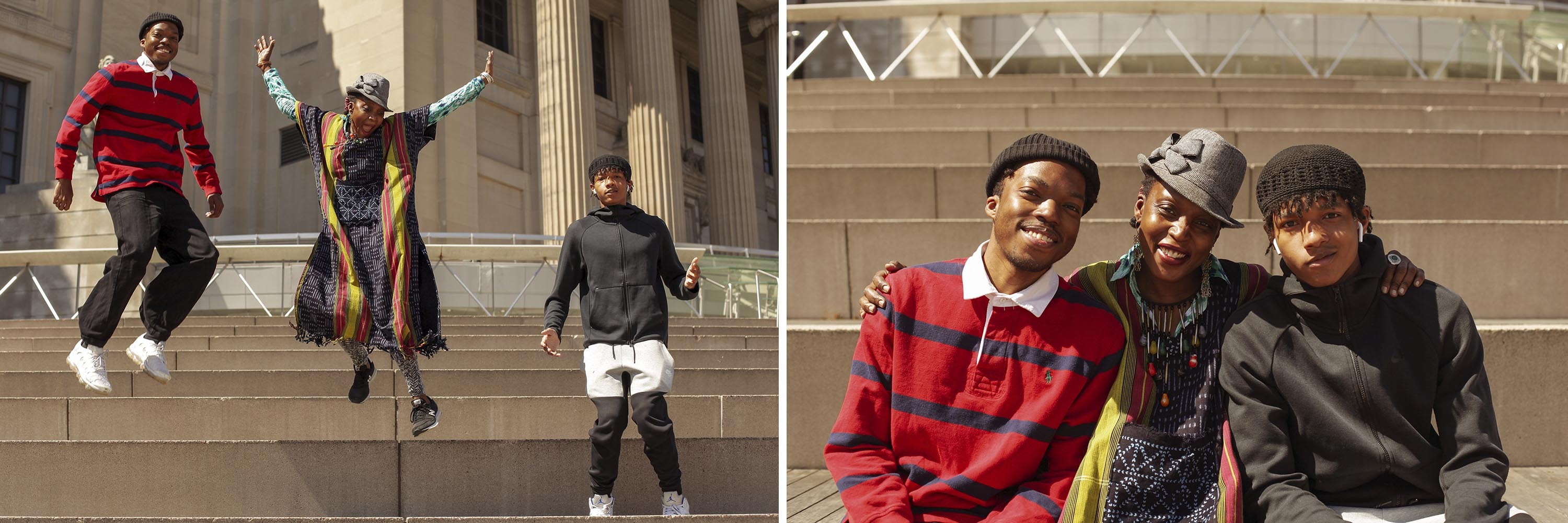
I wanted to explore the relationships between sons and their mothers. In this series of portraits, I photographed families and asked the sons to share some perspectives of the role their mothers had in their lives. From guidance on love, career and education to artistic inspiration and global travel, we see an expansive view of the strong bonds between Black sons and their mothers.
Advertisement
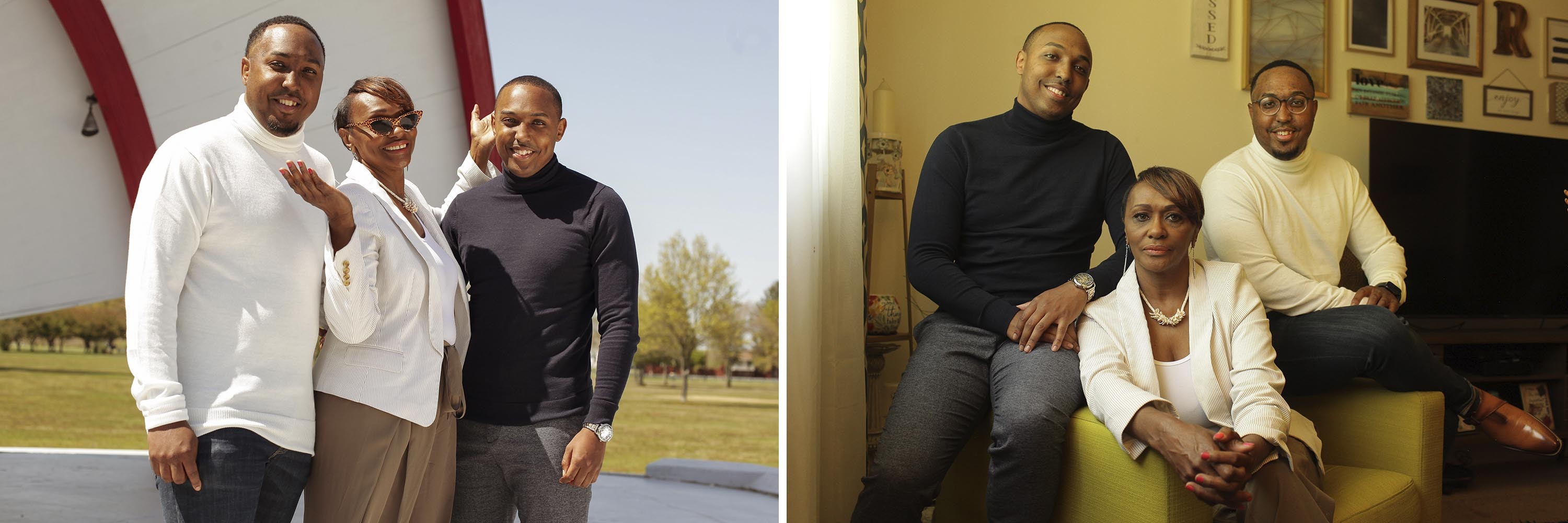
Diane Redfern
Sons: Christopher and Charles Tarpley
Advertisement
Laylah Amatullah Barrayn
My mother, commonly known as Lady D, is a resilient and confident mother. She has a jazzy personality and is a strong woman of faith. She raised my brother and I to become the gentlemen we are today. – Charles
My mother’s favourite saying is “I’m gonna tell you what God loves … the truth.” This is what I admire about my mother the most, her love of God. She has such a strong will to never give up no matter how tough things may be raising twins. – Chris
Tamara Redfern
Sons: Yaseen Ellison and Mujahid Ellison
Laylah Amatullah Barrayn
My mother has always been a source of light in my life. Across time and space – from my earliest memories in the US to years later and continents away – this has rung true. The continuum of joy and love surrounding my mother could not be summarised by a discrete moment. How would I describe my mother, who first showed me the magic and vibrancy of life? Who taught me firm confidence in my ability to grow, adapt, achieve and inspire?
I realise I don’t have to isolate any single experience to highlight who she is when everyone who encounters her is liberated by her grace and kindness, and when all spaces she walks through are automatically elevated by her presence. It is no wonder Allah says heaven lies at the feet of the mothers. I love you, Mom. – Yaseen
When I think of my mother, my thoughts often associate her with the moon. Her radiant, smiling face is akin to the light of the moon on a clear night sky. Her sound judgment and listening ear have served as a therapy to the many problems I’ve come to her with over the years. Her belief and willingness to lend a helping hand to me, unwavering, in times when I felt all was lost. Time after time, failure after failure, my mother has always been by my side. The best person to have around when sharing good news, as her pure, bona fide joy for you can be experienced by anyone who has interacted with her. The funny thing is my mother has taught me virtually everything I need to survive and thrive on my own, but hates it when I’m not around. There’s no better feeling than being capable of being alone but still having someone who never wants you to be alone. She’s my light and my guidance; my mother is my moon. I love you, Mom. – Mujahid
Aisha Hassan
Son: Bilal Hassan
Laylah Amatullah Barrayn
Ummi is very special to me; she means the world to me. She is my friend, travel buddy and confidant. I love being around her. She raised me into the young man that I am today. She is generous, caring, loving and not afraid to speak her mind. She was literally my first teacher. I was homeschooled from kindergarten to sixth grade by her and my father, who has since passed away. Back then, we didn’t have all of the home-schooling resources that exist today. Now, homeschooling is this big thing with programmes that you can do online. She created an amazing curriculum for us. She was extremely resourceful in making sure that we had an optimal learning experience. We did so much with very little. We had so much fun on our extended learning library trips. She is a genius. I could never repay her for how much she has poured into me. – Bilal
Jamilah Rashid
Advertisement
Son: Sulaiman Rashid
Laylah Amatullah Barrayn
My mother is a force of nature. If she wants to get something done, it’s getting done. I think that’s been pretty evident in the course of her journey. My siblings and I have different career paths, but we are all grounded in the desire to create change, and that stems from my mom’s passion to help and to serve others and to aid in the betterment of the world. I love her because she gave that to me. I can’t describe all the ways and reasons why I love her. As I grow into a man, I hope that my need for her doesn’t wane or fade. When I was younger, I needed her to read me bedtime stories, and what I need from her now is guidance in selecting a companion and partner. She did a really great job, and I’d be very blessed to find someone like her. I’m grateful to her every single day for who she is as a mother, wife and a person. – Sulaiman
Adama Delphine Fawundu
Sons: Amal Buford, Kofi Buford and Che Buford (not pictured)
Laylah Amatullah Barrayn
My mom set the standard and laid the foundation. She’s always been so driven and always accomplishes what she sets her mind to. There are so many roles that a mother can fulfil: a provider, a protector, a friend, an inspiration. She does it all. Some of my most fond memories are of us getting up really early and riding the subway to school. Even though it was the crowded subway, it felt like just us; it was so warm. We would have some of the best conversations. We would talk about anything and everything. We would read together; we would do math problems together. I love thinking about those times. It makes me nostalgic. You don’t realise how important that is, and I don’t ever want to take that for granted. It’s never been a question as to whether my brothers and I were her priority. She would drop us off and then have to go work her own job. It’s a job within a job. I’m older and I live on my own; I’m independent, but my mother is still my biggest inspiration. – Amal
My mother introduced me to so much. The knowledge and experiences that she imparted on me shattered the limitations that would otherwise be present in my life. It’s the reason why my creativity flourishes. We’ve traveled together. She took me to Sierra Leone, New Orleans, Phoenix, so many places. When we travel, we have fun, but we also learn about the land, the monuments, the historical connections. Our travels showed me the beauty of different cultures and that there are many ways of living. I love my mother. She always supported me. – Kofi
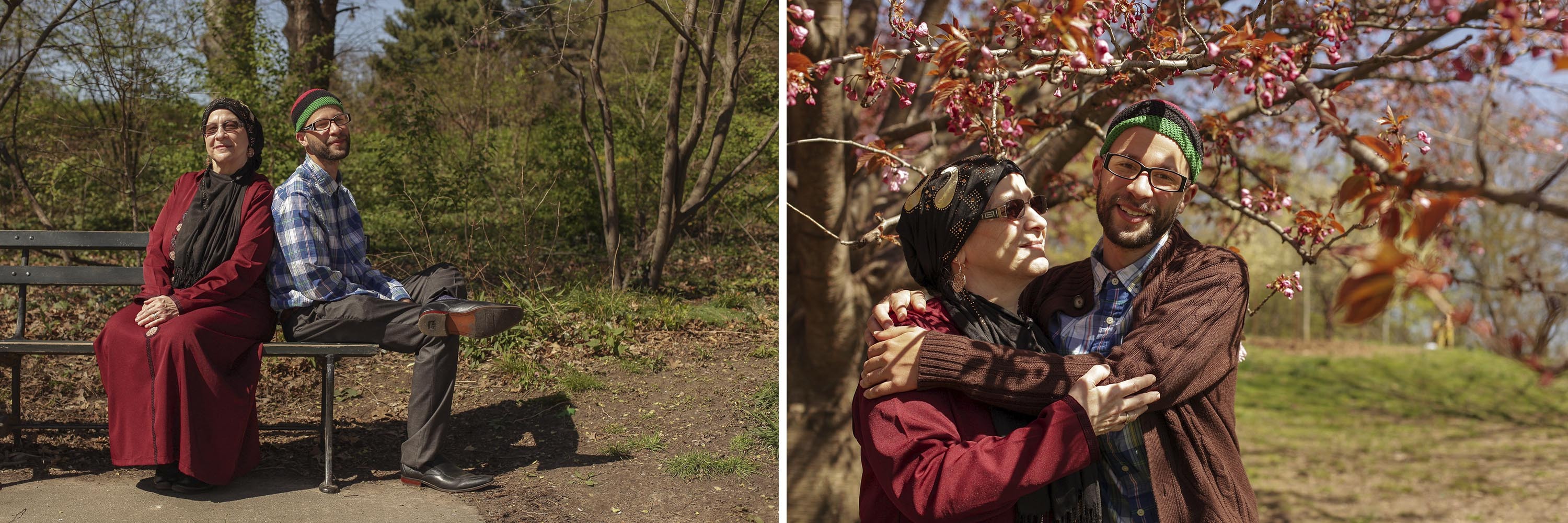
Karen D. Taylor
Sons: Chenzira Taylor Lewis and Siyaka Taylor Lewis
Laylah Amatullah Barrayn
I have always been enamoured by my mother’s unadulterated focus and ability to create as an artist. It’s always helped me to see her not only as a mum, but also as an artist and creative in her own right. And it’s been inspiring to see her flourish throughout my life in her different creative identities. She always encouraged my autonomy and inquisitiveness and aided my creative spirit. Her determination demonstrated that my dreams and creative endeavours are attainable. ― Chenzira
I see my mother as a community pillar, a preservationist of Blackness and Black culture and Black excellence. She is a preserver of the relic, an educator, a nurturer, a policer of integrity. I love the uniqueness of who she is, her quirks, her silliness, her strength and intelligence. She is very New York to the core; she is an intellectual, a scholar with the grit of the jazz nightlife scene. Most definitely a music snob, jazz and blues head, creatively impulsive, loving, laid back and full of big laughs. At the core, she is serene. She is literally the perfect yin and yang of creativity and strong love. – Siyaka
On January 22, 1973, the US Supreme Court affirmed in a 7-2 decision the legality of women’s right to have an abortion under the 14th Amendment.
Today, about one in four pregnancy-capable people in the US have had an abortion, and the risk of complications from an in-clinic procedure is extremely low. But before it was guaranteed as a constitutional right, seeking an abortion was a harrowing, potentially life-threatening endeavour.
Advertisement
While some women saved up the cash and sometimes travelled hundreds of miles to find qualified medical providers willing to risk their livelihood by operating on patients, others settled for providers lacking the qualifications and skills to perform induced abortions. And even more desperate people attempted their own abortions.
The outcome of these back-alley procedures or at-home coat-hanger abortions was often devastating, leading to maternal death or lifelong injury. (Complications from unsafe abortions include infection, incomplete abortions, haemorrhaging, uterine perforation and damage to the genital tract or internal organs, according to the World Health Organisation.)
Advertisement
Because these stories were so traumatic – and because the stigma surrounding abortion was even greater in those pre-Roe v. Wade years – many women remained silent about their experiences.
Now, as the US Supreme Court seems poised to overturn the Roe v. Wade decision, it’s worth revisiting their stories to understand what abortion was like in the decades before it was legalised.
Advertisement
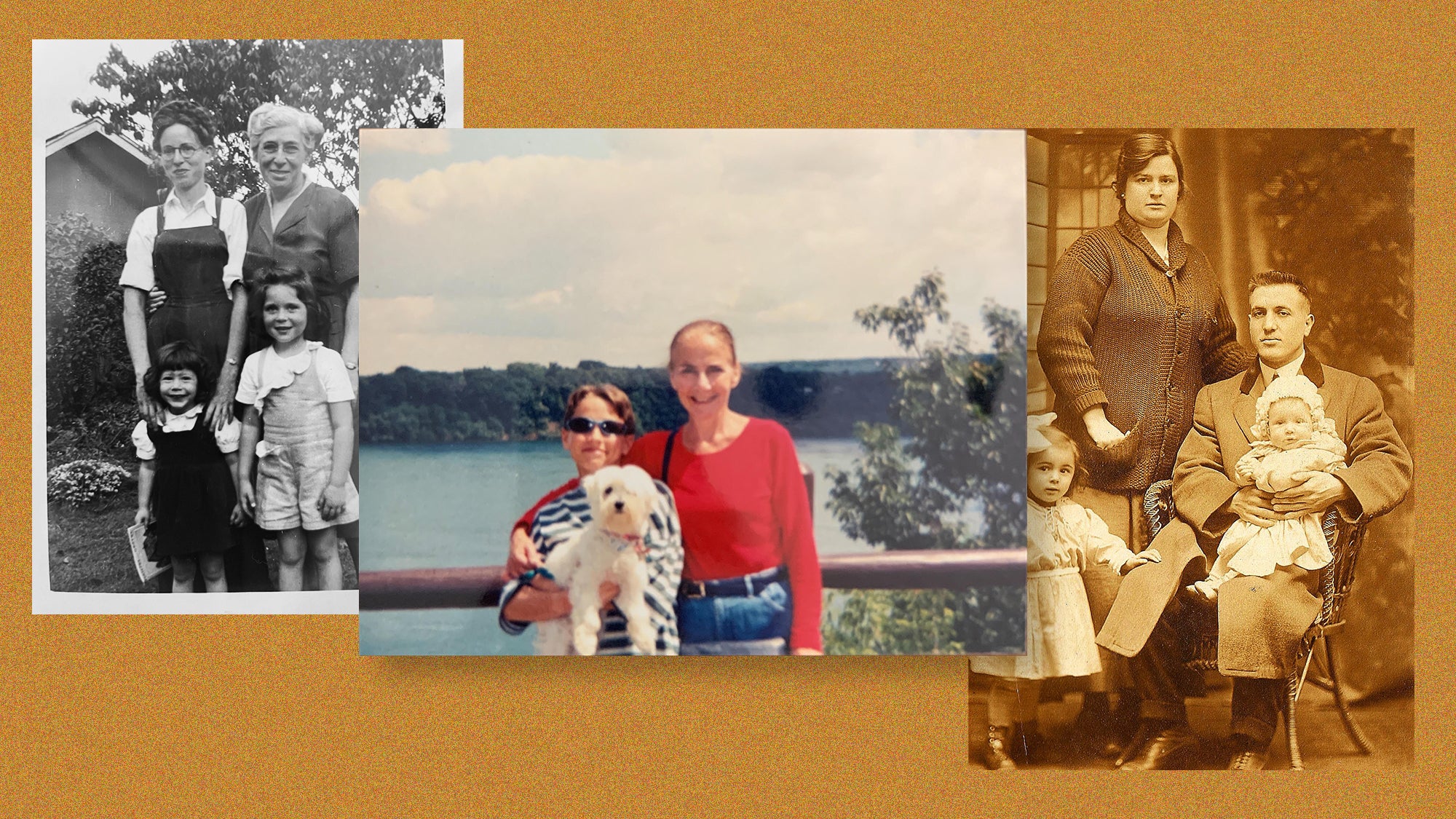
HuffPost US recently spoke to eight people who shared experiences of relatives – great-grandmas, grandmas, mothers and aunts – who sought abortions in pre-Roe v. Wade America. Many were already mothers, struggling to conceptualise raising one more child in poverty or, in some cases, with an abusive spouse.
In one story that differs from the rest, a reader shares how her great-grandma, the wife of a well-to-do dentist, was able to obtain a safe abortion in a doctor’s office with little fuss; the story illustrates how white, middle-class and upper-class women have always had an easier time accessing safer abortion options. (As many have noted, women of colour will be disproportionately affected if Roe v. Wade is overturned.)
Below, read all eight stories, which have been edited lightly for clarity, style and length.
“My maternal grandparents married in 1934.By the time my mother was born, it was clear my grandpa was a monster. Violent and cruel, he beat my grandma with a metal lunchbox. When mom was just a few months old, he threw her against a wall. My grandmother fled.
Advertisement
She discovered she was pregnant again. To induce an abortion, she drank a bottle of Lysol. You can Google ‘Lysol abortion’ and see ads from that time that suggested a woman could use Lysol to ‘correct your mistake.’ The ads are quite chilling, their meaning vague and without instructions.
Was reading the Dec 2019 edition of The Atlantic. Learned that Lysol was marketed as a “feminine hygiene” product and often used by women seeking abortions when they were illegal in the US.
It took my grandma 29 hours to die in her parent’s home; they were helpless to end the agony. Living in a logging village in winter, there was no hospital or way to travel to the city.
My mother always felt responsible for her mother’s so-called ‘suicide,’ as children do. Doing genealogy research, I uncovered the full story when my mother was in her late 60s, but her life was already written and the truth brought no comfort. I sometimes think I should never have done the research. There are four generations impacted by this one attempted abortion. We can never really know how lives would be different if she had lived. But I do know my mother’s life was forged by that event, she was an orphan, hidden from her father, never knowing why she’d been abandoned.” – Chuck M., 62, from Washington state
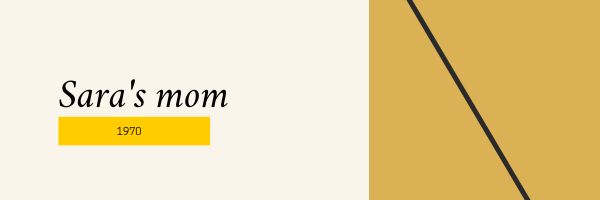
“My mother was a 16-year-old in 1970when she became pregnant as a result of sexual assault. She was living with my grandparents in Southern California, and abortion was not legal at that time. My grandparents were not in a position to get over the border into Mexico to have the procedure done, and they didn’t have access to a safe place to have the procedure done, either. Rather than risking my mother in a back-alley abortion, my grandmother assisted my mother in inducing a miscarriage. My grandmother had my mother sit in steaming hot baths for hours. My mother ingested medications that were considered dangerous to a fetus. They did everything short of physically harming my mother, though my mother did tell me that she was so desperate to end the pregnancy that she considered throwing herself off a high platform or down the stairs.
They managed to successfully induce a miscarriage, and my mother was taken to the local hospital to deal with the effects of the miscarriage and for a dilation and curettage. That worked, but her young body and mental health were not OK. Though my grandmother’s and mother’s intentions were to do something safer than a back-alley abortion, my mother was still at risk of potential harm from the various medications she took. And the foetus would also have been at risk for birth defects and other issues if the medications had not succeeded in a successful miscarriage. It was still dangerous.
My mother told me once that Roe was the single most important law that passed in her lifetime. That she was relieved that other women and people with a uterus would not have to suffer the same circumstances she did. If she were alive today, she would be absolutely shattered.” – Sara from New York
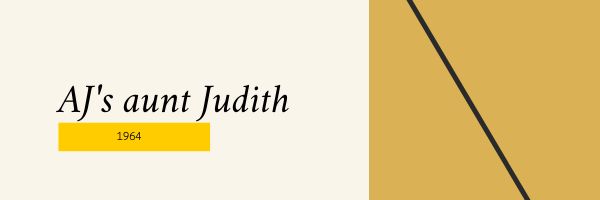
“My aunt Judith was just 17 in 1964 when she became pregnant after being raped on a study date at a so-called friend’s house. She was horrified to find out she was pregnant; she was on her way to college in the fall, and a baby wasn’t in her plans yet. Her doctor suggested a girls home out of town where she could stay until the baby was born and then give it up for adoption; it was her only choice since abortion was illegal.
Judith had tried all the old wives’ tales, jumping backward a dozen times at dusk and even drinking a tea that made her deathly ill just to lose the pregnancy naturally, but nothing worked. A friend of hers, Arbie, who was two years older, had been in Judith’s shoes and had taken care of her ‘dilemma’ herself.
In that summer of 1964, Judith chose to use a metal coat hanger, thinking it would be over quickly and no one would ever know. Her end result was far more than she had ever anticipated, with excessive bleeding and infection that led to a partial hysterectomy and the inability to ever carry a child. She spent nearly a month in the hospital. Her mother found out and never looked at her the same, although she did keep [Judith’s abortion attempt] from Judith’s father, knowing he would have kicked her out and pulled her college tuition. The family was hush-hush about everything, given the era everything took place.
Judith went on to graduate college top of her class to become the first female doctor of psychology in the family. From the outside looking in, her life was perfect: the house, her own office, nice car, all the material things one could ever hope to have, but she had developed a serious drinking problem and her life behind closed doors was, as she once said, ‘exactly what you’d think hell on earth would be.’
Advertisement
I was born in ’72, her only niece at the time, and she doted over me constantly every chance she had. I never suspected anything was ever wrong, although I did always wonder why Auntie Judy had such sad eyes; it wasn’t until puberty hit for me that she warned me of the dangers of having ‘that time’ and told me her story. She explained there were no real options in ’64 but said that because of Roe v. Wade in ’73, I would have more options than she had ever had.
Her desire to be able to carry a child, to be the mother she had always dreamed of, haunted her every waking hour and her dreams, and she was never able to get away from it. In 1984, just a week shy of her 37th birthday, my Auntie Judy hung herself in her attic; the pain and anguish had finally won the battle. Her note was a short novel, telling her story. I was only 12 and was told I wasn’t old enough to read it or understand it, but I didn’t listen. I sneaked and read it, and now I can remember every word, and her pain, longing and anger still haunt me to this very day.” – AJ, 50, from Louisiana
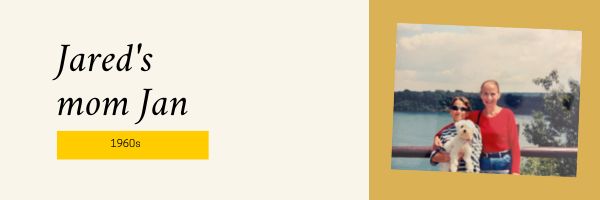
Jared Milrad/Canva
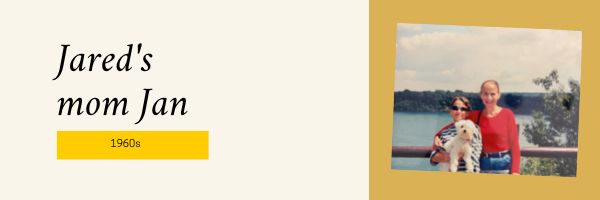
“Like most kids raised by a single mother, I’ve always thought of my mom, Jan, as courageous, resilient and strong. Growing up, she commuted nearly two hours each day ― every day ― to work a low-paying job as a secretary so that my brother and I could have a better future. Despite all that she went through, my mom never gave up and ensured that my brother and I could get the best education and have more opportunities than she did.
But it wasn’t until I was in my 20s that I realised how truly incredible my mom is. One day, my mom shared that she was around my age when she had two abortions. This was 1968-69, when abortion was still illegal in the U.S. and my mom was 26 or 27 years old.
My mom told me that she had her first abortion during this time while dating a much older man. The pregnancy was very unexpected, and because my mom was struggling to make ends meet and didn’t have much support at all, she made the wrenching decision to abort the pregnancy. Because abortion was illegal in the States, the man found a doctor for her in Puerto Rico and agreed to pay for the procedure, so my mom went with my grandma to have it done. They traveled to San Juan and then traveled a bit outside of the city. My mom expected the procedure to be done with anaesthesia, but – horrifyingly – it wasn’t.
‘The abortion was done by a butcher and my mother heard me screaming,’ my mom recalled. ‘I didn’t know that they weren’t going to give me anaesthesia. It lasted for only 20 or 30 minutes, but it seemed like a lifetime. When we got back to the hotel in San Juan, I was in such pain. Then, when I was back in New York City in A&P Grocery a few days later, I noticed that I was bleeding ― haemorrhaging.’
My grandma immediately called a gynaecologist and arranged to have my mom treated in the ER at Lenox Hill Hospital, where they didn’t tell the doctors that the bleeding was caused by an abortion out of fear because the procedure was still illegal. My mom was lucky to survive.” – Jared Milrad, 38
“Today, the majority of women who seek a legal abortion are already mothers. Let me share a pre-Roe horror story about my Italian, Catholic grandmother Mary, whom I never had the blessing to know.
Apparently, on her deathbed in 1943, Mary asked her sister-in-law Florence, who was childless, to take care of her only daughter, but the shameful secret had to be kept. My mom was forbidden to ask questions about her mother or her death. She learned the truth when she was in her 50s from me after years of research.
I was in my 20s when I first began to put together the pieces of a story that just didn’t make sense: a 34-year-old mother of three young children who is hemorrhaging but refuses to go to the hospital. Even the death certificate corroborates the secret. Cause of death: carcinoma of the cervix. But cervical cancer does not generally cause women to bleed to death.
Advertisement
Then, one day in the mid-’70s, we were talking about the Roe decision, and Florence, the woman I knew as my grandmother, let it slip that she had to lend $250 (an enormity in 1943) to one of her brothers because someone needed an abortion. I was stunned; I finally connected the dots. In a typically large Italian Catholic family, Florence had many sisters but only two brothers. One of them, it turns out, was my biological grandfather.
Grandma Mary already had three children she loved: two boys and the middle child, my mom Nancy. With an unemployed husband, a fourth child would plunge the family into poverty.
So the decision was not made lightly, but something went horribly wrong. Mary was just 34 years old and was more afraid of the law (and the judgment of the Catholic church) than she was of dying and leaving her children motherless.” – Lori Bores from New York
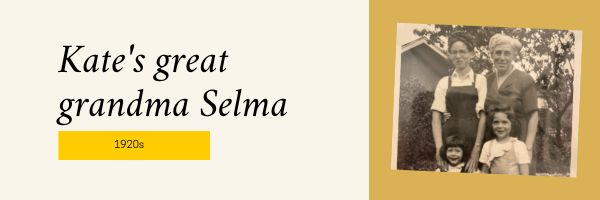
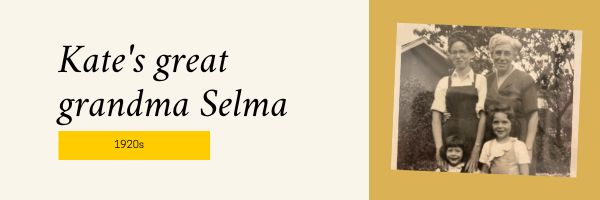
“Great-Grandma Selma Rosenthal (born 1878) was a career woman.Graduating from college in 1901, she was homely and smart, two things that did not make her particularly attractive to suitors of the era. Knowing this, she focused on having a successful career. She was by all accounts very funny, with a wonderful voice and an active circle of friends. She had no expectation that marriage or family were in the cards for her, and she had made peace with that idea.
That all changed when she met Sidney Rauh, a dentist from Cincinnati from a well-off family. It was the 1910s, and she was well into her 30s. Sidney was equally unattractive and clever, and a confirmed bachelor. He had no interest in marrying a girl for her looks but wanted to find someone he could love for her mind. When they met, it was love at first sight, and given their advanced ages, they decided to marry as soon as possible.
Selma quickly became pregnant, only to miscarry the first Christmas they spent together as a married couple. Two daughters quickly followed in 1916 and 1919, but Selma was terribly sick with her second pregnancy and she barely survived childbirth. Her doctor told her, in no uncertain terms, that if she was to get pregnant again and attempt to see it to term, she would die. She promised she would be careful.
A few years later, when she realised she was pregnant, she went to her doctor. The doctor advised her that she had to have an abortion. Sometime later, the doctor performed an abortion in his office, no fuss, no muss. But Selma was a well-off wife of a successful dentist with status in the community. It never occurred to her that what she was doing was illegal or in any way wrong. It was a decision between her, her doctor, and Sidney, and she did what was best for her family and health.
Selma died in 1948 at the age of 62 of a heart attack, having spent time not just with her daughters, but also with her granddaughters, who were five and three at the time of her death.
Great-Grandma was a suffragette and strived for women’s rights. Women’s rights and bodily autonomy were key issues in my family, but I suspect the story would not have been noteworthy had it not been for the fact that abortion became the issue it was later on. My mother and grandmother shared with me how hard things like birth control had been to get in their era, and my mother shared with me the fact that she got a (legal) abortion for family planning reasons. For us, it was just part of normal conversation.” – Kate, 50, from New York
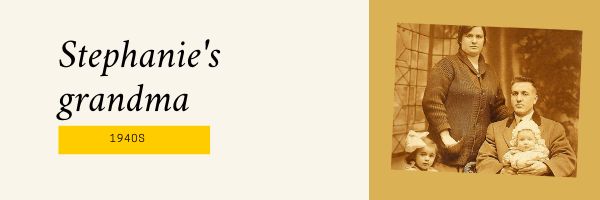
Stephanie Voltolin/Canva
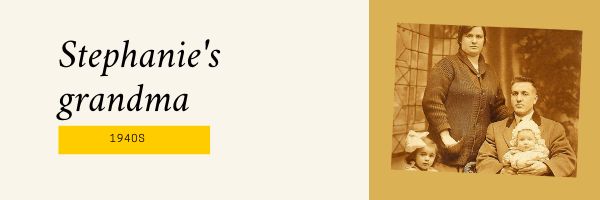
“I was born in the 1960s and grew up in a very conservative Catholic family. Nonetheless, my traditional housewife mother was ardently pro-choice. She even took one of my friends to get an abortion in the 1980s because my friend couldn’t tell her family she was pregnant.
Advertisement
Shortly after my paternal grandmother died, when I was a college freshman, my mother frankly told me during a conversation about choice, ‘Your grandmother had a back-alley abortion and almost bled to death.’
My grandmother found herself – in the early 1940s before birth control or abortion were legal – pregnant and divorced from her second husband, who turned out to be horribly abusive. She decided to leave before he began abusing her three children from her first marriage. Like most women of her day, she had no college education or career to support herself and her children. And, like most women who get abortions, she could barely support the children she had. She ended up having to go live with her parents, who were Italian immigrants.
Faced with being twice divorced and pregnant, my grandmother sought an abortion. Because they were illegal, she had to trust a back-alley ‘doctor,’ who punctured her uterus in the process. She left the procedure, collapsed in the street from the blood loss, and had to be taken to the hospital. An emergency hysterectomy saved her life.
She was an amazing mother and grandmother, and although she died almost 40 years ago, I still become emotional when I think about what a loss I would have suffered had she died from that botched abortion.
The rest of the family never knew. I am telling her story now in the same way that we disclosed our sexual trauma during the Me Too movement to educate others. Legal and safe abortion is critical to women’s reproductive rights as American citizens, and we cannot allow them to expire.” – Stephanie Voltolin
“My great-grandmother died from a botched, illegal abortion in the mid-1930s in Chicago, leaving my grandmother (2 years old) and her sister (4 years old) without a mother. When my great-grandfather remarried, his new wife already had kids of her own and didn’t want to take care of two more. My grandmother and her sister were thrown out of the house and bounced around to different aunts and uncles.
For much of my grandmother’s life, she was told that her mother died of a pregnancy complication due to an ectopic pregnancy. Later, when my grandma was a teenager, her aunt told her the truth: that her mother had died from a botched, illegal abortion.
My grandmother shared her story with me in 2012 when I was 25. We were having an early lunch. I remember she asked me if I wanted a glass of wine, which was odd for her in the middle of the day. We were talking about something else entirely and she said, ‘my mother died of a botched, illegal abortion,’ almost out of the blue, and her story just unfurled from there.
I honestly didn’t think too much about what my grandmother shared. I didn’t think her story was shocking or novel, maybe because abortion had been legal in all 50 states for my whole life. I assumed everyone else in our family knew, so I didn’t think to say anything.
A couple years later, I was catching up with my parents and one of them said, ‘Did you know Great-Grandma Sally died from a botched illegal abortion?’ That’s when I realised my grandma was nervous when she shared her mother’s cause of death with me. She was holding on to this family history and likely carrying with her the shame and stigma or the ‘don’t talk about it’ attitude of her family. It was an ‘aha’ moment for me – a real understanding that likely everyone has a family abortion story, whether they know it or not.
Advertisement
Now our family has a deep understanding that when abortion is legal, abortion is safe. And we know in the decades before Roe v. Wade was decided, people like my great-grandmother were desperate to receive the care they needed.” – Amy Handler, 35, from Oregon
Since 1973, Roe v. Wade has protected the right of all Americans to access safe and legal abortions. But a leaked document published by Politico on Monday shows that the federal protections conferred by Roe may be struck down by the US Supreme Court this summer.
If Roe falls, the legality of abortion will be determined by each state. And though a handful of states are passing legislation that will protect the right to get an abortion, many others — 26 to be exact — are expected to quickly ban or restrict abortions.
Advertisement
If this happens, millions of people in the US will no longer be able to access safe abortion care within their communities. They’ll have to wait longer and travel farther to access help. The impact on people’s mental and physical health – along with their finances, families and livelihoods – will be astronomical.
Despite the misinformation that swirls around the internet (and beyond), abortions are extremely safe procedures. They’re also incredible common – about one in four women will have an abortion by the time they are 45 – and, in many cases, they are life-saving.
Advertisement
“It is a common procedure, it is very safe, and I can’t emphasise that enough. This draft ruling is egregious, it is a basically a war against women,” Dr. Melissa Simon, a Northwestern Medicine OB/GYN, tells HuffPost.
Here’s what people get wrong about abortion
Advertisement
One of the most common misconceptions about abortions is that the procedure is dangerous or detrimental to one’s health.
A report from 2018 examined the safety of various methods of abortion – medication, aspiration, dilation and evacuation, and induction – and concluded that abortions are safe and effective and that complications from all types of abortions are rare.
It’s the barriers and restrictions that legislators sign to prevent patients from easily and swiftly accessing abortion that jeopardise their health. It’s well known that delaying abortion care increases the risk of complications.
Some US states require doctors to tell their patients that there’s a link between breast cancer and abortion – despite the fact that many high-quality studies have put this question to rest, according to Dr. Jennifer Kerns, an associate professor in the department of obstetrics, gynaecology and reproductive sciences at the University of California, San Francisco.
Advertisement
Others fear that abortions cause infertility, but research hasn’t found a link between abortions and the ability to conceive in the future. There’s also no evidence that abortions increase the risk of complications (ie. preterm birth or low birth weight delivery) in the event of a future pregnancy.
Another long-running mistruth is that abortions increase the risk of developing mental health issues. “There is a huge body of work demonstrating that abortion in and of itself does not cause mental health problems,” Kerns says, noting that people often feel relief after getting an abortion.
What we do know is that unwanted pregnancies can cause significant maternal depression and parenting stress. And those mental health issues don’t clear up with time; they are often long-lasting, afflicting the women who carried the unwanted pregnancies to term well into their 30s, 40s and 50s.
“Even in the setting of using contraception and safe-sex practices, having the option of an abortion is critical to the life and both physical and mental health of the woman.”
– Melissa Simon
Many people falsely believe pregnancy is easy to avoid, but it’s not that straightforward. Kerns sees many people, from all walks of life and phases of reproductive health, seeking an abortion. Contraception – though invaluable – is not foolproof. Birth control is not 100% effective; it can fail and lead to a pregnancy.
“Even in the setting of using contraception and safe-sex practices, having the option of an abortion is critical to the life and both physical and mental health of the woman,” Simon says.
Many anti-abortion bills have been labelled “heartbeat bills” because they ban abortions at the first sign of foetal cardiac activity. This nomenclature is wildly misleading – while primordial electrical activity can be detected around six weeks of pregnancy, this does not mean a foetus has a functioning heart. The heart, valves and vessels do not form until 16-18 weeks of pregnancy.
“Just having cardiac activity does not mean the foetus, if born at that moment, would be able to survive,” Simon says.
Restricting abortion impacts people’s health and livelihoods
Evidence shows that being denied an abortion has a devastating impact on one’s physical health, mental health and overall well-being.
The Turnaway Study, conducted by scientists at the University of California, San Francisco, found that women who carry an unwanted pregnancy to term have a four times greater chance of being below the US federal poverty level.
Advertisement
They’re also more likely to experience serious health complications, such as eclampsia and death, and to develop mental health issues, including anxiety, depression and suicidal ideation. They’re more likely to stick with an abusive partner; their life goals tend to take a back seat, and their families’ livelihoods suffer. Many go on to experience chronic pain.
“The health and welfare of the citizens of this country suffer – we see increased illness, we see increased poverty and we see increased death,” Kerns says.
“The health and welfare of the citizens of this country suffer — we see increased illness, we see increased poverty and we see increased death.”
– Jennifer Kerns
Restricting the right to an abortion does not mean the need for an abortion disappears. A recent study predicted that banning abortion will lead to a 21% increase in pregnancy-related deaths; that jumps to 33% among Black women.
Maternal mortality rates are at an all-time high. The US already has the highest maternal death rate among developed nations — and that crisis would only get worse without access to safe abortion.
“There are some women who get pregnant who could die if they continue with the pregnancy, and, therefore, an abortion is a life-saving procedure in those circumstances,” says Simon, adding that those circumstances are not rare. Abortions, in many cases, can save the life of the mother.
Here’s what the fall of Roe could mean for health care
Kerns said the leaked document demonstrates that the court is no longer a neutral group. “It really lays bare how out of touch their rulings are with people’s lives,” Kerns said.
Much of the language used in abortion restrictions and bans – like “abortionists” – really deeply divides people and shames those who get an abortion or provide an abortion.
Simon says the potential fall of Roe reflects a crisis in women’s health care, specifically when it comes to maternal health. The end of Roe would mark a war against women and people who can get pregnant, who, for the record, comprise over 50% of the US population, she adds.
Simon is exceedingly concerned about what will happen to the growing maternal death rate if Roe falls and safe abortion care becomes harder and harder to access.
Advertisement
“That is what I am very worried about in this country – that we are going to go even more in the wrong direction than we already are with respect to caring for over half of our population: women,” Simon says.
For those yet to watch the clip, Rock made a joke at the expense of Smith’s wife, Jada Pinkett Smith, when he said he was “looking forward to seeing GI Jane 2”.
Advertisement
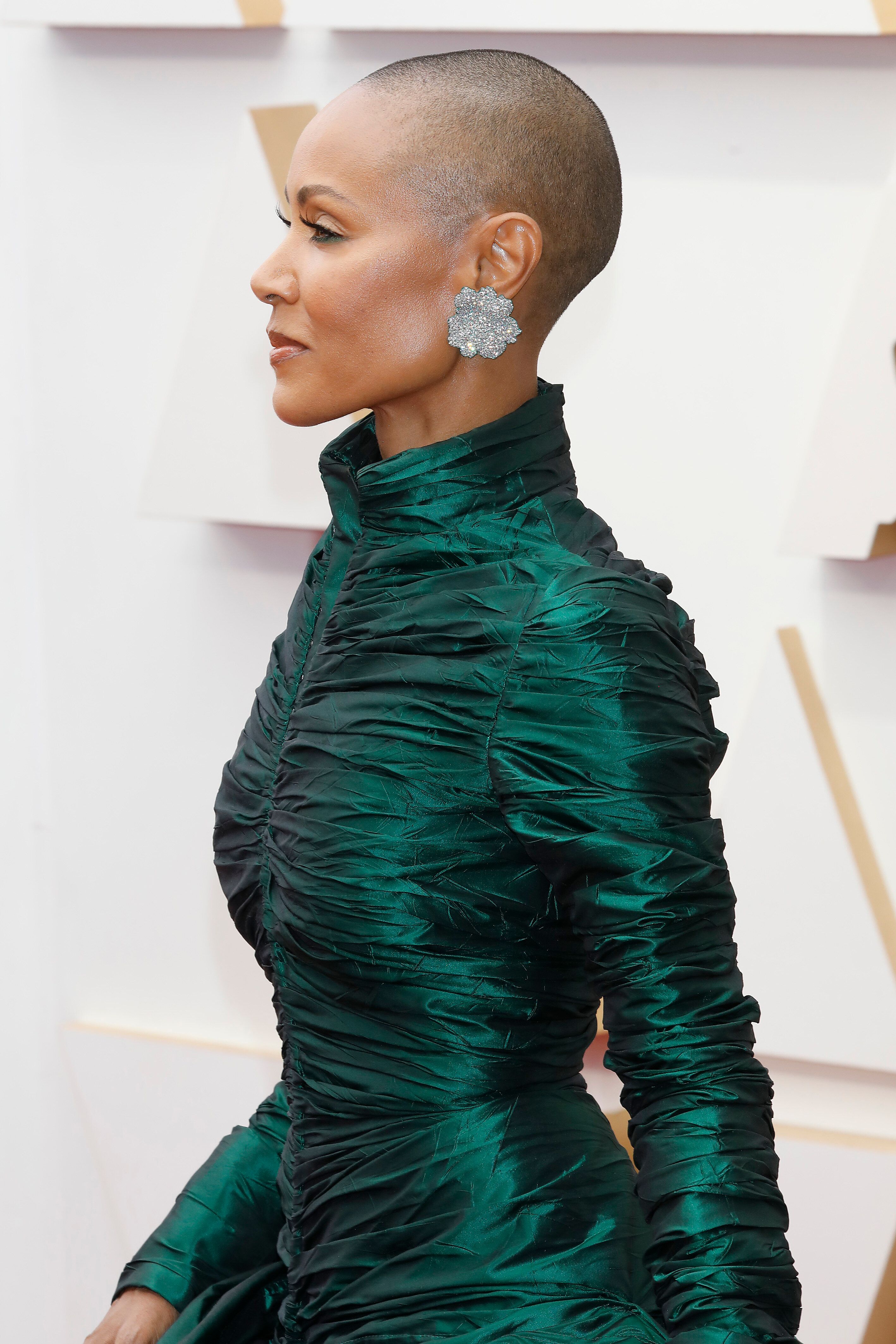
Rock was apparently referencing the actress’ shaved head, which is a result of the hair loss condition, alopecia. Seconds later, Smith climbed onto the stage, slapped Rock and said: “Keep my wife’s name out of your fucking mouth.”
Some have excused Smith’s actions, saying he was simply “defending his wife’s honour” – but that phrase in itself has left others feeling uncomfortable.
Advertisement
Most of us will agree that there’s other ways to stand up for someone you love without resulting to physical violence. But it also raises the question: do women still need their “honour” defended by a man?
Do women need a man to defend their honor in the 21st century? #no
— Dr. Very Happy White Lady (@HappyWhiteLady) March 28, 2022
Plenty of people have praised the actor for stepping in to “defend” his wife.
Slightly confused as to why Will Smith is coming over as the bad boy in all this. I should be so lucky to have a man defend my honour. Chris Rock is a douche.
I don’t think Will Smith did anything wrong. If someone made a distasteful joke about my medical condition in front of him I would hope my husband would defend my honour.
But others have highlighted that Jada Pinkett Smith is a grown woman and perfectly capable of defending herself if she chooses to.
Future Publishing via Getty Images
Jada Pinkett Smith arrives on the red carpet before the 2022 Oscars ceremony.
Will Smith “defending” his wife, who is quite capable of defending herself. Noone checking to see if Chris Rock was ok after being hit. The slap already becoming a ‘meme’. There is so much wrong with this, on so many levels.
Can we also consider the fact Jada Smith is her own person, not ‘my wife’, and does not need some idiot to defend her honour. It was a bad joke at an awards show – not a physical attack. Grow the F up. And stop pretending your hurt is about her #WillSmith
Reinforces oldest narrative in world – that violence is the way to “defend honour” & woman’s “honour” is the preserve of man. Rock’s “joke” may have been in poor taste, but Smith could have used winner’s speech 2 call that out with dignity. Applauding assault condones. #WillSmith
So Will Smith physically assaults Chris Rock to defend ‘his wife’s honour’ or something like that. What is this, 1930?? Haven’t we had enough of hyper masculine violence already? Anyone else see the line connecting that assault to Putin beating up a defenseless country?
Later in the evening, Smith won the Best Actor award for his portrayal of Richard Williams, the father of Venus and Serena Williams, in the biopic King Richard.
In his acceptance speech, he apologised to the Academy and his fellow nominees for his behaviour, adding: “I look like the crazy father, just like what they said about Richard Williams. But love will make you do crazy things.”
But his words only sparked further criticism.
Advertisement
I mainly tweet about books so you might wonder why I’m so angry about the Will Smith Oscar assault, but his acceptance speech reads like the excuses given to every victim of DV: love makes us do crazy things. It’s because I love that I hit. And he gets a standing ovation?! FFS
Will Smith trying to spin a narrative of “love will make you do crazy things.” No. Unchecked toxic masculinity and a lack of accountability will make you do/say crazy things. (True for Chris Rock, too). #Oscars
But one thing is clear: the headlines this morning are all focused on Chris Rock and Will Smith. The woman at the heart of this story, Jada Pinkett Smith, has been erased in all the drama.
And you know who’s left dealing with the emotional fallout of both the hurtful joke and the unacceptable punch? Jada Pinkett Smith. Thinking of her today.
During medical training, in health textbooks, in posters or at the doctor’s office, we often see health conditions or body parts represented with white figures.
Many of these images seem outdated or inaccessible to large parts of the population. Now, one medical student has taken matters into his own hands.
Advertisement
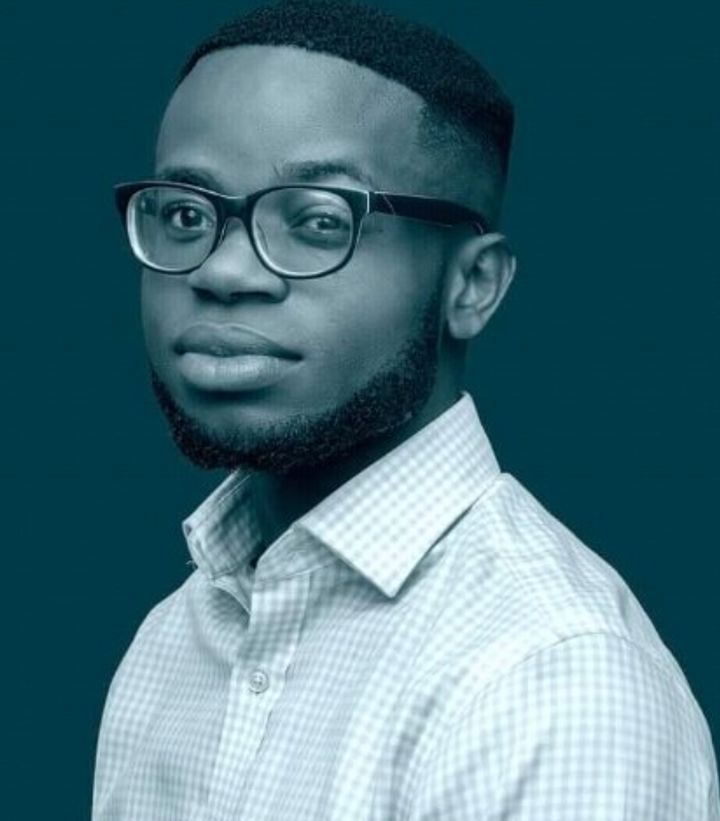
Chidiebere Sunday Ibe, 25, from Ebonyi State, Nigeria, began illustrating Black patients, children and babies. Recently, his drawing of a Black foetus and mother has gone viral on Twitter and TikTok, amassing hundreds of thousand views and likes.
The image has clearly struct a real chord with people, especially those not accustomed to seeing their skin tones reflected in standard medical imagery.
Advertisement
The aspiring neurosurgeon wanted to show people what certain conditions look like for Black people – and also normalise the diversity of our bodies.
For some people, it was the first time they’d seen a Black foetus and many called for more representation like this.
Advertisement
When we spoke to Ibe about his illustrations, he told HuffPost UK: “This image was created like every other image, I never expected it to be viral. The whole purpose was to keep talking about what I’m passionate about – equity in healthcare – and also to show the beauty of Black people.
“I feel great seeing it going viral, I never expected it and it feels good that the message is out and it will challenge current systems.”
Ibe points out that we need to see more images like this, and more people behind the scenes creating them.
“We don’t only need more representation like this, we need more people willing to create representation like this, this would help make such images more accepted,” he says.
Advertisement
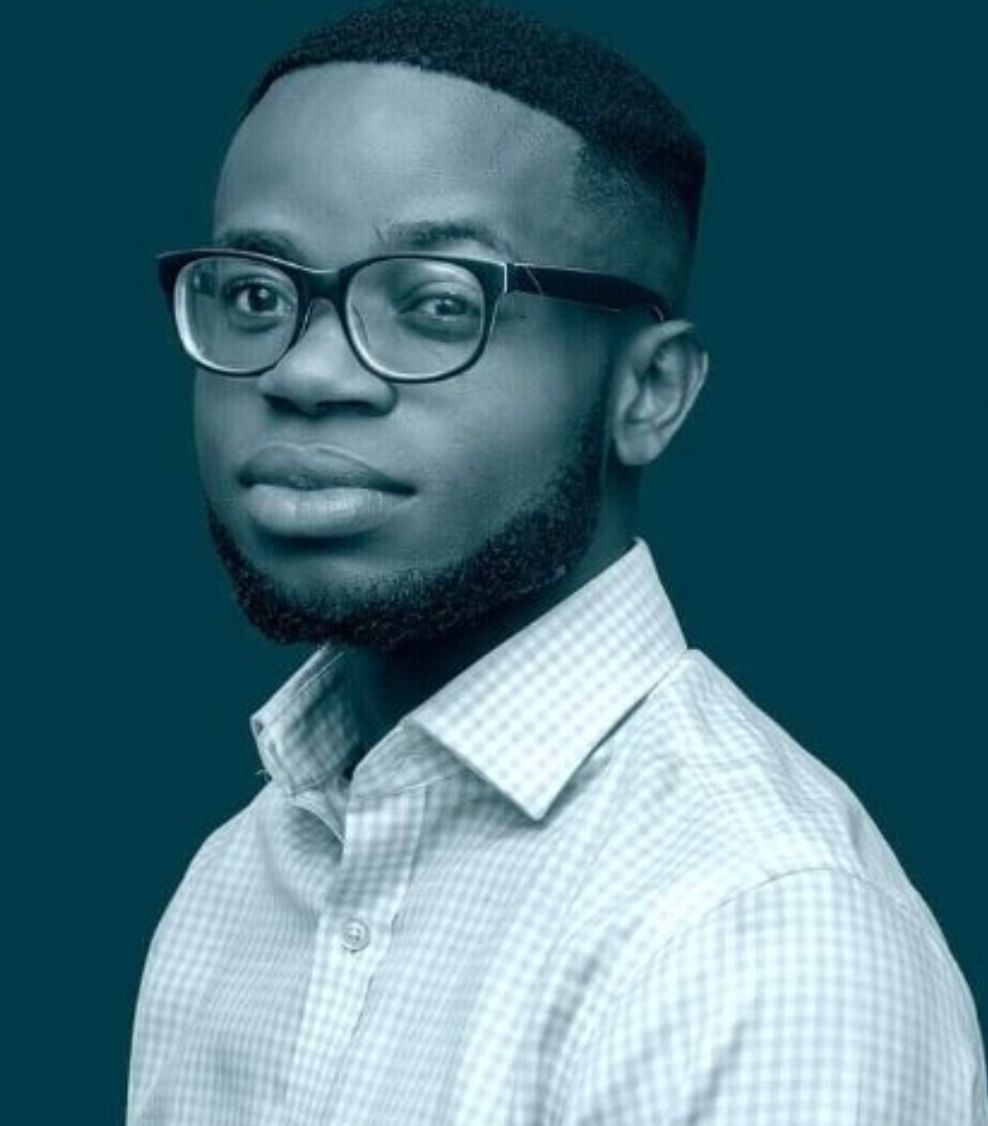
Chidiebere Ibe
Chidiebere Ibe is an aspiring neurosurgeon.
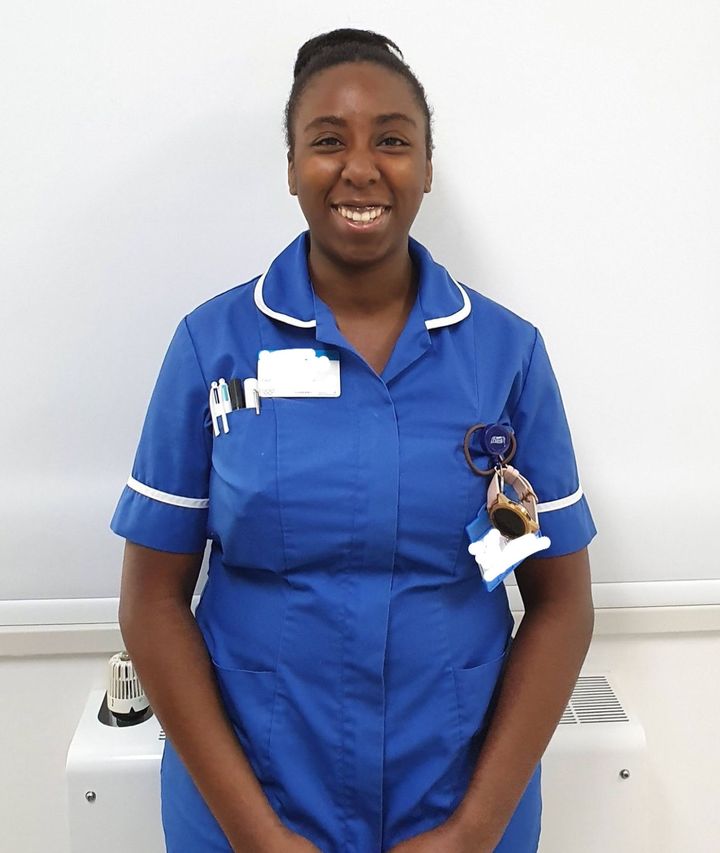
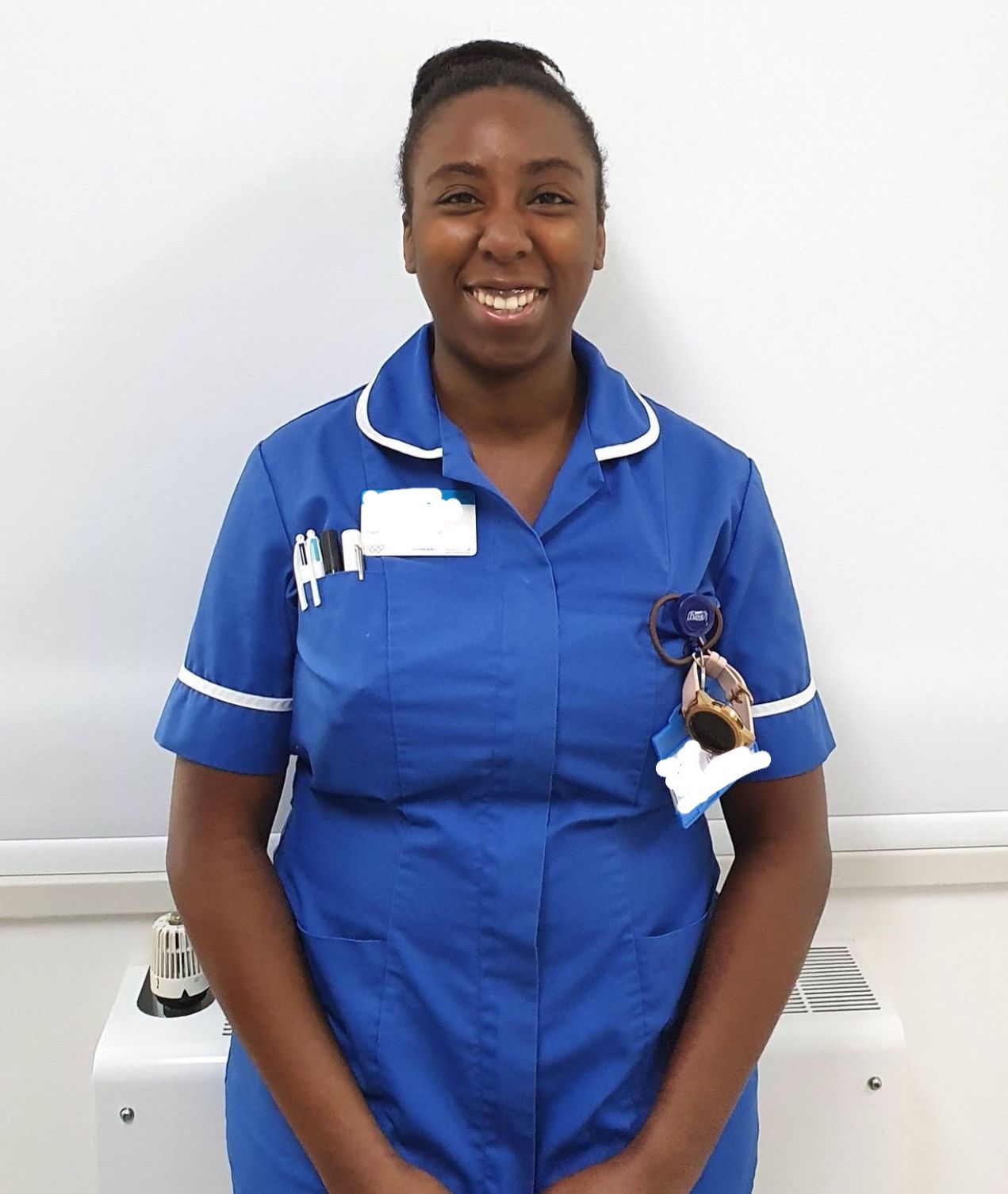
For Black people working in healthcare, seeing Ibe’s images has meant a lot – it’s not often they see their race reflected in the industry. Rebekah Agboola, a 27-year old nurse from London, says the picture made her do a double-take.
“The image was shocking,” she tells HuffPost UK. “I’ve never seen a Black baby in an image like this before – it makes you take a second look. It shouldn’t be shocking as it’s a simple medical illustration. However, having started my journey into this world as a sixth form student looking at medical images, I didn’t commonly see illustrations of Black and brown people unless it was something to do with skin conditions and even then it was rare.”
Agboola says such illustrations go beyond representation to having a positive impact on people’s health and wellbeing.
“I think that it is important to make sure that there is more representation because it will greatly improve the treatment of our patients,” she says.
In August 2020, as part of Black Ballad’s weeklong takeover of HuffPost UK, Black women spoke out about the discrimination, microaggressions and substandard care they received during pregnancy, shining fresh light on the findings of a major motherhood survey, also conducted by Black Ballad.
“Routinely, Black and other minority patients do not receive the same care due to initial symptom presentation and if it is made clearer that our symptoms can sometimes look different and that clinicians need to give their examinations more thought we can help reduce this issue,” Agboola says.
“This picture shocked me but I was so glad to see it and want to see more.”
Rebekah Agboola
Rebekah, a nurse, has never seen an image like this before
Since the release of Ibe’s pics, the Royal College of Midwives (RCM0, has also said it will be amping up efforts to diversify.
Jane Bekoe, the RCM lead on its Race Matters programme, told us: “Positive representation of race is important in all aspects of our lives and society, because the world should reflect accurately all the people living in it. This applies just as much to portrayals of Black and minority ethnic people within healthcare, so illustrations such as this are a positive and necessary step forward towards real equality for us all.”
The RCM is working to ensure changes happens, Bekoe added, following its first celebration of Black History and Culture Month this year. In January 2022, it will hold a webinar on decolonising the midwifery curriculum, which will be led by the RCM’s student midwife forum.
How do you feel about your body? There’s a chance you might have some issues with it, particular if you’re a woman (thanks to society’s ever-changing and unrealistic expectations of body standards).
Body dysmorphia disorder (BDD) is also characterised by a desire to change perceived “flaws”, when these are often unnoticeable to others.
In a survey of 2,000 respondents, Better revealed that 49% of women admit to thinking often about being lean enough, exercising despite illness or injury, feeling anxiety at missing a workout, giving up work or social obligations to maintain a workout schedule or diet, or maintaining an extreme exercise programme.
Advertisement
More than a third (34%) of women have received or know someone who has received online abuse directed at how their body looks. Meanwhile, 8% of women admit to commenting negatively on someone else’s physical appearance – compared to a fifth of men (21%). And 35% say low body confidence has impacted their social life and love life, while 7% say it has impacted their career progression.
10’000 Hours via Getty Images
Better also surveyed men and found similarly worrying results. It found that 54% of men have displayed a sign of body dysmorphia, with a quarter admitting they rarely or never feel body confident.
Advertisement
Age also played a part, with 18–24-year-olds being the age group with the highest percentage (81%) having experienced at least one sign of body dysmorphia.
The study also found that 31% say low body confidence has affected their social life, with 30% saying it has troubled their love life, and 27% saying it has impacted their mental health.
So what are the signs to watch out for?
According to the NHS, symptoms of body dysmorphic disorder (BDD) include:
Worrying a lot about a specific area of your body (particularly your face)
Spending a lot of time comparing your looks with other people’s
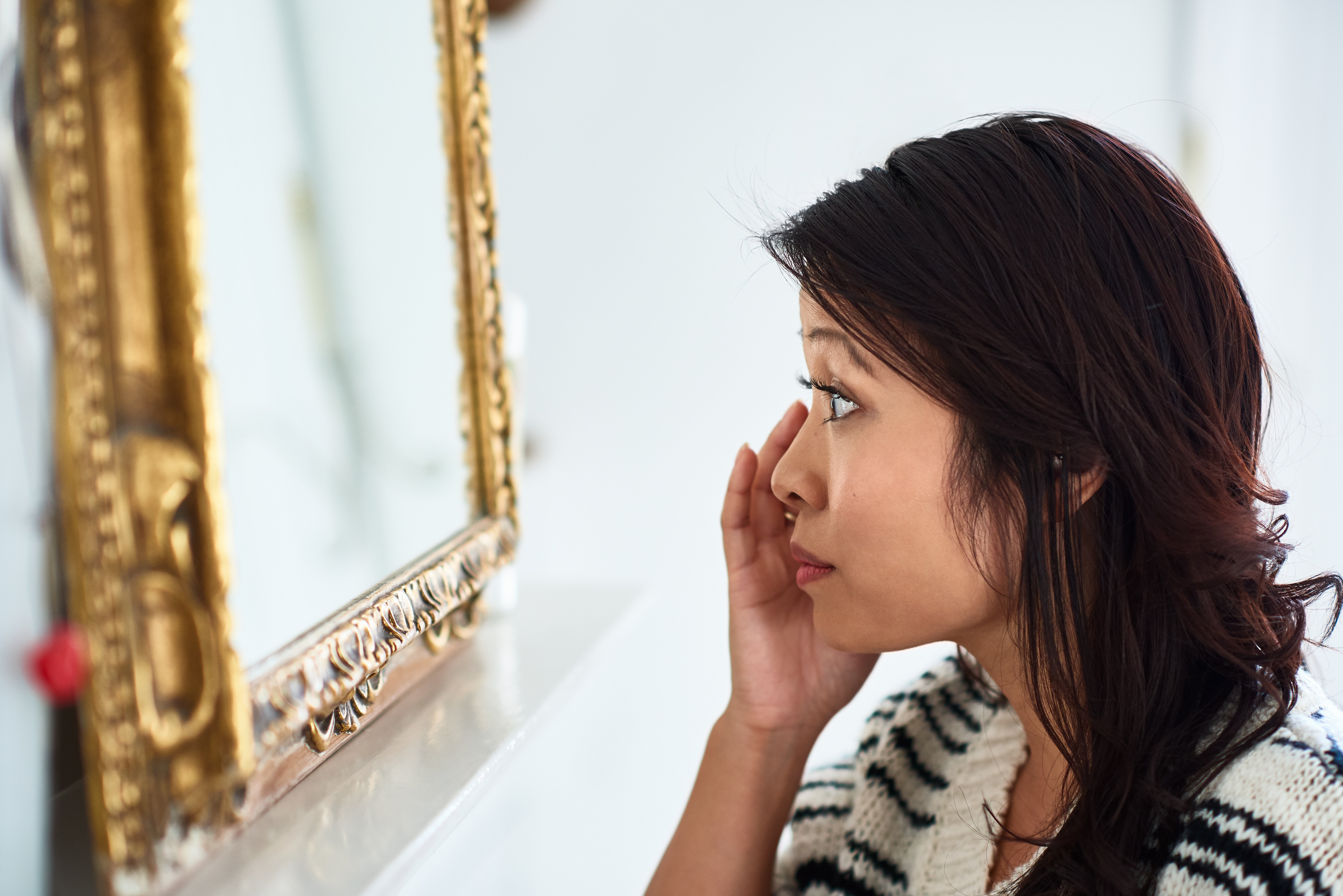
Looking at yourself in mirrors a lot or avoiding mirrors altogether
Going to a lot of effort to conceal flaws – for example, by spending a long time combing your hair, applying make-up or choosing clothes
Picking at your skin to make it “smooth”.
Advertisement
BDD can start at a young age and persist through adulthood. Better’s research found that it can start as early as five years old.
You should see a GP if you think you might have BDD. They’ll probably ask a number of questions about your symptoms and how they affect your life. They may also ask if you’ve had any thoughts about harming yourself. You may be treated by the GP, or they may refer you to a mental health specialist for further assessment and treatment.
The most common treatment for BDD is Cognitive behavioural therapy (CBT), which will help you identify your triggers and learn some techniques to manage your thoughts and emotions. Some people are also offered antidepressants.
Getting help for BDD is important, because symptoms are unlikely to go away without treatment. It’s a common mental health condition – and nothing to be embarrassed about.
Mind, open Monday to Friday, 9am-6pm on 0300 123 3393.
Samaritans offers a listening service which is open 24 hours a day, on 116 123 (UK and ROI – this number is FREE to call and will not appear on your phone bill).
CALM (the Campaign Against Living Miserably) offer a helpline open 5pm-midnight, 365 days a year, on 0800 58 58 58, and a webchat service.
The Mix is a free support service for people under 25. Call 0808 808 4994 or email help@themix.org.uk
Rethink Mental Illness offers practical help through its advice line which can be reached on 0808 801 0525 (Monday to Friday 10am-4pm). More info can be found on rethink.org.