Jehane Thomas, TikTok Star And Mother-Of-Two, Has Died Aged 30

TikTok parenting star Jehane Thomas, whose videos of life with her young sons gained a devoted audience, has died at the age of 30.

Thomas had been plagued by migraines and “bouts of illness” recently, but her death on March 17 “was totally unexpected and we are all absolutely heartbroken,” a friend wrote on her GoFundMe page.

“Her two children, Isaac (3, almost 4), and Elijah (1), have been left without their mum,” Alyx Reast wrote.

Thomas, from Doncaster, England, said she was diagnosed with optic neuritis, in which swelling damages the optic nerve, months earlier.

Her recent TikTok videos documented going in and out of the hospital for migraines and other ailments, and her frustration that she wasn’t getting better.

In her last TikTok on March 15, she wrote of an impending surgery while she lay near-motionless in a hospital bed.

“I can’t lift my head up without wanting to be sick and I’m unable to walk. I need to be wheeled everywhere. That’s how bad this pain is.” She later expressed regret that her sons had “grown up” while she was away.

In her last clip of her with the boys on March 13, Thomas playfully rubbed gel into the hair of Isaac while she held Elijah as Ella Eyre’s “Together” played in the background.

Thomas’ videos about packing lunches and cooking advice for kids branched out into balancing parenthood with her budding printing business.

Yorkshire Live have featured several tributes from friends and viewers.

Share Button

This Woman’s Story About A Teaspoon And Post-Birth Constipation Will Haunt You Forever

A podcast host in the US has revealed how she was so constipated after giving birth that she got a teaspoon and tried to “dig it out” – yeah, reading that sentence certainly wasn’t on our bingo card for this week either.

In their latest episode, I’ve Had It podcast hosts Jennifer Welch and Angie Sullivan were joined by Jackie Schimmel, host of the Bad Bitch Bible, who just so happens to be pregnant.

Naturally the conversation turned to pregnancy – as well as what happens after the birth.

One thing Welch was incredibly keen to convey to Schimmel is that after giving birth you can become very constipated. Especially if you’ve had pain relief.

Welch said: “You’re going to be more constipated than you’ve ever been in your entire life. And you’re talking nine, 10, 11 days not taking a shit. Nobody fucking talks about this. This is not in the pregnancy advertisement.”

She continued: “That first post-pregnancy shit, for me personally, was more difficult than giving birth.”

When co-host Angie Sullivan, also known as Pumps, agreed, Welch encouraged her to tell her own constipation story. And ladies and gentlemen, this is where things take A Real Turn.

“I was so miserable and I couldn’t poo and I thought I was going to lose my mind. And so I got a spoon and was trying to dig it out with a spoon,” said Sullivan.

She helpfully clarified this was a stainless steel teaspoon – so thankfully not a table spoon. And she didn’t use any lube for her… encounter.

Despite her best efforts, it didn’t work. Sullivan confirmed nothing came out.

After posting a clip of their insightful chat on TikTok, people were keen to share their experiences of that first post-birth poo.

One person wrote: “Can confirm, first dump postpartum you WILL be fighting for your life on that toilet.”

Another said: “Literally same! I was on the phone with a nurse thinking I was going to have to go to ER. What ended up coming out was the biggest turd I have ever seen.”

Constipation is pretty common after birth – with about one in four women suffering. According to Baby Centre there are a whole host of reasons you might be constipated, from not feeling comfortable using the toilet in hospital, to being scared to poo after tearing, as well as the impact of opioid pain relief.

On top of this, your digestive system slows down during labour and any damage sustained to your pelvic floor during birth can make it harder for you to empty your bowels.

According to the NHS, it’s normal to not poo for a few days after giving birth.

To avoid constipation, they advise new parents to eat plenty of fresh fruit, vegetables, salad, wholegrain cereals and wholemeal bread, and drink plenty of water.

When it is time to poo, and if you’ve had stitches for tearing, they advise holding a pad of clean tissue over the stitches while going about your business. The official advice is also to try and not strain.

If you’re constipated and still can’t go after a few more days, don’t reach for the teaspoon and instead speak to your midwife or GP.

A gentle laxative might also help get things moving in the right direction.

Share Button

What Does 30 Hours Free Childcare Actually Mean For Parents?

Chancellor of the exchequer Jeremy Hunt has finally revealed his grand plans to tackle the UK’s childcare crisis. So what did he actually say?

The top line is that working parents of one- and two-year-olds in England will get to (eventually) benefit from an expansion of the so-called ‘free hours’ scheme – so basically, some of their childcare costs will be paid for by the government.

The chancellor has also relaxed childcare staff ratios and confirmed working parents on benefits will be able to get childcare support payments upfront – and the amount they can claim will increase.

Hunt acknowledged in his 2023 budget statement that the UK has one of the most expensive systems in the world and that, as a result, “for many women, a career break becomes a career end”.

But when we look closer at the detail, what does all of this actually mean for parents right now during a cost of living crisis? And what does it mean for the childcare system as a whole? Here’s what you need to know.

‘Free’ childcare for parents of one- and two-year-olds

Perhaps the most widely anticipated part of the new childcare reforms is that the ‘free hours’ scheme – which all parents of three- and four-year-olds currently benefit from – will be extended so parents of children aged nine months old and over can also benefit.

This means that for eligible households where all adults are working at least 16 hours a week, parents can obtain 30 ‘free hours’ (aka funded childcare) for their children aged nine months and older, per week.

So basically, help with childcare costs starts from the moment maternity or paternity leave ends – a move which Hunt said will reduce household childcare costs by nearly 60%.

But don’t set off the party poppers just yet. The scheme will be introduced in stages – and it’s a pretty slow rollout:

  • Working parents of two-year-olds will be able to access 15 free hours from April 2024,
  • From September 2024, the 15 free hours scheme will be extended to all children from nine months old to school age,
  • From September 2025 working parents of under-fives will have access to 30 hours free childcare every week.

The offering is usually valid for 38 weeks of the year (during school term time) and eligibility depends on: if you are working, your income (and your partner’s income, if you have one), your child’s age and circumstances, and your immigration status. More on that here.

Now let’s be clear, technically these are not always ‘free hours’ because historically they’ve been underfunded by government and parents often have to top up the hours costing them hundreds of pounds each month.

That said, expanding this so more parents of young children can benefit and pay less overall for childcare is certainly a big deal. Particularly for future parents.

The only problem is that for many parents who are currently struggling with soaring childcare and living costs, this will be too little too late.

What do parents currently get in the way of help?

Parents are currently entitled to a few bits of extra help when it comes to accessing cheaper childcare. These include:

  • From the age of two, children from low income families are eligible for ‘free hours’ at nursery in England, Wales and Scotland.
  • When they turn three, all children – regardless of household income – are entitled to a certain amount of these ‘free hours’ per week. In England, every parent is eligible for 15 hours of ‘free childcare’ while other parents might be eligible for 30 hours ‘free childcare’ depending on income.
  • Parents who earn less than £100,000 a year can also get tax-free childcare – up to £2,000 a year – to help with childcare costs.

Money pledged to help childcare providers

The chancellor acknowledged that supply of childcare is dwindling and focused part of his speech on how childminders are a “vital way to deliver affordable and flexible care”.

To encourage more people to become childminders, he suggested the government will pilot incentive payments this autumn – specifically, £600 for childminders who sign up to the profession, which rises to £1,200 for those who sign up to an agency.

Hunt also spoke of the cost pressures facing the childcare sector as a whole – which are making it increasingly hard to hire (and retain) staff while also raising prices for parents.

He pledged to increase funding paid to nurseries to provide ‘free hours’ for two-, three-, and four-year-olds by £204 million from September 2023, rising to £288 million next year.

But those in the industry insist this is nowhere near enough. Neil Leitch, CEO of the Early Years Alliance, said: “With the shortfall for current two-, three- and four-year-old offer estimated at around £1.8bn based on government’s own figures, the additional funding announced today is highly unlikely to match what’s needed to put providers on a steady footing.”

The overall number of childcare providers in England dropped by around 4,000 between April 2021 and March 2022, according to figures from Ofsted.

“We know from bitter experience that expansions of so-called ‘free childcare’ without adequate investment are a recipe for utter disaster.”

– Neil Leitch

If the current system is underfunded, those in the childcare sector are extremely concerned about what will happen under the expanded new system.

“We know from bitter experience that expansions of so-called ‘free childcare’ without adequate investment are a recipe for utter disaster,” said Leitch, “and given that many providers rely on fees from younger children to make up for current funding shortfalls, the impact on the sector if the government gets this wrong cannot be underestimated.”

Joeli Brearley, CEO and founder of Pregnant Then Screwed, said while she is “elated” to hear the childcare sector will now receive a significant investment, she is also “concerned” the money pledged is not enough to reduce costs for parents sustainably.

She also said there needs to be a clear and remunerated strategy to attract more educators into the sector, to retain workers and to offer progression opportunities.

“The CBI estimates that to do what the government is planning costs £8.9 billion not £4 billion, so we need to see the detail as to how this money is being distributed and we need to know that the government is investing in these new schemes based on the actual cost to deliver them,” she said.

“Free childcare from nine months is brilliant, but only if there are childcare settings to be able to access this care, without the correct funding there won’t be.”

Childcare ratios are to be relaxed

Another result of today’s budget announcement is that childcare ratios are to be relaxed – in basic terms, this means childcare staff can now legally look after more young children at one time.

At the moment, in early years settings in England, one adult can look after three children under two years old; or four children aged two; or eight children aged three and over.

Under Liz Truss’s premiership, it was suggested these ratios could be stretched further or scrapped, so staff could look after more children at one time.

At the time, some parents aired concerns it would pose a safety issue while members of the childcare sector suggested it would prompt even more staff to leave.

Hunt has now revealed that to offer providers more flexibility in how they operate, he is relaxing staff ratios so a member of staff can look after five two-year-olds at one time – the same as in Scotland. He added these ratios remain optional for childcare providers and parents.

But relaxing ratios is far from ideal when childcare providers are also facing huge demand, and staff are leaving the industry in droves for better paid jobs with less pressure.

Neil Leitch branded the move to push ahead with this decision as “appalling”.

“Yes, parents want affordable care and education, but they also want to ensure that their children are in safe environments receiving quality care and education – something this policy completely flies in the face of,” he said.

Benefit payments will be changed to help parents

The chancellor said people on Universal Credit who are “moving into work or want to increase their hours” will be able to get childcare support payments upfront, instead of in arrears, and the amount they can claim will increase to £951 for one child and £1,630 for two children – an increase of almost 15%.

Currently, working households – or those with a job offer – can claim back costs up to a maximum of £646 a month for one child, or £1,108 for two or more children.

It’s unclear when this new change will come into effect.

Rachel Carrell, founder and CEO of Koru Kids, welcomed the news. “We know that delays in getting Universal Credit coverage for childcare causes major problems for some of our families and any reforms which make the processes smoother are welcomed,” she said.

School wraparound care will be improved

For parents of kids at school, Jeremy Hunt acknowledged there are barriers to working because of challenges accessing wraparound care – for instance, breakfast clubs and after school clubs.

Hunt said the government will fund schools and local authorities to increase the supply of wraparound care, so parents can drop their children off at 8am and 6pm.

“Our ambition is that all schools will start to offer a full wraparound offer – either on their own or in partnership with other schools – by September 2026.”

But journalist and host of The News Agents Emily Maitlis questioned how schools will pay for this. “What are the sums needed to make that work,” she tweeted, “given teachers are already striking because of their workload.”

Share Button

Oh Joy, All The Ways Our Childcare System Is A Complete Bin Fire Right Now

Britain’s childcare system is on the brink – and parents are feeling the strain more than ever.

Soaring nursery fees, staff retention issues and nursery closures are just some of the issues the sector is facing, with repercussions for childcare workers, parents and children.

Here’s a rundown of all the ways in which the system is on its knees right now – and if one thing’s abundantly clear, it’s that change must happen fast.

1. Childcare costs are horrendously expensive

A new report has confirmed what every parent already knows (and dreads) – that childcare costs are extortionate. According to charity Coram, the average annual cost of a full-time nursery place for a child under two in Britain is just shy of £15,000. To put that into context, annual university course fees are a maximum of £9,250.

Recently, parents were left reeling by news that these fees may rise by a further £1,000 this year because of the cost of living. This is on top of the fact the average costs of childcare have risen by 5.9% in the past year, according to Coram.

The TUC previously warned that the cost of early years care for a child under two could rise to £2,000 a month by 2026. But for some, this is already the case. One dad in London told HuffPost UK he’s shelling out £2,100 per month for his daughter to go to nursery four days a week.

It’s a postcode lottery for many parents. Coram’s report found there are significant differences in the cost and availability of childcare depending on where you live across England.

The average weekly cost of a part-time place for a child under two is 54% higher in inner London (£199.01) than in Yorkshire and Humberside (£129.32).

Parents in the UK face some of the most expensive childcare costs among leading economies, according to the Organisation for Economic Co-operation and Development (OECD).

There is some help available. From the age of two, children from low income families are eligible for ‘free hours’ at nursery in England, Wales and Scotland. When they turn three, all children – regardless of household income – are entitled to a certain amount of these ‘free hours’ per week.

In Northern Ireland, the picture is different again. There are no ‘free hours’ as such, but all three- and four-year-olds are entitled to a funded pre-school place of at least 12.5 hours per week during term time.

Parents who earn less than £100,000 a year can also get tax-free childcare – up to £2,000 a year – to help with childcare costs. But when the total cost of putting a child in nursery can be up to £15,000 a year, it’s still a struggle for lots of families.

Unfortunately, many women are suffering as a result of such costs. A staggering three in four mums (76%) who pay for childcare say it no longer makes financial sense for them to work, a recent report by the charity Pregnant Then Screwed found. One in four parents (26%) say their nursery bill is now more than 75% of their take-home pay.

This time last year, a survey of almost 27,000 parents with young children found the cost of childcare had driven 43% of mums to consider leaving their jobs.

The sad reality is that women are not just considering this – many do leave. A staggering 84% of the 1.75 million people who’ve given up work to care for their family are women, according to ONS data.

2. It’s actually really hard to get a spot in nursery

It’s got to the point where people are signing up for nursery waiting lists when pregnant – and sometimes even before conceiving a baby – because demand is so high. And those who don’t get ahead end up stuck without childcare, or have to make alternative arrangements, which can often make returning to work very tricky.

Joanna Corfield, head of communications and campaigns at NCT, previously told HuffPost UK they’d been hearing more and more about how working parents are having to think about childcare well in advance of when they need it.

“In some areas where demand is high and provision is low, some families are having to make decisions in the early stages of pregnancy,” she confirmed.

3. Childcare staff are (unsurprisingly) leaving for better paid jobs

With everything else that’s going on, the sector is facing staff retention issues. In October 2021, a Early Years Alliance survey on staff recruitment and retention in the early years sector in England revealed over a third of respondents were actively considering leaving the sector.

Meanwhile one in six believed that staffing shortages were likely to force their setting to close permanently within a year.

The survey also found more than eight in 10 settings were finding it difficult to recruit staff. Around half had to limit the number of, or stop taking on, new children at their setting in the six months prior to the survey.

The average salary of a UK nursery worker is £21,000 according to Totaljobs. But despite the low salary, the job is increasingly stressful – especially as staff shortages mean more pressure on those who are left behind. It’s also resulting in nurseries having to close rooms at short notice, leaving parents in the lurch.

In early years settings in England, one adult can look after three children under two years old; or four children aged two; or eight children aged three and over.

Under Liz Truss’s premiership, it was suggested these ratios could be stretched further, so staff could look after more children at one time – some parents were concerned it would pose a safety issue while members of the childcare sector suggested it would prompt even more staff to leave.

Neil Leitch of the Early Years Alliance previously told HuffPost UK that while childcare settings spend the majority of their income on staff wages, “years of government underfunding has meant that many educators are on little more than the national living or minimum wage”. Because of this, people are leaving the industry for better-paid positions in sectors such as retail and hospitality. And who can blame them?

4. Nurseries are closing at a rate of knots

Nurseries and childcare settings are also dropping like flies – and some organisations suggest it’s only going to get worse because of the cost of living.

The overall number of childcare providers in England dropped by around 4,000 between April 2021 and March 2022, according to figures from Ofsted.

In August 2022, the National Day Nurseries Association (NDNA) warned that between September 2022 and 2023, we could see record-breaking numbers of closures leading to a “catastrophic” reduction in places.

Purnima Tanuku, chief executive of NDNA, said at the time: “Most nurseries are small businesses and similar to the picture in other sectors, these are hugely impacted by rocketing fuel costs, inflation and chronic underfunding.” Tanuku added that nurseries have also had to pay “unfair business rates”.

The latest Coram survey revealed there’s been a sharp drop in childcare availability across England over the past year, with only half of local areas reporting sufficient childcare for children under two. This was a decrease of 7% on 2022.

5. Disabled children and those from low income households are impacted greatly

One of the alarming findings from Coram’s report is that less than one in five (18%) local authorities in England report sufficient childcare for children with disabilities – a 3% decrease on 2022.

The charity called for improved support for children with special educational needs and disabilities (SEND) by introducing responsive funding to improve staff skills and make more childcare places accessible.

In Britain, parents can get help with childcare costs thanks to ‘free hours’. Some parents are eligible for 15 hours free childcare a week for two-year-olds.

All three to four-year-olds in England can get 15 hours free childcare a week (for 38 weeks of the year). And some eligible parents (for example, those on benefits) of three to four-year-olds may also be eligible for 30 hours free childcare a week. It’s a similar picture in Wales and Scotland.

But nurseries are struggling to offer these funded spots. Almost half (43%) of local authorities across Britain report that some or many of their local childcare providers have reduced the number of funded early education entitlement places they can provide.

It’s no surprise this is happening as these spots have historically been underfunded. A 2022 survey by the Early Years Alliance found that for 86% of settings, funding for the three- and four-year-old early entitlement scheme does not cover the cost of delivering places – and around a third (30%) of the providers surveyed said they’re operating at a loss.

6. There isn’t actually a plan (that we know of) for sorting all of this out

While there’s been a lot of talk about how to tackle the nation’s childcare problem from various prime ministers, not much has actually happened to sort the issue so far.

In Rishi Sunak’s first speech of 2023, back in January, the prime minister revealed his educational priorities for the next two years – but his plans for childcare weren’t exactly detailed.

When a member of the press asked about the childcare sector, Sunak responded: “The government and I are completely committed to ensuring good availability and affordability and flexibility of childcare. There’s a consultation that is out at the moment, and we’re in the process of considering – about some reforms – and it wouldn’t be right for me to comment on that now.”

In December last year it was revealed that childcare will be treated as “national infrastructure” – this means local councils will be able to fund it alongside other crucial services like schools, GP surgeries and public transport.

It’s hoped the issue of childcare will be addressed at the spring budget on March 15. There have been murmurings that Sunak is considering extending the free 30 hours for childcare to all parents – not just those who are eligible because they’re on benefits. But nothing has been confirmed as of yet.

What we do know is that changes to Universal Credit will reportedly be announced at the budget, including paying parents on Universal Credit childcare support upfront and increasing the amount they can claim by several hundred pounds.

But for parents who aren’t on Universal Credit, the struggle may well continue if no additional support is provided.

Megan Jarvie, head of Coram Family and Childcare, said: “The need for reform of the childcare system is urgent. As well as eye watering bills, parents are facing widening gaps in availability of the childcare they need.

“As the Chancellor decides his budget, we urge him to recognise the value of investing in childcare – it is a wise investment, enabling parents to work and boosting the outcomes of young children.”

The charity wants to see a reformed system which “prioritises quality, guarantees a childcare place for every child, values the workforce and makes sure that parents only pay what they can afford”.

One thing’s abundantly clear: sorting out childcare should be a priority for the government, as charity Pregnant Then Screwed found 96% of families with a child under three years old are likely to vote for the political party with the best childcare pledge in the next election.

Share Button

Nick Ferrari’s ‘Shocking’ Toothbrush Comments Have Left People Enraged

As the cost of living crisis rages on, LBC presenter Nick Ferrari has left many angered and shocked after saying people shouldn’t become parents if they can’t afford to buy their children toothbrushes.

His comments were in response to figures released by the charity Beauty Banks and the British Dental Association, which found 83% of secondary school teachers said they or their school have given students toothbrushes or toothpaste.

Responding to this heartbreaking stat, Ferrari said: “If you are a mum – and/or a dad – and you haven’t got money to buy your child a toothbrush, you should never have become a parent in the first place.” Yes, you heard correctly.

The repercussions of oral hygiene poverty are huge and devastating for children.

The new report found one in two teachers said children isolate themselves because of oral hygiene issues, while one in four miss school because of it. One in three have witnessed bullying directly linked to a student’s oral hygiene issues.

Sali Hughes, co-founder of Beauty Banks which donates personal hygiene products to people living in poverty, branded Ferrari’s comments as “shocking”.

She told HuffPost UK: “Suggesting that women who find themselves poor should never have had children, at the very best fails to comprehend the unprecedented scale of financial difficulty for families since Covid, a global energy crisis, recession, and a cost of living crisis that has seen essentials like food and toiletries rise sharply – and unmanageably – in price.

“Circumstances have changed so dramatically for so many families that Beauty Banks has seen a 75% increase in product requests from food banks, hostels and schools, with toothpaste and toothbrushes now being the most asked for toiletries items.”

She concluded: “If Nick Ferrari can’t conceive of such poverty, then he is very fortunate. But this is the demonstrable reality for many modern Britons. I suggest that rather than belittling people living in poverty, and rubbishing frontline teacher testimony, he should listen, try to understand, and affect change.”

Many factors can contribute to people ending up in poverty, including rising living costs, low pay, lack of work, and inadequate social security benefits.

According to the Joseph Rowntree Foundation, around one in five people in the UK (20%) were in poverty between 2020-21. That’s 13.4 million people. (And this data was compiled well before the worst of the energy crisis took hold.)

It’s believed around one in four children in the UK are living in poverty and, according to the Child Poverty Action Group, 75% of these children have at least one parent in work.

After LBC shared a clip of Ferrari’s response to the report, hundreds of people – including TV host Carol Vorderman – had plenty to say about it, with the former Countdown star calling his language “humiliating”.

There were also plenty of reminders that not every parent is already living in poverty when they have children – and that circumstances can (and sadly often do) change.

Photographer and activist Misan Harriman, who is an ambassador for Save The Children UK, issued a video statement in response to the comments, which he branded “unacceptable”.

“We have to have a duty of care to the most vulnerable in our society and if a parent cannot afford a toothbrush, they are vulnerable. They need help, not criticism.

“As a nation we need to ask ourselves who we are – and I do not recognise any place where parents that are going through hell are stamped on. We have to be better than this.”

Share Button

Check Out This Bunch Of Free (And Fun) Things To Do With Kids In London This February

After what felt like the longest month ever, February is finally here – bringing with it slightly longer days, ever-so-slightly warmer weather and the first school holiday of the year.

If you’re stuck for things to do over half term, or perhaps you’ve got under-fives to entertain each week, there’s plenty of things to do in London (and indeed nationwide this month).

With everything being so damn expensive right now (especially for parents), we’ve rounded up a list of free things to do in the capital during February, as well as some inspo for those living outside of London. You’re welcome.

Free things to do in London

The Science Museum has a whole host of free activities for kids this month. Some of the highlights include:

  • Technicians, an interactive gallery for 11–16-year-olds where they can step into Shuri’s Lab from Black Panther; try their hand at creating lifesaving drugs; pilot a remotely operated vehicle on the ocean floor; or even control a robotic arm);
  • Pattern Pod, a multi-sensory gallery for under-eights;
  • The Garden, another interactive space for kids aged three to six;
  • Character Creator (weekends and school holidays, 12-1.45pm) where children aged three to 13 years old can create, design or even become their own unique sci-fi character.

  • Tree-mendous Adventures (dates and times vary) for three- to seven-year-olds. Visitors are taken on a journey from the end of the roots to the tips of the leaves in an interactive storytelling adventure through the trees.

The Southbank Centre’s Imagine Children’s Festival (February 8-18) has over 100 events on, many of which are free to attend. Some of the free highlights include:

  • One & Everything Family Trail, exploring endangered languages (Feb 8-17)
  • STIK, STAMP, by acclaimed street artist STIK. This is a free print workshop where children create a stamp print to take home (Feb 8-16).
  • Rhymes LIVE, an interactive show to reimagine the nursery rhyme (Feb 10)
  • Daytime Rave with DJ Archie and Friends, the Guinness World Record Holder for World’s Youngest DJ (Feb 11).
  • The Marvellous Myth Hunters, a free storytelling event for those that love heroes, monsters and mythical tales (Feb 12)
  • Wellbeing Wind Down – daily wind-downs help families using simple yoga, concentration and mindfulness exercises (Feb 12-17).
  • Imagine’s Big Gig, the festival experience but without the rain and the mud (Feb 13)
  • ZooNation Youth Company’s Hip-Hop Half-Term – a day of demos and workshops by some of the leading young performers in the UK (Feb 15).
The Museum of the Home in Hoxton is free to visit and, on February 14, will be running a series of drop-in (10.30am-4pm) clay-based workshops inspired by Vietnamese culture for all the family to enjoy.

Learn about the origins of the use of clay with archivist and storyteller Trà My, before playing with clay to make your own new ceramic home object with artist AP Nguyen.

Once you’ve played with clay you will be told stories from Vietnamese folklore and have the opportunity to join artist Chery Nguyen for a soothing workshop where you can decorate your very own teacup.

Stepney City Farm is a working farm that’s great to take kids to. It’s free to all visitors. Expect to see sheep, goats, donkeys, pigs, chicken, ducks and geese. If that’s not near you, you could also try Mudchute Farm and Park, Vauxhall City Farm or Deen City Farm.

The Tate Modern has plenty on offer for kids and grownups alike. It’s free to enter. Check out UNIQLO Tate Play, which is the gallery’s new free programme of art, activities and play for families of all ages. From February 11-19, you can try your hand at weaving your own artwork (10.30am-6pm) at the Threads Holiday Make Studio.

The Barbican has a range of free things to do on Level G, including Squish Space which is a free creative play space for under-5s and their families. The space is designed by artist/designer duo India Harvey and Lisa Marie Bengtsson and brings people together to learn through interaction, collaboration and play. Using a variety of materials and tactile objects, it’s a place to spin, jump, hide, touch and explore. You can book here.

Ruislip Lido – on the outskirts of London – is home to a manmade beach and huge play area for children of all ages to enjoy. There’s also a miniature railway which you can get on nearby (although you have to pay for tickets). On 14 February, the Woodland Centre nearby is hosting a free arts and craft session from 1-3pm for kids aged four and over. More information, including how to book, can be found here.

A must for anyone visiting or living in London is to take kids to see the Changing the Guard at Buckingham Palace. It happens daily from 10.45am and lasts for about 45 minutes. Be warned, it can get busy so it’s worth arriving earlier to get a good spot.

Let your kids go undercover and test their detective skills during half term at the Horniman Museum, as part of the Montgomery Bonbon: Museum Mystery Trail (February 11-19). Kids can grab an activity sheet at the main entrance and test out their detective skills, while solving puzzles and having fun. On Saturdays from 2pm-4pm, children aged three and over can get stuck into a free craft session.

Outside of London? Try these instead

Head to the playground. If you’ve visited your local one a fair few times, why not find a bigger, more exciting playground, that you can travel to and spend a few hours at?

Lakes, ponds and aquadromes are often great places to visit for a walk. Even if it’s wet, children – especially younger kids – often love to splash about in puddles. Grab their waterproofs and get going.

Venture to a nearby park and play nature bingo. You can find printable bingo sheets online. Don’t have a printer? Draw out the grid on a piece of paper! Make a game out of your park visit and see how many things they can find. If that doesn’t float your boat, take a football or a frisbee and get active.

Head to the beach. You don’t need to go in the sea. Wrap up warm and let your kids build castles (or other structures!) on the sand, or take a net and wellies and help them check out the rock pools.

Visit your local library. Libraries are such a great place to take kids – especially when it’s raining. If you haven’t become a member yet, it’s worth signing up. We have it under good authority that under-5s are particularly huge fans. Some libraries also have toys and play areas.

Art galleries and museums are often free to enter and tend to have activities on for kids, especially during half-term.

Pets at Home is hosting free pet workshops in stores across the country. Children will have the chance to meet a range of small animals and learn about looking after them. They’ll receive an activity sheet to take away and a special My Pet Pals certificate. The free workshops will be running every Saturday and Sunday until March 12, with additional sessions during the week of February half term at some stores.

Share Button

This TikToker Wants To See More Child-Free Areas – As Parents, We Get It

An actor on Tiktok has called for the creation of child-free suburbs after a trip to her local swimming pool ended in chaos. Because, well, kids.

Kitch, who is known as Tiktok user @soybabie__ and based in Melbourne, said she’d visited her pool to do laps, but her peaceful swim in the lap lane was disrupted by screaming kids who kept jumping in.

“I would like to know when somebody is planning on opening an adults only suburb where everything in it is only for adults, because I’m so sick of going places and kids are just everywhere screaming and I just have to put up with it,” she said in a Tiktok video, which has had a quarter of a million views.

“I just went for a swim. They have their own pool and they’re in the lap lane pool, not swimming laps just jumping in and screaming – and that’s just allowed because they’re allowed everywhere.”

“I just feel like for people like me that are evil and hate kids, we should have our own suburb where we can just be quiet and undisturbed,” she joked.

Most parents will tell you they love their child more than life itself. I’m the same. But I have to tell you, when I saw this, I thought: “Fair.”

Adults only holidays exist, so it doesn’t seem unreasonable to have more areas where children don’t venture.

Of course, there are some who would strongly disagree. One user commented on the video: “You used to be a kid mate.. ya know. So get over getting older.” The comment had 215 likes at the time of writing.

Another added: “Go live in Antartica.” Eek.

But plenty of parents, like myself, agreed that child-free people should have their own spaces to exist. In fact, we’d probably go to them too if we had a rare day to ourselves.

That’s not to say I don’t love my child fiercely. I do. But sometimes it’s nice to have some alone time where you can just… adult. The feelings aren’t mutually exclusive.

“As a parent of two small children, I completely understand what you’re saying and respect that childfree people need space too,” said one mum.

Another added: “As a mum, I agree. I hate going to dinner without my kids to listen to other people’s kids carry on. There should be more adult only places.”

“I would totally support a place without kids. Maybe I could go there too without my kids,” said another parent.

Some pointed out that adult only places like this do exist: retirement villages. But the original poster suggested they shouldn’t just be for older adults.

The video also prompted an interesting point that most adult only places are centred around alcohol – ie. bars and nightclubs. People suggested child-free parks, restaurants and even supermarkets should be a thing.

After the video was picked up by the media, @soybabie__ shared another video acknowledging that people were “pressed” that other people don’t want to be around children 24/7.

“I’m not saying kids shouldn’t be allowed at the pool, it’d just be nice if there were more places that were JUST for adults to enjoy and that includes parents wanting a break from their kids too,” she said.

Where do we sign up?

Share Button

Things We Swore We’d Never Do As Parents, And Then Did Anyway

We’ve all been there: you’re tired, overwhelmed, then one of your kids makes a move and it’s the final straw. Words you’d sworn you’d never use as a parent slip right out of your mouth.

Or maybe you’ve found yourself reevaluating your priorities. Restricting junk food or screen time might not be your number one goal every day.

It’s good to be thoughtful about your intentions as a parent, but you don’t want your expectations to be so rigid that they can’t bend to accommodate the moment you’re facing, or the child in front of you.

“Parenting is not static,” New York psychologist and parenting coach Sarah Bren told HuffPost.

“It requires a great deal of learning, adapting, iterating and tolerating messy growth (our kids’ and our own). It rarely looks in real life the way it all played out in our fantasy,” she explained.

Whether others are doing the judging, or we’re doing it ourselves, it’s important to remember that no one moment determines our worth as parents.

Cindy Graham, a psychologist in Maryland, told HuffPost: “Oftentimes we think the goal of parenting is to raise happy, healthy, well-adjusted kids.

“We sometimes forget that parenting is also about learning to show grace — to ourselves and our children — and teaching kids to show grace. You will say things you never thought you would, so learn to apologise effectively and make amends.”

If you’ve ever felt alone in not living up to your own parenting expectations, read on. We asked parents what things they promised themselves they would never do — and then did.

We’d bet that every parent can relate to at least one of these scenarios.

Feeding

“I swore my kids wouldn’t ever eat McDonald’s. Sometimes I just don’t have it in me to cook.” — Patty Van Laar

“That I wouldn’t cook separate meals for them, they would eat what we eat. Uhhhh, yeah. So what’s it gonna be tonight, kids? Chicken nuggets or mac ‘n’ cheese? Honestly, it’s because I have yet to figure out how to cook a meal worthy of adults that can also be on the table by 6pm. I work full time 9-5 and the kids deserve to eat at a time that matches their schedule and hunger. Just not enough hours in the day!” — Beth Carchia

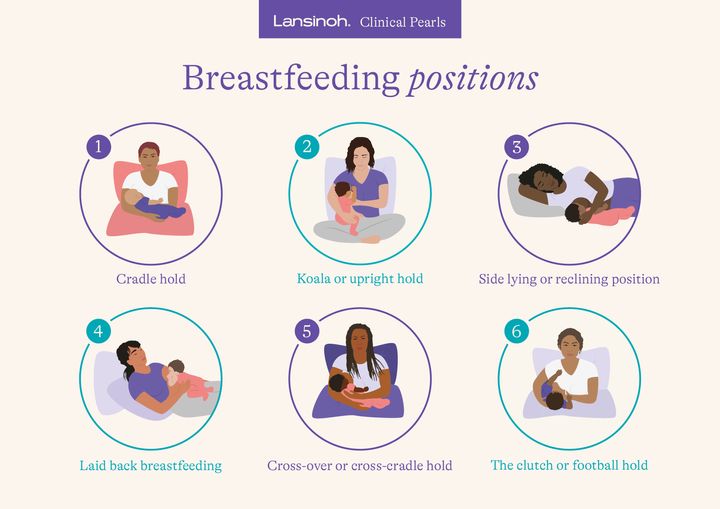
“Breastfeed beyond a year. Had no idea that babies don’t just wean themselves. My boys nursed till two-and-a-half!” — Jean Wolfers-Lawrence

“Hot dogs.” — Sara Biehl Horsman

“I swore I would always have candy out, free for the eating. Needless to say, I didn’t do that!” — Gretchen Kuiper

“Eat dinner at 8pm, because of kid activities and practices. I never thought we would be that family so busy that dinner was at 8, on a school night. Yet it’s the norm for a lot of the year now and I’m just fine with it.” — Renee Colleen

“We were gonna eat dinner together every day at the table! With no electronics! Sigh.” — Katie Morris

JGI/Jamie Grill via Getty Images

Sleeping

“I swore that my children would never sleep in my bed, they would always sleep in their cribs. My son turns nine in April and only stopped sleeping in my bed regularly last year.” — Desiree Dalby

“Co-sleep. I thought you just let them cry and figure it out — till I was working two jobs while my husband worked night shifts and I needed to sleep. I started at two years old and don’t know why I didn’t start sooner. He slept and I slept. We did that till he was six/seven and we transitioned him back to his room.” — Amanda Krieger Royer

“My first was sleeping in her room by the age of seven months! I thought I had aced this parenting thing. And then my second came and he slept in our bedroom every night (and in our bed at least three times a week) till he was two-and-a-half years old!” —Michele Lempek Rosa

“Laying with them until they fall asleep.” — Jordanna Oswald

Screen Time

“I would look at people in public and think, ‘There’s no way my kid will ever bring a tablet out in public.’ Me, 10 years later: ‘A tablet is a must if we want to enjoy a dinner in public with our two year old.’ I completely understand and apologise to any parent I side-eyed 10 years ago.” — Amanda Manley

Toys & Clothes

“I swore we wouldn’t have a playroom full of toys. I was steadfast that the children’s bedrooms were where their toys would go. They can just play in their rooms! Fast forward to when I have three kids and we’ve turned our dining room into a playroom. Our kids are little so we need them close by for safety reasons. There’s no way they can just play unsupervised in their rooms on the second floor.” — Betsey Niebauer

“I said that I’d never dress my kids in clothing that had characters/TV shows on them, i.e. ‘Paw Patrol,’ Spidey, etc. I said my kid wasn’t going to be a walking advertisement. This lasted until I saw how excited and happy it made them to wear a shirt with Chase on it.” — Catherine C.R.

Discipline

“I swore I’d never say, ‘because I said so.’ Well, I have like 10 minutes a day of ‘me time’ and I’m not using it to repeat the same stuff I already told you in another conversation. I’m the parent, you’re the kid, sometimes you’re gonna have to live with that as an answer.” — Rachel Bowie Mace

“I swore I’d never have one of ‘those’ kids, the ones having a tantrum in the grocery store because you wouldn’t buy them Twizzlers or a toy. So naive!” — Jennifer Streng

“I never thought I’d tell my kid to not speak to me as if I were his friend (something my own mother would say to me) and the words have definitely come out of my mouth!” — Naomi Raquel

“I swore I would never yell at them. Well, let me tell you, I had no idea in my early 20s just how frustrating parenting is, and boy oh boy, have I screamed and yelled. I wish I didn’t, but it happens.” — Danielle Butler Shearin

The Leash

“I remember saying how ridiculous the kid leashes/harnesses/backpacks/ bracelets were. Oooh, I was so judgy. Anyway, life gave me a runner at 15 months old, so naturally we were using a backpack harness and I did get the dirty looks, but aw well, he’s alive and well.” — Cindy Montalvo

“My first son was chill, but my second son? Not so much. That kid would have run out into traffic without a second thought. The leash was a godsend. I honestly didn’t care what people thought. It helped keep him alive.” — Amy Kristine

“I was sitting there judging all of those people that put their kids on a leash, like OMG, get a dog if you want to use a leash. Until my 14-month-old no longer wanted to be in a stroller and she was also a runner. So I needed a leash and some running shoes and off we went!” — Courtney Entersz Wenhold

Responses have been edited for style and clarity.

Share Button

Chrissy Teigen And John Legend Share First Photo Of Their Newborn Daughter

On Thursday, the model posted an Instagram photo of the couple’s two older children, Luna and Miles, holding the new baby, named Esti Maxine.

“The house is bustling and our family could not be happier,” Teigen wrote in a caption for the post.

“Daddy sheds nightly tears of joy seeing Luna and Miles so full of love, and I am learning you still need diapers with a c section!? We are in bliss. Thank you for all the love and well wishes – we feel it all!”

Legend shared the same photo on his Instagram account, writing that he was in awe of Teigen’s “strength and resilience.”

Esti Maxine was born Jan. 13, Legend said, adding that Luna, 6, and Miles, 4, have embraced the newborn.

In an Instagram post from December, the cookbook author poked fun at people who have said that her pregnancy felt longer than it actually was.

“Omg I feel like she’s been pregnant foreverrrrrr,” she wrote, imitating the kinds of remarks she would hear. “How do you think I feel thank u.”

Share Button

These Soothing Illustrations Are The Perfect Balm For Overwhelmed Mums

Motherhood is full of conflicting emotions. It can be beautiful and joyful and fun, but it can also be demanding and confusing and overwhelming at the same time.

In artist and poet Azalia Suhaimi’s illustrations, the Malaysia-based mother of two offers comforting reminders to parents navigating these ups and downs.

Many of her illustrations, which she shares on her Instagram account, @azaliasuhaimi, begin with the words “Dear Mama.” But she said they apply to dads and other caregivers, too.

“My artworks are titled ‘Dear Mama’ as they mostly began as love letters to myself, like self-reminders on a bad day,” Suhaimi told HuffPost. “When I decided to share them with the world, I then began building a community of like-minded mothers, all of whom I have really loved connecting and exchanging stories with.”

Suhaimi started her Instagram account several years ago when she was “going through the postpartum blues.” At that time, she would share her own photography with poetic captions that talked honestly about motherhood.

“I scrolled through social media and saw all these picture-perfect Instagram photos of mothers enjoying their new babies,” she said. “I felt weird and alone and left out, like I was the only one struggling with these difficult feelings while every other mother out there seemed to be having the best time of their lives.”

Then, during the Covid lockdowns, she took a digital art course online and began creating illustrations for her posts.

In her work, she enjoys capturing the raw and real moments of parenthood, raising awareness of maternal mental health issues and offering solidarity to other parents in the thick of it.

Suhaimi’s kids are now ages eight and four. She said this is her favourite phase of motherhood so far.

“I can finally sit a bit and reflect on all the lessons I’ve learned from the struggles of early motherhood the past few years. And you can see these reflections on my artworks.”

As an artist, Suhaimi hopes to make parents feel less alone in their own journeys, whatever they’re going through.

“Parenthood is hard and messy as it is, so it’s nice to have solidarity, and a safe space where we can talk about the hard things without being judged and where our feelings are validated,” she says. “And I hope my artworks provide that safe space.”

Another important part of Suhaimi’s message is reminding parents to give themselves more grace.

“Some of my darkest moments of parenthood were really made darker simply because I wasn’t kind to myself,” she said. “I easily judged myself and concluded myself as a bad mom when what I faced was simply just a bad day.”

For Suhaimi, learning to practise self-compassion made “a whole lot of difference” in how she parents her kids and in her motherhood experience.

“So I hope that my artwork can help remind other parents and myself too – I still need the reminder – to practise self-compassion,” she says.

To see more of Suhaimi’s work, you can follow her on Instagram or visit her website. Below, check some of her heartfelt illustrations.

Share Button