At the start of the pandemic, when my family was locked down in our 800-square-foot New York City apartment and reeling from the pivot to remote work and no school or day care, an Instagram post from Glennon Doyle saved my sanity.
Her post was primarily about how parents should embrace screen time as a survival tool. But she also offered a theory that sticks with me still, two years on: the idea that all parents really need to do is finish their days with their kids well. Doyle hatched her theory when she worked as a preschool teacher. She’d spend hours devising thoughtful activities and lesson plans to fill the kids’ hours, but ultimately what they remembered most was whatever came at the end of their days.
Advertisement
“This is my philosophy with all things children now. All you have to do is finish strong,” Doyle said in her video post.
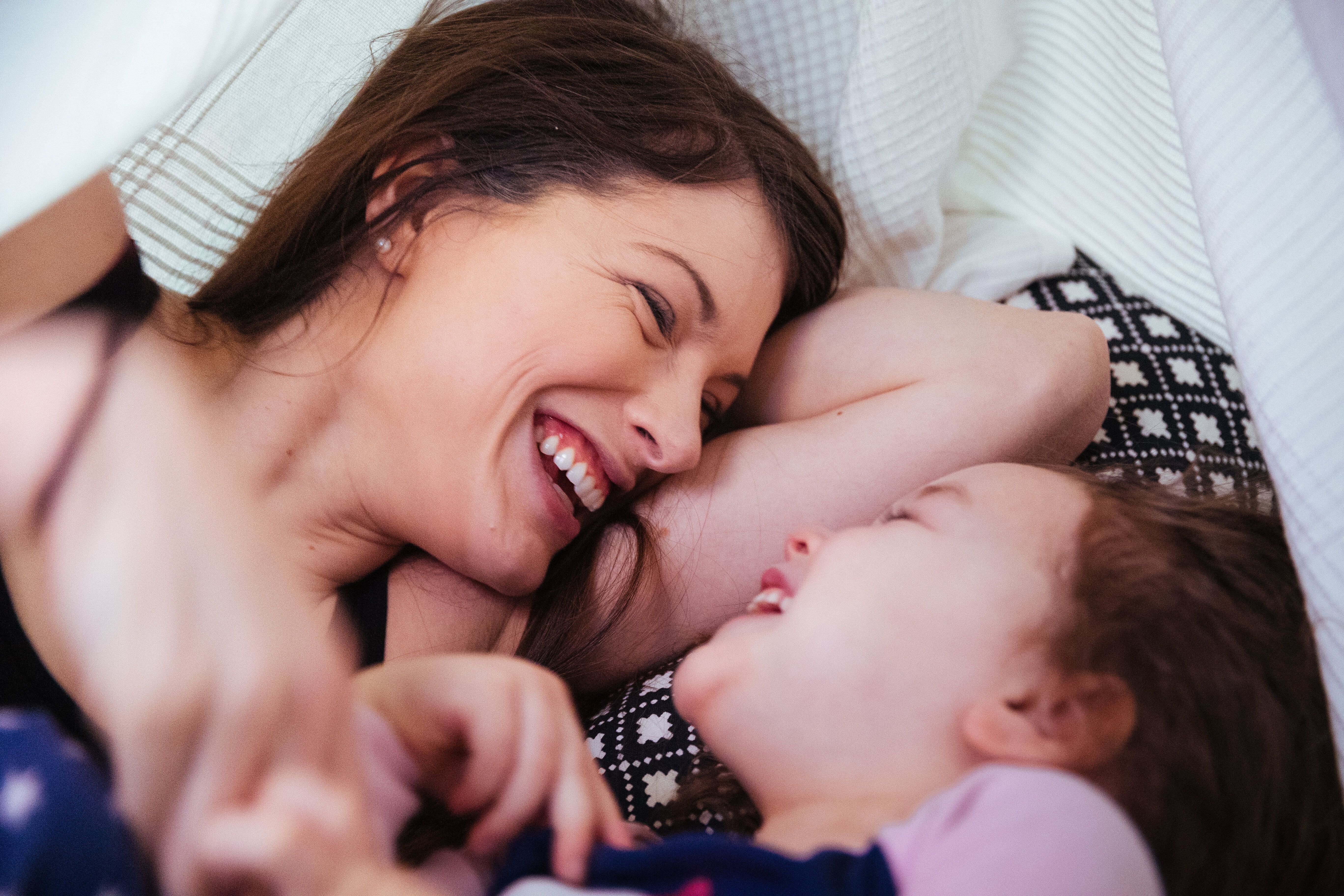
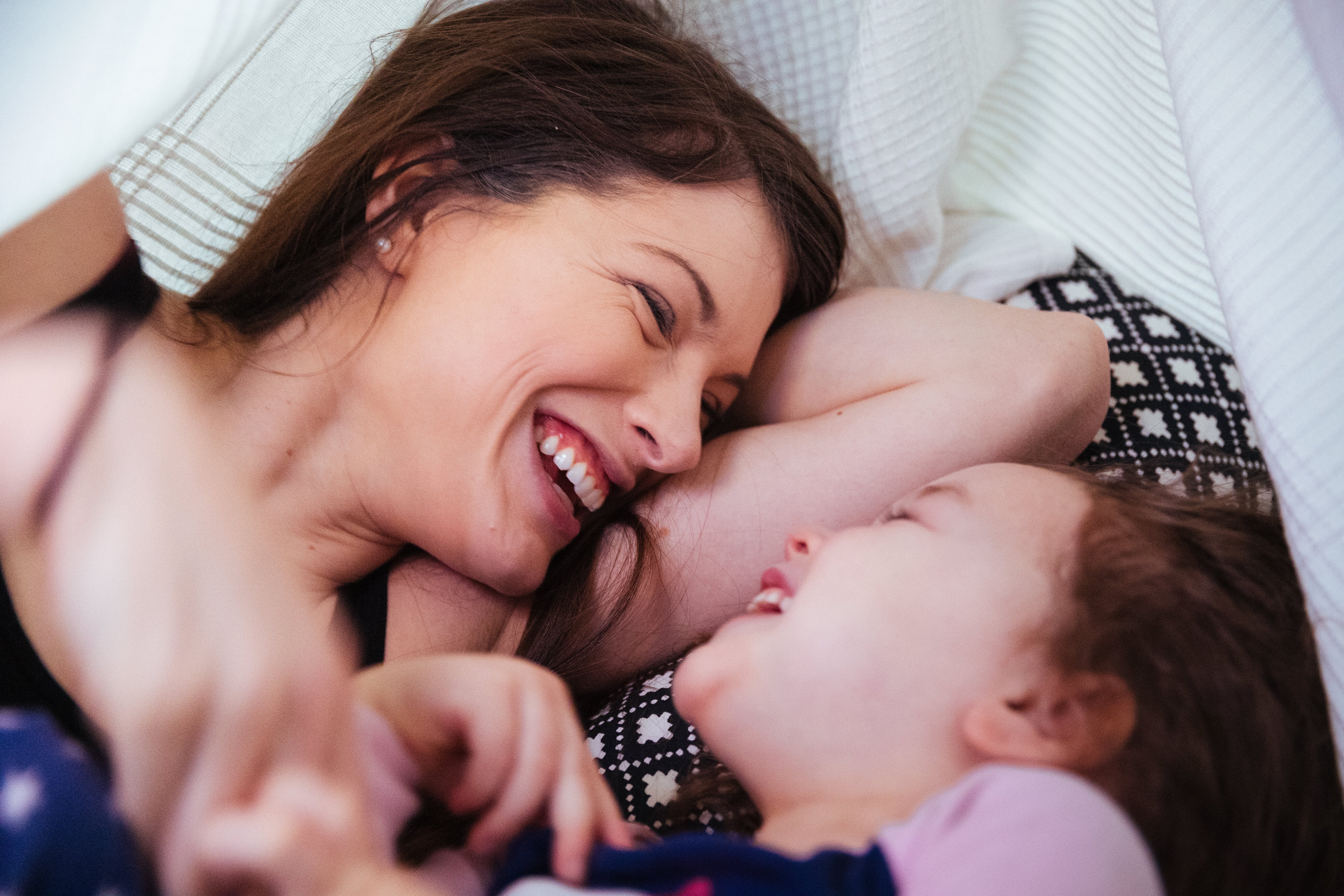
I loved this advice then, and I love it still now because it feels like self-compassion. I remembered it last night when, after a day with my younger son that involved more tears and nagging than I’d like, we salvaged the day with a big bedtime hug and a chat about the relative merits of dump trucks versus forklifts. After a pretty blah parenting day, it was the reset we both needed.
Of course, Doyle isn’t the only one preaching the power of ending the evening on a high note. Here’s why the last thing you say at night can be so powerful — and how to work on “finishing strong” with your kiddo.
The Power Of Nighttime Routines And Rituals
Advertisement
Consistency is essential to children, parents are told time and again, because it’s true. Establishing routines with younger children can help strengthen the connections in their brains that help them make sense of their days. Research suggests that kids with strong family routines tend to be emotionally healthier than those without.
Bedtime routines help set clear expectations for behavior and (ideally) help make kids feel relaxed and primed for sleep. A good, consistent bedtime routine may help improve your relationship, if for no other reason than it will help ensure they’re getting enough zzz’s. (Reminder: Kids need substantially more sleep than adults.)
But nighttime rituals and routines serve a strong emotional purpose, too. Kids need to feel that they’re getting plenty of together time and love during their days. Making sure to emphasize connection at bedtime can help fill that cup.
“All kids are wired for positive attention and emotional connection from us on a daily basis,” said Amy McCready, founder of PositiveParentingSolutions.com and author of “The Me, Me, Me Epidemic.” “If they don’t get it proactively, they’ll act out in ways to get attention and power.”
Advertisement
Remember: Bedtime Battles Aren’t Inevitable
While I’m personally heartened by the idea that I can turn around a crappy day with a decent nighttime routine, sometimes that feels impossible. My preschooler excels at dragging out bedtime. Many nights, I’m a frazzled, grumpy shell of myself with little left to give emotionally.
That’s why I like McCready’s focus on what she’s dubbed “mind, body and soul time.” It is a simple strategy that can help minimize bedtime battles and give kids the sense of connection they so crave.
“Here’s how it works: Plan to spend 10 to 15 minutes of one-on-one time with your child at bedtime after they have gone through their to-do lists (teeth brushed, room tidied, etc.),” McCready said. “Minimize distractions — no cellphones, no TV blaring in the background, no mental to-do lists running through your mind! During this time, be fully present in mind, body and soul — and play or do something your child wants to do.”
That could be reading a book, playing a silly game, listening to some wind-down music, she said — what matters is that you let your kiddo call the shots.
“By doing so, you’re filling [their] bucket with the essentials to feel loved, safe, secure and valued — no matter what else happened that day,” McCready said. “What a great way to end each day and promote peaceful sleep, for them and you!”
Be sure to let them know this is something they can expect regularly, she added. Again, it comes down to establishing routines and rituals and fostering connection. McCready suggests saying something like: “Spending this time with you is the best way to end my day, and I can’t wait to do it again tomorrow.”
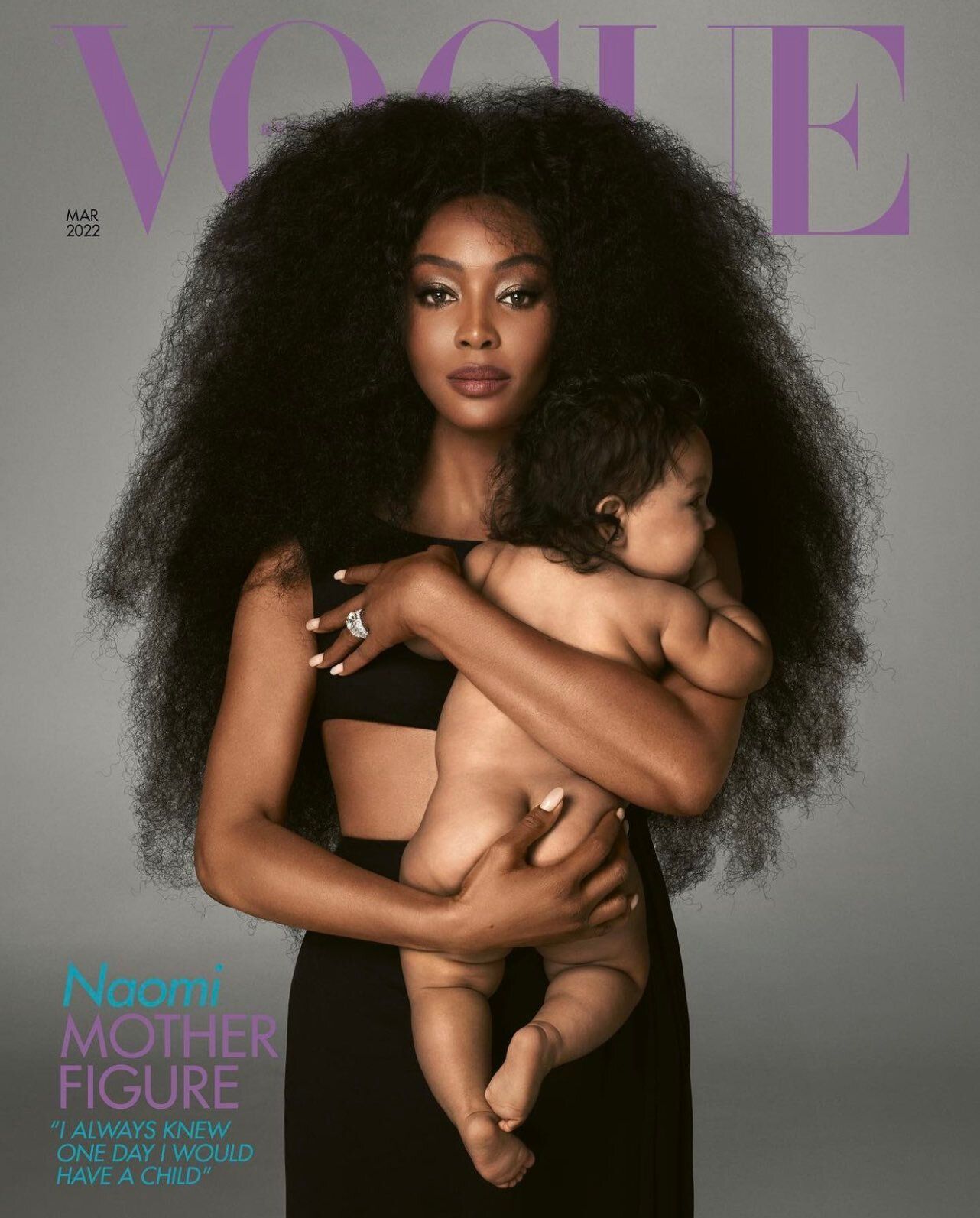
Since then, she has remained tight-lipped about the new addition to her family, but has now chosen to open up about motherhood in an accompanying interview with the fashion magazine.
While Naomi has decided to keep certain details about the child private – including her name – the 51-year-old did confirm to Vogue: “She wasn’t adopted – she’s my child.”
Advertisement
She also told the magazine that she had kept the fact she was having a child quiet from those closest to her, explaining: “I can count on one hand the number of people who knew that I was having her. But she is the biggest blessing I could ever imagine. It’s the best thing I’ve ever done.”
“I always knew that one day I would be a mother, but it’s the biggest joy I could ever imagine,” Naomi continued. “I’m lucky to have her and I know that.”
Advertisement
On how being a parent has changed her, Naomi revealed: “I’m like a kid again. I’m reliving nursery rhymes, playing and discovering how many great new toys there are out there in the world! And dolls! Things I couldn’t even dream of.”
At the end of the interview, Naomi was asked whether she would consider having more children in the future, with Vogue noting she said with a laugh: “Why not? Why not?”
“So honoured to have this gentle soul in my life there are no words to describe the lifelong bond that I now share with you my angel. There is no greater love.”
Advertisement
Read Naomi’s interview in the March 2022 issue of British Vogue, on newsstands on Tuesday 22 February.
The NHS has been telling new mums to breastfeed in order to lose weight and get back into shape after giving birth. Yes, really.
On its Start4Life website – a programme that supposedly supports pregnant women and new mums – the health service told women about ‘seven things you might not expect when your baby’s born’.
Advertisement
Number seven on the list was the fact that you might look pregnant for a while after giving birth.
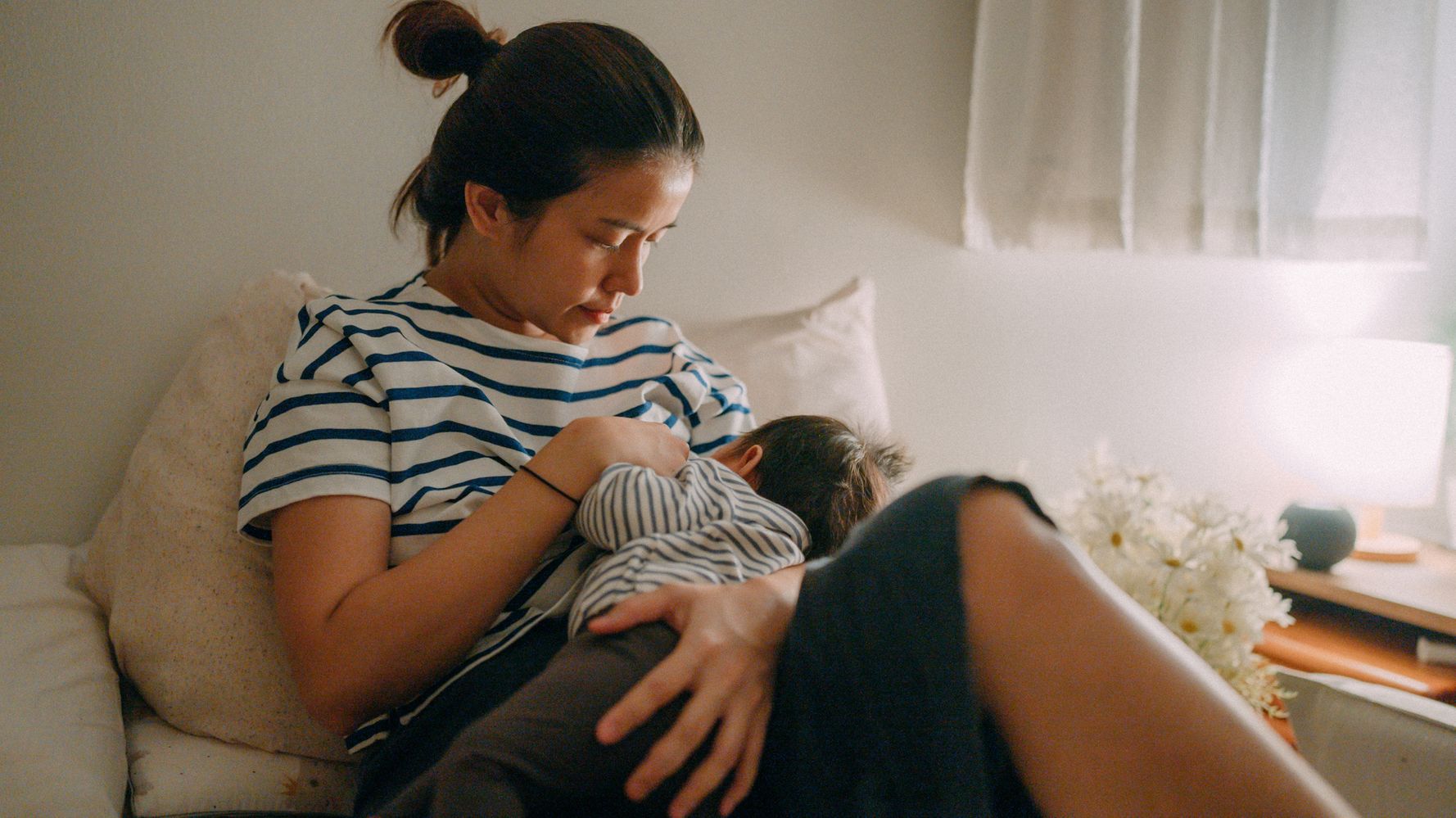
“It can take six weeks for your womb to go back to the size it was, and even longer to lose any extra weight,” the site said. “Breastfeeding is a great way to get your body back, as it burns around 300 calories a day, and helps your womb to shrink more quickly. Also try to eat healthily and take gentle exercise.”
Advertisement
The advice sparked outrage online after it was shared by London-based writer Maggy Van Eijk, who has a three-year-old daughter and is 38 weeks pregnant with a baby boy.
“Toxic AF from the NHS’s week by week pregnancy guide,” she tweeted ”[Breastfeeding] is not a weight loss tool. Your body never went anywhere – you don’t need to get it ‘back’, it’s just changing, evolving and growing and it will keep doing so until you’re deceased.”
Advertisement
HuffPost UK contacted the Department of Health and Social Care about the criticism and the wording on the NHS site has now been changed.
Still, it’s worth asking how something like this made it onto the NHS website in the first place.
toxic af from the NHS’s week by week pregnancy guide
😑 BFing is not a weight loss tool
😑 your body never went anywhere – you don’t need to get it “back”, it’s just changing, evolving & growing and it will keep doing so until you’re deceased pic.twitter.com/PoHuVsT8C4
Speaking to HuffPost UK, Van Eijk says she’s found most of the week-by-week guide helpful during pregnancy, but it was “such a shock” to see Start4Life include breastfeeding as a “weight loss hack”.
“It was such outdated language, really steeped in diet culture which new mums especially really don’t need,” she says. “I did breastfeed with my first but it was hard work and I pumped at first because I was so adamant to keep trying. The pumping and feeding became an obsession.
Advertisement
“Instead of letting go and opting for formula I filled my fridge and freezer with milk. Basically equating the amount I could produce with how good of a mother I was being. It wasn’t healthy and there are so many other signifiers of good parenting we should be showing new mums. Not how you feed your baby and especially not what your body looks like.”
Other women share her view, with many on Twitter pointing out that this “tip” only added to the shame some women feel if they can’t breastfeed.
This advice also contributed to my feelings of being a failure as a mum – I couldn’t breastfeed my baby and we all know ‘breast is best’ and I wasn’t going to lose my ‘baby weight’ – both failures on my part! Still makes me feel v miserable nearly 13 years on!
Not only grim, but breastfeeding is not in my book any kind of way to feel like you’ve ‘got your body back’ even if that was a thing, as you are giving it over to full time food production for a tiny human – it’s setting people up to fail if they are expecting anything else 😬
This always just adds to my feeling of failure for not being able to BF and not losing weight very easily after each of my babies, and I thought they were the ones who were meant to be supporting us!
Hate this BS. You have grown a human inside of you, of course your body will change and that’s perfectly fine. You don’t need to feel bad about it. I was offered a diet plan when I first found out I was pregnant which I firmly declined. https://t.co/ETredhwSHv
Start4Life was initially a Public Health England initiative, which now falls under the UK Health Security Agency (UKHSA). Start4Life content is published on the NHS website, with NHS-branded leaflets also given to pregnant women.
HuffPost UK contacted each of the bodies, as well as the Department of Health and Social Care, for response to the criticism.
A Department of Health and Social Care spokesperson said: “The Start4Life website provides guidance and advice for new and expectant families.
“Our insight has shown that some women find this information helpful, however, we keep the wording of public health initiatives under review, and in response to some of the feedback received we have updated the website today.”
The Start4Life advice now reads: “It can take six weeks for your womb to go back to the size it was. Breastfeeding can speed this process up as it makes your womb contract. Find out more about your body after the birth on the NHS website.”
Still, the response from women is clear: new parents are already under enough pressure to be “perfect mums” and “snap back into shape” after giving birth. The language used by a publicly-funded initiative really does matter.
Keeping a tiny human alive is a huge achievement – it doesn’t matter what size you are or how many packets of biscuits you consume in the process.
Update: This article has been updated to reflect that the Start4Life website has amended its advice.
In the course of raising children, all parents say things that we’re not super proud of. Kids are remarkably good at getting under our skin, and we don’t always meet the moment with the kind of grace or compassion we’d like. (To wit: I looked straight in my preschooler’s eyes this morning and told him the police would arrest him for not putting his mittens on.)
Luckily, experts say it’s not only OK that parents say the “wrong” stuff sometimes; it’s universal. Parents shouldn’t feel shame or guilt about it, and it’s also important to keep in mind the bigger picture. Do kids feel safe and loved and like they can be themselves? Great. Some verbal misfires won’t change that.
Advertisement
Still, there are some phrases that parents and other adults in children’s lives tend to use habitually that could be more damaging than any of us intend. Here are five to be mindful of, and some tips on what to say instead.
1. “You’re OK!” or “It’s not a big deal.”
Advertisement
When a child falls down the playground, they’re inevitably met with a chorus of: “You’re OK!” Similarly, when a kid is in the midst of a problem that seems relatively benign — say, a friend takes a toy they were playing with, or an older child shares an off-handed comment from school that doesn’t seem all that serious — many of us parents respond with: “It’s not a big deal.”
That instinct is totally understandable, experts say.
Advertisement
“We often say [these phrases] to children in an attempt to help them feel better or calm them when they are feeling distressed or hurt,” explained psychologist Sarah Conway, founder of Mindful Little Minds. “We think that if we don’t make a big deal about it, they won’t either. However, when we say this to children, they feel dismissed and they feel unheard.”
If the child hears the message often enough, there’s a danger that they will feel like they can’t trust us with their difficult moments or emotions, Conway said. They might also start to feel like they can’t trust their own emotions. That’s why the similar phrase “stop crying” is also a problem. (It’s also ineffective. Reminder: tears and tantrums are developmentally appropriate for younger kids.)
The good news? The alternative to reflexively telling kids they’re OK or that whatever they’re grappling with isn’t a big deal is pretty easy.
“Instead, try ‘Are you OK?’” Conway recommended.“This sends a message to kids that we care about how they feel and that they can share their emotions with us.”
Advertisement
2. “You always… ” or “You never… ”
First and foremost, “always” and “never” are rarely true. But also, they can become self-fulfilling, particularly with children who are really figuring themselves out.
“When they hear these messages from us as their parents, they start to believe them. Then we see more of the behaviours that feed into this label they’re assigning to the definition of themselves,” Kimberley Bennett, psychologist and founder of The Psychologist’s Child.
To the extent it’s possible, shift your lens, she urged, and notice when they’re doing the opposite of the behaviour that you don’t like.
“For example, if we’re saying, ‘You’re always rough with your little brother,’” Bennett said, “notice the occasions when they’re gentle, loving and kind, and celebrate that with them.” It can also be helpful to let your child overhear you talking about them positively to other adults, she said.
And when they’re engaged in a behaviour you don’t like, invite them to try and solve the problem with you, Bennett said. Ask them questions like: “What can we do to stop this from happening?” Or, “What can you do the next time you feel that way?”
3. “It makes me sad/angry/happy when you do XYZ.”
“Many parents believe they are teaching their children about empathy when they use this phrase,” Conway said. “However, this sentence sends a message to kids that they are the cause of our big feelings and that they are responsible for managing them.”
Ultimately, children might start hiding things from the adults in their life for fear of upsetting them. Also remember: perspective-taking – i.e., the ability to see something from another side – isn’t something younger kids (like, toddlers, preschoolers or even younger elementary school-age children) are developmentally capable of.
Of course, none of that is to suggest that you shouldn’t draw – and hold – firm parental boundaries and intervene when your child crosses them.
Advertisement
“Save the lesson on empathy for another time and just stick to the facts. Acknowledge how they feel and then clearly state your boundary by starting the sentence with, ‘I won’t let you … (hit me, kick your brother, etc.),’” Conway said.
4. “Don’t be rude. Give so-and-so a hug.”
This one often comes up around the holidays when families are getting together, or right before bedtime when a parent urges their kiddo to give a grandparent or cousin a hug, even if their child isn’t into it. (I fully admit that I’ve had psychologists and therapists share this no-no with me for years now as I’ve worked on various parenting stories, and I still, every once in a while, encourage my totally hug-averse 7-year-old to hug his grandparents when he says goodbye.)
But what we teach our children in those moments is that their own boundaries don’t matter, said Ashurina Ream, founder of Psyched Mommy.
“When we force our kids to go hug somebody – or even apologise when they’re not ready – we teach them that they need to perform to please others,” she explained. “We’re also teaching them if their body feels uncomfortable hugging a relative, for example, and they do it anyway, that they need to ignore the signals their body sends them.”
This is a boundary parents really might need to hold firm for their children. Tell them it’s totally OK if they’d prefer to fist bump, blow a kiss or even just wave goodbye or good night. (Ask them: “What feels good to you?” Ream said.) Reassure your child – and the other adult in question – that they can still show respect and love toward others while listening to their own bodies.
5. “That’s not true!”
“I actually caught myself doing this recently,” Ream said. Her son told her that no one ever wants to play with him. “My instinct is to say, ‘That’s not true!’ Or maybe it’s a teen girl who says, ‘I’m so ugly’ and our instinct is to say, ‘That’s not true!’ because it hurts us deeply to hear our kids hurting.’”
But when they tell us something that’s bothering them, and our parental instinct is to immediately respond “that’s not true,” they hear that we don’t believe them, Ream warned. Or that their own instincts or read on a given situation are not to be trusted.
“Even if what they’re saying is silly, it’s their reality at the end of the day. It’s not our job to tell them they’re wrong. It’s really our job to hear them out,” Ream said. Instead, be curious. Ask questions like: What makes you think that?
Advertisement
Remember: Our job as parents is not to fix everything for our kids, as much as we might like to. Nor is it to have a perfect script all the time. (There isn’t one!) Our job is to make sure our children feel comfortable coming to us with all of their emotions — good ones and tough ones — for years to come, and to really listen when they do.
During medical training, in health textbooks, in posters or at the doctor’s office, we often see health conditions or body parts represented with white figures.
Many of these images seem outdated or inaccessible to large parts of the population. Now, one medical student has taken matters into his own hands.
Advertisement
Chidiebere Sunday Ibe, 25, from Ebonyi State, Nigeria, began illustrating Black patients, children and babies. Recently, his drawing of a Black foetus and mother has gone viral on Twitter and TikTok, amassing hundreds of thousand views and likes.
The image has clearly struct a real chord with people, especially those not accustomed to seeing their skin tones reflected in standard medical imagery.
Advertisement
The aspiring neurosurgeon wanted to show people what certain conditions look like for Black people – and also normalise the diversity of our bodies.
For some people, it was the first time they’d seen a Black foetus and many called for more representation like this.
Advertisement
When we spoke to Ibe about his illustrations, he told HuffPost UK: “This image was created like every other image, I never expected it to be viral. The whole purpose was to keep talking about what I’m passionate about – equity in healthcare – and also to show the beauty of Black people.
“I feel great seeing it going viral, I never expected it and it feels good that the message is out and it will challenge current systems.”
Ibe points out that we need to see more images like this, and more people behind the scenes creating them.
“We don’t only need more representation like this, we need more people willing to create representation like this, this would help make such images more accepted,” he says.
Advertisement
Chidiebere Ibe
Chidiebere Ibe is an aspiring neurosurgeon.
For Black people working in healthcare, seeing Ibe’s images has meant a lot – it’s not often they see their race reflected in the industry. Rebekah Agboola, a 27-year old nurse from London, says the picture made her do a double-take.
“The image was shocking,” she tells HuffPost UK. “I’ve never seen a Black baby in an image like this before – it makes you take a second look. It shouldn’t be shocking as it’s a simple medical illustration. However, having started my journey into this world as a sixth form student looking at medical images, I didn’t commonly see illustrations of Black and brown people unless it was something to do with skin conditions and even then it was rare.”
Agboola says such illustrations go beyond representation to having a positive impact on people’s health and wellbeing.
“I think that it is important to make sure that there is more representation because it will greatly improve the treatment of our patients,” she says.
In August 2020, as part of Black Ballad’s weeklong takeover of HuffPost UK, Black women spoke out about the discrimination, microaggressions and substandard care they received during pregnancy, shining fresh light on the findings of a major motherhood survey, also conducted by Black Ballad.
“Routinely, Black and other minority patients do not receive the same care due to initial symptom presentation and if it is made clearer that our symptoms can sometimes look different and that clinicians need to give their examinations more thought we can help reduce this issue,” Agboola says.
“This picture shocked me but I was so glad to see it and want to see more.”
Rebekah Agboola
Rebekah, a nurse, has never seen an image like this before
Since the release of Ibe’s pics, the Royal College of Midwives (RCM0, has also said it will be amping up efforts to diversify.
Jane Bekoe, the RCM lead on its Race Matters programme, told us: “Positive representation of race is important in all aspects of our lives and society, because the world should reflect accurately all the people living in it. This applies just as much to portrayals of Black and minority ethnic people within healthcare, so illustrations such as this are a positive and necessary step forward towards real equality for us all.”
The RCM is working to ensure changes happens, Bekoe added, following its first celebration of Black History and Culture Month this year. In January 2022, it will hold a webinar on decolonising the midwifery curriculum, which will be led by the RCM’s student midwife forum.
Packing a nutritionally balanced lunch that your kids will actually eat can sometimes feel like a crapshoot – the second you think you have your lunch game on lock, that’s the day they’ll come home with the elaborate bento box you packed them still intact.
As parents, we feel responsible for our kids’ health and that understandably translates into a lot of stress over what they’re eating or not eating.
Advertisement
“Your job as a parent is to offer healthy, nutritious foods as often as possible, on a consistent schedule,” saidAubrey Phelps, a functional perinatal and paediatric nutritionist. “But it’s up to your child to decide what to do with them.”
The best way to grow a happy, healthy eater is to keep offering what you’d ideally want your child to eat – and don’t take it personally if they choose not to eat it. When it comes to school lunches, Phelps recommends keeping it simple: “Focusing on specific vitamins or minerals can miss the big picture,” she said.
If you use the following macronutrient formula to pack your kids’ lunch and vary the sources of each, you’re almost guaranteed to have a healthy, balanced meal that will keep them focused and energised at school.
The Formula
Advertisement
50% veggies and fruit
25% lean protein and healthy fats
25% starch or whole grains
+ fluids
The ideal school lunch formula is often referred to asthe plate method – a visual representation of what a well-rounded meal looks like.
“Every child needs a healthy balance of macronutrients (protein, carbs, fat) and vitamins and minerals,” Nicole Avena, a New York-based health psychologist and author ofWhat to Feed Your Baby and Toddler told HuffPost. “The plate method helps ensure that no one nutrient is overpowering the rest.”
If your child has a lunch that’s mostly carbs or whole grains and some protein, for instance, they’ll likely feel tired in the afternoon. Carbs not only make you sleepy due to their ability to increase tryptophan and serotonin levels in the body (both of which are sleep-inducing compounds), but they can quickly raise your blood sugar, and the subsequent drop can leave you feeling tired, Avena said. Even a larger portion of protein and smaller amount of carbs can make your child sleepy.
Advertisement
“Proteins and fats are often more difficult to digest than carbs and nutrients that come from fruits and vegetables,” Avena said. “This can potentially lead to fatigue, since your body needs to use up more energy during digestion.”
Making sure their lunchbox contains every element of this formula means your child will consume the balance of nutrients necessary to focus and enjoy their school day without feeling sluggish.
Let’s break down the formula.
Veggies And Fruit – 50%
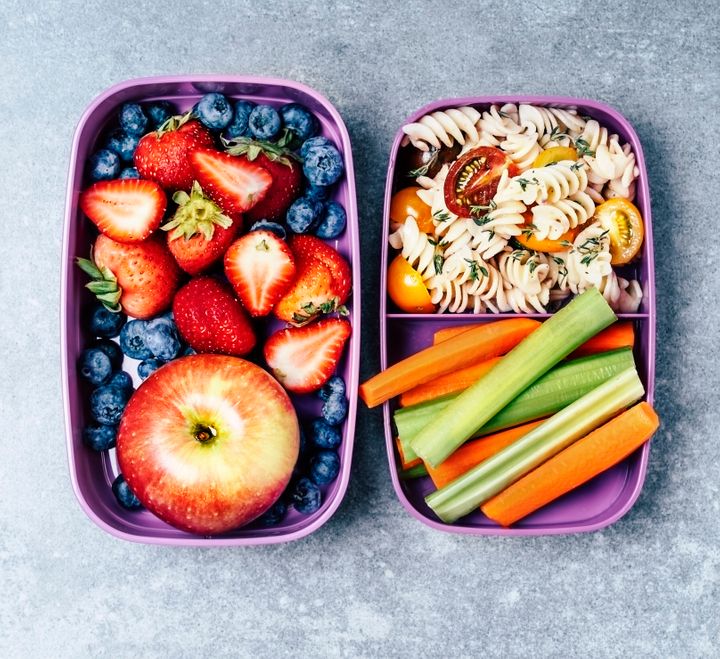
Try: carrot sticks, bell pepper strips, grape tomatoes, cucumber, grapes, apple slices, watermelon, berries.
The biggest portion, or half of the lunchbox, should contain 2-3 different kinds of vegetables and fruit – preferably, two vegetables and one fruit, as children’s daily intake of vegetables tends to be lower than their fruit intake, according to a2019 review published in the American Journal of Lifestyle Medicine.
Claudia Totir via Getty Images
This is actually an example of what NOT to do. Don’t go heavier on fruits than vegetables, since most kids tend to eat more fruits anyway.
“Vegetables and fruit provide antioxidants to fight off disease, including vitamin A for skin and eye health, lutein for eye protection (from blue light) and vitamin C for immunity,” said Amy Shapiro, New York City-based registered dietitian and founder ofReal Nutrition.
Produce is also rich in water to keep kids hydrated, and contains fiber for sustained energy and improved digestion.
“Protein is the nutrient that takes the longest to digest, so having it as part of your child’s lunch will keep them full and their blood sugar stable,” Shapiro said.
Depending on the type of protein provided, it may also contain amino acids for growth and muscle repair, zinc for immunity, and iron and vitamin B12 for energy.
On to healthy fats: “Fat helps to keep you full, provides energy and allows for the bioavailability and absorption of many of the vitamins we eat through other foods,” Shapiro said. “By including fat in your child’s meals, you’ll help them stay full longer and be more energized.”
Enough fat is often cooked into your food or a part of the meal already, so it doesn’t necessarily need to be a separate addition, Shapiro said. (Eggs and nut butters, for example, offer a one-two punch of protein and healthy fats.)
“Carbohydrates are broken down into sugar in the body, providing energy for immediate use and reserves for later use,” Shapiro said. “Ideally, whole grains or whole wheat should be included, as they’re rich in nutrients, digest more slowly and are high in fiber to aid in balanced blood sugar and digestion.”
They also contain B vitamins, which are important for energy and metabolism.
But if your child isn’t the biggest fan of whole grains, don’t fret: “Vegetables and fruits also fit into the carbohydrate category, so you don’t always have to think about bread or grains if your child doesn’t like them,” Shapiro said.
Starchy vegetables and fruit include carrots, corn, potatoes, winter squash and bananas.
Advertisement
Fluids
Even just mild dehydration can cause a decline in cognitive function.
“Being dehydrated can affect reaction time, attention, memory and reasoning,” Avena said. “Children are potentially more at risk of dehydration because they’re more likely to be dependent on someone else for their fluid intake.”
Send your child to school with a large water bottle so they get enough fluids during the school day — and remind them to keep it at their desk.
“Out of sight equals out of mind,” Phelps said. “I also recommend a water bottle that’ll keep the water cold or room temp (however your child prefers) so they don’t get turned off by drinking warm water.”
It doesn’t have to be plain water, either: They might prefer fruit-infused, coconut or sparkling, or a different liquid entirely, like milk or 100% fruit or vegetable juice.
“If your kid really struggles to drink enough, consider sending hydrating foods,” Phelps said. “Soups, smoothies, juicy fruits like grapes and melon, bell peppers, even yogurt, are all hydrating options that can help keep kids on track.”
The easiest way to measure out lunchbox portions
Children are intuitive eaters – they’ll eat when they’re hungry and stop when they’re full, with the amount of lunch they eat fluctuating day-to-day – so there’s really no such thing as perfect portions to pack.
The easiest way to ensure you’re in the ballpark? Use your child’s hands as your guide.
Advertisement
Think of your child’s hands as a plate – palms up, pinkies together. Half of their “plate” (or one hand) should be veggies and fruits. The palm of the other hand protein, and fingers complex carbs.
“Using this method, the amounts needed change as your child grows (and so will their needed portion sizes),” Phelps said.
She’s also a fan of thebento box-style lunch containers, which are already sectioned off into child-friendly portions. You can fill one section with vegetables and fruit, one with protein and healthy fats and one with starch or whole grains sans guesswork. These ratios don’t necessarily need to be tweaked if your child has specific dietary needs.
“Appropriate substitutions are needed to ensure they have a filling and nourishing meal, regardless of the nutrition modifications that are needed,”Maya Feller, a Brooklyn-based registered dietitian, told HuffPost. The overall rule of thumb, however, generally stays the same.
Ratios and formulas should only be used as a guideline, not a hard rule, because children themselves should dictate how much they need to eat.
“If parents find their child is consistently eating 100% of foods packed throughout the day, it could be a sign they’re going through critical stages of development and require more energy,” Feller said.
It’s also important to keep in mind this is one meal out of their entire day — so if a lunchbox comes home practically full, it’s not game over. “We want to look at nutrition over the course of the day, not one meal,” Shapiro said.
When in doubt, you can check in with your kids: Ask how lunch was and make food and portion modifications based on the feedback given.
Remember: nutrition is cumulative
View your child’s nutrition over the course of a week, not a day – or a meal. “They’ll get what they need over time,” Shapiro said. “Some days are great and some days are off and it all balances out.”
Advertisement
The most important thing a parent can do is create a good relationship with food. That’s more important than creating the perfect lunch.
“Kids tend to be more black and white thinkers, so I don’t recommend focusing on ‘healthy’ or ‘unhealthy’ or ‘fun’ foods,” saidKrystyn Parks, a California-based paediatric registered dietitian. “All food is food. All foods have a purpose.”
Perfection isn’t the goal – setting routines that work for you and your child are.
“Find your own routine, get your kids involved in the choices and don’t measure yourself against another person,” Feller said. “No one day – or meal – is going to be perfect in terms of nutrition.”
Cardi B announced the birth of her second child with husband Offset Monday in a sweet Instagram post showing the couple gazing at their new baby.
She captioned the photo simply, “9/4/21” ― presumably confirming the newborn arrived on 4 September ― and included dinosaur, blue heart and teddy bear emojis.
The WAP rapper and Migos member already have a daughter together, three-year-old Culture. Offset also has three older children from previous relationships.
“We listened to each other, communicated, prayed and then God blessed us and our family with another little blessing,” she wrote. “Our home feels so blissful and very busy… but we are ready and so happy!!”
The start of the school term often brings snot, coughs and dodgy tummies. But the last 18 months has taught us all to be hyper-vigilant about health, so we’re looking at back-to-school bugs a little differently.
Previously, we may have sent children into the classroom with a mild sniffle, but now, with Covid still a factor, parents may be wondering whether to keep kids home. We’ve also been warned that cases of norovirus are likely to spike this September, just to add fuel to the fire.
Advertisement
But why do kids get poorly at the start of term anyway? And when they’ve already missed so much school last year, when’s the correct time to keep them off? Dr Sameer Sanghvi, who’s clinical technology lead at Lloyds Pharmacy Online Doctor, answered our questions.
filadendron via Getty Images
Why do kids get ill at the start of the school term?
Advertisement
“Often children (and teachers) get ill at the start of term because they’re suddenly exposed to lots of people, after a summer often spent mainly with a small number of family and friends,” says Dr Sanghvi.
“The more people you mix with, the more likely you are to catch and spread germs off one another. And we all know children, even after the last year, aren’t quite as good as adults at good hygiene practices like washing their hands thoroughly, covering their faces when they cough and blowing their noses etc.”
Advertisement
The start of term can also be very tiring, especially for young children, who aren’t as used to being sat in a classroom all day.
“When we get tired our immune systems sometimes find it harder to fight off bugs. So this can also mean kids (and anyone who works in a school) might be more susceptible to picking something up,” Dr Sanghvi explains.
“Coughs, colds and norovirus can all be very contagious, particularly in an environment like a school, where you have lots of people in one room for long periods of time.”
What are the most common symptoms of Covid in kids?
Advertisement
By now, we all know the importance of self-isolating if you’ve got Covid. But kids get a lot of sniffles at school, so how can you tell the difference?
“Like with adults, the main symptoms of Covid-19 in children are still a high temperature, a new, continuous cough and a loss or change of taste or smell,” says Dr Sanghvi.
“With the start of term it’s likely lots of kids will get a cough, cold or runny nose. But if you think your child has Covid-19 symptoms, you should book them a test. That’s the easiest way to confirm if it is or isn’t Covid-19.”
If it’s not Covid, is it okay to go to school?
“It can be hard knowing when to keep a child off school. Sometimes it’s okay to send them in with a mild illness, but other times it better to keep them at home,” says Dr Sanghvi.
“If your child has Covid-19 symptoms, you should get them a test and keep them off school unless they get a negative result.
“Generally speaking, if your child has a fever, they should be off school until it’s gone (unless it’s due to Covid-19, in which case they’ll need to self-isolate and follow the advice from Test and Trace).”
As a rule, if your child has been sick or has diarrhoea, they should be off school for 48 hours from the last time they vomited or had diarrhoea, she adds.
“The NHS has lots of advice for different conditions like cold sores, chicken pox, impetigo and many others, and when to keep your kids off school,” says Dr Sanghvi. “So it’s always best checking their website, and don’t forget if you’re worried about your child, you can always ring up your GP and speak to them.”
Two weeks after the birth, the singer shared a new snap of her son, and told fans his name, which you might notice is not entirely dissimilar to his father’s.
She wrote: “2 weeks of loving you. I’ve never felt love like this before! Axel Oxlade-Chamberlain.”
Perrie first announced she was expecting a child back in May, posting a close-up of her pregnancy bump on Instagram with the message: “So happy to be on this wild journey with my soulmate… We can’t wait to meet you baby Ox!”
During their pregnancies, Perrie and her bandmate Leigh-Anne have been hard at work, promoting new Little Mix music and filming music videos for Confetti, Heartbreak Anthem and Kiss My (Uh Oh), as well as their most recent offering Love (Sweet Love), which serves as the lead single from their upcoming greatest hits album.
SOPA Images via Getty ImagesAlex Oxlade-Chamberlain and Perrie Edwards at the 2019 Brit Awards
“We were on a work Zoom and we were chatting about things that were coming up in our schedule because in Little Mix we are blocked out two years in advance,” Perrie explained. “I was thinking, ‘I won’t be able to do [certain things months down the line]’.
“I messaged my manager and she called me and said, ‘You’re pregnant’. I was like, ’How do you know?’, and she said, ‘Because I am pregnant’. Then she said, ‘Can I add someone to the call?’
Perrie continued: “I just heard this voice that said, ‘Perrie! You too!’ And then we just cried our eyes out. We couldn’t believe it. What timing! It wasn’t planned.”
For so many kids, summer really is bliss. There’s the initial joy of school being over that soon gives way to sunshine-filled days, later bedtimes, and generally loosened-up routines.
But as summer slips away, things tend to go south. Kids who just a month or two ago couldn’t believe how lucky they were to spend an afternoon at the beach turn into tired, entitled monsters, freaking out when you ask them to do anything, or yelling about seemingly little stuff.
Advertisement
And depending on when school starts where you live, you’re likely deep into end-of-summer-slash-start-of-school tantrum season, when kids seem to collectively lose their minds.
So why does it happen? And what can you do about it? Here’s what parents need to know about navigating this short (but intense!) stretch of time.
Spending time out of routines eventually catches up with kids.
Yes, kids love how unstructured and fun summer is. But being out of their routines for several months eventually catches up to them, especially if they’ve spent week after week soaking up lots of sun, staying up late and not necessarily eating all that well.
Jones, who is a mum herself, certainly doesn’t think that kids and families have to stick to a strict schedule during the summer. But it can help to just remind yourself that your kid isn’t melting down because they’re trying to push your buttons; they’re melting down because the happy chaos of summer may finally be catching up to them.
Day-to-day, make sure you’re doing what you can to prevent tantrums by “managing their environment” and making sure your kids are getting enough food and that they’re relatively well-rested, Jones said. Sometimes on long, hot, end-of-summer days simply making sure a kiddo gets a nap and a few good snacks can do wonders for their overall behaviour.
FatCamera via Getty Images
Reminding kids of parts of school that they really like can help ease end-of-summer tantrums.
Remember: transitions are tough, especially this year.
Advertisement
As you navigate the summer/fall back-to-school tantrum season, it’s also helpful to remind yourself that transitions are difficult, especially when many kids are heading back to the classroom full time for the first time in 18 months.
“It’s hard for children and parents to go through,” Jones said.
If your child’s school hasn’t started yet, it can be helpful to reinstate some routines beforehand and practice what it’s like to all get out the door in the morning, she urged. Ideally, about two weeks or so before they head back, you’d start to institute a more regular bedtime and wake time, for example. Block off time for them to read, or for you to read together, so they get a bit of practice learning again if they’ve taken a bit of a break.
Then just try to be gentle and patient with yourself and with them, Jones urged.
Try this ‘active ignoring’ technique.
Tantrums may be developmentally appropriate for younger kids, but that doesn’t necessarily help you stay calm in the moment. So Jones is a big fan of taking a few moments to step away from a toddler who is melting down, provided it’s safe to do so.
“One of the strategies that works is the removal of your attention. Don’t argue with the child. Don’t beg and plead. Just kind of calm yourself down, and remove your attention, and once your child starts to settle … then you can acknowledge their feelings by saying something like, ‘What’s going on? What’s wrong?’” she said. (Some kids really benefit from someone holding them close while they’re in the middle of a tantrum, Jones added, and you can absolutely still give them that kind of close physical support while not giving into their demands.)
The Child Mind Institute calls this strategy “active ignoring,” and notes that it’s very important to give positive attention as soon as the behaviour you’re looking for starts.
Give older kids plenty of opportunities to talk about their feelings.
There’s ample evidence that children of all ages had a tough time emotionally over the past 18-plus months, so now more than ever it’s important for parents to give their children time and space to open up about what they’re experiencing as the summer winds down.
Advertisement
Also, don’t be surprised if older school-age children suddenly seem to be having meltdowns or regressing, which has been happening throughout the pandemic.
With kids who aren’t necessarily big sharers, it can help to back into the conversation a bit by asking how they think their friends are coping with this current moment of transition, for example, or by telling them a bit about how you’re feeling right now. (Here are some other creative ways real parents have found to get a sense of their children’s pandemic-related feelings, which may work for the end-of-summer/back-to-school stretch.)
Don’t forget to get them excited about school as well, Jones said. Let them help you with back-to-school shopping, she suggested. Remind them of friends they’ll see or activities they love that they’ll get to do again.
“Check in, see how they’re doing, and talk to them,” Jones said. “Let them know you’re there for them.”