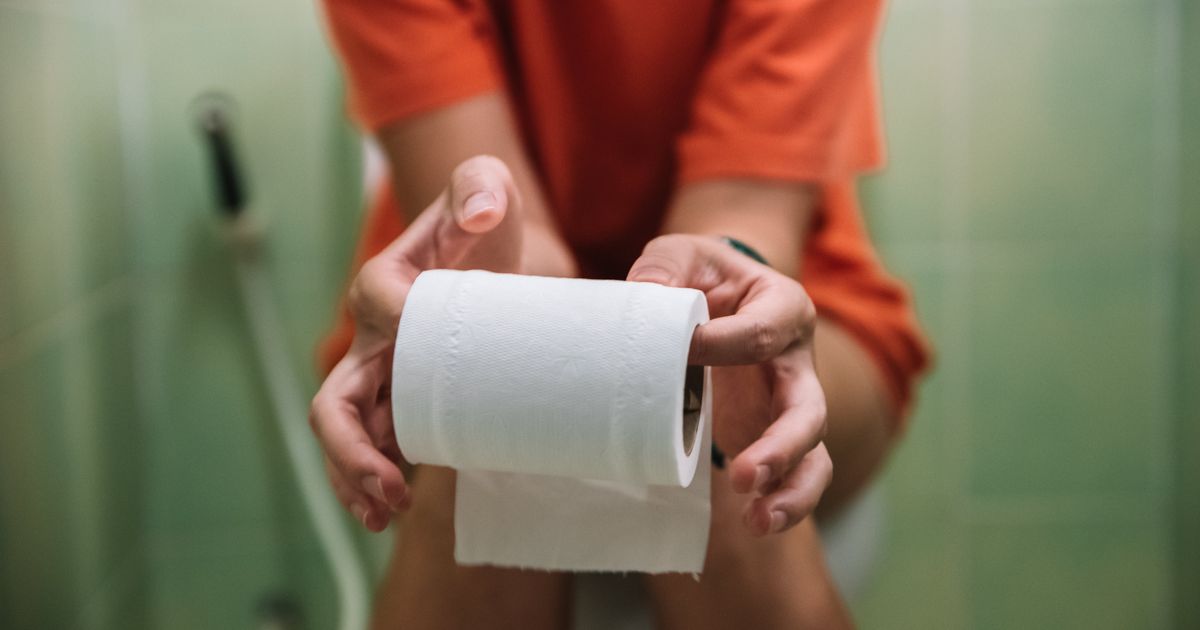
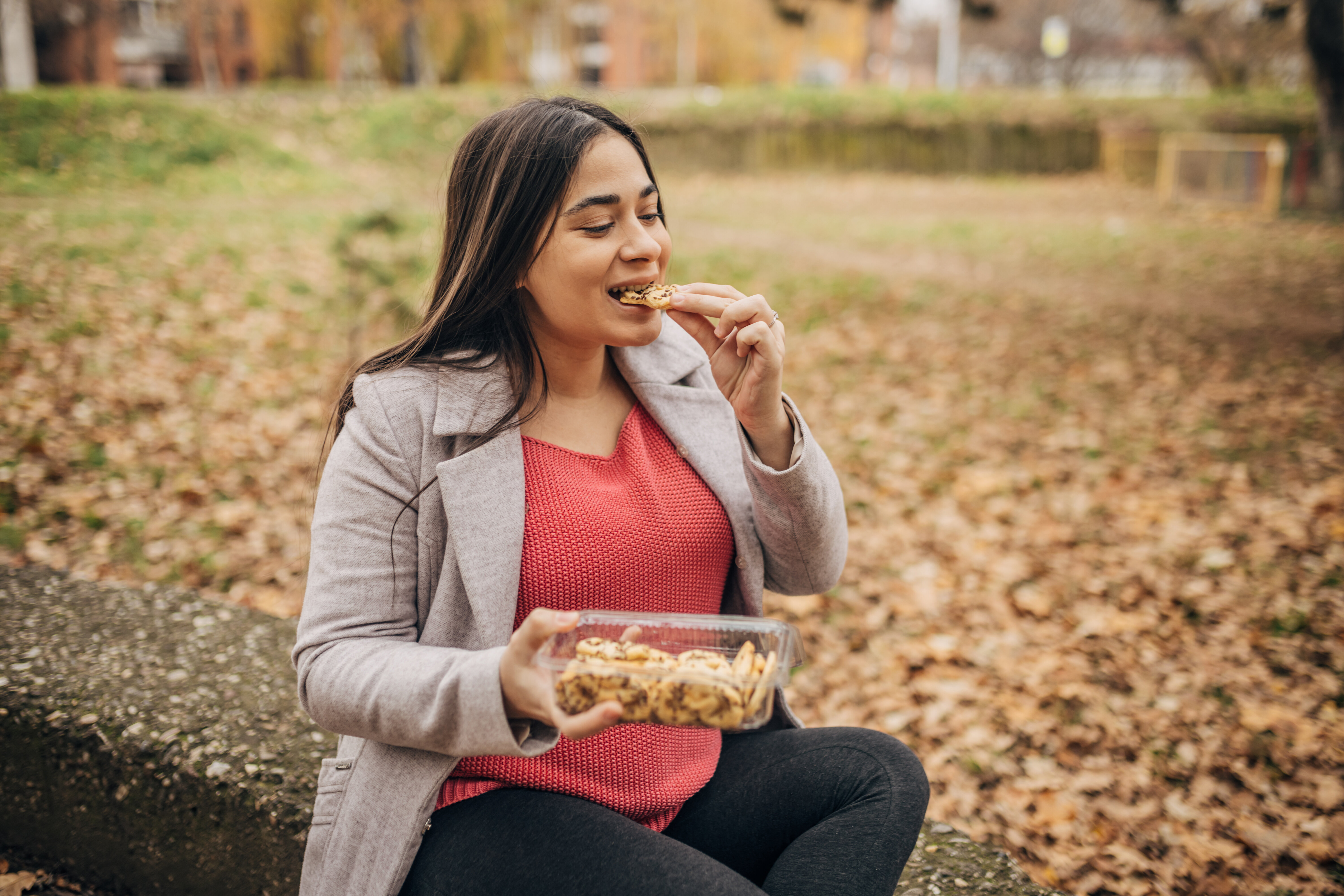
Expert Shares The 5 Worst Foods To Eat Before Bed

Unfortunately, most of us in the UK don’t get enough sleep.

Between stress, tricky working hours, late-night scrolling sessions, and straight-up insomnia, there are plenty of reasons why your nighttime rest might not feel as fulfilling as it should.

But Benenden Health recently shared that some foods could be to blame for your sleepless nights, too.

“If you’ve tried every sleep remedy under the sun and you’re tired of struggling to sleep through the night, it could be because you’re eating the wrong foods before bed,” nurse practitioner Cheryl Lythgoe shared.

After all, as the South Warwickshire NHS Trust points out, the later you eat, the harder your digestive system has to work while you’re sleeping. This process can disturb your Zzzs, making it hard to stay asleep.

Here, Lythgoe shares some of the worst foods for sleep – and why they’re so problematic.

1. Chocolate

I know, I know, it’s tempting to chow down on your fave choc at night. But the pros say that the combination of sugar and caffeine (yes, there’s caffeine in chocolate – especially dark chocolate) can keep you up later than you probably want to.

2. Cheese

No, not because it causes bad dreams – experts advise against eating the delicious dairy staple before you sleep because it contains a substance called tyramine, which helps us feel alert.

3. Spicy food

The problem here is a chemical called capsaicin, which is where chillies gets their punchy flavour. Spice can disturb your sleep by messing up your body’s temperature regulation, so stick to the mild stuff before bed.

4. Ice cream

Or cakes, or biscuits, or gummy sweets ― basically, the problem here is sugar.

Too much of the sweet stuff can cause nighttime restlessness, and might even cause you to wake up multiple times in the wee hours.

5. Crisps

I regret to inform you that your fave crisps more than likely have what experts would call “wayyyy too much salt.”

Salt can affect your sleep by dehydrating you. One study found that eating salty foods, such as crisps and salted nuts, before bed contributed to disrupted – or “superficial” – sleep.

Not only that, but too much salt before bed can leave you feeling groggy in the morning, too.

OK, so what should I eat?

If you get peckish at night, Lythgoe suggests trying more natural foods.

“You may love night-time snacks like chocolate, ice cream or crisps, but they could be just the thing stopping you from getting those all-important eight hours,” she said.

“Instead, if you’ve got a bit of a sweet tooth, natural foods like cherries or bananas are excellent for promoting good sleep and should satisfy that sweet craving.”

She adds that, in general, you should also avoid eating too late at night if you can, monitor your portion sizes, and steer clear of caffeine and refined sugar before bed.

Well, it looks like I need to make some life changes…

Share Button

Millions Can Book UK Covid Vaccines Online From Today

In light of the new Pirola variant, the UK Health and Safety Authority (UKHSA) recently announced their plans to move Covid-19 and flu vaccination dates forward.

“Health chiefs have ensured there is enough capacity to offer the flu and Covid vaccines to all those eligible by the end of October, reflecting the risk of the new variant,” the NHS said.

Millions of eligible people can book their Covid vaccines online from today, September 18.

Almost 5,000 sites ― more sites than ever before ― will be involved in the vaccine’s distribution.

Eligible people, including “all aged 65 and over, pregnant women and those with an underlying health condition,” will be contacted by the NHS from this week to encourage them to arrange a booking. Many will also receive an invitation to receive a flu jab.

“Over 30 million people are eligible to receive a flu vaccine and over 20 million are able to get a Covid jab,” the NHS explained.

You can book your vaccine here via the National Booking System, on the NHS app, or by calling 119.

Care home residents and people who are housebound began receiving their vaccines from last Monday, September 11.

Experts urge those eligible to take both the Covid and flu vaccines

Dr Ranee Thakar, President of the Royal College of Obstetricians and Gynaecologists (RCOG), said: “We are urging all pregnant women to get their free Covid-19 and flu vaccines, to give themselves and their babies the best protection this winter.”

“Pregnant women are more vulnerable to Covid-19 and flu infection, and both viruses can cause severe illness in pregnancy.

“Covid-19 infection in pregnancy means you are more likely to develop severe illness and need hospital care compared to someone who is not pregnant,” the doctor explained.

Even if you’ve had a Covid or flu top-up jab before, immunity fades over time. And new viruses, like Priola, are mutations of the diseases you’ve already been vaccinated against ― so your body can’t recognise them.

“We are already seeing a slow rise in cases of Covid-19, as well as increases in hospitalisations, particularly among the over 75s. Older people and those in clinical risk groups remain at higher risk of severe illness, so it’s important all those eligible come forward when offered and get protected against flu and Covid,” said Dr Mary Ramsay, Head of Immunisation at UKHSA.

Covid vaccination dates for those 18 and under will start later in the year, and families will be alerted when this happens.

Flu vaccinations for those aged two to seventeen have begun, and the first invitations to parents of children aged two and three are also being sent today.

Share Button

Exploring Psychedelic Microdosing

Recently I’ve taken an interest in microdosing, specifically with magic mushrooms. I began learning about it a few months ago and then learned even more at the Psychedelic Science conference in June. I’ve also had some recent conversations with people I know who’ve been microdosing, all of them reporting positive long-term effects. Most use mushrooms for microdosing, although one prefers microdosing with LSD.

The point of microdosing is to take a very small amount of a psychedelic substance in order to access some neurological gains without any obvious psychedelic effects or impairments. Those gains can be both short-term and long-term, with some people reporting ongoing benefits even after they stop all microdosing.

Some people say that the standard is to microdose at a level where you can’t consciously discern any effects, at least not in the moment-by-moment experience as you go through your day. Others seem to want some detectable improvements like feeling a noticeable mood boost, but nothing negative that would interfere with their normal daily functioning.

Based on what researchers have been reporting, microdosing seems to yield the biggest gains for people who are depressed, anxiety-prone, or dealing with PTSD. That’s not me, so that isn’t part of my motivation for exploring it. I have, however, met and talked to people who claim to have used microdosing with positive results in reducing their depression and anxiety.

I’ve also heard anecdotal evidence of other benefits, such as with creativity and motivation. Truly there’s a long list of benefits people have reported, including a reduction in pre-menstrual symptoms.

Could this all be due to the placebo effect? Yes, as I shared from the recent PS2023 conference, that could indeed be a big part of it, especially if the doses are so small as to not create any obvious effects. The way I think about it is: The lower the dosage, the more you’re leaning on the placebo effect. The higher the dosage, the more obvious it becomes that you’re going beyond the placebo effect.

Since the placebo effect is still real and beneficial, for many people that’s a good enough reason to microdose – it activates the placebo effect, which can still be very helpful. Then you can play around with that effect, such as by setting different kinds of intentions for how you want the microdose to benefit you. Since psychedelics can have such a wide range of impacts, microdosing may grant access to an extremely flexible version of the placebo effect. It’s not just an antidepressant or a pain reliever – it could be a motivation booster, a creativity enhancer, or perhaps whatever you want it to be. At least that’s the potential promise of microdosing.

On the other hand, some people prefer to explore in the range between microdosing and minidosing. With minidosing you are inviting some mild psychedelic effects to come through, but you can still function well since you aren’t taking so much that you’re fully tripping. It may be unwise to drive or operate machinery when you’re increasing the dosage to that level, but it could be an interesting range to explore for its effects on creativity, personal insights, and decision making.

I’ve seen mixed reports from people who’ve explored in the range where some obvious effects are coming through. Some people like it and find it beneficial; they appreciate how it stretches their thinking and makes them more resourceful. Others find that it brings in some negative side effects like a reduction in focus and concentration.

I think that how we explore the range between microdosing and minidosing depends on our intentions and how the substance affects us. I could see a modest microdose being appropriate for increasing motivation to flow through a batch of routine tasks, whereas a slightly stronger dose might be better suited to a deeply introspective journaling session focused on generating novel solutions to tricky problems.

Initial Testing

I decided to start testing microdosing shortly after returning from my 3-week UK trip. I began on Wednesday last week, and I did 4 days in a row. Now I’m taking 3 days off, and then I’ll continue cycling with 4 days on, 3 days off.

All microdosing protocols include days and weeks off. The reason is that if you take magic mushrooms daily, you will quickly build a tolerance, and then you’d have to keep taking larger and larger amounts to get the same effect. So it’s unwise to take them daily, even when microdosing.

I decided to follow the protocol recommended by Paul Stamets. In the past I believe he recommended cycles of 5 days on, 2 days off. But I found a more recent recommendation from him for 4 days on, 3 days off. That fits nicely into the span of the week, so it seemed like a reasonable way to begin.

This cycle runs for 4 weeks, and then 2 weeks are taken off completely. Then repeat if desired. I’m not sure how long I’ll do this, but I’d like to go for several weeks at least if the results are promising and I’m not having any negative side effects. As far as experiments go, this one is pretty easy. It’s not like I have to not eat for several weeks in a row like I did in 2017. 😉

I began very sloppily here since I didn’t have a proper microscale for measuring such small amounts of mushrooms. So I just used a kitchen scale to measure a larger amount, and then I eyeballed it select a small nibble of shrooms that were roughly in the range of 0.1 to 0.3g (100 – 300mg). That’s the range I’ve seen recommended for microdosing, although some people prefer to go even lower, like around 50mg.

So I did the first 4 days this way – very imprecisely – just to get the ball rolling. On the first day, I crushed the dried shrooms with my fingers and make them into some tea with ginger and mint. Another day I mixed them with ground espresso and made an Americano with them. The other two days I just ate them straight.

Along the way I read that it’s best to have a microdose on an empty stomach, like 30 minutes before any food, since taking it with food can diminish the effects, so I’ll make that refinement going forward.

It’s too soon to tell if there’s much contrast between microdosing and not, but I did have some very good and productive days there, and I feel good about continuing. On Friday I had a long list of tasks that I didn’t feel particularly motivated to do – a large batch of admin items mostly. I figured I’d get through about half of them that day, but I ended up completing the entire list. The previous two days were also very productive, a bit better than average. My mind felt very calm and clear. But I wasn’t doing any creative work during those days, so I’m curious to see if there’s an effect when I write something.

I also noticed some extra happy feelings on the first two days, similar to when I eat all raw. Sometimes I sensed mild perceptual differences, as if the world looked a little more 3D than usual, like I was more aware of the depth of field in front of me. On the second day I did some intensive journaling and felt super clear about some decisions.

Today is an my second non-microdosing day in a row, and it’s going well so far. I have heard some people say that they actually feel better effects on their off days than on their active microdosing days. I’m just getting started with this, so I’ll need more time to figure that out, but my mind is feeling very good. Even if it’s just a little bit of the placebo effect, I certainly don’t mind it when I’m enjoying a nice flow of action.

I do like the overall promise of microdosing, and I sense that it could be a useful method for helping to stretch my mind a bit more in various directions, allowing me to nudge my thinking and actions down fresh pathways with greater ease and less resistance.

Some people say that microdosing brings them closer to the person they were meant to be. I can see why that may be so.

Refining the Approach

Now that I’ve gotten started, I want to refine the approach and be more precise about it, especially in terms of dialing in the dosages. I don’t know what my optimal microdosing amount will be, but I imagine that it will be in the range of 100 to 300mg.

This weekend I acquired some extra pieces to help me, including a microscale, so I can more precisely measure tiny amounts. I didn’t realize they were so inexpensive – about $15. I don’t want to recommend one since I haven’t had a chance to try it yet, but I basically went with one of the top ones listed on Amazon. I think they’re probably all pretty comparable. I don’t need precision down to 0.001g for this. I also got some vegan capsules (size 00), so I can make my own mixtures.

I intend to test the Stamets Stack, which combines magic mushrooms with Lion’s Mane and niacin. You can Google that if you want to learn more about it and what the benefits are supposed to be, but basically it’s intended to increase the neurological benefits of microdosing, helping small amounts to go further.

I think I’ll make a few capsules with 100mg, some with 200mg, and some with 300mg of powdered magic mushrooms. I’ll probably use 100mg of niacin per capsule, and then I’ll fill the rest with powdered Lion’s Mane. I should have all that ready in time for my next microdose this Wednesday, so I can begin Week 2 with more precision.

Initially I want to experiment with taking these different amounts to see what the effects are. Then I might settle into a preferred level for the long run. But I think it’s likely that I may find different doses appropriate for different kinds of experiences, so even long-term, I may not limit myself to a fixed dosage each microdosing day.

I might also make a few 500mg capsules, which gets more into minidose territory, to see what the effects are at that level. There may be some occasions where that’s a good fit, like if I want to have a deeply introspective day, and I don’t mind if some mild psychedelic effects are coming through as well. I work from home most days, so I don’t need to worry about commuting, business meetings, and other Golgafrinchan activities. I’d prefer not to feel semi-trippy during Zoom calls though, although that would likely be fine if it happened during one of the Mystery Mixer calls we do in Conscious Growth Club (since that format is meant to be fully co-creative).

I’m happy to share more updates about this as I continue to explore. In the meantime if you’re curious about it, it’s easy to find articles, stories, and videos of people sharing their microdosing results and experiences online.

I wonder if readers will notice any differences in my writing in the weeks ahead. This is the first post I’ve written while exploring microdosing (although on one of the off days). I’ll be sure to try writing some posts on active microdosing days as well.

Readers’ Reactions to My Psychedelic Writings

You may be curious to know how people have been reacting to my recent writings about exploring psychedelics this year. Technically I already wrote about exploring ayahuasca back in 2019 and another psychedelic experience in 2022, so this isn’t the first year I’ve written about such topics. But I am writing more about it this year because I’m exploring more.

I’ve actually received zero criticism about this topic. Nothing. Not a single critical comment.

Maybe I’ve conditioned my audience not to bother, but I don’t think it’s that. When doing research on this and looking at the comments, like on YouTube, they tend to be overwhelmingly noncritical too. What I’ve seen elsewhere aligns with the same kind of feedback I’ve been receiving personally.

I have received a lot of non-critical feedback on this – definitely not crickets – and it’s almost all from people sharing about their own experiences with psychedelics, however abundant or limited. Many people shared tips and advice, such as for reducing nausea when taking mushrooms. There’s been some of back-and-forth conversation with people on this too. I very much appreciate and enjoy this type of feedback. It’s intelligent, helpful, and clearly well-intentioned.

It’s clear that many people are curious about this, and it feels purposeful to explore this and to share about the journey. Sometimes I may not be able to share all of the details, but I promise to be honest in what I’m able to share. I know that as I’ve been looking into this, I really appreciated hearing people’s honest reports about their experiences. This is a complex space, and honesty is so crucial here.

My heart also goes out to people who really need viable alternatives to endless pharmaceuticals, where the intentionality behind the drugs isn’t aligned with people’s long-term health and well-being. Many people are finding renewed hope in emerging psychedelic therapies, especially in overcoming depression, anxiety, and addiction.

What I like about psychedelics is that they provide such a flexible canvas for exploring self-development. It’s not really the substances that appeal to me. I’m interested in the gateway they offer to a world of greater conscious intentionality. I regard psychedelics as intentionality amplifiers.

Psychedelics can be extremely humbling and also empowering. They can show us the results and consequences of our past intentionality, and they can give us glimpses of what we could experience by shifting our intentionality in new directions. One of my goals is to continue cultivating a deeply trusting relationship with intentional psychedelic exploration, as an extension of cultivating deep trust in life. Microdosing seems like an excellent way to build a stronger baseline level of trust.

Share Button

Good News – Drinking Coffee In The Morning Could Do Wonders For Your Health

Let’s be honest, quite a few of us rely on our morning coffees to make us feel alive. A cheeky bit of espresso can take us from feeling like a zombie to a girl boss.

Well, it turns out that life-saving cup of coffee in the morning could give you more than a boost of energy. The Telegraph reported that drinking doses of espresso could reduce the risk of a toxic protein called tau from stumbling together in cells in a pitri dish, according to a study from the University of Verona.

This is significant as the slow growth of tau in the brain is one of the factors of Alzheimer’s disease. There are several benefits to drinking coffee and Dr Federica Amati, a medical scientist and nutritionist at Imperial College London has been looking at these benefits for several years.

A popular 15 year-study of more than 500,000 participants (known as the European Prospective Investigation into Cancer and Nutrition (Epic) and ( found that coffee drinkers were less likely to develop a series of chronic illnesses.

“Data keep coming out which show that coffee drinking is protective for health,” Dr Amati adds.

But, if you like adding sugar to your coffee, you might not receive these effects as the coffee loses its beneficial effects as soon as you add sugar to your caffeinated drink. Dr Amati says that “some studies also suggest that espresso drinking is the best.”

So, how much coffee should you be drinking? People who guzzle three to four cups of coffee a day benefit most from the hot drink’s health benefits.

A study from 2017 analysed evidence from over 200 studies and found that drinking three to four cups of coffee a day was associated with a lower risk of early death and getting heart disease compared with drinking none at all.

The study highlighted that coffee was associated with a lower risk of several cancers, including prostate, endometrial, skin, and liver cancer, as well as type 2 diabetes, gallstones, and gout.

The greatest benefit was seen for liver conditions, such as cirrhosis of the liver.

There also seemed to be beneficial associations between coffee consumption and Parkinson’s disease, depression, and Alzheimer’s disease.

But, they warned that pregnant women and those at risk of fracture (such as postmenopausal women) are excluded from the findings. Among these groups, they said coffee could be harmful.

Additionally, Dr. Ally Jaffee, NHS doctor and co-founder of Nutritank. explains that “it is important to remember that UK guidelines are that no more than about two and a half cups of coffee are consumed in one sitting, or five cups per day.”

Excuse us while we stick the kettle on…

Share Button

Ah Joy – ‘Mother’s Wrist’ Is A Painful Reality For Some New Mums. But Why?

‘Mother’s wrist’ – or de Quervain’s tenosynovitis, as it’s more formally known – is a very painful, not to mention common, issue for new mums.

Yet unless you’ve suffered with it, you’ve probably never heard of it.

The ailment causes pain in the base of the thumb and wrist whenever you use your thumb. It can make activities like opening jars, unscrewing the lid of milk bottles, changing nappies and lifting your tiny tot utterly agonising.

Big Bang Theory’s Kaley Cuoco gave birth to her first child, Matilda, back in March – and took to Instagram in July to share a photo of herself wearing a compression bandage on her wrist. “They call it ‘mommy wrist,’” she wrote in the caption of the Instagram Story, later adding that she had it in both hands. Ouch.

“I’ve had this for the past nine months from my baby and it’s NO joke!” said one parent, after Entertainment Tonight shared photos of Cuoco’s wrists on Instagram.

“I had it with my third child, it was awful, I couldn’t pick her up,” added another mum. “I couldn’t lift anything, I got a steroid shot directly in my wrist and it went away within hours, never had an issue with it again.”

Kaley Cuoco pictured at Pacific Design Center on June 01, 2023.

Axelle/Bauer-Griffin via Getty Images

Kaley Cuoco pictured at Pacific Design Center on June 01, 2023.

What causes the issue?

According to the Health Service Executive (HSE), it could be caused by a combination of hormonal changes and increased pressure on the wrist tendons when lifting and holding a baby – which makes a lot of sense.

Women who breastfeed also have a higher chance of developing it, but it’s not clear why.

Symptoms

If you have ‘mother’s wrist’, you’ll certainly know about it. Symptoms include:

  • Pain on the thumb side of the wrist, which is aggravated by lifting the thumb or using scissors. The pain might travel up the arm.
  • Tenderness if you press on the site of pain
  • Swelling of the site of pain
  • Clicking or snapping of the tendons.

Experts at Bristol Chiropractic shared a handy way to know if you have the issue. Grip your thumb and gently pull it down and forwards away from you.

“If this causes pain, there is a good chance that this is the type of ‘baby wrist’ you are suffering with,” they explained.

Treatment

The good news is that milder cases of ‘mother’s wrist’ tend to go away in a couple of weeks – although sometimes this is more like months.

In the meantime, if you’re struggling, HSE recommends easing the pain with ice massages, stretches, painkillers (paracetamol) or even wearing a rigid wrist splint. These can usually be obtained from a sports shop or physiotherapist.

It can also help to relieve the pain by resting the hand – although that’s easier said than done with a baby.

If the pain doesn’t ease off, speak to your GP or book in with a physiotherapist.

Guidance from the British Society for Surgery of the Hand (BSSH) suggests a steroid injection relieves the pain in about 70% of cases. However, some thinning or colour change in the skin at the site of injection may occur.

In severe cases, some parents might require surgery, which typically sorts the problem out.

Share Button

Can I Take Ibuprofen While Breastfeeding? Pharmacist Explains All

When you become pregnant, and then give birth, there are a lot of dos and don’ts as far as taking medication is concerned.

For instance, ibuprofen isn’t advised for those who are pregnant – unless prescribed by a doctor. This, says Jana Abelovska, superintendent pharmacist at Click Pharmacy, is “due to the negative effects ibuprofen can have on a baby’s kidneys and circulatory system”.

But after your baby has been born and is breastfeeding, what happens then? Should you still avoid it?

It’s no wonder then that ‘can I take ibuprofen while breastfeeding?’ is a commonly Googled query – alongside other popular asks like whether you can have Lemsip or Strepsils when breastfeeding.

We asked Abelovska to walk us through what pain relief medication parents can take, and should steer clear of, when breastfeeding little ones. Here’s her advice.

Is it safe to take ibuprofen when breastfeeding?

The good news is that for breastfeeding women, ibuprofen is “completely safe” to take – and is actually one of the recommended painkillers for women while breastfeeding, says the pharmacist.

You can take it as a tablet or use it on your skin.

“Ultimately, only minuscule amounts of the drug pass from the breast milk into the baby’s body, and therefore pose no real risk to babies,” Abelovska explains.

Well, that’s a relief.

Can I take Lemsip when breastfeeding?

With cold and flu season lurking around the corner as we head towards the cooler months (sorry), people are also understandably interested in whether it’s OK to take decongestants like Lemsip when breastfeeding.

Abelovska says: “Interestingly, while decongestants – like Lemsip – are unlikely to directly affect a breastfeeding baby, they can have a negative effect on the mother’s milk supply.

“Therefore, it is recommended that breastfeeding mothers avoid all types of medical decongestants and instead use safer alternatives, such as inhaling steam.”

Experts at NetDoctor agree, saying the production of breast milk can decrease “with just one or two doses,” so Lemsip is “best avoided by mothers who are breastfeeding”.

What about Strepsils?

Throat lozenges can help ease a sore throat if you’re struggling – but it’s always best to ask your pharmacist to recommend one that is safe for breastfeeding, according to the Health Service Executive (HSE).

In the case of Strepsils specifically, Abelovska says the Honey and Lemon varieties “seemingly pose no risk to breastfeeding women.”

But she warns other Strepsil products, such as Extra Triple Action Blackcurrant Lozenges, are not recommended.

“Strepsils’ package leaflet for the triple action throat sweets recommends avoiding the product if pregnant or breastfeeding,” she explains.

If you’re confused about what’s best to take, Abelovska recommends having an open discussion with your GP who can advise further.

What medicines should you avoid when breastfeeding?

There are a wealth of medications that aren’t recommended for women while breastfeeding, says the pharmacist. “This can be for various reasons such as affecting milk supply or the risk of the medication getting into the milk.”

Some of these medications include:

Share Button

Consciously Exploring Your Relationship with Drugs

Humanity has a complex, long-term relationship with a wide variety of drugs. In this article let’s delve into your personal relationship with drugs, how you frame them, and how you might upgrade these relationships to be more conscious and aligned with your path of self-development. Let’s include common drug sources like coffee, tea, and chocolate too, so this will be very inclusive.

My purpose here isn’t to encourage or discourage you from using any particular substances but rather to invite you to take a more conscious and honest look at your current frames, attitudes, biases, and behaviors, and determine if you want to make any improvements there.

This isn’t as simple as it may initially appear. You have many options for these relationships, much more nuanced than good/bad or right/wrong. If you’d appreciate a more mature exploration of this topic, you’ve come to the right place.

Language

A key aspect of our relationship with drugs is how we communicate about them, both to ourselves and to others.

Notice how different labels can change how you feel about a drug:

  • Caffeine
  • Coffee
  • Green coffee
  • Organic coffee
  • Pour-over
  • Cold brew coffee
  • Small batch roasted coffee
  • Artisan coffee
  • Sumatra
  • French roast
  • Cuppa
  • Tea
  • Green tea
  • White tea
  • Coke
  • Pepsi
  • Cola
  • Energy drink
  • Red Bull
  • 5-Hour Energy
  • Latte
  • Espresso
  • Cappuccino
  • Starbucks
  • Decaf (still contains some caffeine)
  • Chocolate
  • Dark chocolate
  • Hot chocolate
  • Milk chocolate
  • Chocolate milk
  • Cocoa
  • Cacao
  • Cacao nibs
  • Chocolate sprinkles
  • Chocolate cake
  • Chocolate ice cream
  • Hershey’s Kiss
  • Reese’s Peanut Butter Cup
  • Gourmet Chocolate
  • Chocolate Liquor

We could go on with hundreds more, right?

These labels all offer different ways of framing relationships with common stimulants. Mixing a stimulant with other substances like sugar or associating it with experiences like holidays can add complexity to that relationship too.

This variety offers people more inroads to the same type of drug. People may object to many of these pathways, but the drug only needs one acceptable opening to get into your body. You can reject coffee, tea, caffeinated sodas, and so on, but if you’re okay with dark chocolate, then you’re entering into a relationship with a drug, potentially for the rest of your life.

I’m starting with one of the most common drug relationships here so you can begin to grasp the complexity of these relationships and how easy it is for drugs to become a seemingly natural part of our lives these days, so much that we don’t even see it.

Notice how you get a different vibe and cultivate a different relationship with certain substances based on how you label them.

Consider labels like cannabis, marijuana, Mary Jane, pot, weed, etc? Does it make a difference if you see on someone’s dating profile “420 friendly” versus “pothead”?

Do you prefer MDMA, ecstasy, XTC, molly, love drug, Scooby Snacks, or some other name?

Would you rather do an LSD trip or drop acid? It’s the same substance either way, but your verbal framing can change how you relate to it.

Different people prefer different associations. I encourage you to think about how you want to frame these relationships, and consider how your preferences are affecting your behavior. How would it be different if you changed up your labels, such as by referring to your latte as stims instead?

What if Starbucks had an arguably more objective and accurate name like Daydrugs? How might that impact the relationship that people cultivate with it?

Socially Conditioned Drug Relationships

We all grow up learning certain default frames for drugs, and many people essentially stick with those inherited frames for the rest of their lives, never challenging them much.

My parents both consumed coffee daily and only had alcohol (mainly wine) very sparingly like at holidays. I never saw either of them drunk. They never smoked. My siblings and I had relatively easy access to caffeinated sodas, chocolate (including chocolate milk at school), and lots of items containing sugar. Some drugs were framed as normal and fine, others only for adults and only for special occasions, and others off limits entirely. But most of the time the drug label wasn’t applied to the socially acceptable drugs; it will usually just applied to the off-limit substances. And pharmaceutical drugs were typically referred to as medicine.

In my religious upbringing, I learned that Jesus was very non-judgmental about alcohol and even encouraged people to drink wine. Many churches served a sip of wine during mass, including to children. In that context it was socially acceptable.

As a child I also noticed that if I pointed out the confusing nature of these associations to adults or strayed from the socially conditioned framing, such as by referring to coffee as drugs or to a daily coffee drinker as an addict, I’d get some negative pushback. Some people would even vehemently defend their preferred frames. I quickly learned that adults often resisted alternative frames. I found it refreshing when a coffee drinker or chocolate lover would openly admit to being a stimulant addict, shamelessly owning it instead of hiding behind labels that allowed more room for denial. It was interesting that some people shamed any kind of addiction labeling while others simply embraced it as honest.

I also grew up during a time when the War on Drugs loomed large. I remember hearing Nancy Reagan’s “Just say no” campaign being blasted at us. Consequently, I gained an early negative association to the word drug, and I’ve noticed that I still dislike applying that label to certain types of substances where I want to explore a different kind of relationship, such as psychedelics. In fact, I feel better labeling coffee and chocolate as drugs than magic mushrooms, ayahuasca, or LSD. This doesn’t seem to be due to my personal experience (I’ve done mushrooms and aya but not LSD) but rather due to educating myself a lot more and developing a better understanding of the benefits and risks of certain substances.

The War on Drugs lumped psychedelics into the same category as cocaine and heroine, as if LSD and PCP were basically equivalent roads to hell. Meanwhile alcohol and smoking remained legal and socially okay despite how dangerous and addictive they were for so many people.

Mushrooms and LSD are not physiologically addictive. If you tried to consume magic mushrooms (or psilocybin) every day, you’d build a tolerance really quickly, and soon you’d have to be eating a ridiculous quantity to get the same effect. Even to microdose effectively, people need to take frequent days off (such as 4 days on, 2 days off) in order to avoid rapidly building a high tolerance.

I still get a weird internal reaction when I hear someone refer to magic mushrooms, psilocybin, LSD, or ayahuasca as drugs. That label is technically correct, but to me it carries a stigma that these substances don’t deserve. Consequently, I prefer labels like psychedelics, psychoactive substances, or transformational chemistry. These labels help me develop a more rational relationship instead of driving me back into the emotional and irrational framing that was conditioned into me during childhood.

The invitation here is to carefully reflect upon the socially conditioned aspects of your relationships with drugs. Look for bias in those relationships, and consciously challenge those biases to cultivate more honest, truth-aligned, and personally meaningful relationships. This may include changing the labels you apply to these relationships, so you can graduate from the old conditioned judgments that may not serve your highest good.

Intelligence

Take a conscious look at your prior conditioning and see if it’s aligned with accessing your best intelligence regarding how you now relate to certain substances. Did you inherit emotionally loaded frames like I did? If so, it might be wise to upgrade your framing, so you can fully engage your rational mind and not have it suppressed or derailed.

You may also choose to keep some of your older frames if you feel they serve you well. I grew up with a negative association to smoking, and to this day I’ve never smoked a cigarette or cigar. Not one puff. I still have no interest in doing so. I associate smoking with cancer, black lungs, cutting seven years off my lifespan, coughing, lower IQ, being socially stigmatized, repulsive odors, wasting money, being a bad influence on others, a nasty addiction, etc. I really don’t see any upside to smoking that could overcome all those negatives. Consequently, I’m okay with keeping these associations intact, till I see a rational reason to upgrade them. For now I feel that these associations protect me and keep me safer, helping me avoid a well-marked danger zone.

On the flip side, as I’ve been educating myself about psychedelics, I learned that my old associations were just dead wrong. I had highly irrational notions about certain substances and demonized them for much of my life. What helped me start opening my mind was when friends who had used substances such as ayahuasca, mushrooms, DMT, MDMA, and LSD told me their stories, and their reports didn’t mesh with my prior conditioning. That made me curious to start looking for facts, details, and more personal accounts, and that extra digging helped me upgrade my old thinking to be more rational and reality-based, as opposed to irrational and fear-based.

I think a sensible intention is to develop a rational and intelligent relationship with drugs. This means graduating from your childhood conditioning and shedding false notions. Simply seek to learn the truth. That’s a simple intention but a powerful one.

Exploration

Another pathway to upgrade your understanding of certain substances is to give yourself room to explore and experiment. The outside perspective looking in is always different from the inside perspective. There’s just no substitute for direct experience.

That said, I also think it’s wise to do your homework first, and look for promising avenues to explore instead of exploring willy nilly.

I don’t want to explore smoking because I see no promise there. How many people have shared amazing stories of smoking and encouraged me to try it? Zero. How many promising studies have encouraged me to try it? Zero. So that’s the shittiest invitation ever. Instant reject.

With other substances I’ve seen much more promising possibilities. That’s true of coffee, chocolate, ayahuasca, LSD, mushrooms (psilocybin), San Pedro, MDMA, DMT, and several others. There’s no compelling reason to explore the apparent duds when there are much better offers on the table. With psychedelics there’s a new gold rush happening, and it seems well-founded as people really do appear to be finding lots of proverbial gold there.

Just as you can flex with your preferred labels, you may also discover some flexibility in the windows that feel open to you for exploration. For instance, it may feel very different if a trusted friend offers you a puff of a joint at a party versus going out and buying one yourself. So pay attention to accessibility because it’s easier to explore the substances that are more accessible for you.

I used tobacco once during a rapé ceremony at an ayahuasca retreat. A shaman used a pipe to blow it up my nose. And wow was that intense! It felt like my brain was injected with Sriracha for a few minutes. It was also fun and accessible to do it with a group of friends and see everyone rolling on the floor howling afterwards – an odd sort of bonding experience. Even though I retain major negative associations to smoking cigarettes, I still had the opening to engage with tobacco in a narrow ceremonial and social context, and I have no regrets about that. I don’t feel any significant desire to repeat the experience, but I’m glad I took advantage of the opening that presented itself to do that particular exploration.

My first psychedelic experience also presented itself as an open window that I could accept. It was at an ayahuasca retreat center in Costa Rica in 2019. If I accepted the invite, I’d be going with a group of about a dozen friends, and Rachelle would be going too. I didn’t feel any peer pressure to go, but I did see it as a nice opportunity to have an experience in a fun and social way. I liked that I’d be able to go through the integration process with smart, growth-oriented people I knew, and it seemed like it would be a unique bonding experience. It was all of that and more, so I’m really glad I went.

You may think that exploration is risky, and yes there is some risk there. But also consider the risk of not exploring. Missing out on a powerful transformational opportunity can be just as much of a mistake as trying something and having a bad experience. Be careful not to overweight errors of commission because errors of omission can be just as bad or even worse. Imagine missing the chance to permanently upgrade your thinking, emotional baseline, understanding of reality, and so on – that’s a serious risk too.

We humans have a known bias towards irrational levels of loss aversion – i.e. not making advantageous bets when the odds are clearly in our favor because we’re too afraid of losing. It’s important to recognize this and consciously compensate for this bias by giving due consideration to the potential upsides. I do this by adding a bit more weight to exploration and curiosity, which has been working very well for me, particularly when it comes to exploring psychedelics. I like to play it safe while also giving myself reasonable opportunities for significant wins and breakthroughs.

Abstinence

Another option is to choose to abstain from drugs. You can do this on a case-by-case basis, or you can try to universally abstain. If you do the latter, you’ll need to avoid all coffee, caffeinated tea, chocolate, sugar, alcohol, pharmaceuticals, and more. If you want to be ultra-pure, you ought to abstain from tap water too in many areas since it’s contaminated with small amounts of many drugs.

I was fairly purist in abstaining from most drugs, including caffeine and alcohol, for many years of my life, especially during my 20s. Some years I avoided all pharmaceuticals too. I liked the feeling of being super clean. I also went vegetarian and then vegan during those years. I trained in martial arts and ran a marathon too, so this abstinent relationship with drugs meshed well with my overall lifestyle.

My framing back then was very physical. I wanted my body to be as clean as possible. I thought any sort of drugs would degrade my mental and emotional performance, so I felt it best to avoid them.

I think this is a viable option. It can be difficult in some situations, but it’s not impossible. Many people have abstinent relationships with one or more substances and seem very aligned with those relationships.

Moderation

Another option for relating to drugs is to use them in moderation, like an experiential accent to your life. Allow yourself the flexibility for some occasional usage when you think the benefits are worth the risks, and do your best to minimize the potential harm to yourself and others.

In the long run, I found the abstinence approach limiting because it prevented having certain experiences that I might otherwise find worthwhile. So I gradually opened up more to find a different calibration point. I liked having the flexibility to explore now and then. I didn’t find that too great of a sacrifice.

One way to make these decisions is to check in with your anticipated feelings of regret. Are you more likely to regret having an experience or not having it? Make the decision you think will lead to the least regret.

Another option is to go where you think the appreciation will be the greatest. This is my preferred method. I like to ask: On balance will I experience more appreciation from having this experience or from avoiding the experience? That helps me make choices I appreciate (obviously).

Sometimes I have coffee, chocolate, or alcohol, but I will also go months at a stretch without them. I particularly enjoy exploring different kinds of wine with Rachelle now and then, especially after we did a Napa Valley wine tasting trip together many years ago. It’s an occasional indulgence that I enjoy and appreciate, as long as I don’t do it too often.

We like to pour 2.5-ounce glasses (half of a regular glass) of wine, and sometimes that’s all we’ll have in an evening. If we want more, we’ll pour another 2.5-ounce serving. If we order wine or some other alcoholic drink at a restaurant (we usually don’t), we will often split one drink between us. We don’t need many sips to have an experience we’ll appreciate.

In a few weeks when we’re in Scotland, we’ll visit a Scotch distillery as one of many tourist activities, and of course we’re going to try the Scotch. For most of my life I hated Scotch, but I opted to try more varieties of it a few years ago and found some that I like. My current favorite is Speyside Scotch. I don’t like having a lot of it, but just a half-ounce now and then can really enliven my taste buds in an interesting way. Again it’s one of those accents that I appreciate.

Moderation doesn’t work well for everyone though, and it may work better for some substances than others. There are different ways of doing it too.

It’s easy for me to be moderate with alcohol because I don’t find it addictive. My body doesn’t crave it. In fact, when I have some, I can often tell my body would rather avoid it for a while afterwards. I can’t ever see myself falling into the pattern of drinking every day or even every week or month. Rachelle is much the same. We can have alcohol in the house and not feel inclined to touch it for many weeks in a row. But I know others for whom this isn’t an option. If they have alcohol in their house, they’ll consume it daily till it’s all gone.

With coffee, however, I can’t have this same kind of relationship because caffeine is very addictive for me. If I have it once, pretty soon I’m having it every day, usually twice a day. I have gotten better at this, but generally the best I can do if I want to experience coffee is to cycle with it, where I will have it daily for some months of the year, and then I’ll go through the weeklong detox process and have some months of total abstention. When I’m coffee-free, I usually need to be chocolate-free too because chocolate is my gateway drug back to coffee. Same goes with white tea, green tea, etc. Any stimulants, even mild ones, will eventually hurl me back into coffee’s welcoming embrace.

For now I actually like having this on-again, off-again relationship with coffee. I notice that when I’m drinking coffee, my thinking is usually narrower in focus and more linear, like I’m going through a sort of tunnel mentally. Sometimes that’s helpful, like when I want to advance in a pretty clear direction.

When I’m not consuming coffee, my thinking opens up more. My perspective widens. I’m able to see the big picture more clearly. That’s really good for making fresh high-level decisions and balancing many different possibilities. So this relationship with coffee is like shifting between yin and yang modes for me. I like both but at different times of year. It took many years to figure out this balance.

I notice that the balance regulates itself pretty well too just by listening to my inner signals. If I consume caffeine for too many months in a row, my thinking starts becoming a bit chaotic, and I find it harder to focus. I also notice a build-up of joint pain, like while running, as if I’m becoming slightly arthritic. That all goes away within a week after I stop having coffee.

Then after some caffeine-free time, I eventually begin feeling that it would be nice to start having some again. Sometimes that’s an external event like a retreat where I know people will be drinking coffee, or maybe it’s a trip where I know Rachelle will want to visit some nice cafes, and I want to share in that experience with her. This cycling approach lets me appreciate having coffee and also not having coffee.

By contrast many other people I know, including Rachelle, are able to have coffee daily for years with apparently no negative side effects. I seem to be able to do that when I eat all raw or mostly raw. Then I don’t experience the build-up of negative side effects. It could be that the raw foods help to counteract the long-term effects of the coffee in ways that cooked foods don’t.

Pay attention to how your body, mind, and emotions react, especially when taking substances frequently. See if you can adopt an approach that maximizes your long-term appreciation, which may be very different from what you’ve been taught or what you’ve seen other people doing.

I feel that I got stuck for many years by trying to blindly following patterns I learned from others instead of paying more attention to my own inner responses and what they were teaching me about myself. I feel that my own body and mind give me the best advice, but only when I can listen to them directly and open-mindedly, without filtering through preconceived notions and irrational biases.

Trust

This leads into the next type of relationship, which is trust.

One perspective I use today is that all drugs are energy patterns. Each drug is like a software program that interfaces with our personal energy matrices. These encodings are actually purposeful and meant to serve us in some way. I find it wise to trust those encodings. I even see it as being purposeful when people go through phases of addiction, like it’s something their spirit or energy needs to experience for a while. Remember that all drug addictions are temporary.

This doesn’t mean trusting that a drug will always behave as you desire or that there will be no negative consequences. It’s more about trusting the drug to play the role it’s meant to play while also bending its behavior with some intentionality.

Start by trusting that alcohol will behave like alcohol. Trust that psilocybin will behave like psilocybin. But within the range of possibilities for each drug that you’re open to exploring, also invite yourself to develop a trust-based relationship with the substance.

This is much like trusting human beings to behave like human beings actually behave, which is a deeper and more mature level of trust than the immature form that invites trust wounds. The immature form of trust is hoping that people will behave as you want or expect them to.

It’s very difficult for a drug to betray you if you adopt the mature form of trust and let go of the immature form. It’s important for you to assume the responsibility for your role in this relationship too, knowing that you have agency to make intelligent decisions based on a drug’s actual range of possibilities. This includes being more open-minded when you’re not sure about a drug’s likely effects.

Trust is especially powerful and important when using psychedelics. There’s such a wide range of possibilities that it would be foolish to blame the drug for not behaving the way you want it to behave. You’re less likely to be disappointed if you trust psychedelics to behave like psychedelics, which includes allowing plenty of room for surprise.

I found this to be a particular useful frame that gives me enough room to explore and to keep having more growth experiences. I trust that each drug will yield an experience within its range of possible effects, and then I set intentions that align with this range. Alcohol can align with the intention to be more playful and less inhibited. Magic mushrooms could mesh well with the intention to have a deep inner transformational journey. Caffeine might be a good fit for crafting a detailed and thorough article.

Curiosity and Dabbling

Some people explore various drugs to satisfy their curiosity. They may continue to dabble for curiosity’s sake, or they may feel satisfied after a single experience.

Many people have taken a particular drug, such as LSD, one time in their entire lives, and they felt that was enough for them. They satisfied their curiosity and never wanted to repeat the experience.

My relationship with marijuana has been a bit like this. I think I’ve done it six times total, always while traveling. I’ve actually never done it in Las Vegas where I live, even though it’s been legalized here and there are plenty of dispensaries where it’s easily accessible.

I feel like my curiosity about marijuana has been mostly satisfied. It makes me a bit giddy, but otherwise I don’t find the effects very impressive or interesting. I feel like it might be more useful to me if I had depression or anxiety. It’s hard for me to find a good use case for it.

I’m a little bit curious to try vegan gummies at some point, but otherwise I’m way more curious about psychedelic substances like mushrooms, LSD, MDMA, DMT, San Pedro, and a few others. Marijuana seems rather boring by comparison. I actually find caffeine more interesting.

That said, I’m still open to using it very occasionally, like if friends are having it at a party, I might enjoy joining them in the experience. I wouldn’t feel any pressure to do so though.

Curiosity-driven dabbling is a perfectly valid relationship to have with a substance. Don’t feel that you need to press beyond that if a substance doesn’t seem to be offering a worthwhile package of benefits.

Social Use

That leads to another aspect of our relationship with drugs, which is the social side. This is how many people end up trying various drugs in the first place – their peers introduce them to it.

Many people don’t have much of a relationship with certain drugs at all except when they connect to drugs through other people. Some drugs (such as MDMA) affect socialization too, so the experiences can be better when shared with other people.

Consider whether you also want to explore solo experiences at some point and with which substances. That’s an option, and it can be a very different kind of experience.

For many people, it’s not a big deal to drink coffee, eat chocolate, or smoke while alone. But they might frown upon drinking alcohol alone or doing MDMA alone. Notice that you may have different solo and social relationships with the same substances.

Another factor is that the experience can be very different depending on the people you’re with. In some cases this can be even more important than the specific substance and even the dosage.

I feel very comfortable having Rachelle as my sitter for psychedelic explorations because she’s very good at keeping her vibe up, even when I’m having a rough ride. I wouldn’t want to have such experiences with people whose energy, emotions, or behavior might pull me in an undesirable direction like anxiety, stress, worry, frustration, etc. That could too easily lead to a hellishly bad trip. I feel fortunate that my first four psychedelic journeys (ayahuasca) were with positive, growth-oriented friends.

In some ways the safety can be greater during a social experience since there may be other people looking out for you. However, other people can also be a source of risk, whether accidental or deliberate, especially if they’re taking substances too.

I advise you to also consider the supreme importance of an aligned social circle even when you’re substance-free. Consider that a psychedelic trip often amplifies energies that are already present. If you wouldn’t feel safe doing a trip with certain people who are regularly present in your life right now (online or offline), do they even belong in your life at all?

This is an interesting criteria for raising your social standards. For each person in your life, ask: Would I ever want to trip with this person? If the answer is no, consider switching to an abstinent relationship with that person altogether. Free up your energy to attract the right Guild members for you.

Self-Development, Growth, and Transformation

This is my favorite type of relationship to explore with drugs, particularly psychedelics, which show incredible promise when consciously used as tools of personal transformation.

I even think that many other drugs can be used for personal growth, including caffeine and alcohol, when this level of intentionality is brought to the experience, combined with the mature form of trust that I mentioned earlier in the Trust section.

Here are some interesting intentions to consider when using drugs for conscious growth:

  • Show me the next steps on my life path.
  • Teach me what I need to know.
  • Show me how reality really works.
  • Teach me something about reality that I didn’t know.
  • Help me release / overcome / forgive ____.
  • Heal my heart.
  • Show me who I’m meant to be.
  • Let me speak with my higher self.
  • Bathe me in love and oneness.
  • Wake me up.
  • Ignite my soul.
  • Help me develop a trusting relationship with life.
  • Help me let go of fear, anxiety, depression, shame, guilt, regret, etc.
  • Help me transform my relationship with a painful or difficult memory.
  • Tell me about my life purpose.
  • Help me overcome my fear of death.
  • Show me the multiverse, non-physical reality, other dimensions, etc.
  • I invite a love-aligned, non-physical entity to come speak with me.
  • I invite a deceased friend or relative to come speak with me.
  • Open my third eye.
  • Inspire me creatively.
  • Connect me with my muse.
  • Show me the solution to ____.
  • Surprise me. I trust you.

It may take some exploration to determine which intentions give you the most transformational experiences. This is one aspect of psychedelic exploration that I’m super curious about. There are so many different kinds of intentions to explore, and they really do seem to have powerful effects.

I suggest that you don’t blindly follow other people’s advice even if they seem certain about the best intentions to set. I did that with my first ayahuasca experience and found the recommended intentions, such as “Heal my heart,” to not be the best ones for me. Especially beware of presumptuous intentions like that one – Does everyone’s heart really need healing? Assuming that yours needs healing may invite an experience to validate that perspective, but you might have a more worthwhile experience with a very different intention. The “heal my heart” intention took me deep into intense emotional space with lots of crying, but in retrospect I can’t say that it was particularly transformational. I feel like the substance basically put on a show for me because I asked it to. I think I gained more transformational value by inviting ayahuasca’s wisdom to gently dialogue with me on the subsequent ceremony nights.

You can also try single-word intentions. I find those easier to remember when I’m going through the experience. Last time I even wrote them down on paper, so I could physically read them as I was beginning the trip. I used only four words for my intention: deep, gentle, loving, light. That was plenty for a very deep, nine-hour mushroom trip.

Activation and Suppression

Another reason people take drugs is to activate or suppress some aspect of their biology, like turning a volume dial. Many people use caffeine to amp up their alertness, alcohol to help them feel more social and less inhibited, and other drugs to suppress anxiety, depression, or pain.

One aspect to consider here is whether this relationship is serving you. How do you feel about using drugs for this purpose? Are you taking any now for that purpose, and if so, does that relationship feel aligned to you?

This type of relationship with drugs can often be tricky to maintain, especially if the drugs have potential negative side effects. Many women, for instance, have such a relationship with birth control pills, doing their best to balance the risks versus rewards. Because it’s not a perfect solution, this can be an uneasy relationship that retains some tension and doubt even after a decision is made.

This is still a valid way to relate to certain drugs, especially those designed for that purpose. Just be wary of potential side effects and long-term dependency or addiction risks. Be sure to keep checking in with yourself, your body, your thoughts, and your feelings to assess if the relationship is working for you. Be ready to acknowledge when your assessment has changed because many people do eventually experience a change of mind or heart about these relationships. Pay attention to your inner truth, and do your best to honor it.

Curing

One reason many people are turning to psychedelics is that it can enable them to stop taking pharmaceuticals long-term for activation or suppression. They finally cure the underlying condition and reach a new balancing point, solving the activation or suppression issue once and for all.

Psychedelics in particular are offering many people profound transformations as they’re being studied by researchers, scientists, doctors, and therapists. People are reporting overcoming depression, anxiety, PTSD, and various addictions with just one dose. I’ve personally met people who’ve claimed to have had such transformations, both with high doses taken 1-2 times or with long-term microdosing.

With microdosing there’s some variability too, with some people finding that a sufficient duration of microdosing seems to cure or diminish their underlying condition well enough that they can stop microdosing and still retain the lasting benefits, and other people finding that if they stop microdosing, their symptoms soon return. In the latter case, people often prefer long-term microdosing to long-term pharmaceutical use, feeling that it’s safer and healthier for them.

As I shared in my Psychedelic Science 2023 conference review, there’s a lot of promising research unfolding in this area.

This is another situation where it’s important to make a rational and informed decision, and especially watch out for any irrational bias towards loss aversion that could cause you to miss out on something that could be life-changing. The chance to permanently cure or significantly improve a long-term condition like depression, anxiety, PTSD, or addiction is a pretty huge win for some people, especially when steps are taken to minimize the downside risks. Weigh this against the risk of having that same condition for the rest of your life or even seeing it worsen over time.

Creativity

Countless books, movies, and works of art were inspired or assisted by various drugs. One reason is that many drugs help people stretch beyond their default mode of thinking and offer fresh perspectives.

This is an interesting way to open up the flow of creativity and potentially put out more creative work.

I’ve been making a living from my creative work for decades and haven’t had a job in 30+ years, so I don’t feel like I need substances to help me in this area. But I am super curious to see what fresh creative work I might produce with the perspective shifts that psychedelics can open up.

I also notice some extra motivation to write and share more after my recent mushroom trips (three in the last few weeks).

I’ve got a three-week trip to the UK coming up soon, and when I return I’d love to dive into the Engage course that I began working on earlier this year. I’d also like to do some additional psychedelic journeys while developing it. It’s my sixth major course, so I’m up for having a more expansive kind of experience this time. I don’t feel I need psychedelics to create more, but I am curious to see how I might create differently by taking one or more substances along the way.

I also want to write more articles inspired by various insights that came through as a result of processing and integrating psychedelic experiences, not just direct reports about the experiences themselves. The flow of fresh ideas is actually getting to be a bit much this week – way faster than I can actually write them up and publish them.

How do you feel about using drugs for this purpose?

I don’t like the idea of becoming dependent upon drugs for creativity, and I’m glad that was never an issue for me, but I do find it fascinating to see what more we humans can create with drugs as part of the process. I’m glad that many people have been exploring that because I think it really adds value to our lives. So this is an area where I’m very open-minded about doing more personal experimentation.

I also like that this can make the experience of creativity more divergent and adventurous for me, especially after so many years of doing creative work. It keeps my creative future from becoming too tame and predictable.

Pleasure and Recreation

Drugs are commonly used for pleasure, recreation, and entertainment of course, which can be a mixed blessing. Many drugs can make us feel really good, but this relationship may invite a great deal of risk depending on which drugs you use and how the relationship flows over time.

One risk here is that using drugs in this manner can lead to addiction. Another risk is that such usage can gradually numb your ability to feel as much pleasure from other pursuits, such as gaining a sense of accomplishment from completing a task. You may experience a loss of natural motivation if the drug relationship interferes with your normal biochemical reward pathways. This can lead to consuming the drug more frequently or at higher doses in an attempt to restore your previous emotional baseline.

My advice is to be very cautious if you use drugs for pleasure, especially if you perceive a meaningful risk of getting addicted or throwing your physiology out of whack. Trying to maintain this type of relationship with drugs has been a slippery slope for many people.

I personally know someone who became very addicted to cocaine, and that addiction wrecked his career, finances, and marriage. He maxed out his personal and business credit to buy more cocaine, then secretly opened new credit accounts under his wife’s name without telling her and maxed those out too. Eventually his house of cards came tumbling down, and he finally began working on overcoming his addiction. With strong encouragement from her family to get the hell out that relationship, his wife left him while he was in rehab. He eventually rebuilt his life in a new direction, including becoming very religious, but it sure wasn’t easy for him. He really seemed like a different person afterwards, perhaps because I’d grown accustomed to his cocaine-fueled personality. That’s another factor to take into consideration – that drugs may reshape your personality to such a degree that you may end up having to rebuild a lot of human relationships after getting off them, possibly because people will be left wondering if they ever really knew you.

One way to help prevent this relationship from overtaking you is by having some totally drug-free weeks or months every year, ideally combined with eating a super clean diet. For me this means abstaining from coffee, chocolate, alcohol, and anything else that may be considered a drug. I will often eat fully or mostly raw for many weeks in a row too; in 2021 I did that for the whole year. I like to give my body plenty of clean stretches. I find these periods really good for detoxification, mental clarity improvements, emotional rebalancing, and resetting any potential drug-related tolerances (mainly caffeine). One benefit is that doing this regularly can restore your sensitivity to various drugs. Many foods will taste and smell better afterwards too.

Another good practice is to place extra rails on when you’ll use drugs for pleasure, so as to limit how frequently you’ll do that. As I noted earlier, I’ve only smoked pot while traveling and only with other people, so I never created an association to doing it at home, in my home city, or by myself. That makes it pretty tough for me to get addicted to it. I’ve met people who can’t seem to function without smoking pot daily, and I have no desire to go that route since it seems like a fairly sad place to be, so I regard such people as useful signposts warning of the potential dangers of going too far with a particular drug relationship. I remember cuddling with such a woman once and noting how fragmented her energy felt, as if her spirit was broken into shards like a shattered mirror.

Be ultra-cautious about taking drugs where pleasure is the primary benefit, such as heroin. That can really spiral your life downward quickly. Personally I prefer to maintain an abstinent relationship with such substances that have such a high risk to reward ratio.

With many types of psychedelics, pleasure-based addiction is highly unlikely. It’s pretty much unheard of to get addicted to LSD, for instance. Even when microdosing regularly, LSD isn’t likely to create a physiological addiction. With some psychedelics that can produce pleasurable feelings though, such as MDMA (Ecstasy), it’s possible to take it more frequently than is wise due to a desire to experience those delightful feelings again. For some people this can create negative side effects like feeling down when not taking MDMA.

This is one reason I feel pretty safe exploring psychedelics. I see little chance of ever becoming addicted to them. It’s nice to have some space between sessions, so I can do the deep inner work of integration by journaling, reflecting, and discussing the experience with friends. I like that psychedelics don’t take me away from socializing but actually improve my social life. So instead of using drugs for pleasure, consider the big picture of using drugs to increase your overall happiness, especially when you’re not actively taking them.

Be sure to consider the risk-reward ratio too. In terms of potential harm to oneself and others, alcohol is perhaps the most dangerous common drug out there, followed by heroin, meth, cocaine, and tobacco. Cannabis is significantly safer than all of those. And mushrooms, LSD, MDMA, and Ketamine are all significantly safer than cannabis. See this drug safety chart for more details.

I like exploring with mushrooms because they’re a lot less risky than other substances, and I can see with my eyes that a shroom is a shroom, as opposed to wondering what a pill may actually contain. Most MDMA isn’t pure, for instance, since it’s cut with other substances. I also don’t have to worry about what dubious source I might be supporting with mushrooms since they aren’t coming from some cartel operation.

Escape

Another common use of drugs is to escape. Take a break from life by putting it on pause for a while, or at least make it seem that way. It’s a coping strategy for dealing with life’s pressures (work, money, relationships, family demands, etc.). For some it’s an escape from boredom.

How this relationship develops depends on your frequency and intensity of escape. Are you using drugs occasionally as a pressure-release value or perhaps to add a bit more variety to your life? Does this help you return to your life with a bit more capacity afterwards? This kind of escape-based relationship can be very positive, like taking a vacation now and then.

Alternatively, have drugs become a more frequent escape, such that your life is essentially on pause and failing to advance? Is this relationship with drugs interfering with your human relationships, fueling more disconnection and isolation? This can be a very problematic relationship for anyone who values growth and self-development, essentially trapping you in a dead end for a while.

Use escape to help you do the work of developing yourself. Be wary of trying to escape from doing the work itself though.

One significant risk of using drugs for frequent escape is that it can become a version of slow suicide, all the way till you’ve escaping your body through death. Spiritually I like to hold the view that there’s really no escape there because you’ll simply carry those problems with your afterwards. It’s easier to work through them while you’re here.

You may find it beneficial to use drugs for occasional escape, such that you’re better able to do the work of being human. This is another situation where the standard of appreciation can help. Ask yourself if you’d likely appreciate a brief escape. I especially like to ask if my future self would appreciate it. That gives me a pretty clear answer as to what my best thinking has to say about the option.

Performance

One interesting use of drugs is to enhance mental and/or physical performance. Caffeine, Adderall, and steroids come to mind here.

In this context consider whether the drug will be used only occasionally to yield a long-term performance boost afterwards, such as with psychedelics, or it it must be taken regularly to provide those benefits. The latter situation generally entails more risk, including the risk of addiction and other side effects that may worsen the longer you consume the drug.

Last month I learned that psychedelics have been used by athletes for this purpose. Psychedelics don’t really help with physical performance, and if they did they’d likely be banned in many pro sports. However, psychedelics can help with improving emotions that affect performance, such as by creating a stronger sense of teamwork, and they can also help with pain in some situations. NFL quarterback Aaron Rodgers is one such athlete who used psychedelics in a sports context. I saw him speak about it at the Psychedelic Science 2023 conference a few weeks ago.

If you take any drugs for performance reasons, I also recommend going drug-free for some extended time periods (ideally for at least a month or two each year) in order to reset your baseline. This can actually make the drug more effective if and when you start taking it again.

One thing I like about psychedelics is their potential to offer a long-term mental or emotional upgrade even from taking the drug only once (if the dosage is high enough). Their relative safety makes this an interesting bet to make. I particularly loved hearing John Mackay’s story at the PS2023 conference, where he shared how taking LSD had a profound effect on him, which eventually led to the founding of Whole Foods. He acknowledged that Whole Foods wouldn’t exist if not for his taking LSD. It’s fascinating how a very small amount of certain substances can unlock a whole lot of performance in some people.

Addiction and Dependency

Addiction and dependency are common aspects of people’s relationships with drugs. Although this is usually not due to conscious choice, it can be, such as when someone willingly starts consuming a substance they know from prior experience will almost certainly re-habitualize them, and they choose to do so anyway.

Because addiction and dependency can cause serious problems with some substances, including to your health, finances, and the well-being of others, it’s wise to do your homework first and research a new substance to learn about its effects, history, and likelihood of addiction. Look to your family history of drug use since that’s a good predictor as well. My family doesn’t have a history of alcohol addiction that I’m aware of, but I know that one distant relative died from cancer due to smoking, and I see that caffeine dependency is common in my family. The biggest addiction I see in my family tree is religion, so I feel fortunate to have shed that one during my teenage years, preferring to maintain an abstinent relationship afterwards.

I don’t consider dependency to be a binary state but rather a continuum. I think an interesting way to gauge your level of attachment is when you consider going a year without a particular substance. What’s your inner reaction to that?

Could you go a year with zero caffeine, including no coffee, caffeinated tea, or chocolate? If you feel significant internal resistance to that, I’d say you have some level of dependency there. I recognize this in myself too. I can do a year stimulant-free and have done so many times before, but when I’m drinking coffee regularly, I also recognize that part of me will emotionally resist that idea.

What about cannabis? Could you do a year pot-free? With that question I get zero resistance – that would be a breeze. The last time I smoked pot was in 2013, so I’ve already gone a decade without it. I think I’m pretty safe in claiming dependency-free status there. I know plenty of people who’d react with strong resistance to the suggestion of taking a year off though.

I think there’s more subtlety to dependency than this though. You might want to continue exploring your relationship with a substance but not feel physiologically addicted to it. It can be tricky to assess the difference, but pay attention to which part of you the objection is coming from when you consider taking a year off. How needy does that objecting part feel? Also consider why you’re taking the substance.

I do think it’s more likely to point to some level of dependence if you’re consuming a substance for pleasure or escape, and when you consider taking a year off, the objection feels clingy and emotional, as if you’d be deprived of a basic need. Contrast this with having a mild sense of disappointment regarding missing out on the growth and transformation benefits if you abstain for a lengthy period of time – having more of a modest “Ah that would be a shame to abstain” feeling. Presently I get that sort of feeling when I think about taking a year off of psychedelics. The part of me that objects doesn’t feel needy or clingy. The objection feels like it’s coming from a more rational part of me that thinks I might miss out on some really interesting growth lessons and potential transformative gains if I put this exploration on pause for that long.

Another way to tell if you’re dependent or addicted is to stop all consumption for a while and see how your body reacts. If you get withdrawal symptoms, that’s a good sign you’ve developed a dependency, and your physiology needs time to adapt to life without the substance.

Lots of humans are long-term drug addicts in the physiological sense, especially with caffeine, cigarettes, alcohol, and various pharmaceuticals. I think the important factor here is to be honest, and to really assess your relationship with an addictive substance, it’s important to reflect upon your relationship from both sides – when you’re consuming it and when you’re not. Then compare notes.

A good way to do this is to journal about your relationship with the substance, sometimes while you’re consuming it and sometimes while you aren’t. Then read those entries back, again both while you’re consuming and while you aren’t. This will help you develop a broader perspective.

I did this with caffeine and found that I have a relatively positive relationship with it when I haven’t been consuming it continuously for too long. But if I have it daily for several months at a stretch, that relationship predictably sours, and then I feel much better switching to caffeine-free abstinence for a while.

To make this assessment of course requires that you take some time off from a substance. You can use this method in a broader sense too, especially when facing tricky decisions. For instance, how do you feel about your work when you’re at work and when you’re at home? Write journal entries about it at work and at home, and read them back in those different environments to compare. This will give you a more balanced perspective.

Shame, Fear, Guilt, and Regret

Negative emotions can become a part of people’s relationships with drugs for a variety of reasons. The illegality of many substances can be an issue, especially if you run into legal problems. Another issue can be the impact on your finances if you’re spending a lot of money on drugs or if drug use is negatively impacting your finances or income. More issues can arise if you’re worried about or subjected to judgmental attitudes from others. And there can be impacts to your work life as well, such as the risk of losing your job if your employer learned about your drug use.

If you have negative emotions wrapped into your relationship with any substances, there’s always the invitation to sort those out and decide what’s really true for you. See if you can separate the truth aspect of your relationship (i.e. the facts) from the interpretation that you and others may be layering on top of it (i.e. the assignment of meaning). Even as the facts may continue unchanged, you always have the power to alter the assignment of meaning.

I grew up being conditioned to layer a very negative – and highly irrational – assignment of meaning to drugs. It took a while to re-educate myself and teach my brain more truth, a process which is still ongoing. I found it important to be more flexible and open-minded regarding the assignment of meaning regarding drug consumption because that largely determines how I feel about it. I want to assign meanings that aligns with rationality, not with someone’s manipulative agendas.

I see no point in assigning meaning that generates negative emotions like shame, guilt, fear, and regret. Those assignments of meaning often trace back to someone else trying to encourage those emotions as leverage for control. Once you see that, it’s easier to dump those frames, which restores your own freedom to choose a more intelligent meaning.

For instance, are you a bad person or a derelict if you use drugs? Who wants you to feel that way? Whom does that framing serve? Yup, someone who wants to control your behavior. Do you want to be controlled?

What if you’ve made some big mistakes with drugs and got into some major trouble with them? You can still let the facts be the facts. There’s no need to feel bad about that. We humans make lots of mistakes. It makes more sense to own that. Shaming ourselves about it doesn’t actually help, so we can simply skip that part.

I prefer to frame mistakes as lessons and give myself room to make mistakes without beating myself up about it. It’s all part of the learning process. Drug-related mistakes can actually provide many benefits, such as turning into humorous stories when retold, which can lead to more intimacy and connection with people. I often love hearing stories about people’s worst drug-related experiences because when enough time passes, they tend to reflect back on such times with a sense of humor and hard-won wisdom, and we can connect over the sheer craziness of it all.

Also consider that if you use shame and guilt on other people, that’s going to affect your relationships with them, and you’re likely to hear less truth from them in return. If you’re doing this with anyone, also consider whether its a manipulative control strategy, and take a deeper look at whether that’s the kind of person you really want to be. Trying to make someone feel bad about themselves is very different than setting, communicating, and maintaining clear boundaries for yourself, your home, etc. You can maintain the boundaries you need without needing to manipulate anyone emotionally.

Ownership and Responsibility

For various reasons there can be a lot of denial regarding drug use. I want to distinguish this from keeping secrets, which you may be doing for very rational reasons, such as to prevent potential harm, legal jeopardy, or loss for yourself and others. Or you may prefer to avoid having to hear other people’s judgments, especially if you don’t find them helpful or productive.

I think one of the healthiest ways to relate to drugs is with ownership and responsibility. If you’re doing any sort of drugs, remember that you’re the one making that decision, so you might as well own it. If things have gotten out of control or if you’ve become addicted, you might as well own that too.

Where does your relationship with drugs exist? It’s all in your mind. The way you think and feel about that relationship is the relationship. Regardless of how much control you think you have, the responsibility for that relationship rests with you because you’re the one who has to deal with it.

Keep your hand on the wheel of responsibility. This includes being responsible for your feelings. If you don’t like the emotions that are bubbling up within you, you can invest in changing them as well. This won’t necessarily be easy, but it’s easier than dropping into helplessness.

I do a lot of self-development exploration, and I’ve so often seen how important is to fully own what I’m exploring, even if I’m relatively new to it and don’t really know what I’m doing yet. With any new exploration, there’s that bumbling beginner phase. I found it best to own my right to explore well beyond my current competencies. That’s how I learn and grow. It makes no sense to stick to what I know for sure because then I’ll stop growing. I’ll have more to offer and share with the world if I keep learning and exploring, and there’s value in sharing during the beginner phase as well.

I found that other people’s judgments were much worse when I wasn’t fully owning this aspect of my life, as if for some reason I needed to apologize for wanting to stretch myself. Some people also held the ridiculous notion that I was obligated to satisfy their expectations of me and that if I didn’t, they had to nudge me back in line. I quickly learned to enforce a stronger boundary there and to make it clear that I didn’t consent to suffering fools who’d object with harsh judgments whenever I got into something new. That worked very well, and it seems like I did a very good job of shedding those types of people a long time ago. It was a good kind of purge.

How many people have expressed objection to my exploration of psychedelics this year? I’m pretty sure it’s zero; at least I don’t recall anyone doing so. That isn’t because psychedelics aren’t controversial. I’m convinced it’s because I fully own this exploration. Holographically speaking, this is yet another pointer to the importance of having strong intentionality, similar to what happens during a psychedelic journey.

I say that if you’re going to consciously explore drugs, do your best to fully own it. Pre-decide what you’ll share about your explorations and whom you’ll share it with. And declare a boundary that you needn’t deal with anyone’s irrational judgments or attempts to emotionally manipulate you.

Recognize too that a lot of very smart, creative, high-contributing people have consumed various drugs during their lives. Many credit such experiences as major turning points.

Rebellion

One last relationship you can have with drugs that I’ll mention is that of rebellion. This probably won’t be part of your relationship with coffee or chocolate, but it could show up in your relationships with other drugs if there’s a part of you that wants to use them to thumb your nose at society or authority.

Exploring drugs can indeed serve as a way to assert your independence and slough off other people’s attempts to control or manipulate you. This is a phase that many people go through, and it can be a very positive step forward.

I do recommend that if this is part of your relationship with drugs, make it a temporary one. The problem with rebellion is that it’s a reactive type of relationship. Initially it can help you become more free, but if you stick with the rebel framing for too long, it actually makes you less free. Rebels need something to rebel against, and you may eventually want to relate to drugs in a more flexible way, without needing anything pushing against you.

When maintained for too long, the rebel posture can influence you to do drugs in less purposeful ways, such as when you don’t really want to be doing them. It may also encourage you to explore substances that don’t offer much long-term promise yet have major downsides, such as cigarettes.

Feel free to drive through the rebel tunnel, but don’t park inside it, lest the fumes consume you.

* * *

I applaud your endurance if you’ve read this far, and I hope this helped you reflect upon your relationship with drugs with more conscientiousness. We covered many different ways of relating to drugs, but this isn’t an exhaustive list by any means. How you relate to drugs can be complex, and you have many options for exploring these relationships throughout your lifetime.

One way of framing this challenge is to discover what modes of relating to drugs you appreciate most. For some that may be a form of abstinence. Others might prefer to dabble here and there. And still others may find value in deeper explorations. As you continue to learn and grow, your relationships with various drugs may evolve as well.

At this time in my life, I feel aligned with an attitude of curious yet cautious exploration with thoughtful intentionality. An especially rewarding aspect is how this pursuit has deepened my sense of connectedness and intimacy with people and with reality. I feel more present to the social aspects of life, and I feel more sensitive to the signals of intuition and inspiration. ❤️

Share Button

Yes Really – These 11 Things Can Damage Your Brain

Doctor, psychiatrist and author of Change Your Brain Every Day, Dr Daniel Amen, has shared 11 ways that we’re damaging our brain and minds daily — without even realising it.

Amen, who’s the go-to doctor for stars like Bella Hadid, Miley Cyrus and Justin Bieber, opened up with his advice on how to protect our brains on Steven Bartlett’s Diary Of A CEO podcast, where he said that our brains are so important because it’s “the organ of intelligence, character and every single decision that you make.”

In the episode, he shares how, in one of his books, he prescribes the pneumonic ‘BRIGHT MINDS’ as a guide for keeping a healthy brain, with every letter representing a different step.

Here’s what he has to say about all things grey matter…

The first letter in ‘BRIGHT MINDS’ represents blood, he says: “The B is for blood flow. Low blood flow is the number one brain imaging predictor of Alzheimer’s disease. How do you get low blood flow? Caffeine, nicotine, marijuana, alcohol, having a sedentary lifestyle, and being overweight.”

He says that caffeine “constricts blood flow by 30%” and also increases the stress hormone cortisol, which isn’t great for long-term health either.

We can assume, then, to get the blood flowing would be to do the opposite of the things he listed — cutting out our thrice daily coffee habits (gah!!), not smoking, limiting alcohol and getting moving in whatever way makes you feel good.

“R is retirement and ageing. You want to prematurely age your brain? Drop out of school. Do not engage in new learning. When you learn something new, your brain makes a new connection. When you stop learning, or you start doing the same thing over and over again, your brain starts to disconnect itself. Being in a job that does not require new learning is a risk factor for dementia,” Dr Amen explains.

Research shows that older adults can still learn new languages, form new memories and pick up new skills, and it’s beneficial to never stop learning as we age.

The I stands for — you guessed it — inflammation. The wellness world has been coming down like a ton of bricks on all things inflammation in the past few years, and Dr Amen says reducing it can really help protect the ol’ noggin.

“If you want to prematurely age your brain, eat a lot of red meat as if your iron and ferritin levels are high. Because ferritin, which is stored iron tends to age the brain,” he says.

“If you want to increase inflammation, which is a root cause of so many medical and mental health issues, never floss, don’t care about your teeth.”

He says there’s a fascinating link between your dental hygiene and your brain: “It’s absolutely critical for you not to have gum disease, but if you have gingivitis, odds are you’re at increased risk for heart disease and depression and dementia. It’s fascinating.”

Next up: genetics. Something that Dr Amen says a lot of health issues are blamed on when lifestyle changes can switch things upon. He says: “I have obesity and heart disease in my family, but I’m not overweight and I don’t have heart disease. Why? I’m on an obesity and heart disease prevention programme every day of my life. Because genes load the gun, it’s what happens to us and what we choose to do that pulls the trigger.”

H stands for head trauma. While it’s important to look after our brain through what we eat and how we exercise, physically looking after it is vital, too. He sarcastically says, “You want to damage your brain? Play football, play soccer, play rugby, and box.” We can guess then that he would rather we didn’t do all of those things…

He goes on to say that toxins in our personal care products and should be avoided.

According to a piece published in the National Institutes of Health, phthalates, parabens, PFAS, and triclosan, found in popular personal care products, are endocrine disruptors, which mimic or interfere with the body’s hormones and have been linked to problems with the brain, as well as development, and reproduction.

Embrace positivity for a healthy brain, he says: “M is mental health. Negativity increases stress, plus negativity drops activity in your cerebellum.”

“The second I is immunity and infections,” he explained. “Low vitamin D, which occurs in about 60% of the population, is associated virtually with every bad thing, including a smaller brain.

The UK government actually recommends that everyone in the UK should take a 10 microgram vitamin D supplement a day due to how we get absolutely no good weather, ever.

According to Dr Amen neurohormones are incredibly “important”. Some hormonal balances, such as too much cortisol, can actually alter brain function, impairing memory and causing brain fog.

D is for what Dr Amen refers to as ‘diabesity’ — a combination of diabetes and obesity — as research has shown being overweight or obese, especially in midlife, is associated with dementia later in life.

Finally, S is for sleep. Without sleep, we can’t form or maintain the pathways in our brain that let us learn and create new memories, and it’s harder to concentrate and respond quickly during the day, too.

So…. cut out coffee and smoking, get an early night, keep learning, embrace positivity, brush and floss and move your body?

Sounds like a tall order, but if we want to keep our marbles as we get older, maybe not so bad after all!

Share Button

My First Two Magic Mushroom Journeys

At the end of our Denver trip for the Psychedelic Science 2023 conference (see my earlier full conference review if that interests you), I played a game at one of the afterparties and won a magic mushroom (shown below). It weighed about 3 grams. Magic mushrooms were decriminalized in Colorado last year, including for personal use and gifting but not for selling.

Shroom

Saturday Night

The afterparty only went till 1am, and it wasn’t the right setting for a deep mushroom journey. I thought about my intention for this little guy and decided that for my first experience, I just wanted to energetically shake hands with the mushroom space and not do anything too deep.

I’ve had psilocybin before during a journey last November with a group of friends, but it was in the form of chocolates mixed with ayahuasca, and we took a couple other substances as well for a layered effect, run by an experienced facilitator. So up to this point I hadn’t consumed magic mushrooms separately. I know I’ll have more opportunities to explore mushrooms, so I wanted to lean into it gently – not like my first psychedelic experience of doing ayahuasca ceremonies for four back-to-back nights in Costa Rica in 2019.

We only had two more nights in Denver before returning to Vegas, so I wanted to eat about half of the dried shroom one night and half the second night, as a way of leaning into it. I wanted to have a positive experience even if it would be fairly mild given the low dosage. I had done my homework first, so I had a relatively good sense of what range of effects to expect, or so I thought.

I decided to eat about a quarter of it first, roughly 0.75g, see if I noticed anything after an hour, and then have more if all seemed good, while still at the afterparty. I was surprised that it tasted good, almost like popcorn but with the texture of a dry cracker. I’d heard that some people didn’t like the taste of magic mushrooms, but that may depend on the variety. This one was pleasant enough that my taste buds would have had no complaints about eating more of them.

During that first hour I only noticed some mild giddiness, nothing special. So I ate another 0.75g. These weights are mainly guesses, but after eating the first piece, we found a scale at the afterparty, and I was able to weigh the remainder, which helped me estimate that the whole shroom must have been about 3g total.

In case you’re wondering, I did invite Rachelle to share it with me, but she passed. It wouldn’t have been a problem to procure plenty more shrooms at this party since there was a jar on a table filled with dried shrooms as well as magic mushroom chocolates (including some labeled vegan), which seemed to be free for the taking. Playing the game with the mushroom prize wasn’t really necessary – I just did it for fun. If I wanted a more intense experience by eating more shrooms, that would have been easily attained. However, I felt that splitting those 3g across two nights would be just perfect for the kind of intro to mushroom space that I was looking for, especially while traveling.

Shortly after I ate the second mushroom piece, we walked back to our hotel, which took about 30 minutes. I still didn’t notice a very strong effect other than feeling a bit happier. Rachelle said she could see a difference when she looked into my eyes though. I found it amusing when she kept staring at me to check. I had no trouble with balance or coordination while walking back.

We arrived at the hotel without incident, and now it was close to two hours since I ate the first piece. I could feel there was the potential to have a deeper experience but that I’d have to meet it halfway. So I lied down on the couch, put on some music with my headphones, closed my eyes, and went into a meditative space to see what I could experience internally.

That was delightful all throughout. I enjoyed some lovely psychedelic visuals and sensations, not super intense but still beautiful. They were similar to the ayahuasca visuals but gentler, more electric looking, and more peaceful. I felt this gentle feminine energy communicating with me in waves, with rising intensity followed by periods of lower intensity, each cycle lasting a few minutes.

I felt like the mushroom energy was mapping out how to communicate and connect with me inside my mind. There was a consciousness to it, which grew a bit stronger as we synched up. I found it very easy to relax and surrender to the flow of the experience.

It peaked around 1:30 AM, about three hours after I ate the first piece, and I eventually went to bed at 3:15. I slept really well and had some nice visuals extending into my dreams too.

I got what I wanted from this first experience – a gentle greeting and a mild but interesting inner journey. I would have appreciated a bit more intensity, but this was a really nice, low-risk beginner experience.

Sunday Night

The next night we didn’t have any parties to attend, so I opted to have the second experience in the hotel room all the way through. We had a suite, so Rachelle could go to bed if she wanted without my keeping her up. I also started earlier this time (around 9pm).

I decided to do something different this time and opted to make mushroom tea, using the remaining 1.5g of dried mushroom. I know that consuming it this way is supposed to have a faster onset and be a bit more intense. I didn’t know how much more intense though, and 1.5g is still a relatively modest amount.

I used my fingers to crumble the mushroom into small pieces in a cup. Then I used the hotel coffee maker to make some hot water. For extra flavor, I added a chamomile teabag (no caffeine). I didn’t have any lemon, so I couldn’t use the Lemon Tek method. The high acidity of lemon (or lime) juice breaks psilocybin into the psychoactive psilocin faster than stomach acid, which makes for a more intense journey.

I let the shroom tea steep for 15 minutes while journaling about my intentions for the experience. This time I wanted to go deeper and focus on some questions. After clarifying my intentions, I drank the tea, including swallowing all of the little mushroom bits. I figured that with only 1.5g, I might as well squeeze as much out of it as possible. Our flight home wasn’t till the afternoon the next day, so I had plenty of time.

I lied down on the couch with my headphones, listening to some relaxing music. I started with native flutes, and I soon realized I didn’t like the ones that had certain nature sounds like crickets or birds. For some reasons those sounds felt too creepy to me. I flipped over to a relaxing spa music playlist, which felt like a good vibe to begin with.

After the first 15 minutes, I noticed some mild tingling in my arms, and they felt a bit lighter, but the sensation was pretty mild. During the next 15 minutes, however, the intensity ramped up fast. I sat up, and it looked the floor was rolling in waves. I wasn’t feeling good in my body at all. It felt like being deeply dizzy but without the spinning sensation, like my energy matrix was destabilizing and being pulled in chaotic directions. Is there such as thing as spirit-level dizziness? That’s sort of how it felt.

The intensity of those sensations continued to climb during the next few minutes, from mildly nauseating to that “Oh I’m definitely going to throw up” feeling. Even while I’m typing this now, I feel like my body is relieving those sensations at lower intensity.

I got off the couch opened the bedroom door, saying to Rachelle something like, “I’m probably going to be throwing up in the bathroom now, but don’t worry. I’ll be okay.” – partly to reassure myself as well. Internally I was also wondering how long these unpleasant sensations would last. I wasn’t looking forward to hours more of this.

As I flung myself to the bathroom floor in front of the toilet, I felt super nauseous but also confused. I sensed something wanted to come out, but it also felt omnidirectional, like I needed to throw up in all spherical directions at once, while my body was trying to translate that to mean up, down, or both. At the conference I had just recently learned the term “double platinum” and was hoping I wasn’t about to have that experience.

Then in a really quick shift, I suddenly sensed that this confused swirling of energy had made a decision and that it was definitely going down, not up. I shifted onto the toilet seat and purged quickly, wondering if I’d soon have to flip back around. But no. That feeling of disorientation and nausea abated even faster than the onset. Within a few minutes, I no longer felt nauseous and was actually feeling pretty good, almost euphoric. I almost couldn’t believe how quickly the nausea left me.

The speed of these shifts surprised me, but I was glad to be feeling better physically. This was still well within the first hour, so I knew there was plenty more to experience.

I asked Rachelle to sit with me on the couch for a while. I still felt a bit disoriented and wanted her energy there with me, figuring she’d be a comforting presence. I sensed that if I tried to lie down and listen to music again, I’d feel too nauseous, so I wanted to stay upright for a while.

She was happy to sit with me, which led to a very interesting experience. We sat closely on the couch next to each other, arm in arm. When I had my eyes open, the carpet still looked a bit wavy, and I began noticing a facial pattern. It wasn’t really a face – the carpet was very splotchy looking – but I noted that my mind was pattern-matching different elements to eyes, a nose, a mouth, etc. Fortunately that wasn’t too disorienting. I had the thought that my brain’s pattern-matching circuitry was becoming more flexible.

When I closed my eyes, I saw beautiful, electric, colorful, animated visuals – about 3x brighter and more intense than the night before. I preferred keeping my eyes closed since it was more captivating to observe the visuals than to look at the slightly wobbling hotel room.

The most fascinating part of this experience was what I felt internally while in contact with Rachelle. I had figured she might help to keep me feeling physically grounded, but it was almost the opposite of that. While we were touching, the sensation of touching and the sense of having a body faded away. I could still access the connection to my body but only while focusing on it directly and only with enough intensity to remind me that my body was still present on the couch. It’s similar to sensations I’ve had during deep meditation, where my body is so relaxed that I lose the physical sensations of having a body. but I can still reach back and wiggle a finger if I want to reconnect with it.

As with the deep meditation experience, I felt very safe. My focus shifted to a sensation of being a purer form of energy. Instead of sensing Rachelle as a separate presence there, there was no distinction between her energy and mine. We were melded together in a single energy form.

It wasn’t like being connected to some kind of source energy per se. It was more personal than that. I had the recognition that my energy and Rachelle’s energy were the same energy and that we were always sharing it. We were really the same being at an energetic level.

What’s also interesting is that Rachelle was focused on sending me love energy while sitting with me. Afterwards that made me wonder what might have been different if she had held different intentions – that’s something I want to explore more in the months ahead.

I kept my eyes closed most of the time and also talked with Rachelle about what I was experiencing. Even during the physically disorienting onset period, I didn’t feel anxious or fearful. I checked my pulse on my Apple Watch numerous times along the way since I was curious about that. It normally hovered around 75 BPM while sitting on the couch. The highest I saw the whole night was 81. The lowest was 49 at one point while I was feeling very nauseous in that first hour. So my heart definitely wasn’t racing. Emotionally I was calm, but that 49 reading was very low for me, and it was only for a brief time while I was feeling sick.

Rachelle continued to sit with me for around two hours. I noticed that whenever I was in physical contact with her, I immediately went into that beautiful space of energetic oneness with her, not actively sensing our bodies but just feeling like a singular energy cloud, her energy and mine being the same. In fact, there was no sense of this energy having any parts or components, like our bodies have limbs. It was a feeling of wholeness without any internal divisions.

Within that wholeness, however, I could read certain things about this energy. I could ask questions about myself or Rachelle and get an immediate sense of knowing. The energy had a very shamanic vibe about it, totally centered and present, like it was patiently holding space for our human selves and bodies. I got the sense that Rachelle was some kind of shaman herself yet pretending not to be so she could blend in with the humans. That made me wonder if that’s what we’re all doing here on some level, like there’s a part of us that’s energetically pure and whole, and we pretend to disconnect from it so we can have human adventures for a while, much like playing The Legend of Zelda: Tears of the Kingdom for long enough to feel immersed in its world.

I think this experience also confirmed the incredibly special relationship that I’ve enjoyed with Rachelle since 2010, which has often felt like it had a timeless quality to it. We vibe so well with each other and seem ridiculously compatible. The experience of feeling like our energies were the same energy was like a more intense version of what I normally experience while hugging or cuddling with her. I feel more aware of how holding her changes the perception of my energy, making it feel very peaceful, loving, and cozy. It feels like a very natural home base to experience with another person, energetically speaking. It’s not the sensation that we’re two parts of the same whole; it’s the absence of any partitioning. When we cuddle it feels like we create a cuddle-field in which our human bodies mostly dissolve into energy, and it’s all the same energy.

During those two hours on the couch together, whenever I broke contact with Rachelle and we stopped touching for a while, that’s when I felt more grounded and present in my body and the physical environment, like now I’m back in the hotel room.

During that time I also experienced rolling waves of intensity, which grew milder over time. Sometimes there were mild waves of nausea too but not nearly as strong as during that first hour. Other times I felt of a different frequency, where I noticed the closed-eye visuals becoming more intense or changing their patterns. Sometimes I felt surges of positive energy, like the pressure one experiences before laughing. In fact, I did laugh several times during the night as way to release some of energy, which felt good.

Anyway… after those lovely two hours on the couch together, Rachelle finally went to bed, and I was in a good place to continue on my own. I turned off the lights, put on my headphones, and lied down on the couch to do more inner journeying for a couple more hours. That was a more mental experience for the rest of the night, whereby I asked and got interesting answers to many different questions – so many that I felt like I’d run out of questions by the end. Or I felt like I just didn’t have any meaningful ones left to ask on this particular night.

I also experimented with different kinds of music during this time. Slow-paced music felt a bit boring, and I found that my favorite for these final hours was trance music. I loved high-energy tracks that amped me up emotionally. I also listened to some of my favorite songs just to see what that would be like, but that aspect didn’t seem unusual, perhaps because the songs were too familiar. I still liked it though.

I finally went to bed at 2 AM, not even feeling that tired, so overall the experience was about 5 hours. I could still feel a bit of background communication going on as I drifted off to sleep, but at this point I didn’t find it necessary to consciously engage with it because I felt complete and then some.

I woke up the next day feeling very well-rested and completely normal. I like that these journeys didn’t leave me feeling depleted. I couldn’t discern any negative after-effects whatsoever.

Integration

When I returned to Vegas, I went to an integration circle the following Tuesday and shared about my recent experiences there. The feedback and questions were helpful since they invited me to do some extra reflection. I also continued to discuss the experiences with Rachelle and did some journaling as well. I find that the more I reflect upon and talk about these experiences, the more my understanding of them shifts a bit.

Overall this was a great introduction to magic mushrooms, both very positive experiences despite the disorienting and rapid onset with the mushroom tea – that really packed a punch relative to eating the shroom straight. I got what I wanted, which was to lean into building a positive, growth-oriented relationship with mushroom space. Whenever I get into something new, I like to set conscious intentions for the kind of relationship I want to develop and explore.

I like that psychedelic journeying can yield interesting insights about myself, life, and reality. Getting to connect with Rachelle in a deeper way was such a beautiful gift as well.

After a mushroom trip, the brain remains more neuro-flexible than usual for roughly two more weeks. That’s a great time for making changes because the brain is less resistant to receiving fresh input and more receptive to learning. I experienced a feeling of greater openness and flexibility during that time period. I felt more willing to say yes to divergent invitations and to entertain new ideas that I might have otherwise declined. It felt like my inner suppression circuitry had loosened up a bit, so it was easier to stretch myself more.

Share Button

The One Health Care Provider Most People Should See After Giving Birth, But Don’t

After weekly medical check-ins at the end of pregnancy, most people won’t see a health care provider until six weeks postpartum. At that point, if it looks like healing is proceeding well, they are officially “cleared” to have sex and exercise again.

Following delivery, the focus tends to shift to the baby’s health (how much are they eating, sleeping or crying?) and away from the person who gave birth.

Common postpartum physical complaints such as incontinence or pain in the back, pelvis or genitals are often written off as par for the course, as though pregnancy and birth are expected to do some damage to the body.

While postpartum healing is a process, and most people need some time before they feel “back to normal,” there are things that you can do to support healing and lessen pain and discomfort.

One proactive step you can take is to make an appointment with a physical therapist, who can evaluate you for common postpartum issues and recommend exercises to prevent incontinence and pain.

Postpartum physical therapy isn’t the norm in the U.S., but in other countries, such as France, it’s standard care.

Pregnancy’s impact on the body

After weekly medical check-ins at the end of pregnancy, most people won’t see a health care provider until six weeks postpartum.

Cavan Images / Rebecca Tien via Getty Images

After weekly medical check-ins at the end of pregnancy, most people won’t see a health care provider until six weeks postpartum.

There are multiple ways that pregnancy can put a strain on your musculoskeletal system. The hormonal shifts of pregnancy don’t only affect your reproductive organs.

“What happens is the joints can become a little more loose and lax,” Jenni Limoges, a physical therapist in Nevada specialising in pelvic floor issues, told HuffPost. This loosening helps your pelvis expand to make room for the baby, but it can also trigger pain from a previous back or hip injury or result in new discomfort.

In addition, as your belly grows, your body has to adjust to a new centre of gravity. “It tends to pull people forward. It creates instability,” said Limoges.

Your pelvis tips forward, and the muscles in your back, pelvis and hips all shift, either lengthening or shortening. Your abdominal muscles separate to make space for the baby. Even your feet change, flattening out to support your pregnant body (many people find they go up a shoe size following pregnancy).

Your pelvic floor muscles provide a sort of shelf inside your hip bones that supports all of the internal organs, including the uterus. There are three layers and nine different muscles that work in concert, Limoges explained.

“These muscles help us stay dry,” she said, and play a key role in sexual functioning. The way these muscles have to stretch to accommodate pregnancy and allow for delivery can cause them to become too stiff or too loose, causing pain or incontinence (urinary and/or faecal).

“I often times hear of people saying that they want to opt for a C-section because they think this protects their pelvic floor,” said Ruba Raza, a North Carolina-based physical therapist who also specialises in pelvic floor, pregnancy and postpartum issues. However, Raza told HuffPost that you can still have pelvic floor issues following a C-section.

“Regardless of the mode of delivery, it is important to see a pelvic floor physical therapist if you are having symptoms during or after pregnancy,” Raza said.

“A lot of people do not seek out our services during pregnancy because they
assume that their symptoms will improve postpartum, but with most concerns, these can continue and even worsen if they are not addressed.”

Common postpartum issues

In addition to urinary and faecal incontinence, other common postpartum complaints that can be addressed with physical therapy, Raza said, include: “Sacroiliac joint pain [the sacroiliac joints link the pelvis to the bottom of the spine], constipation, low back pain, pelvic floor pain, C-section scar sensitivity, pain with intercourse and rectal pain.”

Many of the common postpartum complaints such as pelvic floor pain, C-section scar sensitivity and back pain can be addressed with physical therapy,

Rawlstock via Getty Images

Many of the common postpartum complaints such as pelvic floor pain, C-section scar sensitivity and back pain can be addressed with physical therapy,

Another issue you may have heard about is diastasis recti. A line of connective tissue called the linea alba runs down the middle of your stomach and fastens together on both sides of your abdominal muscles.

During pregnancy, this tissue stretches out and often separates to accommodate your growing uterus. After delivery, it generally closes back up again over the course of eight weeks or so. If it doesn’t close back up, you may notice that you continue to have a belly pouch, as though you were still pregnant. You may also have pain or incontinence.

Because movements like traditional abdominal crunches can worsen diastasis recti, it’s important to work with a knowledgeable provider who can prescribe exercises to help your diastasis recti heal.

What treatment looks like

Physical therapy for postpartum issues generally involves weekly visits.

“The typical model for the pelvic floor is one-on-one for an hour,” said Limoges, adding that you should feel the results as soon as a couple of weeks in.

“I definitely expect within four to six weeks you’re seeing some improvements,” she continued.

Raza said she typically sees patients once a week for six to eight weeks, but of course, this varies based on the nature and severity of the issue they’re dealing with.

“The plan is very individualised to the patient’s concerns or symptoms,” she said. There are a multitude of exercises your physical therapist may teach you and have you practice at home.

Limoges explained that the treatment for pelvic floor issues such as incontinence depends on whether the problem is that the muscles are too stiff or overstretched and lacking in tone.

With incontinence, it’s common to hear the blanket advice to do Kegel exercises (contracting the pelvic floor muscles — the ones you use to stop urination mid-stream), but these can be counterproductive if the issue is stiffness. For this reason, it’s a good idea to have an evaluation with a physical therapist before starting any exercise program to address your problem.

While a good portion of the evaluation involves the physical therapist learning what your symptoms are, and sometimes this can even be done via a remote telehealth visit, if you’re having a pelvic floor issue, an internal pelvic exam is usually necessary at some point.

“I like to tell people, ‘I’m not the gynaecologist’s office, so I don’t use stirrups,’” said Limoges.

“I typically do a scan of tissue first, just to make sure everything looks OK. And then for the internal assessment, I insert my finger vaginally, and I’m checking each layer of muscles.” This internal exam allows the physical therapist to assess the muscle’s flexibility and to see if there is organ prolapse.

Your therapist will likely want to see how long you can hold a contraction of your pelvic muscles (a Kegel). The standard goal is ten seconds. They will also want to see how quickly you can contract the muscles and whether you have any pain.

While a physical therapist may recommend Kegel exercises if they find a lack of tone in your pelvic floor muscles, there are many other types of exercises they may prescribe.

Each physical therapist stressed the importance of finding a way for a new parent to work these exercises into their day in a way that is feasible.

Twenty47studio via Getty Images

Each physical therapist stressed the importance of finding a way for a new parent to work these exercises into their day in a way that is feasible.

Raza and Limoges discussed using breathing exercises with postpartum pelvic floor patients. Other possibilities include stretches, squats, and what Limoges called “self-tissue mobilization,” in which you apply gentle, internal pressure to the layers of muscle.

Each physical therapist stressed the importance of finding a way for a new parent to work these exercises into their day in a way that is feasible.

“I love incorporating exercises into activities that the patient is already doing,
such as adding in a pelvic floor and core contraction every time the patient completes a transitional movement or working on diaphragmatic breathing and pelvic floor relaxation while they are breastfeeding their baby,” said Raza.

Limoges also mentioned feeding/pumping as an opportunity to do Kegels or breathing exercises, as your life during those first few months tends to revolve around these moments. She recalled working with one mom caring for her newborn while homeschooling her older children. She needed exercises that she could do while standing and wearing the baby, so Limoges prescribed some wall sets and lunges she could do.

Postpartum or not, Limoges said she limits treatment to a few daily exercises that a person can work into their routine without too much trouble and works with the patients to address their most urgent concerns within the context of their lives.

A mother of twins, Limoges recalled, was having issues with urgency to urinate. “But she was running into a problem because she couldn’t get the twins in a place that she could watch them and go to the bathroom at the same time.” She padded her bathtub so she could set them safely in it to pee without leaking or holding it too long.

While your body will never return exactly to what it was before pregnancy, Limoges believes that improvement is always possible with any of these physical issues.

“My goal is to get people to 90% at least,” Limoges said. “Can you get yourself to where you’re not hunting for the bathroom or worrying about wearing a pad everywhere you go or [not] leaving your house and those kinds of things? Absolutely.”

Share Button