12 Ways Therapists Are Personally Coping With Covid Anxiety (Again)

When the Covid-19 pandemic broke out in early 2020, we asked therapists and other mental health practitioners to share coping mechanisms for dealing with our weird new normal and mounting anxiety about the coronavirus.

Now the world is (somehow) entering the 19th month of the pandemic, and we’re calling on them again.

As the Delta variant of the virus continues to spread, infecting high numbers of unvaccinated people in the US in particular, we could use some therapeutic advice to help dial down our anxieties.

Below, mental health practitioners across America share how they’re coping with so much uncertainty, and the techniques they personally use when they start to worry about Covid getting bad again.

I remind myself this isn’t my first Covid rodeo.

“In times like these, I remind myself: I am not a pro at living through a pandemic, but I am not a novice, either. I remind myself that I can take precaution and maintain the way I have been for over a year. I can do the best that I can. My best is enough.” Akua Boateng, a psychotherapist in Philadelphia

I practise gratitude.

“It’s always helpful to focus on what we can control, but focusing on what we are grateful for is transformative. Practising gratitude always helps my anxious worries melt away. When the world feels uncertain, I love to physically write down on paper all the things I’m grateful for that come to mind, no matter how big or small. This small gratitude practice helps me shift my thinking away from ‘powerless’ to ‘powerful,’ from feeling like a victim to feeling like a victor. (As a mental health professional, I know that gratitude rewires our brains’ thought patterns for the better!) And in the moments my mind seems to want to cling extra-hard to anxiety, I take the opportunity to call a friend and share what’s on my mind. Connecting with another human being for a little compassion and empathy is always a good idea!” ― Therese Mascardo, a psychologist and founder of Exploring Therapy

I let myself process all my emotions about Covid: the good, the bad and the ugly.

“I personally give myself permission to name and experience the wide range of emotions stemming from the current pandemic and new variant; these feelings range anywhere from grief, anger, helplessness to hope. I let these feelings run through me and also share my thoughts and feelings with my support system of family and friends. This reminds me that I’m not alone with what I am experiencing.” ― Alyssa Mancao, a licensed clinical social worker in Los Angeles

“I practise regular self-validation and self-compassion, meaning that I allow and accept the emotions that show up with kindness, and without allowing self-judgment and self-criticism to prevail. Emphasis on ‘practice’ here, not perfection. At the end of the day, we’re all humans going through a shared traumatic experience together. I allow myself space to take time for myself, consider what I’m capable of, workload-wise (aware that I have the privilege to do that), and recalibrate and adjust as these times ahead change.” ― Brooke Huminski, a psychotherapist in Providence, Rhode Island

I limit the amount of Covid news I consume.

“What helps me to manage my Covid anxiety is to set limits and boundaries around the information that I am consuming. That can look like only watching the news for 10 minutes per day and not constantly refreshing my feeds. It is also helpful to set boundaries with friends and family in terms of sharing news stories, fatality rates and other information that can affect my mood. Simply stating, ‘Hey, I appreciate you wanting to keep me in the loop of what is going on, but these articles are creating more anxiety for me.’ Especially since we are all managing a climate in which there are so many opinions and an influx of false information spreading, it is important to filter what you are consuming and set boundaries.” ― Aaliyah Nurideen, a licenced clinical social worker in New Jersey

"[I] set limits and boundaries around the information that I am consuming," one social worker tells HuffPost. "That can look like only watching the news for 10 minutes per day and not constantly refreshing my feeds."

“[I] set limits and boundaries around the information that I am consuming,” one social worker tells HuffPost. “That can look like only watching the news for 10 minutes per day and not constantly refreshing my feeds.”

I ground myself in nature.

“Even though all I want to do after a long day of sessions is collapse on my couch and eat Cheez-Its, I force myself once or twice a week to the beach where I can put my feet in the sand and listen to the waves. Take an evening walk or sit on my back patio and listen to the birds chirping.” ― Jennifer Chappell Marsh, a marriage and family therapist in San Diego

With so much out of my control, I’m focusing on what I can control.

“To me, the key to handling worry (whether it’s about Covid or anything else) is to make decisions about what I can actually control and then redirect my attention to what I’m actually doing with my time in the present moment. So if worry comes up about the latest COvid news, for instance, I might take some brief time to decide if I want to update any personal decisions I’ve made about activities or precautions in my life related to COvid. That should be a relatively quick thing (lingering for too long in decision-making mode is bad for anxiety), and then I try not to analyse questions I can’t actually answer, like ‘When will this end?’ or ‘Will I get Covid?’ Those questions are impossible to answer with certainty, so instead of trying to eliminate the uncertainty, I allow the uncertainty to exist and redirect my attention towards whatever activity I am actually doing with my time in that moment. Basically what I’ve just described there is mindfulness and acceptance of uncertainty, which are proven effective strategies for anxiety and worry.” ― Michael Stein, a psychologist in Denver specializing in anxiety and obsessive-compulsive disorder

“In grappling with my own Covid anxiety, I’ve worked on more actively accepting uncertainty. This means recognising when things are outside of my control, and gently encouraging myself to release any attempts I’m making to control those things. At the same time, I’m also staying mindful of the things that are still within my control – even if they feel small. We all make numerous decisions throughout the day – from what we eat, to what we wear, to who we interact with ― and reminding myself that I have choice in all of those things helps me to stay connected to my sense of agency in the world and my own capacity as a human being.” ― Madison McCullough, a psychotherapist in New York City

I try to meditate every day.

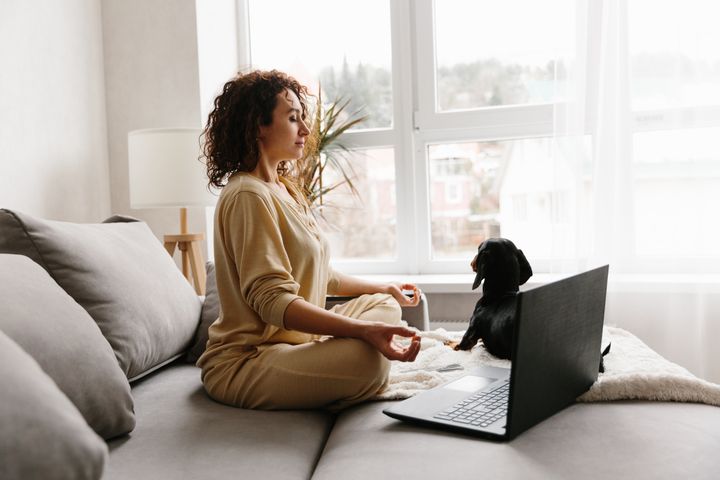
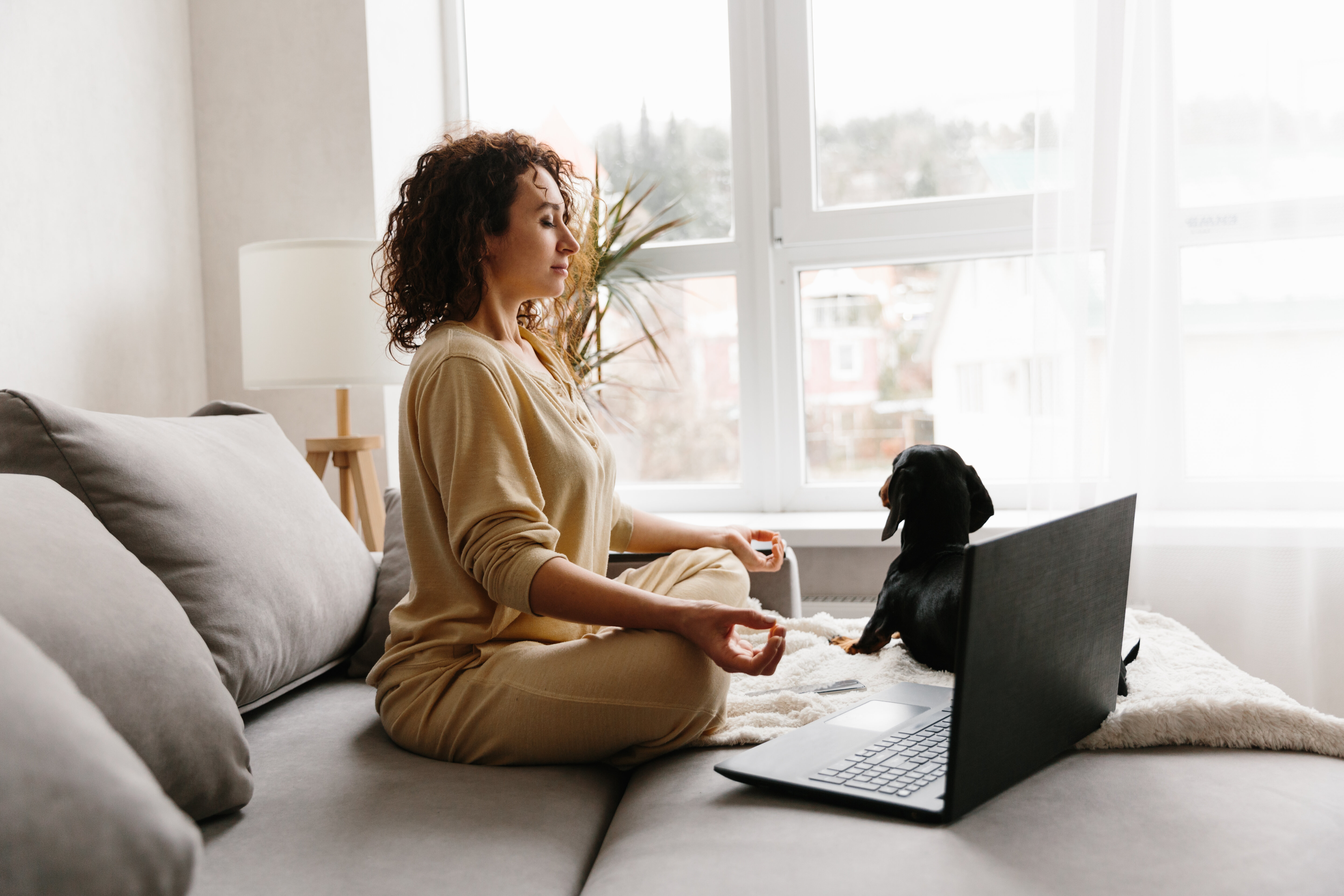
“I’ve committed to a morning and evening meditation practice. Even if I only have five minutes, it really grounds me as I enter the day and night. Insight Timer is a fantastic free app that provides a variety of meditations to meet your personal needs.” ― Aimee Martinez, a psychologist in Los Angeles

I try not to overextend myself.

“I’m a psychologist and a human: I have to contend with the same rush of emotions when I see the news stories involving loss, the politicisation of the virus and vaccine, and ‘business as usual’ even in the face of crisis. What has helped me over the past 19 months is figuring out what is in the locus of my control: that is, how can I not take blame for national events and focus more on what is more proximal to me? For example, just because I do an interview urging vaccinations on CNN does not mean I should see a spike in appointments the next day. What I can do, however, is check in on the one person I had a conversation with about vaccinations, to see how I can support their decision with evidence and love. But sometimes even checking in [on] other people can be a big source of frustration. That means limiting my locus just to myself: Am I wearing a mask? Am I sleeping and eating right? Have I sent loving messages to those around me? Just those seemingly small check marks can reduce the anxiety I have about exposure, increased risk, or supporting my loved ones.” ― Riana Elyse Anderson, a psychologist and assistant professor at the University of Michigan School of Public Health

“I’ve committed to a morning and evening meditation practice," one social worker says.

“I’ve committed to a morning and evening meditation practice,” one social worker says.

I’m practising radical acceptance.

“Right now, I am practising radical acceptance (a distress tolerance skill). I have accepted the uncertainty of the situation, which doesn’t mean I like it or want it, but means I have chosen to say to myself, ‘This just is what it is and I cannot control this situation. I am focusing on what I can control.’ I focus on having a relaxing morning routine and doing things that relieve stress every day.” ― Rebecca Leslie, a psychologist in Atlanta

I lean into my hobbies.

“Arkansas is a Covid hot spot, so my Covid policies are self-care via masking, doing only telehealth sessions with clients, being vaccinated, and going out only when necessary, though I walk in nature for an hour daily with my dogs. To stay challenged, I’m learning two new hobbies ― knitting and woodworking. Bottom line, there’s a lot of lemonade that can be made from pandemic lemons.” ― Becky Whetstone, a marriage and family therapist in Little Rock, Arkansas, and co-host of “Curly Girls Relationship Show

I seek harmony.

“When Covid became a thing, my big focus was on creating balance in my life. I worked hard at balancing being a great therapist, being my most present self to my two toddler children, being a listening ear to my medical colleagues working on the front lines, being an anchor to my extended family as they grieved the loss of several family members and friends, and taking the baton from my husband as he took on the lion share of pandemic parenting. This time around, I seek harmony. I am striving to live in the flow of my life by establishing routines, permitting myself not to follow routines, creating structures in my life, and allowing myself room to move within those structures. Less abstractly, I am listening more to what I need to be there for others. I am also accepting the limitations to my excellence. I am not here to find balance in all the many responsibilities and goals I have. I am here to live my life to the fullest, which means living in the flow of the good, bad, and blah days.” ― Dana Crawford, a psychologist and cultural bias consultant in New York City

I remind myself I’m doing all I can to stay safe.

“When I begin to feel anxious, as we all do ― often triggered by something I heard on the news, or a notice from my child’s school about another infection ― I fall back on cognitive behavioral tools. I remind myself of the statistics with this virus. Despite the high infection rate and the virulence of the delta virus, the death rate is still low. I remind myself that I am doing all I can do by following medical advice. I choose to put the rest of my worry on a shelf. I also choose to enjoy this present moment and not allow my fear to steal it from me. I will often repeat this to myself a few times, add some deep breaths and distract myself with a healthier thought, and I’m on my way again.” ― Zoe Shaw, a psychotherapist, relationship coach and author of “A Year of Self-Care”

Share Button

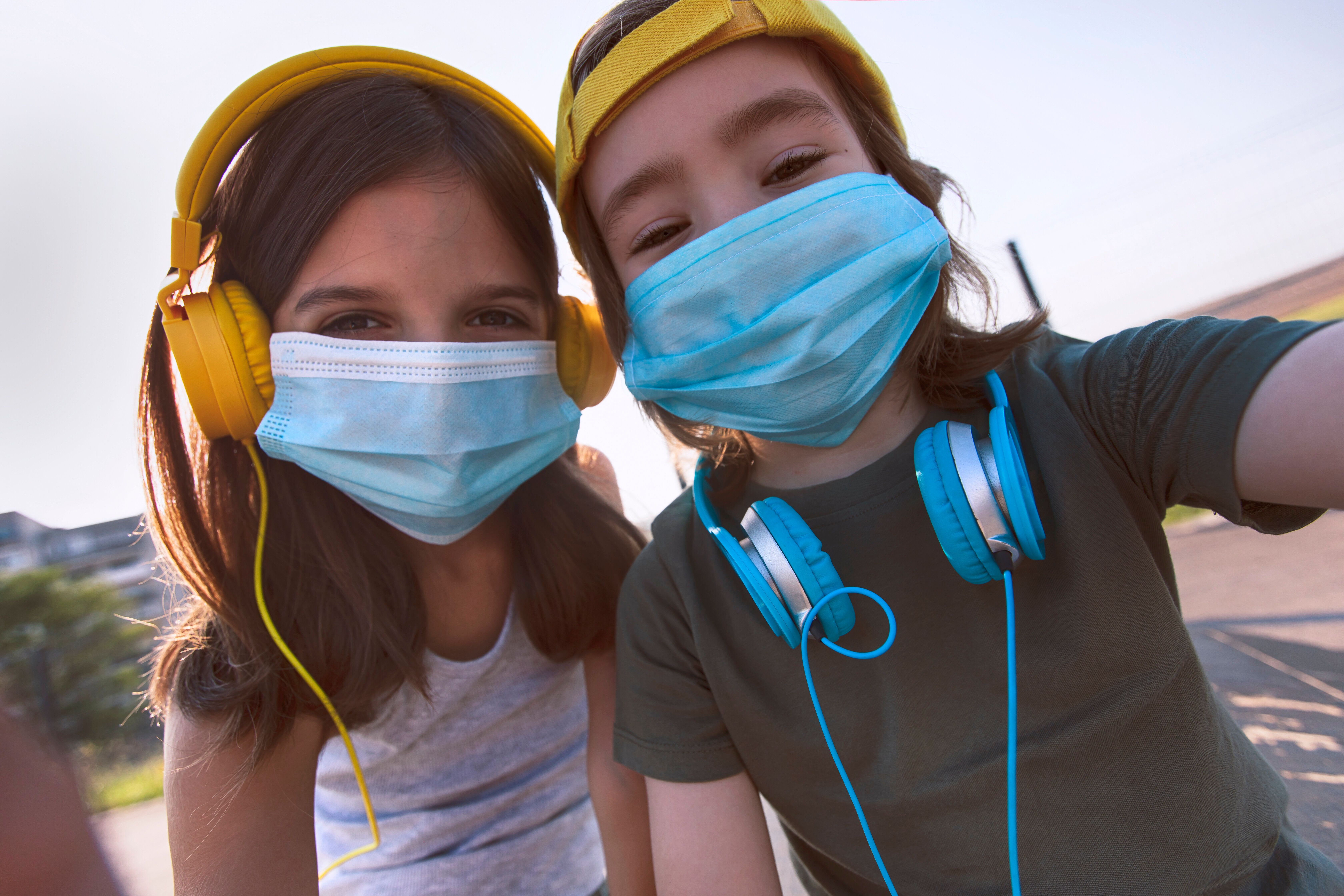
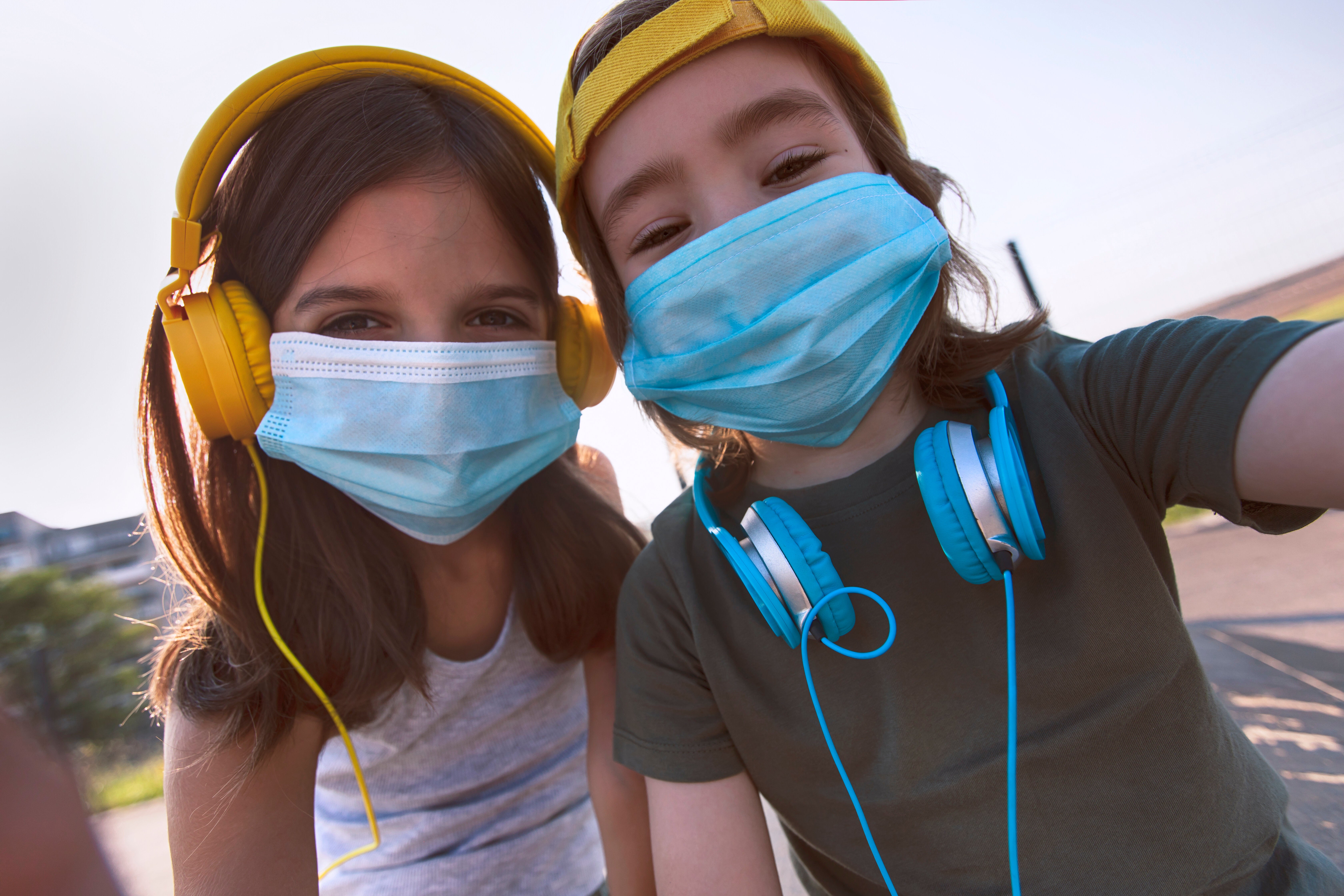
8 Lasting Changes We Might See In Children After This ‘Lost’ Year

The Covid-19 pandemic changed all of our lives, but for developing children, its impact may have more long-term effects.

“Every child’s experience of the pandemic is different based on their temperament and their home life,” Jacqueline P Wight, director of mental health services at DotCom Therapy, told HuffPost. “Many children have experienced mental health challenges, and we anticipate that for some of these children, there will be lasting effects. For others, the challenges were more situational and will subside as life returns to normal.”

There’s no easy way to know which camp your child may fall into, but parents can take note as the situation evolves.

“Children are starting to experience the ripple effects from the collective trauma of the pandemic, and the long-term implications of this ‘lost’ pandemic year may not be fully understood for years to come,” said licensed clinical social worker Nidhi Tewari.

“The good news is that children – and humans in general – are resilient beings, and we will begin to recalibrate as the threat of Covid-19 dissipates in the coming months and years,” she added. “If we take steps to attend to our mental health and well-being now, then we can mitigate some of the long-term impact of this pandemic.”

Ultimately, awareness is key. Below, Wight, Tewari and other experts share some potential long-term changes for parents to keep in mind as they guide their children through the coming months and years.

Understanding of loss

With the current Covid-19 death toll at more than 4 million worldwide, countless children have been exposed to loss and grief during the pandemic. For many, this may have been their first experience with death.

“For the thousands who lost parents, grandparents and other loved ones, the loss is immeasurable, and grief and bereavement can take many forms,” said Dr. Ilisse Perlmutter, director of child and adolescent psychiatry at Talkiatry.

Even those who haven’t lost a loved one may have felt grief over lost experiences or opportunities. Parents should be prepared to help their children cope with grief and understand that it’s all part of the human experience.

“While it is easier said than done, it is best not to overthink the possible losses that children have experienced during the pandemic,” said Wight. “They have lived through a profoundly unique and powerful experience. They have gained skills as well as understanding during this time.”

Vulnerability to mental health issues

“Through the pandemic, there were significant increases in children and adolescents reporting anxiety and depressive symptoms, and this will likely continue trending upwards,” Tewari said.

The data doesn’t look great. A report from Save the Children found that the Covid-19 pandemic has had a “devastating” impact on families’ and children’s emotional health in the US.

“We will see on the negative side increased vulnerability to anxiety-based disorders such as eating disorders and pressure on children and adolescent mental health services,” said psychotherapist Noel McDermott. “Investment in mental well-being needs to increase and the whole needs of our kids considered.”

While many parents are anxious about their children catching up academically, McDermott believes kids have gained the perspective to recognise the other important issues in life – which isn’t necessarily a bad thing.

“We have a lot of choice about how to frame this for ourselves and for our kids,” he said. “Whilst we have seen an increase in anxiety disorders and depressive disorders during this time in kids, if we respond well to this with effective support, positive skills can be learned by kids about how to manage challenge and there can be improved resilience going forwards.”

Social anxiety

“Many children may continue to struggle with social anxiety due to the isolation of the past 1.5 years, so gradual exposure to social situations and redeveloping social skills will be essential in helping them in [reacclimatising],” Tewari said.

Dr Dyan Hes, founder of Gramercy Pediatrics, said she’s concerned about childhood development, particularly with the littlest of little ones, as the most rapid brain growth occurs from birth until the age of three. Missing out on interactions with others may have fostered a sense of social isolation that will need to be overcome.

“These children have not seen many facial expressions behind masks, they have not learned to navigate the social skills needed to play with other toddlers or even the motor skills to run on a playground,” she explained. “As a paediatrician, I wholeheartedly encourage families to send their children to school, camp or day care. The benefits far outweigh the risks, unless their child has a medical condition that would make Covid life threatening. … We need our children to reemerge into society and we need all adults to be vaccinated for this to happen.”

“We do know that kids from already stressed and underresourced communities were more adversely affected during the pandemic.”

– Dr Helen Egger, child psychiatrist and co-founder of Little Otter

Health anxiety

All of the mania around sanitising and disinfecting may also have a long-term impact on some children.

“There could be increases in illness anxiety disorder due to fears of catching the virus and having to maintain the strict hygiene protocols that have been necessary through the pandemic,” Tewari said.

“Most people’s nervous systems are dysregulated due to the pandemic’s threat to our safety and health, so it will take time for our brains and bodies to recover after the pandemic ends,” she added. “As a result, we may feel disoriented, and have a hard time believing that life can ever be ‘normal’ again.”

Anxiety around illness may also mean some children feel a fear or discomfort around going outside.

“I have noticed many kids who have never climbed up the playground ladder, learned how to ride a scooter or a bike,” Hes said. “These kids have been kept indoors for fear of Covid because they are too young to be vaccinated. I try to encourage parents to take kids out to get fresh air, run and play.”

Widening inequality

Although we can’t yet fully know the extent of the pandemic’s lasting impact on children’s academic performance or development, there are certain trends that are already very clear.

“We do know that kids from already stressed and underresourced communities were more adversely affected during the pandemic,” said Dr. Helen Egger, a child psychiatrist and co-founder of Little Otter. “Widening inequality for children may be one of the worst impacts of the pandemic.”

From economic challenges to mental health struggles, many existing gaps between populations have worsened during the pandemic, and children are bearing much of the brunt.

“Children who were struggling before the pandemic may lag further behind,” Perlmutter said. “Youngsters who are homeless, have disabilities, subjected to racial violence are especially at risk.”

Making positive memories

The impact of the pandemic isn’t entirely terrible. Wight pointed out a silver lining of living through such “unprecedented times” unlike anything kids have experienced before.

“It’s important not to overlook that children will also have special or positive memories related back to the pandemic,” Wight said. “They might remember having more quality family time, a slower pace of life, FaceTiming with family members across the country and new hobbies they developed while at home.”

McDermott highlighted other positive aspects – like spending more time with family and the refreshing old routines.

“The ‘interruption’ to the treadmill of school, university and jobs can also be viewed positively as it has allowed time to focus on important relationships in our lives,” he said.

Connection to others

Although the pandemic brought social isolation, it also fostered a sense of global community. There’s also a universality to the experience, which creates common ground for children growing up with the trauma of Covid-19.

“As a global event, there is a shared experience for all the world’s children,” McDermott said. “As has been shown around issues such as climate change, kids are truly amazing at seeing their connections and joining together. Is this the global generation? Some of us hope so.”

He also emphasised the power of the internet in allowing children to connect to each other even amid their isolation.

“The hegemony of online experience has moved forward and we will see this generation more connected to that and connected to global voices and experiences,” McDermott said.

Resilience

“Despite the horror of this devastating year, understanding that in the face of trauma and this public health disaster we have the capacity for resilience has been comforting and grounding,” Perlmutter said. “Marking life events and celebrations in the usual ways was disappointing but not out of the question. Watching the grace and enthusiasm of high school seniors’ graduation ceremonies in living rooms, drive-by birthday celebrations, Zoom visits with grandparents, and bar and bat mitzvahs and confirmations on Zoom was humbling. It gives me hope.”

Throughout the pandemic, children have learned to cope with many unforeseen changes and challenges. While the experience wasn’t always positive, it fostered major growth and resilience.

Wight encouraged parents to keep this bright side in mind as we continue to work through the evolving situation.

“It is critical for parents to manage their own distress and worries, as it directly impacts their children’s well-being,” she said. “It is most helpful to focus on the resilience of children and to give them many opportunities to return to play and the work of being children.”

Share Button

Why ASMR Is Having A Second Coming During The Pandemic

HuffPost is part of Verizon Media. We and our partners will store and/or access information on your device through the use of cookies and similar technologies, to display personalised ads and content, for ad and content measurement, audience insights and product development.

Your personal data that may be used

  • Information about your device and internet connection, including your IP address
  • Browsing and search activity while using Verizon Media websites and apps
  • Precise location

Find out more about how we use your information in our Privacy Policy and Cookie Policy.

To enable Verizon Media and our partners to process your personal data select ‘I agree‘, or select ‘Manage settings‘ for more information and to manage your choices. You can change your choices at any time by visiting Your Privacy Controls.

Share Button

It’s Totally Normal To Feel Weird, Anxious Or Scared Right Now –We’re In A Period Of Grief

HuffPost is part of Verizon Media. Click ‘I agree‘ to allow Verizon Media and our partners to use cookies and similar technologies to access your device and use your data (including location) to understand your interests, and provide and measure personalised ads. We will also provide you with personalised ads on partner products. Learn more about how we use your data in our Privacy Centre. Once you confirm your privacy choices here, you can make changes at any time by visiting your Privacy dashboard.

Click ‘Learn more‘ to learn and customise how Verizon Media and our partners collect and use data.

Share Button

Kindness, Humour And A Cup Of Tea Will Save Many Relationships During Coronavirus

HuffPost is part of Verizon Media. Click ‘I agree‘ to allow Verizon Media and our partners to use cookies and similar technologies to access your device and use your data (including location) to understand your interests, and provide and measure personalised ads. We will also provide you with personalised ads on partner products. Learn more about how we use your data in our Privacy Centre. Once you confirm your privacy choices here, you can make changes at any time by visiting your Privacy dashboard.

Click ‘Learn more‘ to learn and customise how Verizon Media and our partners collect and use data.

Share Button

From Sleep Anxiety To Somniphobia – This Is What It’s Like To Fear Going To Bed

HuffPost is part of Oath. Oath and our partners need your consent to access your device and use your data (including location) to understand your interests, and provide and measure personalised ads. Oath will also provide you with personalised ads on partner products. Learn more.

Select ‘OK’ to continue and allow Oath and our partners to use your data, or select ‘Manage options’ to view your choices.

Share Button

Is An Obsession With Tracking Our Sleep Fuelling A Bedtime Crisis?

HuffPost is part of Oath. Oath and our partners need your consent to access your device and use your data (including location) to understand your interests, and provide and measure personalised ads. Oath will also provide you with personalised ads on partner products. Learn more.

Select ‘OK’ to continue and allow Oath and our partners to use your data, or select ‘Manage options’ to view your choices.

Share Button

Burnout Britain: Report Warns Of ‘Alarming Mental Health Crisis’ Among Doctors

HuffPost is part of Oath. Oath and our partners need your consent to access your device and use your data (including location) to understand your interests, and provide and measure personalised ads. Oath will also provide you with personalised ads on partner products. Learn more.

Select ‘OK’ to continue and allow Oath and our partners to use your data, or select ‘Manage options’ to view your choices.

Share Button