The health secretary will meet bereaved families on Monday, as delay into maternity care probe drags on.
Category Archives: Wellness Live
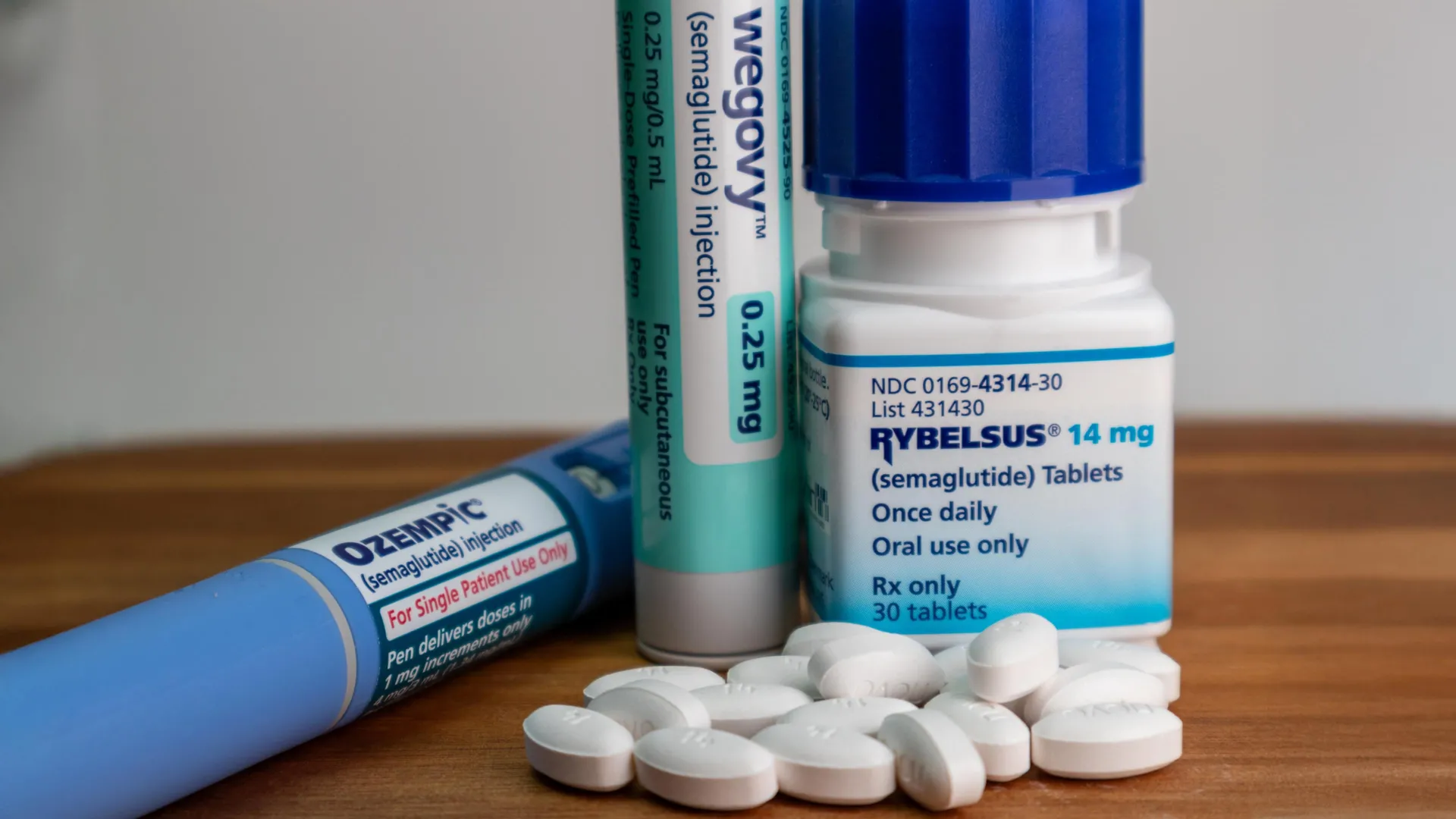
‘It was like buying groceries’ – Woman calls for tighter weight-loss jabs checks
Emma Dyer says she collapsed on her bathroom floor and began vomiting blood after buying jabs online.
My Senior Dog Couldn’t Walk Anymore. Before She Died, She Led Me To My Husband.
“JUST BRING BACK MY MAYAAAAAAAA,” I sobbed into the phone to my then-boyfriend of two years, Tom.
He had just left our East London apartment for a two-hour journey to the specialty vet hospital, where our 13-year-old paralysed chiweenie waited to be picked up. Housebound with Covid, I waited impatiently for him to return with the love of my life.
Tom knew that Maya had always been my soulmate. She had been at my side since I was 19 and going to college in Greenwich Village. She gently snorted in my bag as I snuck past security into my film class, where a treat from my professor awaited her. Bouncy and bright, Maya romped through the city with me, often drawing adoration from passersby for her cuteness.
Advertisement
We were inseparable. I would wake to the surge of traffic or the rumble of street construction below, Maya nuzzled into my dark hair. Up we went to the coffee shop’s takeout window, where, surprise, surprise, more treats were ready for her taking. On the subway, to friends’ houses, on road trips across state lines, and on flights home to sunny, smoggy Los Angeles, Maya came along every step of the way.
During Hurricane Sandy, it was Maya and me against the world. No power, no running water. Maya and I traipsed along the Westside Highway at twilight, a Blessed Virgin Mary candle ablaze as a torch, walking past what felt like a post-apocalyptic downtown.
Maya even moved across the pond with me to London when I turned 30 – a reset after a five-year relationship abruptly ended.
Advertisement
She first moved in with my mum, who FaceTimed me at least four times a day while I spent the longest three months of my life waiting for her to arrive.
When she finally did, I felt whole, like I could exhale and lean into my new London chapter.
A few months later, Maya, almost 12, lost mobility in her back legs. I placed her in a leather duffel bag (unzipped, of course), threw in some blankets and rushed into the November night to the same specialty vet hospital, which would become our refuge for the next three years.
Still in my yoga pants and sweatshirt from that afternoon, the only thing I could think about was getting Maya better. I kept reassuring her, “It’s OK, it’s going to be OK,” even though I was ultimately reassuring myself. Stroking her soft face and trying to keep the tears back, I knew our lives would never be the same.
Advertisement
“Intervertebral disc disease,” the neurologist said. “She needs a spinal fusion immediately.” With only a 50% chance of regaining movement in her hind legs, I began to prepare for whatever came next.
Maya glowed in her new neon pink set of wheels. She zipped along the Hackney Canals with even more flair than before, drawing even more smiles in her new form than she had on four legs.
It was during this period that I met Tom. We both swiped right, and I planned for him to meet Maya on our third date. By then, I had accumulated a handful of dog sitters for her. While she could be home alone for up to four hours, for special nights out, I needed backup.
Advertisement
Maya was still figuring out her new self and was scooting all over the apartment in her white puffy diapers. As soon as I brought Tom up to meet her, Maya had an accident all over a floor pillow. Embarrassed, I began to apologise.
“It is not a bother,” he laughed as he picked her up. “Come on, you. Let’s get you cleaned up,” he cooed as he reached for the kitchen roll.
It was at that moment that I knew Tom was here to stay. During lockdown, he would drive from the other side of London and spend the entire weekend with us, giving Maya baths, making a duvet fort for her so we could watch The Twilight Zone, and going for long walks with Maya rolling beside us. He would even adorn her with origami crowns. My plus-one became a plus-two.
Advertisement

Photo Courtesy Of Jordan Ashley
On our first family holiday in summer 2020, we rented a cottage in the Cotswolds, where Maya rolled in green fields sprinkled with cows grazing. When she grew tired and needed a rest, Tom would scoop her up in his arms, like a bride being carried over the threshold, and blow on her face to cool her down.
When the three of us finally moved in together, our priority was securing a ground-floor apartment so Maya could come and go with ease. Our entire existence centered on Maya. It was never just Tom and me, but rather the three of us, moving as an imperfect unit into this new, cohesive life together.
Advertisement
As our love deepened, Maya’s age began to catch up with her. Despite being the ultimate roller girl, more health issues began to pile on: hyperparathyroidism, myoclonic seizures, pancreatitis and blindness. During this time, she would be up all night, distressed, howling and crying.
We took turns, surviving on three hours of sleep, our collective mental health wearing down, yet we persevered. On these late nights, I would turn on sound bath playlists, sing to her and do everything in my power to keep her settled on the futon we had set up in the living room. We would not give up on our Maya.
In January 2024, we celebrated her 16th birthday together. Our only measure of time was her comfort. As long as she was still eating, still bright-eyed and not in pain, we kept going. She had traded in her wheels for a stroller, and we pushed her everywhere, her head poking out to take in the breeze.
Advertisement
Maya was on a cocktail of medication, and our lives revolved around the rituals of caring for her – giving her syringes of medicine, hiding pills in peanut butter, cooking for her. She was a metronome, and our lives played to her rhythm.
Maya flew home with me that spring. By now, she could not be left alone, so it was easier to travel with her to ensure round-the-clock care. During this time, I felt Maya’s clock was running out.

Photo Courtesy Of Jordan Ashley
Advertisement
I knew an engagement was just around the corner. I had found the ring in his sock drawer, and I kept saying how important it was to me to have Maya at our wedding. She would be the bouquet, as I dreamed of carrying her down the aisle.
Tom would not be marrying just me; he would also be making a vow to her.
Within 48 hours of returning to the UK, Maya was rushed to the emergency vet because she could no longer breathe on her own. We began Googling videos on how to build an oxygen chamber at home from a plastic storage container. Tom found all the parts we would need and was ready to pick up the oxygen tank when the call came. It was time.
We sat with her on our laps for five hours, crying as we looked through all the photos of our many adventures over the years: Maya gliding in Williamsburg, a soggy Tom holding an even soggier Maya after a lake dip, Maya in her skulls and crossbones sweater, us singing happy birthday to her. And then my worst fear finally happened. Her spirit had grown too big for her now very tired body.
Advertisement
I was devastated. I don’t remember getting into the car or Tom driving us home. He held my hand and, through his own tears, led me into our now very empty apartment. Even though he was tucking me into bed and telling me to try to rest, I felt truly alone for the first time in 16-and-a-half years.
The engagement came six weeks later, while I was waiting for a taxi to Heathrow to fly back to New York. It would be the first time I would be in the city without her. Maya’s vet gave me an envelope of bluebells to plant in her honour. On that solo trip back to NYC, I walked down Sixth Avenue, turned left onto 13th Street, and stood in front of the apartment where Maya and I first became inseparable.

Photo Courtesy Of Jordan Ashley
Advertisement
Maya had always been my constant, my heartbeat outside my body. Losing her was like losing a piece of myself, the glue that held my world together. Kneeling, I spread some dirt beneath a tree and scattered the seeds.
Across the ocean, I knew my person was waiting for me. His love for Maya over those four years was one of the greatest acts of devotion I had ever witnessed. Our love for her and the shared grief of her absence would now be a journey Tom and I would navigate – together.
Jordan Ashley, Ph.D., is a writer and the founder and executive director of Souljourn Yoga Foundation, a nonprofit creating transformational yoga retreats that support girls’ education worldwide. Learn more at souljournyoga.com.
Advertisement
Do you have a compelling personal story you’d like to see published on HuffPost? Find out what we’re looking for here and send us a pitch at pitch@huffpost.com.
‘Bare Beating’ Might Be The Most Irritating Public Habit Right Now
Have you ever been trapped on a train carriage with someone watching TikToks from their phone without headphones? Or seated on a plane by a passenger blasting music? Or even stuck in a doctor’s office waiting room as a fellow patient broadcasts radio commentary on a sports stream?
If so, you’ve experienced what some call “bare beating”. This term refers to the act of playing music, videos, podcasts or other audio out loud in public without headphones – essentially treating shared space like a personal living room.
Advertisement
“This. Is. Rude. There just is no other way to slice it,” said Nick Leighton, an etiquette expert and host of the Were You Raised by Wolves? podcast.
“You’re imposing your choices on a captive audience. Nobody decided they wanted to listen to that YouTube video, and yet here we are all having to endure it without our consent.”
Jodi R.R. Smith, the president of Mannersmith Etiquette Consulting, agreed, emphasising that bare beating is “unequivocally rude”.
Advertisement
“The presumption that everyone wants to listen to what you are listening to is simply unacceptable,” she said. “This is doubly so if others are unable to move away from you – at work, in an elevator, on public transportation, etc.”
In those tight quarters, what might even seem like low or moderate volume to you can feel disruptive to someone sitting inches away.
“Whether the distraction is visual, or noise related, when someone is intruding on another person’s public space, it’s not easy to look away and ignore,” said Diane Gottsman, the author of Modern Etiquette for a Better Life and founder of The Protocol School of Texas.
Advertisement
“Think of it this way: if a child was doing it in a public space, tight quarters or a restaurant, others would be annoyed and blame the parents for not adjusting the behaviour. When an adult does the same thing, it’s important for them to self adjust and be respectful of others in close proximity.”
Children might get grace for this behaviour because they aren’t as aware of social norms, but for adults who should know better, it’s simply rude. And depending on where you are, it might even be subject to legal penalties.
“Some people just aren’t mindful of how their behaviour affects others and simply have no idea how far phone speakers can carry sound,” Leighton said. “Spoiler alert: It’s way farther than you think.”
Advertisement

AleksandarGeorgiev via Getty Images
Indeed, “bare beaters” don’t necessarily have negative intent and are sometimes blissfully unaware.
“The reason people are doing this is because they are trying to pass the time or may not even realise their volume is offensive,” Gottsman said. “But when you’re sitting inches away from another person, even lower noises are amplified.”
There may even sometimes be understandable reasons for the behaviour. Someone with hearing difficulties may not realise how loud their device is, or they may be experiencing technical issues. Still, Gottsman said, unless it’s an emergency, the courteous move is to wait to listen to the audio when you’re in private.
Advertisement
“Of course, using earbuds and utilising captions is a reasonable option,” she added.
And while bare beating feels like a modern behaviour, it’s not entirely new.
“Forcing strangers to become your unwilling audience has been an issue that’s plagued humanity since the dawn of time,” Leighton said.
Smith pointed out that methods and norms have shifted over the decades.
“Back in the ’80s, being a DJ to those in your surrounding area was actually considered the norm,” she said.
“The person with the giant boombox would play it so that everyone nearby could enjoy the sound,” she said.
Advertisement
“But times change and nearly everyone has the ability to listen to what they like almost anywhere – so long as they are wearing headphones or earbuds.”
For those who flout modern etiquette rules by bare beating, sometimes all it takes is a gentle nudge.
Smith recalled a recent experience at an airport gate where a man was loudly streaming a soccer game on his phone as it was time to board.
Advertisement
“After a few minutes, I turned and asked him what he was watching,” she said. “He excitedly told me his favourite team was playing. I told him that I was having a hard time hearing the boarding announcements and asked if he could use earbuds. He gave his head a quick shake and looked around sheepishly.
“He had not realised how loud his phone was or how many people were giving him ‘the look.’ He apologised to me and the others around him as he put in his earbuds.”
Still, Gottsman emphasised that deciding whether to speak up is a judgment call.
“Is it rude to intrude on other people‘s personal space? The answer is yes,” she said. “But understand that we cannot determine another person‘s reaction, and if you can ignore it for a very short subway ride, it’s probably best to do so.”
Advertisement
Regardless of whether you choose to confront someone over this behaviour, the important thing is to avoid bare beating yourself. Remember: Just because you can press play doesn’t mean everyone else signed up to listen.
The Alzheimer’s Symptom You Might Not Expect – Or Worse, Blame Yourself For

Alzheimer’s is a horrible disease that has uniquely devastating effects on the people who have it and their loved ones.
Common symptoms include memory loss; struggling to plan, complete tasks or solve problems; feeling confused; experiencing new problems with speaking and writing; misplacing items; making poor judgment calls; social withdrawal; and more.
Advertisement
While those symptoms are ones we often hear about, they aren’t the only ones. There’s a symptom that many caregivers aren’t aware of and think is a result of “bad” caregiving: agitation.
“It’s critical to first appreciate that agitation is a symptom of brain changes caused by Alzheimer’s disease, not poor caregiving,” said Dr. Richard Stefanacci, the medical director of Inspira LIFE, a senior living program.
“The brain damage from Alzheimer’s makes people prone to agitation regardless of how loving caregivers are,” said Stefanacci, who also specialises in older populations and Alzheimer’s.
Advertisement
According to information the Alliance of Aging Research sent to HuffPost, “agitation” in this sense can present itself in a variety of ways: pacing, trying to leave, angry outbursts, profanity, hitting, mood swings, throwing items and more.
Caregivers may blame themselves, AAR continued, thinking it’s a result of their burnout, introducing a new routine or not being patient enough.
Dr. Nikhil Palekar, the director of the Stony Brook Center of Excellence for Alzheimer’s Disease at Stony Brook Medicine, said there’s a stigma when it comes to this specific symptom.
Advertisement
“Caregivers often feel they might be doing something wrong, which is causing their loved one with Alzheimer’s to react in an uncooperative, hostile or agitated manner, without realizing that agitation in Alzheimer’s is very common, with rates ranging from 56% in early stages to 68% in the moderate-severe stage of the disease,” he said.
How Alzheimer’s can cause agitation symptoms
Like with other Alzheimer’s symptoms, it all comes down to the brain.
“Alzheimer’s disease is the result of brain damage to areas of the brain that control emotions, decision-making and behavioral responses,” Stefanacci said.
“This neurological damage explains why people with Alzheimer’s may react strongly to situations that wouldn’t have bothered them before the disease progressed to this point.”
Advertisement
More specifically, we’re looking at neurotransmitters. “Alzheimer’s disease results in dysregulation and a decrease in three neurotransmitters (chemical messengers) in the brain – serotonin, norepinephrine and dopamine – resulting in symptoms of agitation,” Palekar said. Keeping in mind that those neurotransmitters help with mood, motivation, energy, anxiety and more, this makes sense.
We also have to consider environmental factors. For example, the holiday season – or other high-commotion events – can exacerbate agitation and its causes.
“Large gatherings with unfamiliar faces, disrupted routines, unusual foods and changes to previously familiar environments can cause agitation in someone with Alzheimer’s, especially [in] later stages of the disease,” Stefanacci continued.
Advertisement
“Most critical is to make adjustments and accommodations to reduce the stress, such as maintaining routine and familiarity.”
There is hope for Alzheimer’s agitation
Whether you experience agitation from Alzheimer’s or love someone who does, know that hope is not lost. Below, doctors share tips and other helpful information that can help you manage this symptom together:
Create and maintain routines
Consistent daily schedules with meals, activities and bedtime are key, according to Stefanacci. When you do have to prepare your loved one for a change, he encourages doing it ahead of time if/when you can and trying to maintain other routines.
Advertisement
Avoid arguing when possible
If the person with Alzheimer’s has a harmless belief, Stefanacci recommended not arguing with them about it. Rather, he said to focus on the emotion behind what they’re saying and remember that you can’t reason with an Alzheimer’s-damaged brain.
Use calming approaches
While difficult at times, staying calm and helping the person with Alzheimer’s stay calm is important. Speak in a calm, reassuring voice, play familiar music they enjoy and reduce confusing noise, Stefanacci said.
Know that there are helpful treatments available
It’s easy to feel hopeless when someone has Alzheimer’s, and to think that small interventions won’t make a difference. That’s understandable – and thankfully not true.
Advertisement
“This symptom can be effectively treated with behavioural interventions as well as medication, which is FDA-approved for the treatment of agitation in Alzheimer’s disease,” Palekar said.
To get to that point, he recommended discussing any agitation-like symptoms with the patient’s medical provider.
Similar to the tips above, Palekar listed some specific, non-pharmacological interventions that can decrease agitation, too:
Advertisement
-
Maintaining a daily routine and structure
-
Reducing noise and clutter
-
Gentle touching
-
Soothing music
-
Reading
-
Walking (ideally outside in the sunlight)
-
Staying busy with distractions, like snacks, objects or fun activities
-
Avoiding stimulants, such as caffeine, late in the day.
Take care of yourself as a caregiver
Being a caregiver is hard work, to understate it. Stefanacci urges these individuals to seek support from other caregivers, support groups and counselling. He also mentioned giving yourself permission to simplify or skip holiday traditions that are simply too overwhelming.
In short, it’s “normal” for someone with Alzheimer’s to show agitation – and that’s on Alzheimer’s, not anything the caregiver has done.
Advertisement
As someone with Alzheimer’s or their loved one, know that you are not alone, and that people are available and want to support you.
A simple water shift could turn Arctic farmland into a carbon sink

In their natural condition, peatlands rank among the planet’s most important carbon reservoirs. The soil is saturated with water and contains very little oxygen, which slows the breakdown of dead plants. Instead of fully decomposing, plant material builds up layer upon layer over thousands of years, forming deep deposits of peat that lock away carbon for the long term.
That balance changes when peatlands are drained for farming. Lowering the water table allows oxygen to enter the soil, speeding up microbial activity. As microbes break down the previously preserved plant matter, carbon that has been stored for centuries is released into the atmosphere as carbon dioxide (CO2).
Northern Peatlands Remain Understudied
Large areas of peatland across Europe and the Nordic region have been drained since the 1600s. Scientists have closely examined how drainage and shifting water levels affect greenhouse gas emissions in many of these regions.
Far less is known about the northernmost peatlands used for agriculture. These areas experience cold temperatures, short growing seasons, and extended daylight during summer months.
“From studies in warmer regions, we know that raising the groundwater level in drained and cultivated peatland often reduces CO2 emissions, because the peat decomposes more slowly,” explains NIBIO researcher Junbin Zhao.
“At the same time, wetter and low-oxygen conditions can increase methane, since the microbes that produce methane thrive when there is almost no oxygen in the soil.”
Nitrous oxide can also increase under certain moisture conditions. When soil is damp but not completely waterlogged, nitrogen breakdown may stop midway, producing nitrous oxide instead of harmless nitrogen gas.
“Because each greenhouse gas reacts differently to changes in water level, one gas can go down while another goes up. That’s why it’s important to look at the overall gas balance,” says Zhao.
“We need to measure CO2, methane, and nitrous oxide at the same time and throughout the whole season to understand the real net effect in the northernmost agricultural areas.”
Two Year Arctic Field Study in Northern Norway
To answer these questions, Zhao and his colleagues carried out a two year field study in 2022 and 2023 at NIBIO’s Svanhovd research station in the Pasvik Valley of Northern Norway. Automated chambers tracked CO2, methane, and nitrous oxide emissions multiple times per day throughout the growing season.
“The experiment included five plots that together reflected typical management conditions found in a drained agricultural field — with different groundwater levels, different amounts of fertiliser, and different numbers of harvests per season,” Zhao explains.
The team focused on three key questions:
- Can raising the groundwater level make a cultivated Arctic peatland close to climate-neutral?
- Does the water level affect soil CO2 emissions more than it affects plant CO2 uptake?
- How do fertilization and harvesting influence the total climate balance?
Higher Groundwater Levels Cut CO2 Emissions
When the Pasvik peatland was heavily drained, it released large amounts of CO2, comparable to cultivated peatlands farther south. But when researchers raised the groundwater to between 25 and 50 cm below the surface, emissions dropped sharply.
“At these higher water levels, methane and nitrous oxide emissions were also low, giving a much better overall gas balance. Under such conditions, the field even absorbed slightly more CO2 than it released,” says Zhao.
This suggests that maintaining higher groundwater levels in Arctic farmland could serve as an effective climate strategy.
“Our findings are especially interesting because emissions were measured continuously around the clock. This meant we captured short spikes of unusually high emissions and natural daily fluctuations, details often missed when measurements are taken only occasionally.”
Why Cold Arctic Climates Amplify the Effect
Raising the water table makes the soil wetter and reduces oxygen around plant roots. Plants become somewhat less active and absorb less CO2 under these conditions.
Even so, overall CO2 emissions from the field decline.
“This is because wet conditions mean that the field needs less light before it starts to absorb more CO2 than it releases. When this threshold is reached earlier in the day, you get more hours with net carbon uptake,” Zhao explains.
“Our calculations show that this effect is especially strong in the north, due to the long, light summer nights. These provide many extra hours where the system remains on the positive side, which can increase total CO2 uptake significantly.”
Temperature turned out to be another crucial factor. Once soil temperatures climbed above about 12°C, microbial activity intensified.
“At higher temperatures, microorganisms break down organic material faster, and both CO2 and methane emissions rise,” says Zhao.
“This means that the effect of high water levels is greatest in cool climates — and that future warming could reduce the benefit. In practice, this means water levels must be considered together with temperature and local conditions.”
Fertilization and Harvesting Shape the Carbon Balance
Farm management practices also played a role. Adding more fertilizer boosted grass growth.
“More fertilizer produced more biomass but did not lead to noticeable changes in CO2 or methane emissions in our experiment,” says Zhao.
Harvesting had a clearer impact. When grass was cut and removed, the carbon stored in plant material left the system.
“If harvesting is very frequent, more carbon can be taken out than is built up again over time. The peat layer may gradually lose carbon even when water levels are kept high,” Zhao explains.
For that reason, Zhao emphasizes that water management, fertilizer use, and harvesting schedules must be evaluated together. Steps that lower emissions in the short term could reduce long term carbon storage, potentially weakening soil quality.
“One solution could be paludiculture, i.e. growing plant species that tolerate wet conditions so that biomass can be produced without keeping the soil dry.”
Local Differences Matter for Climate Accounting
The researchers also observed significant variation within the same field. Some areas absorbed CO2, while nearby sections released substantial amounts.
“Such local variation can greatly influence national climate accounting and how measures are designed, because one standard emission factor may not reflect reality everywhere,” Zhao says.
“The results from our study show a clear need for more detailed measurements and more precise water-level management in practice, especially where soils and farming conditions vary significantly between locations.”
Flea and tick treatments for dogs and cats may be harming wildlife

A study published in Environmental Toxicology and Chemistry by Oxford University Press reports that widely used flea and tick treatments for dogs and cats may pose a serious threat to insects in the natural environment.
Isoxazoline drugs are a relatively new class of antiparasitic medications prescribed by veterinarians around the world to protect pets from fleas and ticks. Introduced in 2013, they quickly gained popularity because they were the first oral treatments capable of controlling both pests for a month or longer. After pets take these medications, the active compounds pass through their bodies and are excreted in feces.
Drug Residues Enter Soil and Ecosystems
The European Medicines Agency has previously warned that these substances could contaminate ecosystems, although detailed information about how much of the drugs enter the environment remains limited. The main concern centers on how veterinary parasite treatments might affect species that are not the intended targets.
Isoxazolines are designed to kill fleas and ticks, but when treated animals eliminate the drugs, other insects may also be exposed. Research suggests pets can introduce these chemicals into the environment through feces, urine, and even shed hair. Of particular concern are dung-feeding insects such as flies, dung beetles, and some butterflies. These species play a vital role in breaking down waste, recycling nutrients, improving soil quality, and helping control pests. If they consume feces containing the drug residues, they may be harmed.
Study Tracks Isoxazoline Residues in Pet Feces
To better understand the risk, researchers in France monitored 20 dogs and 20 cats owned by veterinary students. The animals received isoxazoline treatments over a three month period. Scientists collected fecal samples to measure how much of the active ingredients remained and to estimate how much exposure dung-feeding insects could face.
The analysis focused on how these medications are eliminated in pet waste. Even after the recommended treatment period had ended, researchers detected two of the four active ingredients commonly found in isoxazoline products in the animals’ feces.
Potential Impact on Dung Feeding Insects
An environmental risk assessment based on these findings suggests that dung-feeding insects could experience high levels of exposure to isoxazoline compounds as a result of routine pet treatments. The researchers warn that this exposure could disrupt important ecological processes and potentially lead to serious consequences for environmental lifecycles.
Here’s What You Should Know Before Having Sex In Front Of Your Dog

Most dog owners would love to spend every minute of every day with their pups. Alas, life gets in the way of that for many of us, which means trying to maximise whatever time we have together.
But what about when we want to get frisky with another human? Should we let our four-legged friends stay in the room? Or is it better to separate ourselves from our dogs before we start stripping down?
Advertisement
That’s what we – Raj Punjabi and Noah Michelson, the co-hosts of HuffPost’s “Am I Doing It Wrong?” podcast – aimed to find out when we recently chatted with Dr Emily Levine, a board-certified veterinary behaviourist and the owner of Animal Behavior Clinic of New Jersey.
“When [my boyfriend] Benji and I have sex, we don’t let [our dog] Jumi on the bed, but he’s in the bedroom, and I feel a little bit weird about it,” Michelson admitted. “I feel like he doesn’t exactly know what we’re doing. What do you think about this from a behaviour standpoint?”
Levine said this is a common question she often gets from pet owners.
“For most dogs, it just doesn’t matter,” she said. “If they’re not bothered by it, it doesn’t matter at all. Dogs don’t have this hang-up like people do about things. They sort of live in the moment.”
Advertisement
However, there are some behaviours that signal a dog should not be present
“Where we shouldn’t have the dog in a room when people are having sex is when the dog tries to intervene,” Levine told us.
“There are lots of dogs who have a little bit of FOMO … like when people are like hugging, the dog wants to join in and so the dog is just like, in a happy way, ‘Hey! What’s going on here?’ and that just ruins the mood.”
Other pups might be uncomfortable for a more worrisome reason.
“There are also dogs who will get very distressed because of the sounds that are being made [during sex],” she said. “They may interpret some of those sounds as aggression [happening to] you, and then it’s not fair to the dog to have them in the room for that.”
Advertisement
Levine advised giving our furry friends a treat or a toy – either in the room or in another room – to keep them occupied until we’re done getting busy.
We also tackled a question from a listener about a similar – yet very different – scenario.
“We recently adopted a new dog and he loves to lick our older dog’s penis,” the listener said. “What’s going on there? And is there any downside to this or should I just let them go at it?”
Advertisement
“There are different reasons a dog may lick another dog’s penis,” Levine said. “It may be that there are just so many good odours in [that area] that they’re attracted to that.”
She also noted that they might be enjoying a taste that is present on or around the dog’s genitals.
“We want to make sure the dog doesn’t have like some sort of yeast infection or something in there that’s making it more attractive to the other dog,” she said.
What about the dog who is letting his friend lick him? “If he’s allowing this, he probably just thinks it feels good, or it does feel good,” she explained.
Advertisement
Levine told us she wouldn’t be worried about the behaviour if it’s happening “here and there”, but if it’s ongoing, it could cause problems.
“The concern about it going on for too long or too frequently is it’s possibly setting up for an infection in the penis that’s being licked.”
We also chatted with Levine about how to address unwanted barking, why some dogs get more aggressive as they get older, what to know before you let dogs and kids play together and much more.
Advertisement
Listen to the full episode above or wherever you get your podcasts.
Have a question or need some help with something you’ve been doing wrong? Email us at AmIDoingItWrong@HuffPost.com, and we might investigate the topic in an upcoming episode.
Six Things You Should Know Before Travelling Abroad For Surgery

Around 523,000 people from the UK travelled abroad for surgery in 2024, with the most popular destinations for ‘medical tourism’ being Turkey, Poland and Romania, according to data from the Office for National Statistics (ONS).
People might travel abroad for treatments such as dental and cosmetic surgery, cancer treatment, weight loss surgery, fertility treatment, organ transplants and stem cell therapy, according to experts at TravelHealthPro.
Advertisement
“Transgender travellers may seek hormone therapy and gender reassignment surgery abroad,” they added.
The growth in medical tourism appears to stem from a mixture of factors, including higher disposable incomes, increased readiness to travel for health care, low-cost air travel and the expansion of internet marketing, TravelHealthPro said.
NHS waiting lists have also been growing in recent years, though NHS England noted it delivered more elective activity in 2025 than any other year in its history, “helping cut the waiting list to its lowest level since February 2023”.
Advertisement
If you’re one of the many people tempted to go abroad for surgery or treatment, Qian Huang, international claims manager at William Russell, has shared some key considerations below.
What you need to know before travelling abroad for surgery
“The idea of having surgery abroad can be nerve-wracking, particularly when it comes to questions of safety,” Huang said.
“Many people considering surgery abroad decide not to go because of concerns about safety, the quality of the medical care, or not understanding the foreign healthcare system.
Advertisement
“However, in reality, many international hospitals and clinics follow standards of care that match or exceed those found in the UK, US, or Europe. The key is knowing what to look for.”
How to find an accredited hospital abroad
Medical accreditations are a key indicator of a hospital’s commitment to international standards.
One of the most widely recognised is the Joint Commission International (JCI) accreditation, often considered the global gold standard, which evaluates hospitals on areas such as infection prevention, medication safety, staff training, patient communication, and emergency readiness.
To find an accredited hospital abroad, patients can check official accreditation bodies’ websites, verify information on hospital websites, contact the facility directly, or consult medical tourism networks and national health authorities.
Advertisement
What to check before booking surgery
To steer clear of issues, Huang shared six factors to be aware of before booking surgery abroad.
1. Lack of accreditation or vague claims
“Be wary of hospitals that mention ‘world-class standards’ without naming an actual accrediting body,” he said. “Reputable facilities will proudly display credentials from recognised organisations like JCI, ACHSI, or Temos.”
2. ‘Too good to be true’ pricing
Competitive pricing is probably one of the top reasons people consider surgery abroad, but Huang warned ultra-low prices should raise alarm bells.
Check the qualifications of the surgeon, what’s included in the cost, and whether the aftercare and follow-up appointments are covered, he added.
Advertisement
3. Poor communication or pressure tactics
If you’re struggling to get clear answers from the hospital or feel rushed into making a decision, consider taking a step back. Trustworthy providers are transparent, patient, and more than happy to talk you through the details.
4. No clear aftercare plan
Recovery is just as important as the procedure itself. A good hospital will give you a personalised aftercare plan, including advice on travel, medication, and any physical restrictions, before you agree to surgery.
5. Inconsistent or missing reviews
Take the time to search for independent reviews and testimonials before considering which hospital to have the surgery at. A complete lack of online feedback, or reviews that sound overly scripted, can be a red flag.
Advertisement
6. Limited information about the surgical team
When researching your hospital, you should be able to find the names, qualifications, and experience of the surgeons who’ll be treating you. If this information is unavailable or unclear, you need to proceed with caution.
“Celtic curse” hotspots found in Scotland and Ireland with 1 in 54 at risk

People with roots in the Outer Hebrides and north west Ireland face the highest known risk of developing hemochromatosis, a genetic disorder that causes the body to absorb and store too much iron. Over time, that excess iron can build up to dangerous levels.
This is the first time researchers have mapped genetic risk for hemochromatosis, sometimes called the ‘Celtic curse’, across the UK and Ireland. The condition has long been known to affect Scottish and Irish populations at higher rates, but until now its geographic distribution had not been clearly charted.
Experts say the findings could help health officials focus genetic screening in the areas most affected, allowing people at risk to be identified earlier and treated before serious complications develop.
Iron Overload Can Damage Organs Over Decades
Hemochromatosis often develops slowly. Excess iron can accumulate in organs for years or even decades before symptoms appear. If left untreated, it can lead to liver damage, liver cancer, arthritis, and other serious health problems. Early diagnosis makes a major difference. Regular blood donation to lower iron levels is a simple and effective treatment that can prevent much of the harm.
The disease is caused by inherited changes in DNA known as genetic variants. In the UK and Ireland, the main risk factor is a variant called C282Y.
Researchers at the University of Edinburgh analyzed genetic information from more than 400,000 people who took part in the UK BioBank and Viking Genes studies. They examined how common the C282Y variant was in 29 regions across the British Isles and Ireland.
Where the C282Y Gene Variant Is Most Common
The highest rates were found among people with ancestry from north west Ireland, where about one in 54 people are estimated to carry the variant. The Outer Hebrides followed closely at one in 62, and Northern Ireland at one in 71.
Mainland Scotland also showed elevated risk, particularly in Glasgow and southwest Scotland. In those areas, about one in 117 people carry the variant, reinforcing the long standing ‘Celtic Curse’ nickname.
Because the combined genetic risk is so high in these regions, researchers say targeted screening there would likely identify the greatest number of people with the condition.
Diagnosis Patterns and Possible Under Detection
The team also reviewed NHS England records and found more than 70,000 diagnosed cases of hemochromatosis. White Irish individuals were nearly four times more likely to be diagnosed than white British individuals.
Among white British individuals, those living in Liverpool were 11 times more likely to have a diagnosis than people in Kent. Researchers suggest this may reflect historical Irish migration, as more than 20 percent of Liverpool’s population was Irish in the 1850s.
In general, diagnosis rates in England mirror the pattern of genetic risk. However, Birmingham, Cumbria, Northumberland and Durham reported fewer cases than expected based on their genetic profiles. These areas may have undetected cases and could benefit from expanded screening efforts.
Comparable NHS prevalence data were not available for Scotland, Wales and Northern Ireland, so those regions were not included in that portion of the analysis.
The study was funded by the charity Haemochromatosis-UK and conducted in partnership with RCSI University of Medicine and Health Sciences. It was published in Nature Communications.
Calls for Community Wide Genetic Screening
Professor Jim Flett Wilson, Chair of Human Genetics at the University of Edinburgh, said: “If untreated, the iron-overload disease hemochromatosis can lead to liver cancer, arthritis and other poor outcomes. We have shown that the risk in the Hebrides and Northern Ireland is much higher than previously thought, with about one in every 60 people at risk, about half of whom will develop the disease. Early detection prevents most of the adverse consequences and a simple treatment — giving blood — is available. The time has come to plan for community-wide genetic screening in these high-risk areas, to identify as many people as possible whose genes mean they are at high risk of this preventable illness.”
Jonathan Jelley MBE JP, CEO of Haemochromatosis UK, said: “Although there are other forms and genotypes that can lead to iron overload, available research indicates C282Y presents as the greatest risk. This hugely important work has the potential to lead to greater targeted awareness, increased diagnosis and better treatment pathways for thousands of people affected by genetic hemochromatosis.
“As a charity we have already begun work on targeting and prioritizing hotspot areas of the UK for support including with our National Helpline and clinician education. Using this study we will continue to campaign for better allocation of public resources to this preventable condition that is all too often overlooked.”
Torcuil Crichton, the Labour MP for Na h-Eileanan an Iar (the Western Isles), has hemochromatosis and backs the push for screening in the Western Isles.
Torcuil Crichton MP said: “This research writes the case for community-wide screening in the Western Isles, Northern Ireland, and other hemochromatosis hotspots. I have previously raised this with Ministers in the House of Commons and this new evidence ought to be enough to persuade the UK National Screening Committee to review its position and approve a pilot screening program. The Western Isles offers a contained and distinct population sample to start from.
“Early identification, which I was lucky to have, means a whole range of bad health outcomes can be avoided and I’ll be urging Ministers and the Screening Committee to reconsider their stance.”