Nobody likes uncertainty, especially when you’re dating someone. Dating apps are a pain to navigate as it is, so you really don’t want people to be wasting your time on it when your intentions don’t align.
But there are so many people who simply do not make their intentions clear from the get go, and then we’re all in for a merry-go-round ride we never asked to get on. Then come the situationships, the one sided attachments and the inevitable heartbreaks.
Advertisement
And with dating apps making it easy to have so many options, people often forget to consider how painful it can for others when you’re not clear about what you want.
And you know what? People are finally tired of it. Because a new research from Tinder has revealed that 73% of singles are now only looking to date someone who is clear about what they want.
The data also revealed that 52% of Gen Z prefers monogamous relationships, while 41% of them are open to or are actively seeking non monogamous or open relationships.
In light of this, Tinder is adding a relationship type feature onto its app so people can make their intentions clear from the get go.
Advertisement
Tinder already has a relationship goals feature where people can let everyone know what their dating intentions are, and it could be quite helpful for people who just do not want their time wasted by things that they don’t want. Bumble and Hinge have this feature too.
However this new feature will help make it clear what type of relationship they want.
Using the relationship type feature, people on Tinder can specify whether they want a monogamous, ethically non monogamous, open, or polyamorous relationship. They can also say that they are open to exploring things.
“The term ‘commitment’ is not one-size-fits-all for this new generation. They’re exploring a range of possibilities — from monogamy to situationships to friendship — and it’s really important for them to be open and transparent about what they’re looking for. We’re making it easy for them to do this with features like Relationship Types and Relationship Goals,” said Kyle Miller, VP of Product at Tinder.
Making your intentions clear from the very beginning can make it easy to avoid any future headaches and unnecessary heartbreaks. Dating is also incredibly time consuming, and spending all those hours and cash on someone who isn’t even on the same page as you is a luxury not many people can afford.
So it honestly comes as no surprise that people are done with uncertainty. No one likes to be toyed with, especially when it comes to their emotions.
Advertisement
People are fed up with the games. So if you’re someone who is doing that, now might be a good time to stop. Or you can fuck around and find out. Your call.
Orgasm, if achieved, is a wonderful thing. Everyone can agree that having sex is a very fun activity.
But let’s be real, we all know there is a huge orgasm gap between men and women. But according to new research from Durex, this is not just a little gap, it is a whole damn void because their study has shown that women are having up to four times less orgasms on average than a sexually active man.
Advertisement
Out of a survey of 2000 adults, only 5% women are likely to say they’ve always orgasmed during sex, compared to 20% men. And this number only reduces when considering penetrative sex with 4 in ten (40%) sexually active women versus around 1 in 10 men (12%) saying they never or very rarely achieve orgasm through this activity alone.
Faking orgasms is very common among women, and according to this research, almost half (43%) of the women in the UK have at some point faked an orgasm so as to not hurt their partner’s feelings or just to get it over with.
So what steps can someone take in order to close the orgasm gap? Sex expert Alix Fox provides some tips and advice on how to make sure everyone orgasms.
Foreplay
When it comes to mutual ground in the bedroom, foreplay is key to both sexes in achieving orgasm, says Fox. Don’t rush into penetration immediately. Foreplay should be the main focus in trying to achieve the big O.
Advertisement
Different Approaches
When it comes to varying needs in the bedroom between men and women, experimentation with sex toys is a huge point of difference. Nearly a fifth (19%) of women have cited this as one of the ways they’re most likely to orgasm.
Sex toys can play a very big part in increasing sexual pleasure and get you to orgasm.
Speaking Up and Communication
Everyone seeks pleasure differently. And everyone reaches their climax through different methods. At the end of the day, you know what works best for you, so relay that information to your partner for maximum results — and learn their pleasure points too.
“Ask, listen and learn how your partner likes to be touched. Develop ways to comfortably, constructively talk about sex together, and make it a regular habit, since moods, needs and desires can change over time,” says Fox.
Take That Extra Time
Just because one person has achieved climax doesn’t mean you stop the activity altogether. Make sure you and your partner are both stimulated enough to be satisfied. And take that extra time to make sure everyone gets their happy ending.
Mobile phones didn’t connect to the internet, Facebook was still a dream and we listened to music on brand new inventions called iPods.
And it wasn’t just our day to day tech that looked different, the gadgets lurking in our bedside drawers looked seriously different too. But before we were using the Womaniser to get our kicks, what were the best selling sex toys of the early 00s?
Advertisement
Fortunately Lovehoney have been around long enough to share the answer with HuffPost UK – and it’s safe to say that we’ve seriously cum come far in the past 21 years.
Original and still one of the best
Well, it’s pretty self-explanatory
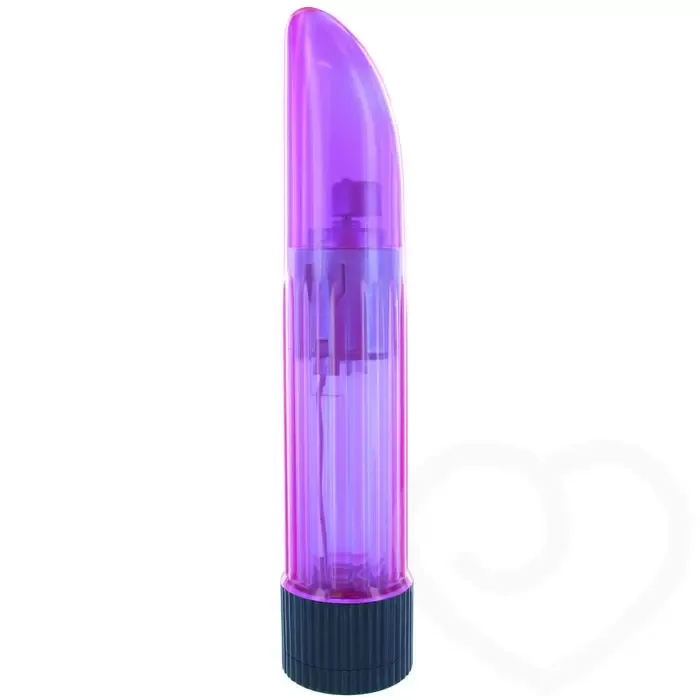
You’re looking at peak sex toy technology in 2002, although it might look seriously commonplace now.
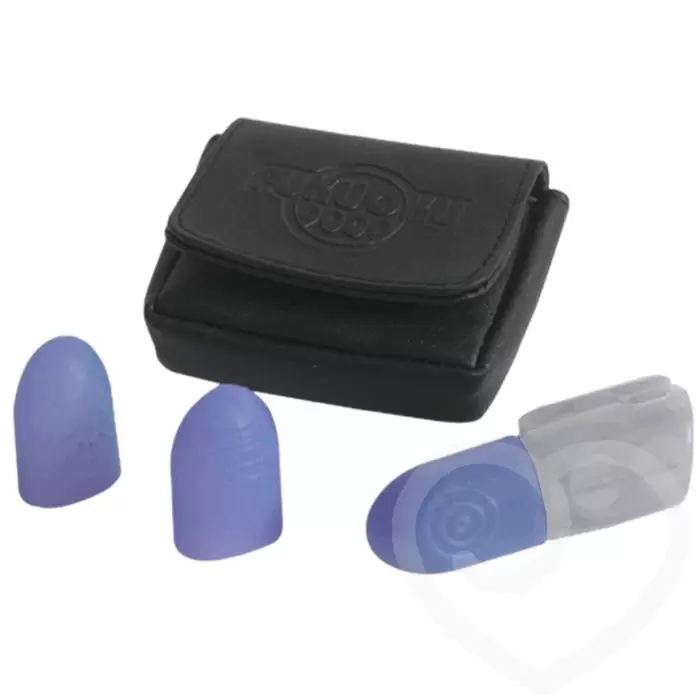
Translucent, purple (the colour of the moment), battery powered with a multispeed base, the chances are you still have some iteration of this vibe in your drawer now 21 years on.
Fortunately, that hard plastic has been replaced by much gentler silicone these days and no longer shall you be bound to AA batteries and buzzy vibration speeds.
Advertisement
Clit-mate Change
We’re still trying to understand what it does
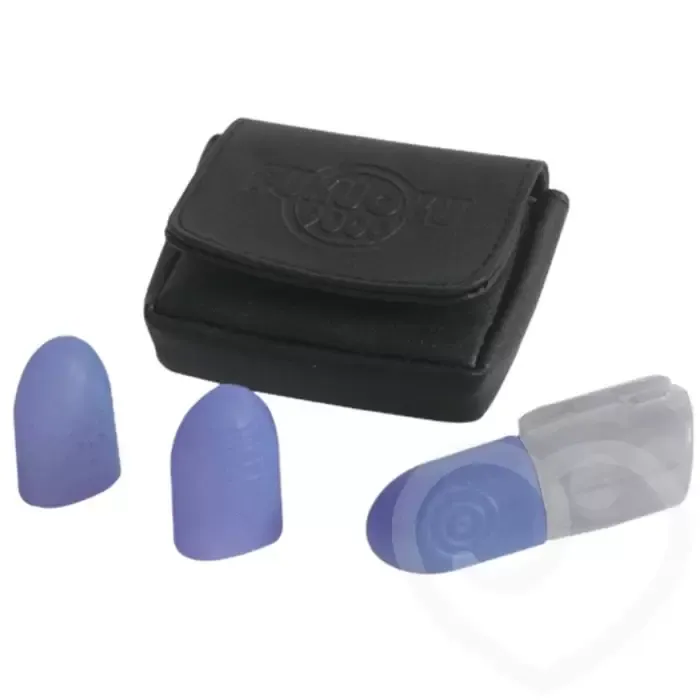
In case you’re wondering, yup, that’s a clit stimulator from 21 years ago, completely with three different hard plastic attachments.
But why all the plastic? Well, two decades ago silicone wasn’t as affordable as it is now in 2023 but thankfully we can now get non-porous, easier-to-clean and more hygienic sex toys made of the material.
Got your tongue?
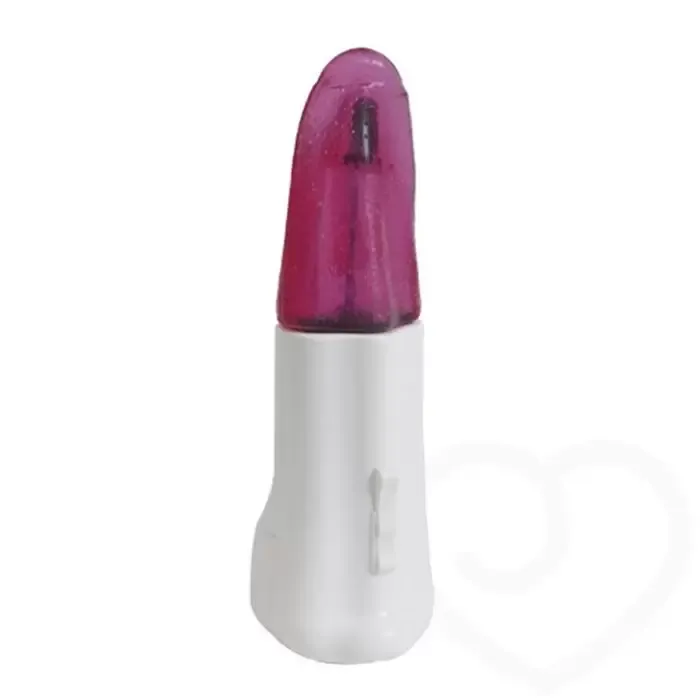
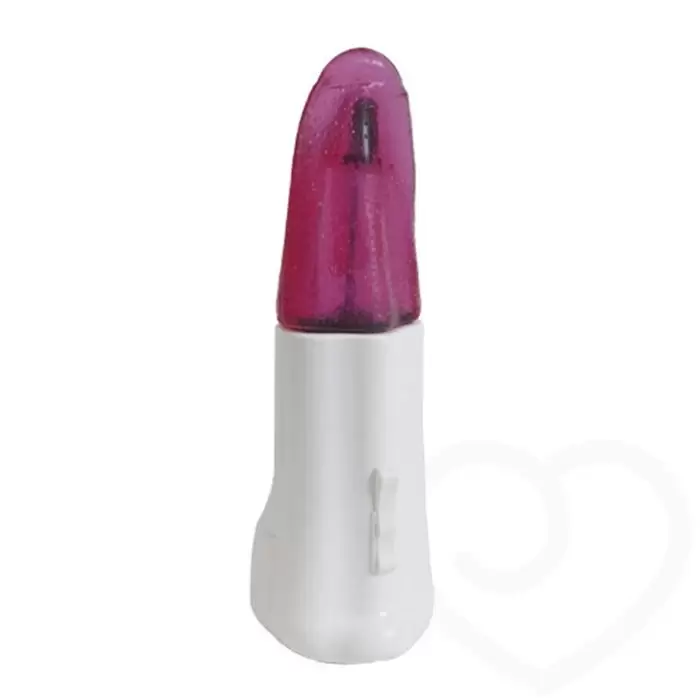
Apparently in 2002 this was the closest you could get to simulated oral – oh yes readers, that is meant to resemble a tongue.
Advertisement
Thankfully we’re living in modern times, where we’ve got way better versions of the above (that don’t look quite as cursed).
Rabbit relaunch
Is that a gumball machine?
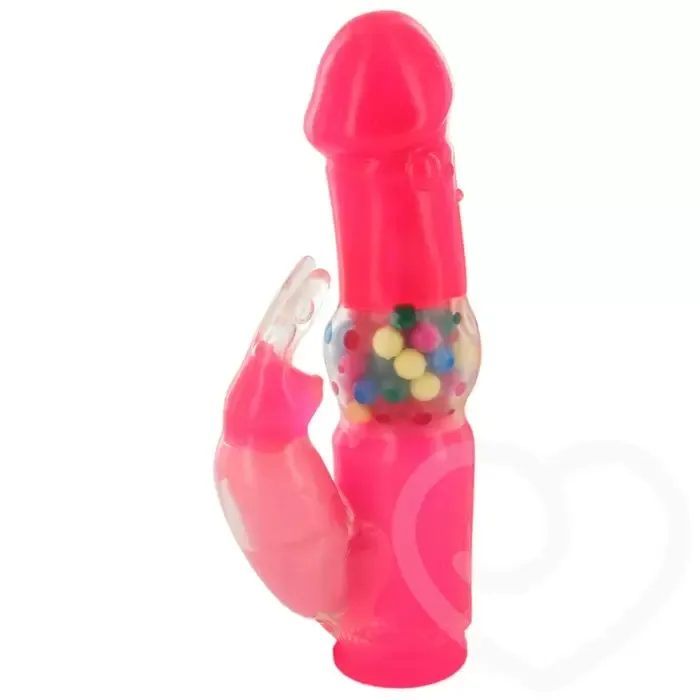
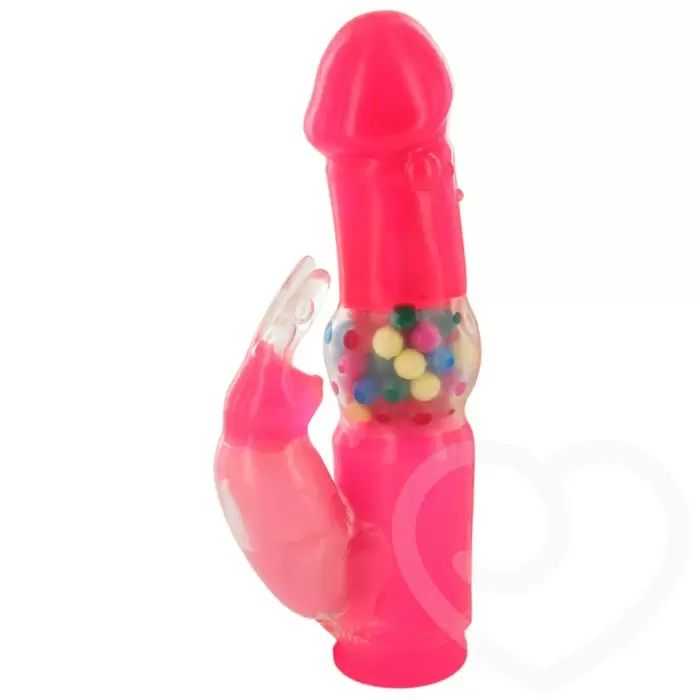
Yeah… we’re not too sure why there’s a gumball machine stuck in the middle of this vibrator either.
But back in 2002, this was the best-selling vibrator of the time with the best speeds AA batteries could offer – it’s a far cry from the rechargeable, multi-vibration combo delivering toys we can bag from Lovehoney today.
Plastic pleasure for penises
That’s a lot of cables
Advertisement
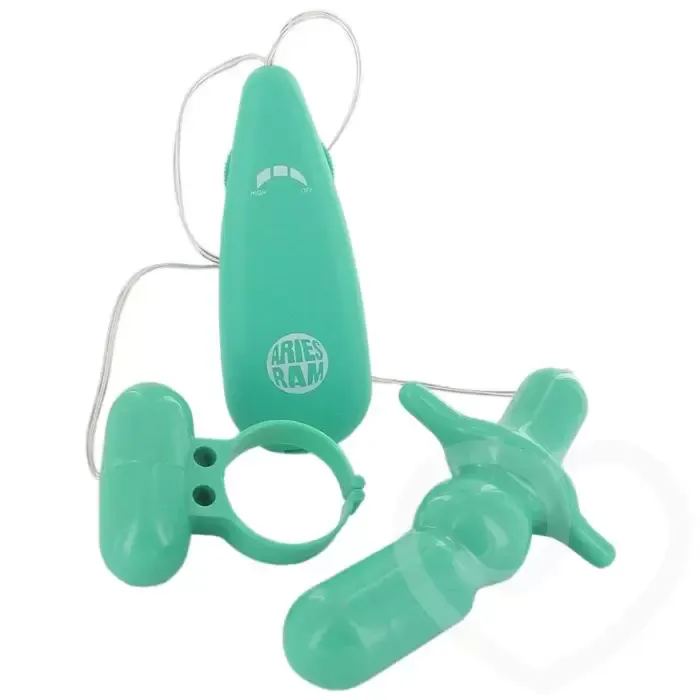
Sorry penis-havers, your best bet when it came to pleasure in 2002 was the Aries Ram.
A battery operated butt plug and cock ring vibrating duo, made from the hardest plastic of course, the toy had plenty of wires to navigate when using.
Well, it’s safe to say we won’t be rushing to climb into a time machine anytime soon.
Some of us see sleeping with a partner as an act of intimacy, however for others it can cause discomfort and have a negative effect on sleep. If the latter rings true, you might want to opt for a “sleep divorce”.
A sleep divorce is simply sleeping apart, in separate beds or bedrooms, so that both partners can get a good night’s rest.
Advertisement
“No one talks about sleep divorce and it is so common,” says relationship psychologist Mairead Molloy, from elite dating agency Berkeley International.
She’s right – a survey by the National Sleep Foundation in 2017 found that one in four married couples chose to sleep in separate rooms.
There are lots of reasons why a couple might choose to sleep separately. You might work different shifts, one of you might be a loud sleeper, or you might have children and co-sleep.
“If your partner snores, moves a lot or gets up in the middle of the night, you wake up, interrupting your rest,” says Molloy. “This takes a toll on you both physically and psychologically.”
Advertisement
While the name “sleep divorce” doesn’t exactly have the most positive connotations, it doesn’t have to be a negative experience.
“Sleeping in another room helps not only improve your comfort and rest but also to keep your personal space,” says Molloy.
Peter Saddington, a sex and relationship counsellor,previously told HuffPost UK he works with lots of couples who want to entertain the idea of sleeping separately but are worried about what it will mean for their marriage and sex life.
People get anxious about what it means, he said, because they worry it’s “a sign of the end days”.
But while some might worry that sleeping apart spells the end for intimacy, Molloy and Saddington believe the opposite is true.
“Sleeping in the same bed can become mundane,” said Saddington. “You see your partner not always necessarily looking their best – sweaty, disheveled – but if you’re just there for sex you can put more effort in and present yourself when you’re feeling at your best. For some people it can even heighten excitement.”
Advertisement
Molloy agrees a sleep divorce can give your sex life a boost. “Being separated at night favours the existence of an erotic space in which you miss the other person. Thus, it increases your desire to be together,” she suggests.
If you are tempted, it might be worth trialling it for a couple of months. That way, if it doesn’t work for you, you can go back to your previous arrangement.
But if you do see an improvement in how rested you feel, “keep going,” Saddington advised. “It is not always bad news to sleep separately.”
If you’re a very romantic person who’s horrified by the idea of spending the night alone, an intermediate solution could be sleeping in the same bed but with separate duvets or blankets, known as the Scandinavian sleep method, suggests Molloy.
“Overall, this is a good way to sleep together,” she says, “but still comfortable if your partner moves a lot and invades your space.”
You’re reading Love Stuck, where trained therapists answer your dating, sex and relationship dilemmas. You can submit a question here.
By the time we reach our mid-twenties, it can feel like most people have been in a few relationships – but what if this isn’t your reality? You want love but you’re ashamed to admit it hasn’t quite happened yet. You ask yourself if something is wrong with you, and more urgently, if you’ll ever find love.
Advertisement
This is the case for this week’s reader, Patricia. “I’m 26 years old, and I’ve never had a boyfriend,” she writes. “This wouldn’t be a problem in itself, but ever since I moved to a new country/became independent, I feel more pressured to find a significant other.”
This pressure, she says, comes not just from her family but from casual acquaintances, even strangers, who throw out comments such as “you’re such a nice girl, how come you’re single’? or “we weren’t made to be alone”.
“This paired with the fact that I only managed to have flings so far, which never developed into serious/meaningful relationships,” Patricia says. The story goes more or less like this: I meet someone, we spend time together getting to know each other, and after a couple of weeks they say they’re not ready for a serious relationship.”
These experiences have left Patricia questioning if there’s something wrong with her and if she’s worthy of a relationship. “I know that romantic love is an experience that many humans never have and that it is still possible to live a fulfilling life in spite of that, so I have been trying to accept that it might never happen to me,” she says. “However, I must admit that sometimes I feel like I’m missing out on something major that seems to be natural to most people.”
Counselling Directory member Laila Fish shares her advice for Patricia.
Why can there be so much pressure to get into a relationship and how can you release herself from this pressure?
There are a range of pressures on people to embark on relationships, says Fish, including family and societal expectations.
“Family members may have good intentions, they may have experienced this pressure themselves, and would like to see you in a relationship as maybe they are worried about you moving to a new country – despite how frustrating this sounds for you!” she says.
The next time a family member or friend asks Patricia about relationships, Fish wants her to pay attention to herself – “does it make you feel sad or frustrated – this can often tell us a lot” – and take a deep breath before responding. Meanwhile, to release herself from societal pressures, Fish says it’s helpful to avoid comparing herself to other people her age.
“Embrace your independence. It sounds like you are doing amazingly and enjoy all the opportunities ahead of you,” she advises Patricia. “Knowing what you want allows you to tune out society’s messages that don’t reflect your desires currently.
Advertisement
“It can be tough seeing everyone you know meeting someone romantically, but that doesn’t mean it is something that you necessarily want and that’s OK.”
How can you hold on to hope you’ll find someone special?
“Patricia sounds confident and independent and needs to believe in herself that when the time is right she will find the right person, and until then to enjoy meeting new people,” Fish says.
“Patricia says that the people she meets only last a short while. I would advise reframing this perspective into thinking how interesting and great an opportunity to meet new people is. Then, if one day a relationship happens, it does.”
Fish recommends she focuses on herself first and works on her self-esteem.
“Don’t be afraid of feeling like you are missing out on something – that something is ‘you’ and independence right now is your best friend. Also, be kind to yourself and challenge your negative beliefs that you may not be worthy.”
What practical tips would you give this reader to get into a relationship?
Expanding your interests and social activities can provide opportunities to meet different people, Fish says, but it’s important to start with what you want to do.
Advertisement
“Spending time thinking about your likes and dislikes as well as your goals can enable you to be clearer about who you are,” she explains. “Discovering other goals to focus on such as your professional life, your health, alongside meeting someone, can help you feel more confident and empowered if/when you do.”
She suggests Patricia ‘dates herself’ to get to know herself. “Go for a walk in the park, journal about your values and aims in life, go to that museum and see that film – this will all help towards you developing your self-esteem and consequently feeling worthy.”
In the end: “Focusing on finding happiness in your own life will pay dividends to avoid any relationship escalator your family or society is rushing you towards.”
Love Stuck is for those who’ve hit a romantic wall, whether you’re single or have been coupled up for decades. With the help of trained sex and relationship therapists, HuffPost UK will help answer your dilemmas. Submit a question here.
Quarantine and social distancing practices made dating weird for the last few years – in New York City, health officials even told singles to use walls and other dividers during sex to avoid face-to-face contact? (“Make it a little kinky,” they advised.)
Now singles are pretty much back into the swing of things, which is great, only there’s a whole slew of new dating trends to look out for.
Advertisement
Below, we catalogue 10 terrible dating trends we’d love to swipe left on in the new year. (Plus, a few we hope last.)
1. Zombie-ing
It’s alive! It’s alive! With zombie-ing, the ghoster you thought you’d never hear from again pops back into your life as if nothing happened. Your best bet? Make like a non-zombie character from “The Walking Dead” and run far, far away.
2. Voice-fishing
In 2021, the dating app Hinge released a feature allowing daters to send voice messages and add audio notes to profiles. Apparently, that’s resulted in a lot of voice-fishing – users use a phony, sexier-sounding voice in the hopes of attracting a date. Think: Paris Hilton using a baby voice even though she actually has a relatively deep voice.
<img class="img-sized__img landscape" loading="lazy" alt="In 2021, the dating app Hinge released a feature allowing daters to send voice messages and add audio notes to profiles, which has led to voice-fishing. ” width=”720″ height=”480″ src=”https://www.wellnessmaster.com/wp-content/uploads/2022/12/10-dating-trends-we-want-to-leave-behind-in-2022-4.jpg”>
Luis Alvarez via Getty Images
In 2021, the dating app Hinge released a feature allowing daters to send voice messages and add audio notes to profiles, which has led to voice-fishing.
Advertisement
3. Hesidating
A holdover from our collective pandemic mentality, to hesidate is to feel unsure about a relationship and dating as a whole because of how uncertain life has felt since Covid.
A study from Plenty of Fish this year found 70% of singles are unsure about who they’re dating and if they want something serious or more casual. While we can sympathise, in the long run, that kind of avoidant dating behavior benefits no one.
4. Masterminding
Admittedly, this one is going to be hard to understand if you’re not a Swiftie. First, you have to understand that Mastermind is a song from Taylor Swift’s album Midnights that delves into how she laid the “groundwork” for meeting a romantic interest.
In response to the song, TikTokers posted videos sharing the grunt work they put into making things happen with their partners.
There’s nothing wrong with doing your research on a crush or creating a fancy-meeting-you-here “coincidence” or two but some people admitted to vaguely stalkerish behaviour.
Advertisement
“I researched on LinkedIn a lawyer in my area that could help me and then ‘bumped into him’ for a week straight at his local Starbucks until he asked me out,” one woman confessed in a now-viral video, which has been viewed more than 1.8 million times. “We dated for about a month, in which he helped me out so much and I got my legal procedure resolved.”
5. Power PDA-ing
Coined by the dating app Bumble, “power PDA” is like regular PDA, only with more spit and way more ass grabbing.
“People are really making up for lost time,” Caroline West, relationship expert with Bumble, said of the trend on the Dermot & Dave” podcast. “Two in three Bumble daters are saying they’re into [the power PDA trend], and I think it’s related to how touch-starved we were during the pandemic. People are really making up for two years of having nobody touch them.”
6. The excess of ethically nonmonogamous men on dating apps
We’ve got nothing against practicing ethical nonmonogamy – whatever works for you and yours! – but too many times, it’s a cover for shady behaviour. Maybe someone doesn’t admit they’re in an open relationship until they’ve been on multiple dates with a new person. Or maybe their partner isn’t clued in on the nonmonogamy.
As Twitter user @MxMippy put it, “Let’s stop saying ‘ethical non-monogamy’ and start saying ‘consensual non-monogamy’ to emphasise that a lot more people are in non-monogamous relationships than they aren’t consenting to or are aware of.”
7. Pete Davidson
Yep, Pete Davidson has dated enough women this past year to qualify as a veritable trend. (Side note: Is there a way to unsubscribe from Pete Davidson content? If so, let us know in the comments.)
Dimitrios Kambouris via Getty Images
Yes, Pete Davidson has dated enough women this year to qualify as a trend.
8. Beige Flags
First coined by TikTok creator Caitlin MacPhail, a self-proclaimed dating guru, “beige flags” are “signs on dating app profiles that the person behind the profile is probably fucking boring.”
Advertisement
Think: Someone whose entire personality is liking “The Office” or “Harry Potter.” Or someone who writes that they’re “looking for someone who can keep up with me” on their dating profile.
Why are we not into this trend? It’s just sort of petty. Give people a little leeway to be basic sometimes!
9. Winter Coating
Season-specific dating trends to reek of desperation (ugh, “cuffing season”) and this one is no different: Winter coating is when someone you’ve casually dated, hooked up or even just DM’ed with on a dating app hits you up during the aforementioned cuffing season. Gotta keep warm somehow!
10. Hey-ter
Have you ever had a conversation with someone on a dating app where they started off saying “hey” and followed up with “hey” and maybe then tossed in a “good morning!” the next day, just to keep things fresh? Yeah, that’s a hey-ter and we hate that.
Luckily, others have just decided to “infla-date” — or go on less expensive dates due to the rising prices of food at restaurants and gas.
As many as 48% of single millennials and Gen Zers have suggested going on more budget-friendly dates ― think a mid-morning coffee and a walk rather than a £100 dinner ― in response to the economy, according to a survey from Plenty of Fish.
The benefits of infla-dating trend may go beyond your wallet: Going on less expensive dates makes the stakes feel lower and takes some of the pressure off.
“Less pressure can mean more fun, deeper connection, or — if the date is bad — a quicker exit,” dating coach Lily Womble told HuffPost.
Advertisement
tim scott via Getty Images
According to a recent survey conducted by dating app Plenty of Fish, 48% of single millennials and Gen Zers have suggested going on more budget-friendly dates
2. “Are We Dating The Same Guy” private Facebook groups
“Are We Dating The Same Guy?” started as a Facebook group for New Yorkers where women could anonymously share warnings about guys they’ve dated (or ask if anyone had any intel about a guy before the date). Now there’s a “Are We Dating The Same Guy?” for nearly every big city in the US.
As Glamour wrote of the trend, the groups are like the “whisper network women have been using for centuries, just amplified.”
3. Open-Casting
With the “open-casting” trend, singles shift their focus away from their traditional “type” and give someone they wouldn’t usually go for a chance. According to a Bumble’s annual report, one in three are now more open to whom they would consider dating.
“With open-casting we are seeing people more willing to date outside their type, and valuing emotional maturity over physical attractiveness, which shows we are less focused on superficial qualities like looks and more focused on who we are emotionally compatible with,” Lucille McCart, Bumble’s communications director, told news.com.au last month.
Advertisement
4. Hardballing
To hardball is to be clear with someone about your intentions and expectations for being romantically involved, whether you’re looking for a serious long-term partnership or a casual fling. Hardballing is basically the antidote to “situationships” and awkward “What are we?” conversations.
5. Dating Wrapped
Inspired by Spotify Wrapped, the annual feature on Spotify that shows you stats on your most listened to artists and songs, “Dating Wrapped” videos on TikTok had singles getting brutally honest about their dating activity in 2022, cataloging everything from the the number of first dates they went on, to the the number of times they deleted and re-downloaded dating apps.
“I went on 31 first dates, and if you think that’s a lot, there is more: this does not include one catfish encounter. That’s right, I spent three days talking to someone pretending to be a Polish influencer. I also ended up on the ‘Today’ show because of it,” TikTok user @SamsAreBetter joked.
Not only is the trend hilarious, but detailing the minutiae of your dating life is a great way to pinpoint things you want to change in 2023. Way to put those PowerPoint skills to use, guys!
It’s almost Christmas and work is finally winding down. Instead of using this time wisely to plan goals for next year or productively to wrap the presents under your tree, you’re doing what you do best: time-wasting on social media.
You scroll and scroll and – what’s this? – somehow you’ve made it onto your ex’s Instagram page (whoops!). It’s been a while since you last spoke so you think: let me just wish them an early merry Christmas. What’s the harm in that?
Advertisement
Because let’s face it, who hasn’t been contacted by an ex-partner or fling over the holiday season – or done a little festive messaging ourselves?
These dwindling days of the year are often a time for reflection and/or twiddling our thumbs. A time to think about the people you miss (or the ones you missed out on). And whether you’re single or in a relationship, it’s now we mull over who we really appreciate and want to keep in our lives. Or who we want back…
Chris*, 27, a product designer from Manchester received an interesting email just this Tuesday. The subject read “Hi Christopher.” It was his ex of a few years back reaching out to ask for forgiveness and apologise for past mistakes.
“I had forgiven her years ago so I was quite shocked when I saw the email,” Chris tells HuffPost UK. “She asked to meet up, but I replied and said this would be inappropriate. I think she’s still holding on to the past but I’ve moved on and hope she does the same.”
Advertisement
Sometimes the contact is not as chill. Savannah*, a 23-year-old doctor from London, only broke up with her partner at the start of 2022, but due to the nature of the relationship, it didn’t end on good terms.
Following their split, Savannah blocked the ex across several different platforms, but this didn’t stop him from trying to get in touch – and he recently attempted to contact Savannah through their joint Netflix account. She removed his profile, but he somehow logged back in and deleted her account entirely.
“He’s done that because he knows it’s the only way he can get through to me,” she says. “I would never want to get back to him again and he knows this, which is why he’s trying so hard.”
It’s not all unhappy endings, however. Laura*, a 29 year old writer from east London reached out to an ex-situationship fling last Christmas.
“We stopped dating a month before but, I really missed him so I texted him on Christmas morning. We live really close to each other so I wanted to press my luck to see if he would come and see me in the evening,” she tells HuffPost UK.
Advertisement
“Even though he didn’t visit me, we spent the whole day talking which felt nice and familiar. I have a small family so Christmas always feels a bit boring, I think I reached out to him so I could have some entertainment throughout the day.”
A few days later the former fling ended up visiting her. And spoiler alert: “We started dating again. So I guess you could say it worked,” she says.
Sliding into your ex’s DMs over Christmas ended up being a good move for Laura but is this really a time to be contacting past lovers?
Why do people feel the need to message their exes during the Christmas holidays?
There’s usually a reason an ex tends to reach out during the holidays – and that reason might not necessarily be you, warns Maxion.
“It could be because they have ‘time’ on their hands whilst off work, stuck and bored within a family situation, or feeling nostalgic or maudlin,” she says.
Advertisement
“This will make them think about the potential for a new hook up or about a past love. They will then use any excuse to try and get back into your good graces. And they’re also hoping that the holiday cheer will erase bad memories and you’ll let them back in and engage with their contact.”
What if it’s you who gets the urge to message?
Maybe you’re like Laura and feel the pull to message someone you once dated? Maxion says it’s easy to remember the good times especially around Christmas, but an ex is usually an ex for a reason.
However, maybe your past relationship ended down to bad timing or a set of circumstances that have since changed.
Whoever makes the first contact again, Maxion advises asking yourself: “Do you still have feelings for this person? Are they [or you] trying to rekindle love or just seeking attention? Are they bored with family or actually interested in you?”
Being back home can conjuring up past feelings, she says, which can make you want to take a stroll down memory lane in other ways. “Let your answers inform you as to whether this is a truly good idea or not.” she recommends.
Advertisement
How should we respond if an ex reaches out to us?
“I would ignore an ex if you’re over them or in a new relationship. Silence speaks volumes!.” Maxion says. And if it feels like a sign to revisit things?
By all means, explore your feelings, “if you can be clear headed about it, disregarding the obvious ‘cheer’ and goodwill we fill ourselves with at Christmas.” But explore your motivations too, she adds.
“Make sure you ask yourself those questions – you’ll find your answer!”
The famous saying may go “it is better to have loved and lost than never to have loved at all”, but clearly poet Alfred Lord Tennyson had never been in a situationship.
Yup, a situationship, defined as “a romantic or sexual relationship that is not considered to be formal or established” can be absolute brutal when it comes to an end, but why?
Advertisement
Fortunately dating and relationship coach Sabrina Bendory has come to the rescue on TikTok to explain why it hurts so damn much and how to bounce back with your self-esteem still in tact.
“Getting out of a situationship can sometimes be harder than getting over a long term relationship because it’s the death of potential,” the pro explained to her 145k followers.
“Potential always looks so much prettier than reality and it also gives this added level of pain that [the other person in the situationship] didn’t even want to give it a real shot to see what was there.”
Sound familiar? You’re certainly not alone. But before you send that huge ranting text to the other person, Bendory has some steps to follow in order to move on with your head held high (even though everything hurts like hell).
Advertisement
1. Accept that they weren’t your person
It sounds cliched but Bendory really talks sense – the right person will want to be with you.
“You didn’t do anything wrong here, there just wasn’t enough in the first place and that’s not a loss – not everyone’s a match and that’s okay,” she urges.
2. Be kind to yourself
Yup, it’s really easy to start being hard on yourself and think you’re being OTT by being hurt but honestly, you’re only making things harder for yourself – you’re allowed to be sad.
Bendory explains: “I know you feel stupid for being so sad that it’s over, but your hurt is valid – this was a loss and loss is painful.
“You felt excited about something and then disappointed when it didn’t come to be – who wouldn’t be disappointed by that?”
Advertisement
And before you start blaming yourself for the end of the situationship, put the brakes on.
“It’s not what happens to us but the stories we tell ourselves about what happened that determines whether we suffer or whether we grow – if you say to yourself ‘well he left me because I’m not good enough’ then that will become wired in and that becomes part of your story,” she adds.
By repeating these thoughts and making it a part of your story, you’ll carry this narrative straight into your next relationship, Bendory warns, so rather than be mean to yourself, you can assert over and over that it didn’t work out because the person wasn’t right for you.
3. Ask yourself ‘what did I learn here?’
As painful as disappointment is, every time you’re faced with it, you’re given a chance to pause and reflect on what you’ve learnt.
“You felt an intense pull to the other person – but why? What did they represent to you, what needs did they fulfil?” asks Bendory.
“When we feel this intense magnetic pull towards someone else, it’s usually more than us than it is about the other person.”
Advertisement
Oooof – hard truths much?
4. Fill your life up
If you’re guilty of obsessively thinking about the other person now that the situationship has drawn to a close – that’s okay, but it’s time to help yourself.
Bendory explains: “Obsession grows in vacant space – if you keep obsessing over what went wrong, then you need to stop, you will just keep driving yourself crazy.
“You didn’t do anything wrong, there just wasn’t enough there to sustain a relationship. Instead of dwelling redirect your focus onto something else, think about something you’re excited about or something that brings you joy.”
Post-situationship self deprecation? We don’t know her.
You’re reading Love Stuck, where trained therapists answer your dating, sex and relationship dilemmas. You can submit a question here.
In a relationship, you won’t always share the same desires as your partner. Your partner might want to go on holiday for two weeks whilst you’d prefer if the holiday was for seven days. Perhaps you want to have three children but your partner wants to have one.
Advertisement
Or you want to move to another country, but your partner doesn’t think this is the best idea. This is the issue for this week’s reader. Harriet.
“I’m a 73-year old woman and want to move to New Zealand where my daughter and granddaughter live. My husband of 30 plus years wants to stay. Do I go or do I stay?” she asks.
Should she make the move to New Zealand without her partner? Or should she stay in the UK?
Counselling Directory member Kirsty Taylor suggests that Harriet considers the pros and cons of moving her life across the world without her husband. “It might be useful to actually make a list of all the reasons to go, and all the reasons to stay,” she adds.
What would you say to this reader?
“There can be strong emotional reactions when someone you love dearly is moving far away, and it’s a very normal response to consider if life would be better being nearer to those you love the most,” Taylor says.
Advertisement
“However, there is a long marriage and partnership to consider here too. I would like the reader to reflect on her marriage and how much it means to her, to have a good honest period of reflection on what she wants her future to look like and who she most wants to be in it.”
Counselling Directory member Paula Coles thinks it’s understandable that Harriet would want to live closer to her grandchildren. However she says “it’s important that lots of thought should be out in to huge decisions such as this, partly because it affects many individuals in both the nuclear and extended family systems.”
Coles is also curious about Harriet’s current life. “Is she perhaps feeling a lack of purpose that she hopes the daughter and granddaughter can give her?
“How might she also find purpose in her current life through friends and activities, which for many have been dreadfully affected by the pandemic and the strain that has put on many people in the last few years.”
How can she weigh up if she should move away?
Taylor thinks Harriet could benefit from a little bit of space and time to really consider this decision. “It might be useful for her to write a list of all the pros of moving to New Zealand and then all the cons of this decision.
Advertisement
“I think the reader could map out her future by writing it down. She could spend some time imagining what she wants from the rest of her life – will living near her daughter without her husband give her enough joy to sustain a life away from her husband? What does her daughter imagine this life to look like?”
It could put a strain on the relationship if Harriet relies on her daughter for all of her social needs.
“Has there been some conversation about the practicalities of this decision if she goes ahead with it, in terms of finance, where to live, healthcare, leaving friends, potentially living alone?” Taylor asks.
“Ultimately, the gut is our guide to decision making. The reader needs to be clear about what her gut is telling her. Regardless if the decision might cause some pain and difficulty, her gut might already have the answer.”
How can she deal with this issue with her partner?
Ultimately, Harriet needs to have a long discussion with her partner. “She could try and find out his reasons for not wanting to go, and see if there is a way to come to a mutual agreement or to manage his fears and worries about a move and find a way to make a plan together,” Taylor says.
Advertisement
Taylor believes that she should have an honest and truthful conversation with her husband about why she is considering to move. “There may be a bigger issue in the relationship that needs some gentle navigation.”
Her desire to move could also be a sign of deeper unhappiness or frustration. “People often look at their lives at certain points and want to make some changes,” Taylor adds.
“There may be a way of finding a middle ground – half a year in NZ, half a year in the UK. Ultimately, this issue needs some careful and considered navigation to come to an outcome that makes sense for the reader’s future happiness.”
Love Stuck is for those who’ve hit a romantic wall, whether you’re single or have been coupled up for decades. With the help of trained sex and relationship therapists, HuffPost UK will help answer your dilemmas. Submit a question here.
You’re reading Love Stuck, where trained therapists answer your dating, sex and relationship dilemmas. You can submit a question here.
The feeling of finding your perfect match is something you can’t explain – like that person was handmade for you and can fulfil all your wants and needs. But what happens if you think you’ve met your soulmate, but still find yourself fancying other people, even wanting to stray.
Advertisement
This is Katie’s dilemma. “My boyfriend is super nice, so sweet, surprises me often, sex is amazing, it’s the first relationship I’ve ever been in that’s healthy but for some reason, I want to have sex with other people,” Katie says.
“I don’t think I love him as much as I thought I did. What do I do? He moved in with me after four months of dating and now I don’t want him there but he’s doing nothing wrong, it’s just me. What do I do?”
Counselling Directory member Ilia Galouzidi is on hand to give Katie her advice.
What is your initial response to this dilemma? What would you say to this reader?
Galouzidi says she thinks it’s great that Katie has found someone who matches her in several areas and that she considers it a healthy relationship. However, she says that “we may often think that once we form a relationship that feels healthy with another person, we automatically abandon the part of ourselves that gets attracted by other people or needs to be seen and feel wanted.”
And it doesn’t usually work this way, she adds.
“We may enjoy being attracted by others or being attractive to others and still run an honest loving relationship with our partner,” Galouzidi says. “This is mainly because the feeling of desire and the feeling of love are different things.”
Advertisement
Why might a person crave sex with others, even in a good relationship?
Galouzidi wants Katie to start by asking herself the following question: am I usually craving sex from being attracted to someone, or when someone is attracted to me?
“Responding yes might just mean you appreciate attractiveness to people and/or you have a high sexual drive. If you tend towards the latter, you may want to think about how important is to you to feel attractive,” Galouzidi says.
“Then in relation to your relationship: do you feel desired, and equally, how much do you desire your partner? Desire is usually about elements of mystery, playfulness, and unpredictability.
“So you may also want to ask yourself: what elements make someone desirable to me? Am I desiring my partner in this way?”
How can moving in together change the dynamic of a relationship?
Moving in with someone can be challenging for couples, says Galouzidi.
“Although it has its benefits and may bring closeness to the partners, it can also create a lot of changes to their lifestyles,” she explains. “Suddenly, people may lose their private space or need to claim their private moments.”
Advertisement
Katie might want to ask yourself: how has my lifestyle changed? Which changes are welcome and which are more challenging? The answers to these questions can help a couple set boundaries to make sure each party respects the other person’s space and lifestyle, says Galouzidi.
Then, there is the element of familiarity. “Moving in together may get us familiar with each other’s habits, preferences, and peculiarities, which on one hand may create a sense of closeness and intimacy, but on the other hand, may take away the “mystery” and excitement that comes with it,” Galouzidi explains.
What practical steps can this reader take to figure out what she wants and adjust her relationship accordingly?
Galouzidi suggests Katie does a bit of self-exploration and reflection by asking herself the questions above to gain a deeper understanding of her personal needs and non-negotiables in the relationship. She may then want to share her findings with her partner in a non-judgmental way.
“Remember, a healthy relationship also means being able to put clear boundaries and feel heard and respected,” says Galouzidi. “You may find it helpful to pencil down time in your calendars when each of you can have some privacy at home. Also, you may want to try different sex games with your partner to ignite mystery and playfulness in the bedroom.”
Advertisement
She also wants Katie to ask herself how close to enacting her sex cravings she is. “Does it require effort from your end to be loyal to your partner? You are not a bad person if you answered: very close or very effortful. I am sure you respect your partner’s feelings and your intention is to be truthful to him.
“However, maybe clarifying your needs at the moment is crucial, so you can show up to yourself and your relationship with honesty.”
Love Stuck is for those who’ve hit a romantic wall, whether you’re single or have been coupled up for decades. With the help of trained sex and relationship therapists, HuffPost UK will help answer your dilemmas. Submit a question here.