As the cost of living crisis hits the UK hard, there’s been a lot of focus on hard-up families struggling to pay bills, feed children and make ends meet.
But let’s not forget that the crisis is biting single people, too.
Advertisement
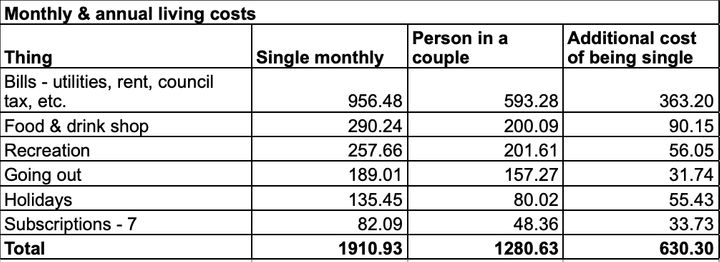
Single people on average are paying £7,564.50 a year more than their coupled-up counterparts on basic household outgoings, according to new analysis – a worrying situation considering living costs are only set to rise in 2022.
Ocean Finance has compared the typical monthly costs for single and coupled-up Brits including utility bills, rent and the monthly food shop, using data from the Office for National Statistics (ONS).
Advertisement
The analysis showed that household monthly bills are £363 more expensive for singles, with rent the biggest contributor.
A single person is paying, on average, £674 a month on rent in the UK and a couple only slightly more at £866 (or £433 per person). There is also a council tax gap – even factoring in the 25% single-person household discount, individuals with partners are paying considerably less than single friends.
Advertisement
This all adds up – with single Brits are paying an average of £630.30 more per month on outgoings than someone in a couple. The ONS estimates there are 7.9 million single-person households in the UK, meaning many are affected.
“The fact is, it is expensive to be single,” Nicola Slawson, founder of The Single Supplement newsletter, tells HuffPost UK.
“It is a totally overlooked problem that many people in relationships simply do not appreciate – and those in power certainly doesn’t seem to care.
Ocean Finance
Financial difference between singles and couples in the UK
Not being able to share your financial burden with somebody impacts all areas, says Slawson – from household bills, rent, council tax and insurance to the cost of furniture, white goods, and even the weekly food shop. “Most items come in sizes suitable for couples or families. For example, a ready meal designed for two works out cheaper than those made for one person,” she points out.
Advertisement
In turn, these expenses impact a single person’s ability to save for a mortgage and get on the property ladder, something she hears from her readers.
“There are increasing numbers of single people stuck in house shares even though they would love a place of their own but they simply can’t afford it.”
With the cost of living going up this year, the pressure on single people is only likely to worsen, Slawson worries. Take the issue of rising utility bills.
“If they live alone they have no-one to share the bills with and if they live in house shares, they don’t have total control over when things like the heating gets put on,” she says. “I know members of my community are feeling really anxious and are trying to work out where they can cut back but it’s hard.”
There is no shortage of advice being dished out on how to cut costs – partner with a friend, switch to a different tariff, even buy in bulk – but though usually well-intentioned, these tips don’t always help people, says Slawson.
“All the advice will say cancel Netlfix and go out less – but single people who live alone particularly need those things as they don’t have anyone to talk to at home.” But That respite comes at a price – Ocean Finance found single people pay £33 extra per month for multiple subscriptions to stream film and music.
Worse is the suggestion that single people should just go out and get a partner to ease the burden. “It’s not as easy as simply getting into a relationship,” says Slawson. “Many single people are actively looking for a relationship but struggling with dating apps and the sometimes toxic culture around dating.”
And she voices a final worry. “I think it’s also likely that it puts those in unhappy or abusive relationships off leaving because they are worried they simply won’t be able to afford to live alone.”
We hope you love the products we recommend! All of them were independently selected by our editors. Just so you know, HuffPost UK may collect a share of sales or other compensation from the links on this page if you decide to shop from them. Oh, and FYI — prices are accurate and items in stock as of time of publication.
Non-alcoholic drinks have come a long way since the days of one or two beer choices – and nothing else.
Advertisement
Today, you’ll find non-alcoholic gin, rum, vodka, prosecco and espresso martini alternatives available to buy. And the beers have come on a bit, too.
It’s no surprise that businesses are investing in alcohol-free drinks. Almost one in three (32%) UK drinkers now “semi-regularly” consume low and no alcohol products, according to research by mindful drinking movement Club Soda.
Advertisement
And interestingly, alcohol drinkers are the main buyers of non-alcoholic products, rather than people who are 100% teetotal.
Whether you avoid booze all year round, you’re trying Dry January, or you just want to cut down a little, there’s plenty of options to fill your drinks cabinet. To help you stock up on the best ones, we’ve reviewed some of the more intriguing options out there.
“An espresso martini might not be the most obvious drink of choice when you’re not drinking, but hear me out. Picture this: you’re at a gathering and it’s getting late. You’re not drinking but your friends have been on the sauce all day (or night) and it’s starting to get loud. Very loud. Your energy levels are starting to wane; their voices start to grate. You need a miracle to stay up any longer. This is where the espresso martini comes in.
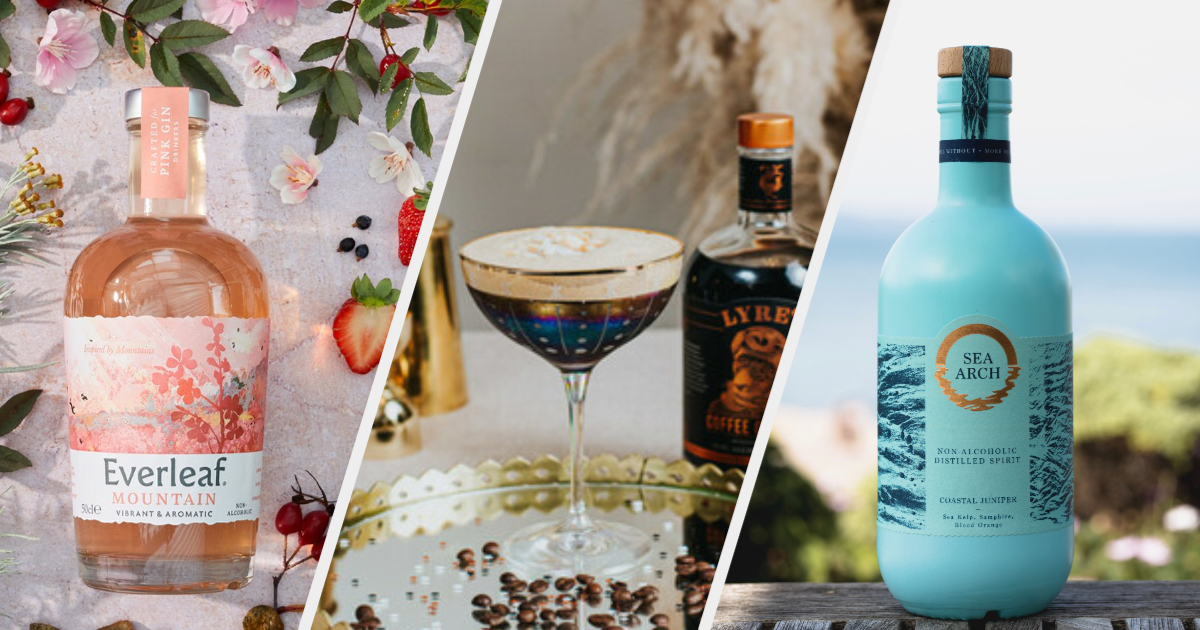
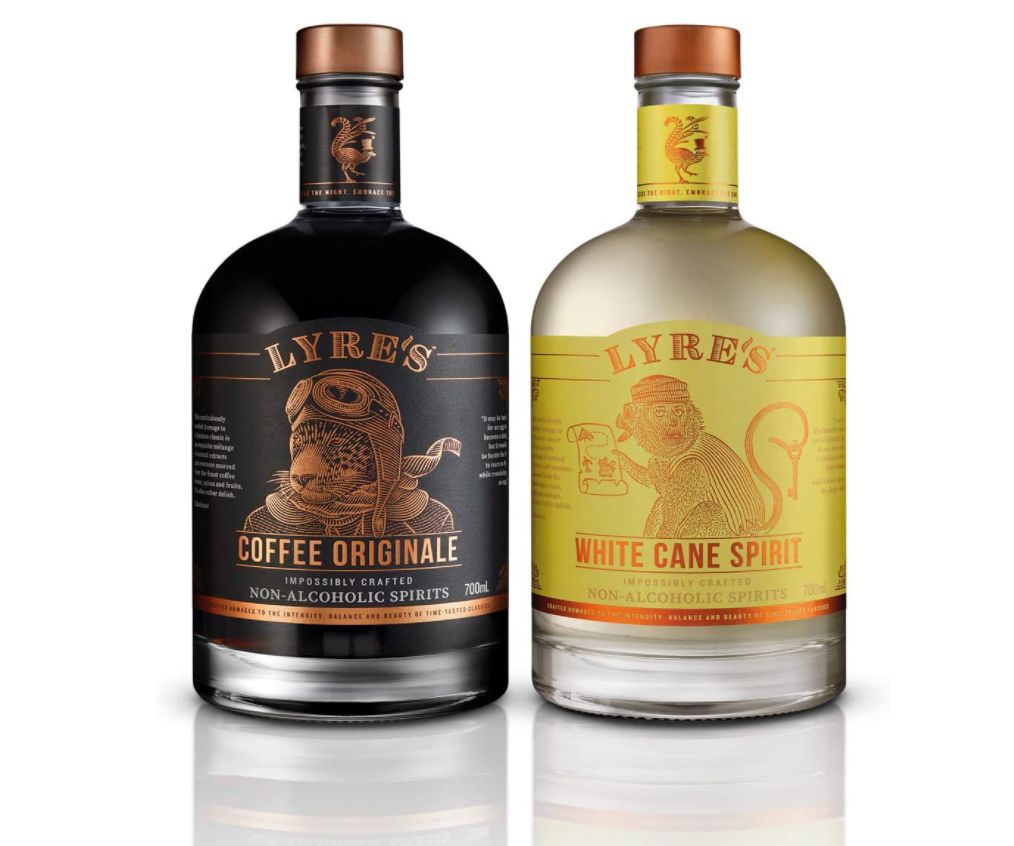
“Lyre’s espresso martini set features Coffee Originale (to replace the coffee liquor) and White Cane Spirit (a non-alcoholic rum alternative which has been chosen to replace the vodka). An interesting choice, but it works. The Coffee Orginale is rich with a gorgeous mix of spice and caramel, perfectly offset by the orange and coconut in the cane spirit. The recipe is simple to follow too: you need to add your own espresso or cold-drip coffee and vanilla syrup (but I leave the latter out as I don’t have any in the house). Delicious.
“For me, this may not be the non-alcoholic drink I have on tap, but for the right occasion and moment it would be a life saver.” – Brogan Driscoll, senior editor, commercial partnerships
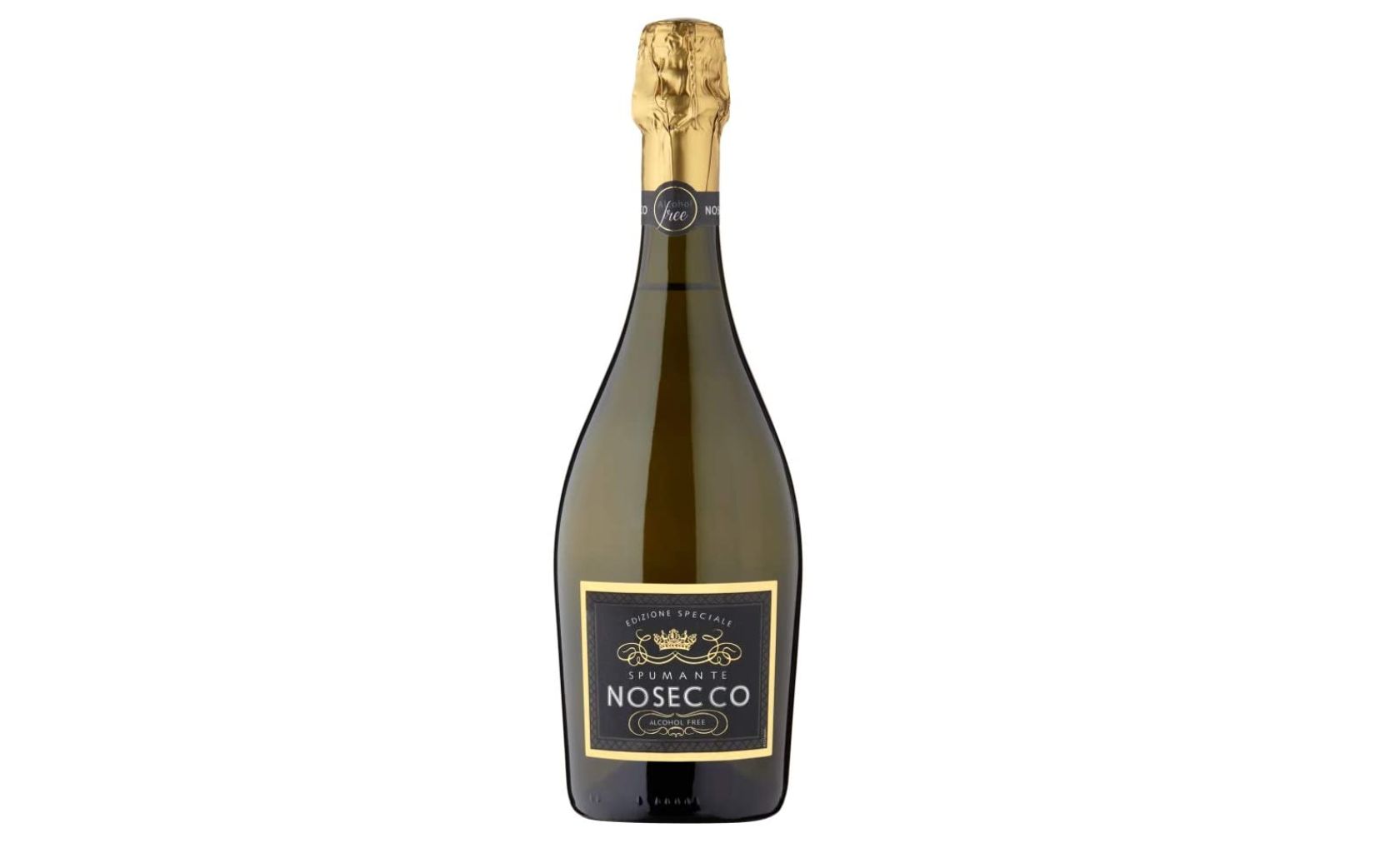
“The Nozeco has the same sleek look as a bottle of prosecco, making it a great alcohol-free option to bring out at parties where people aren’t drinking.
“The first time I tried this was at a bridal party where none of the attendees were drinkers and it went down a treat. It still tastes good, like you’re drinking the real thing, but without the kick. I would definitely use in future for parties and gatherings.” – Faima Bakar, Life reporter
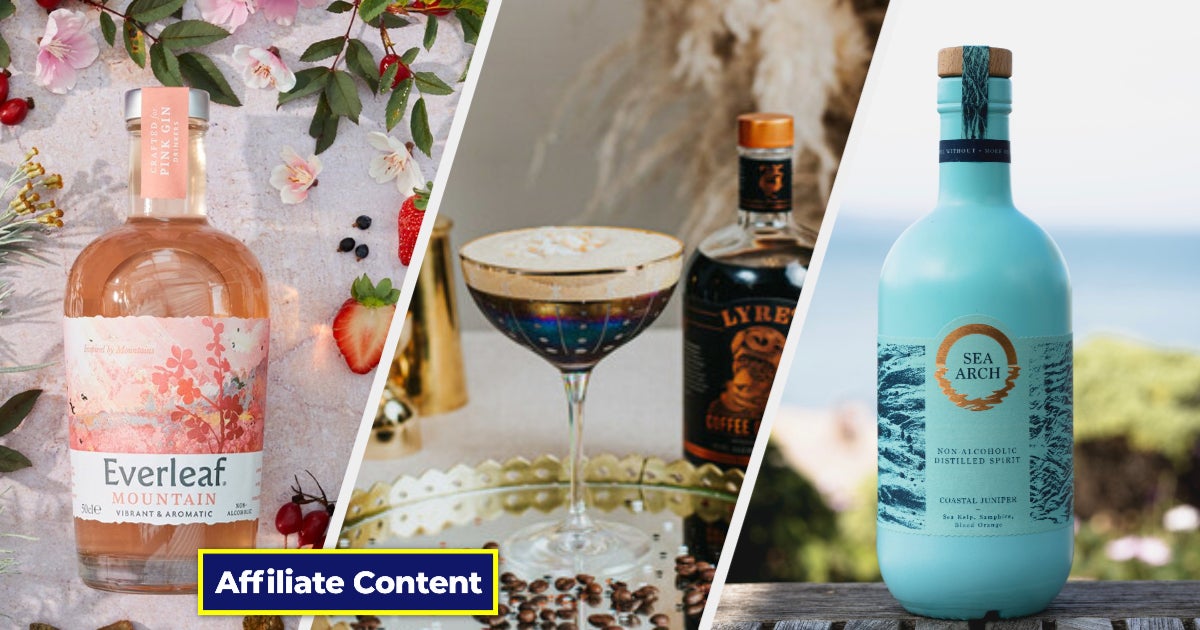
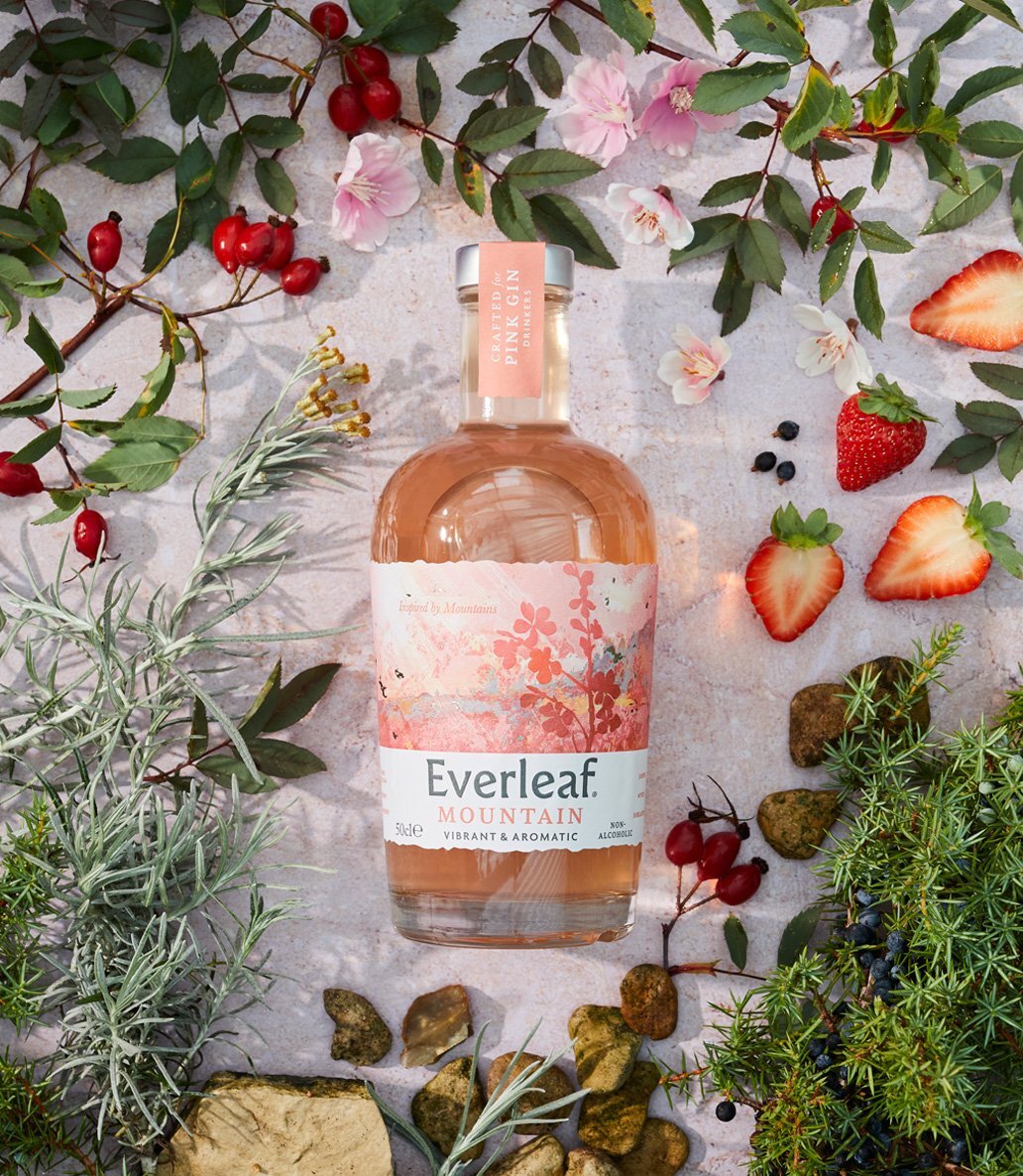
“Call me basic, but I’ve got a soft spot for pink gin, though I usually consume it via a tinny in the park on a warm summer’s day, instead of at my desk in January. Still, the Everleaf version is low calorie and vegan – as well as non-alcoholic – so I decide that’s acceptable.
“When I take a swig to try it neat, I’m a little alarmed by how soapy it tastes. But when mixed with tonic and garnished with berries as recommended, the gin is transformed. Flavours of cherry blossom, rosehip and strawberry come through, but they’re perfectly balanced with piney juniper, and avoid being too sweet. I would never guess it’s alcohol-free.
“The classy bottle gets extra points from me, and I can imagine offering it to teetotal pals with hors d’oeuvres on the patio, or taking it along to a baby shower. I drain the glass and am dreaming of summer for the remainder of the afternoon.” – Rachel Moss, Life editor
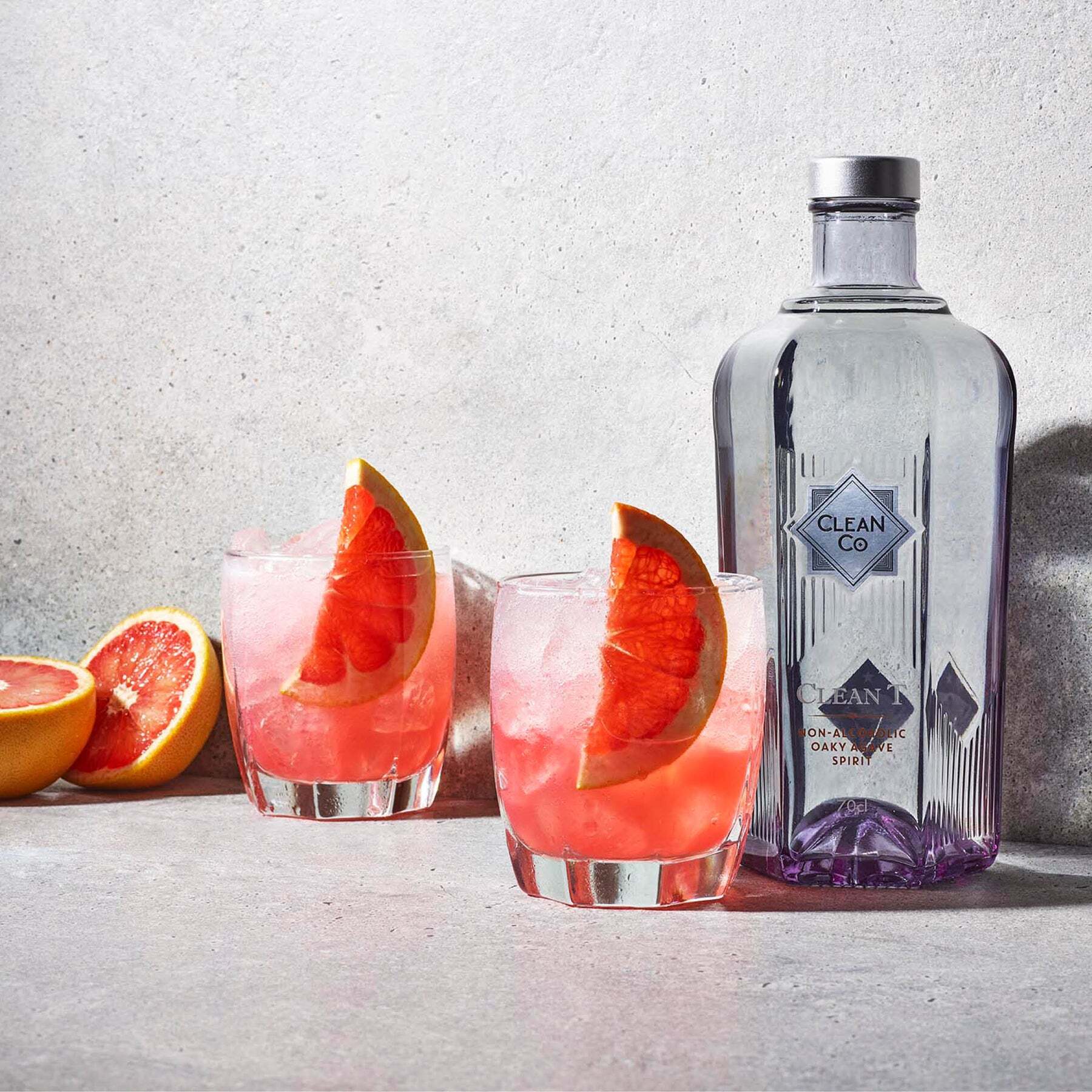
“As someone who loves tequila based drinks – margaritas are my summer go-to – I feel unsure as I pour my first glass of this clean tequila alternative, drizzling the clear liquid over ice.
“However, when I catch a whiff of the agave-based ‘blanco tequila’, I feel I’ve judged too quickly and my first sip confirms it’s a real treat that closely mimics alcoholic tequila. I didn’t imagine an alcohol-free spirit could have such a similar taste.
“The green agave combines with aromas of oak and olive, sweet melon and subtle mixed fruits, all with a dry, peppery finish that catches in the throat just like my favourite tequila. It’s not only low calorie and free from sugar and sweetener, but vegan, and lactose and gluten free. For an alcohol-free margarita – or other tequila-based drink – this alternative works perfectly.” – Beth Mahoney, HuffPost Shopping reporter
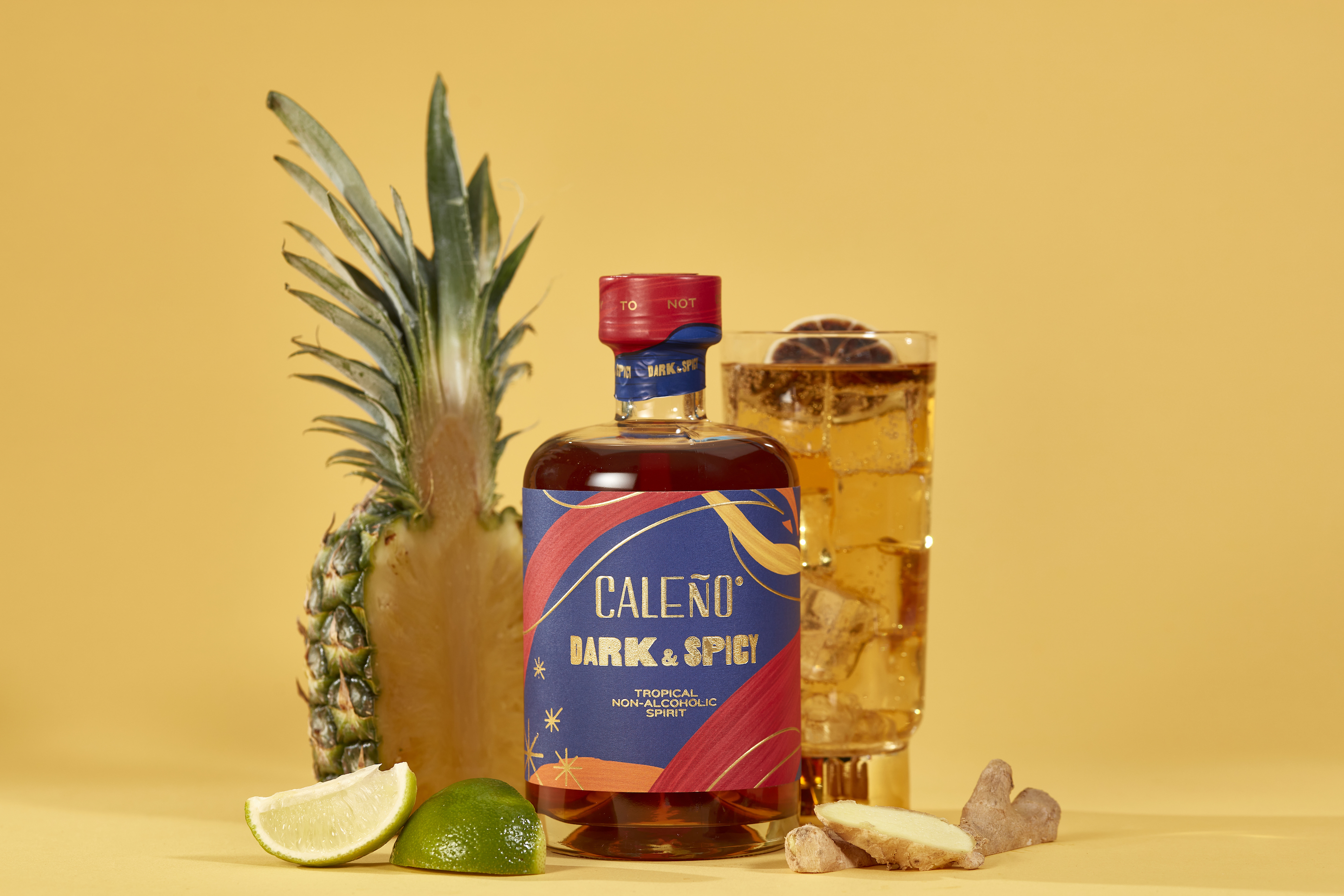
“Rum is by far my favourite alcoholic beverage. White rum and pineapple juice? That’s a bit of me. While I planned to do Dry January this year, I failed on the first day, but I’m still intrigued to see what a non-alcoholic version tastes like.
“The Dark and Spicy alcohol-free spirit from Caleno has a very rum-ish smell to it. If I closed my eyes and opened the bottle, I would have sworn it was alcohol. And there’s an almost alcoholic kick to the taste, too. I drink it with apple juice and it’s almost as good as the real deal. Overall, I’m very impressed and would drink this again.” – Habiba Katsha, Life reporter
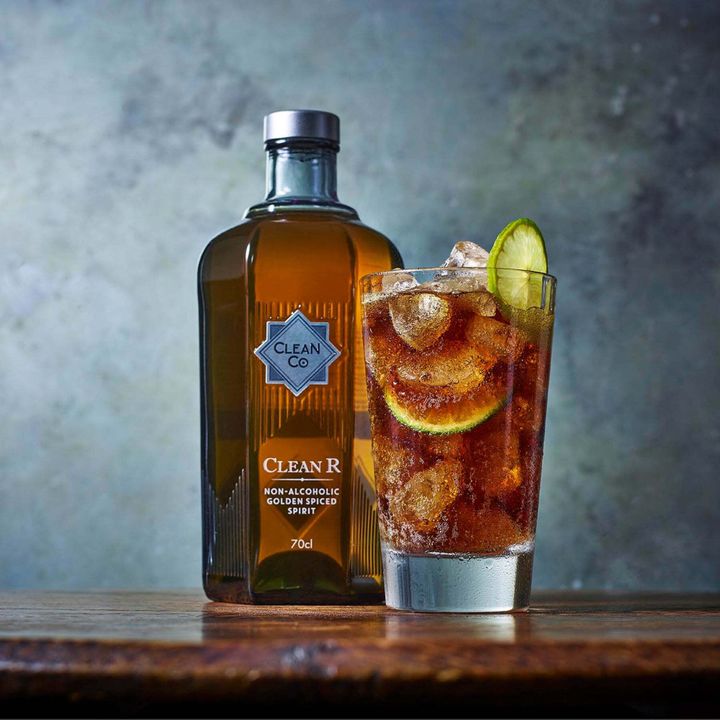
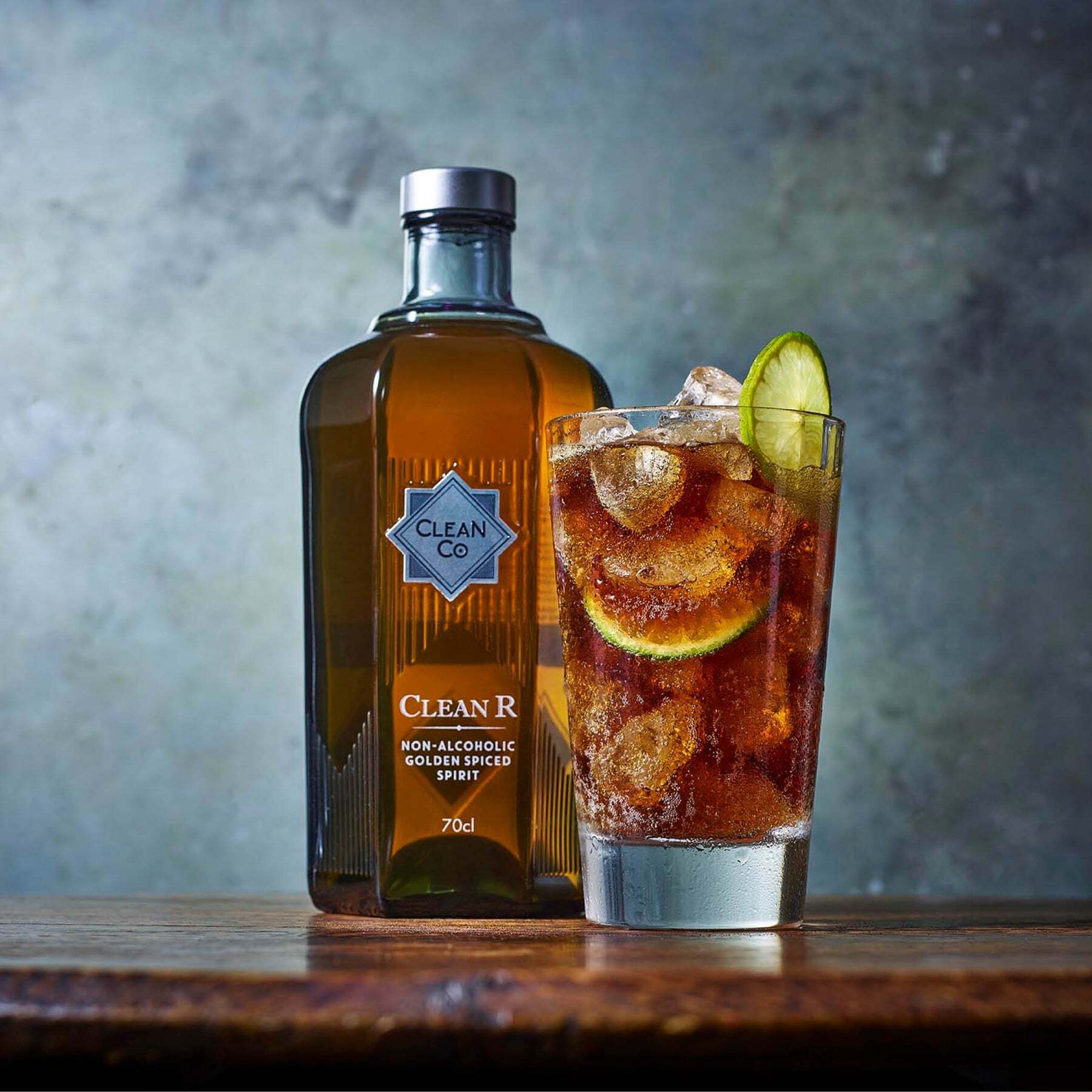
“I adore spiced rum and have high hopes for this ‘clean’ spiced rum alternative. Boy, am I impressed (as is my spiced rum loving fiancé who can be rather picky). When I unscrew the lid, we’re both note how warming and spicy it smells – much like a traditional Caribbean spiced rum.
“When poured over ice, the flavours of golden caramel, cayenne pepper and other (apparently secretly guarded) spices pack a powerful punch. It’s mildly sweet and wonderfully spicy; it works well drunk neat over ice or – as I found out – mixed with Coca-Cola or ginger beer for an extra kick.
“Like other Clean.Co drinks, it’s lactose and gluten free, and made without sugar or sweetener. In fact, the only downside is that it’s too easy to drink – somehow we managed finish off the bottle in just a few days.” – Beth Mahoney, HuffPost Shopping reporter
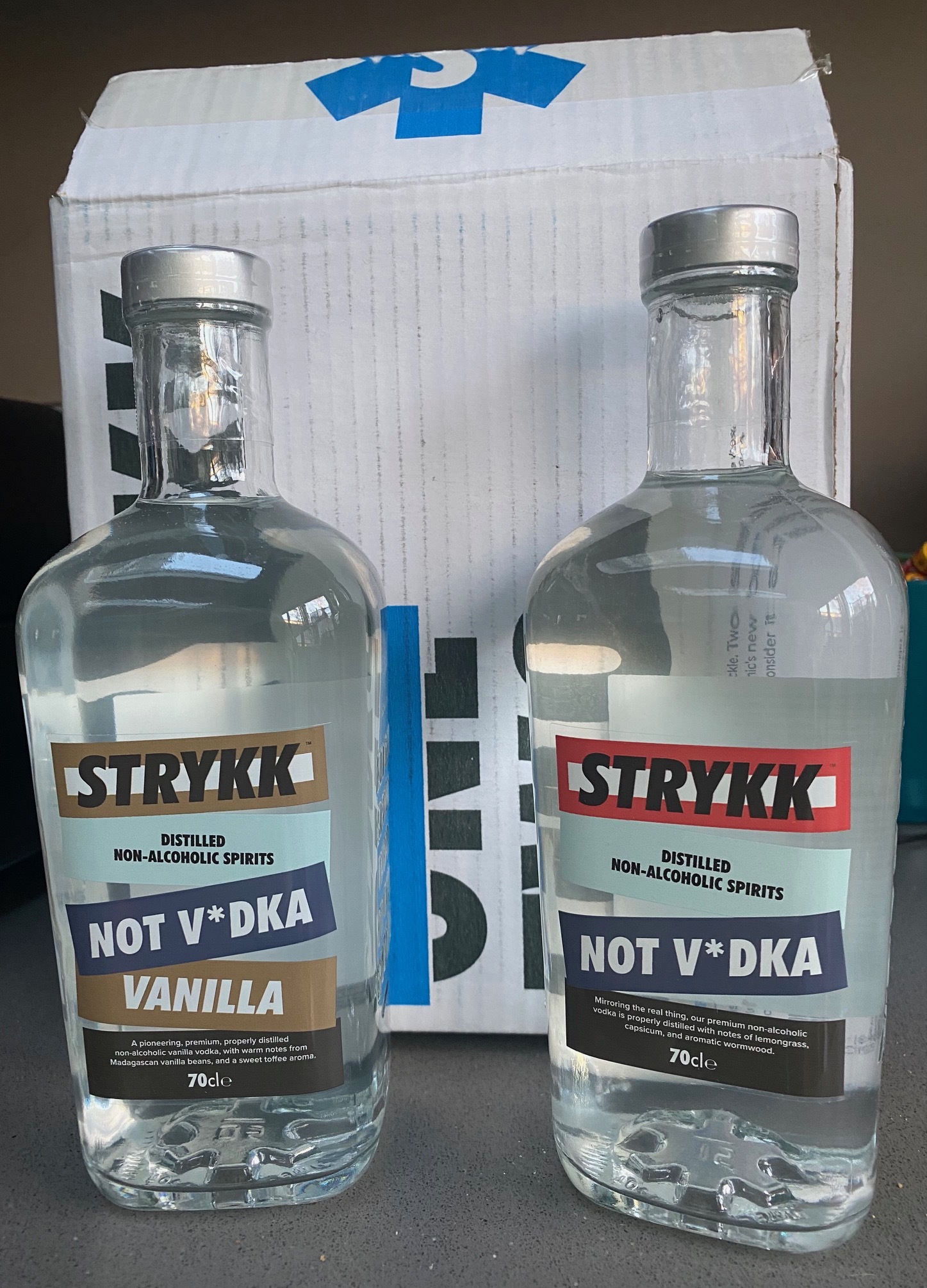
<img class="img-sized__img portrait" loading="lazy" alt="Strykk Not V*dka” width=”720″ height=”1000″ src=”https://www.wellnessmaster.com/wp-content/uploads/2022/01/best-non-alcoholic-drinks-and-spirits-that-pass-for-the-real-deal-19.jpg”>
“Who needs a real voddie when you’ve got Not V*dka? It’s got a serious kick to it! Sip this non-alcoholic vodka neat and it leaves a ferocious, fiery tingle on your tongue that lingers for an age. It’s like drinking your auntie’s homemade ginger beer, the one that burns (in a nice way!).
“Not V*dka delivers a heat akin to pepper sauce and after it’s finished with your tongue, the fire nestles deep down in your throat. For that reason I wouldn’t suggest mixing it with ginger beer. Coke, orange juice, cranberry and sprite as chasers – all of which I tried – will all add much needed flavour. With no artificial colours, no fat, no sugar it’s perfect if you’re watching your alcohol and calorie intake. And if you’re looking for subtle sweetness, Not V*dka Vanilla which has undertones of cream soda, might hit the right note too.” – Melanie Grant, audience editor HuffPost Shopping
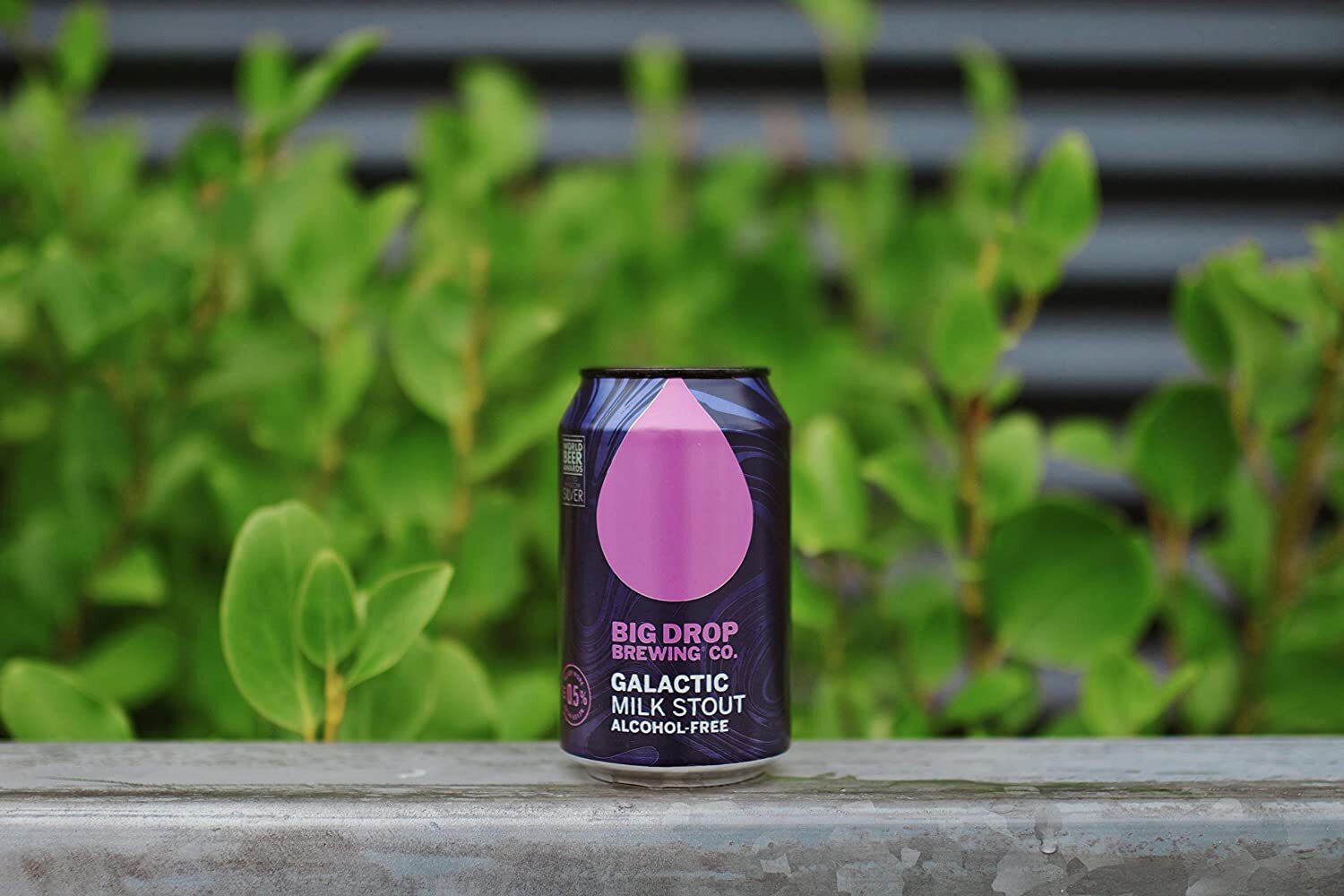
“I have only really had Guinness when in Northern Ireland, where (according to the rumours) it tastes best. It’s never really been up to scratch when I’ve had it elsewhere. But I did find myself repeatedly sipping this low-alcoholic version, which was a surprise, especially since I am usually more of a gin ‘n’ tonic person.
Advertisement
“Significantly less bitter than the more mainstream version, it really does have ‘chocolatey notes’ – as per its online description – although the honeycomb elements don’t particularly come through.
“It’s definitely not as heavy as the original beverage, and it seems like it’s somewhere in between a soft drink and an alcoholic one in taste. Despite calling itself ‘alcohol-free’, the drink is actually 0.5% ABV, (so it does have a little alcohol in). It might just about satisfy any Guinness drinkers who have opted for a slightly damp January.” – Kate Nicholson, senior trends reporter
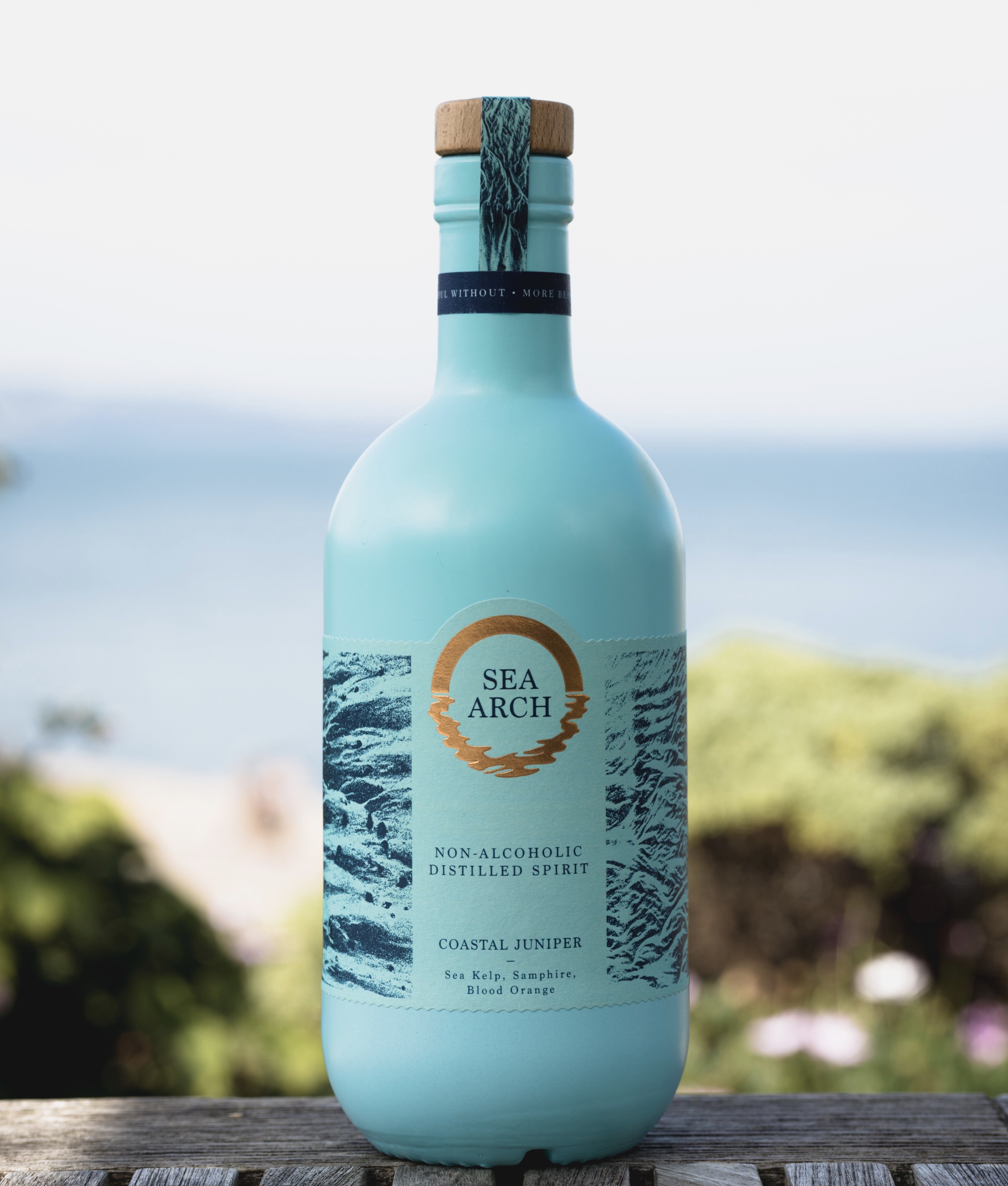
“I’m sorry to say that this drink most definitely does not taste much like the real deal, even though it does come in a beautifully designed bottle.
“While relatively enjoyable – if you like botanical beverages – it lacks the really tasty punch I associate both with alcoholic gins and successful non-alcoholic substitutes. The unusual flavours of kemp, blood orange, coriander and cardamon do come through, but there’s nothing more substantial in the drink meaning it does end up a little too watery, in my opinion.
“If you were looking for a substitute for Dry January, this drink might just miss the mark – whereas if you’ve never really been into anything that tastes too alcoholic, this might be up your street.” – Kate Nicholson, senior trends reporter
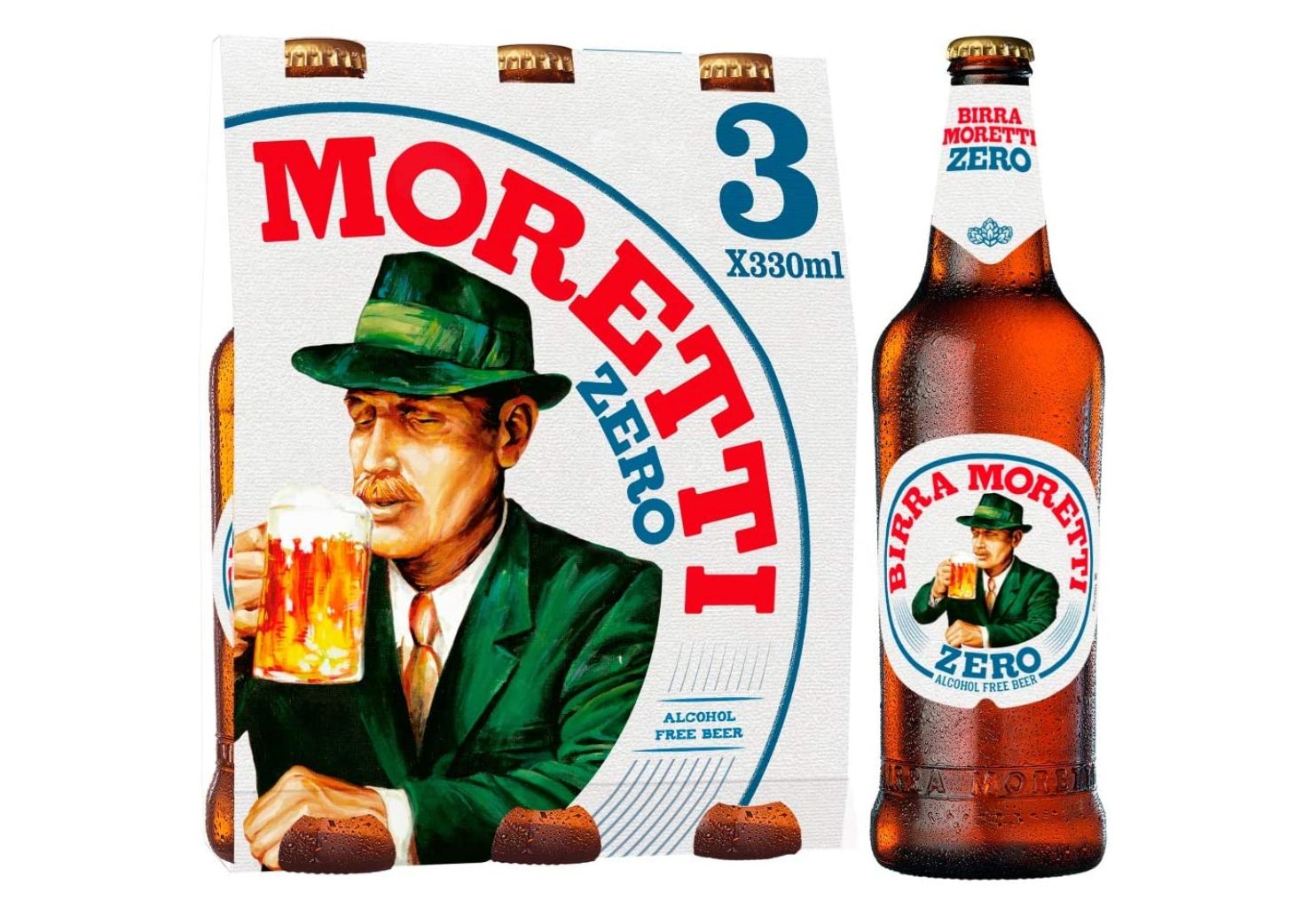
“I am no fan of beer, the last time I tried an alcohol-free beer was nearly a decade ago and I’ve not looked back since. But I gave this one a go and was pleasantly surprised. It didn’t have the same bitter taste I remembered. It’s quite oaky and flat, the taste feels muted. So while I could keep drinking this without any unpleasantness, I’d probably choose not to. My partner who is an avid beer drinker however really enjoyed it and said he could be fooled into thinking it’s the real thing.” – Faima Bakar, Life reporter
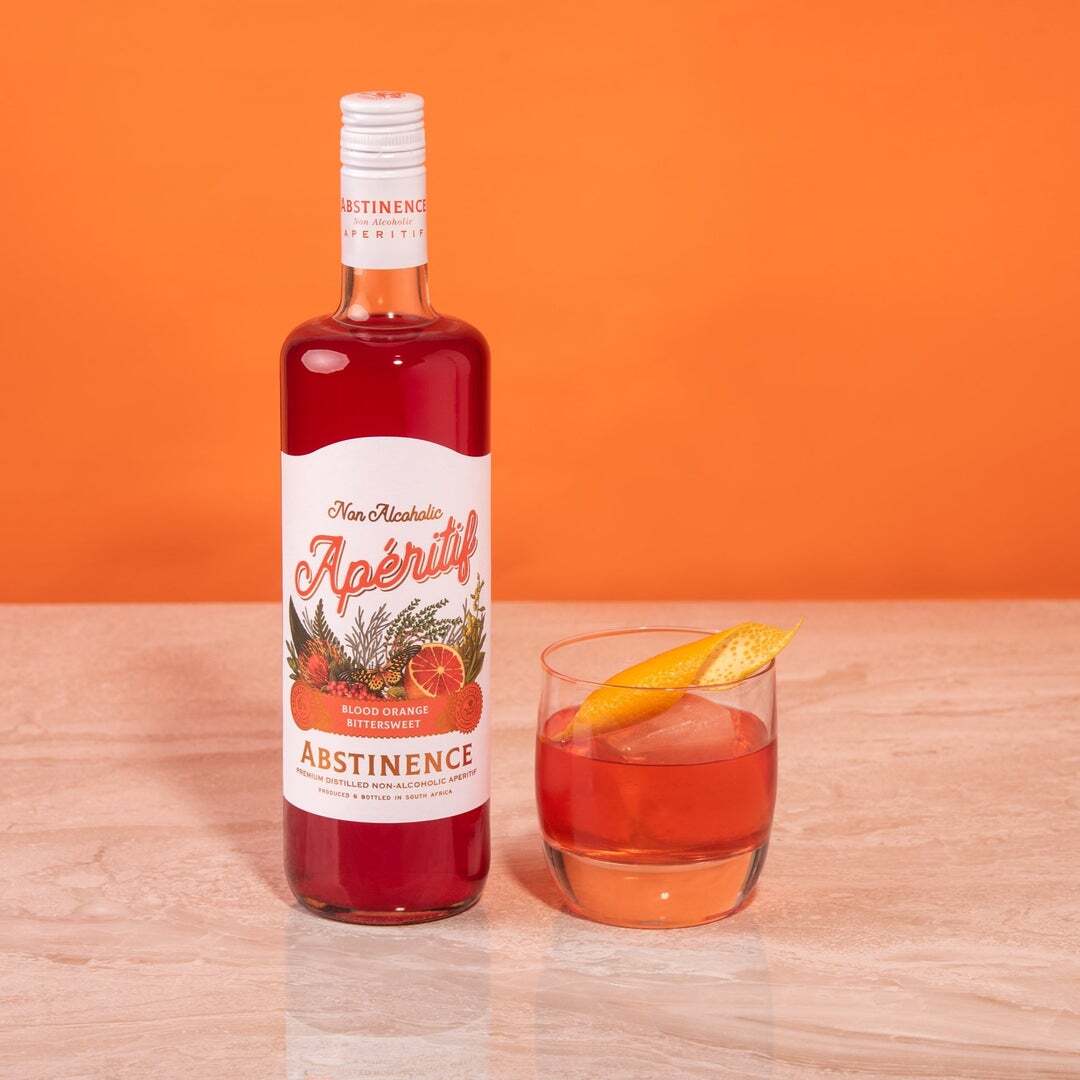
“Just like the drink itself, trying this zero-alc Aperol alternative was a bittersweet experience. Let’s face it, sipping this on a chilly January afternoon, dressed in four layers is not what this particular beverage is made for. That said (here comes the sweet bit), it was an uncharacteristically sunny day when I tried it out – and the packaging is beautiful. The drink itself, less so.
“The instructions suggest mixing 50ml of the aperitif with 200ml of soda water or tonic. I opted for soda water but the result was way too bitter for my palette. The boozy version includes Prosecco, which brings the sweetness – so adding a dash of Nozeco might improve things. I haven’t quite given up on being transported to a sunny terrace on a hot July afternoon minus the hangover, but when that day actually does arrive, Dry Jan will be all but a distant memory. – Matt Bagwell, Head of Entertainment
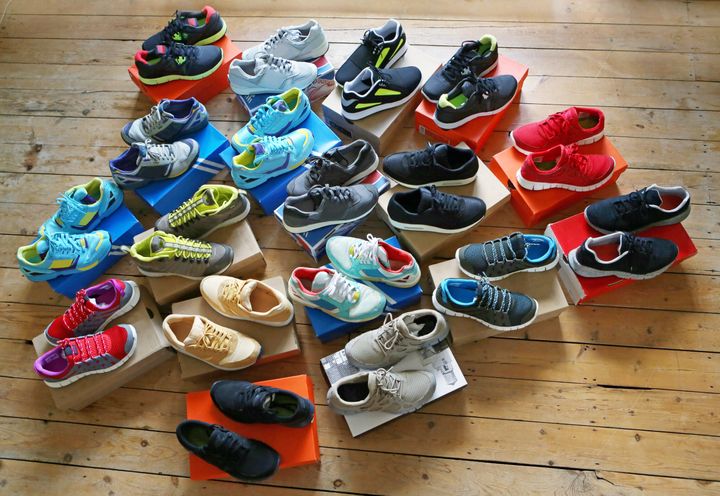
Fancy sneakers, baseball cards, comic books – there are many items people love to collect.
A Morning Consult survey from earlier this year suggested that millennials in particular are fans of collecting physical objects, as well as digital collectibles like NFTs (non-fungible tokens). Gen Xers were the second highest percentage of respondents who collect things. The survey also polled Gen Zers and baby boomers.
Advertisement
Of course, hobbyists have been collecting things like coins, stamps and books for generations. But is there something about collecting that might appeal especially to today’s young adults? HuffPost asked mental health experts to break down some of the potential factors.
There’s a sense of nostalgia and connection to childhood
Advertisement
“One of the reasons people collect is for the sake of nostalgia, or connection with something meaningful to them,” says Rachel Thomasian, a licensed therapist and owner of Playa Vista Counseling in Los Angeles. “Whether it’s art or dolls, there can be a connection to items. Often collecting helps people connect to their childhoods or a special time or person in their lives.”
In the early stages of the Covid-19 pandemic, many of us took a renewed interest in things we did as kids. For millennials, this meant tie-dying, doing puzzles and playing video games, among other things.
Advertisement
“A lot of people turned to ways to reconnect with their childhood,” says Jocelyn McDonnell, a licensed clinical professional counsellor and member of the cognitive behavioural therapy team at the Family Institute at Northwestern University. “Many millennials collected things as a hobby growing up – like Pokémon cards and sports cards. I think some people have re-looked at these hobbies for the first time during the pandemic.”
Collecting fosters feelings of accomplishment and power
“For some, there is a thrill and sense of accomplishment that comes along with acquiring an entire collection,” Thomasian says. “For us millennials, I can’t help but wonder if growing up with the catchphrase ‘collect them all’ and during a time when we sought to complete a collection of McDonald’s toys has something to do with our tendency to collect.”
She also pointed to the financial challenges millennials face with stagnant wages, rising debt and increased housing and healthcare costs that have become their reality.
Advertisement
“I bet there is a sense of accomplishment that comes from being able to buy and collect things that is deprived of most millennials,” Thomasian says. “Previous generations were able to buy homes more easily and feel pride in that, but when that doesn’t feel as much of an option, people can seek that same feeling from other items.”
McDonnell similarly notes that collecting can offer a feeling of power and achievement.
“Ask someone who’s really into collecting what they’re gaining from it – enjoyment, fun and maybe it’s a status symbol in some ways,” she says. “It’s the idea that ‘Maybe I can pay for this rare card now, but I couldn’t when I was 10.’”
There’s a feeling of hope in building a collection
Collecting can help millennials reconnect with the simpler and in some ways happier times of their youth. But it can also offer a sense of hope and promise for the future.
“Many millennials are weathering the effects of the second recession of their short working lives, which has had a very specific impact on their conceptualization of what paths their lives were supposed to take,” said Jenny Maenpaa, a New York-based psychotherapist.
A lot of millennials entered the workforce in a shaky economy that limited their earning potential, and may have found themselves in a similar position during the pandemic – but with more responsibilities like children and ageing parents. As a result, it makes sense they might turn to something from a more hopeful time.
“For many millennials, who grew up collecting POGS and Beanie Babies, the idea of collecting something tangible is comforting and represents a time when they felt more hope for the future and none of the existential dread that grips many today,” Maenpaa says. “Collecting items also implies that you still believe you will have a home to fill someday with things that matter to you, even if you aren’t in that position today and have no idea how you’re going to get there.”
Richard Newstead via Getty Images
There’s a sense of accomplishment in curating a collection of items you love.
A sense of security is something many of us have been craving amid the uncertainty of the pandemic. We need tangible rewards and proof that we have some power and agency in our lives.
“So much is out of our control during Covid that the little dopamine hit of collecting another item is especially rewarding and in our control,” says Rachel Kazez, a Chicago-based therapist and the founder of All Along, a resource to help people find therapy and understand mental health.
Indeed, the act of locating and procuring something for a collection can activate the pleasure centre of the brain, so this hobby can provide a feeling of comfort and stability.
“As a therapist I see more people collecting things as a way to comfort or self-soothe,” says Kati Morton, a licensed marriage and family therapist in Santa Monica, California. “Having things they love around them can help them feel more at home, or remind them of happier times. I have even had a few patients collect things as a way to always have ‘home’ with them because they moved a lot as children.”
Between 9/11, the financial crisis and the pandemic, millennials experienced a lot of stress and uncertainty during particularly formative years.
“The trauma and stress millennials have gone through during key times in their life makes them more likely to collect things as a way to self-soothe or comfort themselves,” Morton says.
Collecting can help people connect with others.
“Collecting objects might be for fun, because it is part of an interest or to fit in and be seen to be part of a ‘tribe,’” says Noel McDermott, a London-based psychotherapist. “Consuming is a core activity in our culture and overproduction of things is a feature of our times. Whereas collecting in the past was the preserve of the wealthy and idle few, it is much more widespread now.”
McDermott pointed to the large social media communities and groups of people who follow influencers who focus on particular collections or items. Being “in the know” and up to date with the latest trends can feel good, especially in the age of FOMO.
“I think millennials collect for both a sense of individuality and community,” says Meg Gitlin, a psychotherapist in New York and the voice behind the therapy insight Instagram City Therapist. “This may seem paradoxical but I think both are true. Many collectors are involved in larger groups with the same interests, but there’s also something ‘special’ about claiming ownership over something that’s hard to find and fully understand.”
Advertisement
She also believes that living through the major shift into the digital world and internet age might have something to do with millennials’ interest in collecting items.
“I would imagine that for people like me, collecting is a way to preserve an attachment to meaning in the physical world,” Gitlin says.
San Francisco Chronicle/Hearst Newspapers via Getty Images via Getty Images
There are still online communities dedicated to selling and collecting Beanie Babies.
It’s a form of self-expression
As Gitlin noted, collecting can be about both communal connection and individual expression.
“Objects are an extension of ourselves,” Mueller says. “What we choose represents us. They define us as people and are a form of self-expression. Collecting in a specific area is the ultimate self-expression.”
Collecting vintage postcards might be a way to show your interest in history, travel and art. What you collect is a reflection of what you prioritise in your discretionary spending. Your interest in collecting could also be about a specific childhood trauma or defining experience.
“For some, it can be filling an emotional void,” says Gina Moffa, a psychotherapist in New York. “For any reason, the key is having an emotional attachment to the items and putting individualised meaning upon them. The key is in knowing and understanding which of these categories one may fall into when looking at the need to collect.”
They might be investing in the future
“Collecting can be a great way to make and keep memories,” said Kathryn Smerling, a New York-based psychotherapist. “However, people are also collecting to resell. It’s also entrepreneurial, not necessarily to hold on to things.”
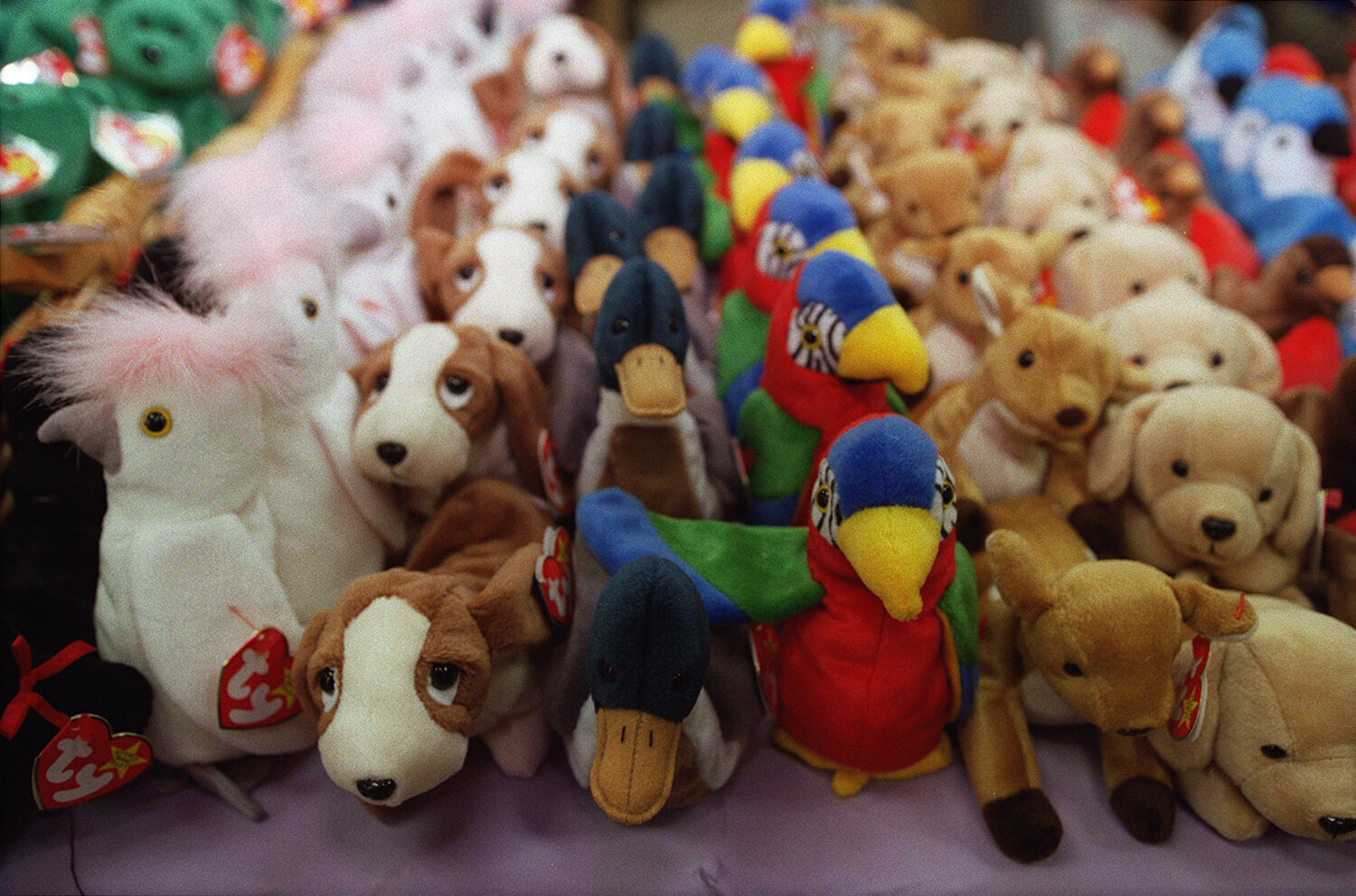
Indeed, millennials have witnessed the ways collectibles can grow in value over time – including our own childhood toys like American Girl dolls and Beanie Babies. Collecting items can therefore feel like a form of investing.
Advertisement
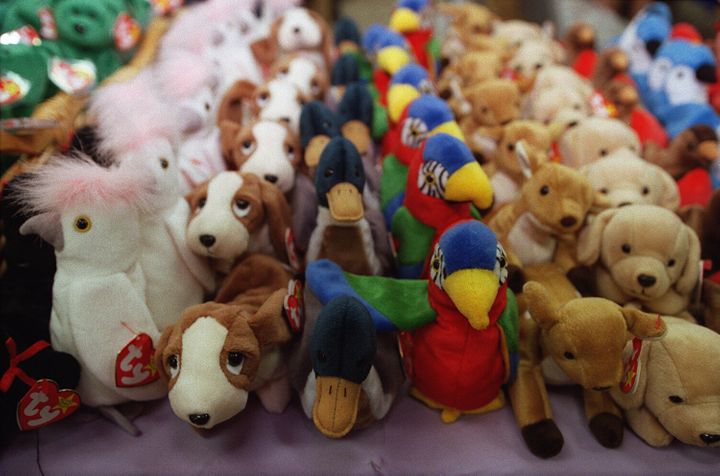
“Our internet savvy leads us to up the ante on the search and gives us the skills to scour the ins and outs of the internet for the item we are collecting,” Gitlin says. “Additionally, I think our generation has seen how collectors’ items have gone up in value exponentially. We are able to enter the market for ourselves and buy something that could potentially (and likely) triple or quadruple in value.”
And now the investment includes digital collections as well – whether it’s cryptocurrency or NFTs.
“Digitally savvy, millennials as a group are in a unique position right now with collecting,” says Sue Varma, a psychiatrist in New York. “For the most part, millennials are not intimidated by geographic boundaries – in the art world or elsewhere – making their access to collectibles that much larger. In fact, they are leaning more towards the online art viewing and Instagram-only art collections.”
In addition to investing in potential financial growth, she notes that collecting can be a way to invest in yourself and your day-to-day happiness.
“Because of the pandemic, more millennials are spending a lot more time in their homes,” Varma says. “And they are willing to spend on art, sports memorabilia and collectibles to make their homes more welcoming.”
During medical training, in health textbooks, in posters or at the doctor’s office, we often see health conditions or body parts represented with white figures.
Many of these images seem outdated or inaccessible to large parts of the population. Now, one medical student has taken matters into his own hands.
Advertisement
Chidiebere Sunday Ibe, 25, from Ebonyi State, Nigeria, began illustrating Black patients, children and babies. Recently, his drawing of a Black foetus and mother has gone viral on Twitter and TikTok, amassing hundreds of thousand views and likes.
The image has clearly struct a real chord with people, especially those not accustomed to seeing their skin tones reflected in standard medical imagery.
Advertisement
The aspiring neurosurgeon wanted to show people what certain conditions look like for Black people – and also normalise the diversity of our bodies.
For some people, it was the first time they’d seen a Black foetus and many called for more representation like this.
Advertisement
When we spoke to Ibe about his illustrations, he told HuffPost UK: “This image was created like every other image, I never expected it to be viral. The whole purpose was to keep talking about what I’m passionate about – equity in healthcare – and also to show the beauty of Black people.
“I feel great seeing it going viral, I never expected it and it feels good that the message is out and it will challenge current systems.”

Ibe points out that we need to see more images like this, and more people behind the scenes creating them.
“We don’t only need more representation like this, we need more people willing to create representation like this, this would help make such images more accepted,” he says.
Advertisement
Chidiebere Ibe
Chidiebere Ibe is an aspiring neurosurgeon.
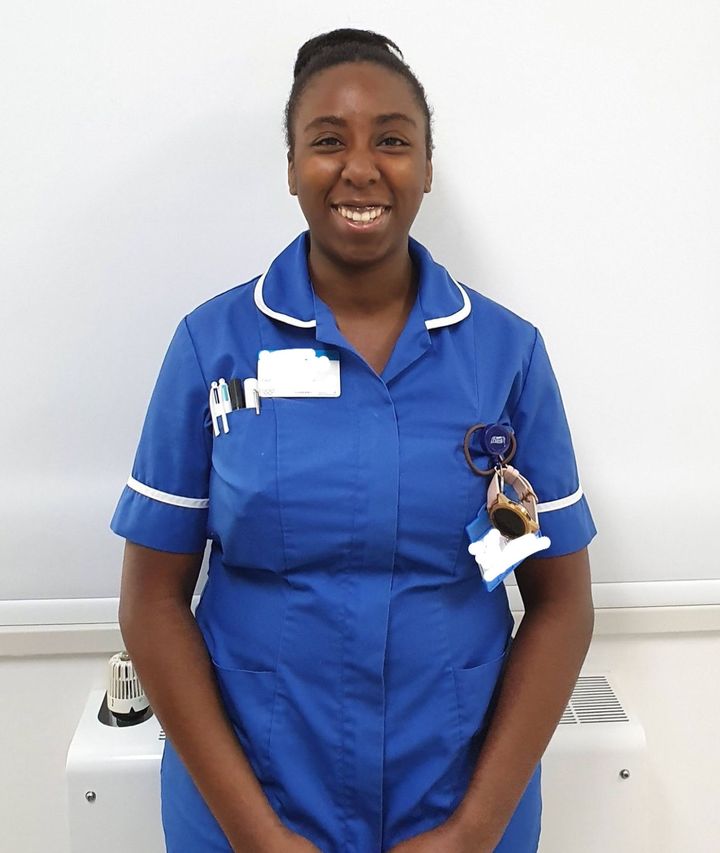
For Black people working in healthcare, seeing Ibe’s images has meant a lot – it’s not often they see their race reflected in the industry. Rebekah Agboola, a 27-year old nurse from London, says the picture made her do a double-take.
“The image was shocking,” she tells HuffPost UK. “I’ve never seen a Black baby in an image like this before – it makes you take a second look. It shouldn’t be shocking as it’s a simple medical illustration. However, having started my journey into this world as a sixth form student looking at medical images, I didn’t commonly see illustrations of Black and brown people unless it was something to do with skin conditions and even then it was rare.”
Agboola says such illustrations go beyond representation to having a positive impact on people’s health and wellbeing.
“I think that it is important to make sure that there is more representation because it will greatly improve the treatment of our patients,” she says.
In August 2020, as part of Black Ballad’s weeklong takeover of HuffPost UK, Black women spoke out about the discrimination, microaggressions and substandard care they received during pregnancy, shining fresh light on the findings of a major motherhood survey, also conducted by Black Ballad.
“Routinely, Black and other minority patients do not receive the same care due to initial symptom presentation and if it is made clearer that our symptoms can sometimes look different and that clinicians need to give their examinations more thought we can help reduce this issue,” Agboola says.
“This picture shocked me but I was so glad to see it and want to see more.”
Rebekah Agboola
Rebekah, a nurse, has never seen an image like this before
Since the release of Ibe’s pics, the Royal College of Midwives (RCM0, has also said it will be amping up efforts to diversify.
Jane Bekoe, the RCM lead on its Race Matters programme, told us: “Positive representation of race is important in all aspects of our lives and society, because the world should reflect accurately all the people living in it. This applies just as much to portrayals of Black and minority ethnic people within healthcare, so illustrations such as this are a positive and necessary step forward towards real equality for us all.”
The RCM is working to ensure changes happens, Bekoe added, following its first celebration of Black History and Culture Month this year. In January 2022, it will hold a webinar on decolonising the midwifery curriculum, which will be led by the RCM’s student midwife forum.
There are two camps of TV watchers in this world: team subtitles and team dubbing. I sit firmly in the former, because as Parasite director Boon Joon-Ho famously said, you can access a richer catalogue of culture if you overlook the “once-inch barriers”. But closed captions are also hugely helpful when learning a new language.
As a first-generation immigrant who came to the UK at six years old, I couldn’t speak the language, trailing behind my peers in my reading skills. But then I started watching TV with subs, consuming anything from CBBC cartoons to grown-up soap operas such as Neighbours and Home and Away, always with the captioning on.
Advertisement
Though it took me a while to be able to read quickly enough to catch the action, soon I did it effortlessly. In watching different worlds come to life on the screen, my own world began to widen as I understood language, grammar, punctuation.
Today, I enjoy subtitles because they enable me to catch details that are missed with audio-only viewing, but also because they deepen my connection to the English language. And I’m not the only one. Subtitles have closed the gap between cultures oceans apart.
Four out of five 18-25-year-olds prefer to have captioning all or part of the time, according to the charity Stagetext. That figure for 56-70-year-olds is less than a quarter, despite this group being more likely to be hard of hearing.
And now, youngsters want more events to be subtitle-friendly. Stagetext’s research found that 45% of young people would go to live events if there were captions on a screen in the venue. Among over 65s, this figure was 16%.
Advertisement
There’s certainly an appeal in having text accompanying action, not least because of how impactful it can be for non-native English speakers.
Alp Ozcelik, who works for The New Yorker, grew up in Istanbul, Turkey, and says subtitles were “absolutely instrumental” in him learning English growing up.
“I was already learning English in school, but subtitled American TV was what really taught me the accent/correct pronunciation of words and the slang that I really couldn’t have picked up at school,” the 31-year-old project manager from New York says. “I also would like to credit video games with voice acting and subtitles here as well; they taught me a lot of vocabulary!”
Now, having subs is a habit Ozcelik can’t get out of. “I absolutely still use subtitles on all the TV I watch; it allows me to pick up more of what’s being said and also all of the names of people and places that sometimes get lost,” he adds.
As a child of the 90s and early 00s, Ozcelik says Friends and Gilmore Girls were big contributors his language lessons, alongside reruns of older American TV, like Married with Children and Cheers. “But I watched a lot of other primetime TV as well,” he says. “Sex and the City and Gossip Girl also come to mind.”
Alp Ozcelik
Alp Ozcelik learned English watching Friends and Gilmore Girls.
Like Ozcelik and myself, Steph Santa, a 24-year-old fraud investigator from Washington D.C, also picked up English by watching subtitled television.
Born in Peurto Rico, she travelled to the States when she was eight, where she had trouble learning English. But soon, from watching Disney shows and films, Santa was able to acquire the skill.
“When I was first learning English I had some knowledge thanks to my grandparents but I was nowhere near being fluent. The use of subtitles helped me learn how words are spelled and what they sound like,” she says.
“I remember alternating shows and movies in English with Spanish subtitles or Spanish with English subtitles until I was comfortable enough to put both in English.”
And like many others, Santa has carried on using subs, but wishes they were available in more settings. “I still use subtitles, it feels like I can’t hear what I’m watching if the subtitles aren’t on,” she says.
Advertisement
“I’m currently working on my masters degree and wish that the recorded lectures had closed captioning. I still struggle with some word pronunciations, but I think that’s a struggle any person that learned English as a second language goes through.”
Subtitles in lectures, or in cinemas or live events, would certainly be welcome, and not just to those who learned English as a second language, but for anyone who doesn’t want to miss all the whispers, the background detail, and the whole ambiance, not just the visual.
Sure, dubbing has it’s benefits too. But I will forever be team subtitles.
If you’re a person of colour in the UK then the chances are you don’t much like the term BAME (which stands for Black, Asian and minority ethnicities). And you might not feel too good about the term “ethnic minorities” either.
BAME has long been a contested phrase, frustrating many marginalised people who believe it homogenises otherwise diverse groups under one umbrella acronym that doesn’t signify their varied identities and experiences.
Advertisement
As alternatives such as “racialised communities” gain more currency, young people have told a leading diversity charity that while they don’t like the term BAME, they do see value in finding a new unifying signifier to use instead.
The charity Blueprint for All surveyed 500 18-30 years olds in the UK to find out their views on the subject, with the aim of sparking a wider public debate and greater sensitivity in the way people of diverse backgrounds are described.
Advertisement
The survey found that 98% of respondents believe in the values of a shared language that unifies people from diverse heritages. However, there was no shared word or expression yet that participants felt represented them all.
Isabella Bromfield, 20, a student who took part in the survey, is one of many young people hungry for new words to describe themselves.
Advertisement
“I do not feel there is a shared word or expression that represents us, but I think it is important to have a shared language that unifies everyone from diverse heritages,” she tells Huffpost UK.
“This is a really important conversation to have in terms of moving forward on how to accurately, empathetically and correctly label people in the best way, so that they feel comfortable.”
Respondents to the survey felt uncomfortable with a range of existing umbrella terms commonly used to describe their heritage – 55% saying they felt uncomfortable with the term BAME, 52% with BME (“Black and minority ethnic”) and 59% with “dual heritage”.
The descriptors that people felt most comfortable with included Asian (74% of Asian respondents), Black (67% of Black people surveyed), mixed race (64%), brown (62%), and people of colour (61%).
Advertisement
Azaria Yogendran, a communications account executive of mixed South-Asian descent, 24, tells HuffPost UK: “I’ve gotten used to using the term BAME but I feel like it’s a term that makes race and ethnicity easy to allude to for people who are not from diverse heritages and who don’t know how to talk about race.”
She feels uncomfortable, she says, “about why I am placed in this group and who is placing me in it. I feel like it has become a term that is thrown around without remembering that each individual within it is very different.”
Azaria Yogendran
The term BME was originally coined in the 1970s when people came together to fight the racism and discrimination that was particularly prevalent within Black communities. The ‘A’ for Asian was added in the 1990s to represent both South and East Asian people.
More recently, BAME has been used by politicians and workplaces when talking about diversity and inclusion. And while the inception of BAME came from a place of unification, in the present-day context many point to its limitations.
“I have read that the term was originally made to unite ethnic groups against discrimination in the 1970s, but it seems to have evolved from being used by people from diverse backgrounds to being used about them,” she says.
“I feel the term lumps together a large group of people who don’t necessarily have anything in common apart from not being white and there is an implication that those in the group are at a disadvantage.”
Her experience as a mixed South Asian British woman in the UK is completely different to someone of a Korean British or Zimbabwean British background, she notes – and yet they are lumped together.
“It doesn’t feel positive to be in this group, and it feels like your actual heritage is ignored, because you are swept up in a generalisation that implies anyone non-white is just that and nothing more. The most notable thing about your heritage is what you are not, not what you are.”
“I don’t think there’s a term that would encompass everyone,” she says. “Each person is different, so it would be a question each time to see what people prefer. Personally, I’d prefer to be referred to as someone of ‘mixed heritage’ or ‘mixed cultures’, because I’m a mix of Sri Lankan, Indian-Ugandan and British but I am not ‘mixed race’.”
Do you spend countless hours scrolling on your phone? We’re probably all aware by now of the potential impact on our mental health and wellbeing. But how you use your smartphone has implications for your physical health, too.
Is your phone in your hand right now? Ask yourself: how are you holding it? Is the bottom edge resting on your little finger, the back on your index and maybe your third and fourth fingers – while your thumb does all the scrolling?
Advertisement
Yep, us too. But it’s not good for us. Your pinkie and thumb are the fingers that are most impacted when holding a smartphone or tablet. If you grip or clutch your phone a lot, this can also cause your thumb and fingers to cramp or become inflamed, a condition known informally as “smartphone finger.”
But your wrists and arms can also be affected by the way you use it.
Advertisement
I don’t know who needs to hear this but, when you’re using your phone, stop using your pinky as an anchor. It’s destroying your wrist and aggravating your ulnar nerve.
This tweet went viral this week, forcing many of us to reconsider how we’re using our smartphones. How valid is its claim?
Sorry to have to break it to you, but Ben Lombard, a member of the Chartered Society of Physiotherapy, confirms to HuffPost UK that it’s all true.
Advertisement
“We tend to hold our phones with the little finger underneath supporting the weight of the phone and our wrist turning inward to told the screen to our faces,” says Lombard. “This can cause ulnar nerve compression if sustained for long periods of time.”
The ulnar nerve is one of three main nerves in your arm – it runs from inside the elbow and along your inner forearm into your palm, pinkie side, and transmits electrical signals to muscles in both the forearm and hand.
The nerve can get trapped either by prolonged stretching – when your elbow is bent – or prolonged pressure, from leaning on the handlebars of a bike, say, or using hand tools, according to John Hopkins Medicine. Or your beloved phone.
A 2017 study found a link between the extended use of smartphones and a greater likelihood of experiencing another painful wrist and hand disorder.
Advertisement
According to lead author Peter White, assistant professor in the department of health technology and informatics at Hong Kong Polytechnic University: “Caution may be warranted when using hand-held electronic devices in order to minimise the chance of developing carpal tunnel syndrome.”
Carpal tunnel syndrome can develop following repeated pressure to the point where the median nerve passes into the hand and meets the wrist – the carpal tunnel – which is surrounded by bones and ligaments, palm side of your hand.
Work conditions that call for “repetitive, forceful, or awkward hand movements, for example, when typing” are a common cause for carpal tunnel syndrome, which can result in pain, numbness, finger tingling, and weakened grip strength.
To find out if smartphone usage increased people’s chances of getting it, White and his colleagues followed up on a prior survey of 500 University of Hong Kong students, that split students into two groups: those who used portable devices for more than five hours a day and non-intensive users (who used them less than five hours a day). More than half (54%) of the intensive group reported musculoskeletal pain and/or discomfort, compared to 12% of the other group.
The new study targeted 48 students from the earlier study. Half were intensive users who spent more than nine hours a day (on average) using their device. Other students spent less than three hours a day on their devices.
Researchers found those who were part of the intensive group had significantly more and increased discomfort in their wrists and hands. The longer time a person spent using a handheld electronic device, the harder and longer their pain was.
And that’s not all. There’s also the potential for painful neck-ache. As physio Ben Lombard warns: “The position of the neck is also heavily invoked, as we tend to be stuck looking down if standing up. Or, even worse, if we are lying down using our phones, we will often be holding our neck in an extended position which can compress the nerves.”
So, other than avoiding the “pinkie anchor”, can we change the way we hold our phones to lessen any collateral damage. Not really, says Lombard, who instead recommends more mindful use of your electronics – could you be reading or watching content on a larger computer or TV screen, for instance, rather than a hand-held device?
“Ultimately, there is no ‘optimal’ way to hold your phone,” he says. “Just consider the amount of time you use it and how you use it.”
Below, mental health practitioners across America share how they’re coping with so much uncertainty, and the techniques they personally use when they start to worry about Covid getting bad again.
Advertisement
I remind myself this isn’t my first Covid rodeo.
“In times like these, I remind myself: I am not a pro at living through a pandemic, but I am not a novice, either. I remind myself that I can take precaution and maintain the way I have been for over a year. I can do the best that I can. My best is enough.” ― Akua Boateng, a psychotherapist in Philadelphia
Advertisement
I practise gratitude.
“It’s always helpful to focus on what we can control, but focusing on what we are grateful for is transformative. Practising gratitude always helps my anxious worries melt away. When the world feels uncertain, I love to physically write down on paper all the things I’m grateful for that come to mind, no matter how big or small. This small gratitude practice helps me shift my thinking away from ‘powerless’ to ‘powerful,’ from feeling like a victim to feeling like a victor. (As a mental health professional, I know that gratitude rewires our brains’ thought patterns for the better!) And in the moments my mind seems to want to cling extra-hard to anxiety, I take the opportunity to call a friend and share what’s on my mind. Connecting with another human being for a little compassion and empathy is always a good idea!” ― Therese Mascardo, a psychologist and founder of Exploring Therapy
I let myself process all my emotions about Covid: the good, the bad and the ugly.
“I personally give myself permission to name and experience the wide range of emotions stemming from the current pandemic and new variant; these feelings range anywhere from grief, anger, helplessness to hope. I let these feelings run through me and also share my thoughts and feelings with my support system of family and friends. This reminds me that I’m not alone with what I am experiencing.” ―Alyssa Mancao, a licensed clinical social worker in Los Angeles
Advertisement
“I practise regular self-validation and self-compassion, meaning that I allow and accept the emotions that show up with kindness, and without allowing self-judgment and self-criticism to prevail. Emphasis on ‘practice’ here, not perfection. At the end of the day, we’re all humans going through a shared traumatic experience together. I allow myself space to take time for myself, consider what I’m capable of, workload-wise (aware that I have the privilege to do that), and recalibrate and adjust as these times ahead change.” ―Brooke Huminski, a psychotherapist in Providence, Rhode Island
I limit the amount of Covid news I consume.
“What helps me to manage my Covid anxiety is to set limits and boundaries around the information that I am consuming. That can look like only watching the news for 10 minutes per day and not constantly refreshing my feeds. It is also helpful to set boundaries with friends and family in terms of sharing news stories, fatality rates and other information that can affect my mood. Simply stating, ‘Hey, I appreciate you wanting to keep me in the loop of what is going on, but these articles are creating more anxiety for me.’ Especially since we are all managing a climate in which there are so many opinions and an influx of false information spreading, it is important to filter what you are consuming and set boundaries.” ― Aaliyah Nurideen, a licenced clinical social worker in New Jersey
South_agency via Getty Images
“[I] set limits and boundaries around the information that I am consuming,” one social worker tells HuffPost. “That can look like only watching the news for 10 minutes per day and not constantly refreshing my feeds.”
I ground myself in nature.
“Even though all I want to do after a long day of sessions is collapse on my couch and eat Cheez-Its, I force myself once or twice a week to the beach where I can put my feet in the sand and listen to the waves. Take an evening walk or sit on my back patio and listen to the birds chirping.” ― Jennifer Chappell Marsh, a marriage and family therapist in San Diego
With so much out of my control, I’m focusing on what I can control.
“To me, the key to handling worry (whether it’s about Covid or anything else) is to make decisions about what I can actually control and then redirect my attention to what I’m actually doing with my time in the present moment. So if worry comes up about the latest COvid news, for instance, I might take some brief time to decide if I want to update any personal decisions I’ve made about activities or precautions in my life related to COvid. That should be a relatively quick thing (lingering for too long in decision-making mode is bad for anxiety), and then I try not to analyse questions I can’t actually answer, like ‘When will this end?’ or ‘Will I get Covid?’ Those questions are impossible to answer with certainty, so instead of trying to eliminate the uncertainty, I allow the uncertainty to exist and redirect my attention towards whatever activity I am actually doing with my time in that moment. Basically what I’ve just described there is mindfulness and acceptance of uncertainty, which are proven effective strategies for anxiety and worry.” ― Michael Stein, a psychologist in Denver specializing in anxiety and obsessive-compulsive disorder
“In grappling with my own Covid anxiety, I’ve worked on more actively accepting uncertainty. This means recognising when things are outside of my control, and gently encouraging myself to release any attempts I’m making to control those things. At the same time, I’m also staying mindful of the things that are still within my control – even if they feel small. We all make numerous decisions throughout the day – from what we eat, to what we wear, to who we interact with ― and reminding myself that I have choice in all of those things helps me to stay connected to my sense of agency in the world and my own capacity as a human being.” ―Madison McCullough, a psychotherapist in New York City
I try to meditate every day.
“I’ve committed to a morning and evening meditation practice. Even if I only have five minutes, it really grounds me as I enter the day and night. Insight Timer is a fantastic free app that provides a variety of meditations to meet your personal needs.” ―Aimee Martinez, a psychologist in Los Angeles
Advertisement
I try not to overextend myself.
“I’m a psychologist and a human: I have to contend with the same rush of emotions when I see the news stories involving loss, the politicisation of the virus and vaccine, and ‘business as usual’ even in the face of crisis. What has helped me over the past 19 months is figuring out what is in the locus of my control: that is, how can I not take blame for national events and focus more on what is more proximal to me? For example, just because I do an interview urging vaccinations on CNN does not mean I should see a spike in appointments the next day. What I can do, however, is check in on the one person I had a conversation with about vaccinations, to see how I can support their decision with evidence and love. But sometimes even checking in [on] other people can be a big source of frustration. That means limiting my locus just to myself: Am I wearing a mask? Am I sleeping and eating right? Have I sent loving messages to those around me? Just those seemingly small check marks can reduce the anxiety I have about exposure, increased risk, or supporting my loved ones.” ―Riana Elyse Anderson, a psychologist and assistant professor at the University of Michigan School of Public Health
Vera Livchak via Getty Images
“I’ve committed to a morning and evening meditation practice,” one social worker says.
I’m practising radical acceptance.
“Right now, I am practising radical acceptance (a distress tolerance skill). I have accepted the uncertainty of the situation, which doesn’t mean I like it or want it, but means I have chosen to say to myself, ‘This just is what it is and I cannot control this situation. I am focusing on what I can control.’ I focus on having a relaxing morning routine and doing things that relieve stress every day.” ― Rebecca Leslie, a psychologist in Atlanta
I lean into my hobbies.
“Arkansas is a Covid hot spot, so my Covid policies are self-care via masking, doing only telehealth sessions with clients, being vaccinated, and going out only when necessary, though I walk in nature for an hour daily with my dogs. To stay challenged, I’m learning two new hobbies ― knitting and woodworking. Bottom line, there’s a lot of lemonade that can be made from pandemic lemons.” ― Becky Whetstone, a marriage and family therapist in Little Rock, Arkansas, and co-host of “Curly Girls Relationship Show”
I seek harmony.
“When Covid became a thing, my big focus was on creating balance in my life. I worked hard at balancing being a great therapist, being my most present self to my two toddler children, being a listening ear to my medical colleagues working on the front lines, being an anchor to my extended family as they grieved the loss of several family members and friends, and taking the baton from my husband as he took on the lion share of pandemic parenting. This time around, I seek harmony. I am striving to live in the flow of my life by establishing routines, permitting myself not to follow routines, creating structures in my life, and allowing myself room to move within those structures. Less abstractly, I am listening more to what I need to be there for others. I am also accepting the limitations to my excellence. I am not here to find balance in all the many responsibilities and goals I have. I am here to live my life to the fullest, which means living in the flow of the good, bad, and blah days.” ―Dana Crawford, a psychologist and cultural bias consultant in New York City
I remind myself I’m doing all I can to stay safe.
“When I begin to feel anxious, as we all do ― often triggered by something I heard on the news, or a notice from my child’s school about another infection ― I fall back on cognitive behavioral tools. I remind myself of the statistics with this virus. Despite the high infection rate and the virulence of the delta virus, the death rate is still low. I remind myself that I am doing all I can do by following medical advice. I choose to put the rest of my worry on a shelf. I also choose to enjoy this present moment and not allow my fear to steal it from me. I will often repeat this to myself a few times, add some deep breaths and distract myself with a healthier thought, and I’m on my way again.” ―Zoe Shaw, a psychotherapist, relationship coach and author of “A Year of Self-Care”
As someone who’s had more than 20 jobs (fluctuating from temporary positions to career-defining roles), nearly all of my interviewers have been white.
Each interview I’ve stepped into, I’ve known my otherness – my ethnicity, my religion, and even my gender – was going to be a player during this time.
Advertisement
Though I’ve used this to my advantage to impress employers, I wish I’d spent time being wooed by them too. Because I’ve ended up working for companies which are toxic, ruthless and uncaring.
Understandably, the power dynamics in a job interview are unlike anything else; you’re supposed to show yourself off and grovel for approval. That doesn’t leave a lot of time to get to know the company and how it can benefit you.
Advertisement
The only part of the process – the “Do you have any questions for us?” segment – is usually a closing feature, where participants often ask questions that will say more about them, than the company (the “look, I’ve done my research about you” trick).
But there’s a real reason to use the final moments of an interview to quiz your interviewers and get to the nitty gritty. After all, you also need to find out if the company is the correct fit for you – and crucially, how they nurture diverse talent.
A few months ago (before joining HuffPost), I was interviewed for a leadership position, but I had a lot of questions and arranged for a follow-up interview where I could take the time to enquire about everything.
I’m glad I did, because the recruiters showed their true colours. When it came to negotiating salaries, I was told by the CEO it was concerning for me to discuss money for a role that was otherwise a ‘compliment’ to me.
I promptly wrote the letters NO on my notebook as he spoke, deciding to reject the offer. Given that ethnic minority women are overlooked for such positions and grossly underpaid (Black, Asian and other minority ethnicities lose out on £3.2 billion a year in wages compared to white colleagues doing the same work), it didn’t feel concerning at all to bring up money.
Advertisement
If we didn’t have this conversation so early on, I may have ended up working for a company that would make me unhappy. It might feel like you’re being ungrateful, but there’s merit in quizzing your interviewer – it shows recruiters you’re keen to know your place in the company, as well as signalling to you any potential red flags about them.
Martinns via Getty Images
An interview is a chance to see if the company works for you.
For 27-year-old Masuma*, a Muslim woman from Manchester, who applied for a marketing position, asking questions about faith provisions led to positive changes.
“I once asked if there was a prayer space and the reply was ‘you can use the board room but there’s usually meetings in there so maybe avoid booking it during lunch breaks’ – which were prayer times so that was going to be a problem,” she tells HuffPost UK.
“While I never got the job, because it was definitely out of my reach, I got an interview anyway. The recruiters really liked me and then offered me a role that was linked to the original. I took the job because it was really exciting and since then, I’ve voiced a lot of my concerns regarding prayer space and other things like diversity and inclusivity, which they’ve listened to.”
For 33-year-old Hina Jabeen, from Solihull, West Midlands, asking questions resulted in a confrontation which secured her feelings towards the recruiter.
“I’m an expert at interviewing,” she says. “Over the past two years since being made redundant, I’ve interviewed 174 times including getting to final stages. And the majority of the time there was a 50/50 rate of rejections against me rejecting the offer.”
For Jabeen, the answers to questions she had left her disappointed, so she turned offers down. Some of the questions interviewers asked her, including invasive ones about her childcare responsibilities, also resulted in rejections on her part.
“I rejected eight offers where I had put in my CV with a western name and when they offered the role under the western name, I rejected the offer and explained that my CV/application under my actual name wasn’t even considered. Both applications were identical, just name changes,” she says. “In the interview, I asked why and they denied any bias and accepted my rejections. There was one incident where the company identified bias and ‘took action to rectify the discrepancy’.
“But 176 interviews later and I finally have the perfect role, so [I’m] happy with the combination of rejections.”
Of course, there’s a way to be tactical about questioning your interviewers – and Hira Ali, an author, career coach, and leadership trainer, advocates doing it in a strategic way.
Advertisement
“A relevant and appropriate number of questions may be three to five, which indicates genuine interest and natural curiosity,” explains Ali. “Asking questions also shows that you have done your research and that you have knowledge of the role and the industry―it’s also another opportunity to demonstrate your confidence and highlight your knowledge and experience. Finally, the right questions can help you decide whether this company is aligned with your goals and aspirations or not.”
To gauge compatibility, asking certain questions will also be beneficial, especially if you’re an ethnic minority trying to understand the company’s diversity.
Ali adds: “I would definitely recommend asking about the team’s diversity composition and what measures they have in place to ensure that people from minority backgrounds are given ample opportunities to thrive and reach the top. And if it’s not satisfactory, ask for the challenges they are currently facing in implementing it and how they aim to address it. Honesty and transparency is always preferable over half-hearted cover-ups lacking authenticity.
“The interview is also a key opportunity to find out how you can turn your diversity into a competitive advantage and leverage your uniqueness. It’s also useful to throw in questions about your potential career trajectory if you are selected and what are the key qualities or deliverables of the most successful people at the company.“
As a minority in the workplace, Black, Asian and other groups may feel alienated from the rest of the team, affecting their self-confidence.
“People from marginalised backgrounds often shy away from advocating for themselves, expressing their talents, and showcasing their achievements in case they are labelled as ‘braggarts’ or as ‘trying too hard,’” explains Ali.
“They are not only hesitant to put themselves forward, but also show reluctance in raising complaints, or voicing concerns for fear of being judged ill-favourably. They may feel as if asking too many questions will make them appear incompetent or ignorant or even difficult.”
Ali says that many people she has coached from minority backgrounds are afraid of putting their vulnerability out in the open. The idea of exposing how they really feel or think or opening themselves up can seem “dangerous and risky”.
“Because the latter are reluctant to speak their mind, they are often viewed as lacking self-confidence,” she adds. “However, in any interview, it’s crucial to show your worth and defy these internal barriers. It’s only people who carry themselves with confidence and who clearly vocalise their asks that typically get noticed more.
“Research reveals that recruiters show clear preference for people who are confident and display powerful posing despite being unaware of the interviewee’s background, hypothesis and conditions.”
Advertisement
So come with confidence, and ask everything you intend to – it might help you make up your decision when you finally land that offer.
Beyoncé, the multi-hyphenate queen that she is, has achieved a lot.
On her 40th birthday, she remains the first artist to debut at number one on the Billboard 200 with their first six solo studio albums, she has broken the record for the most Grammys won by a woman, and is one of the world’s biggest trailblazers.
Advertisement
Most of us pale in comparison. And when it comes to birthdays, it’s especially difficult to not tally up all that we’ve achieved.
But comparing yourself to the greats or even those around you can have serious detrimental effects. At cliched as it sounds, there is only one you, marching to the beat of your own drum towards your own timeline.
Advertisement
Grammy or not, there’s a lot to celebrate if you’re approaching a big birthday (let’s not forget to commend our sheer resilience in navigating the pandemic). And it seems plenty of people are doing just that.
We spoke to four people about milestone ages – and how they’re rejecting ideas of where they’re “supposed” to be.
Advertisement
“Time is precious and short.” – Vicky Clapham, business owner, 40, Leeds
(Picture Vicky Clapham)
Vicky turns 40 in a few weeks.
“I actually feel ok about turning 40 – and much more accepting than reaching 30! I have more of a ‘age is but a number’ type mentality.
“For my birthday this year I’m having a party at my home with family and friends followed by a weekend away sans children with my husband, best friend and her husband. We’re going to see the Tina Turner musical and can’t wait! I’ll really enjoy doing these things that only a few short months ago wouldn’t have been an option.
“I do think a birthday can be a bit of catalyst to think about what you have or haven’t achieved, and changes that need to be made. Personally, I don’t feel like that now. It was definitely something I was more conscious about when I was younger – especially the pressure around having children, getting married, career etc.
Advertisement
“I’m much more self-assured and accepting now and realise that everyone is on their own path. Time is precious and short – which this last 18 months has been an incredibly stark reminder of – and you’ve just got to make the most of it, including celebrating getting older.”
“As I turn 30, I actually feel a level of freedom.” – Taimour Ahmed, mental health consultant, 30, Lisbon
(Picture: Taimour Ahmed)
Taimour feels a sense of freedom as he gets older.
“There really is societal pressure to achieve things by a certain age and in my view, it’s quite detrimental to our mental wellbeing, [causing us to] chase things and achievements we think we want, when in reality this might not be the case.
“As I turn 30, I actually feel a level of freedom, knowing that I am setting my own pace in life as opposed to living to society and other peoples’ rhythm, which effectively destroyed my mental wellbeing.
“In terms of achievements [we’re expected to reach], it’s very black and white i.e. progressing on the corporate career ladder, having a property and potentially being married, depending on your cultural context.
“In my view it’s not possible to achieve them because 1) London living is so expensive 2) we need to better understand at a base level whether or not these things are actually what we want.”
“Covid and turning 30 have made me reconsider what’s important in my life.” – Joanne Goldy, marketing specialist, 30, Isle of Man
(Picture: Joanne Goldy)
Joanne has mixed feelings about turning 30.
“I’d love to say that I’m not sweating it, turning 30, but I do have mixed feelings. On the one hand I’m telling myself that 30 is only a number and other clichés like ‘you’re only as old as you feel,’ but I can’t help feeling a little sad that my 20s and that time of my life is over.
“I definitely feel more reflective around this birthday than I have in previous years. For my birthday, I’m hoping to have a big family get together – less to do with celebrating my birthday and more about reconnecting in light of the Covid situation. Both that and turning 30 have made me reconsider what’s important in my life.
“Ageing is an interesting one for women as many of us naturally begin to question if/when is the ‘best’ or ‘right’ age to have children. In part I feel there’s a societal expectation to have settled down by or in your 30s, but there’s also a biological pressure there too. Many female friends my age already have children and although kids aren’t on my radar right now, it’s tricky not to compare lives sometimes and wonder ‘is time running out?’. At the end of the day, there will always be societal expectations of some sort around age, but my opinion is that most people are fortunate to have the choice of whether to live up to them or not.
Advertisement
“I used to be very future-driven and focused on having achieved x,y,z by age x. Over the last couple of years though, my outlook has changed significantly; I now try to focus much more on living in the present (literally day to day) and avoid thinking too much about the bigger picture or ticking things off by a certain age.”
“I never beat myself about anything”– Sarah Lee, mum, 50, Worthing
“I turned 50 this year and I felt fine, and quite proud, actually. Unfortunately my birthday was spent at home with my husband due to Covid. However, he did a gorgeous breakfast spread for me.
“I never beat myself about anything, take every day as your last, do things when you can or when monies allow, don’t stress as life is too short.”