While the UK ADHD population is still grappling with ongoing medication shortages, new research from Mamedica has found that not only are the 2.6 million people diagnosed being left behind but a further 4.5 million Brits believe that they have undiagnosed ADHD.
Undiagnosed ADHD can come with a myriad of complications which leads to a reduction in quality of life for neurodivergent people. According to ADDitude Magazine, undiagnosed ADHD can lead to impulsivity, emotional instability ,and feelings of anger and worthlessness.
Advertisement
How long are NHS waiting lists for ADHD diagnosis?
Of course, throughout the UK, waiting list times differ but a report by ITV released in October found that in some areas of the UK, adults could be waiting up to 10 years for a diagnosis.
Speaking to ITV, a Department of Health and Social Care spokesperson said: “We know how vital it is to have timely diagnoses for ADHD, and we are committed to reducing diagnosis delays and improving access to support.”
Additionally, Sheffield magazine Now Then has reported that in the 12 months between June 2022 and June 2023, only 21 adults received an assessment from The Sheffield Adult Autism and Neurodevelopmental Service (SAANS), which resulted in nine diagnoses.
Now Then stated that with 5,481 service users on the waiting list at the end of the same period, with current assessment rates, it would take 261 years to get through the current waiting list.
Advertisement
How this crisis is affecting women
According to the ADHD Foundation, 50-75% of the women in the UK with ADHD are undiagnosed, and as a result may be experiencing poor health and socio-economic outcomes.
While awareness of ADHD in women and girls has improved in recent years, ADDitude Magazine warns that there is still a lot of information gaps with professionals such as teachers and gynaecologists.
They said: “We now know that fluctuating female hormones worsen ADHD symptoms, yet this important issue is largely neglected. Gynaecologists are not educated about ADHD; psychiatrists don’t study the effects of female hormones on the condition; and many females feel minimised and mistreated.”
How is the ADHD diagnosis crisis being tackled?
The shortage in medication has led to doctors in England being told to not prescribe new patients with ADHD medication but this is expected to be resolved by December. From there, it is up to individual health boards to tackle backlogs.
However, back in May of this year, MPs on the All Party Parliamentary Group (APPG) for Attention Deficit Hyperactivity Disorder (ADHD) called on the government to prioritise tackling NHS waiting lists to assess people who could have the disorder.
Advertisement
Tory MP James Sunderland, a vice chair on the APPG, said to PoliticsHome that he wants the government to “throw the kitchen sink” at tackling NHS backlogs relating to ADHD, particularly for school-aged children.
“Feel her toes and feet. When they turn cold, you’ll know. You’ll know she’s ready to go,” the hospice nurse told me. “Human bodies are predictable.” She had witnessed life’s final act hundreds of times.
This was my Sue’s 13th day in hospice. I held her hand, still warm.
My wife of almost 45 years, my Sue, lay motionless, life draining from her body.
Her thin, grey hair fell in tufts around her head. Her eyes were closed. Her body was a wisp under the blankets. Her breathing was shallow. Her cold toes pointed toward the ceiling, and I wrapped my fingers around her heels. They felt hard, as if they were only bones, and the coldness was like a wetness that I couldn’t get off my hands, even though I kept wiping them on my pants, a towel and the bedspread.
Advertisement
Sue arched her back as if she were trying to touch her shoulders together and then her body fell back, relaxed, and was still.
She died at 10:22am, April 18, 2018.
No pulse, no heartbeat, no finger squeeze like the day before.
Sue was 73, killed by breast cancer that had gone undiagnosed for years despite regular checkups. The radiologist had missed the malignancy hiding behind scar tissue, and it spread without mercy.
Sue gave me instructions when she knew she was dying: “Think about one thing you’ll do right after I die. Just do the one thing, and then do another and then another.”
Courtesy of Dan Fogel
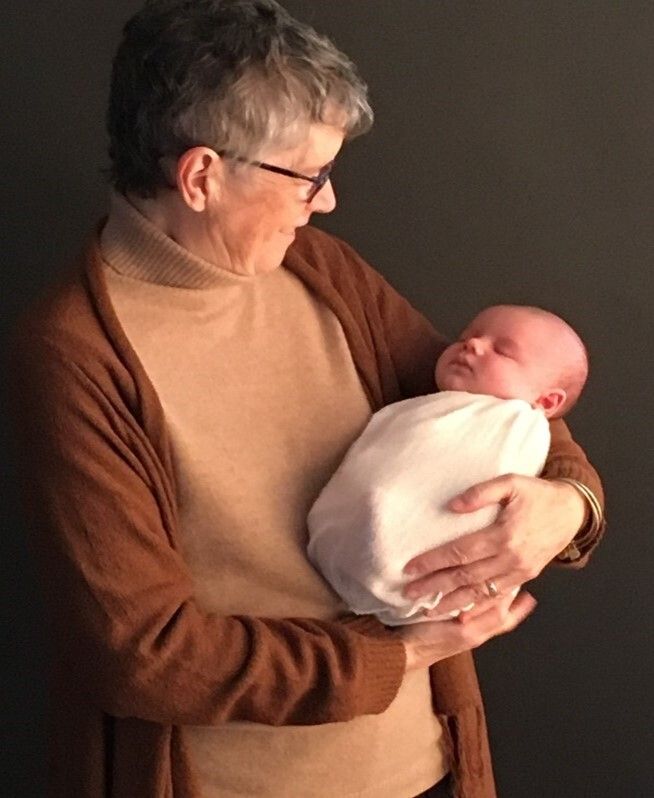
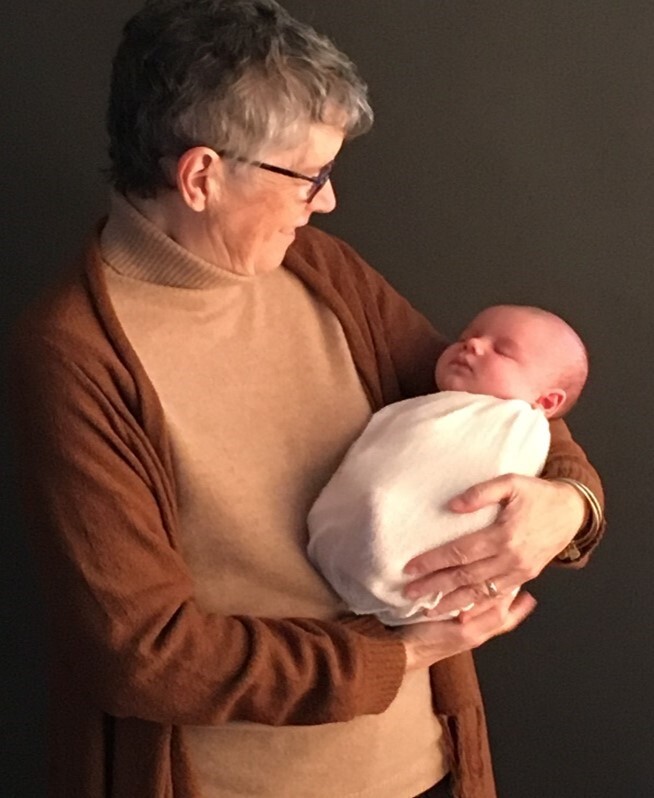
Sue is pictured meeting her sixth grandchild, just six weeks before she died.
Advertisement
She understood me. If I thought about the enormity of losing her, I might go nuts, or do impulsive and stupid things. I had done many impulsive and stupid things in my life, which is why my father called me Schmendrick (a Yiddish term for a stupid person or fool).
Wasn’t the fact that Sue and I were together proof of my ability to jump headfirst into situations that many people would consider foolish?
I knew Sue was smarter than me, and she was right: The first moment without her was paralysing, so I did nothing.
I just stood there holding her hand. If I let go, the hospice staff would take her body away. She would no longer exist. She would be erased, other than in our memories. I couldn’t bear that, and I was not ready. Sue had known I wouldn’t be.
I couldn’t cry. I was silent. I looked at my daughters, my two-month-old grandson, and then back at Sue.
Advertisement
I waited for her to tell me what to do, how to react, how to feel and when to leave, as she had always done. I needed her to tell the family when to gather again. I needed her to explain this death.
“Just do the one thing,” I heard her say again in my head.
People thought Sue was shy. Pleasant. Practical. She kept her emotions tight inside her. I reasoned that Sue was stoic — a person who could endure pain without complaining, and handle life’s inevitable deep hurts and disappointments without sharing the load. And I never asked her directly about her emotions.
After 45 years, I thought I knew her. But I didn’t.
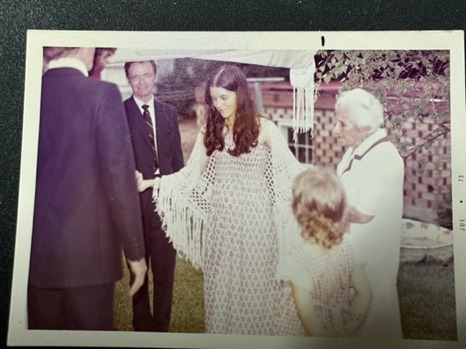
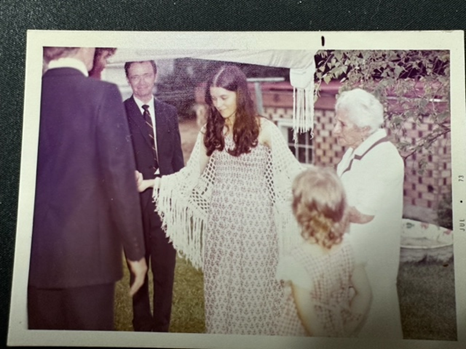
Days after she died, I pulled out a wedding-day photograph from June 26, 1973. Sue, 29, looks like a delicate hippie goddess with her long brown hair and peasant dress. I am 26. Skinny, redheaded, bearded, an eager Schmendrick ready to smash the glass under my foot at our wedding ceremony, under the chuppah, and in one firm stomp.
We broke with Jewish tradition and decided that both of us would smash a glass. This was all new to Sue, who grew up on a farm in Union City, Pennsylvania, as a Presbyterian.
“Whatever you do,” I said, “Don’t miss the glass. That’s lifelong bad luck.”
Sue’s stomp was tentative, and the glass rolled out from under her foot. Perhaps, at that moment, she realised how hard it would be to put her foot down when it came to me.
Advertisement
Courtesy of Dan Fogel
The author and Sue’s wedding day, June 26, 1973.
No wonder she was nervous. We had met 10 months before that photo was taken. We worked together at Penn State. She was married, in the process of divorcing her husband of seven years, with a four-year-old daughter, Cathy, and another daughter who wasn’t mine on the way.
During our first lunch date, Sue said she knew early on that she never should have married her first husband. I didn’t ask why. I was distracted by the sexy dip in her upper lip, her tender smile, her soft voice, and how her body fit with mine.
I had proved myself a screw-up in ways that mattered to most people. I got kicked out of Penn State’s undergraduate school, and had to claw my way back to get my bachelor’s degree in international economics and then my master’s in psycholinguistics. Sue got a master’s scholarship from Penn State in horticulture. I was going to get a Ph.D. scholarship from the University of Wisconsin and Sue told me that she would go with me, but only if we got married.
Yep, Sue wanted to marry Schmendrick. She had two little girls who depended on her, yet somehow this smart woman decided she would depend on me. Trust me. That she needed me.
Advertisement
Sue was the most mature woman I had ever dated. Did I marry her to show the world I wasn’t a screw-up? I realised that I needed to be mothered by a person who was more centred than me. And being a father gave me a serious job. I adopted Cathy and Cristene, who was just seven months old when Sue and I got married. Our daughter Jessica came along in 1980.
I did many things to show the world, like getting my Ph.D., becoming a university dean, and attaining wide recognition for my international work. I started the first private business school in Central and Eastern Europe, in Budapest, Hungary.
Our lives seemed to roll along like a Lexus that was comfortable and dependable, until Sue got terminal cancer. I became numb and couldn’t cry following her death. Still, I somehow managed to “just do the one thing,” like keeping appointments and arranging her memorial … until I couldn’t.
Courtesy of Dan Fogel
The author and Sue’s daughters (from left): Cristene, Jessica and Cathy.
Two months after Sue’s death, I walked into an optometrist’s office. The receptionist had a frowning face and a bored smirk, which I suspected was from asking the same questions every 15 minutes: “Name? Insurance? Address?” I answered each one rapidly.
Advertisement
“Marital status?” she asked.
Marital status? I panicked. I am married. Wait, no, I’m not. I’m single — well, sort of. Am I a widower who is single? A single person who had a wife, and therefore a widower? Am I still married without a spouse?
The receptionist asked again, “Sir, marital status?”
“Widower,” I said out loud for the first time. When I left the appointment, I sobbed in the parking lot the way that most people cry the day of a person’s death. I felt a gut-twisting feeling: I may not stop crying.
That’s the day I understood how little I knew about what was happening to me. I felt as if a part of me had been amputated, and I had no idea what was left.
That’s the day my grieving started for real and became a constant companion.
Then I did what I’d always done when confronted with a challenge: read others’ experiences in research, memoirs and fiction, watched films, and talked to people.
I watched Ricky Gervais’ fictional TV series After Life and saw how his character struggled with losing his wife. I could relate to everything he felt. His anger was mine. My anger came out at family gatherings, when I insisted that my daughters tell me how they felt, and at work, where I found myself defying authority.
Advertisement
Grieving became a chisel. It broke away the shell of what I had believed about Sue, myself and our relationship, and forced me to see that I didn’t know Sue deeply.
We had used unspoken rules of conduct, dimmed our intimacy and foiled self-inspection. I learned that despite our years together, Sue had locked away secrets. We used loving gestures and words to avoid authentic and painful truths — what Buddhists call “near enemies.” We never asked each other the important question: “Who are you in the deepest part of your heart and soul?”
My Sue left a few handwritten notes in books and files around the house, as well as several journals. When I began to read them, I found that she was not stoic. She had plenty of painful thoughts that she’d never said out loud.
“I think I hate him,” she once wrote, referring to me.
Courtesy of Dan Fogel
Shayna Punim (Yiddish for “beautiful face”), the author’s chow chow/shepherd mix.
I was successful but chronically bored, so I hopped around impulsively, securing jobs in various cities and dragging Sue and the kids with me. I was blind to her desires, and she was reluctant to rip me a new one.
Advertisement
I never knew that she hated our move to Pittsburgh in 1990, our seventh relocation since 1973, including one to Budapest. I learned from her journals that Sue had been tired of the changes, but she never said so to me. She picked out two Pittsburgh houses she liked. We had to buy one quickly, and I chose the wrong one. Sue asked me to walk away from the deal the day of signing. Why didn’t I?
Was that why she hated me? Or was it because she wanted to get her Ph.D. in horticulture, a desire I discovered in her journals, yet my demands took precedent over hers? Or was it that I did not see her for who she was? And if she had something to say, why didn’t she say it out loud?
I went to therapy after her death and kept reading. I was forced to unravel the assumptions that we had based our lives upon. I felt lost about who she was at the core. My feelings were like that glass I had shattered under my foot all those years ago — broken and unfixable.
My therapist diagnosed me with attention-deficit/hyperactivity disorder, a neurodifference that makes me impulsive, lose focus, and have trouble using my brain’s executive functioning. My mind wanders like a pinball machine, a series of hyperlinks, tying together thoughts that have minimal connections. My teachers and parents, unaware of my ADHD, had told me, “You need to focus and try harder.” I was focusing and trying hard by attending to multiple things at once and moving fast.
I spent most of my time with Shayna Punim, the dog Sue got one year before she died so that I’d have a companion.
Advertisement
I began dating six months after Sue died — another example of my impulsive behaviour. I swiped left and right on eHarmony. As Mary-Frances O’Connor said in the book The Grieving Brain, my brain was searching for what it lost, and I thought finding another woman would resolve that search. It didn’t. I felt more lost, less in touch with myself, and more confused about Sue and what we had together.
It took Sue’s words — “just do the one thing” — to keep me from doing too many impulsive and stupid things, like marrying the first woman who bought me a scotch at a bar.
My therapy, dating, research and discussions have helped me realise grief can be a stern, persistent teacher.
Courtesy of Dan Fogel
Sue Fogel: June 15, 1944, to April 18, 2018.
I see how much pain I caused by not recognising Sue’s needs, and not asking what she wanted and why.
I see Sue when I look at the garden she planted, the place where we spread her ashes. The flowers bloom anew, year after year … and so does my hope that I’ll discover more about her and myself.
Advertisement
I want another chance to ask my Sue all my questions, but I am not going to get it.
Still, despite what I learned about Sue after she died, I know that journals and diaries tell only part of the story. I don’t doubt that Sue loved me ― and I know that I loved and still love her ― but I now realise that her life might not have been exactly the life I thought it was. But isn’t that the way for all of us? How much do we share ― even with our closest loved ones ― and how much do we keep hidden? How much is left unsaid across almost half a century?
Why do we do this? And at what cost to us, and to the ones we love? What’s most important for me now is to understand more about Sue, who she was, and to reconsider my own life ― then and now. How can I honour my Sue as I knew her and as I didn’t? How can I take responsibility for the mistakes I made? Maybe it begins with this essay. Maybe my true grieving starts with processing who I was with Sue, who I am now — without her — and who I want to be going forward. As Sue said, just do the one thing.
Dan Fogel is a semiretired academic and entrepreneur living north of Charlotte, North Carolina, on Lake Norman. He spends most of his time writing and completing his memoir, visiting with family and friends, and walking with his dog, Shayna Punim. His academic career includes research, publications, teaching and consulting focused on environmental sustainability principles and practices in organizations. This work took him to various parts of the world, most notably Western, Central and Eastern Europe, and South America. You can find him at SP3 and dan@spthree.com.
Do you have a compelling personal story you’d like to see published on HuffPost? Find out what we’re looking for here and send us a pitch.
As ‘No Nut November’ rolls around again, abstinence from masturbation is a common topic of discussion this time of year.
If you’ve never heard of it before, the challenge is all about abstaining from ejaculating – with a partner or otherwise – for the entire month, with some believing it’s good for male health. And it’s pretty popular – on TikTok, the hashtag #NNN (short for No Nut November) has15.5 billion views.
Advertisement
What is No Nut November?
According to the Reddit threadr/nonutnovember, the rules for taking part are strict: no masturbation, at all, throughout the month of November.
“Akin to trends like No Shave November, No Nut November is an event where those who have found it hard to go even a few days without masturbating attempt to challenge the dependency, and go the entire month without making the bald man cry,” reads the Reddit community’s About section.
Is ‘nutting’ a lot a problem, then?
That’s the thing – it’s not, really.
Gigi Engle, a sex and relationships psychotherapist and lead intimacy expert at thedating app 3Fun, argues there is “no such thing” as being dependent on masturbation in the first place.
“It’s the same thinking that masturbation is addictive, porn is addictive, sex is addictive. There is absolutely no reputable science that reflects this school of thought,” she tells HuffPost UK.
Advertisement
Neithersex addiction nor porn addiction is recognised in the DSM-5, and the NHS also says that experts disagree on whether or not one can be medically addicted to sex and masturbation, saying: “Some sex and relationships experts believe people can become addicted to the enjoyable feeling or ‘high’ experienced during sex and sexual activity, but others disagree.”
So, why are men putting themselves through it?
The No Nut November Reddit community says “some do it just for the memes”, while others do it for actual self-improvement.
In 2019, u/yeeval, a moderator on the subreddit group doubles down on this, telling Rolling Stone:“In my opinion, most originally participate in NNN for the meme aspect of the challenge but as the days go on people begin to see how big their porn or masturbation dependency is.”
He continues to explain that No Nut November isn’t a political movement, neither is it anti-porn or anti-women.
“In its most simple form NoNutNovember [is] just a fun internet challenge that has grown in popularity due to many memes that circulate the internet…
Advertisement
“However, I also think that the reason that it has become so widespread is that it has given many the opportunity to look within themselves and realise that they might be relying on masturbation and porn for comfort.
Another reason No Nut November is believed to exist is thanks to anow retracted 2003 study. In this, a claim was made that abstaining from masturbation could spike testosterone.
However, since the study’s retraction, researchers have been unable to replicate the findings. In fact, criticism of the data surrounding heightened testosterone says that it’s janky at best because ofsmall sample sizes and mixed results.
Is month-long abstinence a good idea?
Engle claims people who participate in ‘semen retention’ have shown consistently higher levels of depression and anxiety, she says: “This is because you’re building up a lot of stress, you’re not getting a release that can cause a lot of tension. There’s also a really big shame component.
“For people who believe in ‘semen retention’, if they do masturbate or if they watch porn, they are flooded with feelings of shame afterwards. And this can lead to detrimental mental health.”
Advertisement
Reed Amber, sex educator, sex worker activist and host of the podcast F**ks Given says, “No Nut November promotes this idea that you are masturbating too much, or that you’re using porn too much, which I think is a really dangerous concept to have when people haven’t actually spoken to professionals, or therapists or doctors about the type of behaviours that they are having.”
“Porn isn’t bad,” she continues, “but we can have bad habits revolving around porn, it’s about asking yourself, why you are masturbating?”
However, if participants are signing up in the capacity u/yeeval say they are, then isn’t that a good thing?
The answer, it seems, is complex.
Amber explains that a normal masturbation routine looks different to different people. “Some people need to masturbate once a month, and other people need to masturbate six times a day. And both those versions can be healthy, it just depends on where your mind is, and why you are masturbating,” she says.
There are now myriad studies that showmasturbation to be a normal, healthy part of sexuality, even if you’re doing it multiple times a day. So long as you aren’t causing yourself distress, or inflicting distress upon others, there really isn’t anything to worry about.
Advertisement
“For the most part, porn can be used as a really healthy, exciting, beautiful tool for people and their pleasure,” says Amber. “Some people go through phases of using it unhealthily, just like we can do with binge-watching TV shows, or eating the wrong kinds of food or going to the gym too much.”
This is echoed by Engle, who says, “This whole idea of trying to ‘break your dependency’ and challenge yourself to not doing it is based on nonsense.”
Bima Loxley, a Sex and Relationship Therapist and Sexologist, explains to HuffPost UK that “For people with penises, it is generally healthy to ejaculate at least once a week for different reasons, however, more research needs to be done on this.”
Currently, research shows thatclearing the prostate, a natural byproduct of masturbation, can decrease the risk of prostate cancer. This is because regularmasturbation clears the prostate of fluid build-up that could contain inflammatory matter, cancer-causing material and infection.
In England, over 44,000 men are diagnosed with prostate cancer every year, according to findings byProstate UK.
Advertisement
Prostate health can also be linked toerectile dysfunction (ED). In a study conducted by the International Journal of Clinical Practice, 41.5% of participants reported experiencing erectile dysfunction. It is believed that 10-20% of all erectile dysfunction cases are caused bymental health stressors, such as performance anxiety or chronic stress. It is believed that these symptoms can bealleviated through masturbation, by building confidence.
So, should you do No Nut November, or no?
While nobody should ever feel coerced into masturbation if they don’t want to engage in it, it does have medical benefits for the body and mind.
Whereas abstinence from masturbation under the guise of enhancing masculinity by boosting testosterone levels has proven to be detrimental to mental and physical health, as well as being scientifically debunked.
“Porn and masturbation aren’t the problem — it’s our society and how we use it,” says Loxley.
The key takeaway is that shame and stigmatising masturbation is unhealthy. Questioning why we might be masturbating and being introspective about our consumption of pornography isn’t necessarily all bad, especially if we’re worried about compulsive behaviour.
So if you did want to have a good ol’ wank in November, go for it. And if you feel like you need to address some compulsive, sexual behaviours – the NHS has a list of recommended resources and support is available.
You know when you stumble across something that damn near makes you spit out your tea? We’ve got one of those for you.
Did you know that menstrual blood can flow backwards into your body? Yep. According to an in-depth, interesting and, frankly, wild thread posted by the Vagina Museum to X, formerly known as Twitter, we’re now the wiser.
Advertisement
The Vagina Museum, described on its website as “the world’s first brick and mortar museum dedicated to vaginas, vulvas and the gynaecological anatomy,” has a vision “of a world where no one is ashamed of their bodies, everyone has bodily autonomy and all of humanity works together to build a society than is free and equal.”
After spilling the tea on this little bit of info, you can bet we’re feeling informed.
Most of you have probably never heard this before, but… ✨it’s perfectly normal for some of your period blood to flow in the wrong direction and into your pelvis✨
It’s called retrograde menstruation and most of the time it’s perfectly harmless!
The thread explains that this is actually pretty common, and — for the most part, is harmless, except for the fact that this bodily function might have contributed to some misinformation on a *literal* astronomical scale.
“In the 1920s, the first theory on the cause of endometriosis was posited. John A. Sampson proposed that endometriosis was caused by retrograde menstruation – period blood flowing backwards into the pelvic organs, rather than out through the cervix,” reads the post.
However, this theory that Sampson presented wasn’t actually true but remained a popular school of thought for years to come. It was so popular, that it became an influential factor in NASA’s “reticence to send women into space until the 1980s.”
So how does menstrual blood flow *backwards* then?
You might wonder *how* blood can escape from the womb into the body.
In another spit-your-drink-out moment, the Vagina Museum shared that our ovaries aren’t actually attached to the fallopian tubes. “They kind of noodle around in there, meaning that blood can pass from the uterus that way,” they wrote.
Advertisement
The truth is that the body knows how to deal with the backwash, and the immune system usually breaks down anything left over, meaning there’s no clear relationship between period problems and retrograde menstruation.
But, why does it happen?
The Vagina Museum says, “It’s uncertain exactly why sometimes menstrual blood goes up instead of down, and it could be as simple as the effect of gravity: if you’re lying down, the blood goes the other way.”
So, there you have it.
Sometimes we bleed internally and we’re none-the-wiser, it doesn’t cause endometriosis, though no one can agree what causes it — and, ovaries and fallopian tubes float about like the women astronauts might have had they been allowed in space before the 80s.
And with that, we’ve officially run out of tea to spit.
I grew up in a small Southern town where everyone knew everyone else’s business, and often gossiped about it. That’s typical of many small towns in America, but I never found myself at the centre of any of that gossip.
That all changed when at 56, I launched an OnlyFans account that immediately took off and made me a huge adult entertainment star.
Advertisement
To say that my career change was out of the ordinary is an understatement. After 30 years of working a corporate job and raising a family, my life was mundane. I felt trapped in a loveless, sexless marriage and wondered if this was all there was to life.
I let my hair go grey during the Covid-19 pandemic. Bitterly unhappy, I put on weight. I drank a lot of wine. I cried – a lot. After years of battling bulimia, finally overcoming it and making healthy choices, I was heading in the wrong direction once again.
Desperate to make a change, I gathered up all of the courage that I had inside and asked for a divorce. I decided that I would rather be alone than unhappy in my relationship, and I felt at that time that I would probably be alone for the rest of my life.
Then I met Cam.
I was intrigued by this well-spoken, highly intelligent man 20 years my junior. He was the most handsome man that I had ever seen, so I was convinced that he couldn’t have felt the same electricity I did when our eyes met for the first time.
Advertisement
But I was mistaken.
To my amazement, he asked me out, and our relationship quickly turned physical. I was blown away to find that my sensual side, which I had repressed for so many years, was just waiting for the right person to revive it.
Courtesy of Rae Richmond
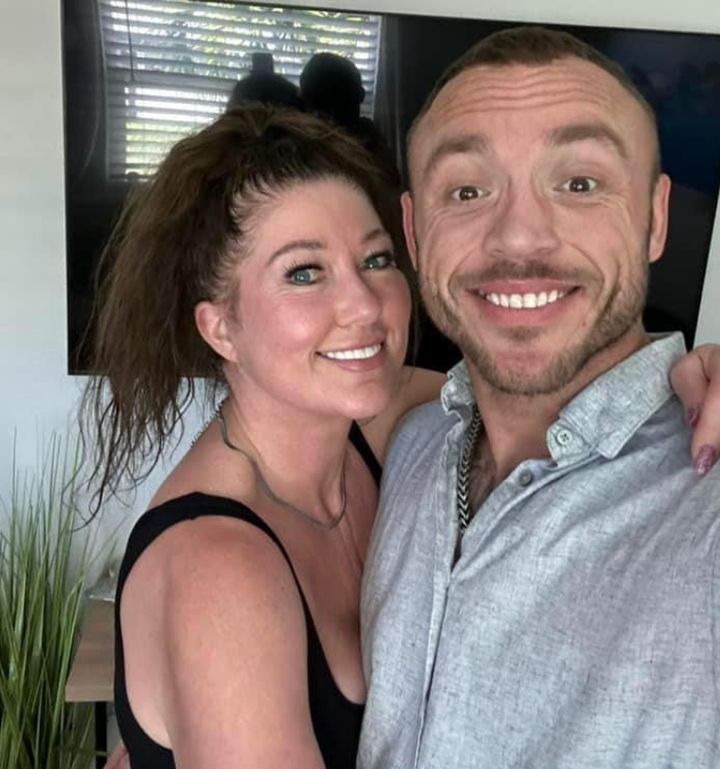
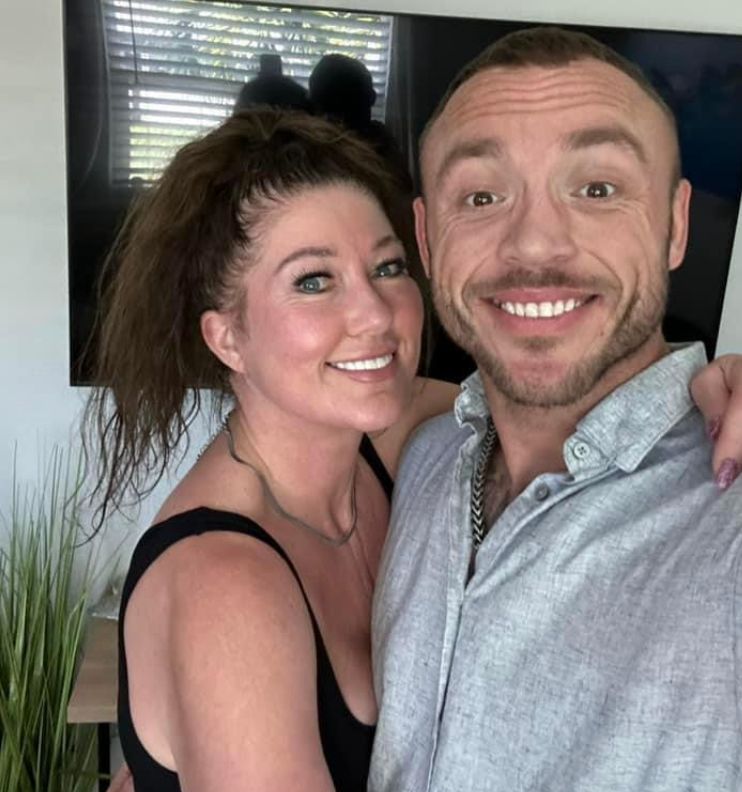
The author poses with her boyfriend, Cam, who “made me feel like the most beautiful woman in the world,” she writes.
Our connection was magic. It was electric. It was wild.
The camera soon came out. We found that we enjoyed taking pictures and making videos of ourselves in intimate moments. It was so exciting and added a new layer of intensity to our bedroom romps.
Cam made me feel like the most beautiful woman in the world, and as a result, my confidence soared. I started taking care of myself again — emotionally, mentally and physically. Cam is a personal trainer, so he helped me find a routine that worked for me, and I was thrilled by how it made me feel and look.
We started talking about the possibility of sharing our sexy pics and videos on OnlyFans, and the thought was a huge turn-on for both of us.
Advertisement
Because I have a business background, I started to research the mature entertainment creator niche and learned that men in their 20s, 30s and 40s were the primary demographic for content made by women my age. I once would have been surprised by that, but having a 36-year-old boyfriend who was totally hot for me made me realise that the age-gap fantasy is definitely a thing!
Courtesy of Rae Richmond
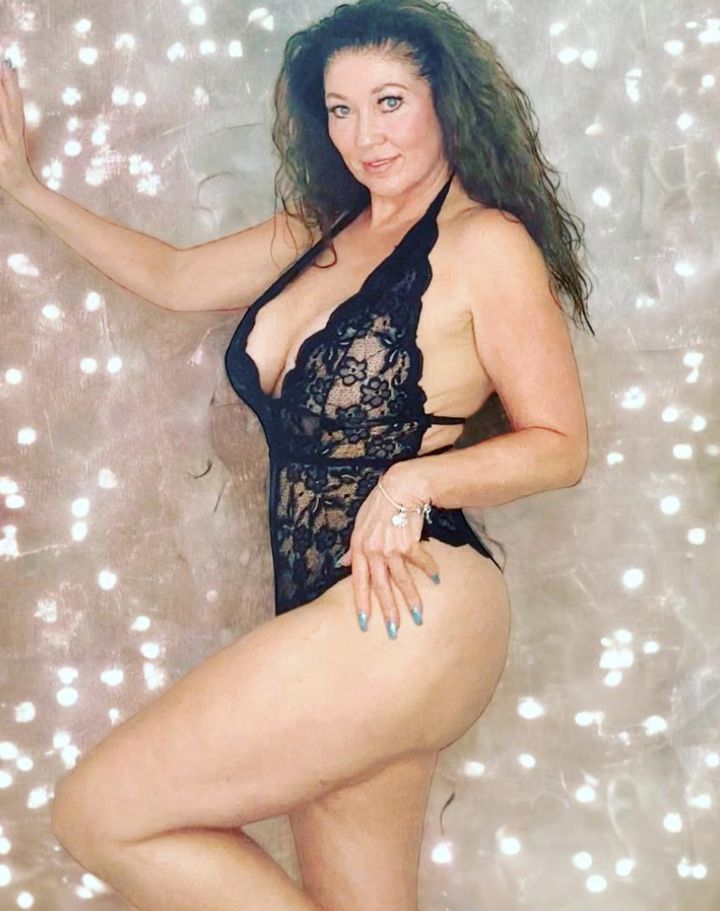
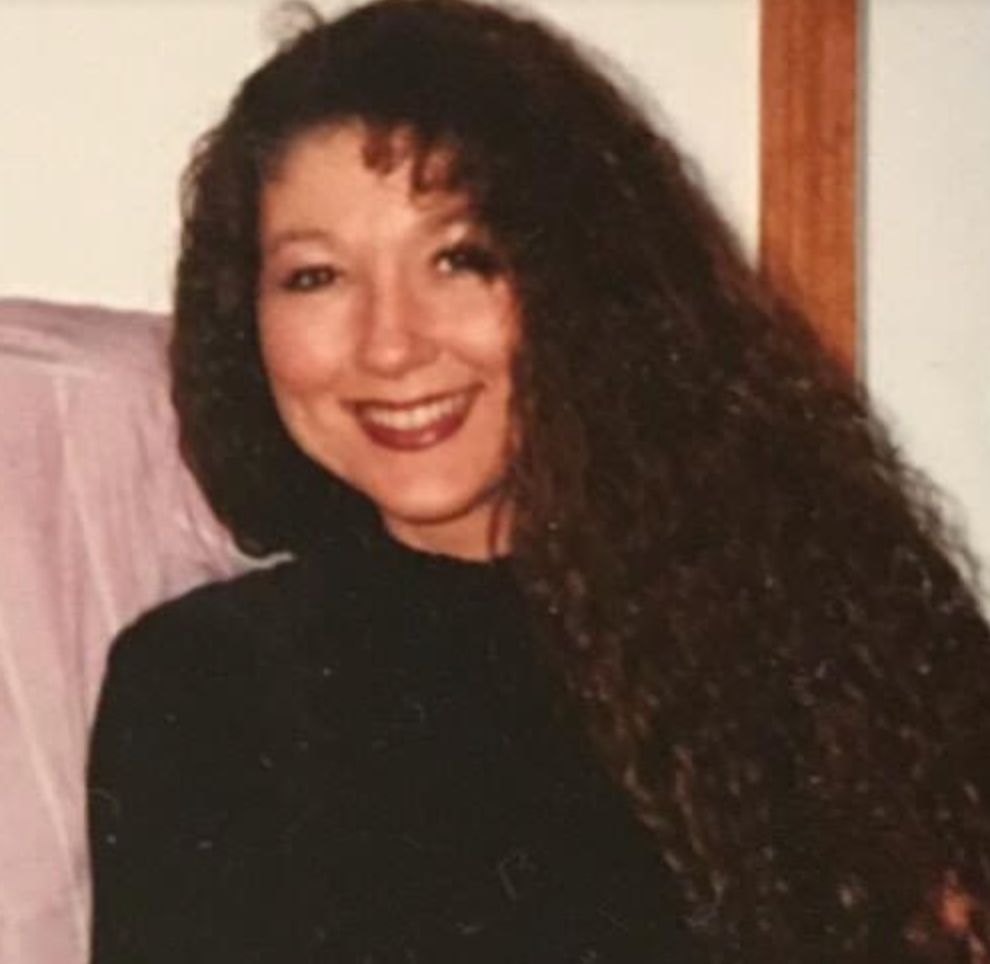
The author in 1983
I asked Cam If he really thought that anyone would be interested in watching a 56-year-old woman take her clothes off and have sex. He laughed and said: “Baby, the way you do it — definitely!”
I first posted on OnlyFans on May 7, 2023. Just a few months later, I am already one of the most successful creators on the platform, which blows my mind.
As soon as I launched my account, I began to gain popularity through my various social media platforms and started getting requests to do podcasts and interviews.
Advertisement
It’s been extremely empowering for me to own my own sexuality as Cam and I have fun creating our scenes. He is quite creative and conceptualises most of our content, which we love making. We often act out storylines and use things like fluorescent paint and black lights to bring something extra to our photos and videos. Our real-life passion and chemistry translate very well onto film, and my subscribers absolutely love it.
While I keep my real identity secret for safety reasons, I am not ashamed of what I do, and I’m very proud of the work Cam and I do together. The response to my content has been overwhelmingly positive, so I was not prepared for the reactions from many of the people in my hometown when they found out about my sexy new career.
Courtesy of Rae Richmond
The author in 1997
I’m not sure who first learned about my OnlyFans account. My guess is that someone in my hometown subscribed without knowing it was me and then got the surprise of their life once they realised who I was, or maybe someone’s husband became a subscriber. I may never know for sure.
I started receiving hate-filled messages from someone who knew my real identity and called me a “hypocrite” (because I am a Christian and attend church regularly). They posted on social media, tagging both my stage name and real name, and said that people who knew me should “see what I’m really like”.
Advertisement
I was so hurt and puzzled – I would never do anything to hurt anyone, and whoever did this had malicious intent. The hateful words they spewed at me, including comments that I’m serving Satan and going to hell, cut me to the core.
The situation quickly snowballed from there as more and more people found out about my career. People I barely know are angry that I didn’t tell them about my new life, as if they somehow had a right to this information.
Weeks later, I am still receiving messages, and people are still talking about me in thinly veiled, passive-aggressive posts on social media. They’re claiming “my world will come crashing down” and condemning “people who live double lives.”
A few people from my hometown sent supportive messages but asked me not to tell anyone about their support for my new career — because they were worried they would also become targets of this mob.
I’ve tried to explain to the few people who have been willing to listen that I’m still the same person I was before. I’ve asked a few of them to explain to me where their rules for my life are laid out.
Advertisement
Could I have sex with my 20-years-younger boyfriend or not? Would that be OK with them as long as we didn’t film it? Is it OK to film it as long as we don’t let anyone watch it? Is it a sin because I put it on the internet for people to watch, or was it already a sin? What about what they’re all doing in their bedrooms? Do other people have a right to have an opinion on that? Did any of them have sex outside of marriage or live with their partner? Is any of this anyone else’s business? Are they suggesting that we should all have to put it all out there and let everyone vote on it?
Courtesy of Rae Richmond
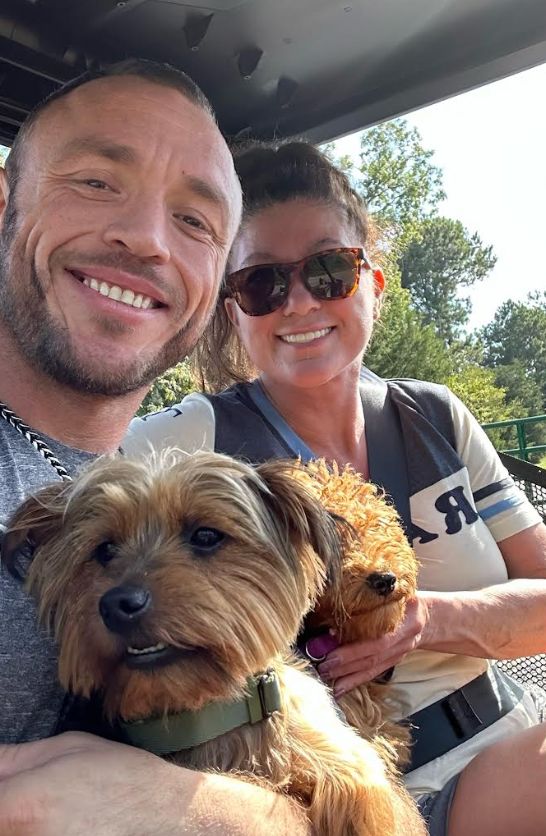
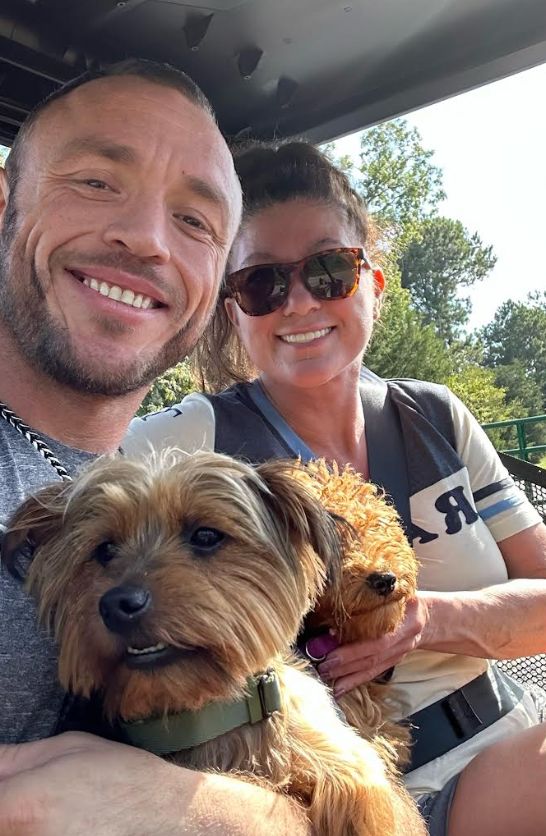
The author and Cam pose with their dogs, Dax and Daisy.
It all sounds ludicrous, doesn’t it? And you probably won’t be shocked to learn that I never got a single answer to any of my questions. I’m tired of defending myself.
In the end, all I know is that we are all responsible for our own choices, and I’m happier than I’ve been in years.
I knew going into this that I would need to grow a thick skin because I wasn’t sure what the reaction would be. I did develop that thick skin, but what I didn’t know was that I was going to need it to protect me from those who were supposed to be my friends. I’ve certainly discovered who I can truly rely on and, in many cases, there is a fine line between hater and (supposed) friend.
Advertisement
I’ve learned to stand up for myself, trust my own instincts, and make my own decisions and proudly stand by them. I’ve learned to lean on those who offer me unconditional love and support and to sidestep everyone else. I’ve learned that when a woman takes control of her life, some people will be scared, and they’ll go to great lengths to try and bring her down. I’ve learned that none of that matters because I know who I am, I’m not ashamed, and I refuse to be shamed by narrow-minded busybodies.
I’m going to keep creating my content and expressing myself in whatever way that Cam and I choose. As long as it works for us, we enjoy creating it and my subscribers love it, everyone else will just have to live with it. They might also want to ask themselves why they care so much about how another person chooses to live their life when it has no impact on them whatsoever.
Courtesy of Rae Richmond
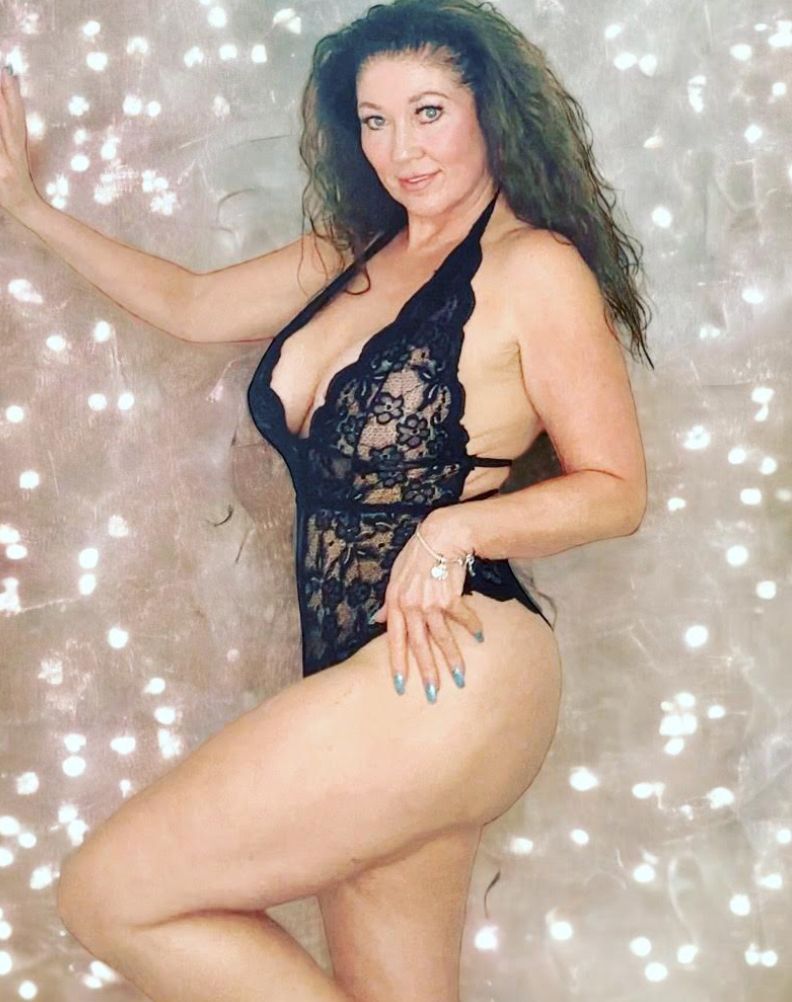
“I’ve learned that when a woman takes control of her life, some people will be scared, and they’ll go to great lengths to try and bring her down,” the author writes.
Someone once told me that it costs $0.00 to mind your own business, but that’s apparently too expensive for some people. I believe they may be on to something there. Even if we don’t agree with one another, there is no reason why we cannot be kind and respectful of others’ choices.
My OnlyFans account continues to grow in popularity, and I will continue to live my life unapologetically — hopefully using my social media platforms to encourage other women to do the same. The best advice that I have for anyone who may find themselves in a similar situation would be to stay true to yourself and what you believe in and continue to follow your heart and your dreams. Always remember, if they throw bricks at you, don’t throw them back — pick them up and use them to build your empire!
Advertisement
Rae Richmond grew up a bit sheltered in a small town in Virginia. She was a wallflower who finally began to blossom and come out of her shell in her 50s. Richmond says she’s “finally exploring different facets of myself” through her onscreen work as a top content creator. In her spare time, she enjoys working out, cooking and baking for friends and family, and taking her two dogs on long walks. In addition to OnlyFans stardom, she is currently voice acting on erotic audio books and writing a book of her own. She has an OnlyFans course for creators in development and expects to launch it in late November. To learn more about her, visit https://linktr.ee/raerichmond777.
Do you have a compelling personal story you’d like to see published on HuffPost? Find out what we’re looking for here and send us a pitch.
Can we call it “winter” now? I mean, I know it’s just turned November ― but the sun’s down before 5pm, my extra-thick coat has come out of its vacuum-packed home, and my garden’s autumn bounty has officially faded away.
We’re not the only species to feel the shift, either. Birds, bats, hedgehogs, and bees are starting to struggle in the less-plentiful season ― but it turns out that digging a teeny-tiny hole in your garden could help.
Advertisement
“Combined, our gardens provide a space for wildlife larger than all our National Nature Reserves, so by gardening in a wildlife-friendly way, we can help our spiky companions move around safely and find a home,” The National Wildlife Trusts shared.
But unless the critters have a way into your garden, all of that land is practically useless to animals.
Why does digging a hole help?
“Hedgehogs must feed intensively and be in great condition before hibernating if they are to have enough reserves to last the winter,” Wild About Gardens says.
In fact, the average hedgehog roams 2km a night. To get into prime resting state, they need access to food ― and somewhere to hibernate in the first place.
Advertisement
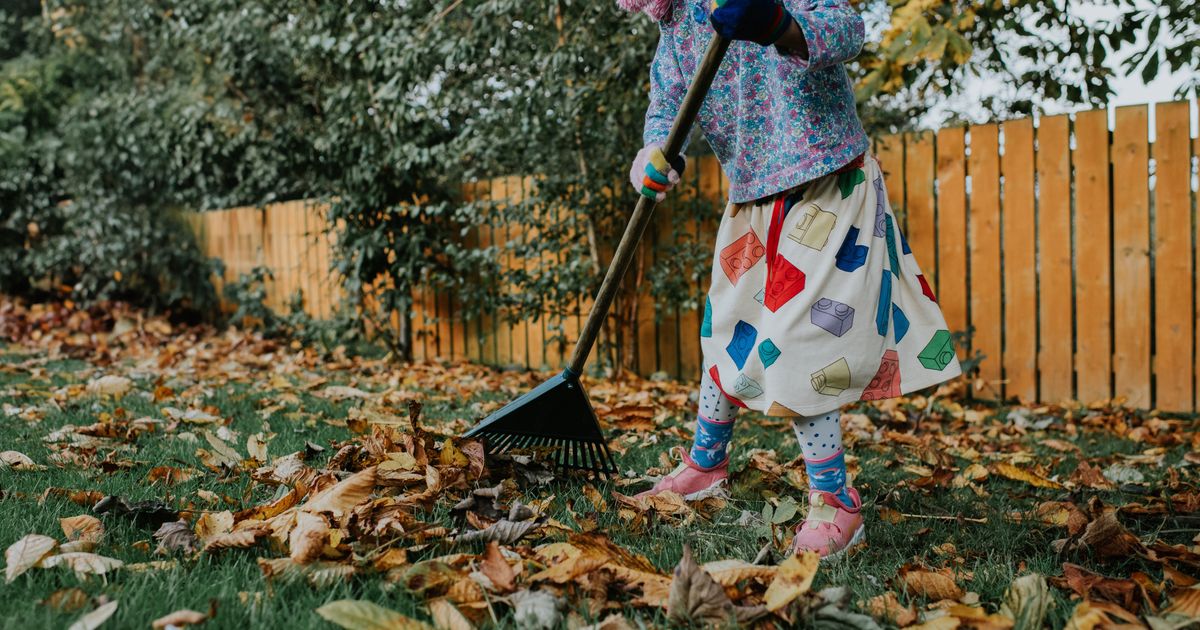
We’ve written before about how helpful it can be to pile your dead leaves into a leaf bay or heap rather than removing them entirely (this helps to provide insects and shelter for hedgehogs and other beasts).
We’ve also shared how meat-based cat and dog foods can nourish hedgehogs when left out in your garden ― but without a hedgehog hole to access these, your efforts might be futile.
How can I create a hedgehog highway?
Cutting a small hole in your fence panel with a coping saw, and digging under your pence, removing bricks from walls all work, the RSPCA says. “Hedgehogs can travel through gaps as small as 13x13cm, so these gaps don’t need to be large,” they add.
Of course, you’ll want to get your neighbour’s permission before creating the hole ― especially if you want to create a multi-garden hedgehog highway all down your street with the help of your neighbours.
“Keep an eye out for neighbours doing work on their gardens, or using fencing contractors ― this is the perfect opportunity to get a hedgehog hole put in,” The Wildlife Trust suggests.
Gregory Porter is a Grammy Award-winning jazz musician and actor, best known for his song Liquid Spirit which was featured on the Avengers: Age Of Ultron soundtrack.
He’s currently promoting his new album Christmas Wish and has recently appeared on This Morning, The One Show, and BBC Breakfast to talk about the album and what it means to him.
Advertisement
The album is deeply personal to the singer with the title song being a tribute to his mum and her kindness.
The 52-year-old said on X (formerly Twitter): “Christmas Wish is a tribute song to my mother, she would cook the most fabulous dinner for the holidays, we would pray over the food, then she would give it away and we would eat left overs.”
He added: “It was such an honourable thing and a great memory, so I have to put that memory in a song.”
Christmas Wish is a tribute song to my mother, she would cook the most fabulous dinner for the holidays, we would pray over the food, then she would give it away and we would eat left overs. It was such an honorable thing and a great memory, so I have to put that memory in a song pic.twitter.com/RqGj8nWgj4
With early reviews of his album describing it as a “soulful, festive gift”, it seems that Porter is well on his way to a successful Christmas season – but fans can’t stop asking one question as he appears in various interviews: what’s the story behind his flat cap hat?
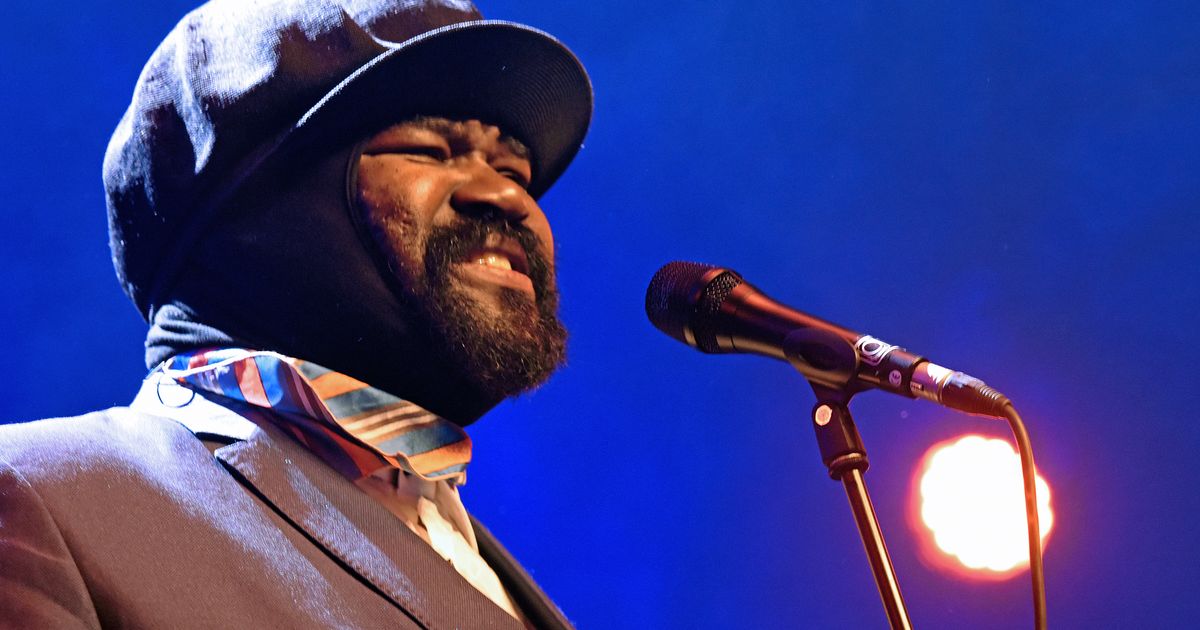
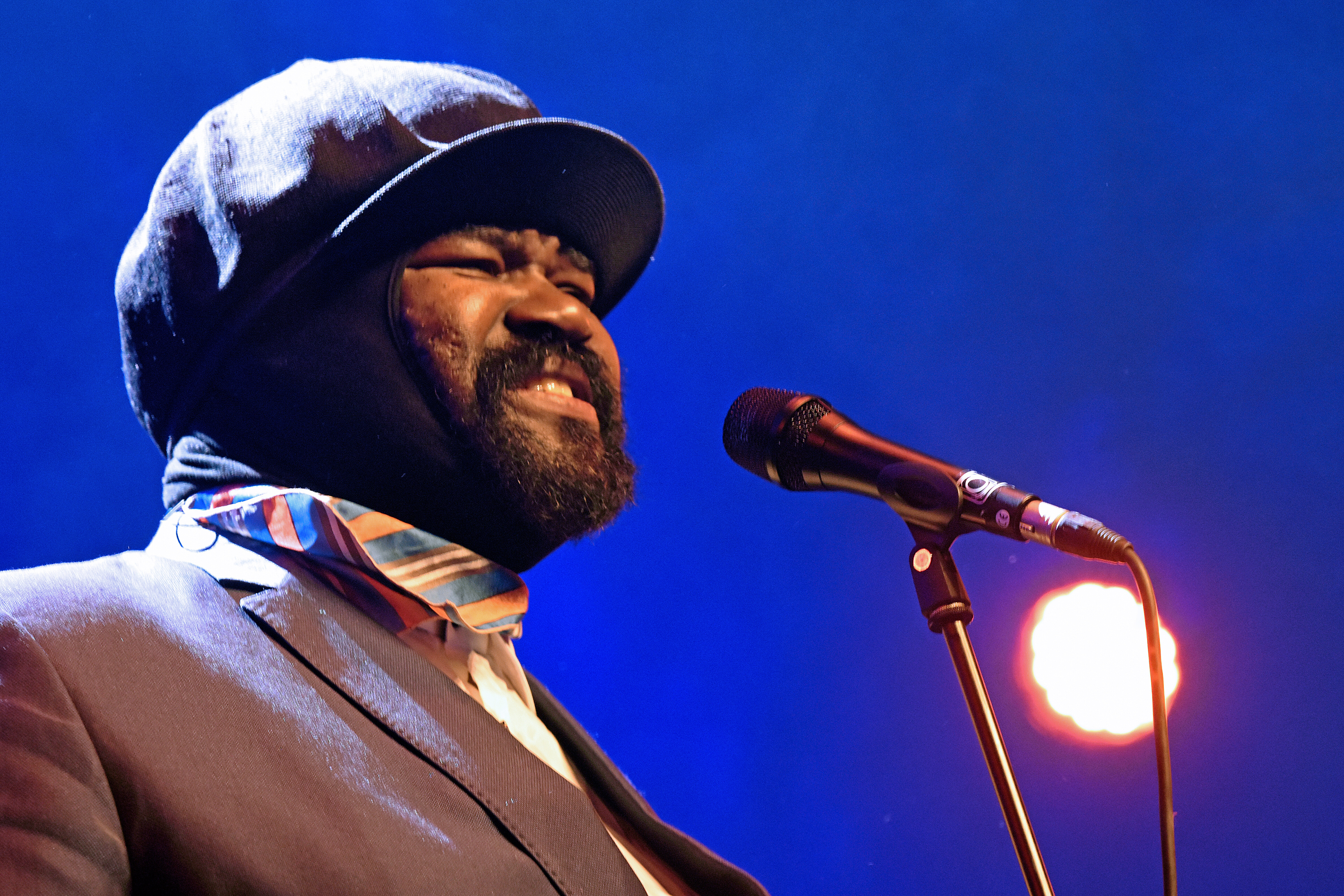
The flat cap – specifically a Kangol Summer Spitfire – has been present throughout most of his career and has been modified to cover both his head and the sides of his face.
Is there a good reason Gregory Porter is wearing that hat?
As ubiquitous as Porter’s hat is, it initially wasn’t a style choice.
Speaking to Jazz Weekly way back in 2012, the singer admitted that it had a real, practical purpose, saying: “I’ve had some surgery on my skin, so this has been my look for a little while and will continue to be for a while longer. People recognise me by it now. It is what it is.”
He also told The Metro: “It started off covering some scars from surgery but it’s become my style. I was in Denver and it was cold. I was wearing five layers of clothing and I wore a hat.
Advertisement
“It warmed up and I thought, ‘Actually, this is comfortable, this is a look.’ I started to sing in a jazz club in Denver and people were like, ‘Oh yeah, that’s the guy with the hat.’ So it became a thing.”
I don’t know about your household, but mine faces the same debate on repeat: should you rinse your dishes before putting them in the dishwasher, or not?
I’d always thought both sides made a valid point ― until I heard from Ian Palmer-Smith, appliance expert at Domestic & General, about the topic.
Advertisement
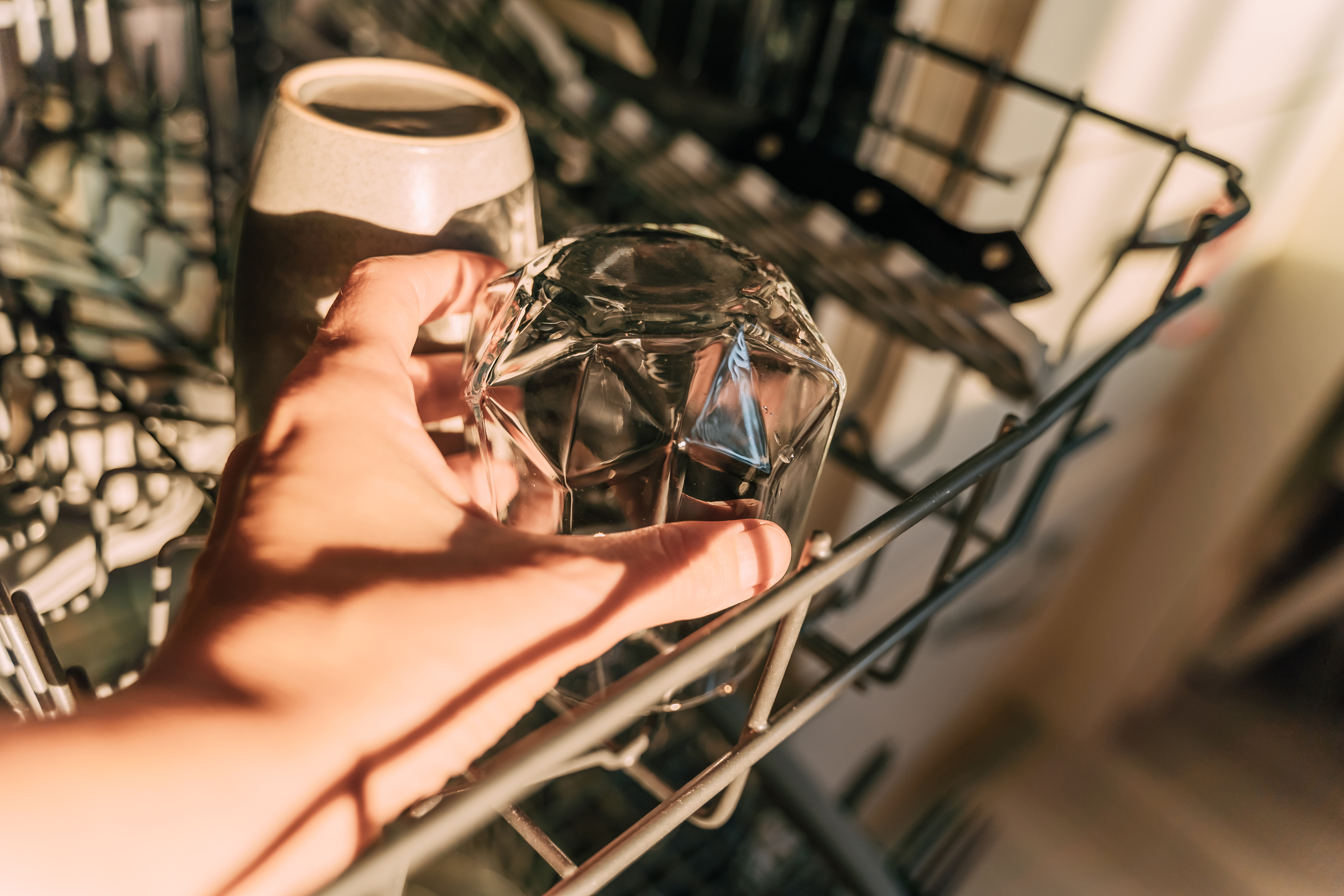
“One of the biggest dishwasher myths is that you need to rinse items before loading them,” he shared via email.
Here’s his reasons against pre-rinsing, as well as some other dishwasher tips from the pros.
Why shouldn’t you rinse your dishes before placing them in the dishwasher?
Palmer-Smith says that, in short, the practice is just a bit useless: “Pre-rinsing plates is a bit like hand washing your car before taking it to the car wash.”
Then, there’s the added boiler costs of using extra hot water (which, though likely not a huge percentage of your bill, are best avoided if not needed).
“In reality, [rinsing before dishwasher use] uses extra unnecessary hot water and typically won’t improve the results. Modern dishwashers use high temperatures designed to break down stubborn stains with little trouble,” he says.
Advertisement
Of course, that’s not to say you should just lob a loaded plate into your appliance, he adds. Scraping is the way forward, Palmer-Smith says, as too much gunk can clog your machine.
He concedes, however: “If you have a pan with some burnt-on food residue it can be a good idea to give it a soak beforehand.”
Still, it’s bad news for the rinsing regiment.
Dishwashers are more energy-efficient than you might think
In case you think I’m escaping the Dish Debate scot-free, you’re wrong; I’m usually a proponent of hand washing, because I always thought dishwashers used way too much energy.
But according to Palmer-Smith, I’m in the wrong.
“Even without pre-rinsing, dishwashers generally use less hot water than hand washing,” he says (that is, of course, if you have a dishwasher already).
“On average, a dishwasher uses water four times more efficiently than washing by hand so if you are running a load when the appliance is full, this can actually ease your energy bills more than most think,” the appliance pro adds ― and it turns out that science agrees.
Advertisement
Well, that’s a load of stress (literally) off my hands…
Today marks national sex toy day, and — coincidentally, my birthday.
I can think of no better way than to celebrate my 32 sky-dancer-like spins around the sun, than getting to the bottom of the luxury sexy toy biz. Pun intended.
Truth is, I started my sex toy collection with three humble toys. The mains-powered LoveHoney wand, which is now quite old and a bit loud. My simple LoveHoney silicone g-spot dildo and not forgetting, my Satisfyer 2.0. Without fail, these simple and relatively inexpensive tools have been able to get me off consistently for years.
That being said, I can’t deny I haven’t found myself almost salivating at the shop windows of brands that promise the most Earth-shattering orgasms. This is how, one dreary evening, I found myself surrounded by a selection of world-class and award-winning vibrators, wands, g-spot massagers, clit suckers and glass dils, ready to take on the luxury market.
In my bedroom, surrounded by what can only be described as a haul of the most indulgent proportions, I spent two weeks testing each and every one, to find out which ones are better left out of your shopping basket, and which ones give you bang for your buck.
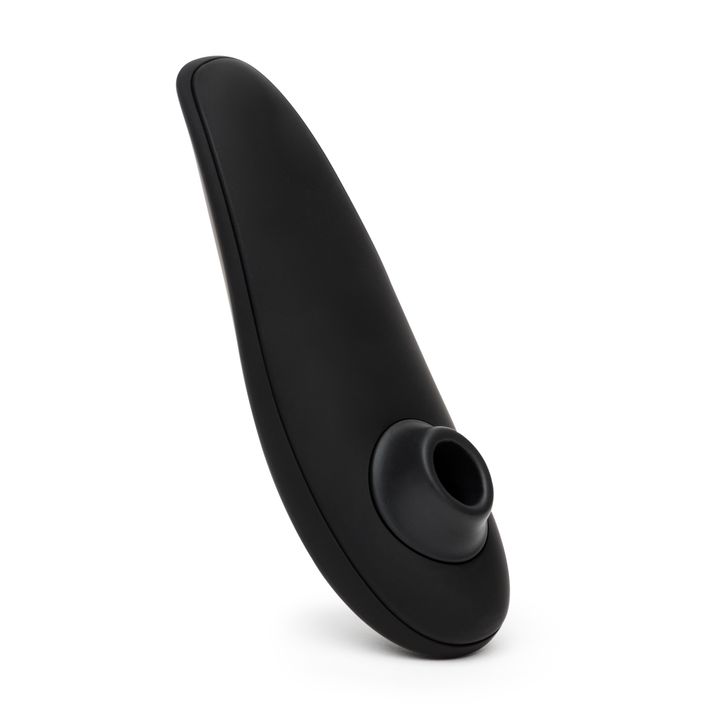
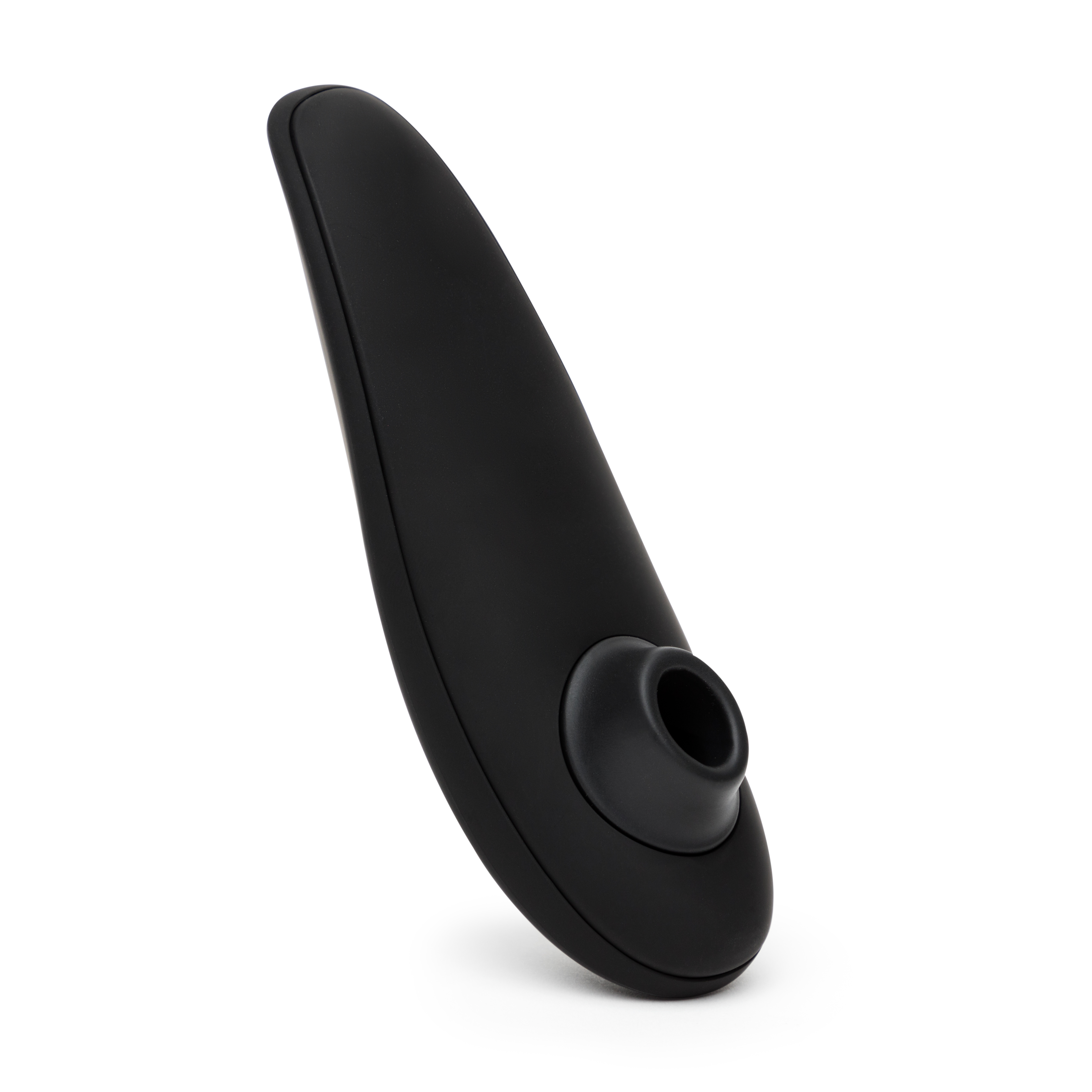
First up is the Womanizer. Made popular by Lily Allen, the Womanizer is a premium bit of kit. And, it doesn’t disappoint. For a clit sucker, it has seriously rumbly vibes, and within 10 seconds my soul has left my body in a back-bending orgasm.
If you’re looking for a very quiet toy, this one is pretty good unless you like things turned up to 11. Nevertheless, it’s easy to see why this has the price tag it does, and as much as I hate to be unfaithful to my regular, it does leave it in the dust.
Next up is Lelo Sona 2 Travel, which is more compact. This palm-sized powerhouse delivers, in and out of the bath, which I loved. It’s super quiet and has a much more focussed head which, for me, works out well if you’re looking to get off quickly.
While these two come in at a pricey £169 and £89 respectively, they certainly feel worth it. However, if you’re looking for something more affordable, then my old fave the Satisfyer 2.0 is a great option, as is Cindy from HANX, (£47.95 and £59.99).
Last up, is the bullet-cum-oral-sex-simulator Amour from Je Joue. This is unlike anything I’ve used before. Coming in at a pretty reasonable £59.99, the silicone is super soft and, with various settings aside, is an extremely versatile toy.
Advertisement
This would be perfect for someone who prefers a slow build and a fluttery sensation, rather than something more intense (sensitive girlies, I’m looking at you). However, I found turning it on its side delivered targeted vibrations that ended in leg-shaking pleasure.
For me, the clear winner was the Womanizer, which in all honesty, I haven’t been able to put down.
G-Spot Massagers of All Shapes And Sizes
Strap in, folks.
On my list to try was the *stunning* Biird X PURE Gii vibrator, and when I tell you this toy is quiet, I mean whisper quiet. Clocking in at £90, this g-spot massager is slim fitting, with a perfectly angled head. It’s not too long and is great for someone who doesn’t necessarily need to feel “full” to reach climax. It’s also quite tame. Think, less rumble, more fizz.
While I didn’t love this toy, it certainly came down to preference rather than the design or strength. If you love collecting toys that have gorgeous designs, then it’s definitely worth the cash.
Up next was Hot Octopuss’ Kurv. This is a deep, dual-motor toy which has fantastic customisation for a really personalised feel, so you can switch it up depending on what kind of mood you’re in. Coming in at £89.95, this baddie really blew me away and is without a doubt worth the investment.
If you’re looking for something that sits somewhere between the two in terms of buzz, has a pliable and slim feel, and comes in a little cheaper, then the Lennon by Knude Society (£60) is a great option.
Advertisement
Wands and Bullets
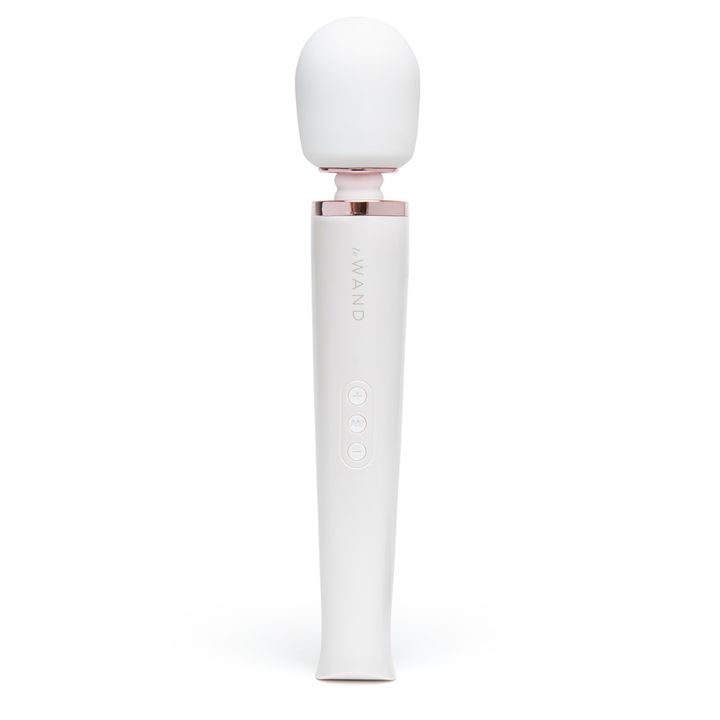
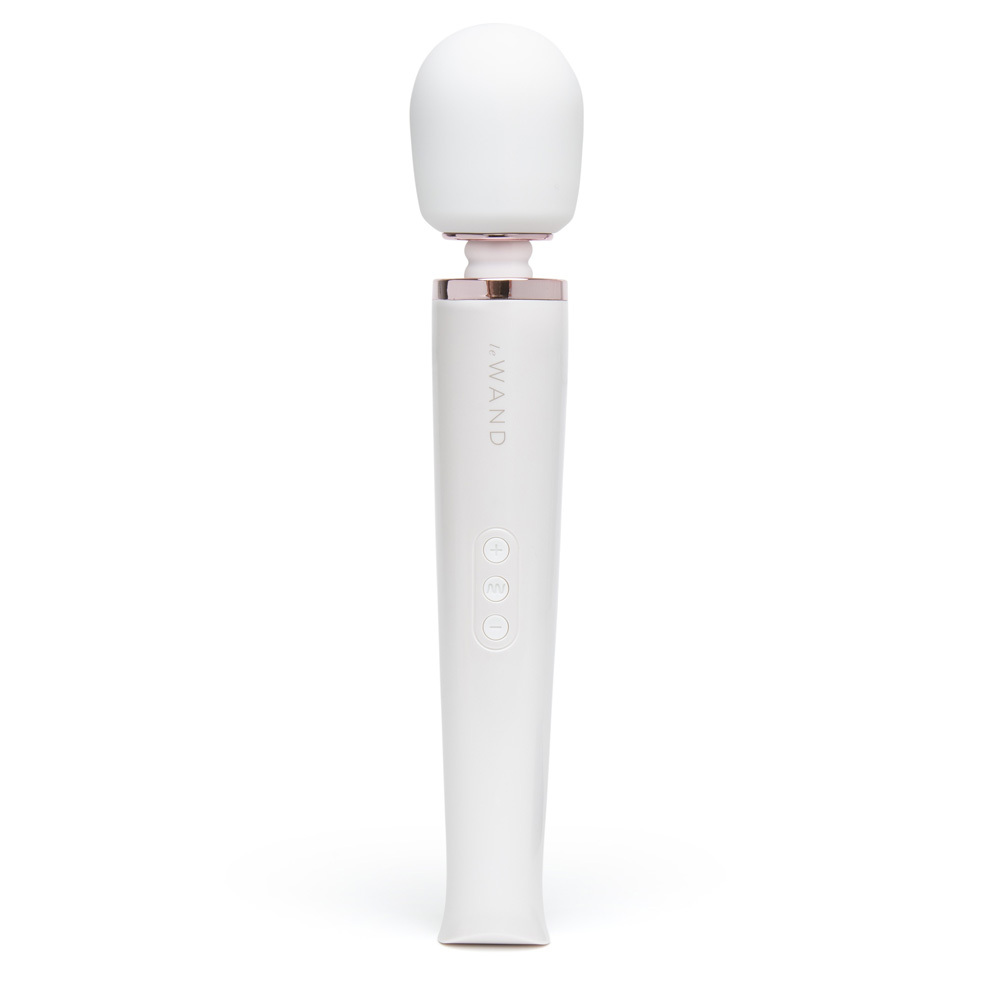
LeWand Rechargeable Massage Wand Vibrator
Now, my trusty LoveHoney wand might be strong enough to make my entire bed rock, but opening up my package from LeWand was about to rock my entire world.
Unlike my trusty plug-in, the head is soft and smooth and still delivers deep, rumbling sensations. It’s a lot quieter too. A lot. There are also no cords to get tangled up in either as it can be used completely wirelessly, though I don’t think it’s as powerful. In any case, it’s the first wand I’ve found that rivals my LoveHoney wand.
I love wands. They’re great for solo play, but they’re brilliant partner play companions too, because — to put it frankly, it’s hard to miss with them. They have a broad head, and can be used on all kinds of genitals. So whoever your partner is, you can make sure they (and you) are having a blast.
LeWand is an investment at £129.99. But my god, what an investment it is. If you’re unsure about parting with that much cash, then the £54 LoveHoney wand is a perfectly good substitute.
Advertisement
I’ve never been a huge fan of bullet vibrators — and honestly, I’ve overlooked them. But, I’m not above saying I’m wrong. Especially when it comes to three bullets in particular. The So Divine Amour Lipstick Vibrator (£30), Love Not War’s Maya (£89.99) and Hot Octopuss Digit (£59.95).
Maya’s weight made it a really lovely toy to hold, and the cold metal was a pleasure to warm up against — if you like that kind of thing. Plus, it’s made from sustainable materials, which makes this a truly guilt-free wank. Whereas the Digit made it easy to use my whole hand and the toy thanks to its accessible design. But, what came up trumps for me was the Amour.
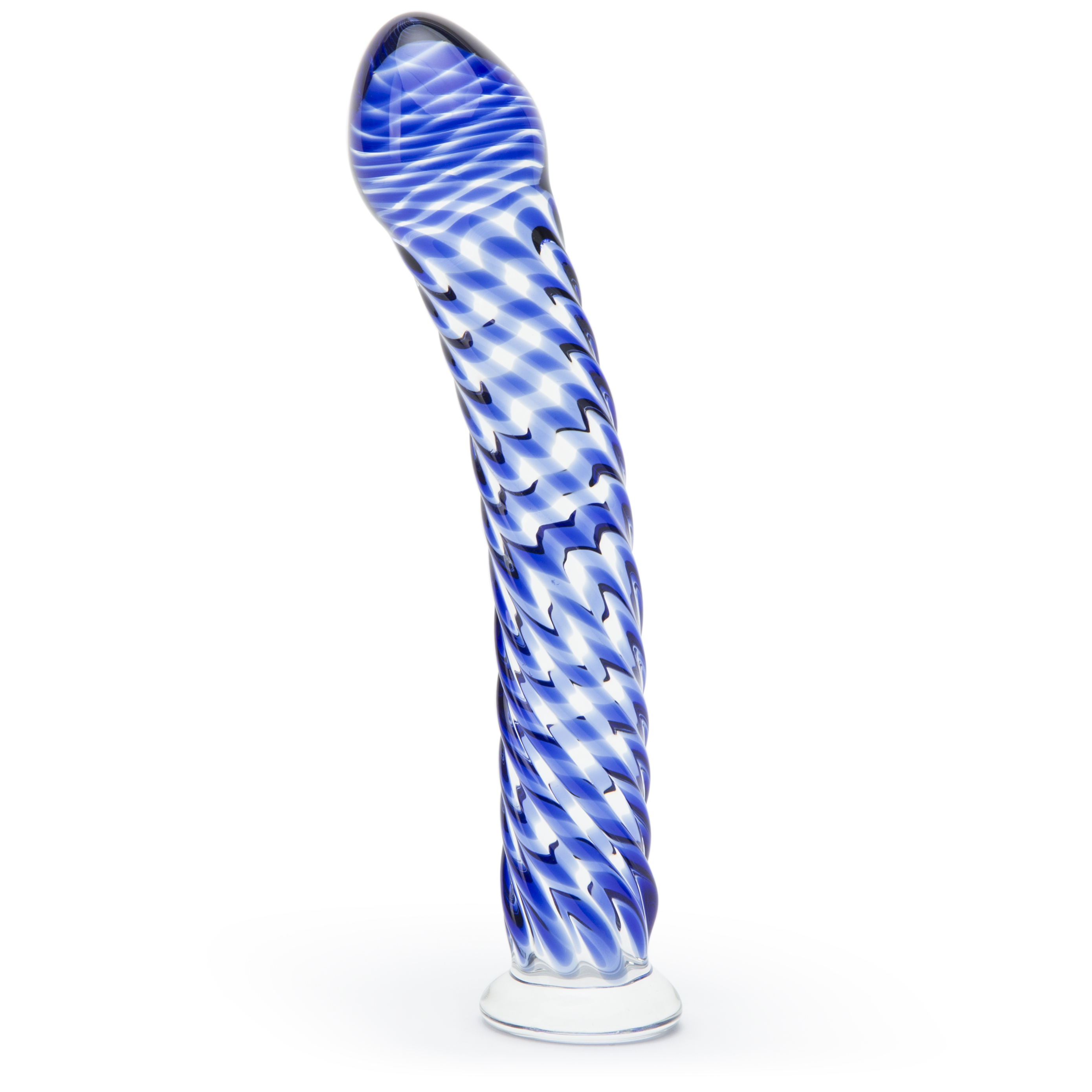
Top tip: Pair the bullet vibe with a glass toy from LoveHoney’s range for a perfect temperature play-cum-vibey duo.
Rabbits and Dual Vibrators-cum-clit-suckers
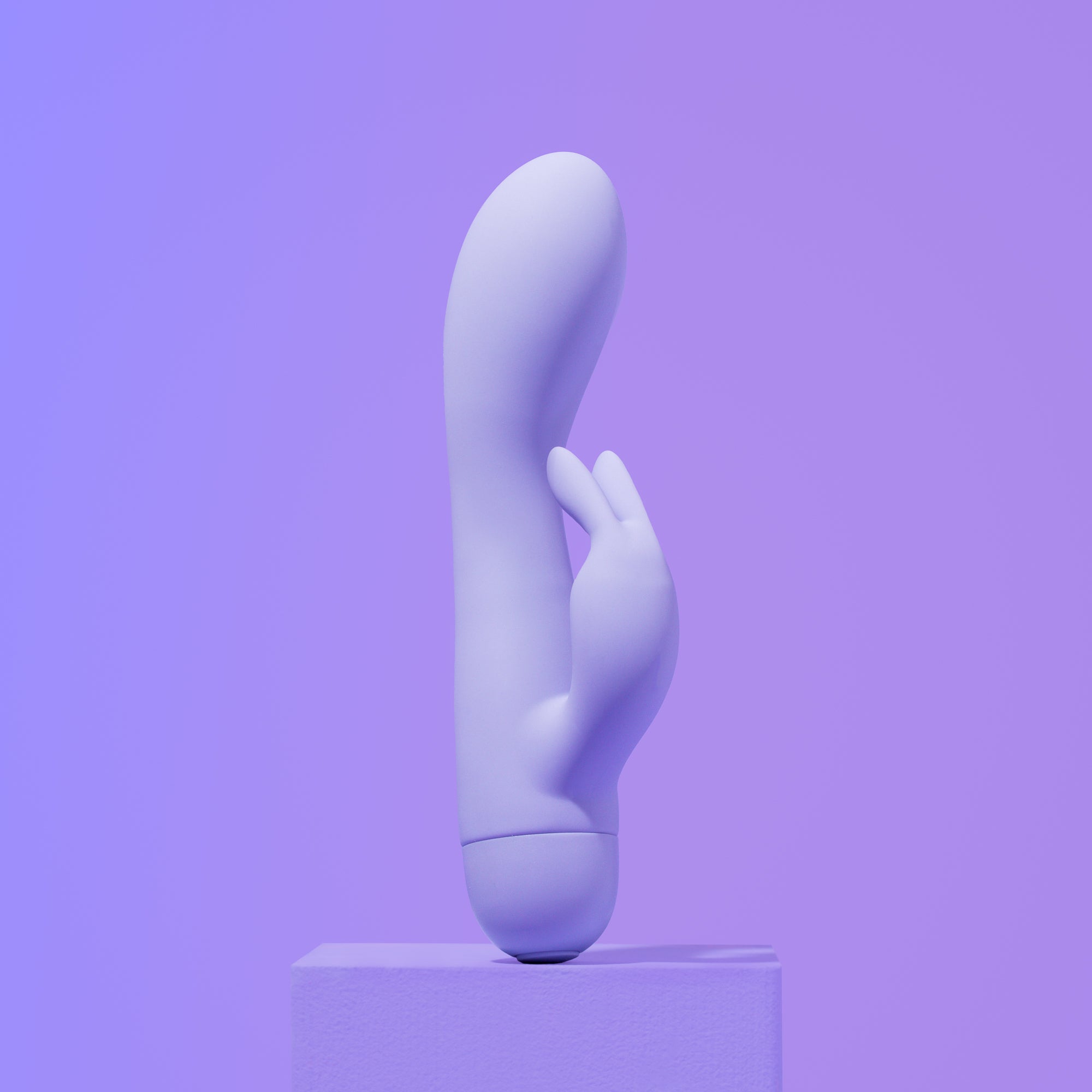
Nothing could prepare me for Je Joue’s Hera Flex (£109). Now, I love a rabbit toy, but I’ve never used one quite like this. The soft silicone is pliable, which means you can get the toy to fit you, rather than trying to fit it. It was so easy to slip into a hazy, glowy vibe, emerging pink-cheeked and gasping. To be quite honest, it’s the best rabbit I’ve ever used.
However, coming in a close second was So Divine’s Black Magic Vibrator for one reason. Its shape is fuller. To me, this felt like a much more natural design, and the handle is easy to hold, too. It also comes in at a fraction of the cost at just £65.
Advertisement
My least favourite, which I was surprised by, was the Lelo Enigma. No doubt, for the right kind of anatomy — this would be a body-bending toy. But I found it an awkward fit and it cost a whopping £189.
If I was to pick one out of the lot?
OK, so I couldn’t. But, here’s my top four.
LeWand, Hera and Sona 2 Travel and Amour. If you’re looking for guaranteed pleasure, these should be added straight to basket.
As for whether they’re worth the cash. Yes, and no.
The thing is, pleasure to me should be accessible. And, while all of these toys were deliciously indulgent, made from the smoothest of body-safe silicones; are waterproof and are rechargeable, there are plenty of cheaper toys on the market that will get you to where you want to get to. Plus, there’s no shame in rubbing up against a couch arm, using your hands or a shower head.
So, if you’re building your toy box, trying sex toys for the first time or unsure of what you like, my advice would be to start with something affordable. Explore different sensations and tap into what makes solo sex feel so good before making a hefty investment. Then, when you’re feeling a little bit more confident in what you know you enjoy, treat yourself to something off this list. You won’t regret it.
For the wanking pros amongst us, a little bit of luxury never hurt anyone and there’s something to be said for a toy that not only performs well but looks gorgeous. We eat with our eyes, after all.
Advertisement
Whatever you decide to use in the bedroom, engaging with your sexual wellness and connecting with your pleasure can only be a good thing. Luxury sex toy, or no.
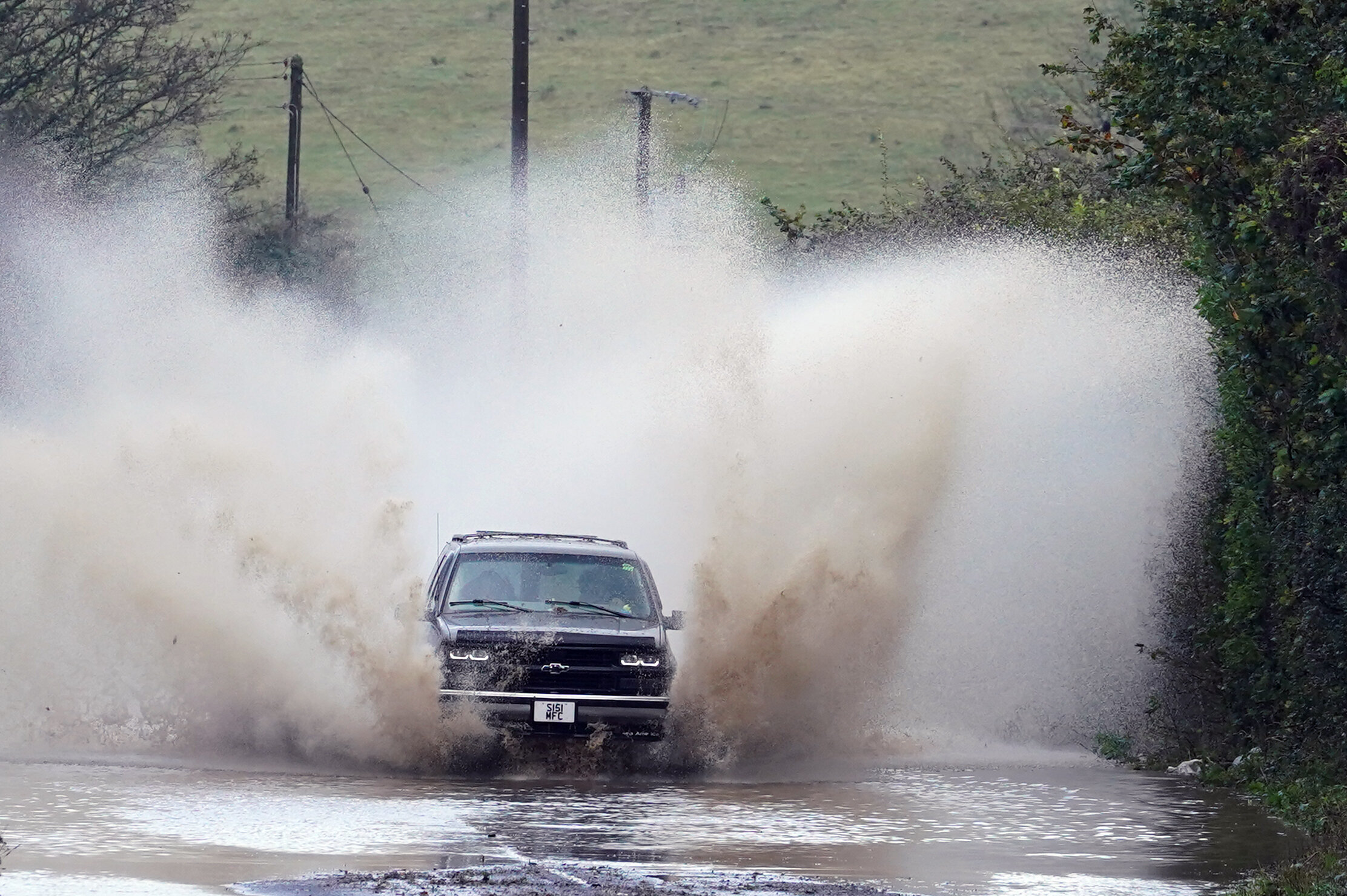
Storm Ciarán has swept across northwestern Europe today, causing travel disruption and leaving millions without power.
It has triggered a record low for sea pressure levels around England and Wales, and a red weather warning for the Channel Islands.
Advertisement
The BBC has also reported windows being blown in by the storm and said a roof had been ripped off a house on Jersey.
School closures have already been announced on the island as winds have reached 104mph. Forty people have been evacuated from their homes due to damage.
Outside of the UK, 1.2 million households have been left without power in France and a red weather warning is in place in Spain.
Ciarán comes two weeks after Storm Babet, which came in from the Atlantic and was accompanied with heavy rain and winds. It caused intense flooding in Northern Ireland and the UK.
While there are fears this new storm could last for three days, Meteo France weather service has just downgraded its alerts for strong winds in Mache, Finistere and Cotes d’Armor from red to orange.
Dutch Airline KLM also cancelled flights going to and from Amsterdam. International trains from Amsterdam to Paris were also halted.
The Met Office noted that the storm came off the back of “what was provisionally the joint-sixth wettest October on record for the UK”.
The weather experts noted there’s evidence to suggest the intensity and frequency of windstorms in British winter could be increasing due to climate change – although the data is inconsistent.
Advertisement
It added: “Storm Ciarán is a fairly normal Autumn storm for the UK, and due to the natural year-to-year variability in strong winds and windstorm numbers, significant trends have not been detected in observations over the recent climate.”
Royal National Lifeboat Institution’s (RNLI) water safety manager Ross Macleod warned: “This rough weather could make visiting our coasts around southern England and Wales treacherous and bring very dangerous sea conditions.”
Here’s a look at some of the most jaw-dropping clips circulating on social media capturing the storm: