Birth Injuries Are Leaving Some Mums Wishing They’d Never Had Kids

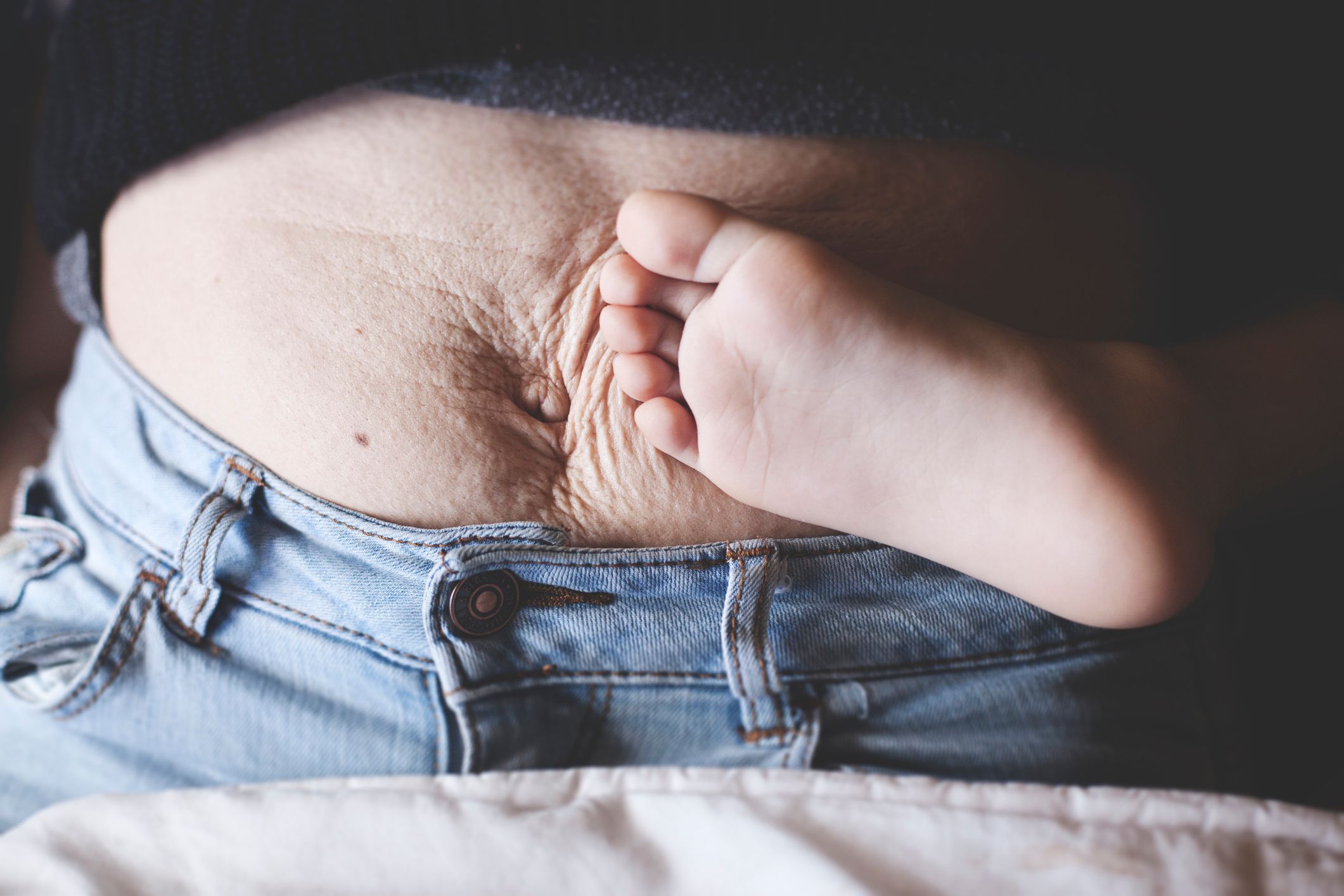
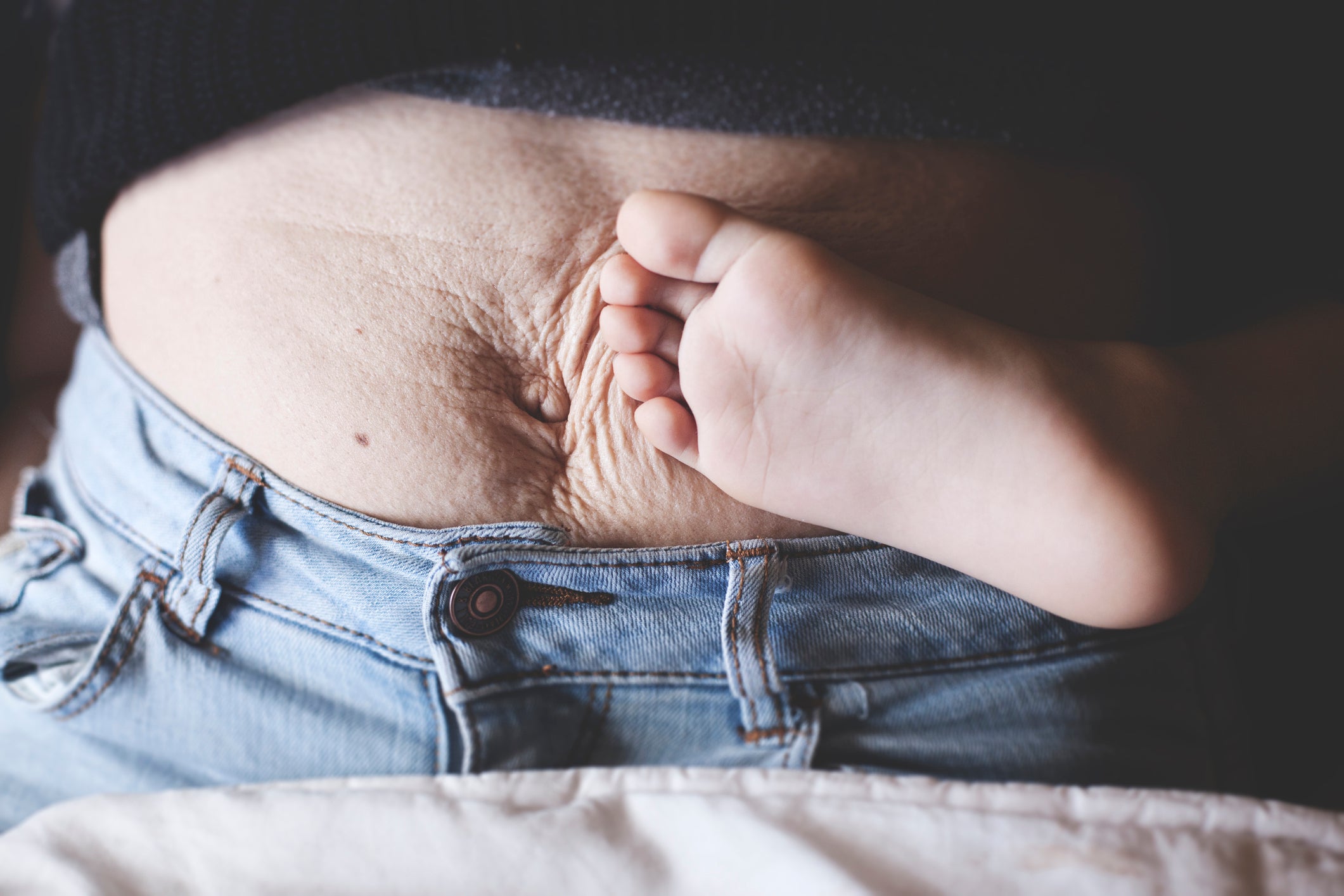
One in four women who experience a severe injury during birth regret having their child. It’s taboo to admit, but with more than 600,000 women giving birth in England and Wales alone each year, we need to talk about this.

A new survey of mothers affected by birth injuries lays bare the physical and psychological impact on women, which can last years into their child’s life.

The overwhelming majority (85%) of mothers who suffered severe injuries say their experience damaged their relationship with their child, with 14% saying this harm was permanent. One in three (34%) said they saw their child as the cause of the injury while, heartbreakingly, three in 10 (31%) thought their child would be better off without them.

The research, from birth injury charity The MASIC Foundation, surveyed 325 women who self-identified as having suffered severe perineal trauma when giving birth. The sample size may be small, but the research adds to growing concern about women’s health outcomes after giving birth in the UK.

While it’s important to acknowledge that millions of women around the world give birth each year without problems, it’s equally important to say this isn’t always the case – and women are increasingly talking about their negative experiences and demanding better care.

HuffPost UK has previously reported on the gaps in NHS postpartum care that widened during the pandemic. In a separate survey of mums, the majority (91%) said they were not given enough advice during pregnancy about postpartum recovery.

We also know that Black women are five times more likely to die during childbirth than white women. A controversial proposal to tackle this – inducing labour at 39 weeks for pregnant black, Asian and minority ethnic women as a matter of course – has been called “racist” by some doctors and midwives.

In the latest research, 78% of women surveyed said they have traumatic memories of birth and 52% said they face embarrassment due to symptoms of their injury.
This rings true for Catherine*, who had a prolonged labour following induction with her son, which then required an episiotomy and ventouse (vacuum delivery).

She had a third-degree tear (defined as a tear that extends into the anal sphincter), but it was initially misdiagnosed as a second-degree tear, meaning she wasn’t offered the correct treatment. Her undiagnosed injury left her in too much pain to sit down or attend mother and baby groups, leaving her “essentially house-bound” for her maternity leave. After a year – and hitting a brick wall with the NHS – she accessed help at a private clinic.

The damage has been permanent, though, and she’s still prone to toilet urgency and accidents. Catherine now carries pads, wipes, Imodium and spare underwear everywhere she goes. She quit a job she loved as she was struggling to manage her condition, and has been diagnosed with PTSD.

““My confidence, my me-ness, the essence of who I am, has been destroyed.”

– Catherine, 44, Bristol

“My confidence, my me-ness, the essence of who I am, has been destroyed,” says the 44-year-old, from Bristol. “My relationships with my child and my partner have suffered.”

Catherine has struggled to talk to friends about her experience – or even watch programmes when childbirth is mentioned – and has counselling each year in the run-up to her son’s birthday.

“With my son, I love him dearly, he is the best thing in my life, but his birth caused the injury and it is difficult to square the two,” she says.

“Every year I dread his birthday and the reminders of my traumatic experience. It is not fair on him or on me – his birthdays are not a happy occasion, but every year I have to pretend it is.”

While her partner has been understanding, Catherine says “he also carries his own guilt about what happened”. Their physical relationship has also been impacted hugely. “I feel like a shell of my former self at times,” she adds.

Like Catherine, 69% of mothers surveyed said the impact of a birth injury was both physical and emotional. Almost half (45%) said they have had postnatal depression as a result and 29% said it has affected their ability to breastfeed their baby, with 18% stopping earlier than planned.

Elizabeth*, who now has a 10-year-old daughter, describes the period after birth as the “worst time of [her] entire life” and is still impacted by her birth injury a decade later.

Aged 30, she had a fourth-degree tear (a tear that extends further into the lining of the anus). Six days after delivery, she passed faeces vaginally and was in extreme pain. She was then readmitted to hospital and found to have a recto-vaginal fistula, causing an infection in her vagina and bowel.

““I am ashamed to say that at times I wished I had never become a mother and I grieved for the life I had before.””

– Elizabeth, 40, Hampshire

Although she’s had further treatment, she still experiences rectal incontinence, which has affected her ability to socialise and work. “I often avoid eating out as this stimulates my bowel,” says the now 40-year-old, from Hampshire. “I always need to know where the toilets are.”

Her birth injury meant Elizabeth was forced to give up her beloved hobbies of horse riding and swimming. For a long time, she was in too much pain to even walk her dog. “I am ashamed to say that at times I wished I had never become a mother and I grieved for the life I had before,” she says. “I paid such a high price to have a baby.”

Jen Hall, a MASIC spokesperson, is sadly unsurprised by Catherine and Elizabeth’s stories, after having a “brutal forceps delivery” that left her with physical and psychological damage herself.

“Nobody warns you that having a child can leave you with life-changing injuries and no woman should have to go through this without support and proper medical care,” she says.

Most of these injuries are “entirely preventable”, she adds – the result of something going wrong during birth or a failure to identify risk factors beforehand, according to MASIC. The charity is calling on the government and the NHS to roll out a programme of training for medical professionals.

The Obstetric Anal Sphincter Injury (OASI) care bundle – a package of training which has been praised by the Royal College of Midwives – has been trialled in 16 maternity units across the NHS and is being extended to a further 20, but this still leaves three in four (76%) maternity units yet to be reached.

The charity is calling for it to be rolled out nationwide. They’ve also set out a seven-point plan for better care, calling for:

  1. Improved identification, diagnosis and treatment of birth injuries in the NHS.

  2. An education programme for obstetricians and midwives so that severe injuries are recognised at birth and treated in line with best evidence.

  3. A primary care education programme so that all women are asked at contacts following birth about signs and symptoms of OASI/incontinence, with appropriate referral pathways for those with symptoms in line with the NHS long-term plan.

  4. Information about the risks of OASI given to all women antenatally.

  5. Women’s concerns to be listened to and not dismissed as “normal” postnatal experiences.

  6. Specialised psychological treatment and support for women after OASI injury and an end to the stigma and taboo of talking about these injuries.

  7. Dedicated OASI clinics nationwide.

HuffPost UK has contacted NHS England and the Department for Health and Social Care for a response. We’ll update this article if they provide a statement.

Without change, women like Catherine do not feel like they can have a second child. “I feel like I was someone the birth just happened to,” she says. “At the time I was happy to place my faith in the medical professionals dealing with me; I had no reason not to. Whilst birth is normal, natural and inevitable, and women’s bodies are designed to do it, unfortunately as we all know it isn’t always that simple. The people who were meant to help me through it let me down.”

• Surnames have been omitted to offer anonymity to interviewees.

Useful websites and helplines

Mind, open Monday to Friday, 9am-6pm on 0300 123 3393.

Samaritans offers a listening service which is open 24 hours a day, on 116 123 (UK and ROI – this number is FREE to call and will not appear on your phone bill).

CALM (the Campaign Against Living Miserably) offer a helpline open 5pm-midnight, 365 days a year, on 0800 58 58 58, and a webchat service.

The Mix is a free support service for people under 25. Call 0808 808 4994 or email help@themix.org.uk

Rethink Mental Illness offers practical help through its advice line which can be reached on 0808 801 0525 (Monday to Friday 10am-4pm). More info can be found on rethink.org.
Share Button

Meghan Markle And Prince Harry Announce Birth Of Second Child, Named After The Queen

Meghan Markle and Prince Harry have welcomed their second child, a baby girl. The new baby, born in California, is the Queen’s 11th great-grandchild and Prince Charles’ fifth grandchild. 

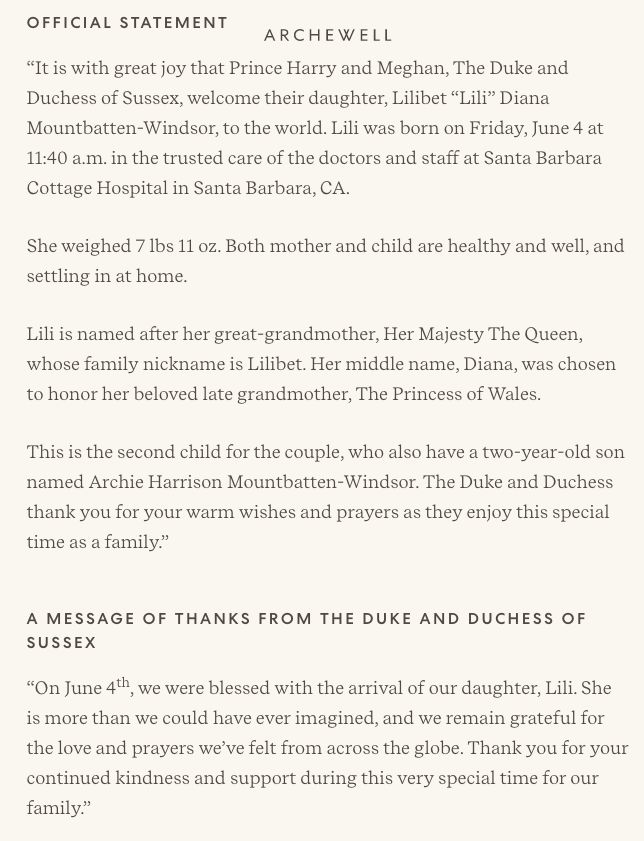
“It is with great joy that Prince Harry and Meghan, The Duke and Duchess of Sussex, welcome their daughter Lilibet ‘Lili’ Diana Mountbatten-Windsor, to the world. Lili was born on Friday, June 4 at 11:40 am in the trusted care of doctors and staff at Santa Barbara Cottage Hospital in Santa Barbara,” a spokesperson for the Sussexes said in a statement to HuffPost.

“She weighed 7 lbs 11 oz. Both mother and child are healthy and well, and settling in at home. Lili is named after her great-grandmother, Her Majesty The Queen, whose family nickname is Lilibet,” the statement continues. “Her middle name, Diana, was chosen to honor her beloved late grandmother, The Princess of Wales.”

“This is the second child for the couple, who also have a two-year-old son named Archie Harrison Mountbatten-Windsor. The Duke and Duchess thank you for your warm wishes and prayers as they enjoy this special time as a family.”

Lilibet was first used when Princess Elizabeth was just a toddler and unable to pronounce her own name properly. Her grandfather King George V would affectionately call her ‘Lilibet’ imitating her own attempts to say Elizabeth.

archewell.com

The official statement from Meghan and Harry published on the Archewell website.

The Duke of Edinburgh also referred to his wife as Lilibet, writing to his mother in law after their wedding: “Lilibet is the only ‘thing’ in the world which is absolutely real to me.”

Lili’s middle name Diana honours Harry’s later mother Diana, Princess of Wales, who died in a car crash in 1997 when Harry was just 12. Lili has been born almost a month before the princess would have celebrated her 60th birthday on July 1.

Lili’s cousin Princess Charlotte also has Diana as one of her middle names, as well as Elizabeth. She is Charlotte Elizabeth Diana.

Anyone wishing to send a present to Meghan and Harry is asked to support organisations working for women and girls.

A message on the Archewell website reads: “For those inquiring on sending gifts, we would ask that you support or learn more about these organisations working for women and girls: Girls Inc., Harvest Home, CAMFED or Myna Mahila Foundation.”

The couple announced on Valentine’s Day that they were expecting their second child in a heartwarming post on social media.

“We can confirm that Archie is going to be a big brother. The Duke and Duchess of Sussex are overjoyed to be expecting their second child,” a spokesperson for the couple told HuffPost in a shared statement at the time.

MISAN HARRIMAN

A photo of the Duke and Duchess of Sussex that accompanied the couple’s pregnancy announcement on Valentine’s Day.

Harry and Meghan welcomed their first child, Archie Harrison Mountbatten-Windsor, on May 6, 2019.

Archie, who turned two in May, is seventh in line to the throne, though he does not have a title. Meghan and Harry’s daughter will be eighth in line to the throne, ahead of Prince Andrew in ninth.

While it was previously thought that the couple didn’t want to give Archie a title, Meghan told Oprah Winfrey that the royals actually made the decision ― which would mean Archie wouldn’t have royal security, either. 

“He needs to be safe,” the duchess told Winfrey. “If you’re saying the title is what’s going to affect their protection — we haven’t created this monster machine around us, in terms of clickbait and tabloid fodder. You’ve [the Firm] allowed that to happen, which means our son needs to be safe.”

The Diana Award, established to continue the legacy of the late Diana, Princess of Wales, added their congratulations.

In a tweet the organisation said: “Congratulations to The Duke and Duchess of Sussex on the birth of their daughter Lilibet Diana Mountbatten-Windsor.

“We extend our warmest wishes to The Duke, The Duchess and little Archie.”

The Prime Minister tweeted: “Many congratulations to The Duke & Duchess of Sussex on the birth of their daughter.”

The Wellchild charity, of which Harry is patron, congratulated the couple.

The organisation tweeted: “Congratulations to The Duke and Duchess of Sussex on the birth of Lilibet Diana Mountbatten-Windsor.

“We wish our Patron The Duke, and The Duchess every happiness as they start this new adventure.”

With files from PA Media.

Share Button

Little Mix’s Perrie And Leigh-Anne Reveal How They Found Out Each Other Were Pregnant, And It’s Adorable

Little Mix have revealed the adorable story behind how Perrie Edwards and Leigh-Anne Pinnock both found out they were pregnant. 

Both singers announced they were expecting their first children to fans within a week of each other earlier this month. 

Now Perrie has recounted how their manager Samantha Cox – who is also pregnant – was the one who pieced things altogether, which led to the girls sharing their news with one another. 

JMEnternational via Getty Images

Little Mix ‘s Perrie Edwards, Jade Thirlwall and Leigh-Anne Pinnock

In a TikTok interview, Perrie said: “We were on a work Zoom and we were chatting about things that were coming up in our schedule because in Little Mix we are blocked out two years in advance.

“I was thinking, ‘I won’t be able to do that’.

“I messaged my manager and she called me and said, ‘You’re pregnant’.

“I was like, ’How do you know? And she said, ‘Because I am pregnant’. Then she said, ‘Can I add someone to the call?’”

Perrie continued: “I just heard this voice that said, ‘Perrie! You too!’ And then we just cried our eyes out. We couldn’t believe it. 

“What timing! It wasn’t planned.”

Leigh-Anne was first to publicly announce she was pregnant with fiancé Andre Gray on 4 May. 

The couple said they couldn’t “believe the dream is finally coming true” as they shared pictures from a stunning pregnancy photoshoot on the band’s Twitter account. 

Share Button

These Are The Birth Risks For ‘Big Babies’ And Mums-To-Be

HuffPost is part of Verizon Media. We and our partners will store and/or access information on your device through the use of cookies and similar technologies, to display personalised ads and content, for ad and content measurement, audience insights and product development.

Your personal data that may be used

  • Information about your device and internet connection, including your IP address
  • Browsing and search activity while using Verizon Media websites and apps
  • Precise location

Find out more about how we use your information in our Privacy Policy and Cookie Policy.

To enable Verizon Media and our partners to process your personal data select ‘I agree‘, or select ‘Manage settings‘ for more information and to manage your choices. You can change your choices at any time by visiting Your Privacy Controls.

Share Button

The Funniest Tweets From Parents This Week (Dec. 12-18)

HuffPost is part of Verizon Media. We and our partners will store and/or access information on your device through the use of cookies and similar technologies, to display personalised ads and content, for ad and content measurement, audience insights and product development.

Your personal data that may be used

  • Information about your device and internet connection, including your IP address
  • Browsing and search activity while using Verizon Media websites and apps
  • Precise location

Find out more about how we use your information in our Privacy Policy and Cookie Policy.

To enable Verizon Media and our partners to process your personal data select ‘I agree‘, or select ‘Manage settings‘ for more information and to manage your choices. You can change your choices at any time by visiting Your Privacy Controls.

Share Button

I’m Dreaming Of A Less White Christmas For My Child of Colour

HuffPost is part of Verizon Media. We and our partners will store and/or access information on your device through the use of cookies and similar technologies, to display personalised ads and content, for ad and content measurement, audience insights and product development.

Your personal data that may be used

  • Information about your device and internet connection, including your IP address
  • Browsing and search activity while using Verizon Media websites and apps
  • Precise location

Find out more about how we use your information in our Privacy Policy and Cookie Policy.

To enable Verizon Media and our partners to process your personal data select ‘I agree‘, or select ‘Manage settings‘ for more information and to manage your choices. You can change your choices at any time by visiting Your Privacy Controls.

Share Button

Call For Law On Street Harassment As Teenage Girls Say ‘No More’

HuffPost is part of Verizon Media. We and our partners will store and/or access information on your device through the use of cookies and similar technologies, to display personalised ads and content, for ad and content measurement, audience insights and product development.

Your personal data that may be used

  • Information about your device and internet connection, including your IP address
  • Browsing and search activity while using Verizon Media websites and apps
  • Precise location

Find out more about how we use your information in our Privacy Policy and Cookie Policy.

To enable Verizon Media and our partners to process your personal data select ‘I agree‘, or select ‘Manage settings‘ for more information and to manage your choices. You can change your choices at any time by visiting Your Privacy Controls.

Share Button

‘No Privacy’: Why Blind Women Really Need Accessible Pregnancy Tests

HuffPost is part of Verizon Media. We and our partners will store and/or access information on your device through the use of cookies and similar technologies, to display personalised ads and content, for ad and content measurement, audience insights and product development.

Your personal data that may be used

  • Information about your device and internet connection, including your IP address
  • Browsing and search activity while using Verizon Media websites and apps
  • Precise location

Find out more about how we use your information in our Privacy Policy and Cookie Policy.

To enable Verizon Media and our partners to process your personal data select ‘I agree‘, or select ‘Manage settings‘ for more information and to manage your choices. You can change your choices at any time by visiting Your Privacy Controls.

Share Button

Sir David Attenborough Meets With Royals To Share A Very Special Gift

HuffPost is part of Verizon Media. We and our partners will store and/or access information on your device through the use of cookies and similar technologies, to display personalised ads and content, for ad and content measurement, audience insights and product development.

Your personal data that may be used

  • Information about your device and internet connection, including your IP address
  • Browsing and search activity while using Verizon Media websites and apps
  • Precise location

Find out more about how we use your information in our Privacy Policy and Cookie Policy.

To enable Verizon Media and our partners to process your personal data select ‘I agree‘, or select ‘Manage settings‘ for more information and to manage your choices. You can change your choices at any time by visiting Your Privacy Controls.

Share Button

You Don’t Need To Pretend To Not Have A Family To Be Professional

HuffPost is part of Verizon Media. Click ‘I agree‘ to allow Verizon Media and our partners to use cookies and similar technologies to access your device and use your data (including location) to understand your interests, and provide and measure personalised ads. We will also provide you with personalised ads on partner products. Learn more about how we use your data in our Privacy Centre. Once you confirm your privacy choices here, you can make changes at any time by visiting your Privacy dashboard.

Click ‘Learn more‘ to learn and customise how Verizon Media and our partners collect and use data.

Share Button