How History Still Weighs Heavy On South Asian Bodies Today

Walking home from secondary school with my sister many years ago, I spotted a London bus plastered with a depressing advert, solemnly warning of the dangers of diabetes. “What’s the big deal?” I asked rhetorically. “Diabetes for an Asian person is a regular Tuesday.”

Though I was being facetious, I wasn’t wrong. South Asians do seem more susceptible to diabetic conditions. According to Diabetes.co.uk, the likelihood of developing type 2 diabetes is reported to be as much as six times higher in South Asians than in Europeans, with a number of factors – mostly linked to lifestyle – believed to be behind this increased risk.

But have we also considered the role history plays here? Is colonialism another overlooked factor that contributes to South Asian bodies? It’s well understood that people can inherit psychological trauma from previous generations but, for many racialised people, there can be physical consequences, too.

Think back to GSCE history. You may have learned the Indian subcontinent was subject to many famines, with some particularly severe ones occurring under British rule. For centuries, up until India gained independence in 1947, starvation plagued the nation, in part a byproduct of colonial times.

The East India Company’s raising of taxes, policy failures (including a “denial of rice”), resources being deployed to the military, and droughts that were met with British inaction, resulted in the deaths of millions. In 1943, West Bengal saw the worst of it all, a famine in which up to three million people died of malnutrition.

Yet, famines in the British era were not due to a lack of food, but due to the inequalities in the distribution of that food, Nobel Prize winning economist Amartya Sen argues, linking this inequality to what he describes as the fundamentally undemocratic nature of the British Empire.

You might wonder what’s all this got to do with South Asians now? Well, not only was the “great famine” in Bengal only 79 years ago (for some, a part of living memory), but when a group of people are exposed to starvation on this scale, it can affect subsequent generations.

Dr Mubin Syed, a 56-year-old radiologist from Ohio who also works in vascular and obesity medicine, recently went viral on TikTok and Instagram for making this crucial link.

As he explains in his video, South Asians have a tendency to generate and store fat and not burn it off, amassing low lean muscle mass. This, he points out, is because South Asians are “starvation-adapted”, due to having to survive at least 31 famines, especially during the 18th and 19th century.

Surviving just one famine doubles the risk of diabetes and obesity in the next generation, even without a famine, according to a study by Brown university. The risk of cardiovascular disease increases 2.7 times for their grandchildren.

Dr Syed, whose research in this area for the past five years led him to these conclusions, tells HuffPost UK: “Exposure to even one famine has a multi-generational effect of causing metabolic disorders including diabetes, hyperglycemia and cardiovascular diseases. Imagine having an exposure to at least 24 major famines in a 50-year period.”

And the problem carries through to the present.

“In the modern era of abundance, it becomes an evolutionary mismatch. Our adaptation to scarce food availability is no longer suitable for our environment of food abundance,” he says.

So, storing nutrients was an evolutionary response to famine, but now, where scarcity is no longer a problem for much of the modern, western world, it creates a conflict, heightening our risk of certain health conditions.

“South Asians have a unique physiology,” Dr Syed explains. “For instance, we have higher body fat percentage and lower lean muscle mass. We have a six times greater risk of developing diabetes, one of the highest rates of diabetes and pre-diabetes in the world, and a four times greater risk to have a heart attack before the age 50. Furthermore, one in three South Asians will die of heart disease before 65.”

While our genes, inherited from our ancestors, can explain some of these predispositions, diet is another contributor – though not in a straightforward way. “It’s a multifactorial perfect storm,” says Dr Syed. :Genetics is one issue, but of course, lifestyle is always important. But, South Asians have to exercise twice as much as Caucasians to get the same health benefits.”

Dr Syed has been researching this area for half a decade

Mubin Syed

Dr Syed has been researching this area for half a decade

It certainly feels like Indians, Bangladeshis, and Pakistanis, who once made up India, are still reeling from the effects of colonialism, mentally and physically.

My family are certainly still feeling its effects. Though my parents weren’t around when the Bengal famine took place, their generation is impacted; my dad is diabetic while my mum is prediabetic, and this leaves me in a precarious position, too.

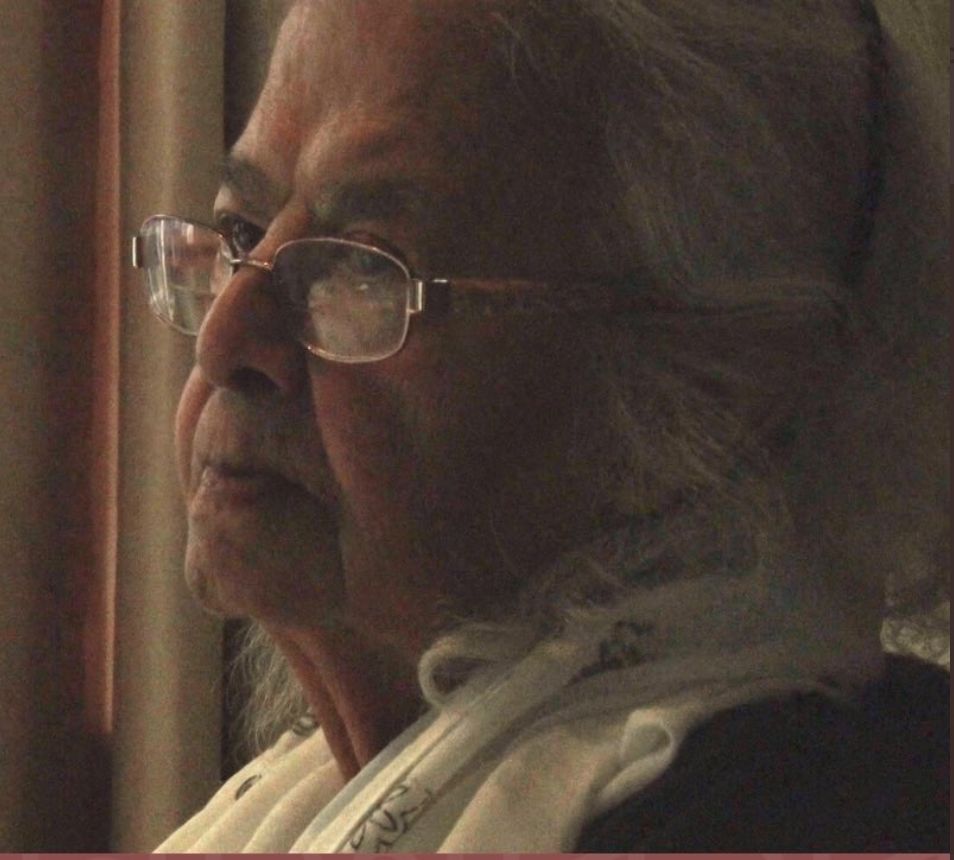
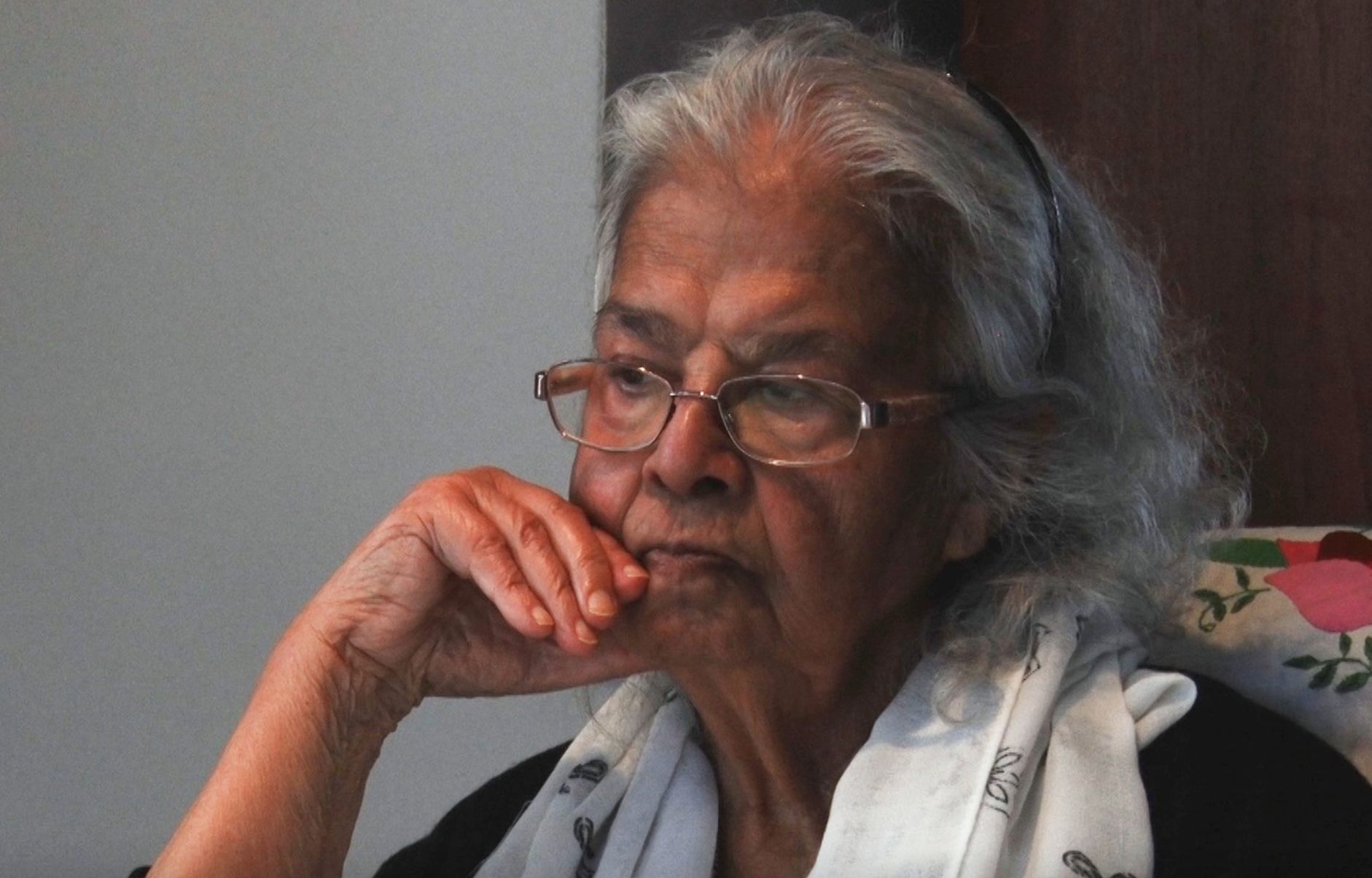
Another concern for the community is a lack of awareness about how our past informs our future. This is why filmmaker Phelan Chatterjee, 26, set out to create a short documentary, Straining The Rice that captures the trauma endured by Bengali people, told through the lens of a grandmother, Nana (not his own).

The London-based producer laments how little people know of the famine and how it affects us today.

He tells HuffPost UK: “I had a lot of conversations with Asian friends and family in the UK. I found very little mention or memorialisation of the catastrophe, despite the enormous number of people who died, and its effects today.

“The sheer number of lives lost, the brutal way in which they perished and the helplessness of those demanding change at the time. It’s difficult to come to terms with the fact that it’s not a part of our national conversation in any meaningful way.”
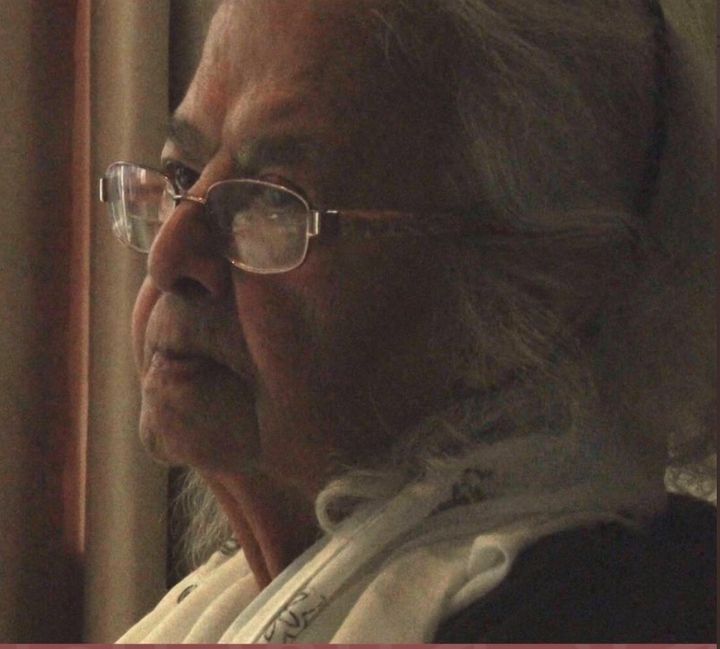
Phelan's film Straining the Rice includes testimony from Nana, who experienced the famine as a child.

Phelan Chatterjee

Phelan’s film Straining the Rice includes testimony from Nana, who experienced the famine as a child.

Chatterjee questions those who say the famine was simply an environmental consequence, and asks why there’s no accountability for why such conditions were created.

“The protagonist of the film, an elderly Bengali woman says the famine sparked a great deal of protest against the colonial government of the day,” he says.

“This suggests there had always been a keen awareness of the links between policy choices and the famine. But frequently, I’ve experienced famines and similar events to be thought of as beyond human control.

“I wonder what a reappraisal of those policies might bring, and how that could inform the way we understand contemporary famines, global inequality – including health inequality – and climate change.”
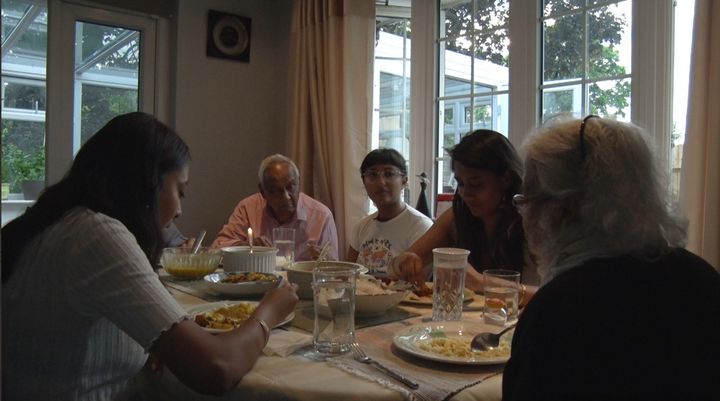
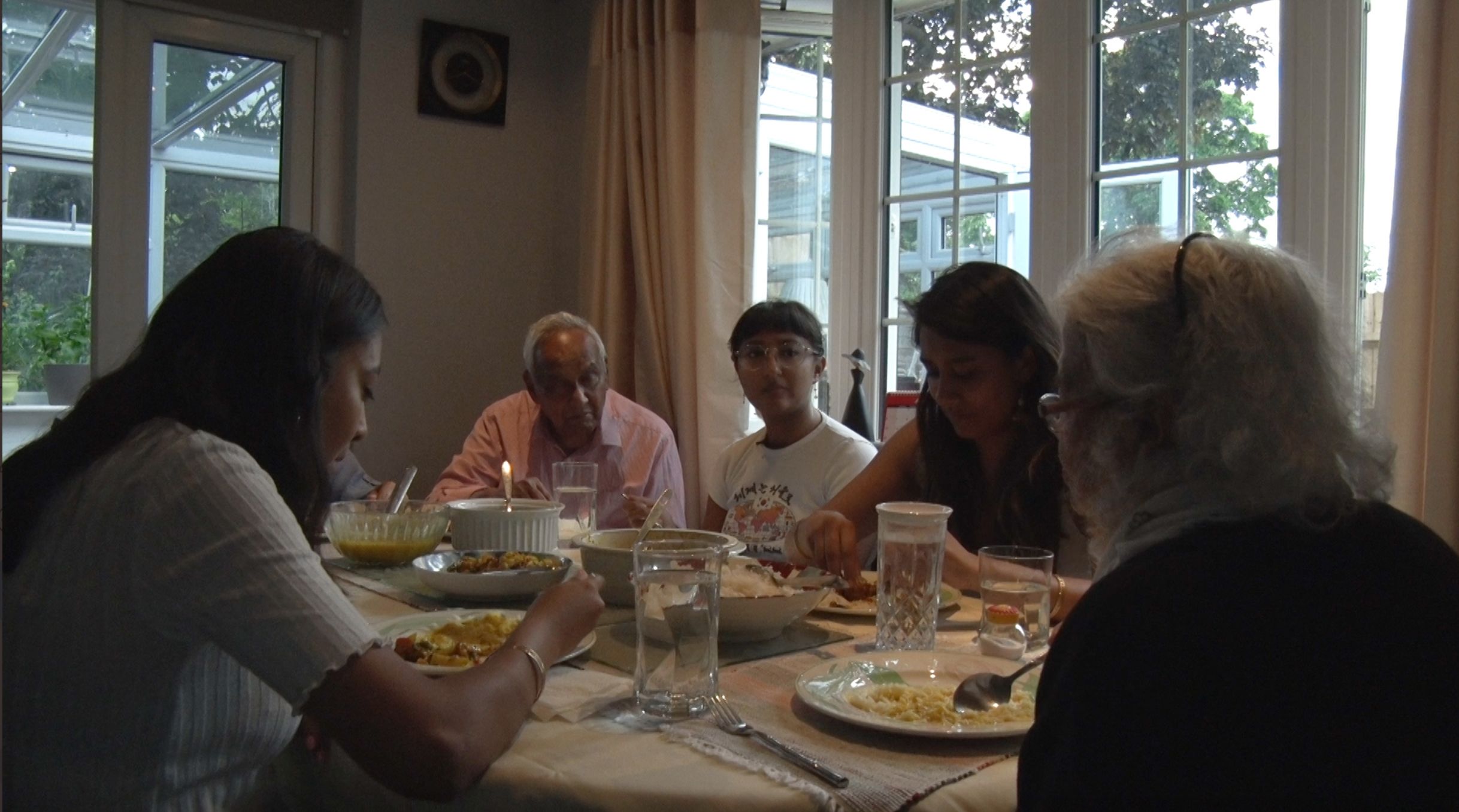
Straining the Rice focuses on a family discussion of the Bengal famine

Phelan Chatterjee

Straining the Rice focuses on a family discussion of the Bengal famine

If schools, for instance, taught students about these historical atrocities and their contemporary implications on us mentally and physically, we might have a better understanding of how to navigate our lives now. Healthcare research and responses might even cater better to our bodies, as a result.

But, despite the risks and impact of inequalities on South Asians today, Dr Syed says it doesn’t mean ill health is inevitable for us.

“It’s not a doom and gloom scenario,” he says. “The risks are avoidable, we just have to pay closer attention to diet, exercise/fitness, sleep, stress and other substances.” This means how much alcohol and tobacco we consume, says Dr Syed, and for South Asians who enjoy it, consumption of betel nut or supari.
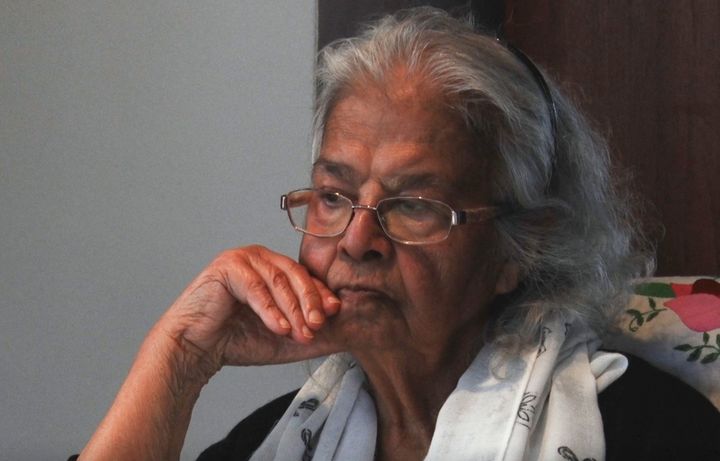
Nana remembers how beggars would ask for the starchy rice water

Phelan Chatterjee

Nana remembers how beggars would ask for the starchy rice water

“Even our dental health,” he adds. “The key thing is awareness, getting regular check-ups, including lipid profiles, is critical. Do not assume you are healthy, as normal height/weight BMIs are misleading for South Asians.”

Many South Asians in the West who are told “colonialism was a long time ago” and not to “dwell on the past” will struggle with all these conflicting messages. We certainly can’t nor should forget a history that still continues to impact us. And there are many who still remember the harshness of colonial times.

For those who came before us, as well as ourselves, it’s imperative we keep educated and informed of our past and how plays a crucial role in our future.

Share Button

Table Manners People Get Wrong And Why It May Actually Matter

Last year, when my roommates and I were stuck with each other for the festive period, one of them made a startling accusation over dinner: According to her, I hold my fork wrong.

Like most of us, I think, I learned my table manners from my family rather than through any kind of formalised etiquette classes. So while I’m sure there are little customs and mannerisms of high society to which I’m not privy, it never occurred to me that I could be doing something as basic as holding my fork wrong. I wondered with horror – did work connections, friends, partners’ families, basically everyone I’d ever eaten in front of, think I was a rude slob?

Fortunately, Lizzie Post of the Emily Post Institute, a century-old authority on etiquette who is based in Vermont, assured me that I’m “probably not doing anything rude.” She did talk about the best way to hold cutlery, which we’ll get into, but it has more to do with keeping your food from slipping off your plate than appearing classy or not.

Table manners, to some, can be a class signifier, but most of the little rules and customs we’re taught to follow have some practical reasoning behind them. They’re not often just frivolous or aesthetic in nature. At least the ones worth following. I spoke to some etiquette experts to find out what the most common faux pas are when it comes to etiquette on eating and drinking – and why those customs are worth paying attention to in this modern age.
Don’t gross out everyone at the table.

The most important purpose of etiquette, Post emphasised, is really to make the people you’re with feel comfortable and at ease. And a great way to make a dinner uncomfortable is to gross out your fellow diners. For her, the most important “rule” to follow is an obvious one: Chew with your mouth closed, and be mindful of the sounds you’re making while eating and drinking.

“We want them to enjoy our company and our conversation, and when we’re seeing masticated food, that’s not going to happen,” Post said.

She did make one important caveat. Some people have medical conditions that make it difficult for them to breathe through their noses while eating. If you’re one of those people, she advises you to just do your best. Chances are you already have your own methods for chewing discreetly. In any case, don’t be a jerk if someone chews loudly or with their mouth open. Making someone else feel ashamed of the way they eat, especially when it’s out of their control, is a much bigger social misstep.

General messiness while eating is another way to gross out your company, so just be sure you’re not eating in a way that results in, say, literal egg on your face. If you’re unsure of the way you look while eating, Post says that eating in front of a mirror or filming yourself can be very revealing. You might notice little idiosyncrasies that you otherwise wouldn’t, and if you don’t like how you come across, you can adjust accordingly.

Don’t salt your food before you taste it

Etiquette consultant Monika Walczak raised a point that’s as practical as it is polite. Don’t season your food before you taste it.

“By seasoning food before trying, we send the message to the host, or the person that has cooked the meal, that we don’t really trust their cooking skills and we need to season this food, even before trying,” she said.

It’s fine to top off your food with a bit of salt and pepper, but try it first to make sure the food actually needs it. Besides, you can always add more salt, but you can’t take it away. If you accidentally make your meal taste like the ocean, you’ll be guzzling water all night. Yuck.

And if someone asks you to pass the salt or pepper, send both. Walczak says keeping the shakers together is just a good way to keep them from getting lost at a big table.

The way you hold your utensils can matter, but mostly for practicality

Ever sat down at a table to find way more forks than you know what to do with? Honestly, this is the kind of etiquette that you really don’t have to worry too much about. Do some research if you’d like, but don’t stress over which is the salad fork and which is the dinner fork.

“Emily Post was always the first to say it doesn’t matter which fork you use,” Lizzie Post told me. “It [only] matters that you’re using a fork.”

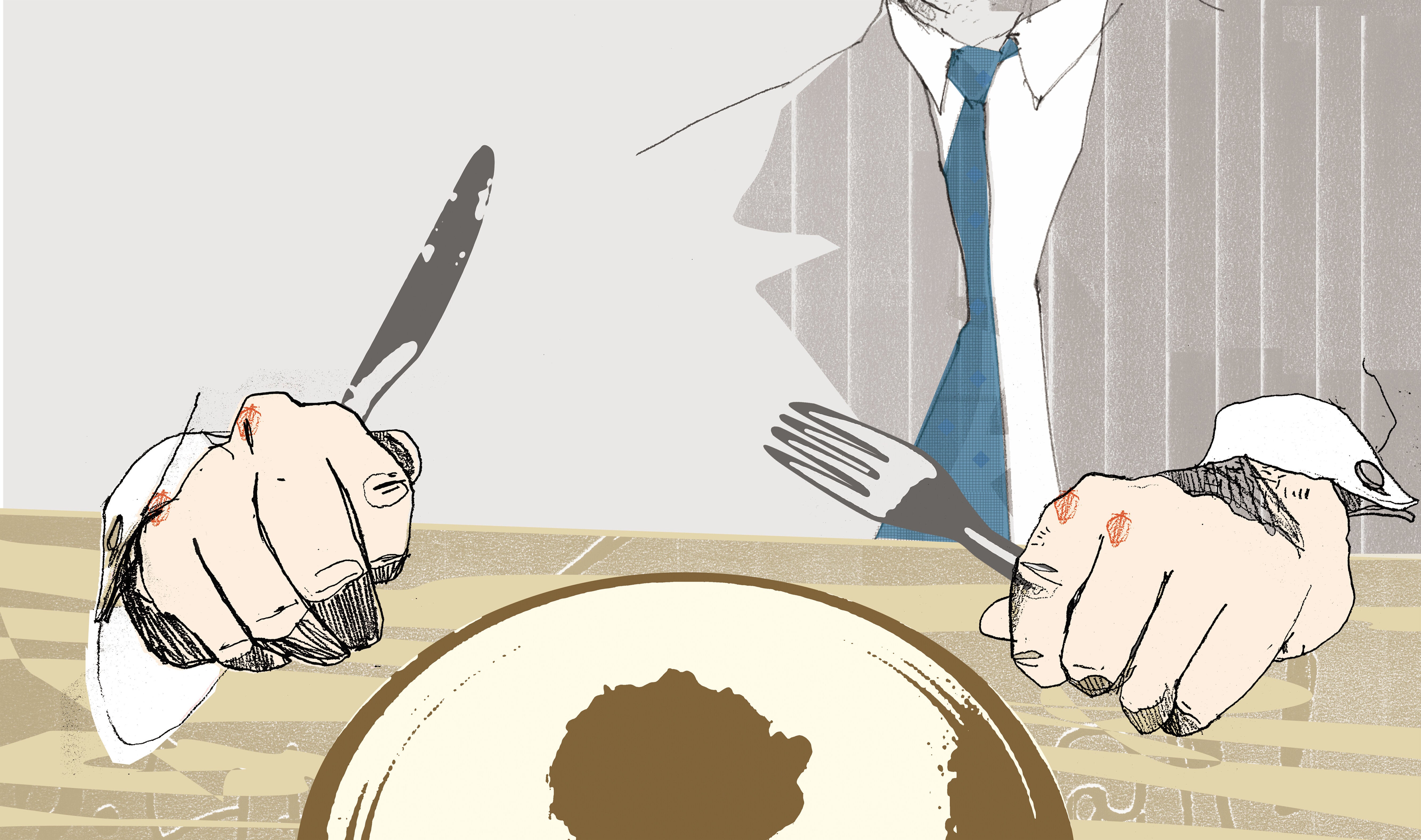
That said, there are a few cutlery customs that are just practical. Case in point, the weird way I grip my fork. No matter which cutlery style you use, American or Continental (look it up if you’re curious, but that’s another detail not to sweat), you want to hold your fork and knife similarly to how you’d hold a pencil as opposed to, for instance, gripping it with your whole fist. (For the record, I swear my fork-holding style isn’t that exaggerated. It’s more of a half-fist grip.)

Post said it’s most common to see people doing this when they’re stabbing something, like a piece of meat, and cutting it with their other hand. The “correct” way is actually just the more effective way. When you hold your fork at an angle, with your thumb and index finger, you actually have greater precision and control, which means you’re less likely to accidentally send your food flying off your plate. Saucy or buttery food can be especially prone to slippage.

Sometimes the placement of your utensils really does send a message.

There are proper ways to rest your cutlery on your plate when you’re not using it, chiefly for the sake of communicating with your host or waitstaff. Post says to envision your plate as a clock face and set your fork and knife at the 8 and 4 o’clock positions when you’re taking a break from eating or stepping away from the table for a moment. At a restaurant or catered event, servers recognise that position to mean, “I’m not done; don’t take my plate away yet.” When you are done, rest both at 4 o’clock.

Traditionally, servers are trained to serve you your plates from your left side and clear your plates from the right, particularly in fine dining settings. When your utensils are oriented toward the right, a server can easily pick them up with one hand without risking a knife sliding off.

Clinking at the rim of the glass is a disaster waiting to happen.

Ana Silva / EyeEm via Getty Images

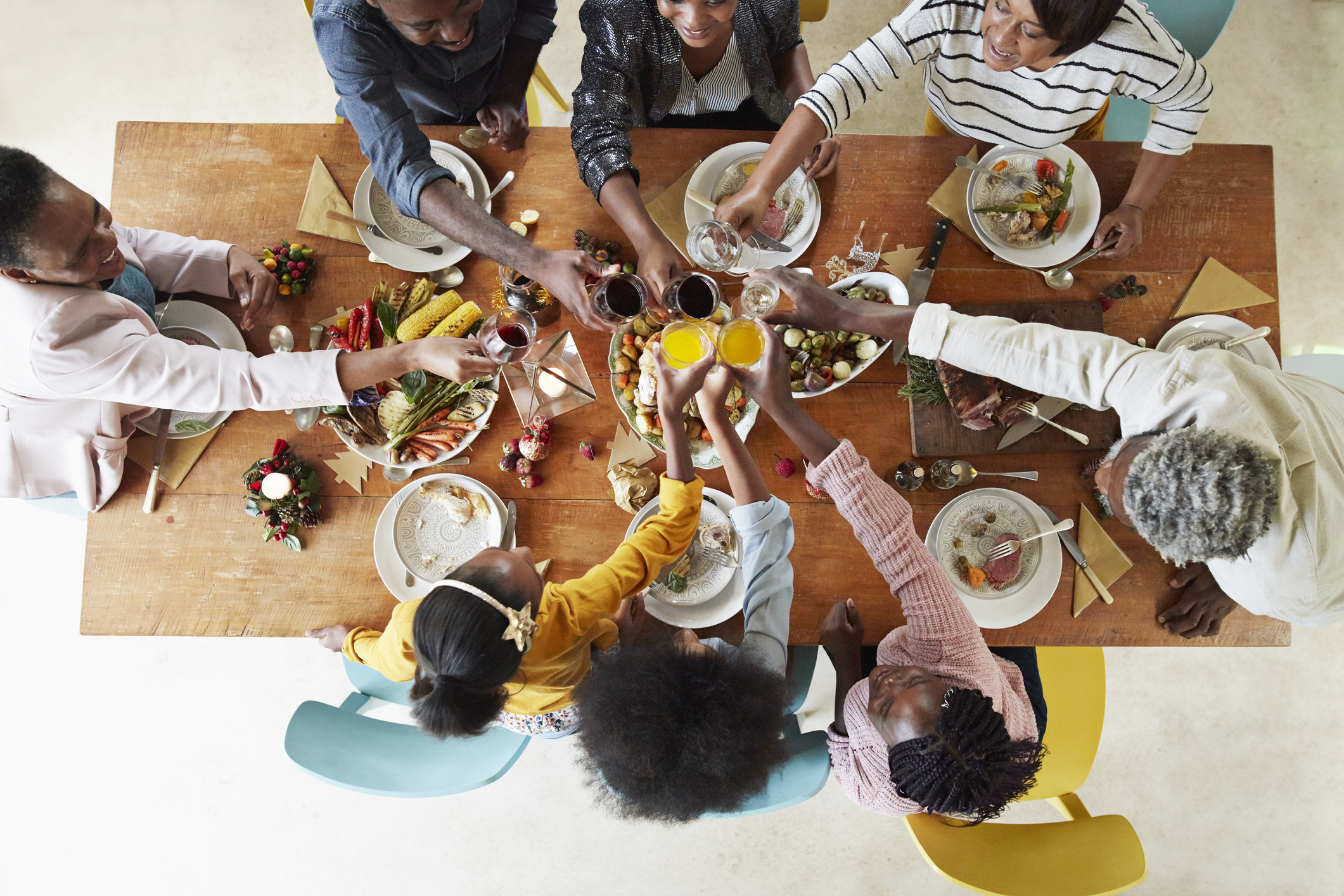
Clinking at the rim of the glass is a disaster waiting to happen.

What about drinking glasses and toasting etiquette?

First and foremost: glasses are set to the right of plates, Walczak reminds us. So if you’re overwhelmed by a densely set table, just keep that in mind. The glasses on the right side of the plate are yours.

No matter what’s in your glass, the general rule is to take sips, not gulps, and do it quietly, without slurping. Also, don’t do that thing where you turn the glass upside down to get the last drops, Post advises.

Like most of these etiquette guidelines, the reasoning is simply to avoid making a spectacle of your basic human functions. You probably don’t want people to miss what you have to say because they’re too distracted by your drinking mannerisms – or, like a girl on the subway once did to me, knock skulls with someone when you throw your head back to take a swig.

When it comes to wine and wine glasses, there are a couple of particulars worth knowing. Wine educator Ami Gangemella says that when people toast, she often sees them clinking glasses at the delicate rim. Clinking at the bowl, instead, reduces the risk of accidentally smashing and breaking the glasses. No one wants to deal with stains and shards mid-party.

Being the recipient of a toast can be an awkward moment of spotlight, especially if you don’t know what to do. Walczak says that in formal settings, the most gracious thing to do is basically nothing, Don’t raise your glass, don’t take a sip.

“The person being toasted should just sit quietly, smile and appreciate the toast that has been given in their honour,” she said. “Let others raise their glasses and drink.”

The other wine-drinking custom to know is that, although it’s common for people to hold their glasses by the bowl, the better way is to hold them by the stem with your thumb and forefingers, Gangemella says. (You can support the bottom with your pinkie if you want.) This keeps your body heat from warming up the wine ― room-temperature Champagne just doesn’t taste as good.

Don’t be a snob.

Again, the purpose of all of these guidelines is to make the people around you feel comfortable and to allow the focus to be on what you all have to say and how delicious the food is rather than on the way you eat it.

For that reason, try not to sweat it too much if there’s something you didn’t know or did differently than your company. If anyone gives you judgmental looks about something as minute as forks or glasses, ultimately they’re the one being rude.

As Lizzie Post put it, “Anyone who’s completely offended to dine with you because of how you’re holding your cutlery doesn’t deserve your company.”

Share Button

Jollof Rice And A Roast: What Christmas Dinner Looks Likes For Black Brits

When it comes to Christmas, food is the main event. Regardless of how you feel about – or celebrate – the festive season, we can all agree that we look forward to what we’re going to eat on December 25.

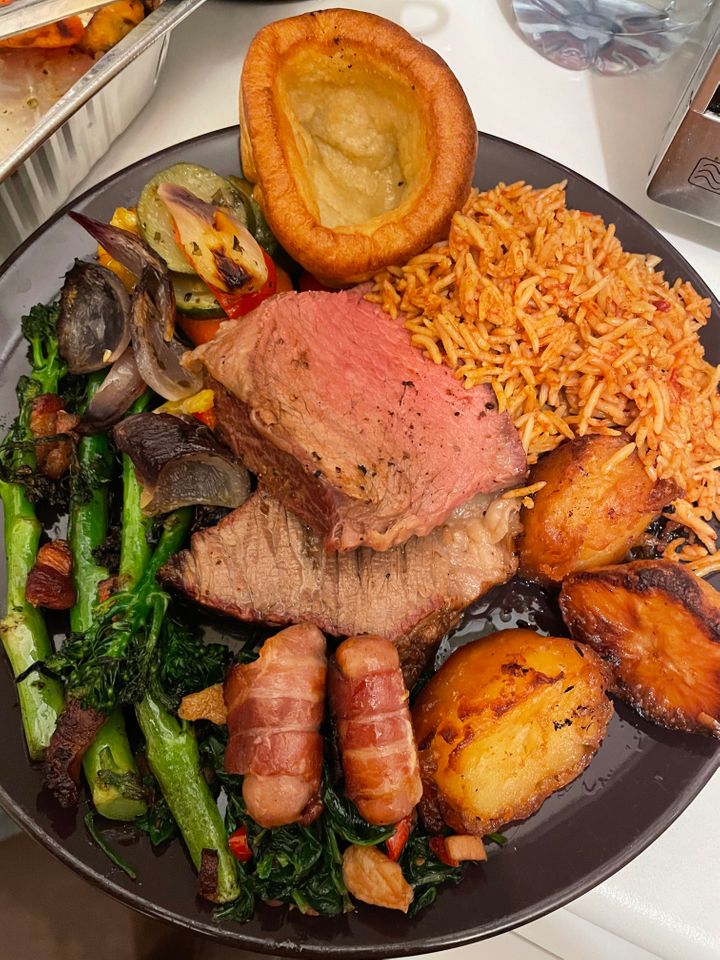
For most British families, Christmas dinner tends to be centred around turkey, Yorkshire pudding, gravy and some crispy roasted potatoes. Add or remove sprouts, according to preference!

For many Black Brits though, Christmas dinner looks a little different. Christmas is a chance for us to mix our cultural identities together. Think traditional British Christmas dinner with a Caribbean or African twist.

My Christmas dinner is usually very Congolese. Salt fish (Makiyabu), pondu (Casava leaves) and rice. But British elements on the day include a traditional British breakfast and apple crumble or carrot cake for dessert.

When I asked Black Brits what they eat at Christmas dinner, the responses came pouring in with huge variety! Though fair to say that Jollof rice was a common theme.

Like me, Simone Ziel, a 25-year old masters student from London, is Congolese and says her Christmas meal is a remixed version of a traditional British dinner.

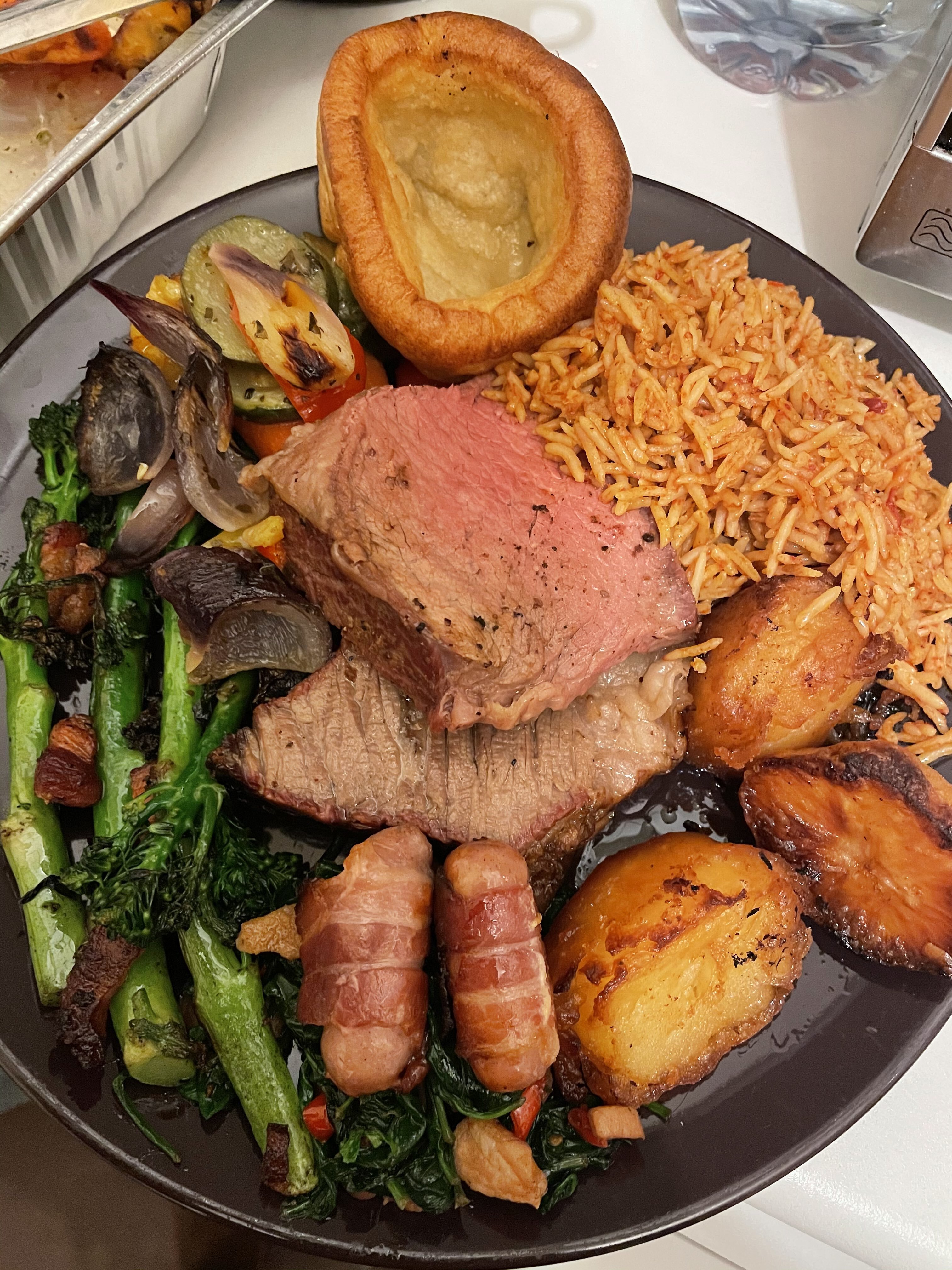
“We always have two or three types of meats – chicken, leg of lamb, beef steak and/or turkey,” she tells me. “It’s typically accompanied by roasted potatoes, roasted carrots and parsnips, Brussel sprouts, pigs in blankets, plantain, Kwanga (Casava flour) and fried or Jollof rice.”

Ziel describes food as a “love language” in her culture. “As a Congolese woman born and bred in the UK, I recognise the importance of food at any form of gathering. I’ve seen this growing up in a Congolese church, at a Matanga [a gathering hosted by someone who has lost a family member] and at parties.”
Food (and drinks) play a key role in Congolese hospitality, she tells me. “During Christmas, in my household, it is important to cook an abundance of food so visitors can take food away, and we can have leftovers to feast upon for the next few days. Food is a love language, and within my culture, it is a crime to let anyone come and leave a home hungry.”

“Food is a love language, and within my culture, it is a crime to let anyone come and leave a home hungry.”

For Tayo Jaiyesimi, 36, a pharmacist and travel blogger at The Five to Nine Traveller, her family’s Christmas meal is also a fusion of her two identities – British and Nigerian – and both dictate what goes on her plate.

“The turkey is the main event,” she says. “Other British items I have are gravy, stuffing rolled into balls, cranberry sauce, pigs in blanket and roasted parsnips. We always have two Nigerian rice dishes – Jollof and fried rice – and an additional meat to the turkey as a supplement.”

Her Christmas meal is elevated by that mix, she says. “How can I not have Jollof rice at Christmas?” she says. “Food is not a bedrock of my cultural identify, but it certainly influences my choices. I will always favour flavoursome food and spices when making choices at restaurants or in my own cooking.”

With Nigerian food, her faves are party Jollof rice with meat, plantain and moi moi (steamed bean pudding). But she also loves a traditional Sunday roast. “I like to rotate the meat of choice – lamb, beef and pork belly,” she says.

Jason Okundaye's Christmas Dinner

Jason Okundaye

Jason Okundaye’s Christmas Dinner

For Tanya Akrofi, a 41-year old writer and oral storyteller from Brixton, Ghanaian food has always been her comfort. Growing up, Akrofi and her family had a traditional British Christmas dinner with a side of Jollof or Ghanaian version of fried rice with turkey, roast potatoes, vegetables.

After her father was labelled “Westernised” by a friend, he insisted on her mum cooking him fufu (fermented cassava) and groundnut soup for Christmas, too. Growing up in the 80s meant it wasn’t easy sourcing Ghanaian food, says Akrofi. But she is so happy to have learned from her mother how to cook.

“If I’ve learned to cook something as well as she does, I cry with pride,” she says. “My husband is white and I love that certain Ghanaian dishes are part of our regular meal cycles. It’s more than just memories for me, it’s a part of who I am.”

Esso, a 25-year old musician from London, says his Christmas meal is also a mix. “We do the traditional British Christmas staples so roast potatoes, stuffing, roast veg, pigs in blanket, whatever bird we’re feeling that year, then throw in Jollof rice, fried rice, plantain. Having the choice of mixing it up is the key.”

Originally from Nigeria, food is more than just physical sustenance. “Being born and raised over here, food is one of the easiest ways to connect with your roots and can open up different conversations about culture and identity,” he says.

When it comes to British food, he has a clear favourite. “English breakfast is top tier,” he says. “Minus the eggs, mushrooms, black pudding. I also love fish and chips drowned in salt and vinegar.” But he’s a sucker for Nigerian food. “If I could only eat three traditional dishes for the rest of my life it would be Jollof rice, Gizdodo (Gizard and Plaintain) and eba with ogbono soup.”

As a Jamaican, Terrel Douglas, a 26-year old paralegal from London, says it’s vital to have Jamaican delicacies on his family’s Christmas menu such as curry goat and/or oxtail, rice and peas, peppe prawns, and Jamaican style coleslaw.

“We also have British food alongside this – roast potatoes, vegetables and Turkey – but all cooked with a Caribbean herbs and spices. “I love that we use mostly fresh ingredients and that our seasonings add to the vibrant flavours.”

And to round it all off? “We’ll have Jamaican Christmas rum cake made by my granny and Christmas drinks such as Guinness punch and Sorrel,” he adds.

I think we can all cheers to that – and a very merry Christmas to you all!

Share Button

Subtitles Are Key To The Immigrant Experience – They Helped Me Learn English

There are two camps of TV watchers in this world: team subtitles and team dubbing. I sit firmly in the former, because as Parasite director Boon Joon-Ho famously said, you can access a richer catalogue of culture if you overlook the “once-inch barriers”. But closed captions are also hugely helpful when learning a new language.

As a first-generation immigrant who came to the UK at six years old, I couldn’t speak the language, trailing behind my peers in my reading skills. But then I started watching TV with subs, consuming anything from CBBC cartoons to grown-up soap operas such as Neighbours and Home and Away, always with the captioning on.

Though it took me a while to be able to read quickly enough to catch the action, soon I did it effortlessly. In watching different worlds come to life on the screen, my own world began to widen as I understood language, grammar, punctuation.

Today, I enjoy subtitles because they enable me to catch details that are missed with audio-only viewing, but also because they deepen my connection to the English language. And I’m not the only one. Subtitles have closed the gap between cultures oceans apart.

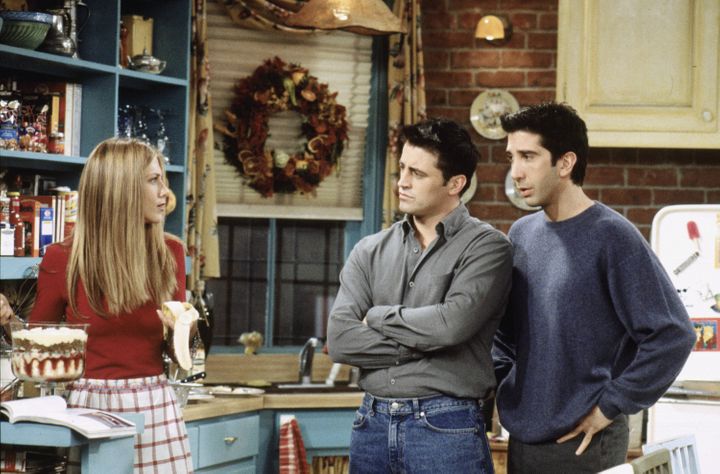
One of the BTS band members, RM, who is the only fluent English speaker in the group, said he learned English through watching Friends and reading translated subtitles.

Adrienne Houghton, who hosts TV show The Real, also went viral when she shared a story of how reading subtitles as a child while her immigrant dad learned the language, secured her career success.

Many others, immigrant or not, can relate to the practice, whether conscious or subconscious.

The Friends cast helped RM – and many others – learn the lingo.

NBC via Getty Images

The Friends cast helped RM – and many others – learn the lingo.

Initially launched for deaf people and those hard of hearing, subtitles have grown in popularity in recent times. In fact, recent research found that young people are four times more likely to use subtitles than older cohorts.

Four out of five 18-25-year-olds prefer to have captioning all or part of the time, according to the charity Stagetext. That figure for 56-70-year-olds is less than a quarter, despite this group being more likely to be hard of hearing.

And now, youngsters want more events to be subtitle-friendly. Stagetext’s research found that 45% of young people would go to live events if there were captions on a screen in the venue. Among over 65s, this figure was 16%.

There’s certainly an appeal in having text accompanying action, not least because of how impactful it can be for non-native English speakers.

Alp Ozcelik, who works for The New Yorker, grew up in Istanbul, Turkey, and says subtitles were “absolutely instrumental” in him learning English growing up.

“I was already learning English in school, but subtitled American TV was what really taught me the accent/correct pronunciation of words and the slang that I really couldn’t have picked up at school,” the 31-year-old project manager from New York says. “I also would like to credit video games with voice acting and subtitles here as well; they taught me a lot of vocabulary!”

Now, having subs is a habit Ozcelik can’t get out of. “I absolutely still use subtitles on all the TV I watch; it allows me to pick up more of what’s being said and also all of the names of people and places that sometimes get lost,” he adds.

As a child of the 90s and early 00s, Ozcelik says Friends and Gilmore Girls were big contributors his language lessons, alongside reruns of older American TV, like Married with Children and Cheers. “But I watched a lot of other primetime TV as well,” he says. “Sex and the City and Gossip Girl also come to mind.”

Alp Ozcelik learned English watching Friends and Gilmore Girls.

Alp Ozcelik

Alp Ozcelik learned English watching Friends and Gilmore Girls.

Like Ozcelik and myself, Steph Santa, a 24-year-old fraud investigator from Washington D.C, also picked up English by watching subtitled television.

Born in Peurto Rico, she travelled to the States when she was eight, where she had trouble learning English. But soon, from watching Disney shows and films, Santa was able to acquire the skill.

“When I was first learning English I had some knowledge thanks to my grandparents but I was nowhere near being fluent. The use of subtitles helped me learn how words are spelled and what they sound like,” she says.

“I remember alternating shows and movies in English with Spanish subtitles or Spanish with English subtitles until I was comfortable enough to put both in English.”

And like many others, Santa has carried on using subs, but wishes they were available in more settings. “I still use subtitles, it feels like I can’t hear what I’m watching if the subtitles aren’t on,” she says.

“I’m currently working on my masters degree and wish that the recorded lectures had closed captioning. I still struggle with some word pronunciations, but I think that’s a struggle any person that learned English as a second language goes through.”

Subtitles in lectures, or in cinemas or live events, would certainly be welcome, and not just to those who learned English as a second language, but for anyone who doesn’t want to miss all the whispers, the background detail, and the whole ambiance, not just the visual.

Sure, dubbing has it’s benefits too. But I will forever be team subtitles.

Share Button

Black Theatre Gives Us Voice. It Deserves A Black Audience

You’re reading My Black History, a series of personal reflections from Black women in the UK on the meeting point of history and life lessons.

I was six when I saw my first play – a pantomime version of Cinderella. Feeling the stage come alive through performance and music was a thrill, even at that young age. I signed up to every drama and music club at school and went on every theatre trip. And I even started considering a career in musical theatre.
This love of theatre is genetic, I think – my late father was a huge fan of the arts. He was president of the drama club at university and travelled all the way to London from Kenya to watch Miss Saigon. My sister inherited the theatre bug, playing Annie at the age of 10 and taking performing arts at school all the way up to sixth-form. It was only natural for me to follow in both their footsteps.

But as I got older, my dreams of performing in the West End began to feel unrealistic for a Black girl from Dagenham. Most of the shows I saw featured an all white cast. Black performers only seemed to get the lead roles in shows like The Lion King and Dream Girls. As my West End dreams started to fade, my love for theatre grew – and became a hobby, one that has become even more joyful with the rise in Black shows and Black stories in the UK theatre world.

One play that really stands out for me is Tree, which I saw, pre-pandemic, at the Young Vic in 2019. Before the show started, it felt like a full-on club. A DJ was playing Dancehall and Afrobeats, while the cast and audience danced on stage. The story, which is based on an album by Idris Elba, started off in London but swiftly moved to South Africa, following a boy called Kaelo after a family tragedy. Seats for the show were limited so we stood for most of it, but I barely noticed, I was so engrossed. Moments like this highlight for me that Black theatre can challenge how traditional theatre should look and feel.


Around the same time, I managed to get tickets for the most talked about musical in town. I had no idea what Hamilton was, I just knew I needed to be there and as soon as I heard the first song I was hooked. Though Hamilton isn’t a Black story per se, seeing Black actors in lead roles at the Victoria Palace theatre was a powerful reminder of why I fell in love with the arts. Hamilton highlights how theatre can tell a story in such a poignant way. It shows the realms of possibilities that can be explored on stage.

SOPA Images via Getty Images

When, almost two years later, I was finally able to see a play again, it was like coming home. Is God Is at the Royal Court, which I saw last month, focuses on two young African American women on a quest to find their father. Writer Aleshea Harris tackles difficult themes such as domestic abuse and neglect, but finds humour in the struggle. Most of all, though, it was refreshing to be back in a theatre and see people who looked like me on stage and in the audience.

Which is why I find so much joy in Rendition. This online hub for all things Black theatre across the UK was founded by Shore Delano, a 26-year-old digital project manager from Hertfordshire. It has been running for two years now, sharing guides and reviews of Black shows playing right across the country.

Like mine, Shore’s passion was lit at a young age when her mother used to take her and her sister to theatre in London. The family had a yearly tradition of going to the Hackney Empire panto over the Christmas period. This festive extravaganza is legend among parts of the Black community, but going to the theatre regularly is less common.

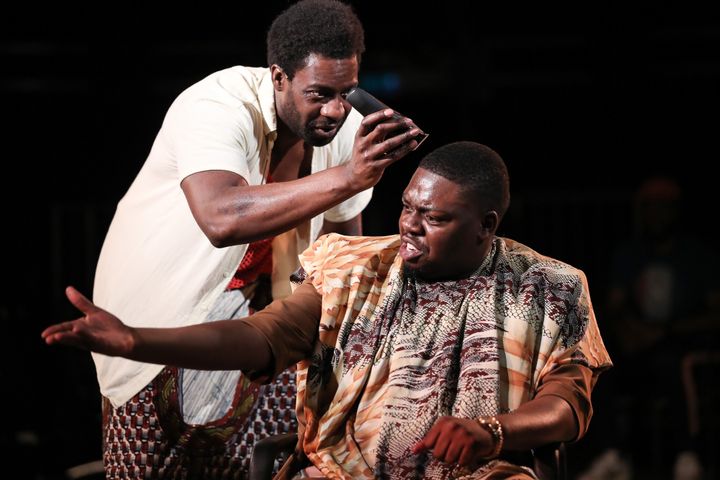
Shore says theatre fandom “really blossomed’ after university in Warwick, when she returned to London and saw Barber Shop Chronicles by Inua Elms at the National Theatre. There began an “unhealthy obsession” of trying to get to every play she could find out about that was written by, made by, and/or starred Black talent. And it wasn’t long before she spotted something amiss.

“Passion aside, the more I started watching theatre shows with majority Black casts, or distinctly African/Caribbean storylines, the more I noticed that, as a Black audience member, I was in the extreme minority,” says Shore. “While anyone can enjoy good theatre, when plays are moulded upon Black (African/Caribbean/Black British) history and experiences, I believe these stories should be able to be heard and experienced by the people they are based on.”

Take shows like Three Sisters or Strange Fruit Shore says – “for many African and Caribbeans these goes beyond a standard theatre performance. The stories told represent and mirror memories, family histories, lived experiences, and culture. I wanted to create a platform that connected audiences to the stories that often form part of who they are,” she says.

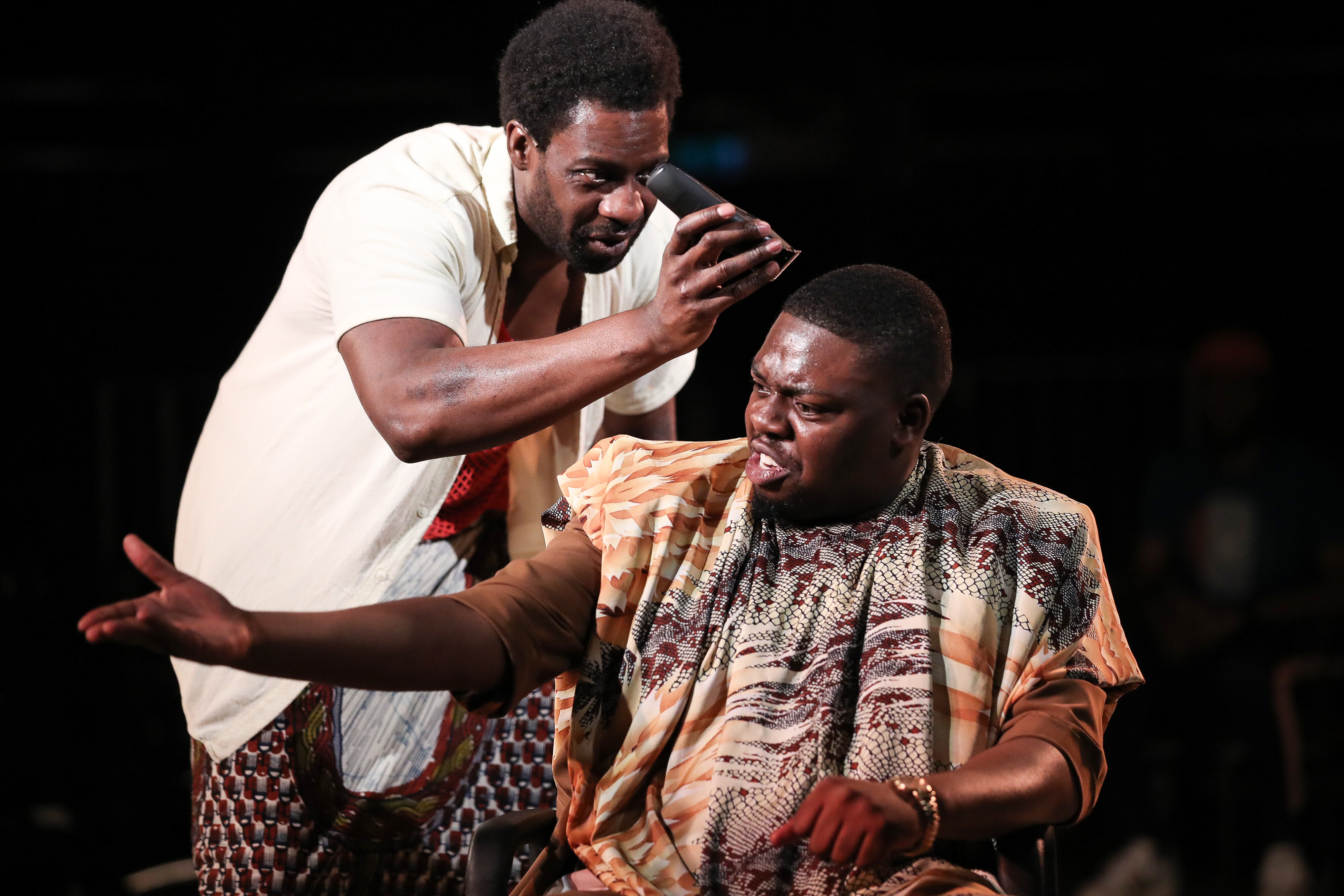
The Barber Shop Chronicles by Inua Elms.

Mike Marsland via Getty Images

The Barber Shop Chronicles by Inua Elms.

Unless you’re part of the theatre world, it can be genuinely overwhelming finding out about shows – especially plays in smaller venues with less visible marketing. This is something Shore noticed when posting reviews on her personal page.

“People would always ask me where I was, what shows I was watching, and how I found out about the shows,” she says. “And I realised that lots of Black people, and specifically young Black people aged 18-35, want to go to the theatre, but for whatever reason are not aware of what to see and when. I realised I could try and plug that gap, and two years later here we are.”

Shore reels off a list of her favourite shows in recent months: Hamilton, of course, And Breathe by Yomi Ṣode at the Almeida, The Fisherman by Gbolahan Obisesan (adapted from Chigozie Obioma’s Booker-award winning book). She also loved Nick Payne’s Constellations, which originally starred white actors, but was revived post-lockdown with a rotating cast of couples including Black British actors Sheila Atim and Ivanno Jeremiah. “They were both amazing!”

Rendition has pointed me to some shows I know I wouldn’t have heard about otherwise, either. For Black Boys Who Have Considered Suicide When The Hue Gets Too Heavy at the New Diorama might be one of my favourites yet. As the name suggests, it didn’t shy away from the struggles young Black men face in this country – exploring themes of knife crime, sexual assault and suicide, while still somehow managing to make the audience laugh. The script and use of music was just so unapologetically Black, and I left feeling inspired that a young Black boy can now go to the theatre and see himself on stage.

During Black History Month, we were able to see a plethora of shows made by Black talent – but there’s so much more work still to do. This should be the norm, year-round. As Shore says, Black theatre helps us appreciate our shared experiences and history. “I especially love to see our stories represented with range and thought, stories that go beyond some of the same trauma-led narratives that we see so often in mainstream media,” she says. “Give me Black untold histories, give me Black British love, give me Black fantasy. All of it!”

Share Button

The Top 10 Songs Played At Funerals This Year May Just Surprise You

When you think of funeral music what songs come to mind? Hymns and classical music used to be people’s go to – but all that’s changing.

Gerry and the Pacemaker’s ‘You’ll Never Walk Alone’ has taken the top spot in Co-op Funeralcare’s annual music chart – and not just for Liverpool football fans.

The emotional melody has actually knocked Frank Sinatra’s ‘My Way’ off number one – playey at an estimated 9,500 funerals over the past year.

The undertakers’ annual music chart was launched in 2002 and is based on data and insights from Co-op Funeralcare’s directors and arrangers, who conduct approximately 100,000 funerals a year.

Ed Sheeran (who regularly tops wedding songs charts, too) is in there, with his song, Supermarket Flowers. And some oldies but goodies still feature in the top 10, including Monty Python’s ‘Always Look on The Bright Side Of Life’ and ‘We’ll Meet Again’ by the late Dame Vera Lynn, who dies last summer.

But each year, more pop and contemporary tracks are being played at people’s sendoffs – some with a surprisingly catchy tone.

Cardi B and Ed Sheeran, both funeral favourites.

Getty Images / HuffPost UK

Cardi B and Ed Sheeran, both funeral favourites.

The Greatest Showman’s big number ‘This Is Me’ entered the chart for the first time this year at number ten. Other songs in the top 10 includes Tina Turner’s anthem ‘Simply the Best’ at number four – which has taken on new meaning for must fans of the TV show Schitt’s Creek – and Fleetwood Mac’s ‘The Chain’ at number seven on the list

“Music plays such a big part in all of our lives, it’s no surprise that our favourite songs play a role in the way we say goodbye too,” said Sam Tyrer, managing director of Co-op Funeralcare.

“The songs we choose for a funeral all hold unique and personal meaning for ourselves and loved ones but naturally some songs remain more popular than others and we’re delighted to unveil this year’s music chart.

Among the more controversial songs to have been requested at recent funerals include ‘W.A.P’ by Cardi B ft. Megan Thee Stallion and ‘Girl on Fire’ by Alicia Keys. ‘F*** Forever’ by Babyshambles and ‘Ha Ha You’re Dead’ by Green Day satisfy the alternative crowd, and we quite want to know the story behind the people choosing ‘Ding Dong! The Witch is Dead’ from The Wizard of Oz.

It’s worth noting, however, that offensive songs can be refused to be played by a third party, such as the venue or person ordaining the funeral, says Tyler.

The Top 10 funeral songs for 2021

  1. You’ll Never Walk Alone – Gerry and the Pacemakers

  2. My Way – Frank Sinatra

  3. Always Look on The Bright Side Of Life – Eric Idle

  4. Simply The Best – Tina Turner

  5. Supermarket Flowers – Ed Sheeran

  6. Time to Say Goodbye – Andrea Bocelli and Sarah Brightman

  7. The Chain – Fleetwood Mac

  8. Somewhere Over the Rainbow – Eva Cassidy

  9. We’ll Meet Again – Vera Lynn

  10. This is Me – The Greatest Showman

Share Button

This Is The Leg Up Young People Get If They Have Rich Parents

Young adults with the richest parents are typically around six times as wealthy themselves as those who come from the poorest families, according to analysis.

The Institute for Fiscal Studies (IFS) explored the impact that wealthier parents have on transferring economic advantages on to their children in the UK.

By the time they were in their 30s, people born in the 1970s and 1980s, with parents in the wealthiest fifth in their generation, had average net wealth of £107,000, the think-tank said.

This was around six times the £18,000 held by those with parents in the poorest fifth in terms of wealth. The figures exclude pensions wealth.

The IFS’s findings suggest that the link between young adults’ wealth and that of their parents is stronger than the influence that parents’ earnings has.

Even among those whose parents have the same levels of earnings and education, people with wealthier parents tend to earn more, the IFS said.

People with wealthier parents also tend to save more as a portion of their earnings. The children of wealthier parents may receive more transfers and capital income on top of their earnings, and so are able to save some of this additional income.

Those with wealthier parents are also more likely to hold higher-risk, higher-return investments such as stocks and shares.

With many parents passing wealth down the generations, the children of the wealthiest fifth of parents are nearly three times as likely as those with average parental wealth to be in the wealthiest fifth within their own generation.

The research was funded by the Economic and Social Research Council.

This wealth divide also impact’s young people’s on the ability to get on the property ladder. Around two-thirds (65%) of those whose parents are in the top third of wealth distribution are homeowners by the age of 30. This compares with 56% and 41% for those whose parents were in the middle and bottom thirds, respectively.

David Sturrock, a senior research economist and author of the report said: “Policies that seek to improve educational progression and labour market outcomes for those with low education and low income parents could, if designed and implemented well, be important for wealth mobility but would not on their own equalise wealth outcomes between those with wealthier and poorer parents.

“A significant amount of the inequalities in wealth by parental background appear to be due to other channels through which parents transmit advantages to their children.”

Share Button

The 10 Best Embarrassing Dad Jokes, As Picked By The Nation

What makes a classic dad joke? Some might say one that’s fundamentally unfunny. But we have more appetite than you’d expect for the cringe.

Ahead of National Tell-A-Joke day on August 16, Moonpig has surveyed the nation on our true feelings about dad jokes – as well finding the ones that actually land. It turns out that dad jokes make a lot of us warm and fuzzy with nostalgia and some even manage to make us laugh, rather than groan.

Almost half (49%) of those surveyed said they find dad jokes funny – not so bad, then – although the older you are, the less likely you are to find your own dad funny. Surprisingly, 64% of Gen Z say their dad makes them laugh, compared to 36% of those over 55.

As to which city takes the dad joke crown, the fathers of Liverpool are funniest (or at least have the most appreciative audiences), followed by Cardiff and Birmingham in the top three. And when it comes to low tolerance, neither Norwich or Brighton has much time for dad jokes, calling them “annoying” or even “disgusting”.

Of course, we all know the obviousness of the punchline is what makes a dad gag iconic, nor does a good(/bad) pun go amiss, which may explain why so many old classics make the following list of the nation’s favourites.

1) What do you call a boomerang that doesn’t come back?

2) Why do Dads take an extra pair of socks when they go golfing?

In case they get a hole in one.

3) What’s the best time to go to the dentist?

Tooth-Hurty.

4) A ham sandwich walks into a bar and orders a beer.

The bartender says, “sorry we don’t serve food here.”

5) What did the ocean say to the beach?

“Nothing, it just waved.”

6) “Dad, did you get a haircut?”

“No, I got them all cut.”

7) My wife asked me to stop singing ‘Wonderwall’ to her.

I said, “Maybe…”.

8) What is brown and sticky?

9) I slept like a log last night.

Woke up in the fireplace!

10) I used to hate facial hair.

Then it grew on me.

Share Button

Why This Is The Moment To Make Your Family ‘Mission Statement’

The past year and a half has been long, hard and logistically bonkers for families with young kids at home.

While the pandemic certainly isn’t over, many parents do feel a huge sense of relief as we inch closer to what looks like (for now, at least) a more typical school year. Groups such as the American Academy of Pediatrics and Centers for Disease Control and Prevention have called for kids around the country to return to the classroom. At the same time, many parents who haven’t already returned to the office for work will likely do so to some degree this fall.

Although being able to slide back into old routines might feel pretty darn glorious, economist and parenting guru Emily Oster suggests that doing so without pausing to consider your family’s “big picture” is a mistake.

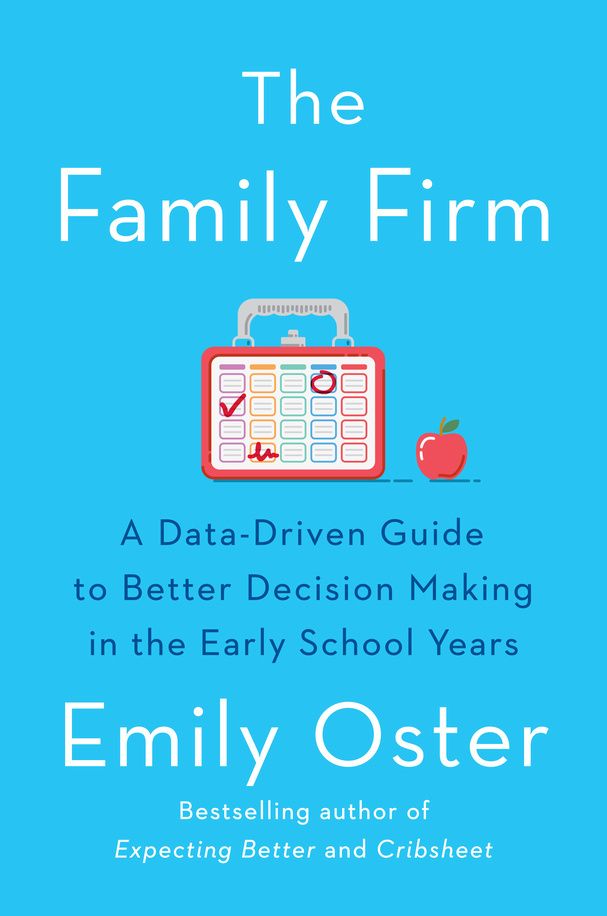
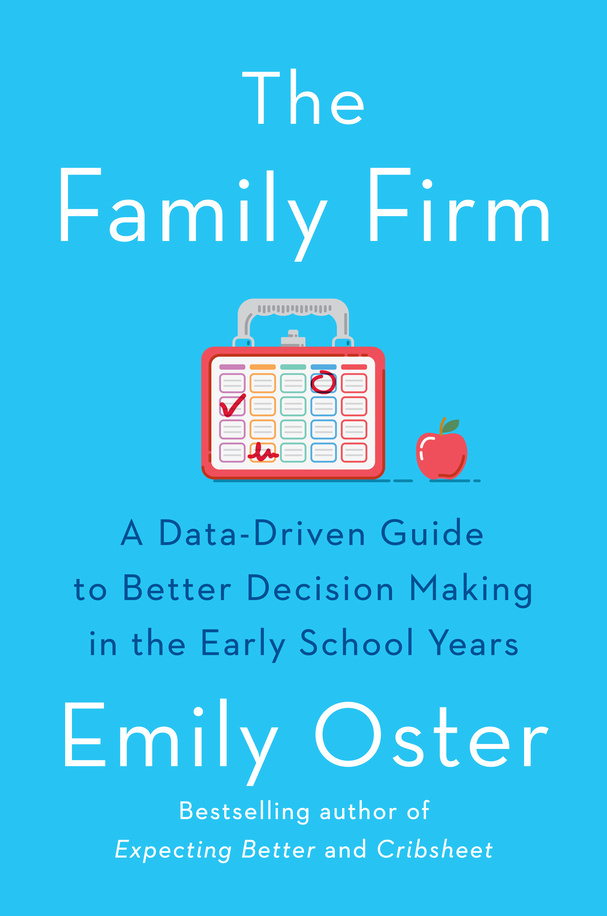
Oster’s new book, The Family Firm: A Data-Driven Guide to Better Decision Making in the Early School Years, provides a framework for parents of 5- to 12-year-olds when it comes to making decisions on everything from nutrition to when kids should get their first phones. She believes this is a moment when many families would benefit from creating mission statements – and she’s got a practical guide for what they should entail.

Emily Oster's new book urges families to make mission statements.

Emily Oster’s new book urges families to make mission statements.

“With all of the terrible things that have gone on over the past 18 months, there is an opportunity, as we move out of this, to have important conversations even in families where routines have been long established,” the author told HuffPost. “What are the things we were doing before that we want to go back to? What are the things we were doing before that we think, ‘You know what? Actually, I didn’t miss that.’ It is a real opportunity for that kind of reflection to happen.”

What your family mission statement should include

The purpose of a family mission statement is really to help you and whoever else you parent with articulate your big, high-level values. But Oster doesn’t see it as simply a lofty expression of ideals. Instead, it’s a practical document that will help your family sort through parenting decisions every day.

“When I talk about creating the family Big Picture, I’m talking about these overall principles,” Oster writes in “The Family Firm.” “But I’m also talking about confronting, ‘What does Thursday night look like?’”

To start, everyone who is a parenting stakeholder in your family should get a piece of paper. Write down an overarching family mission statement in a single sentence. Next, jot down three main goals for your children.

“Big life goals,” Oster writes in her book. “Not like, ‘Use a fork better,’ even if you desperately, desperately want that.”

After that, it’s time to think about yourself. What are three priorities you want to make sure you get time for? Write those down.

Then, list three activities that are must-dos for your family on most weekdays. Oster’s, for example, include eating at least one meal with the kids, getting some work done and being around for bedtime.

Finally, list three activities you think of as must-dos on the weekend. Sports? Spending time with family? Religious activities?

“There’s an important distinction between woo-woo, kind of big-picture family mission statements and really diving into some of these specifics,” she told HuffPost.

Why it’s worth it

Oster wrote her book The Family Firm before the pandemic, though she has, of course, become a go-to (if controversial) resource for many families over the last year and a half.

While her new book does not address Covid-19 or its impact on families and family decision-making, Oster said she thinks family mission statements are more important than ever in this moment of profound transition for so many parents and kids. (In non-Covid times, she suggests creating a mission statement around the time your child starts school and revisiting it as they get older.)

“The idea of the mission statement is really to surface your most important priorities to everyone in the family, and I think the reason that is really important is often, in families, those things go unsaid,” Oster said. “We have this idea that we all love each other, so of course we kind of agree on our family’s mission. Sometimes, that’s actually not true.”

If you are co-parenting with somebody else, you might find that what you’ve written down during this exercise looks pretty different, especially if you’re both emerging from the pandemic with new values and priorities. Don’t let that frighten you, Oster said, adding that what you really don’t want is to be acting on different priorities without having talked about them first and realising they’re different.

“The value of putting out our views, even if they lead to disagreements, is that it gives us an opportunity to talk about why we disagree,” she said. Once you’ve got some clarity around your own parenting priorities, you’re able to have a clearer, calmer discussion about the ways in which you can come together.

“We are pretty conflict averse, for reasonable reasons, in a way that we’re not always at work,” Oster said. “But I see this as bringing the potential conflict forward, but bringing it into a quieter moment where we’re not mad.”

Share Button

8 Lasting Changes We Might See In Children After This ‘Lost’ Year

The Covid-19 pandemic changed all of our lives, but for developing children, its impact may have more long-term effects.

“Every child’s experience of the pandemic is different based on their temperament and their home life,” Jacqueline P Wight, director of mental health services at DotCom Therapy, told HuffPost. “Many children have experienced mental health challenges, and we anticipate that for some of these children, there will be lasting effects. For others, the challenges were more situational and will subside as life returns to normal.”

There’s no easy way to know which camp your child may fall into, but parents can take note as the situation evolves.

“Children are starting to experience the ripple effects from the collective trauma of the pandemic, and the long-term implications of this ‘lost’ pandemic year may not be fully understood for years to come,” said licensed clinical social worker Nidhi Tewari.

“The good news is that children – and humans in general – are resilient beings, and we will begin to recalibrate as the threat of Covid-19 dissipates in the coming months and years,” she added. “If we take steps to attend to our mental health and well-being now, then we can mitigate some of the long-term impact of this pandemic.”

Ultimately, awareness is key. Below, Wight, Tewari and other experts share some potential long-term changes for parents to keep in mind as they guide their children through the coming months and years.

Understanding of loss

With the current Covid-19 death toll at more than 4 million worldwide, countless children have been exposed to loss and grief during the pandemic. For many, this may have been their first experience with death.

“For the thousands who lost parents, grandparents and other loved ones, the loss is immeasurable, and grief and bereavement can take many forms,” said Dr. Ilisse Perlmutter, director of child and adolescent psychiatry at Talkiatry.

Even those who haven’t lost a loved one may have felt grief over lost experiences or opportunities. Parents should be prepared to help their children cope with grief and understand that it’s all part of the human experience.

“While it is easier said than done, it is best not to overthink the possible losses that children have experienced during the pandemic,” said Wight. “They have lived through a profoundly unique and powerful experience. They have gained skills as well as understanding during this time.”

Vulnerability to mental health issues

“Through the pandemic, there were significant increases in children and adolescents reporting anxiety and depressive symptoms, and this will likely continue trending upwards,” Tewari said.

The data doesn’t look great. A report from Save the Children found that the Covid-19 pandemic has had a “devastating” impact on families’ and children’s emotional health in the US.

“We will see on the negative side increased vulnerability to anxiety-based disorders such as eating disorders and pressure on children and adolescent mental health services,” said psychotherapist Noel McDermott. “Investment in mental well-being needs to increase and the whole needs of our kids considered.”

While many parents are anxious about their children catching up academically, McDermott believes kids have gained the perspective to recognise the other important issues in life – which isn’t necessarily a bad thing.

“We have a lot of choice about how to frame this for ourselves and for our kids,” he said. “Whilst we have seen an increase in anxiety disorders and depressive disorders during this time in kids, if we respond well to this with effective support, positive skills can be learned by kids about how to manage challenge and there can be improved resilience going forwards.”

Social anxiety

“Many children may continue to struggle with social anxiety due to the isolation of the past 1.5 years, so gradual exposure to social situations and redeveloping social skills will be essential in helping them in [reacclimatising],” Tewari said.

Dr Dyan Hes, founder of Gramercy Pediatrics, said she’s concerned about childhood development, particularly with the littlest of little ones, as the most rapid brain growth occurs from birth until the age of three. Missing out on interactions with others may have fostered a sense of social isolation that will need to be overcome.

“These children have not seen many facial expressions behind masks, they have not learned to navigate the social skills needed to play with other toddlers or even the motor skills to run on a playground,” she explained. “As a paediatrician, I wholeheartedly encourage families to send their children to school, camp or day care. The benefits far outweigh the risks, unless their child has a medical condition that would make Covid life threatening. … We need our children to reemerge into society and we need all adults to be vaccinated for this to happen.”

“We do know that kids from already stressed and underresourced communities were more adversely affected during the pandemic.”

– Dr Helen Egger, child psychiatrist and co-founder of Little Otter

Health anxiety

All of the mania around sanitising and disinfecting may also have a long-term impact on some children.

“There could be increases in illness anxiety disorder due to fears of catching the virus and having to maintain the strict hygiene protocols that have been necessary through the pandemic,” Tewari said.

“Most people’s nervous systems are dysregulated due to the pandemic’s threat to our safety and health, so it will take time for our brains and bodies to recover after the pandemic ends,” she added. “As a result, we may feel disoriented, and have a hard time believing that life can ever be ‘normal’ again.”

Anxiety around illness may also mean some children feel a fear or discomfort around going outside.

“I have noticed many kids who have never climbed up the playground ladder, learned how to ride a scooter or a bike,” Hes said. “These kids have been kept indoors for fear of Covid because they are too young to be vaccinated. I try to encourage parents to take kids out to get fresh air, run and play.”

Widening inequality

Although we can’t yet fully know the extent of the pandemic’s lasting impact on children’s academic performance or development, there are certain trends that are already very clear.

“We do know that kids from already stressed and underresourced communities were more adversely affected during the pandemic,” said Dr. Helen Egger, a child psychiatrist and co-founder of Little Otter. “Widening inequality for children may be one of the worst impacts of the pandemic.”

From economic challenges to mental health struggles, many existing gaps between populations have worsened during the pandemic, and children are bearing much of the brunt.

“Children who were struggling before the pandemic may lag further behind,” Perlmutter said. “Youngsters who are homeless, have disabilities, subjected to racial violence are especially at risk.”

Making positive memories

The impact of the pandemic isn’t entirely terrible. Wight pointed out a silver lining of living through such “unprecedented times” unlike anything kids have experienced before.

“It’s important not to overlook that children will also have special or positive memories related back to the pandemic,” Wight said. “They might remember having more quality family time, a slower pace of life, FaceTiming with family members across the country and new hobbies they developed while at home.”

McDermott highlighted other positive aspects – like spending more time with family and the refreshing old routines.

“The ‘interruption’ to the treadmill of school, university and jobs can also be viewed positively as it has allowed time to focus on important relationships in our lives,” he said.

Connection to others

Although the pandemic brought social isolation, it also fostered a sense of global community. There’s also a universality to the experience, which creates common ground for children growing up with the trauma of Covid-19.

“As a global event, there is a shared experience for all the world’s children,” McDermott said. “As has been shown around issues such as climate change, kids are truly amazing at seeing their connections and joining together. Is this the global generation? Some of us hope so.”

He also emphasised the power of the internet in allowing children to connect to each other even amid their isolation.

“The hegemony of online experience has moved forward and we will see this generation more connected to that and connected to global voices and experiences,” McDermott said.

Resilience

“Despite the horror of this devastating year, understanding that in the face of trauma and this public health disaster we have the capacity for resilience has been comforting and grounding,” Perlmutter said. “Marking life events and celebrations in the usual ways was disappointing but not out of the question. Watching the grace and enthusiasm of high school seniors’ graduation ceremonies in living rooms, drive-by birthday celebrations, Zoom visits with grandparents, and bar and bat mitzvahs and confirmations on Zoom was humbling. It gives me hope.”

Throughout the pandemic, children have learned to cope with many unforeseen changes and challenges. While the experience wasn’t always positive, it fostered major growth and resilience.

Wight encouraged parents to keep this bright side in mind as we continue to work through the evolving situation.

“It is critical for parents to manage their own distress and worries, as it directly impacts their children’s well-being,” she said. “It is most helpful to focus on the resilience of children and to give them many opportunities to return to play and the work of being children.”

Share Button