Ahead of International Dawn Chorus Day, the Royal Society for the Protection of Birds (RSPB) announced they’ve seen a 10-fold increase in birdwatching among Gen Z (born 1997-2012).
Numbers are “still on the rise,” they added in a press release. These figures were based on data collected by Fifty5Blue.
Advertisement
That makes it Gen Z’s second fastest-growing hobby, per the data, after jewellery-making.
This is among a 47% general increase in birdwatching, with a 216% increase among Millennials and a 66% increase among Gen X. Gen Z, however, is leading the way.
Why are Gen Z birdwatching?
24-year-old Jess Painter from the RSPB’s Youth Council said social media tips have helped to make the hobby less exclusive.
“When I’m watching birds, I’m not thinking about anything else – it’s a moment of peace and a way to reconnect with nature, and with myself. By taking a moment to be curious, to watch, listen and learn, you open yourself up to endless small moments of wonder,” she said.
Advertisement
NHS doctor and president of the RSPB, Dr Amir Khan, said Jess and others like her are onto something.
“Hearing birdsong, especially during the dawn chorus when they’re at their loudest and most beautiful, can produce more serotonin and make us feel good,” he shared.
“For millennia, humans have evolved alongside nature, so it’s inherent that we want to connect with it. There’s even a scientific term for this theory, the biophilia hypothesis, which means we actively seek out nature.”
RSPB wildlife expert Molly Brown said birdwatching is “something that everyone can do, no matter how much or little they know about birds”.
Advertisement
Look out your window or head to a local park or woods, stay still and quiet, and enjoy the wildlife.
You can also hear some species instead of seeing them, woodlands.co.uk explained. Richard Scholfield, their estate manager, said: “People often think they’re only seeing one or two bird species on a woodland walk. But if you stop and listen, you’ll realise there are often half a dozen or more species singing around you at the same time.”
Chiff-chaffs, blackbirds, woodpeckers, song thrushes, wrens, and tawny owls all have distinctive calls.
In 2026′s Tokyo marathon, runner and teacher Annie Tran said the secret to her speedy finish was a disposable toothbrush.
“Every runner knows that mile 20 is where we have to dig deep and find what little energy we have left. After brushing my teeth, I felt revived and refreshed,” she said on Instagram.
Advertisement
That’s one way of getting past “the wall”. But whether you’re running a marathon or not, runner Katy Laser pointed out an issue dentists say could be common among distance joggers – and might even be mitigated by a post-run brush.
How might running affect your teeth?
Despite not eating much sugar or drinking many fizzy beverages, Katy said in a viral TikTok that her dentist called her out on some issues, which she later attributed to gel packs.
Advertisement
“In addition to [gels] being little packs of sugar… that are very sticky… your mouth gets drier when you run,” she explained. “It is just sticking to your teeth in a ‘desert mouth’… running gels are essentially the perfect storm of cavities”.
“The amount and frequency of carbohydrate that an endurance athlete ingests during competition and training can wreak havoc in your mouth, increasing risk of enamel erosion, dental cavities, and inflammatory periodontal disease,” she shared on Instagram.
She added that most sports drinks are acidic. And while saliva helps to wash away both sugar and acids, as Katy explained, this is diminished during a run. This may be exacerbated by heavy breathing.
Advertisement
One paper found “high levels of poor oral health” among London 2012 Olympians; 76% had gingivitis, and 55% had caries (tooth decay).
How can I look after my teeth if I run long distances?
Young advised drinking water after taking running gels. Pond Square Dental added that staying hydrated is the “first and most important step” when you’re on a long run.
Reducing the number of sugary snacks and gels you consume may also help.
And if those don’t work for very long runs, Dr Douglas Elliott at Elliott Orthodontics said “brushing your teeth before and after workouts” is worth a try too.
When I was 41, my therapist handed me photos of every boy in my fourth grade class and instructed me to condemn each one to the paper shredder. It was my first experience of truly being in the driver’s seat, and I felt giddy with control.
From an early age, I’ve carried an acute fear of rejection and abandonment. This has made dating challenging, to say the least. My typical dating pattern used to be the following: I’d meet someone I liked, become enamoured, only to find myself spiralling into persistent anxiety, worried about when and how the relationship would end.
Advertisement
That sense of unease began in middle school.
The night my friend revealed she had a boyfriend, we were bundled in sleeping bags on chalet bunks, up past curfew during our eighth grade ski trip. She was the first in our group to date.
As the girls clamoured for details (“What does he look like? What school does he go to?”), I should have known something was off when the only question I thought to ask was, “Aren’t you terrified that he’s going to break up with you?”
Although it would be years before I experienced romantic heartbreak firsthand, I now realise that even then, I was already bracing for the worst.
Advertisement
By the time I was older, like anyone who frequents pop psychology circles, I was aware of attachment styles and how early childhood experiences can shape adult relationships. Yet, I grew up in a safe, stable home with parents who didn’t always get along but loved and supported me unconditionally, so I never really understood where this anxiety came from.
This confusion persisted until 2021, when a session with my therapist changed everything.
At that time, I’d booked an appointment because I had just started seeing someone new. It was the first person I’d liked since the beginning of the Covid-19 pandemic, and I’d noticed my usual pattern taking hold again. I was overcome with anxiety over whether things would work out, and it was keeping me up at night and distracting me at work. This time, though, I felt exhausted. I was ready for a change.
“I don’t want to feel this way anymore,” I told my therapist.
Her first question was to think back to my childhood and pinpoint when this fear of rejection might have started. One incident immediately stood out.
Advertisement
In fourth grade, we had our first sex education class. Not long after, the boys in my class lined all the girls up against the exterior wall of our school and took turns rating each of our bodies – hot, not or disgusting. Some of the boys took it a step further and pointed out who was “flat as a board.” It was most of us; we were barely 10 years old.
It was such a humiliating and disorienting experience. I don’t remember how each of the boys rated me – not that it mattered – but I felt disgusting.
At that age, I was still very much a kid and hadn’t even started liking boys. My favourite book was Harriet the Spy, and I loved taking ballet classes, reading books and playing with Barbies with my three best friends. I also thought I was pretty cool, being the proud owner of sparkly jelly shoes and an impressive sticker collection.
Advertisement
Suddenly, it was like none of that mattered, and I was now hyperaware of my body and how it was perceived by boys.
Part of my childhood died that day. The message was clear: it doesn’t matter how you feel about yourself; what matters is being chosen and that boys choose you, not the other way around.
For years, I dismissed this firing squad of tween-age rejection as just another weird story from adolescence. But when my therapist prompted me to recall the memory, I finally understood how deeply it fuelled both my fear of rejection and the perfectionism I carried into my romantic relationships.
Advertisement
When I started dating in my late teens and early 20s, I was focused on making myself as likeable as possible, and I became really good at it. I shape-shifted myself into the ultimate “cool girl”. I never asked for too much from my partners out of fear they’d reject me. Instead, I swallowed my feelings and discomfort, shrugging off subpar treatment from the people I dated.
You don’t want to commit, but still want me to act like your girlfriend? That’s OK. I’m the cool girl! I’ll bring you homemade soup when you’re feeling sick, even though I’m not sure you even know my last name.
I felt like I was always proving myself, and being chosen was the reward. It’s only now that I can see I spent years so focused on being what my partners wanted that I rarely stopped to ask whether they were enough for me.
Advertisement
Even in the relationships where I felt safe to show up authentically, I struggled to express my needs. There was always a little voice warning that if I revealed too much of myself, I would be deemed “disgusting” all over again.
Sharing this with my therapist, she helped me realise that my fear of rejection was only part of it. What I struggled with was people-pleasing. In pursuit of being liked by other people, I abandoned myself.
It was time to stop the cycle. My therapist decided on an unconventional approach: reject the boys once and for all.
Advertisement
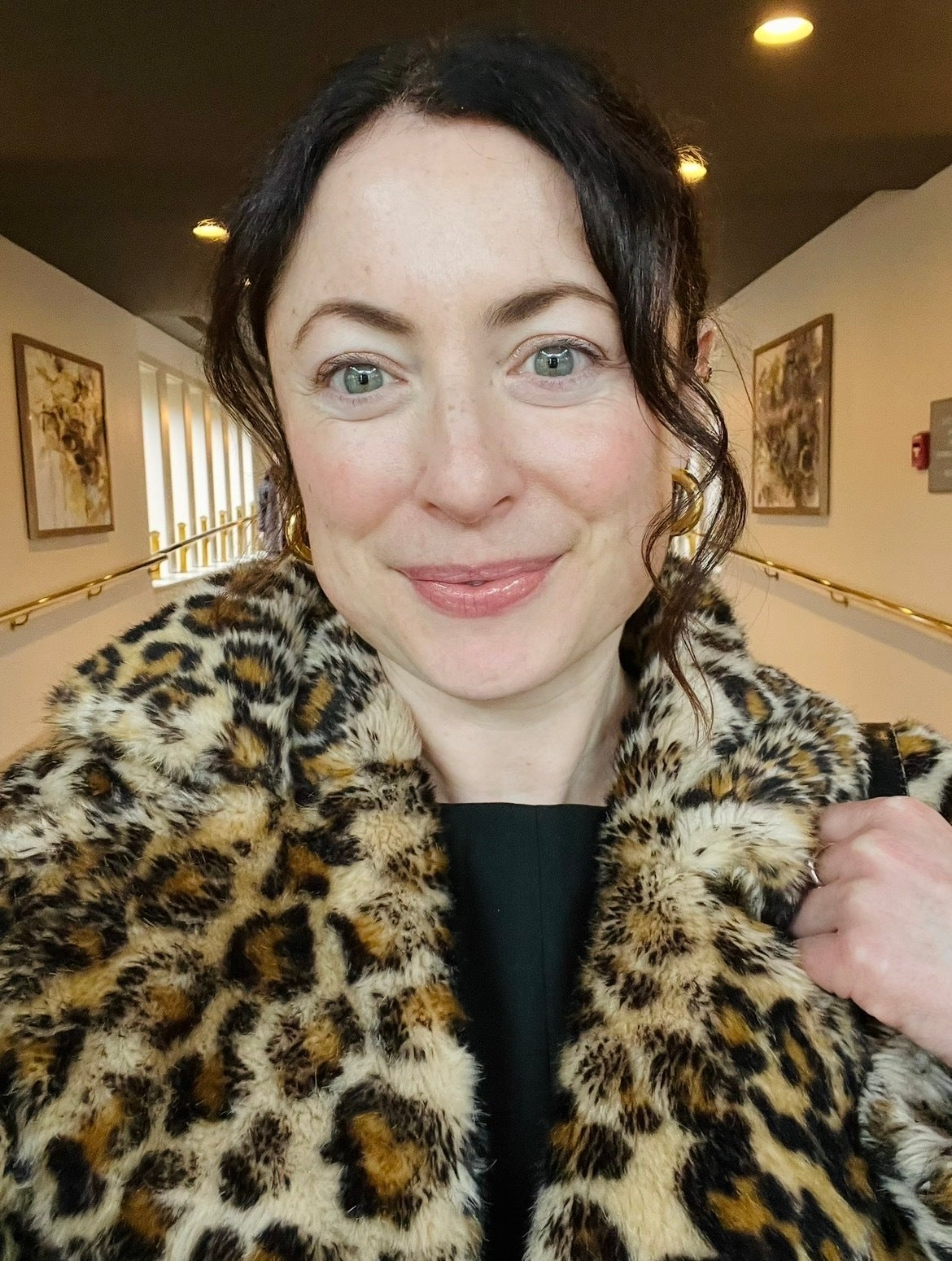
Photo Courtesy Of Simone Paget
The author is now working to show up authentically in relationships of all kinds.
As homework, she had me print photos of each of the boys who’d participated in the “lineup” in middle school – an easy task since I grew up in a close-knit community, and I’m still in touch with many of the people I went to school with on Facebook.
When I arrived at her office the following week, photos in hand, we spread them on the floor.
Seeing all of the boys’ photos – now middle-aged men with grey hair and receding hairlines – and rejecting them, out loud, was unexpectedly powerful.
Advertisement
I was finally able to see my tormentors for who they are: a bunch of guys I wouldn’t want to date anyway. In fact, most of them are married, and I’m queer and currently much more interested in dating women.
My therapist had me face each man and reject them one by one.
“Are you ready for the fun part?” my therapist asked.
She led me over to her desk, and together we eviscerated the photos in the paper shredder.
My therapist’s exercise might seem out of the box, maybe even a little mean to some, but it did exactly what she had hoped: it set me free.
It made me realise that I no longer have to play by a middle school rulebook that never served me. I don’t have to wait to be chosen; I can practice discernment and actively choose myself instead.
Advertisement
Unlearning a lifetime of people-pleasing is an ongoing, tricky process. At our core, I think most of us want to be liked and loved by others. It’s why rejection stings.
While I still fear rejection sometimes – I get anxious when I see those three blinking dots after I’ve sent a text to someone I like – I’ve stopped basing my self-worth on what other people think of me.
Photo Courtesy Of Simone Paget
The author today.
Advertisement
Instead, I’ve made it a habit to boldly show up as myself in my friendships and the communities I frequent. I’m learning that by sharing and being honest about the parts of me that I used to worry were “disgusting” (for example, that I am not cool and detached, but rather sensitive and have very big feelings), the right people are actually drawn to me rather than repelled.
I’ve also gained clarity about what I actually need from a relationship, such as steadiness, consistency and emotional safety, which has made it easier for me to spot when a connection isn’t aligned. As a result, it takes me much longer to get into relationships than it did in the past – and I’m OK with that.
Rejecting people who aren’t a good fit still feels uncomfortable sometimes, but I see it as a form of self-care, like I’m sticking up for that little girl version of me who felt so disempowered.
Advertisement
Now, when I meet someone new, I don’t wonder if they’ll choose me. I ask a different question: Do I even like them? And I let the answer guide me.
Simone is a writer and host of the podcast “We’re Never Doing This Again.” She is a nationally syndicated relationship columnist for the Toronto Sun, and her words and photographs have appeared in Apartment Therapy, Business Insider, The New York Times, The Washington Post and more. You can follow her on X and Instagram at @simone_paget.
Not only are we entering peak bee swarming season, but James Higgins, Head of eCommerce at Grass247, said we’re about to be beset by woodworms too.
“Most people associate woodworm with lofts, floorboards, and old indoor furniture, but many don’t realise that wooden features in the garden can also be vulnerable,” he shared.
Advertisement
With recent wet, warm weather “and woodworm season underway, it’s a good time to check timber features around the garden for the early warning signs of damage,” he added.
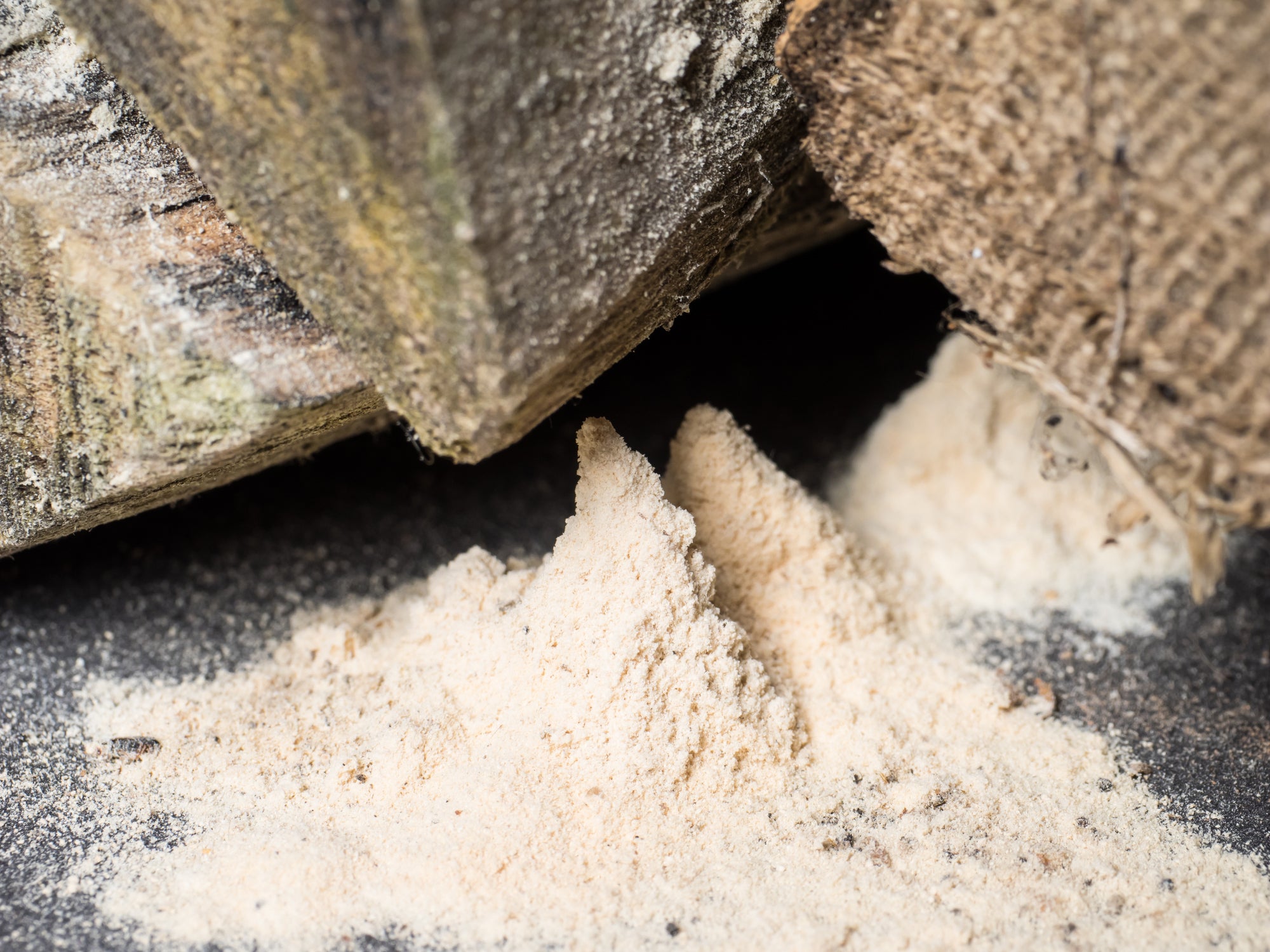
This can include a dust-like substance called “frass”.
What are woodworms?
They’re the larvae of different species of wood-eating beetles.
Woodworms cause the most damage in their larval stage, when they gnaw through the cellulose, hemicellulose and nitrogen present in the wood. That can cause structural damage.
Additionally, the adult beetles tunnel their way out of the wood, leading to further tiny holes.
They usually have a pale body with a black head, but you probably won’t see them if you’ve got them – they hide deep in the wood.
Advertisement
Where are woodworms found?
They typically like older, softer, wetter materials. They can be found in joists, floorboards, lofts, and vintage furniture.
But they can be found in your garden, too.
“Woodworm tends to favour timber with higher moisture levels because it’s easier for larvae to feed and develop within the wood. That means everything from garden furniture and decking to timber sleepers, raised beds, and wooden lawn edging can be worth checking at this time of year,” Higgins shared.
Advertisement
“Damp conditions won’t suddenly create an infestation overnight, but they can make existing problems easier to spot and allow damage to worsen if it’s left untreated.”
What are the signs of woodworm?
One sign you’ve got an infestation is a substance that looks like dust at first glance.
“Fresh woodworm activity often leaves behind a fine, cream-coloured dust known as ‘frass’. It can collect beneath things like furniture legs, decking boards, timber edging, sleeper borders, and around the base of raised beds,” Higgins revealed.
“It looks very similar to sawdust, but if it keeps reappearing after being brushed away, it could indicate active woodworm.”
Advertisement
Other signs of woodworm include:
Soft, crumbling, or weakened timber,
Dead beetles around windows, sheds, or conservatories,
Tiny round holes (1-2mm) appearing in timber.
“Pay particular attention to garden sleepers, timber edging, pergolas, decking, and other wooden landscaping features that are exposed to the elements year-round or sit close to the soil” when looking for softer or crumbling wood, the expert continued.
Remember: beetles usually come out en masse from June to July, meaning you’ll benefit most from a keen bug watch, especially around sheds, conservatories, garages, and windows during those months.
Advertisement
If you think you might have woodworm, drying, ventilating, and treating the wood can help. If you’re not sure, it’s best to reach out to a professional.
In an ideal world, we’d all be able to tell our partners exactly what we’re feeling, as soon as we’re feeling it.
But real life often falls short of that. Maybe it feels too vulnerable to express a need outright; maybe you’re worried about being dismissed, ignored or met with hostility if you do.
“Passive aggression is an indirect expression of emotions or unmet needs,” explained Tara Rullo, a trauma and couples therapist and owner of Middle Way Psychotherapy.
Advertisement
“Underneath passive-aggressive comments are vulnerable emotions like sadness, loneliness, overwhelm, fear, or longing.”
PhotoAlto/Frederic Cirou via Getty Images
Underneath passive aggression between partners, there could be unmet needs just under the surface.
As an example, Rullo described a couple where one partner has been retreating into their phone: “Instead of their partner saying, ‘I’m feeling ignored,’ or ‘I want to connect with you,’ the bid may come out sideways through comments like ‘Don’t let me interrupt your phone’ or ‘Must be something really important on there,’” she said.
Advertisement
“Underneath these comments is a natural longing for connection, but because the need is wrapped in irritation and sarcasm, the receiving partner hears criticism, contempt or undefined emotional distress instead,” Rullo continued.
Below, relationship experts describe some of the most common passive-aggressive phrases they hear used with significant others, then break down how to turn those moments into a genuine opportunity for connection instead.
‘It’s fine’ / ‘I’m fine’
This is one of those examples where the words mean one thing, but “your partner can clearly pick up on a tone,” Alexandra Solomon, a clinical psychologist and the author of Love Every Day, told HuffPost. “If the tone doesn’t match, the tone is all your partner’s gonna focus on.”
Advertisement
They’ll sense your distress, but have no way of knowing what’s wrong – only that you’re upset with them.
If you catch yourself saying this, Elizabeth Earnshaw, a licensed marriage and family therapist and author of Til Stress Do Us Part, recommended that you do your best to catch yourself in the moment and try to name the real feeling instead. A quick script might look like: “Actually, I’m not fine. I don’t know why I said that. I am feeling [angry/sad/etc].”
‘Must be nice’
Rullo flagged this kind of comment as one of the most concerning patterns she sees. “Must be nice” – as in, “must be nice to have zero responsibilities” or “must be nice to relax while I do everything” – can veer into contempt, which she said “is considered the single strongest predictor of relationship breakdown”.
Advertisement
What contempt signals, Earnshaw said, is that “you’re not only frustrated but have also lost a fundamental sense of respect for the other person.” The sarcasm in this kind of comment allows you to disguise it as humour, but the underlying message is loud and clear.
‘I guess I just can’t do anything right’
“Your partner gives you feedback or raises a concern, and you say, ‘Well, I guess I can’t do anything right then,’” Solomon said. “It’s passive-aggressive because you’re not addressing your partner’s concern and you’re generalising.”
It’s also a form of what Earnshaw called “chronic victim-playing”.
Instead of engaging with the specific issue – or taking a second to acknowledge that you’re feeling criticised and having a response to that – you turn the moment into a referendum on your worth.
Advertisement
It shuts down the conversation your partner was trying to have and takes it to a much more global and less productive place.
‘I shouldn’t have to ask’
Couples therapist Zach Brittle described “should” as a common tell that there’s some passive aggression at play: “I shouldn’t have to ask” and “you should know” are both common culprits.
Ideally, Brittle said, the speaker would communicate “from a place of desire (rather than demand).” This might look like reframing “you should” statements as “I would really like…”
Advertisement
Earnshaw also gave the example of a partner who’s feeling neglected and snaps at their significant other, saying, “If you cared, you’d know.” Instead, that partner might try saying, “I’m feeling lonely, and I’d love it if we could plan a date night soon.”
‘Wow, look who finally decided to help’
This is another comment that can be defended as a joke if it lands badly – but the person on the receiving end will find it almost impossible not to respond to the cutting tone underneath.
As with the “must be nice” genre of comments, this kind of comment can communicate “superiority, disgust, disrespect, ridicule or disdain,” Rullo said. “Instead of ‘I’m upset with you,’ the message becomes ‘I’m above you’ and ‘there is something fundamentally wrong with you.’”
Advertisement
That kind of atmosphere – where one or both partners “consistently feel looked down on, mocked or dismissed” – can be hard to repair.
DejanMilic via Getty Images
Even arguments about household chores can spiral into something much more intense and hurtful with passive aggression leading the way.
‘Someone else’s partner always does this / never does this’
This kind of comment can take a few forms: “My sister’s husband gives the kids a bath every night” or “Dave’s wife never asks him to help with the laundry.” Instead of directly communicating something you wish your partner would do, you use comparison to express your unhappiness.
Advertisement
The subtext, as Solomon explained, is always the same: “Why can’t you?” Your partner is put in the position of either asking you directly why you’re bringing that up, or – more likely – reacting defensively to the way you’ve just put them down.
‘I’m just the kind of person who likes to focus on what other people need’
Again, the subtext is the issue here. Solomon said that this is an example of “describing yourself in a particular way that’s positive, and the subtext is you’re describing your partner in a negative way.” In other words, “I’m the kind of person who likes to focus on what other people need – unlike you.”
The more honest version, she said, would sound something like, “I’m feeling troubled by the fact that I feel like there’s an imbalance here,” or, “Sometimes I don’t understand the choices that you make, because they’re so different than the choices that I make.”
Advertisement
‘Whatever you want’
This comment, when intended passive-aggressively, is often accompanied with a “heavy tone or eye roll,” per Earnshaw. Like “I’m fine,” it’s a form of stonewalling, what Earnshaw described as “withdrawing emotionally while making it obvious something is wrong.”
If you’re feeling the urge to say something like “whatever you want” about a suggestion you’re clearly not happy about, Earnshaw recommended two things: first, taking whatever time you need to cool down and communicate more clearly; and second, being honest that you aren’t satisfied with the current plan. You might try saying something like, “I’m not excited about that option. Let’s keep looking for a solution that works for both of us.”
Jacob Wackerhausen via Getty Images
Advertisement
The damage passive aggression can do is all too real
Because these kinds of comments don’t directly address an emotion or unmet need, they can provide a cover for the speaker: If the comment is received badly, they can pretend they were just joking or accuse the other person of reading too much into it. But this kind of retreat doesn’t negate the harm that these comments can cause.
“Passive-aggressive comments aren’t like yelling and screaming and name-calling,” Solomon said. “But they chip away at connection, they erode connection, and they erode intimacy. It is a big deal.”
There’s harm in both the passivity – the listener is left confused about what’s actually being communicated – and the aggression, which leaves the listener feeling defensive.
Advertisement
Earnshaw described passive aggression as “corrosive” over time: “the giver feels chronically unheard; the receiver feels constantly criticized but can’t respond cleanly.”
When that becomes a pattern, that’s where communication really starts to break down.
These kinds of comments can also be used as a defensive strategy in equally harmful ways – if one partner feels attacked, they might say something like “I guess I’m just a bad person” or “I guess I can’t do anything right” as a way to deflect criticism or otherwise derail the conversation. The effect is the same: The listener is left confused, defensive and ill-equipped to respond, since the real emotion driving the comment is never named.
At the core of the problem is how passive-aggressive comments can reframe the way couples tackle challenges.
Advertisement
“Whenever there’s conflict with our partner, there’s always an opportunity to put the problem in front, to move into a side-by-side stance and look together with our partner at the problem,” Solomon said. “Passive-aggressive comments reflect and reinforce this idea that it’s me versus you instead of you and me against the problem.”
There is a better way to communicate
All the experts polled here shared similar advice on how to communicate rather than resorting to passive aggression: Take the time to figure out what’s really going on with you, then do your best to communicate that directly, using “I feel” and “I need” statements as much as possible.
For both the person making passive-aggressive comments and the person on the receiving end, suggesting you pause the conversation until you can communicate more clearly and gently calling out the behaviour that you’re seeing can be good ways to set the conversation back on track.
Advertisement
For the person engaging in passive aggression, that might mean saying something like, “I notice that I tend to move into passive-aggressive behaviour when I feel overwhelmed. I’m really trying to change that behaviour.”
For the listener, that might mean saying something like, “When you say ‘whatever,’ I feel shut out. Can we talk about what’s actually going on?” In both scenarios, it acknowledges the aggression that was previously masked, and it tells your partner that you’re committed to communicating more directly.
If you’re recognising these passive-aggressive comments from your own relationship, don’t be too hard on yourself – and don’t take it as a sign that all is lost.
Advertisement
“[Passive aggression] is not like a personality trait,” Solomon clarified. “The vast majority of us grew up not seeing conflict handled well, and so we come into our intimate partnerships with legitimate skill deficits. The good news is that this is all something that can be learned.”
Sloths, famously, are pretty slow. They move fewer than 38 metres a day, and sleep for up to 20 hours at a time – they’re so sluggish that fungi, moths, and algae grow on their fur, forming an entire ecosystem.
As it turns out, this lethargic lifestyle might be helpful to astronauts hoping to survive long space missions.
Advertisement
In fact, scientists from the Wellcome Sanger Institute in Cambridge have just published a study about how helpful the animals’ DNA might be to people heading to galaxies far, far away, as well as those with diseases like diabetes down here on Earth.
Why might sloths help people?
Study co-lead author, Dr Camila Mazzoni, said: “Sloths have the slowest metabolism [the sum of chemical processes happening in your body] of any mammal, yet they remain healthy.
“Understanding how they achieve this may reveal new insights into how cells manage energy efficiently.”
Advertisement
Sloths don’t need to eat much, they barely move, and they generally keep their temperature low.
Despite this, they remain healthy and manage to get all the important stuff, like finding a mate, getting food, and swimming for surprisingly long distances, done.
The study authors wanted to find out which part of the animals’ DNA enabled them to do as much as they can with very little energy input. They compared their genomes, which they described as genetic “instruction manuals”, to those of other mammals to work out why sloths were different.
After examining these genomes, that found out that sloths had several copies of ‘transposons’ or ‘jumping genes’, which, the Wellcome Sanger Institute explained, are “DNA sequences that can copy and paste themselves to change their position in the genome”.
Advertisement
Humans have some parts of these transposons, but they’re usually not whole, and are often inactive.
It turns out many of these relate to mitochondria, or the energy-generating parts of cells.
What’s that got to do with space, or disease?
Study co-author Dr Pedro Galante said, “Many human conditions – including diabetes, ageing-related disorders, neurodegeneration, and muscle wasting – involve problems with energy production and mitochondrial function.
“While further research is needed, sloth cell lines may offer a natural model for understanding how organisms cope with low-energy states, and what goes wrong in disease. In the long term, this could inform research into tissue preservation, critical care medicine, ageing, metabolic disease, and even long-duration space travel.”
Advertisement
That’s because saving energy in space, especially if you’re out there for a long time, is important. The further we travel, the more important this may be.
These genome discoveries could help us to manage diseases that involve metabolic changes, like diabetes, too.
Study author Dr Marcela Uliano-Silva added: “Evolution has already run billions of experiments. By studying unusual animals like sloths, we sometimes uncover biological solutions that humans never evolved…
Advertisement
“These sloth-specific genes are linked to mitochondria and metabolic pathways, suggesting they might be related to the evolution of their extremely slow metabolism.”
You can also keep your mind sharp by exercising, challenging your brain, sleeping, eating nutritious foods, getting social, limiting stress and not smoking.
Advertisement
Let’s focus on that nutrition piece: to create a simple, easy habit, what’s the main food dementia specialists want you to add to your plate?
There are a few options, actually. Ahead, various types of those experts – from internists to professors to psychologists to neuroscientists – share their answers and explanations.
Leafy green vegetables
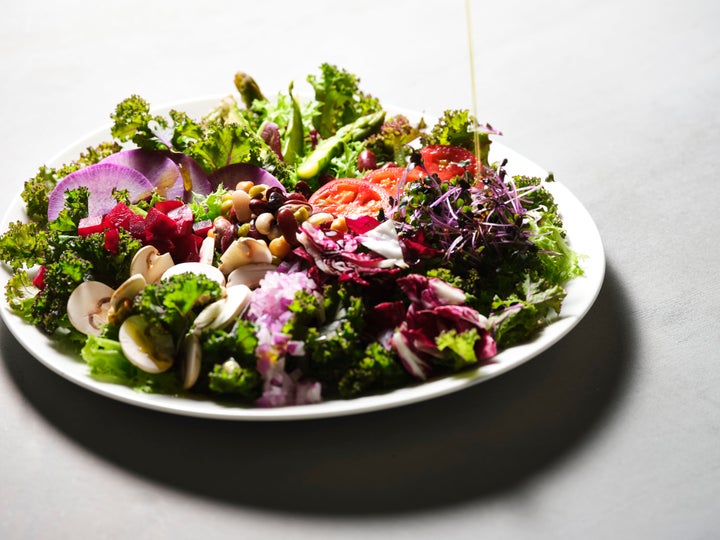
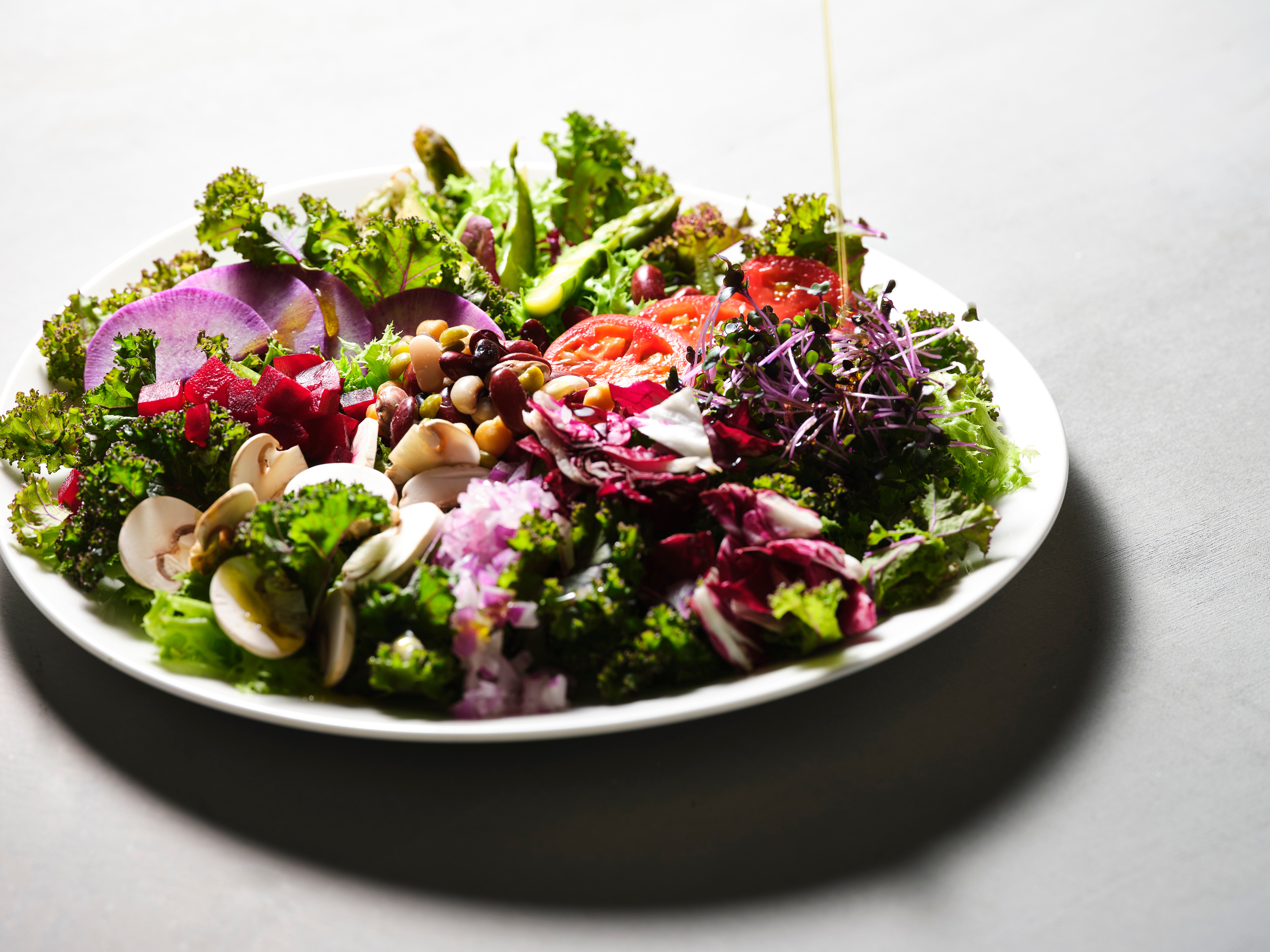
Spinach, kale, arugula, romaine, collards: they’re different foods, but they all fall into the same category of leafy green vegetables that protect brain health. While that probably isn’t surprising, let’s hear the expert-backed insight into why they’re a smart option.
Advertisement
T&I studio via Getty Images
Aim for at least one serving of dark leafy greens daily. “Going beyond that doesn’t seem to add much,” Dr. Jordan Weiss noted.
“They are packed with nutrients the brain seems to benefit from, including folate, vitamin E, vitamin K, lutein and anti-inflammatory plant compounds,” said Dr. Dung Trinh, an internist of MemorialCare Medical Group and the chief medical officer of Healthy Brain Clinic in Irvine, California. “We also know that what is good for the heart and blood vessels is often good for the brain, and leafy greens support both.”
Jordan Weiss, an assistant professor at NYU Grossman School of Medicine and a scientific writer at Assisted Living Magazine, agreed. “My answer is boring, and I‘ll stand by it anyway: leafy greens,” he said. “Greens carry folate, vitamin K1, lutein and nitrate. Each is doing something useful in an aging brain.”
Advertisement
He pointed to data from the Rush Memory and Aging Project, in which researchers followed 960 older adults for five years.
“People eating roughly a serving a day of greens looked cognitively 11 years younger than people who rarely touched them,” he reported. “That effect size is wild for a single food, and it survived adjustment for overall diet, exercise and education.”
Your next potential question, especially if leafy greens aren’t your favourite: how many do you need to eat? Trinh and Weiss recommend aiming for at least one serving daily. What that can look like varies from a salad to a half-cup of cooked greens to a generous handful in a smoothie, omelet or soup.
Advertisement
“Going beyond that doesn’t seem to add much,” Weiss noted.
Plus, remember to focus on doing what you can. Something is better than nothing. “The key is consistency, not perfection,” Trinh said. “You do not need an expensive supplement or a complicated cleanse – you need habits you can sustain for years.”
Fatty fish
Yep, “fat” is not inherently unhealthy or a “bad” word, and this proves it.
“If I had to choose a single food to recommend for the prevention of dementia and cognitive protection, it would be fatty fish, specifically salmon, mackerel or sardines,” said Eleni Nicolaou, who has a Ph.D. in clinical psychology, specialised training in neurocognitive conditions, clinical practice supporting patients and families dealing with dementia and research on the effects of biological and lifestyle determinants.
“I don’t recommend it because it is a superfood in the marketing sense, but because the evidence behind it is more consistent and specific than anything in the nutrition and brain health literature.”
Advertisement
She explained that the brain is about 60% fat, mostly composed of an omega-3 called DHA. The brain uses DHA to build and repair neurons, which transmit information. With lower DHA levels, communication in the brain slows down, and the brain is more susceptible to the inflammation that causes conditions such as Alzheimer’s.
All of that is to say, some of the highest levels of DHA are in fatty fish.
Nicolaou pointed to studies affirming this. For starters, research published in Neurology found that the higher the levels of omega-3 in the blood, the better the brain structure and cognitive performance. Additionally, a study in the American Journal of Clinical Nutrition found that long-term omega-3 supplementation was linked to a 64% lower risk of Alzheimer’s in participants followed for six years.
She incorporates this into her practice, of course, too.
“In my clinical work with families dealing with dementia, getting consistent omega-3 intake into a patient’s weekly diet was one of the first dietary conversations I‘d have because the evidence for it is very solid,” Nicolaou said.
Advertisement
She recommended two to three servings a week, with one serving equaling around 100 to 150 grams.
Anne DEL SOCORRO via Getty Images
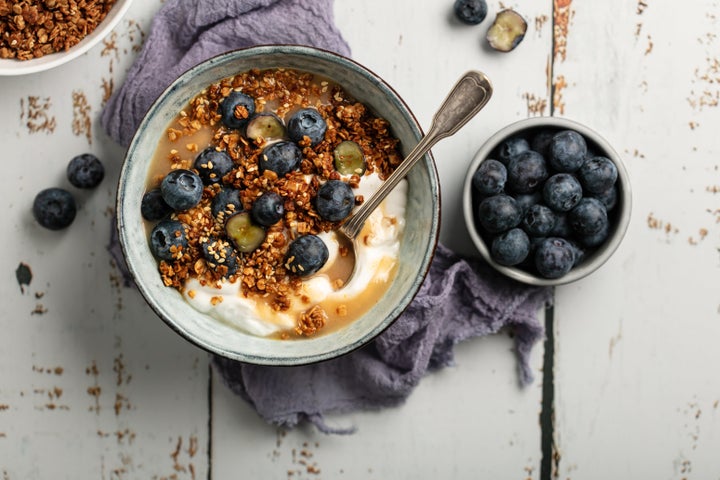
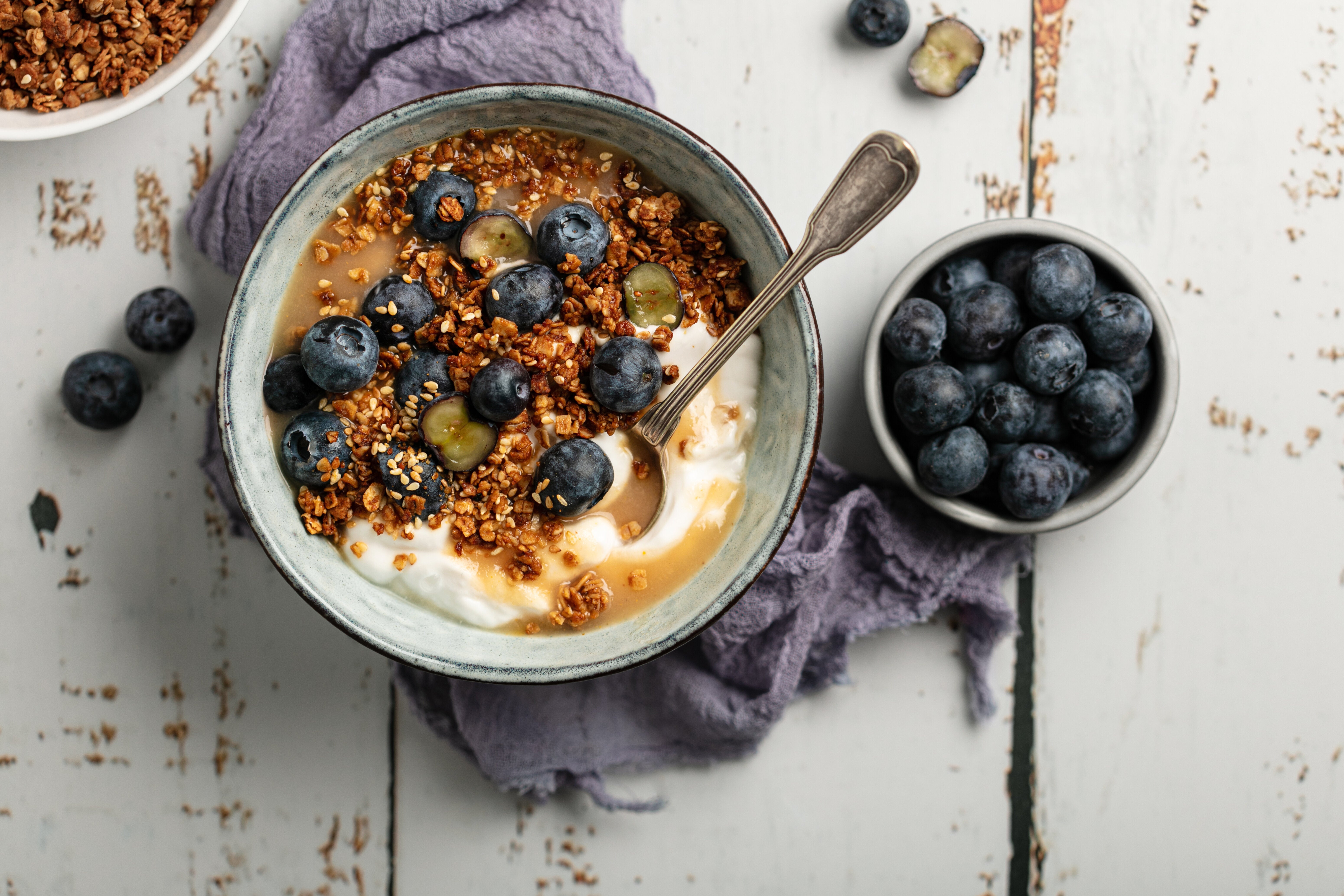
Research shows that blueberries can protect brain cells from damage.
Blueberries
Fruit lovers, it’s your time to shine.
“I understand that blueberries are the single food most consistently linked with better brain aging because their high levels of anthocyanins and other antioxidants help reduce inflammation and oxidative stress, two major drivers of cognitive decline,” said Christopher U. Missling, a neuroscientist who specializes in Alzheimer’s disease and is experienced in mechanisms linking diet, metabolism and brain health.
Research shows that blueberries can protect brain cells from damage, he continued, as well as improve communication between neurons and slow age-related memory loss by counteracting free-radical injury and supporting healthier blood vessels that support the brain.
Advertisement
How much and how often should blueberries be on your plate? According to Missling, most studies suggest around a half-cup to one cup of blueberries a day, but some observational research has shown benefits with just one serving a week.
Dementia prevention isn’t just about food
While nutrition is undeniably helpful, it’s not everything. Health is all-encompassing, including social health, emotional health, environmental health and more. Experts will tell you this, too.
“Food matters, but it works best as a part of a broader brain-health strategy,” Trinh said. “I tell patients to think in terms of ‘protect the brain by protecting the body’ – control blood pressure, stay physically active, prioritise sleep, treat hearing loss, stay socially engaged and eat in a way that lowers inflammation and supports vascular health.”
Advertisement
Missling agreed that nutrition is more complex than adding just one food. While blueberries are his No. 1 suggestion, he encouraged people to incorporate other brain-healthy foods, too.
“No single food – blueberries included – can prevent dementia on its own, but regularly eating them as part of an overall pattern rich in colourful fruits, leafy greens, nuts, whole grains and omega-3-rich fish seems to offer the strongest cognitive protection,” he said.
“Consistency matters more than perfection, and pairing these foods with sleep, movement and social engagement creates a much more powerful long-term effect on brain resilience.”
Many of us grew up hearing how important it is to eat five portions of fruits and/or vegetables a day.
But if you’re looking to boost your heart health in particular, you might want to pay attention to which fruits and veggies make the cut.
Advertisement
New research, published in Food And Function, found even those people who reach their recommended daily fruit and vegetable consumption might be running low in an important nutrient called flavanols.
What are flavanols?
These are chemical compounds, also known as flavan-3-ols or catechins, which are found in various plants and appear to act as antioxidants, which are linked to better heart and brain health.
They appear in cocoa, grapes, plums, and some teas, as well as other fruits and vegetables.
This is why the Food And Function study sought to examine our current fruit and vegetable consumption guidelines.
Advertisement
Even though people might assume you’d get enough flavanols from eating your recommended fruit and veg amount, the researchers wanted to see whether that was really true.
After looking at data and urine samples from over 30,000 participants, this paper found that only 25% of those who stuck to recommended dietary guidelines were actually hitting that flavanol goal.
Overall, fewer than one in five participants met the target in this study.
“These results show that adherence to current dietary guidelines is not sufficient to address flavanol intake in amounts shown to significantly reduce the risk of cardiovascular death in the COSMOS trial,” the paper reads.
Advertisement
The Cocoa Supplement and Multivitamin Outcomes Study (COSMOS) trial was a randomised controlled trial that sought to find out how cocoa extract and/or a daily multivitamin might affect our heart health. This is where researchers pulled the 500mg a day flavanol recommendation from.
Which fruits and vegetables might be most important for heart health?
Part of the problem, the researchers said, is that not all fruits and vegetables carry as many flavanols as others. That means some are more effective at helping you reach your heart health goals.
Advertisement
According to the researchers’ investigations, the fruits and legumes (and tea) highest in flavanols were:
Plums (500g) – 450mg flavanols, or almost your daily recommendation,
Cranberries (250g) – 300mg flavanols,
Blackberries (200g) – 250mg flavanols,
Green tea (250ml) – 200mg flavanols,
Broad beans (80g) – 140mg flavanols,
Cherries (400g) – 130mg flavanols,
Apple (one medium, skin on) – 110mg flavanols,
Strawberries (200g) – 90mg flavanols,
Blueberries (150g punnet) – 80mg flavanols,
Pinto beans (two tablespoons) – 70mg flavanols.
Aiming for five-a-day is still positive
The British Nutrition Foundation said that the best approach to a healthy diet is balance, with plenty of fibre, enough protein, and five portions of fruit and vegetables a day.
Advertisement
This study noted that even though not all of the members who ate their five-a-day met their flavanol guidelines, they were still more likely to have more of the beneficial compound than those who ate fewer fresh produce.
And some research has found that getting your five-a-day still has longevity benefits, including a reduced risk of death from cancer, respiratory diseases, and heart disease.
Having the occasional bad night’s sleep isn’t anything to worry about in and of itself, the NHS says.
But if the issue lasts a long time or starts to affect your day-to-day life, it could be worth speaking to a doctor, as this might be down to conditions like insomnia.
Advertisement
Still, those terms can be a little tough to navigate. How long is “a long time”? It feels like everyone complains about feeling tired – how can we tell “normal” fatigue from sleep-disorder-level exhaustion?
Here, doctor and Fellow at the Royal College of Anaesthetists, Dr Sunny Nayee, shared the “3-3-3 rule” he uses to tell bad sleep from a more lasting issue.
What is the “3-3-3 rule”?
“If you experience disrupted sleep at least three nights a week for at least three months, medical practitioners no longer regard it as lifestyle related but in the realm of insomnia,” Dr Nayee said.
Advertisement
He encourages those concerned to ask themselves three questions:
Do you experience poor sleep for a minimum of three nights?
Have you experienced poor sleep hygiene for at least three months?
Does poor sleep impact at least three aspects of your day (fatigue, brain fog, changes in mood, lack of concentration).
After all, he stated, insomnia is usually measured by how you feel in the daytime, not what you struggle with at night.
“A common misconception is that people think insomnia is staring at the ceiling and not sleeping at all,” he wrote.
Advertisement
“However, it’s defined by the impact it has throughout the day. If you find that poor sleep hygiene is having an instrumental impact on your mood, concentration and ability to function, then it may be considered a clinical condition.”
What if I think I have insomnia?
Per the NHS, insomnia is not a life sentence: it is often linked to stress, booze, a poor sleeping setup, or rooms that are too hot or cold, and “usually gets better by changing your sleeping habits”.
Advertisement
The health service recommends going to bed at the same time every day, exercising regularly, ensuring your room is dark and quiet, using comfortable bedding, and unwinding for at least an hour before bed, ie by reading a book.
If changing your sleep habits doesn’t work, if your sleep issues have been going on for months, and/or if your insomnia is “affecting your daily life in a way that makes it hard for you to cope,” speak to your GP.
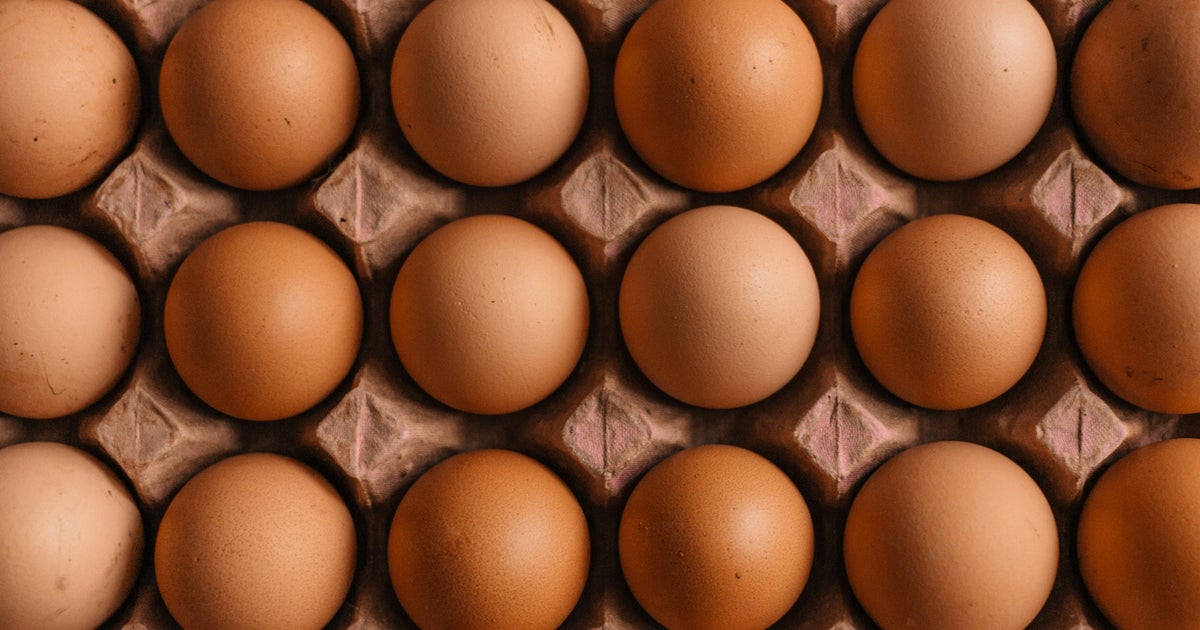
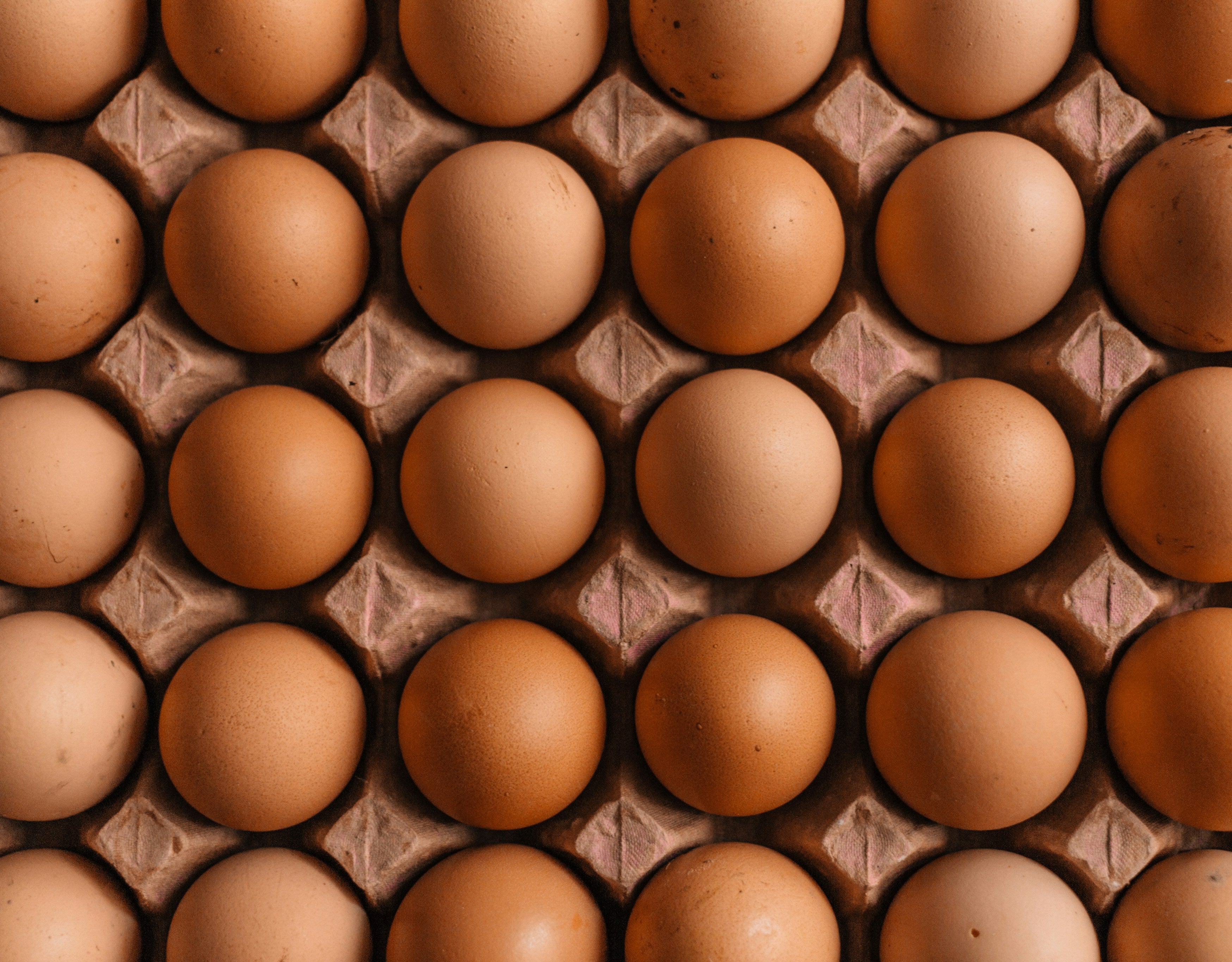
Retailer Sainsbury’s has pledged to stop selling brown eggs under their own brand as part of their sustainability program, moving to white-shelled versions instead.
The second-largest UK supermarket chain cited animal welfare and carbon emissions when announcing the decision.
Advertisement
But why don’t white and brown eggs have the same environmental impact, and why are eggshells different colours to begin with?
Why are brown eggs worse for the environment?
An assessment by SAC Consulting for Sainsbury’s found that brown eggs have a 12.7% higher carbon footprint than white eggs, as the hens that produce brown eggs are larger and eat more food.
Sainsbury’s said the change would therefore “indirectly reduce demand on land and water used to grow feed crops, as well as the amount of manure produced” by the chickens.
Advertisement
Chicken manure emits greenhouse gases, methane and nitrous oxide as well as ammonia, which can have “detrimental impacts on the environment and… animal and human health”, per Aberystwyth University’s Farming Connect.
“White‑feathered hens typically live longer, eat less feed and lay eggs for longer, cutting carbon emissions by over 12 per cent compared with hens that lay brown eggs,” the supermarket continued.
Sainsbury’s also says that the breeds which produce brown eggs are more likely to experience feather pecking (a stressful and sometimes dangerous process in which birds peck the feathers of other birds) than those which make white eggs.
Advertisement
The company hopes this will help them to meet their goals to meet net zero within their own operations by 2035, and across their suppliers by 2050.
“White eggs have the same delicious taste and nutritional benefits as their brown counterparts, but result in lower emissions and better welfare outcomes for the hens that lay them,” a Sainsbury’s spokesperson said.
Why are some eggs brown and others white?
Speaking to HuffPost previously, Jacquie Jacob from the University of Kentucky’s department of animal and food sciences said that all eggs start off white.
Advertisement
For a brown egg, “At the very end of the shell-making process, the pigment gets added, almost like you’re painting a house,” she explained.
But some hens are “just not genetically programmed to do that”.
It takes more energy to produce the pigmented layer of the brown-shelled egg, she added.
Are brown eggs healthier than white eggs?
In short, no. Healthline writes that all eggs are nutritionally pretty similar, no matter their size or colour.
Advertisement
In fact, the Retail Gazette said, white eggs were the norm in the UK until about the ’70s, “before brown eggs became dominant as shoppers increasingly associated them with being healthier or more natural”.
They add that the UK supermarket might have a bit of an issue: the British Egg Industry Council said white-egg-laying hens make up about 15% of our flocks, compared to the US, whereas white eggs account for 75% of all eggs consumed in the US.