Microplastics, or tiny fragments of plastics that haven’t completely broken down, are basically everywhere.
They can be found in rubbish, dust, fabrics, cosmetics, cleaning products, rain, seafood, produce, table salt, and more, according to Harvard Magazine. They’re in our bodies, too: microplastics have been discovered in our blood, saliva, liver, kidneys, and even the placenta in pregnant individuals.
Study author Professor Drew Shindell said we hadn’t known for sure whether microplastics cooled or heated the atmosphere overall. Paler-coloured fragments might scatter and reduce the heating power of the sun, while darker ones could hold onto heat.
Advertisement
So, the researchers used an electron energy-loss spectroscopy (EELS) to see how plastic debris reacted to sunlight and radiation. They found that the size and colour of the plastic mattered, with yellow, black, red, and blue microplastics absorbing light more strongly than lighter colours.
And Shindell said that lighter hues darken into yellows over time, too.
“The key finding is really that the warming strongly outweighs the cooling,” the researcher told Science Direct.
“I think we have a lot of confidence in that because we did all of these measurements in the laboratory of how [microplastics and nanoplastics] interact with sunlight. What we don’t have so much confidence in and what’s still a big uncertainty is exactly how many of these are in the atmosphere.”
Advertisement
How much of a difference was there?
It seemed that the warming effect was about five times greater than the cooling effect in this study.
This impact would still pale in comparison to something like the burning of fossil fuels, Shindell added.
Advertisement
And the researchers said that one of the problems with this study is that we don’t know for sure how many microplastics and nonplastics there are in the Earth’s atmosphere.
But, he said, “it just adds another compelling reason why we should pay more attention to keeping plastic waste out of the environment”.
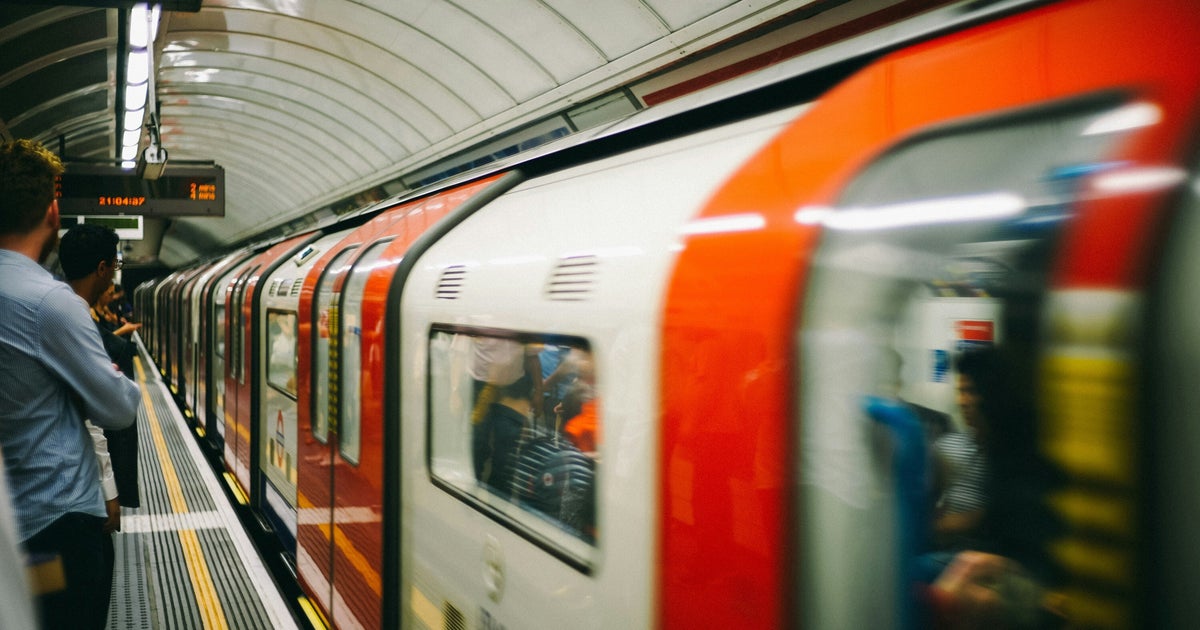
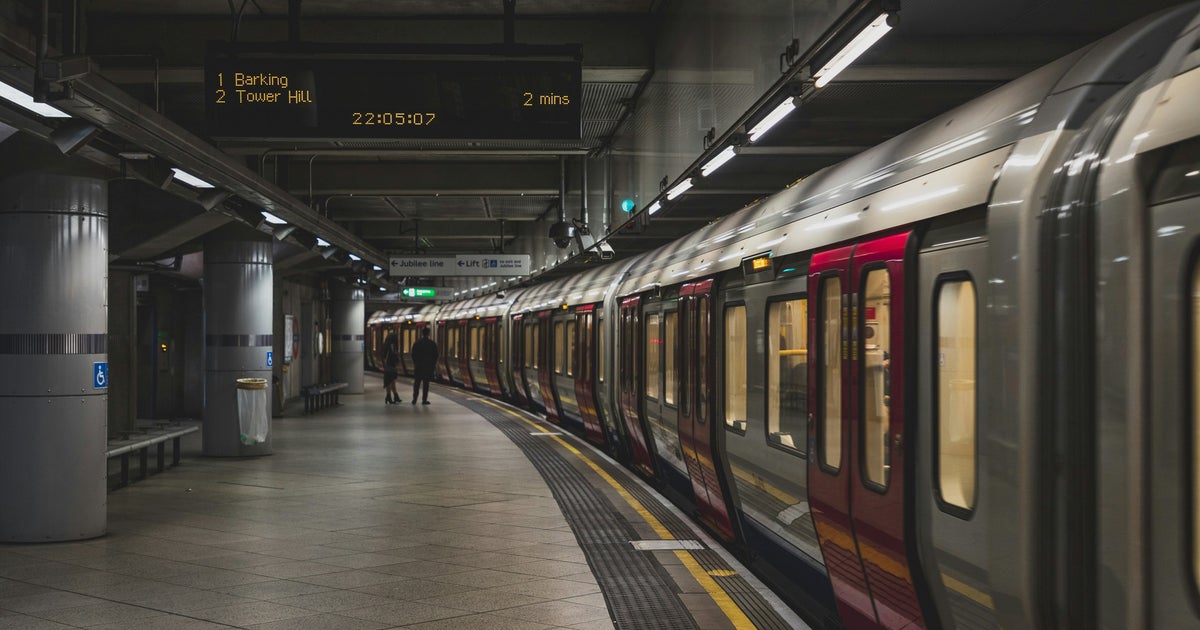
TfL said on its site that no service is expected on the:
Circle line,
Piccadilly line,
Metropolitan line between Baker Street and Aldgate, and
the Central line between White City and Liverpool Street
during the strikes.
Though “Service is expected on all other lines,” this will be reduced. The TfL added that “disruption to journeys” is expected; disruptions may continue later into the week.
Advertisement
What other transport links are open?
Services including buses, the Elizabeth line, the DLR, and the London Overground aren’t going to be on strike during these days. They are, however, predicted to be incredibly busy.
Why are these strikes happening?
It started with a four-day work week.
The Associated Society of Locomotive Engineers and Firemen (ASLEF), a train drivers’ union which represents thousands of Tube drivers, previously campaigned for a four-day work week, which the TfL recently began trialling on an optional basis in their Bakerloo line.
Advertisement
But RMT, a trade union covering the public transport sector more broadly, has said that they’re not on board with the “compressed” work week, claiming it packs five days’ work into four in a manner which could impact the safety of drivers and passengers.
RMT members are the ones striking in these upcoming cases.
The union also claimed it could mean drivers only get 24 hours’ notice before their shifts are announced and that TfL “U-turned” on negotiations.
In response, TfL pointed out that the four-day offering is completely optional and said it could help to make services more reliable and flexible.
And having a sense of purpose “appears to widely buffer against mortality risk across the adult years,” a 2015 paper found.
Yet another paper, this time looking at data from 22,000 participants, found that “Personality nuances were associated with mortality risk in four samples”.
Advertisement
Which personality traits might help you live longer?
1) Being active
This self-descriptor was most linked to a longer life in the 2025 paper (27% lower mortality risk).
Study author, psychologist Professor René Mõttus, told The Guardian: “The word ‘active’ was the most striking.
“Participants who described themselves this way were significantly less likely to die during the study period – with a 21% lower risk, even when age, gender and medical conditions were taken into account.”
Advertisement
2) Being lively
The trait, tied in this study to outgoingness, seemed te be another helpful self-description (12% lower risk) for those hoping to live long.
“The extraversion items active and lively were related to a lower mortality risk,” the paper reads.
Separate 2017 research linked higher levels of extraversion to a 14% reduction in mortality.
3) Being organised
The study also found that higher levels of conscientiousness, including describing yourself as organised, were linked to a longer life (14% lower mortality risk).
“Being ‘organised’ might help people stick to routines that improve health, but it may also reflect underlying psychological resilience or social habits that contribute to a longer life,” study author Professor Páraic O’Súilleabháin told The Guardian.
No matter how well-rounded you try to make your diet, sometimes certain nutrients fall through the cracks. This includes a vitamin responsible for many mental and physical health benefits that you may have never even heard of before: thiamine, or vitamin B1.
“Vitamin B1, or thiamine, is a water-soluble vitamin that plays a critical role in energy metabolism and nerve function, helping convert carbohydrates into usable energy for the body and brain,” Rachele Pojednic, chief science officer at RestoreLabs and director of education at Stanford Lifestyle Medicine, told HuffPost.
Advertisement
This important vitamin “helps the body convert carbohydrates into energy and supports cognitive and neuromuscular health,” according to Dr. Eve Elizabeth K. Pennie, a general practitioner, clinical research professional and medical expert.
According to a September 2021 review in the journal Cells, different patient populations across various studies have shown rates of thiamine deficiency ranging from 20% to over 90%. This review speculates that a modern lifestyle is to blame, with certain habits and medications hindering thiamine absorption.
Given how critical thiamine is for our bodies and brains, it seems like more people would be talking about it. Yet it is often overlooked in favour of more popular vitamins,like vitamin B12, vitamin D, magnesium, probiotics and iron.
Advertisement
Still, that doesn’t make thiamine any less important. And if you don’t have enough of it, your body will let you know.
HuffPost spoke to experts to learn more about the importance of this nutrient, the signs you may be deficient and how to get more of it.
What are the signs you might be deficient in vitamin B1?
A thiamine deficiency can cause physical and mental symptoms that affect your day-to-day life.
“Early signs of deficiency can include fatigue, irritability, poor concentration, muscle weakness, and in more advanced cases, neurological symptoms like numbness or blurred vision,” Pojednic explained.
Advertisement
Irritability, difficulty with short-term memory, loss of appetite and nausea are alsosigns you aren’t getting enough of this essential vitamin. The problem is that these symptoms could also be side effects of many other health problems, so a thiamine deficiency might be the last thing you expect.
Pennie said the dangers come when your vitamin B1 deficiency continues. “As it worsens, symptoms can include numbness or tingling, muscle weakness, difficulty walking, and, in severe cases, neurologic conditions, like Wernicke encephalopathy (WE) with confusion and vision changes,” she explained.
WE is a rare neurologic disorder caused by thiamine deficiency that must be promptly treated to prevent permanent neurological damage. It’s important to see a doctor if you believe you have a thiamine deficiency or any of the symptoms of WE.
Advertisement
fcafotodigital via Getty Images
Thiamine, or vitamin B1, is found in foods like salmon, lentils, whole grain breads and more.
Certain populations are more prone to thiamine deficiencies
“Deficiency is common in certain groups because thiamine stores are limited and easily depleted,” Pennie explained.
For example, if you tend to have a diet high in processed carbohydrates or have experienced chronic alcohol misuse, malnutrition, gastrointestinal disorders or bariatric surgery, you have an increased risk for thiamine deficiency.
Advertisement
“Increased metabolic demand, such as illness or pregnancy, can also contribute,” she added.
In addition to the factors mentioned above, Pojednic said that people with diabetes and older adults may also be at higher risk for a thiamine deficiency.Using diuretics and other types of medication can slow absorption and increase your risk of deficiency as well.
The good news is that a severe thiamine deficiency is rare in developed countries, according to Pojednic. She credits food fortification for providing the necessary daily thiamine for most people.
Can you have too much thiamine?
Don’t worry about overdoing your thiamine intake.
“It’s very rare to have too much thiamine since excess is typically excreted in urine, and toxicity is uncommon even with supplementation,” Pojednic said. “The bigger issue for most people isn’t excess but ensuring consistent intake.”
Advertisement
Pennie warned that it’s crucial to catch a potential deficiency before it’s too late. “Early recognition is important because an untreated deficiency can lead to serious but often preventable complications,” she said.
How to increase your vitamin B1 intake:
Depending on your age and sex, the amount of thiamine you need varies.The National Institutes of Health recommends that adult men get 1.2 mg and women get 1.1 mg per day.
Pojednic said foods that are high in thiamine include “lentils, pork, whole grain (fortified) breads and cereals, trout or salmon.”
Advertisement
If you’re extra tired, part of a high-risk group or don’t have a diet rich in different nutrients, it may be worth talking to your doctor about a possible thiamine deficiency. Catching up on this nutrient can have a significant impact on your body and brain.
So perhaps it’s not surprising we can benefit from eating the plant, too. Dandelions contain a range of vitamins, potassium, iron, antioxidants, and prebiotic fibre.
Speaking to the Cleveland Clinic, registered dietitian Nancy Geib said their leaves are “probably the most nutritionally dense green you can eat – outstripping even kale or spinach”.
Which means we probably shouldn’t be asking if we should eat dandelions, but instead focus on how.
Just make absolutely sure the dandelions you’re eating haven’t been treated with weedkiller or other pesticides, and clean them thoroughly.
Advertisement
5 dandelion recipes
1) Fried dandelion heads
This Appalachian recipe is pretty simple; baste dandelion flowers in eggs before tossing them in seasoned flour and frying them.
Younger, more tender leaves are sweeter and milder, and are probably best for beginners. These are delicious blanched and sautéd with garlic and herbs.
Advertisement
But older, more bitter leaves can bear seriously strong flavours, like intense salty and sweet notes (just make sure to blanch them before eating). Try them in a salad with feta, bacon, maple dressings, and other punchy accompaniments, or boil them in soups or stews.
Be careful to thoroughly wash dandelion greens, young or old, before eating them.
Perfect for vegans and gastronomes alike, this recipe is essentially an infused syrup.
Boil the heads, after shaking them to remove any insects, with water and lemons. Let them sit to infuse for a couple of hours, strain the liquid, and then boil the flavoured water into a syrup with sugar (it thickens a lot as it cools).
“Who are you waiting for tonight?” Jon, a bartender who has witnessed several of my dates over the years, asks. He tucks his shaggy hair behind his ear before handing a customer a cocktail, then situates himself in front of me and leans on the bar like an old friend, which, at this point, given I’m a regular at this brewery, he pretty much is.
Before I can answer him, my phone buzzes. I glance down and read the message quickly. “Just parked,” it says. I place it face down and look up to meet Jon’s curious gaze.
Advertisement
“Just some guy!” I shrug, taking a sip of my beer and drumming my fingers on the dark wood of the bar. “I don’t know. He seems cool. He’s a musician.”
Jon laughs. “Of course he is,” he says knowingly. He knows I have a soft spot for musicians. And younger men. “How old?” he grins.
I shake my head. “Mind your business.”
A few minutes later, I glance to my right and see the lanky 29-year-old I’ve been chatting with on a dating app through the large, garage-style windows. He’s walking quickly because he knows I’ve been waiting, even though I actually don’t mind sitting at a bar alone.
Advertisement
I like getting to a date early, ordering a drink, and settling in. Still, I find his hustle endearing. I watch him raise his hand to his mouth then release a cloud of smoke into the air before tugging the brewery door open.
He recognises me from behind right away. My long, wavy hair is usually a dead giveaway. I feel his presence behind me, turn my head slightly, and smile before he slides onto his stool.
I’m not often nervous on first dates because the truth is, I don’t care all that much how they go. Why would I? I’m not invested yet, so I’m not overcome by nerves. But not long after he sits down, I’m almost completely at ease. It feels like I’m talking to an old friend who happens to be cute, kind and, well, tall.
Advertisement
I’ve been on maybe a dozen first dates since one of the most brutal breakups of my life, and I haven’t been interested in anyone. But there is something refreshingly gentle about the way this man talks to me.
He’s nervous, but not overly so. And despite his nerves, he manages to laugh at my dumb jokes. He asks me about my writing career, my kids and my Stevie Nicks T-shirt.
Side note: He’s nearly a decade younger than me. But our conversation flows easily. It doesn’t feel forced. And by the end of the date, I’m fairly certain I’m going to see him again.
Advertisement
I didn’t always date younger men. In fact, just after my divorce at age 33, I actively avoided it, imagining that a dose of 40-something maturity was what I needed. I was a grown woman with kids, after all. I didn’t want someone I had to teach. I wanted someone I could learn from. Someone responsible, stable. A grown ass man, if you will.
Dating my own age or older (given I was early to marry and early to divorce) just made practical sense. Or so I thought.
I dated around. A lot. I kept an open mind, and I didn’t discriminate based on the usual criteria – job, height, religion. It was important to me to focus on genuine connection rather than checking boxes that, at the end of the day, don’t matter all that much.
Advertisement
But even with an open mind, and an open heart, more often than not I ended up deeply disappointed by the men I went out with, or sometimes even ended up dating. I did fall in love with an older man – once. But after that relationship imploded, while I continued to seek out what I thought were appropriately aged men for me, I started to feel a sense of hopelessness.
The men I was going out with might’ve been older, but they weren’t more evolved, and they definitely weren’t wiser. In fact, a lot of them seemed to be regressing, as if age and failed relationships had eaten them alive.
Many felt emasculated and emotionally destroyed by their own divorces or past relationships. And while almost all of them said they went to therapy (and even listed it on their dating app profiles), it didn’t show.
Advertisement
After dating them – or sometimes, just meeting them once – I suspected that they used therapy to make themselves feel better, rather than to actually change.
Age had just made them more set in their ways and that rigidity left me annoyed, hopeless and bored to death of hardened men who said they wanted love but were deeply self-involved.
Meanwhile, on the dating apps, men in their 50s seemed to have no qualms about advertising that they wanted a young, hot, “drama-free” woman. I started to ask myself why I couldn’t date younger.
Advertisement
Photo Courtesy Of Sarah Bregel
“I have zero shame about the fact that I’d rather date men who are younger than me. In fact, I think more women should do the same,” the author writes.
Was I missing out on connections because I had my age filter set to 35+? Maybe. Maybe not. But dozens (hundreds?) of bad dates later, I decided it was worth looking into – even if only for the experience.
So, I started going on dates with younger men. They weren’t all great. Some lived with their parents or were downright toddleresque. But there were some good surprises, too, like that the younger men I was going out with wanted to try new things. They had a spark. They had confidence that was intact. They were fun and open-minded in a way I didn’t often see in older men.
Advertisement
Likewise, they were more interesting – and interested – and they weren’t afraid to show it. I felt like my confidence in dating had been restored.
Recently, the Netflix show Age of Attraction, which I happily binged, showcased older women dating younger men. While it’s more common in our culture to see older men dating younger women, the series also highlighted the opposite dynamic. And not so surprisingly, some of the women on the show expressed that they felt seen and cared for in a way they had imagined they might never experience again.
As I watched, I felt understood, and at the same time, like I better understood the dynamic I had been living.
Advertisement
While we’ve been led to believe it’s only men who prefer dating younger, two can play at that game. Anecdotally, dating younger guys may help older women who are still vibrant and full of life feel seen. But some researchers say that women are more satisfied when they have younger partners. And according to 2025 research published in the Proceedings of the National Academy of Sciences (PNAs), both men and women experienced higher levels of satisfaction on first dates with someone younger. Therefore, it’s likely not lack of interest that keeps women from dating younger. It’s fear of judgement.
The end of my date with the younger musician, who did go on to become my boyfriend, was further proof. After he paid for dinner (without even making me reach for my wallet), I invited him back to my house for one more beer. We sat knee to knee on my couch, and my two dogs curled up on either side of us.
We listened to music and talked about concerts and politics before finally, I told him that 11pm was past my bedtime, and he had to go home. I walked him to the door, then stood on my tippy-toes as he hovered over me. A smile spread across my lips just before we kissed for the first time.
Advertisement
Age isn’t just a number, no matter what anyone says. With it comes experience and new ways of looking at life. But for a lot of older men, whose lives or romantic relationships didn’t pan out the way they’d planned, their experiences haven’t exactly shaped them for the better. It hasn’t equipped them for partnership, love or even romance. It’s often done precisely the opposite.
And to be real, I have enough of my own battles, demons and stressors to fight. I don’t need a man I have to drag through life or who weighs me down or makes me feel heavier. I’d rather be with someone who lifts me up and makes me feel seen, or no one at all.
In the end, the musician and I went our separate ways, for reasons unrelated to age. Now I’m back to dating again at 41, which mostly just looks like staying open to connections, or scrawling my phone number for a cute, younger bartender while paying my tab, like I did last week. It looks like occasional swiping on men from around 25 to 40; I toggle the age limits sometimes.
Advertisement
I’m not opposed to dating older men again, but I have my guard up with them. Younger men still feel more confident, open and less fragile.
As a single mum in my 40s, I’m not exactly dating to marry. But I am dating with the intention of solid connections, and younger men have been refreshing where men my age and older were mostly frustrating.
I have zero shame about the fact that I’d rather date men who are younger than me. In fact, I think more women should do the same.
It’s common to have fears about being a “bad person”, but for most people, these are fleeting thoughts and not true fears about being immoral.
However, this isn’t the case for people who suffer from a form of obsessive-compulsive disorder known as moral scrupulosity or moral OCD.
Advertisement
For folks with moral OCD, these “Am I bad?” thoughts can become permanent, leading to guilt, worry and rumination.
According to Joshua Curtiss, an assistant professor in the applied psychology department at Northeastern University in Boston, moral OCD is “a subtype of obsessive-compulsive disorder that’s characterised by really intense, intrusive thoughts of being immoral, bad or unethical in some way”.
This can also come out in someone’s relationship to religion, leading someone to worry that they are acting against their religion or offending God, said Meredith Hettler, the national director of the OCD and anxiety program at Newport Healthcare.
These kinds of thoughts can be debilitating and are very different than a quick worry about being “mean” or “bad.” Here’s what to know.
Moral OCD comes with compulsions
In OCD, compulsions are repetitive thoughts or behaviours that someone does in hopes of relieving anxiety. “And the compulsions are designed to neutralise or undo these types of thoughts or fears about being ‘bad,’” Curtiss said.
Advertisement
Compulsions look different depending on the type of OCD, but in the case of moral OCD, they could look like someone seeking reassurance from others to prove that they are “good” and not “bad”, according to Curtiss.
Perhaps after an interaction at work that made you feel like a “bad person”, you call your mum, tell her the story and gauge her reaction to determine whether you’re “bad”, Hettler offered as an example.
It could also look like “undoing behaviours,” Curtiss said, which means trying to do something really good to make up for any “bad” or “immoral” thoughts – like volunteering after thinking something mean about a neighbour.
Advertisement
It could also appear as rumination, so thinking about the same thing over and over again, worrying about it and seeking reassurance, even though the reassurance is “not going to be good enough,” Venker explained.
“It’s kind of like a hamster on the wheel. They’re not going anywhere, but they feel like they can solve the problem, but unfortunately, we can never solve the problem through OCD rumination, it only leads to more questions and more doubts,” Venker added.
OCD is often referred to as the “doubting disorder,” Hettler said. “OCD, no matter what the subtype is, is always looking for 1,000,000% certainty, which we all know we’re never going to get.”
Advertisement
J Studios via Getty Images
While it’s normal to occasionally wonder if you’re a “bad” person, it can be concerning if those thoughts occupy you continuously.
Moral OCD can lead to guilt and distress
Moral OCD is heavy. It can lead to guilt and “a questioning of one’s own character,” Curtiss said. “It’s almost as if you’re a judge, interrogating your own moral character in a way, as to whether you’re a good or a bad person.”
You almost put yourself on trial and overanalyse every moment, Venker added.
Constant, moral-based intrusive thoughts can be overbearing, overwhelming and distressing, Curtiss said.
Advertisement
Moral OCD feeds on a fear of being cast out socially
Moral OCD, and OCD as a whole, is embedding the self-protective part of our brains, according to Venker.
“Humans are wired to care about belonging, safety, morality, social acceptance, all of those things,” Venker added. Centuries ago, if you were rejected and kicked out by your group or village, you were put directly in harm’s way.
Moral OCD feeds off this inherent fear and the possibility of “rejection, shame, or even just losing one’s identity as being a good person,” she said.
Advertisement
Modern cancel culture amplifies this vulnerability in many folks with moral OCD, Venker said, in the form of “public call outs [and] constant exposure to other people’s opinions.”
This is not the same as having a fleeting thought about your morals
A one-time thought about being immoral isn’t the same as having moral OCD.
“Moments of self doubt are very, very normal and very human … everybody has intrusive thoughts,” Venker said.
“The difference is, OCD is a neurological condition … it’s like our brains are almost stuck on a highway loop, and they can’t get off the highway,” Venker said. Someone who does not have moral OCD can find an exit on the highway, so to speak, and rationally understand that one thought doesn’t make them a bad person, she added.
Advertisement
“People with OCD, they don’t get the all-clear signal, and so they feel like they have to obsessively try to figure out or make the right decisions in order to prove they are a good person or to find certainty that they are a good person,” Venker said.
The other defining factor of moral OCD versus a one-off moment of self-doubt is that OCD is looking for 100% certainty, Hettler said. Even if all of the people in the world tell someone with moral OCD that they’re kind and good, “there’s never going to be a thing that someone can say or do that’s going to fully stop this process forever and always,” Hettler added.
Moral OCD can disrupt a person’s daily life
Folks with moral OCD also experience something called “thought-action fusion,” Curtiss said. “It’s the belief that, in this case, thinking a bad thing is the equivalent of doing it.”
Advertisement
For example, someone with thought-action fusion believes that thinking about cheating on their partner is the same as doing it. “And it brings the stakes up that much higher,” Curtiss said.
Additionally, a common differentiator between someone having a mental health disorder and not is “both the amount of extreme levels of distress it causes and amount of interference it causes in someone’s life.”
Moral OCD disrupts someone’s life and takes up a lot of time. Someone with moral OCD may go to the grocery store, leave and worry they accidentally didn’t pay for something in their cart, which would make them “bad” and a thief. This could lead them to check the receipt again and again and even go back inside and insist on paying for the item again, Curtiss said. This is very different than a moment of self-doubt followed by reassurance.
Advertisement
Here’s what to do if you are struggling with these kinds of thoughts
If you think you may have moral OCD, experts told HuffPost the best next step is to reach out to a mental health professional who is trained in OCD treatment.
Not all mental health professionals are trained to treat OCD, so, instead of going to just anyone you find in your neighbourhood, experts recommend looking for a provider via the International OCD Foundation database.
It’s common for moral OCD to get missed and treated improperly. “The treatment for OCD is really, really important, because regular talk therapy can actually make OCD worse,” Hettler said.
Advertisement
Exposure and response prevention therapy is the gold standard treatment for OCD, said Venker, and, for some, treatment may also include medication.
“Moral OCD is definitely something that is under-appreciated among the general population, but it can be very distressing, very interfering,” Curtiss said.
As you seek treatment, be kind to yourself and know that there are trained professionals who specialise in helping people get past the limiting thoughts that come with moral OCD.
That’s led some airlines to cancel flights, while others are running fewer flights overall. Still, the UK government’s site says “UK airlines say that they are not currently seeing a shortage of jet fuel,” as of the time of writing.
And recently, TUI provided an update for passengers.
What is TUI’s recent jet fuel update?
Speaking to The Independent on May 13, the CFO of TUI Group, Mathias Kiep, said: “I’m very much convinced that we will see no shortage in the next 10 weeks. There’s definitely enough fuel.
Advertisement
“We think that the discussion on fuel is a little bit artificial, as we do see no shortages for the next few weeks.” He also told the publication that he didn’t expect shortages even if the Strait of Hormuz remained closed.
This is in line with other airline bosses, like Ryanair’s Michael O’Leary.
The controversial CEO recently told Reuters, “We think the risk of a supply disruption is receding… A month ago, we were saying we’re all fine until the end of May. The fuel companies are now saying they’re seeing no supply disruption risk until the end of June.”
And speaking to Fortune on 14 May, Greg Raiff, the CEO of private jet services company Elevate Jet, went so far as to call reports of jet fuel shortages a “myth”.
Advertisement
Will TUI charge more for their holidays after the jet fuel price hike?
Some companies have begun adding surcharges to flights as a way to battle the rising cost of fuel.
The company had previously told customers their “holiday price is fixed, with no fuel surcharges added by TUI”.
But in his most recent update, Kiep said: “I would also see no impact in the summer at all except prices – and for the higher prices, we are luckily hedged.
Advertisement
“We do see that Europe now gets more oil from other countries like Nigeria because the increased prices made the production there profitable. We see that consumption is significantly lower than a year before, and refinery capacity is also up.”
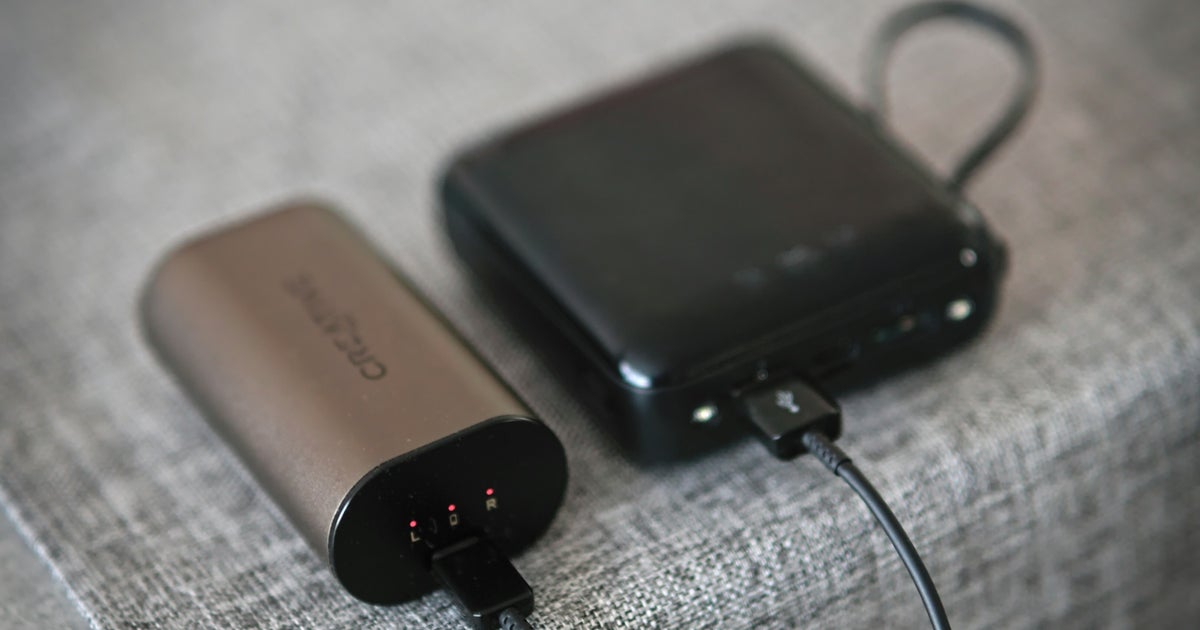
Passengers hoping to bring their “smart bags”, which have chargers in them, might be disappointed: those “with non-removable batteries above 2.7Wh are not permitted onboard,” sites like Ryanair advise.
That’s because they contain lithium batteries, which power banks also have.
And on their site, Jet2 said that they ban “lithium-ion batteries, lithium metal batteries and power banks that don’t clearly state” an important rating.
Power banks need to show their watt/hour rating
Those that don’t include the “watt-hour rating or lithium metal content, or where the watt-hour rating cannot easily be otherwise ascertained, are forbidden”.
A watt-hour rating is usually shortened to Wh. Power banks should have a rating “not exceeding 160Wh, providing they are individually protected against short circuit”, Jet2 said.
Advertisement
What if my power bank doesn’t have a Wh rating?
This doesn’t need to be on the power bank explicitly, as you can work it out from the milliampere-hour (mAh), ampere-hour (Ah), and/or nominal voltage (V).
Once you find these, the UK Civil Aviation Authority said: “You can arrive at the number of watt-hours your battery provides if you know the battery’s nominal voltage (V) and capacity in ampere-hours (Ah) using this calculation ― Ah x V = Wh.
Advertisement
“If only the milliampere hours (mAh) are marked on the battery, then divide that number by 1000 to get ampere-hours (Ah). For example, 4400 mAh / 1000 = 4.4 Ah.”
If none of these is available, though, your power bank might not pass muster.
Don’t bring more than two power banks with you, either
Those are only some of the rules the airline enforces.
Their rules include:
No more than two power banks per passenger,
Power banks should not exceed 160Wh,
Power banks can’t be charged whilst onboard the aircraft,
Power banks can’t be used on-flight,
Power banks have to be carried on-board in hand luggage and placed under your seat,
Power banks must not be used to charge or power any portable electronic devices during taxi, take off, and landing.
Jet2 is not the only airline to have some or all of these rules, so check with your airline before flying.
The strikes are expected to affect the entire Tube network, though “service is expected on most Tube lines”.
But “Tube services that do run “will start later than normal”.
What other transport links are open?
Services including buses, the Elizabeth line, the DLR, and the London Overground aren’t going to be on strike during these days. They are, however, predicted to be incredibly busy.
Advertisement
Why are these strikes happening?
It started with a four-day work week.
The Associated Society of Locomotive Engineers and Firemen (ASLEF), a train drivers’ union which represents thousands of Tube drivers, previously campaigned for a four-day work week, which the TfL recently began trialling on an optional basis in their Bakerloo line.
But RMT, a trade union covering the public transport sector more broadly, has said that they’re not on board with the “compressed” work week, claiming it packs five days’ work into four in a manner which could impact the safety of drivers and passengers.
RMT members are the ones striking in these upcoming cases.
The union also claimed it could mean drivers only get 24 hours’ notice before their shifts are announced and that TfL “U-turned” on negotiations.
Advertisement
In response, TfL pointed out that the four-day offering is completely optional and said it could help to make services more reliable and flexible.