12 Things Millennials Do That Stress Out Gen Zers

Every generation has its quirks. Millennials and Gen Zers may only be a small number of years apart, but culturally, they often feel worlds away.

From the way they communicate to the way they approach work, life and even pop fandoms, their styles can clash ― sometimes in ways that really irritate each other.

We asked Gen Zers to share the millennial behaviours that frustrate and stress them out. Of course, many of these habits vary across individuals within the same generation, but certain tendencies and patterns still emerge. Here’s what they had to say:

1. Ominous Punctuation

“For me, a main millennial ‘ick’ is the dot-dot-dot or period of doom. Getting a ‘Sure…’ or ‘Thanks.’ makes it feel like I’m in trouble.” ― Ethan Hillis, TikTok creator

2. Over-Emphasis On Appearances

“They have a need to make everything aesthetic. Gen Z is very guilty of this as well, however, I think that millennials grew up with the rise of social media. Rather than listening to their favourite artist at a music festival or sharing a drink with friends at brunch, I think they’re more prone to focus on getting a good Instagram or Snapchat story. This just fuels what it means to live vicariously through social media, rather than in the moment.” ― Madeline Kerestman, TikTok creator

3. Passive-Aggressive Lingo

“The passive-aggressive work lingo. ‘Per my last email,’ ‘gentle nudge,’ ‘circling back’ … all of it stresses me out instantly.” ― Hillis

4. Getting Competitive Around Generations

“Making conversations about economic problems millennial vs. Gen Z instead of realising we’re all struggling, and different times had their own unique problems.” ― Ayana Williams, digital marketer

“Why is this a competition? Why are we battling between generations? I feel like millennials are constantly comparing their generation and saying things like, ‘Oh you guys have it so easy. Back in my day …’ I think millennials went through a really difficult period, so they might have a lot of resentment toward our generation. But in reality, I feel like Gen Zers are going through a lot of different challenges that the previous generation didn’t go through too.” ― Lavinia Gabriele, high growth startup manager and member of The Z Suite

5. Lack Of Boundaries

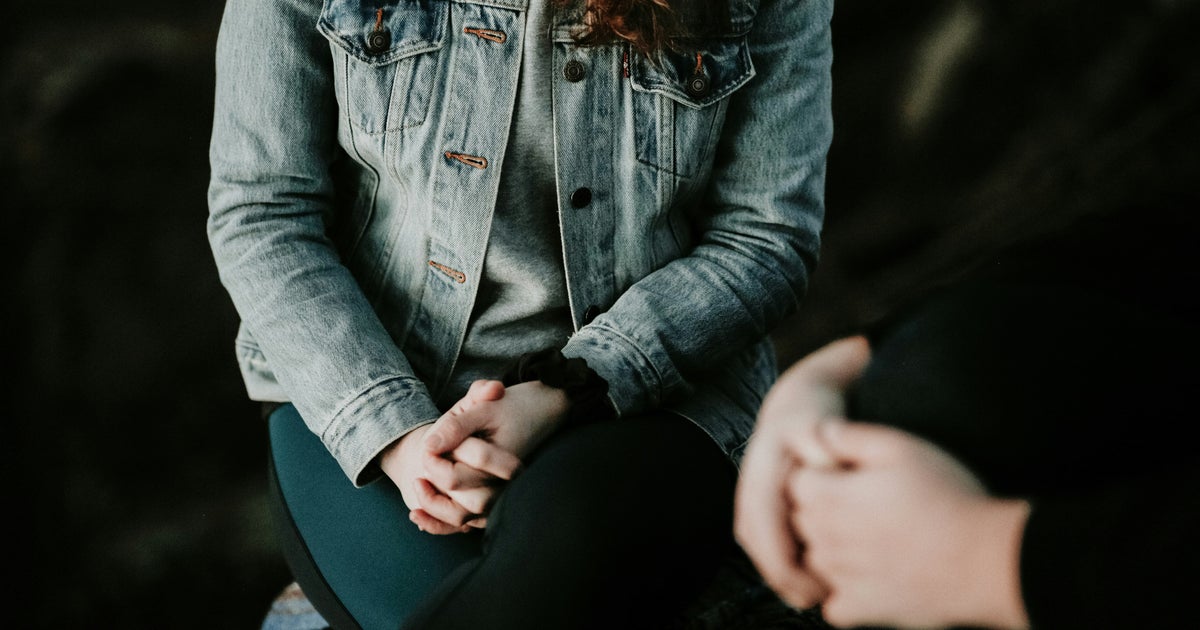
“I’ve noticed that a lot of millennials don’t have a lot of boundaries at work ― whether it’s that your work hours are not well defined and you’re supposed to be on at all times, or it’s asking personal questions. Millennials are a lot more open with their thoughts, and I think it’s a little bit stressful when they ask really personal questions about your life when maybe I don’t want you to know about it.” ― Gabriele

"Millennials are a lot more open with their thoughts, and I think it’s a little bit stressful when they ask really personal questions about your life when maybe I don’t want you to know about it," said Lavinia Gabriele, a gen Z high-growth startup manager.

We Are via Getty Images

“Millennials are a lot more open with their thoughts, and I think it’s a little bit stressful when they ask really personal questions about your life when maybe I don’t want you to know about it,” said Lavinia Gabriele, a gen Z high-growth startup manager.

6. Inability To Relax Until Things Are Fully Completed

“I feel that sometimes there is a very strong hustle culture where millennials feel they are always ‘in the trenches’ and life is about surviving rather than experiencing. Of course, Gen Zers are ambitious as well. But when there’s a big challenge or new project at work, I do observe that the millennials on my team are like, ‘Oh, my god. How do we survive through this?’ ― while the Gen Zs are a bit more relaxed and moving through it. It doesn’t mean we don’t care. We’re still going to power through. And I have friends and cousins who are millennials that tend to get really stressed out about planning certain things. Until the plan has reached a certain stage of being completed, they’re super stressed out.” ― Angel Aileen, member of The Z Suite who works in a tech forward beauty company

7. Withholding Validation And Information

“I think because Gen Zs grew up in a world of social media, we’re conditioned to get dopamine rewards constantly. So at a workplace, how that shows up is if we do work, we really want to feel recognised. Everyone has their different ways of feeling recognised or rewarded. But if they don’t get that, they feel very down. They want to feel seen, so getting a sense of reward or recognition makes a huge difference in the workplace. And millennials don’t necessarily realise that. But I really notice millennials who recognise and appreciate their Gen Z employees have better team dynamics. It’s similar with sharing information because Gen Zers like to see the whole picture of their job. If millennials share the big picture of what we’re all working on, then it’ll feel more like we’re all working toward the same goal and contributing to the puzzle. Gen Zers are happier when they feel a bigger sense of purpose in their work.” ― Aileen

8. Overwhelming Communication

“Slack novels. A whole LinkedIn-style essay in a quick chat app? I can’t.” ― Hillis

“With their communication style over text, they send like a lot of emojis, like a million emojis. And they’ll screenshot a meme and text it to you, instead of sending it to you directly in the app. And then the meme isn’t that funny…” ― Gabriele

9. Assuming Gen Zers Don’t Get References

“Not recognising some of us are Gen Zennials and very much remember late 90s/early 2000s references and going outside to play.” ― Williams

10. The Millennial Pause

“The millennial pause at the start of videos. They can just cut that part out.” ― Williams

11. Work-Life Balance Overload

“They lean a little too far into the ‘work-life balance’ mindset. As a med student myself, I am all about maintaining a ‘work hard, play hard’ mentality. I value hard work and believe that while it’s incredibly important to maintain a healthy balance, it should never be used as a way to do the bare minimum. I think the millennial generation introduced this mentality and took it to another level, which has normalised using ‘boundaries’ as an excuse to cut corners.” ― Kerestman

12. Taylor Swift Obsession

“This is 100% a personal preference, and I know I might get some backlash for this! For some reason, I feel like I associate the millennial generation with the ‘Swiftie’ fanbase. Taylor Swift is iconic and such a talented artist. However, I think her fans take it to an unnecessarily intense level, and I just don’t understand the hype.” ― Kerestman

Answers have been edited and condensed for clarity.

Share Button

‘My Mum Expects Me To Care For Her In Old Age. How Do I Tell Her I Can’t?’

Over-50s own 78% of the UK’s property wealth, and the Financial Times reports that one in five “Boomers” are millionaires (largely due to soaring property prices).

But, like all modern wealth, this is a story of deep inequality. The Centre For Ageing Better says that roughly 18% of older people live in relative poverty; one in six over-55s have zero retirement savings, and 9-12% of rough sleepers are believed to be over 55.

Which means that renting long past retirement age, never mind costly nursing home care, is out of the question for many.

That might lead some, like the mother of Redditor u/Swimsmoke, to assume their children will help with their housing, care, and costs in their old age.

But, like the 6.6 million UK adults who say they wouldn’t know where to start with the commitment, the site user said they’re not sure they’re able to do it.

We asked Dr Barbara Sparacino, an adult and geriatric psychiatrist also known as The Ageing Parent Coach, how to handle the situation.

The original poster (OP) feels guilty

Writing to the forum r/AmItheAsshole (AITA), the OP said that her 63-year-old mother retired from her career 15 years ago but has been making money through a soap business since.

“She lives in a small studio and has a car but not much else to her name,” the woman added, stating that her mother is quite frivolous with her spending and likes to travel a lot.

Ahead of a hip surgery, her mum has started to think about what her future will look like and expects her 30-year-old daughter to “help”.

OP has a few reservations. Firstly, their relationship is a little fraught, and the poster says their mother delivered “bare minimum” care in their teens.

Then, guilt, money, and time come into it.

“I also feel some amount of responsibility for the woman who birthed me, a woman who had a hard and traumatising life as well – but I don’t have the resources to help in any real capacity,” they wrote.

“I don’t have money to throw at the problem, I don’t want to use all my time off for the year taking care of her, and I wouldn’t get paid if I take leave, which I won’t even qualify to take until another six months from now.”

She ended, “AITA for putting myself first here?”

Honesty is the kindest policy

Speaking to HuffPost UK, Dr Sparacino said that, “Often, these expectations are unspoken. A parent might have spent years believing you’d ‘step in one day,’ even if that was never discussed.

“When you finally say you can’t, guilt and fear can flood in, but honesty is an act of love, too.”

There is no point offering something you cannot emotionally or financially afford, she added. So, try to stay clear-sighted and precise about what you’re really able to offer – even if that doesn’t feel like much.

“Maybe you can help plan for future care, find resources, or support them emotionally, but you can’t take on full-time or financial responsibility. That’s not neglect; that’s setting a boundary rooted in realism and care,” the psychiatrist said.

She recommends saying something like, “Mum, I love you and want you to be well supported as you get older. But I can’t be your full-time caregiver. I’d like to help you make a plan so you’ll have what you need.”

Dr Sparacino added that your parent might respond with fear, anger, or sadness.

“Try to respond with calm empathy: ‘I know this is hard to hear, but I want us to plan ahead so neither of us faces this alone,’” she stated.

“You’re not rejecting your parent; you’re protecting both of you from burnout, resentment, and crisis later on. Love without boundaries leads to depletion, not devotion.

“If you’re struggling with this kind of conversation, you don’t have to figure it out alone, reach out to a professional experienced in ageing and family dynamics for guidance and support.”

Help and support:

  • Mind, open Monday to Friday, 9am-6pm on 0300 123 3393.
  • Samaritans offers a listening service which is open 24 hours a day, on 116 123 (UK and ROI – this number is FREE to call and will not appear on your phone bill).
  • CALM (the Campaign Against Living Miserably) offer a helpline open 5pm-midnight, 365 days a year, on 0800 58 58 58, and a webchat service.
  • The Mix is a free support service for people under 25. Call 0808 808 4994 or email help@themix.org.uk
  • Rethink Mental Illness offers practical help through its advice line which can be reached on 0808 801 0525 (Monday to Friday 10am-4pm). More info can be found on rethink.org.
Share Button

What Is ‘Chatfishing’, The Disappointing Dating Trend Plaguing Apps?

You might have heard of “catfishing”, which happens when people create fake or misleading profiles online in order to draw others in.

The term comes from a 2010 documentary, Catfish, which compared the practice to the catfish one of the cast members suggested were included in tanks of cod to keep them agile in transit.

“I thank God for the catfish because we would be droll, boring and dull if we didn’t have somebody nipping at our fin,” Vince Pierce, who helped to inspire the name of the movie, said in the flick.

But according to author and relationship and self-help expert Tam Kaur, another species has taken its place: we are now in an age of “chatfishing”.

What is “chatfishing”?

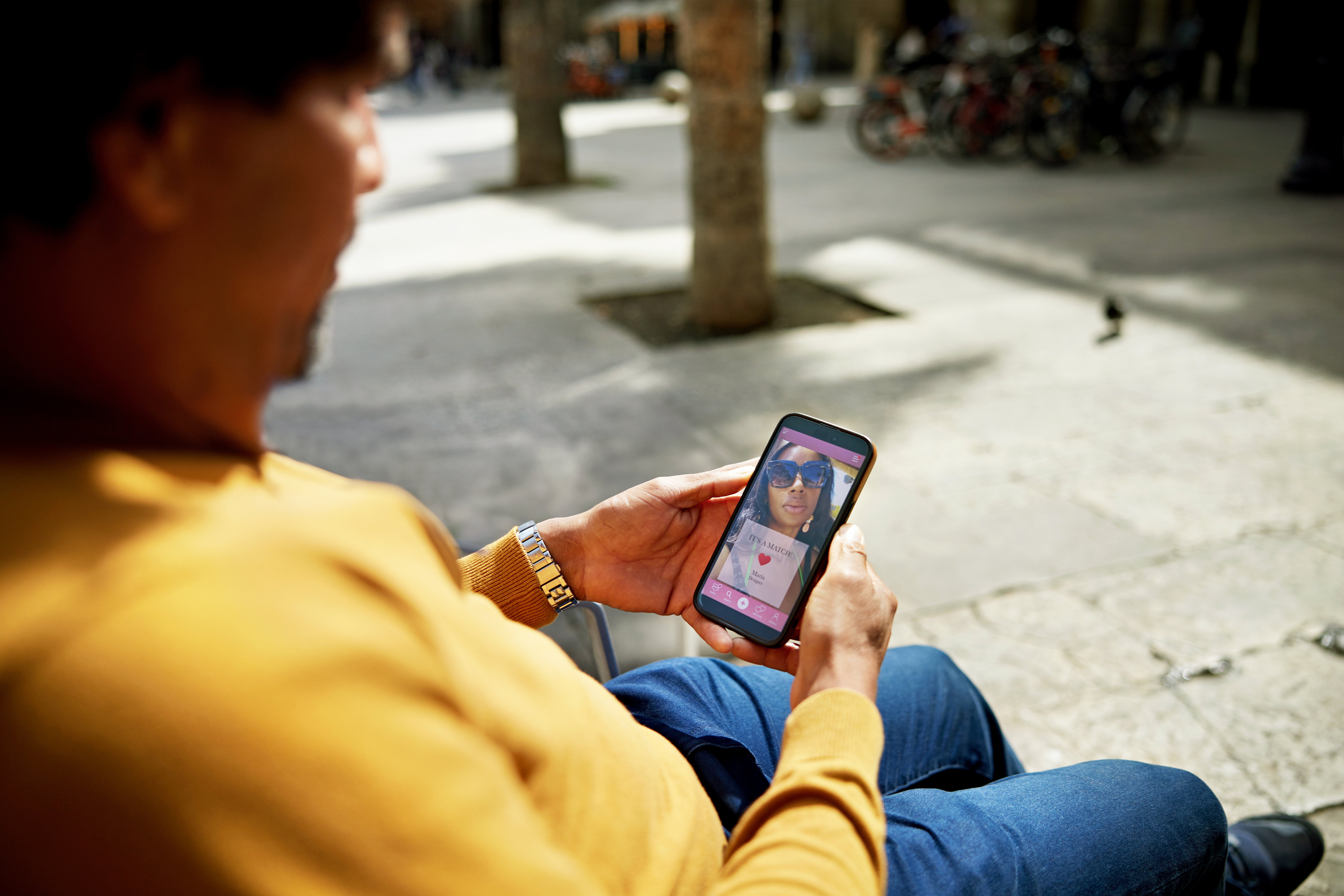
“‘Chatfishing’ is when someone uses an AI tool, like ChatGPT or Gemini, to write their messages on dating apps,” Kaur shared.

Though it doesn’t exactly sound romantic, the self-help expert said she understands why reliance on large language models (LLMs) like these is growing.

The machines, after all, won’t make an embarrassing grammar or spelling mistake, and they can make the “awkward” process of starting a conversation a little smoother.

“Using AI becomes a way to show up as a ‘perfect’ version of yourself, without the fear of rejection,” the expert continued.

But that doesn’t take away from the core issue: if the chat goes well, the goal is to enter a scenario in which you have no choice but to be yourself, in real life.

“Ultimately, many people use the tools to enhance their confidence with online dating, but they don’t realise it’s doing a disservice to themselves as they deceive their matches,” Kaur said.

“It is a very real form of deception because you’re presenting as a person who isn’t you. That doesn’t show respect to the person on the other end who’s trying to get to know you.

“Relationships, whether they’re casual or committed, are built on trust, and when you start something off with even small dishonesty, you’re disrespecting whoever you’re entering this relationship with.”

How can I spot a “chatfisher”?

It can be hard to spot, especially when you don’t know the person’s usual texting style, the author admitted.

But sometimes, “chatfishers” leave clues behind.

“If the message is from someone based in the UK, but uses American spelling, this can be a key sign. Most AI tools default to Americanised spellings, opting for ‘z’ instead of ‘s’ or ‘olor’ instead of ‘olour’,” she explained.

“A message that uses strange punctuation, which you wouldn’t see in regular text conversations, could also be a sign – for example, random hyphens or odd spacing before the start of sentences.

Most of all, Kaur ended, “it’s about trusting your own intuition. If something feels off or too curated, it probably is.”

Share Button

From Sunsets To Sex: 7 Ways To Make The Most Of Long, Dark Nights

Now that the sun’s officially begun setting before 6pm in the UK, I have to say I’ve noticed a marked decrease in my motivation.

Sure, I’ll go on my morning walks – but it’s not the longer runs I enjoyed in brighter months, or even the strength training I know can boost my mood.

I’ve even fallen victim to “pumpkin spice fatigue” at work.

Science says I’m not alone, however. We exercise for an average of eight minutes less in the colder months, appear to do less housework, and generally sit and sleep more.

This might be down to decreased vitamin D levels, seasonal changes like SAD (a disorder which affects one in three people in the UK), or even gut changes.

Whatever the cause, though, I mostly care about how to handle the gloomy weather without feeling like I’m losing out – which is where the members of r/AskUK come in.

Recently, u/bobbydazzler1000 asked: “How do you get through these dark miserable nights in winter?”

We thought we’d share some of the best responses:

1) “Ex-Brit/current Scandinavian here, where we have ~3 hours of daylight during the winter. Lean into it.”

“Seriously, accept it, and celebrate it.

“Winter is now your excuse to be as cosy and extra as you can possibly be. You’re going to take whatever you enjoy in the summer and winter-ise it. You’re going to take what you can’t do (very well) in the summer and learn to love it.

“Hot drinks. Cosy blankets. Knit jumpers. Knee-high socks. Clompy boots. Dramatic winter coats. Saunas. Jumping into frozen lakes. OK, not that last one. Hot water bottles. Socks in bed. Heavy duvet!

“Exercise outside with more layers and high-vis clothes. Running is a whole new experience if you’re wrapped up warm and breathing cold air.”

Credit: u/bluntbang

2) “Do you like sunsets and sunrises?”

“They can be the most beautiful parts of the day and it’s actually lovely to get them at civilised hours (in terms of being awake and out of the house).”

“This! I go outside and watch the sunset every day, it’s great. Gives you that feeling of a beautiful view on a summer’s day,” u/Minimum_Leopard_2698 agreed.

3) “Vitamin D, and get yourself outside at lunchtime if you are working, if you can.”

4) “Wake to light if you can. I use a light on a timer to fade in and wake me gradually before my alarm goes off.”

“Try to get outside and see the sky in the morning.

“Embrace the cosiness of the season, celebrate the small, lovely things – autumn leaves, chestnuts, mulled wine, a nice fire and a thick blanket.”

Credit: u/DocMillion

“Get a book on it and enjoy.”

6) “I live in the North of Scotland, so I feel you! For me, it’s vitamin D supplements, getting outside as much as I can and making a concerted effort to go out and do things with friends and family.”

“I struggle with my mental health, so for me it’s all about being conscious that I’m susceptible to SAD and recognising the signs (which usually involve not getting dressed properly when working from home and not wanting to socialise, just stay in and get cosy).”

7) “Sex, more sex, and even more sex.”

“This is exactly why more babies are born in summer months.”

Share Button

Ask A GP: When Should I Worry About Fatigue?

According to YouGov, a third of UK adults say they feel tired about half of the time.

Some research suggests 5-7% of people who see their GP complain of fatigue, and recent surveys say the average British adult only gets three nights of decent kip a week.

No wonder it feels like everyone, everywhere, is constantly exhausted.

But if we’re all so wiped out, how can we be expected to tell “normal” tiredness from more concerning fatigue?

Here, we asked Dr Suzanne Wylie, GP and medical adviser for IQdoctor, when to worry.

When should I see a doctor about fatigue?

Speaking to HuffPost UK, Dr Wylie explained that fatigue “is a very common complaint in general practice and, in most cases, is related to lifestyle factors such as lack of sleep, stress, or overwork”.

But sometimes, it can be linked to underlying health issues – and its persistence can be a red flag.

“As a GP, I would suggest that you should start to worry about fatigue if it is persistent, lasting more than a few weeks, or if it is unexplained by your usual activities or recent events,” she said.

Aside from longer-lasting fatigue, exhaustion with other symptoms should be investigated, too.

“You should also seek medical advice if the tiredness is accompanied by other symptoms such as unintentional weight loss, night sweats, fevers, breathlessness, chest pain, persistent cough, or changes in bowel habit,” the GP said.

Meanwhile, fatigue linked to low mood, disrupted sleep, and a loss of interest in hobbies “may indicate depression or anxiety, which also warrants assessment”.

She added, “Additionally, if you notice symptoms such as increased thirst or urination, palpitations, dizziness, or heavy menstrual bleeding, it could point towards conditions like diabetes, thyroid disease, or anaemia”.

Anything else?

Per the NHS, you should see your doctor if fatigue lasts longer than a few weeks, if it affects your day-to-day life, and/or if you’ve noticed other symptoms like unexplained weight loss or mood changes.

And if your partner or someone else tells you you’ve been “making gasping, snorting or choking noises when you’re asleep,” visit your doctor as this could be a sign of sleep apnoea.

“In short,” Dr Wylie ended, “while occasional tiredness is normal, persistent or unexplained fatigue, especially when associated with other symptoms, should always prompt a review with your GP”.

Share Button

How Much Matcha Does It Take To Cause Health Issues?

Mataha is having a bit of a moment – especially in the age group the BBC has dubbed “the matcha generation” (Gen Z).

The TikTok-viral drink, which is packed with antioxidants, is touted as both a luxurious treat and a health booster: it offers potentially anti-inflammatory ingredients, tastes great with strawberry, and looks grid-worthy in a see-through cup.

But, a video by surgeon Dr Karan Rajan revealed, too much can sometimes cause health issues.

Very high consumption over a long period of time can inhibit iron absorption, and women “of reproductive age” (so a lot of the trendy drink’s fans) might be at a higher risk, he added.

Here, we spoke to Dr Suzanne Wylie, GP and medical adviser for IQdoctor, about how much matcha is too much, and why it might affect your health.

Some matcha may be good for you

Speaking to HuffPost UK, Dr Wylie said that there really may be some health advantages to the popular green drink.

“Matcha, a finely ground powdered green tea, is celebrated for its high antioxidant content, notably epigallocatechin gallate (EGCG), which is linked to various health benefits, including improved focus and metabolism,” she explained.

“However, matcha also contains tannins and catechins, polyphenolic compounds that can bind to non-heme iron (the type found in plant-based foods) in the digestive tract, reducing its absorption.

“This effect is more pronounced in matcha due to its concentrated form, which retains the whole tea leaf, unlike traditional steeped teas.”

Therefore, she explained, it’s important to drink it in moderation.

Wondering how much is too much? “For most individuals, moderate matcha consumption, typically one cup per day, is considered safe and unlikely to cause significant health issues,” she said.

“However, excessive intake, especially when consumed with iron-rich meals or supplements, can lead to decreased iron absorption over time.”

How can I lower my risk of developing anaemia from matcha?

The first step is to drink less of it if you’re having loads, but Dr Wylie said those aren’t the only steps matcha lovers can take.

“It’s advisable to consume matcha between meals rather than with or immediately after meals rich in non-heme iron,” she said.

“Additionally, pairing iron-rich foods with vitamin C can enhance iron absorption. If iron supplementation is necessary, it’s best to take it at least one to two hours apart from matcha consumption.”

Those who should pay particular attention to their intake include vegetarians, vegans, menstruating individuals, and those with known iron deficiencies.

“Symptoms of iron deficiency may include fatigue, weakness, and pale skin,” the GP ended.

If you think you might have iron deficiency anaemia, the NHS says you should see your doctor.

Share Button

Actually, There Was Nothing Indian About The British Museum’s India-Themed Pink Ball

Let’s get the obvious irony out of the way. I like to think of myself as something of a museum buff, and London really panders to this curiosity with a spectrum of exhibitions that span from obvious to obscure.

Yet the one–plenty famous–cultural space that many immigrants, including me, struggle to walk up to is the British Museum. Or as some historians would call it, the grand British repository of stolen artefacts that were forcibly taken from people of colour during the colonial rule.

Now that you have the context in place, imagine the absolute shock that swept over when the British Museum announced that the theme for its first ever fundraising ball, an across-the-Atlantic parallel to the revered Met Gala, is inspired by ancient India. Call it internalised colonialism, but the idea of this massive, momentous occasion being anchored to desi textiles and crafts felt exhilarating, as if it was validating some long held desire for approval.

Immediately taken in, I did all the research I could. Held on October 18 for 800 exclusive guests who pay £2000 each to enter, the event marks the end of the museum’s Ancient India: Living Traditions exhibition.

It also serves a dual purpose: first, to solidify London’s position as the global centre of culture and second, to raise money for the museum’s many international partnerships, ranging from archeological projects in Ghana and Iraq to Mumbai.

And then came the fine text: “the theme for 2025 is pink, drawing inspiration from the colours and light of India…” Wait, what?

How did the organisers whittle down centuries of Indian design and culture to a singular colour? Who was in this room and how did they all nod to this bizarrely random choice? I remember looking around in disbelief as I read the announcement, confused that no one else was kicking and throwing their arms in protest.

Well, fortunately, PhD candidate, podcast host and Substacker Maalvika Bhat resonates with the sentiment. “To say ‘inspired by India’ and then arrive at ‘pink gowns’ feels like a quiet tragedy, a flattening of textile history, trade, and storytelling,” she says. “Indian fashion has never just been decorative; it’s been migratory, political, and philosophical, it is a record of movement, resistance, and craft.” I couldn’t agree more, but a part of me really wanted this big Ball to be a reclamation of years of wrongdoing and a tiny step towards accountability.

So I reasoned with myself to be patient, to wait until the evening arrives and hold a little space to be pleasantly surprised. Also the museum’s British Ball 2025 Committee List stockpiled some South Asian names, from luxury couturier Sabyasachi Mukherjee and Bollywood actor Sonam Kapoor to The Business of Fashion’s founder Imran Amed and a string of Indian billionaires.

Surely, these many fashion biggies in a room will platform indigenous crafts and age-old textile practices, right?!

Turns out, most of the people from that committee didn’t show up to the Pink Ball, or in the off chance that they did, they were not covered by any media which, let’s be real, is implausible.

And from the creme of London that did attend, here are some standout looks: Janet Jackson wore a rouge Stephane Rolland gown, Adot Gak arrived in Miss Sohee, Adwoa Aboah in Saint Laurent, Lady Kitty Spencer in Dolce & Gabbana and Naomi Campbell took the cake by wearing a Givenchy ode to the Union Jack flag. This longlist is so obviously jarring it feels like a prank.

I can count on one hand how many famous people actually wore Indian designers or textiles. There’s Isha Ambani, billionaire heiress and co-chair of the Ball, in a two-piece, hand embroidered set by Abu Jani Sandeep Khosla, her mother and patron of the arts Nita Ambani in a sari by Swades and actor-creator Uorfi Javed in another AJSK look. Maybe if you screen the internet with a microscope you can find a couple more looks. Everyone else just wore gowns and Western Formals in various tonalities of pink and dubbed that as effort enough towards an India-inspired dress code.

This utter lack of thought is more striking in the UK where Asians are the largest minority. “Even if people didn’t want to wear homegrown designers, they had the opportunity to work with British-Indian names like Harri, Ahluwalia, Ashish or Supriya Lele,” says fashion and culture writer Avani Thakkar, frustrated that the gala was reduced to just another red carpet.

Meanwhile, culture creator and strategist Pranjal Jain draws attention to the disparity in rigour and care between the British Museum’s India-inspired Ball versus its recently concluded exhibition. “The resources, attention to detail, and respect given to that exhibit far exceeded what this high-budget, highly publicized event invested in its programming. This dissonance raises a question: why does an academic exhibit get thorough research and thoughtful curation, while a gala with presumably more visibility and budget doesn’t,” asks Jain. “It points to a broader pattern where performative nods to culture—without depth, context, or narrative—are considered sufficient for social events, even when the opportunity to do better is obvious.”

The closer you look, the more hollow the attempts at representation feel. In the name of driving in Indian culture, the Pink Ball served attendees a desi culinary fare in hand painted tiffin boxes. Even if the effort was well intentioned, the lack of context positions it better as mockery than celebration. Instead of borrowing rich Indian textiles such as Kanjivaram silks, sheer mulmul cotton woven with chikankari or rolls of ikat as drapes and finery, the gala filled the museum with pink light as decor. Imagine the gall of having Sabyasachi, among the most aspirational craft names of the world, on your committee and not leaning on him for curatorial guidance on traditional design?

The timing further heightens the disappointment. The British Museum’s apparent ode to India came in when anti-immigrant sentiment in the UK continues to rise. On September 13, mere weeks before attendees wore pink to the Ball, 150,000 people took part in a London march organised by far-right activist Tommy Robinson to ‘Unite the Kingdom’ against residents from the embittered “outside”. Beyond the political anxiety brewing on ground, rooms of art and culture have also echoed this failure to credit. Only a few months ago the internet misappropriated the Indian dupatta as a Scandinavian scarf while Prada crafted footwear inspired by regional Kolhapuri slippers without so much as a mention to the artisanal communities.

“So much of the world already wears India without realising it, in the plaid that began as Madras checks…and the bandanas that were once wrapped around the heads of Indian workers before they became American symbols,” explains Bhat. And this refusal to acknowledge and to appreciate remains the issue.

Sure, the British Museum’s Ball could not undo decades of deep rooted bias and appropriation but by platforming Indian crafts head on, it had a real opportunity to make a statement. To make millions feel seen and their place in this country secured just a little safer.

But sadly, the Pink Ball was far from it, rather it was just another tokenistic jab at diversity where India, once known as the land of snakecharmers and colourful bazaars, was still just that. Only now packaged marginally more politically correct.

Same essence, different fonts.

Share Button

Autumn’s Affordable Must-Have Fragrance Is From A Brand You’d Never Expect

We hope you love the products we recommend! All of them were independently selected by our editors. Just so you know, HuffPost UK may collect a share of sales or other compensation from the links on this page if you decide to shop from them. Oh, and FYI — prices are accurate and items in stock as of time of publication.

For many of us, the changing of the seasons each year goes hand in hand with something of a vibe shift. As the temperature gets lower and lower by the day, our desire for cosy comfort gets higher and higher.

Gone are the days of floaty, floral summer dresses and bright, zesty lip colours. They’re replaced by a renewed interest in things like grunge looks and leather jackets, not just to keep us warmer, but to fit the season’s overall mood.

And our appetite for autumn-friendly scents is no different.

If you’re looking to shake up your scent collection for the new season, Dream Glaze is a particularly great pick.

With its notes of caramelised hazelnut, sandalwood, and cocoa fudge, it’s delicious and indulgent, helping you bring cosy and autumnal vibes with you wherever you go.

Think that sounds like the stuff of costly designer, perfume house heaven? Think again, because this scent is part of the uber-versatile and majorly affordable Adidas Vibes fragrance collection.

This two-in-one body hair and body mist is ideal for everything from giving your tresses a scent boost after a good gym sesh to spritzing your clothes before you leave the house.

If you’d rather channel a different vibe to the comforting sweetness of Dream Glaze, there are plenty of other options to choose from, too.

For a relaxing mood boost, try Get Comfy, which has notes of vanilla, peony, and mandarin.

If you want to set yourself up for a great day, spritz on a bit of Happy Feels and enjoy its notes of jasmine tea, grapefruit, and cedarwood oil.

And for an energising hit of mango, sweet lemon and black pepper, spray some Spark Up.

At just £13 each from Boots, why pick just one vibe when there’s a whole spectrum of moods to enjoy?

Share Button

My Mum Tortured Me And Made My Brothers Her Enforcers. Years Later, I Finally Discovered Why.

If the plane crashes, I will finally be free.

The thought came to me often when I was a young teenager, as easily as breathing. My mother was away, and I imagined what life would be without her. The fantasy didn’t last — she always came home — and everything exploded.

One night in 1969, I was in the car with my friends. I was running 30 minutes late. I’d tried to call my mom from a public phone booth, but the rotary dial was broken. My stomach tightened. I knew what awaited me.

As the headlights swept across the driveway, I saw her standing there — stiff and stern, her body rigid with rage. One hand clutched our dog’s leash, the other gripped a glass of water and was trembling slightly — not from fear, but from fury held barely in check. Her jaw was so tight, it looked like it might snap.

Brightly lit by the car lights, she hurled the water in my face before I could even say hello.

“Walk the dog,” she snapped. “I don’t care if you get raped — if you weren’t already.”

The author with her father and mother in 1955.

Courtesy of Gayle Kirschenbaum

The author with her father and mother in 1955.

She marched to the car and demanded everyone’s phone numbers. I burned with humiliation. I knew this wasn’t the end — it was only the beginning.

Inside, she ordered me upstairs. Her angry breath followed me like a shadow. My father was asleep. She ripped every item from my closet and screamed at me to put everything back. Every time I tried, she tore it all out again. Her rage was unstoppable. It was as if she saw the devil… and that devil was me. Her fury was always aimed at me.

If you believe in deeply personal journalism — the kind that connects us in our hardest, most honest moments — please consider becoming a HuffPost member today.

That night bled into the next day. At our cabana at the local beach club, she forced me into a skimpy bikini. I was painfully thin and flat-chested, and ashamed of my body. My mother refused to let me wear my cover-up. My brother teased me constantly, saying things like, “The carpenters need you — they need flat boards.”

Mother had a solution, one I didn’t want. She stuffed my bikini top — the hard-cup kind — with foam falsies.

My worst fear happened. During swimming lessons, the pads floated out, one at a time. Everyone saw them and started laughing. I wanted to sink to the bottom of the pool and stay there.

Humiliation was routine for me.

My brothers became my mother’s enforcers. At her command, they once hoisted me onto the refrigerator and left me there, terrified, while the family ate dinner. I begged to be taken down. They laughed. She stayed silent.

One brother frequently pinned me down and shoved the dog’s blanket into my mouth as I squirmed and screamed. Mother’s voice would ring out from downstairs: “Leave your brother alone.” I was blamed even when I was the one being attacked.

My body responded to the unpredictable attacks. I experienced dizzy spells. Headaches. Nausea. I lived in a constant state of fight-or-flight.

Childhood friends saw glimpses of my torment. They heard my mother call me in her high-pitched voice, order me around, and constantly interrupt my time with them. She forced-fed me oatmeal as my friends watched and were told to eat it too. They stopped sleeping over.

The author with her parents in 1969.

Kirschenbaum Family Archives

The author with her parents in 1969.

At 16, a social worker — likely from school — told me I had to get out. I can’t remember much about her; my memory has gaps so large that pages and even chapters of my life are gone. People get frustrated when I can’t recall them or our shared experiences. I do remember a sense of urgency and finding out how to graduate high school early, which I did.

By January 1972, I had fled 200 miles away to college at SUNY Binghamton. It was a hippie school then, and I fit right in. My long, thick, frizzy hair — which my mother constantly straightened when I was a child — was suddenly admired. I dove into the fine arts department, and began painting and drawing. I was surrounded by people who praised me instead of tearing me apart.

But I was still desperate to be loved. I said yes to too many boys because I thought saying no would make them leave. I fell in love for the first time, and experimented with drugs. I had relationships, but they didn’t last. I had made a vow: No one will ever hurt me again. My walls stayed high.

I couldn’t outrun the wounds.

My relationship with my mother remained toxic. She craved control. Once, she drove up for a surprise visit. When I walked into my apartment, she was sitting with my roommates, having already rummaged through my drawers.

When I was 20, she became convinced I was dying of lymphoma because I had slightly enlarged lymph nodes. Every doctor told her I was fine. She told friends I was dying anyway. Eventually, she found an elderly ENT at Mount Sinai who was willing to operate on me.

The night before my surgery, she jokingly said, “Now that you’re here, you might as well get a nose job.” It was something I never wanted, but she’d been campaigning for it since I was 14. She’d had her first facelift by then.

When I woke up from the anaesthesia, she was standing over me saying, “You’ll never guess what we’ve done?” I lifted my hand and patted my nose in fear that she had them do it when I was out.

The lymph nodes were benign, but the surgeon had cut against the grain of my neck, leaving a scar like a slash across my throat. I covered it for years with a scarf. Twenty-five years later, I decided to get a copy of the surgical report. I learned then that the doctor had accidentally cut my jugular vein. Many people die from that. I didn’t because the surgeon quickly stitched it closed with vascular sutures.

The author after neck surgery in 1975.

Courtesy of Gerald Kirschenbaum

The author after neck surgery in 1975.

Friends urged me to cut off contact with my mother. They heard my stories, my complaints, and some even witnessed the terror that she inflicted. I couldn’t do it. Even as a child, I’d sensed she must have been deeply wounded to be so cruel. I used to ask her brother, my Uncle Sonny, “What happened to Mommy when she was little? What happened in your childhood?” But I never got an answer. They grew up in a time when they learned not to share bad things. Instead, they buried them.

The truth is, I didn’t want to cut my mother off completely. Part of it was fear — the idea of losing her felt like another rupture I couldn’t survive. Part of it was that she wasn’t always cruel. We took countless road trips — on weekends, weeklong trips, even a cross-country drive. Mom had a sense of adventure and curiosity about life, which I inherited from her. And part of it was something harder to admit: I still wanted a mother. Even a damaging connection with her felt less painful than no connection at all. So when she pushed and pushed, I gave in to her.

When I was 51, I agreed to visit three plastic surgeons with her for consultations about my nose — but only if I could bring a camera crew. My mother instantly said yes. She loved attention. What resulted was a funny short film called “My Nose” about her relentless campaign to get me to have the surgery.

At film festivals, when I got off the stage after the Q&A, there was always a line of people who wanted to chat with me. They usually said the same three things:

“I love your nose. Don’t touch it.”

“I can’t stand your mother. How do you talk to her?”

“Let me tell you my story.”

Often their tale had nothing to do with their nose. Instead, it was about the childhood trauma they were still struggling with. Some of the people I met were much older than me, and their mothers were long deceased. I realised I wasn’t alone, and I wanted to do something to help others.

When “My Nose” played in Washington, D.C., The Washington Post ran a story about it on the cover of the style section. The first line of the piece was “Whatever your holiday woes this season, be glad you don’t have a mother like Gayle Kirschenbaum, and if you do, get thee to a psychotherapist.”

When Mom read it, she said, “Bad press is better than no press. I’m on the cover of The Washington Post.”

That told me everything. She loved attention at all costs.

The author and her mother in a still from the author's film, "Look At Us Now, Mother!"

Courtesy of Gayle Kirschenbaum

The author and her mother in a still from the author’s film, “Look At Us Now, Mother!”

I asked her if she’d be willing to work on our relationship in front of the cameras. She said yes. I felt like I won the lottery. At the time, she was in her late 80s — funny, smart, happy, living well in a Florida country club community. I had a treasure trove of archival material: the 8mm films my father began shooting in the 1950s, old love letters, my childhood diaries, and tons of genealogy records I had dug up.

The resulting film ― “Look At Us Now, Mother!” ― is about our journey. The cameras rolled as I confronted her in therapy sessions. At first, she denied everything, but slowly, cracks formed.

“I once pulled a ‘Mommie Dearest’ on her,” she admitted, referencing the infamous movie about Joan Crawford’s abuse of her daughter Christina. The closet-and-clothes-hanger night? I was Christina. I was Christina many nights.

“I don’t remember why,” she told the therapist.

But I remembered.

I reminded her of the night with the water, the closet, the threats. I reminded her of the baby boy she told everyone she was giving birth to — Gary — and the baby girl — me — she got instead.

“You weren’t welcomed,” my brother confirmed. “She was just warmer to the males in the house.”

The therapists in the film helped me piece together my mother’s hardships: her father’s mental health issues and his two suicide attempts, the untimely death of her 18-month-old sister, and her family’s financial troubles. My grandmother had to roll up her sleeves and start a business as she was the only provider because her husband was depressed in bed. My mother told me, while wiping the tears from her eyes, how she’d spent more than one summer sitting alone in the lobby of Kings County Hospital while her mother visited her father for hours each day because children weren’t allowed upstairs then. It was the first time I had ever seen her get emotional like that.

The author's mother at the screening of "Look At Us Now, Mother!"

Tina Buckman

The author’s mother at the screening of “Look At Us Now, Mother!”

A true turning point in my life came when a facilitator asked me to close my eyes and imagine my mother as a little girl. An image of my mother as a wounded child came into my mind. The facilitator then told me to imagine myself as a little girl. I knew I was a wounded child. Lastly, I was guided to imagine my younger self walking toward my mother’s younger self. She was no longer my mother or responsible for loving and nurturing me. We were just two wounded little girls who had finally met each other without any of our baggage.

That was the start of my forgiveness journey. It showed me how to reframe the person who had hurt me so much. When I began to see her as a hurt child, my expectations of her changed. When she unleashed her criticism on me, I no longer reacted — there was no more cowering or firing back with rage and anger. Instead, I dismissed it, ignored it, refused to feed it. She lost her power to hurt me, and slowly, she stopped trying.

I was no longer the pincushion that flinched with every stab — no longer the designated scapegoat.

And I chose to forgive her.

Not because she deserved it. Not because she asked. But because I could no longer carry her pain in my body. Forgiveness wasn’t letting her off the hook — it was taking me off it.

At 99, my mother made a video. It was around Yom Kippur, the Jewish day of atonement.

“Gayle, I was very harsh to you in so many ways, and for that, I ask your forgiveness. In my heart, I know you forgave me, but now I’m trying to forgive myself.”

The clip went viral.

Many people responded with some version of, “You’re so lucky. My mother never said sorry.”

What they didn’t know was that I didn’t need the apology. I had already forgiven her.

She’s now 102. We’re close — very close.

The author and her mother in 2025.

Courtesy of Gayle Kirschenbaum

The author and her mother in 2025.

Forgiveness didn’t come easily. But it came because I stopped waiting for her to change. I did the changing.

It’s not about forgetting the past. It’s about reclaiming yourself in the face of it.

My mother is not the woman she once was, and I’m no longer the girl she tried to destroy.

Sometimes, peace doesn’t come when someone apologises. It comes when you decide it’s time.

I did. And I’m finally free.

Gayle Kirschenbaum is an Emmy-winning filmmaker, writer, photographer, and forgiveness coach. Her film “Look At Us Now, Mother!” premiered on Netflix and has been credited with transforming lives. She co-authored “Mildred’s Mindset: Wisdom From A Woman Centenarian” with her mother, centenarian influencer Mildred Kirschenbaum. Her debut memoir, “Bullied To Besties: A Daughter’s Journey To Forgiveness,” has been praised by Publishers Weekly as “riveting and beautifully wrought.”

Share Button

5 Steps A Sleep Expert Takes To Wake Up Feeling Refreshed

It’s not just you: autumn is a uniquely fatiguing season.

And with the upcoming clock changes, some of us might feel even more tired than usual. Some research suggests that even though we technically “gain” an hour’s sleep, most of us don’t actually rest for an extra 60 minutes.

Instead, Harvard Health writes, we’re actually more likely to wake up in the middle of the night, get up earlier, and struggle to nod off in the first place.

This makes the advice from Dr Deborah Lee, a sleep expert from Doctor Fox, more welcome.

Working alongside Comfybedss, the doctor shared five tips for waking up more refreshed in this exhausting period.

1) Exercise in the morning if you can

OK, Dr Lee admits, most of us don’t exactly crave an early morning gym session – especially in cold, dark winter.

But “research has shown that doing a 30-minute workout with a medium effort will help you wake up a lot quicker than if you weren’t to reduce sleepiness,” she wrote.

It doesn’t have to be a HIIT session or anything intense: a walk will suffice, she said (plus, morning light is uniquely good at regulating our body clocks).

2) Protect your Circadian rhythm

Speaking of which, the doctor said keeping your Circadian rhythm (or body clock) regular is important in the winter months.

“A huge factor in this is routine, and ensuring you’re going to sleep at the same time each night and waking up at the same time each morning,” Dr Lee said.

“It isn’t just your sleeping pattern that needs to be kept in routine, but your daily meals, your shower and bath routine and your technology ‘switch off’ time.”

Sadly, the sleep expert said, that includes weekends too – tough, “but if you push through, then it will make your Monday wake-up a lot easier!”

3) Use natural light or a SAD lamp to wake up in the morning

If waking up to an inky sky is getting you down, Dr Lee says you’re not alone.

“When your eyes see light in the morning, it gives signals to your brain that it’s time to wake up,” she wrote, which can be “really confusing for the mind”.

The best option, she advised, is to “utilise natural light by opening the curtains and getting outside as soon as possible”.

But if that’s not possible, “Invest in a night lamp so that you can put it on first thing in the morning. Or, a [SAD] lamp.

“These lamps will wake you, so it won’t be such a shock to the eyes when there’s a big, bright light next to you.”

4) Be picky about your breakfast

Though you might be tempted to grab some toast or a cereal bar in a rushed weekday morning, “but a breakfast that is rich in both carbohydrates and protein should make you feel more alert quickly,” the doctor said.

Opting for something sugary, like sweet cereals, can cause your blood sugar to spike and then crash, Dr Lee added – not ideal if you want to feel alert during that morning meeting.

5) Wait before grabbing that cup of morning coffee

It’s natural to reach for caffeine on a groggy morning. But per the sleep expert, the best results actually happen when you wait.

“You shouldn’t be reaching for the caffeine until at least 45 minutes after you wake up, as this is when the caffeine will give you the biggest fix,” she stated.

Share Button