It is a truth universally acknowledged that, almost as often as writers pinch Jane Austen’s most famous opening line, new adaptations must join the already hefty pile.
And this is especially true at the present moment, after last year marked the 250th anniversary of Austen’s birth. While most of us settle for a bottle of pinot down the pub, for Austen, the celebrations of her semiquincentennial include a fresh Hollywood movie and the Netflix treatment for a fan-favourite novel.
Starring Ruth Jones as Mrs Bennet and Call The Midwife actor Ella Bruccoleri as the titular character, many fans have already torn through the series and are on the hunt for more where that came from.
Advertisement
If that sounds familiar, you may well be looking for your next Austen fix right now. Luckily, there’s plenty to look forward to this year – here’s what else you can look forward to getting stuck into…
Netflix’s Pride & Prejudice is coming to our screens soon
The stars of Netflix’s new Pride & Prejudice adaptation
Meanwhile, Olivia Colman and Rufus Sewell will play Mrs and Mr Bennett, respectively, with Heartstopper’s Rhea Norwood and Industry’s Freya Mavor also appearing as Lydia and Jane Bennett.
Advertisement
The star-studded series will also include appearances from Daryl McCormack, Jamie Demetriou, Louis Partridge and Black Mirror’s Siena Kelly.
Describing Pride & Prejudice as the “blueprint for romantic comedy”, Dolly has teased what we can expect “both familiar and fresh” ideas in her take on Austen’s classic.
“In it lies the opportunity to examine the complexities of love, family, friendship, and society, while aspiring to Austen’s delightfully observational voice,” she enthused.
","type":"video","meta":{"author":"Netflix","author_url":"https://www.youtube.com/channel/UCWOA1ZGywLbqmigxE4Qlvuw","cache_age":86400,"description":"Jane Austen’s beloved classic returns in a faithful adaptation by Dolly Alderton, starring Emma Corrin as Elizabeth Bennet and Jack Lowden as Mr Darcy\n\nWatch on Netflix: https://www.netflix.com/title/81737966\n\nAbout Netflix:\nNetflix is one of the world’s leading entertainment services offering TV series, films, games and live programming across a wide variety of genres and languages. Members can play, pause and resume watching as much as they want, anytime, anywhere, and can change their plans at any time. \n\nPride and Prejudice | Official Teaser | Netflix\nhttps://www.youtube.com/@Netflix","options":{"_cc_load_policy":{"label":"Closed captions","value":false},"_end":{"label":"End on","placeholder":"ex.: 11, 1m10s","value":""},"_start":{"label":"Start from","placeholder":"ex.: 11, 1m10s","value":""}},"provider_name":"YouTube","thumbnail_height":720,"thumbnail_url":"https://i.ytimg.com/vi/4bSKM9WWT08/maxresdefault.jpg","thumbnail_width":1280,"title":"Pride and Prejudice | Official Teaser | Netflix","type":"video","url":"https://www.youtube.com/watch?v=4bSKM9WWT08","version":"1.0"},"flags":[],"enhancements":{},"fullBleed":false,"options":{"theme":"news","device":"desktop","editionInfo":{"id":"uk","name":"U.K.","link":"https://www.huffingtonpost.co.uk","locale":"en_GB"},"originalEdition":"uk","isMapi":false,"isAmp":false,"isMobile":false,"isAdsFree":false,"isVideoEntry":false,"isEntry":true,"isMt":false,"entryId":"69d651efe4b069b1caa521fb","entryPermalink":"https://www.huffingtonpost.co.uk/entry/other-bennet-sister-jane-austen-adaptations_uk_69d651efe4b069b1caa521fb","entryTagsList":"we-love-tv,jane-austen,pride-and-prejudice,the-other-bennet-sister","sectionSlug":"entertainment","deptSlug":null,"sectionRedirectUrl":null,"subcategories":"","isWide":false,"isShopping":false,"headerOverride":null,"noVideoAds":false,"disableFloat":false,"isNative":false,"commercialVideo":{"provider":"custom","site_and_category":"uk.entertainment","package":null},"isHighline":false,"vidibleConfigValues":{"cid":"60afc140cf94592c45d7390c","disabledWithMapiEntries":false,"overrides":{"all":"60b8e525cdd90620331baaf4"},"whitelisted":["56c5f12ee4b03a39c93c9439","56c6056ee4b01f2b7e1b5f35","59bfee7f9e451049f87f550b","5acccbaac269d609ef44c529","570278d2e4b070ff77b98217","57027b4be4b070ff77b98d5c","56fe95c4e4b0041c4242016b","570279cfe4b06d08e3629954","5ba9e8821c2e65639162ccf1","5bcd9904821576674bc55ced","5d076ca127f25f504327c72e","5b35266b158f855373e28256","5ebac2e8abddfb04f877dff2","60b8e525cdd90620331baaf4","60b64354b171b7444beaff4d","60d0d8e09340d7032ad0fb1a","60d0d90f9340d7032ad0fbeb","60d0d9949340d7032ad0fed3","60d0d9f99340d7032ad10113","60d0daa69340d7032ad104cf","60d0de02b627221e9d819408"],"playlists":{"default":"57bc306888d2ff1a7f6b5579","news":"56c6dbcee4b04edee8beb49c","politics":"56c6dbcee4b04edee8beb49c","entertainment":"56c6e7f2e4b0983aa64c60fc","tech":"56c6f70ae4b043c5bdcaebf9","parents":"56cc65c2e4b0239099455b42","lifestyle":"56cc66a9e4b01f81ef94e98c"},"playerUpdates":{"56c6056ee4b01f2b7e1b5f35":"60b8e525cdd90620331baaf4","56c5f12ee4b03a39c93c9439":"60d0d8e09340d7032ad0fb1a","59bfee7f9e451049f87f550b":"60d0d90f9340d7032ad0fbeb","5acccbaac269d609ef44c529":"60d0d9949340d7032ad0fed3","5bcd9904821576674bc55ced":"60d0d9f99340d7032ad10113","5d076ca127f25f504327c72e":"60d0daa69340d7032ad104cf","5ebac2e8abddfb04f877dff2":"60d0de02b627221e9d819408"}},"connatixConfigValues":{"defaultPlayer":"16b0ecc6-802c-4120-845f-e90629812c4d","clickToPlayPlayer":"823ac03a-0f7e-4bcb-8521-a5b091ae948d","videoPagePlayer":"05041ada-93f7-4e86-9208-e03a5b19311b","defaultPlaylist":"2e062669-71b4-41df-b17a-df6b1616bc8f"},"topConnatixThumnbailSrc":"data:image/png;base64,iVBORw0KGgoAAAANSUhEUgAAAAEAAAABCAQAAAC1HAwCAAAAC0lEQVR42mNkYAAAAAYAAjCB0C8AAAAASUVORK5CYII=","customAmpComponents":[],"ampAssetsUrl":"https://amp.assets.huffpost.com","videoTraits":null,"positionInUnitCounts":{"buzz_head":{"count":0},"buzz_body":{"count":0},"buzz_bottom":{"count":0}},"positionInSubUnitCounts":{"article_body":{"count":35},"blog_summary":{"count":0},"before_you_go_content":{"count":0}},"connatixCountsHelper":{"count":0},"buzzfeedTracking":{"context_page_id":"69d651efe4b069b1caa521fb","context_page_type":"buzz","destination":"huffpost","mode":"desktop","page_edition":"en-uk"},"tags":[{"name":"we love tv","slug":"we-love-tv","links":{"relativeLink":"news/we-love-tv","permalink":"https://www.huffingtonpost.co.uk/news/we-love-tv","mobileWebLink":"https://www.huffingtonpost.co.uk/news/we-love-tv"},"section":{"title":"Entertainment","slug":"entertainment"},"topic":{"title":"We Love TV","slug":"we-love-tv","overridesSectionLabel":false},"url":"https://www.huffingtonpost.co.uk/news/we-love-tv/"},{"name":"jane austen","slug":"jane-austen","links":{"relativeLink":"news/jane-austen","permalink":"https://www.huffingtonpost.co.uk/news/jane-austen","mobileWebLink":"https://www.huffingtonpost.co.uk/news/jane-austen"},"relegenceId":3686828,"url":"https://www.huffingtonpost.co.uk/news/jane-austen/"},{"name":"pride and prejudice","slug":"pride-and-prejudice","links":{"relativeLink":"news/pride-and-prejudice","permalink":"https://www.huffingtonpost.co.uk/news/pride-and-prejudice","mobileWebLink":"https://www.huffingtonpost.co.uk/news/pride-and-prejudice"},"url":"https://www.huffingtonpost.co.uk/news/pride-and-prejudice/"},{"name":"the other bennet sister","slug":"the-other-bennet-sister","links":{"relativeLink":"news/the-other-bennet-sister","permalink":"https://www.huffingtonpost.co.uk/news/the-other-bennet-sister","mobileWebLink":"https://www.huffingtonpost.co.uk/news/the-other-bennet-sister"},"url":"https://www.huffingtonpost.co.uk/news/the-other-bennet-sister/"}],"isLiveblogLive":null,"isLiveblog":false,"signInUrl":"https://login.huffpost.com/login?dest=https%3A%2F%2Fwww.huffpost.com%2Fentry%2Fother-bennet-sister-jane-austen-adaptations_uk_69d651efe4b069b1caa521fb%3Fhp_auth_done%3D1","cetUnit":"buzz_body","enableIncontentPlayer":true,"bodyAds":["
Another Hollywood spin on one of Jane Austen’s most popular books is also in the works
If you’re more in the market for a big screen-adaptation, there’s also a new Sense And Sensibility movie on the way this September.
Austen’s 1811 novel centres on the Dashwood sisters, after they and their widowed mother have become destitute following the death of their father, resulting in them moving to a modest cottage on their cousin’s estate.
Advertisement
Naturally, being an Austen novel, the sisters also navigate suitors of varying morals and suitability.
The 2026 adaptation is led by BAFTA-nominated Blue Jean director Georgia Oakley, with Normal People’s Daisy Edgar-Jones and Hanna star Esmé Creed-Miles starring as Elinor and Marianne Dashwood.
Advertisement
Meanwhile, George MacKay, Fiona Shaw, Caitríona Balfe and Frank Dillane are also in the cast.
The 2026 adaptation is the first major take on Austen’s novel since Ang Lee’s 1995 adaptation, featuring Emma Thompson, Hugh Grant, Kate Winslet and Alan Rickman, which picked up seven Oscar nominations and 12 Bafta nods at the time.
What about a season 2 of The Other Bennet Sister?
Unfortunately, that’s not looking likely.
Laurie Davidson and Ella Bruccoleri in The Other Bennet Sister
BBC/Bad Wolf
The TV series is adapted from Janice Hadlow’s book of the same name, with the events of pretty much the whole novel being covered over the course of the 10 episodes.
Advertisement
Screenwriter Sarah Quintrell did tell Radio Times that she would “love to do more” shows like The Other Bennet Sister, but clarified that she meant “more stories taking a different angle” on classic tales we already know and love, rather than specifically more shows set in the Pride & Prejudice universe.
There’s also a spruced-up Pride & Prejudice audiobook you can enjoy right now
If it’s even more stars you’re after, perhaps you’d be interested in the revamped audiobook of Pride & Prejudice, which features a bunch of the biggest new acting names as well as a few legends.
Alright, so technically this was released in 2025, but we reckon it’s new enough to pique your interest if you’re still coming off the Other Bennett Sister high.
Advertisement
Audible’s reading of the novel sees Industry star Marisa Abela take on the lead role of Elizabeth Bennet, with Babygirl’s Harris Dickinson joining her as Mr Darcy.
If there’s one statement parents have probably heard a lot these past two weeks, it’s “I’m bored” – usually with the added request of “will you play with me?” tagged onto the end.
But often we’re working, or trying to catch up on an admin list that’s as long as our arm (and the rest), or doing chores, so it’s not always possible to down tools and get stuck in.
Advertisement
While turning the TV on or handing over an iPad can feel like a simple fix (hey, we’ve all been there), experts are increasingly nudging parents to try and reduce kids’ screen time where possible.
So, if your children say they’re bored, how’s best to respond?
Get them thinking about what they want to learn
Yes, there’s the age-old classic of: “Great, grab the vacuum!”
But children’s author Ty Allan Jackson suggests you could say something along the lines of: “Wow. That’s awesome. What a great opportunity for you to be creative.”
And then he suggests you ask them a simple question: “What is something you wish you knew how to do?”
Advertisement
In a reel on Instagram, the TedX Presenter said: “That question will get them thinking and give you directions on how to entertain them, or better yet, on how they can entertain themselves.”
Of course, there’s every possibility they’ll respond with a shrug or an “I don’t know.”
But some parents have found it successful. One user, known as @mom.outofoffice, said she tried the ‘Wow method’ with her daughter and, admittedly, the first time she asked the question her daughter “just stared” at her.
“But then she said she wanted to learn how to use the coffee machine. We tried it together, and soon she was making it by herself,” said the parent. “Before I knew it… she had turned our kitchen into a full-on coffee shop. And wow… it became one of her favourite ways to play.”
Advertisement
Boredom is good for kids (yes, really)
Neuroscientist Alicia Walf, a researcher in the Department of Cognitive Science at Rensselaer Polytechnic Institute, told Forbes boredom is critical for brain health, noting it can improve social connections and foster creativity, too.
According to psychiatrist and author Dr Carl Marci, letting your kids figure out how to keep boredom at bay could be far more beneficial than stepping in for them.
When his children tell him he’s bored, he’ll urge them to go and figure out how to deal with it – but without technology or something connected to the internet.
Advertisement
“They get mad at me,” Dr Marci previously told HuffPost UK, “but after a few minutes, they start to creatively solve their problems or distract themselves with social interaction or play.”
“Is there anyone we can call?” the EMT asks, standing over me as I raise a shaky hand to my left collarbone and feel the bulge that shouldn’t be there. I am sitting on the pavement, my Madewell jeans now covered by a long black streak down the left leg, still wearing my motorcycle helmet. My elbow is shattered into three pieces, and the pain radiates down my arm to my pinky and ring finger, where my wedding band always used to be.
“No, there’s no one. I have no one!”
I panic about who will take my elderly, rescued basset hound for her bedtime walk if I go to the emergency room. I look over at my Vespa — an impractical divorce gift to myself — laying on her side with huge dents and scuffs ruining her beautiful mint green body. My phone and rainbow pride keychain are trapped in the storage compartment under the tan leather seat.
Just a few months before, after undergoing ketamine treatments as a last-ditch effort to ameliorate my relentless existential depression, I told my husband that I couldn’t be married to him anymore because I was meant to be with a woman. Now I am desperately alone in the back of an ambulance experiencing a cataclysmic life event. And yet a feeling of “It’s supposed to be this way” reassures me that just like ending my marriage and coming out as a lesbian, this accident is part of my life path.
Advertisement
A year earlier, when I started the IV ketamine treatments that ultimately led to my sexual awakening, no one warned me that I might experience an ego death. “If this is what death feels like, I’m totally OK with it,” I thought as I sank deeper into the blissful emptiness. I remembered all the times I wanted to end my own life over the years. Suddenly, without the fear of the unknown keeping me from acting, the thought of returning to my “waking life” terrified me. Death seemed like a better option than perpetual self-hatred.
I broke down in tears as the nurse removed the IV from my arm.
“I don’t want to live like this anymore!” I wailed.
My sweet husband came in to hold my hand as I steadied my breathing.
“I don’t know what’s wrong with her,” the nurse told him quietly, as if I wasn’t in the room. “I’ve never seen anyone react this way.”
I thought back to our wedding all those years ago, and how I mistook the deep pit in my stomach for typical wedding day jitters. On the outside, I was smiling, but an unfamiliar voice within was screaming at me to run.
Advertisement
I hated myself for not being able to give my husband the love and intimacy he deserved. The infrequent times we did have sex, I was drunk and closed my eyes tightly and left my body until it was over. I felt broken and ashamed.
Throughout the years, we continued to grow and move forward in our lives, progressing in our careers and relocating to different cities and buying bigger houses, but the feeling that something was off persisted. As the depression worsened, my problematic binge drinking escalated.
I avoided the basement of our starter home because I imagined myself hanging from our cast-iron pipes. When we moved to Texas, I regularly drove home in my tiny convertible in a blackout drunk state, completely disregarding how much it hurt my dear husband, because I honestly didn’t care if I made it back to him or not.
Advertisement
One night, after downing two bottles of red wine, Googling local gay bars and failing another “Am I gay?” quiz online, I shut myself inside our closet, curled into the fetal position, and cried till I passed out.
I emerged from my office one evening and quietly admitted to him, “I think I’m bi. What does that mean?”
I knew the word I wanted to say was “gay,” but I wasn’t ready to utter it yet. I was still hoping we could somehow stay together, that maybe I wasn’t ruining our lives. And how could I possibly know that I’m gay without ever kissing a woman? He took a deep breath and eventually said, “I always knew this was coming.”
Advertisement
I looked down at my hands — half of my fingers were bandaged from picking at my cuticles until they bled. I remembered that wild animals chew off their own feet if caught in a trap as an attempt to save themselves from capture.
“I kept quiet as long as I could. It feels like I don’t have a choice anymore.”
I signed a lease for a small apartment in the city where the stores hang rainbow flags in their windows. With a houseplant in one arm and my basset hound’s leash in the other, I walked into the sun-filled space and felt the words “this is where you heal” rise inside me. I placed the plant on the counter and crumpled to the floor in a heap of tears and wrapped my arms around my dog.
“We’re gonna be OK,” I reassured both of us.
My upbringing hardwired my brain to believe that same-sex attraction was dirty, shameful, and something to be kept secret — locked away and buried so that I could fit into what people wanted for me. It’s like cutting out part of your soul so that you can be loved.
Advertisement
I flourished in my newfound freedom over the next few months. People said they’ve never seen me so happy. I took time to date myself, going to concerts alone, getting dressed up and making dinner reservations for one. I never imagined a fun night out would end with a life-changing accident.
The physical recovery was excruciating. I spent eight weeks lying in my living room waiting for my surgical incisions and bones to heal, and another three months doing physical therapy to regain full range of motion in my elbow and shoulder.
My collection of thrifted travel books stared back at me from their shelf and reminded me of the life I always wanted. Amid overwhelming despair and pain, I realised that I am so lucky to be alive. I thought back to my ego death and remembered being surrounded by divine love and protection, and feeling like something was guiding me toward the life I was meant for. I thought about all the experiences I still hoped to have, and started dreaming of ways to make them happen.
Advertisement
“I think you’ll be really happy with the settlement amount,” my personal injury lawyer said, as I muted the phone so I could burst into tears of joy without judgment. “Just sign the paperwork, come get your check, and you’ll be all set.”
My ex-husband moved home, and met someone to build a new life with. I know he now has the loving marriage he deserves — the one that I could never give him, despite how much I wanted to. Me speaking up — and him letting me go — allowed us both to find happiness.
The travel guides are finally being used, and I’ve discovered the joy of solo trips abroad. I found healing in Mexico, and gratitude in Italy. I recently went to Paris alone, but never felt lonely.
Advertisement
I continue to go on dates, and apart from a casual romance, am yet to find a first girlfriend. I remind myself that I needed this time alone to build community, to make precious friends, to heal physically and emotionally, and to undo a lifetime of hiding.
I am still looking for the love I knew I had to make myself available for when I realised I could no longer be married. I am confident I will feel it in my now-healed bones when I find her. I trust that she is out there, on her way to me, and that we will both know it when the time is right.
That night in the ambulance I had the thought, None of this would be happening if I were still married. Had I not been confronted with an ultimatum from the Universe during that ego death, directing me to speak up or never be happy, I would still be pretending. I would have the comfort and security of a marriage to my best friend, but I would not love myself. Even in that moment of desperation and pain, I knew I had made the right choice by speaking my truth. I felt reassured that this was the divine path that was meant for me all along.
Advertisement
When we are confronted with life-altering choices — “Do I say something? Do I ruin our lives?” — we can make our decision from a place of fear or love. Staying quiet and staying with my ex-husband would have been the path guided by fear. In the face of absolute uncertainty, I chose love by honouring my inner voice.
I know now that I am meant to be here, despite years of wishing that I wasn’t. Though I haven’t yet found my person, I feel more joy than I ever thought possible, and I am so freaking grateful for that.
Erika Hearthstone is a pseudonym of an author who lives in Texas and writes about identity and healing. Her work centres on queerness, spirituality, and courageous self-acceptance, and is working on a collection of personal essays.
Maintaining a healthy weight may depend not only on food choices but also on meal timing. A study published in the International Journal of Behavioral Nutrition and Physical Activity found that two habits are linked to a lower body mass index (BMI) over time: extending the overnight fasting period and eating breakfast early. The research was led by the Barcelona Institute for Global Health (ISGlobal), a centre supported by the “la Caixa” Foundation.
The findings are based on data from more than 7,000 adults between the ages of 40-65 who are part of the GCAT | Genomes for Life cohort, led by the Germans Trias i Pujol Research Institute (IGTP). In 2018, participants provided details about their height, weight, meal timing, lifestyle habits, and socioeconomic background through questionnaires.
Five years later, in 2023, more than 3,000 of these individuals returned for follow-up assessments. Researchers recorded updated measurements and collected new survey data, allowing them to track changes and identify patterns over time.
Early Eating and Longer Fasting Linked to Lower BMI
“Our results, in line with other recent studies, suggest that extending the overnight fast could help maintain a healthy weight if accompanied by an early dinner and an early breakfast. We think this may be because eating earlier in the day is more in line with circadian rhythms and allows for better calorie burning and appetite regulation, which can help maintain a healthy weight. However, it is too soon to draw definitive conclusions, so recommendations will have to wait for more robust evidence,” explains Luciana Pons-Muzzo, researcher at ISGlobal at the time of the study and currently at IESE Business School.
Gender Differences and Lifestyle Patterns
When researchers compared results by gender, they found notable differences. Women generally had lower BMI, followed the Mediterranean diet more closely, and were less likely to drink alcohol. At the same time, they reported poorer mental health and were more often responsible for household or family supervision.
Using a method called ‘cluster analysis’, the team grouped participants with similar characteristics. One small group of men stood out. These individuals typically ate their first meal after 14:00 and fasted for about 17 hours. Compared to others, they were more likely to smoke and drink alcohol, less physically active, and less likely to follow the Mediterranean diet. They also tended to have lower levels of education and higher rates of unemployment. Researchers did not observe a similar pattern among women.
Intermittent Fasting and Breakfast Skipping
“There are different ways of practising what is known as ‘intermittent fasting’ and our study relates to one of them, which is overnight fasting. What we observed in a subgroup of men who do intermittent fasting by skipping breakfast is that this practice has no effect on body weight. Other intervention studies in participants with obesity have shown that this tactic is no more effective than reducing calorie intake in reducing body weight in the long term,” says Camille Lassale, ISGlobal researcher and senior co-author of the study.
Chrononutrition and the Body’s Internal Clock
“Our research is part of an emerging field of research known as ‘chrononutrition’, which focuses not only on analysing what we eat, but also the times of day and the number of times we eat,” says Anna Palomar-Cros, researcher at ISGlobal at the time of the study and currently at IDIAP Jordi Gol. “At the basis of this research is the knowledge that unusual food intake patterns can conflict with the circadian system, the set of internal clocks that regulate the cycles of night and day and the physiological processes that must accompany them,” she adds.
Earlier Meals Linked to Broader Health Benefits
This study builds on earlier ISGlobal research in chrononutrition. Previous findings have shown that eating dinner and breakfast earlier in the day is associated with a lower risk of cardiovascular disease and type 2 diabetes, reinforcing the idea that meal timing plays a meaningful role in long-term health.
Scientific fieldwork does not always go as planned. Researchers often set out with a clear goal, but sometimes the data leads them somewhere unexpected.
That is exactly what happened during a University of Colorado Boulder field study in an agricultural region of Oklahoma. The team was using advanced instruments to study how tiny airborne particles form and evolve. Instead, they uncovered something surprising: the first airborne detection of Medium Chain Chlorinated Paraffins (MCCPs), a type of toxic organic pollutant, in the Western Hemisphere. The findings were published in ACS Environmental Au.
“It’s very exciting as a scientist to find something unexpected like this that we weren’t looking for,” said Daniel Katz, CU Boulder chemistry PhD student and lead author of the study. “We’re starting to learn more about this toxic, organic pollutant that we know is out there, and which we need to understand better.”
What Are MCCPs and Why They Matter
MCCPs are now being evaluated for possible regulation under the Stockholm Convention, an international agreement aimed at protecting human health from persistent and widespread chemicals. Although these pollutants have previously been detected in places like Antarctica and Asia, scientists had struggled to measure them in the air over the Western Hemisphere until this study.
These chemicals are commonly used in industrial processes, including metalworking fluids and the production of PVC and textiles. They frequently appear in wastewater and can end up in biosolid fertilizer, also called sewage sludge, which is produced during wastewater treatment. The researchers believe the MCCPs they detected in Oklahoma likely originated from nearby fields where this type of fertilizer had been applied.
“When sewage sludges are spread across the fields, those toxic compounds could be released into the air,” Katz said. “We can’t show directly that that’s happening, but we think it’s a reasonable way that they could be winding up in the air. Sewage sludge fertilizers have been shown to release similar compounds.”
A Possible Side Effect of Regulation
MCCPs are closely related to Short Chain Chlorinated Paraffins (SCCPs), which are already regulated under the Stockholm Convention and by the U.S. Environmental Protection Agency since 2009. Those earlier regulations followed evidence that SCCPs can travel long distances, persist in the environment, and pose risks to human health.
However, researchers suspect that limiting SCCPs may have led industries to substitute them with MCCPs, increasing the presence of these related chemicals.
“We always have these unintended consequences of regulation, where you regulate something, and then there’s still a need for the products that those were in,” said Ellie Browne, CU Boulder chemistry professor, CIRES Fellow, and co-author of the study. “So they get replaced by something.”
How Scientists Tracked the Chemicals
The discovery came from continuous air monitoring at the Oklahoma site. The team used a nitrate chemical ionization mass spectrometer, a sensitive instrument that can identify specific compounds in the air. Measurements were collected around the clock for a full month.
As Katz analyzed the data, he identified unusual isotopic patterns that did not match known compounds. After further investigation, those patterns were linked to chlorinated paraffins associated with MCCPs.
Links to “Forever Chemicals” and Future Research
Katz noted that MCCPs share similarities with PFAS, a group of chemicals often called “forever chemicals” because they break down very slowly in the environment. Concerns about PFAS contamination in soil recently led the Oklahoma Senate to ban biosolid fertilizer.
Now that scientists have confirmed how to detect MCCPs in the air, the next step is to track how their levels change over time. Researchers want to understand how concentrations vary across seasons and what effects these chemicals may have once they are airborne.
“We identified them, but we still don’t know exactly what they do when they are in the atmosphere, and they need to be investigated further,” Katz said. “I think it’s important that we continue to have governmental agencies that are capable of evaluating the science and regulating these chemicals as necessary for public health and safety.”
Chemists have achieved what many once considered impossible by stabilizing an extremely reactive molecule in water, confirming a 67-year-old theory about vitamin B1. The breakthrough not only resolves a long-standing biochemical puzzle, but also points toward cleaner, more efficient methods for producing pharmaceuticals.
At the center of the discovery is a carbene, a form of carbon with just six valence electrons. Under normal conditions, carbon atoms are most stable with eight electrons. With only six, carbenes are highly unstable and react almost instantly with their surroundings. In water, they typically break down right away.
For decades, scientists believed that vitamin B1, also known as thiamine, might briefly form a carbene-like structure inside cells to help drive essential biochemical reactions. However, because of the molecule’s extreme instability, no one had been able to directly observe it in such conditions.
First Stable Carbene Observed in Water
Researchers have now succeeded in creating a carbene that remains stable in water. Not only did they generate it, they also isolated it, sealed it in a tube, and observed it staying intact for months. The findings are detailed in a study published in Science Advances.
“This is the first time anyone has been able to observe a stable carbene in water,” said Vincent Lavallo, a professor of chemistry at UC Riverside and corresponding author of the paper. “People thought this was a crazy idea. But it turns out, Breslow was right.”
A 1958 Hypothesis Finally Confirmed
Lavallo is referring to Ronald Breslow, a Columbia University chemist who proposed in 1958 that vitamin B1 could transform into a carbene to enable key biochemical reactions. While the idea was influential, it remained unproven because carbenes were known to be too unstable, especially in water, to capture or study.
To overcome this challenge, Lavallo’s team developed a protective molecular structure that surrounds the carbene. He describes it as “a suit of armor,” designed to shield the reactive center from water and other nearby molecules. With this protection, the carbene becomes stable enough for detailed analysis using nuclear magnetic resonance spectroscopy and x-ray crystallography, offering clear evidence that such molecules can exist in water.
“We were making these reactive molecules to explore their chemistry, not chasing a historical theory,” said first author Varun Raviprolu, who completed the research as a graduate student at UCR and is now a postdoctoral researcher at UCLA. “But it turns out our work ended up confirming exactly what Breslow proposed all those years ago.”
Toward Greener Chemistry and Drug Production
The implications go beyond solving a scientific mystery. Carbenes are widely used as “ligands,” or supporting components in metal-based catalysts that help drive chemical reactions. These catalysts play a major role in producing pharmaceuticals, fuels, and other materials. However, many of these processes depend on toxic organic solvents.
By stabilizing carbenes in water, the researchers may have opened the door to safer and more environmentally friendly chemical production.
“Water is the ideal solvent — it’s abundant, non-toxic, and environmentally friendly,” Raviprolu said. “If we can get these powerful catalysts to work in water, that’s a big step toward greener chemistry.”
Closer to Mimicking Chemistry in Living Cells
The ability to create and maintain reactive intermediate molecules in water also brings scientists closer to replicating the chemistry that naturally occurs inside living cells, which are mostly composed of water.
“There are other reactive intermediates we’ve never been able to isolate, just like this one,” Lavallo said. “Using protective strategies like ours, we may finally be able to see them, and learn from them.”
A Milestone Years in the Making
For Lavallo, who has spent two decades working with carbenes, the achievement carries both scientific and personal significance.
“Just 30 years ago, people thought these molecules couldn’t even be made,” he said. “Now we can bottle them in water. What Breslow said all those years ago — he was right.”
Raviprolu sees the breakthrough as a broader lesson about persistence in science.
“Something that seems impossible today might be possible tomorrow, if we continue to invest in science,” he said.
A declining sense of smell may be one of the earliest warning signs of Alzheimer’s disease, appearing even before noticeable memory problems. New research from scientists at DZNE and Ludwig-Maximilians-Universität München (LMU) offers fresh insight into why this happens. The study points to the brain’s immune system as a key player, showing that it may mistakenly attack nerve fibers that are essential for detecting odors. Published in Nature Communications, the research combines evidence from mice and humans, including brain tissue analysis and so-called PET scanning. These findings could help improve early detection and open the door to earlier treatment.
According to the researchers, smell-related problems arise when immune cells in the brain, known as “microglia,” begin removing connections between two important regions: the olfactory bulb and the locus coeruleus. The olfactory bulb, located in the forebrain, processes signals from scent receptors in the nose. The locus coeruleus, found in the brainstem, helps regulate this process through long nerve fibers that extend to the olfactory bulb.
“The locus coeruleus regulates a variety physiological mechanisms. These include, for example, cerebral blood flow, sleep-wake cycles, and sensory processing. The latter applies, in particular, also to the sense of smell,” says Dr. Lars Paeger, a scientist at DZNE and LMU. “Our study suggests that in early Alzheimer’s disease, changes occur in the nerve fibers linking the locus coeruleus to the olfactory bulb. These alterations signal to the microglia that affected fibers are defective or superfluous. Consequently, the microglia break them down.”
Alterations in the membrane
The team, led by Dr. Lars Paeger and co-author Prof. Dr. Jochen Herms, identified specific changes in the membranes of these nerve fibers. They found that phosphatidylserine, a fatty molecule normally located on the inside of a neuron’s membrane, had shifted to the outer surface.
“Presence of phosphatidylserine at the outer site of the cell membrane is known to be an “eat-me” signal for microglia. In the olfactory bulb, this is usually associated with a process called synaptic pruning, which serves to remove unnecessary or dysfunctional neuronal connections,” explains Paeger. “In our situation, we assume that the shift in membrane composition is triggered by hyperactivity of the affected neurons due to Alzheimer’s disease. That is, these neurons exhibit abnormal firing.”
Evidence From Animal Models, Human Tissue, and Brain Scans
The conclusions are supported by multiple lines of evidence. The researchers studied mice that show Alzheimer’s-like features, examined brain tissue from deceased patients, and analyzed positron emission tomography (PET) scans from individuals with Alzheimer’s or mild cognitive impairment.
“Smell issues in Alzheimer’s disease and damage to the associated nerves have been discussed for some time. However, the causes were unclear until yet. Now, our findings point to an immunological mechanism as cause for such dysfunctions — and, in particular, that such events already arise in the early stages of Alzheimer’s disease,” says Joachim Herms, a research group leader at DZNE and LMU as well as a member of the Munich-based “SyNergy” Cluster of Excellence.
Implications for Early Diagnosis and Treatment
So-called amyloid-beta antibodies have recently become available for the treatment of Alzheimer’s. For these therapies to work effectively, they must be given early in the disease process. This is where the new findings could make a difference.
“Our findings could pave the way for the early identification of patients at risk of developing Alzheimer’s, enabling them to undergo comprehensive testing to confirm the diagnosis before cognitive problems arise. This would allow earlier intervention with amyloid-beta antibodies, increasing the probability of a positive response,” says Herms.
As well as co-creating Big Mistakes and writing select episodes, Dan also takes the lead as a priest who lands both himself and his sister in hot water when some petty thievery grabs the attention of a criminal organisation.
He’s joined by an impressive cast of recognisable faces in Big Mistakes, many of whom you’re sure to recognise from their TV, movie and stage careers.
For those who’ve already been enjoying the new show, here’s your quick guide to where you’ve seen the cast before…
Advertisement
Dan Levy
Dan Levy as David Rose in Schitt’s Creek
CBC/ITV/Kobal/Shutterstock
As mentioned above, Dan Levy was a co-creator and star of the beloved sitcom Schitt’s Creek, in which he starred as David Rose alongside his famous dad, Eugene Levy.
The Canadian star initially got his start in TV presenting rather than acting, working on the likes of MTV Live, The Hills’ “after show”, the Canadian version of Great British Bake Off and the cooking show Dismantled.
Advertisement
Since Schitt’s Creek, his acting work has included Modern Family, Sex Education, The Idol and Curb Your Enthusiasm.
He’s also acted in films like Disney’s Haunted Mansion, the Christmas comedy Happiest Season and the dark comedy Good Grief, the first offering to come from Dan’s deal with Netflix.
Taylor Ortega
Taylor Ortega as Joan in Ghosts
Advertisement
Dan’s on-screen sister in Big Mistakes is played by Taylor Ortega, who Succession fans might remember for her one-episode stint as Greta, before she was cast in the US remake of the British comedy Ghosts.
You could have also seen her in Love Life, Welcome To Flatch or Netflix’s The Four Seasons, as well as films like Another Simple Favour or Wine Club.
Meanwhile, if you were a Kim Possible fan back in the day, you might be interested to hear that she played Shego in Disney’s 2019 live-action movie based on the classic cartoon.
Advertisement
Laurie Metcalf
Laurie Metcalf in the 2017 film Lady Bird
Universal Pictures/Kobal/Shutterstock
Laurie Metcalf won three Emmys for her work in the sitcom Roseanne, but you might also recognise her for her Oscar-nominated performance as the mum character in Lady Bird.
Over the years, she’s also made memorable appearances as a murderous supermarket shopper in the iconic Desperate Housewives episode Bang, Sheldon’s mother in The Big Bang Theory, Augusta Gein in Monster and exhausted tour manager Weed in Hacks (for which she won her fourth Emmy).
Advertisement
Her film work includes everything from Uncle Buck, Toy Story and Leaving Las Vegas to Scream 2 and Runaway Bride.
We’d be remiss not to mention her stage career, too, as Laurie is a six-time Tony nominee (and two-time winner), treading the boards as everyone from Misery’s Annie Wilkes (opposite Bruce Willis’ Paul Sheldon), A Doll House’s Nora Helmer and Hillary Clinton.
Elizabeth Perkins
Elizabeth Perkins as Celia in Weeds
Monty Brinton/Showtime/Kobal/Shutterstock
Advertisement
With a screen career spanning 40 years, it’s tough to know exactly where to start with Elizabeth Perkins.
Over the decades, she’s appeared in films like The Flintstones, Miracle On 34th Street, Finding Nemo and, more recently, Spider-Man: Across The Spider-Verse and The Housemaid.
She’s perhaps best known for her TV work, though, which includes playing Celia in Weeds, Janet Malone in This Is Us, Birdie in Glow and Jackie O’Neill in Sharp Objects, which earned her a Critics’ Choice Award nomination.
Advertisement
Abby Quinn
Abby Quinn in Knock At The Cabin
Horror fans might be familiar with Abby’s performances in the likes of Knock At The Cabin, I’m Thinking Of Ending Things or Hell Of A Summer.
Abby has also had minor roles in Greta Gerwig’s Little Women adaptation, the sinister Black Mirror episode Arkangel, the Breaking Bad spin-off Better Call Saul and the 21st century revival of the sitcom Mad About You.
Advertisement
Mark Ivanir
Mark Ivanir in Homeland
Between 2015 and 2018, Mark Ivanir had a recurring role in the thriller Homeland, playing Ivan Krupin, an SVR agent.
His other notable TV roles have included the Netflix political drama Zero Day, the dark comedy Barry and Amazon Prime’s original series Transparent.
Advertisement
As for his film work, he has appeared in Schindler’s List, The Terminal and the critically-panned musical Emilia Perez.
Jack Innanen
Jack Innanen in Adults
A comedian as well as an actor, Jack Innanen rose to prominence in the early 2020s thanks to his viral TikTok videos, landing him roles in the Canadian series The Dessert and The Office Movers.
Boran Kuzum in the Netflix series Kimler Geldi, Kimler Geçti
Melih Yildirim/Netflix
Originally hailing from Turkey, Boran Kuzum’s work primarily consists of shows and films in his home country including Wounded Love, Bihter: A Forbidden Passion and Magnificent Century: Kösem.
Advertisement
Before being cast in Big Mistakes, he also played a pivotal role in another Netflix series, Kimler Geldi, Kimler Geçti (known in English-speaking territories as Thank You, Next).
Joe Barbara
Joe Barbara voiced Ray Boccino in the fourth Grand Theft Auto video game
Joe Barbara’s career began in the late 1990s, with roles in US soaps like Another World (which he appeared in over a four-year period) and All My Children.
Advertisement
More recently, he’s acted in FBI, Blue Bloods and lent his voice to the Grand Theft Auto games series, playing crime boss Ray Boccino.
Josh Fadem
Josh Fadem in Better Call Saul
Comedian, writer and actor Josh Fadem’s stand-out work has included playing Phil Busby in the 2017 revival of Twin Peaks, Pat Stanley in On Becoming A God In Central Florida, Simon Barrons in 30 Rock and Joey Dixon in Better Call Saul.
Advertisement
He also repeatedly portrayed Sean Penn in the sketch comedy series The Midnight Show and Adolf Hitler in The Crossroads Of History, in addition to roles in Reservation Dogs, Tulsa King, Minx and Adventure Time.
Jacob Gutierrez
Jacob Gutierrez in A Crime To Remember
Prime Video
Playing Tareq in Big Mistakes is definitely Jacob Guttierez’s biggest TV role to date, but he has appeared in the TV series A Crime To Remember, Bull and Dear Edward in recent years.
Advertisement
He’s also acted in short films, including A Night Off and It’s Not You, It’s Her.
It’s time to dust off your biggest and comfiest pants, cook up some blue soup and warm up your pipes for a Céline Dion sing-a-long because a very special anniversary is just around the corner.
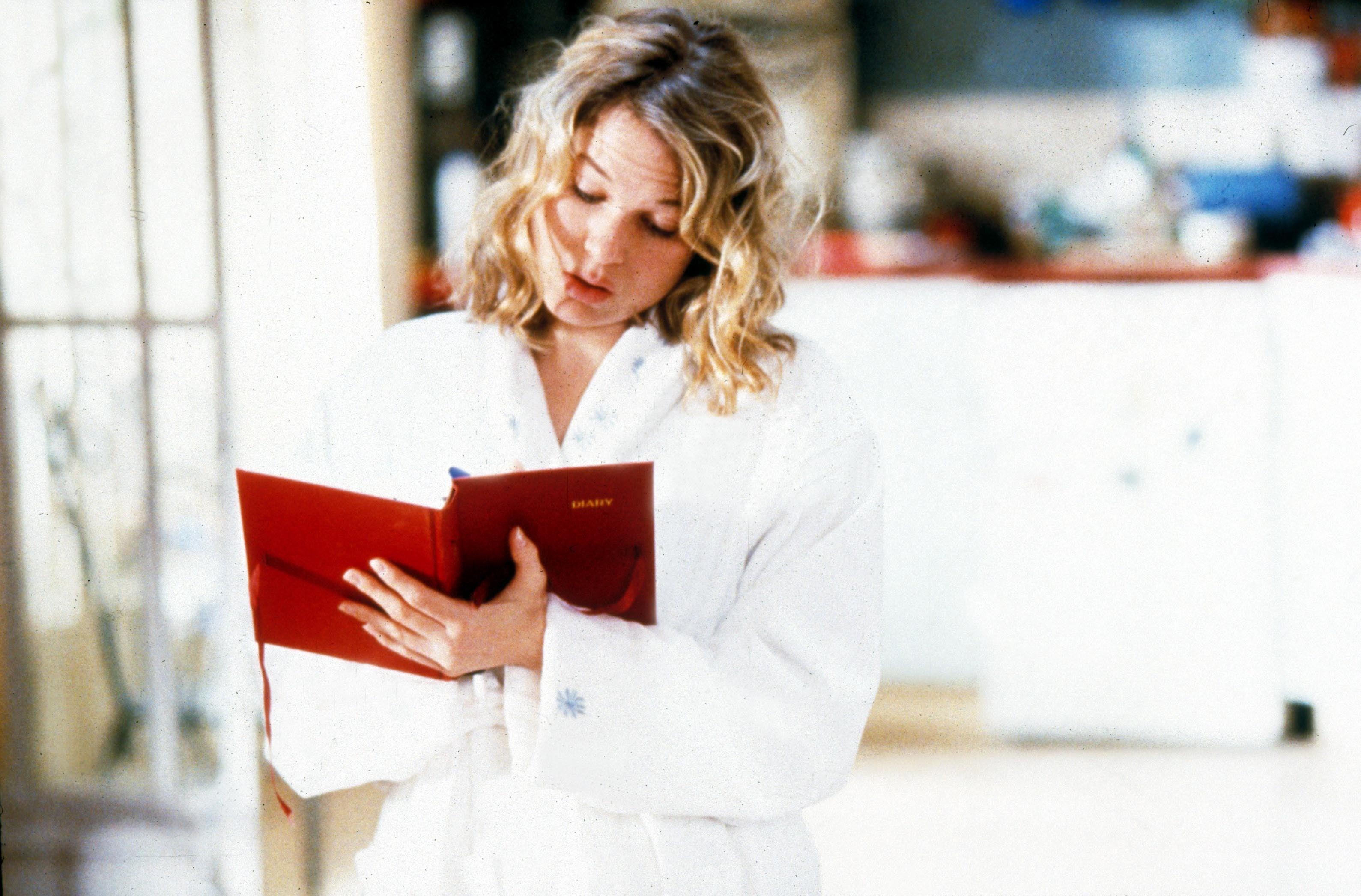
This month marks 25 years since Bridget Jones made her big screen debut, diary in hand, introducing the world to one of 21st century British cinema’s most iconic and beloved characters.
Advertisement
Bridget Jones’s Diary has gone on to become one of the most enduring and game-changing romantic comedies of its time, going on to gross hundreds of millions of dollars at the box office, spawn three sequels and even earn its leading lady Renée Zellweger her first Oscar nominations (she’s since gone on to win two, as it goes).
A quarter-century later, you might think you know Bridget inside and out (and love her “just as she is”), but we bet there’s still plenty about the enduring movie classic that you still don’t know.
To commemorate its 25th anniversary, here are 25 behind-the-scenes facts you probably never knew about how Bridget Jones’s Diary was made…
Advertisement
Alright, we’re starting with a pretty obvious one here, but for those who didn’t know, both the original novel Bridget Jones’s Diary and the movie were inspired by Jane Austen’s Pride And Prejudice
Bridget Jones creator Helen Fielding said back in 2001: “Jane Austen’s plots are very good and have been market researched over a number of centuries so I decided simply to steal one of them.”
“I thought she wouldn’t mind,” Helen quipped. “And anyway, she’s dead.”
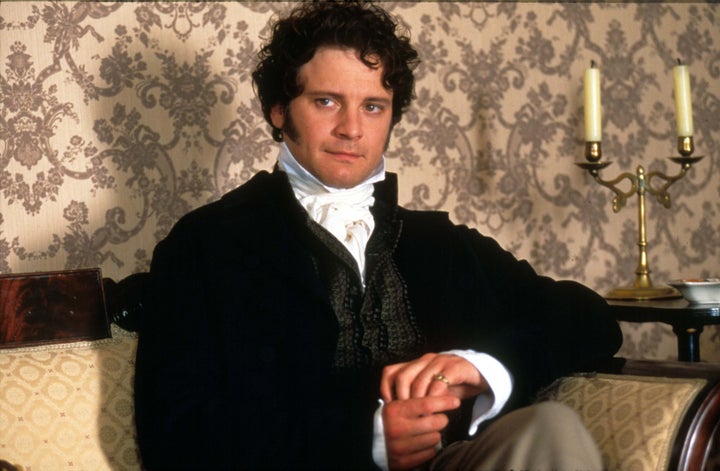
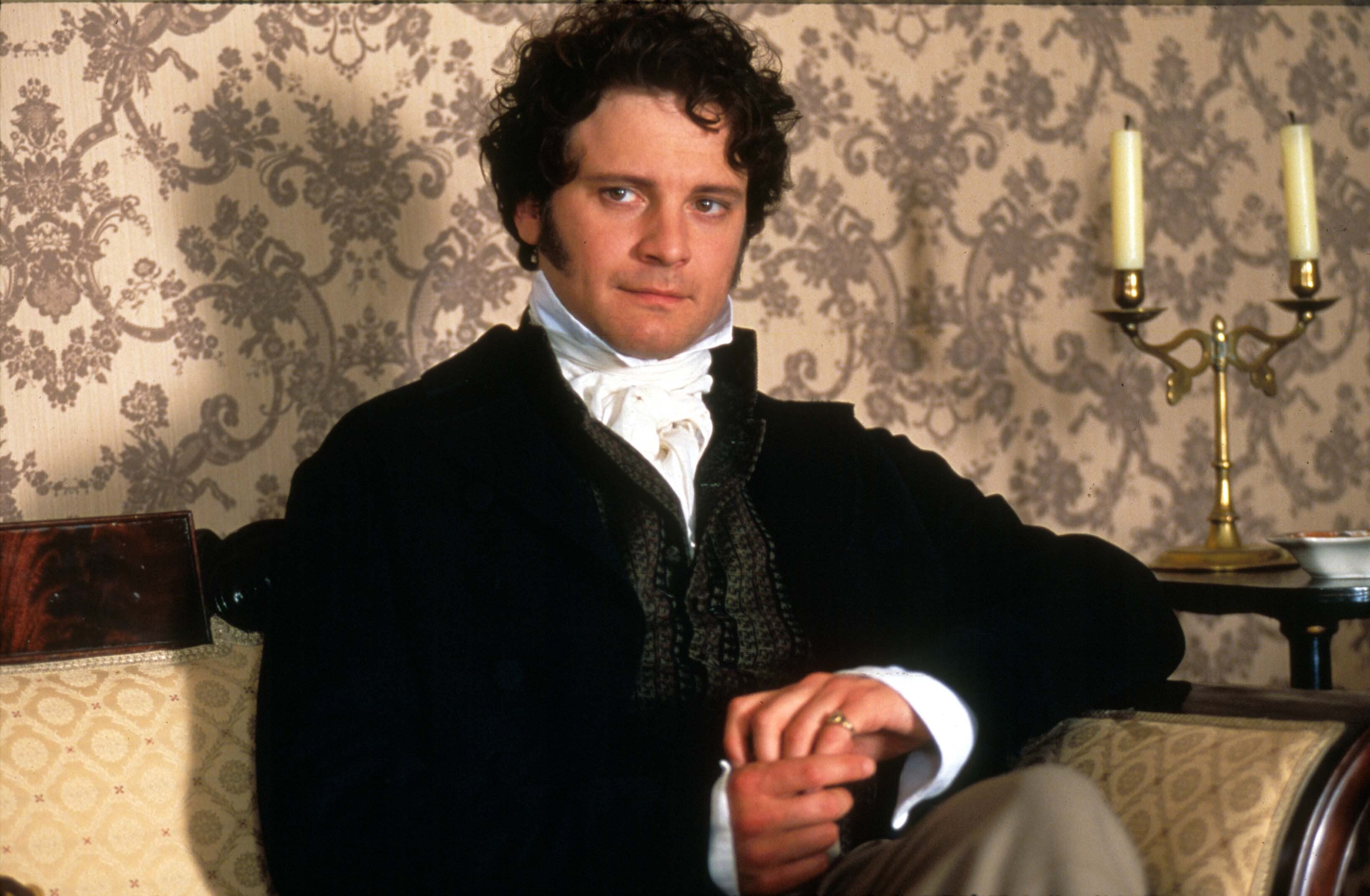
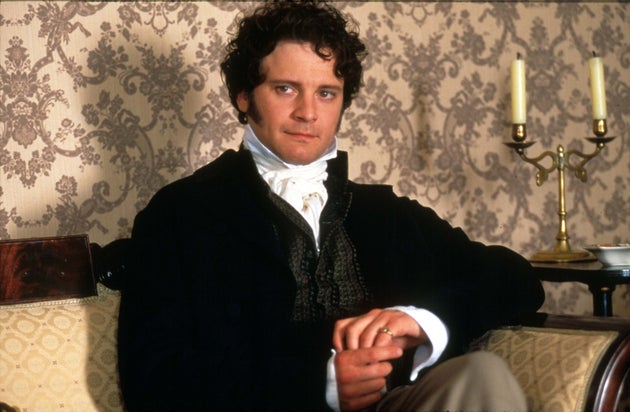
Because of the book’s ties to Pride And Prejudice, the Bridget Jones team were always adamant that Mark Darcy should be played by Colin Firth, who previously appeared in the BBC’s much-loved adaptation of the Jane Austen book
“Colin always had to be Mark Darcy,” producer Eric Fellner put it around the film’s release. “As the story unfolds, and the audience comes to understand Mark Darcy, he transforms from a seemingly snobby and cold intellectual into a thoughtful and sensitive man.”
Colin Firth as Mr Darcy years before he’d play his character’s namesake in Bridget Jones’s Diary
Moviestore/Shutterstock
There is another Pride & Prejudice reference hidden in Bridget Jones’s Diary that we’re only clocking now 25 years later
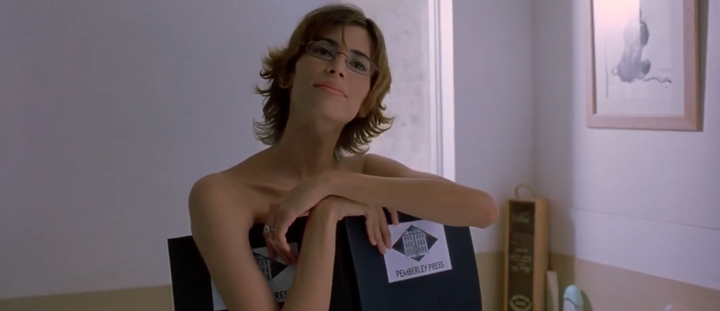
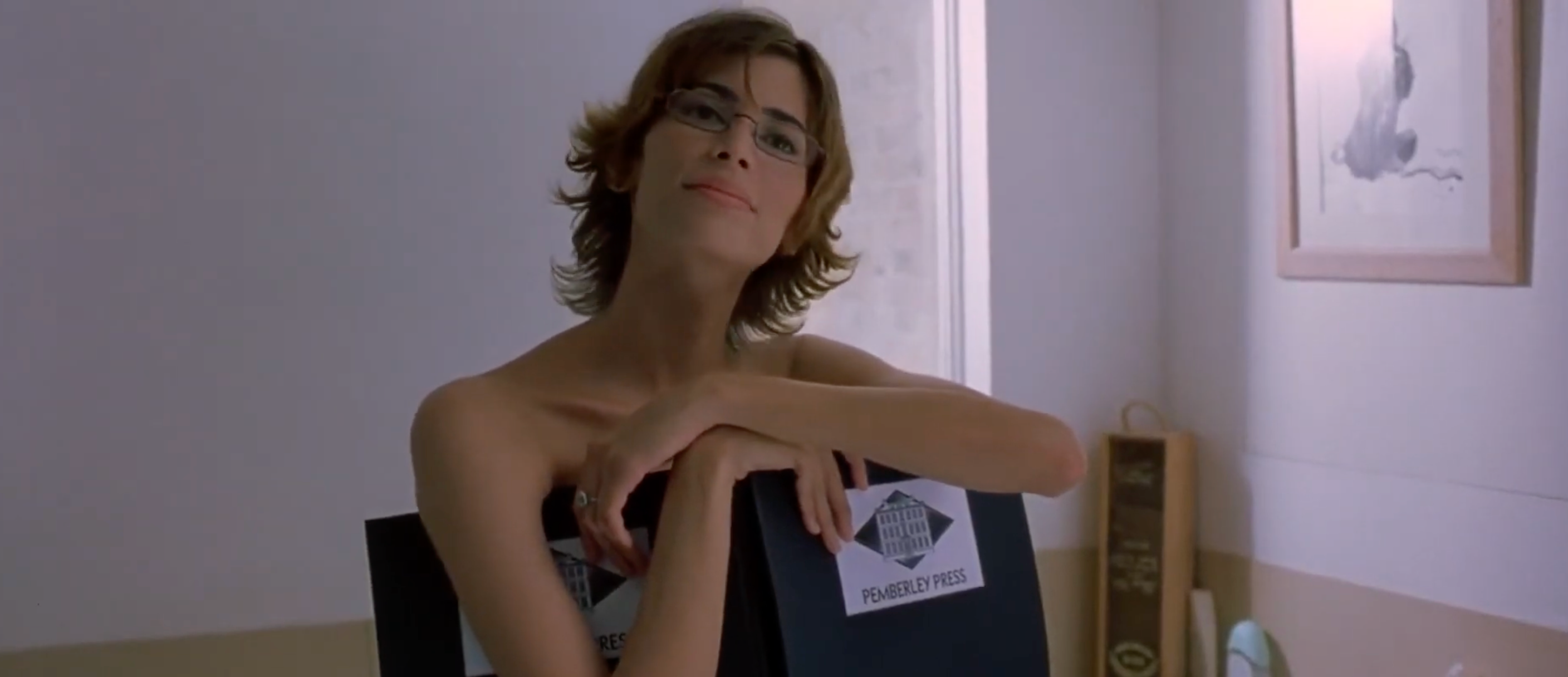
The publishing house where Bridget Jones works is called Pemberley Press, a subtle nod to Mr Darcy’s estate in the Austen classic.
When Bridget walks in on the woman that Daniel Cleaver has been cheating on her with, she’s covering herself with a Pemberley Press portfolio, sporting an image of a stately home not unlike Darcy’s.
There are more Pride & Prejudice references than you might realise in Bridget Jones’s Diary
Working Title
Advertisement
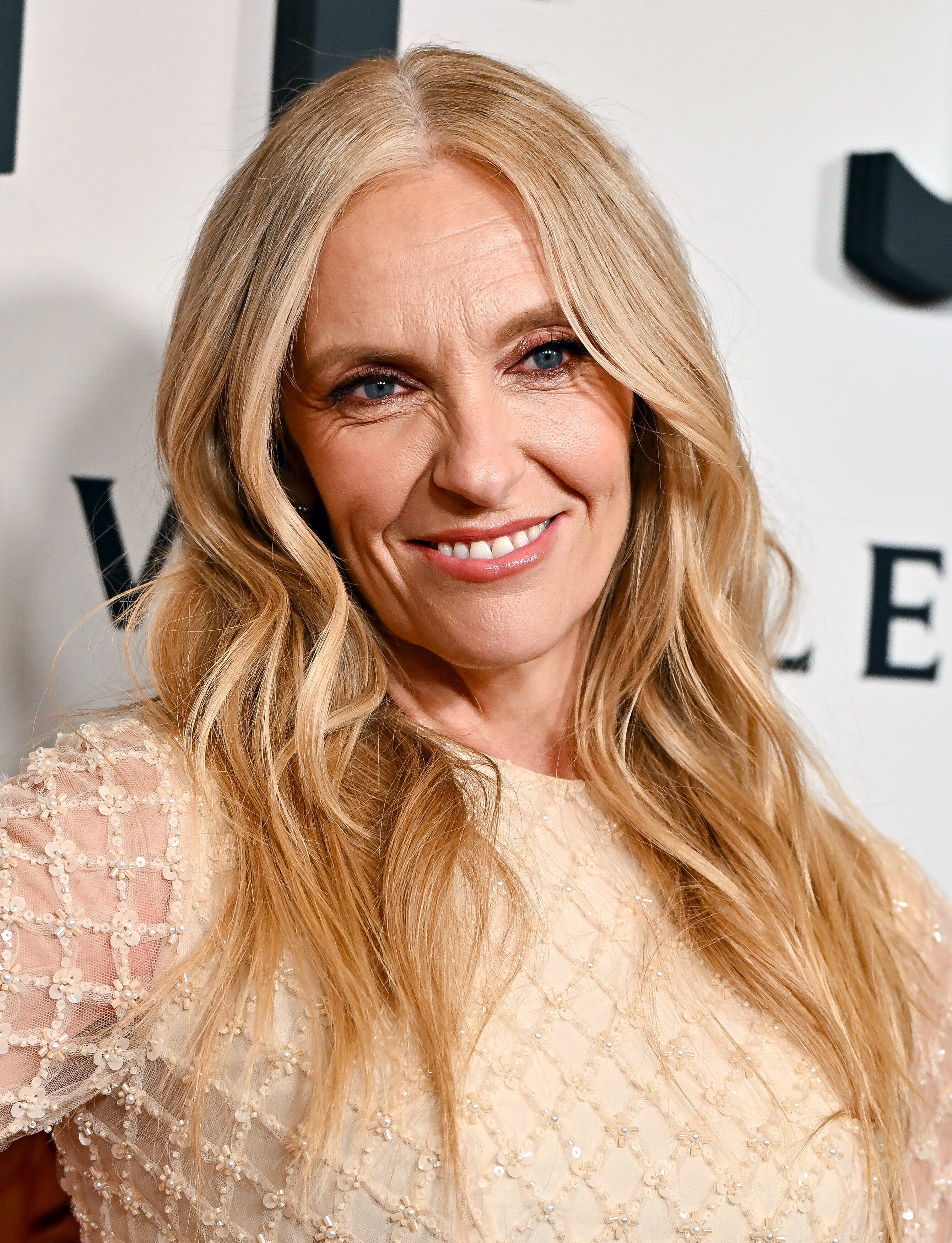
When it came to casting the role of Bridget Jones, Renée Zellweger wasn’t actually the first choice
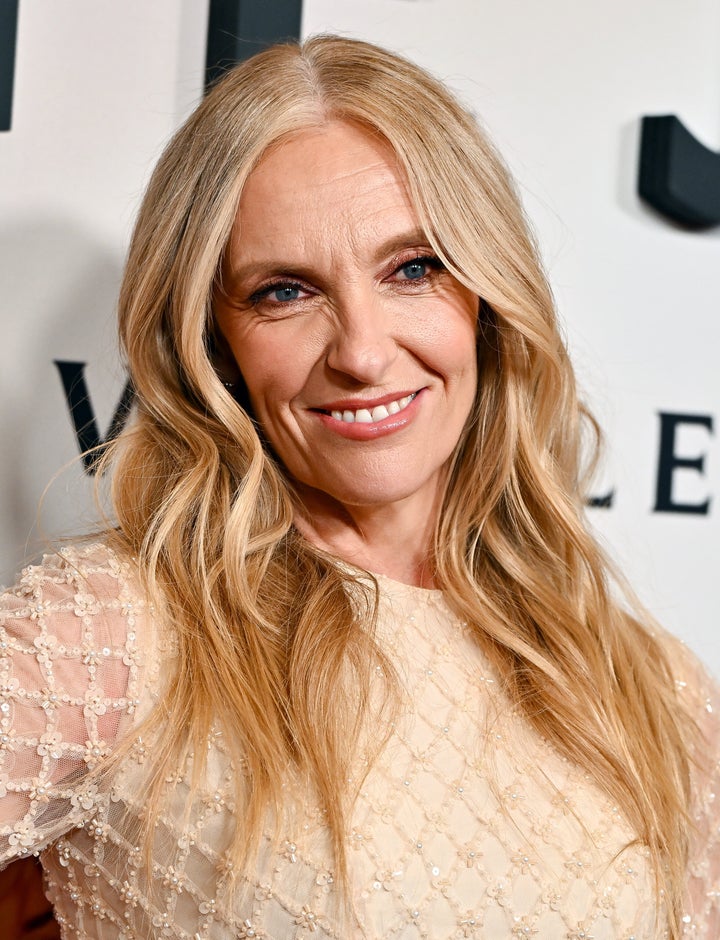
In fact, the role first went to Toni Collette, who turned it down because she was appearing in a Broadway play at the time filming was due to get underway.
She told Watch What Happens Live in 2023: “I have no regrets – life happens as it’s meant to.”
The casting process apparently took around two years before producers found their Bridget in Renée Zellweger.
Advertisement
Of course, the decision to cast an American actor as such an iconic Londoner wasn’t exactly met with unanimous praise, but Renée pulled it out of the bag and won over her detractors in the end.
Toni Collette was originally picked to play Bridget Jones before Renée Zellweger was cast
via Associated Press
To help perfect her British twang to play Bridget Jones, Renée Zellweger worked with the famous dialect coach Barbara Berkery
Right before Renée worked with Barbar Berkery, the dialect coach had helped Gwyneth Paltrow on her way to winning an Oscar for Shakespeare In Love.
Before that, she’d also coached Gwynnie while she was playing a Londoner in the 90s classic Sliding Doors.
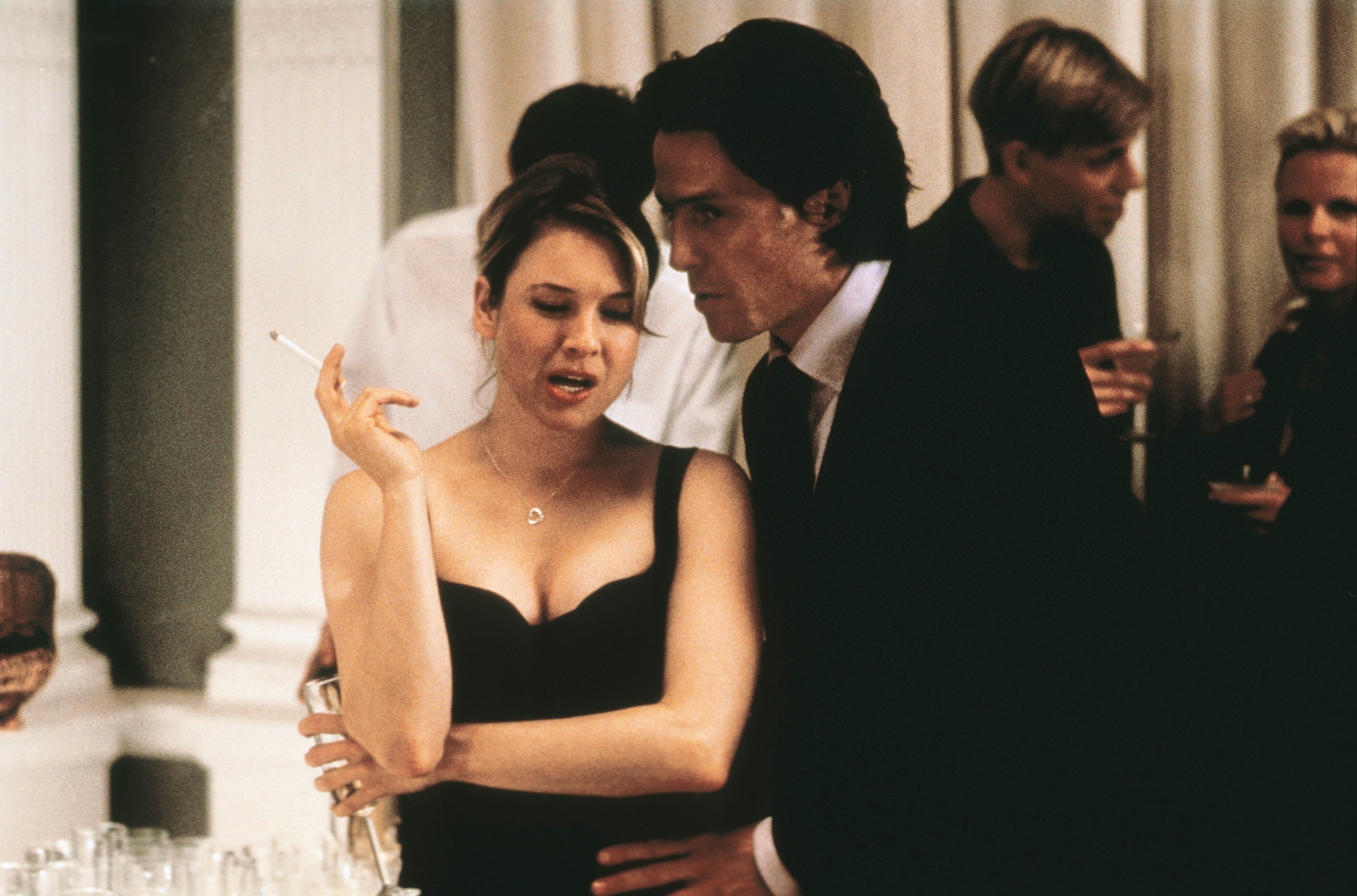
It’s fair to say that Hugh Grant wasn’t initially convinced by Renée Zellweger’s Bridget Jones accent…
After the suggestion that she “loosen it up a bit”, Hugh claimed that Renée’s next attempt was more “Princess Margaret having a stroke – but a week later, it was bang on”.
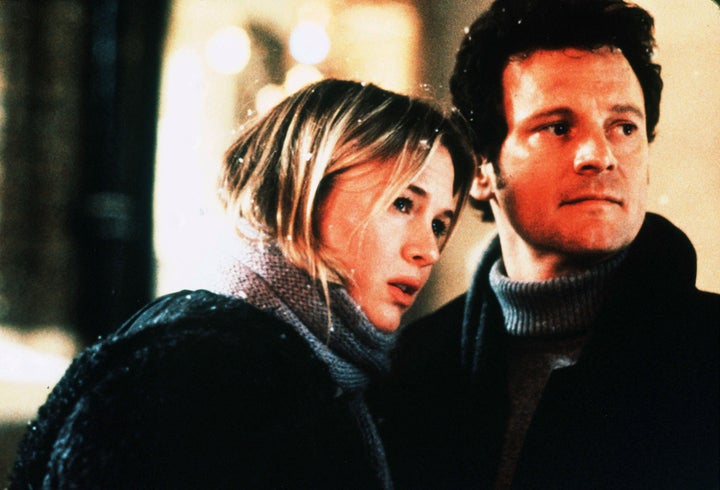
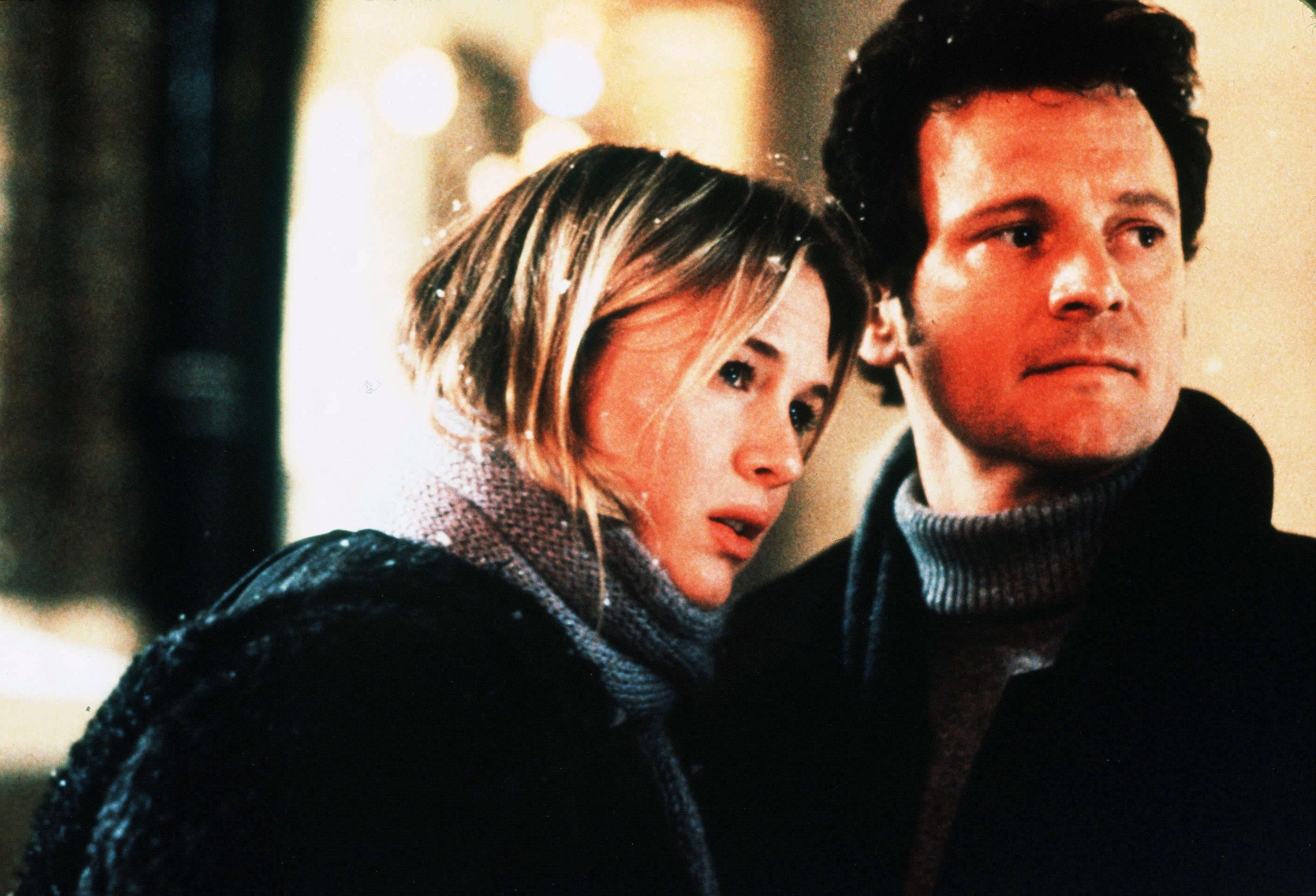
Renée Zellweger and Hugh Grant in character as Bridget Jones and Daniel Cleaver
Alex Bailey/Miramax/Universal/Kobal/Shutterstock
Advertisement
To help retain her accent, Renée Zellweger continued speaking in Bridget Jones’ voice even between takes
Sally Phillips once told Lorraine: “I’d made quite good friends with her during the filming [but] I realised towards the end, when she suddenly lost a stone in the last week, and started talking in a Texan accent at the wrap party, I’d made friends with Bridget, not Renée.”
It’s well-documented that Renée Zellweger intentionally gained weight to help her play Bridget Jones, which she did by increasing her food intake and not exercising
For the second Bridget Jones film, Renée opted for prosthetics rather than gaining the weight back, and by the third and fourth films, it was decided that the actor and her on-screen counterpart should be the same size.
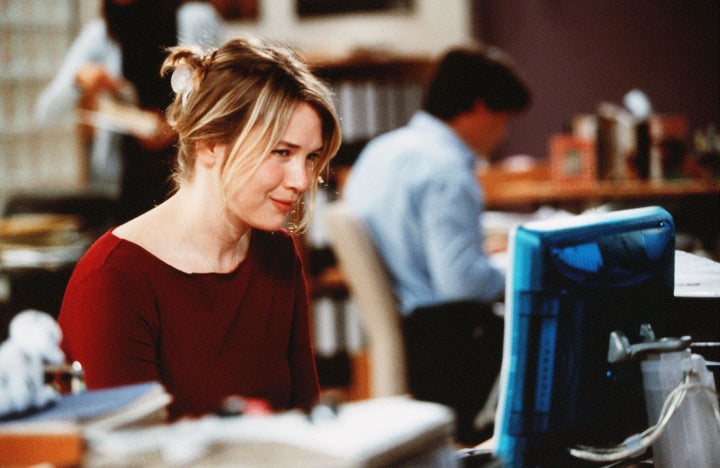
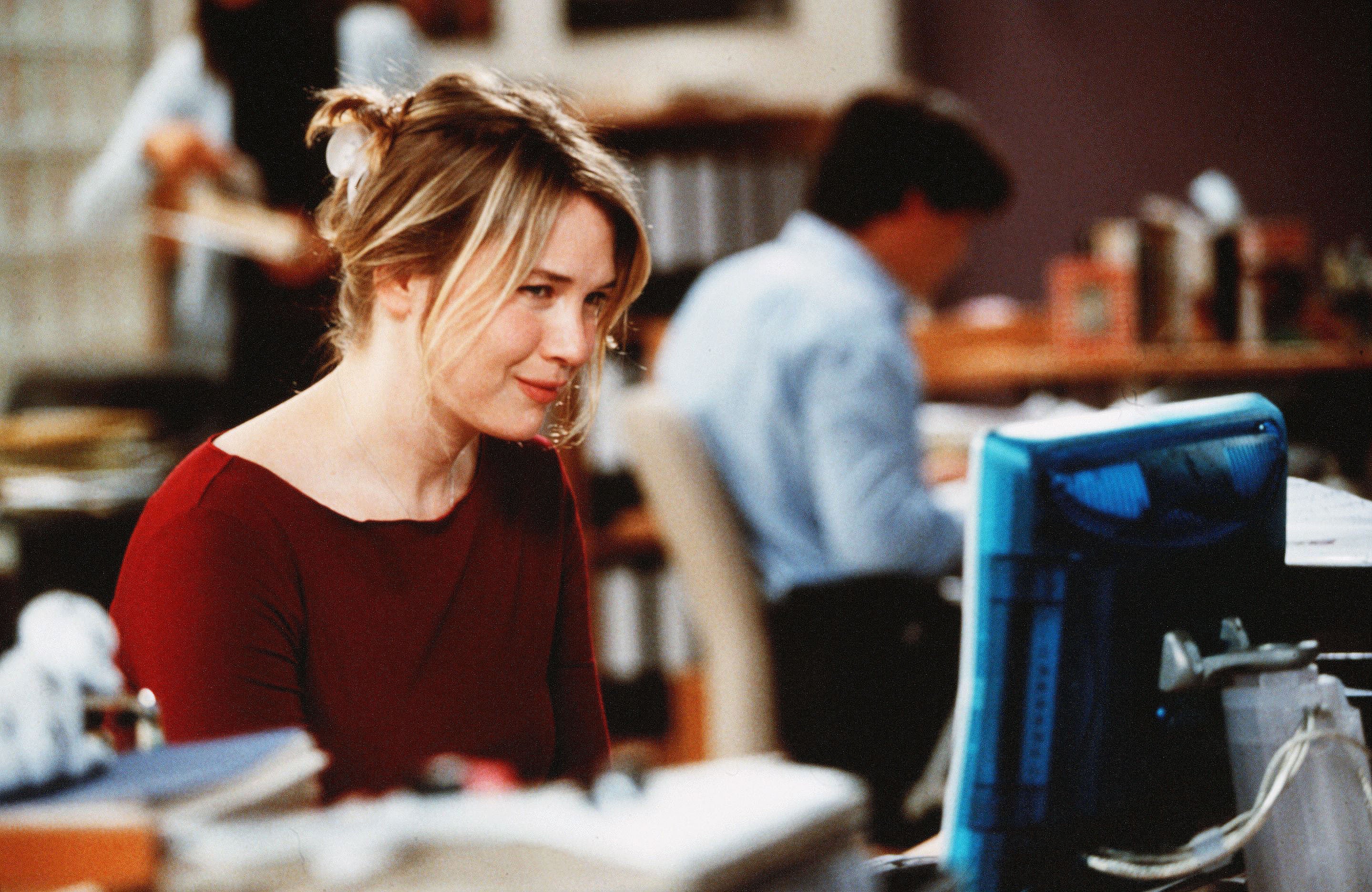
As well as her accent and weight gain, Renée Zellweger also got into the Bridget Jones mindset by working a brief internship at a publishing house
Like her character, Renée Zellweger did some work at a publishing house to help her prepare for Bridget Jones’s Diary
Paul Chedlow/Miramax/Universal/Kobal/Shutterstock
Advertisement
“A young work experience woman came into the office and introduced herself as Bridget and we were all a bit bemused by the fact that Bridget seemed to have really nice clothes (not smart, just a lot better than our outfits) and a transatlantic accent,” Mary Mount – who was working as an editorial assistant at Picador at the time – recalled last year. “I thought she looked vaguely familiar but in that way that you can’t really place.”
One of the future Oscar winner’s tasks was cutting out any press clippings about Picardo at the time.
Unfortunately, the big story surrounding Picador at the time was the fact that a Bridget Jones movie was in the works, meaning “her job was literally to cut out nasty articles about herself”.
Advertisement
“She kept her cool,” said Camilla Elworthy, who oversaw Renée during her work experience. “But [she] did scribble ‘rubbish’ in the margins of one piece.”
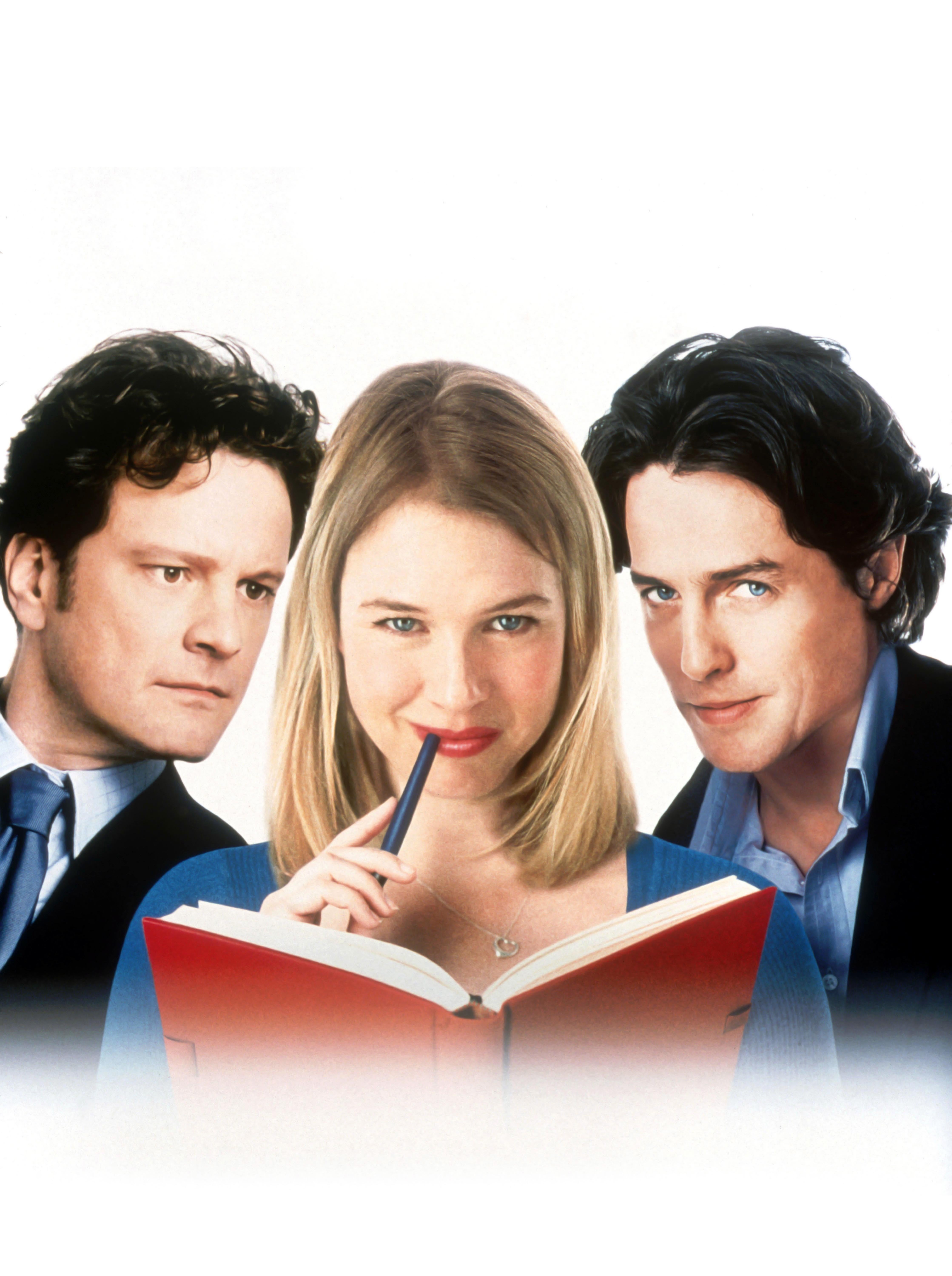
As for the rest of the Bridget Jones’s Diary cast, Hugh Grant actually turned down the part of Daniel Cleaver on several occasions
Colin Firth, Renée Zellweger and Hugh Grant in promotional material for Bridget Jones’s Diary
Miramax/Universal/Kobal/Shutterstock
Advertisement
“The only reason for that was because I didn’t feel they had the script quite right for a long time,” he admitted in the lead-up to its release. “And I kept saying, it’s not working. Just get Richard Curtis to come in and help rewrite it.”
Hugh had already worked with Richard Curtis on Four Weddings And A Funeral and Notting Hill, with the two later reuniting on Love Actually and the second Bridget Jones movie.
“As soon as Richard came on board, I signed on the dotted line,” the Bafta winner added. “So, that’s all it was.”
Advertisement
Bridget Jones’s Diary was filmmaker Sharon Maguire’s feature-length directing debut, although she did already have a connection to the source material
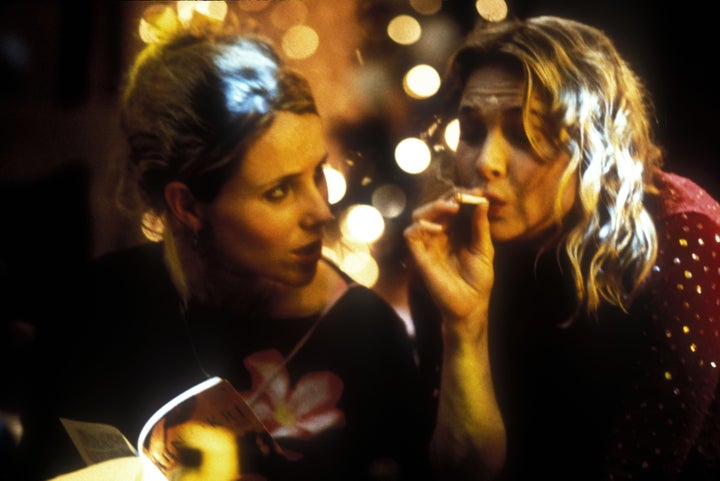
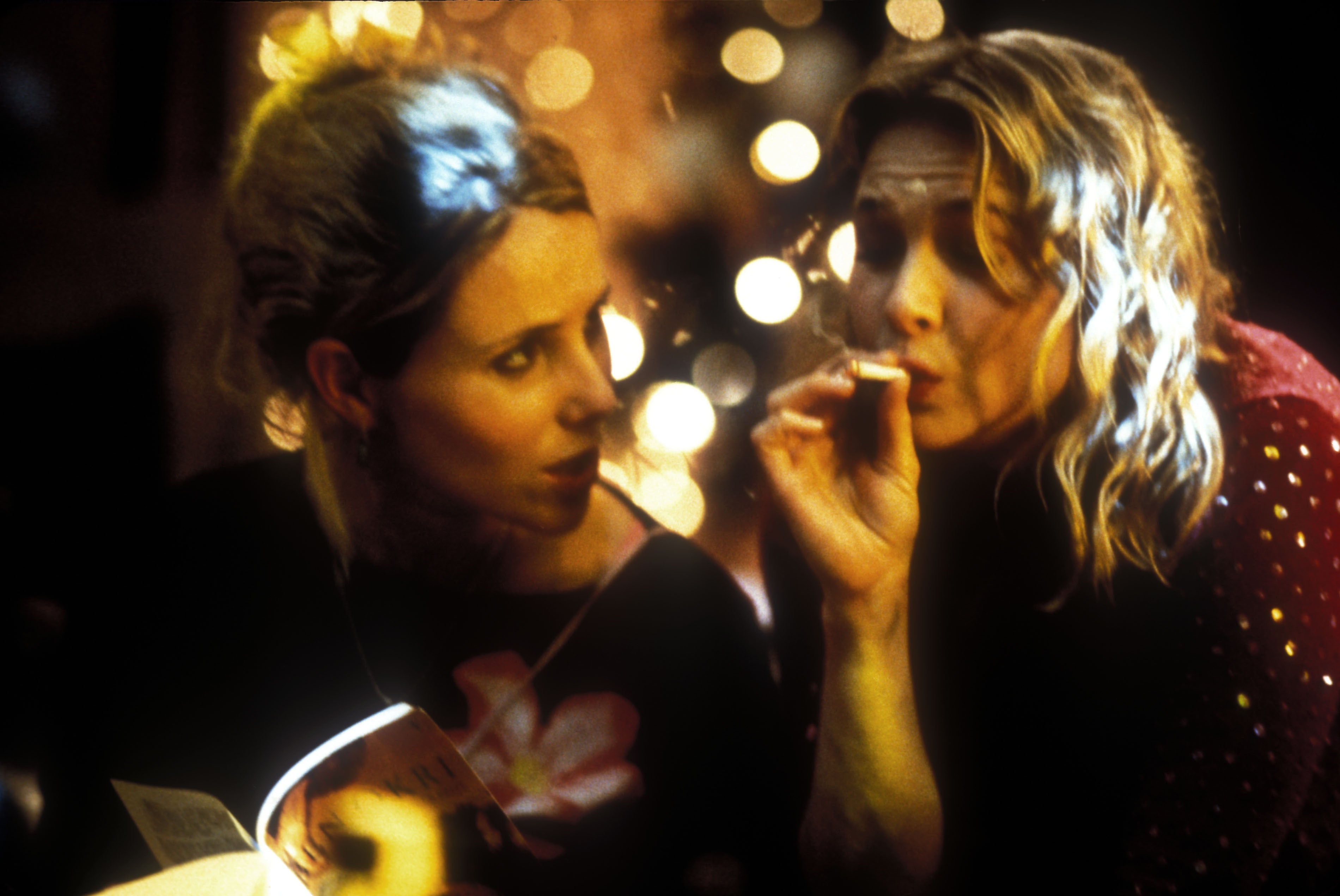
Sharon was close friends with Helen Fielding, and was heavily rumoured to be have been the inspiration for “Shazzer”, the character played on screen by Sally Phillips.
“I’m delighted to be in the book, especially as Shazzer is so much wittier than me,” Sharon once told The Telegraph. “The only thing is that you go to parties and you worry that people will expect you to be funnier than you really are.”
Advertisement
“Helen was just writing about our lives – hilariously,” she later told the LA Times in 2016, adding: “Thirtysomethings had come out of long relationships in their 20s and realised they hadn’t ended up married or with children. We were in our 30s, behaving like we were 17-year-olds and having a great time but still floundering around asking questions about relationships, careers, biological clocks.”
Sally Phillips has played “Shazzer” in all four Bridget Jones movies
Miramax/Universal/Kobal/Shutterstock
Salman Rushdie’s Bridget Jones’s Diary cameo came about he, too, was a friend of Helen Fielding
“For me, it was very simple,” he told Texas Monthly in 2001. “Helen Fielding, the author of the book, is an old pal of mine, and she asked if I’d come along and make a fool of myself, and I said, ‘Why not?’.”
Advertisement
As for sharing the screen with the movie’s leading lady, the author added: “Renée was wonderful, I thought, and at the premiere we had a little joke. I told her that my performance is what held the film together – and she agreed. She thought it was a pivotal role.”
The exterior of Bridget Jones’ flat was a pub just off Borough market
The Globe Tavern, to be exact, which was already notable as it’s rumoured to be the location where the Great Train Robbery of 1963 was planned.
Advertisement
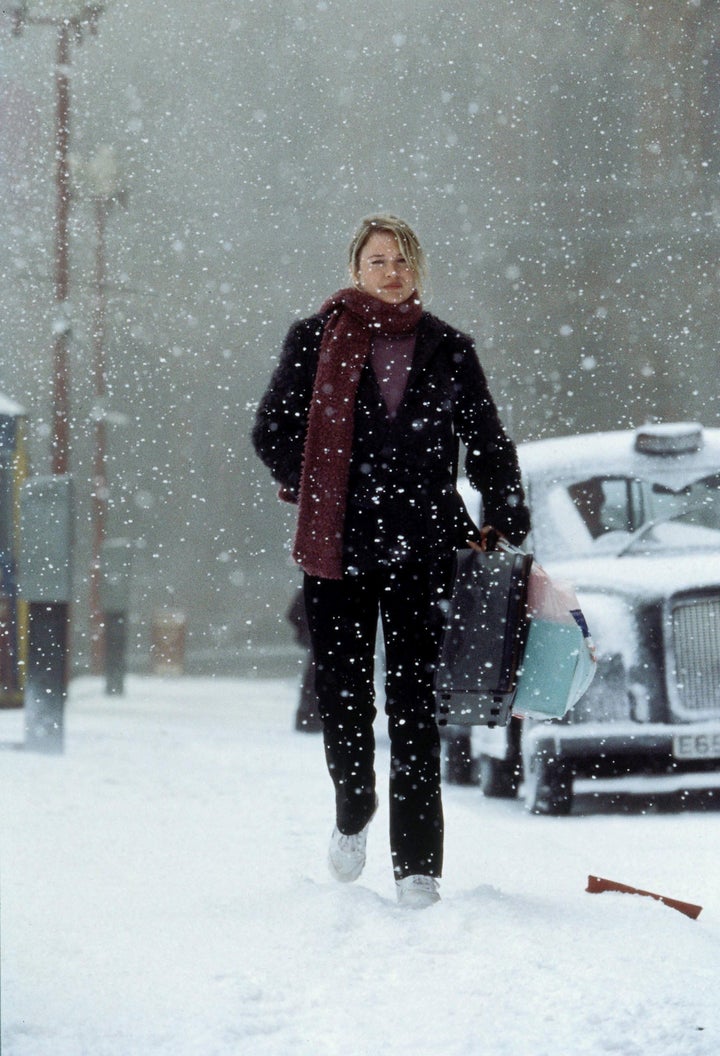
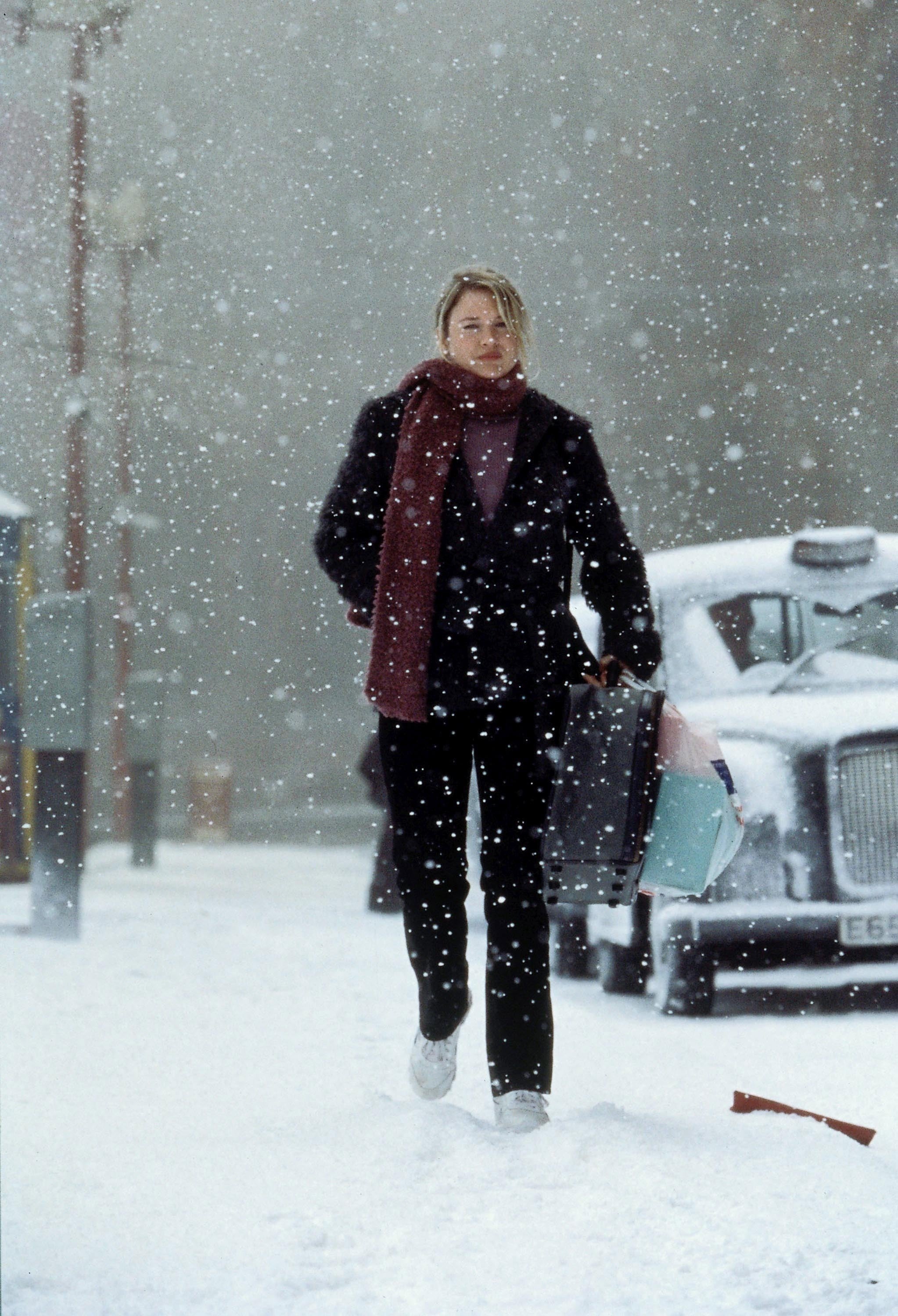
All those wintery scenes at Bridget Jones’ parents’ home were actually shot at the height of summer
Because of this, several locations in Snowshill, Worcestershire had to be covered in fake snow to make the setting more believable.
Bridget Jones’s Diary might put you in a wintery mood but it was actually shot at the height of summer
Miramax/Universal/Kobal/Shutterstock
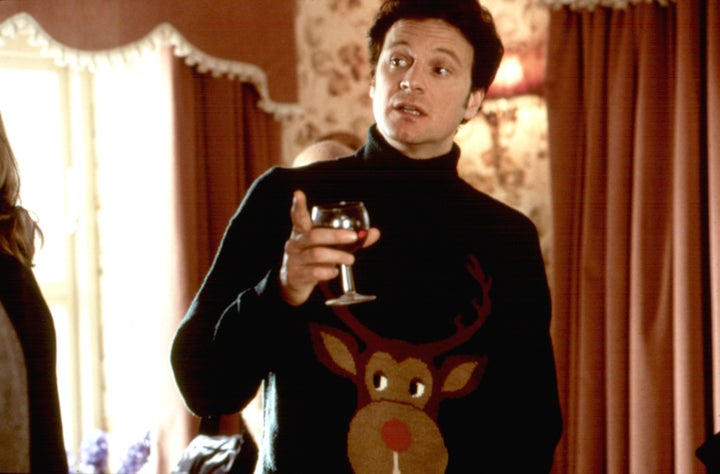
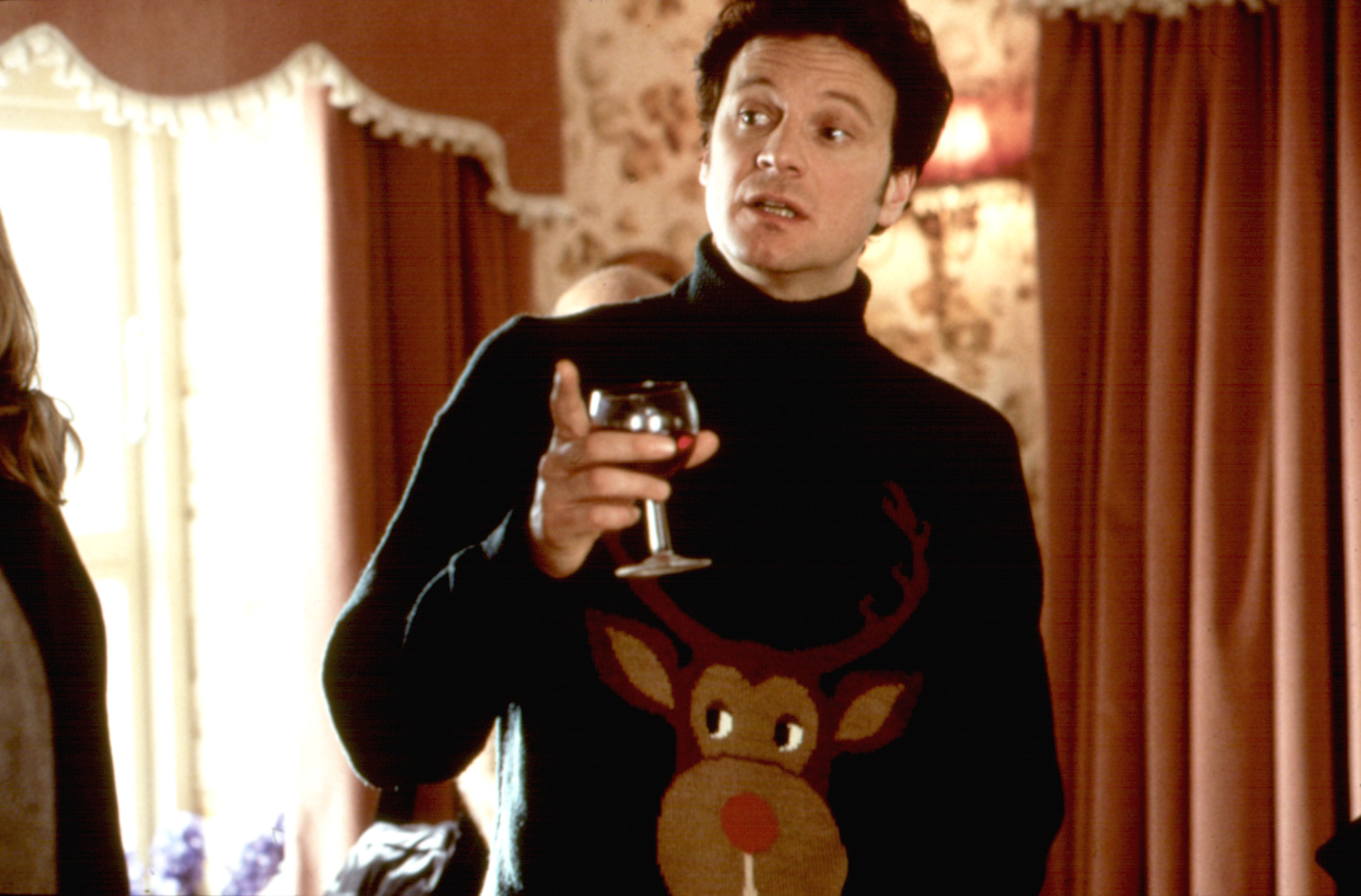
As a result – Colin Firth didn’t exactly have the best time filming in his infamous Bridget Jones reindeer jumper…
Colin told Entertainment Weekly in 2020: “The set was lit at about 140 degrees Fahrenheit; it melted candles and desiccated the turkey curry. I almost tore the jumper to pieces pulling it off between takes – I probably lost about 15 pounds. I had little love for it by the end.”
…not that it actually is a reindeer, mind you
“We sent out the knitting challenge to approximately 20 or 30 knitters,” Sharon Morgan also told Entertainment Weekly for the same piece. “At first, none of the designs worked. They were lovely, but they just weren’t funny. So eventually we decided it had to be a moose, not a reindeer.”
“I never noticed it was a moose,” Colin added.
Not a reindeer jumper but a moose, apparently
Moviestore/Shutterstock
Advertisement
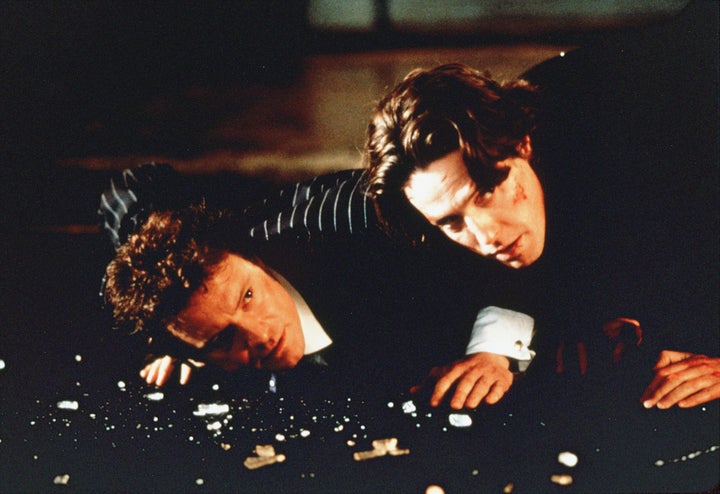
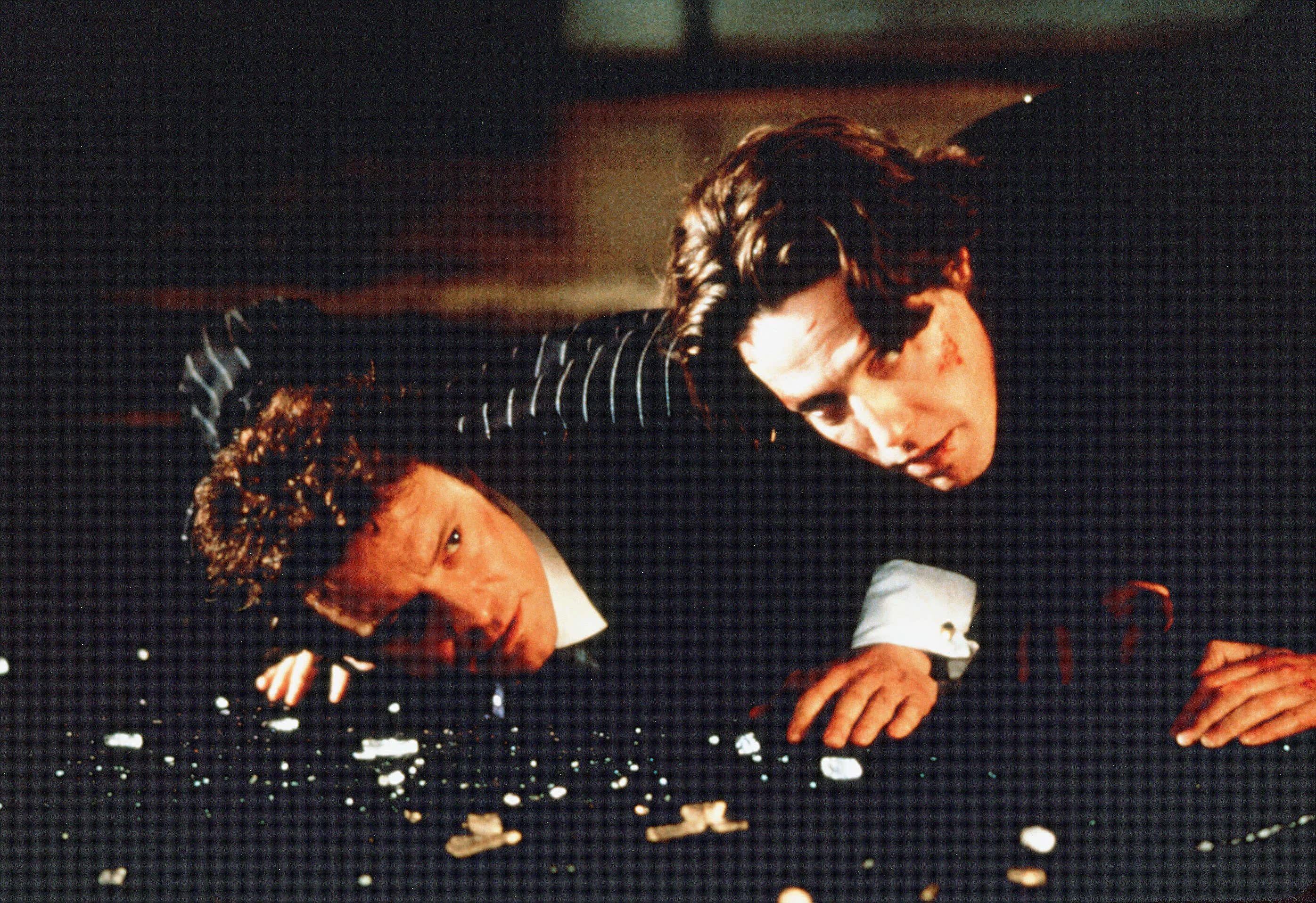
Daniel Cleaver and Mark Darcy’s fight sequence is one of Bridget Jones’s Diary’s stand-out scenes – but it could have looked very different
“There had been an earlier idea to make the fight look sexy,” Colin told the LA Times. “We were going to be buff and our shirts were going to be ripped off.
“I looked at myself and said, ‘You’re certainly never going to get that type with me’.”
Colin Firth and Hugh Grant decided between them to keep their Bridget Jones fight a little more… well… British
Colin Firth and Hugh Grant’s characters have it out in Bridget Jones’s Diary
Alex Bailey/Miramax/Universal/Kobal/Shutterstock
“We both realised that the last time we fought was when we were 10. A playground fight,” Colin quipped. “So, we made a decision largely based on logic and common sense to make it more playful.”
He pointed out the characters are “two very ineffectual, frightened, angry yuppies going at each other – pulling hair and wanting to run away at the same time”, which needed to come across on screen.
Advertisement
During a video interview with Vanity Fair, Hugh later claimed: “The big fight was to stop stuntmen getting involved. They always want to come in and choreograph the whole thing and say, ‘mate, it’d be great if you swing a right hook and his head’ll go back’.
“I just thought, ‘yeah, in action films, cowboy films, whatever, that’s great, but these are two middle-class Englishmen, and they don’t fight like that’. I’ve seen them fight, and it’s shit.
“So, we managed to ban the stuntman. I think the last thing he contributed was probably the dustbin lid, and after that, it’s just me and Colin messing about.”
Advertisement
Stuntmen were used for one crucial part of the fight, though
That’d be the bit where Mark and Daniel fly through the front window of a Greek restaurant, which they thought they’d better leave to the pros.
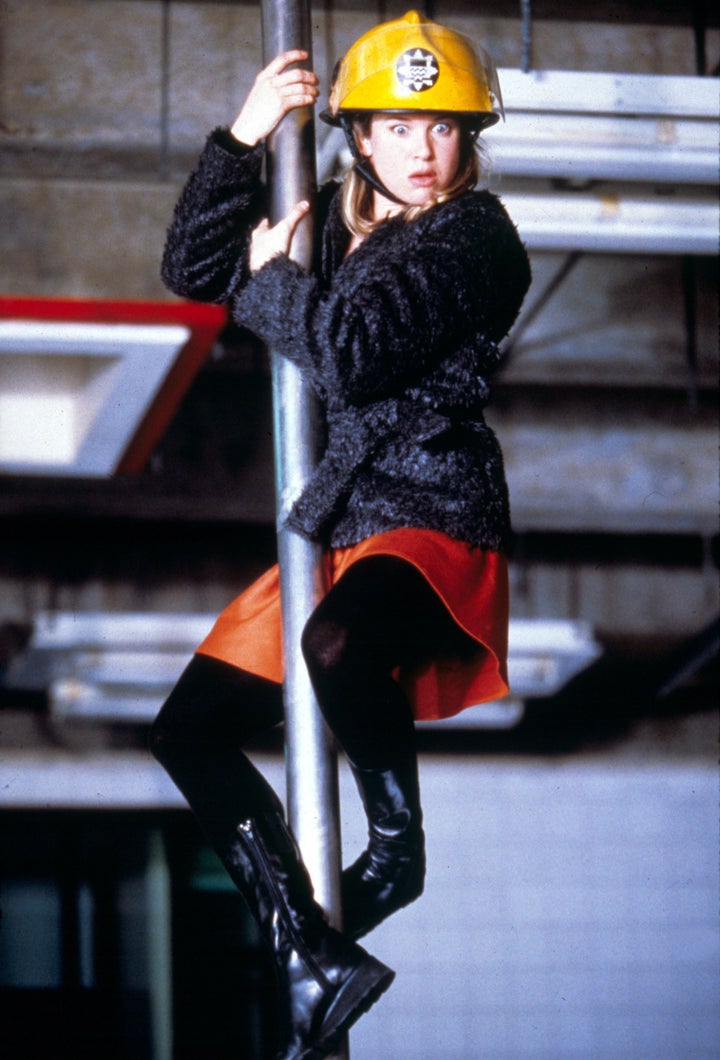
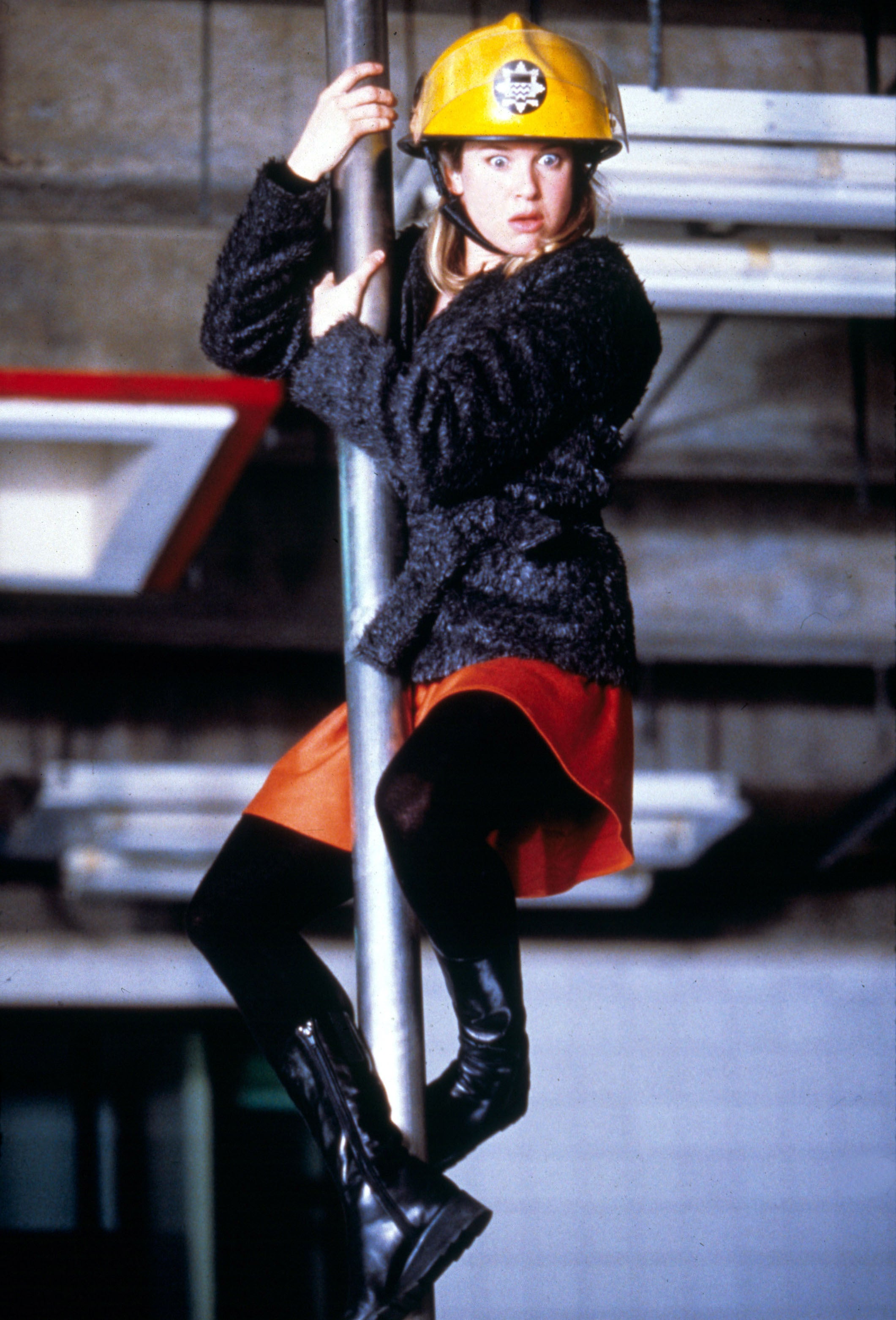
By contrast, Bridget Jones’ infamous fireman’s pole scene was meticulously planned to ensure Renée Zellweger’s safety
Renée Zellweger as Bridget Jones throwing herself into her new job at Sit Up Britain
Moviestore/Shutterstock
Advertisement
“Renée did it on wires – it was her backside that came down,” stunt performer Dani Biernet told Time Out in 2017. “But I did all the lining up and the wide shots without a wire.”
Another of Bridget Jones’ more surprising physical moments required a stunt double, too
Dani also had to step in to play Bridget during the moment when she drunkenly tumbles out of a black cab.
","type":"video","meta":{"author":"basketca2","author_url":"https://www.youtube.com/channel/UCLeB7sYYKRlFQ-1o_XXybOA","cache_age":86400,"description":"Time to vent about work and get drunk!","options":{"_cc_load_policy":{"label":"Closed captions","value":false},"_end":{"label":"End on","placeholder":"ex.: 11, 1m10s","value":""},"_start":{"label":"Start from","placeholder":"ex.: 11, 1m10s","value":"55"}},"provider_name":"YouTube","thumbnail_height":480,"thumbnail_url":"https://i.ytimg.com/vi/1HImyip9vXM/sddefault.jpg","thumbnail_width":640,"title":"Bridget Jones’s Diary – Night out with the urban family","type":"video","url":"https://www.youtube.com/watch?v=1HImyip9vXM","version":"1.0"},"flags":[],"enhancements":{},"fullBleed":false,"options":{"theme":"news","device":"desktop","editionInfo":{"id":"uk","name":"U.K.","link":"https://www.huffingtonpost.co.uk","locale":"en_GB"},"originalEdition":"uk","isMapi":false,"isAmp":false,"isMobile":false,"isAdsFree":false,"isVideoEntry":false,"isEntry":true,"isMt":false,"entryId":"69d519bde4b0ae5bb24671a5","entryPermalink":"https://www.huffingtonpost.co.uk/entry/bridget-jones-diary-film-facts-trivia_uk_69d519bde4b0ae5bb24671a5","entryTagsList":"ukfilm,nostalgia,hugh-grant,bridget-jones,renee-zellweger,colin-firth","sectionSlug":"entertainment","deptSlug":null,"sectionRedirectUrl":null,"subcategories":"","isWide":false,"isShopping":false,"headerOverride":null,"noVideoAds":false,"disableFloat":false,"isNative":false,"commercialVideo":{"provider":"custom","site_and_category":"uk.entertainment","package":null},"isHighline":false,"vidibleConfigValues":{"cid":"60afc140cf94592c45d7390c","disabledWithMapiEntries":false,"overrides":{"all":"60b8e525cdd90620331baaf4"},"whitelisted":["56c5f12ee4b03a39c93c9439","56c6056ee4b01f2b7e1b5f35","59bfee7f9e451049f87f550b","5acccbaac269d609ef44c529","570278d2e4b070ff77b98217","57027b4be4b070ff77b98d5c","56fe95c4e4b0041c4242016b","570279cfe4b06d08e3629954","5ba9e8821c2e65639162ccf1","5bcd9904821576674bc55ced","5d076ca127f25f504327c72e","5b35266b158f855373e28256","5ebac2e8abddfb04f877dff2","60b8e525cdd90620331baaf4","60b64354b171b7444beaff4d","60d0d8e09340d7032ad0fb1a","60d0d90f9340d7032ad0fbeb","60d0d9949340d7032ad0fed3","60d0d9f99340d7032ad10113","60d0daa69340d7032ad104cf","60d0de02b627221e9d819408"],"playlists":{"default":"57bc306888d2ff1a7f6b5579","news":"56c6dbcee4b04edee8beb49c","politics":"56c6dbcee4b04edee8beb49c","entertainment":"56c6e7f2e4b0983aa64c60fc","tech":"56c6f70ae4b043c5bdcaebf9","parents":"56cc65c2e4b0239099455b42","lifestyle":"56cc66a9e4b01f81ef94e98c"},"playerUpdates":{"56c6056ee4b01f2b7e1b5f35":"60b8e525cdd90620331baaf4","56c5f12ee4b03a39c93c9439":"60d0d8e09340d7032ad0fb1a","59bfee7f9e451049f87f550b":"60d0d90f9340d7032ad0fbeb","5acccbaac269d609ef44c529":"60d0d9949340d7032ad0fed3","5bcd9904821576674bc55ced":"60d0d9f99340d7032ad10113","5d076ca127f25f504327c72e":"60d0daa69340d7032ad104cf","5ebac2e8abddfb04f877dff2":"60d0de02b627221e9d819408"}},"connatixConfigValues":{"defaultPlayer":"16b0ecc6-802c-4120-845f-e90629812c4d","clickToPlayPlayer":"823ac03a-0f7e-4bcb-8521-a5b091ae948d","videoPagePlayer":"05041ada-93f7-4e86-9208-e03a5b19311b","defaultPlaylist":"2e062669-71b4-41df-b17a-df6b1616bc8f"},"topConnatixThumnbailSrc":"data:image/png;base64,iVBORw0KGgoAAAANSUhEUgAAAAEAAAABCAQAAAC1HAwCAAAAC0lEQVR42mNkYAAAAAYAAjCB0C8AAAAASUVORK5CYII=","customAmpComponents":[],"ampAssetsUrl":"https://amp.assets.huffpost.com","videoTraits":null,"positionInUnitCounts":{"buzz_head":{"count":0},"buzz_body":{"count":0},"buzz_bottom":{"count":0}},"positionInSubUnitCounts":{"article_body":{"count":25},"blog_summary":{"count":0},"before_you_go_content":{"count":0}},"connatixCountsHelper":{"count":0},"buzzfeedTracking":{"context_page_id":"69d519bde4b0ae5bb24671a5","context_page_type":"buzz","destination":"huffpost","mode":"desktop","page_edition":"en-uk"},"tags":[{"name":"ukfilm","slug":"ukfilm","links":{"relativeLink":"news/ukfilm","permalink":"https://www.huffingtonpost.co.uk/news/ukfilm","mobileWebLink":"https://www.huffingtonpost.co.uk/news/ukfilm"},"section":{"title":"Entertainment","slug":"entertainment"},"topic":{"title":"Film","slug":"ukfilm","overridesSectionLabel":false},"url":"https://www.huffingtonpost.co.uk/news/ukfilm/"},{"name":"nostalgia","slug":"nostalgia","links":{"relativeLink":"news/nostalgia","permalink":"https://www.huffingtonpost.co.uk/news/nostalgia","mobileWebLink":"https://www.huffingtonpost.co.uk/news/nostalgia"},"section":{"title":"Entertainment","slug":"entertainment"},"topic":{"title":"Nostalgia","slug":"nostalgia","overridesSectionLabel":false},"url":"https://www.huffingtonpost.co.uk/news/nostalgia/"},{"name":"hugh grant","slug":"hugh-grant","links":{"relativeLink":"news/hugh-grant","permalink":"https://www.huffingtonpost.co.uk/news/hugh-grant","mobileWebLink":"https://www.huffingtonpost.co.uk/news/hugh-grant"},"url":"https://www.huffingtonpost.co.uk/news/hugh-grant/"},{"name":"Bridget Jones","slug":"bridget-jones","links":{"relativeLink":"news/bridget-jones","permalink":"https://www.huffingtonpost.co.uk/news/bridget-jones","mobileWebLink":"https://www.huffingtonpost.co.uk/news/bridget-jones"},"url":"https://www.huffingtonpost.co.uk/news/bridget-jones/"},{"name":"Renee Zellweger","slug":"renee-zellweger","links":{"relativeLink":"news/renee-zellweger","permalink":"https://www.huffingtonpost.co.uk/news/renee-zellweger","mobileWebLink":"https://www.huffingtonpost.co.uk/news/renee-zellweger"},"url":"https://www.huffingtonpost.co.uk/news/renee-zellweger/"},{"name":"Colin Firth","slug":"colin-firth","links":{"relativeLink":"news/colin-firth","permalink":"https://www.huffingtonpost.co.uk/news/colin-firth","mobileWebLink":"https://www.huffingtonpost.co.uk/news/colin-firth"},"url":"https://www.huffingtonpost.co.uk/news/colin-firth/"}],"isLiveblogLive":null,"isLiveblog":false,"signInUrl":"https://login.huffpost.com/login?dest=https%3A%2F%2Fwww.huffpost.com%2Fentry%2Fbridget-jones-diary-film-facts-trivia_uk_69d519bde4b0ae5bb24671a5%3Fhp_auth_done%3D1","cetUnit":"buzz_body","enableIncontentPlayer":true,"bodyAds":["
“When I first did it they were all like, ‘Bloody hell, did that hurt?’. But as a stunt person, you learn how to fall,” she said.
“I remember doing it about six times and, to be fair, by take five you’re a bit bruised. But that’s part of the job.”
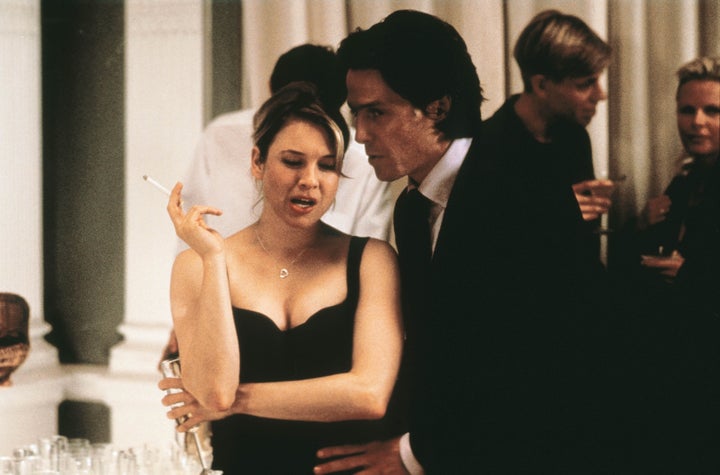
No, Renée Zellweger didn’t really have to smoke all those cigarettes on the set of Bridget Jones’s Diary
While it was once commented that Bridget “smokes like a chimney, drinks like a fish and dresses like her mother”, fortunately Renée didn’t quite need to copy her character’s habits.
Instead, the cigarettes she was supplied to play Bridget were herbal, rather than tobacco-based.
You might not realise it but Bridget Jones’s Diary has a different ending depending on where in the world you’re watching
Renée Zellweger’s Bridget Jones and Colin Firth’s Mark Darcy get their happy ending in the first movie
Alex Bailey/Miramax/Universal/Kobal/Shutterstock
Advertisement
Here in the UK, after Bridget and Mark’s big kiss, the credits roll and we’re treated to scenes of different characters being interviewed about their love story, while Robbie Williams’ rendition of Have You Met Miss Jones? plays.
Across the pond, though, the credits are interspersed with “home video footage” of Bridget and Mark as kids, recreating the paddling pool scene we hear so much about over the course of the film.
As for the fate of Bridget Jones’ iconic ‘big pants’…
“I heard some rumour that Hugh Grant kept the pants – the big pants,” Renée Zellweger told British Vogue while promoting the fourth Bridget Jones movie in 2024.
Advertisement
“But I don’t know if that’s true,” she quickly clarified. “We’ll have to ask him.”
Bridget Jones’s Diary is currently available to stream on Now.
A child psychiatrist has opened up about a pattern she sees routinely where a neurodivergent child will struggle at school, and the adults around them mistake their symptoms for poor behaviour or a bad attitude.
Dr Anya Ciobanca, consultant child and adolescent psychiatrist at The ADHD Centre, says children who appear disengaged, inconsistent or emotionally volatile at school may be experiencing something far more complex than just a bad attitude.
Advertisement
“Behaviour is never the whole story,” she says. “When we approach a child with curiosity rather than judgement, everything changes.”
Conditions such as attention deficit hyperactivity disorder (ADHD) can go undiagnosed for years because there are often misunderstandings over symptoms. For example, people might think kids who have it are just hyperactive, but there are also more subtle signs that can show up, like day-dreaming or emotional dysregulation.
Experts previously told HuffPost UK this happens largely because there’s a gender divide in how ADHD symptoms are expressed (girls tend to demonstrate more inattentive symptoms), and social expectations on girls can lead to them keeping quiet, carrying on, and developing sophisticated masking strategies (sometimes at detriment to their mental health).
“There is a version of ADHD that looks, from the outside, like daydreaming or simply not caring,” says Dr Ciobanca. “But internally, that child may be working extraordinarily hard just to keep up. The effort of masking is immense, and it has a cost.”
In classrooms, children are often doing the best they can with a nervous system that’s working against them, but there are certain signs they might be fighting a hidden battle and need more support.
Advertisement
5 signs a child may be struggling with ADHD at school
Avoidance of school or specific lessons – this might look like persistent reluctance or distress around certain subjects or transitions.
Difficulty starting or completing work – this is often mistaken for laziness, says Dr Ciobanca, but rooted in overwhelm or difficulties with executive function.
Emotional outbursts or withdrawal – this can look like frustration, tears or shutting down, particularly after school (also known as after-school restraint collapse).
Chronic tiredness or physical complaints of headaches, which can be linked to anxiety or sensory overload.
Low self-esteem, negative self-talk, and appearing to cope at school (masking) while falling apart at home.
One child Dr Chiobanca worked with had been labelled by her school as inconsistent and difficult to motivate. But in reality, she was overwhelmed and had developed a profound sense of shame around her difficulties.
Girls with undiagnosed ADHD are “more likely to blame themselves, turning their anger and pain inward”, according to the Child Mind Institute, which noted they’re also more likely to experience depression, anxiety and eating disorders than those without ADHD.
Advertisement
“Once we understood the underlying picture – the interaction between her ADHD, her anxiety and her environment – we could make meaningful changes,” says the psychiatrist. “She no longer had to spend every day just fighting to survive it. That freed up an enormous amount of energy for actually learning.”
With one in 20 children thought to have ADHD, Dr Ciobanca wants to see earlier intervention, more flexible teaching, and emotional wellbeing placed at the centre of education rather than its margins.
“Too much support comes too late. We cannot expect children to learn well when they do not feel safe,” she adds.
Advertisement
Advice for parents
If you think your child might be neurodivergent (research suggests around 15-20% of people are), it’s worth exploring this subtly with your child. Dr Chiobanca advises parents to ask their children: “What’s the hardest part of your day?” as this can reveal more than questions about effort or behaviour.
It’s also worth speaking to your child’s school – specifically their class teacher or SENCO (a special educational needs coordinator) – if you notice a pattern of distress or avoidance. Months of avoidance or emotional dysregulation are a signal worth acting on, she notes.
The psychiatrist also urges parents to separate the behaviour from the child, as “struggling children often already feel like failures; they need to know you’re on their side”.
Advertisement
While NHS waiting times for diagnosis can stretch for months, it might also be worth considering a professional assessment. “ADHD and anxiety remain significantly underdiagnosed, particularly in girls,” says Dr Ciobanca.
Yet when children feel safe and understood, “they are far more able to learn and grow,” she adds. “That is the kind of education system worth working towards.”