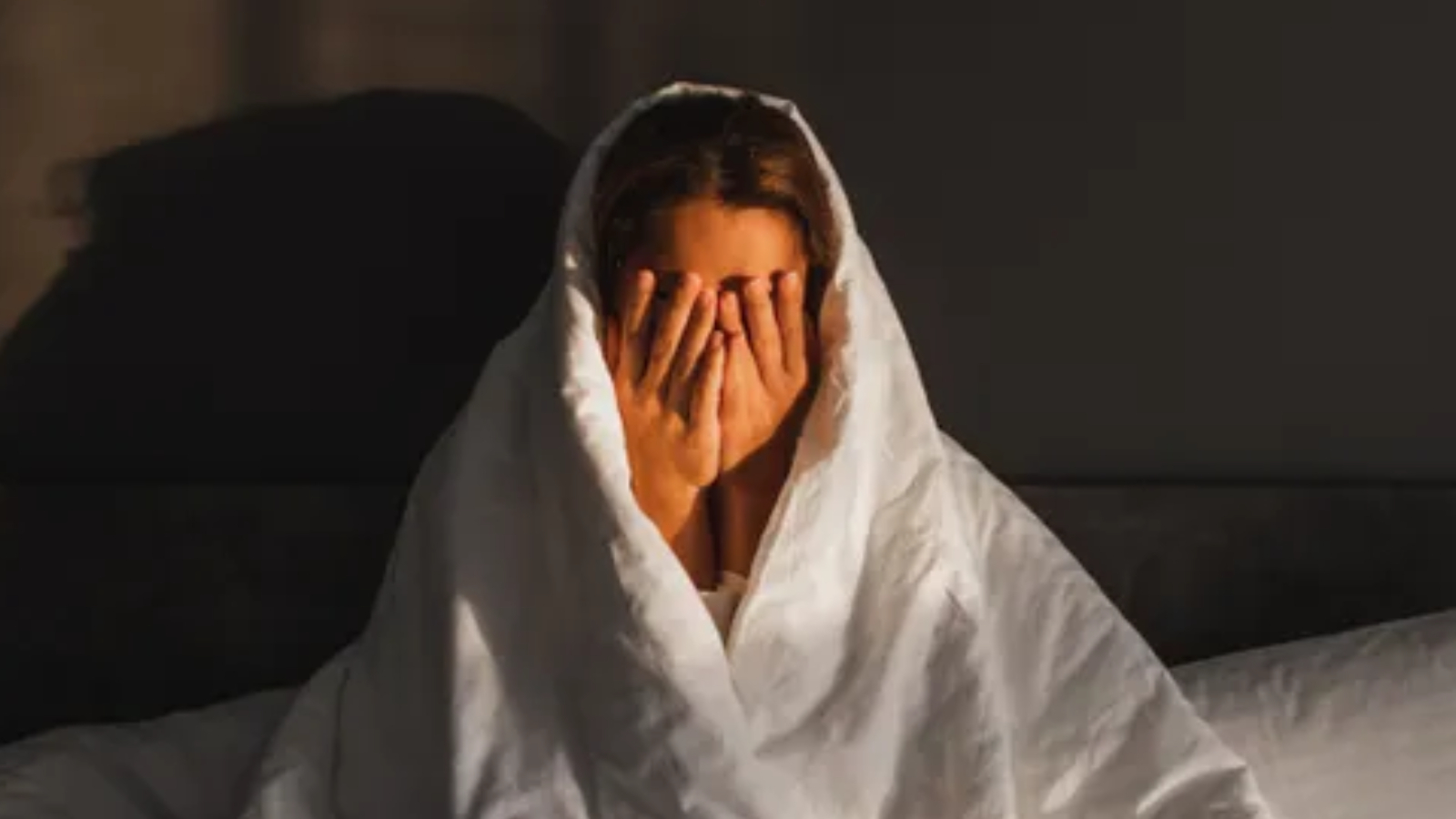
I Was Given 6 Months To Live. I Made 1 Unexpected Decision That Helped Me Beat The Odds.

On October 1, 2021, after having what I had thought was routine thyroid surgery, I was diagnosed with anaplastic thyroid cancer, a cancer so rare that none of my doctors had ever seen it before. It’s so aggressive that it only exists as Stage IV.

The typical survival rate? Six months or less. One in five patients lives 12 months.

It’s October 2023.

I did a 10K race in July. At 6,000 feet. Last winter, I was a ski instructor. I’m a rock ’n’ roll DJ at the mountain town station that I used to stream when I lived in New York, fantasising that I was living here. Now I am. I have the life I’d longed dreamed of.

Every morning, as I watch the sun come up over the mountains I never thought I’d live in again, I give thanks for everything in my life that brought me to this moment. Especially that diagnosis. It taught me that I had no time to waste. It taught me how much I love life — rough, bumpy and hard as it often is. It taught me how much more I wanted to do. And now I’m doing it.

But on that fall day in 2021, I was terrified. I was also furious.

I was two years out from a divorce after an unhappy marriage that I had long wanted to escape but had been afraid to leave. I felt I’d spent years quashing my voice and my spirit to keep that marriage going. Being a wife had become my identity. When the marriage tanked, I felt betrayed by the society that still pushed the fallacy that a woman had to have a man to be something. I felt betrayed by the husband who dumped me. Most of all, I felt I had betrayed myself by staying instead of standing up for myself and leaving.

I was desperate to resurrect the young woman I’d been back when I’d first gone to New York for grad school after ski bumming in Aspen. That me had planned on spending just a few years in the city before returning to the mountains. But you know how it goes: I met a guy, fell in love, marriage, kids, mortgages. And, hey, New York is pretty damn fun — until it nearly kills you.

The author after her second surgery, this one at MD Anderson in Houston, in October 2021.

Courtesy of Kate Rice

The author after her second surgery, this one at MD Anderson in Houston, in October 2021.

The final years of my marriage, the divorce and its aftermath were brutal. I routinely woke at 3 a.m. staring into the darkness. My weight plummeted. I landed in the ER with what I thought might be a heart attack but was really a panic attack.

I struggled to pull myself together. I kept on running. I became a certified yoga sculpt instructor. I read self-help books. I not only talked to my therapist once a week, I sent her email after email filled with grief and fury.

And then I did something I never thought I would do: I started singing rock ’n’ roll. Onstage! Me! Who had all but died when faced with piano recitals at St. Patrick’s School. In high school plays, I stayed behind the scenes and did makeup and worked on costumes. I was solidly in the audience.

But now I was running from the firestorm of my old life. I came to a cliff, closed my eyes and jumped. I was desperation personified when I took that leap. I was shaky as hell, but singing in the spotlight gave me a solid piece of ground in a world that had turned into quicksand.

The stage was a place where I could escape my pain for a few hours. But it was still there. The wounds wrought by my past were still raw inside me, haunting my dreams and shadowing my days.

COVID hit. Stages everywhere, including mine, went dark. I lost my refuge.
I still planned to leave New York and return to the mountains, but I was waiting for my youngest child to graduate from high school.

She went off to college. I stayed in New York. COVID still raged. I rationalised it was a bad time to move to a town where I knew no one. And I thought my kids should still have their mama’s place to come home to in New York, even though my new apartment was a fraction of the size of the one they’d grown up in.

The author power-walking with her IV pole, nicknamed Slim, during her MD Anderson treatment.

Courtesy of Kate Rice

The author power-walking with her IV pole, nicknamed Slim, during her MD Anderson treatment.

What it all boiled down to, though, is that I was afraid to leave. Yet again.

So the universe kicked me in the butt. Hard.

As I lay in my bed on that October night in 2021 after being told I had just months to live, I railed against my fate. What gives, universe? I thought we were in sync! C’mon!

I knew one thing: I was getting the hell out of New York. But I wasn’t going to the mountains. I was going to Houston, one of the flattest places in the United States. It’s also home to the MD Anderson Cancer Center, which my cousin discovered has a special clinic — named FAST — that specializes in my type of cancer.

I packed up what I thought I would need in Houston. I ran around New York gathering my medical records. I went out to dinner and drank margaritas with friends.

And then I bought something many people facing cancer like mine would never think to buy: a T-Card, a discount ski pass for Telluride Ski Resort, near where one of my brothers lives in Colorado.

I bought it because of one line in the anaplastic thyroid cancer printout I’d gotten the day of my diagnosis. After learning I probably had just six months to live, I read this sentence: “Despite these discouraging figures…” (Discouraging? I had thought as I read it. What comedian wrote this?) “…there are some long-term survivors.”

“I’m going to be one of them,” I had promised my daughters. We were all crying. “I don’t know how, but I will.”

And that was why I made the decision to buy that ski pass. I was going to do more than live — I was going to be strong and healthy enough to ski. And this purchase was going to be the thing that kept me fighting no matter what came my way.

See that, universe? I thought as I clicked the “buy now” icon.

The author at the mic at KPCW radio.

Courtesy of Kate Rice

The author at the mic at KPCW radio.

Five days after my diagnosis, I walked in the doors of MD Anderson.

The FAST clinic was aptly named. MD Anderson kept me on the run. I liked that. I had CT scans, PET scans, brain scans, MRIs, blood tests. I even got to look at my vocal cords during a laryngoscopy.

I had a second surgery.

“The odds aren’t good,” the surgeon told me. And then he added, “But we do cure some people with this cancer.”

I had five weeks of radiation and chemo. I stayed with my cousin in Houston. She has a big house, a bigger heart and a long-suffering husband. Both of my daughters, one accompanied by her boyfriend, came to cheer me on. Each of my three brothers (one with his almost house-trained new puppy), my sister and three of my besties from New York came, one after another. We talked. We power-walked. We partied. I had Zoom calls with friends and family. I couldn’t drink alcohol, but I asked everyone I knew to drink for me. And they did.

I finished my treatment. I rang the proverbial bells, one for my last chemo treatment and one for my last rad cure, as I had started calling radiation. But I wasn’t done with MD Anderson. I had to come back every two months to get scanned. Anaplastic thyroid cancer is like Rasputin — it comes roaring back 80% of the time.

At one point, I noticed a small growth on my face. “It looks fine to me,” said my radiation doctor. “But you never can tell with this cancer. I’m sending you to dermatology.”

The growth was benign and the dermatologist just froze it off, but I remembered the doctor’s respect for this cancer and the need for constant surveillance.

I headed to the mountains of Colorado to be near my Telluride brother. I rented an Airbnb near his family’s home in case my radiation side effects got bad. I hired a moving company to empty my apartment back in New York and put my belongings in storage in Hoboken.

I was scared. I could feel unfamiliar prickling sensations in my neck. Was it just after effects of radiation? Or was it something terrible?

The author running a 10K in Park City, Utah, in July 2023.

Courtesy of Kate Rice

The author running a 10K in Park City, Utah, in July 2023.

Two days before Christmas, I got a call from Houston.

“We think you’re a good candidate for immunotherapy,” the nurse told me. “Can you come back to Houston next week?”

Damn straight I could.

I flew back to Houston. CT and PET scans showed I was still disease-free. I was the perfect candidate for immunotherapy.

“Basically,” my endocrinologist told me, “it opens your immune system’s eyes to cancer.”

It helps my body keep me healthy and disease-free.

“Go back to Colorado and ski,” my endocrinologist told me. “Just don’t break any bones.”

As I walked out of MD Anderson after hearing the good news, I wept tears of joy and gratitude. The deadly cancer I’d been diagnosed with had just become a disease that is chronic but manageable.

On a cold but clear blue-bird-sky January day in 2022, I stepped into my skis and glided over to Lift 7 at Telluride. The liftie scanned my T-Pass and up I went.

On that first run down the hill, I revelled in the moment. The sparkling snow. The crisp air. The sky above me. Skis, mountain, snow, gravity and me, all working together. I was alive!

I wanted to do that first run on my own, but then I caught up with my brother. He and I and one of his ski buddies rode up the Prospect Express lift together.

“What brings you here?” the friend asked me.

I took a deep breath and exhaled.

The author's first time back in her skis and using her T-Pass at Telluride after she finished her cancer treatment (January 2022).

Courtesy of Kate Rice

The author’s first time back in her skis and using her T-Pass at Telluride after she finished her cancer treatment (January 2022).

“Well,” I said. And I told my story — Aspen, New York, love, marriage, divorce. And cancer.

“I always planned on returning,” I told him. “And now, finally, I have.”

The friend was silent for a moment and then he looked at me.

“Welcome back,” he said.

Kate Rice is a runner, rock ’n roll singer and stand-up comic who performs mostly in the shower but sometimes on stage. She’s an author and former reporter. She lives in Park City, Utah, where she is a ski instructor and rock ’n roll radio DJ. Her new memoir, “Cured: A Tale of Badassery,” will be released on November 15, 2023.

Share Button

So THAT’s When We Should Start Preparing For Menopause

Picture this. Lately, you’ve not been feeling yourself, sex has become painful and your periods are haywire. You’re feeling anxious, depressed and all ’round things just don’t feel right. Your hair is thinning, you’re forgetting things, having heart palpitations, migraines and hot flushes. The worst part, you don’t know why.

Menopause usually begins between the ages of 45-55, with perimenopause (the period of time before menopause where symptoms begin) starting up to 15 years beforehand. While menopause usually hits in middle age, some people will experience it before the age of 40 – this is known as early menopause and affects 5% of women.

A recent study conducted by the Women’s Health Journal in 2022 found that a staggering 90% of participants had never been taught a single thing about menopause. As a result, 60% reported feeling unprepared and uninformed.

Common themes emerged in the study relating to knowledge gaps and the impact and severity of symptoms. Being unaware of menopause comes from a lack of education and social taboo surrounding “women’s troubles”. Those of us who experience menopause are more likely to speak to a friend about symptoms than their partner, or even a doctor.

It’s perhaps unsurprising, then, when HuffPost UK sat down to speak with Dr Shirin Lakhani, an award-winning cosmetic doctor and intimate health specialist, that she tells us; “When I was growing up, my grandma, and my mom never talked about going through menopause, they never talked about the symptoms they experienced.”

Menopause is caused by the natural biological decline in female fertility. Egg reserves run out, oestrogen production fizzles as the ovaries become less functional and, slowly but surely, the female reproductive organs cease to function the way they used to. Periods stop and pregnancy is no longer possible.

Dr Helen O’Neill, CEO and Founder of Hertility Health, says that; “The main perimenopausal symptoms are changes in menstrual cycles, often accompanied by hot flushes and night sweats (known as vasomotor symptoms).”

But this natural wind down doesn’t end in a soft landing for everyone.

“For men, hormones decline like a gentle stroll down a hill. For women, we fall off a cliff,” says Dr Lakhani.

The sudden onset of menopause symptoms can be debilitating.

“Perimenopause and menopause affect many other parts of the body, and cause symptoms such as mood changes, memory issues, joint pain, vaginal dryness and sexual dysfunction,” says Dr O’Neill.

For many menopausal people, it can have a huge impact on their relationships and careers.

Shelly Hatfield, Middlesbrough Manager at LUSH and Menopause CN Chair, tells me that for her, menopause almost made her resign. “At one point I was going to throw in the towel and pack in my job because I was having a hard time,” she says, “And then I realised it was just that I wasn’t being open enough about it.”

Shelly isn’t alone in this. Shame can prevent many women from reaching out to employers for help. Up to 10% of people leave the workplace because of menopause despite the fact that those in this age group are typically at the peak of their careers. This is because employers are failing those experiencing menopause. Eight out of ten women say their employer hasn’t shared information, trained staff, or put in place a menopause absence policy.

Shelly knew she would have to take it upon herself to make change happen. “I started talking to the right people, and people were listening and very interested so we set up the menopause network community and soon we had 66 members,” she tells HuffPost UK.

Her proactive thinking has now meant LUSH sales assistants have received specialist training on menopausal symptoms and are able to recommend products that can help with symptoms like restless leg syndrome, general aches and pains and sleep disturbances.

This training has normalised conversations surrounding menopause, creating space for their customers to feel supported and seen. Additionally, staff at LUSH now have access to training materials and internal support systems that create something of a safety net for menopausal employees.

Education on menopause is seriously lacking, and the workplace is only one location that needs more resources. Dr Lakhani tells HuffPost UK that, in her opinion, schools should be teaching menopause as part of the sex education curriculum. “I think you need to have the education in place to understand what’s happening to your bodies,” she says.

And yet, menopause isn’t something we learn about in school, despite 86% of women reporting that they would very much like it to be.

Truth is, little is done proactively to assist those experiencing menopause symptoms across the board. Sometimes this is because of cultural taboos, but there is also discrimination at play.

One 2023 study found that doctors were significantly more likely to prescribe HRT (hormone replacement therapy) for white women than for other ethnicities. Highlighting the need for more education surrounding racial bias and menopause amongst GPs.

So, when should I start prepping? And, how do I prepare?

“You’re never too young to start learning about menopause,” says Dr Lakhani, who is of the belief that having as much knowledge as possible on what symptoms can look like, and being in tune with how those symptoms appear in your body is of great importance.

She says that most people think of hot flushes and the absence of periods when they think of menopause. But, when it comes to seeking support, these symptoms are the last thing on their mind. She explains that while the physical symptoms can be an inconvenience for her patients, and in some cases quite debilitating, most of them can take it in their stride.

“What they’re not prepared for, is the mental health issues that go along with the hormonal changes. Anxiety, depression, losing all their confidence, feeling like they don’t belong in the environment that they’re in, they get impostor syndrome,” Dr Lakhani lists.

Explaining further, Dr Lakhani says that the best way to prepare is to get to know your base level of normal and monitor any symptoms you feel creeping up on you. Be that achy joints or sudden feelings of anxiety or depression (especially if you’ve never experienced these things in the past).

If you’re concerned you’re beginning perimenopausal, the best thing to do is speak with your GP about your symptoms. “A thorough medical evaluation and discussion of symptoms with a healthcare professional are vital steps in understanding your menopausal transition,” advises Dr O’Neill.

Dr O’Neill explains that there are several tests that can provide valuable information on where you’re up to. “Hormone level testing, such as measuring follicle-stimulating hormone (FSH) can help determine if you’re approaching menopause. Other hormones (such as oestradiol and luteinising hormone) can also be helpful to assess whether you are going through menopause,” she says.

Continuing, she states that, importantly, these tests should be analysed along with your menstrual cycle patterns and symptoms. “This is why you cannot diagnose menopause in people who are using hormonal contraception, as these medications skew natural levels of FSH as well as affect your menstrual cycles,” she says.

Her advice to anyone worrying about menopause, or wanting to know more, is to learn about the symptoms, available treatments and lifestyle adjustments you can make.

“They will empower you to manage this phase effectively,” she encourages. “By fostering open dialogue and eradicating the stigma associated with menopause, we empower women to take charge of their health and well-being during this significant life transition.”

Share Button

How To Travel To Paris And NOT Get Bed Bugs

Recently, I haven’t been able to open a single app without being confronted with the menacing form of a bed bug. After taking hold of Paris’ mattresses, it seems the critters have started to establish their London stronghold, too (oh, good).

We know from personal experience how ridiculously disruptive the little bugs can be. So, we thought we’d reach out to the pros to find out how to protect ourselves while travelling.

HuffPost UK spoke to ecologist, conservation scientist, and entomologist Professor Adam Hart about the bed-based terrors. Here’s what he had to say:

1) Inspect, inspect, inspect

Whether you’re staying at a friend’s house or a hotel, it’s a good idea to get up close and personal with your mattress, Professor Hart told HuffPost UK. In fact, it was his first piece of advice.

“When travelling, the best thing to do is to inspect your bed carefully,” Hart says. He advises we “look online to find out what eggs, larvae and adults look like, and to see how bed bug droppings and blood marks look. That way you will be able to see if you might have a problem.“

2) Think outside the box

One of the many terrifying things about bedbugs is how good they are at hiding. Professor Hart advises we look a little further than our mattress and sheets when trying to find the beasties.

“Check other areas, like around and behind the headboard,” he says. Bed bugs may also hide in places like sofa and chair seams and old drawer joints.

3) Cover your clothes

Speaking of bed bugs’ many homes, you’ve likely already heard about their ability to cling to our clothes. So, it makes sense that Professor Hart advises us to keep our outfits securely covered while travelling.

“If you are worried then keep your clothes packed inside your closed bag. Some people even pack their clothes in Ziplock-style bags to keep any bed bugs out,” he says.

4) Wash everything the second you get home

If you’re worried about bringing bugs home, Hart says you should steam-clean or machine-clean your clothes (and bags, if possible) the second you get home.

“When you return home wash clothes at a high temperature and tumble dry; dry-cleaning and steam cleaning also kill bed bugs in fabrics that be washed or dried at high temperatures,” he says.

Heat is important here, so don’t lower the temps too much.

Ah, the joys of travel…

Share Button

Love Chia Seeds? We’ve Got Some Bad News For Your Bowels

For a while now, chia seeds have been one of the key foods celebrated by health and fitness enthusiasts and with good reason: they’re loaded with antioxidants, can lower your risk of heart disease, contain important bone nutrients such as calcium and magnesium, and can even reduce blood sugar levels.

All in those tiny seeds! They’re so easy to add to smoothies, porridge, and yoghurts making them an ideal healthy choice. Especially since they don’t really taste of anything.

However, if you’re fond of sprinkling some of these popular seeds on your foods, you really need to make sure you’re drinking a lot of water because according to a gastroenterologist, chia seeds can absorb up to 27 times their own weight.

Chia Seeds Can Form A Concrete-Like Mass In Your Digestive Tract

Yep, that’s right.

Chia seeds may be small but they truly are mighty. According to Socalgastrodoc, an MD and gastroenterologist on TikTok, when there isn’t enough liquid in your digestive system, these seeds will form a concrete-like mass in your digestive tract which can lead to them getting stuck.

She even provided a shocking photo of one of these masses stuck in somebody’s oesophagus after they dry-scooped chia seeds. Lovely.

One commenter said “based on all the messaging I thought that they were a good form of fibre for my diverticulitis. I ended up with a blockage in my colon and almost died”…!

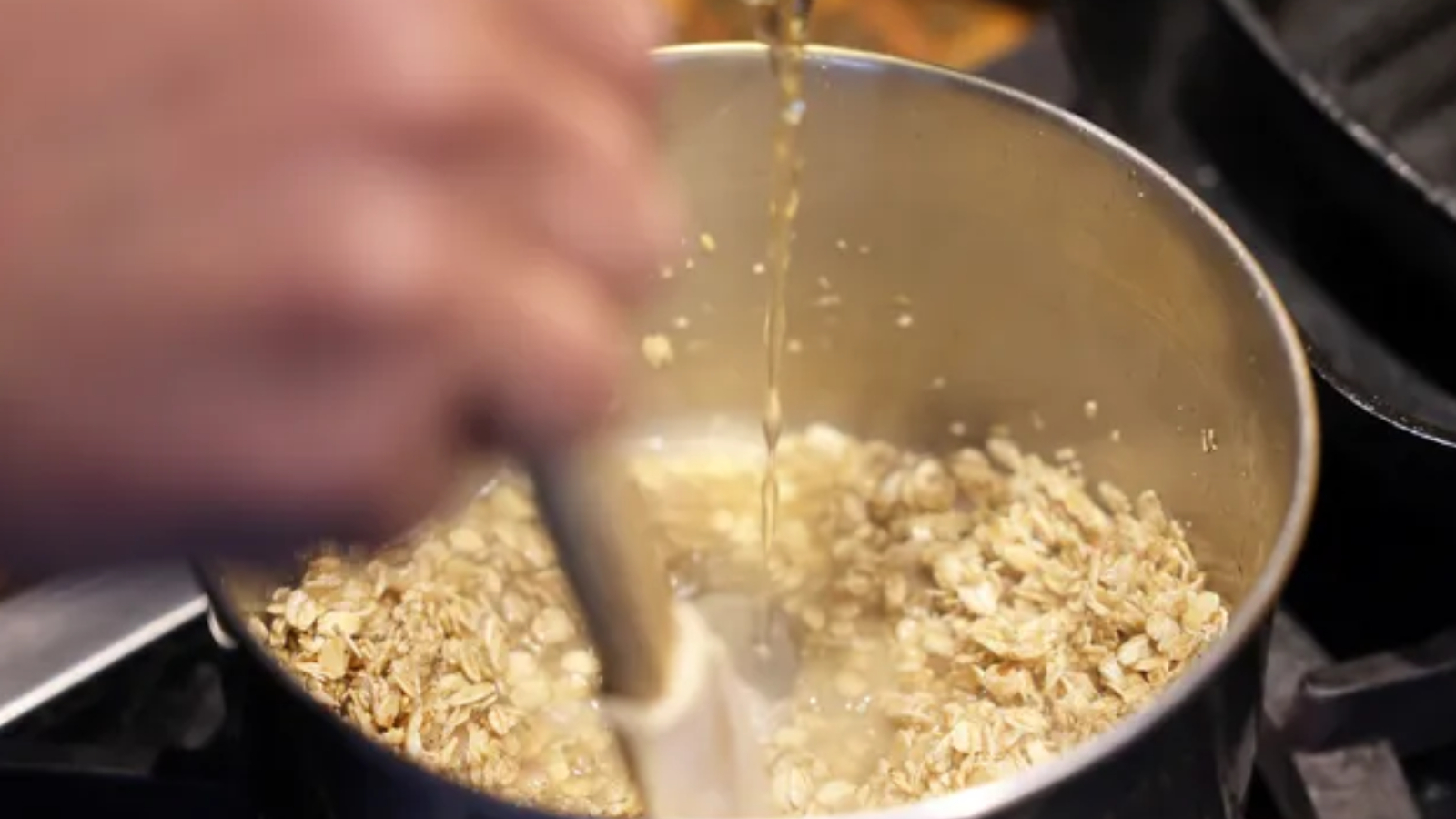
However, the good news is that this is very avoidable. Drinking plenty of fluids or using them in something like overnight oats means you’ll avoid such grim complications and still get the wealth of health benefits that chia seeds have to offer.

A commenter said “Moral of the story: make overnight chia seed pudding and never eat them dry” to which Socalgastrodoc replied with a trophy emoji which we can only assume is approval.

As another commenter said though, “Doritos don’t do this to me.”

Share Button

Expert Shares The 5 Worst Foods To Eat Before Bed

Unfortunately, most of us in the UK don’t get enough sleep.

Between stress, tricky working hours, late-night scrolling sessions, and straight-up insomnia, there are plenty of reasons why your nighttime rest might not feel as fulfilling as it should.

But Benenden Health recently shared that some foods could be to blame for your sleepless nights, too.

“If you’ve tried every sleep remedy under the sun and you’re tired of struggling to sleep through the night, it could be because you’re eating the wrong foods before bed,” nurse practitioner Cheryl Lythgoe shared.

After all, as the South Warwickshire NHS Trust points out, the later you eat, the harder your digestive system has to work while you’re sleeping. This process can disturb your Zzzs, making it hard to stay asleep.

Here, Lythgoe shares some of the worst foods for sleep – and why they’re so problematic.

1. Chocolate

I know, I know, it’s tempting to chow down on your fave choc at night. But the pros say that the combination of sugar and caffeine (yes, there’s caffeine in chocolate – especially dark chocolate) can keep you up later than you probably want to.

2. Cheese

No, not because it causes bad dreams – experts advise against eating the delicious dairy staple before you sleep because it contains a substance called tyramine, which helps us feel alert.

3. Spicy food

The problem here is a chemical called capsaicin, which is where chillies gets their punchy flavour. Spice can disturb your sleep by messing up your body’s temperature regulation, so stick to the mild stuff before bed.

4. Ice cream

Or cakes, or biscuits, or gummy sweets ― basically, the problem here is sugar.

Too much of the sweet stuff can cause nighttime restlessness, and might even cause you to wake up multiple times in the wee hours.

5. Crisps

I regret to inform you that your fave crisps more than likely have what experts would call “wayyyy too much salt.”

Salt can affect your sleep by dehydrating you. One study found that eating salty foods, such as crisps and salted nuts, before bed contributed to disrupted – or “superficial” – sleep.

Not only that, but too much salt before bed can leave you feeling groggy in the morning, too.

OK, so what should I eat?

If you get peckish at night, Lythgoe suggests trying more natural foods.

“You may love night-time snacks like chocolate, ice cream or crisps, but they could be just the thing stopping you from getting those all-important eight hours,” she said.

“Instead, if you’ve got a bit of a sweet tooth, natural foods like cherries or bananas are excellent for promoting good sleep and should satisfy that sweet craving.”

She adds that, in general, you should also avoid eating too late at night if you can, monitor your portion sizes, and steer clear of caffeine and refined sugar before bed.

Well, it looks like I need to make some life changes…

Share Button

Millions Can Book UK Covid Vaccines Online From Today

In light of the new Pirola variant, the UK Health and Safety Authority (UKHSA) recently announced their plans to move Covid-19 and flu vaccination dates forward.

“Health chiefs have ensured there is enough capacity to offer the flu and Covid vaccines to all those eligible by the end of October, reflecting the risk of the new variant,” the NHS said.

Millions of eligible people can book their Covid vaccines online from today, September 18.

Almost 5,000 sites ― more sites than ever before ― will be involved in the vaccine’s distribution.

Eligible people, including “all aged 65 and over, pregnant women and those with an underlying health condition,” will be contacted by the NHS from this week to encourage them to arrange a booking. Many will also receive an invitation to receive a flu jab.

“Over 30 million people are eligible to receive a flu vaccine and over 20 million are able to get a Covid jab,” the NHS explained.

You can book your vaccine here via the National Booking System, on the NHS app, or by calling 119.

Care home residents and people who are housebound began receiving their vaccines from last Monday, September 11.

Experts urge those eligible to take both the Covid and flu vaccines

Dr Ranee Thakar, President of the Royal College of Obstetricians and Gynaecologists (RCOG), said: “We are urging all pregnant women to get their free Covid-19 and flu vaccines, to give themselves and their babies the best protection this winter.”

“Pregnant women are more vulnerable to Covid-19 and flu infection, and both viruses can cause severe illness in pregnancy.

“Covid-19 infection in pregnancy means you are more likely to develop severe illness and need hospital care compared to someone who is not pregnant,” the doctor explained.

Even if you’ve had a Covid or flu top-up jab before, immunity fades over time. And new viruses, like Priola, are mutations of the diseases you’ve already been vaccinated against ― so your body can’t recognise them.

“We are already seeing a slow rise in cases of Covid-19, as well as increases in hospitalisations, particularly among the over 75s. Older people and those in clinical risk groups remain at higher risk of severe illness, so it’s important all those eligible come forward when offered and get protected against flu and Covid,” said Dr Mary Ramsay, Head of Immunisation at UKHSA.

Covid vaccination dates for those 18 and under will start later in the year, and families will be alerted when this happens.

Flu vaccinations for those aged two to seventeen have begun, and the first invitations to parents of children aged two and three are also being sent today.

Share Button

Exploring Psychedelic Microdosing

Recently I’ve taken an interest in microdosing, specifically with magic mushrooms. I began learning about it a few months ago and then learned even more at the Psychedelic Science conference in June. I’ve also had some recent conversations with people I know who’ve been microdosing, all of them reporting positive long-term effects. Most use mushrooms for microdosing, although one prefers microdosing with LSD.

The point of microdosing is to take a very small amount of a psychedelic substance in order to access some neurological gains without any obvious psychedelic effects or impairments. Those gains can be both short-term and long-term, with some people reporting ongoing benefits even after they stop all microdosing.

Some people say that the standard is to microdose at a level where you can’t consciously discern any effects, at least not in the moment-by-moment experience as you go through your day. Others seem to want some detectable improvements like feeling a noticeable mood boost, but nothing negative that would interfere with their normal daily functioning.

Based on what researchers have been reporting, microdosing seems to yield the biggest gains for people who are depressed, anxiety-prone, or dealing with PTSD. That’s not me, so that isn’t part of my motivation for exploring it. I have, however, met and talked to people who claim to have used microdosing with positive results in reducing their depression and anxiety.

I’ve also heard anecdotal evidence of other benefits, such as with creativity and motivation. Truly there’s a long list of benefits people have reported, including a reduction in pre-menstrual symptoms.

Could this all be due to the placebo effect? Yes, as I shared from the recent PS2023 conference, that could indeed be a big part of it, especially if the doses are so small as to not create any obvious effects. The way I think about it is: The lower the dosage, the more you’re leaning on the placebo effect. The higher the dosage, the more obvious it becomes that you’re going beyond the placebo effect.

Since the placebo effect is still real and beneficial, for many people that’s a good enough reason to microdose – it activates the placebo effect, which can still be very helpful. Then you can play around with that effect, such as by setting different kinds of intentions for how you want the microdose to benefit you. Since psychedelics can have such a wide range of impacts, microdosing may grant access to an extremely flexible version of the placebo effect. It’s not just an antidepressant or a pain reliever – it could be a motivation booster, a creativity enhancer, or perhaps whatever you want it to be. At least that’s the potential promise of microdosing.

On the other hand, some people prefer to explore in the range between microdosing and minidosing. With minidosing you are inviting some mild psychedelic effects to come through, but you can still function well since you aren’t taking so much that you’re fully tripping. It may be unwise to drive or operate machinery when you’re increasing the dosage to that level, but it could be an interesting range to explore for its effects on creativity, personal insights, and decision making.

I’ve seen mixed reports from people who’ve explored in the range where some obvious effects are coming through. Some people like it and find it beneficial; they appreciate how it stretches their thinking and makes them more resourceful. Others find that it brings in some negative side effects like a reduction in focus and concentration.

I think that how we explore the range between microdosing and minidosing depends on our intentions and how the substance affects us. I could see a modest microdose being appropriate for increasing motivation to flow through a batch of routine tasks, whereas a slightly stronger dose might be better suited to a deeply introspective journaling session focused on generating novel solutions to tricky problems.

Initial Testing

I decided to start testing microdosing shortly after returning from my 3-week UK trip. I began on Wednesday last week, and I did 4 days in a row. Now I’m taking 3 days off, and then I’ll continue cycling with 4 days on, 3 days off.

All microdosing protocols include days and weeks off. The reason is that if you take magic mushrooms daily, you will quickly build a tolerance, and then you’d have to keep taking larger and larger amounts to get the same effect. So it’s unwise to take them daily, even when microdosing.

I decided to follow the protocol recommended by Paul Stamets. In the past I believe he recommended cycles of 5 days on, 2 days off. But I found a more recent recommendation from him for 4 days on, 3 days off. That fits nicely into the span of the week, so it seemed like a reasonable way to begin.

This cycle runs for 4 weeks, and then 2 weeks are taken off completely. Then repeat if desired. I’m not sure how long I’ll do this, but I’d like to go for several weeks at least if the results are promising and I’m not having any negative side effects. As far as experiments go, this one is pretty easy. It’s not like I have to not eat for several weeks in a row like I did in 2017. 😉

I began very sloppily here since I didn’t have a proper microscale for measuring such small amounts of mushrooms. So I just used a kitchen scale to measure a larger amount, and then I eyeballed it select a small nibble of shrooms that were roughly in the range of 0.1 to 0.3g (100 – 300mg). That’s the range I’ve seen recommended for microdosing, although some people prefer to go even lower, like around 50mg.

So I did the first 4 days this way – very imprecisely – just to get the ball rolling. On the first day, I crushed the dried shrooms with my fingers and make them into some tea with ginger and mint. Another day I mixed them with ground espresso and made an Americano with them. The other two days I just ate them straight.

Along the way I read that it’s best to have a microdose on an empty stomach, like 30 minutes before any food, since taking it with food can diminish the effects, so I’ll make that refinement going forward.

It’s too soon to tell if there’s much contrast between microdosing and not, but I did have some very good and productive days there, and I feel good about continuing. On Friday I had a long list of tasks that I didn’t feel particularly motivated to do – a large batch of admin items mostly. I figured I’d get through about half of them that day, but I ended up completing the entire list. The previous two days were also very productive, a bit better than average. My mind felt very calm and clear. But I wasn’t doing any creative work during those days, so I’m curious to see if there’s an effect when I write something.

I also noticed some extra happy feelings on the first two days, similar to when I eat all raw. Sometimes I sensed mild perceptual differences, as if the world looked a little more 3D than usual, like I was more aware of the depth of field in front of me. On the second day I did some intensive journaling and felt super clear about some decisions.

Today is an my second non-microdosing day in a row, and it’s going well so far. I have heard some people say that they actually feel better effects on their off days than on their active microdosing days. I’m just getting started with this, so I’ll need more time to figure that out, but my mind is feeling very good. Even if it’s just a little bit of the placebo effect, I certainly don’t mind it when I’m enjoying a nice flow of action.

I do like the overall promise of microdosing, and I sense that it could be a useful method for helping to stretch my mind a bit more in various directions, allowing me to nudge my thinking and actions down fresh pathways with greater ease and less resistance.

Some people say that microdosing brings them closer to the person they were meant to be. I can see why that may be so.

Refining the Approach

Now that I’ve gotten started, I want to refine the approach and be more precise about it, especially in terms of dialing in the dosages. I don’t know what my optimal microdosing amount will be, but I imagine that it will be in the range of 100 to 300mg.

This weekend I acquired some extra pieces to help me, including a microscale, so I can more precisely measure tiny amounts. I didn’t realize they were so inexpensive – about $15. I don’t want to recommend one since I haven’t had a chance to try it yet, but I basically went with one of the top ones listed on Amazon. I think they’re probably all pretty comparable. I don’t need precision down to 0.001g for this. I also got some vegan capsules (size 00), so I can make my own mixtures.

I intend to test the Stamets Stack, which combines magic mushrooms with Lion’s Mane and niacin. You can Google that if you want to learn more about it and what the benefits are supposed to be, but basically it’s intended to increase the neurological benefits of microdosing, helping small amounts to go further.

I think I’ll make a few capsules with 100mg, some with 200mg, and some with 300mg of powdered magic mushrooms. I’ll probably use 100mg of niacin per capsule, and then I’ll fill the rest with powdered Lion’s Mane. I should have all that ready in time for my next microdose this Wednesday, so I can begin Week 2 with more precision.

Initially I want to experiment with taking these different amounts to see what the effects are. Then I might settle into a preferred level for the long run. But I think it’s likely that I may find different doses appropriate for different kinds of experiences, so even long-term, I may not limit myself to a fixed dosage each microdosing day.

I might also make a few 500mg capsules, which gets more into minidose territory, to see what the effects are at that level. There may be some occasions where that’s a good fit, like if I want to have a deeply introspective day, and I don’t mind if some mild psychedelic effects are coming through as well. I work from home most days, so I don’t need to worry about commuting, business meetings, and other Golgafrinchan activities. I’d prefer not to feel semi-trippy during Zoom calls though, although that would likely be fine if it happened during one of the Mystery Mixer calls we do in Conscious Growth Club (since that format is meant to be fully co-creative).

I’m happy to share more updates about this as I continue to explore. In the meantime if you’re curious about it, it’s easy to find articles, stories, and videos of people sharing their microdosing results and experiences online.

I wonder if readers will notice any differences in my writing in the weeks ahead. This is the first post I’ve written while exploring microdosing (although on one of the off days). I’ll be sure to try writing some posts on active microdosing days as well.

Readers’ Reactions to My Psychedelic Writings

You may be curious to know how people have been reacting to my recent writings about exploring psychedelics this year. Technically I already wrote about exploring ayahuasca back in 2019 and another psychedelic experience in 2022, so this isn’t the first year I’ve written about such topics. But I am writing more about it this year because I’m exploring more.

I’ve actually received zero criticism about this topic. Nothing. Not a single critical comment.

Maybe I’ve conditioned my audience not to bother, but I don’t think it’s that. When doing research on this and looking at the comments, like on YouTube, they tend to be overwhelmingly noncritical too. What I’ve seen elsewhere aligns with the same kind of feedback I’ve been receiving personally.

I have received a lot of non-critical feedback on this – definitely not crickets – and it’s almost all from people sharing about their own experiences with psychedelics, however abundant or limited. Many people shared tips and advice, such as for reducing nausea when taking mushrooms. There’s been some of back-and-forth conversation with people on this too. I very much appreciate and enjoy this type of feedback. It’s intelligent, helpful, and clearly well-intentioned.

It’s clear that many people are curious about this, and it feels purposeful to explore this and to share about the journey. Sometimes I may not be able to share all of the details, but I promise to be honest in what I’m able to share. I know that as I’ve been looking into this, I really appreciated hearing people’s honest reports about their experiences. This is a complex space, and honesty is so crucial here.

My heart also goes out to people who really need viable alternatives to endless pharmaceuticals, where the intentionality behind the drugs isn’t aligned with people’s long-term health and well-being. Many people are finding renewed hope in emerging psychedelic therapies, especially in overcoming depression, anxiety, and addiction.

What I like about psychedelics is that they provide such a flexible canvas for exploring self-development. It’s not really the substances that appeal to me. I’m interested in the gateway they offer to a world of greater conscious intentionality. I regard psychedelics as intentionality amplifiers.

Psychedelics can be extremely humbling and also empowering. They can show us the results and consequences of our past intentionality, and they can give us glimpses of what we could experience by shifting our intentionality in new directions. One of my goals is to continue cultivating a deeply trusting relationship with intentional psychedelic exploration, as an extension of cultivating deep trust in life. Microdosing seems like an excellent way to build a stronger baseline level of trust.

Share Button

Good News – Drinking Coffee In The Morning Could Do Wonders For Your Health

Let’s be honest, quite a few of us rely on our morning coffees to make us feel alive. A cheeky bit of espresso can take us from feeling like a zombie to a girl boss.

Well, it turns out that life-saving cup of coffee in the morning could give you more than a boost of energy. The Telegraph reported that drinking doses of espresso could reduce the risk of a toxic protein called tau from stumbling together in cells in a pitri dish, according to a study from the University of Verona.

This is significant as the slow growth of tau in the brain is one of the factors of Alzheimer’s disease. There are several benefits to drinking coffee and Dr Federica Amati, a medical scientist and nutritionist at Imperial College London has been looking at these benefits for several years.

A popular 15 year-study of more than 500,000 participants (known as the European Prospective Investigation into Cancer and Nutrition (Epic) and ( found that coffee drinkers were less likely to develop a series of chronic illnesses.

“Data keep coming out which show that coffee drinking is protective for health,” Dr Amati adds.

But, if you like adding sugar to your coffee, you might not receive these effects as the coffee loses its beneficial effects as soon as you add sugar to your caffeinated drink. Dr Amati says that “some studies also suggest that espresso drinking is the best.”

So, how much coffee should you be drinking? People who guzzle three to four cups of coffee a day benefit most from the hot drink’s health benefits.

A study from 2017 analysed evidence from over 200 studies and found that drinking three to four cups of coffee a day was associated with a lower risk of early death and getting heart disease compared with drinking none at all.

The study highlighted that coffee was associated with a lower risk of several cancers, including prostate, endometrial, skin, and liver cancer, as well as type 2 diabetes, gallstones, and gout.

The greatest benefit was seen for liver conditions, such as cirrhosis of the liver.

There also seemed to be beneficial associations between coffee consumption and Parkinson’s disease, depression, and Alzheimer’s disease.

But, they warned that pregnant women and those at risk of fracture (such as postmenopausal women) are excluded from the findings. Among these groups, they said coffee could be harmful.

Additionally, Dr. Ally Jaffee, NHS doctor and co-founder of Nutritank. explains that “it is important to remember that UK guidelines are that no more than about two and a half cups of coffee are consumed in one sitting, or five cups per day.”

Excuse us while we stick the kettle on…

Share Button

Ah Joy – ‘Mother’s Wrist’ Is A Painful Reality For Some New Mums. But Why?

‘Mother’s wrist’ – or de Quervain’s tenosynovitis, as it’s more formally known – is a very painful, not to mention common, issue for new mums.

Yet unless you’ve suffered with it, you’ve probably never heard of it.

The ailment causes pain in the base of the thumb and wrist whenever you use your thumb. It can make activities like opening jars, unscrewing the lid of milk bottles, changing nappies and lifting your tiny tot utterly agonising.

Big Bang Theory’s Kaley Cuoco gave birth to her first child, Matilda, back in March – and took to Instagram in July to share a photo of herself wearing a compression bandage on her wrist. “They call it ‘mommy wrist,’” she wrote in the caption of the Instagram Story, later adding that she had it in both hands. Ouch.

“I’ve had this for the past nine months from my baby and it’s NO joke!” said one parent, after Entertainment Tonight shared photos of Cuoco’s wrists on Instagram.

“I had it with my third child, it was awful, I couldn’t pick her up,” added another mum. “I couldn’t lift anything, I got a steroid shot directly in my wrist and it went away within hours, never had an issue with it again.”

Kaley Cuoco pictured at Pacific Design Center on June 01, 2023.

Axelle/Bauer-Griffin via Getty Images

Kaley Cuoco pictured at Pacific Design Center on June 01, 2023.

What causes the issue?

According to the Health Service Executive (HSE), it could be caused by a combination of hormonal changes and increased pressure on the wrist tendons when lifting and holding a baby – which makes a lot of sense.

Women who breastfeed also have a higher chance of developing it, but it’s not clear why.

Symptoms

If you have ‘mother’s wrist’, you’ll certainly know about it. Symptoms include:

  • Pain on the thumb side of the wrist, which is aggravated by lifting the thumb or using scissors. The pain might travel up the arm.
  • Tenderness if you press on the site of pain
  • Swelling of the site of pain
  • Clicking or snapping of the tendons.

Experts at Bristol Chiropractic shared a handy way to know if you have the issue. Grip your thumb and gently pull it down and forwards away from you.

“If this causes pain, there is a good chance that this is the type of ‘baby wrist’ you are suffering with,” they explained.

Treatment

The good news is that milder cases of ‘mother’s wrist’ tend to go away in a couple of weeks – although sometimes this is more like months.

In the meantime, if you’re struggling, HSE recommends easing the pain with ice massages, stretches, painkillers (paracetamol) or even wearing a rigid wrist splint. These can usually be obtained from a sports shop or physiotherapist.

It can also help to relieve the pain by resting the hand – although that’s easier said than done with a baby.

If the pain doesn’t ease off, speak to your GP or book in with a physiotherapist.

Guidance from the British Society for Surgery of the Hand (BSSH) suggests a steroid injection relieves the pain in about 70% of cases. However, some thinning or colour change in the skin at the site of injection may occur.

In severe cases, some parents might require surgery, which typically sorts the problem out.

Share Button

Can I Take Ibuprofen While Breastfeeding? Pharmacist Explains All

When you become pregnant, and then give birth, there are a lot of dos and don’ts as far as taking medication is concerned.

For instance, ibuprofen isn’t advised for those who are pregnant – unless prescribed by a doctor. This, says Jana Abelovska, superintendent pharmacist at Click Pharmacy, is “due to the negative effects ibuprofen can have on a baby’s kidneys and circulatory system”.

But after your baby has been born and is breastfeeding, what happens then? Should you still avoid it?

It’s no wonder then that ‘can I take ibuprofen while breastfeeding?’ is a commonly Googled query – alongside other popular asks like whether you can have Lemsip or Strepsils when breastfeeding.

We asked Abelovska to walk us through what pain relief medication parents can take, and should steer clear of, when breastfeeding little ones. Here’s her advice.

Is it safe to take ibuprofen when breastfeeding?

The good news is that for breastfeeding women, ibuprofen is “completely safe” to take – and is actually one of the recommended painkillers for women while breastfeeding, says the pharmacist.

You can take it as a tablet or use it on your skin.

“Ultimately, only minuscule amounts of the drug pass from the breast milk into the baby’s body, and therefore pose no real risk to babies,” Abelovska explains.

Well, that’s a relief.

Can I take Lemsip when breastfeeding?

With cold and flu season lurking around the corner as we head towards the cooler months (sorry), people are also understandably interested in whether it’s OK to take decongestants like Lemsip when breastfeeding.

Abelovska says: “Interestingly, while decongestants – like Lemsip – are unlikely to directly affect a breastfeeding baby, they can have a negative effect on the mother’s milk supply.

“Therefore, it is recommended that breastfeeding mothers avoid all types of medical decongestants and instead use safer alternatives, such as inhaling steam.”

Experts at NetDoctor agree, saying the production of breast milk can decrease “with just one or two doses,” so Lemsip is “best avoided by mothers who are breastfeeding”.

What about Strepsils?

Throat lozenges can help ease a sore throat if you’re struggling – but it’s always best to ask your pharmacist to recommend one that is safe for breastfeeding, according to the Health Service Executive (HSE).

In the case of Strepsils specifically, Abelovska says the Honey and Lemon varieties “seemingly pose no risk to breastfeeding women.”

But she warns other Strepsil products, such as Extra Triple Action Blackcurrant Lozenges, are not recommended.

“Strepsils’ package leaflet for the triple action throat sweets recommends avoiding the product if pregnant or breastfeeding,” she explains.

If you’re confused about what’s best to take, Abelovska recommends having an open discussion with your GP who can advise further.

What medicines should you avoid when breastfeeding?

There are a wealth of medications that aren’t recommended for women while breastfeeding, says the pharmacist. “This can be for various reasons such as affecting milk supply or the risk of the medication getting into the milk.”

Some of these medications include:

Share Button