Andy Burnham has been slammed after Labour blocked a vote which could have forced him to face the Commons on his first day as prime minister.
The Makerfield MP is set to be crowned as the Labour leader on Friday having run unchallenged to be Keir Starmer’s replacement.
Advertisement
However, an MP cannot become party leader and prime minister on the same day – meaning Burnham will get the keys to No.10 on Monday, July 20.
MPs were already scheduled to start their six-week summer recess on Thursday, July 16, so the Commons will not be sitting on the new PM’s first day.
There is no constitutional rule calling for a prime minister to appear before MPs immediately after being appointed by the monarch.
Advertisement
The Conservatives wanted to use their pre-arranged opposition day debate on Wednesday to table a motion saying the Commons should delay recess so Burnham can address MPs next Monday as the new prime minister.
But the leader of the Commons, Labour’s Alan Campbell, announced on Tuesday there had been a change in parliamentary business.
Instead, MPs would have a general debate on the ongoing situation in Iran.
The Tories’ shadow leader of the Commons Jesse Norman said the public would conclude Burnham was “running scared of public scrutiny before he can even take office”.
Advertisement
“The government has a majority of more than 150 and it could not trust its MPs to vote the right way on that motion [delaying the recess], and it could not bear the idea of a new prime minister facing any scrutiny before September,” Norman said.
“A prime minister, let me remind us all, who has been chosen by a coronation not a contest, with no known platform, almost no known policies, and no idea of his priorities or indeed his cabinet team.”
Campbell dismissed Norman’s claim, insisting it was important for MPs to have a chance to debate what was happening in Iran.
Advertisement
He claimed he was unaware of the motion the Tories were going to table on Wednesday, insisting he was “telling the absolute truth” at the despatch box.
The Commons leader also accused the Tories of playing games, saying: “People listening to this… will do so with a degree of incredulity that [the Conservative party] was preferring to go down a route of playing some weird political game while the Middle East is on the brink of conflagration.”
Tory leader Kemi Badenoch wrote on X: In an unprecedented move, Labour have scrapped the Conservative vote to force Andy Burnham to come to Parliament to answer questions when he becomes PM on Monday.
Advertisement
“Labour are running scared because they know the honeymoon will be over the minute he has to tell us his plans.”
Burnham has already faced significant backlash for dodging scrutiny on his hurried journey to No.10.
There is plenty of mystery around what he plans to do as prime minister, especially since he did not have to have any debates with leadership rivals also vying for Starmer’s role.
Advertisement
Listen to Commons People, the podcast that makes politics easy. Every week, Kevin Schofield and Kate Nicholson unpack the week’s biggest stories to keep you informed. Join us for straightforward analysis of what’s going on at Westminster.
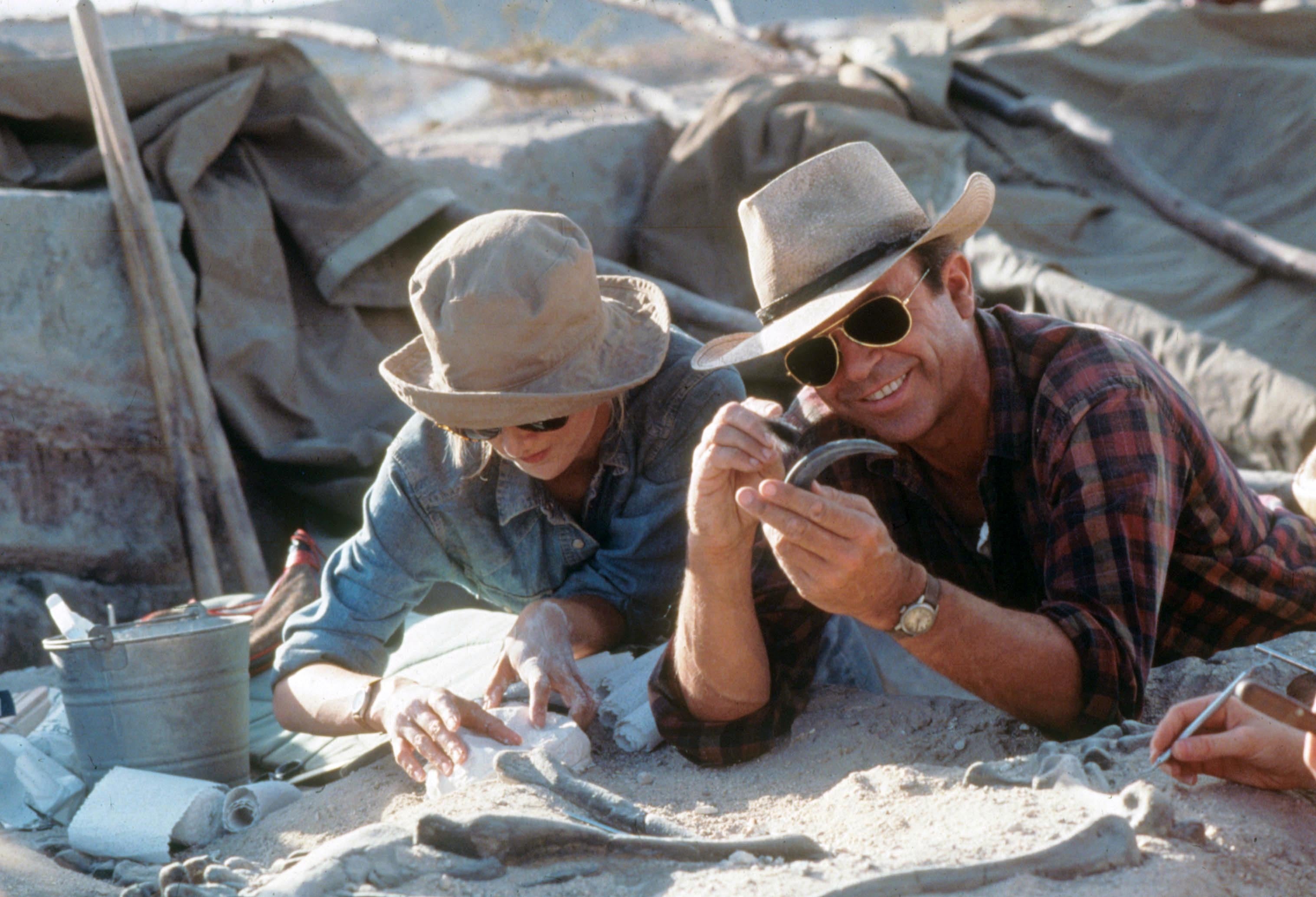
In a statement to Variety, Spielberg shared how “saddened” he was by the loss, beginning by expressing his “gratitude” to filmmakers Roger Donaldson, Gilliam Armstrong, Graham Baker and Phillip Noyce “for casting Sam Neill in the roles in which he was so brilliant that brought him to my attention”, which led to him being cast in Jurassic Park.
Spielberg enthused: “Sam was exceptionally collaborative. It was a stretch for him to play a character who acted as though children were messy and smelly because this was the opposite of the loving father he was to his children.
“I adored making all the Jurassic movies with him. Along with Laura Dern and Jeff Goldblum, we will always have our Jurassic family and Sam will never be forgotten by us or his many millions of fans around the world.”
“He showed me the depths of loyalty, protectiveness and love always with the driest of wit. He was a true and noble gentleman, wrapped up in my dream leading man.”
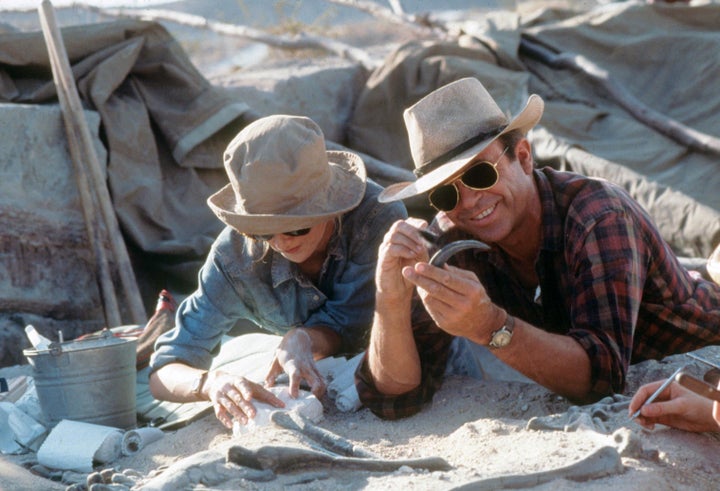
Laura Dern and Sam Neill played the leads in 1993’s Jurassic Park
Amblin/Universal/Kobal/Shutterstock
Advertisement
“I will love you forever, Dr. Alan Grant,” she concluded.
Following the news of Sam’s death on Monday morning, a number of his Hollywood peers and former co-stars have been paying their respects on social media…
Advertisement
I’m just absolutely devastated. Darling Sam. I really don’t have any words right now. I’m in complete shock. Last time we spoke he was going so well. My heart goes out to his family and all who love him – and there are so many of us. Vale my darling friend 💔💔💔💔#Sam#samneill
— Magda Szubanski AO (@MagdaSzubanski) July 13, 2026
Oscar winner Cillan Murphy, who starred alongside Sam in the first two seasons of Peaky Blinders, told Deadline: “Like everyone who knew and worked with Sam, I admired him and adored him in equal measure.
Advertisement
“He was one of the kindest, funniest and gentlest people, and one of the finest actors.”
New Zealand and Australia’s prime ministers, Christopher Luxon and Anthony Albanese, also posted tributes of their own.
Sir Sam Neill was one of the greats.
He started out when there was barely a film industry in this country to speak of. For more than fifty years he took New Zealand stories to the world and his talents helped make our film industry into what it is today – one of our greatest…
“It is with immense sadness that the whānau of Sam Neill share the news of his passing on Monday 13 July, in Sydney Australia,” his family announced in a statement.
“Sam was surrounded by family and passed with the dignity that has characterised his whole life.”
The Emmy nominee’s death was described as “sudden and unexpected but blessed by the fact that Sam remained cancer-free”.
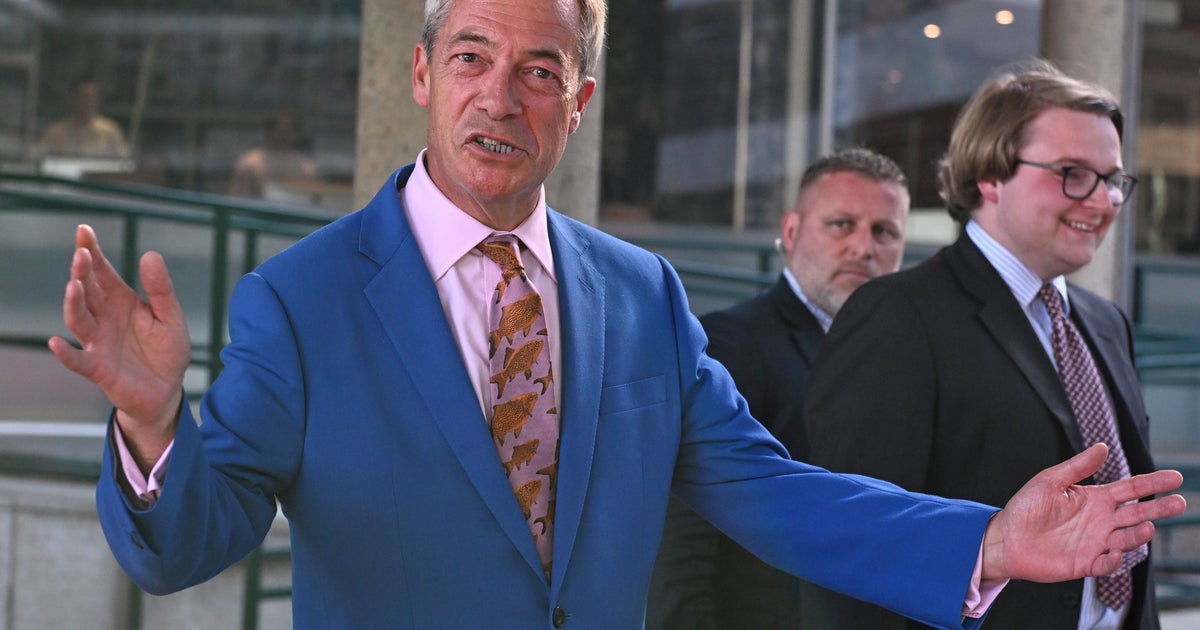
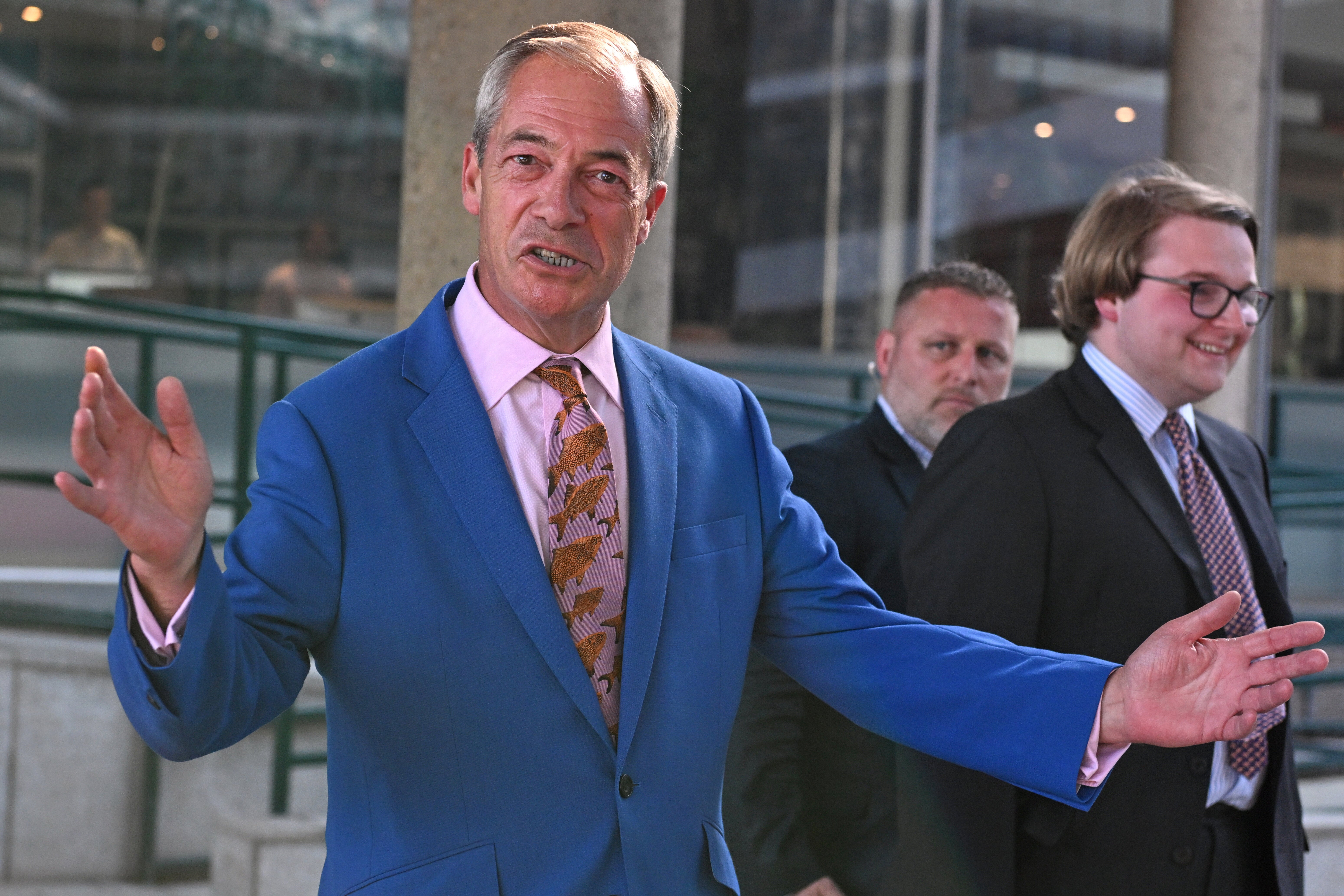
Nigel Farage has been criticised after claiming he is being “treated like a war criminal” by his critics.
The Reform UK made the astonishing remark while being interviewed by the party’s in-house podcast.
He was speaking after he shocked Westminster last week by quitting as MP for Clacton to trigger a by-election in the seat.
Advertisement
Farage claimed he was the victim of a “witch hunt” as he faces a parliamentary standards investigation over a £5 million gift from a Thailand-based crypto billionaire but did not declare.
He could also face separate probes over support he received from convicted fraudster George Cottrell and lobbying he has done on cryptocurrency.
On the podcast, he said calling the by-election was “the right thing to do”.
“I think effectively I’m being treated like a war criminal,” he said.
“It’s quite astonishing, and it’s like our mainstream media think we have to defer to them at all times, and I just don’t buy that.
Advertisement
“You look at today’s press and they say he doesn’t want scrutiny. I don’t mind scrutiny, but I do mind illegally obtained information, I do mind computer hacking. I genuinely mind those things, and the intimidation of my family.
“I just thought it had all reached such a frenzy that I had to do something.”
The decision to trigger the by-election has backfired, though, after Labour, the Tories, the Lib Dems, Greens and Restore Britain all said they would not stand candidates in the contest.
The Reform leader said: “I’ve done something positive. They wanted a by-election here. Well now they’ve got one and they don’t want to stand.”
Advertisement
A Labour Party spokesperson said: “Farage needs to wake up and realise that the public expect all politicians to be held to account for their actions.
“Farage is not a war criminal, but he is trying to dodge scrutiny over a secret £5 million ‘gift’ from a crypto billionaire and undeclared donations from a convicted fraudster, and it’s perfectly reasonable for people to ask him questions about it.
“Farage can keep trying to distract, but the public can increasingly see that he’s just in it for himself and he thinks the rules don’t apply to him.”
Advertisement
Listen to Commons People, the podcast that makes politics easy. Every week, Kevin Schofield and Kate Nicholson unpack the week’s biggest stories to keep you informed. Join us for straightforward analysis of what’s going on at Westminster.
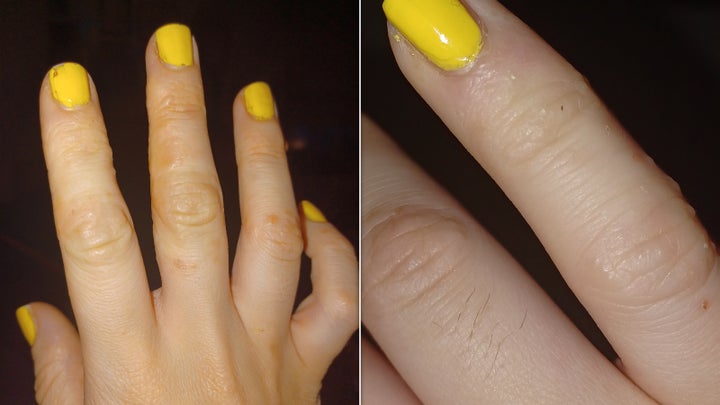
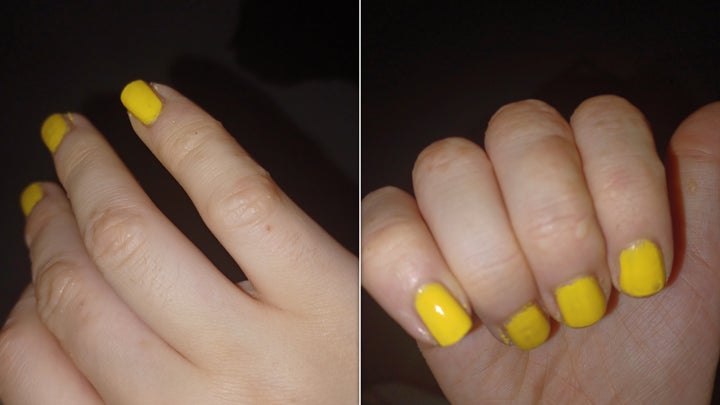
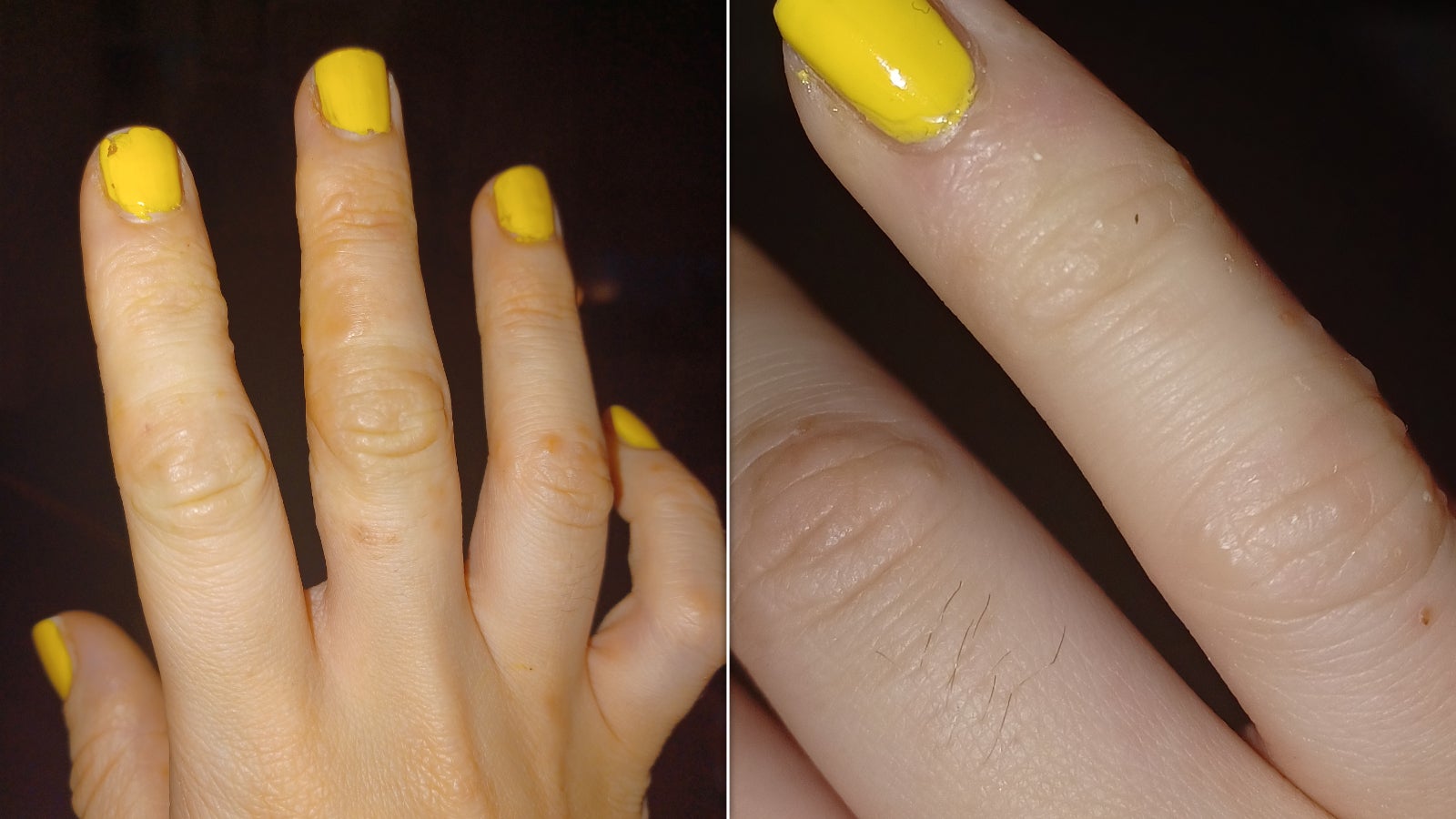
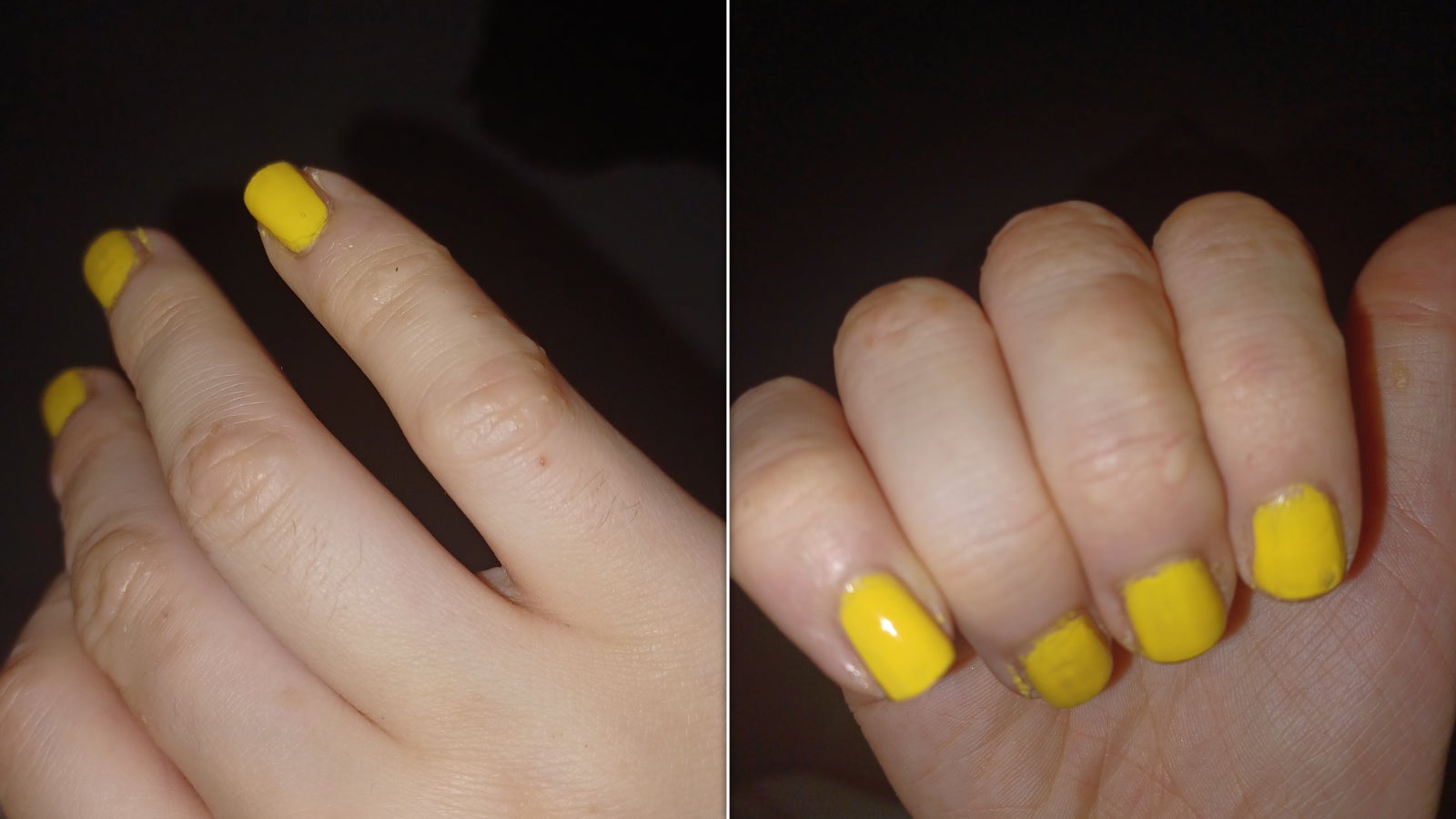
A few summers ago, I noticed tiny, tapioca-like clusters of bumps on my fingers. They were flesh-coloured and incredibly, hand-bitingly itchy.
This turned out to be a condition called pompholyx or dishydrotic eczema. The issue is sometimes nicknamed “summer finger bumps”, due to how much worse it tends to get in the hotter months.
In fact, warm weather and excessive sweating are listed as factors that may cause pompholyx to form or flare up.
Advertisement
Amy Glover / HuffPost UK
Disyhdrotic eczema
What are the symptoms of dishydrotic eczema?
These include:
extreme itchiness
the sudden appearance of tiny blisters on your hands (especially the sides of your fingers) or feet
a prickling sensation
dry or cracking skin after the blisters burst
feelings of heat in your soles or hands.
Symptoms typically last two to three weeks.
It’s more common among women, people under 40, individuals with another type of eczema, those with asthma and heavy sweaters.
Advertisement
It’s a chronic condition, meaning that though there are ways to manage the symptoms, we don’t have an outright cure yet.
Flare-ups may be more likely during times of stress, hot weather or contact with soaps, cleansers and detergents.
Amy Glover / HuffPost UK
The first eruptions of dishydrotic eczema blisters
Advertisement
What should I do if I suspect I have dishydrotic eczema?
Don’t try to diagnose yourself, the NHS says. If you have new skin issues you suspect are due to dishydrotic eczema, see a GP.
The same goes if you have pompholyx that’s already been diagnosed but “the blisters are very painful, leak yellow or green pus or are covered in a yellow-brown crust – these are signs of an infection”, they added.
Soaking your hands in potassium permanganate may help if they’re weeping or oozing. Using an emmolient moisturiser on the affected area is one of the main ways to manage flare-ups.
Advertisement
Sometimes, your doctor may prescribe a steroid cream to help you manage the itching or send you to see a specialist for UV or other treatments.
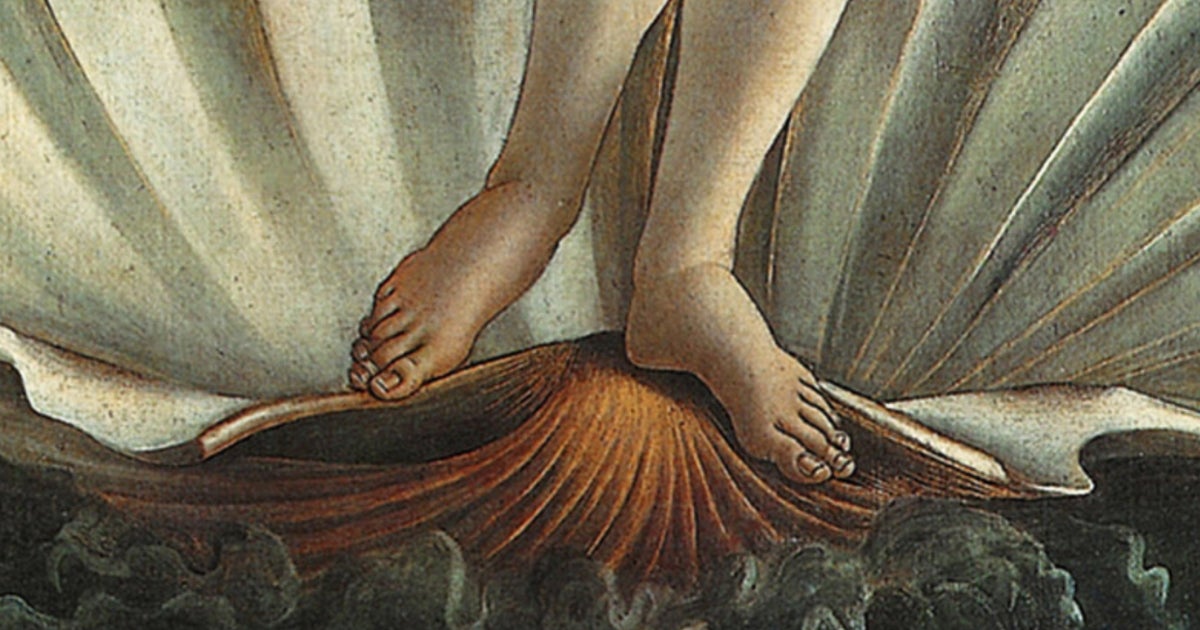
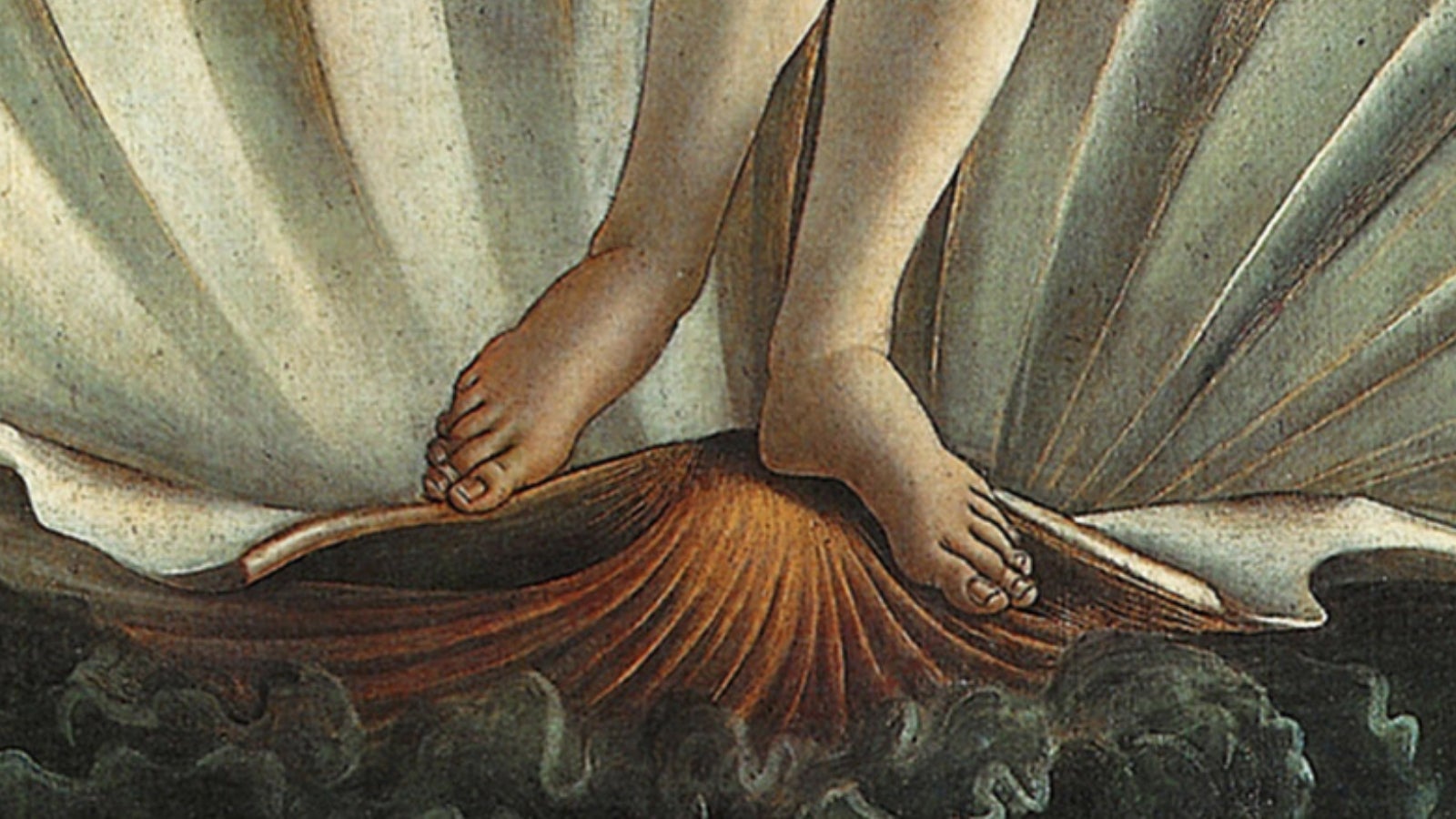
In all of these iconic works of art, the characters depicted have second toes longer than their big toe – a phenomenon sometimes called “Morton’s toe”. The feature is also seen in Botticelli’s The Birth of Venus and da Vinci’s famous Vitruvian Man.
Advertisement
It’s a quirk that’s been noted as far back as 1897, when a writer for the Boston Medical and Surgical Journal noted that in “early Greek art, where there is any attempt at careful modelling of the toes, the first toe is separated from the second, and in most instances the second toe is represented as somewhat longer than the first”.
Morton’s toe wasn’t really a “thing” in Ancient Egyptian art, though, Atlas Obscura added. That suggests it became a trend that stuck in the West.
Advertisement
So what’s going on?
Why might “Morton’s toe” be so present in ancient art?
Hands up: the short answer is, we don’t know for sure. But theories abound.
“Morton’s toe” affects anywhere from 4-30% of the global population.
The condition is sometimes called “Greek foot”, because over time, it’s become associated with Greek people.
That might explain its presence in predominantly Ancient Greek art – except that evolutionary geneticist Dr John H McDonald told USA Today, “I haven’t seen any evidence that so-called ‘Greek foot’ is more common in Greece than anywhere else”.
Another theory is that a longer second toe better fitted Greek ideals of beauty because it was more closely aligned with the mathematical rules of the Golden Ratio.
Advertisement
But not everyone thinks those numbers quite run, including in Da Vinci’s Vitruvian Man, where the famous fella’s second toe on his upper right leg extends to perfectly touch the curve of the surrounding circle.
Then, there’s the copycat theory
There’s another option, too: simple repetition.
Whether some influential artists thought the feature was especially pleasing or just happened to use a model with Morton’s toe, there’s the chance that it was adopted by some of the greats and then endlessly aped.
Advertisement
“Many Roman statues have Greek feet, simply because the artists drew inspiration from one another,” Atlas Obscura posited.
A document from the US National Parks Service (NPS) seems to say the same thing: “As Roman statues sometimes are copies of the Greek originals, the Roman statues often have ‘Greek’ feet.”
Indeed, the person who created the Statue of Liberty, whose second toe is longer than her first, was pretty open about his Ancient Greek, Egyptian, and Roman inspiration.
Advertisement
“On her Greek/Roman feet, open sandals… define [the Statue of Liberty’s] heritage from the earliest days of civilization – we see her Morton’s toes,” the NPS added.
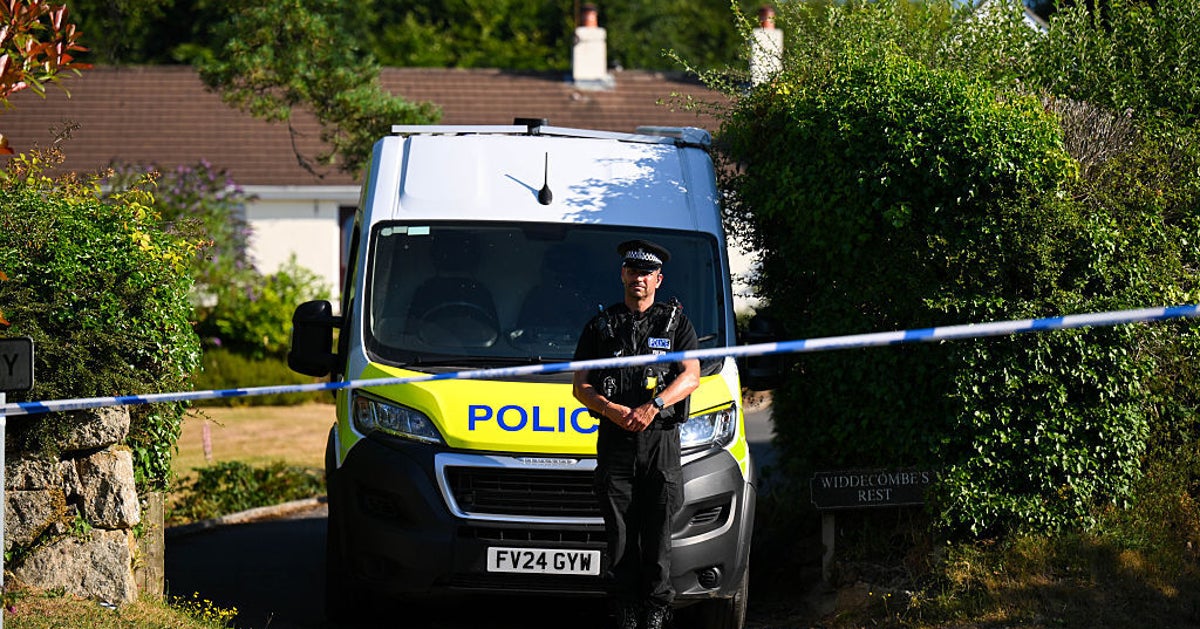
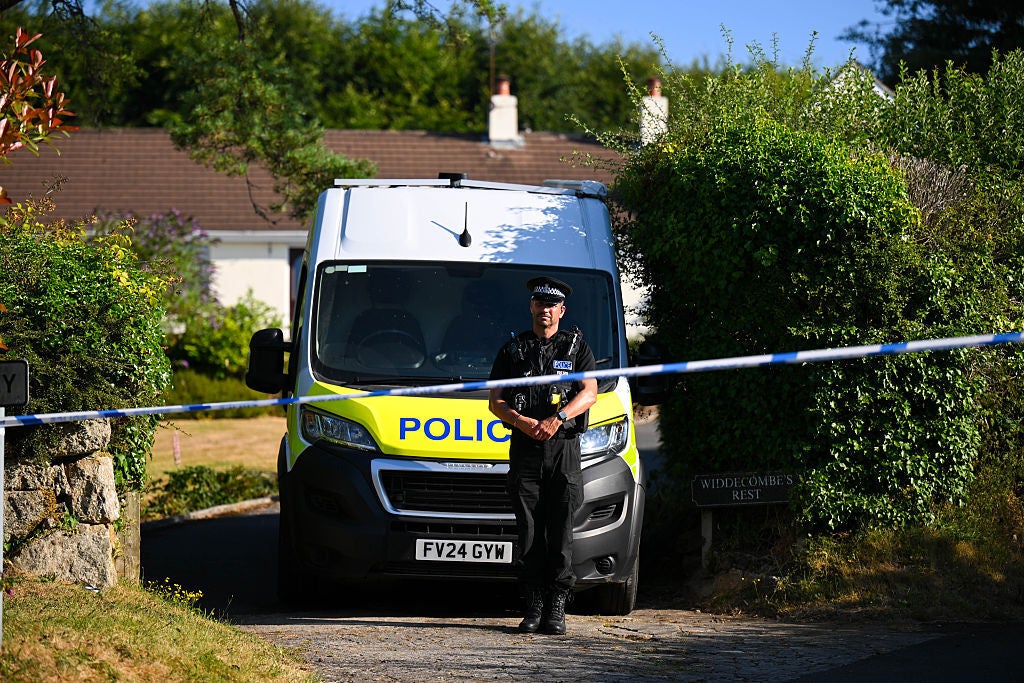
The former Conservative minister, and later Reform UK spokeswoman, was found dead at her home in Haytor on Dartmoor at about 11.40am on Thursday after sustaining serious injuries.
Advertisement
A 28-year-old white British man was arrested on suspicion of murder in Rotherham, South Yorkshire, shortly after 9pm on Saturday.
At a police briefing on Sunday, assistant chief constable Matt Longman, of Devon and Cornwall Police, said: “At this point, there is still no information to suggest that this is a terrorism-related incident and at this point we are not looking for anyone else in connection with this murder.
“At this stage, there is nothing to suggest that it was politically-motivated.”
He said detectives “remain open-minded about the potential motive” and stressed it is not believed there is any threat to the wider public.
Advertisement
The officer added: “We are aware of online and public speculation, particularly with regards to motive.
“Again, I urge people not to share or engage with that speculation – it’s unhelpful, it doesn’t aid our investigation, and particularly, it’s distressing to the family and friends of Miss Widdecombe.”
Speaking as he laid a wreath outside Widdecombe’s home on Saturday, Reform leader Nigel Farage said: “From what I make out, this was premeditated murder.
Advertisement
“Whether it was politically motivated, whether it was someone with a grudge. I don’t think it pays at this time to speculate.”
It has also emerged that Reform MPs are being given round the clock security protection following Widdecombe’s death.
Meanwhile, Reform’s home affairs spokesman, Zia Yusuf, accused parliamentary authorities of not caring about the safety of the party’s MPs.
Advertisement
In a post on X, he said: “The state is providing no protection whatsoever.
“In fact, based on what I have seen in the last 48 hours, none of the government, the Speaker nor the police care at all about the security of Reform MPs.
“Several of our MPs have written to the above in recent months about distressing, escalating security concerns, asking for help. Their correspondence was not even replied to. I will let you draw your own conclusions from this.”
Given the way this headline is worded, many are (understandably) taking it to mean Reform MPs have been given police protection by the state.
But independent MP Rosie Duffield replied: “Every single sitting MP is entitled to security provided by the House of Commons. This also covers our outside engagements.”
The Commons Speaker’s office has been approached for comment.
Listen to Commons People, the podcast that makes politics easy. Every week, Kevin Schofield and Kate Nicholson unpack the week’s biggest stories to keep you informed. Join us for straightforward analysis of what’s going on at Westminster.
Every day, we use our hands to pick up packages, hug friends, make calls – and touch disease-carrying germs.
“Most gastrointestinal and respiratory infections spread when contaminated hands touch your eyes, nose or mouth,” said Dr. Supriya Rao, a gastroenterologist.
Advertisement
Spraying our hands immediately with hand sanitiser can make all the difference in whether you get a cold the following week.
But first, you need to know which surfaces carry the most germs. The grossest surfaces are never quite what we think. Here are the three biggest culprits most people overlook, according to germ experts:
1. Pin pads
Ekaterina Demidova / Getty Images
The germiest surface is one you tap every day to check out at the grocery store or coffee shop.
Advertisement
Every time you check out a purchase at the supermarket or coffee shop, you are likely tapping a pin pad on a payment terminal to check out what you bought. But this surface has been touched dozens of times by other grimy hands.
Out of all the many items we touch on an everyday basis, microbiologist Jason Tetro, aka “The Germ Guy,” said, pin pads are the most unsuspecting germ carrier.
“In order for you to get the pin number inputted, you have to put pressure, and the pressure is enough to really leave behind a large amount of microbes from your hand,” Tetro said.
Advertisement
“And then there’s such a high turnover that anybody who may not have washed their hands or washed their hands properly” is going to leave germs on that pin pad, he said.
Tetro cited flu and COVID viruses, in addition to salmonella, if someone touched raw meats beforehand, as the big risks of what you can get from a pin pad.
Because a pin pad requires focused pressure, it is a surface “where you’re going to have the greatest threat for transmitting any kind of pathogen,” Tetro said.
Advertisement
2. Trolley handles
Beyond pin pads, consider the unsuspecting surface of a trolley handle. Both Tetro and Rao said the handles in a grocery cart were common culprits for carrying germs.
“It is the one thing that people will overlook more than anything else, because they don’t think about it, because they’re too focused on purchasing” food, Tetro said.
Since the handle is an easy way to transfer viruses, “people will probably end up having a sore throat, or maybe a cold” from touching a germ-filled grocery-cart handle without sanitising their hands after use, Tetro said.
Advertisement
3. Phones
MengWen Guo / Getty Images
Disinfect your hands if you have been tapping on your phone a lot.
For many of us, our phone is attached to us at all times, and picking up germs wherever we go.
“You take it everywhere with you – the grocery store, the bathroom, the airplane, the gym. It’s always with you. And how often do you actually clean it?” Rao said. For Rao, a phone was the dirtiest surface people touch that should make them wash their hands.
Make a point to regularly clean your hands before using your phone. “Ideally people should have clean hands before using their phone and should try and sanitize their phone several times a week,” Rao said.
Advertisement
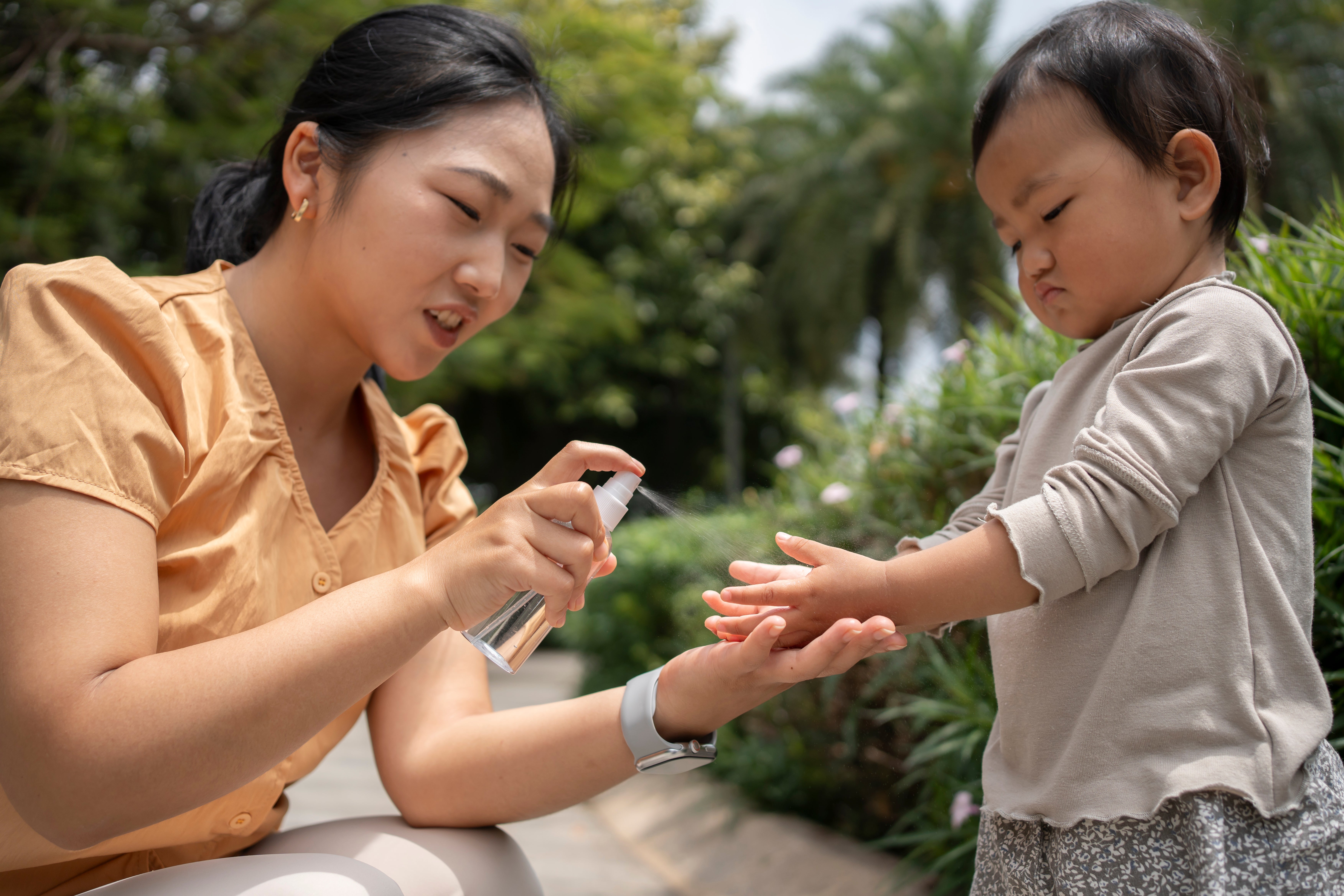
Until you get a chance to wash your hands, you can also simply use hand sanitiser – if you do it properly. “It usually kills enough, so that you don’t have a chance of getting exposure or sick from what happens to be on your hands,” Tetro said. But he noted that many people don’t use hand sanitiser right, so here’s a quick refresher.
Hand sanitisers often use ethanol to kill germs. And to get the most out of these germ-killers, you should keep your hands damp for 15 seconds after spraying. “A lot of people will just put it on and rub as hard as they can, and will be done in three or four seconds,” Tetro said. But let the hand sanitiser sit on your hands for 15 seconds before letting your hands dry.
Sanitising your hands after touching these three everyday surfaces is a small intervention that can make a big difference in whether you get sick this year.
Advertisement
Every time people report not knowing where they got a cold from, Tetro said he will ask, “Did you use a pin pad? Did you touch your face after you touched the pin pad?” If you did, then you know what to blame.
The statistics for colon cancer and rectal cancer – often combined and referred to as colorectal cancer – are both scary and important to know.
For example, colon cancer is the fourth most common cancer in the U.S. and the second leading cause of cancer deaths. Additionally, colorectal cancer rates in young people are rising, nearly doubling since 1995.
Advertisement
We also need to be especially conscientious because many signs of colorectal cancer – such as constipation, diarrhea and fatigue – are easily dismissed. You might assume they’re just another case of irritable bowel syndrome, a food sensitivity or an undercooked meal.
All of this emphasises the importance of knowing what symptoms can indicate colorectal cancer and identifying them ASAP. As a colorectal cancer doctor will tell you, prevention and early intervention are key. That can entail learning your family history, getting regular screenings and paying attention to symptoms.
On that note, there’s a certain symptom doctors want to make sure you’re aware of: bowel incontinence.
Advertisement
While it might feel embarrassing to talk about, we need to. Ahead, doctors explain the concerning sign, other common signs of colorectal cancer, and what prevention and treatment look like. After all, the more information you have, the better prepared you are.
Bowel incontinence as a sign of colorectal cancer
For what it’s worth, this sign isn’t super common – and that can be a good thing and a bad thing.
“Bowel leakage, also called faecal incontinence, is not something most patients with colorectal cancer experience, but it can occur, particularly with cancers involving the rectum,” said Dr. Jason B. Carter, a urologist and medical adviser with Aeroflow Urology who’s board-certified by the American Board of Urology.
That’s a good reminder that even though a symptom isn’t common or necessarily listed on a website, it’s still an indication that seeing a doctor is crucial.
Advertisement
There are several reasons colorectal cancer causes bowel leakage, according to Dr. Ketan Thanki, a board-certified colorectal surgeon who specialises in benign and malignant disease of the colon, rectum and anus with the MemorialCare Todd Cancer Institute at Long Beach Medical Center in California:
Rectal cancer can decrease the rectum’s ability to sense and accommodate stool when it arrives.
Rectal cancer can invade and weaken or disrupt nerve signals to the anal sphincter, decreasing your ability to hold in the stool.
Colon and rectal cancers can secrete large amounts of mucus, which produces diarrhea, which is harder to hold in than solid stool.
Colon and rectal cancer can cause a narrowing of the colon/rectum, in which solid stool can’t pass, and pressurised liquid stool is squeezed through and can cause unexpected leakage.
It’s worth noting that this typically isn’t the first sign you’ll experience.
“Most patients diagnosed with colon or rectal cancer present with other symptoms first, such as rectal bleeding, blood in the stool, changes in bowel habits, abdominal pain, unexplained weight loss, iron deficiency anaemia or persistent fatigue,” Carter said.
Advertisement
So, this symptom can indicate a more advanced cancer.
“Unfortunately, faecal incontinence often presents later in the course of a colorectal cancer because obstruction usually develops once a cancerous lesion becomes large enough to physically block passage of formed stool,” said Dr. Nikiya Asamoah, a gastroenterologist and inflammatory bowel disease specialist in Washington, D.C.
At the same time, this symptom isn’t a 100% clear sign that you have cancer, by any means.
“The important thing for patients to understand is that bowel leakage is much more commonly caused by non-cancerous conditions,” Carter said. He listed ageing, pelvic floor dysfunction, chronic diarrhoea, prior anorectal surgery, childbirth-related injury, neurologic disorders, haemorrhoids, rectal prolapse and inflammatory bowel disease as frequent contributors.
Antonio Hugo Photo via Getty Images
Don’t dismiss signs of colorectal cancer, including bowel incontinence.
Advertisement
Other signs of colorectal cancer
As mentioned above, other symptoms of colorectal cancer (that usually show up earlier) can include:
Rectal bleeding
Blood mixed in the stool
Persistent changes in bowel habits
New constipation
Diarrhoea
Narrowing of stool calibre
Abdominal pain
Unexplained weight loss
Unexplained iron-deficiency anaemia
Excessive fatigue
A feeling of incomplete bowel emptying after a bowel movement
You can also have colorectal cancer without those signs.
“Many patients are surprised to learn that colorectal cancer can be present for quite some time before symptoms become obvious,” Carter added. “That is one reason screening is so important.”
Thanki agreed. “Right-sided colorectal cancer (furthest from the anus) frequently causes no bowel changes at all, showing up only as fatigue or weight loss, which is exactly why screening starting at 45 matters even when you feel fine,” he said.
Advertisement
How to prevent or treat colorectal cancer
“The American Cancer Society has identified several preventable lifestyle habits that might increase an individual’s risk of colorectal cancer, including alcohol and tobacco use,” Asamoah said.
“In general, gastroenterologists recommend that people avoid processed foods, limit excessive intake of red meat, increase their intake of dietary fibre and remain physically active to prevent colorectal cancer.”
If you’re at a higher risk or have a family history, regular colorectal cancer screenings with a colonoscopy are an important prevention strategy, she added.
Advertisement
Thanki agreed, saying that eating nutritious foods, moving your body and getting early, regular screenings are best.
Here’s more good news: “We have never had as many good treatments for colorectal cancer available to us as we do now,” Thanki said. “Colorectal cancer that is caught early is usually surgically treatable.”
If the cancer is advanced or spreads, chemotherapy, radiation therapy and/or targeted immunotherapies are needed in addition to surgery.
Advertisement
“Usually, some combination of these modalities is tailored to fit the individual patient and cancer,” he added.
When to see a doctor
Since seemingly “normal” symptoms can be signs of cancer – and since early detection is so helpful – seeing a doctor sooner rather than later is paramount.
Thanki and Asamoah recommended making an appointment when you experience an onset of any of those symptoms mentioned above.
Advertisement
“If anything feels off about your GI tract and digestion and doesn’t get better within a few weeks, go see a doctor,” Thanki said. “The last thing you want to do is ignore a change in your bowel habits for months or years and then realize it is from an advanced cancer that could have been curable when you first noticed symptoms.”
Even if it’s not cancer, he continued, it could be several other treatable conditions that could also have negative long-term effects if left untreated.
“The biggest message I would share is that colorectal cancer is one of the most preventable cancers we face today,” Carter said. “Early detection dramatically improves outcomes.”
So what does that look like, and how can it help your relationship?
What is an “airport divorce”?
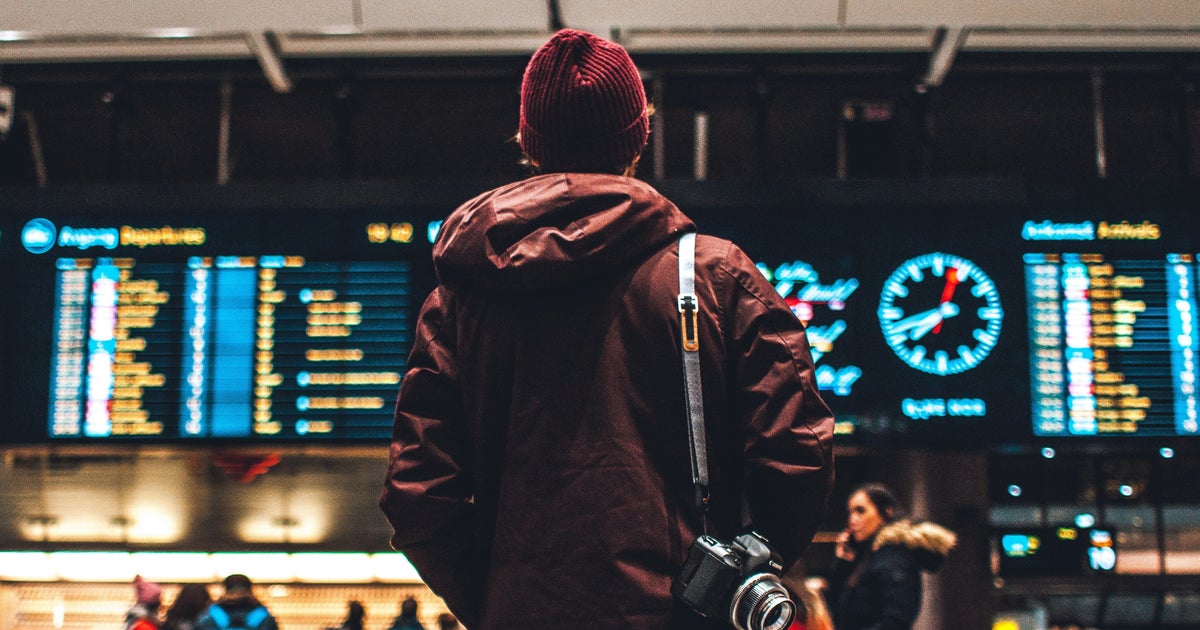
It means you and your partner go through the sometimes-stressful processes of security, check-in, and even arriving at the airport separately.
Advertisement
A colleague told me that their partner likes to reach the travel hub far, far earlier than she likes. My own beau can get a little flustered in airports, while I would rather crawl across the ocean floor myself than publicly stress out.
Some people love a leisurely duty-free browse. Others like to march through security with laser focus, their passports and boarding passes constantly ready for inspection.
An early-queuer and late-queuer relationship can feel impossible to manage in times like these, too.
Advertisement
So, some, like Times writer Huw Oliver, have found a solution: just do your own thing, and regroup on the plane.
Won’t that feel a bit… splintering?
Not necessarily. An “airport divorce” can be selective.
Maybe you agree on some things, like arriving about two hours before the flight and/or having a pre-plane tipple. These can, and I’d argue should, still be shared.
Advertisement
But I reckon most of us can agree that our airport self is not representative of our true character. Nobody needs to see the beast I become when the boarding gate changes last minute, least of all someone I’m about to share a hotel room with.
Besides, if you’re mostly enduring your partner’s dangerously leisurely shopping time or over-keen boarding queue approach out of a vague sense of duty, why not let that go (travel duty-free, if you will?).
It might make your holiday together even more relaxing and enjoyable – and it means that finally, you’ll both be able to do it The Only Right Way.
Three years ago, I stood beside my husband Al’s bed and prepared to say goodbye.
After 25 years of marriage, cancer was taking him where I could not follow. Before he died, he looked at me and said something that shocked me at the time.
“Diane, you’ll need another man.”
I immediately dismissed the idea. I was 80 years old. I had already experienced a full life. What on earth would I need another man for? I certainly wasn’t looking for one.
Advertisement
Then life did what life often does. It ignored my plans.
Just a few months after Al died, friends introduced me to a man named Bob. I welcomed it because I was experiencing what I later discovered, after many late-night Google searches, was called “widow’s fire,” a fierce longing for intimacy and closeness after losing a spouse that, despite being surprisingly common, few people talk about.
Some people, including some of my children, thought it was too soon for me to begin dating. But grief doesn’t follow a timeline.
I wasn’t looking to replace Al. No one could. But for 25 years of marriage, I had been part of a pair. Suddenly, I was standing alone. The silence and loneliness were overwhelming.
Advertisement
What I realised was that I didn’t want to spend the rest of my life alone. I wanted companionship, laughter, conversation and, yes, physical attraction. And to my surprise, I found that in Bob, a kind, funny and handsome man who understood that loving him didn’t mean I loved Al any less.
Bob and I have been together for more than two years. We are deeply committed to one another, but marriage isn’t part of our equation. At our age, we’ve learned that relationships don’t need to look a certain way to be meaningful. What works for us is love, honesty and a healthy dose of practicality.
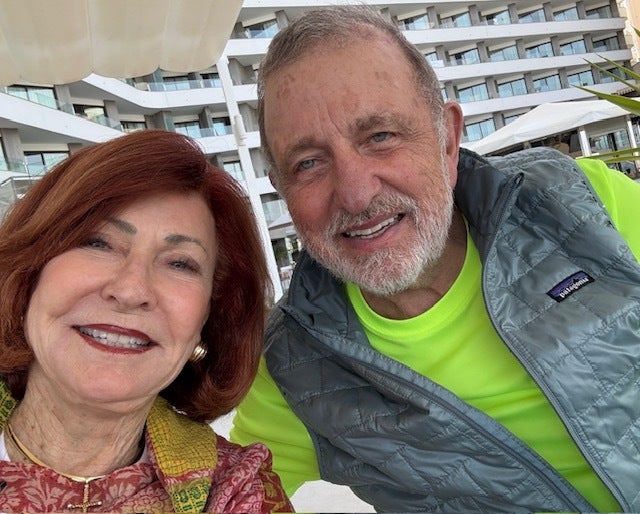
That practicality was put to the test recently when Bob and I embarked on a 22-day adventure through Norway, France and Spain. With me at 82 and Bob at 83, travelling halfway around the world requires a little more planning than it did a few decades ago.
Advertisement
Before we left, I sent an email introducing my daughter and son-in-law to Bob’s brother and sister. Not because we were planning a family reunion. Because we were 82 and 83 years old and about to cross an ocean together.
“Should we get lost along the way and need your assistance,” I wrote, “you now can connect with one another and try to retrieve, grieve or rejoice from our far distant travels.”
I also informed everyone that I had travel insurance in case my body needed to be shipped home and that Bob had thoughtfully prepared his own end-of-life arrangements. My children thought it was hilarious. Bob’s family may have thought I was crazy. They’re not entirely wrong.
Advertisement
But if you’re going to travel the world in your 80s, you learn to laugh about the realities that come with it. Like money. People don’t like talking about finances in matters of romance, but they should.
In our case, I happen to have a larger wallet than Bob. Before we left, we talked openly about expectations. I agreed to pay for the trip itself, including the airline tickets. Bob was perfectly willing to fly economy. I was perfectly unwilling to sit in first class without him. The good Lord knows I’m spoiled, and I wasn’t going to be up front sipping champagne while the man I loved was squeezed into seat 34B. Besides, I like him next to me.
We agreed that he would cover many of the extras along the way, including meals, excursions and spontaneous treats. There were no complicated contracts. Just two adults having an honest conversation.
Advertisement
Widowhood taught me many things. Like I wish more people understood that discussing money isn’t unromantic. Avoiding it is.
Photo Courtesy Of Diane Heiler
The author and Bob ending a long day at the hotel bar with their favorite drink, Old Fashioneds.
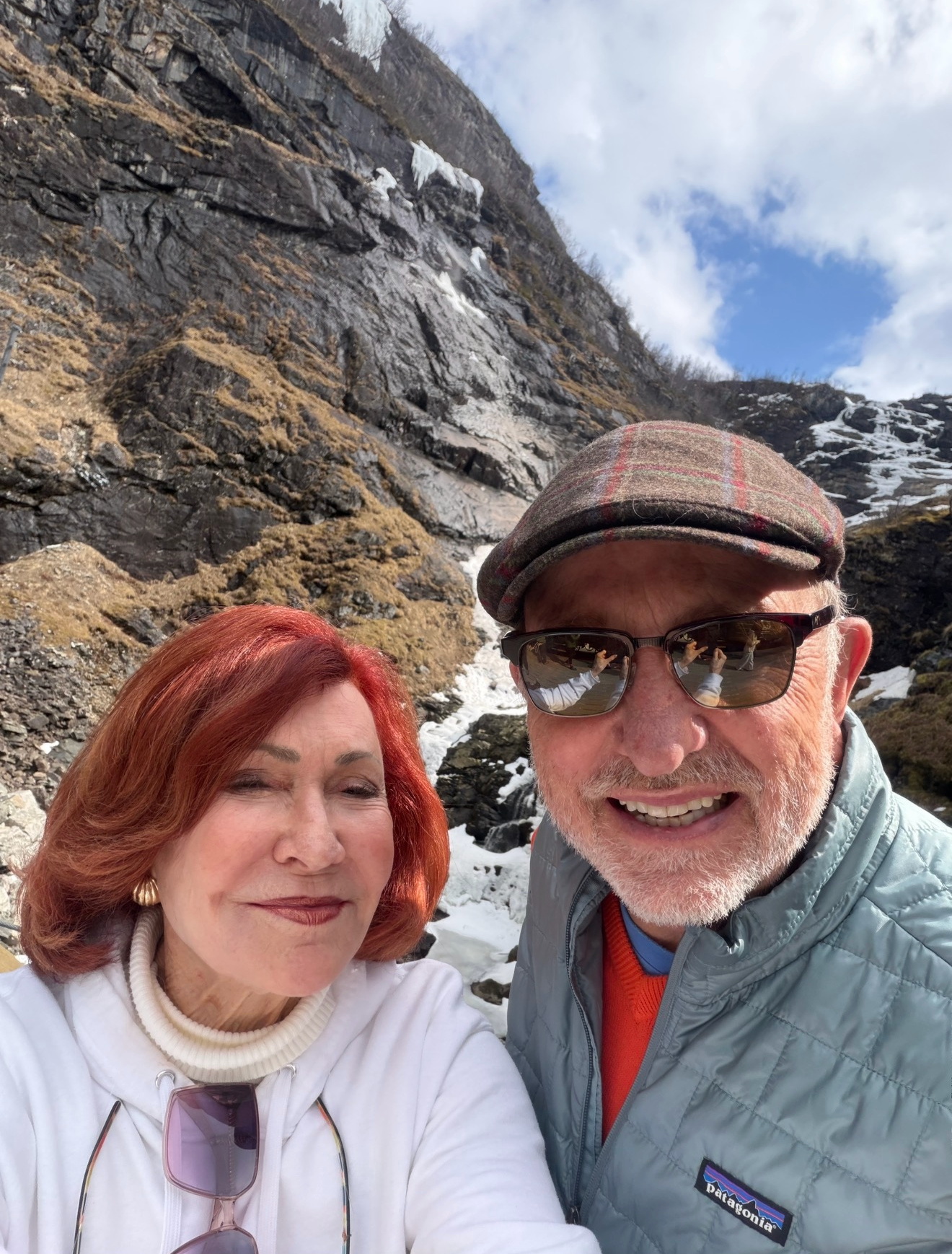
The trip itself became a lesson in something even bigger. Standing in Norway, surrounded by glaciers that looked as though they belonged on another planet, I found myself thinking about Al. He loved to travel.
Advertisement
The glacier train rides were breathtaking. The scenery was so beautiful it almost didn’t seem real. It was colder than a witch’s teat but magnificent. Al and I had never made it to Norway together, and I couldn’t stop thinking about how much he would have loved it.
Unexpectedly, I didn’t feel guilty. For a long time, widows are made to feel that happiness somehow betrays grief. It doesn’t. Missing Al and loving Bob can occupy the same space. Both things are true.
Bob understood that. He never tried to compete with my memories. He simply stood beside me while I carried them. That’s one of the many reasons I love him.
Advertisement
Norway also introduced me to two things I never expected: iced cider and brown cheese.
The cider was delicious.
The cheese was downright addictive.
I liked it so much that I packed half a pound of it in my suitcase and hauled it through France, Spain and all the way back home to Florida.
At 82 years old, apparently, I travel internationally with contraband cheese.
Photo Courtesy Of Diane Heiler
The author and Bob sailing on a catamaran through Sognefjord, Norway’s largest and one of its most breathtaking fjords.
Then there was Bergen.
The minute we arrived, I announced to Bob, “I could live here.”
It had everything I love: beauty, charm, walkability and friendly people. We spent our days wandering old streets, taking in spectacular views and pretending, just for a moment, that we belonged there.
Advertisement
Next came France.
Of all the places we visited, Normandy affected me the most.
Standing among the endless rows of white crosses at the American Cemetery overlooking Omaha Beach, I felt humbled in a way that is difficult to describe.
The older I get, the more familiar loss becomes. Friends die. My spouse died. Parents die. Even pieces of ourselves disappear. The woman I was at 40 no longer exists. Neither does the woman I was before widowhood.
Yet there I was, halfway around the world, still creating memories. Still laughing. Still planning. Still living.
Advertisement
Spain brought its own lessons.
I use wheelchair assistance because of a painful foot. Bob uses a cane. Airport assistance services managed to leave us at the wrong gate on two separate occasions, causing us to miss our flights.
After missing our second flight, I told Bob I could have learned to become a professional tango dancer in less time than it took airport personnel to move my behind through that airport. For two days we were shuffled from gate to gate while trying not to lose our sense of humour. Thankfully, we succeeded.
By the time we reached Mallorca after nearly three weeks abroad, we realised something. We may have been tourists, but we didn’t particularly want to be around tourists anymore.
Advertisement
Maybe we were tired. Maybe we missed our own beds. Or maybe we had officially become old people. Either way, home was sounding awfully good.
Traveling at 82 also comes with one unexpected advantage: I no longer care about impressing anyone.
Photo Courtesy Of Diane Heiler
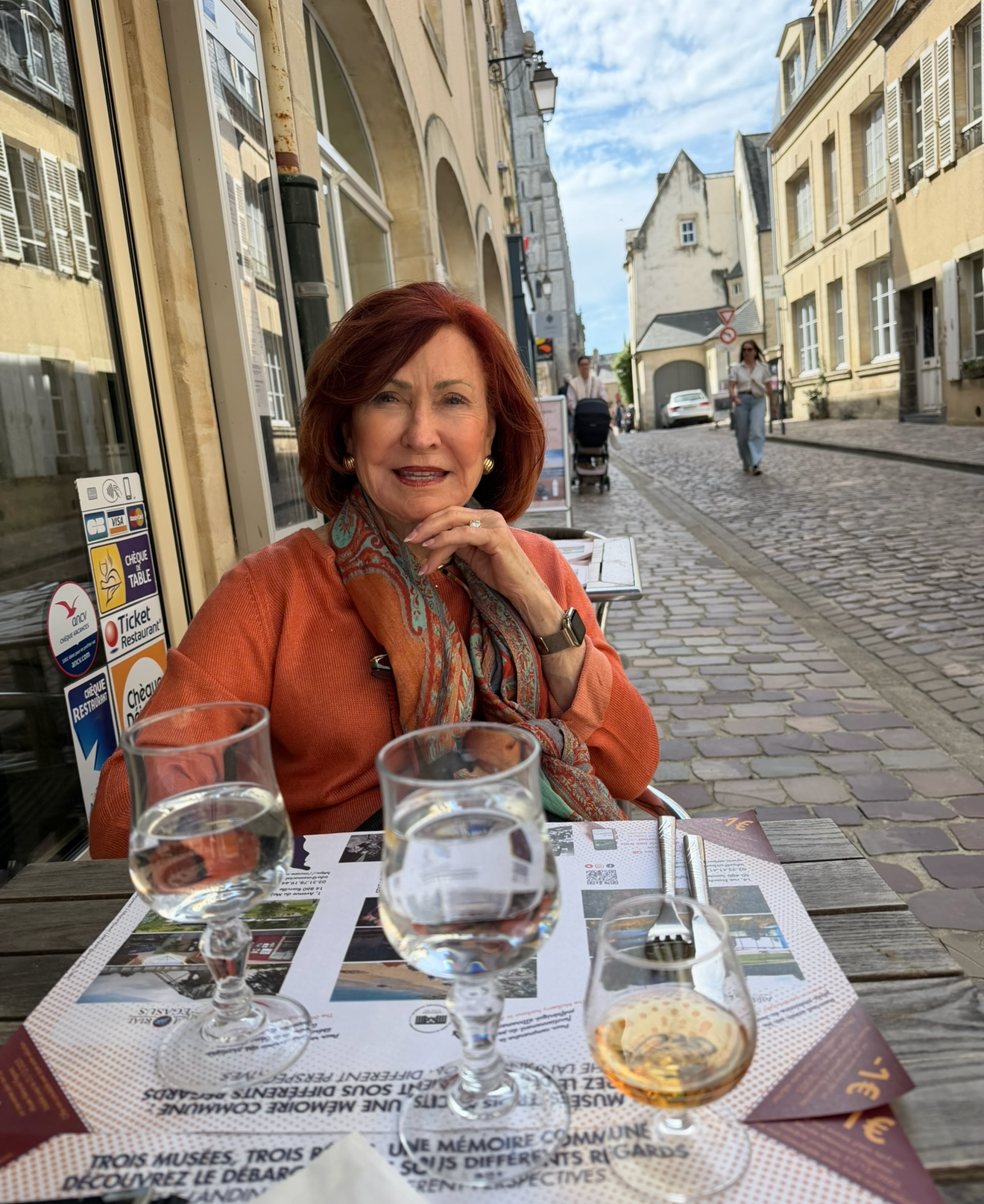
The author having a delicious meal at Le Marsala in the heart of beautiful Bayeux, France.
When I was younger, I packed as though every day required a completely different outfit, matching shoes, jewellery and accessories. These days, I pack for comfort, practicality and the occasional nice dinner.
Advertisement
For 22 days abroad, Bob and I shared one checked suitcase, and we each carried a small bag. It wasn’t because we were trying to prove anything. It’s simply that we’ve learned what matters and what doesn’t.
I’ve discovered that one scarf, one pair of comfortable shoes and a little confidence can carry you remarkably far. That’s one of the gifts of ageing. You spend less time worrying about how you look and more time enjoying where you are.
At this age, I’ve learned that nobody really cares what you’re wearing, whether your hair is perfect or if you’ve packed the right shoes. What people remember is whether you laughed, loved, showed up and enjoyed the journey.
Advertisement
And that’s true whether you’re standing on a glacier in Norway, wandering the streets of Barcelona or simply sitting beside a koi pond at home with someone you love.
The greatest surprise of the trip wasn’t Norway’s glaciers, Normandy’s history or Barcelona’s architecture. It was realising how comfortable I have become with this unexpected chapter of my life.
If you had told me three years ago, while I was sitting beside Al’s hospital bed, that I’d be crossing Europe with another man, I would have told you that you were out of your mind.
Advertisement
If widowhood has taught me anything, it’s that we don’t honour those we’ve lost by stopping our lives. We honour them by continuing to live them.
When Al died, I thought my story was winding down. Instead, it simply changed genres.
Photo Courtesy Of Diane Heiler
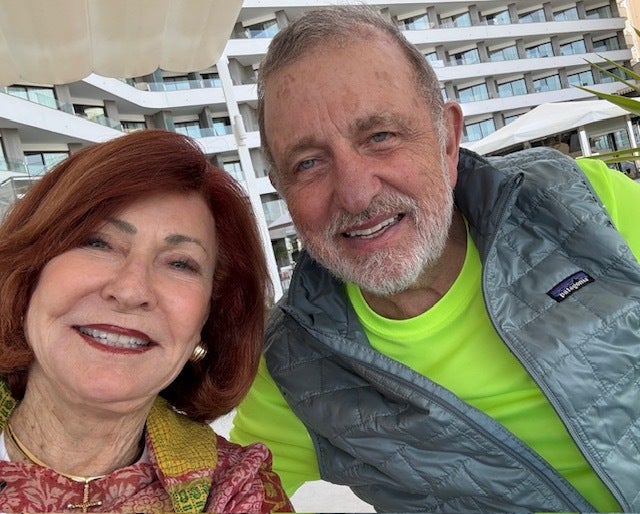
The author and Bob enjoying a drink by their hotel’s pool, overlooking the beautiful yacht basin in Mallorca.
These days, I’m perfectly content sitting beside that pond with Bob discussing books, sports, grandchildren, politics or whatever we’re streaming on Netflix. Twenty years ago, I would have called that boring. Now I call it happiness.
Advertisement
One of the most damaging myths about ageing is that life becomes smaller. I’ve found the opposite. Life becomes more precious. At some point, every one of us realises our time is finite. The horizon becomes visible. Oddly enough, that’s what makes each day matter more.
At 82, the future looks different than I imagined. It includes a new love. A few more aches and pains. Occasionally a wheelchair. And gratitude for every single day I still get to wake up and see what comes next.
Al knew all this before I did. He knew I would need companionship. He knew I would need laughter. He knew I would need someone to sit beside me on airplanes and hold my hand during life’s inevitable turbulence. Most of all, he knew I would need a future.
Advertisement
As it turns out, he knew me better than I knew myself.
Diane Heiler is the author of “A Widow’s Fire: An Intimate Memoir of Heartbreak, Survival and Moving On.” Widowed in 2023 after caring for her husband through his battle with cancer, she writes about grief, resilience and finding joy again after profound loss.