‘Thank You, Dear Keir’: Reaction To Starmer’s Resignation Rolls In

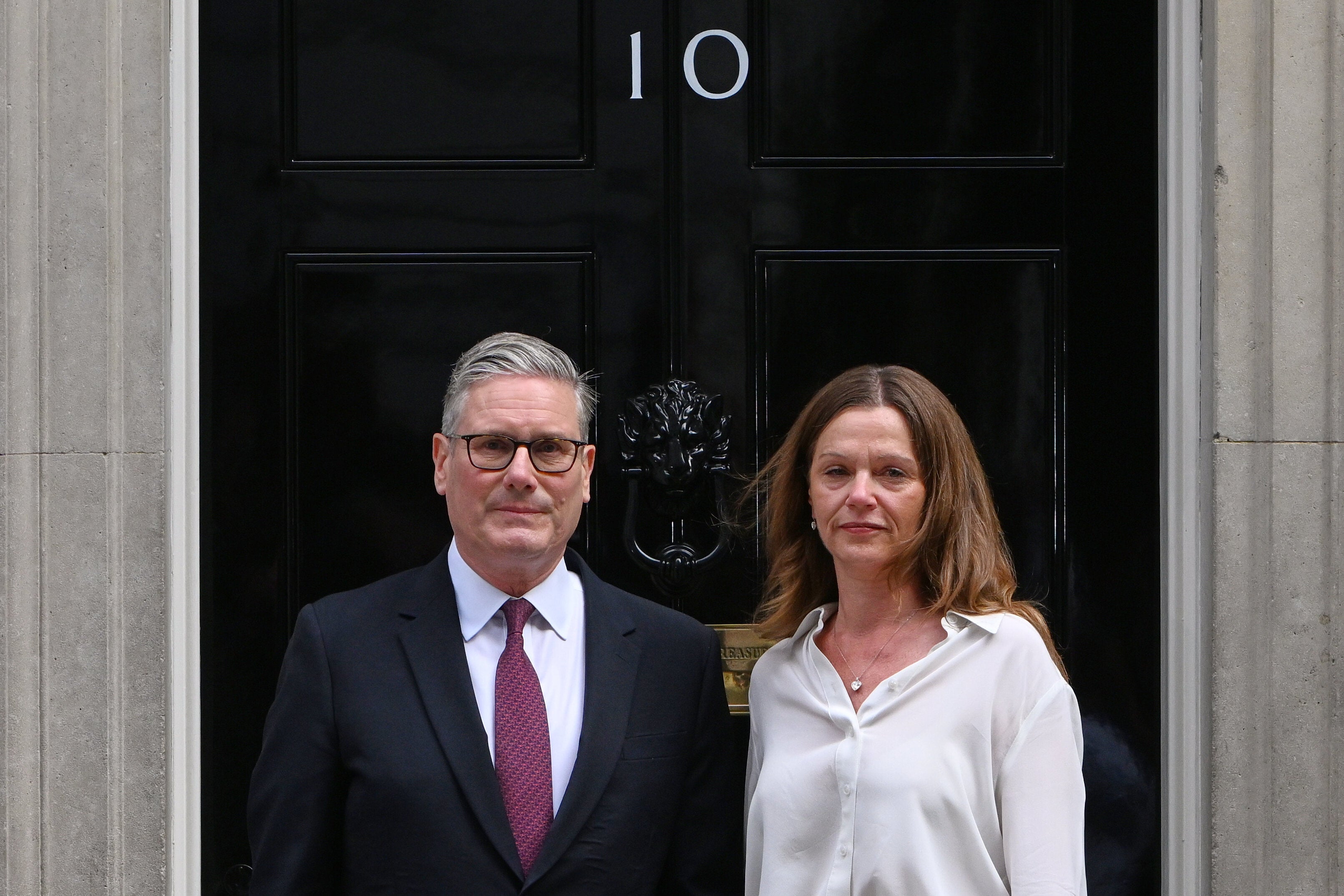
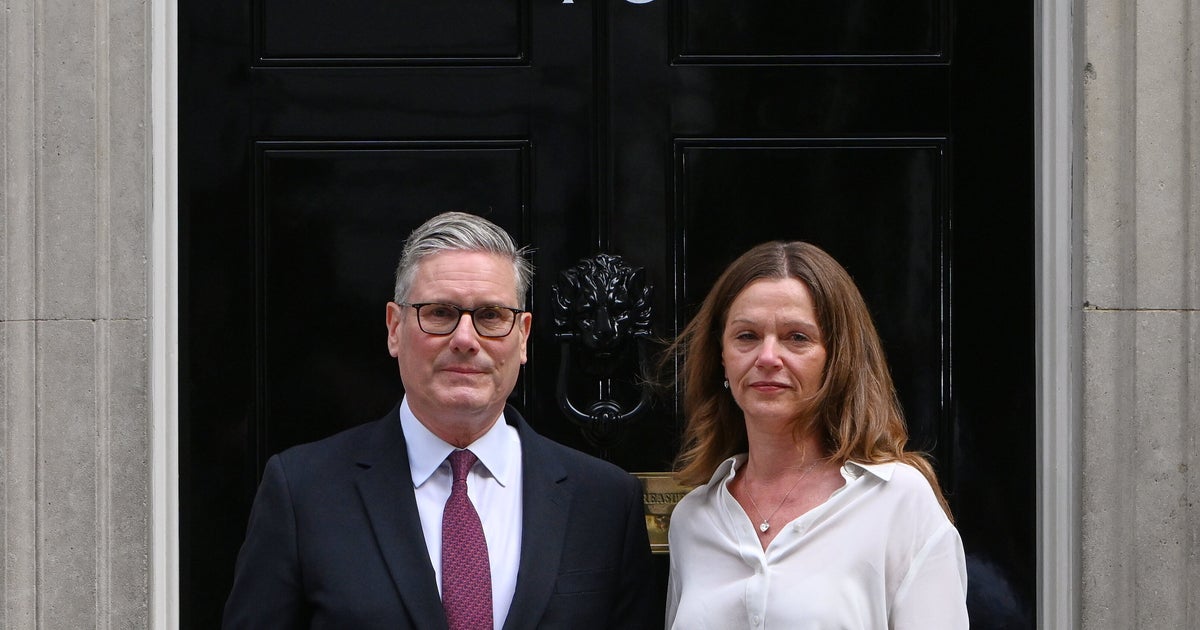
Keir Starmer’s decision to stand down was hardly a surprise, but politicians across the political spectrum – and around the world – have rallied to pay tribute to the outgoing prime minister.

The PM declared he was standing down as Labour leader on Monday and set out a timetable for his official departure from No.10.

In an emotional speech, he said he was leaving in “good grace” after accepting that the Parliamentary Labour Party did not want him to lead them into the next general election.

It comes after his greatest rival Andy Burnham won the Makerfield by-election last Friday.

As Labour’s most popular politician, the former Greater Manchester mayor was already expected to challenge the prime minister and win any subsequent leadership contest.

Here’s how Starmer’s Labour colleagues, international allies and domestic opponents responded to his resignation.

Labour Party

Burnham, who has already thrown his hat into the ring to be Starmer’s successor, said: “Keir has given huge service to our country and I want to thank him for his leadership and dedication during such a challenging period.

“His decision marks the beginning of a transition and it is important that this process is conducted in an orderly and responsible way.”

Former health secretary Wes Streeting, who was briefly considered a leadership hopeful, said he backed Burnham as Streeting’s replacement and added that Starmer “has made the right decision to stand down as Leader of the Labour Party that he saved”.
Starmer’s cabinet also paid tribute to him, with deputy prime minister David Lammy saying he “incredibly proud to have played my part” in Starmer’s government.

Chancellor Rachel Reeves praised Starmer for “taking our party from the worst defeat in modern history” to a landslide victory in just four years.

Home secretary Shabana Mahmood said Starmer’s achievements “will never be forgotten” and that he put us “on the path to the change we promised at the last election”.

She added: “A devoted and dedicated public servant, we owe him our deepest thanks.”

Foreign secretary Yvette Cooper echoed this sentiment, saying the country is stronger and fairer “because of what Keir has done over the last six years”.

Former deputy PM Angela Rayner extended her sympathies to Starmer, saying: “History will remember not just the challenges he faced but the achievements he oversaw.”

Energy secretary Ed Miliband said Starmer can be “immensely proud of his achievement” and that his statement showed “great dignity and integrity”.

One of Starmer’s closest allies, the attorney general Lord Hermer, told Sky News that the PM was not “angry” at being forced out of office.

He said: “I would be, but I don’t think he is.

“I think he is someone who is genuinely focused on the country and doing the right thing, and you saw that on the podium today.”

Anna Turley, chair of the Labour Party, wrote in a statement: “I’m sorry that the nature of politics now is so impatient, so unforgiving, and so personally brutal.

“You have shown that in a world of easy promises, irresponsible rhetoric and lazy, dangerous populism, it is still possible to do things the right way – to show duty, decency and the real patriotism of hard work and service.”

Opposition Parties

Leader of the opposition, the Tories’ Kemi Badenoch, was less forgiving.

She wrote on X: “Britain is not ungovernable. Keir Starmer is a terrible Prime Minister.

“But the problem isn’t just Starmer. Labour MPs only want higher taxes to hand out more benefits, as the Welfare Secretary has pointed out. These are Labour’s choices and their values, regardless of who is running the party.”

The Lib Dem leader Ed Davey said: “The British people are sick of being let down by an endless merry-go-round of prime ministers while nothing really changes for them.

“This time must be different. It can’t just be about changing who’s in Number 10, it has to be about changing our broken politics so we can fix our country.”

He added: “Whoever becomes prime minister needs to drop the caution and complacency and show the ambition our country deserves.”

Green Party leader Zack Polanski said: “The country needs a bold change of direction. Starmer lost the confidence of the country because of his abject failure to challenge the power and wealth of an establishment which has taken for themselves while leaving the vast majority in a cost of living crisis and facing the worst impacts of the climate and nature crisis.”

“We are still waiting to see which version of Andy Burnham might going to show up in Downing Street,” he added. “Burnham must be bold or he will be bust.”

Reform UK leader Nigel Farage called for a general election, writing on X: “I’ve had enough of waiting around. Britain needs change – real change, not another washed-up has-been shoved into place by the uniparty.

“If Labour thinks it can shove another professional politician into No 10, it has another thing coming. Reform is ready for an election, and we are ready to deliver radical change.”

SNP leader and Scotland’s first minister John Swinney paid tribute to Starmer in a statement, saying: “On a personal level, I wish the prime minister and his family well.

“Leadership is tough, and can make extraordinary demands both on the leader and their families. Sir Keir Starmer has made the right decision. It was past time for him to face reality and the fact he now has allows some hope that things can change.”

International Allies

Ukrainian president Volodymyr Zelenskyy thanked Starmer on on X, writing: “The United Kingdom has been, is, and will remain among the world’s leaders.

“Here in Ukraine, we deeply value Britain, and every meeting and every conversation we have had has always been filled with real substance.

“Thank you for always being in touch, always engaged, and always striving to do what is needed and what will truly help.”
He added: “Keir, you are always a welcome guest in Ukraine.”

European Commission president, Ursula von der Leyen, thanked Starmer for his work on rebuilding the UK’s relationship with the EU.

She said: “It can take many leaders years to grow into the statesman you became in just two years.

“European and Ukrainian security is stronger because of you. Thank you, dear Keir.”

Former Czech prime minister Petr Fiala paid tribute to Starmer for his “clear and principled support for Ukraine”, and helped to unlock new levels of UK-EU cooperation.

He added: “Today, rational and decent politicians face an increasingly difficult environment. Starmer moved the Labour Party towards the political centre and strengthened the United Kingdom’s position abroad. In the end, it was not enough.

Australian prime minister Anthony Albanese said in a statement that he considers Starmer “a friend” and notes “politics can also be a harsh business”.

He added: “When the time comes for Keir to leave Downing Street, he can be proud of the contribution he has made to the country he loves and to the Labour party that he led back to government in 2024.”

Listen to Commons People, the podcast that makes politics easy. Every week, Kevin Schofield and Kate Nicholson unpack the week’s biggest stories to keep you informed. Join us for straightforward analysis of what’s going on at Westminster.

Share Button

Two-Thirds Of Brits Believe Brexit Has Made Every Issue They Care About Worse, Survey Finds

Two-thirds of Brits think Brexit has made every single issue they care about worse, a new survey has found.

A poll from YouGov and Mandate Research for the European Council on Foreign Relations (ECFR) has revealed that 66% of the general public think leaving the EU was “negative” for the UK.

They believe leaving the bloc has made issues such as the cost of living, economic growth, opportunities for young people, trade and managing illegal immigration harder.

Three-quarters (75%) of Brits now want a closer relationship with the EU, according to the poll, including 49% of Reform UK voters.

A further 63% of Brits, including a large proportion of Reform UK and 2016 ‘Leave’ voters, would now accept return of freedom of movement in return for a closer trading relationship with the EU.

Even opposition to UK involvement in a European army has decreased, with 43% of respondents supporting the idea.

Almost two-thirds (63%) want the government to focus on improving relations with the EU over links with the US.

Only 66% of Leave voters say they would vote to stay out of the EU in any new referendum.

It’s been almost exactly a decade on from the 2016 referendum on the UK’s membership in the EU.

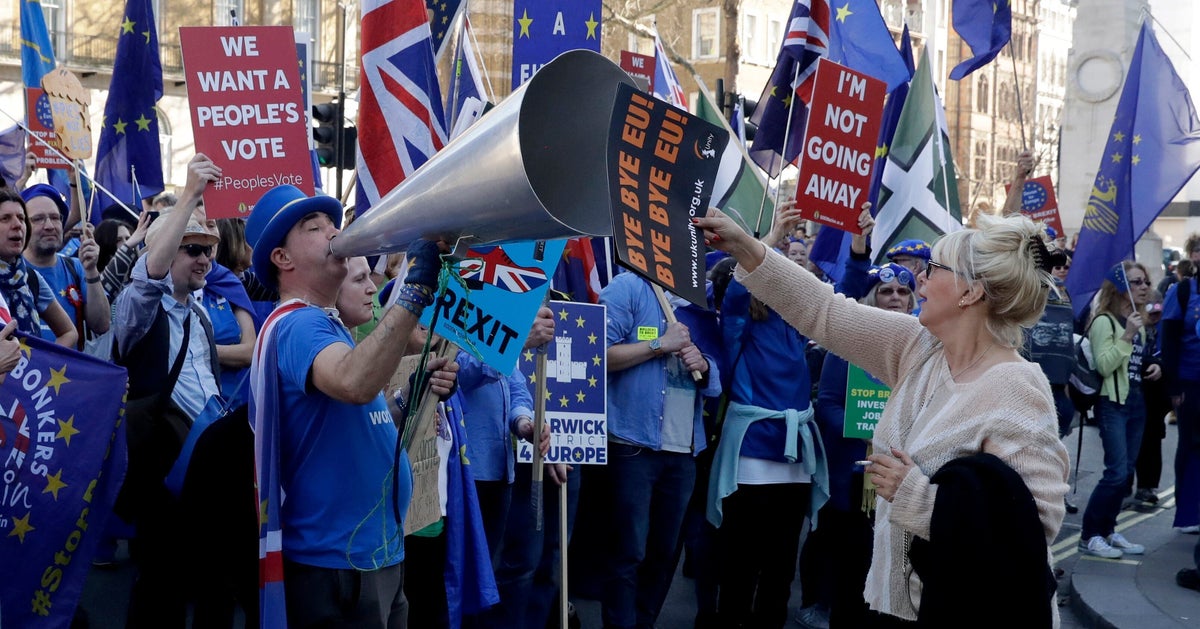
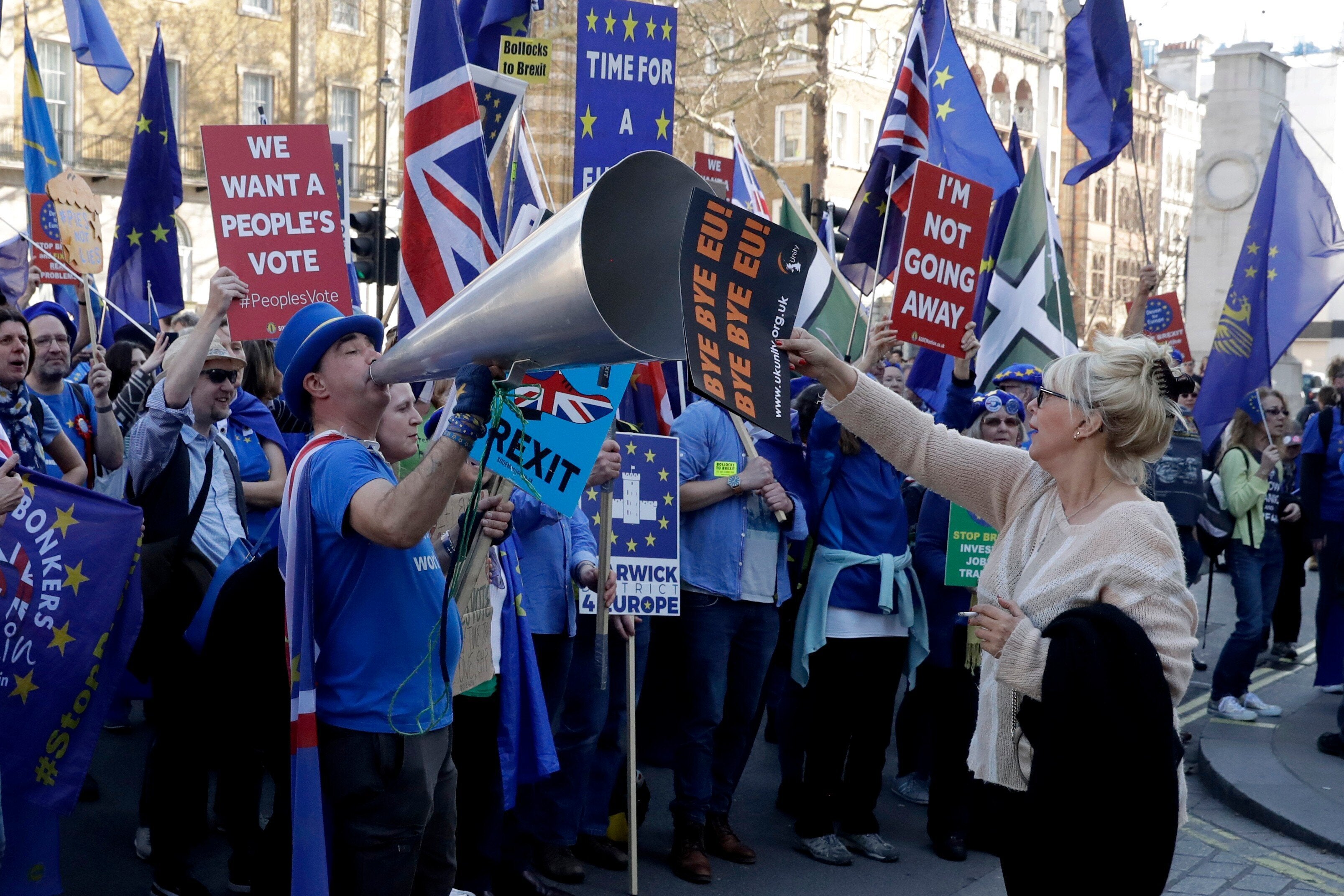
Hundreds also marched through London on Saturday calling to rejoin the EU.

The survey comes as Andy Burnham is expected to challenge Keir Starmer’s leadership in the coming days after winning the Makerfield by-election.

He said last September that he wanted to see the UK back in the EU within his lifetime, but he has since pledged not to “re-run” Brexit arguments.

Co-founder and director of the European Council on Foreign Relations, Mark Leonard, said Brits are realising Brexit has “undermined” the UK’s ability to respond to other pressing issues.

He said: “Ten years ago, Brexit was the insurgent vehicle for a nation rejecting the status quo.

“However, a decade on, Brits realise their hopes for a better life outside the EU are going unfulfilled and that Brexit is undermining the UK’s ability to manage the issues voters care about most.

“This data shows that the vast majority of citizens is open to a closer relationship.

“Rather than refighting the battles of 2016 the government must push or a new relationship with Europe that speaks directly to the everyday concerns of citizens on cost of living, migration and security.

“Rather than talking about red lines we should have a green light to a debate about how Europe can help rebuild the UK and its global influence for the 2030s and 2040s.”

Listen to Commons People, the podcast that makes politics easy. Every week, Kevin Schofield and Kate Nicholson unpack the week’s biggest stories to keep you informed. Join us for straightforward analysis of what’s going on at Westminster.

Share Button

What Hair On Your Toes Says About Your Health, According To Doctors

The return of warm weather means the return of open-toed shoes, drawing attention to just how your feet look after a long fall and winter.

Beyond pumice stones and at-home foot peel masks, some people choose to focus on the aesthetics of another part of their feet: their toes. Specifically, their toe hair.

The amount of hair on your toes depends on a variety of factors. In rare cases, your toe hair can even offer a peek into your health.

Below, doctors share what you should know about the hair on your toes and how to safely remove it if you choose.

Having hair on your toes is perfectly normal, and just how much you have often depends on genetic factors.

Hair on toes is normal – it’s neither “good” or “bad,” said Dr. Natasha Bhuyan, the vice president of in-office care and national medical director at Amazon One Medical.

“It really just indicates your genetics, your hormones, factors that you often can’t influence,” she said. The amount of hair you have on your toes may also vary depending on your ethnic background.

What “normal” toe hair looks like for one person can look completely different for someone else.

“Everyone’s normal is different, but hair on toes is normal,” said Dr. Michael Richardson, a family medicine doctor in Boston. “Just because you have hair on your toes doesn’t mean that’s abnormal.”

It's normal to have toe hair, and exactly how much you have most often depends on genetic factors.

Westend61 via Getty Images

It’s normal to have toe hair, and exactly how much you have most often depends on genetic factors.

Blood flow issues can cause a loss of toe hair

“Toe hair is not going to be the first sign if something is going wrong,” Richardson said, “but if you’re noticing that it’s less than normal for you, that could be signs of something damaging that area.”

Loss of toe hair could be from contact damage, which can happen if there’s lot of friction against shoes. “I’ll see that in runners, for example,” said Richardson.

“There are instances where the hair on your toes could change because of other factors, like if you’re taking a medication that influences hair growth … steroids can sometimes cause hair growth,” Bhuyan said.

Changes in blood flow can also affect the amount of hair on your toes, which is a concern.

“If there’s decrease in the vasculature, so any damage to the blood vessels – we’ll see this with peripheral artery disease – where the blood is just not circulating as well, the tissue isn’t as healthy and can’t grow hair,” Richardson said.

In the place of hair, the toes will have a smooth, shiny look, Richardson said.

You may also notice issues related to poor circulation, like cold feet or pain when walking, Bhuyan added. This tends to be more common in older adults and smokers.

“But more often than not, toe hair is going to be normal. If you don’t know where to go, it’s always a good idea to talk to your doctor,” Richardson added.

If you do want to remove the hair, keep a few things in mind

If you want to remove the hair on your toes, it’s perfectly safe to do so, as long as you follow the right methodology.

“I would say the safest method to remove hair when it’s sparse … just tweezing it is the best,” said Bhuyan, before adding that the tweezers should be cleaned before doing so.

“Some people will do things like shaving. I think if you do the typical shave with warm water, use a gel, that’s fine, just to minimise ingrown hairs,” Bhuyan noted.

You can also try hair removal creams, but if you do that, do a small patch test first, “because some people can have reactions to hair creams on their skin,” she said. If you want a long-term solution, you could also do laser hair removal or electrolysis.

In the end, it’s OK to remove the hair on your toes; it doesn’t serve a health purpose, Bhuyan said.

Share Button

Laura Kuenssberg Skewers Top Tory Over Humiliating By-Election Result

Laura Kuenssberg put a top Conservative under the microscope on Sunday with a brutal reminder of just how poorly the party did in the Makerfield by-election.

Labour’s Andy Burnham secured the north-west seat on Thursday with 54.8% of the vote while Reform UK’s Rob Kenyon came in second, with 34.5%.

The rising far-right group Restore Britain secured 6.8%, equal to 3,111 votes while the Conservatives’ Michael Winstanley came in fourth with just 997 votes – 2.2% of the vote share.

That means the official opposition lost their £500 deposit, as they secured less than 5% of the vote.

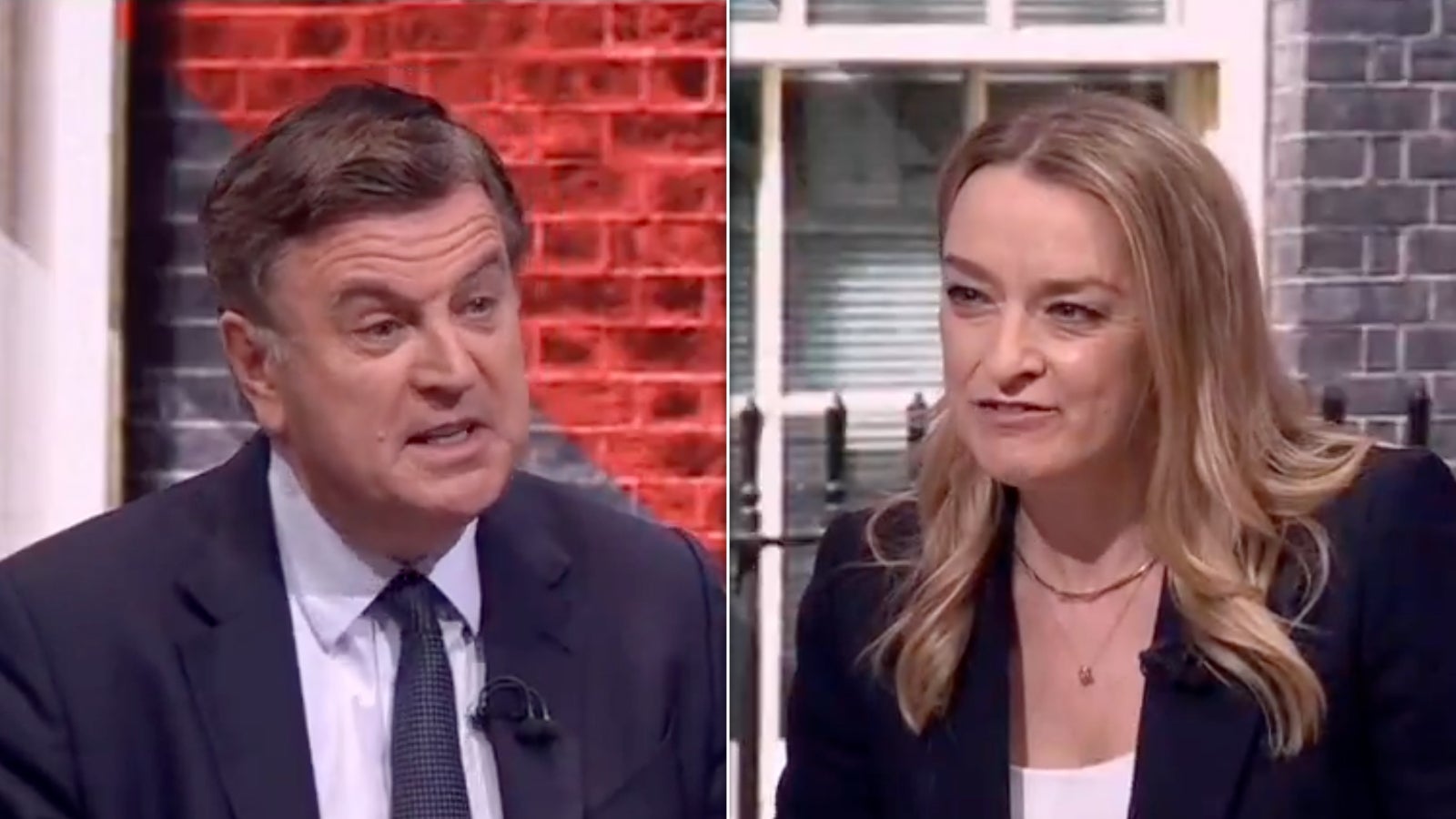
On her BBC show, Sunday with Laura Kuenssberg, the presenter asked shadow chancellor Mel Stride to defend the shocking performance.

But the Conservative MP deflected by talking about the Aberdeen South by-election result, where the Tories took a seat from the SNP last Thursday.

“First win in a by-election in Scotland since 1967,” he said. “It shows what good, clear, policy offering can deliver.”

He continued: “In Makerfield, that has been a Labour stronghold for about 100, 120, years. I think the big story was actually the weakness of Reform in the face of that challenge…”

“But in 2019, you got 34% of the vote in Makerfield,” Kuenssberg reminded him. “This time you got 2%.

“In those kinds of parts of the country, that suggests you’ve gone way back.

“A leader like Boris Johnson had a hope in those in kind of constituencies.

“Under Kemi Badenoch, it doesn’t seem like you do.”

He replied: “In 2019, we swept away a number of red wall seats and that was not one of them. That has been historically Labour and solidly Labour for a very long time.”

“So it’s OK that you got 997 voters, then?” Kuenssberg said.

But Stride replied by once again referring to Reform UK’s performance, insisting they were coming down in the polls.

“They’re not surging [in popularity] the way they were last year, but you don’t look competitive yet,” she replied.

Nigel Farage’s party has long tried to position itself as the real opposition to the government by displacing the Conservatives.

But Reform UK struggled to compete against Burnham in Makerfield, making it the third straight by-election loss for the party after separate contests in Gorton and Denton, and Caerphilly.

Listen to Commons People, the podcast that makes politics easy. Every week, Kevin Schofield and Kate Nicholson unpack the week’s biggest stories to keep you informed. Join us for straightforward analysis of what’s going on at Westminster.

Share Button

The Anti-Inflammatory Foods Rheumatologists Want You To Eat More Of

Chronic illness is a concern for many, especially those who struggle with arthritis, fibromyalgia, lupus or gout.

Help can be found from the medical specialty of rheumatology, which works to reduce inflammation, chronic pain and joint or organ damage.

Many rheumatologists take a holistic approach that includes medical and lifestyle solutions, so they have clear ideas about the role diet can play in their patients’ health.

While eating anti-inflammatory foods can help with some symptoms, experts we spoke with noted that there’s no single “magic” food to cure these diseases.

“One thing I really want people to hear is that in 99.9% of cases, nothing you ate or didn’t eat caused your autoimmune disease,” said Dr. Amanda Moyer, who practices adult and paediatric rheumatology at OU Health at the University of Oklahoma. “Likewise, there is no one special food that will cure it.”

“Diet is powerful, but it is not a magic on-off switch for autoimmunity,” Moyer said. “That doesn’t mean food doesn’t matter, because it impacts how you feel day-to-day, how your medications work, your weight, your heart health and long‑term risks of complications. But I don’t want patients carrying unnecessary guilt or being blamed for a disease process they did not create with their lunch.”

Here are some of the top foods these experts frequently recommend to patients.

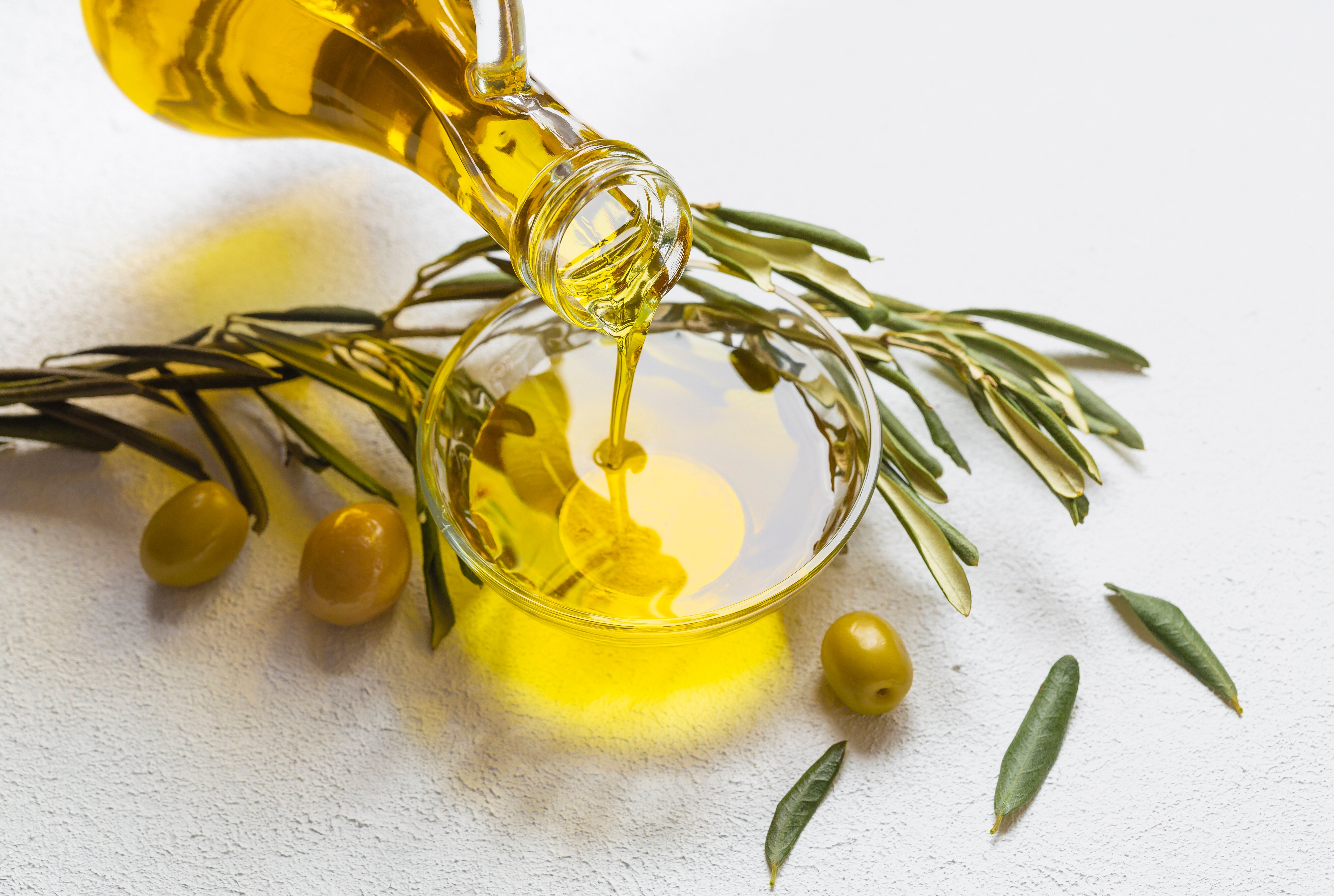
Olive oil contains oleocanthal, a natural compound that can lower inflammatory markers.

HakanEliacik / 500px via Getty Images

Olive oil contains oleocanthal, a natural compound that can lower inflammatory markers.

Olive oil has anti-inflammatory effects similar to ibuprofen

Dr. Kam Shojania is head of the rheumatology division at Vancouver General Hospital in Canada. He tells his patients to think of extra-virgin olive oil as a practical anti‑inflammatory staple to drizzle on food.

“People are shocked to learn olive oil contains oleocanthal, a natural compound that data has suggested can lower inflammatory markers and protect blood vessels,” he said.

“Oleocanthal has anti-inflammatory effects similar to ibuprofen. There’s also emerging research on its immune effects, including in inflammatory arthritis and lupus.”

Fatty fish has proven results for autoimmune disease

“The omega-3 fatty acids EPA and DHA have the strongest evidence of any single food intervention in rheumatology,” said Dr. Devon Charlton, a fellow in the American College of Rheumatology and director of rheumatology at the University of Pittsburgh Medical Center Regional Orthopedics.

“I recommend eating fatty fish like salmon, mackerel, sardines and anchovies two times per week.”

He cited a randomised, placebo-controlled trial of nearly 26,000 participants that concluded those who consumed 1 gram per day of EPA and DHA showed a 15% to 18% reduction in confirmed and probable autoimmune disease.

“It was an effect that grew stronger with longer duration of supplementation and persisted for two years after participants stopped taking it,” he said.

Fibremaxxing can help fight inflammation

Dr. Micah Yu is quadruple board-certified in rheumatology, internal medicine, integrative medicine and lifestyle medicine. He encourages his patients to increase their fibre intake whenever possible.

“Fibre helps lower inflammation, and can help reduce joint inflammation,” he said. “In addition, those who eat more fibre have been shown to have a lower weight, which can help with disease symptoms.”

Yu encourages his patients to seek out fibre from natural sources like beans, fruits, vegetables and other whole foods, not supplements.

Fermented foods support gut-based immune strength

If you check in Dr. Yoon Qiu’s refrigerator, you’d probably find a bag of cabbage and a few jars of fermented foods. The rheumatologist and assistant professor of medicine at Emory Healthcare is a big fan of cabbage, since this member of the brassica family contains sulforaphane, which is anti-inflammatory. Even better, Qiu said, “It lasts a long time in the fridge”.

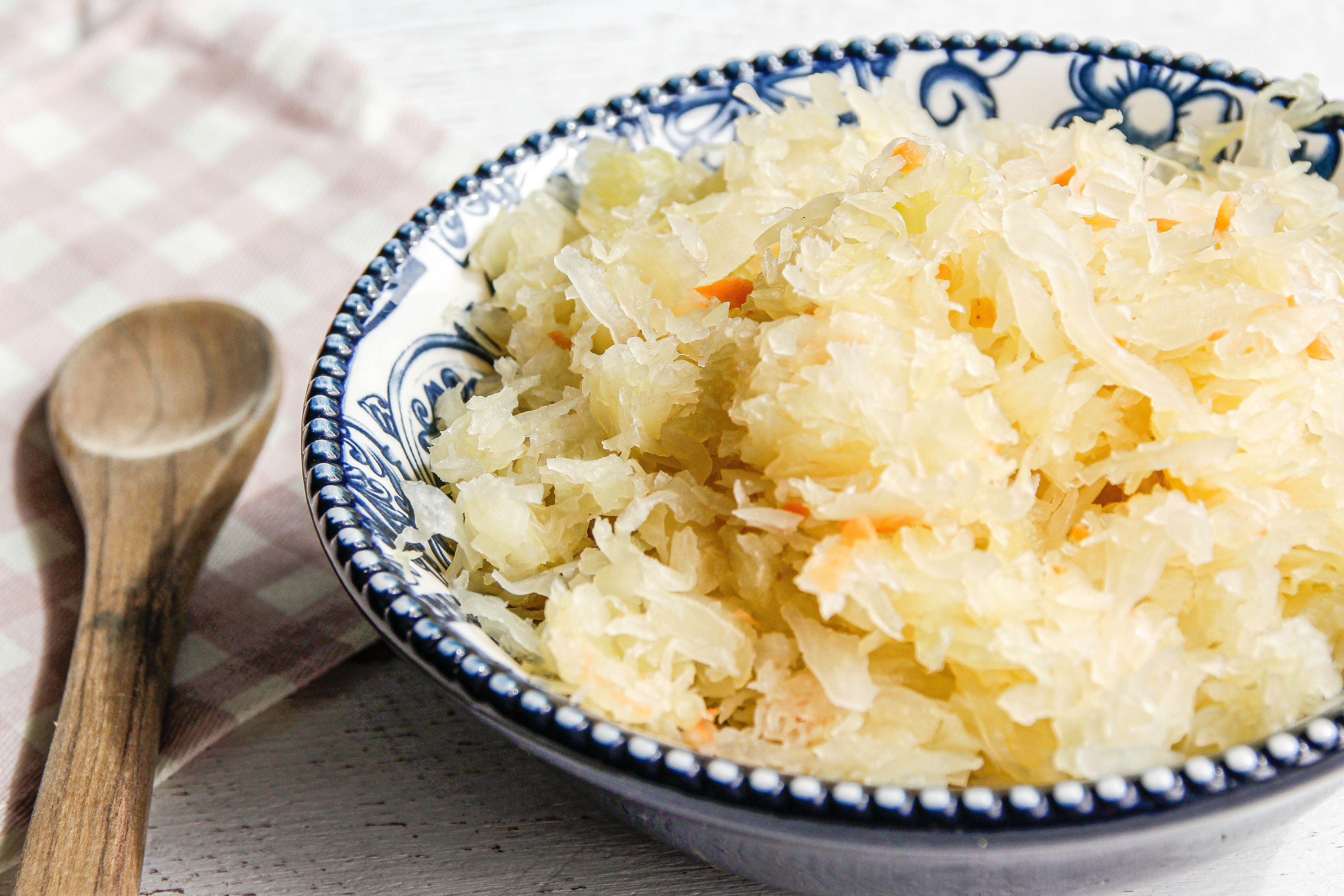
Even longer lasting, and possibly even more beneficial, can be fermented foods like kimchi or sauerkraut, which are both made with cabbage. “I recommend eating fermented foods to support the gut biome,” Qiu said.

Cabbage contains sulforaphane, which is anti-inflammatory.

Kinga Krzeminska via Getty Images

Cabbage contains sulforaphane, which is anti-inflammatory.

Since as much as 80% of your immune system lives in and around your gut, the gut microbiome is key for regulating immune responses.

Research has shown that a diet high in fermented foods increased microbiome diversity and decreased markers of inflammation, including several directly involved in autoimmune flares. Fermented diets outperformed high-fibre diets for inflammation reduction.

Nuts can calm inflammation

“If I had to pick one thing to put on every rheumatology patient’s grocery list, it would be a big bag of lightly seasoned nuts, like almonds,” Moyer said.

“They’re easy to snack on, provide protein, fibre and healthy fats, and they fit beautifully into the kind of eating pattern that helps calm inflammation,” she said.

“On a practical level, I like sustainable, not punitive, changes. I snack on nuts myself, especially almonds, and I’ll often grab a new flavour when I go to the store, as long as they aren’t sodium bombs.”

What you eat is just one part of your health story

Charlton often reminds his patients that food is an adjunctive, not primary, therapy. “If you’re on methotrexate, warfarin or other medications, discuss any significant dietary additions with your rheumatologist,” he said.

“Patients who stop disease-modifying antirheumatic drugs (DMARDs) or biologic medications in favor of dietary interventions risk irreversible joint damage, organ involvement or even death.”

“No one should be trading methotrexate (a drug that treats severe psoriasis and rheumatoid arthritis) for olive oil shots,” Shojania agreed.

“The sweet spot is evidence‑based medication plus a Mediterranean‑leaning eating pattern, ideally designed with a registered dietitian so it fits your culture, budget and real life.”

Finally, Moyer said it’s important to keep the big picture in mind: “My parting advice is to relax, focus on whole foods, mostly plants, with lean proteins and healthy fats, and to be cautious about expensive supplements. And when you do have that scoop of ice cream or piece of birthday cake, enjoy it. Then go back to your overall pattern, which is what really counts.”

Share Button

This Common Word Has A Christian Message Most People Don’t Know About

You probably say “goodbye” multiple times a day without thinking twice. It’s the way you bid farewell to a friend, partner, relative, coworker, etc. And the word is so ordinary that most people never consider where it actually came from.

As it turns out, its origins are religious.

″‘Goodbye’ began as ‘God be with ye,’ with the first sighting as early as 1565,” Madeline Enos, a language trends expert and communications manager at the language learning platform Preply, told HuffPost.

“Over time, the phrase shrank, the spelling changed, and the religious meaning faded. Today it’s one of the most common ways to end a conversation in English.”

That kind of shortening remains very common in English, noted Michael Adams, an English professor at Indiana University.

“To be honest, English speakers just like fewer syllables, so it’s very likely some sort of abbreviation will occur to some people – in this case, a way of saying it recognisably but more easily than ‘God be with you’ or ‘God be with ye,’” he explained.

Add in the “Great Vowel Shift” that occurred around the 15th and 16th centuries and you can see how the pronunciation of the English language changed over time as well.

“The English word is a contraction of ‘God be with ye,’ compressed over centuries of everyday use into something said entirely on autopilot,” said Noel Wolf, a linguist and cultural expert at the language learning platform Babbel. “The phrase passed through stages ― ‘God be with ye,’ then ‘godbwye,’ then ‘goodbye,’ each shortening a small act of erosion by daily use.”

One of the earliest written records of the word comes from 1573 in a letter by English writer and scholar Gabriel Harvey, who wrote: “To requite your gallonde [gallon] of godbwyes, I regive you a pottle [half-gallon] of howdyes.”

“It does remind us that these can be complicated issues, the way that sounds change and words are formed over centuries,” Adams said. “If you’re not paying attention, you can miss what makes a current word what it is. It’s never a static thing. And what’s interesting is now people think “goodbye” means “good wishes,” but really the ‘good’ comes from ‘God.’ The word ‘God’ was extended phonetically into ‘good.’”

He added that the phrase “God be with you” still exists – it has just become something separate from “goodbye” in people’s minds today.

“It is a neat illustration of how the language people use without thinking a dozen times a day can uncover history,” Wolf said. “Every time someone says goodbye, whether it be hanging up the phone, leaving the office, dropping kids at school gates, they are unwittingly invoking a 500-year-old blessing.”

Enos also pointed to goodbye as an example of the durability of history through language, even when people aren’t aware of the backstory.

“English speakers have been saying some version of ‘goodbye’ for more than 400 years,” she said. “Since then the word has survived religious upheaval, industrialisation, and the digital age. ‘Goodbye’ has withstood the test of time.”

Happy woman with disposable coffee cup waving while leaving cafe

Cavan Images via Getty Images

Happy woman with disposable coffee cup waving while leaving cafe

It’s not just in English where the word for farewell carries religious meaning.

″‘Goodbye’ in Romance languages is similar – ‘adieu’ comes from the French ‘à Dieu,’ meaning ‘to God,’” Enos explained. ”‘Vaya con Dios’ directly translates to ‘go with God’ in Spanish – it was just never contracted or secularised. It is fascinating to see languages arrive at the same idea, placing someone in the care of a higher power to remain safe when parting, very poetic.”

The Spanish adiós is the same as adieu, literally meaning “to God.” The goodbye salutations in other languages offer similar sentiments.

“Arabic ma’a salama means ‘go with peace,‘” Wolf said. “Hebrew ‘shalom’ – used for both greeting and farewell – carries the broader meaning of wholeness and harmony. The Japanese ‘oshare ni’, loosely ‘go well’, and the Swahili ‘kwaheri’, derived from the Arabic for ‘may you be well,’ echo the same impulse from entirely different linguistic traditions. The instinct to protect someone at the moment of parting appears to be close to universal.”

She emphasised this cross-cultural instinct to treat the moment of parting as something that requires a little more than simple small talk.

“Whether through religious commendation, a wish for safety or an expression of peace, languages have tended to load their farewells with their deepest values,” Wolf said. “The cosmologies that produced these words have largely faded. The words themselves have not.”

“Goodbye” is also not the only word in the English language with religious origins that many people aren’t aware of.

“Many everyday words began with religious meanings before gradually becoming secular,” Enos said. ”‘Holiday’ comes from ‘holy day.’ And ‘gossip’ originally referred to a godparent or close family friend, then extended to close family friend and eventually to someone who does idle talk, then the idle talk itself.”

Wolf gave the example of saying “bless you” after a sneeze, which many attribute to Pope Gregory I. During a plague, the religious leader supposedly encouraged Christians to respond to sneezes with genuine prayer – a tradition that deepened in subsequent health crises.

“Another interesting example is the word silly,” Wolf said. “In Old English, the term ‘silly’ originally meant ‘blessed,’ before drifting through ‘innocent’ and ‘deserving of pity’ on its journey to its current meaning. ‘Disaster’ carries the literal meaning of a bad alignment of the stars. The Italian equivalent, ‘disastro’, shares the same root, ‘dis’ meaning bad, ‘astro’ meaning star, as does the French ‘désastre’ – suggesting a shared ancient anxiety about the heavens governing human fate written across multiple languages simultaneously.”

Adams offered another fun example: the exclamation “Jiminy Cricket”.

“It’s a light euphemism that derives from words for Jesus Christ,” he explained. “It becomes a name for a cartoon cricket later, but at first, it was an exclamation that allowed people to not take the name of God in vain.”

Indeed, many connect “Jiminy Cricket” to the Italian “Gesù Cristo” and the Latin “Jesu Domine,” There was also the old-fashioned euphemism “criminy” and “gemini,” which are believed to have religious backstories.

So phrases like “Jiminy Cricket” evolved as a sort of linguistic loophole – much the same way ‘sugar’ became a stand-in for a different four-letter word, or ‘fudge’ for another…

“English is dense with this kind of residue,” Wolf said. “Centuries of religion, superstition and cultural encounter compressed into words that now simply mean whatever we need them to mean.”

Share Button

It’s Your Last Chance To Catch 8 Netflix Titles Leaving This June

Who doesn’t love a good Netflix binge of a weekend – even one as sunny as this one?

Whether it’s the just-dropped Harlan Coben drama critics say is “maddeningly watchable” or one of the suggestions from our list of the streamer’s brand-new June titles, there’s plenty of options to work through.

But if you’re finding it hard to choose, why not pick the movies and shows leaving the subscription service soon? After all, you won’t have a chance to do so again any time soon.

Here’s what’s on its way out in June 2026 from today on in the UK, per The Independent:

Leaving Saturday, 20 June

1) North Shore

Netflix's North Shore
Netflix’s North Shore

Netflix / ITV

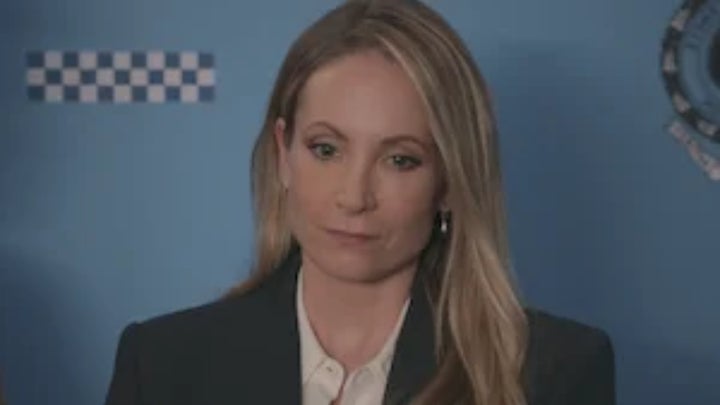
Starring Game of Thrones star John Bradley alongside Downtown Abbey’s Joanne Froggatt, the six-episode show’s synopsis reads: “When a UK minister’s daughter dies mysteriously in Sydney, a London detective must team up with his Australian counterpart to unravel the mystery.”

2) The Secret Agent

The Secret Agent
The Secret Agent

Netflix / BBC

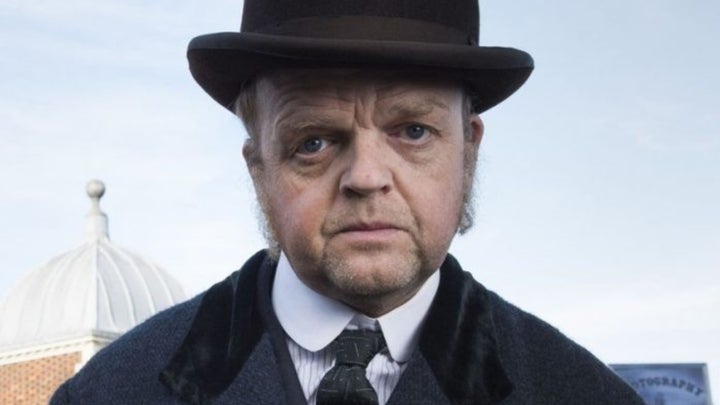
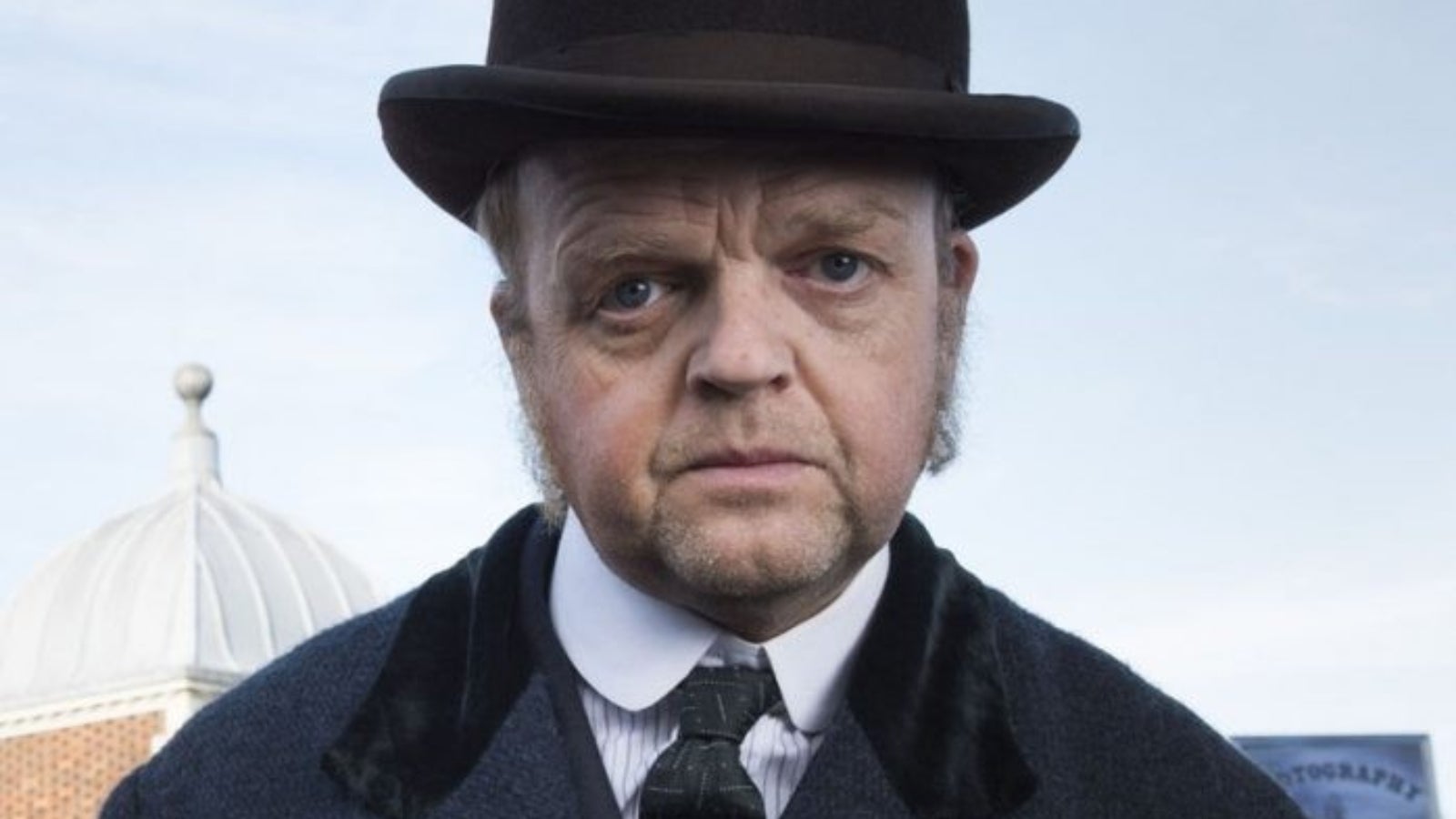
Toby Jones (Detectorists, The Hack), Vicky McClure (Line of Duty), and Stephen Graham (Adolescence, Boiling Point) lead this four-episode gem, which is set in Victorian London. “A shopkeeper who doubles as a spy for the Russian Embassy comes under pressure to commit an act of politically-motivated terrorism,” Netflix summarises the show.

3) Spirit: Stallion of the Cimmaron

Spirit: Stallion of the Cimmaron

Dreamworks / Netflix

Yes, that is *the* DreamWorks horse flick from your childhood we’re talking about. Its stellar cast includes Good Will Hunting’s Matt Damon and Succession’s James Cromwell.

Leaving Sunday, June 21

4) Love Is a Story

Love Is A Story
Love Is A Story

Netflix / Zazu Film

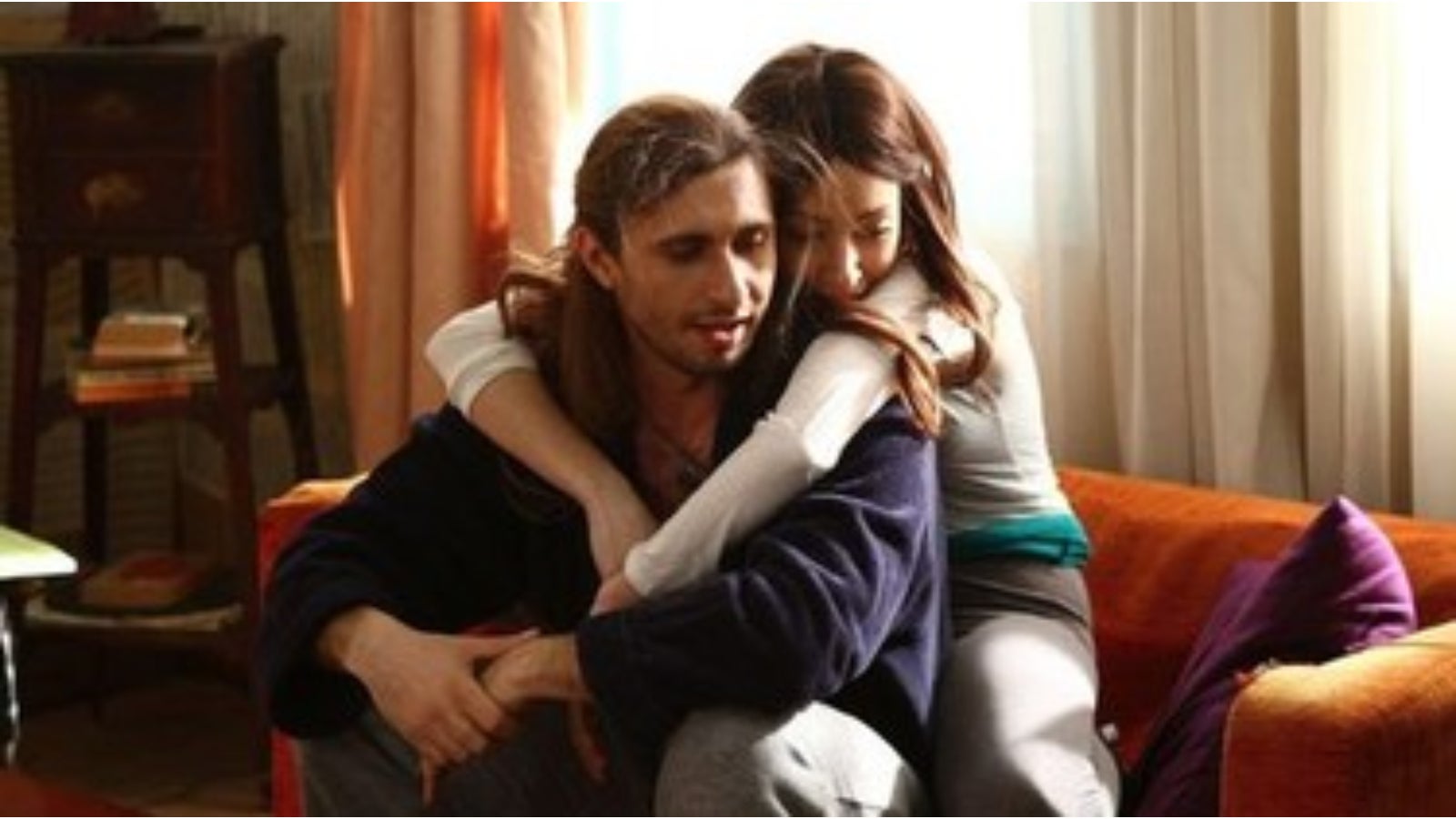
This Romanian rom-com focuses on “two young artists, a violin player and an actress, [who] fight to achieve their dreams and keep their relationship together during Christmastime.” It stars Raluca Aprodu, Dragoș Bucur, and Ducu Darie.

5) #Selfie

#Selfie
#Selfie

Netflix / Zazu Film

The Romanian coming-of age flick follows a group of teenage girls (Flavia Hojda, Crina Semciuc, Olimpia Melinte, and more) who flee pre-exam stress by going on a seaside adventure.

6) #Selfie 69

#Selfie69
#Selfie69

Netflix / Zazu Film

Another of the Romanian movie series is set to leave on the same day. This comedy is a sequel to #Seflie, with some familiar names in the cast list. It focuses on “a trio of party-loving friends [who] make a bet: who can get married in three days” after a breakup?

7) The Secret

The Secret
The Secret

ITV / Netflix

Based on a true story, this drama has a pretty juicy description: “A dentist and a Sunday school teacher begin a torrid extramarital affair that leads them to make a murderous pact.” Stars include James Nesbitt (Cold Feet), Genevieve O’Reilly (Andor), and Laura Pyper (Emma).

8) Who Are You: School 2015

Who Are You
Who Are You

KBS2 / Netflix

This 16-episode Korean school drama involves “a bullied high school orphan [who] finds herself in the place of an identical-looking girl who’s gone missing” after losing her memory. Cast members include Yook Sung-jae (The Golden Spoon) and Nam Joo-hyuk (The Great Battle).

Share Button

Putin ‘Physically Afraid Of His Own Army’ Returning Home If He Does Not Secure A Ukraine Victory

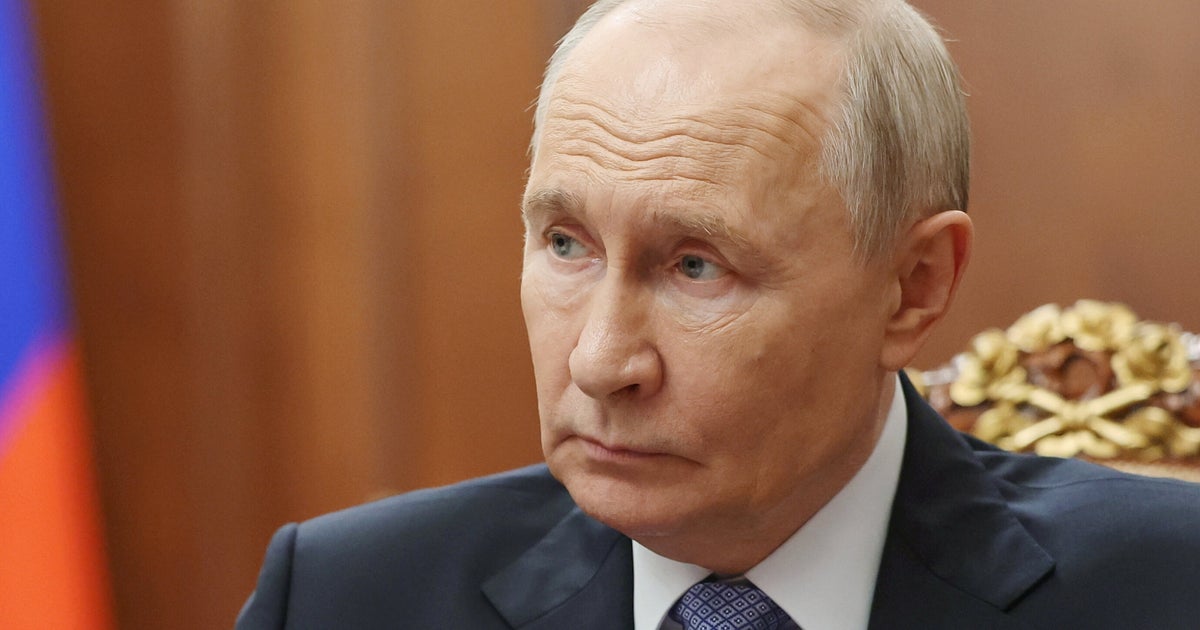
Vladimir Putin fears his own soldiers returning home if Russia does not manage to secure a victory against Ukraine, according to Volodymyr Zelenskyy.

The Ukrainian president claimed his Russian counterpart is “physically afraid of his own army” in a new post on X after the largest Ukrainian attack on Moscow since the start of the war in February 2022.

It comes amid reports Donald Trump may be looking to adopt a harder approach against Putin once again following a friendly G7 summit earlier this week.

Writing on X, Zelenskyy said: “There’s no doubt that Putin fears the return of his army home.

“That is why he is so afraid of the war ending without victory.

“And there will be no victory. He is physically afraid of his own army.”

The Russian president has repeatedly dragged his feet over peace negotiations to end his land grab in Ukraine, even when Trump forced Kyiv into making major concessions to the aggressor.

Now the US president has signalled that he will increase sanctions on the Russian oil trade again, a move which will hit the country’s economy.

That’s terrible news for Putin, who has forced his army on in Ukraine despite accumulating more than 1.2 million casualties – many more than Ukraine has endured.

Zelenskyy also said: “That is why, if there is no ceasefire backed by specific security guarantees, he will return to war. And this time, others may be the ones under attack.”

“Today, Ukraine is de facto the second army of Nato – one that is not inferior to the second army in the world,” he added.

“And that is why Nato needs us – specifically us – de jure. This is already a fact recognised by all leaders.

“Putin will remain in the Kremlin until his death, and he has one goal: the restoration of the Soviet Union.

“Without Ukraine, this is impossible, and that is why things are so difficult for us.”

Speaking after meeting senior EU leaders in Brussels, Zelenskyy said the bloc was looking to step up sanctions on Russia again.

He said: “Putin doesn’t want to stop, and all his talk about seeking peace is nothing but lies. All partners, all Europeans, feel this. But everyone is confident that together we will stop him.”

Listen to Commons People, the podcast that makes politics easy. Every week, Kevin Schofield and Kate Nicholson unpack the week’s biggest stories to keep you informed. Join us for straightforward analysis of what’s going on at Westminster.

Share Button

Richard Gadd Calls Half Man Scene The Best Thing He’s Ever Written

This article contains spoilers for Half Man.

It might have seemed like an impossible feat to top the award-winning Baby Reindeer, but Richard Gadd believes he’s done it with Half Man.

Speaking to the Radio Times in the lead-up to the release of his latest TV offering earlier this year, Richard was asked what he thought was the best scene he’d ever written.

Initially, he admitted that due to his “self flagellating” personality, his instinct is to praise the “scenes that had to be cut”.

“I sometimes go to them because I think I’ve convinced myself that they were sort of ‘the one’,” he claimed.

But, out of everything that did make the final cut, he settled on one scene in particular as his favourite.

“Potentially the best one I’ve ever written, although it’s so hard to say that, because it’s all kind of speculative and contextual, is maybe the final scene between the two of them when they’re talking face to face,” he explained.

In Half Man, Richard plays the violent yet loyal Ruben, a man who has a toxic relationship with his “brother”, the meek and mild-mannered Niall, played by Jamie Bell.

In a brutal final scene between the two pseudo-brothers, Niall visits Ruben in jail, and finally comes out to him.

Niall visiting Ruben in prison in the sixth episode of Half Man

BBC/Mam Tor Productions/Anne Binckenbank

Ruben is surprisingly accepting of the revelation, admitting he had been anticipating the conversation.

“You’ve wasted your whole life dancing to other people’s tunes, but you’ve never had the rhythm,” Richard’s character says.

The moment is notable because it finally lets Niall see Ruben for who he really is, beneath his anger, and helps Niall realise that much of the homophobia in his life had been internal, and not due to his surroundings.

Last month, Richard broke the scene down to Time magazine, claiming: “What Ruben essentially says to him there is, ‘you’ve always been an individual, and you should have been proud of that. You’ve wasted your whole life trying to be a sheep, trying to blend in with the nine-to-fivers, the straight guys, and the heterosexual couples, but you’ve never had the rhythm. You’ve always been separate from that’.”

During that emotional final showdown between the two men, Ruben also discloses that he had been sexually abused as a child by his father, telling Niall that “in a lot of ways, it’s the closest I’ve ever been with someone”.

Richard told Time: “That line speaks to the way he felt he was too innocent to know any better, and ever since that moment, he’s built this kind of prison of defensiveness around himself.

“There was a freedom taken from him in that moment, and his life changed.”

He added: “Until he breaks down with Niall, he’d never allowed himself to feel vulnerable. His best form of defence is always attack. He’s built a life around trying to make up for this thing that happened to him, which he sees, wrongly, as a dent to his character.”

Elsewhere in his Radio Times interview, Richard also revealed he came up with the idea for Half Man before making Baby Reindeer, admitting he couldn’t “shake” off the concept.

“It stayed with me,” he recalled. “And it stayed with me all the way through Baby Reindeer and I would always be, ‘Oh, please, can it still be there the other side?’ Because I knew the BBC was interested, and I really wanted to do it with the Beeb. And I just would always hope and pray it was still there. And, luckily, it was.”

Half Man is available to watch on BBC iPlayer now.

Share Button

Clarkson’s Farm Co-Star Shares Update On Jeremy Clarkson’s Health

The former Top Gear host said: “the prostate, 10% of it’s dead… the 10% where the cancer is”. He said that the cancer had been caught early.

The episodes also revealed Jeremy sitting on a hospital bed, stating some of the treatment had gone “awry”. In the footage, he added, “I’m going to be here for a little while. I don’t know what’s going to happen.

“What I wanted to say was if this is all successful, I’ll see you in season six, and if it isn’t, I won’t… Take care, everyone.”

Since then, Clarkson’s Farm co-star Kaleb Cooper has given fans an update.

Speaking to the Daily Mail in an exclusive, he said: “The spirits are high, which is good”.

He added, “If anything like this happens to any of your friends and you just said to my best mate, you’ve gotta be supported through that whole journey.

“And that’s where I’ve been, I’ve been right by his side and his spirits are really good, so thank you… He’s strong-minded, he’s got a strong mind on him, which is good.”

The 66-year-old has received a lot of well wishes, including from Piers Morgan, with whom he has shared a tumultuous relationship.

In an X post, Piers said: “I was surprised when Jeremy Clarkson texted me on Boxing Day to say how much he liked my… ad urging men to get tested for prostate cancer. Now I understand. I wish my old sparring partner all the best with his treatment. Guys, have a PSA [Prostate-Specific Antigen] test, it may save your life.”

In the past, Clarkson told The Times, that he regularly gets checked for the disease. He said he’d seen “too many friends go down with prostate cancer”, adding, “all it takes is a moment or two” to see how you’re doing.

Kaleb had a similar message in the Daily Mail interview.

“Catching anything early is quite important,” he said.

“That’s the main thing, but you’ve gotta keep checking. People can sit there and say I’m busy, busy, busy,” the farmer and author continued.

“But actually sometimes you’ve gotta go, I’m gonna just have to check and see if I’m okay.”

Share Button