Protein Overload Might Be Sabotaging Your Hair Goals. Here’s What To Look Out For

If protein is a building block of hair, it can only be a good thing to load up on lots of products that contain protein, right?

Popular hair repair options these days include keratin, collagen, peptides and bond-building complexes that claim to improve the health of your hair. But don’t load up on them too fast…

While protein helps maintain strong, healthy hair, strands can actually become stiff and brittle when topically applied protein builds up faster than hair can handle it, leading to breakage, frizz and tangling.

Here, experts explain what protein overload is, how to spot it in your hair and how to rebalance your routine.

Why too much protein can backfire

Protein is made primarily of keratin, which gives each strand of hair strength and structure. Bonds, also known as crosslinks, between keratin chains within the hair allow it to stretch.

“Healthy hair is the state where this protein matrix and its crosslinks are intact enough that fibres resist traction, yet still show good elastic return and cosmetic shine,” explained Caroline Ruggiero, a certified trichologist and CEO at Truly You Hair & Scalp Clinic in Mississauga, Ontario.

But when protein-based shampoos, conditioners, masks and styling products – which are often marketed as strengthening or repairing – are layered too frequently, the result can be protein overload.

“Like anything, more isn’t always better,” said Emmanuel Mroczka, a trichologist and co-owner at The Hair & Scalp Specialists in Fairview Park, Ohio. “Hair impacted by protein overload typically feels stiff or straw-like, rough even after conditioning, prone to tangling and static and brittle – snapping easily instead of stretching.”

When protein-based shampoos, conditioners, masks and styling products are layered too frequently, the result can be protein overload.

Boy_Anupong via Getty Images

When protein-based shampoos, conditioners, masks and styling products are layered too frequently, the result can be protein overload.

He adds that breakage also often appears in areas that typically remain intact, such as closer to the scalp or around the crown, because the hair has lost elasticity from root to tip.

Protein overload can closely resemble simple dryness, but the key difference is elasticity. “Dry hair often softens with moisture and still has some stretch. Hair affected by excess protein tends to feel rigid and snaps easily, even after conditioning,” Mroczka said, noting that an easy at-home test is to gently stretch a damp strand.

Healthy hair should have a little give and bounce back, and knowing the difference can help you choose the right treatment and avoid overcorrecting.

Why hair absorbs too much protein

Chemical treatments, like bleach, relaxers, perms and repeated colouring, along with heat styling and UV or pollution exposure, can damage the hair cuticle, which is the protective outer layer, and increase shaft porosity.

“When the cuticle is disrupted, hair loses internal proteins and lipids, the cortex becomes more exposed, which causes more hair porosity,” explained board-certified dermatologist and hair transplant surgeon Dr. Divya Shokeen, noting that this is why hair absorbs products more aggressively, making protein buildup more likely.

When hair feels damaged, reaching for protein-repair products is a common instinct. While the ingredients in protein-forward products, such as hydrolysed keratin, collagen, amino acids, keratin peptides and bond-building complexes, aren’t inherently harmful, Shokeen notes that the real risk lies in overcorrecting.

“Damaged hair needs a balance of protein, moisture and lipids, not just high-protein products alone,” Shokeen said. Repeated use of protein-heavy treatments, especially layered in the same routine and paired with infrequent washing, can leave already fragile strands feeling even more brittle.

“Clinical rule of thumb: the more styling layers used, the more important periodic clarifying washes become,” Shokeen said.

How protein overload affects your hair

Protein overload doesn’t typically stop hair growth at the follicle, but it can affect how long and full your hair looks by increasing brittleness and breakage. “If protein-based products are applied directly to the scalp, which, like conditioner, generally isn’t recommended, they can contribute to buildup and irritation around the follicle,” Mroczka said. “Over time, chronic scalp irritation or inflammation can interfere with a healthy growth environment.”

It can also blur the line between shedding and breakage. “Many people think they’re shedding excessively, when in reality they’re experiencing mid-shaft breakage that appears as shorter hairs,” Mroczka said, noting that the typical daily hair shedding is around 80 to 100 strands as part of the natural growth cycle.

“When protein overload is present, breakage often layers on top of this normal shedding, making hair loss feel more dramatic than it actually is.” The good news is that this is often fixable once the routine is rebalanced.

Hair types that are most vulnerable

Fine, chemically treated and low-density hair are especially prone to protein overload. Shokeen said fine strands have less inherent strength and a smaller shaft diameter, which limits flexibility, so protein-heavy products can quickly cause stiffness and breakage.

Porosity also matters. High-porosity hair absorbs protein quickly, due to gaps or damage in the cuticle, making overload likely. This hair type benefits from occasional protein paired with consistent moisture and lipid support. Low-porosity hair, with a tightly closed cuticle, resists absorption. Protein often sits on the surface, causing coating, stiffness and dryness. “Low-porosity hair usually does better with lighter hydrolysed proteins or minimal protein use,” Shokeen said.

Because the ideal frequency of protein treatments depends on both your hair type and the specific formula, experts recommend following label directions closely for best results. “In general, I recommend intervals. For instance, one month on and three months off,” Ruggiero said. “More is not more.”

How to reset your routine

“First, pause all protein-based products, including conditioners, masks, leave-ins and styling treatments labelled ‘repair,’ ‘strengthening’ or ‘bond-building,’” Mroczka said, noting that in some cases, this may also include protein-heavy shampoos.

Next, switch to a hydrating shampoo. Gently cleanse the scalp, letting the lather rinse through the lengths without aggressive scrubbing, and follow with a moisturising conditioner to improve slip and flexibility. “A lightweight hydrating or conditioning spray throughout the day can help support moisture, especially on dry ends,” he added.

If buildup is present, a clarifying shampoo can help, but no more than once every other week. “These formulas use stronger cleansers, and overuse can strip natural oils and worsen dryness or irritation,” Mroczka noted. During this reset, limit heat styling and chemical treatments for a few weeks to allow elasticity to recover.

“Once hair begins to feel softer and more flexible again, protein can be slowly reintroduced,” Mroczka advised. “Balance is the goal, not eliminating protein entirely.”

Share Button

The Other Bennet Sister: Why Austen Readers Should Watch The BBC Hit

Additional comment from Dr Shelley Galpin, a lecturer in Media, Culture, and Creative Industries at King’s College London.

Adapting a book for a TV show or movie means some readers are sure to be disappointed (take, for instance, Emerald Fennell’s controversial Wuthering Heights).

The BBC’s The Other Bennet Sister is no exception. Focused on Mary, the largely forgotten sibling in Jane Austen’s Pride and Prejudice, the series takes significant enough liberties with the author’s original work for some readers to dub it “fanfic”.

Personally, I’ve never seen that as much of an insult (what are Clueless or Bridget Jones if not very well-done Austen fan fictions?).

If anything, though it has its flaws, I think The Other Bennet Sister is a fun, highly watchable series that fits as neatly into the book’s premise as a mid-2020s TV show can.

It’s not the best screenwriting, I grant you. But the 1940 Pride and Prejudice film adaptation, which included the lines “At this moment, it’s difficult to believe that you’re so proud.” “At this moment, it’s difficult to believe that you are so prejudiced”, made a (clunky) point.

The book is all about how we see and unfairly judge one another, including as a reader. And speaking to HuffPost UK, media, culture, and creative industries lecturer Dr Shelley Galpin said, “The [BBC] series works well as a development of those ideas”.

Of course, Lizzie misunderstands Mr Darcy and Wickham in turns, and Mr Darcy is unkindly snobbish about the Bennets.

But we know that because Austen explicitly paints the picture for us. Her real art is in making us question the characters the book itself portrays negatively: if Mrs Bennet is so irrational and silly, how come the far better-off Mr Bennet married her – and why do some of her schemes, like sending a rain-sodden Jane off to sneeze over the nearest herd of poshies, kind of work out?

Why didn’t Lizzie, or most readers, trust Charlotte Lucas when she (rightly) said Mr Collins was perfect for many of her needs?

Not to pummel the remains of a long-dead horse further into the ground here, but the book makes us ask: were we proud, or prejudiced, when we read it?

The Other Bennet Sister

I was pleased to see that the Richared E. Grant Mr Bennet’s head-in-the-sand approach to raising children is a lot more explicit than in, say, the 2005 film (even if Mrs Bennet, played by Ruth Jones, is more flatly harsh – both Dr Galpin and I felt the speech she gives at the end of the show was not quite enough to redeem her being “such a nightmare” the rest of the time).

Other characters were reframed, too.

“I definitely felt that some of the more irritating or comic character elements were softened a little [in The Other Bennet Sister] – Mary and Mr Collins were both a little less ‘preachy’ and lacking in social awareness than in their original iterations, so I felt that some artistic license was taken with the characterisation, but this is perhaps consistent with the show centring on Mary’s view of the world more,” said Dr Galpin.

“I… liked the slight rehabilitation of Mr Collins, who is, at the end of the day, trying to do the right thing, even if he is far from the ideal romantic hero.”

Mary, whom I always saw as quite similar to the shy, bookish, devout Fanny Price protagonist in Mansfield Park, was well overdue for a similar reinterpetation, though Dr Galpin pointed out that her TV self might be closer to the original novel than I realised.

“It struck me as I watched it that Mary is essentially playing the ‘Lizzie’ role from P&P. In Austen’s novel, Lizzie is supposed to be a little awkward and lacking in social niceties (in comparison to perfect Jane!) and less attractive than her sister.

“She also continually irritates her mother by making supposedly imprudent marriage choices. Mary essentially steps into this persona in the series. The rivalry with Caroline Bingley also echoes Lizzie’s role in the original novel,” she said.

So, when the BBC show depicts Mary as strong-willed, ambitious, self-aware, and bloomingly confident once she reaches London, it’s not a correction of Jane Austen’s book but a natural extension of it.

It makes as much sense as a spin-off TV series as Mr Collins’ (relatively) successful marriage, or Caroline Bingley’s genuinely well-meaning Wickham warning, do in the novel; not what we were led to expect initially, but hey, what sucker doesn’t question their first impression?

That’s Austen, baby – and in my opinion, the witty, touching, and fun BBC adaptation has bottled it perfectly.

Share Button

Starmer’s Brexit Gamble: Will Labour Pay The Price For PM’s Desire For Closer EU Ties?

Keir Starmer loves the European Union. It is not controversial to point this out.

Few, if any, MPs did more to overturn the result of the 2016 Brexit referendum than the member for Holborn and St. Pancras.

As Labour’s shadow Brexit secretary, Starmer led the charge – often against intense resistance from his own party colleagues – for a second referendum, and made no secret of the fact he would campaign to stay in the EU if it ever happened.

In the end, Jeremy Corbyn’s decision to support Boris Johnson’s call for a snap election in 2019 put paid to Starmer’s dream.

Johnson won a landslide victory and took the UK out of the bloc on January 31, 2020.

This neatly coincided with the Labour leadership contest, which Starmer won with a promise to “defend free movement as we leave the EU”.

That pledge, alongside the other nine he made during that campaign, were all quickly ditched once he was in post.

Indeed, the return of free movement remains a “red line” the government says it will not cross, alongside a return to the EU’s single market and customs union.

These positions were seen as a tactical necessity ahead of the 2024 election, for fear of angering the millions of previously-Labour voters who backed Brexit in 2016 and then Johnson’s Tories three years later.

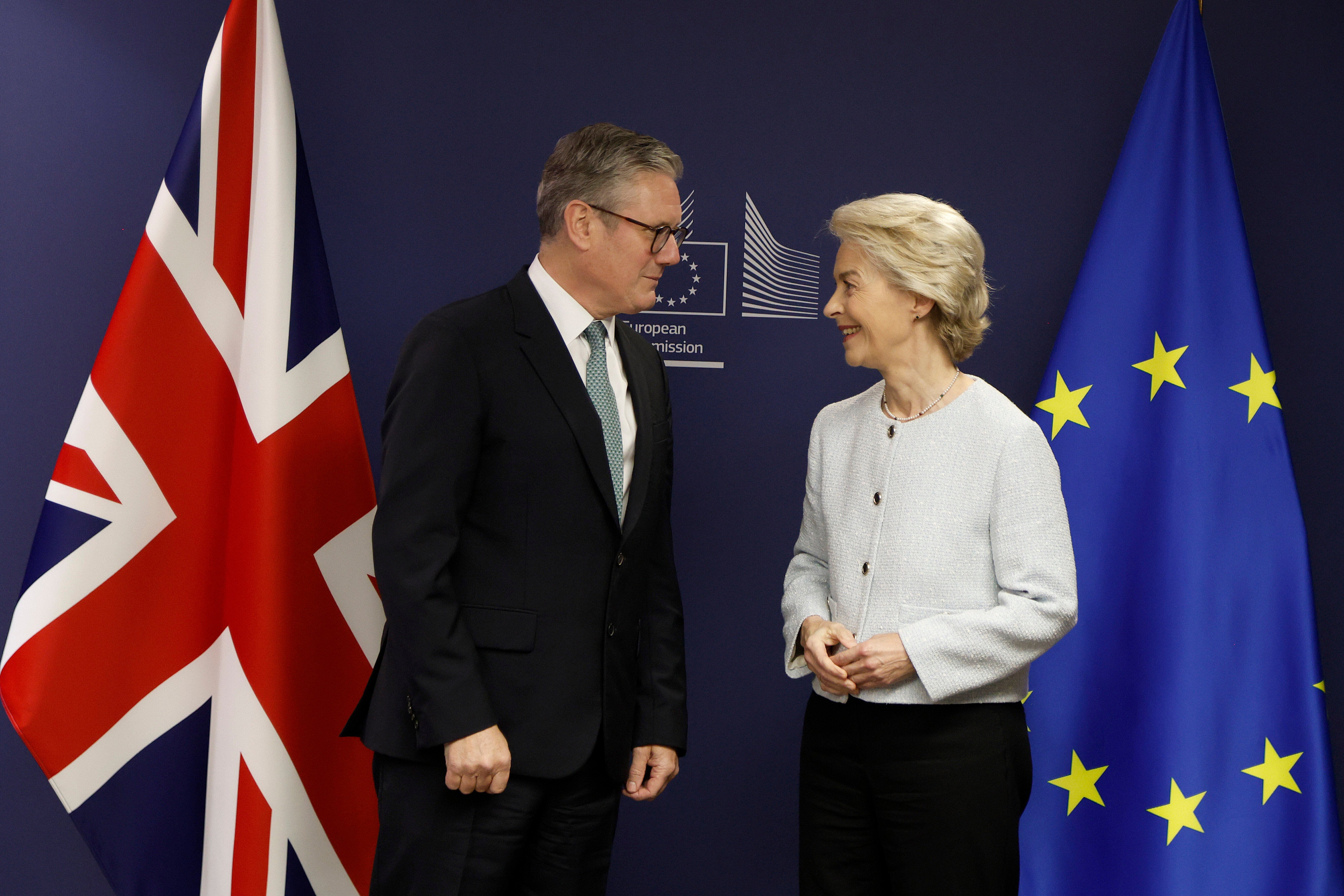
Nevertheless, the prime minister and other senior government figures now feel emboldened enough to criticise Brexit and openly talk about seeking closer ties with the EU.

On Wednesday, Starmer was unequivocal.

Brexit “did deep damage to our economy”, the PM said, adding that the economic turmoil caused by the Iran war meant “the opportunities to strengthen our security and cut the cost of living…. are simply too big to ignore”.

Donald Trump’s relentless attacks on the UK, and Starmer, have weakened the trans-Atlantic alliance, giving Starmer more political cover to pursue a deeper relationship with Brussels.

“It is increasingly clear that as the world continues down this volatile path, our long-term national interest requires closer partnership with our allies in Europe and with the European Union,” he said.

His comments echo those of Rachel Reeves, who set out her aim of “breaking down trade barriers and deepening alliances with our European partners” as she delivered the Spring Statement a month ago.

Negotiations between the UK and EU are already taking place on youth mobility, food and drink, and the emissions trading scheme, with agreement set to be reached in time for a summit to be held in the summer.

A government source said: “The lightbulb moment happened for Europe with Trump’s Greenland stuff. He wound up the Danes and all of us with that stuff. Iran has made it all the more prescient.

“It gives us an opportunity to step up a programme that will help resilience across the EU, but which will also be in the UK national interest and benefit Britain.”

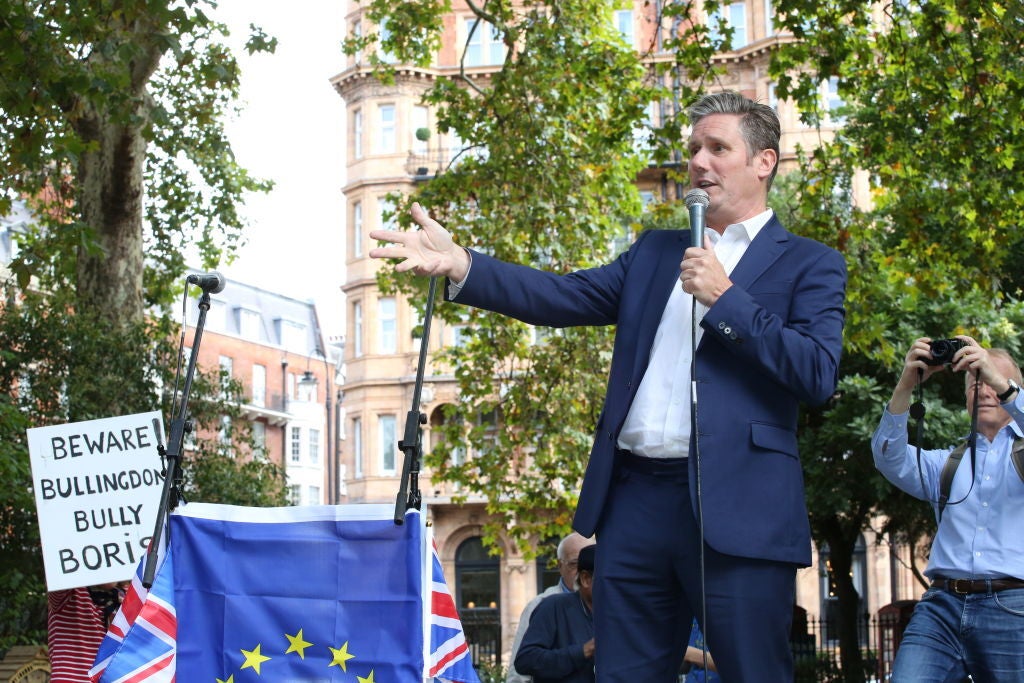
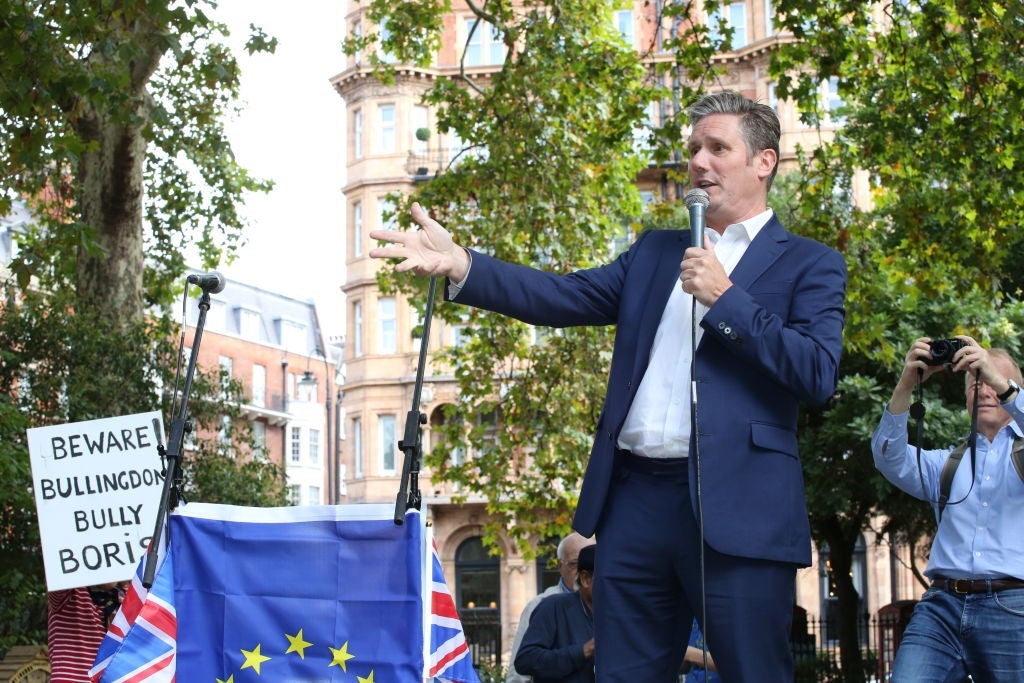
Keir Starmer speaking at the Russell Square Rally against Brexit on August 31, 2019.

Nicola Tree via Getty Images

However, some in Labour believe the race to improve relations with the EU could come at a political cost, with the elections on May barely a month away.

One senior party figure told HuffPost UK: “I can see this appearing on every Reform leaflet in the country.

“Why do it about a week or two before the postal votes go out? Election day is not on May 7, it’s in a couple of weeks time when the postal votes go out, and all the Reform Facebook groups will be featuring this strongly.”

But a government insider rejected the suggestion that voters will seek to punish Labour for trying to cosy up to the EU.

“What we’ve tried to do since the general election is take voters on a bit of a journey and show that we are making deals that help our economy while still being true to spirit of Brexit.

“We’re sticking to our red lines on the single market and customs union, and getting a bespoke relationship with the EU while making use of our Brexit freedoms as well.

“People are not happy with the deal Johnson agreed, and can can make that link between issues at the border and prices on the shelves.

“People want to see the UK to go out and make deals with the EU while sticking to our red lines. Voters have moved on from 2016, they don’t want to relitigate the Brexit debate all over again.”

This view was supported by one Labour MP, who said: “Brexit was ten years ago. The government’s been firm in its EU red lines and is doing nothing which would undermine them.

“It’s the cost of living, precipitated by Trump’s war on Iran, which is fore of people’s minds. Set against the backdrop of increasing global uncertainty, striking a closer relationship with the EU is all the more important if it can bring down the cost of the weekly shop and reduce barriers for British businesses.”

Unsurprisingly, Reform UK have sought to capitalise, accusing the PM of betraying the 2016 result.

Deputy leader Richard Tice said it was “ludicrous” to suggest Britain should have closer ties to “a failing economic bloc that also has a long track record of failing to invest in defence”.

But Nick Thomas-Symonds, the Cabinet Office minister leading the EU negotiations told HuffPost UK: “Reform is betraying the future of young Brits.

Between Robert Jenrick axing EU travel for young people and Farage shredding trade deals, they’d rather pick a fight with Europe than protect people’s household finances.

“They’re obsessed with a harder Brexit that hits every household with a massive paperwork tax.”

Subscribe to Commons People, the podcast that makes politics easy. Every week, Kevin Schofield and Kate Nicholson unpack the week’s biggest stories to keep you informed. Join us for straightforward analysis of what’s going on at Westminster.

Share Button

All The Signs Your Garden Has A Hedgehog (And What To Do Next)

Some experts advise against cutting hedges between March and September, as that’s when birds are busy building their nests and raising their chicks.

But Andy Simms from MyBuilder.com, which is running a Help the Hedgehogs campaign, pointed out that we need to look out for other little critters too.

“The winter season is well and truly over, so, understandably, millions of Brits will be starting to think of garden tasks they can complete now ahead of summer. But it’s not just us that might be outside, hedgehogs may be, too, and they’re not always easy to spot,” he said.

How can I tell if I have hedgehogs in my garden?

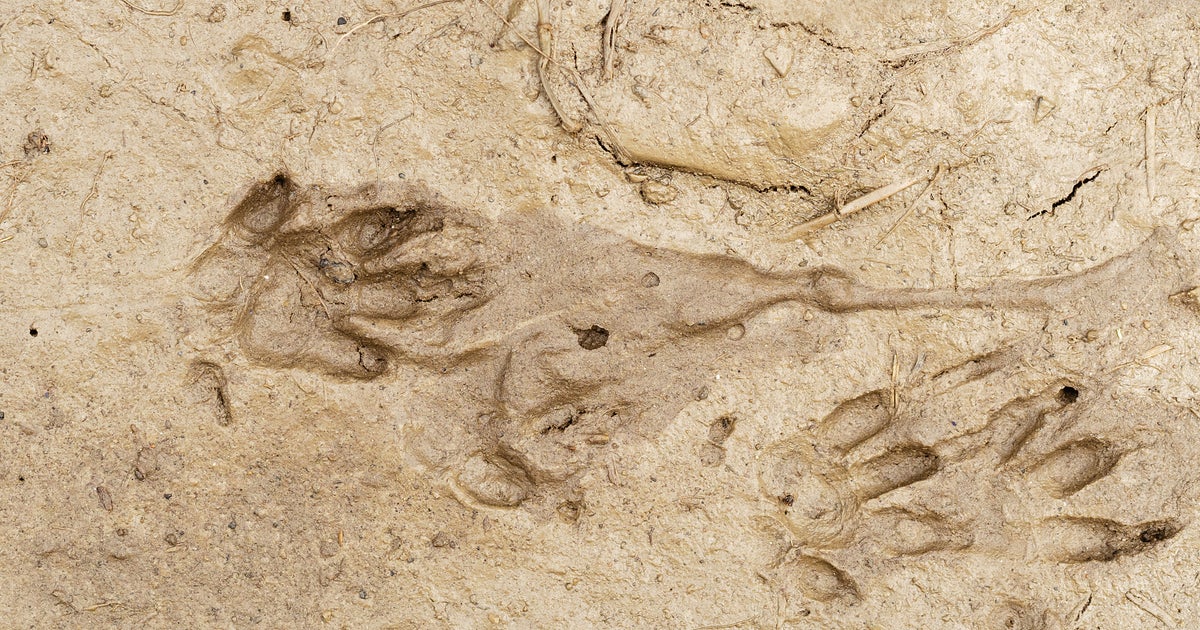
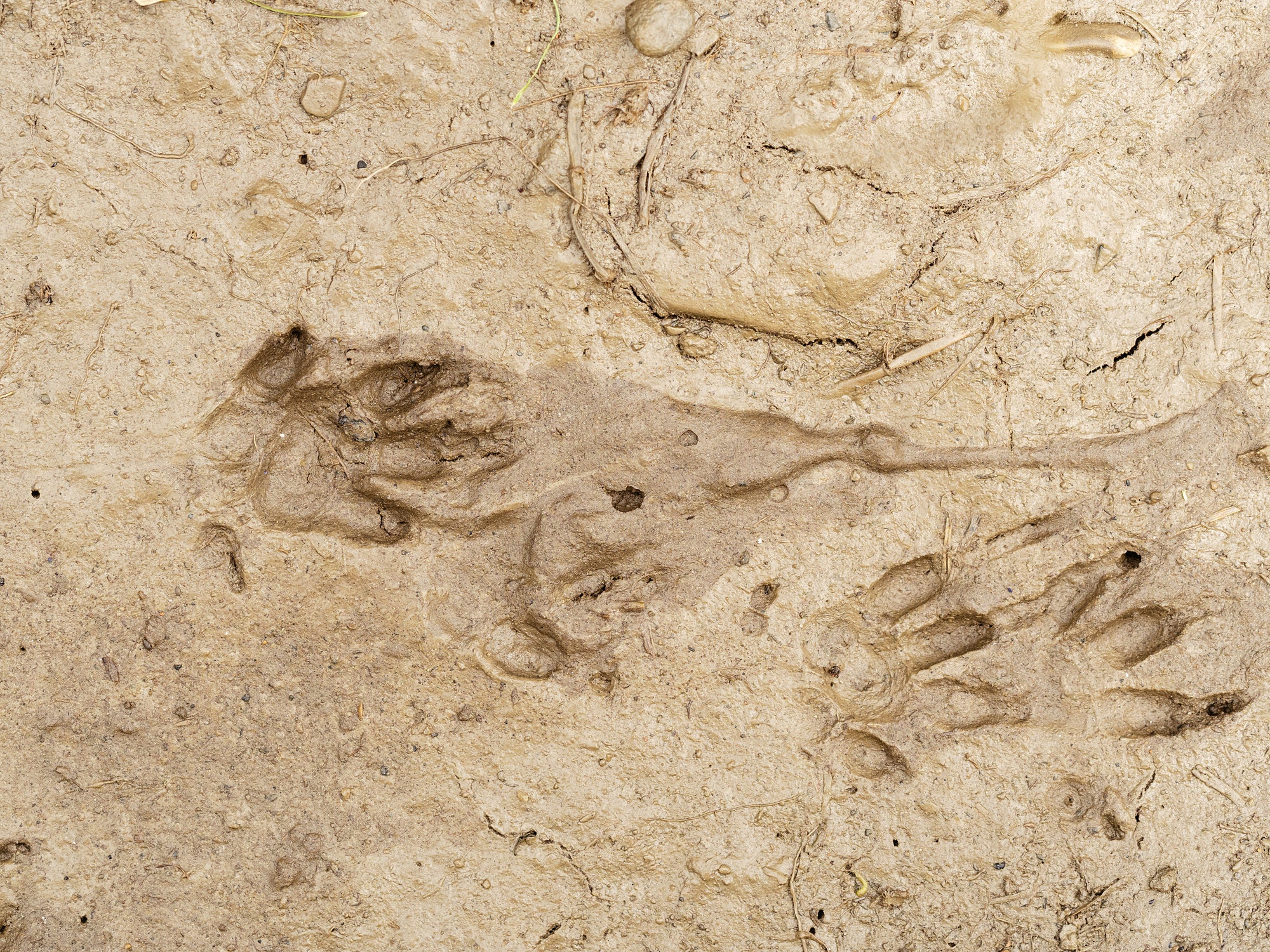
“There are signs to watch out for, such as small, black droppings, tiny hand-like footprints in mud, and loud grunting noises, particularly at night. If you notice any of these, you may have one of these small creatures in your garden,” Simms shared.

Hedgehog poop is typically 1-1.5cm long and often has shiny insect remains in it.

Hedgehog Street has a postcode tool that can tell you if people have reported hedgehogs near you, too (hedgehogs can travel further than you think at night).

You should always check these signs before beginning any gardening task, be it mowing, pruning, or planting, Simms added.

And don’t forget to look in any garden drains from time to time, as hedgehogs can fall in these and get stuck.

Hedgehogs are seriously struggling in the UK

Sadly, these measures are necessary as hedgehog numbers have fallen by 30% in urban areas and 50% in rural ones since 2000.

“If you would like to help protect hedgehogs, there are jobs you can do, such as leaving some areas in your garden wild… or even building a hedgehog home,” Simms said.

Collecting nesting materials like logs and leaves, providing clean drinking water, and avoiding the use of slug pellets can all help, DEFRA shared on the government’s site.

Share Button

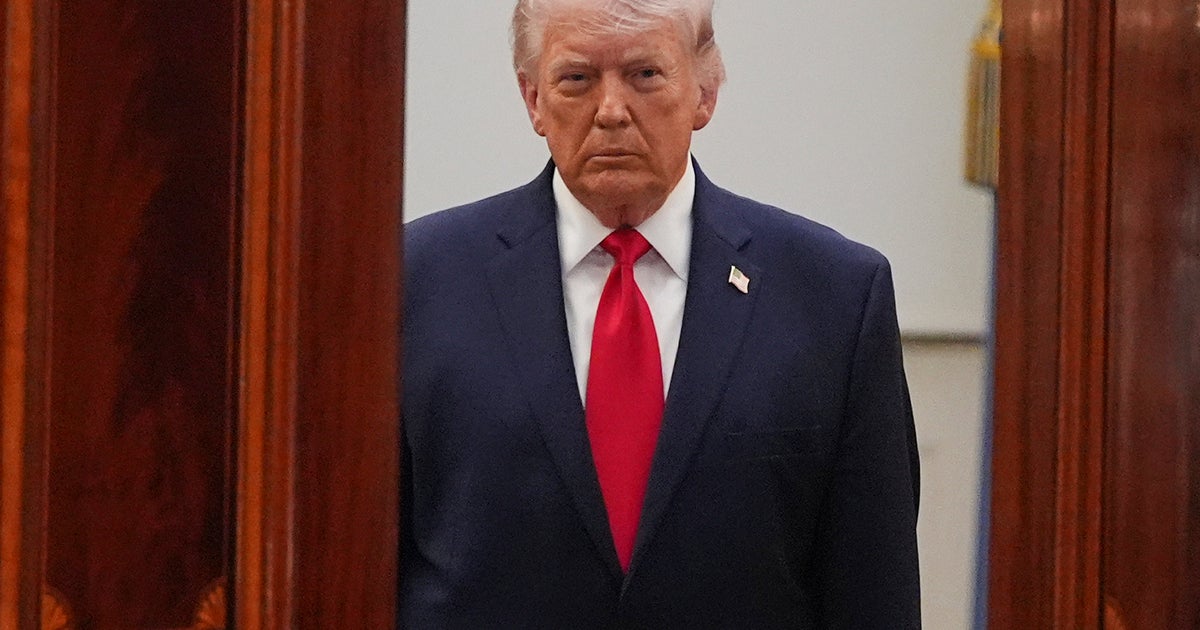
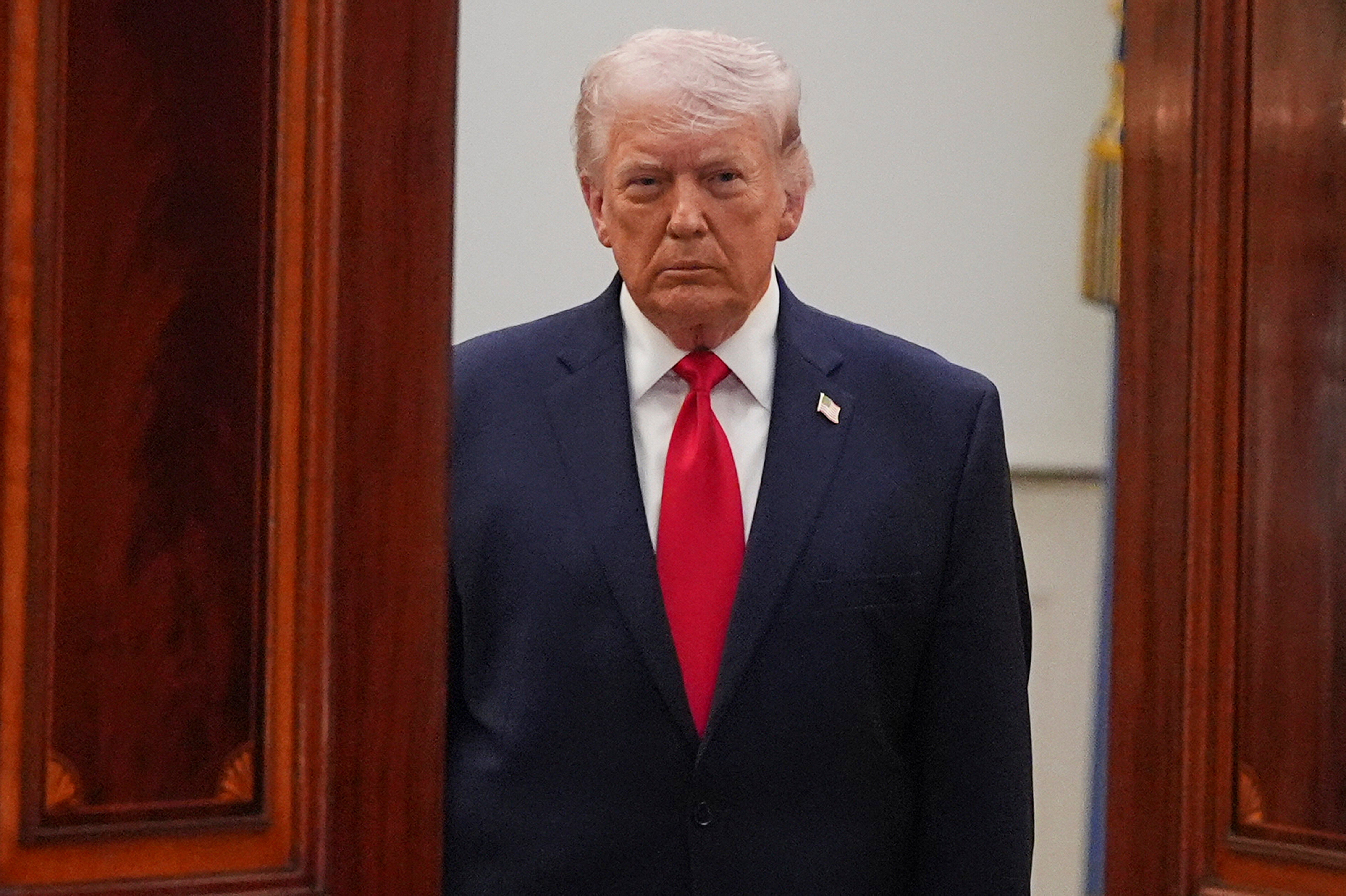
‘Those Are War Crimes’: United Nations Chief Condemns Trump’s Latest Iran Threats

A senior United Nations officials has warned Donald Trump that targeting key civilian infrastructure in Iran would be “war crimes”.

The US president said bridges and power plants could be destroyed unless the regime in Tehran agrees a peace deal to end the conflict.

His comments, in a post on Truth Social, came nearly five weeks after the war began with a wave of Israeli and US strikes.

Trump said: “Our Military, the greatest and most powerful (by far!) anywhere in the World, hasn’t even started destroying what’s left in Iran. Bridges next, then Electric Power Plants! New Regime leadership knows what has to be done, and has to be done, FAST!”

But speaking on Radio 4′s Today programme, Tom Fletcher, the UN’s under-secretary general for humanitarian affairs, said that would be a clear violation of international law.

He said: “This is infuriating. We’re dealing with the intended and unintended consequences of this reckless conflict, and I think what everyone is observing now is that war is not a television game show.

“Peacemaking is not a real estate deal and the world is not a casino and these actions have real consequences.”

Fletcher added: “This has been a gradual and then very sudden deterioration in the way that we talk about protection of civilians, the way that we talk about international humanitarian law.

“This stuff isn’t negotiable. You don’t hit civilian infrastructure.

“You don’t hit schools, you don’t hit energy sources, you don’t hit bridges. Those are war crimes. That is absolutely clear in international law.

“But somewhere along the way we seem to have thrown that all aside and we’ve chosen impunity, indifference, game show gambling over solidarity and humanity.”

<div class="js-react-hydrator" data-component-name="Twitter" data-component-id="7845" data-component-props="{"itemType":"rich","isLiveblogEmbed":false,"index":15,"contentIndexByType":1,"contentListType":"embed","code":"

\"You don’t hit schools, you don’t hit energy sources, you don’t hit bridges: those are war crimes.\"

UN humanitarian chief Tom Fletcher criticises actions in the Iran war and says leaders have chosen ‘game show gambling’ over humanity by hitting civilian infrastructure. pic.twitter.com/boGJjSsZbp

— BBC Radio 4 Today (@BBCr4today) April 3, 2026

","type":"rich","meta":{"author":"BBC Radio 4 Today","author_url":"https://twitter.com/BBCr4today","cache_age":86400,"description":"\"You don’t hit schools, you don’t hit energy sources, you don’t hit bridges: those are war crimes.\"UN humanitarian chief Tom Fletcher criticises actions in the Iran war and says leaders have chosen ‘game show gambling’ over humanity by hitting civilian infrastructure. pic.twitter.com/boGJjSsZbp— BBC Radio 4 Today (@BBCr4today) April 3, 2026\n\n\n","options":{"_hide_media":{"label":"Hide photos, videos, and cards","value":false},"_maxwidth":{"label":"Adjust width","placeholder":"220-550, in px","value":""},"_theme":{"value":"","values":{"dark":"Use dark theme"}}},"provider_name":"Twitter","thumbnail_height":1920,"thumbnail_url":"https://pbs.twimg.com/amplify_video_thumb/2039988583784730624/img/7C-R_9MheOWuBmjp.jpg:large","thumbnail_width":1080,"title":"BBC Radio 4 Today on Twitter / X","type":"rich","url":"https://twitter.com/BBCr4today/status/2039988874286420444","version":"1.0"},"flags":[],"enhancements":{},"fullBleed":false,"options":{"theme":"life","device":"desktop","editionInfo":{"id":"uk","name":"U.K.","link":"https://www.huffingtonpost.co.uk","locale":"en_GB"},"originalEdition":"uk","isMapi":false,"isAmp":false,"isMobile":false,"isAdsFree":false,"isVideoEntry":false,"isEntry":true,"isMt":false,"entryId":"69cf7c55e4b0d214cc7111e9","entryPermalink":"https://www.huffingtonpost.co.uk/entry/those-are-war-crimes-united-nations-chief-condemns-trumps-latest-iran-threats_uk_69cf7c55e4b0d214cc7111e9","entryTagsList":"donald-trump,iran,united-nations,@ai_seo_headline","sectionSlug":"parents","deptSlug":null,"sectionRedirectUrl":null,"subcategories":"","isWide":false,"isShopping":false,"headerOverride":null,"noVideoAds":false,"disableFloat":false,"isNative":false,"commercialVideo":{"provider":"custom","site_and_category":"uk.parents","package":null},"isHighline":false,"vidibleConfigValues":{"cid":"60afc140cf94592c45d7390c","disabledWithMapiEntries":false,"overrides":{"all":"60b8e525cdd90620331baaf4"},"whitelisted":["56c5f12ee4b03a39c93c9439","56c6056ee4b01f2b7e1b5f35","59bfee7f9e451049f87f550b","5acccbaac269d609ef44c529","570278d2e4b070ff77b98217","57027b4be4b070ff77b98d5c","56fe95c4e4b0041c4242016b","570279cfe4b06d08e3629954","5ba9e8821c2e65639162ccf1","5bcd9904821576674bc55ced","5d076ca127f25f504327c72e","5b35266b158f855373e28256","5ebac2e8abddfb04f877dff2","60b8e525cdd90620331baaf4","60b64354b171b7444beaff4d","60d0d8e09340d7032ad0fb1a","60d0d90f9340d7032ad0fbeb","60d0d9949340d7032ad0fed3","60d0d9f99340d7032ad10113","60d0daa69340d7032ad104cf","60d0de02b627221e9d819408"],"playlists":{"default":"57bc306888d2ff1a7f6b5579","news":"56c6dbcee4b04edee8beb49c","politics":"56c6dbcee4b04edee8beb49c","entertainment":"56c6e7f2e4b0983aa64c60fc","tech":"56c6f70ae4b043c5bdcaebf9","parents":"56cc65c2e4b0239099455b42","lifestyle":"56cc66a9e4b01f81ef94e98c"},"playerUpdates":{"56c6056ee4b01f2b7e1b5f35":"60b8e525cdd90620331baaf4","56c5f12ee4b03a39c93c9439":"60d0d8e09340d7032ad0fb1a","59bfee7f9e451049f87f550b":"60d0d90f9340d7032ad0fbeb","5acccbaac269d609ef44c529":"60d0d9949340d7032ad0fed3","5bcd9904821576674bc55ced":"60d0d9f99340d7032ad10113","5d076ca127f25f504327c72e":"60d0daa69340d7032ad104cf","5ebac2e8abddfb04f877dff2":"60d0de02b627221e9d819408"}},"connatixConfigValues":{"defaultPlayer":"16b0ecc6-802c-4120-845f-e90629812c4d","clickToPlayPlayer":"823ac03a-0f7e-4bcb-8521-a5b091ae948d","videoPagePlayer":"05041ada-93f7-4e86-9208-e03a5b19311b","defaultPlaylist":"2e062669-71b4-41df-b17a-df6b1616bc8f"},"topConnatixThumnbailSrc":"data:image/png;base64,iVBORw0KGgoAAAANSUhEUgAAAAEAAAABCAQAAAC1HAwCAAAAC0lEQVR42mNkYAAAAAYAAjCB0C8AAAAASUVORK5CYII=","customAmpComponents":[],"ampAssetsUrl":"https://amp.assets.huffpost.com","videoTraits":null,"positionInUnitCounts":{"buzz_head":{"count":0},"buzz_body":{"count":0},"buzz_bottom":{"count":0}},"positionInSubUnitCounts":{"article_body":{"count":4},"blog_summary":{"count":0},"before_you_go_content":{"count":0}},"connatixCountsHelper":{"count":0},"buzzfeedTracking":{"context_page_id":"69cf7c55e4b0d214cc7111e9","context_page_type":"buzz","destination":"huffpost","mode":"desktop","page_edition":"en-uk"},"tags":[{"name":"Donald Trump","slug":"donald-trump","links":{"relativeLink":"news/donald-trump","permalink":"https://www.huffingtonpost.co.uk/news/donald-trump","mobileWebLink":"https://www.huffingtonpost.co.uk/news/donald-trump"},"section":{"title":"News","slug":"news"},"topic":{"title":"Donald Trump","slug":"donald-trump","overridesSectionLabel":false},"url":"https://www.huffingtonpost.co.uk/news/donald-trump/"},{"name":"Iran","slug":"iran","links":{"relativeLink":"news/iran","permalink":"https://www.huffingtonpost.co.uk/news/iran","mobileWebLink":"https://www.huffingtonpost.co.uk/news/iran"},"url":"https://www.huffingtonpost.co.uk/news/iran/"},{"name":"United Nations","slug":"united-nations","links":{"relativeLink":"news/united-nations","permalink":"https://www.huffingtonpost.co.uk/news/united-nations","mobileWebLink":"https://www.huffingtonpost.co.uk/news/united-nations"},"url":"https://www.huffingtonpost.co.uk/news/united-nations/"}],"isLiveblogLive":null,"isLiveblog":false,"signInUrl":"https://login.huffpost.com/login?dest=https%3A%2F%2Fwww.huffpost.com%2Fentry%2Fthose-are-war-crimes-united-nations-chief-condemns-trumps-latest-iran-threats_uk_69cf7c55e4b0d214cc7111e9%3Fhp_auth_done%3D1","cetUnit":"buzz_body","enableIncontentPlayer":true,"bodyAds":["

\r\n\r\n HPGam.cmd.push(function(){\r\n\t\treturn HPGam.render(\"inline-1\", \"entry_paragraph_1\", false, false);\r\n });\r\n\r\n","

\r\n\r\n HPGam.cmd.push(function(){\r\n\t\treturn HPGam.render(\"inline\", \"entry_paragraph_2\", false, false);\r\n });\r\n\r\n","

\r\n\r\n HPGam.cmd.push(function(){\r\n\t\treturn HPGam.render(\"inline-2\", \"entry_paragraph_3\", false, false);\r\n });\r\n\r\n","

\r\n\r\n HPGam.cmd.push(function(){\r\n\t\treturn HPGam.render(\"inline-infinite\", \"repeating_dynamic_display\", false, false);\r\n });\r\n\r\n"],"adCount":0,"midArticleAdPartner":null},"isCollectionEmbed":false}”>

“You don’t hit schools, you don’t hit energy sources, you don’t hit bridges: those are war crimes.”

UN humanitarian chief Tom Fletcher criticises actions in the Iran war and says leaders have chosen ‘game show gambling’ over humanity by hitting civilian infrastructure. pic.twitter.com/boGJjSsZbp

— BBC Radio 4 Today (@BBCr4today) April 3, 2026

Subscribe to Commons People, the podcast that makes politics easy. Every week, Kevin Schofield and Kate Nicholson unpack the week’s biggest stories to keep you informed. Join us for straightforward analysis of what’s going on at Westminster.

Share Button