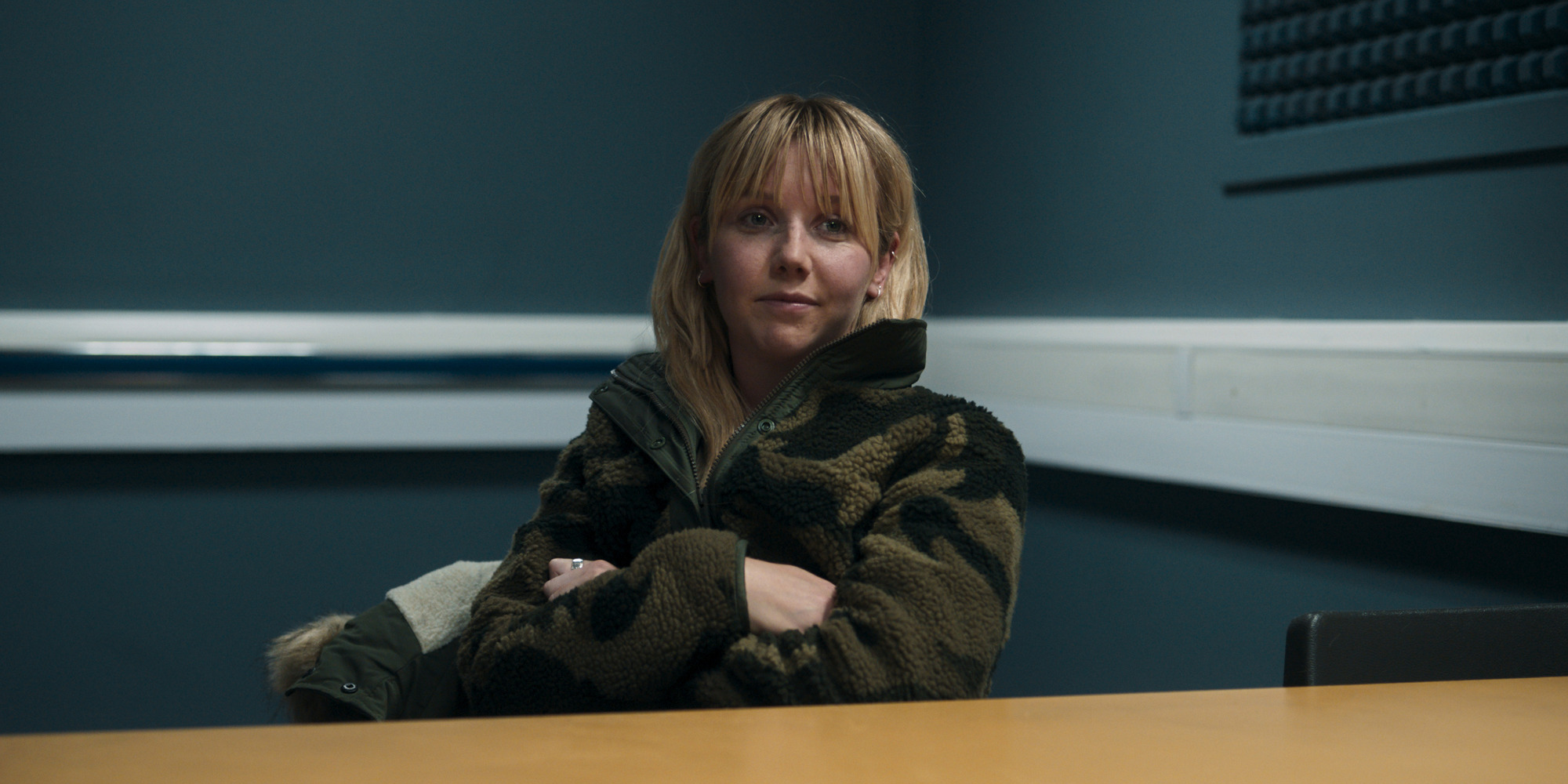
If you didn’t already know that new BBC drama Vigil was made by the same people as Line Of Duty, you probably could have worked it out eight minutes into the first episode on Sunday night.
In the same way Jed Mercurio’s hit cop show has become famed for, a major Vigil character was unexpectedly killed off early on – and it was a face that Line Of Duty fans will have found very familiar, too.
Despite being a much-publicised casting, Martin Compston – better known as DS Steve Arnott – was killed off within the first 10 minutes, as his character Chief Petty Officer Craig Burke was found dead under suspicious circumstances aboard the HMS Vigil.
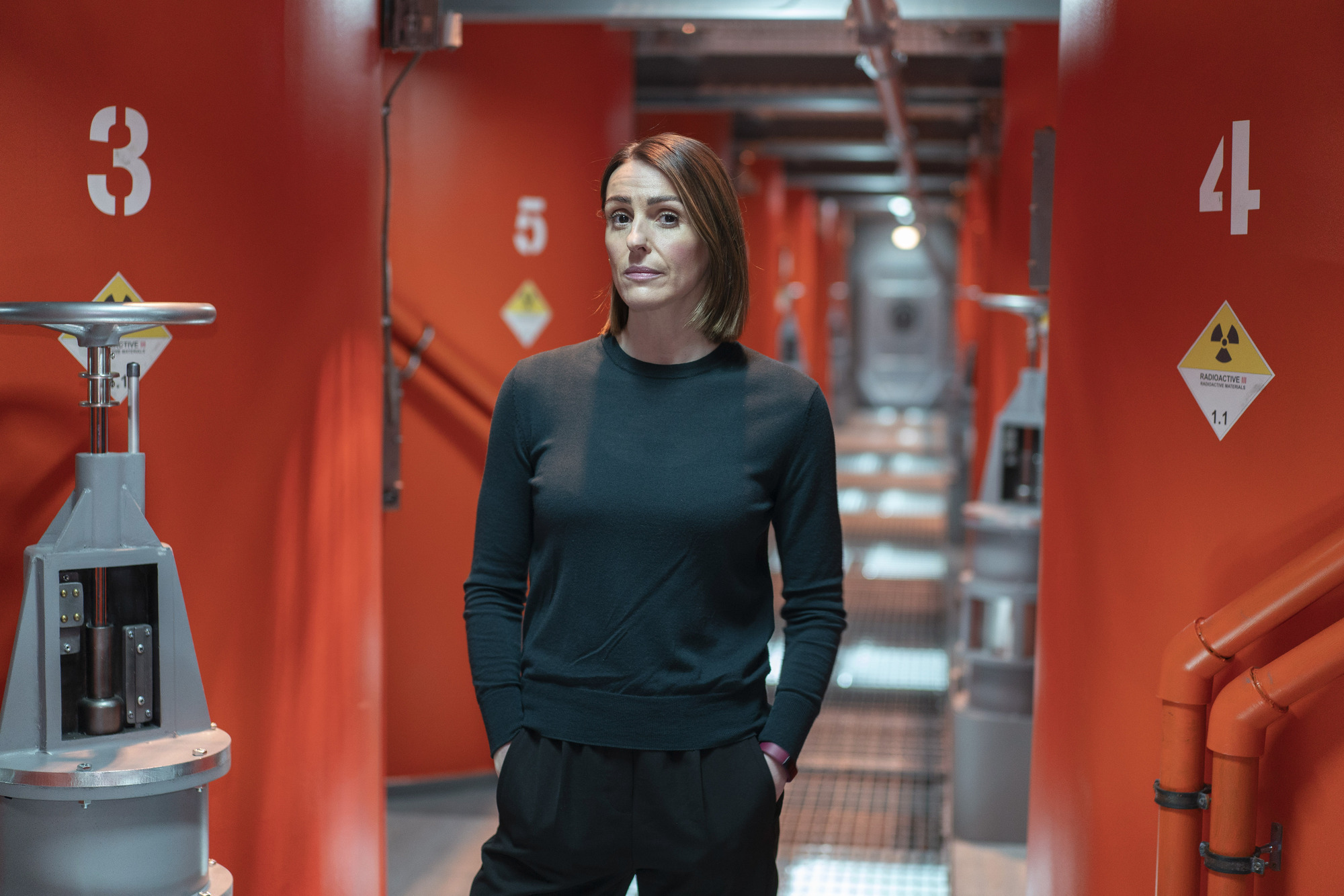
Enter Suranne Jones’ DCI Amy Silva, who was sent to investigate his death while staying aboard the submarine.
Mark Mainz/BBC/World ProductionsSuranne Jones takes the lead in Vigil
It quickly became apparent that there’s a lot to unpack following Burke’s death – not least his connections to a peace group campaigning against trident missiles – leaving us with many questions to be answered as the investigation began…
Why was Burke’s body not taken off the submarine?
Silva was told it was “too late” for Burke’s body to be taken off the boat as the hatch closed, despite it previously being agreed that it would be taken to be examined.
This now means a full post mortem cannot be carried out, and the fact there has been a clear operation to keep his body on board suggests that more than one person could be involved in his death.
Was Jade really Burke’s girlfriend?
BBC/World Productions
Following her arrest for attempting to break into Burke’s room in the accommodation block, she claimed that she’d obtained his keys as she was his girlfriend.
However, it felt rather convenient when she said no-one else knew about their relationship as they “wouldn’t have been happy”. She also didn’t seem particularly emotionally distraught that her supposed “boyfriend” had just died.
Could it be that she’d just met Burke through her campaigning as part of the Dunloch Peace Corp, and had been drilling for the information he clearly had?
What happened to Silva’s family?
Mark Mainz/BBC/World Productions
After experiencing claustrophobia in her bunk, a flashback appeared to suggest Silva’s partner Ian and their daughter were in a car accident that saw them plunged into water. Did they lose their lives? And does this suggest Silva isn’t perhaps the best person to be on board a literal submarine right now?
Why did Silva give up medical school?
She didn’t answer when Dr Doherty asked. Is this to do with the past trauma in her family?
Why did Hadlow go to see Burke before he died?
BBC/World Productions
Hadlow was one of the last people to see Burke alive and was also the person who found him dead in his bunk. However, questions were raised about exactly why Hadlow had gone to disturb Burke in the first place.
Were they in on some sort of conspiracy together? Or perhaps he was going to confront him about what Burke been up to in the bomb shop?
Which submarine pulled the Mairi Finnea down? And why?
It was claimed that the Mairi Finnea trawler was pulled down by an enemy submarine, something Vigil captain Paterson Joseph is keen to keep secret, as it would expose the fact they have “always been at war”.
Was Burke killed for risking exposing the truth? After all, we now know that he was about to expose corruption within the British Navy. Speaking of which…
What exactly was Burke’s plan?
Mark Mainz/BBC/World Productions
The USB that DS Longacre found in Burke’s room had a pre-recorded video message from Burke on it, which he made in case of his death, hinting he anticipated the possibility of being killed for exposing the corruption and fear within the Vigil crew.
In it, he speaks of “20 different ways to kill Vigil crew single handed” – was he actually going to kill someone before he met his own end?
If the Vigil’s mission is to “stay hidden”, how come Silva was allowed on board?
BBC/World Productions
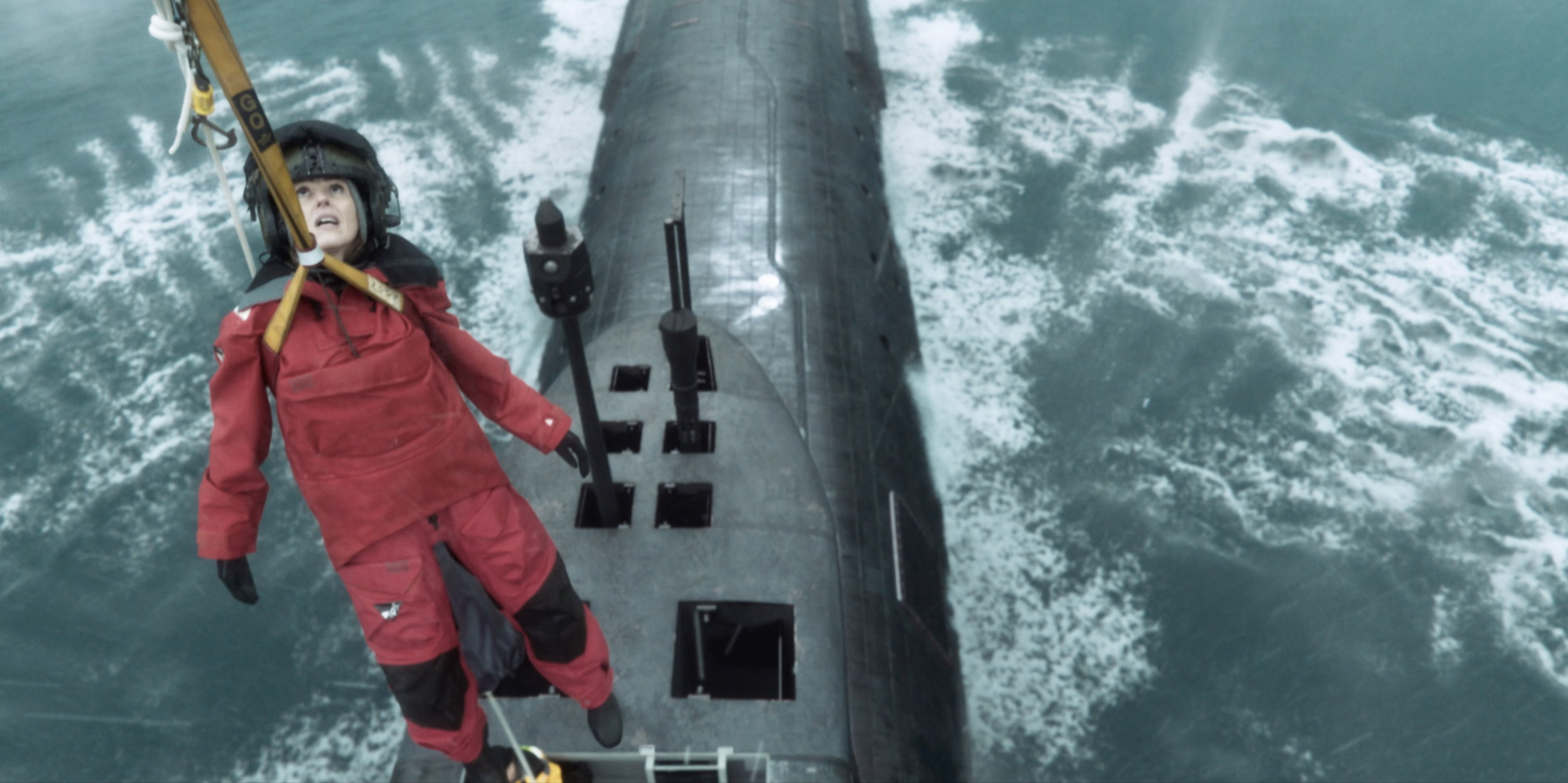
The boat must have taken a serious security risk to come up to the surface to allow Silva aboard, so does that suggest Captain Joseph was lying about the crew’s mission to “stay hidden”?
Who killed Burke?
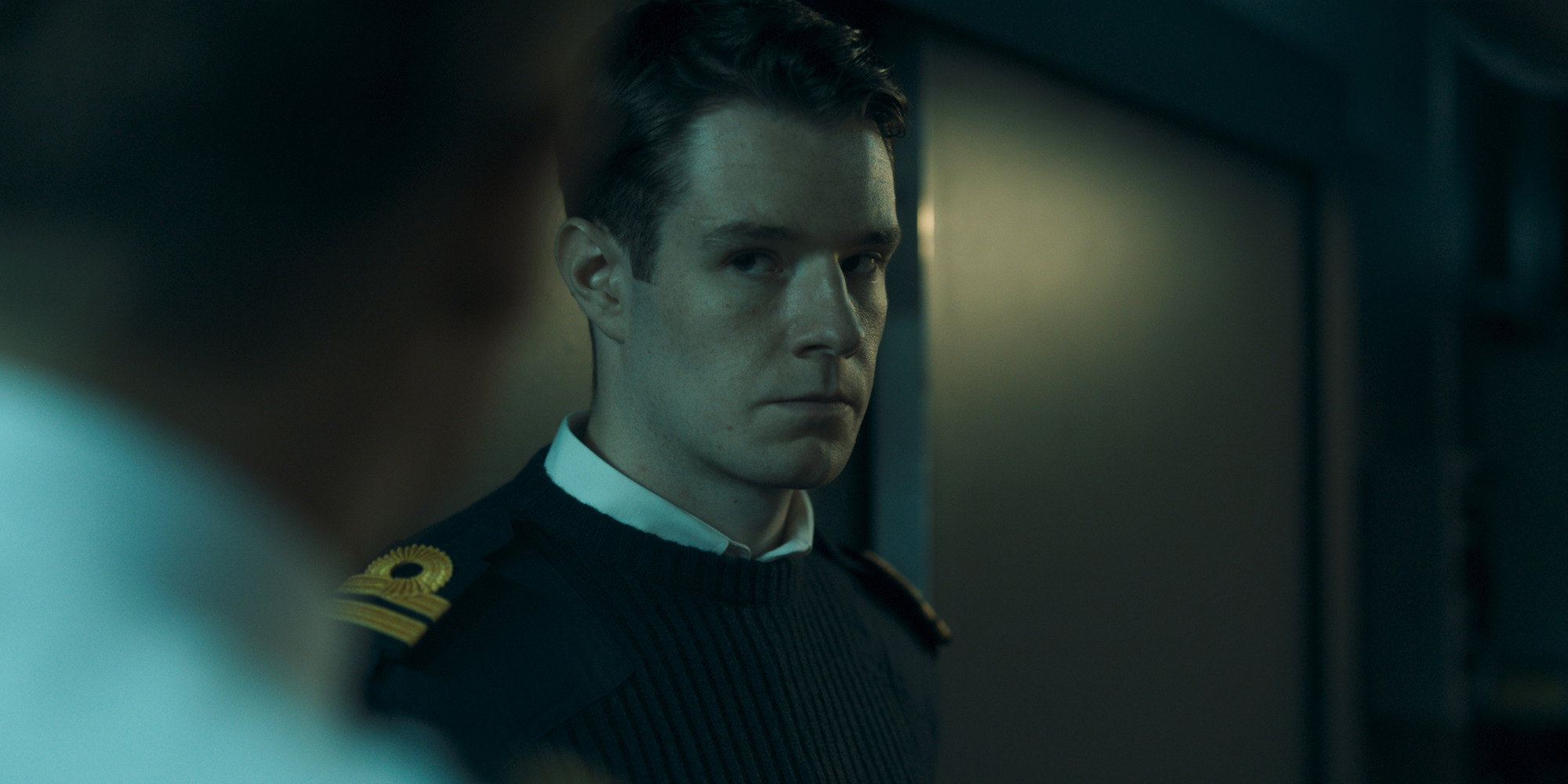
At this point in time, there looks to be a number of possible suspects in Burke’s murder – not least Hadlow, Glover, Prentice and even Captain Joesph.
But with this being a six-part series, something tells us we’re not about to get a definitive answer any time soon…
Before and after photos are ubiquitous for a reason. They’re what marketers call a “social trigger” – a type of content that prompts those who see it to feel or act a certain way. They make it clear to viewers that one situation (the “after”) is more desirable than another (the “before”).
Think of before and after photos focused on weight loss, for example. If a group of people looked at a single photo of someone standing in a bathing suit, each person in that group might have a different reaction. Some might feel attracted to the person, others might feel indifferent about the person and others might focus on something else entirely – like what the person is wearing or how the sunset looks behind them.
Advertisement
But if that same photo is shown next to another photo of the same person, in which they wear a similar bathing suit but have a larger body, the reactions of the group looking at the photo become much more uniform. They notice the size of the person’s body in both photos before anything else. That comparison is the trigger.
While before and after photos might work for marketers and content creators, they’re often toxic for the rest of us. Sure, some are harmless – a photo of a dirty plate before it gets cleaned with dish soap versus after, or a messy bookshelf next to a tidied-up one. However, any pair of before and after photos that shows a human being sends a dangerous message: that certain types of bodies (or faces, hair types, skin tones, lip shapes, etc.) are better than others.
Here’s why these types of photos are even more insidious than you think:
They trigger unhealthy comparison.
Advertisement
“While sometimes well-intentioned, the impact of before and after photos lend to social and body comparisons, which can cause harm to anyone – especially people struggling with body image and eating concerns,” said Chelsea Kronengold, associate director of communications at the National Eating Disorders Association.
Many people seeing these photos will themselves to look more like the “before” than the “after.” And because the whole point of the before-and-after comparison is to say that the “after” is better, they’ll likely end up feeling less-than, or like their bodies need to be “fixed.” Over time, this can lead to real harm.
“Body dissatisfaction and thin-ideal internalisation are potential risk factors for all types of eating disorders,” Kronengold said. “People with negative body image are not only more likely to develop an eating disorder, but are also more likely to suffer from depression, isolation, low self-esteem and obsessions with weight loss.”
gradyreese via Getty Images
Before and after photos can trigger unhealthy comparison to others and an obsession with our own body types.
They reinforce weight stigma and anti-fat bias.
Advertisement
Before and after photos exist in every corner of social media, but they’re most pervasive in the weight loss space. Often, these posts elicit comments that seem positive, like, “so inspiring!” or “you look great!” But there’s a problematic flip side to these comments: The implication is that the person didn’t look great in their larger body, and that being thinner is always better.
“These subtle and overt messages contribute to weight stigma and perpetuates unhealthy diet culture messages that changing your body, losing weight or being thinner, is viewed as a ‘morally superior’ accomplishment,” Kronengold said.
This weight stigma (discrimination based on a person’s weight) is incredibly pervasive in our society, and it has serious negative effects. A 2018 review in the Journal of Advanced Nursing found that experiencing weight stigma increased a person’s risk of diabetes, eating disturbances, depression, anxiety and body dissatisfaction. It was also linked to an increase in chronic stress and chronic inflammation, and a decrease in self-esteem.
Weight stigma springs from the belief that thinner is better, and that fatness is unhealthy. But that’s not really the case. One 2016 review published in JAMA found that people in the “overweight” body mass index category live the longest. Another 2016 study published in the International Journal of Obesity found that 50% of people classified as “overweight” and nearly percent of people classified as “obese” were metabolically healthy. Meanwhile, 30% of people classified as “normal” weight were metabolically unhealthy.
The relationship between weight and health is incredibly complicated, but it’s fair to say that you can’t determine whether or not someone is healthy by looking at a photo of them.
Kronengold also pointed out that even before and after photos showing weight gain reinforce weight stigma. The eating disorder recovery space is filled with before-and-afters that showcase an extremely thin “before” body next to a less-thin (but still relatively small) “after” body.
“Many of these eating disorder before and after photos send the message that individuals with a history of anorexia and/or a low BMI are the only people impacted by eating disorders,” Kronengold said. “This reinforces the stereotype that eating disorders have a certain ‘look,’ and can alienate people with other eating disorder diagnoses and/or in higher-weight bodies.”
“It’s a very real phenomenon that people who post these before and after photos often feel boxed in by their visual ‘success stories’ when their bodies inevitably change over time.”
– Ashley Seruya, New York City-based therapist and writer
They don’t show the whole story.
Another massive problem with before-and-afters when it comes to bodies is that they only show two moments in time. Bodies are always changing — even the person posting the photos won’t look like their “after” forever.
“It’s a very real phenomenon that people who post these before-and-after photos often feel boxed in by their visual ‘success stories’ when their bodies inevitably change over time,” said Ashley Seruya, a New York City-based therapist and writer.
Advertisement
And yes, it is inevitable that their bodies will change, because the vast majority of people who lose weight will gain it back within a few years. A 2020 review published in the BMJ found that although diets lead to weight loss and health improvements after six months, that effect disappears at the one-year mark across all types of diets.
Another 2020 reviewconcluded that diets cause more harm than good, since permanent weight loss is rare and negative physical and mental health side effects are common.
They put far too much value in appearances.
Just because someone is smiling in an “after” photo doesn’t mean that they’re mentally healthy. In fact, both Seruya and Kronengold said that it can be damaging to assume that someone has experienced positive life changes just because they “look better.”
“I think it’s almost always going to be dangerous to place our self-worth in something as uncontrollable and unpredictable as the human body,” Seruya said. Because, truthfully, how someone looks is very rarely an indication of their well-being.
“Instead of emphasising body transformations, we should be celebrating mental health wins, major life events, and accomplishments that have nothing to do with appearance and/or weight,” Kronengold said.
Home organisation has really had a moment in recent years. And even after the world was introduced to Marie Kondo, the extra time we’ve all spent at home during the Covid-19 pandemic has further underscored the value of tidying up.
“Many people suffer with disorganisation for a long time before making changes,” Lisa Zaslow, a professional organiser at Gotham Organizers, told HuffPost. “It’s worth it to fix all the ‘little’ problems that annoy you every day – the kitchen drawer where you can’t easily find a can opener, the closet rod that’s so stuffed with clothes you need a crow bar to remove a jacket, the flimsy hangers that your clothes keep falling off. Taking the time to conquer your organisation problems will improve your quality of life.”
Advertisement
But tackling a cluttered home and creating systems that work for you and your family can be very challenging. Inevitably, many folks commit organising faux pas along the way. To help those who aspire to keep a tidy space, we asked experts to share the biggest mistakes they see people make with home organising. Read on for 19 approaches to avoid (and their advice for getting it right).
Buying Containers Before Decluttering
“One of the most common mistakes that I’ve seen people make when organising their homes is buying organising tools (containers, gadgets, labels, etc.) before they sort and purge. Sorting your belongings into trash, donate, and keep categories is not just to help you get rid of unnecessary or unwanted items. It also serves the purpose of helping you to realise not only what you have, but also how much of it you actually have.” ― Carolyn Rogers, professional organising consultant at Neat Nerd Solutions
“People purchase items to ‘get organised’ without engaging in a few good de-cluttering sessions! It’s almost as if folks believe that it’s the product that will ‘get and keep’ you organised, and not a dramatic shift in habits, behaviours, or relationships to the stuff and space that will actually increase the likelihood that you will find success as an organised person when you don’t have a lot of stuff to keep track of.” ― Regina Lark, professional organiser at A Clear Path
Advertisement
Not Taking Measurements
“When it comes to organising, size matters. This is especially true if you’re seeking a specific aesthetic. Those super cute baskets don’t look the same if they are too large and hanging off of the shelf where you planned for them to reside. Or an under-sink storage item that doesn’t actually fit under the sink is not useful. How about the Christmas decoration containers that are too small or you didn’t buy enough to hold all of your decorations. Be sure to obtain measurements for both the space and the item(s) that you plan to occupy it.” ― Rogers
“Please don’t eyeball a shelf or a closet or a drawer and guesstimate what kind of bin or helpful divider or hanging pocket shoe rack might fit. Measure the hell out of any drawer or door or shelf before ordering online or in person. Width, depth, height are your friends and so is a tape measure.” ― Jeni Aron, professional organizer at Clutter Cowgirl
Being Overly Ambitious
Advertisement
“People often bite off more than they can chew and get totally overwhelmed. Instead of tackling ‘your whole closet,’ start with a section of shoes or the dresser. Keeping the projects small and manageable will keep things from feeling too overwhelming.” ― Tova Weinstock, professional organizer at Tidy Tova
“A common challenge when organising at home is being overly ambitious. Instead of creating mini-projects and taking small steps, people try to do too much at once. This can be de-motivating, debilitating, cause burnout, and prevent them from reaching their organising goals.” ― Linda Samuels, professional organiser at Oh, So Organized
“Don’t burn out by devoting an entire weekend on a project. I break my sessions up into three-hour blocks. It can be tiring and emotionally draining work depending on the project. Do smaller bursts of work so that you keep your motivation and energy going. Set a timer if you have to and take lots of breaks.” ― Aron
Kemal Yildirim via Getty Images
It’s best to tackle smaller areas one at a time.
Not Paring Down
“A typical challenge people encounter with home organisation is underestimating the power of the edit. Before deciding the best way to organise a space, it is essential to release those things you no longer need, want, or use, so you can create ‘homes’ for the keepers.” ― Samuels
“I’ve had clients hold on to ‘mementos’ ― broken, torn, and/or nonfunctional items ― and keep old cords even when they don’t know what device the cord connects too.” ―Nicole Arroyo, professional organiser at Neatly Nic
Getting Too Fixated On Instagram
“It’s not uncommon that people will try to force popular organising solutions into their life rather than use the ones that work best for them. While you may need to make slight adjustments to your lifestyle and daily routines in order to be and stay more organised, you want to select the solutions that work best for your life, not that look the best on Instagram.” ― Jeffrey Phillip, professional organiser and interior designer
“Most of the home organising photos that are shown on Instagram are staged. In real life, no one has rainbow clothes (or only one colour clothing), rainbow food in the refrigerator, or rainbow anything. If you look closely at the before and after pictures of pantries on Instagram, for example, you’ll find that few of the products are the same. When you look at refrigerator photos on Instagram, there are no leftovers, milk, or juice. You can either organise a space or stage a space for a picture.” ― Barbara Reich, professional organiser at Life Organized
“People tend to purchase organising supplies for their ‘cuteness’ versus whether they will actually use it or not! When my team is called in to help a client ‘get organised,’ we see a LOT of organising products that are unused, poorly used, or used-to-overflowing.” ― Lark
Advertisement
“Don’t compare your home or space to someone else or a catalog look. Organising is about functionality. While the visual appeal comes with it, that’s not the goal. The goal is to maximise space, minimise stress and save time. So systems need to be centreed around that and not just making it look pretty.” ― Pooja Naik, organizing consultant at Organising With You, Inc.
Storing Everyday Items In Inconvenient Locations
“Don’t put everyday items in hard-to-reach places. Instead, keep items you use all of the time close by.” ― Sarah Giller Nelson, owner of Less Is More Organising Services
Overfilling Spaces With Containers
“A common pitfall to avoid is overfilling spaces and containers. A good organising system is easy to access and has room to grow. If you have to stuff items to fit them in the designated location, you are likely to become frustrated and the system will fail.” ― Seana Turner, founder of The Seana Method
Getting Hung Up On Making Decisions
“That’s all clutter is: postponed decisions. If your gut is telling you to hold onto it, then hold onto it. This is not the only opportunity you have let go of an item. There is always the second-round edit. Keep it moving!” ― Julie Naylon, professional organiser at No Wire Hangers
Dumping Everything Out At Once
“Don’t dump everything out! That will create a massive, scary mess. Instead, work on one area at a time and put things back as you go.” ― Weinstock
“Once we taste the satisfaction of organising, the overachiever in us may be tempted to take on the entire house at once! Our success fills us with an energy that makes us feel like we can conquer an entire world of unorganised closets, drawers, and pantries. But soon after pulling everything out, our energy starts to wane and we may find ourselves in what looks like a disaster zone. We then have to resist the urge to stuff everything back into those closets, drawers and pantries to eliminate the overwhelm of visual chaos. Instead, we should try to pace ourselves and harness that fiery energy.” ― Kellie Powell, lead professional organiser and chief operating officer of Dexterous Organising
Advertisement
“Don’t take everything out of a space. If the space is large, you may end up with things all over the place and then not have time to put them away properly. I advise taking items out one at a time. What will be discarded or donated, should get placed in a separate place. Then, when you are left with only what you’ll keep, you can take it out and determine where things will go.” ― Reich
Not Labelling After Organising A Space
“You think you’ll remember that you put holiday decorations in a box at the top of the closet. You won’t. Get a big Sharpie or a label maker and clearly note what you’ve put where.” ― Zaslow
“The best way to ensure that a space is maintained is by labelling everything, so there’s no question of where everything belongs.” ― Reich
xavierarnau via Getty Images
Don’t buy containers until you’ve decluttered and taken stock of what you actually need.
Allowing Too Much Time Between Organising Sessions
“It’s easy to lose momentum and backtrack on progress so it’s important to have consistency, even if it’s a little bit everyday until you achieve your organizing goals.” ― Naik
Putting Unrelated Items In Bins
“I often see people putting unrelated things in a bin and calling it organised. While they have put the items away so that their home is neat and tidy, they haven’t separated and categorised the items in an organised way. This stops them short of the benefits of organisation such as saving time and frustration as well as being able to more easily retrieve and put away the item(s) they’re looking for.” ― Phillip
Organizing More Than One Space At A Time
“Let’s say you are organising your desk and you find something that really belongs in the kitchen junk drawer. You walk over to put it in that drawer only to realise that it needs decluttering, too. As you are decluttering space No. 2, you find something that belongs in your room. You go to put it away in your closet, find there is no space in there, then start organising that area, too. Now you have three organising projects going at once, are running out of time, and are too overwhelmed to know what to do next. Instead, as you begin your organising project, grab a bin or laundry basket to collect ‘move elsewhere’ items. Only after you are done with the first space should you attempt to put the ‘move elsewhere’ items in their respective homes.” ― Nelson
Advertisement
Piling Items To Be Donated In A Corner
“Resist the urge to simply pile donations in a corner to be disposed of ‘later.’ Move items out to their final destination right away. Otherwise, you are likely to second guess your decisions and suffer unnecessary doubt. Alternatively, you may become so accustomed to seeing the piles that you stop noticing them, abandoning them to take up space for extended periods of time.” ― Turner
Creating Systems That Don’t Have An ‘Exit Strategy’
“We are always accumulating things, but the amount of space in our houses is fixed. While it is very satisfying to have homes for every item you own, if you don’t continually edit your collections, your home will start to feel cluttered. Buy the clothes you need and love, but also keep a donation bag at the foot of your closet for those you don’t. Create a paper management system, but once a document no longer serves its purpose don’t feel obliged to keep it around because you made a file folder for it.” ― Nelson
Overthinking Everything
“People over-categorise. Keep it simple and don’t make your categories so complex that you can’t keep up with it. Simple systems will not only benefit you but everyone else in your home. When I’m working with a client where there is excess I always create a ‘back stock’ area. A great example of this is office supplies. You don’t have to keep every pen you own on your desk.” ― Naylon
Not Getting The Other Inhabitants On Board
“When you’re living or working alone, being organised is a lot easier! When you live with a spouse/partner/roommate it takes some joint effort and accountability. And when you have kids (at any age) it can sometimes feel impossible and never-ending. Same goes for being organised at work. There has to be some level of joint expectation and priority of what the environment should look like. Similarly, the systems that are set up need to work for everyone involved so that they can follow it. For example, taking children’s height into consideration when creating a mudroom so that they can easily hang up their jackets and book bags without asking someone else.” ― Melissa Levy, founder of Declutter + Design
Failing To Maintain
“Although cleaning and organising are two completely different things, they do have one important thing in common… maintenance! We never want to make the mistake of thinking that organising is a one and done undertaking. Just as we cannot expect our homes to stay spotless after one day of valiant efforts to clean, with no daily plan for upkeep; we also cannot expect that our earnest organising efforts will be met with success without some form of maintenance. Maintenance isn’t difficult. It can take as little as 10 minutes a day. We can follow an organised system of simply returning things to their proper places daily. This maintenance will make organisation routine, refreshing, and long lasting!” ― Powell
Advertisement
“Once you get organised, it’s just as important to put emphasis on how you’re going to stay organised. It’s not a one and done. When someone isn’t interested in this part, I can tell that they won’t be able to stay organised in the long run. Being organised takes consistent effort.” ― Levy
Putting Off Asking For Help
“A typical challenge with home organisation is when people get stuck, they delay reaching out for help from a friend, family member, or professional. The clutter and disorganisation increase for months, years, or decades. Their procrastination causes overwhelm and strain on emotional energy.” ― Samuels
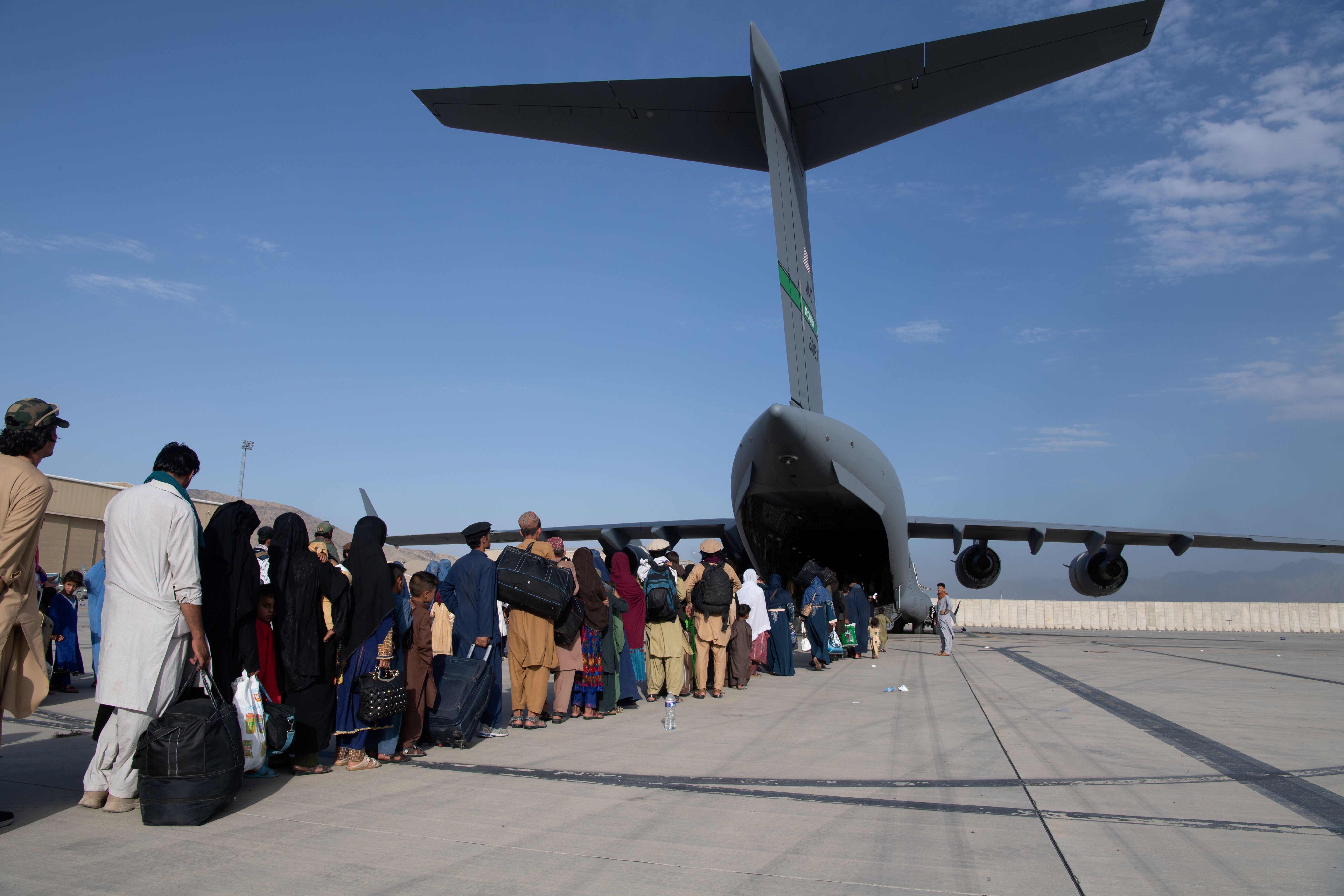
The final UK evacuation flight purely for Afghan nationals has left Kabul airport, the Ministry of Defence has confirmed.
Any further flights which will now leave Kabul under the UK’s evacuation operation will have UK diplomatic and military personnel on board.
The Ministry of Defence confirmed that the final flight purely for evacuations under Operation Pitting had departed from Kabul.
It is understood any further flights would be able to transport those still needing evacuation, but would now also include personnel travelling back to the UK.
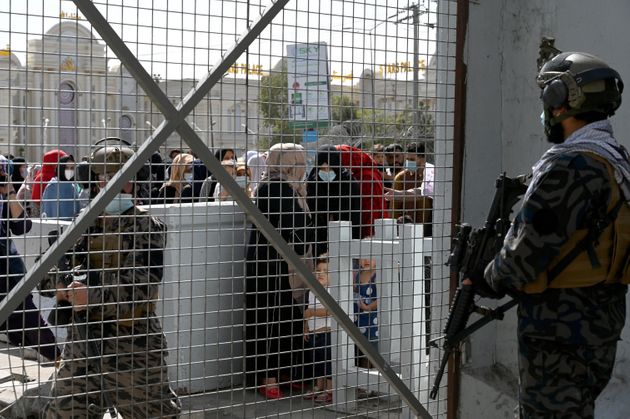
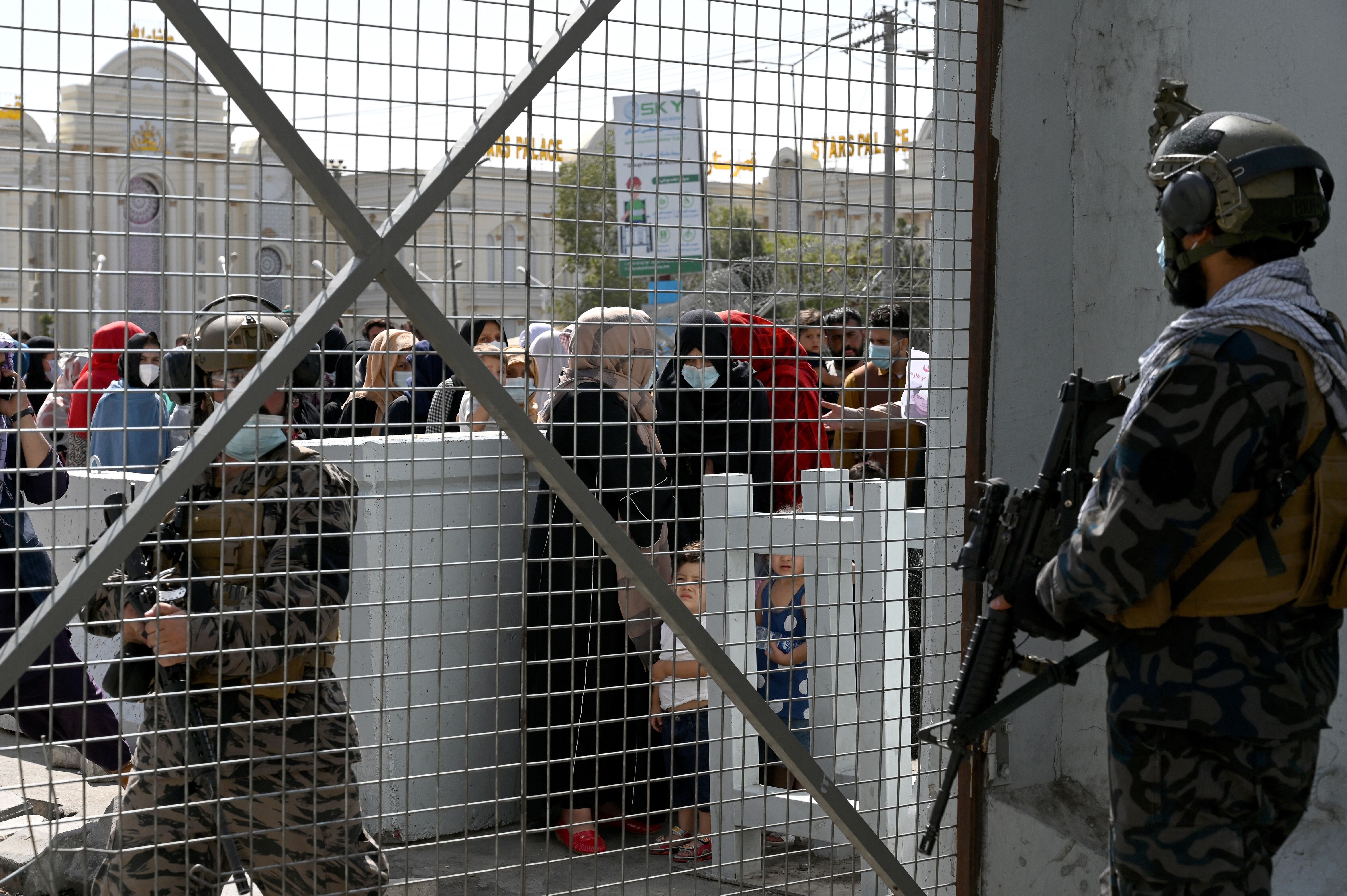
WAKIL KOHSAR via Getty ImagesTaliban Badri fighters, a “special forces” unit, stand guard as Afghans, hoping to leave Afghanistan, wait at the main entrance gate of Kabul airport on August 28, 2021, following the Taliban stunning military takeover of Afghanistan.
It comes as British ambassador to Afghanistan Sir Laurie Bristow said it was “time to close this phase” of the evacuation effort.
In a video posted on Twitter, Sir Laurie – who has remained in Afghanistan processing those who needed to leave the country – said: “The team here have been working until the very last moment to evacuate British nationals, Afghans and others at risk.
“Since the 13th of August, we’ve brought nearly 15,000 people to safety, and about 1,000 military, diplomatic, civilian personnel have worked on Operation Pitting in Kabul, many, many more elsewhere.
“Thursday’s terrorist attack was a reminder of the difficult and dangerous conditions in which Operation Pitting has been done. And sadly I attended here yesterday the ceremony to pay our respects to the 13 US soldiers who died.”
Nearly 15,000 British nationals, Afghan staff and others at risk have been evacuated from Kabul since Operation Pitting began – our commitment to the people of Afghanistan will endure. pic.twitter.com/zUQ52ps1cE
General Sir Nick Carter, the Chief of the Defence Staff, said Operation Pitting – the effort to evacuate UK nationals and eligible Afghans from Kabul airport – had “gone as well as it could do in the circumstances”.
On BBC Radio 4’s Today programme, the head of the UK armed forces spoke of the “heartbreaking” judgment calls military personnel had been forced to make.
“We haven’t been able to bring everybody out and that has been heartbreaking, and there have been some very challenging judgments that have had to be made on the ground,” Sir Nick said.
“And I think that, you know, people like me, who have had a very, very long association with this country, we are forever receiving messages and texts from our Afghan friends that are very distressing, so we’re all living this in the most painful way.”
Analysis — By Paul Waugh
What Keir Starmer called “a sad and a dark day” for the UK’s role in Afghanistan just got sadder and darker. The latest news, that two British nationals and the child of a British national were among those killed by the suicide bomb attacks outside Kabul airport, underlined the sense of unfolding tragedy.
While the primary responsibility for the murders undeniably lies with barbaric Islamist terrorists, Boris Johnson is now facing even greater political pressure over his own handling of the wider policy on Afghanistan.
In many ways, Johnson’s hands have of course been tied by his heavy reliance on the Americans. Joe Biden’s refusal to shift his political commitment to the August 31 withdrawal deadline has driven events, though the US president’s failure to keep allies like the UK in the loop has left a bitter taste for many of them.
As for the so-called “special relationship” between the UK and US, the phrase feels even more of a polite fiction than usual. Despite British ministers having gone public in calling for an extension to the airport evacuation, it took Biden just seven minutes into his conference call with the G7 this week to announce he was not budging.
As the evacuation flights to RAF Brize Norton in Oxfordshire came to an end, Labour’s shadow defence secretary John Healey told Sky News: “This is the brutal truth, despite getting more than 14,000 people out, there are probably 1,000 Afghans who have worked with us over two decades in Afghanistan, helped our troops, our aid workers, our diplomats, that we promised to protect, but we’re leaving behind.
“And I know those troops in particular will feel our failure on this as a country is a betrayal of many of those who risked their own lives to work alongside us.”
ALASTAIR GRANT via Getty ImagesMembers of the British armed forces 16 Air Assault Brigade walk to the air terminal after disembarking a Royal Airforce Voyager aircraft at Brize Norton, Oxfordshire on August 28, 2021, as the troops return from assisting with the evacuation of people from Kabul airport in Afghanistan.
Tom Tugendhat, a Tory MP who fought in Afghanistan, said he was disappointed the evacuation effort was coming to an end.
The former army officer and now chairman of the Commons Foreign Affairs Select Committee told BBC Breakfast: “I’m extremely sad about this and I very much hope that it might go beyond the August deadline but we found out a few days ago that it wasn’t, so I was expecting it.
“It still leaves me extremely sad that so many of my friends have been left behind.”
Questioned over whether the UK could have done better when withdrawing personnel from Afghanistan, Mr Tugendhat said: “In the last week, probably not, but this has been a sprint finish after a not exactly sprint start.”
“There are going to be questions to be asked to the Foreign Secretary about the processing in the UK in recent weeks that we’re going to have to see what the answers are.”
Defence Secretary Ben Wallace previously admitted there were between 800 and 1,100 Afghans eligible under the Afghan Relocation and Assistance Policy (Arap) scheme who would be left behind, while around 100 and 150 UK nationals will remain in Afghanistan, although Mr Wallace said some of those were staying willingly.
But a number of MPs have said that based on the correspondence they had received asking for help, they thought this was an underestimation.
In the early hours of Saturday, the US military conducted an airstrike against a member of so-called Islamic State in Afghanistan who was believed to be involved in planning attacks against the US in Kabul.
The strike killed one individual, and US spokesman navy captain William Urban said they knew of no civilian casualties.
It comes after two British adults and the child of a British national – understood to be a teenager – were killed in a bombing on Thursday, with another adult and child injured.
The BBC reported a London taxi driver, Mohammad Niazi, had been killed in the Kabul attack after flying out to help his family return home, but it was not confirmed if he was one of the UK nationals referred to by the Foreign Office.
Meanwhile, The Times reported that the injured child, believed to be aged under 10, was related to one of the adults killed.
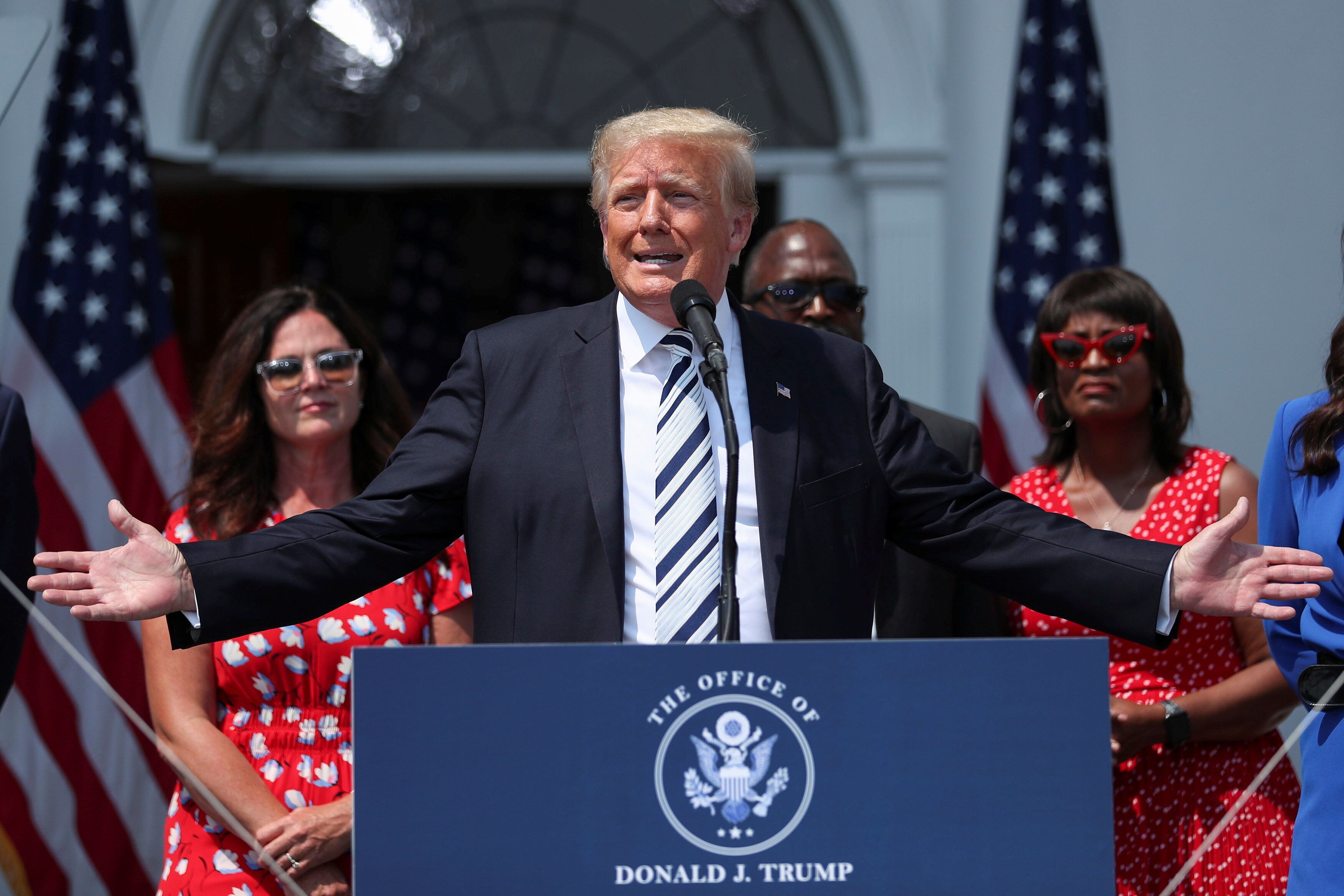
With just weeks to go before the 20th anniversary of the September 11 terrorist attacks, former US President Donald Trump suggested the man behind them, Osama bin Laden, wasn’t that bad and only had “one hit.”
Trump made the callous and false comment during an interview about the crisis in Afghanistan on conservative radio host Hugh Hewitt’s show Thursday morning.
After trashing President Joe Biden’s handling of the US withdrawal from the country, Trump bragged about two terror chiefs killed under his own administration: ISIS leader Abu Bakr al-Baghdadi and Iranian General Qasem Soleimani.
He claimed that both men were much bigger targets than bin Laden, who was killed in 2011 under former President Barack Obama’s leadership.
“Now, just so you understand, Soleimani is bigger by many, many times than Osama bin Laden,” Trump said. “The founder of ISIS is bigger by many, many times, al-Baghdadi, than Osama bin Laden.”
“Osama bin Laden had one hit, and it was a bad one, in New York City, the World Trade Center,” Trump said, ignoring Bin Laden’s other deadly attacks. “But these other two guys were monsters. They were monsters.”
“And I kept saying for years, why aren’t they getting them? For years, I said it,” Trump continued. “I got them. The press doesn’t talk about it. They don’t talk about it because they don’t want to talk about it.”
Bin Laden was a founder of al-Qaeda and the mastermind behind multiple mass-casualty terror attacks, including the 1998 US embassy bombings that killed more than 200 people and the 2000 bombing of the USS Cole, which killed 17 US Navy sailors. He also oversaw the 2001 attacks on the World Trade Center towers and Pentagon that killed nearly 3,000 people.
The former president also blustered that he “got 100%” of ISIS.
“ISIS is tougher than the Taliban, and nastier than the Taliban. And ISIS was watching, and then they were, they didn’t exist anymore,” he said.
At least 12 US troops and 60 Afghans are dead after two suicide bombers and gunmen attacked crowds at the Kabul airport on Thursday. The Pentagon believes the attack was carried out by an Islamic State offshoot group, named ISIS-K.
Trump has repeatedly railed against Biden over his handling of Afghanistan since it was overthrown by Taliban insurgents, even though Trump cut a peace deal with the Taliban last year that included a withdrawal of US troops by May 1 and the release of 5,000 Taliban fighters.
In a Fox News interview with Sean Hannity on Thursday, the former US president claimed he “knocked out 100 percent of the ISIS caliphate” but that a “new ISIS” has formed: “ISIS-X.”
Khorasan is a historical term for Afghanistan and the surrounding region.
Trump eventually got the name right.
As is his tendency, however, he didn’t admit he botched it, only that he was predicting the future.
“They’ll have an ISIS-X pretty soon, which is gonna be worse than ISIS-K,” he told Hannity.
His critics fired back:
I’m actually watching Trump on Hannity for some reason. It’s a great reminder of what kind of President we should never elect again, and what historical revision looks like.
Donald Trump just announced the new ISIS on Fox News. Calling them ISIS-X. At least 10 Marines lost their lives in the last 24 hours and Donald Trump is celebrating and helping with ISIS branding.
You are reading Anywhere But Here, our summer-long series on travel at home and abroad, serving up the information and inspiration you need.
Staycations are all the rage right now for obvious reasons. But their prices? Not so great. In fact, new research by BBC Panorama and consumer group Which? found that trips around the UK can cost an average of £300 more per week in August compared to before the pandemic.
Advertisement
And if you were thinking of heading to Brighton – hold your horses, it looks to be the seaside resort with the highest prices, with average rental costs almost doubling.
For one night of self-catered accommodation for two people in Brighton, it would have been £109 in 2019, but is now £206 – a rise of 89% – according data by AirDNA, which monitors websites such as Airbnb and Vrbo.
Advertisement
Places in St Helier in Jersey increased by 76% from 2019, while Lyme Regis on the south coast jumped up 74%.
Which? also published the differences between trips in the UK and abroad, even with flights included. The group compared prices for late August getaways for two people in the UK and overses, looking at the cheapest, highly-rated hotel available in a central location, and transport costs.
Advertisement
Abstract Aerial Art via Getty Images
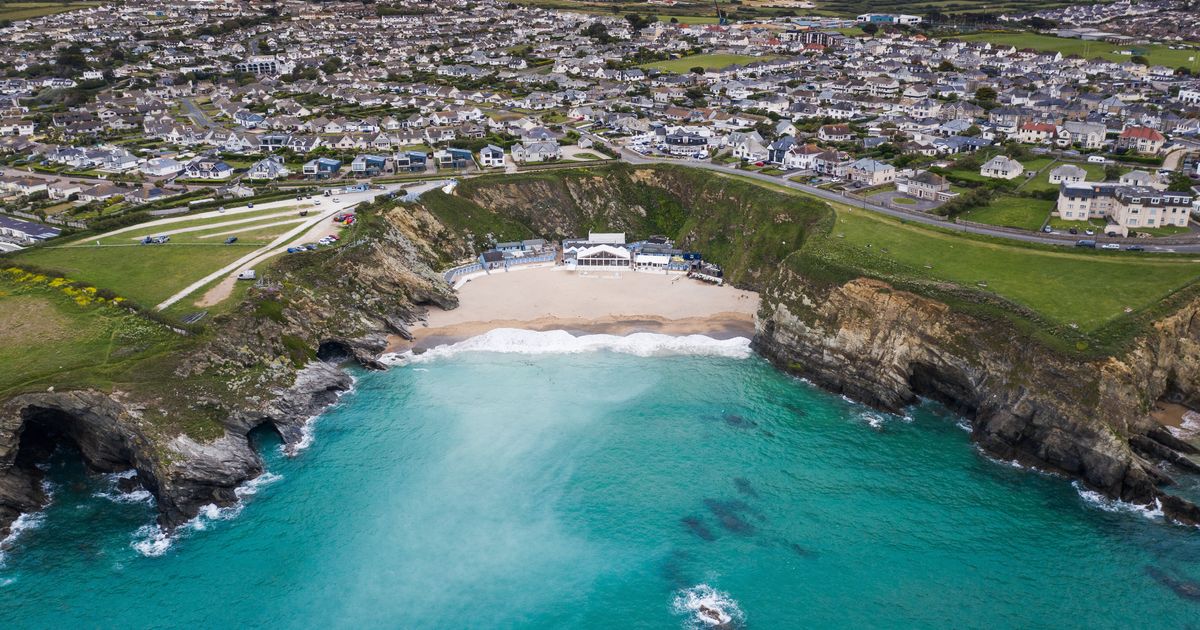
Oh, you want to go to Cornwall? It’s going to cost you.
South of France versus Brighton
According to Which’s research, a coastal break in the UK, such as Brighton, will set you back £1,131, a hotel in Nice, in the south of France costs £1,085, and that’s with flights included.
Lake Garda, Italy versus Lake District
A week in Lake Windermere in England’s Lake District costs £2,424, compared to £802 for flights and accommodation for a week in Lake Garda in northern Italy.
Advertisement
Corfu versus Cornwall
Get ready to have your mind blown. For a luxury three-bedroom villa with an ocean view in Carbis Bay, you’re looking at £12,000 for weekend dates in mid September (it sleeps up to six people, so that’s £2,000 a person).
Meanwhile in Corfu, Greece, prices have only increased by 13%. Search the exact same dates for flights and a five-star hotel and you can find one for as little as £273 (and you’d save further if you were to share the hotel room).
Turkey versus Cheshire
For the first available weekend in September, you’re looking at £1,895 for a week’s holiday rentals in Delamere Forest, Cheshire (that’s for four bedrooms, two beds are currently sold out).
By comparison, the cost of private accommodation in Marmaris, Turkey, has increased by just 7% since 2019. A quick search on Kayak for the same September dates throws up flight and hotel deals for as little as £230 (so, for a family of four, you’d be looking at £920). Even with the PCR costs included, a trip to Marmaris would be cheaper.
The only holiday Which? found for this August that worked out cheaper in the UK than abroad was a beach break in Tenby, Wales, compared to Estepona, on the Costa del Sol in Spain – but only by £10.
Advertisement
The accommodation in Tenby was still more expensive than Estepona, costing £880 for seven nights in Tenby compared to £837 for seven nights in a similarly rated hotel in Estepona. Only transport costs made the Tenby break marginally cheaper, with the journey estimated at £43, while return flights to Estepona cost an estimated £96.
And just in case you were wondering what prices were like for trips further afield – you can fly to Dubai and stay in a bouji hotel (The Hilton Garden Inn) and it will only set you back £346 at the moment. Brilliant!
Travel is the story of our summer. The rules (and traffic lights) are always changing, but one thing’s clear, we dream of being Anywhere But Here. This seasonal series offers you clear-headed travel advice, ideas-packed staycation guides, clever swaps and hacks, and a healthy dose of wanderlust.
But the singer’s panache for making old things feel new again has irked some fans (did she ever send those flowers, by the way?) ― especially when it comes to the similarities between her smash single Good 4 U and Paramore’s triple-platinum track from 2007, Misery Business.
Upon the song’s debut in May, listeners almost immediately drew comparisons to Paramore’s pop punk-tinged sound. Creators flooded the internet with mashups uniting the two songs into one epic, cross-generational breakup anthem.
Now, months after the release of her debut album Sour, Olivia’s team has retroactively credited Paramore’s lead singer Hayley Williams and former guitarist Josh Farro as songwriters on Good 4 U, according to Variety.
Hayley and Josh are now listed alongside Rodrigo and producer-songwriter Daniel Nigro on the website of the American Society of Composers, Authours and Publishers for Good 4 U, Billboard noted.
A source told Billboard that Olivia’s and Paramore’s teams had communicated about the track before it was released.
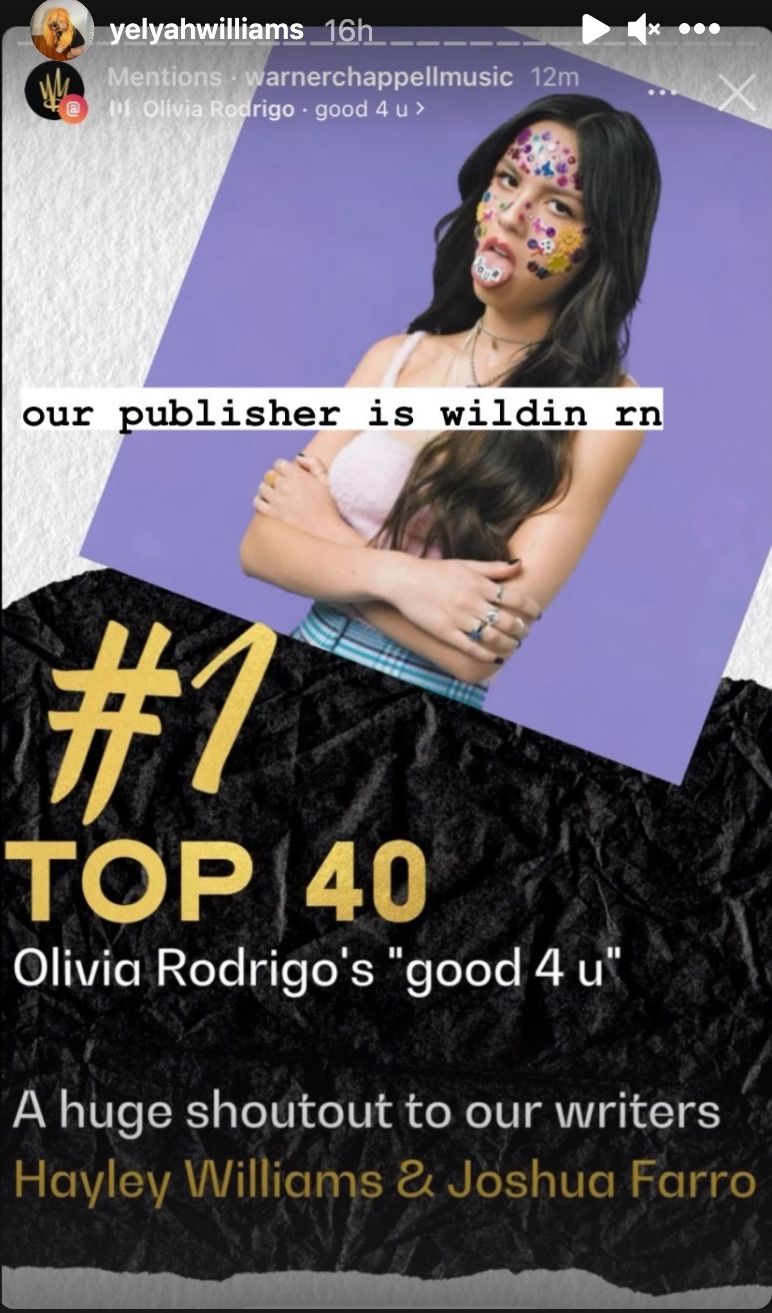
The Paramore frontwoman appeared to react to the update via her Instagram Story on Tuesday, resharing a post from the band’s publisher that read: “A huge shoutout to our writers Hayley Williams & Joshua Farro.”
“Our publisher is wildin rn,” Hayley wrote on Instagram.
The songwriting credit could result in a major payday for the Paramore musicians, as Good 4 U has made itself comfortable on the US Billboard Hot 100 since topping the chart in May. The song is Olivia’s second No. 1 single, following her debut Driver’s License, which launched her career.
Olivia is making something of a habit out of crediting artists after the fact, as she gave Taylor Swift a non-collaborative credit on her song Deja Vu in July. The song features an arrangement similar to the pop superstar’s track Cruel Summer, most notably in how Rodrigo shouts at the tail end of the bridge.
Taylor, however, was credited from the jump on a separate Olivia track, 1 Step Forward, 3 Steps Back, which uses a melody from New Year’s Day, the closing track on Taylor’s album Reputation.
While Olivia has courted plenty of critics for her many inspirations, she has at least one music icon in her corner.
After fans attacked the former Disney Channel star for borrowing a guitar riff from Elvis Costello’s song Pump It Up, he came to her defence on social media with a compelling argument about the nature of making music.
“It’s how rock and roll works,” Elvis wrote on Twitter in response to a fan who’d spotted the similarities. “You take the broken pieces of another thrill and make a brand new toy. That’s what I did.”
When singer Niall Horan interviewed Lizzo, she turned the exchange into more of a flirty speed date.
Niall guest-hosted Jimmy Kimmel Live! and Lizzo was impressed with his skills.
“This is the sexiest call I’ve ever been on,” she said, to which the Irish singer replied, “Me too, geez, I’m getting hot in this nutmeg-colored suit.”
Lizzo was OK with his attire.
“Nothing’s sexier than nutmeg!” she laughed.
Things got steamier during the interview, especially after Lizzo noted that her fans were called “Lizzbians.”
Niall, who started his career in the boy band One Direction, joked that he called his followers the “Horandogs.” In response, Lizzo blurted this blush-inducer: “I think you’re giving me a One Erection, baby!”
Tuesday’s virtual interview wasn’t their first encounter. Lizzo remembered at their first meeting, Niall told her, “Congratulations, Lizzo. You’re smashing it.”
Lizzo’s response? “I was like, ‘I’ll smash you,’” she remembered as Niall laughed.
Both singers’ fan bases have tried to pair them up, so Niall made a test to determine their compatibility. They both agreed that if they were married, they wouldn’t make the other sign a prenup — but Lizzo said she would never want to get to the fart-in-front-of-each-other stage of intimacy.
But she had her reasons.
“First of all, I don’t fart. I have rose air that kind of just, it’s like a nice breeze,” the singer joked.
Niall felt differently: “You can do whatever you want in front of me, girl!”
For a decade, Rachel Thompson thought she’d had a fairly positive sex life. If someone had asked her if she’d ever experienced rape or sexual assault, she would have answered with a resounding: “No, I’ve been very lucky”. But in 2017, as the #MeToo movement reached its peak, the journalist started to reflect on past encounters.
One incident, when she was 19, continued to play on her mind. A guy she’d been seeing at university suggested they explore the woods together. He told her to lie down on a mound of moss. Before she knew what was happening, he’d straddled her body, sitting on her chest. The weight of him meant she couldn’t breathe. She panicked but told herself: “It’ll be over soon.” He ejaculated on her without saying a word, and they left.
Advertisement
“When I was 19, I didn’t see my experience as anything out of the ordinary,” she says. “No words sprang to mind in the aftermath of the experience – I simply had no vocabulary to express it.”
Reflecting on that night planted the seed for Thompson’s book, Rough, which explores sexual violence in the bedroom and the systems of oppression that enable it. A common theme is the suppression of one’s own trauma. Before writing the book, Thompson referred to her own experience as “bad sex” or “a grey area”, but she no longer uses those terms.
Advertisement
“That grey area did not stay a grey area for me,” she says. “I realised and came to terms earlier this year, right before my book was due, that actually, this was a sexual assault. It was pretty fucked up and it was really scary.”
Thompson has spoken to 50 women and non-binary people for the book, focusing on experiences of sexual violation that we find hard to talk about, because they don’t fit into the traditional boxes of “rape” or “violence”.
Advertisement
There’s issues like stealthing (the non-consensual removal of a condom during sex), cyberflashing (the sending of unsolicited dick pics) and non-consensual strangulation, which is a far cry from the consensual choking practised by some members of the BDSM community, with saftey precautions and safe words in place. There’s also the encounters we don’t have the words for, the moments that make women – and it is overwhelmingly women – feel a bit weird.
Catherine is among those who shared her experience with Thompson. She and a man were about to have sex for the second time. He said he didn’t have another condom, she said she didn’t have one either. He got up and said actually, he had one in the bathroom.
“In hindsight, he clearly picked our used condom out of the bin, rinsed it and reused it,” she says. “I vaguely noticed something was up at the time, but dismissed the suspicion/was too drunk to care, but thinking back that’s obviously what he did. Thinking back on the night it’s also clear that he was sober while I, although consenting, was very drunk.”
Catherine describes this encounter as something that made her “uncomfortable” during sex.
Advertisement
Abigail, another of the book’s interviewees, shares her experience of non-consensual choking. She met a guy on a dating app and everything was going great, until he unexpectedly put his hands on her throat and hit parts of her body. The experience left her confused.
“I’ve been sexually assaulted before and I was once dragged into a dark driveway by a man trying to rape me, in my head I didn’t feel like the two experiences – stranger in an alleyway and an attractive man on Bumble who texted me the next morning telling me how nice a time he had – were the same,” she says.
Abigail went on a second date with the man and asked him not to choke her again. He didn’t, but soon afterwards they lost touch. She says it took her a few months to recognise what had happened to her as sexual assault.
Supplied
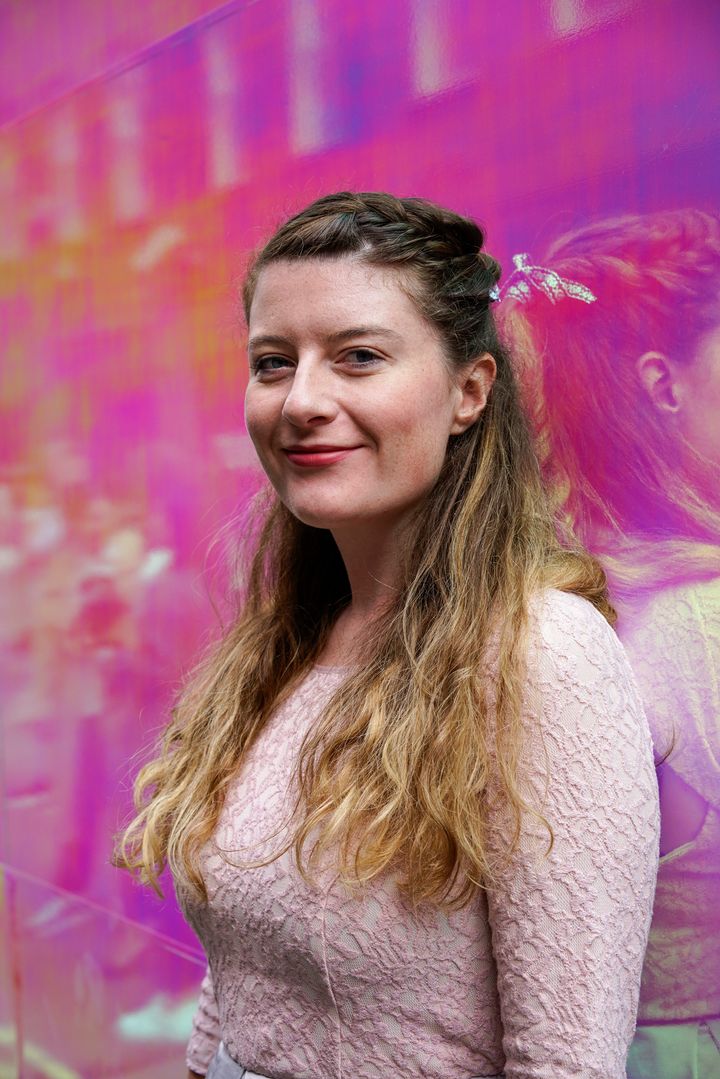
Rachel Thompson, author of Rough.
Thompson wanted to write the book “primarily for people who have experienced things that they just didn’t quite know how to put into words”. But she is clear that she doesn’t want to police the language women use on this topic either, or ban phrases such as “grey area” or “bad sex”.
“These are really personal experiences and our route to coming to terms with them and finding the words is a really personal journey,” she says. “You’re the person in charge of what you get to call your lived experiences and I don’t think we should allow anybody else to impose words or definitions on those experiences.”
Some campaigners remain concerned we don’t have the language to properly describe such encounters, and that women are being conditioned to dismiss incidences of violence.
“If you’ve learned that your sex life must include violence, it’s incredibly hard to unpick why a violent assault felt so wrong,” Fiona MacKenzie, founder of the campaign group We Can’t Consent to This, tells HuffPost UK.
“It’s so normal to blame yourself for something awful that’s been done to you – and monstrously hard when the culture says you should smile and say you enjoyed it.
“Women also see what happens when others speak out against this – we get called prudes, virgins, vanilla, sex-negative… for campaigning on this. There is no shortage of perpetrators who want women to write off being assaulted as ‘just a crap shag’.”
The campaign group has heard from hundreds of women who’ve been violently assaulted in (until then) consensual sex.
Advertisement
“Most of them have been strangled,” says MacKenzie. “Violence against women is widespread, normalised. Society’s only just begun to push back on that in recent decades,” she adds. “We should be very suspicious of anyone telling us that violence is actually liberating. There don’t need to be grey areas – the default should be that men doing violence to women is unacceptable.”
Alexandre Panier via Getty Images/EyeEm
Where is it coming from?
Porn is often blamed for the increase of violence in the bedroom and it certainly plays a part. Acts like choking, spitting and slapping are frequently shown, without any discussion on safe words and boundaries.
Such practices have been appropriated from the BDSM community, but do not reflect it; once in the mainstream, the key pillars of safety and consent are ignored. Such acts require deep trust, which is certainly difficult to establish on a first date and impossible to establish without an explicit conversation.
But porn is only part of the picture, says Thompson.
“It’s part of a landscape that also has a lack of sex education, and a lack of understanding about how consent functions, and how we should be seeking consent and negotiating consent for every individual sex act that takes place within a sexual interaction,” she says.
Brits in particular are alarmingly prudish about discussing what we do and don’t like in the bedroom, Thompson adds – and this is preventing us from establishing consent.
In the book, she hears from the anonymous sex educator @lalalaletmeexplain, who tells of one couple’s miscommunication around choking. Months into their relationship, the man asked the woman why she enjoys choking so much. She replied: “I don’t, to be honest, I do it because I thought you liked it.”
“People are getting these ideas, maybe from watching porn, and they think: ‘Oh, this is just what everyone’s doing now,’” says Thompson. “By not having the communication in those relationships and those sexual encounters, we’re not talking about what we want and what we don’t want.”
MacKenzie points out that images of sexual violence are not consigned to porn, or niche parts of the internet. She directs us to several Instagram hashtags, where images of young women with a hand around their neck are accessible in a few clicks. “Young women tell us that as tweens they learned that being strangled is an expression of passion,” she says. HuffPost UK approached Instagram for comment on this and will update with any response received.
Advertisement
When asking why this is happening, we also can’t forget that sex does not exist in a vacuum. Thompson’s book explores fatphobia, biphobia, white supremacy and transphobia – and how current systems of oppression impact our sexual experiences. It’s complex and endemic – and far too important to try to summarise in one article. But it’s clear that sex can never be an equaliser when it exists in a world of power imbalance.
What needs to happen?
On a macro level, we need systemic change to bring about sexual equality. There’s no quick-fix, but one thing that might help, is elevating all experiences of sexual violence.
“The #MeToo movement was founded by a black woman called Tarana Burke and I think she’s often erased,” says Thompson. “When the#MeToo movement exploded into public consciousness, it focused primarily on privileged white women. And that’s not to say that their stories are not valid or not worth listening to, but I think that we have to be so wary of the stories that we place at the forefront of these movements that we say speak for all survivors, because they don’t necessarily reflect all survivors.”
On a micro level, MacKenzie would like to see greater regulations of sexually violent images on social media. “We’re asking for the Online Safety Bill currently being considered by parliament to ensure that platforms stop normalising the violent assault of women – particularly those that welcome child users,” she says.
We Can’t Consent To This has already campaigned to make the use of non-fatal strangulation punishable by law as part of the 2021 Domestic Abuse Act. MacKenzie wants to see the law working in practice. “Women must be able to report choking and asphyxiation to police, and be taken seriously and not be blamed for these assaults,” she says. “We’d hope to see a significant increase in prosecutions for these assaults.”
Above all, both women want others to recognise the problems with these so-called “grey areas” of sex, and recognise that anything which makes an individual feel uncomfortable or unsafe is not “grey” at all.
The #MeToo movement may have prompted Thompson’s reflection and acknowledgment of assault, but now she thinks action is needed.
“It really raised people’s awareness about the extent of sexual violence and how widespread it is in all levels of society, but I think that we need more than awareness now,” she says, “we need action: tangible, individual change.”