The Moment I Realised I Wanted Kids, As Told By These 5 Women

HuffPost is part of Oath. Oath and our partners need your consent to access your device and use your data (including location) to understand your interests, and provide and measure personalised ads. Oath will also provide you with personalised ads on partner products. Learn more.

Select ‘OK’ to continue and allow Oath and our partners to use your data, or select ‘Manage options’ to view your choices.

Share Button

Ariana Grande Graces First Vogue U.S. Cover, Talks ‘Insane’ Pete Davidson Romance

HuffPost is part of Oath. Oath and our partners need your consent to access your device and use your data (including location) to understand your interests, and provide and measure personalised ads. Oath will also provide you with personalised ads on partner products. Learn more.

Select ‘OK’ to continue and allow Oath and our partners to use your data, or select ‘Manage options’ to view your choices.

Share Button

Birth Diaries: ‘I Tripped Over My Toddler And Broke My Knee At 36 Weeks’

HuffPost is part of Oath. Oath and our partners need your consent to access your device and use your data (including location) to understand your interests, and provide and measure personalised ads. Oath will also provide you with personalised ads on partner products. Learn more.

Select ‘OK’ to continue and allow Oath and our partners to use your data, or select ‘Manage options’ to view your choices.

Share Button

Can treadmill exercise relieve period pain?

A new clinical trial finds that treadmill exercise can relieve symptoms of period pain.
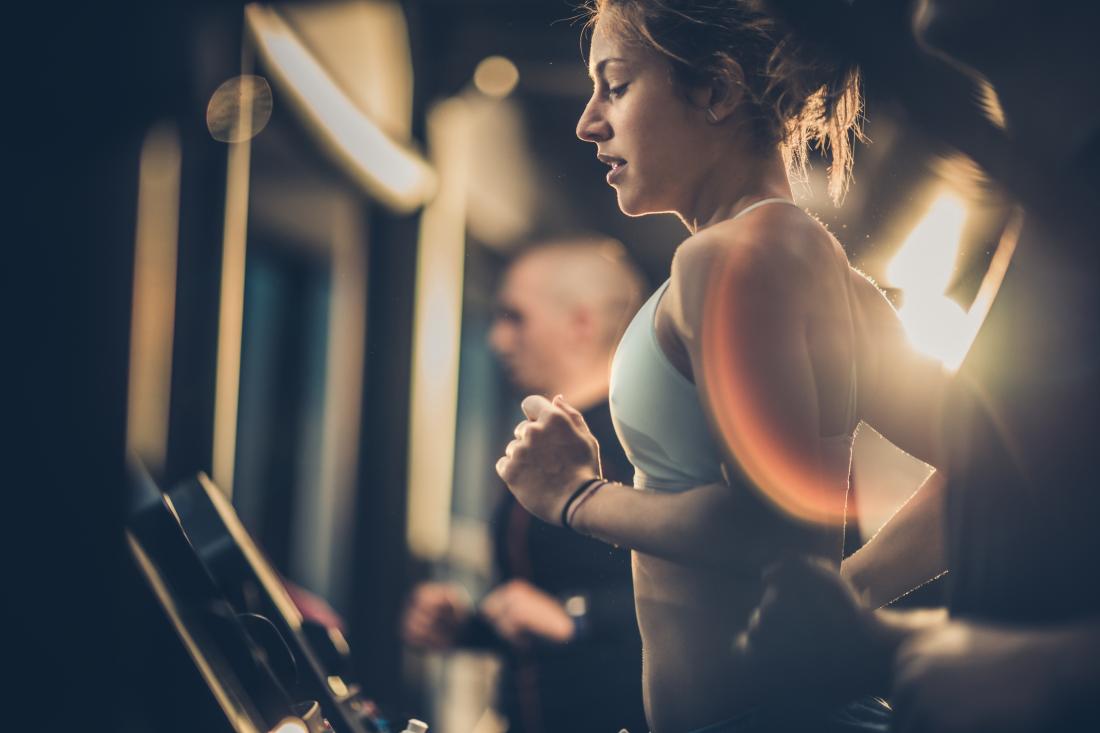
woman running on a treadmill
Exercise might be the last thing that would seem to relieve period pain, but new research suggests that using a treadmill can help.

Dysmenorrhea, or period pain, may affect approximately 59% of women, according to a review study from 2012.

Around 20% of women with dysmenorrhea experience pain so severe that it interferes with their daily activities.

The number of young women experiencing menstrual pain is an overwhelming 84%, according to other research.

As many as 55.2% of the women included in the study routinely have to take medication for their pain, and up to 40% of them avoid social situations as a result of the pain.

So far, nonsteroidal anti-inflammatory drugs seem to be the only effective way of alleviating period pain, as there is not yet sufficient evidence to support other therapies.

Now, a new study appearing in the journal Contemporary Clinical Trials has tested whether treadmill exercise can relieve period pain.

Priya Kannan, Ph.D., from the School of Physiotherapy at the University of Otago, in Dunedin, New Zealand, is the first and corresponding author of the new trial.

Studying treadmill exercise and period pain

Kannan and colleagues assessed the effect of “treadmill-based aerobic exercise” on the pain and symptoms of primary dysmenorrhea in 70 women aged between 18 and 43 years.

The researchers divided the participants into two groups. One group engaged in supervised aerobic training for a period of 4 weeks and continued with unsupervised treadmill exercise at home for the following 6 months.

During the first 4 weeks, the women exercised three times a week, starting on the first day after their period had ended. In the meantime, the control group continued with their usual care.

The main outcome that the researchers were interested in was pain intensity, followed by secondary outcomes, such as “quality of life […], daily functioning, and sleep.”

Over 20% less pain after 7 months

Overall, the researchers concluded that “Exercise has significant effects on primary dysmenorrhea-related pain, [quality of life], and function.”

Specifically, the women who had engaged in the exercise trial said that they had experienced 6% less pain at the end of the 4-week intervention and 22% less pain after continuing the regimen for an additional 6 months.

After the 7-month follow-up period, the women also reported better quality of life and daily functioning. However, exercise did not have any effect on sleep quality.

Study co-author Leica Claydon-Mueller, senior lecturer at Anglia Ruskin University, in Cambridge, United Kingdom, comments on the surprising findings, saying, “Women who have painful periods often take steps to actively avoid exercise — after all, when you are in pain, it is often the last thing that you want to partake in.”

“However, this trial demonstrated that exercise significantly reduced pain for those people taking part in the program, and they also reported reduced pain levels after 4 and 7 months.”

Kannan adds, “The improvements in quality of life scores after 7 months were noteworthy, although it was perhaps surprising that there was no significant difference in sleep quality to that of the control group.”

“These multiple benefits might be considered a ‘package deal’ by women. The evidence supporting the use of aerobic exercise for managing pain, improving the quality of life, and improving daily functioning has been strengthened by the findings from this research.”

Priya Kannan, Ph.D.

Share Button

These diets and supplements may not really protect the heart

Doctors often recommend certain dietary interventions — such as following a Mediterranean-type diet or cutting salt intake — in the interest of protecting heart health. On top of this, many individuals believe that dietary supplements will help them stay healthy.
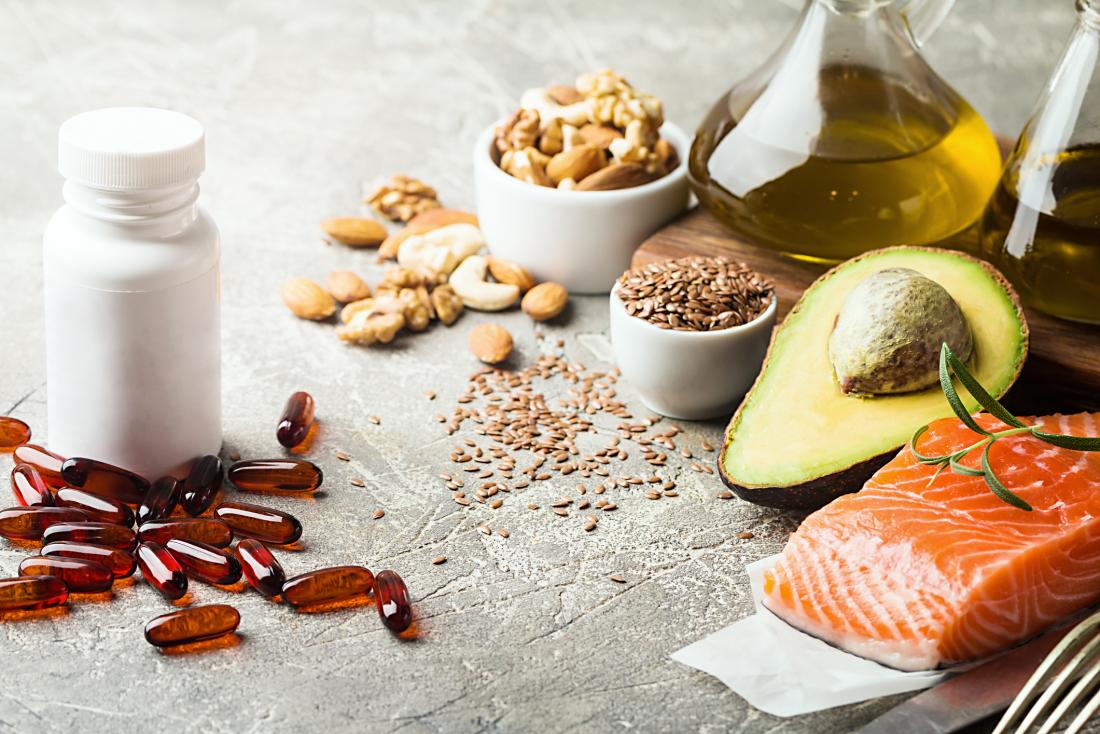
image of healthy foods vs supplements
Can supplements and dietary interventions protect the heart? Not according to a new meta-analysis.

Common knowledge has it that diet and lifestyle play an important role in supporting a person’s physical health and overall well-being.

That is why doctors may advise their patients to modify their diets and lifestyle habits by making them more conducive to good health.

In particular, dietary interventions can allegedly help individuals safeguard their cardiovascular health, preventing heart disease and events such as strokes.

Dietary guidelines for people in the United States advise that people adhere to healthful diets, such as a vegetarian diet or the Mediterranean diet, which is rich in vegetables, legumes, and lean meat.

On a related note, many individuals believe that taking dietary supplements can enhance different aspects of their health, including heart health, although recent studies have contradicted this assumption.

Now, a meta-analysis by researchers from different collaborating institutions — including The Johns Hopkins School of Medicine in Baltimore, MD, West Virginia University in Morgantown, and Mayo Clinic in Rochester, MN — suggests that many interventions and even more supplements may have no protective effect for the heart, and some may even harm cardiovascular health.

The review — the first author of which is Dr. Safi Khan from West Virginia University — appears in Annals of Internal Medicine.

Common interventions may fail the heart

In their research, Dr. Khan and team analyzed the data from 277 randomized controlled trials that had involved almost 1 million participants between them. They looked at the effects of 16 nutritional supplements and eight dietary interventions on cardiovascular health and mortality.

The supplements that they took into consideration were: selenium, multivitamins, iron, folic acid, calcium, calcium plus vitamin D, beta carotene, antioxidants, omega-3 long-chain polyunsaturated fatty acids, and vitamins A, B complex, B-3, B-6, C, D, and E.

The dietary interventions included: modified dietary fat, reduced salt (in people with normal and high blood pressure), reduced saturated fat, Mediterranean diet, reduced dietary fat, higher intake of omega-6 polyunsaturated fatty acids, and higher intake of omega-3 alpha-linolenic acid.

Dr. Khan and colleagues did find that some of these interventions had a positive effect. For instance, eating less salt may reduce the risk of premature death in people with a normal blood pressure, although only with moderate certainty.

Moreover, they concluded that omega-3 long-chain polyunsaturated fatty acids protected against heart attacks and coronary heart disease and that there was an association between folic acid intake and a slightly lower risk of stroke, but all with only low certainty.

At the same time, however, other supplements and interventions seemed to either have no effect or be downright harmful.

The researchers found that taking multivitamins, selenium, vitamin A, vitamin B-6, vitamin C, vitamin D, vitamin E, calcium, folic acid, and iron did not significantly protect against cardiovascular problems and early death. They also noted that following a Mediterranean diet, reducing saturated fat intake, modifying fat intake, reducing dietary fat intake, and increasing the quantity of dietary omega-3 and omega-6 were not beneficial.

In fact, people who took calcium and vitamin D supplements together actually had a higher risk of experiencing a stroke, although only with moderate certainty.

However, in their paper, the investigators admit that “these findings are limited by suboptimal quality of the evidence.” They are referring to the fact that, due to the different methodologies of the studies that they assessed, they “could not analyze interventions according to important subgroups, such as sex, body mass index [BMI], lipid values, blood pressure thresholds, diabetes, and history of [cardiovascular disease].”

Yet, they argue that their current review paves the way to better care and stronger research into the helpfulness and value of different dietary interventions:

“This study can help those who create professional cardiovascular and dietary guidelines modify their recommendations, provide the evidence base for clinicians to discuss dietary supplements with their patients, and guide new studies to fulfill the evidence gap.”

The authors of the accompanying editorial, doctors Amitabh Pandey and Eric Topol, both from the Scripps Research Translational Institute in La Jolla, CA, also emphasize that the quality of the data in many studies assessing the effects of dietary interventions and supplements on heart health can be questionable.

“[D]ifferences in geography, dose, and preparation — most studies rely on food diaries, which are based on a person’s memory of what they consumed — raise questions about the veracity of the data,” they write.

“Perhaps, however, the biggest difference that needs to be considered in the future is the individual,” they add, advising that future research should pay more attention to the differences among participants.

Share Button

Man Shot And Another Stabbed In Finsbury Park

HuffPost is part of Oath. Oath and our partners need your consent to access your device and use your data (including location) to understand your interests, and provide and measure personalised ads. Oath will also provide you with personalised ads on partner products. Learn more.

Select ‘OK’ to continue and allow Oath and our partners to use your data, or select ‘Manage options’ to view your choices.

Share Button

HPV Vaccine Offered To Boys From September 2019 – What Parents Need To Know

HuffPost is part of Oath. Oath and our partners need your consent to access your device and use your data (including location) to understand your interests, and provide and measure personalised ads. Oath will also provide you with personalised ads on partner products. Learn more.

Select ‘OK’ to continue and allow Oath and our partners to use your data, or select ‘Manage options’ to view your choices.

Share Button

From Sleep Anxiety To Somniphobia – This Is What It’s Like To Fear Going To Bed

HuffPost is part of Oath. Oath and our partners need your consent to access your device and use your data (including location) to understand your interests, and provide and measure personalised ads. Oath will also provide you with personalised ads on partner products. Learn more.

Select ‘OK’ to continue and allow Oath and our partners to use your data, or select ‘Manage options’ to view your choices.

Share Button

Walking for fitness: Warm up, cool down

Mayo Clinic does not endorse companies or products. Advertising revenue supports our not-for-profit mission.

Advertising & Sponsorship

Mayo Clinic Marketplace

Check out these best-sellers and special offers on books and newsletters from Mayo Clinic.

Share Button

‘Gays Rule’: Megan Rapinoe Reveals The ‘Science’ Behind Team’s Success

HuffPost is part of Oath. Oath and our partners need your consent to access your device and use your data (including location) to understand your interests, and provide and measure personalised ads. Oath will also provide you with personalised ads on partner products. Learn more.

Select ‘OK’ to continue and allow Oath and our partners to use your data, or select ‘Manage options’ to view your choices.

Share Button