Eating Raw in 2021 (Recap)

Happy New Year! 🄳

Since I ate mostly raw for 2021 – so many salads! – I can go back to eating more cooked food today.

Oddly I feel less motivated to do that than I expected. I fell into some very simple eating habits centered around fruit and salads, and that worked well for me. I’m sure I ate more greens this year than in any previous year. I got really good at making salads that I like.

There are a lot of foods that I haven’t eaten since 2020, such as pizza. I look forward to trying them again, but that feels more like intellectual curiosity than any sort of craving. I feel like my cravings for certain foods went down a lot. I got used to eating fairly simple meals this year, and now that feels pretty normal to me.

I like that eating raw makes my taste buds more sensitive, so everything tastes better than ever. I’d say that enjoy my meals more now than I did at the start of 2021.

I ended the year about 2 pounds less than I started. I gained some weight in the beginning from being a bit too piggish with high-fat foods, but then I toned that down and wove in 2 fasting days per month, and the extra weight came off easily.

This was a strange year due to COVID too, but it’s been one of my best motivationally and emotionally. One thing I like about eating lots of raw food is that it makes me feel happier and more motivated. I also experienced a different flow of inspirations throughout the year than usual.

I think the biggest change I experienced this year was taking some back-burner ideas, moving them to the forefront, and getting them done. These projects turned out better than I expected. One idea was to flow from the Amplify course launch right into the Conscious Growth Club opening. Another was decluttering and organizing my garage and finally processing old computers going back 20 years. Another was doing our first-ever online workshop. Another was my home theater upgrade project.

Eating raw helps me tap into under-expressed parts of me, like I can hear those parts more loudly and clearly, and I feel more inclined to trust them. Instead of talking myself out of so many ideas, I find myself getting into the flow of inspired action with more ease and less friction. So even though I spent a lot of time at home this year other than a trip to Philadelphia, it wasn’t a lazy year at all. I took a lot of action.

I feel like eating this way creates an ever-spinning energy turbine within me that fires me up with endless motivational energy. It’s really easy to get into the flow of action and stay there, as if my enthusiasm circuitry gets triggered more easily. This has been a great year in terms of momentum. It’s also been nicely balanced between work and personal projects.

The downside is that I sometimes take so much action in new directions that I have a lot of loose ends to fully close, like bits and pieces of projects that need to be tidied up. That isn’t so bad though since the ability to capture new opportunities faster is worth it. I also feel that I’ve been pacing myself pretty well.

Our Next Course – Guild

For this first quarter of 2022, we’re going to launch and develop the new Guild course, which is about building an aligned social circle. That with be our 5th major course.

A lot of people in my audience struggle with misaligned social circles, such as friends and family that don’t support their goals. I used to be in a similar situation, including being the only person I knew who was into self-development. Everyone else around me was skeptical or sarcastic about it. If I talked about any kind of growth-oriented goals, I could mainly expect eye rolls and discouraging commentary from the people who knew me. So I mostly kept quiet about these pursuits till I fixed that social alignment issue.

It will be very rewarding to guide people through the reframes and actions needed to meaningfully upgrade this part of life. Life is very different when the people closest to you are all supportive of your goals, and receiving daily encouragement becomes your normal, everyday reality. I found that a key to this is to practice compersion towards others as well. Compersion is the opposite of envy – it means feeling good about other people’s gains and successes. This really helps to get past neediness and to attract more alignment.

If you’re an ambitious person, it’s especially important to upgrade your social circle to include more ambitious people, including people who keep you on your toes and challenge you to think bigger. I find that something inside me begins to dwindle when I don’t engage with high-ambition people enough. It’s so crucial to have people in your life who spike your motivation when you connect with them.

If you have some insights to share about your current social circle and how it affects you, I’d love it if you’d drop me a message via my contact form and tell me more about your situation, so I can ponder how I might be of service to you. I’d love to know what aspects aren’t working for you yet and if you have some clarity on what kinds of improvements you’d love to see in this area of life. We’re still in the formative stages of developing the course, and we’re going to co-create the lessons as we go with those who enroll. For previous courses, entire lessons were created because one person asked for help with a specific issue.

YouTubing

I also intend to get more into video in 2022. Inside CGC we’re forming a YouTubers mastermind group for members who want to upgrade their video skills and build up their YouTube channels. This has been getting some enthusiastic interest since a number of members feel the time is right for them to invest in this direction too.

I have about 55 videos on my YouTube channel, but that averages out to less than 5 per year since I did my first videos in 2009. I’ve dabbled with YouTube but haven’t invested a whole lot in it. I’d like to explore doing more with it in 2022, and I’ve already been making some upgrades and doing some prep in that direction. I’m very comfortable on camera, especially from doing so many Zoom calls and live events, but I’d like to explore how I can express more creativity through editing and other improvements too. Plus that will give me a chance to give my new MacBook Pro to the test – I’ve been loving it so far.

If getting into video is a match for you too, you might want to join us in CGC this year. We open for new members to join during just one week per year, which is always the last week of April. So mark your calendar around April 25th to check in with us then.

This is also a great time to set some goals and intentions for the upcoming year. I especially encourage you to think about your life in terms of relationships – like your relationship with your work, your relationship with your body, your relationship with your social circle, etc. Then think about what kinds of upgrades you’d like to invite in these relationships, focusing on what you want to experience internally. For instance, this year I intend to make the experience of video creation more fun, expressive, original, playful, and social.

Share Button

The COVID Omicron Surge (and Why I Got Vaccinated)


The current COVID surge is bigger than ever by a lot, particularly in Europe and North America. The daily infections rate blew previous records away yesterday in many places.

Here are some telling graphs showing daily new cases in some countries. Note how quickly the latest spike has shot up.

United Kingdom

France

Spain

Italy

Canada

USA

COVID is especially rampant in New York and Florida right now. The current surge makes New York’s previous surges look like little speed bumps. Those two states combined added more than 114K new cases yesterday, both hitting all-time records.

New York

Florida

Nevada

My home state of Nevada is starting to surge again as well.

California

Here’s neighboring California, which has a similar pattern to Nevada, except they have almost 40M people while Nevada has about 3M.

So in many places, there’s more contagious COVID out there right now than ever, and it’s still increasing rapidly.

Vaccination

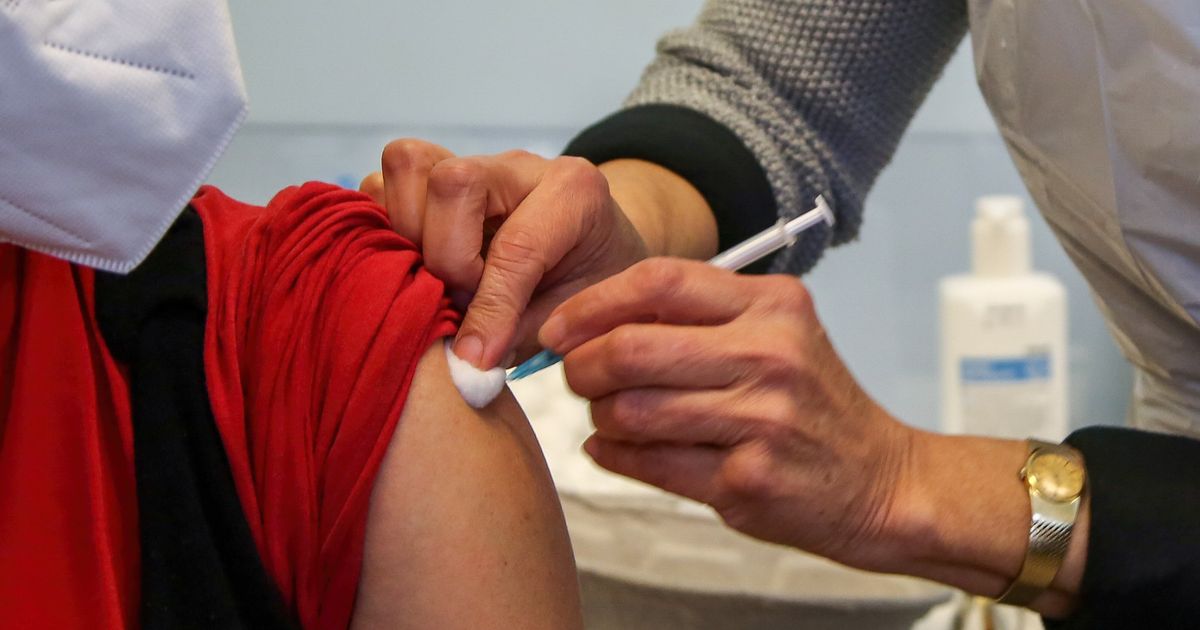
Rachelle and I got our first vaccine shots on April 10 and May 8 (basically as soon as we could), and we got the booster on December 22. All three were the Moderna version.

The first shot was the easiest. I only had a little bit of arm soreness.

The second shot was the worst, with each of us being knocked out energy-wise for about 24 hours, except that Rachelle was laid up for the first day while my worst day was the second day. Within 48 hours though, we both felt fine.

We also had some fatigue from the booster shot, but it was milder than after the second shot.

As far as we know, neither of us has gotten COVID, but a lot of people we know have gotten it, including some CGCers. Some have had pretty mild cases while others had a really rough time. Some friends have lost family members to COVID.

Why I Got Vaccinated

I like to make decisions based on looking at the objective and the subjective sides. Normally I find the most clarity on the subjective side, so I’ll share a little about how I made this decision.

The objective arguments for and against vaccination are already pretty well presented by society, so I’m sure you’ve encountered an abundance of that by now. I’m not going to rehash those arguments here, partly because I don’t find that side the most interesting to consider.

What I did consider was which of the objective stories I found to represent the most interesting invitation to explore. Since I don’t have the means to personally prove or disprove anything about vaccination – it’s not like I have a bio lab in my garage – I could frame it as a question of whom to trust. But that type of framing is still too objective and not particularly helpful. I could spend weeks investigating and still not have a clear winner. It would be exhausting to try to make every meaningful decision that way.

A better subjective framing is to consider which story invitation looks most interesting or appealing. Which potential storyline do I want to personally participate in? Where do I want to take my story next?

One story aspect that appealed to me was regarding vaccination as a form of biological education. I’d be giving my body a taste of what’s coming up, so it can prepare itself. I was curious to see what the vaccine would feel like and how my body would respond to it. I liked the idea of pre-teaching my body something about the virus. I’d rather be biologically more prepared than less prepared. I like to explore, and vaccination seemed like an interesting way to let my body explore how it wants to relate to the virus.

By contrast I found the potential unvaccinated story lines to be unappealing. I probably would have gone that route in my 20s since it would have appealed to my rebellious side back then. I’d have gladly pushed back against society’s demands. Today I feel that that the rebel part of my story has run its course, so I don’t consider that to be interesting story today. I find that kind of story pathway too boring, predictable, and clichĆ©. These days I prefer invitation into more refined and interesting storylines. I don’t have the same story tastes that I did when I was younger.

One reason I choose vaccination is that it quickly moves me through potentially boring parts of the story, so I can focus more attention on the interesting bits. By getting vaccinated I put the vaccination question to rest quickly. There’s nothing more to decide about it since I’ve already done it. I don’t have to waste any energy on fussing over whether or not to do it. This frees up mental and emotional resources that I can invest elsewhere.

Then I can look deeper into the big picture storyline that’s playing out in the world. The simulation is making a big, disruptive move here. Why? What’s the invitation in this shift? These are questions I find fascinating and very worthy of consideration. I’ve made numerous shifts in my life by pondering them, and I’ve been seeing a great deal of cooperative flow from reality in response.

One way I like to assess how well my story is doing is by how much life seems to be cooperating with my decisions. If I’m out of sync with life, my progress gets bogged down, and it feels like I’m swimming against the current. I felt that if I went the unvaccinated route, I’d be swimming against the tide. Reality was dropping plenty of hints that this would be an invitation into a very resistance-filled story path, and we’re seeing that play out today, such as with vaccine mandates. I looked at that branch of storylines and thought, ā€œBlech! No thanks!ā€

On an objective level, the world seems like it’s been going kittywampus. But I have a deep and abiding trust in the flow of life since that’s the most permanent relationship I can invest in. I know that the objective story is just the surface, and there are much deeper happenings beneath that layer. The subjective layer of life has been unfolding in some really fascinating ways lately. I love where the story flow is going there. I’m glad that I didn’t choose to thrash around with the surface story in this case. I found much juicer invitations beneath that layer.

For example, since Rachelle and I have been spending a lot of time at home, we’ve invested more social time in Conscious Growth Club. There have been CGC Zoom activities pretty much every day this month, including playing games online, watching movies, and doing various activities together.

This week we’ve just begun putting together a mastermind group of members who want to invest in building up their YouTube channels for 2022 and beyond. That aligns nicely with many members’ lifestyle and business goals.

There’s a lot of interesting story playing out socially within CGC, and it feels like we’re getting better at coordinating our growth experiences, like our stories are synchronizing more than usual.

I feel like the COVID situation has been a gift. It blocked some avenues but presented an invitation to go deeper in different directions. In order to properly invest in these other storylines, I felt it was wise to speed through the vaccination chapter, so I could get to the good parts of the story sooner.

Subjective Decisions

I find that when I give a lot of thought to the subjective aspect of life, pondering the meaning and story aspects of key decisions, the overall flow of life is so much better, and I find beauty even in chaos.

When you get hung up trying to make decisions by weighing objective factors, I recommend flipping over to the subjective side. Consider that you’re living in a simulation and that your relationship with the simulation is the most important relationship of all because it’s your #1 most enduring relationship. Hence you’ve got to do your best to keep that relationship strong and healthy no matter what happens objectively.

What binds the objective and subjective viewpoints together is the lens of story. A story has objective events, and it also includes the inner experience of the characters. So a great shortcut to making good decisions is to consider how your decisions will affect the story flow of your life.

How will your decisions affect events? How will your decisions affect your inner experience? How will your decisions affect your overall relationship with life?

I felt that if I remained unvaccinated, it would likely cause issues in my relationship with life, like it would restrict the flow. I think I made the right call there since the flow has been excellent.

If you’re in the flow too, keep doing what you’re doing because it’s obviously working for you. But if you feel that life has become stunted or restricted, that’s an invitation to reconsider how you’ve been making decisions. Look especially at which decisions have been straining your relationship with reality, and set the intention to put that relationship first in your life and to keep moving towards greater harmony and meaningful story. Lean towards invitations to trust life even more.

Share Button

So, Should You Cancel Your New Year’s Eve Party?

Professor Lawrence Young, a virologist and professor of molecular oncology at Warwick Medical School, University of Warwick, says that having no restrictions for Christmas means we’ll be paying for it later.

ā€œThis is a very risky approach and is very likely to result in the need for more stringent restrictions in the near future,ā€ he says.

ā€œGiven the extraordinarily and inexorable rapid spread of the omicron variant, it’s never been more important for people to take individual responsibility to protect themselves, their families and friends.ā€

He adds that it may take individual initiative to curb the spread of Covid (which, unfortunately might mean cancelling any New Year party you may have had planned).

Professor Young adds: ā€œWhile we are hopeful that vaccines will do a lot of the heavy lifting when it comes to keeping omicron under control, other interventions are also required to prevent case numbers rising and the NHS becoming overwhelmed. Limiting the size of gatherings, avoiding crowded indoor spaces with poor ventilation, wearing a face covering and frequent use of lateral flow tests are all protective measures that we can take to limit the spread of this variant.ā€

If we aren’t being responsible with our Covid measures, and if the government aren’t more stern, then consequence will be severe, he adds.

ā€œIf the omicron variant continues to spread at the current rate, it is inevitable that more restrictions will be necessary in England. Waiting for case numbers and hospitalisations to increase is likely to be too late to suppress the spread of the omicron variant and will subject the NHS to unprecedented pressure.ā€

Prof. Young believes we need to ā€œbuy timeā€ to ensure the booster jabs have taken effect andā€ not let Omicron continue to spread unfetteredā€.

ā€œA short circuit break now would have prevented more people from getting infected and from having to isolate which is now impacting many essential services,ā€ he says. ā€œHave we learnt nothing from our previous experiences with coronavirus? Dither and delay will only mean more harsh measures later while we run the very real risk of many folk getting sick and massive disruption due to staff absences.ā€

So whatever your New Year plans, celebrate safely.

Share Button

This Picture Of A Black Foetus Went Viral. We Spoke To The Illustrator

During medical training, in health textbooks, in posters or at the doctor’s office, we often see health conditions or body parts represented with white figures.

Many of these images seem outdated or inaccessible to large parts of the population. Now, one medical student has taken matters into his own hands.

Chidiebere Sunday Ibe, 25, from Ebonyi State, Nigeria, began illustrating Black patients, children and babies. Recently, his drawing of a Black foetus and mother has gone viral on Twitter and TikTok, amassing hundreds of thousand views and likes.

The image has clearly struct a real chord with people, especially those not accustomed to seeing their skin tones reflected in standard medical imagery.

The aspiring neurosurgeon wanted to show people what certain conditions look like for Black people – and also normalise the diversity of our bodies.

For some people, it was the first time they’d seen a Black foetus and many called for more representation like this.

When we spoke to Ibe about his illustrations, he told HuffPost UK: ā€œThis image was created like every other image, I never expected it to be viral. The whole purpose was to keep talking about what I’m passionate about – equity in healthcare – and also to show the beauty of Black people.

ā€œI feel great seeing it going viral, I never expected it and it feels good that the message is out and it will challenge current systems.ā€

Ibe points out that we need to see more images like this, and more people behind the scenes creating them.

ā€œWe don’t only need more representation like this, we need more people willing to create representation like this, this would help make such images more accepted,ā€ he says.

Chidiebere Ibe is an aspiring neurosurgeon.

Chidiebere Ibe

Chidiebere Ibe is an aspiring neurosurgeon.

For Black people working in healthcare, seeing Ibe’s images has meant a lot – it’s not often they see their race reflected in the industry. Rebekah Agboola, a 27-year old nurse from London, says the picture made her do a double-take.

ā€œThe image was shocking,ā€ she tells HuffPost UK. ā€œI’ve never seen a Black baby in an image like this before – it makes you take a second look. It shouldn’t be shocking as it’s a simple medical illustration. However, having started my journey into this world as a sixth form student looking at medical images, I didn’t commonly see illustrations of Black and brown people unless it was something to do with skin conditions and even then it was rare.ā€

Agboola says such illustrations go beyond representation to having a positive impact on people’s health and wellbeing.

ā€œI think that it is important to make sure that there is more representation because it will greatly improve the treatment of our patients,ā€ she says.

In August 2020, as part of Black Ballad’s weeklong takeover of HuffPost UK, Black women spoke out about the discrimination, microaggressions and substandard care they received during pregnancy, shining fresh light on the findings of a major motherhood survey, also conducted by Black Ballad.

ā€œRoutinely, Black and other minority patients do not receive the same care due to initial symptom presentation and if it is made clearer that our symptoms can sometimes look different and that clinicians need to give their examinations more thought we can help reduce this issue,ā€ Agboola says.

ā€œThis picture shocked me but I was so glad to see it and want to see more.ā€

Rebekah, a nurse, has never seen an image like this before

Rebekah Agboola

Rebekah, a nurse, has never seen an image like this before

Since the release of Ibe’s pics, the Royal College of Midwives (RCM0, has also said it will be amping up efforts to diversify.

Jane Bekoe, the RCM lead on its Race Matters programme, told us: ā€œPositive representation of race is important in all aspects of our lives and society, because the world should reflect accurately all the people living in it. This applies just as much to portrayals of Black and minority ethnic people within healthcare, so illustrations such as this are a positive and necessary step forward towards real equality for us all.ā€

The RCM is working to ensure changes happens, Bekoe added, following its first celebration of Black History and Culture Month this year. In January 2022, it will hold a webinar on decolonising the midwifery curriculum, which will be led by the RCM’s student midwife forum.

Here’s hoping things do actually change.

Share Button

Scientists Have Found The Two Most Effective Covid Booster Jabs

The Pfizer and Moderna vaccines are the most effective Covid booster jabs. a new study has found, but all boosters could help fight the Omicron variant.

Newly published research from the ongoing CovBoost study into vaccines, shows that six different vaccines are safe and effective as booster doses for people who have already had two doses of AstraZeneca or Pfizer/BioNTech.

The latest CovBoost trial, published in the Lancet, involved 2,878 people aged 30 or over who received a booster 10 to 12 weeks after their initial two jabs.

The six vaccines tested as a third doses were AstraZeneca, Pfizer/BioNTech, Moderna, Novavax, Janssen (made by Johnson and Johnson) and CureVac (which has ceased production).

ā€œAll of the vaccines in our study do show a statistically significant boost,ā€ says Professor Saul Faust, trial lead and director of the NIHR Clinical Research Facility at University Hospital Southampton NHS Foundation Trust.

He stressed that while the boost delivered by the two mRNA vaccines – Pfizer and Moderna – was ā€œvery highā€, Novavax, Janssen and AstraZeneca also delivered ā€œvery effective boostsā€.

Although the newly emerged Omicron variant was not tested in the study, the study showed that booster vaccines are working well against existing variants.

Asked specifically about Omicron, Prof Faust said: ā€œOur hope as scientists is that protection against hospitalisation and death will remain intact.ā€

filadendron via Getty Images

ā€œIt’s really encouraging that a wide range of vaccines, using different technologies, show benefits as a third dose to either AstraZeneca or Pfizer/BioNTech,ā€ said Prof Faust. ā€œThat gives confidence and flexibility in developing booster programmes here in the UK and globally, with other factors like supply chain and logistics also in play.

Additionally, researchers think that T cell immunity, which was studied alongside antibodies in the research, could play a big role in fighting off the new variant.

ā€œEven though we don’t properly understand its relation to long-term immunity, the T cell data is showing us that it does seem to be broader against all the variant strains, which gives us hope that a variant strain of the virus might be able to be handled, certainly for hospitalisation and death if not prevention of infection, by the current vaccines,ā€ Prof Faust said.

When looking at antibody levels in the trial, people who had received two doses of AstraZeneca initially had booster responses that were between 1.8 times higher to 32.3 times higher depending on the booster vaccine used. After two doses of Pfizer, the range was 1.3 times higher to 11.5 times higher.

There were 13 different groups testing the boosters or acting as controls, with controls given a meningitis vaccine. Immunity was then assessed after 28 days, with experts saying that more data will be published in the future on the immunity results three months and one year after receiving boosters.

Jonathan Ball, professor of molecular virology at the University of Nottingham, commented: ā€œThis is a fantastic study and it’s great to finally see the data that was no doubt pivotal in deciding the UK’s vaccine booster approach.

ā€œThe data clearly shows that all boosters provided a lift to at least one aspect of your Covid immunity, and that side effects were, on the whole, mild.ā€

He added: ā€œThe data also shows that an mRNA booster – such as Moderna or Pfizer – provided the best overall boost, irrespective of whether your first doses were mRNA or (AstraZeneca). The fact that the mRNA vaccine boosts gave a marked increase in both antibodies and T cells is great news, especially now, when our attention has been grabbed by the emergence of the Omicron variant.ā€

Samples from the study have now been passed to the UK Health Security Agency to look at how well the Omicron variant can be neutralised by vaccines.

More data will be published early next year looking at whether a longer period between second and third doses improves the response.

Share Button

5 Myths Debunked About How The Covid Vaccine Affects Pregnancy And Fertility

There is no pattern from any reports so far which suggest any of the vaccines used in the UK, or reactions to them, increase the risk of miscarriage or stillbirth, the Medicines and Healthcare products Regulatory Agency (MHRA) said.

It said the numbers of reports of miscarriages and stillbirth are ā€œlow in relation to the number of pregnant women who have received Covid-19 vaccines to date and how commonly these events occur in the UK outside of the pandemicā€.

Myth 2: The jab will affect your fertility

There is no evidence to indicate the Covid-19 vaccine will affect fertility or the ability to have children, according to the UK’s medical regulator.

The rigorous evaluation completed to date did not show a link between changes to menstrual periods and related symptoms and Covid-19 vaccines.

The number of reports of menstrual disorders and vaginal bleeding is low in relation to both the number of people who have received vaccines to date and how common menstrual disorders are generally.

The menstrual changes reported are mostly transient in nature. There is no evidence to suggest that Covid-19 vaccines will affect fertility and the ability to have children.

Myth 3: The vaccine will affect birth outcomes

There is no evidence that having the coronavirus vaccine when pregnant is altering birth outcomes, a UK study concluded.

The research – which was the first from the UK focusing on safety outcomes for pregnant women – found similar birth outcomes for those who have had a Covid-19 vaccine and those who have not. Similar studies have been conducted abroad.

There were no statistically significant differences in the data, with no increase in stillbirths or premature births, no abnormalities with development and no evidence of babies being smaller or bigger, the research team at St George’s, University of London said.

Thousands of pregnant women in England have been vaccinated against coronavirus, with no safety concerns reported.

Myth 4: The vaccine is riskier than Covid

Some parents-to-be are worried about what the vaccine will mean for their unborn child. However, several studies have shown that the vaccine is safe for pregnant mums and their babies, especially as the vaccine does not include a live strain of the virus.

In fact, if mums choose not to get vaccinated but catch Covid, this is more likely to affect the baby.

Pregnant women who do get symptomatic Covid-19, particularly in the third trimester, are two to three times more likely to give birth to their baby prematurely, according to data from the UK Obstetric Surveillance System. Premature birth remains the leading cause of death, illness and disability in babies.

Myth 5: There are too many ā€˜mixed messages’ about the vaccine

Over half of pregnant women (58%) have declined the Covid-19 vaccination, according to the Royal College of Obstetricians and Gynaecologists (RCOG) and the Royal College of Midwives (RCM). The groups blame ā€œmixed messagesā€ about the vaccine and pregnancy earlier in the pandemic.

However, both the NHS and CDC (US Centres for Disease Control), plus the UK’s Medicines and Healthcare products Regulatory Agency (MHRA), all recommend vaccinations for pregnant people.

Earlier in the pandemic, when the vaccine was newer and research only emerging, healthcare officials did warn against vaccinations for expectant mums. However, we now know far more about the virus and the vaccines, and earlier on in the year, healthcare officials said it was safe for this cohort to get the jab and actively encouraged them to do so.

So, there are plenty of reasons to go for the jab. If you have any other concerns about the jab while pregnant or trying for a baby, chat to your doctor or midwife.

Share Button

Upgrading the Healing Frame

One thing that seemed to keep me stuck for quite a while when I was younger was the healing frame, i.e. layering a desired area of improvement with the perspective that I needed to ā€œhealā€ something within myself.

The healing frame remains a popular way to frame various aspects of self-development, addiction recovery, human relationships, and more. It also carries some major downside baggage though, so it can bey very risky to use it, not just for yourself but for others you interact with.

How the Healing Frame Slows Us Down

With healing physical wounds, the body largely does that for us, so healing basically means waiting or resting or taking it easy, so the body can do the healing part. When we transplant this frame to something mental or emotional, it’s easy for the mind to link up with the association that we’re in waiting mode, which is a pretty passive stance. So in that sense it’s almost a frame of anti-investment, like we’re clinging to the pre-transformation state.

With physical healing we also have a pretty good idea of what the healed state looks like. For many injuries or conditions we can clearly see or feel the difference. The ā€œsolvedā€ state is pretty crisp. The wound is closed up. The bone is mended. The sniffles are gone. Our energy is back up again. We’ve stopped coughing. The scans detect no more tumors. The COVID test is negative. So we have some good ways to measure progress when using this frame for physical ailments.

On the mental and emotional side, what does the healed state look like, especially if we feel we’re dealing with some pretty old trauma? I think many people who use the healing frame aren’t really clear about how to state the destination in a way that makes much sense, even to themselves. So it’s very easy for this frame of healing to become an endless quagmire of circular thinking. I think many would agree that they don’t see a clear path to the healed state, and I wonder how many realize that this endlessness is a predictable consequence of using the healing frame. You’ve entered a game world with no actual ending, and the only way to ā€œfinishā€ is to exit the game and stop using that frame.

It’s also pretty easy to use this frame to deflect investments or offers that could be rapidly transformational because the healing frame will likely make you feel skeptical of anything that seems too quick and easy. I think we tend to expect that inner healing must take a long time and that we just need to be patient and go slow. But in the real world, there are plenty of opportunities for inner shifts to come through quickly and effectively, just as some medical problems can be cured with ease today.

We tend not to frame the quick medical procedures as ā€œhealingā€ but rather as something else like a ā€œprocedure.ā€ And when you think that inner healing is the answer, you can easily miss opportunities for simpler actions that could speed you along because they don’t align with the healing frame. But if a simple procedure would work even better than your slow-paced healing efforts, why not use it?

The Healing Frame Is Inaccurate

The more I read about neuroscience and how the brain works, the more the healing frame seems outdated. There are many ways for our brains/minds to improve, including ways to recover from major emotional trauma, but a neural network doesn’t really ā€œheal,ā€ unless perhaps you’re dealing with a physical injury to it. So this model doesn’t align so well with the realities of how our brains process experiences.

No matter which direction we bend the healing frame – emotional, mental, spiritual, social, etc – it carries significant drawbacks, except when we limit it to the realm in which it works well, which is physical repair. And if we do apply this frame just in the physical realm, we can even find other useful ways to apply it which can create positive mental and emotional ripples too, such as by leveraging detoxification and physical exercise to improve the health and resilience of our brain cells.

I like and appreciate the healing frame for its usefulness in the physical realm, but outside of that realm, I tend to think of it as pretty messed up and problematic, with a major risk of keeping one trapped for a long time.

Another very real risk of the healing frame is that it can be used manipulatively as well. When someone invites you to heal a relationship or to heal some part of you, take a step back and notice how you might be getting invited into a trap with a risk of giving your power away for someone else’s benefit for a considerable amount of time.

More Effective Frames to Use

Instead of using a healing frame and supposing that same part of my thoughts and feelings are wounded or damaged, which doesn’t make a whole lot of sense neurologically speaking, I find other ways of framing mental and emotional issues much more effective if I actually want to solve problems and release them.

One way to think of such problems is to see the brain as an input-output box. Like any neural network, the brain is trained on experience. For any sort of input, it will generate output. That output could be thoughts, feelings, words, actions, behaviors, etc.

So a ā€œproblemā€ can be defined as a situation where some form of input is creating undesirable output. Once I can admit that my brain isn’t behaving as I’d like, then I can clarify what output I’d like to see instead, giving similar input patterns. So if my brain is doing X, and I don’t want it to do X, then what do I want it to do instead?

This framing helps me step into a frame that gives me a solid grasp on a solution path, instead of trapping me in endless dialog with my inner child. I love talking to my inner child (and many other parts of myself), but for such dialog to be effective, we have to first get on the same page about what we’d like the overall mind to be doing.

Once I know what kind of output I’d like to see, I can leverage the brain’s strengths. It’s very good at learning from experience. That’s real-world external experience, not endless inner probing. So then I need to give my brain some fresh input of various forms to modify its training, such that I retrain its output patterns to get closer to the desired results.

Hence instead of using a healing frame, one significantly more effective frame is to use the frame that you’re retraining, retooling, or refactoring your brain’s outputs. If you want to steer this in a more spiritual direction, call it retraining your consciousness; it works just as well.

Retraining Habits

For instance, if I want to get up at 5am, and my brain is generating ā€œsleep inā€ thoughts and feelings of tiredness, that’s an input-output mismatch. So then I would need to retrain my brain to generate different thoughts and feelings when the alarm goes off, including the behavior of getting up.

I don’t just want to force my groggy self out of bed when the alarm goes off. I want to awaken feeling well-rested, energized, motivated, and enthusiastic for the coming day. Note that I’m clearly defining the total output package I want to see.

Using this framing leads to much faster results than if I tried to ā€œhealā€ my relationship with the pre-dawn hours or something like that.

Retraining Anxiety

Suppose I feel anxiety, fear, or some other negative emotion in a situation where I’d rather feel differently. Then I can retrain my brain through different kinds of experiences to create different output there too.

Many years ago I used to feel high anxiety, nervousness, and dread when I’d have to speak in front of an audience, even for days or weeks in advance if I knew it was coming up. My thoughts would dwell upon the pending doom, draining my mental resources. Instead of preparing well in advance, I’d procrastinate, which would just increase the stress levels.

Eventually I thought about the output I wanted, which was to feel relaxed, confident, and excited before speaking and to feel safe, comfortable, playful, trusting, connected, compassionate, and in the flow while speaking. I also wanted to feel well-prepared. And I wanted to feel that the audience and I were on the same side because we’d all benefit from a good outcome. That gave me something to train towards.

Action-wise this involved six years in Toastmasters and a variety of other speaking experiences that retrained my brain to create the desired output. I kept chipping away at the mental and emotional retraining by adding layers of small successes to teach my brain that public speaking could be fun and rewarding. Basically I gave my brain a lot of new experiences to learn from, so it could update its internal connections.

My childhood training in this area was dreadful in that it trained my brain to produce feelings of anxiety and pressure, as well as associations with grades and competition. I can blame my teachers and the school for that because they did a terrible job there, but I was still stuck with the after-effects. As an adult I was able to recognize this deficiency and responsibly retrain my brain to serve me well in this area instead of leaving the poorly trained model in place.

That was a resounding success, and now I love doing public speaking in a variety of forms. Instead of generating fear and dread, my brain now automatically generates very positive feelings when I do public speaking, as well as leading up to it. For instance, I very much enjoyed delivering The Octo Intensive 3-day workshop at the end of October.

While I can of course continue to make improvements, I’m delighted with the part of my neural network that now processes anything related to public speaking. It’s a highly functional part of my brain now, and I cherish what it does for me. Moreover, I appreciate it even more because I know what I had to invest to ā€œtrain upā€ this part of my brain to work the way I wanted it to work.

Retraining Mental and Emotional Patterns

Now the retraining process can go in all sorts of different directions, and it can involve many of the same methods you might also apply with a healing frame. But in this case those methods are applied with a much crisper direction in mind. It’s easier to see real progress being made, and there’s a light at the end of the tunnel when you can call the transformation completed, which is basically when you’re getting the output you want to see from your own mind.

What exactly is your standard for measuring progress when you use the healing frame for mental and emotional issues? Do you measure progress by how many therapy sessions you’ve had? By how much you’ve paid for therapy? By how many journaling entries you’ve made? It’s really easy to mistake busywork for progress here. How much time you’ve invested doesn’t matter since that time can easily be wasted on activities that don’t move the needle forward.

If you’re going to use the healing frame, it’s important to clearly define the healed state. How is your brain output different in the healed state? What will you think, feel, and do differently? Are your healing investments clearly shifting your brain’s output patterns towards the healed state? Are you seeing obvious signs of progress in the span of a few weeks?

If I focused on healing my relationship with my inner child to reduce my nervousness with public speaking, I’d still need to get up and speak now and then to assess if those efforts are working. Do I feel less anxiety than before? Can I speak more easily this month than I could last month? If there are no signs of progress, then my healing efforts aren’t worth much. I’m basically just navel gazing and pretending that I’m getting somewhere.

How about healing your money wounds? Is that approach working if you step back and measure the results? Is your income going up? Is your net worth rising? Can you earn the same money you used to earn but in less time, with greater ease, with more fun, etc? Or are you just filling up journals with endless thoughts and feelings? What if you retrained your brain to generate abundance-producing thoughts, feelings, and behaviors? No healing is needed. It’s just money, not a broken bone.

Feed Your Brain the Experiences It Needs to Grow

While there are many ways to make progress towards changing your brain’s outputs, I think the simplest way is to give my brain the input, i.e. the direct experience, it needs to learn what I’d like it to learn.

This is a very flexible frame that helps point me towards actionable solutions.

For instance, when I wanted to retrain my brain to think and feel differently about human touch, I spent time connecting with non-judgmental, compassionate, touch-friendly people, so I could gain plenty of practice. I fed my brain enough positive experiences to shift its output patterns. That helped me transition from an affection-starved life into an affection-abundant one – and with a relationship partner who revels in the joy of touch as well.

When I’m going through a retraining process, I want to focus on positive experiences, meaning that I want experiences that teach my brain what I want it to learn. Consequently, if I want to feel good and safe with touch, I’m not going to practice with people who aren’t at least leaning in that direction themselves, and ideally it’s best if I engage with people who are already where I want to be mentally and emotionally.

I got better faster at public speaking by practicing with people who were way better at it than me – and who were super comfortable with it. Some of the people I trained with, and was trained by, had been speaking for decades. I recall having a 2.5-hour sit down talk with a guy who’d been on stages since he was 3 years old. His parents were skilled comedic performers, so he grew up in that world. Thanks to spending time with people like him, my brain tuned into more effective mindsets for thinking about public speaking. But I still needed to practice plenty, so my brain could really ā€œget itā€ internally.

If I approached public speaking with a healing frame, I might have wasted years trauma-bonding with people who were just as anxious about it, or worse, and I don’t see how that would have helped much at all. In fact, that approach incurs the huge risk of strengthening the very patterns I want to retrain.

If I want to recover from some kind of trauma, it’s more effective to connect with other people who’ve successfully retrained their trauma responses. I want to learn from other brains that are working the way I want mine to work. It’s not going to be as helpful if I wallow in the trauma pit with people who are in endless healing mode but never healed.

Using this kind of framing has really sped me along through some transformations that might never have happened if I used the healing frame.

Is the Healing Frame Effective for You?

I invite you to question whether the healing frame is really helping you or if it’s actually getting in your way. Are you really wounded or damaged? Are you checking off healing issues as done and cured at a healthy pacing?

I do a lot of coaching, and I don’t normally regard people as wounded, even if they use that frame on themselves. I consider instead that their brains may be outputting patterns that aren’t serving them well. I can still feel compassion for them, knowing how easy it is for ineffective patterns to be trained into us, especially from childhood. There’s no blame or shame in that. But my role isn’t to heal them since I’m not a doctor, and there’s no wound to treat. My role is to invite and encourage them to retrain these patterns, so their brain shifts towards generating the output patterns they’d really like to see.

Like many human beings, I have had to retrain my brain a great deal. I entered my 20s with many messed up mental and emotional patterns which, if left uncorrected, would surely have held me back from accessing and appreciating so much of life’s beauty and deliciousness. I’ve been investing in this kind of retraining for 3 decades now, and it’s still ongoing. And I can tell you that these efforts have been paying off wonderfully. I’m happy. I’m highly motivated. I’m experiencing the best creative flow of my life. I enjoy lovely high-trust relationships. I give and receive hugs, kisses, and cuddles daily. I contribute to the world. My finances are in great shape and keep improving. I have a lifestyle that I appreciate. Nice home. Yadda yadda yadda.

Perhaps my most powerful starting point was in a jail cell back in January 1991. I remember that it was Superbowl Sunday because people were watching the Superbowl from their cells (barely though since it was playing on a small TV a bit far away). I’m glad that even back then, I didn’t use the frame that I needed to heal myself. I started with the frame that I needed to grow, really to grow up. That was a start. I feel lucky that I began by creating a clearer picture of the kind of person I wanted to be, which gave me a standard to move towards.

It was some years later that I discovered and explored the healing frame, and while I’m glad to have explored it a lot because I do love exploring, those were among my slowest and most stagnant years in terms of measurable progress. Relevant to how fast the gains came during other years, it seemed like I was standing still during those times. So using the healing frame was a bit like pushing the pause button on growth, even though I still felt like I was busily occupied with growth-like activities.

Outgrowing ā€œPoor Meā€

Another issue with the healing frame is that it doesn’t help unless you perceive yourself as wounded or damaged. What if your life is going well and you feel great? How do you keep healing beyond that? The healing frame is pretty much guaranteed to hit a plateau sooner or later. I don’t want to plateau, and with the retraining frame I don’t have to. Even when life is really good, I can keep reaching for more growth and improvement. I can upgrade endlessly, which I love.

This month I’m doing a 30-day challenge to improve my divergent thinking skills. I’m generating 100+ ideas per day to improve my life and business. Then I assess and figure out how to apply some of the best ones. Divergent thinking is already a strength of mine, so I definitely don’t need to heal it. I’m training my mind to get better at generating even more wildly creative ideas. By the end of the month, I’ll have generated 3000+ ideas. I know most of them won’t be practical, but I can say that after just 2 days of this so far, I’m super optimistic about it. I’ve already implemented some fabulous ideas that were quick to do.

What’s your relationship with the healing frame? Has it done wonders for you and flowed you into a bountiful new phase of life? If so, that’s wonderful, and I applaud you for it. The purpose of this article isn’t to dissuade you from using that framing if it’s truly effective for you. Rather I want to nudge those who find themselves feeling stuck to consider if the healing frame could be a potential reason for that stuckness. The healing frame has some major shortcomings, so my intention here is to caution you about using it. I think it’s highly likely that you’d get better and faster results with a different framing, such as retraining your brain or upgrading your mental and emotional output patterns.

A simple way of thinking about the approach I find more effective here is to ask: What kinds of experiences do I wish I’d had growing up, such that I would have learned much more effective patterns? Getting clear about how I wish life had trained my brain (in contrast to the training I actually received) gives me so much clarity about the solution path.

The overall benefit to having been poorly trained in some key areas is that it was a powerful invitation to learn how to consciously train my brain. If my early mental and emotional training had been much better, I might not have developed this skill set nearly as well. So that helps me appreciate anything traumatic from my past, knowing what an amazing invitation it really was. And this appreciation just compounds when I flow these personal gains into sharing lessons to benefit many other people as well. So even though it was hard going through some of those early experiences, in retrospect I think it was a fair and generous offer from reality, and I can respect and even admire how it set that up. Instead of spending so much of my life resenting or resisting the past, I expect that sense of appreciation will only deepen in the years ahead.

Share Button

People Are Ignoring Signs Of Pancreatic Cancer. Could You Spot Them?

A leading charity is worried by the number of people who would put off seeking help for symptoms of pancreatic cancer.

A new survey conducted by Savanta Comres on behalf of Pancreatic Cancer UK found that 31% of people would delay seeking help for longer than usual because of the pandemic.

It also revealed that 28% of people would wait for around three months before seeking help when showing common symptoms of pancreatic cancer. Another 22% said they wouldn’t feel confident recognising jaundice – one of the key symptoms.

Other symptoms for pancreatic cancer include:

  • Back pain

  • Indigestion

  • Stomach pain

  • Weight loss

The charity said anyone should seek help from a GP if these common symptoms persist for more than four weeks.

But anyone with jaundice – yellowing of the skin or eyes – should seek help from A&E as soon as possible as it is one of the ā€œred flagā€ symptoms of the disease.

Around four in five people who have pancreatic cancer are diagnosed when the cancer is at a late stage which means they’ve missed out on a chance of life-saving treatment.

Half of those with the disease die within three months of diagnosis, Pancreatic Cancer UK said. Each year more than 10,000 people are diagnosed with the disease. But early detection gives people better odds of survival, so the charity is urging the public to seek care if they have any symptoms.

Diana Jupp, chief executive of Pancreatic Cancer UK, said: ā€œIt is hugely worrying to hear that so many people would put off seeking help for so long. Pancreatic cancer has not gone away because of Covid-19 and I would urge anyone with persistent, unexplained symptoms to use the NHS.

ā€œThere is no time to wait with pancreatic cancer. Thousands of people a year are told it’s too late, that nothing can be done for them. It is vital that people are diagnosed as early as possible to give them the best chance of having life-saving treatment.ā€

Dame Cally Palmer, director of the NHS Cancer Programme, said: ā€œThis research confirms what we know – many people could be risking their lives by putting off medical attention for symptoms that could be cancer, even though it’s vitally important that cancer is discovered at an earlier stage, when it’s easier to treat.

ā€œThe NHS is open and ready to treat people with potential cancer symptoms, and cancer referrals and diagnosis are back to pre-pandemic levels – so, whether you or a loved one has a routine appointment, or a potential cancer symptom, please don’t delay and come forward to get yourself checked.ā€

Share Button

‘Shocking’ Inequality Is Still Behind Many Stillbirths And Premature Births

A quarter of stillbirths and a fifth of premature births across England are due to socio-economic inequalities, research suggests.

A review in the Lancet of more than a million births found that South Asian and Black women living in the most deprived areas experience the largest inequalities when it comes to what happens to their pregnancy.

Experts behind the review suggested that some factors, such as high body mass index (BMI) and whether a mother smokes, could be contributing to the risk, but also pointed to racism and economic issues.

Calculations for the study suggest that half of stillbirths and three quarters of births where the baby is smaller than expected in South Asian women living in the most deprived fifth of neighbourhoods would be potentially avoidable if these women had the same risks as white women living in the most affluent fifth.

Similarly, about two thirds of stillbirths and nearly half of births involving small babies in Black women from the most deprived neighbourhoods were potentially avoidable if they had the same risks as white women in richer areas.

SDI Productions via Getty Images

The NHS has set a target of halving stillbirth and neonatal death rates, and reducing levels of premature birth, by 25% by 2025.

An estimated 60,000 babies are born prematurely in the UK every year (before 37 weeks).

In 2019, around one in 255 births resulted in a stillbirth in England and Wales, alongside around one in 302 in Scotland.

In 2020, there were 2,429 stillbirths (167 fewer than 2019) in England and Wales, according to the Office for National Statistics (ONS).

In the new study, a team from the National Maternity and Perinatal Audit analysed birth records between April 1, 2015 and March 31, 2017, in NHS hospitals in England.

They worked out the impact of socio-economic factors, adjusting for whether women smoked, their BMI and other pregnancy risk factors.

Socio-economic status was measured for each local area and combined information on income, employment, education, housing, crime and the living environment.

In total, almost 1.2 million women with a birth of a single child were included in the study, of whom 77% were white, 12% South Asian, 5% Black, 2% mixed race/ethnicity, and 4% other race/ethnicity.

Overall, 4,505 women experienced a stillbirth (after 24 weeks), the study found, while of 1,151,476 liveborn babies, 69,175 were premature and 22,679 were births involving foetal growth restriction (smaller babies).

Risk of stillbirth was 0.3% in the least socio-economically deprived group and 0.5% in the most deprived group; risk of a premature birth was 4.9% in the least deprived group and 7.2% in the most deprived group; while risk of foetal growth restriction was 1.2% in the least deprived group and 2.2% in the most deprived group.

The experts found that 24% of stillbirths, 19% of live premature births and 31% of live births of smaller babies were attributed to socio-economic inequality and would not have occurred if all women had the same risks as those in the least deprived group.

But when experts adjusted for ethnicity, mothers smoking and BMI, these statistics were cut (to 12%, 12%, and 16%, respectively), which the authors suggested means these factors may explain a considerable part of the socio-economic inequalities in pregnancy outcomes.

Pregnancy complications were found to disproportionately affect Black and minority ethnic women – with 12% of all stillbirths, 1% of premature births and 17% of births with growth restriction attributed to ethnic inequality.

In this group, adjusting for deprivation, smoking, and BMI had little impact on these associations – suggesting factors related to discrimination based on ethnicity and culture may contribute to poor outcomes.

Co-lead author Dr Jennifer Jardine, from the Royal College of Obstetricians and Gynaecologists, said: ā€œThe stark reality is that across England, women’s socioeconomic and ethnic background are still strongly related to their likelihood of experiencing serious adverse outcomes for their baby.

ā€œI think that people will be shocked to see that these inequalities are still responsible for a substantial proportion of adverse pregnancy outcomes in England.

ā€œOver the past few decades, efforts to close the gap in birth outcomes focusing primarily on improving maternity care and targeting individual behaviours have not been successful.

ā€œBirth outcomes don’t only represent a woman’s health during pregnancy but also reflect her health and wellbeing across her entire life.

ā€œWhile we must continue to encourage healthy behaviours during pregnancy, we also need public health professionals and politicians to strengthen efforts to address the lifelong, cumulative impact of racism and social and economic inequalities on the health of women, families, and communities.ā€

Co-lead author Professor Jan van der Meulen from the London School of Hygiene & Tropical Medicine added: ā€œThere are many possible reasons for these disparities.

ā€œWomen from deprived neighbourhoods and Black and minority ethnic groups may be at a disadvantage because of their environment, for example, because of pollution, poor housing, social isolation, limited access to maternity and health care, insecure employment, poor working conditions, and stressful life events.

ā€œNational targets to make pregnancy safer will only be achieved if there is a concerted effort by midwives, obstetricians, public health professionals and politicians to tackle the broader socioeconomic and ethnic inequalities.ā€

Share Button

We’ve Been Holding Our Phones The Wrong Way All This Time

Do you spend countless hours scrolling on your phone? We’re probably all aware by now of the potential impact on our mental health and wellbeing. But how you use your smartphone has implications for your physical health, too.

Is your phone in your hand right now? Ask yourself: how are you holding it? Is the bottom edge resting on your little finger, the back on your index and maybe your third and fourth fingers – while your thumb does all the scrolling?

Yep, us too. But it’s not good for us. Your pinkie and thumb are the fingers that are most impacted when holding a smartphone or tablet. If you grip or clutch your phone a lot, this can also cause your thumb and fingers to cramp or become inflamed, a condition known informally as ā€œsmartphone finger.ā€

But your wrists and arms can also be affected by the way you use it.

This tweet went viral this week, forcing many of us to reconsider how we’re using our smartphones. How valid is its claim?

Sorry to have to break it to you, but Ben Lombard, a member of the Chartered Society of Physiotherapy, confirms to HuffPost UK that it’s all true.

ā€œWe tend to hold our phones with the little finger underneath supporting the weight of the phone and our wrist turning inward to told the screen to our faces,ā€ says Lombard. ā€œThis can cause ulnar nerve compression if sustained for long periods of time.ā€

The ulnar nerve is one of three main nerves in your arm – it runs from inside the elbow and along your inner forearm into your palm, pinkie side, and transmits electrical signals to muscles in both the forearm and hand.

The nerve can get trapped either by prolonged stretching – when your elbow is bent – or prolonged pressure, from leaning on the handlebars of a bike, say, or using hand tools, according to John Hopkins Medicine. Or your beloved phone.

A 2017 study found a link between the extended use of smartphones and a greater likelihood of experiencing another painful wrist and hand disorder.

According to lead author Peter White, assistant professor in the department of health technology and informatics at Hong Kong Polytechnic University: ā€œCaution may be warranted when using hand-held electronic devices in order to minimise the chance of developing carpal tunnel syndrome.ā€

Carpal tunnel syndrome can develop following repeated pressure to the point where the median nerve passes into the hand and meets the wrist – the carpal tunnel – which is surrounded by bones and ligaments, palm side of your hand.

Work conditions that call for ā€œrepetitive, forceful, or awkward hand movements, for example, when typingā€ are a common cause for carpal tunnel syndrome, which can result in pain, numbness, finger tingling, and weakened grip strength.

To find out if smartphone usage increased people’s chances of getting it, White and his colleagues followed up on a prior survey of 500 University of Hong Kong students, that split students into two groups: those who used portable devices for more than five hours a day and non-intensive users (who used them less than five hours a day). More than half (54%) of the intensive group reported musculoskeletal pain and/or discomfort, compared to 12% of the other group.

The new study targeted 48 students from the earlier study. Half were intensive users who spent more than nine hours a day (on average) using their device. Other students spent less than three hours a day on their devices.

Researchers found those who were part of the intensive group had significantly more and increased discomfort in their wrists and hands. The longer time a person spent using a handheld electronic device, the harder and longer their pain was.

And that’s not all. There’s also the potential for painful neck-ache. As physio Ben Lombard warns: ā€œThe position of the neck is also heavily invoked, as we tend to be stuck looking down if standing up. Or, even worse, if we are lying down using our phones, we will often be holding our neck in an extended position which can compress the nerves.ā€

So, other than avoiding the ā€œpinkie anchorā€, can we change the way we hold our phones to lessen any collateral damage. Not really, says Lombard, who instead recommends more mindful use of your electronics – could you be reading or watching content on a larger computer or TV screen, for instance, rather than a hand-held device?

ā€œUltimately, there is no ā€˜optimal’ way to hold your phone,ā€ he says. ā€œJust consider the amount of time you use it and how you use it.ā€

Share Button