10 Ways To Take Care Of Yourself When You’re Grieving

One of the toughest ― and often most traumatic ― experiences in life is grief, a part of our journey that impacts everyone and doesn’t get any easier the more times you go through it.

“Grief is a universal and human experience,” said Christina Zampitella, the founder of the Center for Grief and Trauma Therapy in Delaware who also has a grief-focused podcast called “Phoenix Rising With Dr. Z.” But, unlike many other universal experiences, grief is not anticipated or straightforward.

“It’s your natural response to loss. That’s a simple answer, but, of course, it’s not a simple experience,” said Dr. M. Katherine Shear, director of the Center for Prolonged Grief at Columbia University in New York.

Grief shows up differently for everyone and changes depending on what activates it, who’s around and a person’s state of mind, Shear added. Its complexity means there is no grief road map — it looks different for everyone, which means there is no way of knowing how it’ll impact you until it does.

But while grief is different for everyone, there are commonalities, Shear added. One of those commonalities is that there are things you can do to move through your grief and help yourself feel even just a little bit better. Here, experts share the things you can do to take care of yourself as you’re grieving.
Understand that there is no right or wrong way to grieve

“The first thing is to be sure not to second-guess grief,” Shear said. “We want to kind of let it be and not worry about whether we’re grieving in the right way or not.”
In other words, you are never grieving “wrong” — however you’re feeling is right for you. So, if you’re worried your grief isn’t normal, put that thought out of your head. (One exception is if you’re doing something dangerous to grieve — like drinking too much or driving recklessly. That is an unhealthy way to cope.)

She added that grief is not something we can control, either, so any thoughts or feelings you’re having are valid. “Maybe get interested in [the thoughts] or maybe not take [them] too seriously, but don’t try to control it because grief is not really all that controllable, honestly,” she said.

Make sure your basic needs are met

Taking care of yourself by sleeping, eating, drinking water, exercising, resting and practicing proper hygiene are all necessary parts of self-care, according to Zampitella. Your body won’t feel any better if you aren’t eating three meals a day or if you’re skipping crucial aspects of your routine.

There’s no doubt that some of these so-called basic things may feel like a challenge for you in the early phases of grief, but it’s important to try to prioritise yourself ― even if that means missing a step in your regular skin care routine (that’s OK) or skipping breakfast to get some extra sleep.

Allow yourself to put your grief aside

“We need to have periods of being with our grief, even though it’s painful, because pain doesn’t necessarily mean it’s bad … and we also need respite,” Shear said.

It’s necessary to both feel the pain of grief and allow yourself to take breaks because that pain is a lot to cope with, she added.

“Try to commit to taking some time every day, even just five minutes … just some time every day to do something a little bit pleasant,” Shear said.

And this means doing something as pleasant as you can manage — it doesn’t have to be going to happy hour with friends or treating yourself to a spa day. It can mean watching a funny YouTube video or making yourself your favourite tea.

“Do it and make it almost like a ritual … you can think of it almost as a way of honouring the love the person who died had for you because you know that’s what they would want for you,” she said.

Be careful of what you say yes to

While you’re in the early stages of grief, you can’t expect yourself to show up as you always have for friends and family, Zampitella said.

“[Make] sure that you’re very intentional with what you’re saying no and what you’re saying yes to,” she added. While you still have to do necessary things like getting your kids to school or paying your electric bill, you shouldn’t take on things that aren’t essential.

Instead of saying yes to things that feel like too much, let yourself lean into your grief, Zampitella said. Oscillating back and forth between grief and the day’s necessities can help you move through your grief in a healthier manner, she said.

Additionally, Shear said, you should avoid anything new for the most part — “unless it’s something you really want to do and that fits into having some pleasant time.”

Things that are not rewarding or that are stressful should be put on the back burner, she said. When you’re actively grieving, “it’s not the best time to take on new tasks or do anything challenging,” she said.

Find ways to express your emotions, like journaling

According to Zampitella, it can be helpful to find outlets to express how you’re feeling. This could include listening to music, doing crafts or journaling.

She noted that when it comes to journaling for grief, there are time parameters that can help you effectively cope. Zampitella recommends journaling for four days a week for 20 minutes. (More than 20 minutes can cause you to get flooded with emotion while less than that amount of time won’t allow you to get into the practice, she said.)

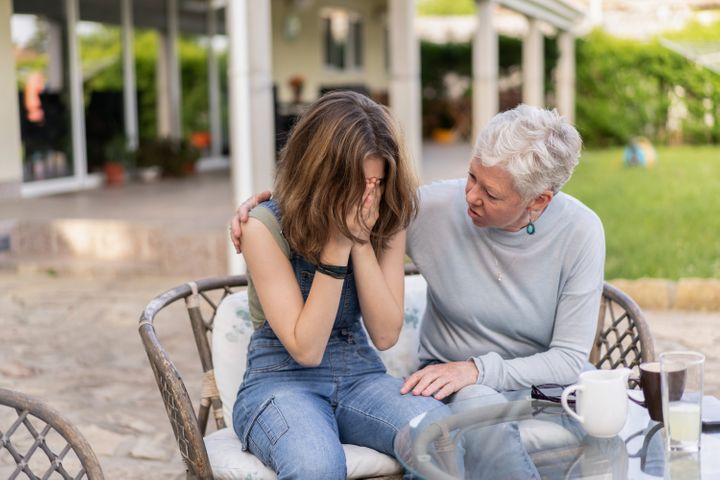
It's important to reach out to your support network when you're grieving.

Vladimir Vladimirov via Getty Images

It’s important to reach out to your support network when you’re grieving.

Try mindfulness

“Learning mindfulness and meditation techniques are a really nice way of being able to hold your feelings without getting swallowed up by them,” Zampitella said. And when it comes to meditation, you don’t have to commit to long periods of time ― even just five minutes of meditation is a good way to practice mindfulness, she said.

Zampitella added that another good mindfulness practice is yoga, which impacts people’s well-being in a different way than other forms of exercise. Spending time in nature is another option.

When you’re in nature, you’re away from man-made objects — that gives you a sense of getting away,” she said. Also, you have things to hold your attention, like streams or trees or birds, but these things also don’t completely divert your attention, which allows you to think about the loss in your life, Zampitella noted.

Learn how to narrate the story of your loved one’s death

“An important one is to be able to narrate a story of the death, to be able to tell a story of what happened,” Shear said.

This will help you be prepared to talk about it and be ready to answer one of the biggest questions you’ll hear.

“People usually do this very naturally. Their friends and family will say, ‘Oh, what happened?’ and they’ll tell the story, and that’s a part of what you need to do is be able to tell yourself and other people what happened,” she said.

Death is one of the most salient moments in someone’s life, Shear added. Being able to tell the story of your loved one’s passing is a way to honour them and also won’t allow you to block out this important moment.

Reach out to loved ones when you need support

“You’ll notice that often there’s a lot of support, especially in those first three months, but it will wane because things change,” Zampitella said.

When you find that support is dwindling, don’t be afraid to tell your friends and family that you need them.

Additionally, Zampitella noted, if a loved one says something that bothers you — for example, if they say “your loved one is in a better place” and you don’t want to hear that — don’t be afraid to let them know that thought isn’t helpful. At that moment, try sharing the things that would be helpful, whether that’s telling stories about your loved one or just letting you cry.

If you’re really struggling, seek help

Death and grief are some of the most stressful things we experience in life, Shear said.

While coping with grief is possible, some folks will require more support. Zampitella said some signs that you may need additional help include not being able to accept the loss, not engaging in any future goals and not reconfiguring the relationship with the person who died.

Also, if you find that you’re unable to meet your basic needs (like if you aren’t eating, sleeping or bathing), you may want to reach out for professional help. There are grief therapists who can help you feel better.

You can search for one via Psychology Today’s therapist database or Google therapy groups in your area that specialise in grief. “There’s no shame in getting help. There’s help available,” Shear said.

And know that grief is ongoing

“Death is permanent, and so grief is also permanent,” Shear said. “We don’t stop having some response to that loss — in other words, we still feel it.”

As time goes on, your grief will change, she said. In the long run, it usually quiets down and moves into the background, but it’s still there.

You may feel your grief pop up around your loved one’s birthday, around the holidays or when visiting their favourite restaurant. Know that if it’s been years and years since you lost a loved one and you wake up feeling down one day, that is perfectly normal.

Share Button

How It Feels To Grieve A Loved One During A Time Of National Mourning

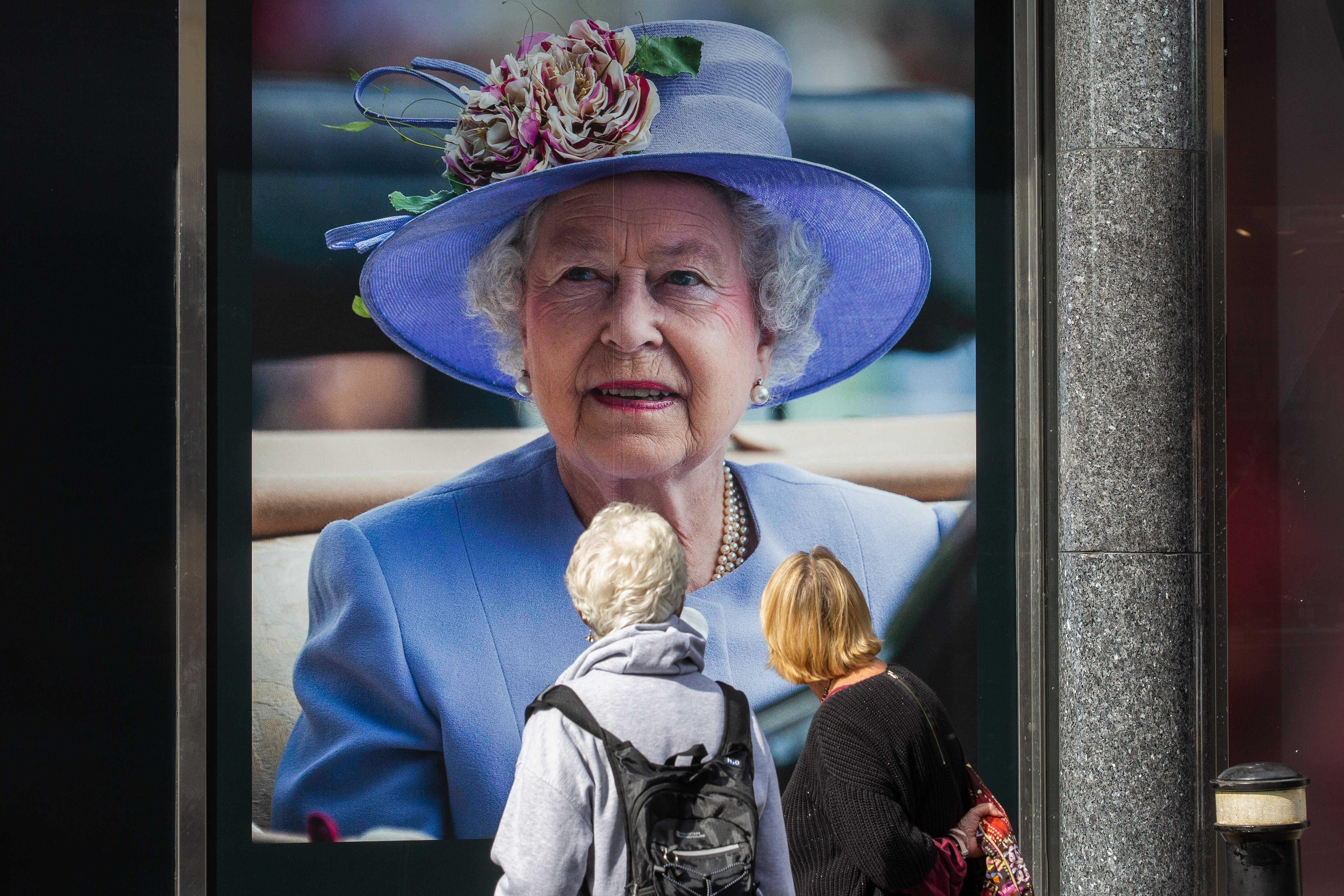
The death of the Queen has been felt by millions of people around the world – but for those grieving their own private losses during this time, it’s bringing up a lot of complicated emotions.

For Anne-Marie Brownlee, 40, from Coventry, reliving the major moments in the Queen’s life these past few days has left her drawing parallels with the loss of her late husband, who died suddenly and unexpectedly on November 1, 2021.

Brownlee was waking up to celebrate their daughter’s second birthday when she discovered her husband John had passed away, right next to her in bed. It later transpired he’d died from an incredibly rare, underlying lung condition.

Recently, she’s been overwhelmed by a renewed sense of loss in the run up to John’s birthday. And now the Queen’s death has left her experiencing those waves of grief all over again.

“When something like this happens – and it’s such a widespread loss – you can’t help but be brought back to the reality of your situation,” she says.

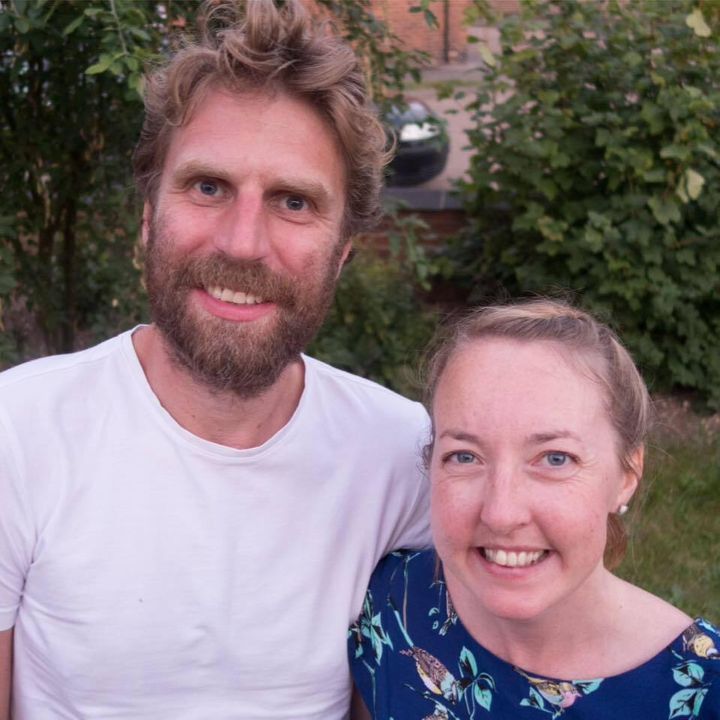
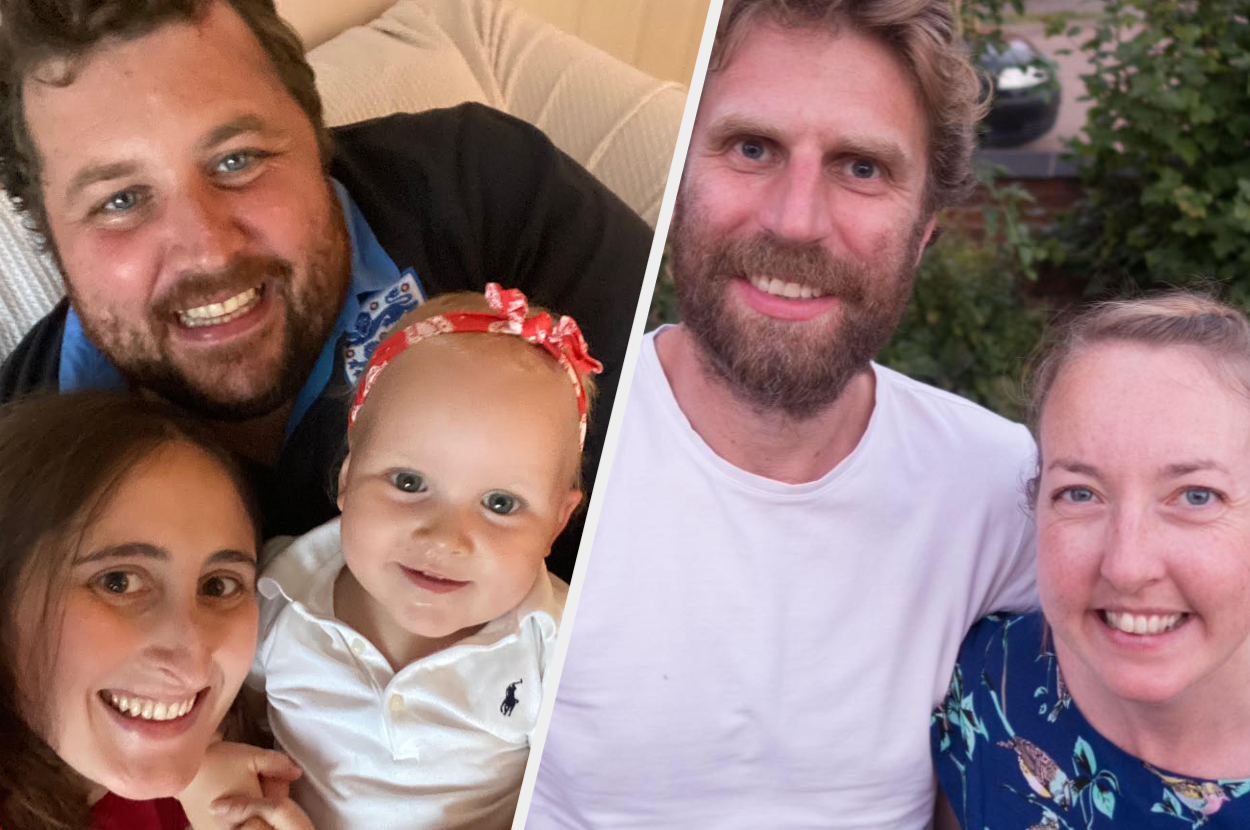
John and Anne-Marie Brownlee

Anne-Marie Brownlee

John and Anne-Marie Brownlee

Brownlee experienced the Queen as a quiet constant in her life, from watching her yearly speech on Christmas Day to celebrating the big Jubilee jamborees.

But so was John, who she met when she was just 15. “Throughout all of my adult life he’s been by my side, so there’s a direct comparison in that sense – all those big moments he’s been with me, like the Queen has,” she explains.

“Realising that she died and losing her has just brought back to the surface those feelings of loss and that renewed remembrance of all the things that we’ll miss in the future. All those upcoming big milestones that he’ll never be part of, like she’ll never be part of – and having to accept that all over again.”

While she’s avoided most of the news coverage surrounding the Queen’s death – probably subconsciously so as not to get too upset, she notes – she did catch a documentary about Queen Elizabeth’s life one evening this week.

“When I was watching it, I did find myself tearing up through many of the parts, purely because it’s a loss, and then because I guess it’s going back in her life: seeing her get married and having children. It’s all things that happened in my life that I can relate to and then feel that sadness and the loss,” she says.

The 40-year-old, who works in internal communications, is no stranger to the strangeness of private grief during a period of nationwide mourning.

Her late partner lost his best friend in a freak motorcycle accident not long after 9/11, and she lost her own father the year that Diana, Princess of Wales, died.

The moment she found out Diana had died is etched on her brain because of the strong feelings already overwhelming her that day.

“We’d gone on a family holiday down to Devon. It was the first time going away without my dad,” she recalls.

“The day we were due to come home was the day Princess Diana died. I remember being in the car with my mum and I remember the radio stations were constantly full of the news, playing sad music. It was raining outside for the whole journey, and me and my mum were sobbing the whole way.”

Like recent days, it brought up all those old feelings of loss once more – particularly as her dad loved the monarchy, and was a big fan of Princess Diana. “It was just the darkest and most miserable day,” she says.

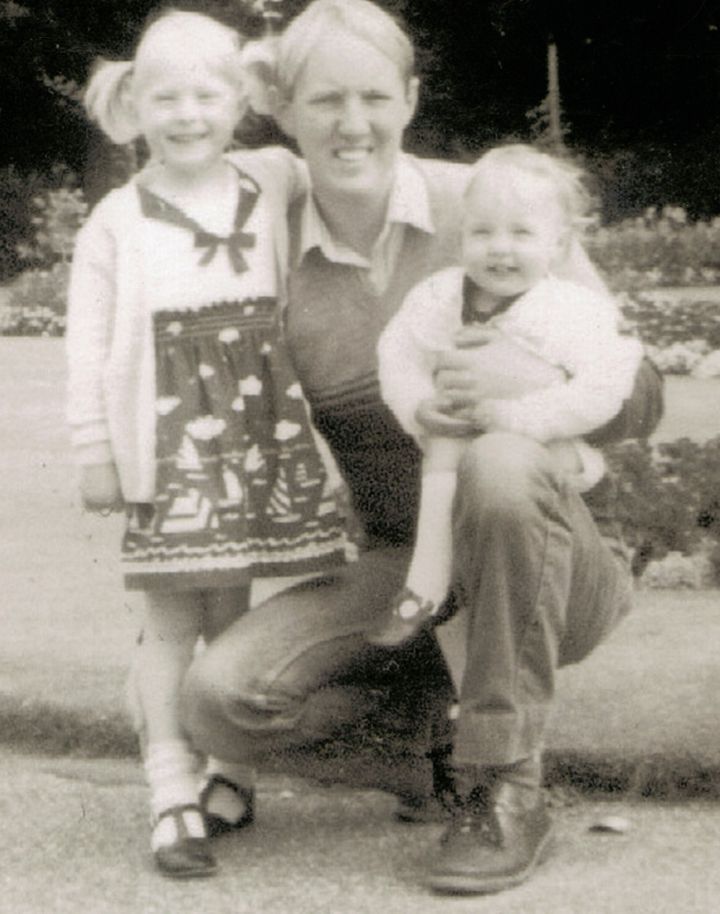
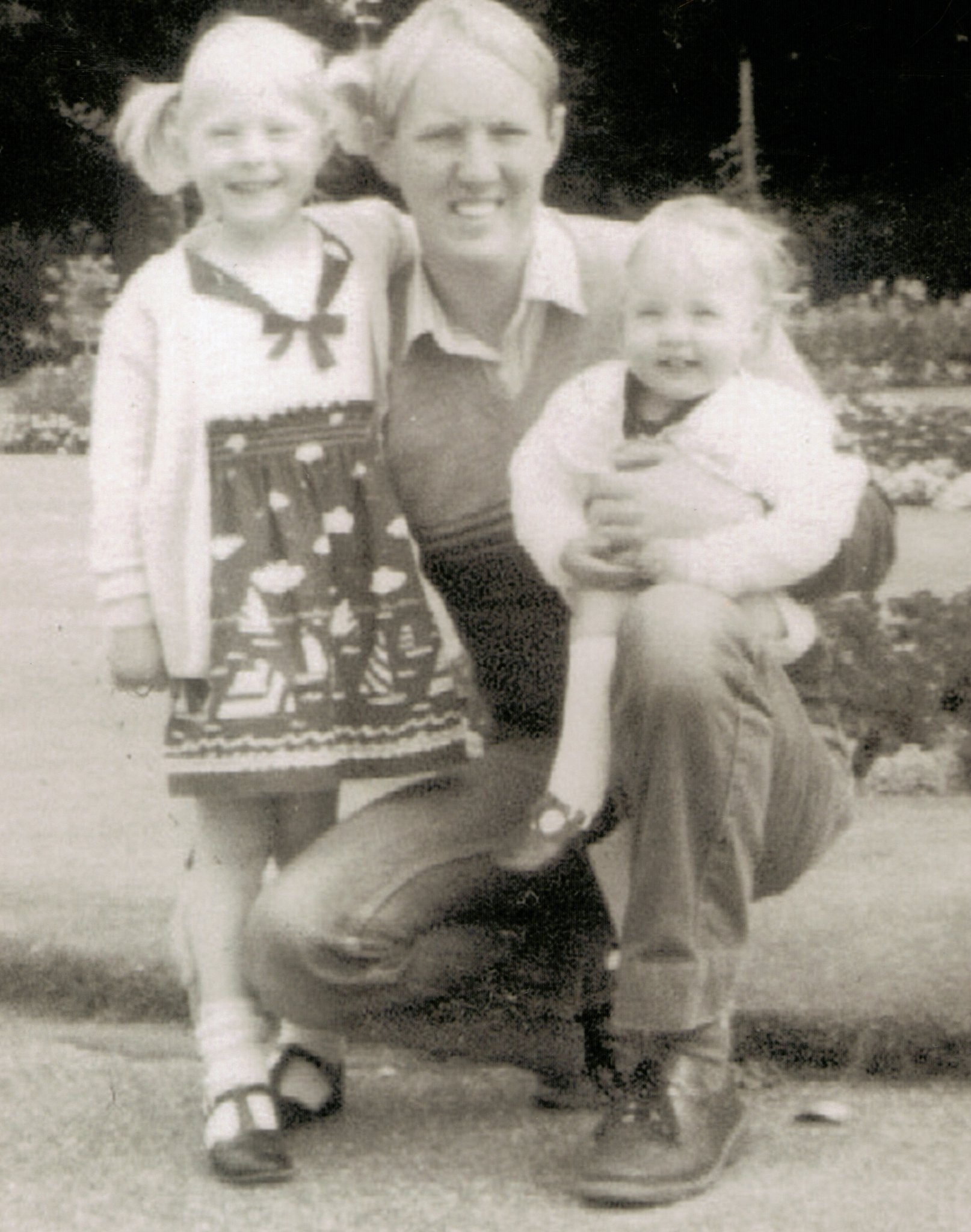
Poppie Brownlee (Anne-Marie's sister), Gerry Brownlee (her father) and Anne-Marie Brownlee.

Anne-Marie Brownlee

Poppie Brownlee (Anne-Marie’s sister), Gerry Brownlee (her father) and Anne-Marie Brownlee.

Headhunter James Coull, who is 40 and based in Northampton, has also found the past few weeks difficult, as he was preparing for the one-year anniversary of his wife’s death on September 14.

“Leading up to that, it’s been a whole month, really, of feeling anxious,” he says.

“The first everything is always new to you, you never know what to expect, and I suppose you look at a situation like the Queen – she’s 96. My wife was 32 and healthy…”

Coull’s wife Kathryn died suddenly and unexpectedly at home, while pregnant. James woke up to find out that not only had he lost the love of his life, but also their unborn daughter Florence Rose, at 32 weeks.

Recalling the moment, he tells HuffPost UK: “It wasn’t planned, I wasn’t expecting anything, it wasn’t like she had a terminal illness and you’ve got time to cope with it. It was just waking up and finding somebody dead in bed.”

He’s found the past few days particularly difficult, navigating his own feelings of intense grief, while seeing people around him mourning the loss of the Queen.

“It’s very different when you’re mourning for somebody you’ve never met before, somebody who’s more of a ‘figure’. Somebody who you’re well aware of who they are but you haven’t got any emotional, strong ties to that person,” he says.

“People make comments in the office or everyday life about being really sad that Queen Elizabeth has died, but they don’t know that person. It hits home a lot harder, doesn’t it, when it’s someone who’s so close to you: somebody that you’ve committed to spending the rest of your life with, somebody that you’ve made a joint decision to bring someone into the world with.

“I suppose you can’t really compare that to somebody who’s in the public eye. I think you pretty much accept that once family members or friends get into their 70s and 80s, you know it’s inevitable they’re going to pass one day.

“And I suppose you always prepare for it. But you never imagine you’re going to bury somebody younger than you.”

Kathryn and James Coull

James Coull

Kathryn and James Coull

The news of the Queen’s death on September 8 was followed by an immediate outpouring of grief online, with many heartfelt memes suggesting she had been reunited with her late husband Prince Philip.

But Coull has really struggled with this as he questions his own thoughts and feelings around the afterlife.

“I understand why people do it – it’s a good feeling, it’s giving people hope that there is life after death, but you just don’t know do you?” he says. “Some people believe in that side of things, the spiritual side of things, and some people don’t.”

For others, like Brownlee, the idea of the Queen and Prince Philip together again has brought hope – and a sense of peace. She is comforted by the idea that sometime in the future she could also be reunited with John.

There’s no right or wrong way to grieve during this time – and everyone will experience loss in their own way. Vicky Anning, communications manager for charity Widowed and Young (WAY), says the Queen’s death has prompted “a whole range of emotions” among its members.

“Some people have found the chance to mourn along with the nation incredibly cathartic,” she explains, “while others have found the media coverage very triggering – reminding them of their own personal losses and bringing up difficult reminders of the early days of their own bereavement.”

Lauren Vivash, 36, from Essex, discovered her husband Robert had a brain tumour in 2019 – she was pregnant with their daughter at the time.

Robert had been having seizures which were attributed to a Grade II tumour. Despite surgery, it progressed quicker than expected and he died in June this year.

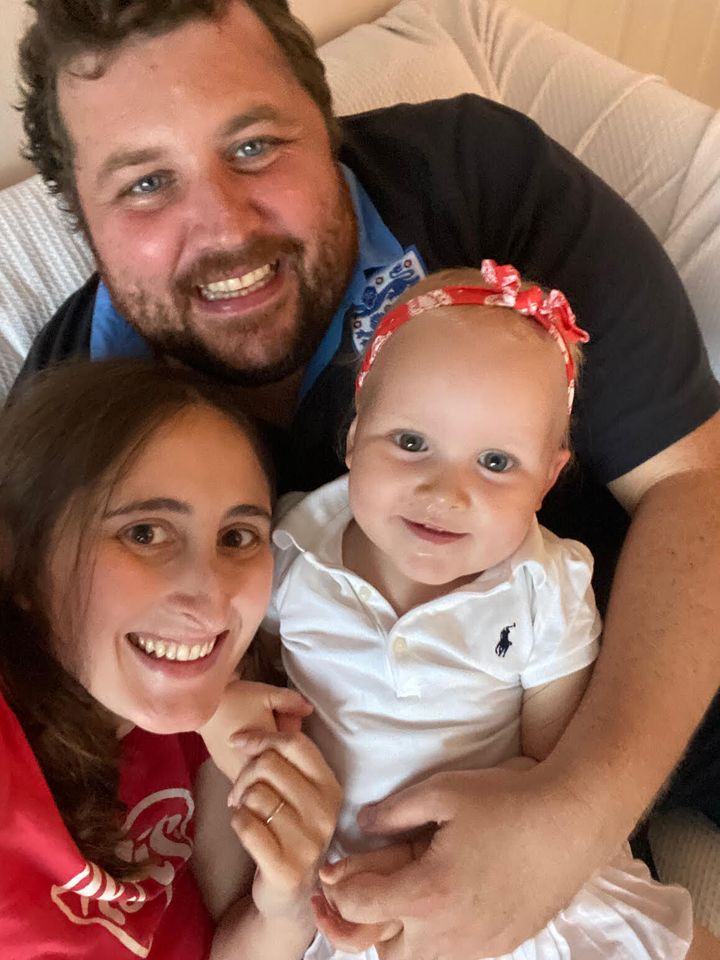
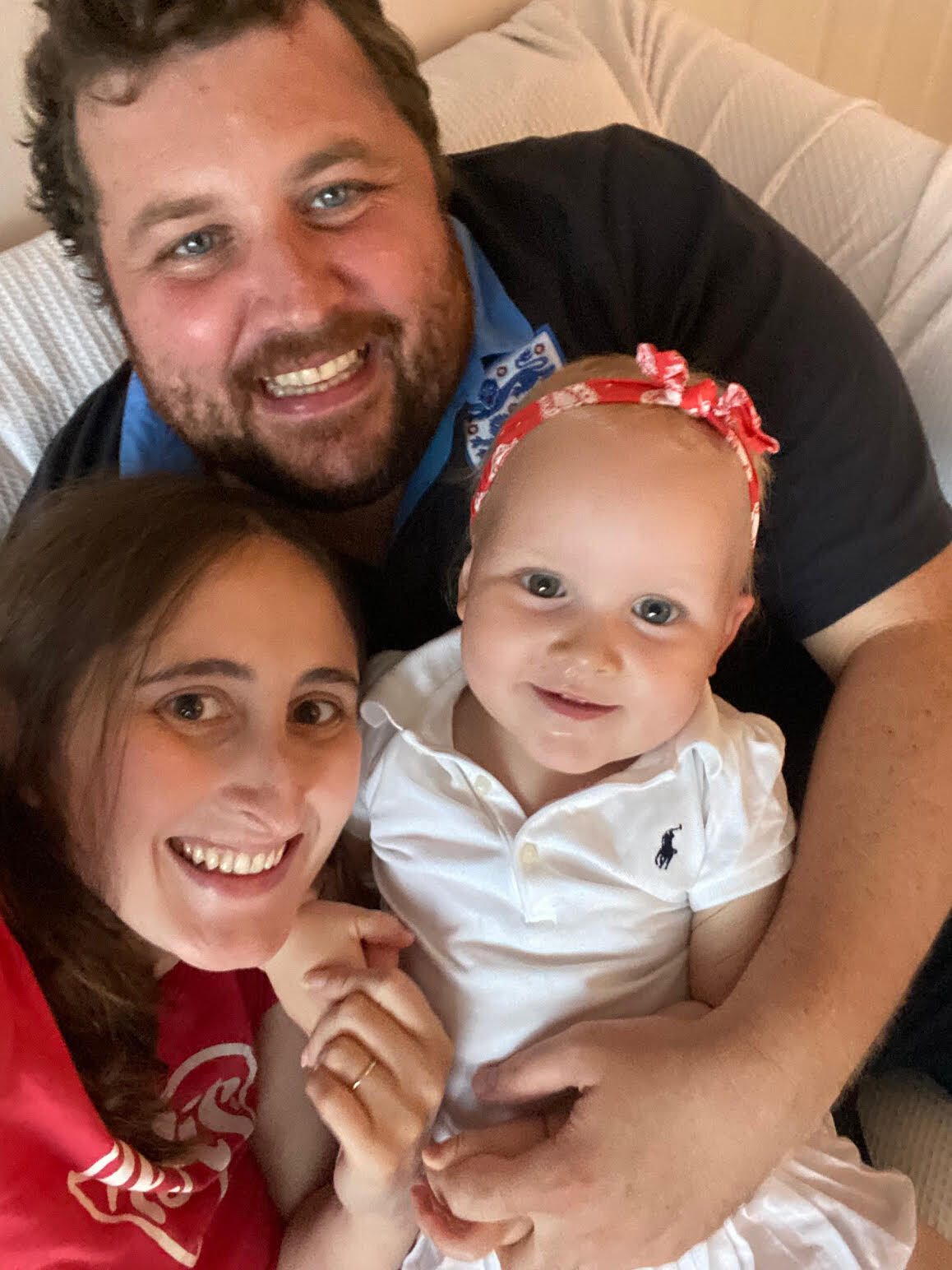
Rob and Lauren Vivash, and their baby daughter

Lauren Vivash

Rob and Lauren Vivash, and their baby daughter

The Queen’s death occurred just shy of 100 days after Robert’s death, yet Vivash found the process of grieving alongside the rest of the nation as “cathartic”, saying she no longer felt alone in her sadness.

“To begin with I found it really upsetting,” she recalls of hearing the news. “For that first night, I was crying the whole time. It just really hit me. I was like: this is a bit strange. I wasn’t brought up to be a big royalist or anything.”

But she admired the Queen, she says, adding “she was the most famous widow in the world”.

She recalls how her late husband had been very invested in the royal family and they’d watched lots of the coverage together when Prince Philip died. This left her feeling closer to the royals, too.

Vivash remembers seeing footage of the Queen sitting alone at her husband’s funeral and, knowing her own partner was ill, found some strength in that. “Obviously I hoped that he wouldn’t die but it gave me a sense of like: well, she’s shown how you can carry on after losing your husband,” she says.

Discovering the Queen had died, she says, “it’s almost like it gave me permission to grieve”.

There’s this expectation, she says, that after a funeral of a partner, friend or family member, you’re expected to move on. “People think grieving is linear and that it’s horrible that they die, but you get better and better. But it’s not the case at all,” she says.

At the moment that feels different. “I think because everyone is grieving, it just gives you that permission to be upset again and maybe gives people more of an idea. It’s not the same as losing your husband when he’s only 38, but it gives them an idea that it’s painful to lose someone.

“I think that’s why I found it cathartic.”

Rob and Lauren Vivash

Lauren Vivash

Rob and Lauren Vivash

Despite dealing with her own raw feelings, Vivash will still be tuning in to watch the Queen’s funeral on September 19 – not only to witness history on her husband’s behalf, but also to support the royal family in their grief.

Sadly, some funerals originally set to happen on the same day are being postponed, after the last-minute Bank Holiday was announced.

In some cases this has been at the family’s request, while others have had to reschedule because the cemetery or crematorium operator has chosen to close – for Jewish and Muslim families, this has been a particular worry, given funerals should be carried out within 24 hours of an individual’s death.

And with wall-to-wall coverage of the royal funeral, Monday will undoubtedly be a difficult time for those experiencing their own recent loss.

Coull encourages anyone impacted to reach out to others who know what you’re going through – via support services and bereavement support charities – as talking can really help.

“The first month I felt like I was in a parallel world. I felt it was a dream I couldn’t wake up from. You don’t sleep, you don’t eat, you don’t function as a human being, you almost shut your brain down so you don’t think about things,” he recalls of the time shortly after Kathryn’s death.

“I don’t like to use the cliché that time is a healer, but it is. Things do get easier. You learn to live with things, you learn how to cope with things, you learn how to go back to your everyday life.

“The feelings are still there, maybe slightly suppressed, but you know that every day you spend being sad and grieving is a day gone. And you don’t know when your time is up.

“You have to find the inner strength to move forwards.”

Help and support:

  • Mind, open Monday to Friday, 9am-6pm on 0300 123 3393.
  • Samaritans offers a listening service which is open 24 hours a day, on 116 123 (UK and ROI – this number is FREE to call and will not appear on your phone bill).
  • CALM (the Campaign Against Living Miserably) offer a helpline open 5pm-midnight, 365 days a year, on 0800 58 58 58, and a webchat service.
  • The Mix is a free support service for people under 25. Call 0808 808 4994 or email help@themix.org.uk
Share Button

‘I Have Lost A Grandmother’: Prince William Pays Personal Tribute To Queen

Prince William has issued a deeply personal statement about the late Queen Elizabeth II, saying just how much she meant to him and his family.

The new Prince of Wales, now first heir to the throne, said: “On Thursday, the world lost an extraordinary leader, whose commitment to the country, the Realms and the Commonwealth was absolute.

“So much will be said in the days ahead about the meaning of her historic reign. I, however, have lost a grandmother.”

On Friday, King Charles III confirmed that his first son would inherit his title of Prince of Wales, while his wife Catherine would now be Princess of Wales, a title not held since Princess Diana died in 1997.

“I have had the benefit of the Queen’s wisdom and reassurance into my fifth decade,” William said of his grandmother in his statement on Saturday.

“My wife has had twenty years of her guidance and support. My three children have got to spend holidays with her and create memories that will last their whole lives.”

In what could be seen as a references to his wedding to Kate and, possibly, to his mother’s death, he added: “She was by my side at my happiest moment. And she was by my side during the saddest days of my life.”

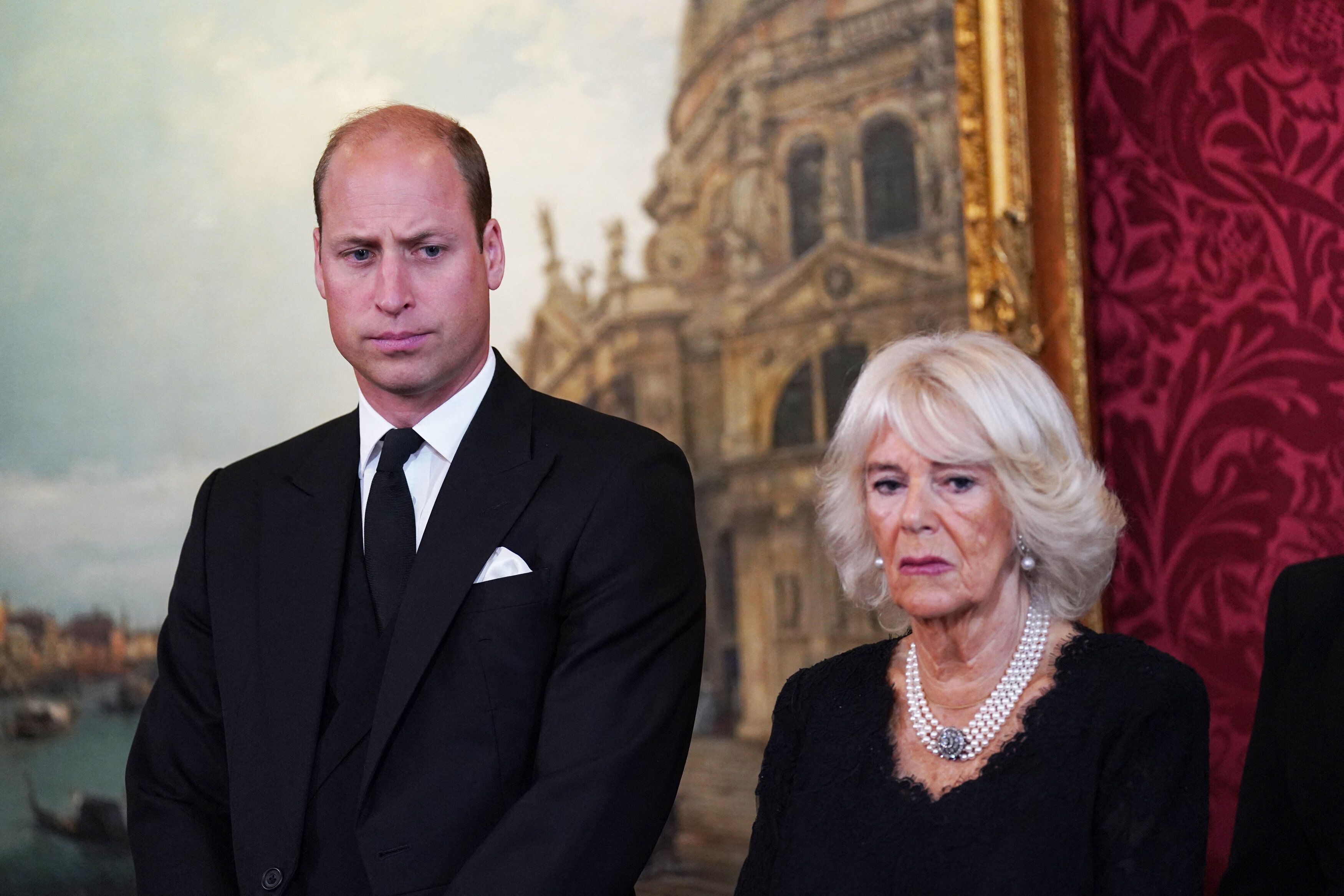
On Saturday morning, the Prince of Wales, together with Camilla, Queen Consort, was witness to the formal proclamation of his father as King Charles III.

The Prince said that while he grieves the Queen’s loss, he also feels “incredibly grateful”.

“I thank her for the kindness she showed my family and me,” he said. “And I thank her on behalf of my generation for providing an example of service and dignity in public life that was from a different age, but always relevant to us all.”

Echoing the words of his father, he said: “I knew this day would come, but it will be some time before the reality of life without Grannie will truly feel real.”

And as King Charles III did in his first televised statement to the nation on Friday, the Prince also spoke of love.

“My grandmother famously said that grief was the price we pay for love,” he said.

“All of the sadness we will feel in the coming weeks will be testament to the love we felt for our extraordinary Queen. I will honour her memory by supporting my father, The King, in every way I can.”

Share Button

The Top 10 Songs Played At Funerals This Year May Just Surprise You

When you think of funeral music what songs come to mind? Hymns and classical music used to be people’s go to – but all that’s changing.

Gerry and the Pacemaker’s ‘You’ll Never Walk Alone’ has taken the top spot in Co-op Funeralcare’s annual music chart – and not just for Liverpool football fans.

The emotional melody has actually knocked Frank Sinatra’s ‘My Way’ off number one – playey at an estimated 9,500 funerals over the past year.

The undertakers’ annual music chart was launched in 2002 and is based on data and insights from Co-op Funeralcare’s directors and arrangers, who conduct approximately 100,000 funerals a year.

Ed Sheeran (who regularly tops wedding songs charts, too) is in there, with his song, Supermarket Flowers. And some oldies but goodies still feature in the top 10, including Monty Python’s ‘Always Look on The Bright Side Of Life’ and ‘We’ll Meet Again’ by the late Dame Vera Lynn, who dies last summer.

But each year, more pop and contemporary tracks are being played at people’s sendoffs – some with a surprisingly catchy tone.

Cardi B and Ed Sheeran, both funeral favourites.

Getty Images / HuffPost UK

Cardi B and Ed Sheeran, both funeral favourites.

The Greatest Showman’s big number ‘This Is Me’ entered the chart for the first time this year at number ten. Other songs in the top 10 includes Tina Turner’s anthem ‘Simply the Best’ at number four – which has taken on new meaning for must fans of the TV show Schitt’s Creek – and Fleetwood Mac’s ‘The Chain’ at number seven on the list

“Music plays such a big part in all of our lives, it’s no surprise that our favourite songs play a role in the way we say goodbye too,” said Sam Tyrer, managing director of Co-op Funeralcare.

“The songs we choose for a funeral all hold unique and personal meaning for ourselves and loved ones but naturally some songs remain more popular than others and we’re delighted to unveil this year’s music chart.

Among the more controversial songs to have been requested at recent funerals include ‘W.A.P’ by Cardi B ft. Megan Thee Stallion and ‘Girl on Fire’ by Alicia Keys. ‘F*** Forever’ by Babyshambles and ‘Ha Ha You’re Dead’ by Green Day satisfy the alternative crowd, and we quite want to know the story behind the people choosing ‘Ding Dong! The Witch is Dead’ from The Wizard of Oz.

It’s worth noting, however, that offensive songs can be refused to be played by a third party, such as the venue or person ordaining the funeral, says Tyler.

The Top 10 funeral songs for 2021

  1. You’ll Never Walk Alone – Gerry and the Pacemakers

  2. My Way – Frank Sinatra

  3. Always Look on The Bright Side Of Life – Eric Idle

  4. Simply The Best – Tina Turner

  5. Supermarket Flowers – Ed Sheeran

  6. Time to Say Goodbye – Andrea Bocelli and Sarah Brightman

  7. The Chain – Fleetwood Mac

  8. Somewhere Over the Rainbow – Eva Cassidy

  9. We’ll Meet Again – Vera Lynn

  10. This is Me – The Greatest Showman

Share Button

The Dos And Don’ts Of Supporting Someone Who’s Grieving This Christmas

HuffPost is part of Verizon Media. We and our partners will store and/or access information on your device through the use of cookies and similar technologies, to display personalised ads and content, for ad and content measurement, audience insights and product development.

Your personal data that may be used

  • Information about your device and internet connection, including your IP address
  • Browsing and search activity while using Verizon Media websites and apps
  • Precise location

Find out more about how we use your information in our Privacy Policy and Cookie Policy.

To enable Verizon Media and our partners to process your personal data select ‘I agree‘, or select ‘Manage settings‘ for more information and to manage your choices. You can change your choices at any time by visiting Your Privacy Controls.

Share Button

I’m An ER Doctor. This Is What It’s Like To Tell People Their Loved Ones Have Died.

HuffPost is part of Oath. Oath and our partners need your consent to access your device and use your data (including location) to understand your interests, and provide and measure personalised ads. Oath will also provide you with personalised ads on partner products. Learn more.

Select ‘OK’ to continue and allow Oath and our partners to use your data, or select ‘Manage options’ to view your choices.

Share Button

From Sleep Anxiety To Somniphobia – This Is What It’s Like To Fear Going To Bed

HuffPost is part of Oath. Oath and our partners need your consent to access your device and use your data (including location) to understand your interests, and provide and measure personalised ads. Oath will also provide you with personalised ads on partner products. Learn more.

Select ‘OK’ to continue and allow Oath and our partners to use your data, or select ‘Manage options’ to view your choices.

Share Button

Bereaved Parents Will Be Spared Children’s Funeral Costs Under New Government Scheme

HuffPost is part of Oath. Oath and our partners need your consent to access your device and use your data (including location) to understand your interests, and provide and measure personalised ads. Oath will also provide you with personalised ads on partner products. Learn more.

Select ‘OK’ to continue and allow Oath and our partners to use your data, or select ‘Manage options’ to view your choices.

Share Button