The change means that from 6 April, new dads can take two weeks of paternity leave from day one of a new job – however, this will not be paid leave unless they’ve worked for their employer for more than 26 weeks.
But campaigners are saying the change “doesn’t go far enough” to improve the UK’s measly paternity leave offering, which has been slammed as the worst in Europe.
Advertisement
Ultimately, many want to see dads’ leave extended from the current offering of two weeks, to six weeks, as default.
Elliott Rae, founder of Parenting Out Loud and Equal Parenting Week, said the latest changes to paternity leave are “much needed”, but dads “should have been entitled” to it already.
“Paternity leave in the UK is dire and fixing something that should never have been an issue in the first place doesn’t go far enough,” he said.
Advertisement
“We need to start changing the way we think about families and valuing the roles of dads and partners more. Dads want to step up, and it’s high time we let them.”
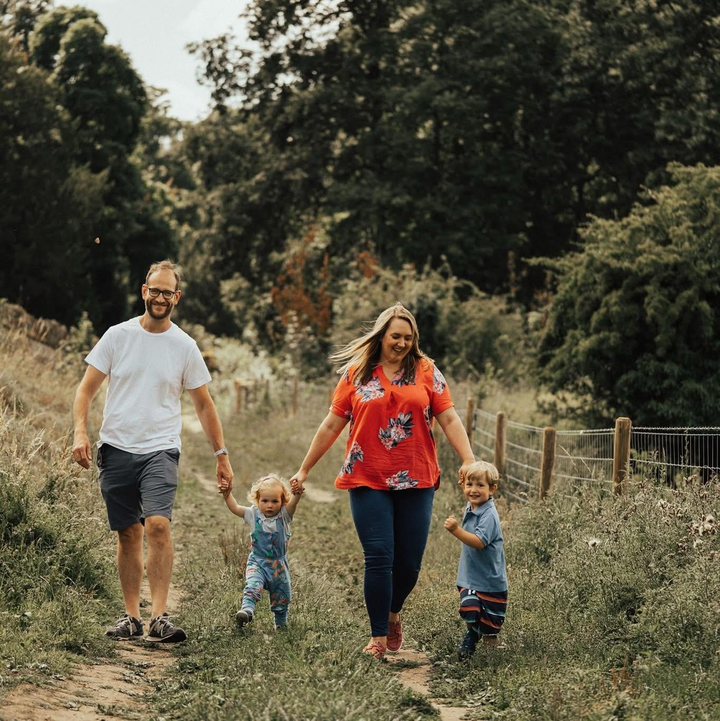
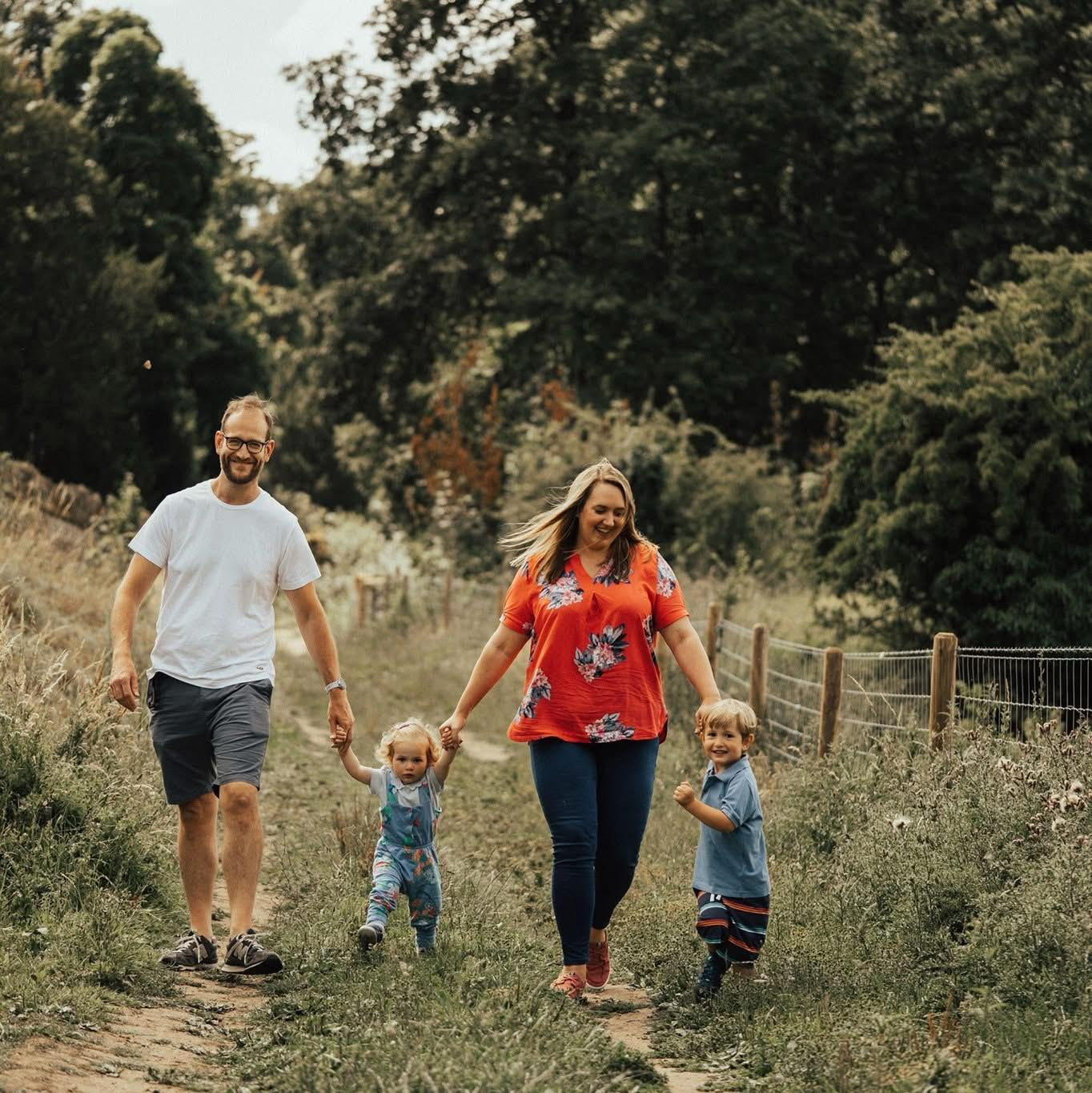
Elliott (left) and Oliver (right)
Prior to the new changes, some dads were forced to take annual leave rather than paternity leave because their partners became pregnant shortly after they started a new role.
Advertisement
Oliver, from Gloucester, was one of them. He began a new role while his wife was pregnant. “Paternity leave entitlement should always have been in place from day one, regardless of whether you’ve switched roles,” he said.
“During the early days of parenting, having annual leave to use for illness or child care is vital, so using up a big chunk of your entitlement, or not being able to take time off at all, isn’t fair.
“We now need to use this momentum to drive forward more change and more rights for dads. We need to stop policy getting in the way of parenting.”
Advertisement
Hundreds of dads and partners plan to join a ‘Push for Paternity’ pram march on Saturday 2 May, in London, Leeds and Manchester, calling for a fairer paternity leave system.
Joeli Brearley, founder of Growth Spurt, added: “We should be embarrassed by how far behind the rest of Europe we are on parental support. We offer the worst paternity leave in Europe, one of the weakest maternity pay systems, virtually no meaningful support for parents of children with SEND, and a childcare system that quietly forces parents out of work and back to the kitchen sink.
“These changes are a step in the right direction. But let’s be honest, we are still at the foothills of a very steep climb if we want to properly support working families.”
There are so many things happening in children’s lives that are outside of parents’ control, so it’s understandable that parents can go a little bonkers over issues they can control, like food.
Some mums and dads worry so much about “proper” nutrition that they can suck the fun right out of one of life’s greatest pleasures – eating what we love.
Advertisement
Paediatric emergency room physician Dr. Dina Kulik said sugar, carbohydrates and processed foods, for example, trigger far more fear than they deserve. “In realistic amounts, and within an overall balanced diet, they’re not the villains they’re often made out to be,” she said. “The stress and restriction around these foods can be more harmful than the foods themselves.”
Many paediatricians are parents themselves, and they often have a more relaxed attitude about what their kids eat than you might expect. Here are some of the surprising things that show up at their dinner tables:
Fast food
“We stop for fast food occasionally,” said Dr. Debra Langlois, a paediatrician at the University of Michigan Health C.S. Mott Children’s Hospital. “I’m a working parent; so when I get out of work late, and my children have an activity I need to get them to, they still have to eat. It’s important for all of us parents to remember that we’re doing the best we can. We need to give ourselves some grace as we strive to give children a healthy lifestyle that includes nutrition and physical activity.”
Advertisement
Chicken tenders
In a busy household, “some nights everyone just needs something quick and easy,” said Dr. Alicia Tucker, attending paediatrician at Children’s National’s obesity program called Improving Diet, Energy and Activity for Life (IDEAL).
“For us, chicken tenders fit the bill because they’re affordable, cook quickly and will always be eaten. I aim to balance this with easy, healthy sides that add some fibre and other nutrients, like putting them on top of a salad or serving them with apple slices or corn.”
Smith Collection/Gado via Getty Images
“For us, chicken tenders fit the bill because they’re affordable, cook quickly and will always be eaten,” said Dr. Alicia Tucker.
Advertisement
French fries
“I do oven frying to use less oil, and I do use sweet potatoes sometimes,” said Dr. Tokunbo Akande, an integrative paediatrician. It’s a choice he feels just fine about: “A single food doesn’t determine a child’s health, so when the foundation is whole-food, plant-forward eating, occasional ‘fast foods’ don’t derail gut health, because the gut is more resilient.”
For Dr. Sara Hagan, a paediatrician at Oklahoma Children’s OU Health, frozen french fries are a welcome choice “on busy nights when we need something quick that our toddler will eat.” She went on to say that some parents worry unnecessarily about packaged foods and snacks. “While fresh foods are ideal, many packaged options contain added vitamins and nutrients that can support toddlers and picky eaters, and they can complement whole foods for a balanced diet.” Just remember that what your child eats isn’t a referendum on you, she said. “A child’s picky eating, preference for ‘treat’ foods or adventurous palate don’t reflect on a parent’s ability. The most important thing is raising a happy, healthy child.”
Crisps
“My kids get barbecue or vinegar-and-salt chips as an occasional snack,” said Dr. Anisha Abraham, chief of adolescent medicine at Children’s National Hospital.
Advertisement
“As a teen health specialist taking care of adolescents with eating disorders, I know that strictly controlling what kids eat may increase anxiety around eating, lead to sneaking food, or contribute to disordered eating patterns later in life. Kids benefit from structure, including regular meals and snacks, but they also need independence and trust so they can develop healthy patterns as they become young adults.”
The crunchy treat also gets a nod from Dr. Adolfo Flores, a paediatrician at Children’s Health Dallas. “I have a 19-month-old, and she’ll occasionally enjoy some potato chips,” he said. “Although the amount of sodium and carbohydrates may give pause, it’s important that my daughter understands that a healthy diet looks like a diverse selection of foods, and that includes things like chips on occasion.”
Dessert
Registered dietitian Katherine Sharyleads paediatric obesity prevention efforts at Children’s Healthcare of Atlanta. “I let my kids have dessert with dinner a couple times per week,” she said. “That includes ice cream, cake, brownies, cookies or popsicles.” She offered a smart approach to offering sweets. “If your child asks for brownies, you might say, ‘Sure, we can have brownies with dinner,’ and then serve one brownie to each person. If they ask for more, you can respond with: ‘That’s all the brownies we have for this meal, but if you’re still hungry, there’s plenty of other food on the table.’ This sets a clear boundary without shame or making dessert feel off-limits.”
Advertisement
Lindsay Upson via Getty Images
An easily portioned dessert, like a brownie square, makes it easier to set limits.
“Peanut butter chocolate ice cream is my son’s favourite sweet treat,” said Dr. Paulina Tran, a paediatrician and associate program director in the allergy and immunology department of paediatrics at Los Angeles Medical Center. “As an allergist, I’m very aware that peanut is a top allergen. We know from strong evidence that early and regular exposure to allergens like peanuts can help prevent food allergies in many children. Since I know my child can safely eat peanuts, I’m supportive of him enjoying chocolate peanut butter ice cream as part of maintaining that regular exposure.”
Soda
“I do allow my kids, who are school-aged, to drink soda when we’re on vacation or celebrating birthdays,” said Dr. Rebecca Carter, a paediatrician at the University of Maryland Golisano Children’s Hospital and an associate professor at the University of Maryland School of Medicine. “As parents, we feel that treating soda as a once-in-a-while treat is a fair compromise, so that foods don’t feel fully off-limits or forbidden.”
Advertisement
Remember your kids are watching what you do
Tucker noted, “Research consistently shows that parental modelling of healthy eating behaviours has a huge impact on a child’s developing relationship with food. When kids see their parents eating a variety of foods, they’re more likely to do so as well.”
She had some practical tips for being a good food role model: “Put cucumber sticks or other crunchy veggies on the table for a pre-dinner snack while you’re cooking, and over time your kids are likely to pick up on the habit, too. And if you’re craving a cookie after dinner, remember to avoid comments about weight or body image or only getting to eat it because you exercised. Just let everyone take a cookie together and enjoy the evening.”
The biggest takeaway from the paediatricians we spoke with is that you set the tone around food, and it should be one of pleasure, enjoyment and nourishment.
Advertisement
“Most parents restrict treats because they care deeply about their kids’ growth and development – and that comes from a loving place,” Shary said. “If you’ve been using dessert only as a reward or bribe, you haven’t failed – you were doing what you thought was best. You can always try something new, like offering a small dessert with a meal or snack without strings attached. When dessert is treated as simply another food, kids build a healthier, more positive relationship with eating that can benefit them for life.”
Finally, remember the vibe at the dinner table can be so much more important than what’s being served. “Creating a positive mealtime environment where kids feel safe, heard and included often matters just as much as what’s on their plate,” Abraham said.
“Gut health is as much emotional as it is nutritional,” Akande reminded parents. “When we remove shame and pressure from eating, we support the nervous system and kids digest better. The most ‘integrative’ thing we can offer is a relaxed, joyful relationship with food.
No parent wants to sit back and watch their child experience anxiety over any situation, whether it’s going to a new dance school, a football game, trying new food or meeting new kids at school.
And while most parents have the best intentions, many actually come to their child’s rescue during moments of distress – which can be hugely detrimental to their child now and as they grow up, therapists told HuffPost.
Advertisement
The best way to help your child grow through anxiety and learn to manage it isn’t exactly a natural instinct. Here’s what to know:
The number one way parents fuel anxiety, according to therapists
“I think, in particular with anxiety … the biggest mistake that we make as parents is that when we see anxiety in our kids, we jump straight into that ‘I want to protect this child from this experience.’ So, we go straight to protection mode,” said Cheryl Donaldson, a licensed marriage and family therapist.
Parents don’t want their kids to feel anxiety, of course, but swooping in to take them out of an anxious situation or fix it for them isn’t a way to empower kids, Donaldson noted. It’s actually doing the opposite.
Advertisement
Research suggests that accommodating anxiety makes it worse, said Hannah Scheuer, a licensed clinical social worker with Self Space in Washington state.
“I’m both a child and family therapist and a mom, and I’m just gonna say that watching our child struggle and suffer is one of the hardest things,” Scheuer said. “And if we accommodate and give in, we will make it worse. Accommodation is essentially allowing avoidance, and avoidance feels really, really good in the moment, even to adults.”
For instance, if your teenager is anxious about driving on the highway, avoiding it when teaching them to drive only makes the experience scarier and more stressful when they eventually have to do it.
Advertisement
“It just makes it worse and worse, it leads to long-term negative outcomes,” Scheuer said. “That accommodation, that saying, ‘Oh no, you don’t have to do this thing that you’re upset about or scared of,’ it does temporarily alleviate that child’s distress. Then, what it reinforces is this perception that the thing that they don’t want to do actually warrants their anxiety, and so that gives them more reason to feel the anxiety.”
“Anxiety is our body’s mechanism to tell us that we either need to act in some way … or, in the case of kids, anxiety is telling them, ‘This is a new skill I need. This is a new experience. I need more skills. I need to know how to manage this,’” Donaldson said.
It’s important to validate your child’s emotions while supporting them through anxiety
“We have to validate, we have to regulate and we have to mitigate,” she said.
Validation looks like normalising the anxiety and sharing that it’s something we all experience, Buscemi said. Regulation means helping your child learn to manage their anxiety through a variety of solutions, like breathing exercises and movement. Mitigation helps a child understand that temporary discomfort, such as facing the situation that makes them anxious, leads to long-term relief.
“Facing fears ultimately decreases them – and we prove to ourselves that things aren’t as scary as we’ve built up in our mind, or that maybe we’re just braver than it was scary,” Buscemi said.
“The research evidence does also show that what we need to do as parents is to provide support and confidence,” Scheuer noted. “What that looks like is supporting and validating the feelings while also showing confidence in their child’s ability to actually do the thing to cope with the anxiety.”
Advertisement
For example, if your child gets really anxious about going to football practice and has meltdowns in the car on the way to practice, a parent could say, “Wow, I hear you. I know you’re feeling really scared and upset right now, but I also know that you can do really hard things and you’re going to be OK,” Scheuer suggested.
“It’s that mix of validation of the feeling, without accommodating the anxiety and providing confidence that they can do it,” Scheuer explained. This one sentence isn’t going to erase your child’s anxiety and stop the meltdown, but as this encouragement comes up week after week, soccer will feel less and less hard for your child.
“And continuing to inspire that confidence … is going to really make a big impact, and that’s how we build resilient kids,” Scheuer said.
Advertisement
Justin Paget via Getty Images
Never making kids face the thing that makes them anxious will only impede their confidence.
Some kids (and parents) require professional support for anxiety management
Many parents will be able to manage their kids’ anxiety through different calming and exposure techniques, but some kids (and parents) may require additional support from a mental health professional – and that’s perfectly OK.
There are certain signs that a child’s anxiety requires support from a therapist or other professional.
Advertisement
“If the anxiety is getting in the way of them being able to be in a relationship with other kids, go to a friend’s house … being able to go to practices and do different things, you want to reach out for help,” Donaldson said.
If you notice your child frequently worrying or frequently in distress, those are also red flags.
“Also, with younger kids, they don’t really have the language to talk about anxiety, so sometimes we see it as like more physical symptoms,” Scheuer noted. This includes stomachaches, having trouble sleeping, and general restlessness.
“That is something that I would say, if that’s pretty common, maybe they need some extra support,” Scheuer said.
Advertisement
If therapy or counselling isn’t accessible, your child’s school should have a social worker or school counsellor who can provide support, Scheuer said. Talking to your paediatrician could also be a good idea.
Managing anxiety in kids often involves the parents, especially if the kids are younger.
“So, it’s not just saying, ‘Oh, fix the kid’s symptoms.’ It’s also … what strategies can we give to the parents to help really make sure that everybody has the tools to help this kid navigate these symptoms?” Scheuer said.
It’s also on the parents to consider how they react to anxious moments in their lives. Think about it: if mum or dad doesn’t know how to manage their own anxiety, they likely won’t be able to help their child, either.
Advertisement
Ask yourself what you feel when your child gets anxious. Does it make you anxious, too? If so, what do you do to calm down?
“Leading with your own leadership” is an important way to go about this, according to Donaldson. If you know deep breathing helps you feel less anxious, gently guide your child toward that. Or, if you know that getting out for a walk reduces your anxiety, gently encourage your child to try it.
“You want them to know that you’re partnering, that you have answers that are going to be really helpful for them,” Donaldson said.
Advertisement
If other techniques and interventions don’t work, “sometimes the kids need to go on medication,” Donaldson noted.
Watching your child experience anxiety isn’t a pleasant experience for anyone, but it helps build life skills and confidence that are tough to grow later in life. The ability to live with discomfort and manage anxiety is important throughout the lifespan, as someone takes a big test, gets their first job, experiences their first break-up, faces job rejection and more.
“I really like to emphasise with my clients that we’re trying to push through temporary discomfort to achieve long-term relief,” Buscemi said.
Advertisement
Help and support:
Mind, open Monday to Friday, 9am-6pm on 0300 123 3393.
Samaritans offers a listening service which is open 24 hours a day, on 116 123 (UK and ROI – this number is FREE to call and will not appear on your phone bill).
CALM (the Campaign Against Living Miserably) offer a helpline open 5pm-midnight, 365 days a year, on 0800 58 58 58, and a webchat service.
The Mix is a free support service for people under 25. Call 0808 808 4994 or email help@themix.org.uk
Rethink Mental Illness offers practical help through its advice line which can be reached on 0808 801 0525 (Monday to Friday 10am-4pm). More info can be found on rethink.org.
As a psychologist working with children and families, I often meet parents at a moment of both clarity and uncertainty.
They may have started to notice that their toddler experiences the world a little differently. Perhaps their child becomes overwhelmed in busy environments, struggles with communication or finds social interaction more difficult than other children their age.
Advertisement
For many families, recognising neurodivergence brings a sense of relief. But it is usually followed by a daunting question: how do we get the right support for our child?
In the UK, that journey can be particularly complex during the early years.
According to the Department for Education, around 1.6 million pupils in England are identified as having special educational needs, representing roughly 18% of the school population. Yet families with preschool children often face long waiting lists for assessments and limited access to early support.
This delay matters. Early childhood is a critical period for brain development. Evidence shows that early support programmes for neurodivergent children, particularly those on the autism spectrum, can significantly improve communication, social skills and everyday functioning.
Advertisement
When support arrives early, it does not change who a child is, nor should it. What it can do is help children develop strategies that make learning and taking part in daily life much more manageable.
The early years can be very difficult for families
The period after recognising that a child may be neurodivergent can be one of the most stressful times for parents.
Families are often required to navigate complex systems across health, education and social care, while also supporting their child’s day-to-day needs.
Advertisement
Research has shown that parents of neurodivergent children report significantly higher levels of stress during the early stages of seeking support, particularly when services are delayed or fragmented.
In practice, many parents become the main coordinator of their child’s support: they research therapies, push for assessments and adapt their home routines to help their child manage emotions and sensory challenges.
Yet this expertise is not always recognised by the professionals they encounter.
Challenging outdated advice
In my clinical work, I still hear well-intentioned but outdated advice offered to parents of neurodivergent toddlers. Comments such as “they will grow out of it” or “they simply need firmer discipline” reflect a misunderstanding of how neurodivergent children develop.
Advertisement
Research increasingly shows that behaviours often described as disruptive are more accurately understood as a child trying to express sensory, emotional or communication needs.
When a child struggles to join in with group activities or becomes overwhelmed in a busy environment, it is rarely deliberate defiance. It is often a sign that the environment does not yet suit the way their brain works.
A more helpful approach shifts the focus away from controlling the behaviour and towards understanding what is behind it.
Advertisement
What early years settings could do differently
Nurseries and early years settings are well placed to support neurodivergent children before formal schooling begins.
However, according to the Department for Education, many staff feel underprepared to recognise and respond to the different ways children develop and learn.
Inclusion means more than simply allowing neurodivergent children into mainstream settings. It means adapting those environments with calmer spaces, flexible routines, visual aids and genuine collaboration with families.
Advertisement
When these changes are made, the benefits extend to all children. Every young learner does better in an environment that feels predictable and safe.
One young child I worked with struggled to join in at nursery and was frequently described as disruptive. Staff were unsure how best to respond.
After introducing a simple visual timetable and a quiet space where the child could go when feeling overwhelmed, the difference in their participation was remarkable.
Advertisement
What changed was not the child but the environment. This reflects a broader principle: when we adjust our surroundings to meet a child’s needs, their ability to engage often grows considerably.
Dr Marguerita Magennis is a psychologist, educational consultant, counsellor and psychology tutor at FindTutors.
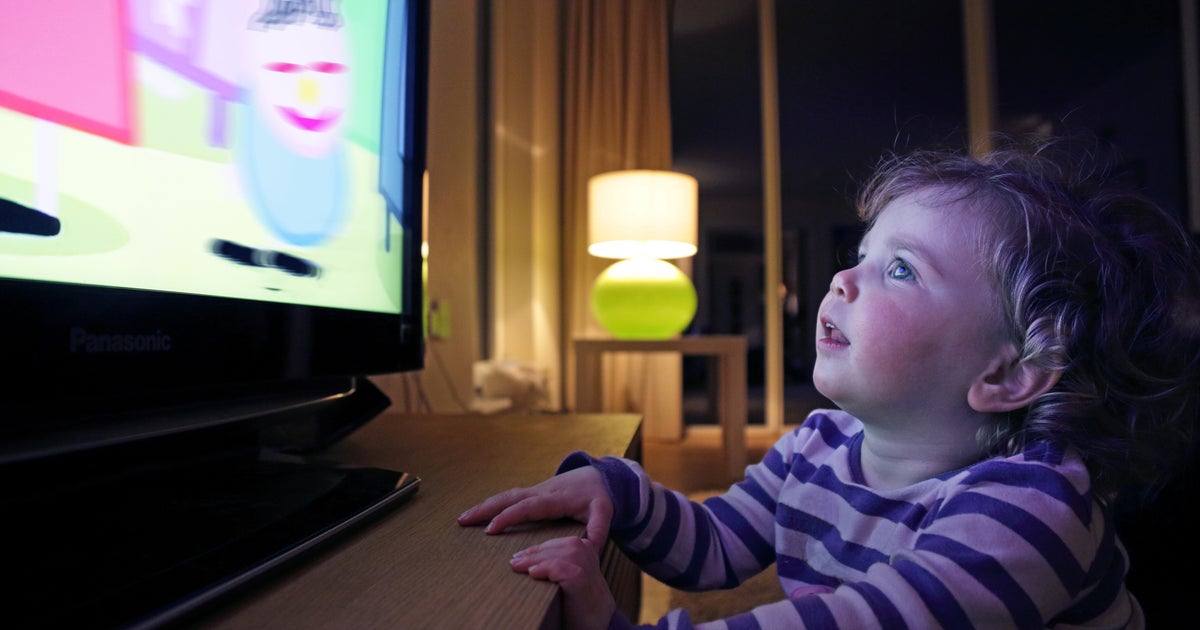
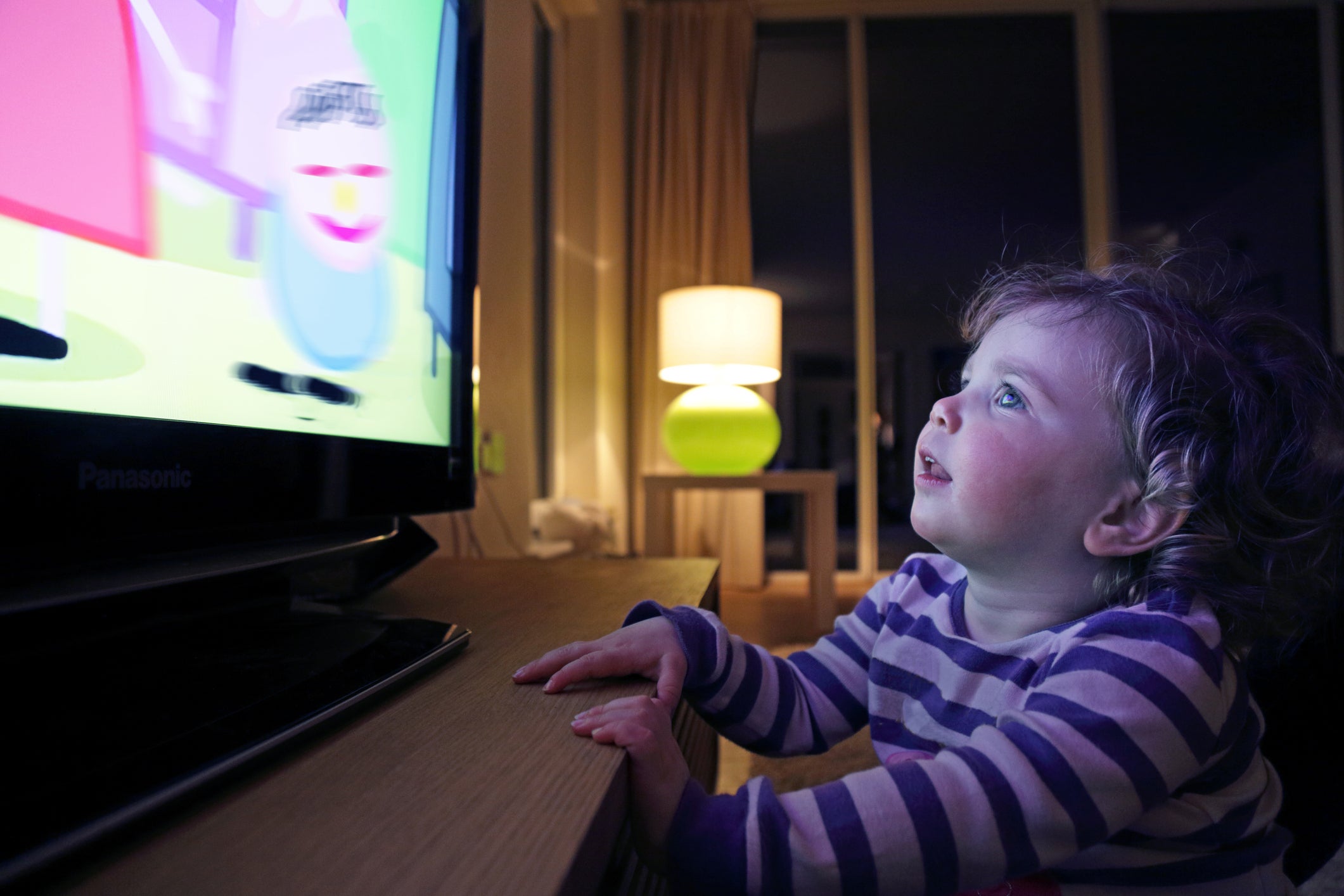
New screen time limits have been revealed for children in the UK under five.
The guidance, from the UK government, comes as almost one-quarter (24%) of parents of three‑ to five‑year‑olds say they find it hard to control their child’s screen time, and 98% of two‑year‑olds watch screens every day.
In response to parents calling for support on how much screen time is too much, as well as how to build healthy habits, the government shared new evidence-informed guidance for babies, toddlers and pre-schoolers.
Advertisement
What are the new screen time rules?
Under twos should avoid screen time other than for shared activities that encourage bonding, interaction and conversation (ie. FaceTiming family), per the new guidance.
Meanwhile two- to five-year-olds should stick to no more than one hour of screen time a day.
The government also advises avoiding screen time at mealtimes and in the hour before bed, so as not to disrupt sleep.
What else does the guidance say?
Opt for slow-paced, age-appropriate content.
Fast-paced, social media-style videos and AI toys or tools should be avoided for young children.
Parents are encouraged to watch or use screens together to make the experience more interactive, as talking, asking questions, and engaging with the content is better for children’s development.
Make safe screen swaps like reading bedtime stories together or playing simple games at mealtimes.
The guidance stems from the findings of an expert panel led by the Children’s Commissioner Dame Rachel de Souza and Professor Russell Viner, a paediatrician and expert in children’s health.
The panel reviewed the latest evidence on screen use in under-5s, and found long periods of time spent on screens alone can get in the way of activities critical for development.
Think: sleep, physical activity, creative play, and interaction with parents.
But not all screen use is equal.
Watching screens with an engaged adult where parents talk and ask questions is linked to better cognitive development than solo use.
Advertisement
Slow-paced content is also far better for development than fast-paced social media-style videos.
Evidence also suggests time limits shouldn’t apply in the same way for screen-based assistive technologies to support children with special educational needs and disabilities.
Prime minister Keir Starmer said: “Parenting in a digital world can feel relentless. Screens are everywhere, and the advice is often conflicting.”
The new guidance “cuts through the noise”, he added, “to keep children safe and make sure healthy habits are baked in from the start”.
Advertisement
Admitting that some will oppose the guidance, he added, “I will always stand on the side of parents doing their best for their children”.
Children’s Commissioner Dame Rachel de Souza said: “Young children need their parents to be confident in managing their screen use, but often this can be overwhelming for parents learning to navigate this.
“My hope is that this guidance helps to cut through the conflicting advice available and prioritise children’s development and wellbeing, as well as their safety.”
Advertisement
Neil Leitch, CEO of the Early Years Alliance, welcomed the new guidance and its emphasis on providing practical tips and advice for parents and carers.
He added he hopes it’s “the first step towards equipping children – and those supporting them – with the skills they need to thrive in an increasingly digital world and ensuring that technology enhances rather than undermines early learning and wellbeing”.
Education secretary Bridget Phillipson has revealed she’s reviewing the free childcare eligibility thresholds impacting parents in England.
Under the current system, working parents are entitled to 30 hours of free childcare a week (for 38 weeks a year) after their child turns nine months old, up until they start school.
Advertisement
However if both parents earn less than £195 per week, or one parent earns more than £100,000 per year, this support isn’t available.
Phillipson told The Times: “We are going to continue to look at eligibility through the childcare review that we’re undertaking, and it does need to be simpler for parents.”
Advertisement
How does the current threshold work?
There is a lower and higher threshold, which means thousands of parents aren’t able to access support.
People who are aged 21 or over need to be earning more than £195.36 per week to be eligible for the free childcare offering. This drops to £160 per week for 18-20 year-olds and £120.80 per week for under-18s or apprentices.
Coram Family and Childcare’s latest annual Childcare Survey found families who are not eligible for the free hours – because they are not in work, do not earn enough or do not meet other criteria – have to pay an average of £189 per week for a part-time nursery place for a child under two.
Advertisement
It warned there is a risk that disadvantaged children are being priced out of accessing the same early years education as those in working families.
Lydia Hodges, from Coram, said the government’s childcare expansion is a “welcome support” for working families, but added there’s a “stark divide” between those eligible for support, and those who are not.
She said: “The focus on children being ‘school ready’ is gathering pace, but we have to ask a question about how much more difficult this will be to achieve for disadvantaged children in England, when they will now get only a third of the government-funded early education that children with working parents get, by the time they start school.”
Advertisement
There is also a higher threshold where one parent earning over £100,000 means couples aren’t able to access 30 free hours to pay for childcare either.
This means two parents could hypothetically earn £99,999 and receive 30 hours of free childcare a week; while another couple could have one person earning £101,000 and the other earning £5,000, and they would lose out.
As a result, parents have refused pay rises and bonuses, The Times reported, as the free childcare offering is better value.
Advertisement
All parents are able to access 15 free hours of childcare when their child turns three years old, regardless of income.
When will the changes be made?
We know both the lower and higher thresholds are under review between now and the next general election, which will be August 2029 at the latest.
Any changes that will be made are not imminent and form part of the government’s early years strategy.
Advertisement
Ultimately, Phillipson is keen to make the free childcare offering “more straightforward” for parents and the childcare sector, while also “getting the best possible outcomes from the money that’s being invested”.
HuffPost UK has contacted the government about when the outcome of the review is likely to be shared and will update the piece when we hear back.
On 1 December 2021, Benedict Blythe went to school, as normal, yet a few hours later, his dad Peter received a call to say he’d been sick. When he arrived to pick up his son, it became clear he was seriously unwell.
Advertisement
Peter began CPR until an ambulance arrived. Sadly, despite medical help, Benedict was pronounced dead in hospital just after lunchtime.
An inquest into his death determined the five-year-old died from an accidental exposure to cow’s milk protein, which triggered fatal anaphylaxis.
His parents, Helen and Peter, have been fiercely campaigning for safety changes in schools ever since.
Advertisement
The couple have worked with clinicians, coroners, charities and parliamentarians to highlight gaps in allergy safety in schools and push for national protections so no other family suffers a similar fate.
And now it seems ‘Benedict’s Law’ is set to make real change.
The government has shared that under new statutory guidance, schools will have to stock life-saving adrenaline auto-injector pens, teachers will undergo compulsory allergy awareness training, and every school will need to have a dedicated allergy policy.
The guidance is currently open for consultation and will come into force in September 2026.
Helen and Peter said: “We are grateful that the government has listened to us, and that as a result a new generation of children with allergies will, from September, enter a school system far safer for them.
Advertisement
“Our son Benedict died aged just five years old, from an allergic reaction in school that was not only preventable but treatable.”
They added that if Benedict’s Law had been in place when their son joined his school, “he may still be alive”.
Helen and Peter Blythe, pictured with their children.
Advertisement
Food allergy affects around 7-8% of children worldwide, equivalent to roughly two pupils in every classroom. What’s more, roughly 30% of allergic reactions in schools occur in children previously undiagnosed with an allergy.
“As a family, leading the campaign for allergy safety in schools has been about remembering our son,” Helen and Peter continued.
Advertisement
“He was a kind, clever boy who cared about helping others – so knowing that for the first time schools will be expected to protect children with allergies like him from harm feels like a fitting legacy for Benedict.”
The Benedict Blythe Foundation caveated that while guidance sets expectations, it does not create an enforceable legal duty or guarantee consistent implementation across every school.
Olivia Bailey, minister for Early Education, said: “No parent should have to send their child to school worried that a life-threatening allergic reaction won’t be handled swiftly.
Advertisement
“We have listened to the families and organisations who have campaigned tirelessly on this issue, and we are acting.
“These new requirements will give parents the confidence that every school has the training, the plans and the equipment in place to keep their child safe.”
Tanya Ednan-Laperouse OBE, whose daughter Natasha died aged 15 from an allergic reaction, said she is “deeply grateful” that the government is taking action to keep children with food allergies safe at school.
Measles cases continue to rise in London, largely driven by an outbreak of the illness among children in Enfield.
There have been 50 confirmed cases of measles in the borough up to 16 February, according to the UK Health Security Agency (UKHSA). However, experts have said it’s likely the actual number of cases will be higher.
Advertisement
The outbreak is mostly affecting unvaccinated children under the age of 10, in both schools and nurseries.
According to a GP surgery in Enfield, one in five children with measles have been hospitalised as a result of this latest outbreak, and all of those hospitalised have not been fully immunised.
For a number of years, the borough has struggled with low uptake of the measles, mumps and rubella (MMR) vaccine – which children can have two doses of in early childhood as part of NHS immunisations – due to online misinformation, health equalities and general vaccine hesitancy, the Guardian reported.
Advertisement
On 19 Feb, Dr Vanessa Saliba, consultant epidemiologist at UKHSA, confirmed the outbreak has led to some children ending up in hospital.
The possible long-term health complications from catching measles can include: hearing loss, blindness, pneumonia (infected inflammation of the lungs), encephalitis (inflammation and swelling of the brain) and brain damage. In some cases, it can prove fatal.
“Measles is a nasty illness for any child, but for some it can lead to serious long term complications and tragically death, but is so easily preventable with two doses of the MMRV vaccine [the MMR vaccine also now includes protection against varicella, or chickenpox],” Dr Saliba said.
Advertisement
“All parents want what is best for their child – if they have missed any of their doses or you’re unsure, get in touch with your GP surgery. It’s never too late to catch up.
“The MMRV vaccine will give them the vital protection they need against this highly contagious disease, and also help protect more vulnerable children around them who are too young or unable to have the vaccine due a weakened immune system.”
Symptoms of measles
Measles typically starts off like a cold with a high temperature, runny nose, sneezing, cough and red, sore, watery eyes.
Advertisement
Some people might also experience Koplik spots, which show up as white spots inside the mouth on the inner lining of the cheek and lips – this can help distinguish it from a common cold.
The distinctive body rash can show up a number of days later. This is the “most typical symptom of measles, which usually starts on the face and spreads to the rest of the body”, Superdrug’s pharmacy superintendent Niamh McMillan previously told HuffPost UK.
“It usually appears three to five days after first signs of symptoms and lasts for several days. The rash can be flat or slightly raised and join together into larger patches.”
Advertisement
According to the NHS, the rash can look brown or red on white skin and may be harder to see on brown and black skin.
If you suspect your child has measles, the NHS advises to call for an urgent GP appointment or to speak to NHS 111. It’s important to call your GP surgery before you go in as measles is very contagious.
The government is set to announce new plans to crack down on online platforms in a bid to keep children safe.
Shortly after Labour successfully pushed X to limit AI bot Grok’s powers to post non-consensual, intimate images of people, prime minister Keir Starmer on Monday will unveil his strategy to help younger generations navigate the internet.
Advertisement
The government plans to shut a legal loophole and force all AI chatbot providers to abide by illegal content duties in the Online Safety Act, or risk breaking the law, with an amendment to the Crime and Policing Bill.
Ministers will also be able to implement changes to legislation on social media quickly with new powers in the Children’s Wellbeing and Schools Bill, if supported by MPs.
That could include setting a minimum age limit for social media and restricting features like infinite scrolling.
Advertisement
Any such changes to the law will be based on the outcomes in the government’s digital wellbeing consultation, which will launch in March, with parents, young people and civil society groups.
Ministers will consult on how best to ensure tech companies can safeguard children from sending or receiving nude images, and confront the full range of risks they might face online.
The government will also look at how to preserve vital data online if linked to a child’s death.
Starmer pledged: “Technology is moving really fast, and the law has got to keep up. With my government, Britain will be a leader not a follower when it comes to online safety.
Advertisement
“The action we took on Grok sent a clear message that no platform gets a free pass.
“Today we are closing loopholes that put children at risk, and laying the groundwork for further action.
“We are acting to protect children’s wellbeing and help parents to navigate the minefield of social media.”
Technology secretary Liz Kendall said: “We will not wait to take the action families need, so we will tighten the rules on AI chatbots and we are laying the ground so we can act at pace on the results of the consultation on young people and social media.
Advertisement
“We are determined to give children the childhood they deserve and to prepare them for the future at time of rapid technological change.”
The Department for Science, Innovation and Technology has launched the “You Won’t Know Until You Ask” campaign, too.
This will offer practical guidance on safety settings and conversation prompts to use with children to discuss the subject matter.
Advertisement
Tory shadow education secretary Laura Trott described the announcement as “more smoke and mirrors from a government that has chosen inaction when it comes to stopping under-16s accessing social media”.
“Claiming they are taking ‘immediate action’ is simply not credible when their so-called urgent consultation does not even exist,” Trott said.
“Labour have repeatedly said they do not have a view on whether under-16s should be prevented from accessing social media. That is not good enough. I am clear that we should stop under-16s accessing these platforms.
Advertisement
“The evidence of harm is clear and parents, teachers and children themselves have made their voices heard. Britain is lagging behind while other countries have recognised the risks and begun to act.”
She added: “Dressing this up as progress while refusing to grasp the central issue risks becoming a Trojan horse for further delay.”
The Lib Dems’ spokesperson for education Munira Wilson said this was proof the government was still “kicking the can down the road”.
Advertisement
She said: “There is no time to waste, but the government continues to kick the can down the road. We need a much clearer, firm timeline for when they will take action.
“Parliament deserves a real say and the chance to properly scrutinise the Government’s plans. Instead, the prime minister is desperate to buy himself time with his MPs with an approach that will limit oversight now and in the future.
“Time for a concrete plan by working with us on future-proof protections.”
Some said it meant “so-so” (as kids used it with an up-and-down hand motion), others thought it meant a tall person, or a basketball term.
In the end it just became a response that kids made at every opportunity – especially if someone (a teacher, parent, classmate) happened to mention those two numbers in a different context.
A teacher could say “turn to page 67 in your books”, for example, and the classroom would erupt into “six-sevennnnnn”.
Thankfully the bizarre phrase seems to have fizzled out, but teachers and parents are noticing that “lowkenuinely” has entered the chat instead.
What does lowkenuinely mean?
Lowkenuinely is a combination of ‘lowkey’ and ‘genuinely’, which describes expressing something sincere in a casual, laid-back way, according to experts at language platform Preply.
Essentially, it is a TikTok-era way of saying something is real or heartfelt. So, an example might be: “I lowkenuinely love this song” or “I’m lowkenuinely not going to make it through this exam”.
Advertisement
Kids of the internet clearly love a portmanteau (that is, blending two words together to create a new one).
Choppelganger is another recent creation hot off their keyboards, combining ‘chopped’, typically used by teens to describe someone as ugly; and ‘doppelganger’, which is a person who resembles someone else.
A choppelganger, then, is an uglier version of a doppelganger. One parent noted their kids had referred to them as “Uncle Fester’s Choppelganger”. Harsh.